
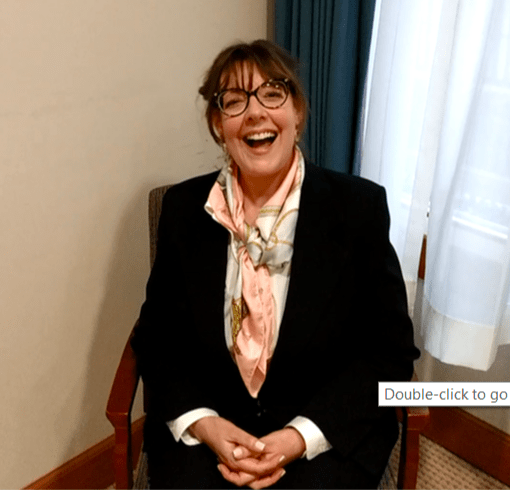
In Cinzi Lavin‘s words
I’m an American of Anglo-European ancestry. My grandparents came to the U.S. in the 1930s, leaving everything behind to escape what they recognised as the omens of a devastating second world war
Unfortunately, they were correct. But besides having anticipated the coming of WWII, the other thing they did accurately was appreciating the value of volunteer service in their new country
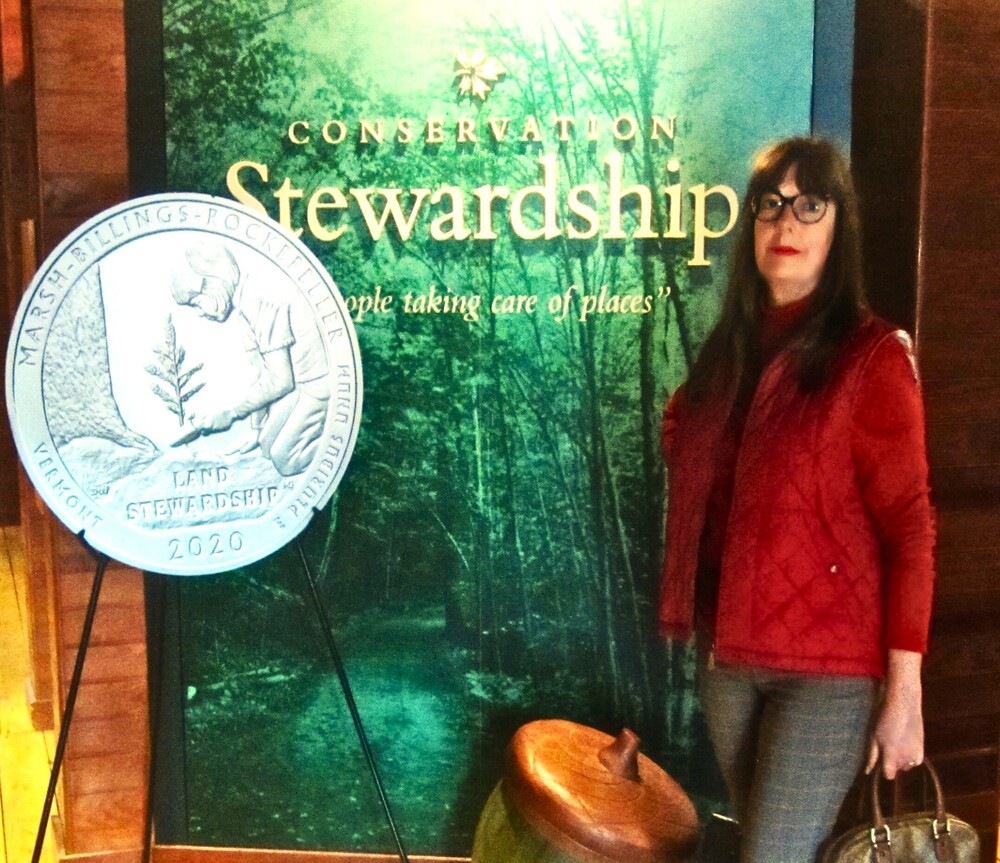
One of my grandfathers engaged in charitable works for children who were affected by the Great Depression (1929-1939). On the other side of the family, my great-grandmother headed a ministry at her church in New York City benefitting members of the congregation, while my grandmother was one of the founding members of the volunteer ambulance corps auxiliary in our town.
Immigrants all, and heedless of any unwelcoming atmosphere, they proved themselves through devotion to others and won the respect and admiration of their communities. Often, they were the only foreigners in groups comprised of people who could trace their American roots to the country’s very foundation.
This was particularly true of the more affluent charity groups, but having lost their fortunes due to the vagaries of war, my ancestors had nothing but their time and their talents to offer.
Nearly a century later, the best tribute I can pay to their memory is to follow their example. For much of my youth and all my adult life, I have been engaged in charitable work in the various communities across the U.S. in which I’ve lived.
From making philanthropic donations to physically helping to build a house, serving on boards of directors or planning fundraising parties, reading stories in Spanish to non-English-speaking children or producing musical dramas with troubled inner-city teens, it has been my pleasure and my honour to work with these groups.
Among my cousins, the tradition of service has also remained strong. One went on to have a career as an official for FEMA (the Federal Emergency Management Agency) and even met with President George W. Bush in the aftermath of the September 11th tragedy.
Being a follower of Vedanta (it’s a long story!), I have come to know many Indian immigrants. I’m infinitely impressed by their kindness, their resourcefulness, and their enthusiasm. I appreciate their ambition and their desire to realize the dream of building a prosperous life in America.
However, I fear they sometimes settle for a superficial definition of success. Granted, everyone wants to enjoy a comfortable lifestyle and be able to afford things like a house, car, and a good education for their children.
But we have a remark in America, to be “keeping up with the Joneses,” meaning one’s striving to compete with those who express themselves through what they buy, not what they are. Furthermore, some Indians who have taken me into their confidence said they endured scorn at the hands of successful fellow immigrants—sometimes even their own relatives—because they drove a non-luxury car, worked at a little-known company, lived in a less-prestigious neighbourhood, or some such criticism.
Meanwhile, these social critics flung themselves headlong into the hamster-wheel of American greed, focusing on little else besides amassing wealth, despite already having achieved a comfortable lifestyle.
I was friends with such a person, and tried explaining that having already achieved a modicum of prosperity, perhaps they could balance their lives with an investment in their community—for example, volunteering two or three hours per month with a worthy charity.
They were not interested. For all their intelligence and business acumen, they failed to see that the simplest of human acts—helping others—was the key they had overlooked to being more widely accepted in society.
Charitable organizations are a wonderful way to make friends in the community, to form personal bonds, and to learn valuable skills. Networking opportunities abound. A connection with a fellow volunteer could be forged within a few weeks which would otherwise take years in the less-informal business world, and such a connection could lead to unforeseen opportunities and support.

Furthermore, the circumstances at present are more favorable than ever for Indians and other immigrants to join boards of directors of nonprofit organizations. Many are actively looking to fill positions and—finally—have begun to realize the importance of diversity.
Individuals without prior board experience are usually very welcome as long as they are willing to learn, and often positions can be obtained simply by contacting the organisation and offering to serve on the board.
It’s also worth noting that board membership can sometimes be arranged even if one does not live or work in the area in which a charity operates; it’s common that board members can serve from anywhere in the country and attend meetings remotely.
America is a large country, and we have a wide variety of challenges. Indians are known for the strength of their devotion. I would encourage anyone interested in volunteering to ask themselves which condition or situation most strongly resonates with them, and then pursue a charity which serves that need.
Incidentally, volunteer work is becoming a more and more prized category on one’s C.V., so charity work may ultimately fuel career success. Also, it’s hardly limited to adults—there are opportunities for children and teens to get involved as well, which is an excellent way to prepare them for a life of empathy and consideration for others. I can’t think of any better way to ensure a child’s success.
If you are planning to emigrate, or if you are an immigrant, please make it a point to balance your career-work with volunteer service. Success is a many-faceted jewel. Your devotion may well produce results that were previously unimaginable.

 2Shades Magazine