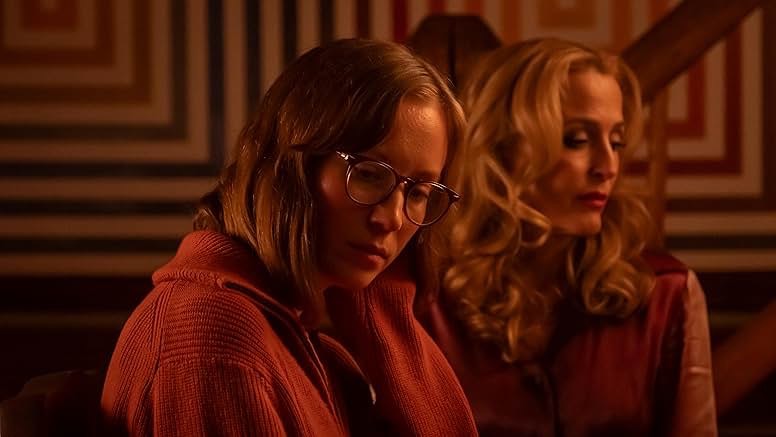
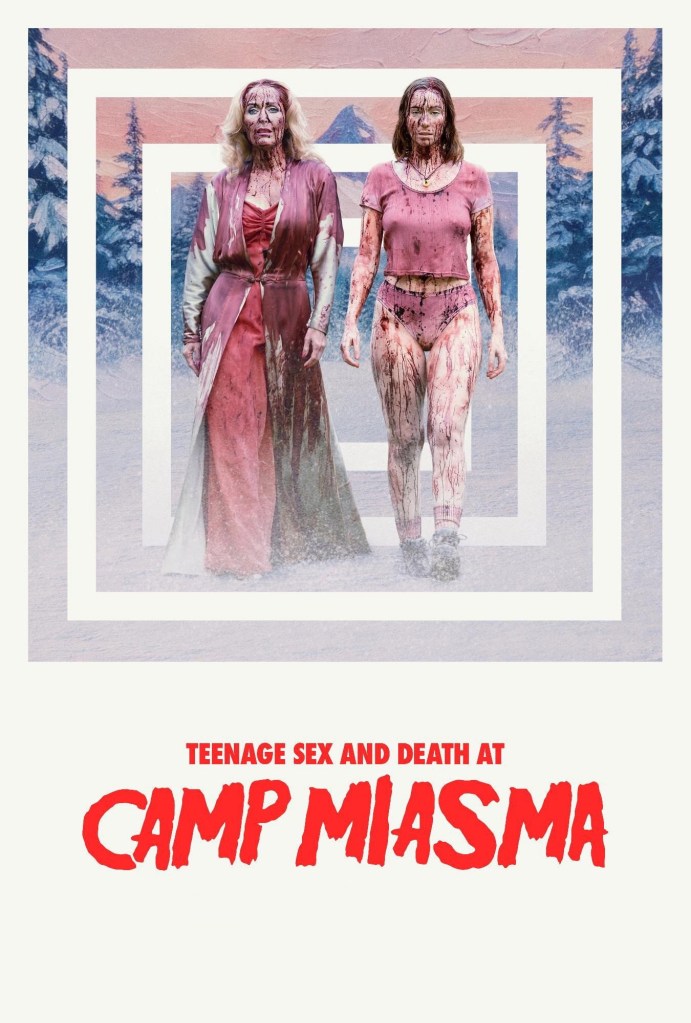
Wow, fabulous to see the ladies getting a look-in! This is so sexy I might become a lesbian. That would certainly explain my lack of dating! It is also the campest, pardon the pun, slasher movie I have seen in years. A must-watch. It is bloody brilliant!
Teenage Sex and Death at Camp Miasma is not your average horror movie. Forget the predictable screaming teenagers, the masked lunatic lurking behind a tree and the obligatory blonde running through the woods in her underwear. This is something altogether more delicious, daring and wonderfully deranged.
Director Jane Schoenbrun has taken the slasher genre, given it a fabulous queer makeover and served up a gloriously twisted cocktail of sex, obsession, psychological horror and dark humour. It is outrageous, seductive and utterly compelling.
The story follows an enthusiastic young filmmaker, played by Hannah Einbinder, who is given the opportunity to resurrect the once-popular Camp Miasma horror franchise. After years of increasingly dreadful sequels, the series desperately needs new blood. And goodness, does it get some!
Her journey leads her to the original film’s mysterious star, played by the magnificent Gillian Anderson, who has withdrawn from the spotlight. What follows is a disturbing and intoxicating exploration of desire, power, fantasy and the dangerous relationship between an actress and her admirer.
Now, can we please talk about Gillian Anderson?
My goodness, this woman is extraordinary. Anderson delivers a performance so hypnotic, sexy and commanding that you simply cannot take your eyes off her. Every glance, every carefully measured word and every movement seems calculated to draw you deeper into her web.
There is something almost dangerously seductive about her presence. She doesn’t merely occupy the screen; she possesses it. She can make a moment of silence more electrifying than an entire sequence of bloodcurdling screams.
Anderson has always been an exceptional actress, but here she reminds us why she remains one of the most fascinating performers of her generation. She is mysterious, powerful, vulnerable and terrifyingly alluring, sometimes all within the same scene.
Hannah Einbinder is equally impressive, bringing an intriguing mixture of ambition, fascination and emotional vulnerability to her role. The chemistry between these two women is electric. Their relationship becomes the beating heart of a film that is as interested in psychological seduction as it is in horror.
What I particularly loved is that the film refuses to behave itself. It plays with the conventions of the slasher genre while examining fame, female power, sexuality and the strange obsession audiences develop with their screen idols.
It is unapologetically queer, gloriously camp and refreshingly different. There is something wonderfully liberating about watching a horror film in which women are not simply waiting around to become the next victim.
Be warned, though: this is not conventional popcorn horror. It is strange, provocative and deliberately unsettling. But that is precisely what makes it so memorable.
As for Gillian Anderson, darling, forget the masked killer. She is the real danger here. One smouldering look and I would probably surrender without a fight.
Five stars from me. Sexy, sinister, spectacularly camp and utterly irresistible. Go and see it. Just don’t blame me if you develop a crush on Gillian Anderson!
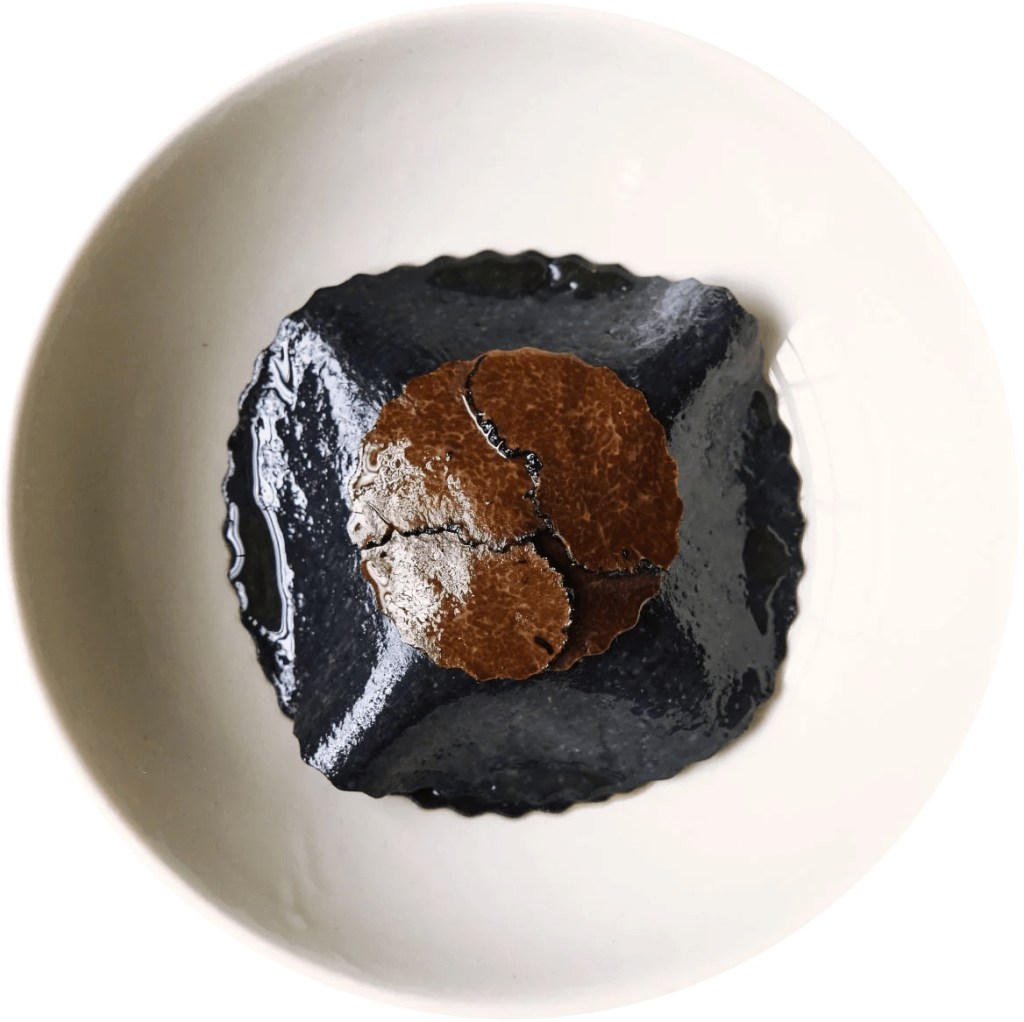
Imagine edible aromatherapy, where your senses are pleasurably assaulted by a dining experience that will linger in your memory long after the last mouth-watering morsel has been savoured.
Let’s be straight I am not a vegan, though I totally respect people who are vegans. I have lived with a vegan and I enjoyed the food and as she is one of my best friends we eat at Vegan recusants and it is great and add to Italian my favourites Mexican, Japanese and Thai .
For the record I am Pollotarian means I eat chicken fish turkey but no red meat or poultry it is very hard given my diet I do not eat cheese or shell fish to explain to some people that this has been a choice since I was 20 . The smell of pork makes me feel sick. People are often judgemental or do understand vegans ,
Suprsingly the most difficult ritios people are quick to judge and even ignore . One peson “ I have done chicken for dinner “ when I opened there was pork and cheese in it “Scrape it off “ they said signing forgetting the list of what they will do and wont . Their assoiate “ In my day we were eat what we were given “ my regards to the victorain era. One friend at the womans vegan club said to me “ Are all these woman lesbians “ my eyes went to heaven ,
Kirk and Keely Haworth
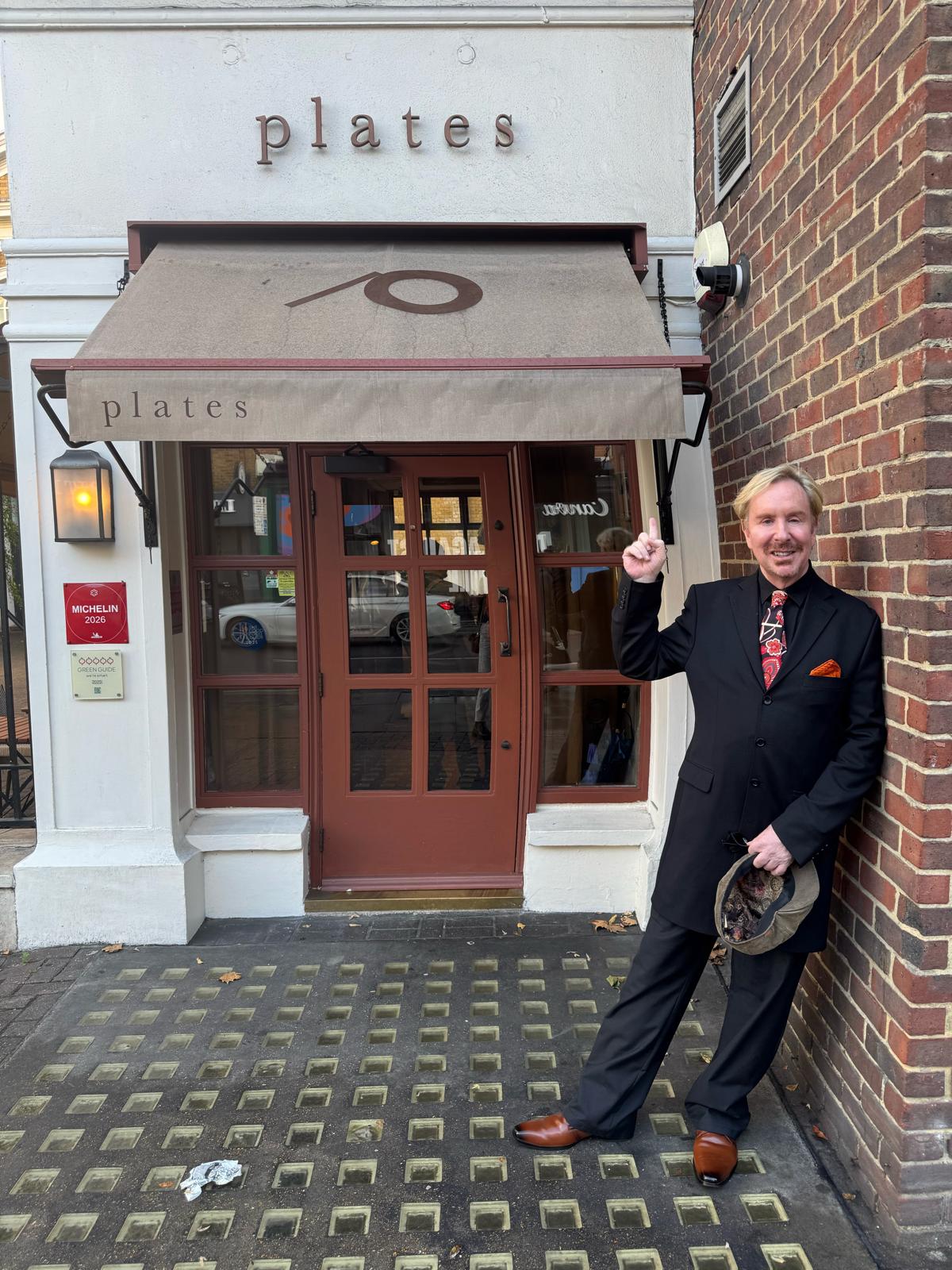
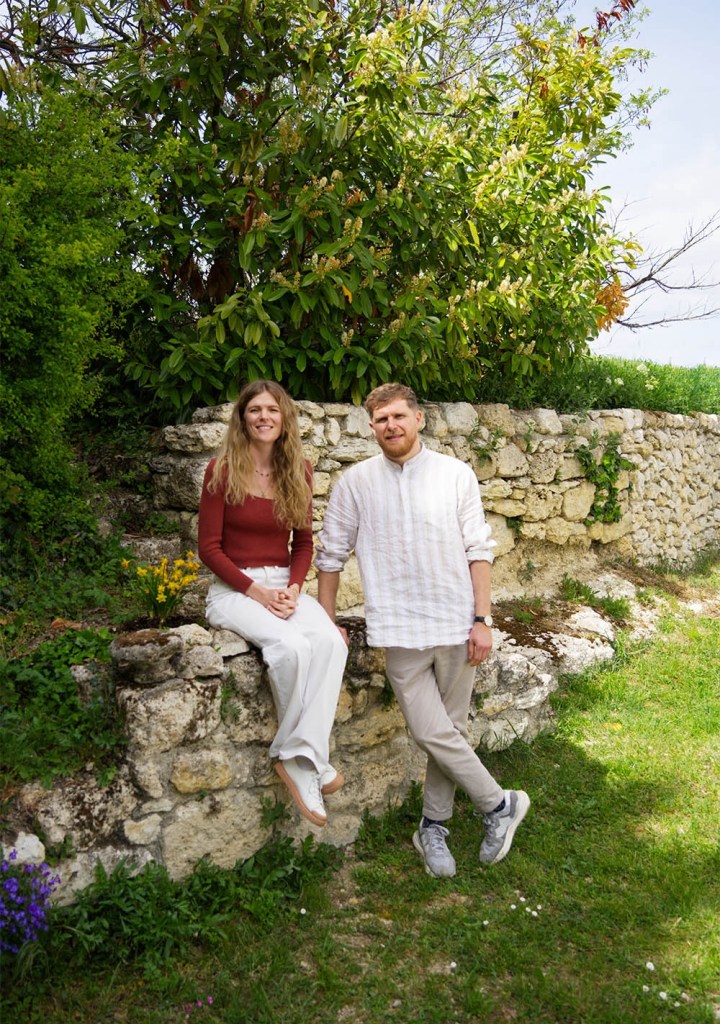
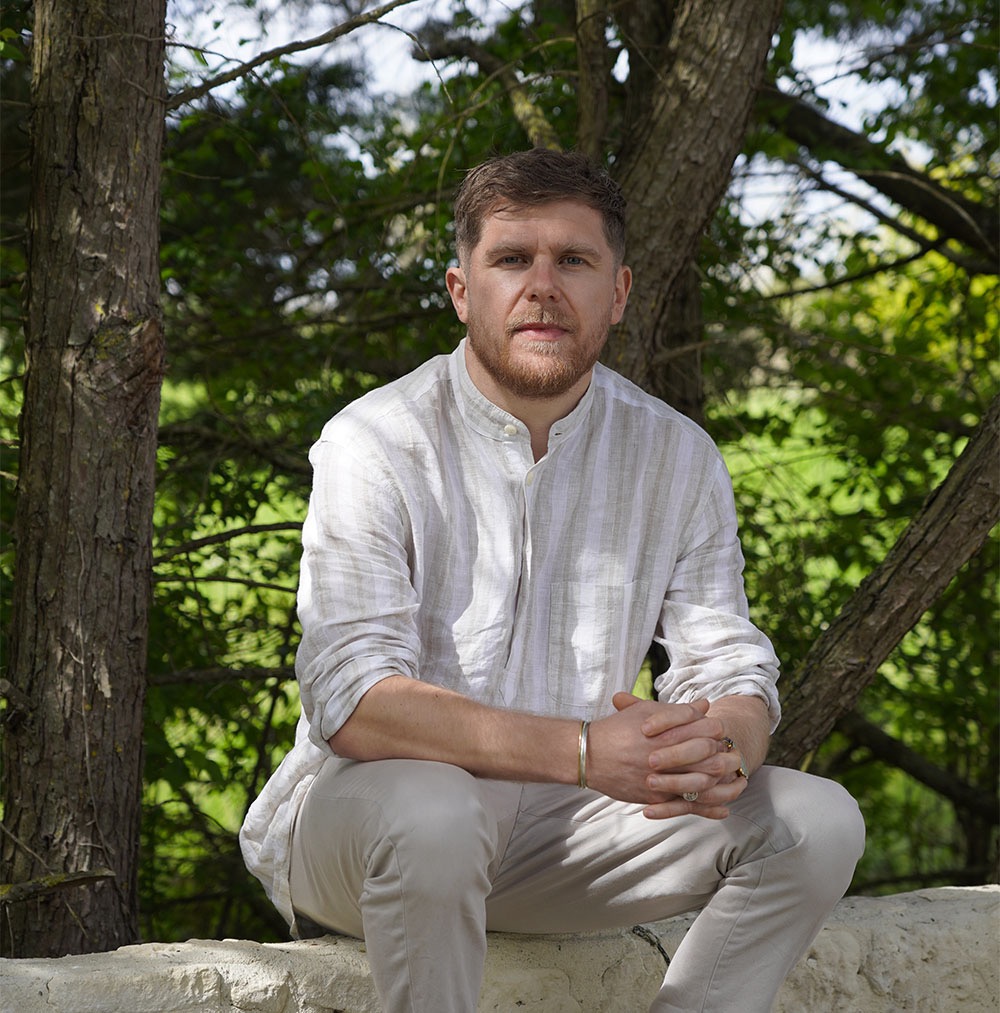
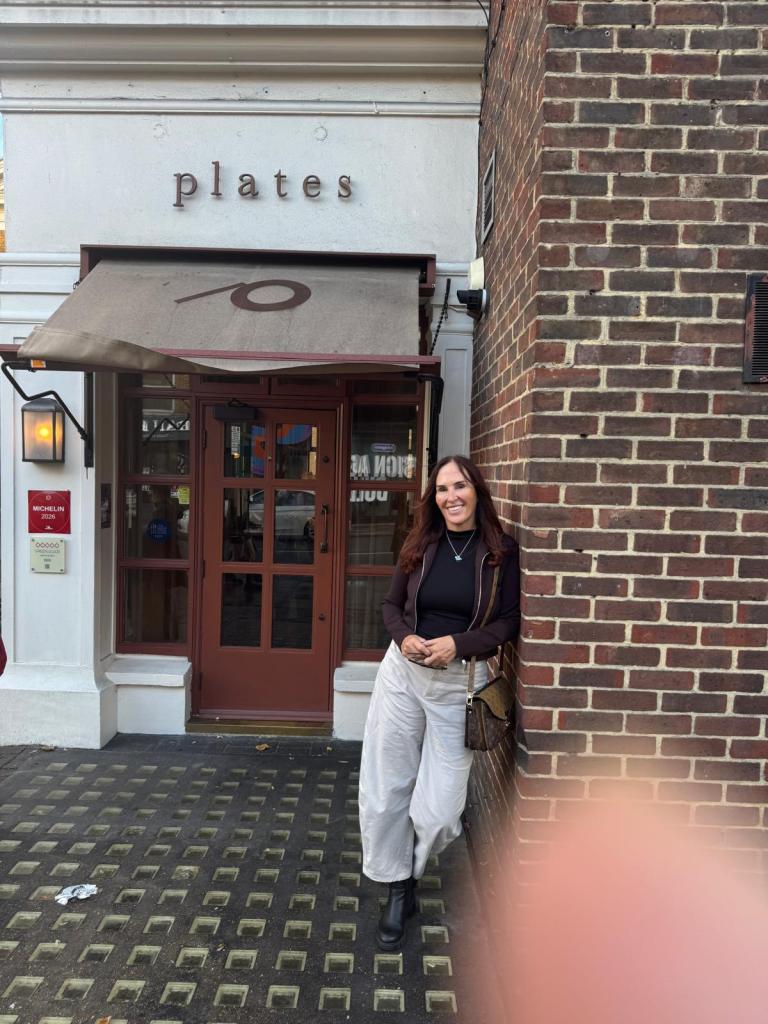
But back to the review my great pal andi have been desperate to dine at the vegan church Plates Behind the extraordinary success of Plates, the UK’s first fully plant-based restaurant to be awarded a Michelin star, are brother-and-sister duo Kirk and Keeley Haworth. Kirk, the restaurant’s chef and creative culinary force, comes from an impressive gastronomic pedigree.
His father, Nigel Haworth, is a celebrated Michelin-starred chef, and Kirk himself honed his skills in some of the world’s finest kitchens, including The French Laundry in California and Restaurant Sat Bains. However, it was a life-changing diagnosis of Lyme disease in 2016 that transformed his relationship with food and inspired his journey into plant-based cuisine.
Kirk actually regularly serves at the tables
Together with his sister Keeley, who oversees the creative and business side of the operation, he has created something rather remarkable in London’s Shoreditch. Having been crowned Champion of Champions on BBC’s Great British Menu in 2024, Kirk went on to make culinary history when Plates received its Michelin star in February 2025. Yet perhaps his greatest achievement is demonstrating that exceptional fine dining need not rely on meat, fish or dairy to deliver an unforgettable experience.
We have waited a year to dine at Plates , in fairness it was not just that it is Alway’s booked up , we did get two other reversions it clashed with travel arrangements. But despite this time recovering from my and operation we made it . Boy I am glad I did it Plate is an experience of a life time and the tasting menue accompanied by the wines is something you will. Walks away feeling good and wanting
more
Plates is not in Mayfair or any syllabaries location it is in Old Street and it is the cuties of venues and everything is simple but stylish even the staff are dressed in a chic way. Now let’s start with the staff. You can not quite find such a great knowledgeable and attentive crew . Even the maestro himself Kirk comes to the table and over sees everything .Though lunch was sold out and there was no space not even at the courtier It was very pleasant atmosohere that did not feel packed and we could easily chat .
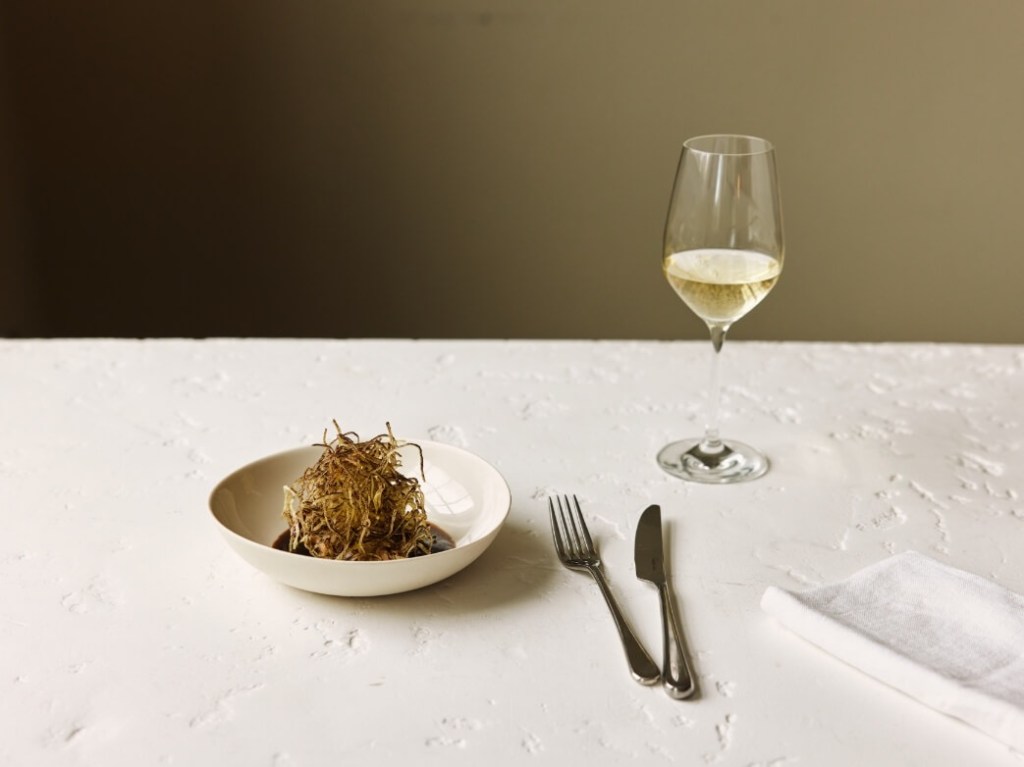
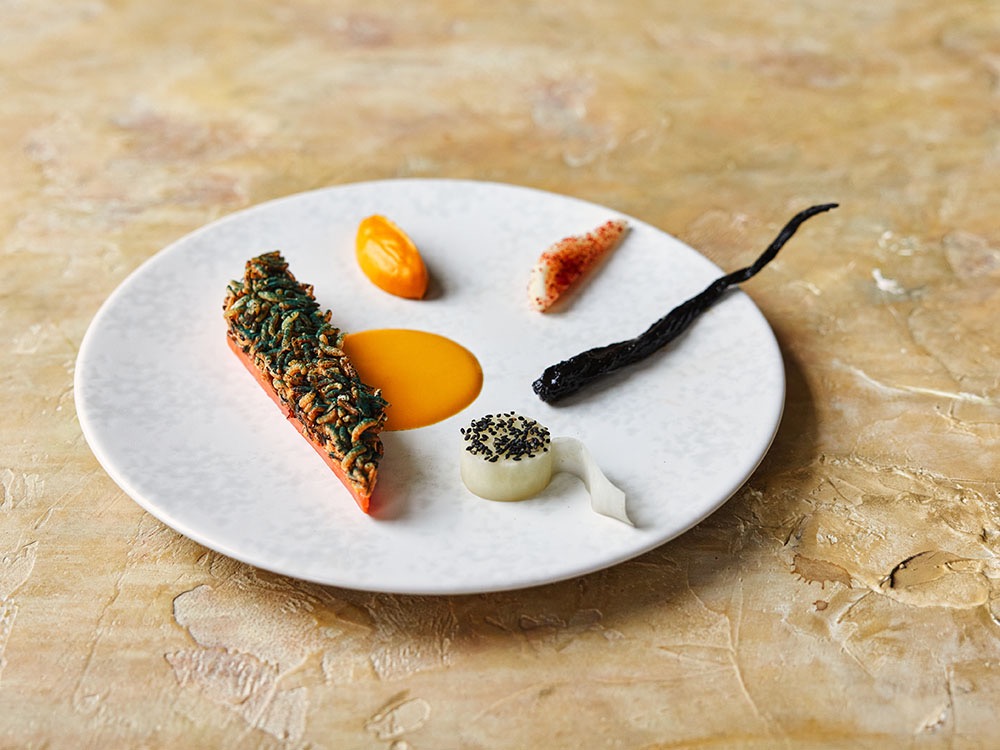
We opted Plates – Tasting Menu paired with wines ( well worth it )
My best vegan friend
£125 per person
There was a little taster of barbecue tomatoed soap
1. Taco of sand carrot, fig leaf & kohlrabi just exploded in your mouth with tatse
2. House laminated sourdough bread, whipped cultured butter, green chilli & vadouvan
This is so good that I wished that had a bakery next to the restaurant.
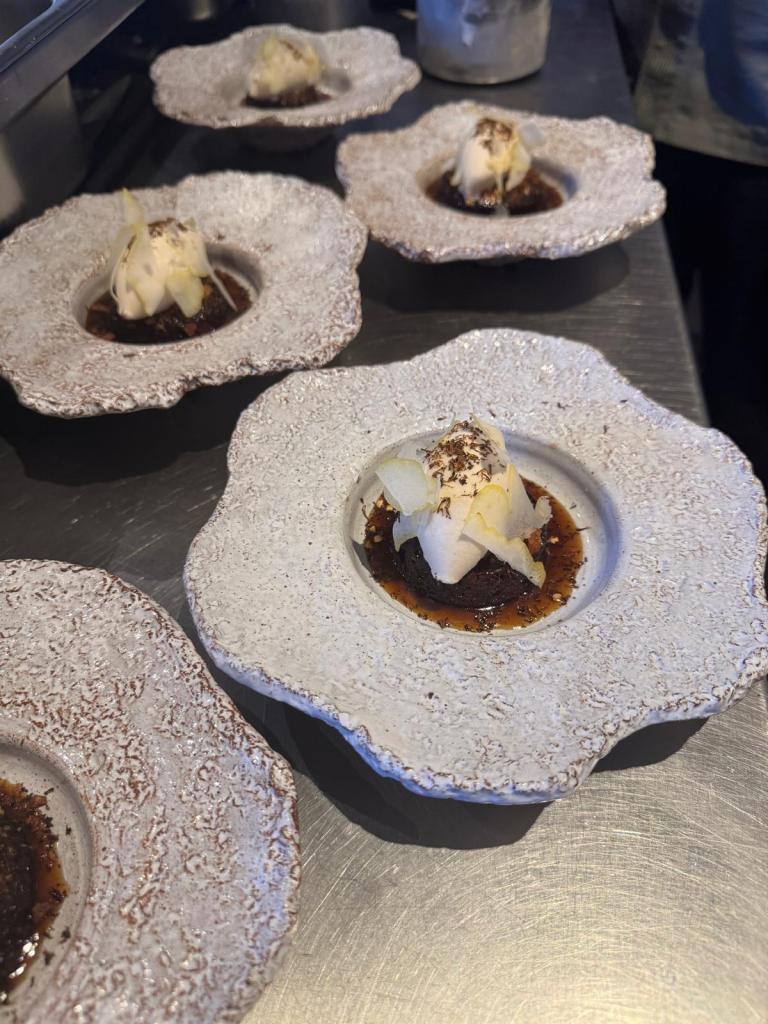
11. Warm cacao sponge, parsnip ice cream & Buddha’s hand again out of this world
Now this was not just lunch and I am so glad I shared with someone who is not just a friend but someone I care for as it is an experience not just lunch or dinner. If you are not vegan I challenge you to dine here and not want to know more . it is the same price as West End theatre seat , but the meal last a little longer and will leave you buzzing a lot longer than mama mia .
My friend seized the moment to re book wise woman ,
Additional charges
There is a £2.75 per person surcharge for mineral water and an optional 13.5% service charge added to the bill.
Acting is reacting. It is one of the fundamental principles of the craft, and something the legendary acting coach Lee Strasberg, one of the leading figures in bringing Method acting to America, understood better than most.
Marilyn Monroe, arguably one of the greatest screen icons of all time, studied under Strasberg in New York at the Actors Studio. He once spoke movingly about her ambition:
“Marilyn always dreamt of being an actress. She didn’t, by the way, dream of being just a star. She dreamt of being an actress.”
He went on to explain that despite becoming one of the most extraordinary stars in Hollywood history, Marilyn was never entirely satisfied. She wanted to be taken seriously as an actress, to explore her craft and to be recognised for something beyond her extraordinary beauty and magnetic screen presence.
Many of the great actors of that generation also studied with the formidable Stella Adler, adding another string to their theatrical bows. Between them, these influential teachers helped shape some of the finest acting talent of the twentieth century.
In Who Killed Marilyn?, Strasberg is referenced several times, although his wife, Paula Strasberg, also played a significant role in Marilyn’s development as an actress and became one of her closest professional confidantes.
All of which makes the central performance in this production rather important.
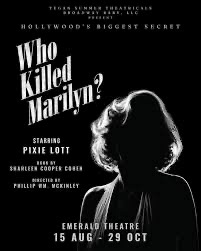
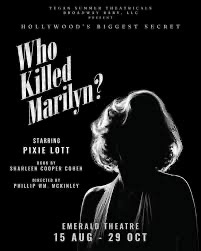
The show stars Pixie Lott, although the Saturday matinee I attended featured an understudy in the role of Marilyn Monroe.
Now, I couldn’t help feeling that had either Lee Strasberg or Marilyn herself witnessed this particular performance, they might well have been turning in their graves. And not simply because of the dreadful wig and unfortunate costume.
Let me be clear: Who Killed Marilyn? is a terrific theatrical concept. In fact, there is a great deal to admire here. The script is imaginative, the set is superb, and the supporting cast delivers some tremendous performances. Much of the costume design is also impressive,.
There is clearly talent, imagination and considerable hard work behind this production.
But there is one rather substantial problem.
Without a convincing Marilyn Monroe, the entire production loses its heart.
Marilyn was never simply a blonde bombshell with a breathless voice and a collection of seductive poses. She was an extraordinarily complicated woman. Beneath the carefully constructed Hollywood image was someone of great intelligence, humour, sensitivity and vulnerability. She could be fragile yet fiercely determined, insecure yet remarkably strong.
That contradiction was part of her magic.
To portray Marilyn successfully requires far more than copying her mannerisms. An actress must find the woman behind the legend, bringing light and shade, emotional depth and genuine humanity to the role.
Unfortunately, that was precisely what I felt was missing.
What should have been a fascinating portrayal of one of the world’s most misunderstood women became, at times, little more than a camp impersonation. The exaggerated delivery, the mannerisms and the overall presentation occasionally made the performance feel more suited to an episode of RuPaul’s Drag Race than a serious theatrical exploration of Marilyn Monroe.
And I can almost guarantee that the wig and costume would have been better on Drag Race.
There were moments when the performance simply fell flat, while others veered uncomfortably close to cringe-inducing caricature.
This is particularly frustrating because the material offers so much potential. Marilyn’s life was filled with extraordinary contradictions: fame and loneliness, glamour and insecurity, ambition and exploitation. Her relationships with powerful men, her determination to be respected as an actress and her tragic early death provide enough dramatic material to fill several productions.
The audience needs to believe, even if only for a fleeting moment, that Marilyn is standing before them.
For me, that moment never arrived.
I must, however, give credit to the understudy for taking on such a demanding role and remembering what is clearly a substantial amount of dialogue. Stepping into the shoes of one of the most recognisable women in history is no small undertaking, particularly when audiences arrive with such strong expectations.
My criticism is of the performance I witnessed, not of the actress’s dedication or effort. Nevertheless, I felt the characterisation was a considerable distance from the standard one would expect of a polished West End production.
It is also important to point out that I did not see Pixie Lott in the role, so my observations should not be taken as a judgement of her interpretation.
As for the venue, the Emerald Theatre is an interesting space with a past life as a club. It certainly has atmosphere and character, although prospective theatregoers should be warned that I found the seating extremely uncomfortable. Theatre is meant to challenge the mind and stir the emotions, not leave the audience desperate to stand up simply to relieve their backsides.
Ultimately, Who Killed Marilyn? is a production with considerable promise. There is an excellent concept, an engaging script, an impressive set and a supporting company that deserves recognition.
But when your entire story revolves around one of the most iconic women of the twentieth century, getting Marilyn right is not merely important. It is essential.
Marilyn Monroe spent much of her life fighting to be recognised as a serious actress rather than simply a beautiful movie star.
How ironic, then, that a production exploring her life should, in the performance I witnessed, reduce her to the very caricature she spent so many years trying to escape.
The question may be Who Killed Marilyn?, but on this particular afternoon, I was left wondering: where on earth was Marilyn?
I consider myself extremely fortunate to have an eclectic circle of friends. They come from different backgrounds, hold different political opinions and make very different choices in life. And do you know what? That’s precisely how I like it.
Friendship, in my opinion, should never depend on agreeing about everything.
Recently, one of my dearest friends and I found ourselves debating the suitability of a certain gentleman to become Prime Minister. I made my feelings perfectly clear. Every time I see or hear him, I think of slime, accompanied by a rather unfortunate vision of Albert Steptoe dressed as Hitler!
My friend, being considerably younger( cough ) , had absolutely no idea who Albert Steptoe was, but she certainly got the gist.
She, on the other hand, adores this politician. So much so that she nearly accepted a position in his press office.
Did we fall out? Absolutely not. We laughed, moved on to another subject and arranged to see each other the following week. No tantrums, no cancelling friendships and certainly no personal attacks.
However, there is one thing I will never tolerate: bullying.
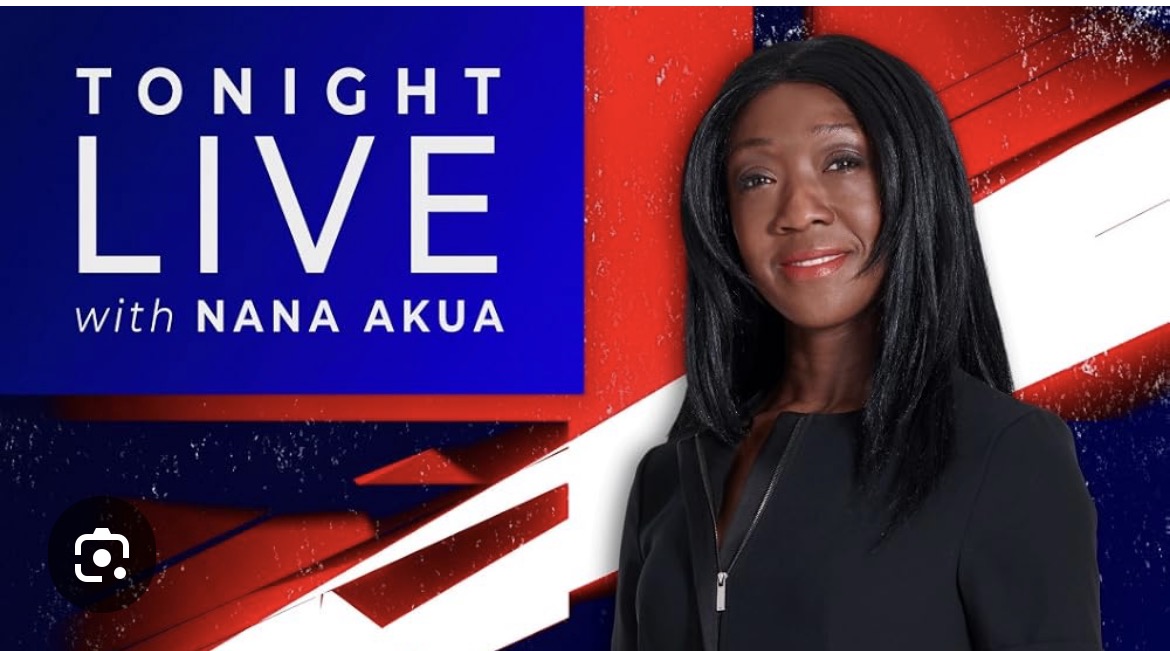
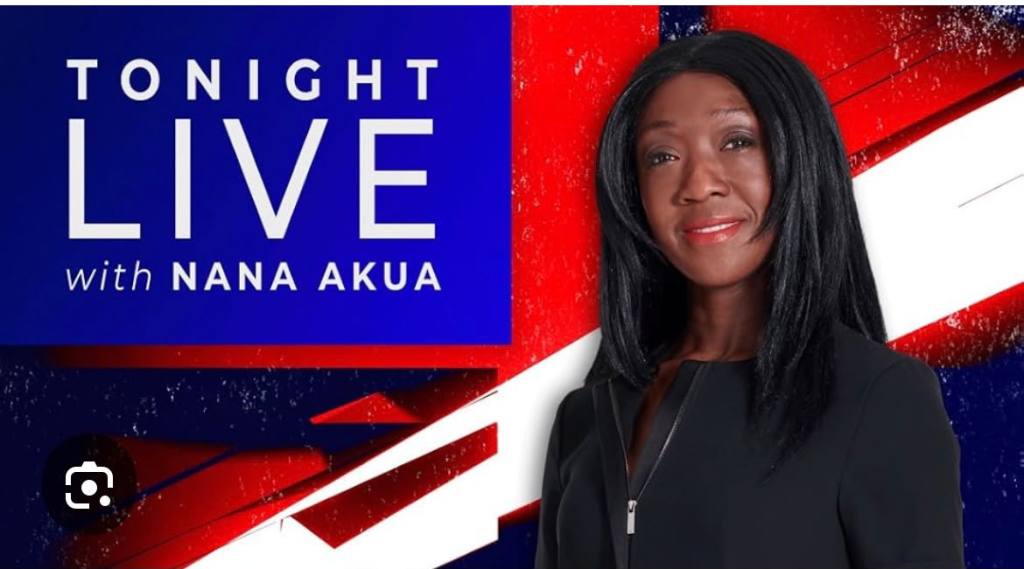
Which brings me to GB News presenter Nana Akua and her recent confrontation with Andy Twelves.
Whether you agree with Nana’s politics or rate her broadcasting style is entirely irrelevant. She is a human being who deserves courtesy and respect.
Nana presents a programme that combines lively debate, entertainment and information. Her guests should be free to challenge her opinions, but disagreement should never become an excuse for intimidation.
Watching the confrontation, I felt Twelves behaved like a twelve-year-old schoolboy pulling a girl’s pigtails simply to provoke a reaction.
Call me old-fashioned, but even in an age of equal rights, I still find the sight of a man bullying a woman utterly disgusting or any bullying . Equality should never mean abandoning basic decency, courtesy or respect.
That isn’t intelligent debate. It’s playground behaviour.
We desperately need more tolerance, more humour and considerably less hostility in public life.
Disagree passionately, argue intelligently, but never confuse bullying with bravery.
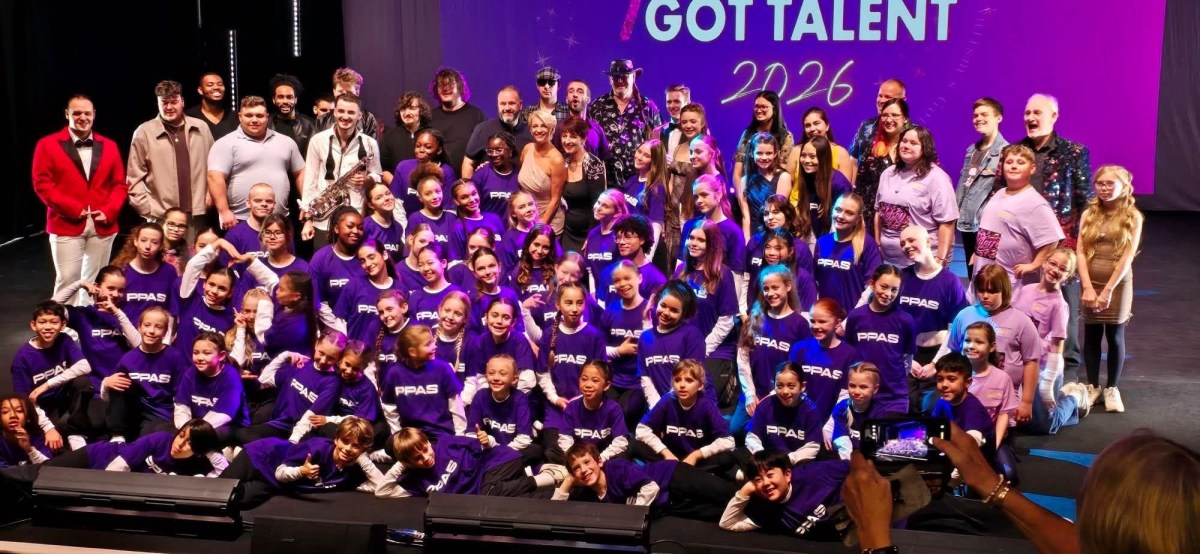
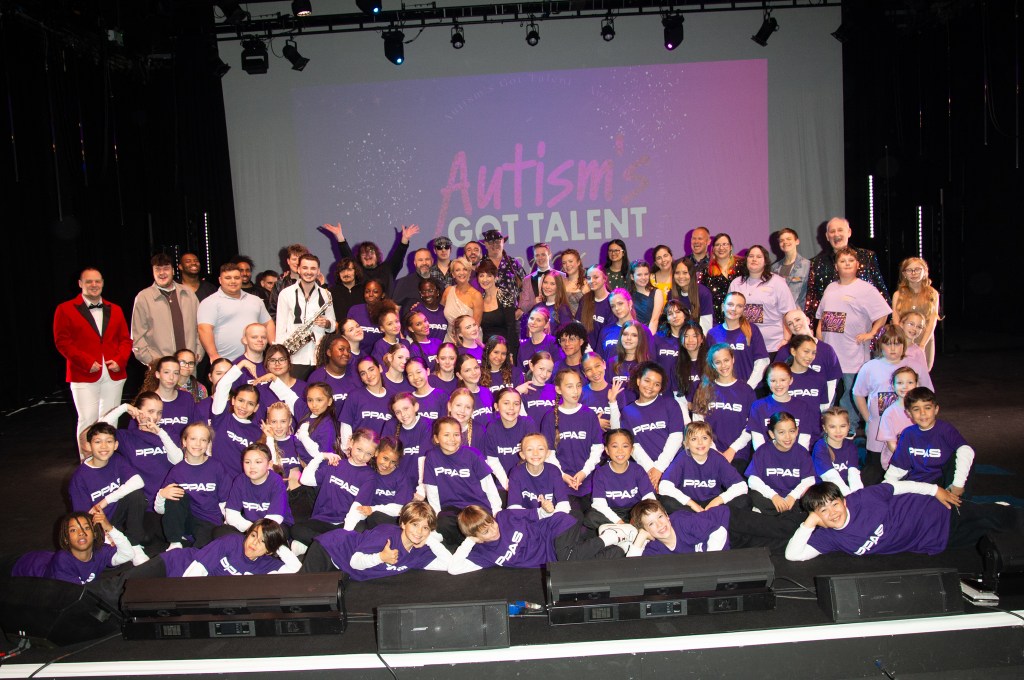
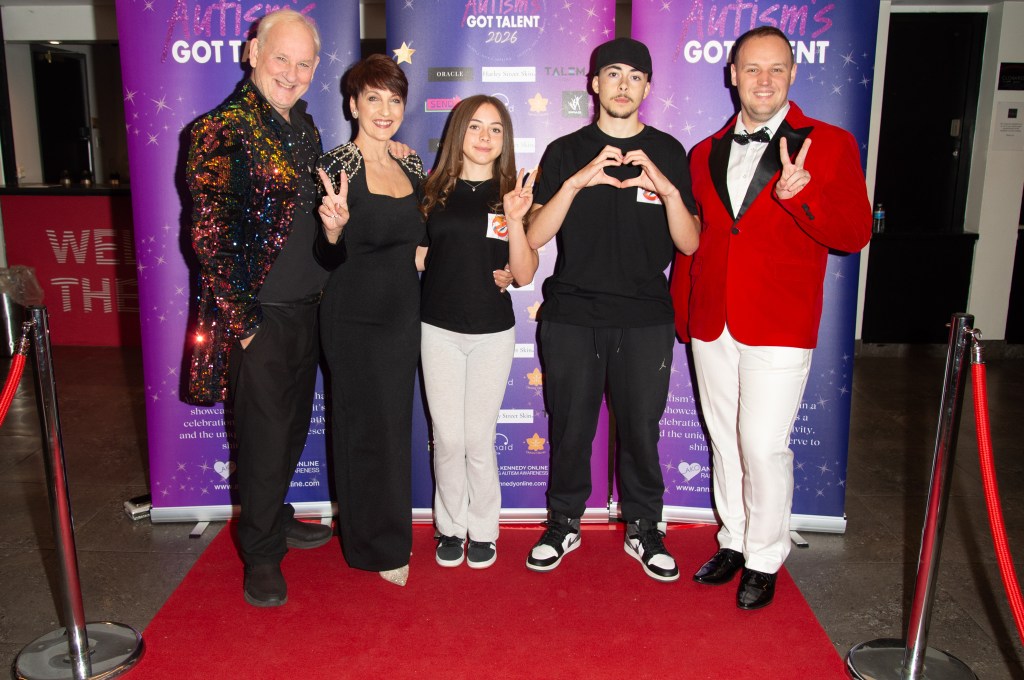
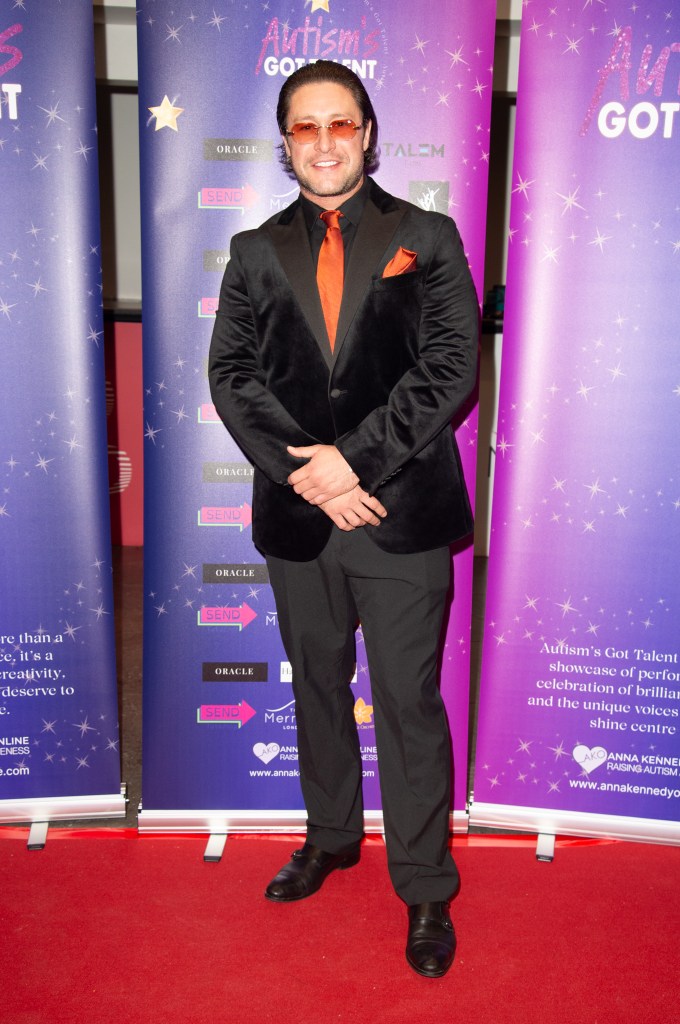
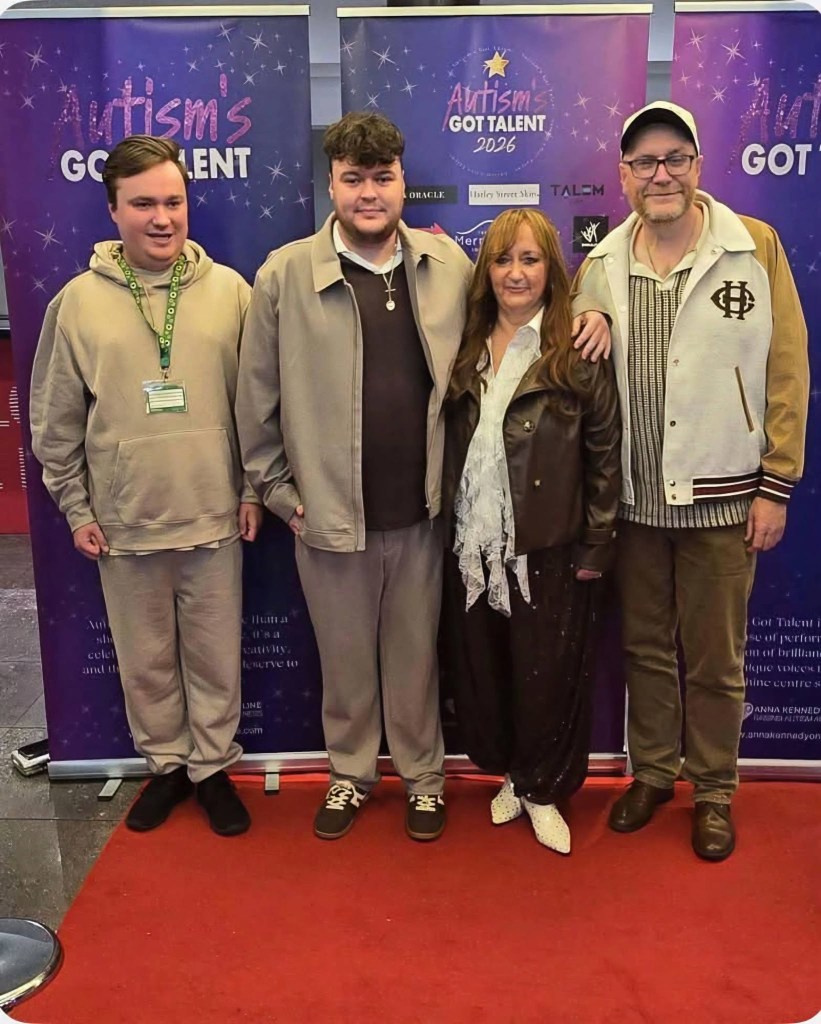
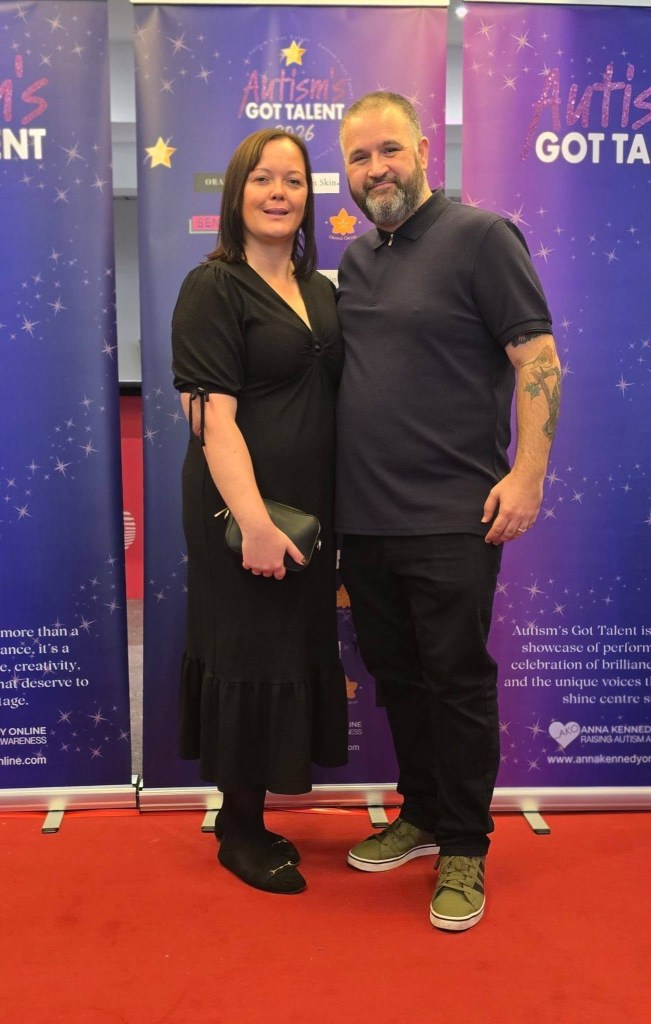
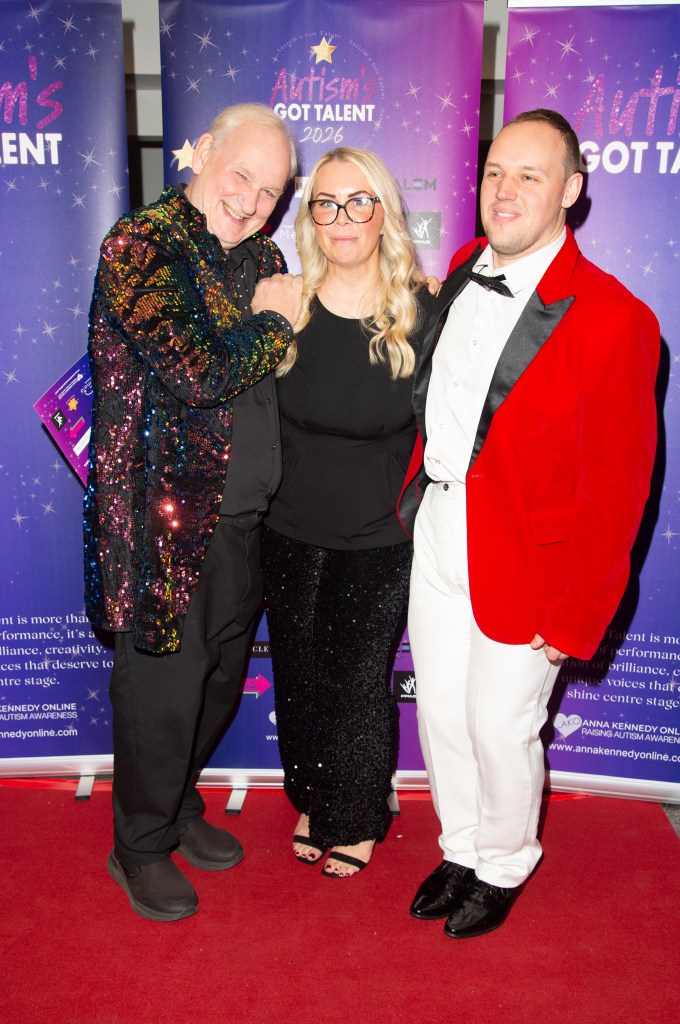
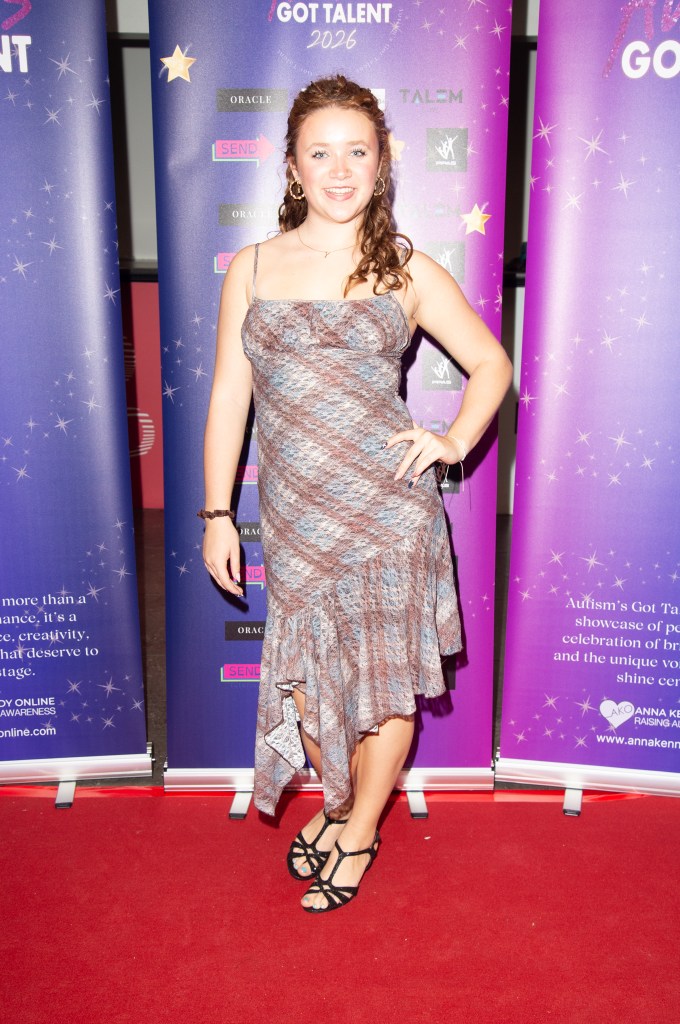
From breathtaking musical performances and dazzling dance routines to tears, laughter and standing ovations, Autism’s Got Talent celebrated its 15th anniversary in spectacular style. Steven Smith joined the sell-out audience for an extraordinary evening that proved talent knows no boundaries.
It was a night of extraordinary talent, heartfelt emotion and thunderous applause as Autism’s Got Talent celebrated its landmark 15th anniversary at London’s Mermaid Theatre. Playing to a sell-out audience, the spectacular event delivered what was arguably its most moving and memorable show to date, with performances that brought tears to the eyes one moment and had the audience cheering with delight the next. It was a glorious celebration of neurodiversity, individuality and the remarkable abilities of autistic performers, and an evening that will undoubtedly remain in the hearts of those fortunate enough to attend.
There are certain dates in my diary that I look forward to more than others, and Autism’s Got Talent has always been at the very top of that list. It is, quite simply, my favourite time of year. Having watched this extraordinary event grow and evolve, I thought I knew exactly what to expect. Yet this year’s anniversary extravaganza managed to surpass even my expectations. From the moment I entered the Mermaid Theatre in Blackfriars, there was an unmistakable sense of excitement. Families gathered, familiar faces exchanged hugs and performers prepared for their moment in the spotlight. By the end of the evening, the auditorium had witnessed something genuinely special.
Since its inception in 2012, Autism’s Got Talent, the brainchild of the indefatigable Dr Anna Kennedy OBE, has grown from an ambitious idea into an internationally recognised showcase celebrating the abilities, creativity and individuality of autistic children and adults. Over the years, it has attracted considerable media attention, celebrity support and performers from around the world, establishing itself as one of the most uplifting events in the charity calendar.
Unlike conventional talent competitions, however, Autism’s Got Talent has no judges, no eliminations and no disappointed contestants being sent home. Instead, every performer is encouraged, celebrated and given the opportunity to shine. There is no pressure to conform to anyone else’s expectations, only the freedom to express individuality through music, dance, theatre and performance. For some, stepping onto that stage represents the fulfilment of a lifelong dream; for others, it is an opportunity to build confidence, overcome personal challenges and demonstrate talents that might otherwise remain unseen. Above all, it is a celebration of what people can achieve when they are given encouragement, opportunity and the freedom to be themselves.
This year’s 15th-anniversary spectacular pulled out all the stops, bringing together more than 20 acts, including ten newcomers and ten returning favourites. The evening opened with Dr Anna Kennedy OBE welcoming the packed auditorium and introducing special messages from celebrity supporters, including Loose Women star Denise Welch, Blue singer Anthony Costa and former EastEnders actress Kacey Ainsworth. Their messages of encouragement set the tone for an evening that was as much about celebrating achievement as it was about entertaining the audience.
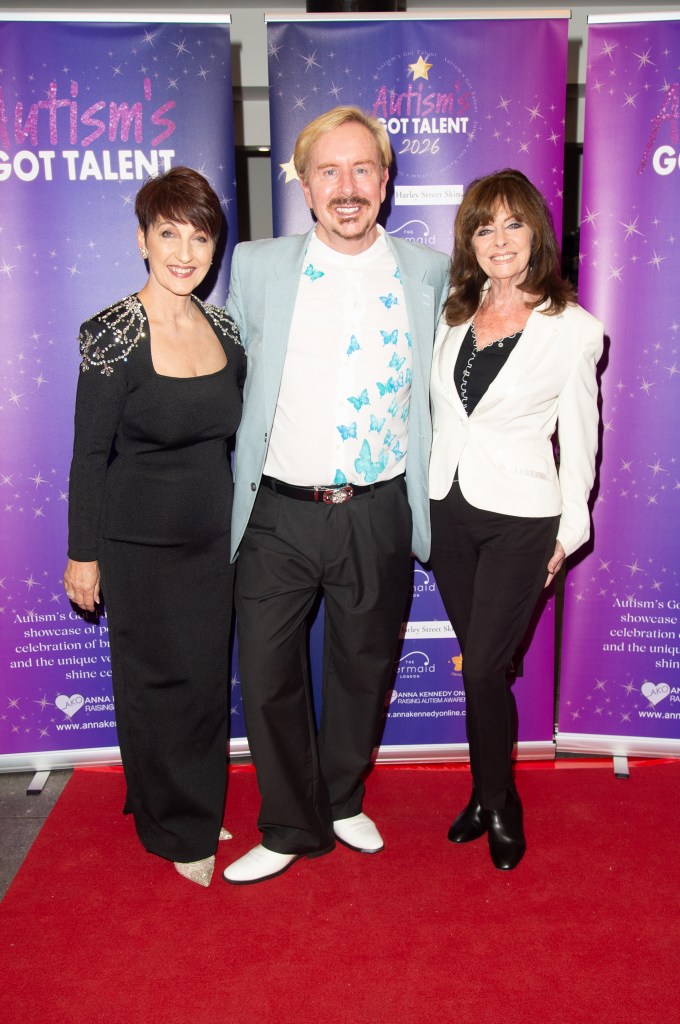
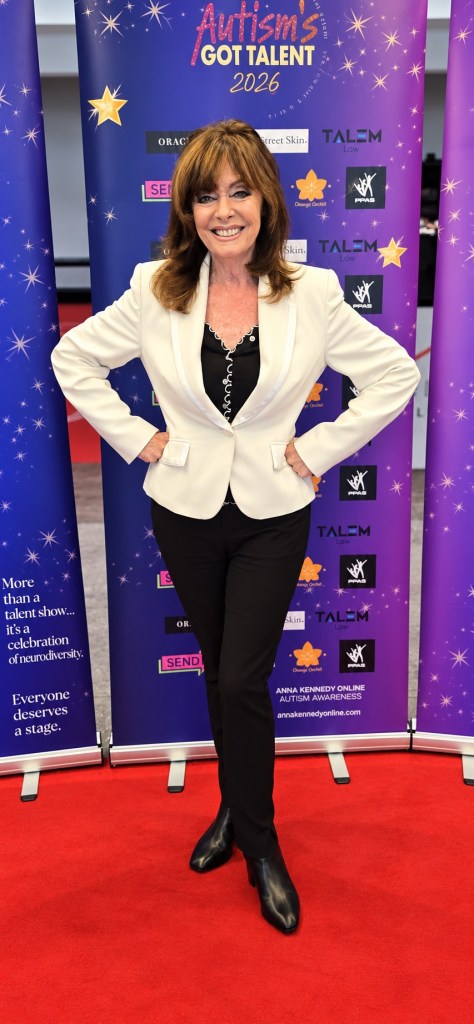
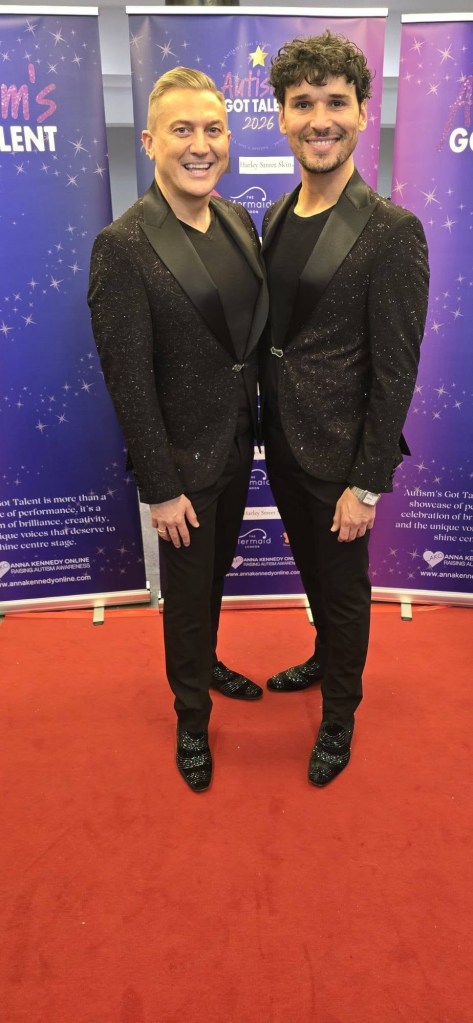
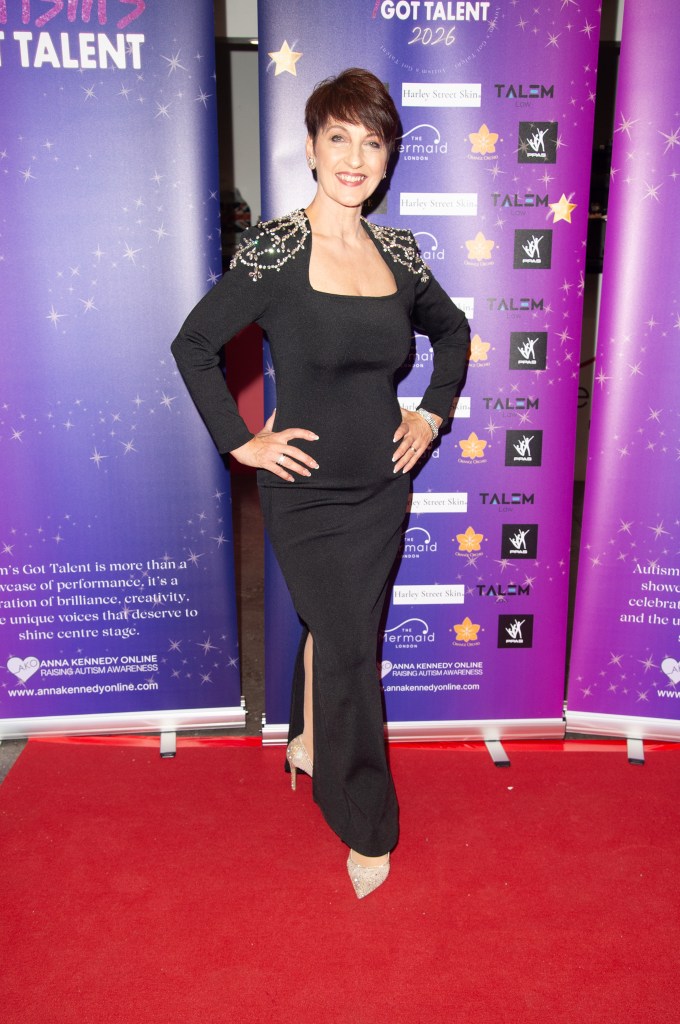
There was, naturally, a generous sprinkling of showbiz glamour. Among the familiar faces giving their time to introduce performers was much-loved ‘Allo ‘Allo! actress Vicki Michelle MBE, a longstanding supporter and patron of the charity. Joining her were Christopher Hamilton and Shimi Goodman of Tiano, alongside former EastEnders heart-throb Tony Discipline and actress Ionica Adriana. It was heartwarming to see established names from the entertainment industry so enthusiastically championing autistic talent. The celebrities may have brought an extra touch of sparkle, but there was never any doubt about who the real stars of the evening were: the performers themselves.
A huge supporter of Anna Kennedy Vicki Michelle MBE
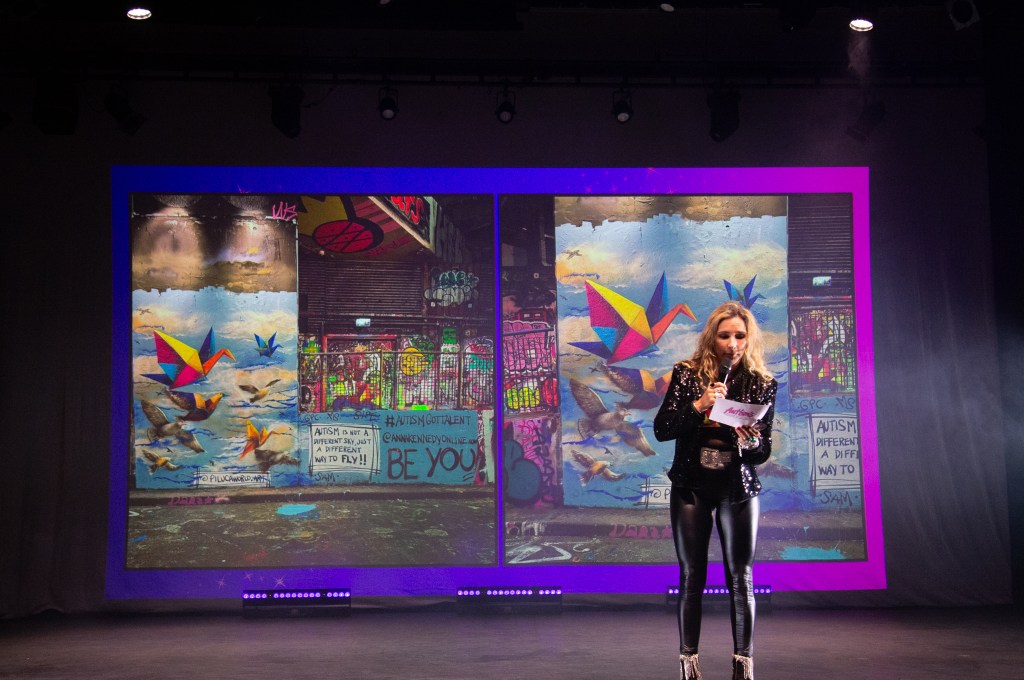
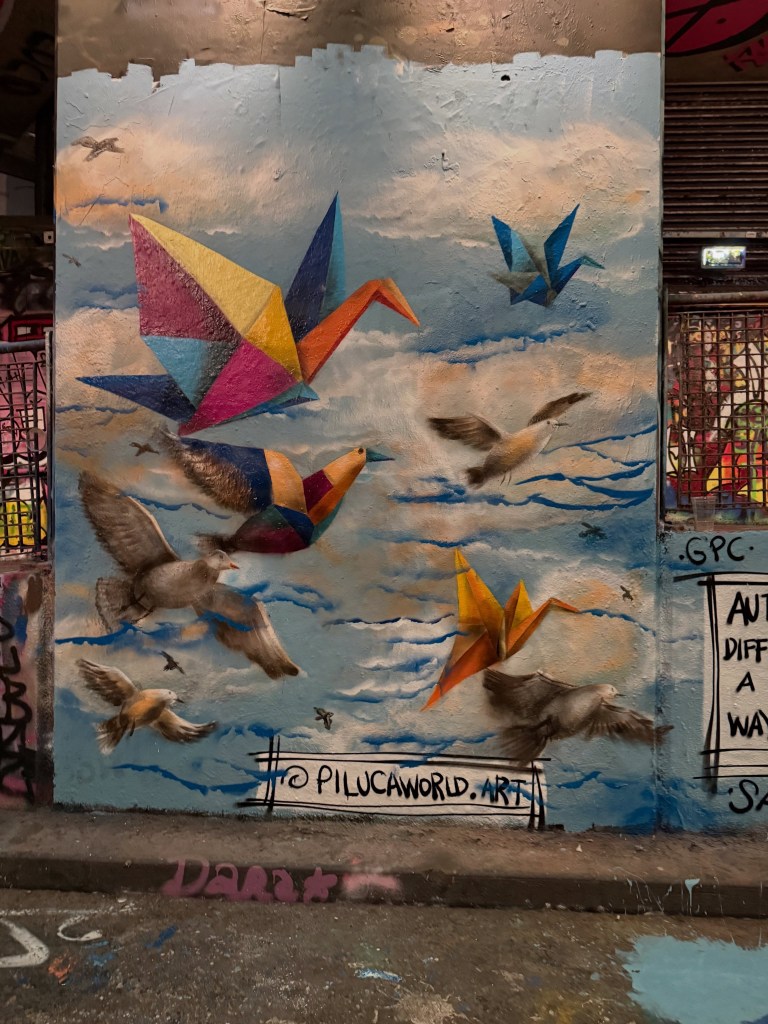
Also joining the celebrations was acclaimed artist Piluca, whose striking mural at the Sidelings Tunnel pays tribute to the charity and its inspiring work. Some of the charity’s sponsors were equally involved in the proceedings, with Mandy Aulak of Talem Law and Ione Inness of SEND Tutoring taking to the stage to introduce acts and speak about the importance of creating opportunities for autistic individuals. Their support is a reminder that events of this scale depend upon the generosity and commitment of organisations and individuals who believe in the charity’s mission.
Award winning performers Tiano
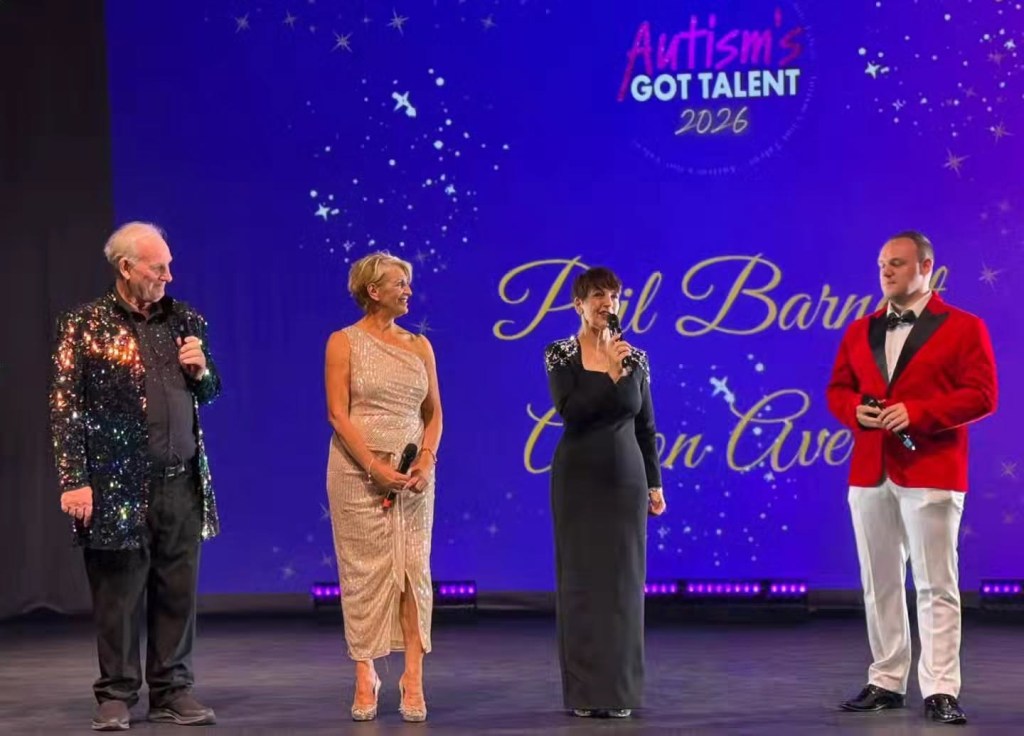
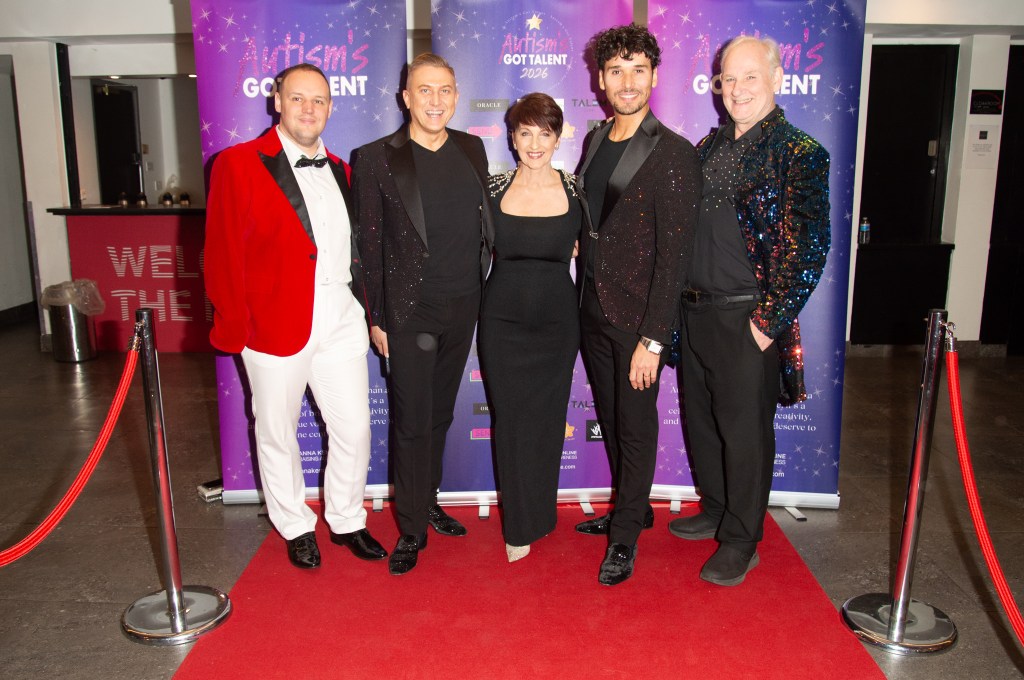
Guiding the audience through the evening were two enthusiastic comperes, Gateway Radio DJ and charity ambassador Aston Avery, alongside former The People’s Strictly contestant and amateur theatre enthusiast Phillip Barnett. Aston, who recently received a prestigious BQF Patrons Award presented by HRH The Princess Royal, brought his customary warmth and infectious enthusiasm to the proceedings. Together, the pair kept the programme moving with humour, encouragement and genuine affection for the performers, ensuring that everyone received the welcome and recognition they deserved.
EastEnders Tony Discipline
And what a programme it was. Performers had travelled from across the United Kingdom and further afield, including Ireland and Hungary, each bringing their own personality, story and extraordinary abilities to the stage. One of the joys of Autism’s Got Talent is that you never quite know what is coming next. One moment you are listening to a beautiful ballad, the next you are watching a dazzling dance routine or cheering along to an energetic musical performance. The sheer variety is part of its magic.
The show opened with PPAS, whose founder, Maggie Paterson, has generously offered scholarships to previous Autism’s Got Talent performers, demonstrating how the opportunities created by the event can continue long after the final curtain falls.
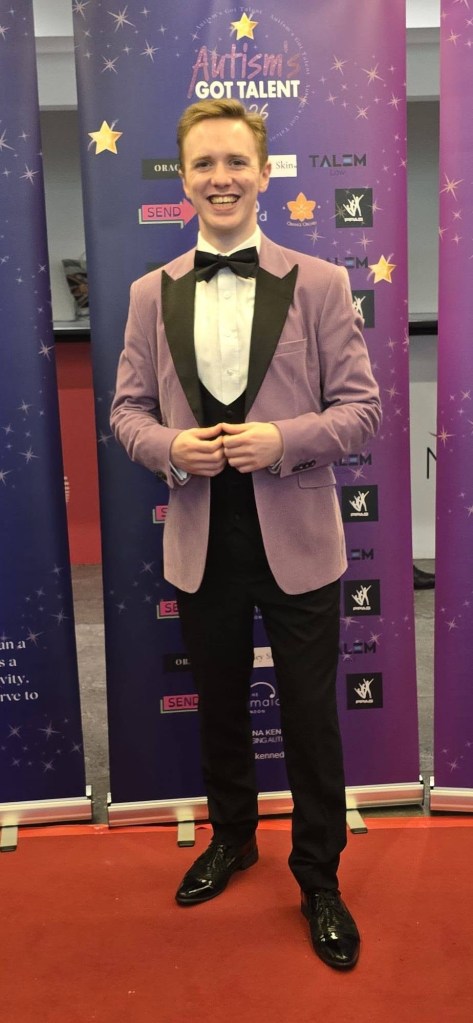
Stevie Little Jays delighted the audience with singing accompanied by Makaton signing, while Lillie Rose Allan delivered a charming rendition of Grace VanderWaal’s I Don’t Know My Name, a song whose themes of individuality and self-discovery seemed particularly appropriate for the occasion. Holli Pandit brought a touch of elegance with her beautiful harp playing, while Macauley Elvin performed Benson Boone’s Momma Song, dedicating the moving number to his family. It was one of those performances that reminded everyone just how powerful music can be when it carries a deeply personal meaning.
The family spirit Anna Kennedy’s regulars the Elvin
Another familiar face was Rich Stevens, a tremendous supporter of the charity who has raised funds through his remarkable walking challenges, including a 50-mile effort this year. Rich stepped into the spotlight to perform The Great Pretender, adding another memorable musical moment to the celebrations.
Walking to West End fame Rich Stevens with his lovely wife Zoe
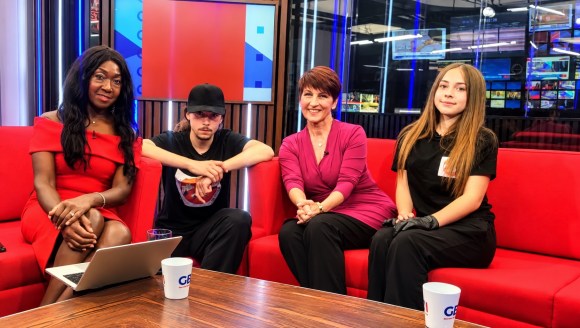
One of the evening’s most energetic and thought-provoking performances came from The Childish, who had previously joined Anna Kennedy OBE on Nana Akua’s GB News programme to discuss their charity single, This Has to Stop. Highlighting the devastating consequences of knife crime, the song carries an important message for young people and communities. Performing the complete single at the Mermaid Theatre, the group delivered a powerful and passionate performance that brought the house down. It was a reminder that music can be much more than entertainment; it can educate, raise awareness and give young people a voice on issues that matter.
Aaron Clarke delighted the audience by playing the melodeon alongside his father, Andy, in a touching example of the family spirit that runs through the entire event.
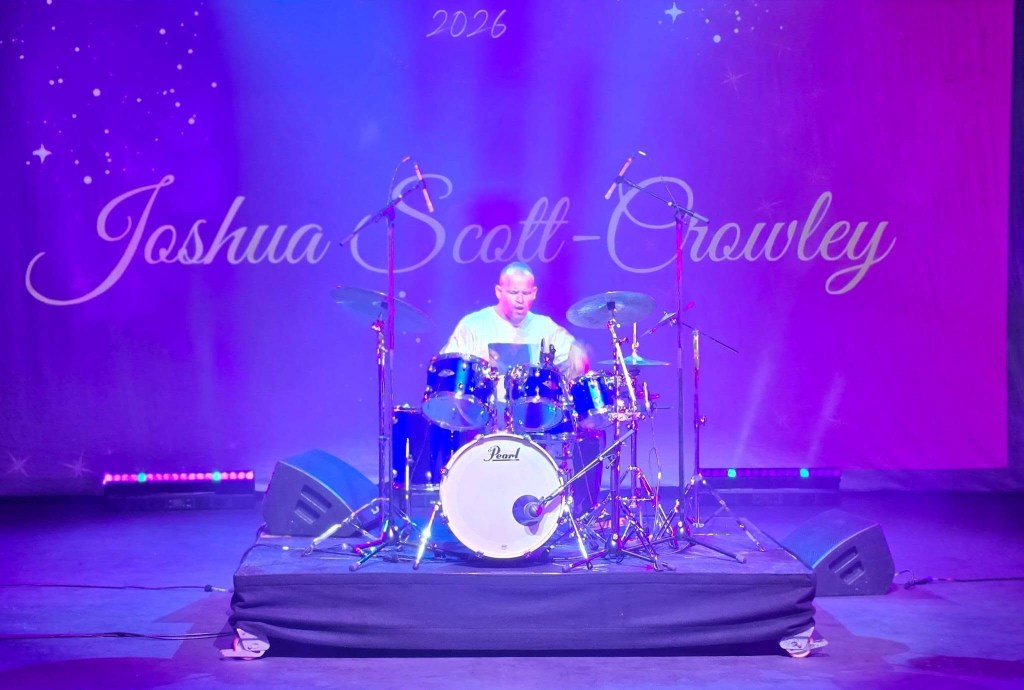
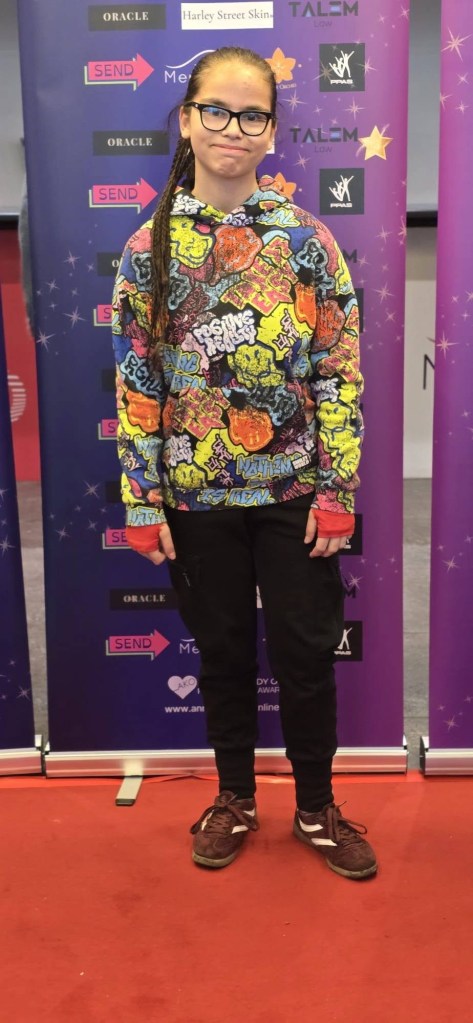
Holly and Hannah joined forces for a lively musical mash-up, while Xander Hall brought his acting and performance skills to the stage with Simply Red’s Fairground. Joshua Scott Crowley injected another burst of energy into the auditorium with an impressive drumming rendition of Uptown Funk, giving the audience every excuse to clap along.
Going Up Funk with Joshua
Sophia Naughton delivered a beautiful performance of Journey to the Past from the musical Anastasia. With its soaring melody and emotional lyrics, the song provided a wonderful opportunity for Sophia to showcase her voice. I was particularly charmed to learn that she also sings in her parents’ pub. Judging by her performance, the customers are certainly in for a treat.
Another performer whose story captured my imagination was award-winning dancer Leila Juhász, who travelled from Hungary to make her Autism’s Got Talent debut. Remarkably, it was not only her first appearance at the show but also her first time travelling by aeroplane. What an adventure, and what a debut! Leila delivered an incredible street-dance routine, bringing confidence, energy and impressive choreography to the stage. Her appearance was a wonderful example of how the event can create opportunities and experiences that extend far beyond the performance itself.
Leila Juhász
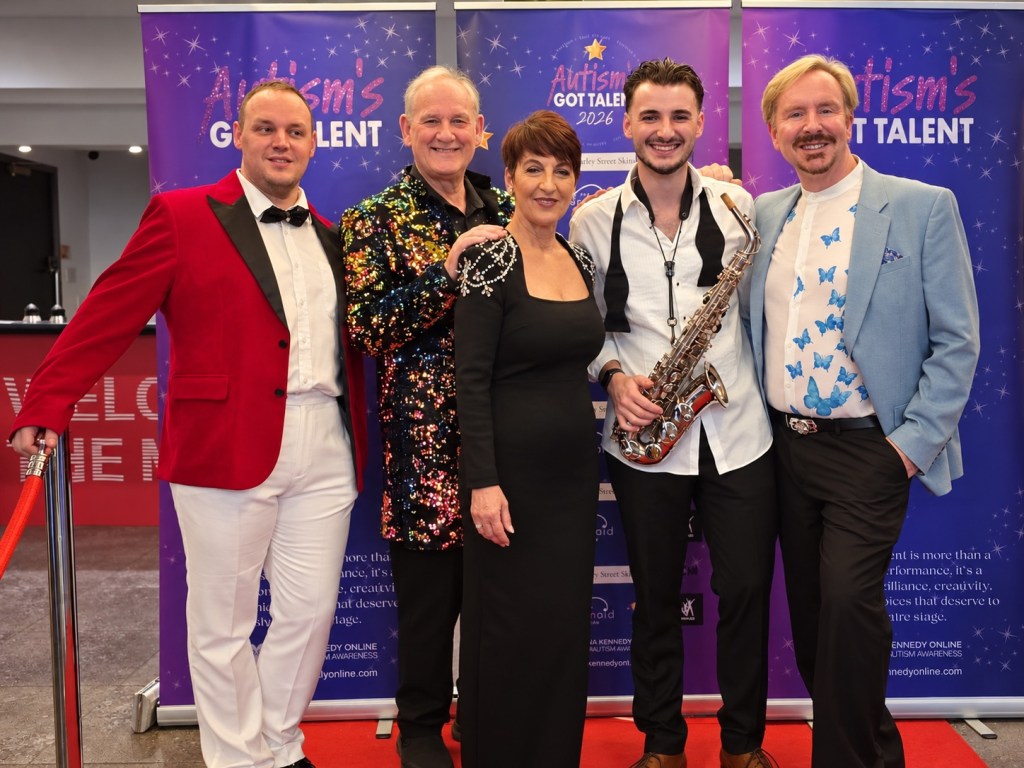
André Adams treated the audience to a selection of memorable film themes on the saxophone, bringing a touch of cinematic magic to the theatre, while Alfie Webster took us into the world of Broadway with a musical-theatre number.
André Adams saxophonist with patron Steven Smith Dr Anna Kennedy OBE competes Aston Avery and Philip Barnett
Returning favourite and YouTube sensation Andrew McMurdie had travelled from Ireland to take part in the anniversary celebrations, performing an original composition entitled Memories Are Pictures. During rehearsals, Andrew perfectly captured the spirit of the occasion when he remarked, “There were so many uniquely talented people in one room, like I have never seen before.” His words summed up what makes Autism’s Got Talent so extraordinary. It is not simply about stepping onto a stage and performing; it is about friendship, confidence, opportunity and being surrounded by people who celebrate you for exactly who you are.
Andrew McMurdie
Yvie Bent also impressed with her rendition of Quiet, a song by Jonathan Reid Gealt, adding another emotional moment to an evening that moved effortlessly between uplifting entertainment and heartfelt reflection.
Sadly, Kieron Lee was unable to attend because he was unwell, but he was certainly not forgotten. He sent a special message, and the audience was treated to footage of his much-discussed appearance on the BBC’s The Assembly, during which he performed for former Scottish First Minister Nicola Sturgeon. It was a lovely way of ensuring that Kieron remained part of the anniversary celebrations, even though he could not be there in person. Kieron also created a special 15th-anniversary compilation video celebrating the event.
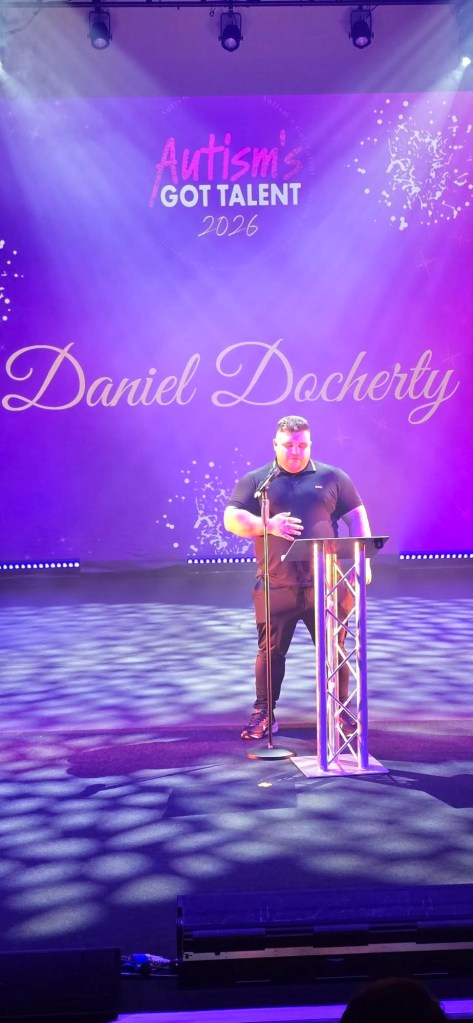
Another performer who demonstrated the remarkable diversity of talent on display was Daniel Docherty, who travelled from Ireland. A talented powerlifter with an impressive operatic voice, Daniel proved that physical strength and musical artistry can sit beautifully alongside one another. His appearance was yet another reminder of why we should never make assumptions about people’s abilities or place limitations on what they might achieve.
As the evening progressed, the atmosphere inside the theatre became increasingly emotional. There had been laughter, cheers, wonderful surprises and moments of genuine tenderness, but nothing could have prepared me for the extraordinary finale delivered by Atypical with Attitude. I have attended countless theatrical performances and charity events over the years, yet I can honestly say that their beautifully choreographed dance numbers were among the most moving I have witnessed.
Aston Avery and Philip Barnet compares with the rock of the show Lisa Robins .
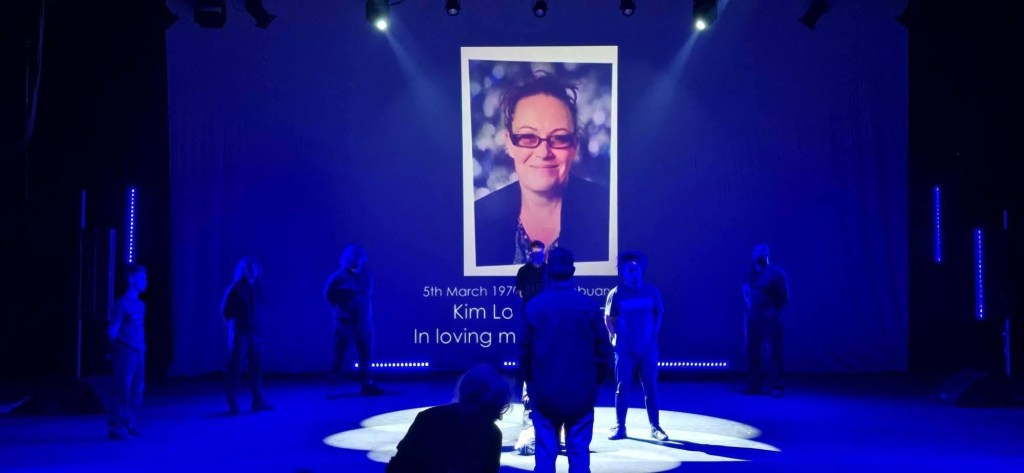
The performance was dedicated to Kim Stygall, the late mother of dancer James, and what followed was a profoundly touching tribute filled with love, remembrance and emotion. Every movement seemed to carry meaning, and the sincerity of the dancers was almost overwhelming. It was not simply a display of technical skill but an expression of grief, affection and the enduring bond between a mother and her child. There was barely a dry eye in the house, and I certainly struggled to hold back the tears. As the final moments unfolded, the audience responded with heartfelt applause, recognising not only the artistry of the performance but also the courage and emotion behind it. For me, it was the defining moment of an extraordinary evening, and one I shall remember for a very long time.
At the heart of all this is, of course, the remarkable Dr Anna Kennedy OBE, whose tireless determination, passion and commitment have transformed Autism’s Got Talent into the much-loved celebration it is today. Over the years, Anna has become one of the most recognisable voices championing autistic individuals and their families, helping to create opportunities, challenge misconceptions and encourage greater understanding. Yet perhaps one of her greatest achievements is the extraordinary sense of family she has built around Anna Kennedy Online. It is a family that continues to grow, celebrates every achievement and understands the importance of allowing people to be accepted for who they are.
Super star voice
Reflecting on the event and her hopes for the future, Anna said: “We aim to continue to build Autism’s Got Talent year by year. We want all those involved to have fun, do what they love, make friends, be themselves, and have one night that is all about them.”
Those words beautifully capture the philosophy behind the event. It is not about fame, fortune or winning a trophy, but about having the opportunity to stand proudly on a stage, share your talents and be celebrated. For many performers and their families, the experience represents something far greater than a single evening of entertainment. It is a chance to build confidence, form lasting friendships and create memories that will remain long after the theatre lights have dimmed.
Piluca artist show her painting dedicated to Anna Kennedy online and talks on stage
Anna is also the first to acknowledge that none of this would be possible without the extraordinary dedication of her team, many of whom give their time voluntarily. Among them is Lisa Robins, one of the rocks of Anna Kennedy Online and Anna’s trusted right-hand woman, alongside the show’s stage manager, Fiona Shepherd, whose hard work helps transform months of preparation into the polished production audiences enjoy. A big shout-out also goes to Tally Nothey and Genna Nothey, who did the brilliant marketing for the event.
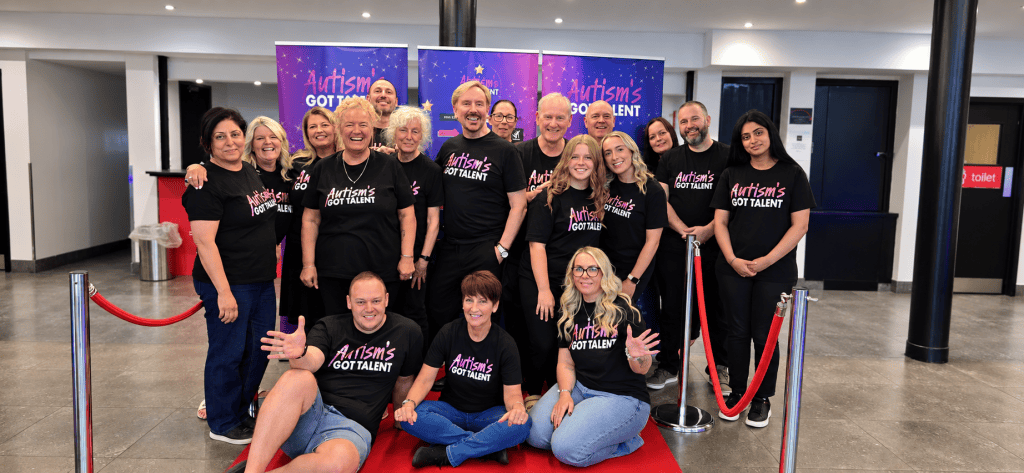
Anna Kennedy on line team .
In an entertainment industry so often dominated by competition, image and commercial success, Autism’s Got Talent offers something wonderfully refreshing. Here, success is not measured by television ratings, record sales or the opinions of a panel of judges. It is measured in smiles, confidence, friendships, personal achievements and the sheer joy of performing. It is about recognising what people can do rather than focusing on what others might assume they cannot.
As the evening drew to a close and the wonderful performers returned to the stage, the atmosphere inside the Mermaid Theatre was electric. There were beaming smiles, proud families, emotional embraces and applause that seemed to go on forever. Looking around the auditorium, I was reminded once again why I have such enormous affection for this event. It brings people together in a way that few other occasions manage, creating an atmosphere of authenticity, generosity and genuine celebration.
Fifteen years after Anna Kennedy first set out to create a platform for autistic talent, the event continues to grow, inspire and change perceptions. And if this spectacular anniversary celebration proved anything, it is that the future of Autism’s Got Talent is every bit as bright as the remarkable individuals who make it possible.
As I left the theatre, still thinking about that extraordinary finale and the many unforgettable performances I had witnessed, one thought stayed with me: the world would be a much kinder, more understanding place if we celebrated one another’s differences with the same enthusiasm and generosity that filled the Mermaid Theatre that night.
Because talent does not come in one shape, one size or one particular form. It comes from individuality, passion, determination and the courage to be yourself. And on this remarkable evening, every single performer was a star.
Fifteen years of talent, fifteen years of friendship and fifteen years of breaking down barriers. And judging by what I witnessed, the best may still be yet to come.
As the Anna Kennedy Online family would say, “You’re all amazing, and we all rock!”
Roll on Autism’s Got Talent 2027. Whoop, whoop!
Steven Smith is a journalist, author and patron of Anna Kennedy Online.
For further information about Anna Kennedy Online and Autism’s Got Talent, visit annakennedyonline.com.
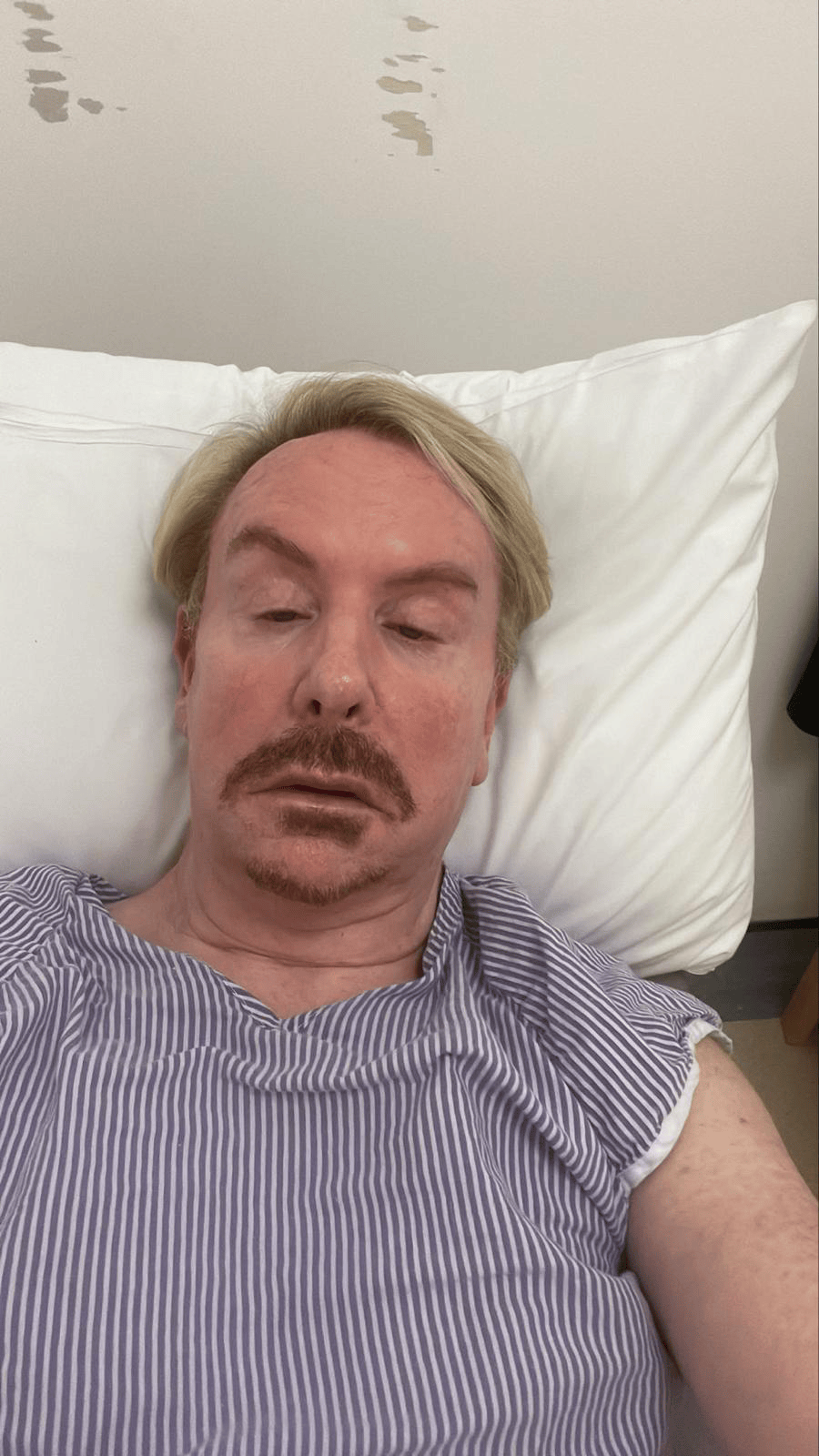
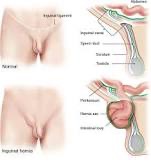
It is not just global superstar diva Madonna who has been diagnosed with a hernia. After an agonising pain in my groin that very nearly brought me to my knees, I too discovered that I had joined the hernia club — a membership I certainly hadn’t applied for.
Suddenly, I was well and truly knocked out of my groove. I went from gym bunny to couch potato almost overnight. There would be no Vogue-ing for me for a while.
So here is one diva’s tale of overcoming the pain, indignity and unexpected challenges that come with having a hernia.
I admit that, at 65, my activity levels sometimes make my 26-year-old nephew groan.
“I’m exhausted just watching you,” he says, shaking his head.
I’m rarely out of the gym or sitting still for very long. Add to that a busy social and work life and people often ask me, “How do you do it?”
Well, unexpectedly, it all ground to a rather spectacular halt.
I was dashing with my nephew to catch the Tube at Victoria station when, completely out of the blue, a pain shot through my groin. It was so sharp and sudden that it felt as though someone had stabbed me.
“What’s wrong?” my nephew asked as I doubled over.
Then, almost as quickly as it had arrived, the pain disappeared.
I was left standing there slightly shaken, but we were due to leave for what promised to be an amazing trip to Spain in just a day’s time, visiting one of my closest friends. Surely a little groin pain wasn’t going to stop me?
Later that day, however, the discomfort returned, accompanied by a strange tiredness. But being me, I decided that a few cocktails, some Spanish sunshine and the sea would have me right as rain. I would still be the soul of the party.
And, of course, I was.
I even managed a divine two-and-a-half-hour walk along the Marbella seafront. Pain or no pain, this diva was not giving in without a fight.
But underneath the bravado, I knew something wasn’t right. And like any self-respecting male diva with access to Google and an overactive imagination, naturally I feared the worst.
Having been registered at the same GP surgery for around 20 years, I rarely seem to see the same doctor twice. Once back in London — and while simultaneously dealing with the stress of the airline losing my luggage — I managed to secure that rarest of modern treasures: an actual GP appointment.
I saw a lovely female doctor. With the problem being in the groin area, it was already slightly embarrassing, but almost immediately she began asking about my sex life.
“What sex life?” I joked.
She didn’t laugh.
“When did you last have intercourse?”
Then came questions about my HIV status and other sexual-health matters.
“I abstain,” I replied, by now becoming slightly irritated.
Every avenue seemed to be explored except the one word that eventually mattered: hernia.
That came almost at the last minute.
The doctor disappeared to seek advice and returned saying that it could indeed be a hernia. More worryingly, if there was any possibility that it was a strangulated hernia — a potentially serious complication — I needed to go to A&E.
“Don’t worry,” I was told. “You just need some blood tests and an ultrasound. Take this letter and they should fast-track you.”
Famous last words.
During the hours that followed, I met four other people who appeared to have fallen for a similar line.
Now, this is absolutely not about knocking the NHS. As God is my witness — and all that Gone with the Wind stuff — I remain incredibly grateful that we have it. But dear God, in this age of technology, surely we have to find a better way of managing A&E departments.
Why should people routinely have to sit for four or five hours waiting? There must be a better system.
I have visited hospitals in countries such as Thailand where, if you knew nothing about the healthcare system beforehand, you might wrongly expect something rather old-fashioned. The reality can be the complete opposite: modern, efficient and surprisingly streamlined.
A London A&E waiting room, meanwhile, can occasionally feel like its own form of theatre.
At one point, I encountered a rather terrifying character who suddenly shouted at me like the male version of Catherine Tate’s Nan:
“What the hell is wrong with you? You look like you’re off for a night out. I’ve never seen such healthy people!”
Charming.
Anyway, around five hours later, the very reason we should celebrate the NHS finally appeared in the form of a doctor.
He was excellent.
After examining me and reading the GP’s letter, he looked slightly puzzled and asked why on earth I had been sent to A&E in the first place. They didn’t even perform the particular ultrasound I needed there.
But his advice proved invaluable.
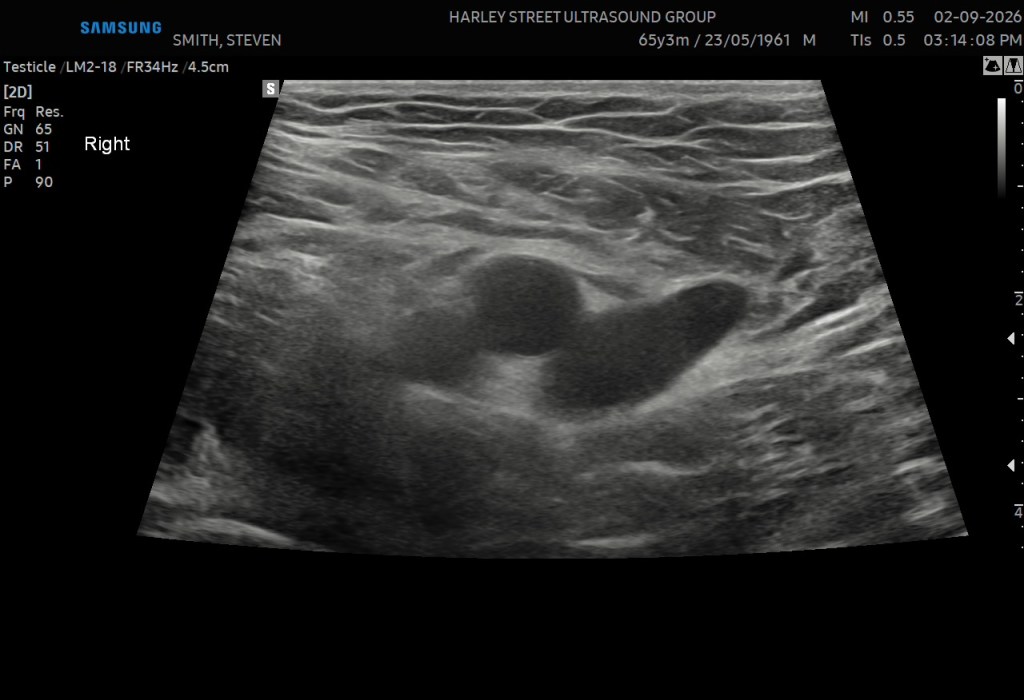
Rather than potentially waiting weeks for the scan, I decided to pay privately for an ultrasound.
And sure enough, there it was.
A hernia.
Suddenly, the stabbing pain, the discomfort while walking and the strange sensation in my groin all had a name.
Then came one side effect I certainly hadn’t expected — an apparent increase in my male libido.
Now, before anyone rushes off in search of a hernia in the hope of spicing up their love life, I should point out that there doesn’t appear to be medical evidence that a groin hernia actually increases libido. It may simply have been that, with pain, pressure and irritation in an area packed with nerves, I had suddenly become far more aware of that particular region of my anatomy.
Either way, confined increasingly to the sofa, banned from the gym and temporarily deprived of my usual bouncing around, it was reassuring to discover that while the hernia may have slowed me down, it certainly hadn’t switched everything off.
Still looking good — just moving at a slightly more dignified pace.
And unfortunately, my hernia story was only just beginning…
The guilty party
When the Hernia Took Charge
Despite everything, I was still trying to dash around as though nothing had happened.
My hernia, however, had other ideas.
I only had to walk so far before the pain would suddenly kick in and become so intense that I could barely put one foot in front of the other. On one occasion, it became so bad that I found myself clinging to a wall, seriously considering calling an ambulance.
For someone who is normally fiercely independent, constantly on the move and more likely to be found in the gym than lying on the sofa, it was frightening.
Nothing highlighted just how much my life had changed more than a journey home from my pre-operative assessment.
By what felt like a combination of luck, divine intervention and a minor miracle, I had been given a date for surgery. Even more impressively, the staff at Chelsea and Westminster Hospital were carrying out pre-operative assessments on a Sunday.
My assessment was incredibly thorough. Blood tests, an ECG, questions, checks — the lot. Everything seemed fine and, reassured, I headed home.
That was when I realised I had overdone it.
By the time I reached the Underground, the pain was excruciating. I found myself gripping the wall just to stay upright. Two incredibly kind men stopped and asked if they could help me, but there really wasn’t much anybody could do.
I simply had to stop, wait for the pain to ease and somehow get myself home.
The severity of the pain had already made me seek a private surgical opinion. Because the pain seemed disproportionate to what had been described as a relatively small hernia, an MRI was suggested to rule out another cause.
At around £1,300, however, that was simply not within my budget.
Besides, the hernia still needed repairing. My thinking became very simple: deal with what we know is there first. If the pain continued afterwards, then we could investigate something else.
And so, finally, the big day arrived.
Operation Diva
29 September. 7.30am.
Check-in time.
I arrived at Chelsea and Westminster Hospital full of nerves and running on an empty stomach after fasting overnight. Thankfully, I was still allowed clear fluids until two hours beforehand, which meant one thing was non-negotiable: coffee.
And what an excellent black coffee it was, courtesy of Social Impact Coffee inside the hospital. Frankly, at that hour of the morning, facing surgery on no breakfast, it felt medicinal.
Then I met a lovely nurse called Katalina, who told me to take a seat.
Katalina, incidentally, barely seemed to take a break herself for the entire time I was there. She was constantly on the move, looking after everyone, answering questions and somehow remaining cheerful throughout.
At around 8.30am, the anaesthetist appeared carrying his motorcycle helmet.
Very reassuring. Presumably, if anything went wrong, he had a fast getaway vehicle.
He explained the anaesthetic and the drugs I would be given.
My immediate thought was Edina Monsoon in Absolutely Fabulous: “I want every drug going, and I want them now.”
Joking aside, this was probably the moment when my nerves really kicked in.
Before surgery, the anaesthetist has to explain the possible risks and side effects. Of course, it is important that patients know these things, but when you are already nervous and sitting there waiting to be knocked unconscious, hearing a list of everything that could happen is hardly relaxing.
Did you know about redheads and anaesthesia? Research has suggested that people with naturally red hair can respond differently to certain anaesthetics and may sometimes require different amounts.
Who knew being ginger could even complicate being knocked out?
Around 9.30am, one of the surgical team came to see me.
He was wonderfully reassuring.
I raised my concern about whether I should have had the MRI first, particularly because of the amount of pain I had been experiencing. He explained that size does not necessarily determine how painful a hernia will be. Smaller hernias can sometimes cause considerable pain, particularly depending on what is protruding through the defect and the surrounding tissues involved.
That immediately made me feel better. Perhaps the hernia really was responsible for all this pain after all.
Then came the news that tested even my patience.
The room I had been given was mine for the duration of my day stay because my operation was not scheduled until around 3pm.
Three o’clock!
I had checked in at 7.30 in the morning.
By midday, Katalina suddenly appeared with much more promising news.
“You’re next.”
Music to my ears.
I was instructed to change into the glamorous surgical ensemble — gown and compression stockings. Not quite Versace, but needs must.
I thought this meant I was about to be whisked straight into theatre.
It didn’t.
Meanwhile, I had now gone around 17 hours without food and, whether through nerves, my digestive system staging its own protest, or both, I had been to the toilet about five times.
There is nothing quite like impending surgery for discovering bodily functions you didn’t know you had.
Then, finally, at around 3.10pm, a porter appeared.
This was it.
Unfortunately, there was one more hurdle between me and the operating theatre.
I was on the fifth floor and I have a serious fear of heights. Glass walkways are my idea of hell. Put me on solid ground and I am fine; let me see five floors beneath my feet and suddenly my legs stop cooperating.
The staff arranged a wheelchair.I closed my eyes.
Problem solved.
Or so I thought.
As we crossed a ramp, the wheelchair was pulled rather forcefully and the sudden movement sent an agonising pain through my groin.
By the time I reached the theatre area and was lying there waiting to go under, all fear had temporarily disappeared.
I just wanted the hernia gone.
Lights above me. People moving around. Final checks.
Then the anaesthetic.
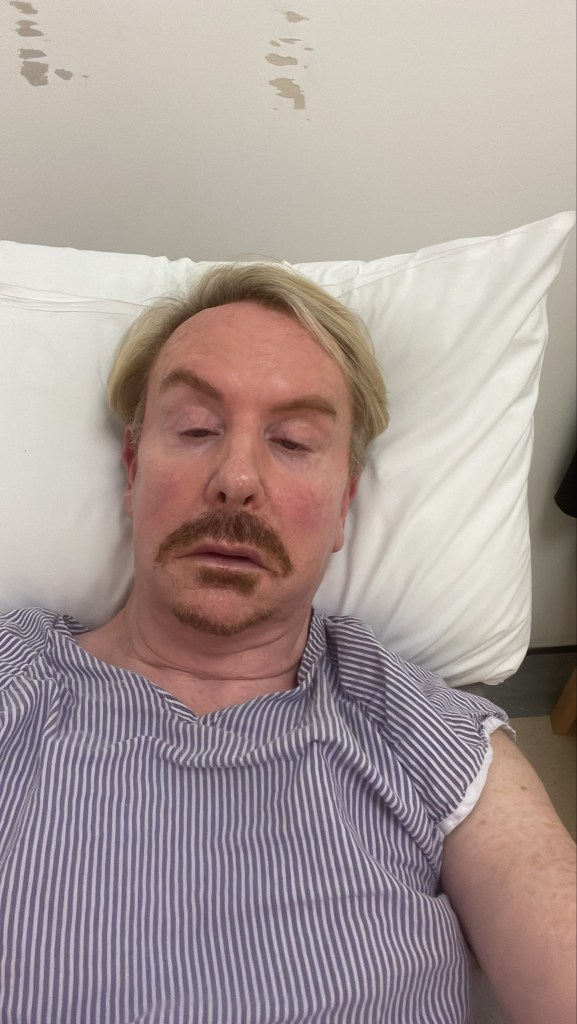
And darkness.
“Where Am I?”
Sometime after five o’clock, I began to wake up.
Or at least I think I did.
Everything was hazy. I was extremely disorientated and struggling to work out where I was or what was happening around me.
The operation itself was over.
The surgeon was apparently happy with how things had gone and, surgically, there was no immediate reason why I couldn’t go home.
But the recovery team had other ideas.
I was simply too disorientated.
There followed a conversation between the medical staff about whether I should be discharged or kept in overnight. For a while, it seemed I might still be heading home.
Then the decision was made.
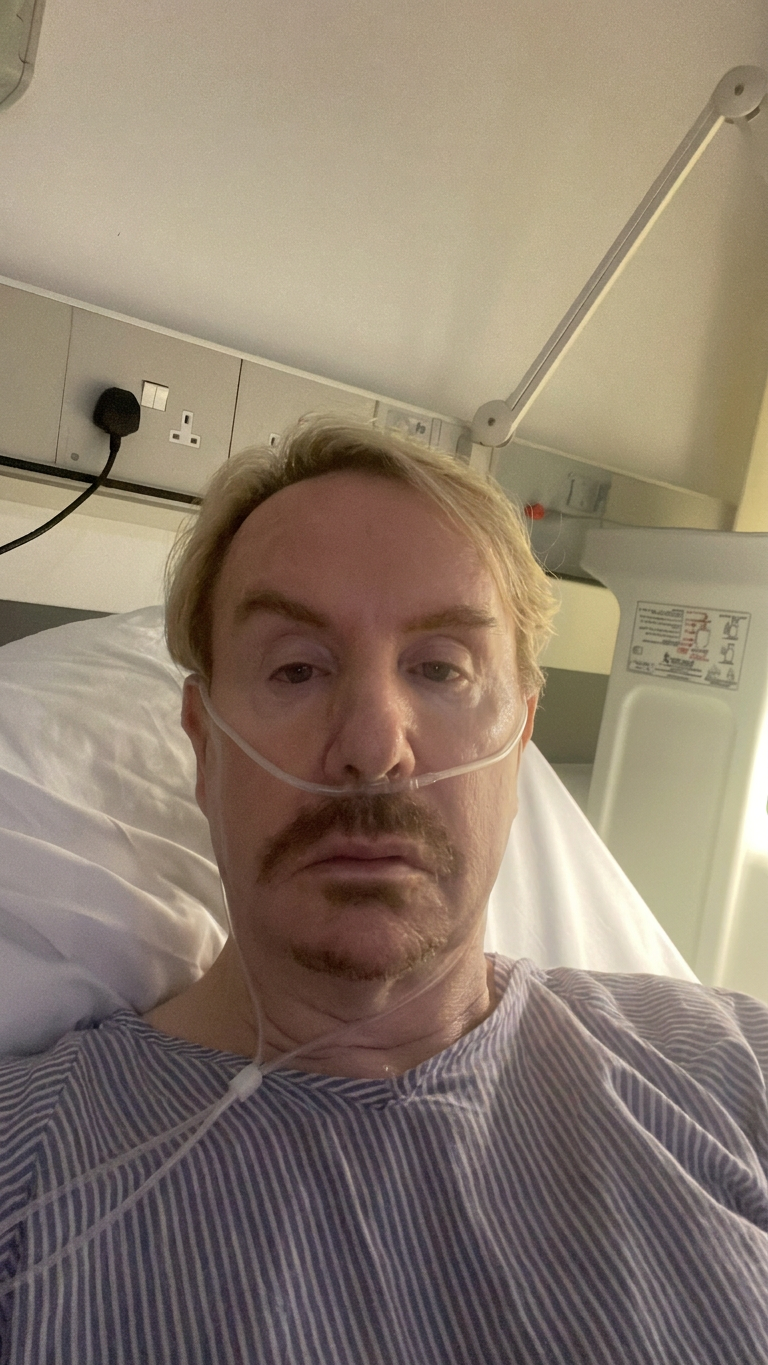
The Hernia Diva was staying the night.
Not quite the glamorous overnight stay I might usually have chosen.
No room service, no champagne, no fluffy bathrobe — but plenty of observations, painkillers and nurses keeping a very close eye on me.
Rain, my nurse, was truly remarkable, and what followed turned into a night to remember.
The man next to me was living with Alzheimer’s and believed there was a conspiracy going on. He thought people were trying to kill and sexually assault him. Adjacent to him was another man in such severe pain that the slightest noise was setting him off, and he began threatening the man with Alzheimer’s.
Then the gentleman with Alzheimer’s went off on a rant about gay sex, despite being heterosexual himself, and eventually the man next to him had simply had enough.
Seemingly, as I nodded off thanks to the magic of morphine, security arrived to remove the gentleman with dementia.
I felt incredibly sorry for him. He was clearly frightened, confused and unwell, but it also seemed that nobody was properly equipped to deal with his level of distress. What he was doing on a general ward in that condition raised some serious questions for me about the NHS and how we care for people living with dementia.
Rain and the rest of the staff were incredible. They even gave me breakfast. However, at certain points during the night, I did wonder whether I was in a hospital or somehow appearing on the set of the prison drama Oz.
Next, the surgeon arrived to discharge me. He was rather non-committal, although everything appeared to have gone well and my discharge papers confirmed that the operation had been completed.
I asked him, “Had there been any complications?”
His reply wasn’t exactly reassuring.
“There are always possibilities. That’s why we tell you about them before and after.”
Well, I was alive.
Then I was given some strong painkillers and told to go downstairs to the pharmacy for the rest of my medication.
Forty-five minutes later, we were still waiting, only to discover that they were over-the-counter medications.
Finally, after a rather bumpy drive home with my adorable friend Remmia, there was only one thing on my mind.
I couldn’t wait to sleep.
And after weeks of pain, worry, cancelled plans, Google searches, hospital visits and wondering whether something else might be wrong, one enormous question remained:
There is an old saying: it’s called show business, not show friends. Perhaps we should now add: it’s not called show politics either.
If you are lucky enough to have been given a gift, or developed a craft that has made you famous, people are paying to see you perform. They have bought a ticket to hear you sing, watch you act, laugh at your comedy or simply be entertained. They have not necessarily paid to hear your political views or be lectured about the causes you support.
Of course, there is a time and place for everything.
If you are performing at a charity event, then absolutely talk about the charity. Fill your boots! You are there to help, raise awareness and, hopefully, raise money. If you are a singer who has written a commercial song highlighting a cause that matters to you, then sing it. Music, theatre, film and art have always been ways of expressing ideas, challenging opinions and starting conversations.
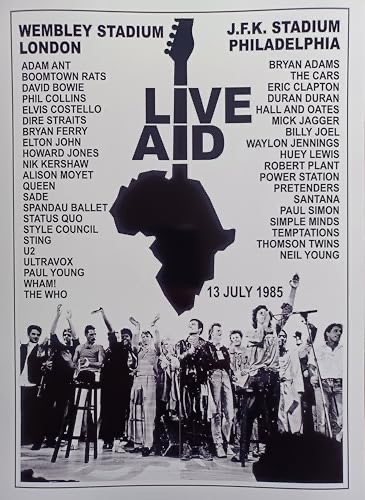
Look at the brilliance of Bob Geldof, Midge Ure and Live Aid. In 1985, some of the biggest names in music came together for an event specifically created to raise money for famine relief in Ethiopia. The cause wasn’t an unexpected lecture halfway through an unrelated evening — it was the reason everyone was there.
But the audience should know what they are buying into.
Performance artists such as David Hoyle, or artists like Marina Abramović, are different. Their work is often provocative, challenging and designed to make a statement. You go in knowing that you may hear an opinion, be confronted by an idea or even have your own beliefs challenged. That’s absolutely fine — it does what it says on the tin. The statement is part of the performance, and the audience knows that before they walk through the door.
David Hoyle performance artist you go knowing that you will hear is views ie it is what is on the tin.
If an artist intends to turn a concert into a political platform, particularly on an issue that has little or nothing to do with the performance, I believe the audience has a right to decide whether they want to be there. Their views may be the complete opposite of the person on stage, or they may simply want an evening of entertainment without politics entering the room.
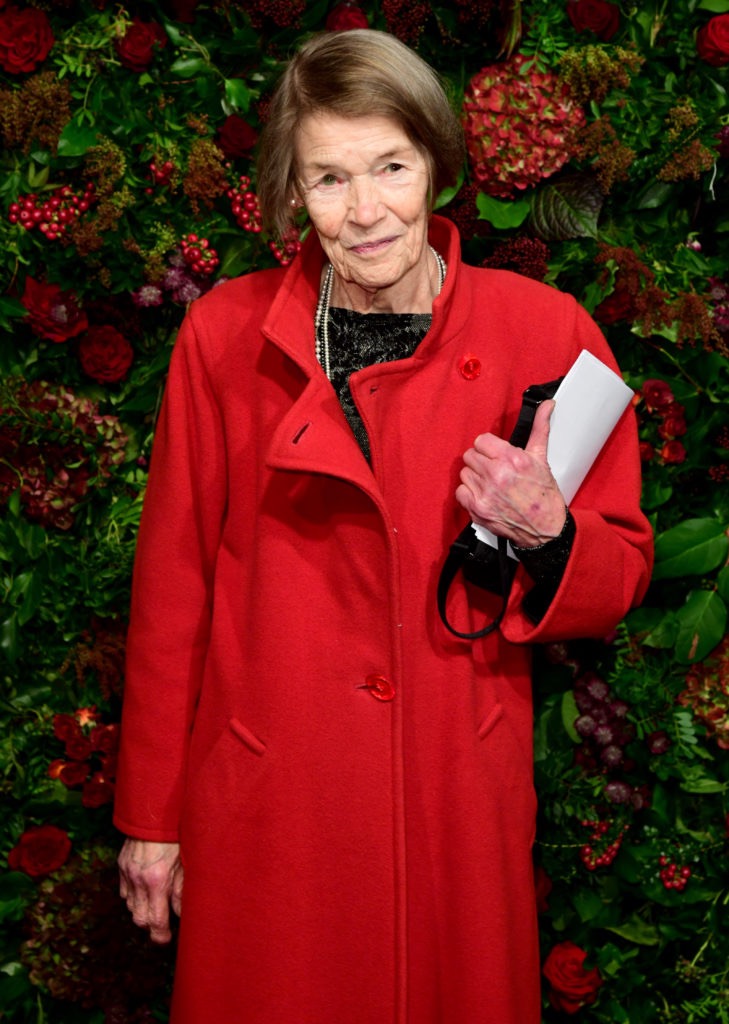
There is also nothing wrong with a performer deciding that politics matters more to them than show business. Glenda Jackson is a perfect example of someone who made that choice openly.
Jackson was one of Britain’s most acclaimed actors and a two-time Academy Award winner. In the early 1990s, she stepped away from acting and entered politics, becoming the Labour MP for Hampstead and Highgate in 1992. She remained an MP for 23 years, including serving as a government minister, before leaving Parliament in 2015 and returning to acting.
Whatever your political views, there is something refreshingly straightforward about that decision. She wanted to enter politics, so she stood for Parliament. She did not expect audiences buying theatre or cinema tickets to elect her.
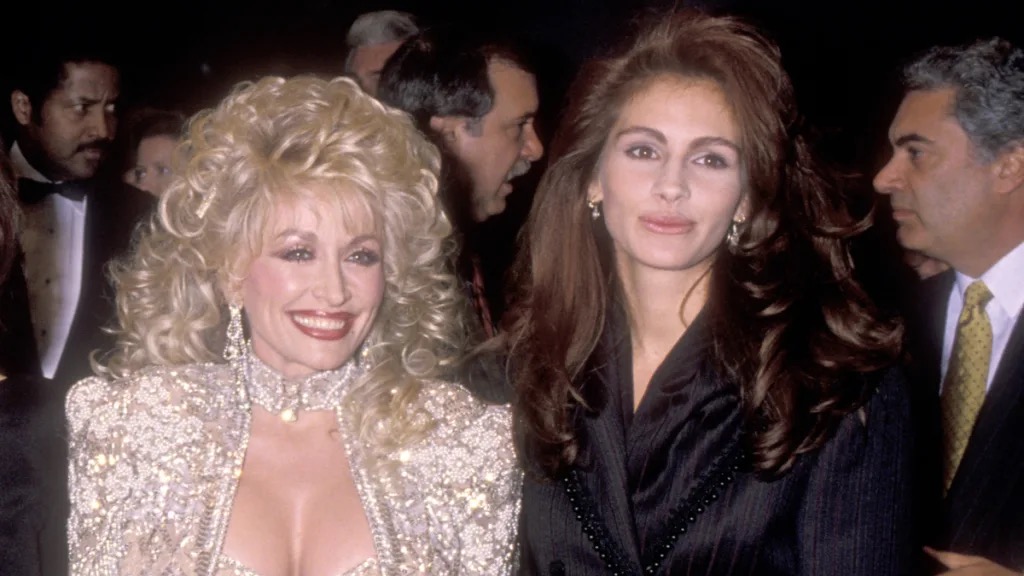
Perhaps one of my favourite show-business stories involves the late, great Dolly Parton and Julia Roberts while filming Steel Magnolias. The cast were shooting in the sweltering Louisiana heat and everyone was complaining — except Dolly. Roberts, amazed that Dolly wasn’t joining in despite the wig, heavy clothes and heat, asked her why.
Dolly’s response was wonderfully simple: “When I was a little girl, I wanted to be famous and I wanted to be rich, and now I’m both those things. I’m not going to complain about it.”
What a fabulous attitude.
There are thousands of extraordinarily talented actors, singers and performers who would give anything for the opportunity to stand on that stage, walk onto that film set or hear an audience applaud them. Perhaps sometimes, amid the fame, money and attention, it is worth remembering just how fortunate you are to have made it there in the first place.
As Dolly understood better than most: enjoy the privilege, do the job — and put on the show.
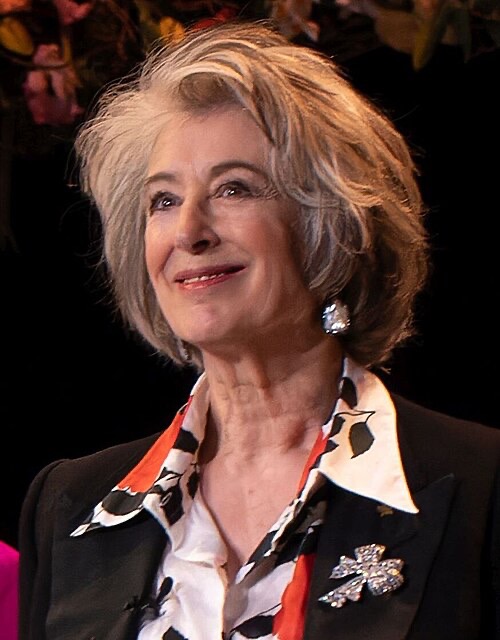
The recent palaver surrounding the legendary Dame Maureen Lipman also got me thinking. Two actors withdrew from Right Before I Go following her casting, citing disagreement with views she had publicly expressed.
Now, goodness knows, over the years I have worked with people who held views I found horrible. I’ve lost count. But maturity surely means accepting that you can work alongside someone without agreeing with everything they think.
Sometimes you can even change someone’s mind — or they might make you reconsider something yourself.
It’s show business, not show friends. And if you are fortunate enough to be earning your living as an actor, let alone working alongside somebody with decades of experience and talent, perhaps there is something to be gained from the experience even when you disagree with them.
As I like to say: eat it up, buttercup.
Celebrities, like everybody else, have every right to hold strong political opinions. Fame does not take away your freedom of speech. Equally, buying a ticket to see someone perform does not mean an audience has agreed with everything that performer believes.
I wouldn’t expect The Phantom of the Opera to suddenly stop halfway through so the cast could share their political views. Nor would I expect A Midsummer Night’s Dream to grind to a halt for a political speech unrelated to Shakespeare’s play. In much the same way, I don’t expect my plumber or hairdresser to stop halfway through their work to give me a lecture on their politics.
There is another side to this that troubles me: our increasing inability to tolerate people whose opinions oppose our own.
I am a huge advocate of allowing people into my life whose views are different from mine. Sometimes friendship, affection and respect are built on far more than agreeing about politics. As long as somebody isn’t permanently standing on their soapbox preaching at me, I’m perfectly happy to have a lively debate.
What I find far more troubling is the idea of simply cancelling or silencing people with whom we disagree.
There is an old saying: keep your friends close and your enemies even closer. I would adapt that slightly: keep listening to the people you disagree with.
How on earth are we supposed to understand what is happening in society if we refuse to hear opinions we dislike? Silencing an opinion doesn’t necessarily make that opinion disappear. It can simply mean we stop hearing it. Then, suddenly, we are shocked when a movement, idea or political force gains ground that we never saw coming.
Listening is not the same as agreeing.
Social media has also changed the relationship between celebrities and the public. Stars now have direct access to millions of followers and can express their views whenever they wish. If someone wants to campaign, protest or support a cause online, people can choose whether to follow, engage, debate — or simply scroll straight past.
A live performance feels different because the audience has paid to be there.
Please campaign, march, raise money, support charities and speak passionately about the things that matter to you. Debate with people who disagree with you rather than automatically shutting them out. And if politics becomes your true calling, perhaps follow Glenda Jackson’s example and enter politics yourself.
But when the lights go down and the curtain goes up, sometimes we simply want the show.
By Aless Bester, with reflections from Anna Kennedy OBE
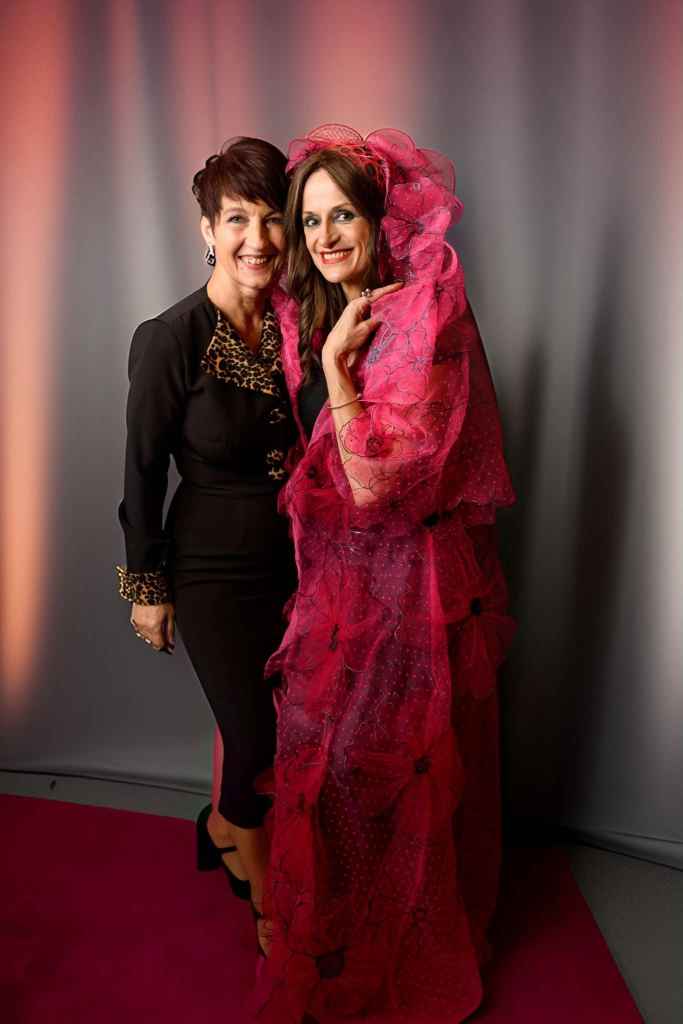
Photo of Aless and Anna Kennedy OBE by David Biddlecombe
“I accidentally created a fashion label by starting again at 50!”
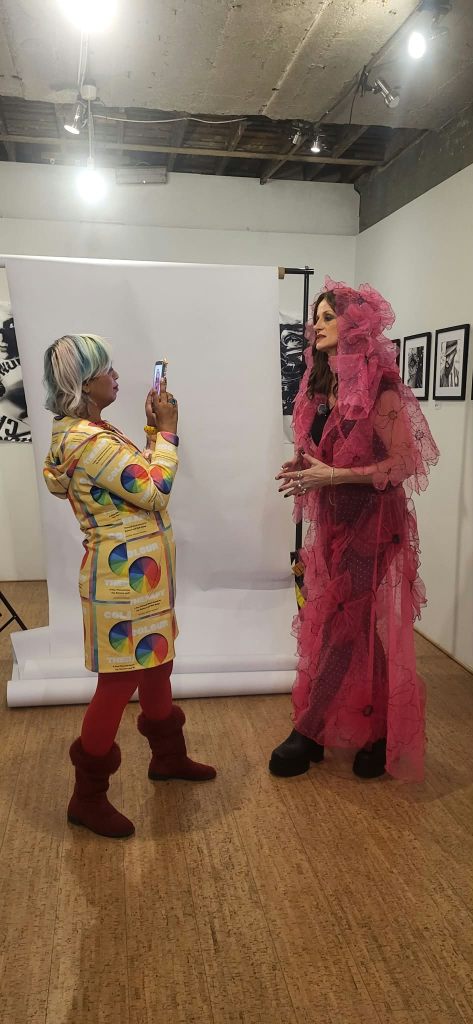
For Alessandra Bester, the journey to London Fashion Week began in a way she could never have predicted.
An artist and mum to her son Ethan, a young man with autism and bipolar disorder who requires full-time care, Alessandra has spent much of her life balancing creativity with the demands of caring for someone she loves.
“We are a great team,” she says simply.
Yet it was Ethan who, quite unexpectedly, helped inspire what would become an extraordinary new chapter in his mum’s life.
Alessandra originally bought a 3D pen for him, but she wasn’t happy with the materials supplied with it. Looking for something more environmentally friendly and easier to work with, she began experimenting herself.
That search opened up an entirely new creative world.
Fascinated by what could be achieved with the pen, Alessandra started exploring its possibilities. What began as experimentation soon developed into something far more ambitious.
After sharing one of her handmade necklaces on Instagram, she was invited to include her work in Aether Magazine’s 10th anniversary London Fashion Week show.
There was no looking back.
Working around Ethan’s needs, Alessandra began drawing and creating outfits whenever she had the opportunity. The flexibility of the 3D pen proved perfect for her circumstances: she could pick it up when she had time and put it down the moment Ethan needed her.
Slowly, painstakingly and piece by piece, an entire collection began to emerge.
Bloom After Dark
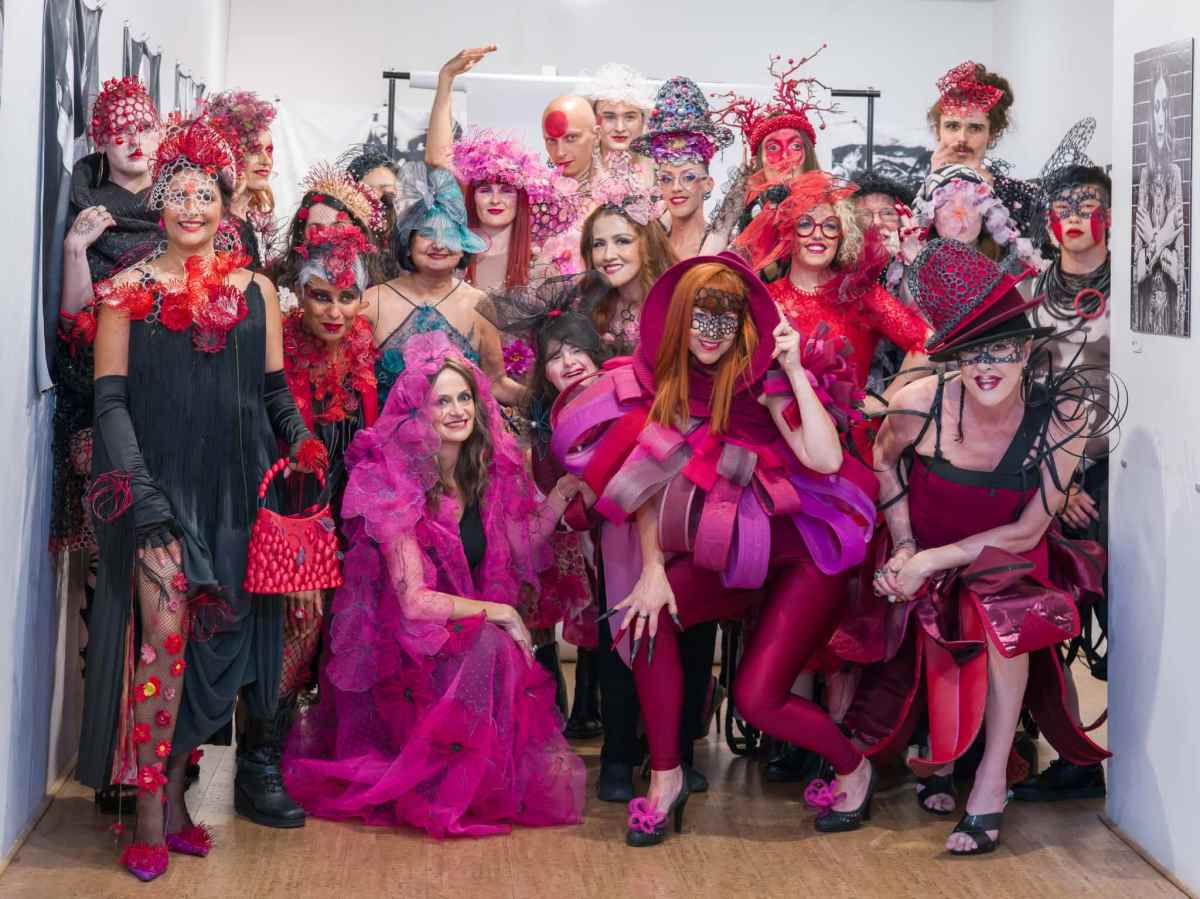
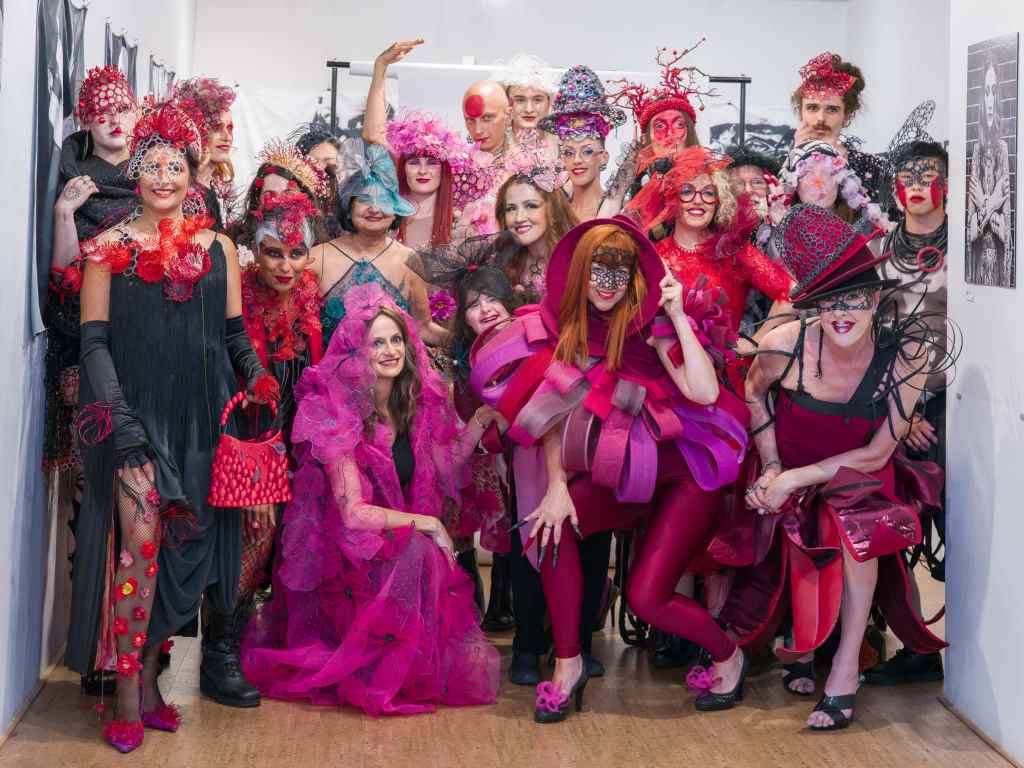
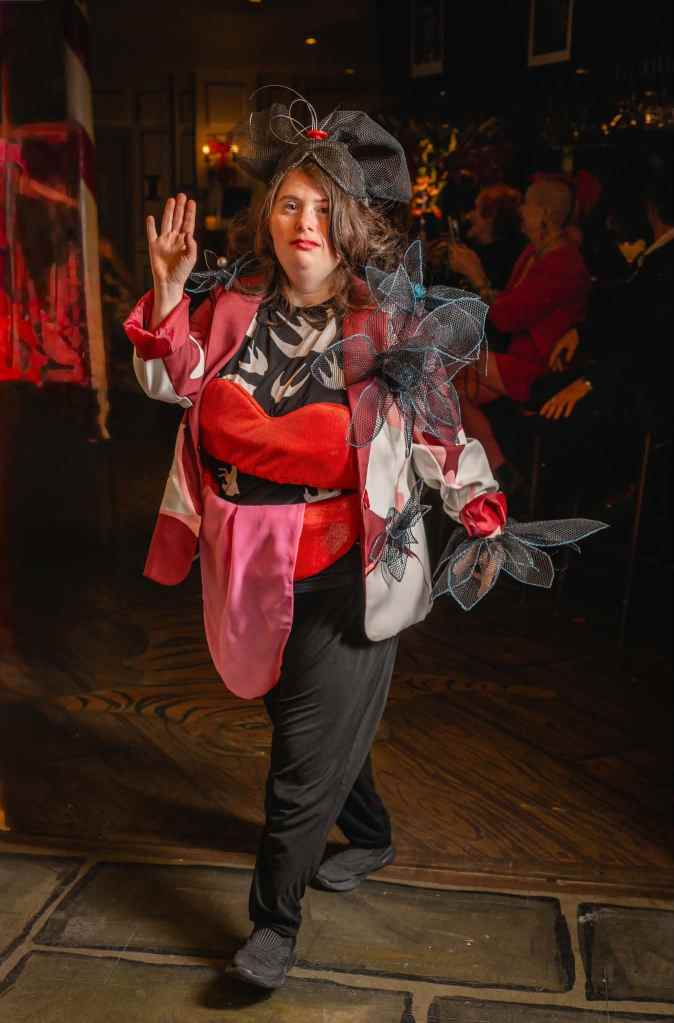
The resulting collection, “Bloom After Dark,” is a striking series of sculptural, moving garments hand-drawn entirely using a 3D pen.
But this is about much more than fashion.
At its heart, “Bloom After Dark” is a story of resilience, liberation and renewal after periods of profound darkness. Each garment challenges traditional ideas about how clothes should be made, what fashion can represent and even how it can be experienced.
The collection takes inspiration from real people — their personalities, individuality, characteristics and neurodiversity.
Using a 3D pen and bio-flexible material, Alessandra effectively draws directly into space, creating textiles, garments and accessories entirely by hand.
Perhaps what makes her work even more remarkable is that her approach has not come through traditional fashion education. Instead, it has developed through curiosity, experimentation and life experience, together with the freedom of not feeling restricted by established fashion rules.
That freedom sits at the heart of “Bloom After Dark”.
Alessandra wants us to look at clothing and accessories differently. Rather than simply asking what something is supposed to be, she encourages us to imagine what else it could become.
An accessory might be worn, interpreted and styled completely differently from one person to another. In turn, its life can be extended, encouraging individuality and creativity while questioning our increasingly disposable culture.
Beginning this journey at 50 is also an important part of Alessandra’s story.
It is a powerful reminder that experience, imagination and creativity do not suddenly come with an expiry date. Sometimes the most exciting chapter of our lives can begin when we least expect it.
Anna Kennedy OBE Shares Her Reflections
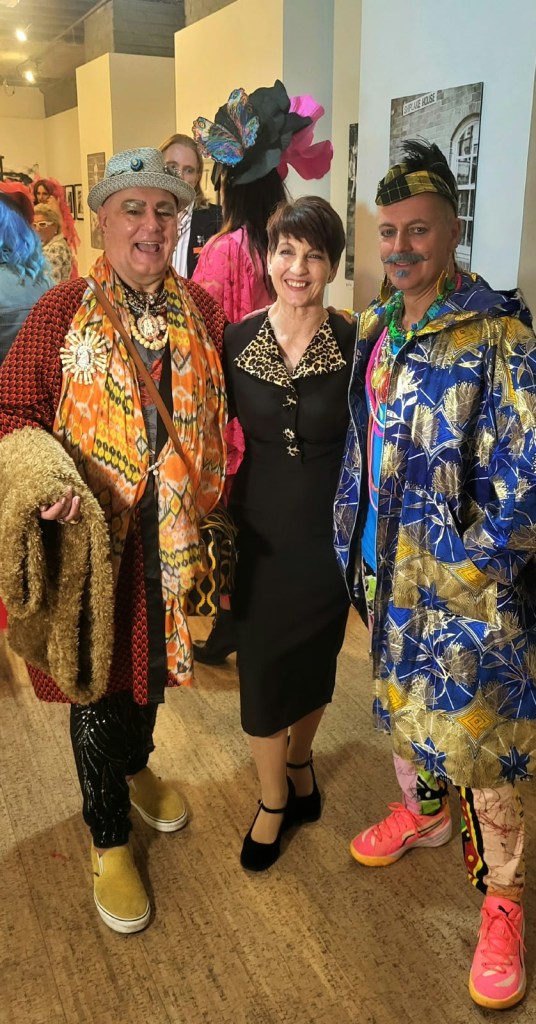
“I was honoured to be a special guest at Alessandra’s ‘Bloom After Dark’ fashion show.
“I have known Aless for more than ten years. We originally connected when she spoke to me about some of the difficulties she was experiencing around her son Ethan’s education.
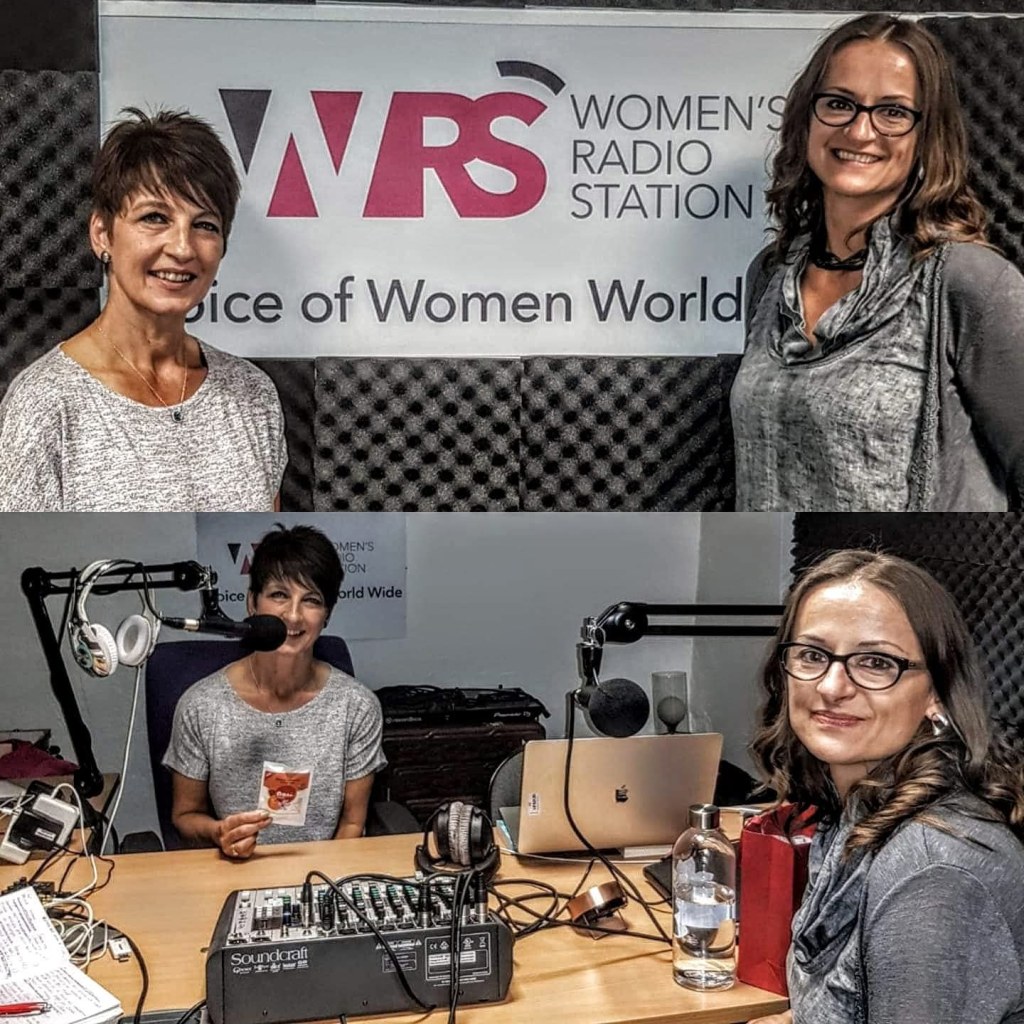
“Over the years, I have interviewed Aless several times, including on Women’s Radio, Gateway Radio and Sky TV’s The Chrissy B Show. Our conversations have covered many subjects close to both our hearts — autism, education, allergies, nutrition and, of course, our sons.
“I remember Aless telling me about the company she had created at the time, Nono Cocoa, and I was proud to support what she was doing.
“So, to be there years later watching her first fashion show was quite something. I was absolutely blown away by her creativity and everything she had achieved.
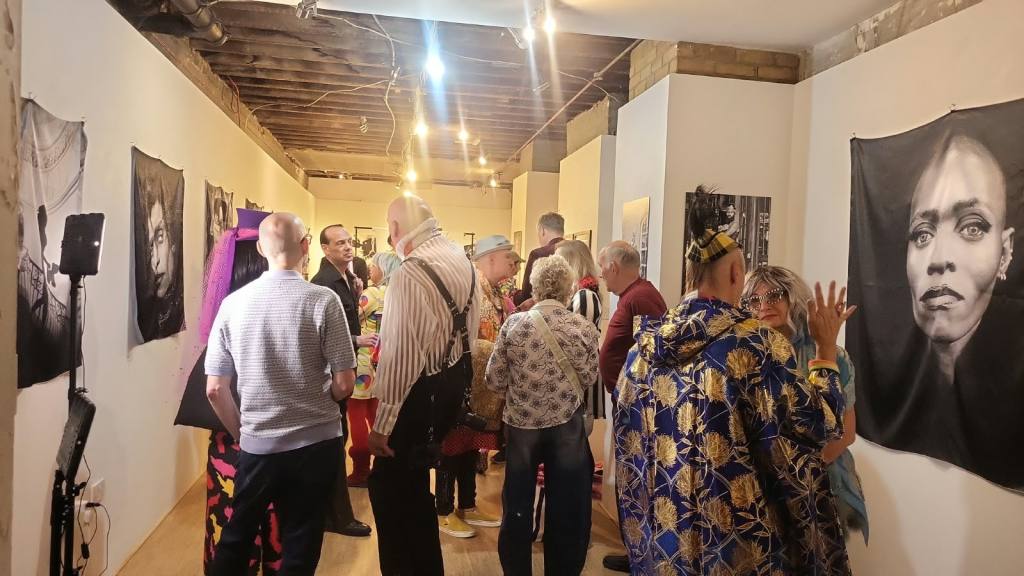
“What also meant a great deal to me was seeing the people modelling her designs. Six of the models are autistic, while Annelie, who has Down syndrome, is part of Drag Syndrome. For me, that made the evening even more special.
“I have watched Aless go through different chapters of her life over the years, always with Ethan at the heart of everything she does. Now, at 50, she has started another chapter — and what a chapter it is.
“As a mam myself, I know only too well how much of our lives can be shaped around the needs of our sons. Sometimes our own ideas and dreams have to fit into whatever spaces we can find.
“That is why Aless’s story really struck a chord with me. She found something she could create around Ethan’s needs, picked up that 3D pen and simply kept going.
“And now her work has reached London Fashion Week.
“I was incredibly proud to be there supporting Aless and Ethan and watching ‘Bloom After Dark’ come to life.
“Sometimes life takes us down roads we never expected. And sometimes starting again at 50 can be the beginning of something quite extraordinary.”
Anna Kennedy OBE Founder and Chair, Anna Kennedy Online
Mike Edde tells you how to get the look this fall they are all talking about.
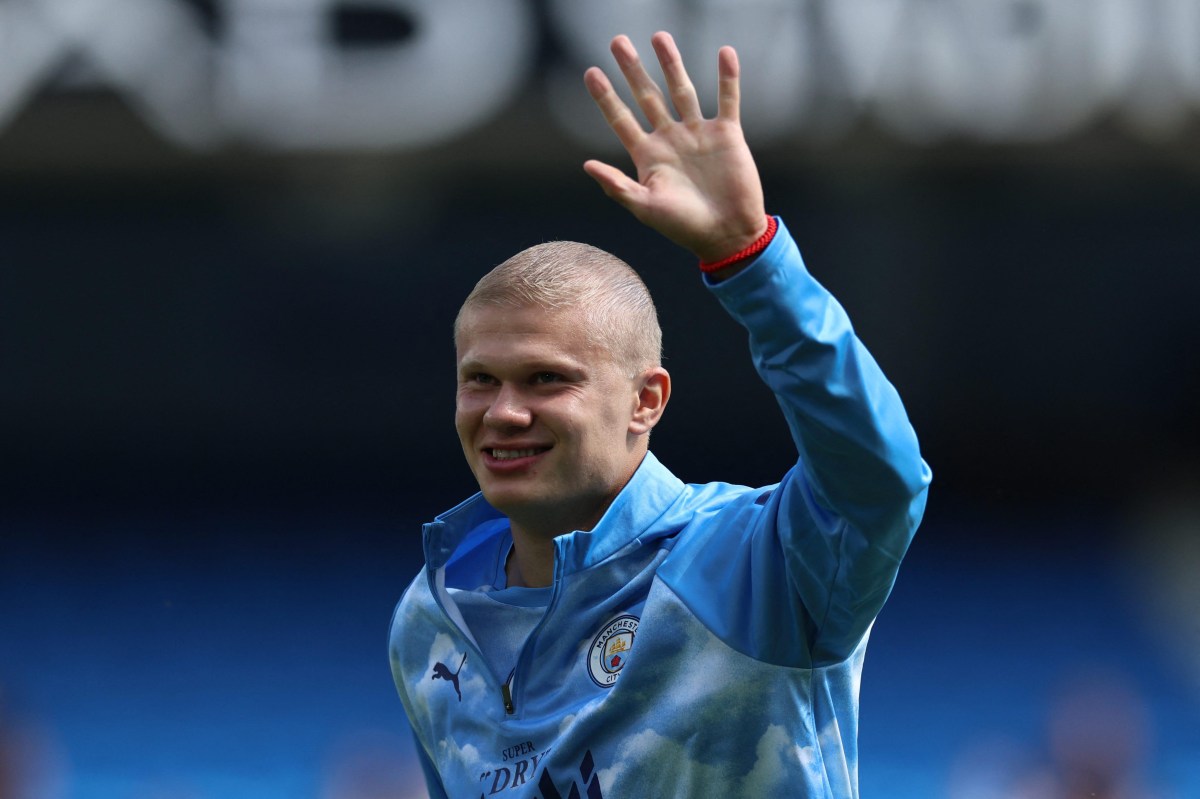
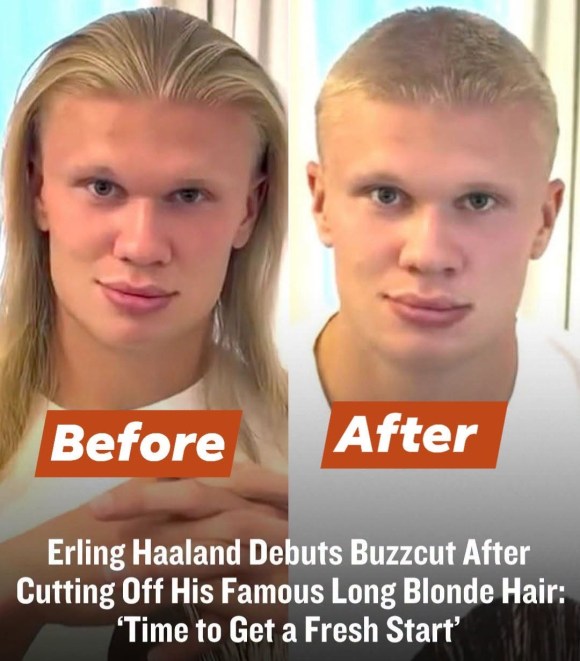
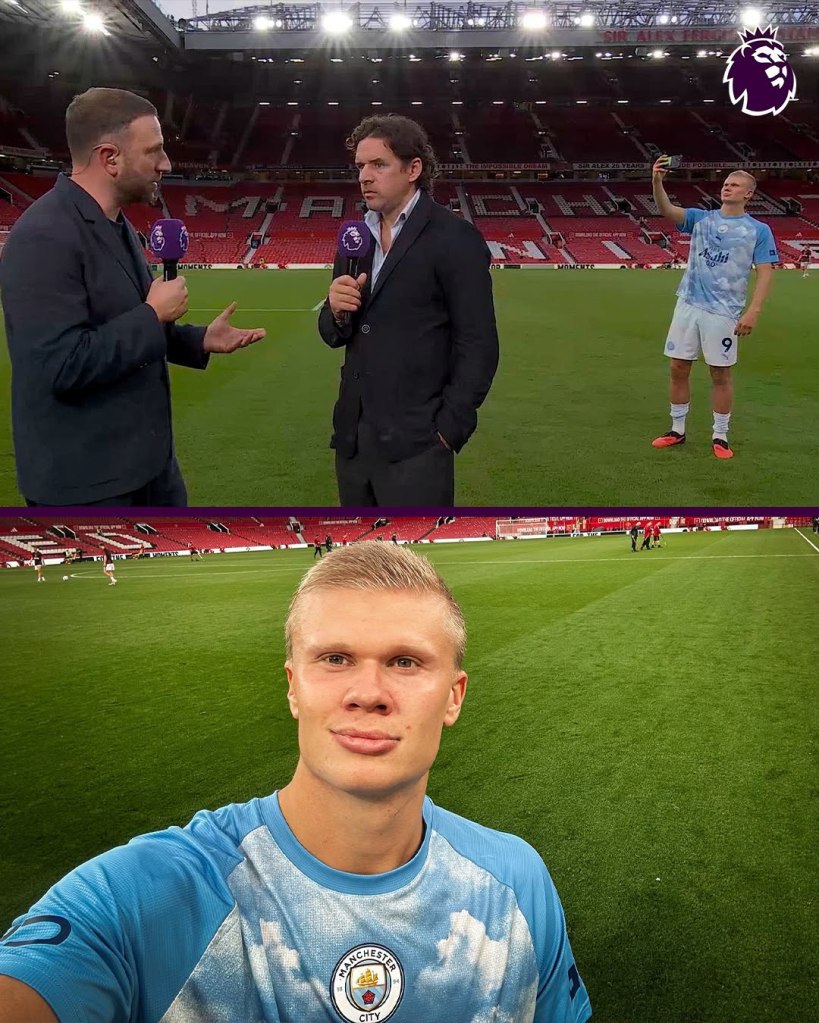
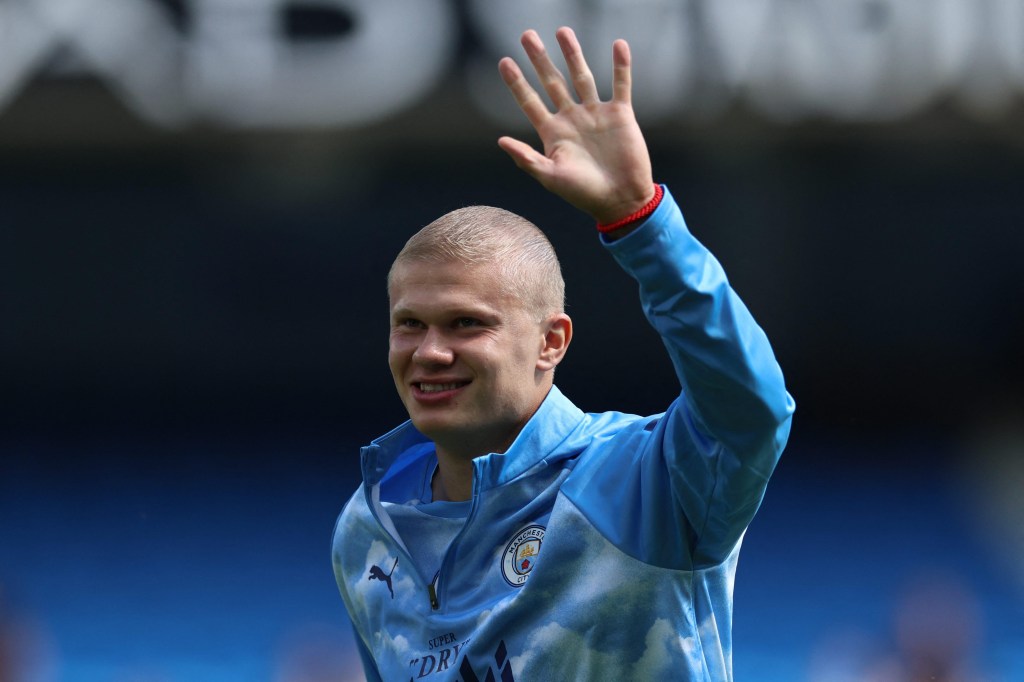
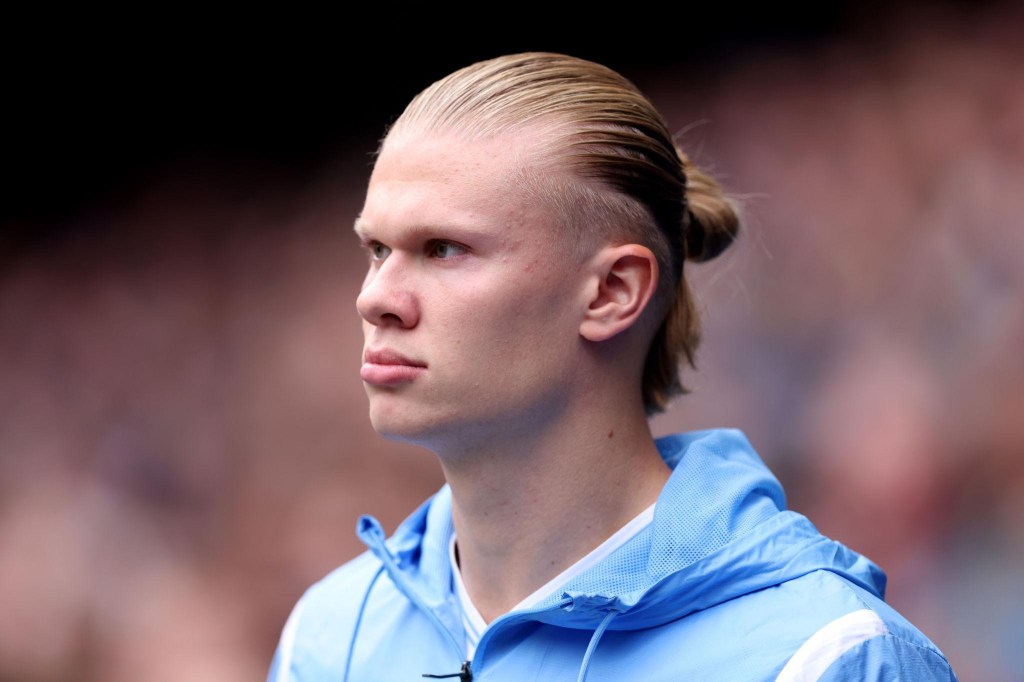
When Erling Haaland decided to say goodbye to his famous long blond hair and reveal a dramatically short buzz cut, he certainly got people talking. It is a huge change from the Viking-style ponytail we have become used to seeing, but it is also one of the easiest men’s looks to recreate.
So, if you are tempted to follow Haaland and go for the chop this autumn, here is how to do it — and, just as importantly, how to grow it back out when you are ready for another change.
The first thing I would say is: don’t just tell your barber to shave it all off! Haaland’s look might appear incredibly simple, but you still want the cut to work with your head shape, hairline and hair density.
Ask for a very short, even buzz cut, approximately a grade one or two. Your barber can advise whether going slightly longer would be more flattering for you. The beauty of this haircut is that it is clean, masculine and incredibly low maintenance. There is virtually no styling involved — you can wash it, dry it and go.
However, the shorter the hair, the more noticeable the regrowth becomes. If you want to keep that freshly cut Haaland appearance, I would recommend having it tidied approximately every two to four weeks. Keeping the neckline and edges neat makes all the difference.
And remember your scalp. Once you remove longer hair, an area of skin that has been protected is suddenly much more exposed. Use a gentle shampoo, avoid piling on unnecessary styling products and, even during autumn, think about SPF if your scalp is exposed to the sun.
What happens when you want your long hair back?
This is where patience comes in.
Hair generally grows around a centimetre or so each month, although everybody is different. The biggest mistake men make when growing out a buzz cut is simply abandoning the barber altogether.
Instead, have small maintenance trims while allowing the overall length to develop. Your barber can gradually reshape the hair as it grows, keeping the back and sides under control while allowing more length through the top. This prevents that awkward stage from looking quite so awkward!
As it becomes longer, start introducing a lightweight conditioner to keep the hair healthy and manageable. Avoid excessive heat and heavy styling products, and don’t be tempted to keep cutting it back every time it reaches an annoying stage.
If your eventual goal is Haaland’s old long-haired look, you are playing the long game. Once it reaches sufficient length, you can begin wearing it swept back before eventually progressing to a low ponytail or bun.
So, could you brave the Haaland buzz cut?
I say if you have been thinking about going dramatically shorter, autumn is the perfect time to try it. Hair grows back — and sometimes a completely different look is exactly what we need.
Picture Andy Barnes Pamela Sharrock , Denise Welch , Steven Smith Vicki Michelle ,
Back in May 2Shades writer celebrated his birthday here is the article that was held back
Pictures by Andy Barnes
Former celebrity hairdresser turned author, writer and broadcaster Steven Smith celebrated his milestone birthday in true glamorous fashion with a star-studded gathering at the much-loved Firepit Gallery in London.
The special celebration was not simply about marking another birthday — it was also held in aid of Anna Kennedy Online, the autism charity that Steven has proudly supported as a patron for the past 12 years. Friends, supporters and familiar faces from the worlds of entertainment, media and charity gathered, despite soaring temperatures, to celebrate a man many affectionately describe as a loyal friend, generous supporter and tireless champion of good causes.
Among those joining Steven for the occasion was Dr Anna Kennedy OBE, founder of Anna Kennedy Online, whose work supporting autistic people and their families has transformed countless lives. Steven has long been a passionate advocate for the charity and has supported many of its flagship events over the years, including Autism’s Got Talent, the Autism Hero Awards, and the Autism & Art Show.
The evening also became a reunion of cherished friendships spanning decades. One of the most touching appearances came from actress and presenter Denise Welch, Steven’s best friend of 45 years. Denise, who recently returned to television screens in Tip Toe, written by Russell T Davies for Channel 4, made time to celebrate the occasion with her long-time friend.
Denise Welch and Anna Kennedy OBE Picture Andy Barnes
Steven first met Denise back in Brighton, when she was appearing in the play Nigeria Falls, and the pair have remained close ever since, supporting one another through the highs and lows of both life and career.
Another familiar face lending support was actress and presenter Vicki Michelle, best known and adored for her role in the iconic comedy series ’Allo ’Allo!. A long-time friend of Steven’s and fellow patron of Anna Kennedy Online, Vicki has been an unwavering supporter of the charity for many years. Whether attending Autism’s Got Talent, judging at the Autism Hero Awards, or supporting the Autism Art Exhibition — even purchasing artwork to encourage autistic artists — her commitment has remained steadfast.
Aston Avery picture Andy Barnes .
Speaking warmly about Steven, Vicki said:
“I have known Steven for years. He is a rock to many and does so much for charity. We love him.”
Also joining the celebrations were the ever-glamorous presenter and author Wendy Turner Webster and her husband, acting favourite Gary Webster, best known for Minder and EastEnders. Long-time friends of Steven and dedicated supporters of Anna Kennedy Online, Wendy and Gary have also lent their time over the years as judges at the Autism Hero Awards, helping to champion extraordinary people making a difference within the autism community.
Picture Andy Barnes Wendy Turner Webster and Gary Webster and Steven Smith.
Guests were treated to entertainment throughout the evening, with talented singer Tilly Aston delighting attendees with a stunning live performance. Meanwhile, DJ Sumz kept the atmosphere electric, ensuring guests danced late into the evening as laughter, friendship and celebration filled the Firepit Gallery.
Picture by Andy Barnes Tilly Aston
As birthdays go, Steven Smith’s 65th was not simply glamorous — it was heartfelt, filled with friendship, and reflected the generosity and kindness of a man who has spent much of his life giving back to others while never losing his sparkle. A birthday to remember, and proof that at 65, Steven Smith still knows exactly how to throw a fabulous party.
Long term friends Marieanne Nanson In red Irene Nanson , Rachel Zisser shades money man Richard Andrews actor Matthew
The evening raised over £1,000 for Anna Kennedy Online — making the celebration not only memorable, but meaningful too.