Categories
Columns People

The Importance of Volunteer Service for Immigrants in America

In Cinzi Lavin‘s words
I’m an American of Anglo-European ancestry. My grandparents came to the U.S. in the 1930s, leaving everything behind to escape what they recognised as the omens of a devastating second world war
Unfortunately, they were correct. But besides having anticipated the coming of WWII, the other thing they did accurately was appreciating the value of volunteer service in their new country
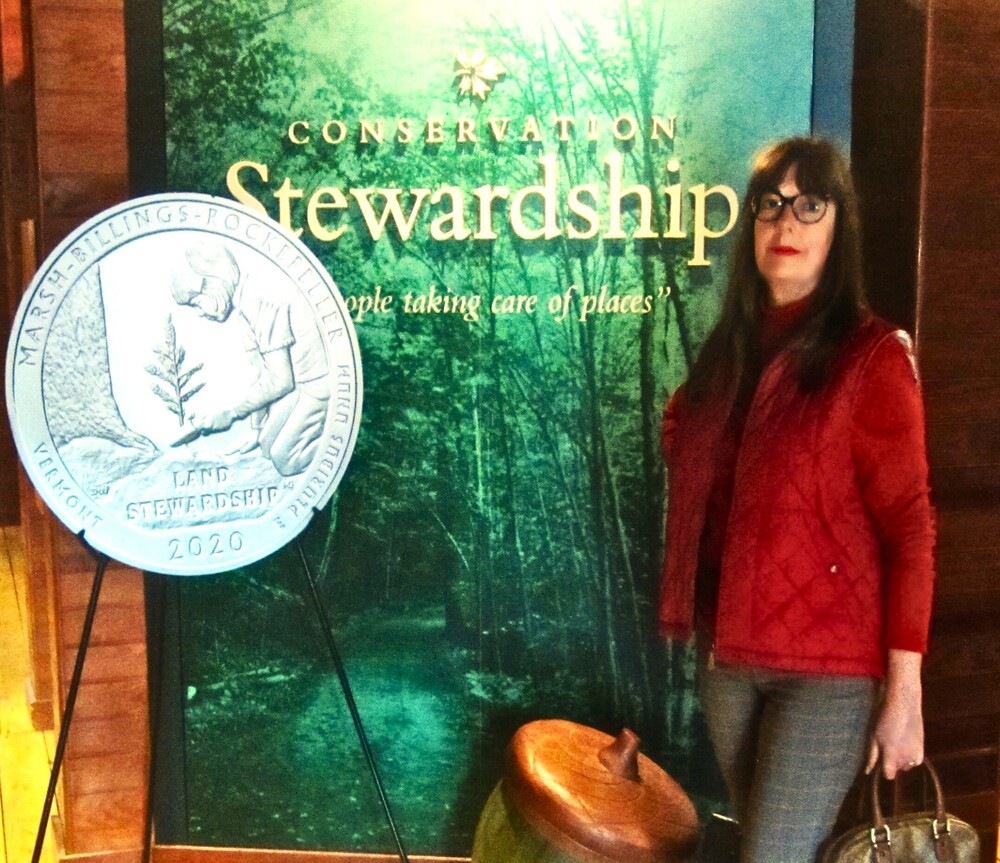
One of my grandfathers engaged in charitable works for children who were affected by the Great Depression (1929-1939). On the other side of the family, my great-grandmother headed a ministry at her church in New York City benefitting members of the congregation, while my grandmother was one of the founding members of the volunteer ambulance corps auxiliary in our town.

Immigrants all, and heedless of any unwelcoming atmosphere, they proved themselves through devotion to others and won the respect and admiration of their communities. Often, they were the only foreigners in groups comprised of people who could trace their American roots to the country’s very foundation.

This was particularly true of the more affluent charity groups, but having lost their fortunes due to the vagaries of war, my ancestors had nothing but their time and their talents to offer.

Nearly a century later, the best tribute I can pay to their memory is to follow their example. For much of my youth and all my adult life, I have been engaged in charitable work in the various communities across the U.S. in which I’ve lived.

From making philanthropic donations to physically helping to build a house, serving on boards of directors or planning fundraising parties, reading stories in Spanish to non-English-speaking children or producing musical dramas with troubled inner-city teens, it has been my pleasure and my honour to work with these groups.

Among my cousins, the tradition of service has also remained strong. One went on to have a career as an official for FEMA (the Federal Emergency Management Agency) and even met with President George W. Bush in the aftermath of the September 11th tragedy.  

Being a follower of Vedanta (it’s a long story!), I have come to know many Indian immigrants. I’m infinitely impressed by their kindness, their resourcefulness, and their enthusiasm. I appreciate their ambition and their desire to realize the dream of building a prosperous life in America.

However, I fear they sometimes settle for a superficial definition of success. Granted, everyone wants to enjoy a comfortable lifestyle and be able to afford things like a house, car, and a good education for their children.

But we have a remark in America, to be “keeping up with the Joneses,” meaning one’s striving to compete with those who express themselves through what they buy, not what they are. Furthermore, some Indians who have taken me into their confidence said they endured scorn at the hands of successful fellow immigrants—sometimes even their own relatives—because they drove a non-luxury car, worked at a little-known company, lived in a less-prestigious neighbourhood, or some such criticism.

Meanwhile, these social critics flung themselves headlong into the hamster-wheel of American greed, focusing on little else besides amassing wealth, despite already having achieved a comfortable lifestyle.

I was friends with such a person, and tried explaining that having already achieved a modicum of prosperity, perhaps they could balance their lives with an investment in their community—for example, volunteering two or three hours per month with a worthy charity.

They were not interested. For all their intelligence and business acumen, they failed to see that the simplest of human acts—helping others—was the key they had overlooked to being more widely accepted in society.

Charitable organizations are a wonderful way to make friends in the community, to form personal bonds, and to learn valuable skills. Networking opportunities abound. A connection with a fellow volunteer could be forged within a few weeks which would otherwise take years in the less-informal business world, and such a connection could lead to unforeseen opportunities and support.

Furthermore, the circumstances at present are more favorable than ever for Indians and other immigrants to join boards of directors of nonprofit organizations. Many are actively looking to fill positions and—finally—have begun to realize the importance of diversity.

Individuals without prior board experience are usually very welcome as long as they are willing to learn, and often positions can be obtained simply by contacting the organisation and offering to serve on the board.

It’s also worth noting that board membership can sometimes be arranged even if one does not live or work in the area in which a charity operates; it’s common that board members can serve from anywhere in the country and attend meetings remotely.

America is a large country, and we have a wide variety of challenges. Indians are known for the strength of their devotion. I would encourage anyone interested in volunteering to ask themselves which condition or situation most strongly resonates with them, and then pursue a charity which serves that need.

Incidentally, volunteer work is becoming a more and more prized category on one’s C.V., so charity work may ultimately fuel career success. Also, it’s hardly limited to adults—there are opportunities for children and teens to get involved as well, which is an excellent way to prepare them for a life of empathy and consideration for others. I can’t think of any better way to ensure a child’s success.

If you are planning to emigrate, or if you are an immigrant, please make it a point to balance your career-work with volunteer service. Success is a many-faceted jewel. Your devotion may well produce results that were previously unimaginable.
Categories
Travel

MagicalNepal: Empowering Local Communities and Eclectic Trekker Tales

As I sit comfortably in my office, the clacking of my keyboard often pales in comparison to the echoing steps against the rugged trails of the Himalayas—that’s where my heart truly lies.
My name’s Saugat Adhikari, I’m about to share with you stories that traverse beyond the peaks of those formidable mountains to delve into the very essence of adventure, culture, and life’s unanticipated joys.
Picture credit: MagicalNepal

The inception of MagicalNepal in 2015 marked a turning point in my life. My career had been a labyrinth of digital marketing ventures; SEO and PPC were the languages I spoke fluently.

Yet, it was the serene whispers of nature that called out to me, beckoning me to pivot towards something more profound—high-altitude trekking in the majestic landscapes of Nepal, Bhutan, and Tibet.

When you allow the mountains to be your guide, every trek becomes an anthology of human experiences. The first chapter invariably begins with anticipation—bag packed, boots tied, and soul yearning for the untamed wilderness.

As I took my initial steps, the heartbeats resonated with the uneven terrain, and a sense of symbiosis with Mother Nature ensued. The air, crisp and thin, was both a challenge for the body and a rejuvenation for the spirit.

The connection with the locale goes beyond the physical journey. The remote teahouses perched on the edges of the trails have served me not just steaming cups of butter tea, but stories steeped in generations-worth of tradition.

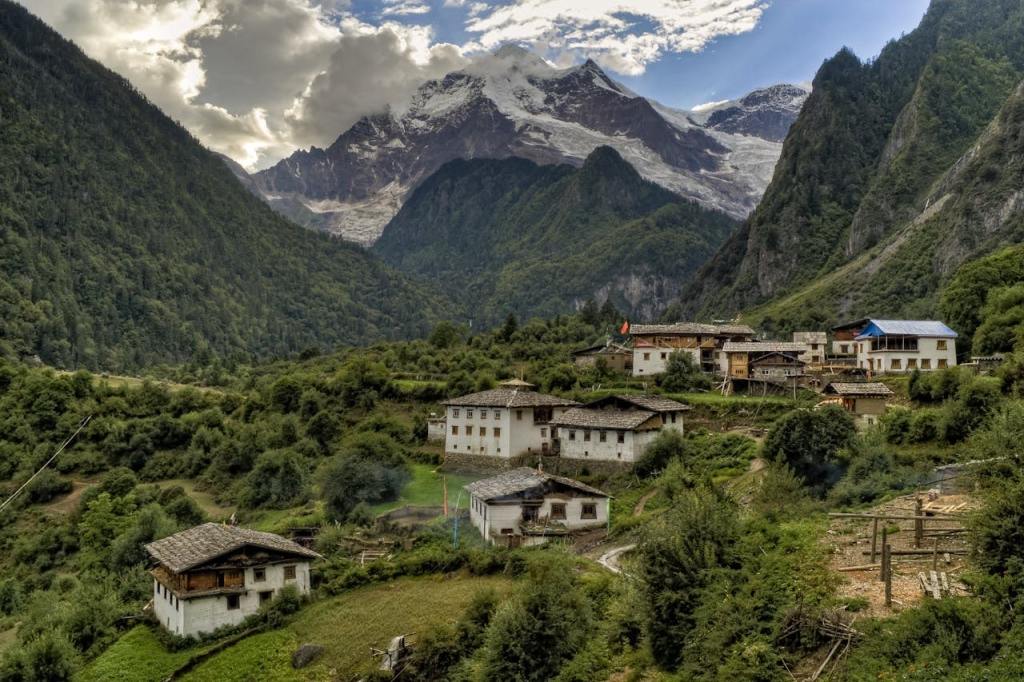
The landscapes of Nepal. Picture credit: James Wheeler via Pexels

Their walls, much like parchment, bear the tales of countless trekkers, etched in the wear of the wood and stone. Every time I converse with the natives, there’s an unspoken exchange—a transfer of wisdom, resilience, and contentment. I’ve been humbled time and again by their profound sense of community and unrivaled hospitality.

An encounter that vividly stands out took place during a trek to the Everest base camp. One evening, I ventured into a modest, lantern-lit teahouse in Dingboche. An old Sherpa man, his face carved with lines that told of a lifetime spent amid the harsh elements, shared his pride, fears, and the transformative impact tourism had on his homeland.

The narrative was not just his but echoed the voice of the entire local populace. It impressed upon me the depth and nuances of the socio-cultural landscape these communities navigate—a story that needed to be chronicled, to be heard.

Sustainability, a word often tossed around too causally, assumes a formidable weight when you witness the fragile balance of life in these high-altitudes. Promoting responsible tourism is not a mere marketing angle for us at MagicalNepal; it’s a pact with the land and its people.

Our efforts continually steer toward empowering the local economy, preserving their indigenous culture, and safeguarding the environment. We don’t see trekkers as customers; they’re partners in our shared mission of conscientious exploration.

Equally stirring are the tales of the trekkers themselves. Individuals from the far corners of the globe, united by the allure of these terrains, become part of an eclectic mosaic. Each bringing their idiosyncratic outlook and life experiences, they merge into the tapestry of the trek.

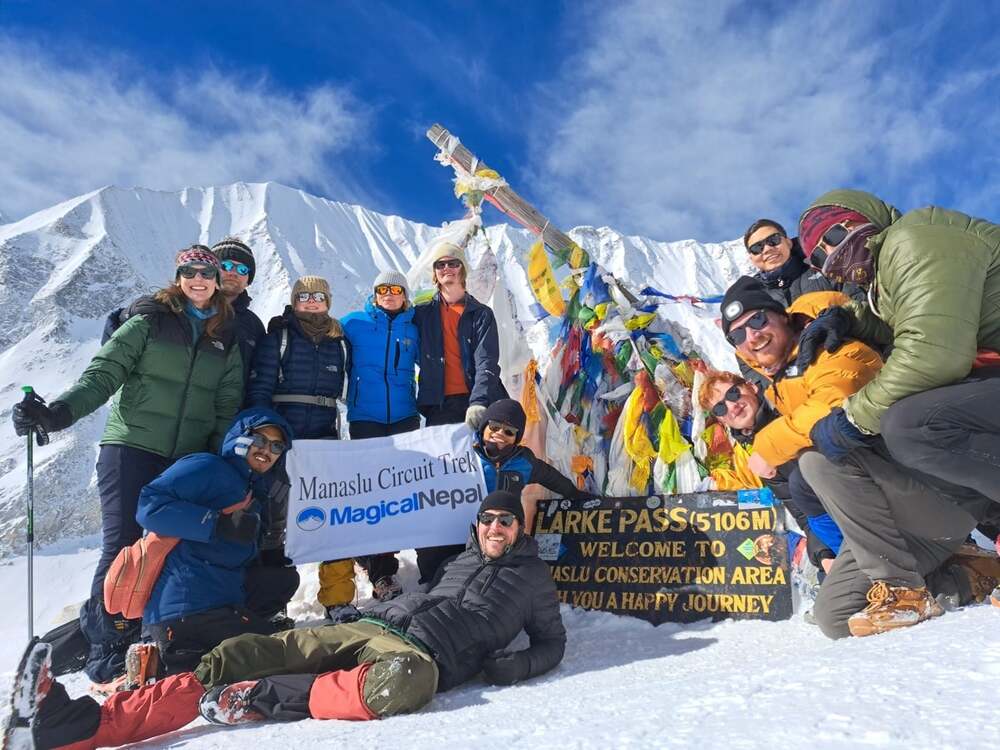
A happy community of trekkers with MagicalNepal

Like the Israeli army veteran who found solace in the silence of the mountains post-service, or the cancer survivor who defied her physical limitations to bask in the glory of the Annapurna sunrise—every trekker pens a unique passage in this narrative.

Yet, it isn’t only about the transcendence of the soul or the physical triumphs; it’s also about confronting realities. I’ve witnessed global warming’s firsthand effects, monsoon variations, and the resultant impact on the trails and the lives reliant on them. Experiences like these mandate a chronicle, a lesson that what we do in the lowest valleys casts shadows upon the highest peaks.

However, it’s not all solemn. Reveling in intercultural exchanges during shared meals, discovering common ground over a game of cards, or the collective groan as the cold of the night sets in—these moments paint joy across the canvas of toil. It’s the laughter in the face of adversity that cements a group of strangers into lifelong friends.

Through my lens, the quintessential narrative of high-altitude trekking is a sensorial anthology. It’s the gust of wind against your face, the murmur of a distant river, the sturdiness of the rocky path beneath your feet, the aroma of pine mixed with the earthiness of rain-soaked soil, and the visual panorama of undulating terrains crowned by snow-clad peaks piercing the skies.

Each of these elements, when woven together, creates a tapestry so vivid and intricate that it demands to be shared. With 2Shades Magazine, I see an opportunity to craft a mosaic of experiences that celebrates the human spirit’s capability to thrive within nature’s vast amphitheater.

The stories I propose are not mine alone; they belong to the faces behind the prayer flags, to the travelers who’ve become part of these mountain narratives, and to the landscape that governs us all.

I am not just sharing articles; I’m entrusting you with the very chapters of my life etched by the altitude, and in turn, humanising the heartbeat of these treks.

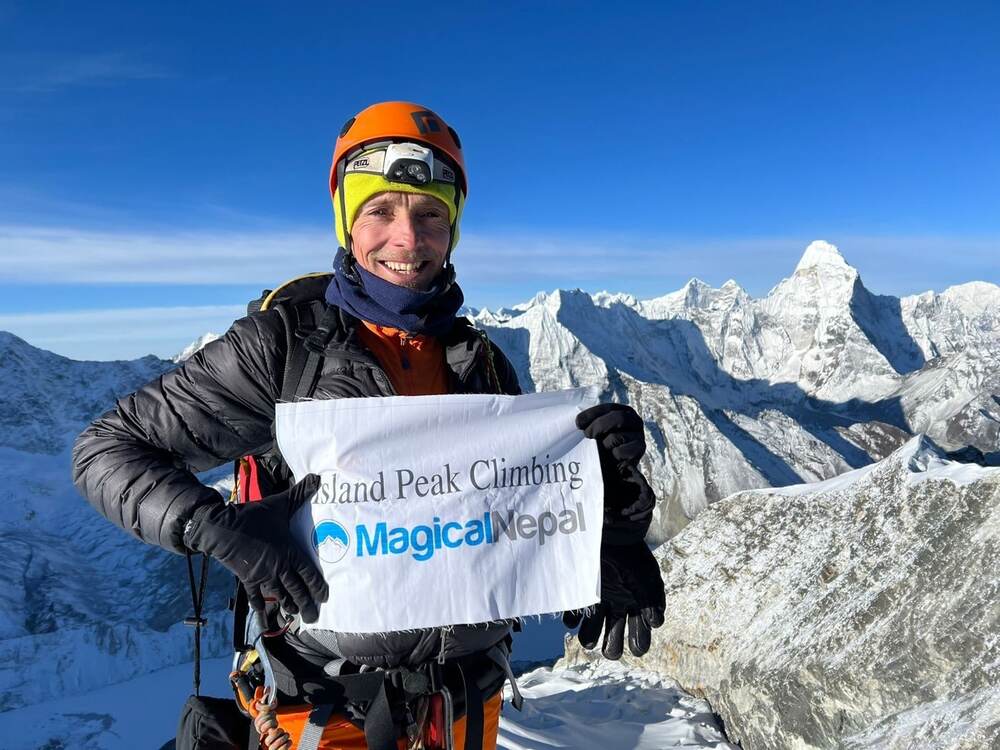
Plan your next peak climbing challenge in the Himalayas with MagicalNepal

Here’s to tales of resilience, moments of blissful clarity, and the indomitable essence of the human experience—all from the vantage point where Earth meets sky, and stories linger in the thin air, waiting to be recounted. Welcome to the journey through my lens.

Have a look at MagicalNepal’s travel packages and itinerary on their website if you fancy taking a trekking trip to the Himalayas, but more importantly, to create your own story for a lifetime.