Categories
Columns People

The Importance of Volunteer Service for Immigrants in America

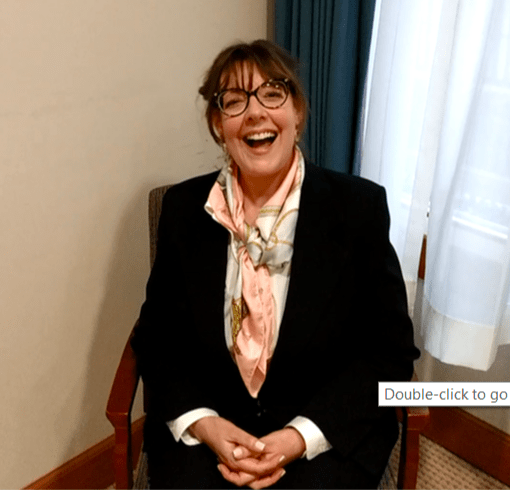
In Cinzi Lavin‘s words
I’m an American of Anglo-European ancestry. My grandparents came to the U.S. in the 1930s, leaving everything behind to escape what they recognised as the omens of a devastating second world war
Unfortunately, they were correct. But besides having anticipated the coming of WWII, the other thing they did accurately was appreciating the value of volunteer service in their new country
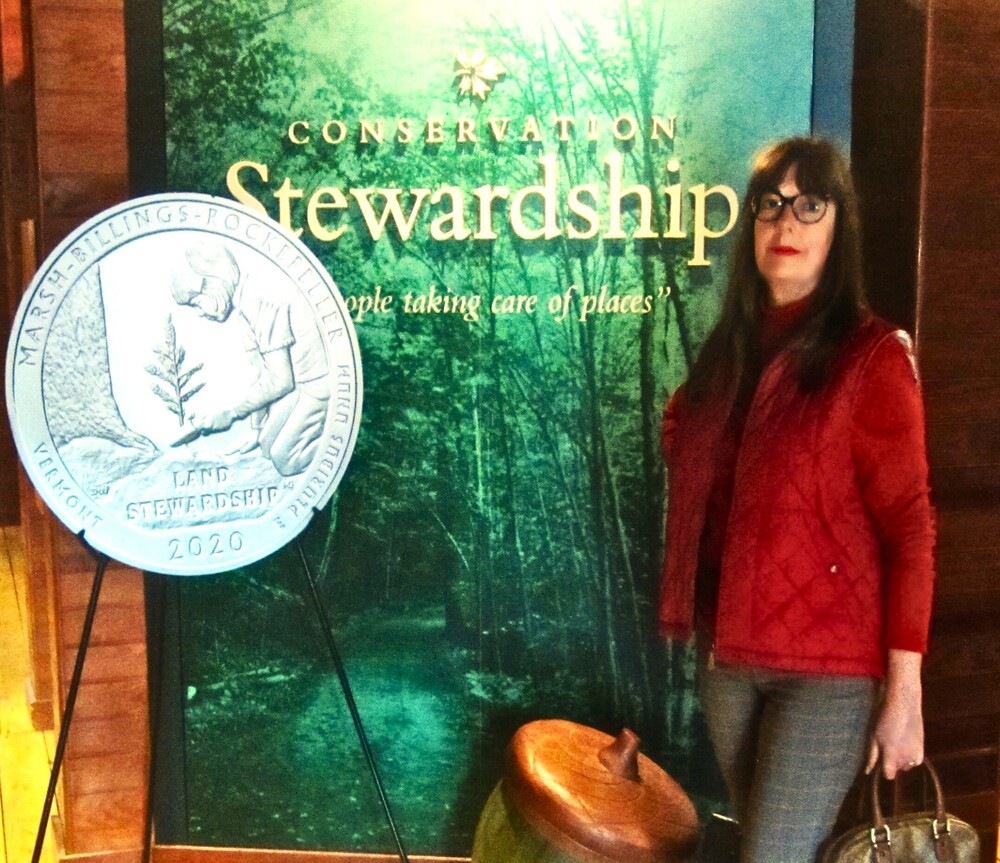
One of my grandfathers engaged in charitable works for children who were affected by the Great Depression (1929-1939). On the other side of the family, my great-grandmother headed a ministry at her church in New York City benefitting members of the congregation, while my grandmother was one of the founding members of the volunteer ambulance corps auxiliary in our town.

Immigrants all, and heedless of any unwelcoming atmosphere, they proved themselves through devotion to others and won the respect and admiration of their communities. Often, they were the only foreigners in groups comprised of people who could trace their American roots to the country’s very foundation.

This was particularly true of the more affluent charity groups, but having lost their fortunes due to the vagaries of war, my ancestors had nothing but their time and their talents to offer.

Nearly a century later, the best tribute I can pay to their memory is to follow their example. For much of my youth and all my adult life, I have been engaged in charitable work in the various communities across the U.S. in which I’ve lived.

From making philanthropic donations to physically helping to build a house, serving on boards of directors or planning fundraising parties, reading stories in Spanish to non-English-speaking children or producing musical dramas with troubled inner-city teens, it has been my pleasure and my honour to work with these groups.

Among my cousins, the tradition of service has also remained strong. One went on to have a career as an official for FEMA (the Federal Emergency Management Agency) and even met with President George W. Bush in the aftermath of the September 11th tragedy.  

Being a follower of Vedanta (it’s a long story!), I have come to know many Indian immigrants. I’m infinitely impressed by their kindness, their resourcefulness, and their enthusiasm. I appreciate their ambition and their desire to realize the dream of building a prosperous life in America.

However, I fear they sometimes settle for a superficial definition of success. Granted, everyone wants to enjoy a comfortable lifestyle and be able to afford things like a house, car, and a good education for their children.

But we have a remark in America, to be “keeping up with the Joneses,” meaning one’s striving to compete with those who express themselves through what they buy, not what they are. Furthermore, some Indians who have taken me into their confidence said they endured scorn at the hands of successful fellow immigrants—sometimes even their own relatives—because they drove a non-luxury car, worked at a little-known company, lived in a less-prestigious neighbourhood, or some such criticism.

Meanwhile, these social critics flung themselves headlong into the hamster-wheel of American greed, focusing on little else besides amassing wealth, despite already having achieved a comfortable lifestyle.

I was friends with such a person, and tried explaining that having already achieved a modicum of prosperity, perhaps they could balance their lives with an investment in their community—for example, volunteering two or three hours per month with a worthy charity.

They were not interested. For all their intelligence and business acumen, they failed to see that the simplest of human acts—helping others—was the key they had overlooked to being more widely accepted in society.

Charitable organizations are a wonderful way to make friends in the community, to form personal bonds, and to learn valuable skills. Networking opportunities abound. A connection with a fellow volunteer could be forged within a few weeks which would otherwise take years in the less-informal business world, and such a connection could lead to unforeseen opportunities and support.

Furthermore, the circumstances at present are more favorable than ever for Indians and other immigrants to join boards of directors of nonprofit organizations. Many are actively looking to fill positions and—finally—have begun to realize the importance of diversity.

Individuals without prior board experience are usually very welcome as long as they are willing to learn, and often positions can be obtained simply by contacting the organisation and offering to serve on the board.

It’s also worth noting that board membership can sometimes be arranged even if one does not live or work in the area in which a charity operates; it’s common that board members can serve from anywhere in the country and attend meetings remotely.

America is a large country, and we have a wide variety of challenges. Indians are known for the strength of their devotion. I would encourage anyone interested in volunteering to ask themselves which condition or situation most strongly resonates with them, and then pursue a charity which serves that need.

Incidentally, volunteer work is becoming a more and more prized category on one’s C.V., so charity work may ultimately fuel career success. Also, it’s hardly limited to adults—there are opportunities for children and teens to get involved as well, which is an excellent way to prepare them for a life of empathy and consideration for others. I can’t think of any better way to ensure a child’s success.

If you are planning to emigrate, or if you are an immigrant, please make it a point to balance your career-work with volunteer service. Success is a many-faceted jewel. Your devotion may well produce results that were previously unimaginable.

Categories
Culture

Art Exhibition: The Places We Carry – Healing Through Arabic Art and Poetry

An an evening scroll on Eventbrite turned out to be the most holistic and heroic experience I’ve ever been to.
Pioneers of peace from Arabic lands gathered to remind us how art can heal us and speak our prayers.
Grand Junction at Warwick Avenue

In pursuit of my next cultural experience in London, I happened to tap my finger on a poetry and prose event at a church in Warwick Avenue. 

It was the closing day of an exhibition called, ‘The Places We Carry‘ and something about that made me raise an eyebrow. 

I went through the description and found out that the guest speakers were Arabic poets and artists from Syria, Iraq, Lebanon, Libya and Palestine. 

My heart instantly went out for the Palestinian guests and how gut-wrenching it must be witness the ongoing brutality against their homeland.

My body moved without hesitation to go to this event. I had to know how immigrants from these countries translated their sorrows into extraordinary pieces of art.

When I arrived, Dima Karout, the curator of the exhibition, was giving the visitors a tour of all the art displayed in the basement. 

She graciously walked us through the artwork put together by her team that focused on immigrant lives in the UK ever since they moved here. And shared stories of their journey of finding a home away from home through artistic expression.

Dima Karout (left) giving us a tour of all the artwork

There were paintings, sketches and clay art that portrayed various Arabic cultures. Tools and artefacts used in households and agriculture that reminded me of my country in many ways.

The name of the event suddenly struck me then, ‘The Places We Carry’. The whole exhibition was a reflection of the emotions and attachments we have to objects and places that will always remind us of home and never leave us.

Each picture had a simple yet moving story that resonated with me like a warm hug. With unique narratives on how they adjusted to the lifestyle and the difficulties of they faced in terms of belonging.

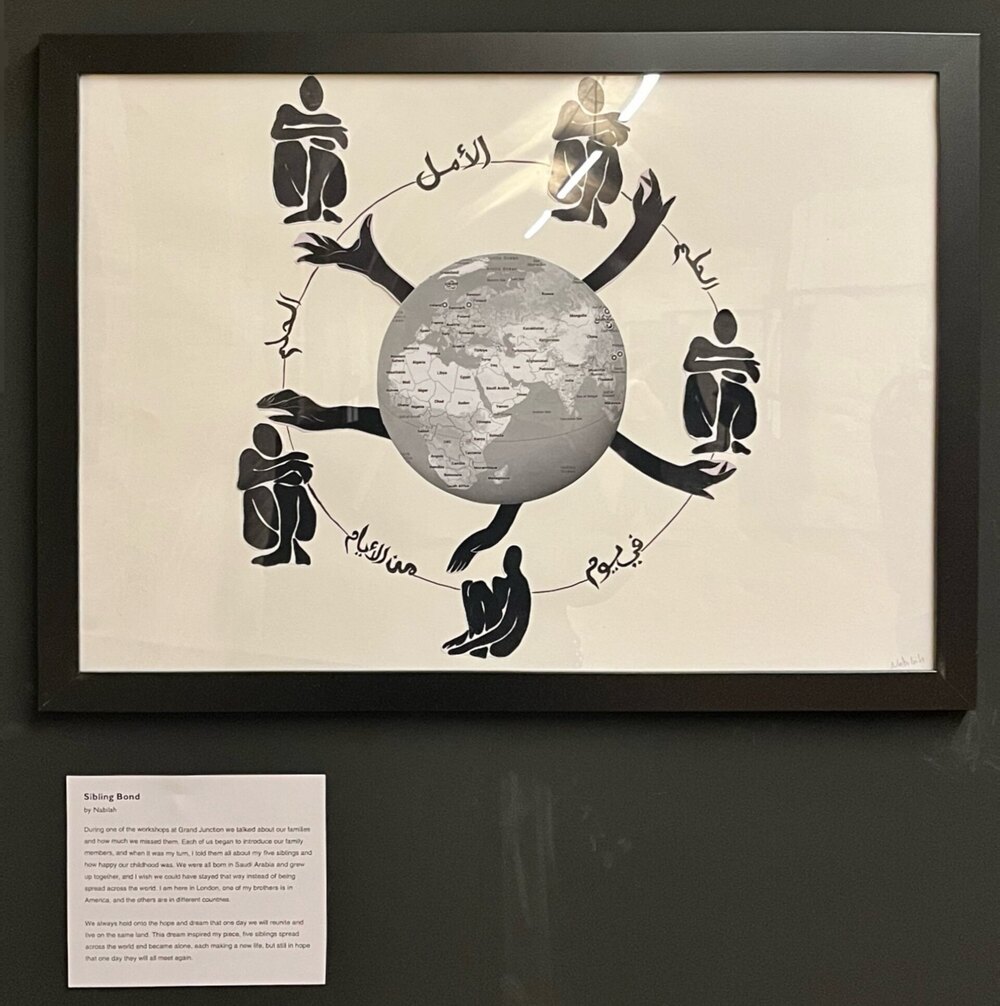
An art piece that stood out to me was about siblings scattered across the world knowing they might never live in the same city or country.

I felt a rush of acceptance and resolution for a lingering sadness I felt over the years. I hadn’t quite faced the truth that I might never live in the same country as my brother or my cousin ever again until that moment.

As immigrants we make bold career and financial decisions to move away from our families to build new roots on a foreign soil. 

We have our own reasons to do it and to each their own. Some flee the horrendous political and economic climate of their country in search of better opportunities. And others move with a sense of purpose to become more expansive as an individual.

But a sweet energy surrounded the exhibition like a silent acknowledgement for everyone’s journey. That no matter the reason, we were all there to recognise our own growth.

Sibling Bond by Nabilah

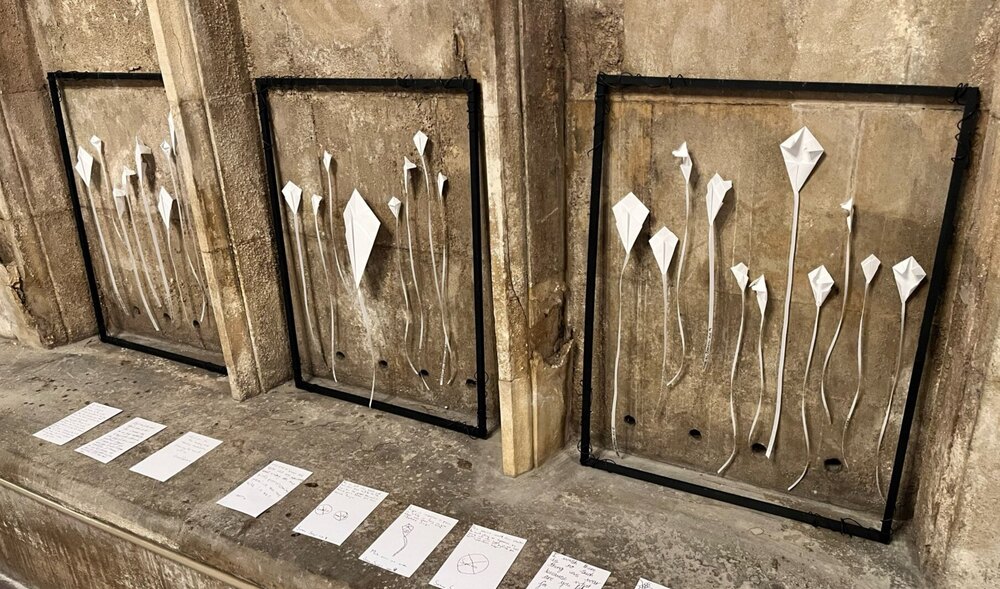
I made my way into a shrine that was dedicated to Palestinians. I noticed an art piece made of paper kites with names written on the strings. I soon found out they were names of innocent children whose lives were taken away as a result of genocide.

It grappled my heart and made me silently weep. It was overwhelming to look at this piece of art and admire the heart behind it but I couldn’t help but catch a glimpse of the horror those children had to face. I felt terrified for the state of humanity.

I suddenly became aware of the location we were at. I prayed to Jesus for a permanent ceasefire more than I usually do but I also prayed for any kind of divine intervention to bring softness to the world.

There were letters of love and consolation laid on what looked like a burial cloth. As I read each letter I was grateful for the humanity we as people cling so hard to while people in power seem to have lost theirs.

Paper kites by Helen Alzhar

We were allowed to write words of compassion of our own and I wrote mine without flinching. Words from the heart flow easily when you stop worrying about who might read it, it doesn’t matter anymore. When the purpose is beyond measure, every contribution is invaluable.

I placed it next to the other cards people had also written letters of support. I looked around and the faces I saw weren’t strange to me anymore. I felt a sense of unity without conversation, the language of our emotions seemed to be aligned.

Letters of love and consolation laid out on a cloth

We made our way up to the church to be seated for the second part of the exhibition. Dima and her team had gathered a few artists who read poetry, extracts, performed music and spoken word pieces.

Rama Alcoutlabi is a passionate musician, a dedicated scholar and an activist from Syria. She opened the performances with a soothing song in an ancient language called Aramaic using a traditional percussion instrument called the Daf.

She gave me the release I was seeking after all the heaviness I felt. Her angelic voice compelled me to close my eyes and listen intently to a language I had never heard before, yet harmonised perfectly with the emotions emanating from her melody. 

She also closed the show with three beautiful pieces on her Syrian stringed instrument called Oud, that wrapped the entire evening with such grace and warmth.

Rama Alcoutlabi performing with her Oud

Hafiza Ibrahim is a Palestinian poet who settled down in the UK after her graduate degree and is now an English language teacher, translator and interpreter (Arabic-English).  Her poetry emphasised on the longing of migrated residents of Palestine who wish to return to their land and reunite with their people. She gave us an imagery of a beautiful life lived in Palestine before genocide took away their simplicity of being.

Sarona Abuaker Bedwan is a Palestinian-American writer and Outreach & Programmes manager at Makan, a Palestinian led educational organisation. She read two poems from her book, “Why so few women on the street at night” and her narration reflected the ardent activist that she is. She has a strong voice and a powerful presence that made me want to listen to her every word. With short sentences compiled into a chronological sequence of emotions, she took me on a rhythmic vision to paint a picture of how human rights are being manipulated and criminalised by perpetrators who lack any awareness of themselves.

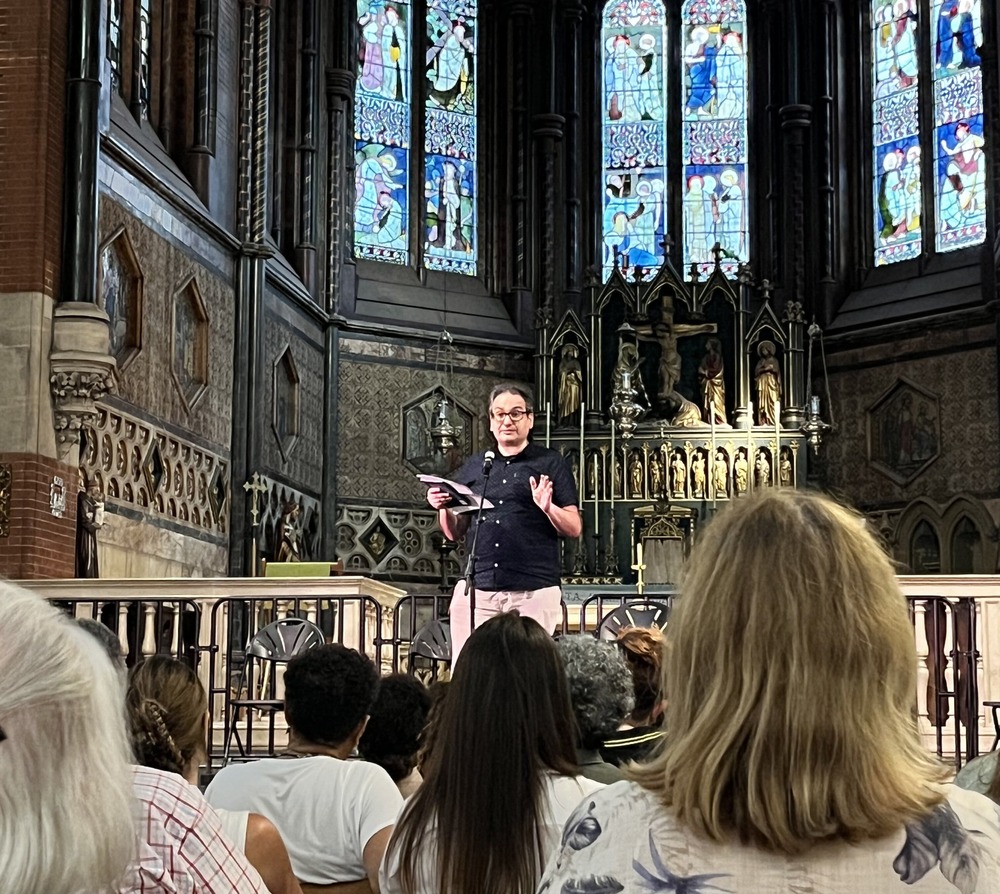
Laith Elzubaidi is a British-Iraqi TV/Film writer and producer based in London. His unserious and impactful presence on the stage made me adore him. I could see the comedy and drama writer in him bouncing out as he read an extract about his trip to Iraq with his mum after 30 years. He was unafraid to share his confusion about his dual ethnicity as he explained how Iraq is not how imagined it would be. And how his mum tried to rat him out to the airport security for not knowing the language. He was hilarious, I needed a good laugh and I could hear people around me snorting and gagging. But he also highlighted a lot of real emotions 2nd generation children face when they experience the other half of their culture for the first time. 

Hassan Abdulrazzak is an award-winning Iraqi writer who settled down in the UK and continues to pursue his passion as a playwright. He read extracts from his play so charmingly, I hardly believed he’s not a performer even if he said so. His extracts were humorous and sweet, with a touch of purity to it. Particularly the, ‘Enemy Of The Sun’, a very vulnerability piece where he spoke of the citizens who will continue to fight no matter how hard other nations try to take away their land. And that “They will not compromise, till the last pulse in their veins” in his own words.

Hassan Abdulrazzak

Lisa Minerva Luxx is a poet, playwright, essayist and political activist of British-Syrian heritage. In the three poems she read, I could see a halo forming over her head for how persistently she advocates for peace in the world. A true warrior and empath who not only helped permanently shut down manufacturing companies in the UK who supply drones to Israel out of the law, but also speaks with such depth in her poems about the lives lost in her country and the bombing in Beirut.

She performed her pieces in a spoken word style with gestures that tempted me to sway with her. Her ability to be a voice for the suffering of many people, her family and herself was sensational and deeply inspiring. 

I fetched two lines from her poems that made me connect to my own life. One of them being “If it feels impossible, you are going the right way.” And the other which isn’t really a line but an important reason for why we face the injustice that we do, “Bone collectors in cufflinks.”

It’s fascinating how a tap of the finger on an event page lead me towards heroes who make remarkable movements for a reformed world.

The exhibition reinstated my faith that if I continue to do my bit to spread the message of kindness and peace, I can help in the construction of a safer destination for future generations to arrive at.

Dime Karout and her team organise several art exhibitions, go here for more information and explore the tapestry of cultures that reside in London