Wow, fabulous to see the ladies getting a look-in! This is so sexy I might become a lesbian. That would certainly explain my lack of dating! It is also the campest, pardon the pun, slasher movie I have seen in years. A must-watch. It is bloody brilliant!
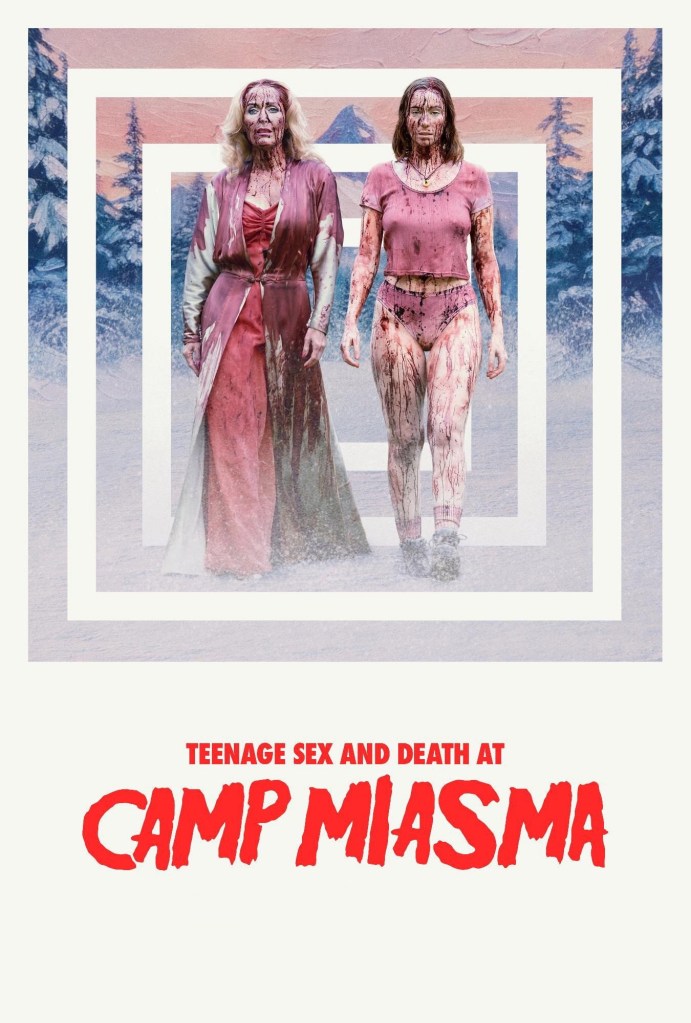
Teenage Sex and Death at Camp Miasma is not your average horror movie. Forget the predictable screaming teenagers, the masked lunatic lurking behind a tree and the obligatory blonde running through the woods in her underwear. This is something altogether more delicious, daring and wonderfully deranged.
Director Jane Schoenbrun has taken the slasher genre, given it a fabulous queer makeover and served up a gloriously twisted cocktail of sex, obsession, psychological horror and dark humour. It is outrageous, seductive and utterly compelling.
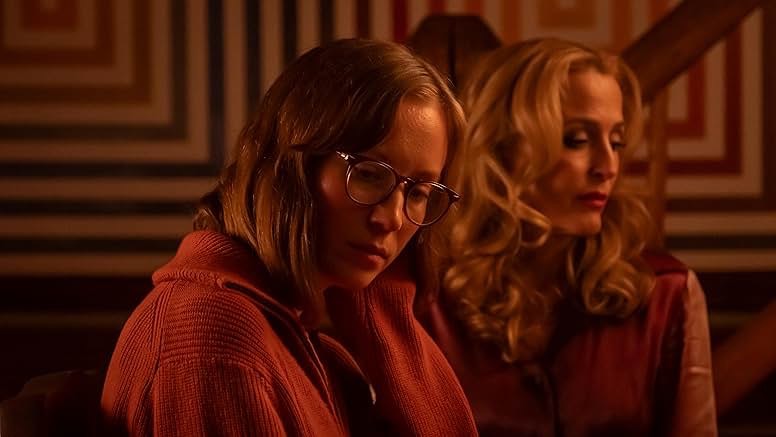
The story follows an enthusiastic young filmmaker, played by Hannah Einbinder, who is given the opportunity to resurrect the once-popular Camp Miasma horror franchise. After years of increasingly dreadful sequels, the series desperately needs new blood. And goodness, does it get some!
Her journey leads her to the original film’s mysterious star, played by the magnificent Gillian Anderson, who has withdrawn from the spotlight. What follows is a disturbing and intoxicating exploration of desire, power, fantasy and the dangerous relationship between an actress and her admirer.
Now, can we please talk about Gillian Anderson?
My goodness, this woman is extraordinary. Anderson delivers a performance so hypnotic, sexy and commanding that you simply cannot take your eyes off her. Every glance, every carefully measured word and every movement seems calculated to draw you deeper into her web.
There is something almost dangerously seductive about her presence. She doesn’t merely occupy the screen; she possesses it. She can make a moment of silence more electrifying than an entire sequence of bloodcurdling screams.
Anderson has always been an exceptional actress, but here she reminds us why she remains one of the most fascinating performers of her generation. She is mysterious, powerful, vulnerable and terrifyingly alluring, sometimes all within the same scene.
Hannah Einbinder is equally impressive, bringing an intriguing mixture of ambition, fascination and emotional vulnerability to her role. The chemistry between these two women is electric. Their relationship becomes the beating heart of a film that is as interested in psychological seduction as it is in horror.
What I particularly loved is that the film refuses to behave itself. It plays with the conventions of the slasher genre while examining fame, female power, sexuality and the strange obsession audiences develop with their screen idols.
It is unapologetically queer, gloriously camp and refreshingly different. There is something wonderfully liberating about watching a horror film in which women are not simply waiting around to become the next victim.
Be warned, though: this is not conventional popcorn horror. It is strange, provocative and deliberately unsettling. But that is precisely what makes it so memorable.
As for Gillian Anderson, darling, forget the masked killer. She is the real danger here. One smouldering look and I would probably surrender without a fight.
Five stars from me. Sexy, sinister, spectacularly camp and utterly irresistible. Go and see it. Just don’t blame me if you develop a crush on Gillian Anderson!
Imagine edible aromatherapy, where your senses are pleasurably assaulted by a dining experience that will linger in your memory long after the last mouth-watering morsel has been savoured.
Let’s be straight I am not a vegan, though I totally respect people who are vegans. I have lived with a vegan and I enjoyed the food and as she is one of my best friends we eat at Vegan recusants and it is great and add to Italian my favourites Mexican, Japanese and Thai .
For the record I am Pollotarian means I eat chicken fish turkey but no red meat or poultry it is very hard given my diet I do not eat cheese or shell fish to explain to some people that this has been a choice since I was 20 . The smell of pork makes me feel sick. People are often judgemental or do understand vegans ,
Suprsingly the most difficult ritios people are quick to judge and even ignore . One peson “ I have done chicken for dinner “ when I opened there was pork and cheese in it “Scrape it off “ they said signing forgetting the list of what they will do and wont . Their assoiate “ In my day we were eat what we were given “ my regards to the victorain era. One friend at the womans vegan club said to me “ Are all these woman lesbians “ my eyes went to heaven ,
Kirk and Keely Haworth
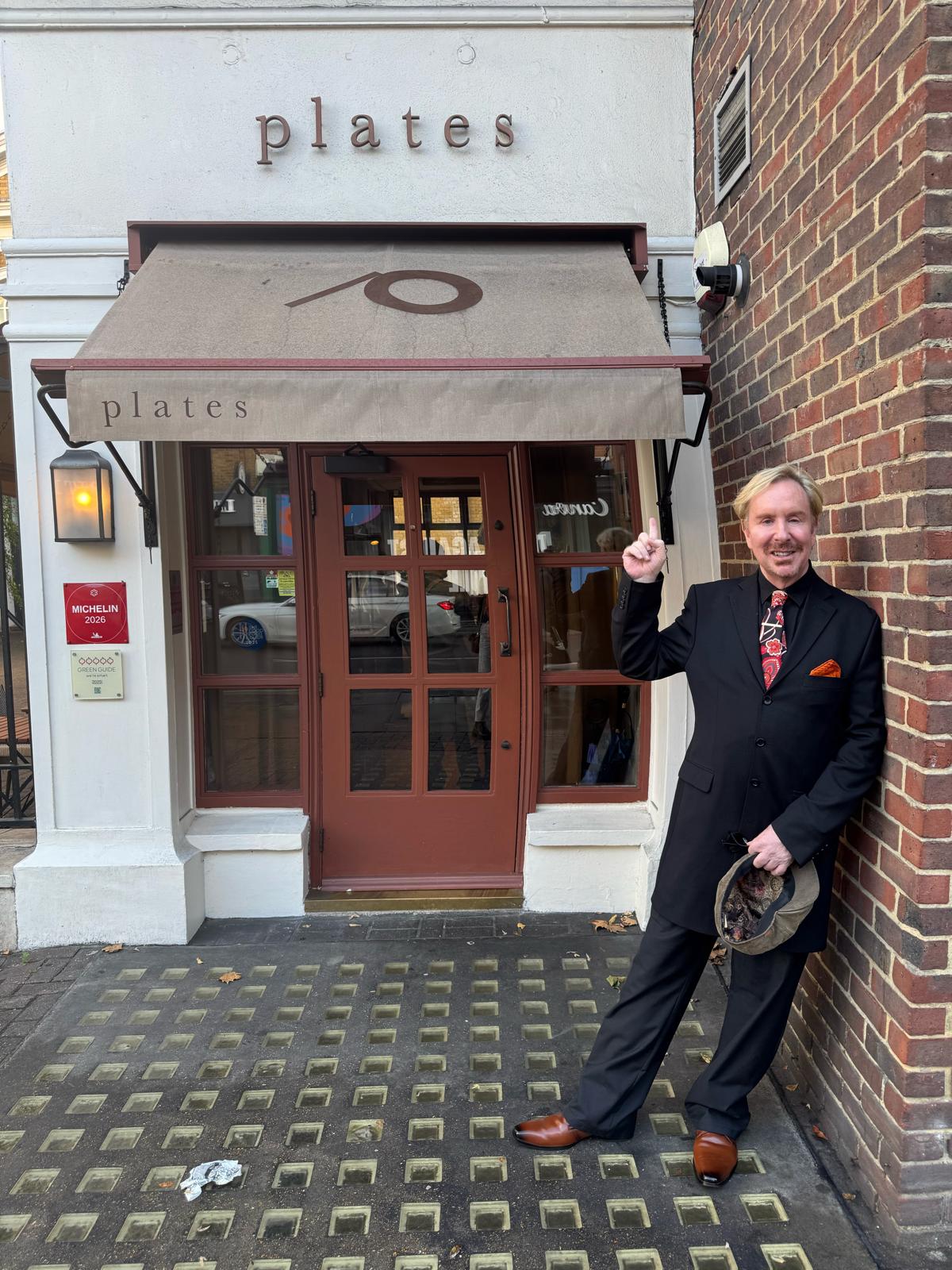
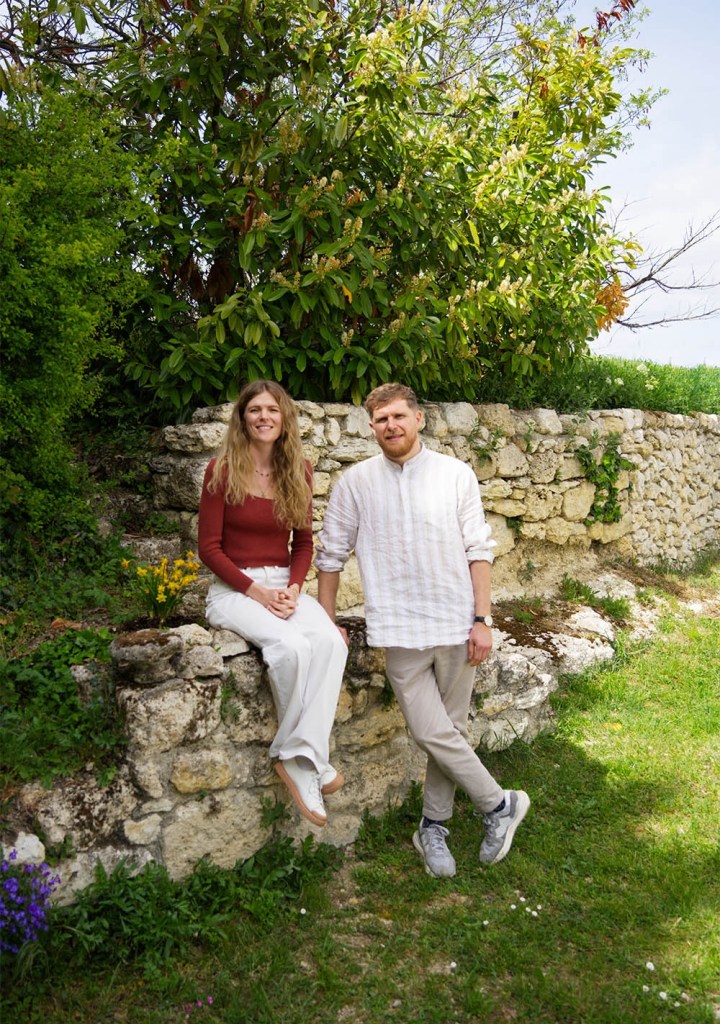
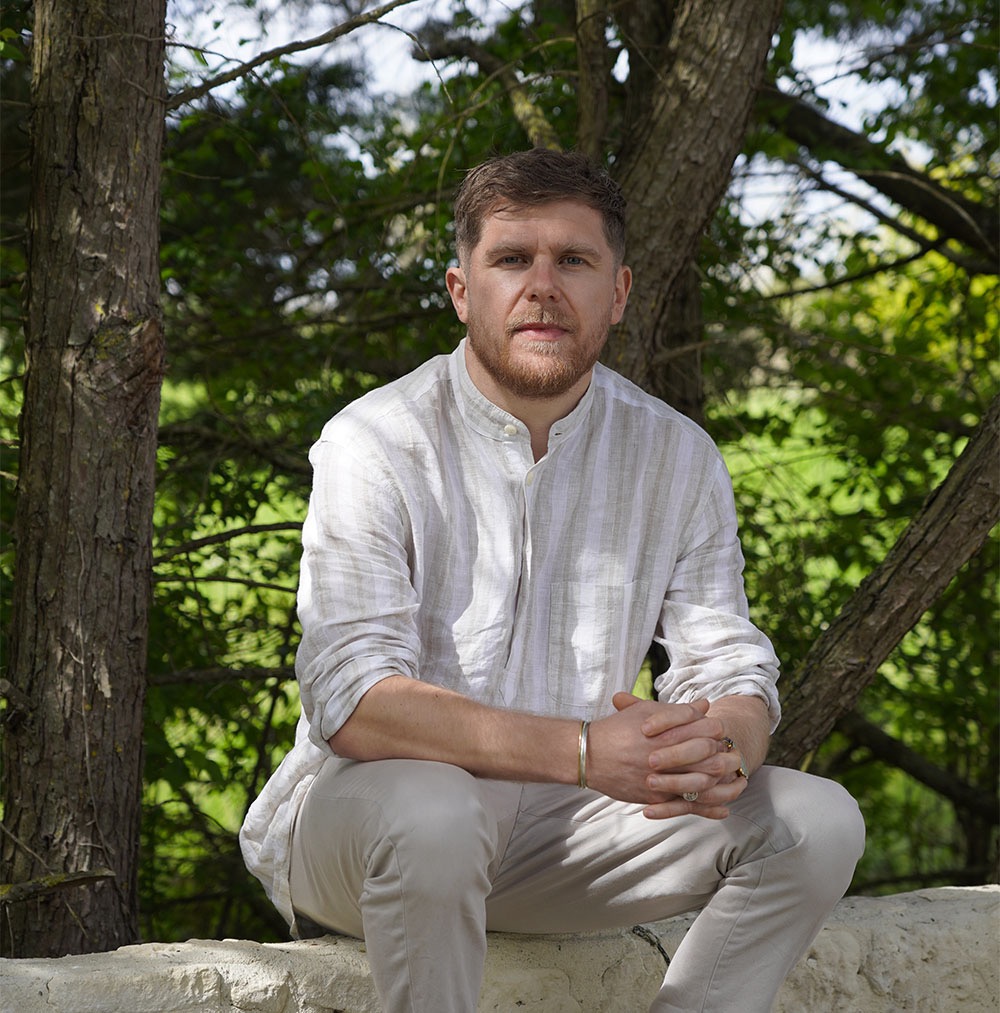
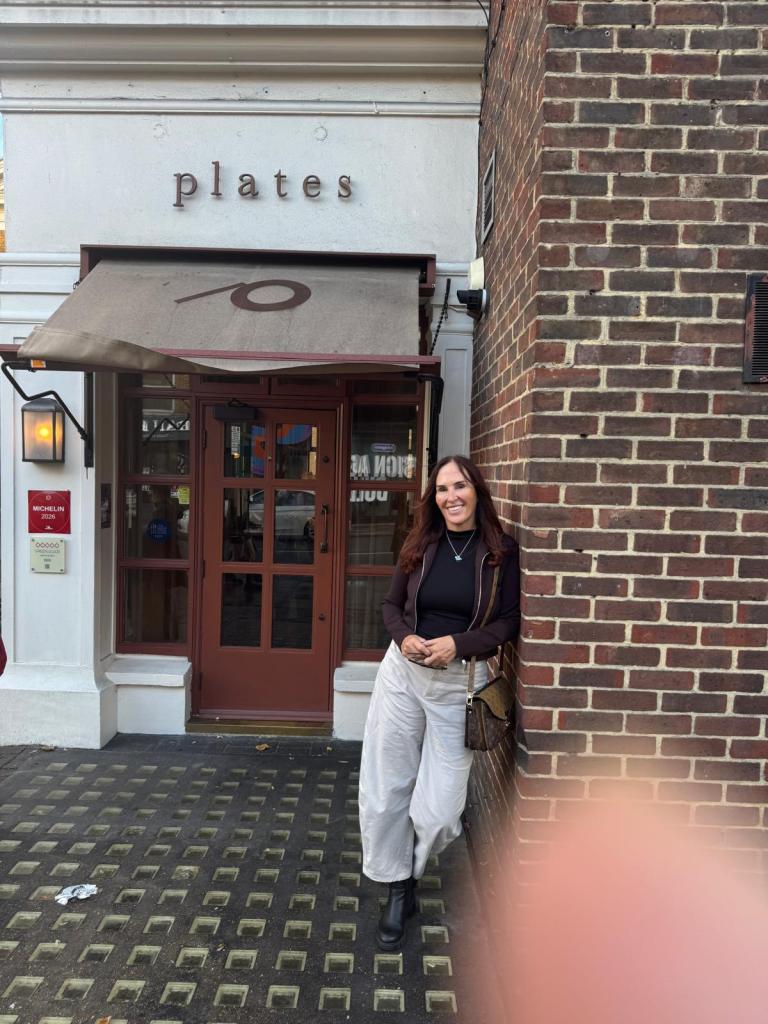
But back to the review my great pal andi have been desperate to dine at the vegan church Plates Behind the extraordinary success of Plates, the UK’s first fully plant-based restaurant to be awarded a Michelin star, are brother-and-sister duo Kirk and Keeley Haworth. Kirk, the restaurant’s chef and creative culinary force, comes from an impressive gastronomic pedigree.
His father, Nigel Haworth, is a celebrated Michelin-starred chef, and Kirk himself honed his skills in some of the world’s finest kitchens, including The French Laundry in California and Restaurant Sat Bains. However, it was a life-changing diagnosis of Lyme disease in 2016 that transformed his relationship with food and inspired his journey into plant-based cuisine.
Kirk actually regularly serves at the tables
Together with his sister Keeley, who oversees the creative and business side of the operation, he has created something rather remarkable in London’s Shoreditch. Having been crowned Champion of Champions on BBC’s Great British Menu in 2024, Kirk went on to make culinary history when Plates received its Michelin star in February 2025. Yet perhaps his greatest achievement is demonstrating that exceptional fine dining need not rely on meat, fish or dairy to deliver an unforgettable experience.
We have waited a year to dine at Plates , in fairness it was not just that it is Alway’s booked up , we did get two other reversions it clashed with travel arrangements. But despite this time recovering from my and operation we made it . Boy I am glad I did it Plate is an experience of a life time and the tasting menue accompanied by the wines is something you will. Walks away feeling good and wanting
more
Plates is not in Mayfair or any syllabaries location it is in Old Street and it is the cuties of venues and everything is simple but stylish even the staff are dressed in a chic way. Now let’s start with the staff. You can not quite find such a great knowledgeable and attentive crew . Even the maestro himself Kirk comes to the table and over sees everything .Though lunch was sold out and there was no space not even at the courtier It was very pleasant atmosohere that did not feel packed and we could easily chat .
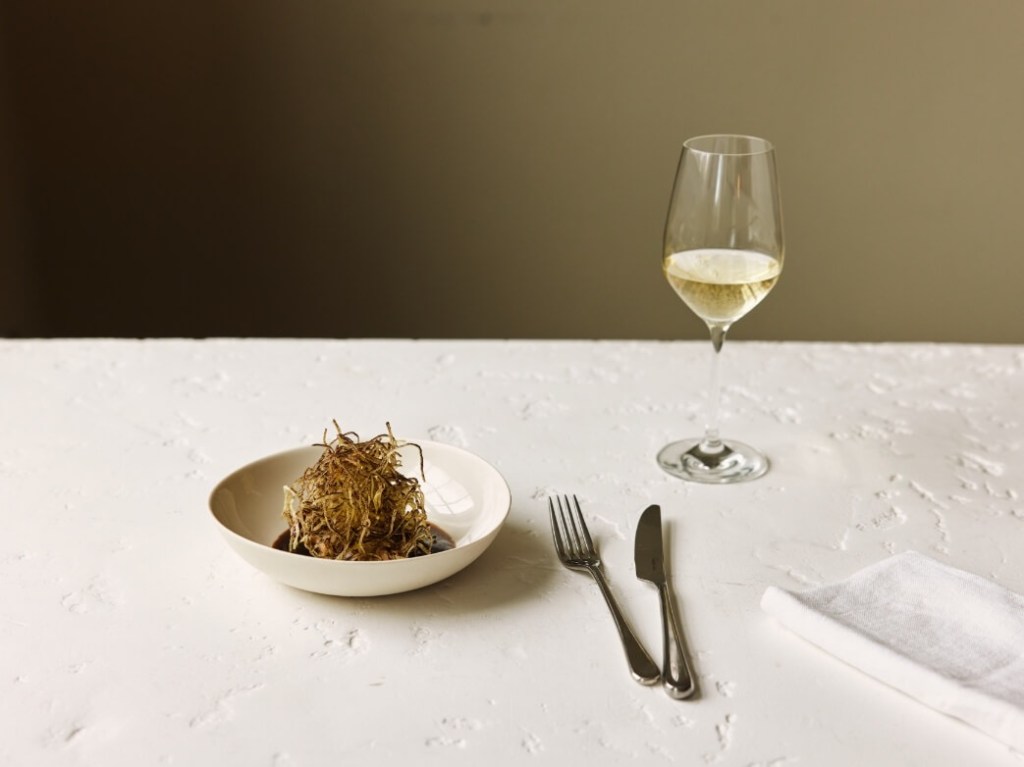
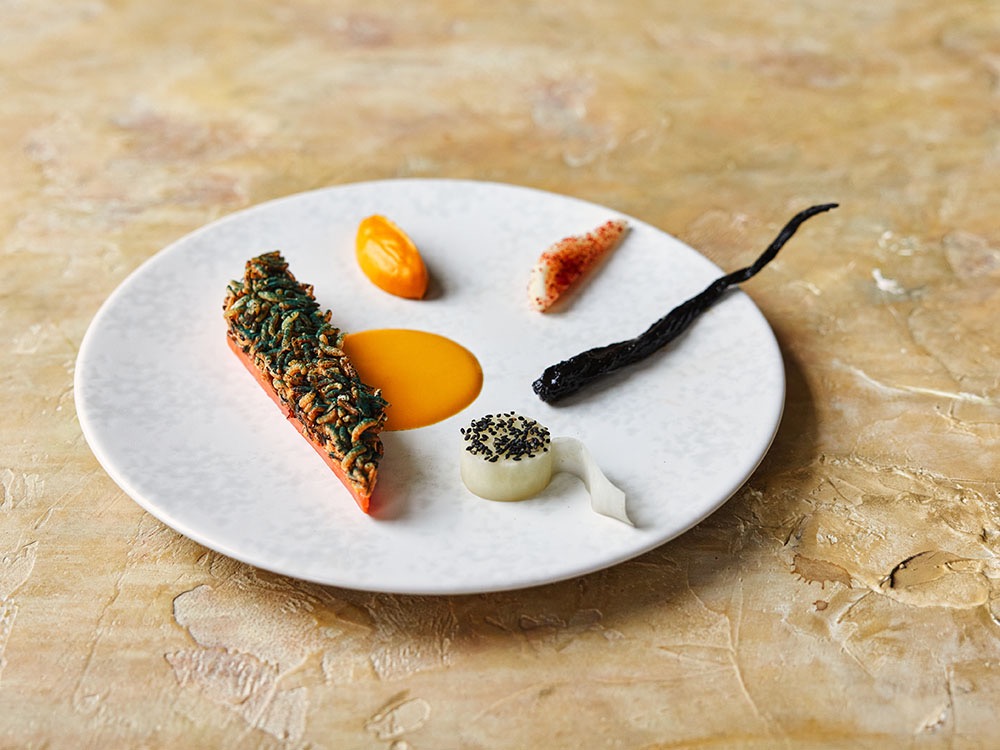
We opted Plates – Tasting Menu paired with wines ( well worth it )
My best vegan friend
£125 per person
There was a little taster of barbecue tomatoed soap
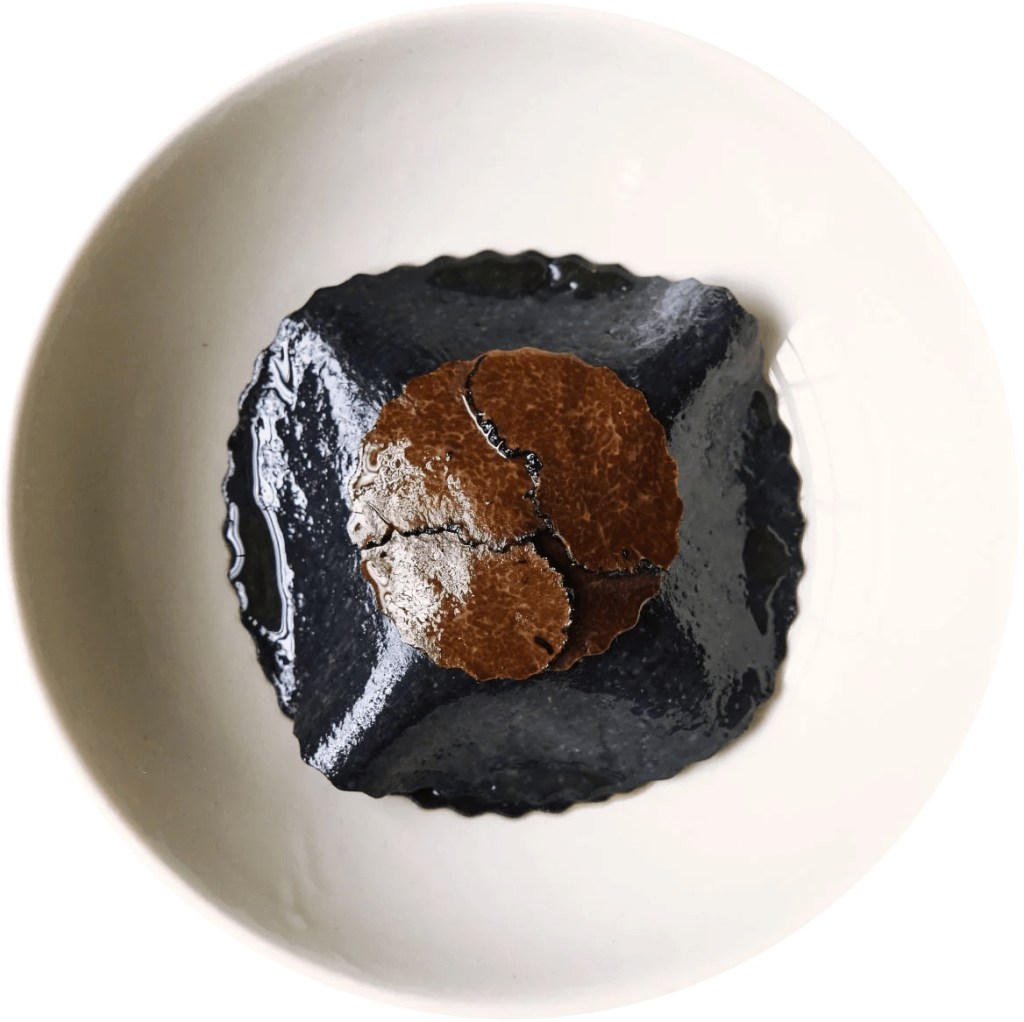
1. Taco of sand carrot, fig leaf & kohlrabi just exploded in your mouth with tatse
2. House laminated sourdough bread, whipped cultured butter, green chilli & vadouvan
This is so good that I wished that had a bakery next to the restaurant.
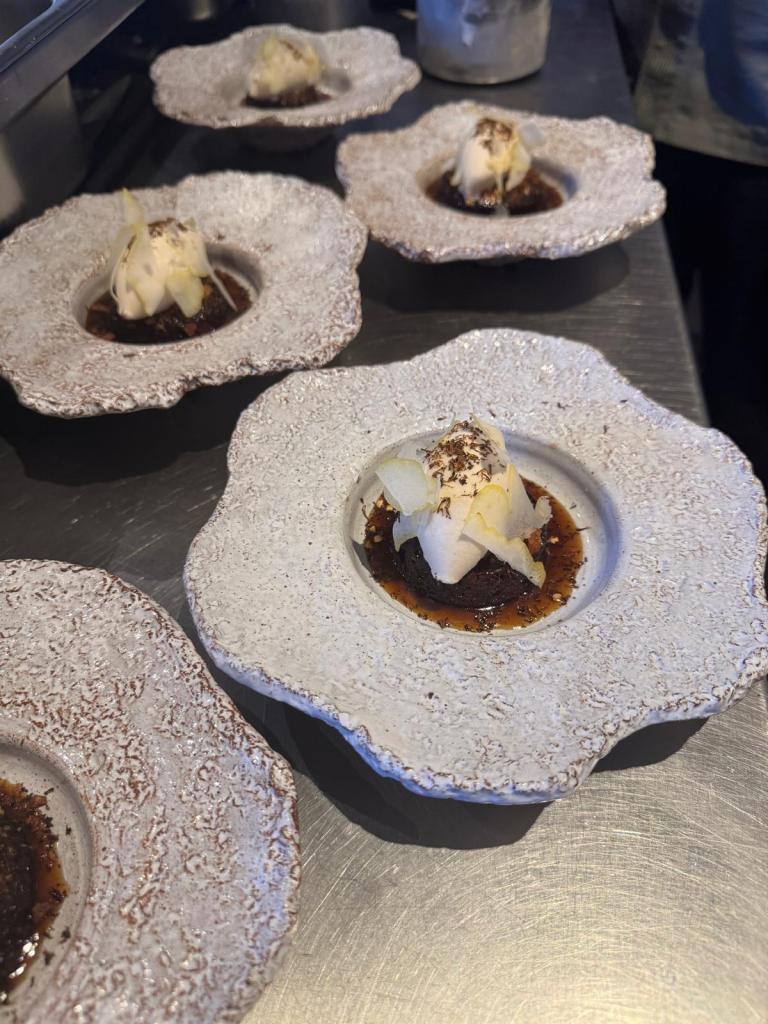
11. Warm cacao sponge, parsnip ice cream & Buddha’s hand again out of this world
Now this was not just lunch and I am so glad I shared with someone who is not just a friend but someone I care for as it is an experience not just lunch or dinner. If you are not vegan I challenge you to dine here and not want to know more . it is the same price as West End theatre seat , but the meal last a little longer and will leave you buzzing a lot longer than mama mia .
My friend seized the moment to re book wise woman ,
Additional charges
There is a £2.75 per person surcharge for mineral water and an optional 13.5% service charge added to the bill.
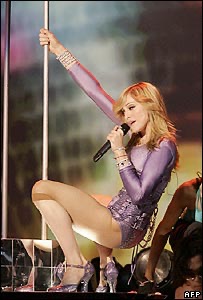
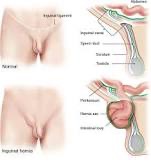
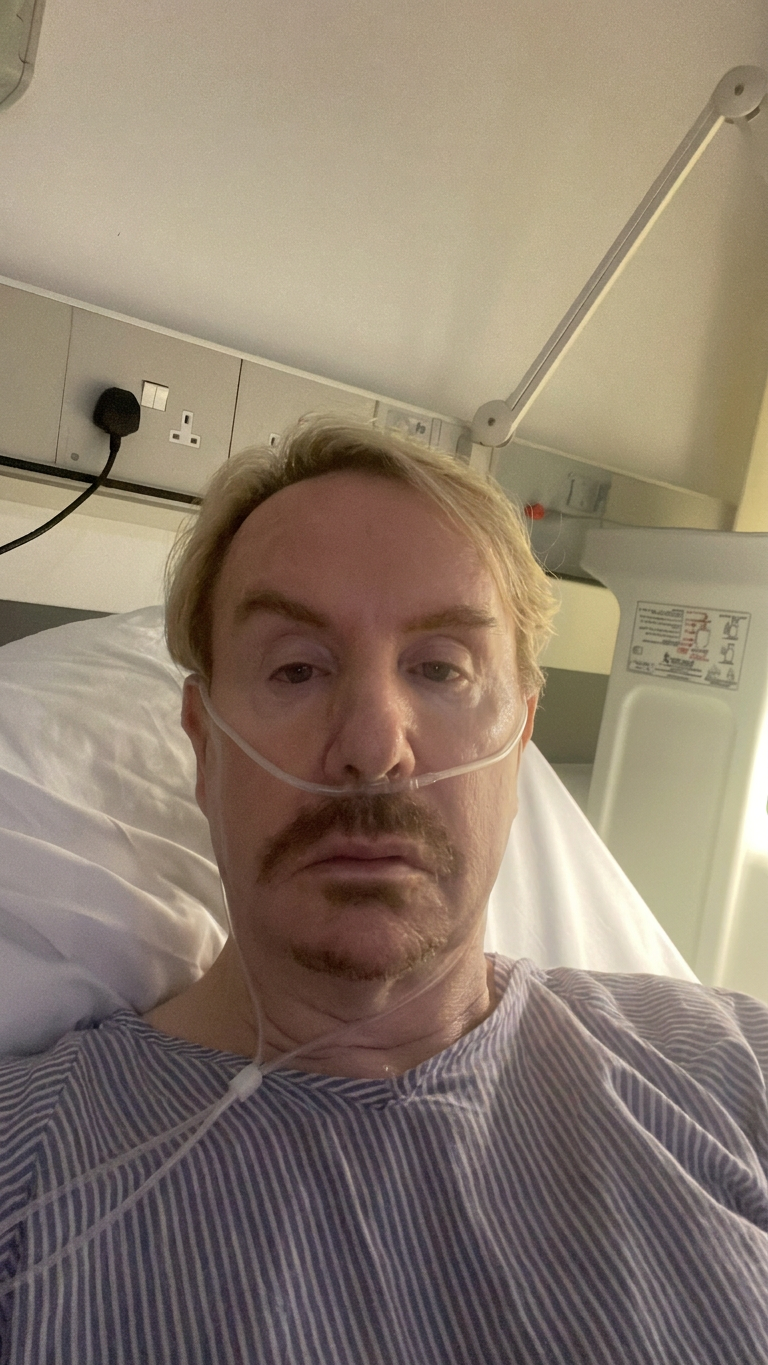
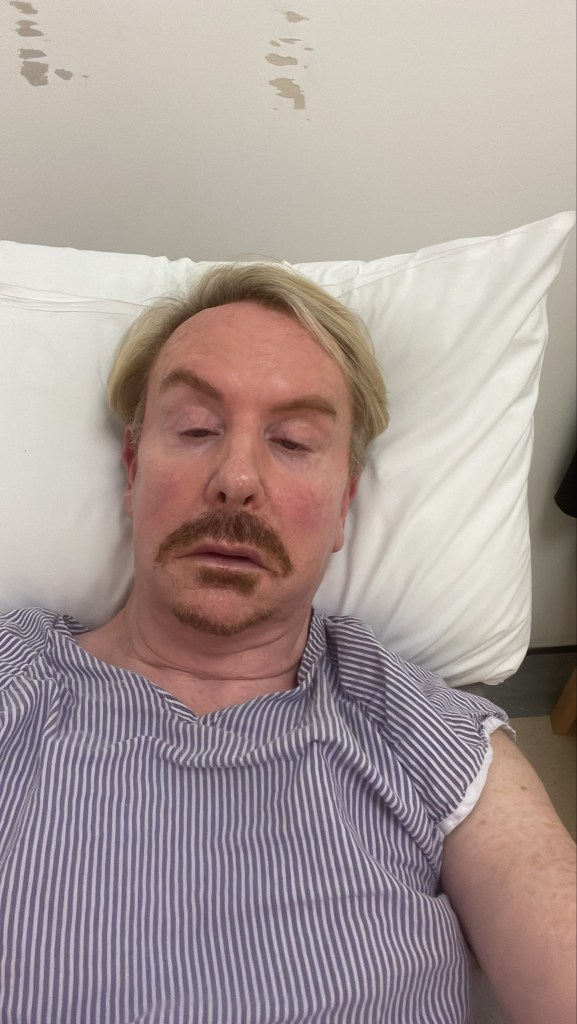
It is not just global superstar diva Madonna who has been diagnosed with a hernia. After an agonising pain in my groin that very nearly brought me to my knees, I too discovered that I had joined the hernia club — a membership I certainly hadn’t applied for.
Suddenly, I was well and truly knocked out of my groove. I went from gym bunny to couch potato almost overnight. There would be no Vogue-ing for me for a while.
So here is one diva’s tale of overcoming the pain, indignity and unexpected challenges that come with having a hernia.
I admit that, at 65, my activity levels sometimes make my 26-year-old nephew groan.
“I’m exhausted just watching you,” he says, shaking his head.
I’m rarely out of the gym or sitting still for very long. Add to that a busy social and work life and people often ask me, “How do you do it?”
Well, unexpectedly, it all ground to a rather spectacular halt.
I was dashing with my nephew to catch the Tube at Victoria station when, completely out of the blue, a pain shot through my groin. It was so sharp and sudden that it felt as though someone had stabbed me.
“What’s wrong?” my nephew asked as I doubled over.
Then, almost as quickly as it had arrived, the pain disappeared.
I was left standing there slightly shaken, but we were due to leave for what promised to be an amazing trip to Spain in just a day’s time, visiting one of my closest friends. Surely a little groin pain wasn’t going to stop me?
Later that day, however, the discomfort returned, accompanied by a strange tiredness. But being me, I decided that a few cocktails, some Spanish sunshine and the sea would have me right as rain. I would still be the soul of the party.
And, of course, I was.
I even managed a divine two-and-a-half-hour walk along the Marbella seafront. Pain or no pain, this diva was not giving in without a fight.
But underneath the bravado, I knew something wasn’t right. And like any self-respecting male diva with access to Google and an overactive imagination, naturally I feared the worst.
Having been registered at the same GP surgery for around 20 years, I rarely seem to see the same doctor twice. Once back in London — and while simultaneously dealing with the stress of the airline losing my luggage — I managed to secure that rarest of modern treasures: an actual GP appointment.
I saw a lovely female doctor. With the problem being in the groin area, it was already slightly embarrassing, but almost immediately she began asking about my sex life.
“What sex life?” I joked.
She didn’t laugh.
“When did you last have intercourse?”
Then came questions about my HIV status and other sexual-health matters.
“I abstain,” I replied, by now becoming slightly irritated.
Every avenue seemed to be explored except the one word that eventually mattered: hernia.
That came almost at the last minute.
The doctor disappeared to seek advice and returned saying that it could indeed be a hernia. More worryingly, if there was any possibility that it was a strangulated hernia — a potentially serious complication — I needed to go to A&E.
“Don’t worry,” I was told. “You just need some blood tests and an ultrasound. Take this letter and they should fast-track you.”
Famous last words.
During the hours that followed, I met four other people who appeared to have fallen for a similar line.
Now, this is absolutely not about knocking the NHS. As God is my witness — and all that Gone with the Wind stuff — I remain incredibly grateful that we have it. But dear God, in this age of technology, surely we have to find a better way of managing A&E departments.
Why should people routinely have to sit for four or five hours waiting? There must be a better system.
I have visited hospitals in countries such as Thailand where, if you knew nothing about the healthcare system beforehand, you might wrongly expect something rather old-fashioned. The reality can be the complete opposite: modern, efficient and surprisingly streamlined.
A London A&E waiting room, meanwhile, can occasionally feel like its own form of theatre.
At one point, I encountered a rather terrifying character who suddenly shouted at me like the male version of Catherine Tate’s Nan:
“What the hell is wrong with you? You look like you’re off for a night out. I’ve never seen such healthy people!”
Charming.
Anyway, around five hours later, the very reason we should celebrate the NHS finally appeared in the form of a doctor.
He was excellent.
After examining me and reading the GP’s letter, he looked slightly puzzled and asked why on earth I had been sent to A&E in the first place. They didn’t even perform the particular ultrasound I needed there.
But his advice proved invaluable.
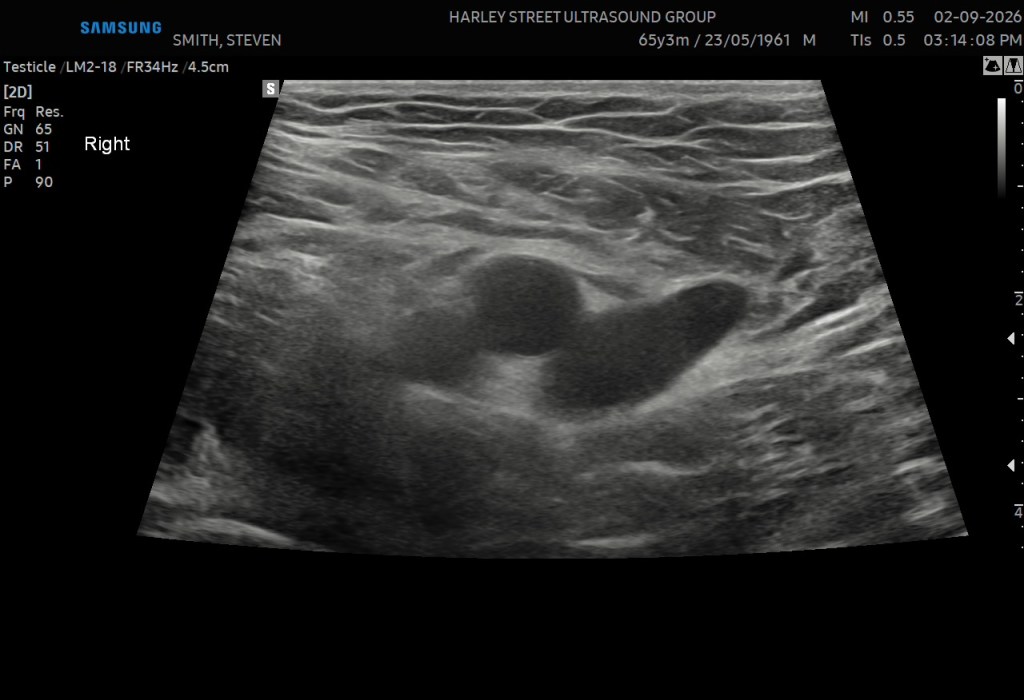
Rather than potentially waiting weeks for the scan, I decided to pay privately for an ultrasound.
And sure enough, there it was.
A hernia.
Suddenly, the stabbing pain, the discomfort while walking and the strange sensation in my groin all had a name.
Then came one side effect I certainly hadn’t expected — an apparent increase in my male libido.
Now, before anyone rushes off in search of a hernia in the hope of spicing up their love life, I should point out that there doesn’t appear to be medical evidence that a groin hernia actually increases libido. It may simply have been that, with pain, pressure and irritation in an area packed with nerves, I had suddenly become far more aware of that particular region of my anatomy.
Either way, confined increasingly to the sofa, banned from the gym and temporarily deprived of my usual bouncing around, it was reassuring to discover that while the hernia may have slowed me down, it certainly hadn’t switched everything off.
Still looking good — just moving at a slightly more dignified pace.
And unfortunately, my hernia story was only just beginning…
The guilty party
When the Hernia Took Charge
Despite everything, I was still trying to dash around as though nothing had happened.
My hernia, however, had other ideas.
I only had to walk so far before the pain would suddenly kick in and become so intense that I could barely put one foot in front of the other. On one occasion, it became so bad that I found myself clinging to a wall, seriously considering calling an ambulance.
For someone who is normally fiercely independent, constantly on the move and more likely to be found in the gym than lying on the sofa, it was frightening.
Nothing highlighted just how much my life had changed more than a journey home from my pre-operative assessment.
By what felt like a combination of luck, divine intervention and a minor miracle, I had been given a date for surgery. Even more impressively, the staff at Chelsea and Westminster Hospital were carrying out pre-operative assessments on a Sunday.
My assessment was incredibly thorough. Blood tests, an ECG, questions, checks — the lot. Everything seemed fine and, reassured, I headed home.
That was when I realised I had overdone it.
By the time I reached the Underground, the pain was excruciating. I found myself gripping the wall just to stay upright. Two incredibly kind men stopped and asked if they could help me, but there really wasn’t much anybody could do.
I simply had to stop, wait for the pain to ease and somehow get myself home.
The severity of the pain had already made me seek a private surgical opinion. Because the pain seemed disproportionate to what had been described as a relatively small hernia, an MRI was suggested to rule out another cause.
At around £1,300, however, that was simply not within my budget.
Besides, the hernia still needed repairing. My thinking became very simple: deal with what we know is there first. If the pain continued afterwards, then we could investigate something else.
And so, finally, the big day arrived.
Operation Diva
29 September. 7.30am.
Check-in time.
I arrived at Chelsea and Westminster Hospital full of nerves and running on an empty stomach after fasting overnight. Thankfully, I was still allowed clear fluids until two hours beforehand, which meant one thing was non-negotiable: coffee.
And what an excellent black coffee it was, courtesy of Social Impact Coffee inside the hospital. Frankly, at that hour of the morning, facing surgery on no breakfast, it felt medicinal.
Then I met a lovely nurse called Katalina, who told me to take a seat.
Katalina, incidentally, barely seemed to take a break herself for the entire time I was there. She was constantly on the move, looking after everyone, answering questions and somehow remaining cheerful throughout.
At around 8.30am, the anaesthetist appeared carrying his motorcycle helmet.
Very reassuring. Presumably, if anything went wrong, he had a fast getaway vehicle.
He explained the anaesthetic and the drugs I would be given.
My immediate thought was Edina Monsoon in Absolutely Fabulous: “I want every drug going, and I want them now.”
Joking aside, this was probably the moment when my nerves really kicked in.
Before surgery, the anaesthetist has to explain the possible risks and side effects. Of course, it is important that patients know these things, but when you are already nervous and sitting there waiting to be knocked unconscious, hearing a list of everything that could happen is hardly relaxing.
Did you know about redheads and anaesthesia? Research has suggested that people with naturally red hair can respond differently to certain anaesthetics and may sometimes require different amounts.
Who knew being ginger could even complicate being knocked out?
Around 9.30am, one of the surgical team came to see me.
He was wonderfully reassuring.
I raised my concern about whether I should have had the MRI first, particularly because of the amount of pain I had been experiencing. He explained that size does not necessarily determine how painful a hernia will be. Smaller hernias can sometimes cause considerable pain, particularly depending on what is protruding through the defect and the surrounding tissues involved.
That immediately made me feel better. Perhaps the hernia really was responsible for all this pain after all.
Then came the news that tested even my patience.
The room I had been given was mine for the duration of my day stay because my operation was not scheduled until around 3pm.
Three o’clock!
I had checked in at 7.30 in the morning.
By midday, Katalina suddenly appeared with much more promising news.
“You’re next.”
Music to my ears.
I was instructed to change into the glamorous surgical ensemble — gown and compression stockings. Not quite Versace, but needs must.
I thought this meant I was about to be whisked straight into theatre.
It didn’t.
Meanwhile, I had now gone around 17 hours without food and, whether through nerves, my digestive system staging its own protest, or both, I had been to the toilet about five times.
There is nothing quite like impending surgery for discovering bodily functions you didn’t know you had.
Then, finally, at around 3.10pm, a porter appeared.
This was it.
Unfortunately, there was one more hurdle between me and the operating theatre.
I was on the fifth floor and I have a serious fear of heights. Glass walkways are my idea of hell. Put me on solid ground and I am fine; let me see five floors beneath my feet and suddenly my legs stop cooperating.
The staff arranged a wheelchair.I closed my eyes.
Problem solved.
Or so I thought.
As we crossed a ramp, the wheelchair was pulled rather forcefully and the sudden movement sent an agonising pain through my groin.
By the time I reached the theatre area and was lying there waiting to go under, all fear had temporarily disappeared.
I just wanted the hernia gone.
Lights above me. People moving around. Final checks.
Then the anaesthetic.
And darkness.
“Where Am I?”
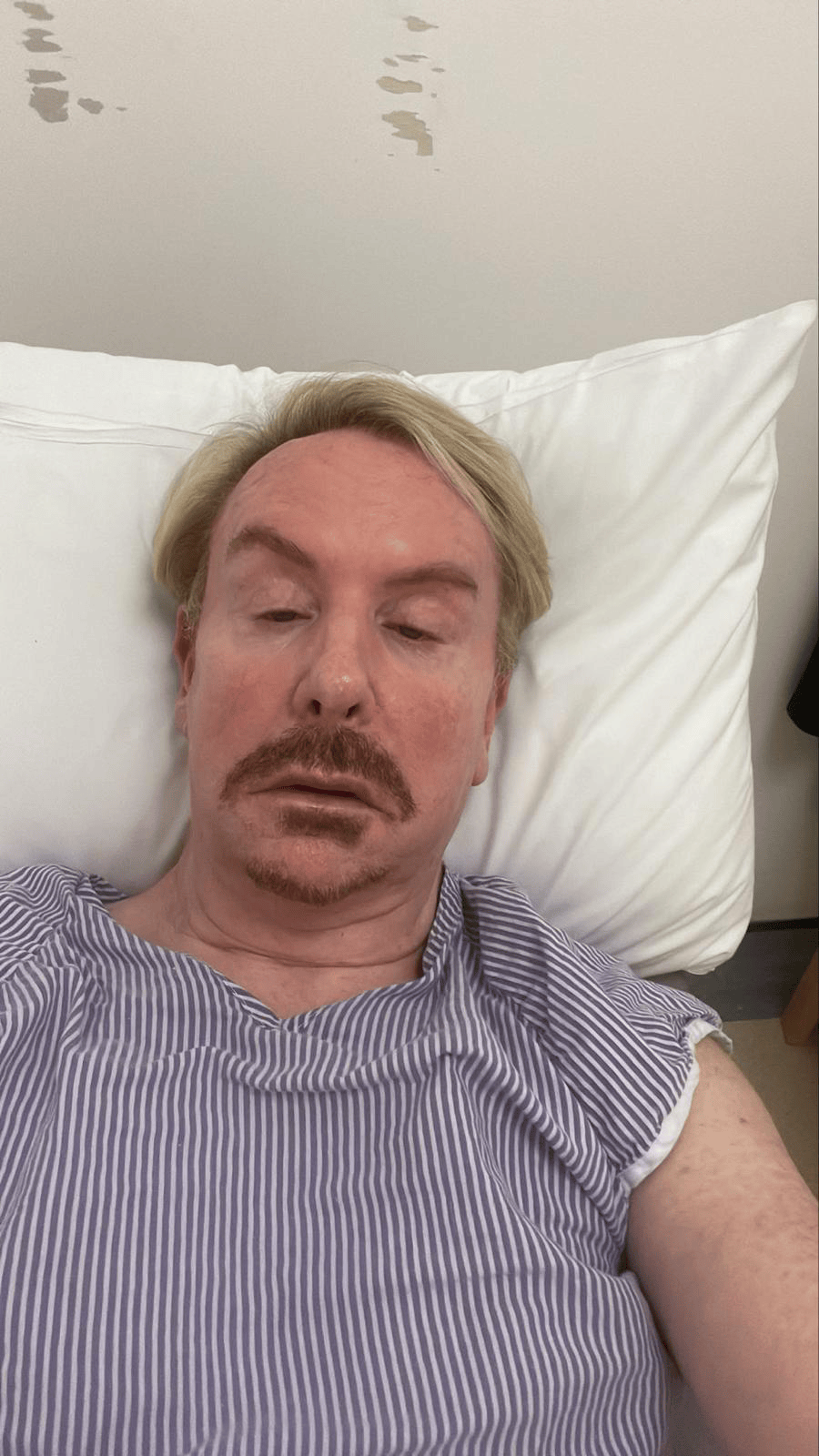
Sometime after five o’clock, I began to wake up.
Or at least I think I did.
Everything was hazy. I was extremely disorientated and struggling to work out where I was or what was happening around me.
The operation itself was over.
The surgeon was apparently happy with how things had gone and, surgically, there was no immediate reason why I couldn’t go home.
But the recovery team had other ideas.
I was simply too disorientated.
There followed a conversation between the medical staff about whether I should be discharged or kept in overnight. For a while, it seemed I might still be heading home.
Then the decision was made.
The Hernia Diva was staying the night.
Not quite the glamorous overnight stay I might usually have chosen.
No room service, no champagne, no fluffy bathrobe — but plenty of observations, painkillers and nurses keeping a very close eye on me.
Rain, my nurse, was truly remarkable, and what followed turned into a night to remember.
The man next to me was living with Alzheimer’s and believed there was a conspiracy going on. He thought people were trying to kill and sexually assault him. Adjacent to him was another man in such severe pain that the slightest noise was setting him off, and he began threatening the man with Alzheimer’s.
Then the gentleman with Alzheimer’s went off on a rant about gay sex, despite being heterosexual himself, and eventually the man next to him had simply had enough.
Seemingly, as I nodded off thanks to the magic of morphine, security arrived to remove the gentleman with dementia.
I felt incredibly sorry for him. He was clearly frightened, confused and unwell, but it also seemed that nobody was properly equipped to deal with his level of distress. What he was doing on a general ward in that condition raised some serious questions for me about the NHS and how we care for people living with dementia.
Rain and the rest of the staff were incredible. They even gave me breakfast. However, at certain points during the night, I did wonder whether I was in a hospital or somehow appearing on the set of the prison drama Oz.
Next, the surgeon arrived to discharge me. He was rather non-committal, although everything appeared to have gone well and my discharge papers confirmed that the operation had been completed.
I asked him, “Had there been any complications?”
His reply wasn’t exactly reassuring.
“There are always possibilities. That’s why we tell you about them before and after.”
Well, I was alive.
Then I was given some strong painkillers and told to go downstairs to the pharmacy for the rest of my medication.
Forty-five minutes later, we were still waiting, only to discover that they were over-the-counter medications.
Finally, after a rather bumpy drive home with my adorable friend Remmia, there was only one thing on my mind.
I couldn’t wait to sleep.
And after weeks of pain, worry, cancelled plans, Google searches, hospital visits and wondering whether something else might be wrong, one enormous question remained:
By Aless Bester, with reflections from Anna Kennedy OBE
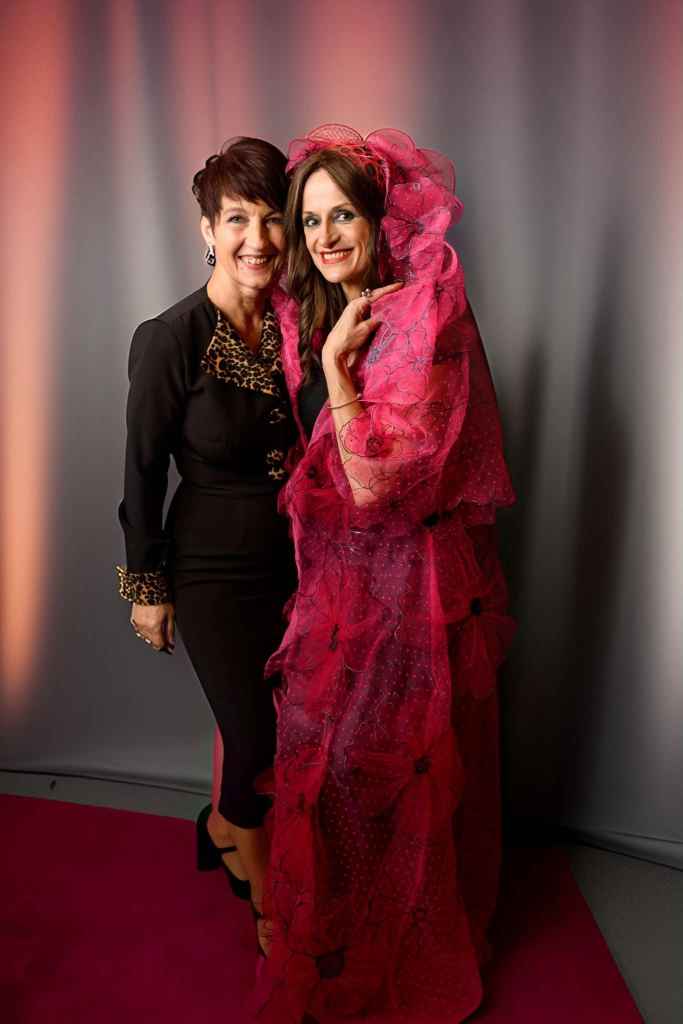
Photo of Aless and Anna Kennedy OBE by David Biddlecombe
“I accidentally created a fashion label by starting again at 50!”
For Alessandra Bester, the journey to London Fashion Week began in a way she could never have predicted.
An artist and mum to her son Ethan, a young man with autism and bipolar disorder who requires full-time care, Alessandra has spent much of her life balancing creativity with the demands of caring for someone she loves.
“We are a great team,” she says simply.
Yet it was Ethan who, quite unexpectedly, helped inspire what would become an extraordinary new chapter in his mum’s life.
Alessandra originally bought a 3D pen for him, but she wasn’t happy with the materials supplied with it. Looking for something more environmentally friendly and easier to work with, she began experimenting herself.
That search opened up an entirely new creative world.
Fascinated by what could be achieved with the pen, Alessandra started exploring its possibilities. What began as experimentation soon developed into something far more ambitious.
After sharing one of her handmade necklaces on Instagram, she was invited to include her work in Aether Magazine’s 10th anniversary London Fashion Week show.
There was no looking back.
Working around Ethan’s needs, Alessandra began drawing and creating outfits whenever she had the opportunity. The flexibility of the 3D pen proved perfect for her circumstances: she could pick it up when she had time and put it down the moment Ethan needed her.
Slowly, painstakingly and piece by piece, an entire collection began to emerge.
Bloom After Dark
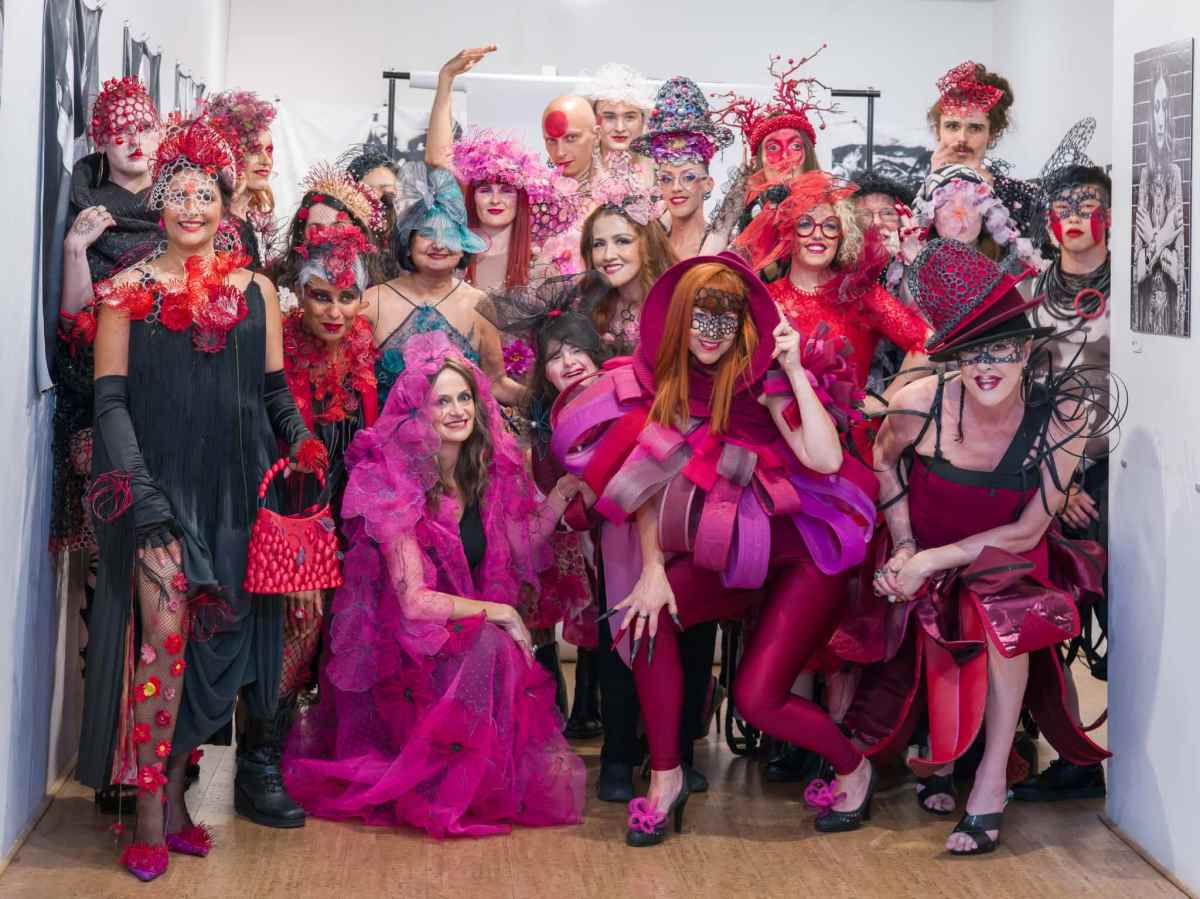
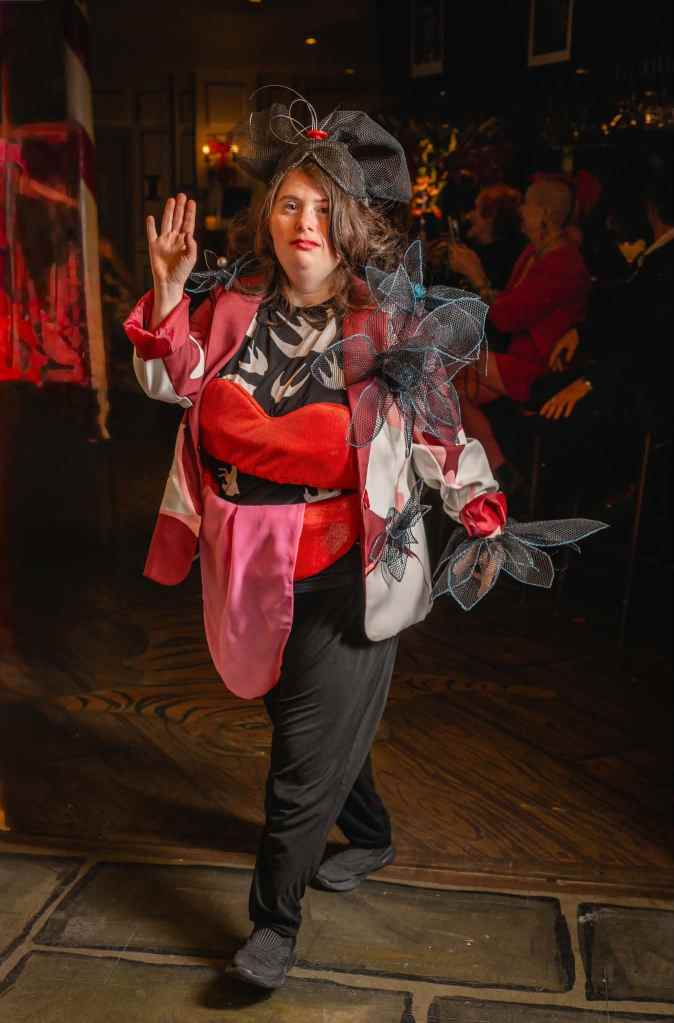
The resulting collection, “Bloom After Dark,” is a striking series of sculptural, moving garments hand-drawn entirely using a 3D pen.
But this is about much more than fashion.
At its heart, “Bloom After Dark” is a story of resilience, liberation and renewal after periods of profound darkness. Each garment challenges traditional ideas about how clothes should be made, what fashion can represent and even how it can be experienced.
The collection takes inspiration from real people — their personalities, individuality, characteristics and neurodiversity.
Using a 3D pen and bio-flexible material, Alessandra effectively draws directly into space, creating textiles, garments and accessories entirely by hand.
Perhaps what makes her work even more remarkable is that her approach has not come through traditional fashion education. Instead, it has developed through curiosity, experimentation and life experience, together with the freedom of not feeling restricted by established fashion rules.
That freedom sits at the heart of “Bloom After Dark”.
Alessandra wants us to look at clothing and accessories differently. Rather than simply asking what something is supposed to be, she encourages us to imagine what else it could become.
An accessory might be worn, interpreted and styled completely differently from one person to another. In turn, its life can be extended, encouraging individuality and creativity while questioning our increasingly disposable culture.
Beginning this journey at 50 is also an important part of Alessandra’s story.
It is a powerful reminder that experience, imagination and creativity do not suddenly come with an expiry date. Sometimes the most exciting chapter of our lives can begin when we least expect it.
Anna Kennedy OBE Shares Her Reflections
“I was honoured to be a special guest at Alessandra’s ‘Bloom After Dark’ fashion show.
“I have known Aless for more than ten years. We originally connected when she spoke to me about some of the difficulties she was experiencing around her son Ethan’s education.
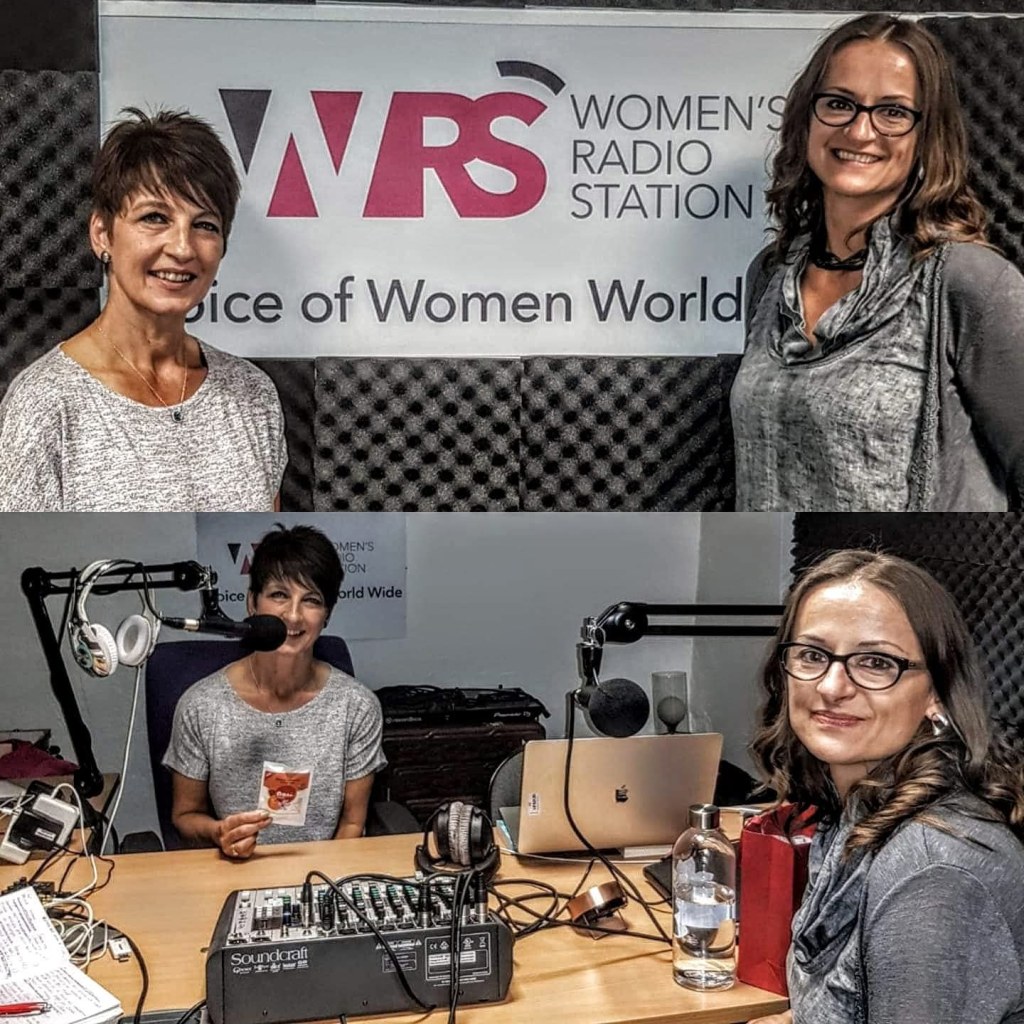
“Over the years, I have interviewed Aless several times, including on Women’s Radio, Gateway Radio and Sky TV’s The Chrissy B Show. Our conversations have covered many subjects close to both our hearts — autism, education, allergies, nutrition and, of course, our sons.
“I remember Aless telling me about the company she had created at the time, Nono Cocoa, and I was proud to support what she was doing.
“So, to be there years later watching her first fashion show was quite something. I was absolutely blown away by her creativity and everything she had achieved.
“What also meant a great deal to me was seeing the people modelling her designs. Six of the models are autistic, while Annelie, who has Down syndrome, is part of Drag Syndrome. For me, that made the evening even more special.
“I have watched Aless go through different chapters of her life over the years, always with Ethan at the heart of everything she does. Now, at 50, she has started another chapter — and what a chapter it is.
“As a mam myself, I know only too well how much of our lives can be shaped around the needs of our sons. Sometimes our own ideas and dreams have to fit into whatever spaces we can find.
“That is why Aless’s story really struck a chord with me. She found something she could create around Ethan’s needs, picked up that 3D pen and simply kept going.
“And now her work has reached London Fashion Week.
“I was incredibly proud to be there supporting Aless and Ethan and watching ‘Bloom After Dark’ come to life.
“Sometimes life takes us down roads we never expected. And sometimes starting again at 50 can be the beginning of something quite extraordinary.”
Anna Kennedy OBE Founder and Chair, Anna Kennedy Online
Mike Edde tells you how to get the look this fall they are all talking about.
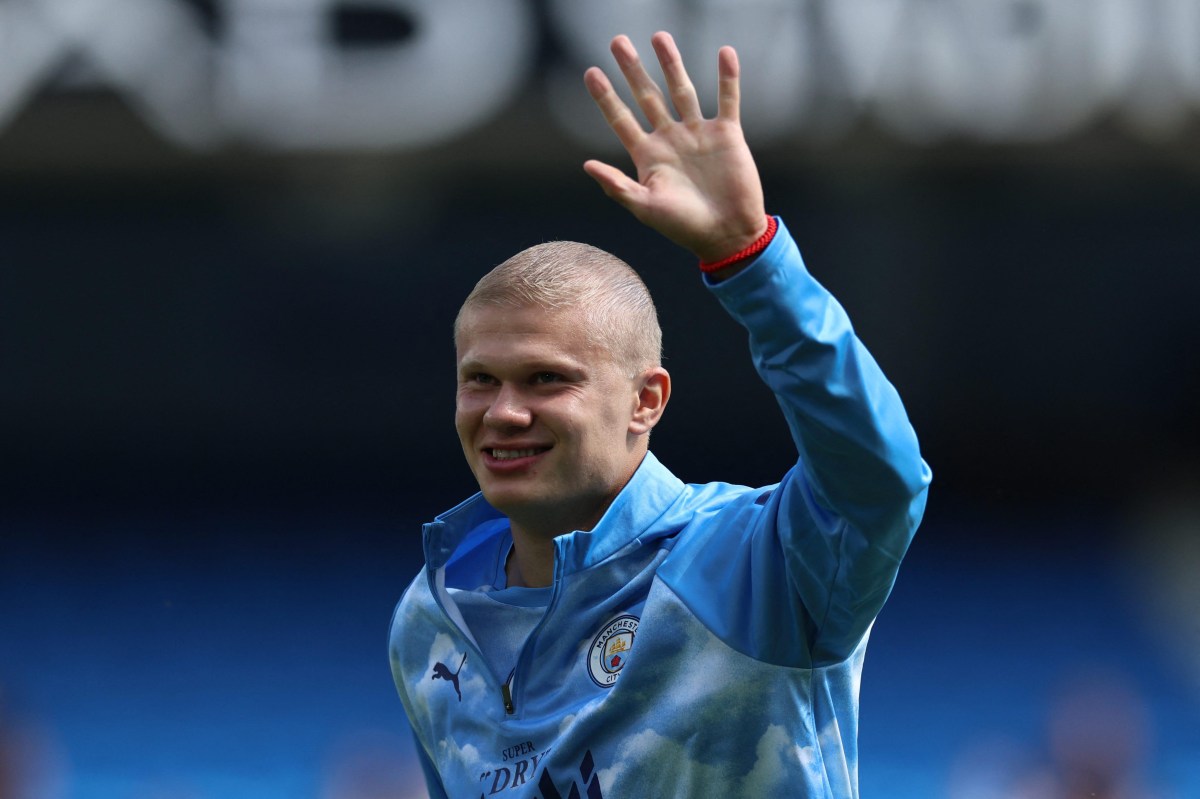
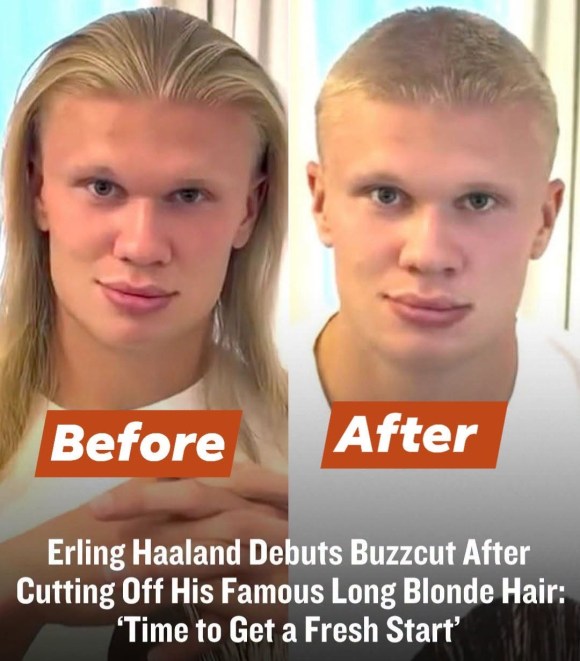
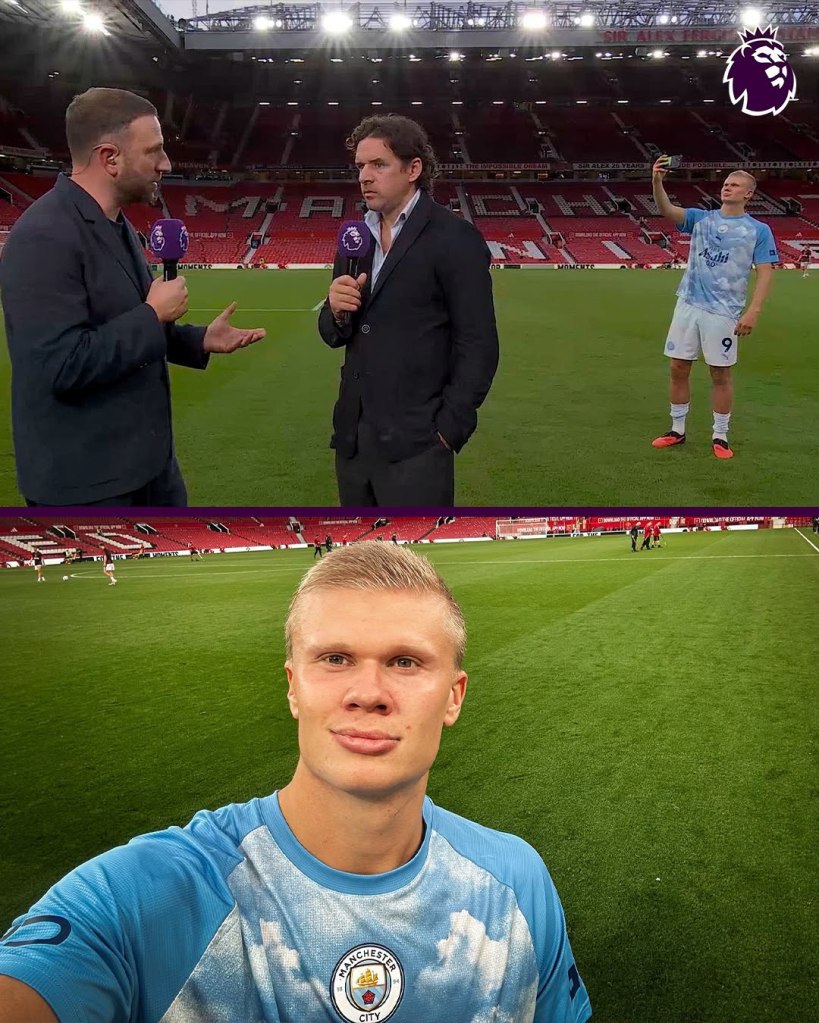
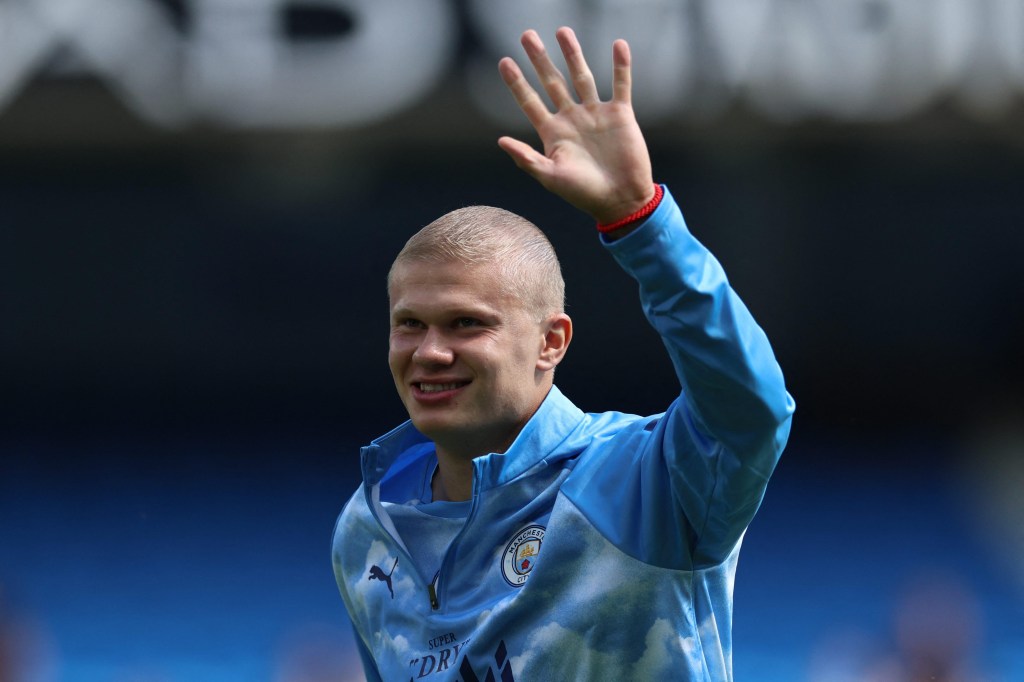
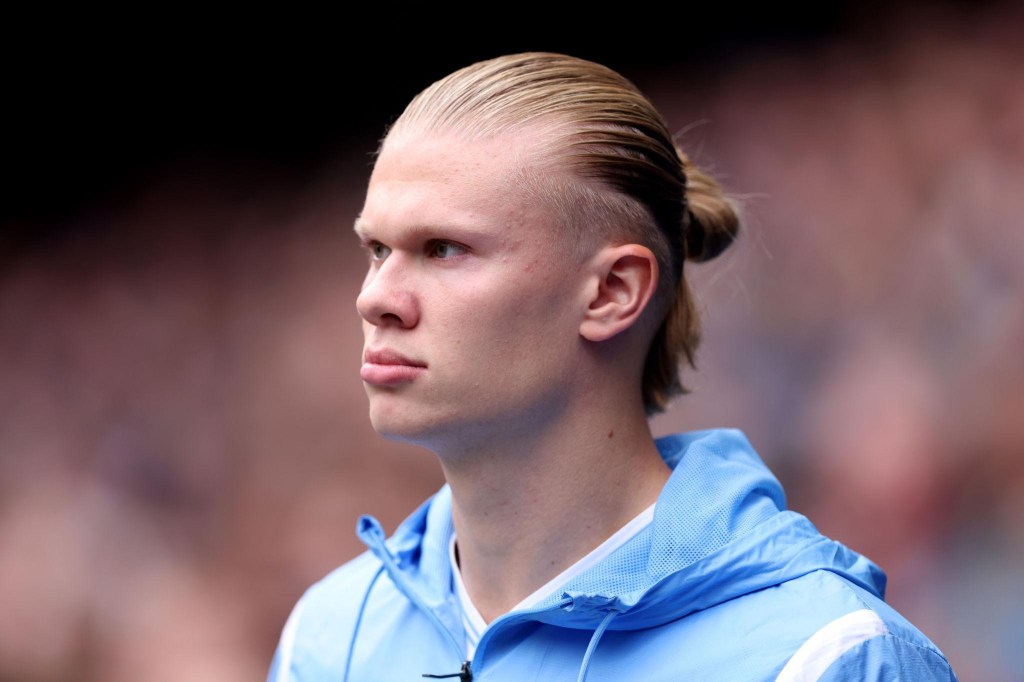
When Erling Haaland decided to say goodbye to his famous long blond hair and reveal a dramatically short buzz cut, he certainly got people talking. It is a huge change from the Viking-style ponytail we have become used to seeing, but it is also one of the easiest men’s looks to recreate.
So, if you are tempted to follow Haaland and go for the chop this autumn, here is how to do it — and, just as importantly, how to grow it back out when you are ready for another change.
The first thing I would say is: don’t just tell your barber to shave it all off! Haaland’s look might appear incredibly simple, but you still want the cut to work with your head shape, hairline and hair density.
Ask for a very short, even buzz cut, approximately a grade one or two. Your barber can advise whether going slightly longer would be more flattering for you. The beauty of this haircut is that it is clean, masculine and incredibly low maintenance. There is virtually no styling involved — you can wash it, dry it and go.
However, the shorter the hair, the more noticeable the regrowth becomes. If you want to keep that freshly cut Haaland appearance, I would recommend having it tidied approximately every two to four weeks. Keeping the neckline and edges neat makes all the difference.
And remember your scalp. Once you remove longer hair, an area of skin that has been protected is suddenly much more exposed. Use a gentle shampoo, avoid piling on unnecessary styling products and, even during autumn, think about SPF if your scalp is exposed to the sun.
What happens when you want your long hair back?
This is where patience comes in.
Hair generally grows around a centimetre or so each month, although everybody is different. The biggest mistake men make when growing out a buzz cut is simply abandoning the barber altogether.
Instead, have small maintenance trims while allowing the overall length to develop. Your barber can gradually reshape the hair as it grows, keeping the back and sides under control while allowing more length through the top. This prevents that awkward stage from looking quite so awkward!
As it becomes longer, start introducing a lightweight conditioner to keep the hair healthy and manageable. Avoid excessive heat and heavy styling products, and don’t be tempted to keep cutting it back every time it reaches an annoying stage.
If your eventual goal is Haaland’s old long-haired look, you are playing the long game. Once it reaches sufficient length, you can begin wearing it swept back before eventually progressing to a low ponytail or bun.
So, could you brave the Haaland buzz cut?
I say if you have been thinking about going dramatically shorter, autumn is the perfect time to try it. Hair grows back — and sometimes a completely different look is exactly what we need.
Picture Andy Barnes Pamela Sharrock , Denise Welch , Steven Smith Vicki Michelle ,
Back in May 2Shades writer celebrated his birthday here is the article that was held back
Pictures by Andy Barnes
Former celebrity hairdresser turned author, writer and broadcaster Steven Smith celebrated his milestone birthday in true glamorous fashion with a star-studded gathering at the much-loved Firepit Gallery in London.
The special celebration was not simply about marking another birthday — it was also held in aid of Anna Kennedy Online, the autism charity that Steven has proudly supported as a patron for the past 12 years. Friends, supporters and familiar faces from the worlds of entertainment, media and charity gathered, despite soaring temperatures, to celebrate a man many affectionately describe as a loyal friend, generous supporter and tireless champion of good causes.
Among those joining Steven for the occasion was Dr Anna Kennedy OBE, founder of Anna Kennedy Online, whose work supporting autistic people and their families has transformed countless lives. Steven has long been a passionate advocate for the charity and has supported many of its flagship events over the years, including Autism’s Got Talent, the Autism Hero Awards, and the Autism & Art Show.
The evening also became a reunion of cherished friendships spanning decades. One of the most touching appearances came from actress and presenter Denise Welch, Steven’s best friend of 45 years. Denise, who recently returned to television screens in Tip Toe, written by Russell T Davies for Channel 4, made time to celebrate the occasion with her long-time friend.
Denise Welch and Anna Kennedy OBE Picture Andy Barnes
Steven first met Denise back in Brighton, when she was appearing in the play Nigeria Falls, and the pair have remained close ever since, supporting one another through the highs and lows of both life and career.
Another familiar face lending support was actress and presenter Vicki Michelle, best known and adored for her role in the iconic comedy series ’Allo ’Allo!. A long-time friend of Steven’s and fellow patron of Anna Kennedy Online, Vicki has been an unwavering supporter of the charity for many years. Whether attending Autism’s Got Talent, judging at the Autism Hero Awards, or supporting the Autism Art Exhibition — even purchasing artwork to encourage autistic artists — her commitment has remained steadfast.
Aston Avery picture Andy Barnes .
Speaking warmly about Steven, Vicki said:
“I have known Steven for years. He is a rock to many and does so much for charity. We love him.”
Also joining the celebrations were the ever-glamorous presenter and author Wendy Turner Webster and her husband, acting favourite Gary Webster, best known for Minder and EastEnders. Long-time friends of Steven and dedicated supporters of Anna Kennedy Online, Wendy and Gary have also lent their time over the years as judges at the Autism Hero Awards, helping to champion extraordinary people making a difference within the autism community.
Picture Andy Barnes Wendy Turner Webster and Gary Webster and Steven Smith.
Guests were treated to entertainment throughout the evening, with talented singer Tilly Aston delighting attendees with a stunning live performance. Meanwhile, DJ Sumz kept the atmosphere electric, ensuring guests danced late into the evening as laughter, friendship and celebration filled the Firepit Gallery.
Picture by Andy Barnes Tilly Aston
As birthdays go, Steven Smith’s 65th was not simply glamorous — it was heartfelt, filled with friendship, and reflected the generosity and kindness of a man who has spent much of his life giving back to others while never losing his sparkle. A birthday to remember, and proof that at 65, Steven Smith still knows exactly how to throw a fabulous party.
Long term friends Marieanne Nanson In red Irene Nanson , Rachel Zisser shades money man Richard Andrews actor Matthew
The evening raised over £1,000 for Anna Kennedy Online — making the celebration not only memorable, but meaningful too.
Art can be beautiful. It can be decorative. It can make us smile, stop us in our tracks or completely divide opinion. But at its most powerful, art can also start conversations about subjects we sometimes find difficult to put into words.
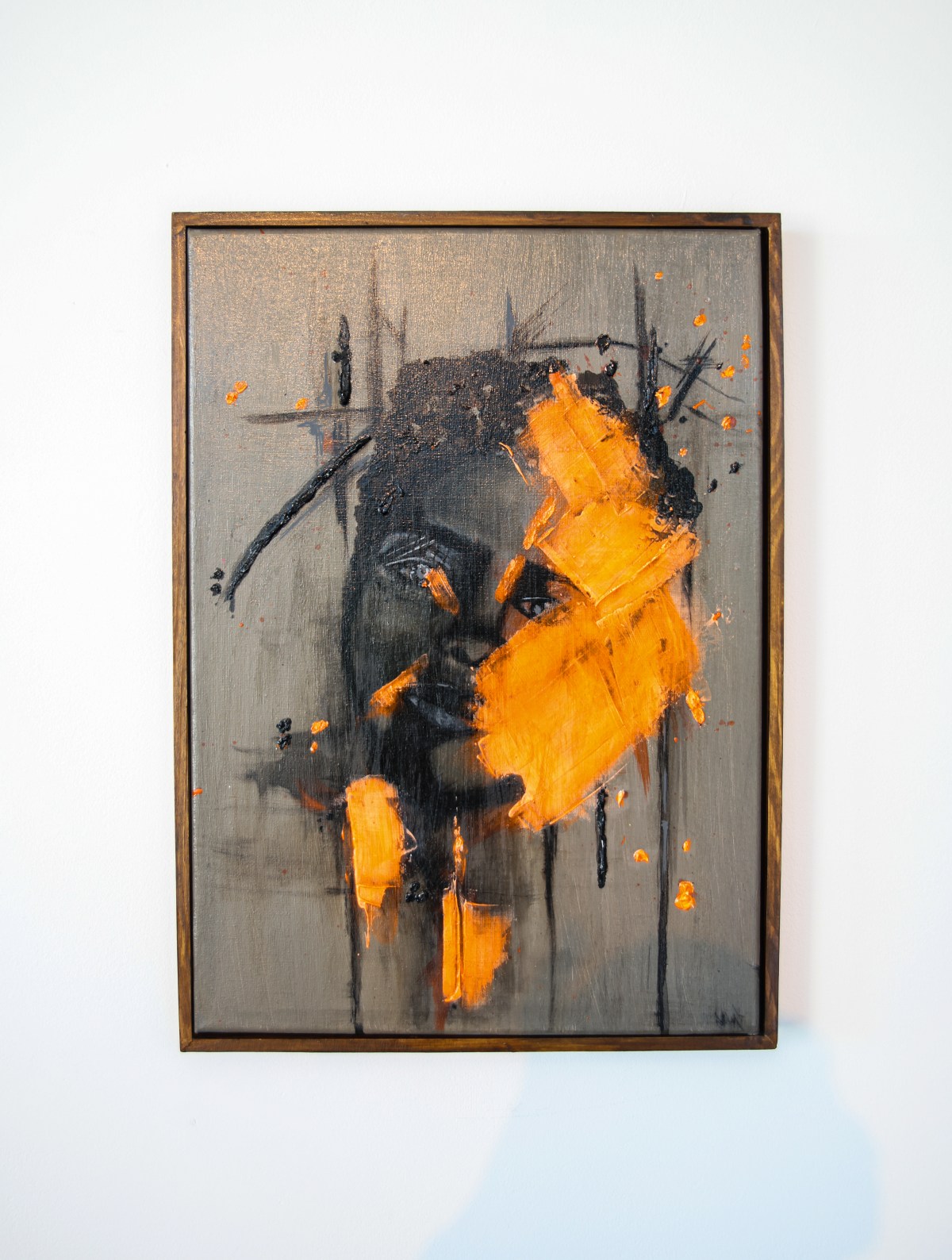
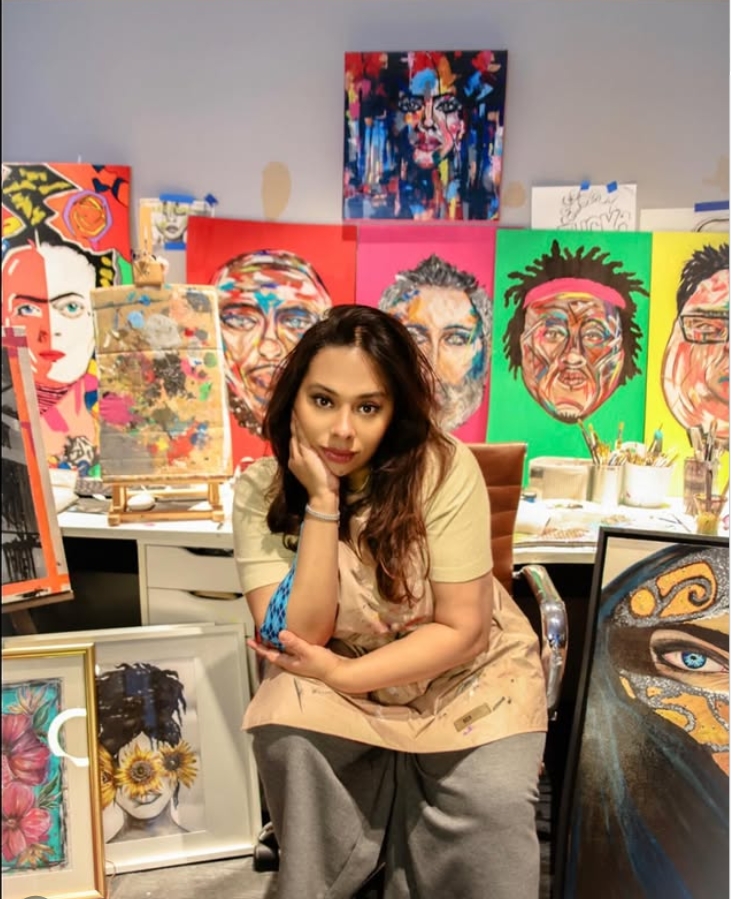
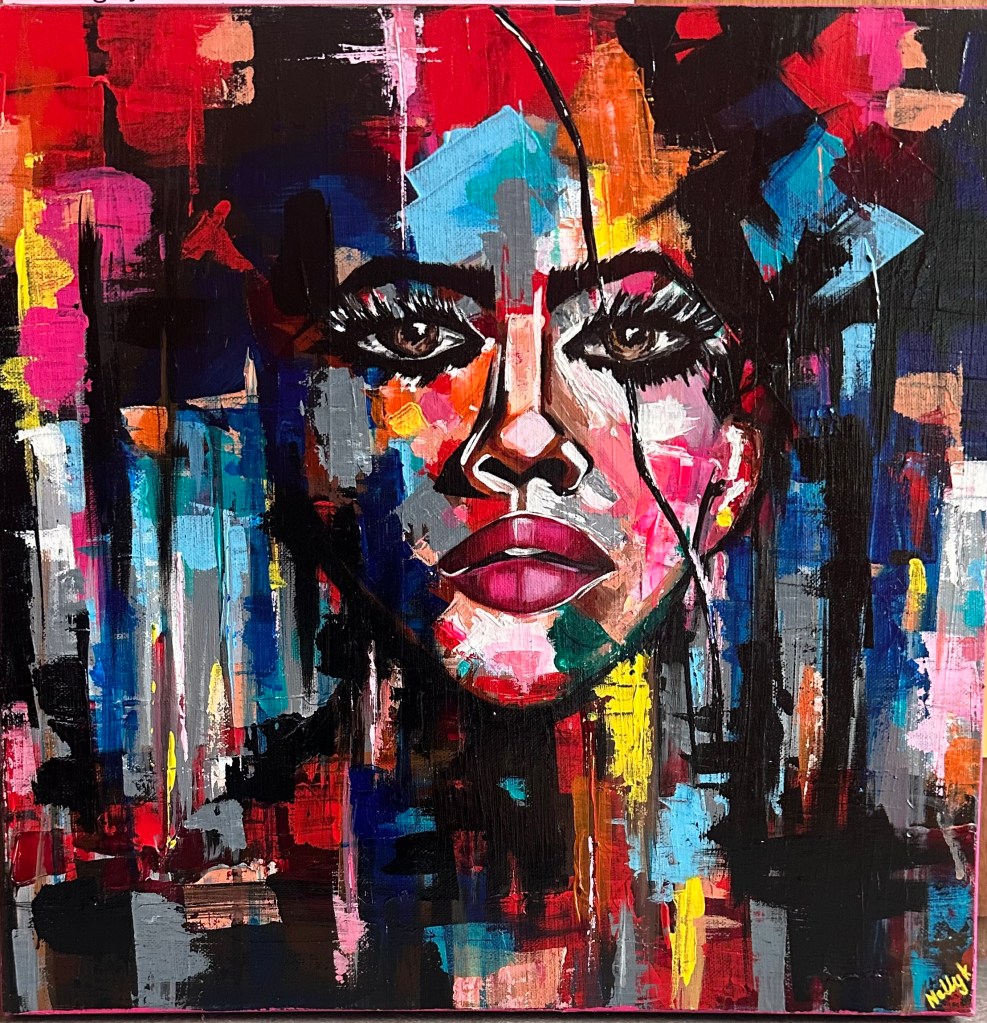
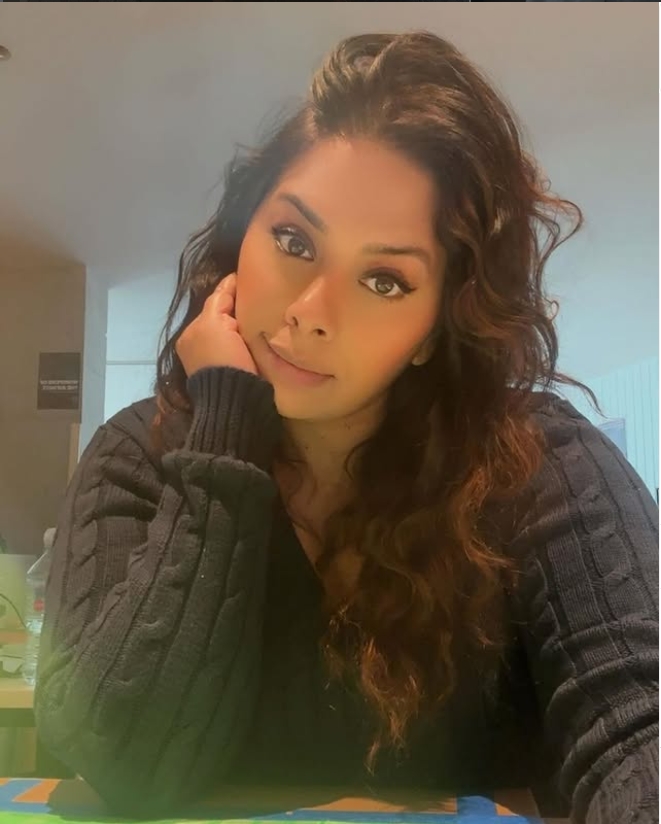
For artist Nelly K, creativity is about far more than producing something to hang on a wall. It is a way of communicating, challenging perceptions and, importantly, helping to break down the stigma that still surrounds mental health.
After earning her degree in Art from Birmingham University, Nelly began developing a creative path that brought together two things she cares deeply about: artistic expression and social impact.
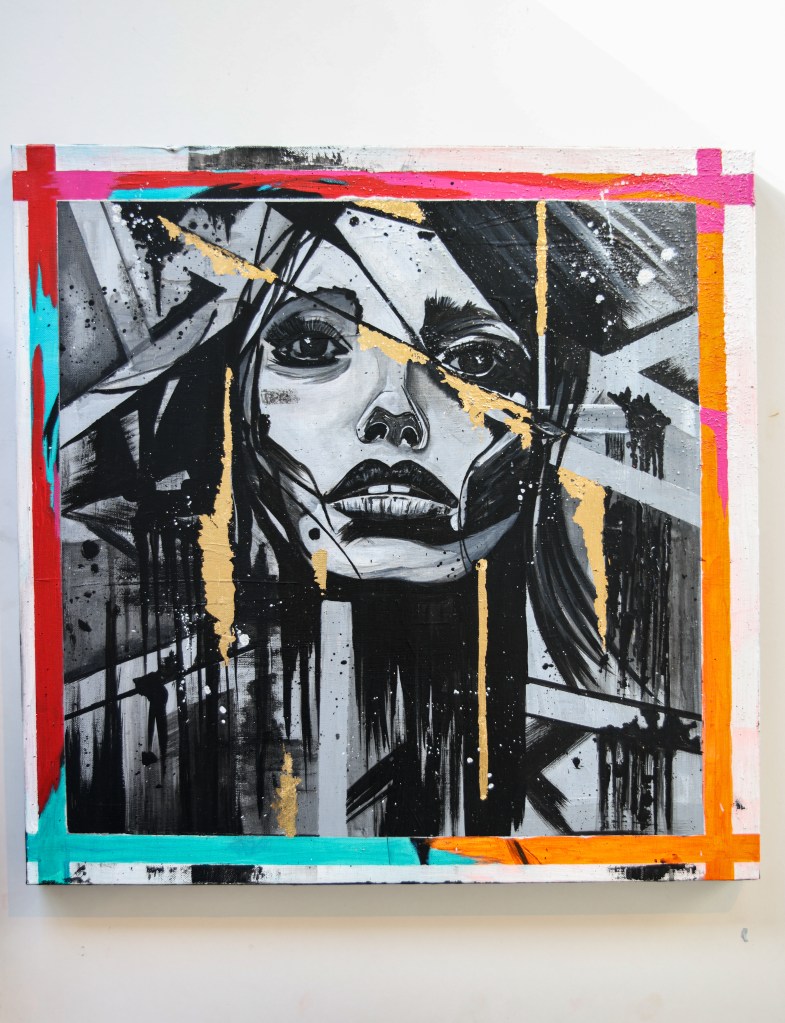
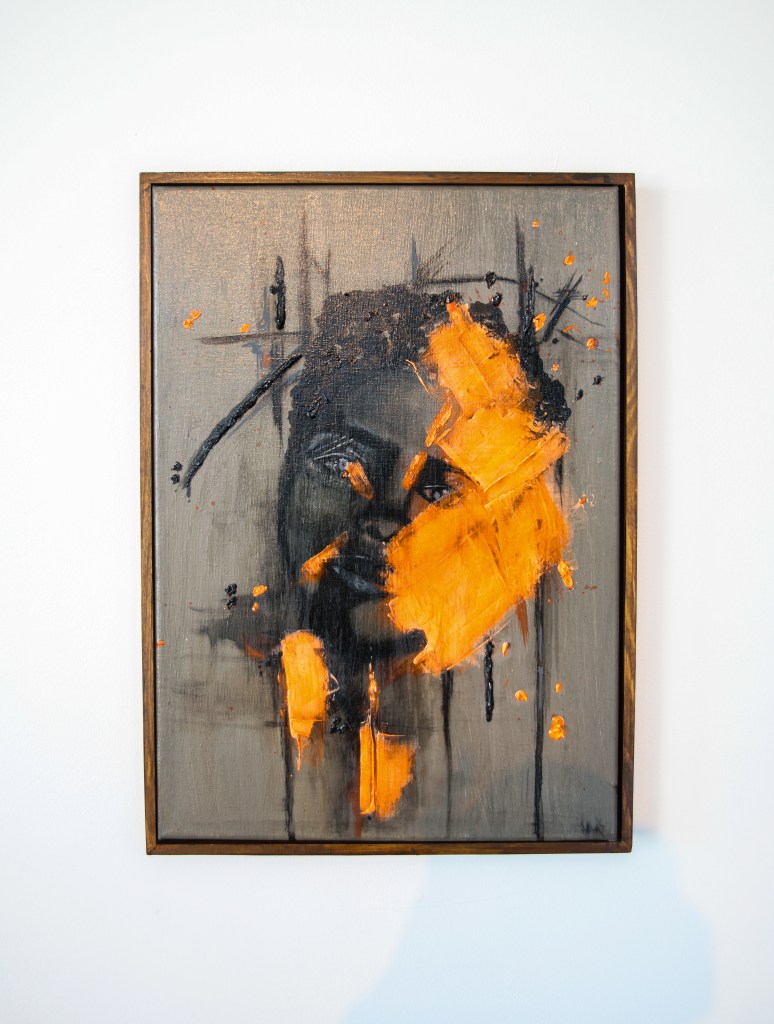
Her work is bold, thought-provoking and unafraid to tackle difficult subjects. Rather than staying within the traditional boundaries of art, Nelly uses her creativity as a catalyst for conversation and change, exploring mental health and the way it is viewed and discussed within society.
Throughout her career, she has exhibited in local galleries, worked alongside mental health organisations, appeared on podcasts and become involved in community projects designed to encourage greater understanding and inclusivity.
There is also something very human at the heart of what she does. Art can give us a voice when finding the right words feels impossible. It can make the invisible visible and allow someone else’s experience to suddenly feel a little less distant.
Nelly remains committed to the belief that art shouldn’t simply be about personal expression. It can advocate, educate and even play a part in healing.
That immediately caught my attention.
So, for this edition of Art Attack, I wanted to find out more about the woman behind the work. Where does her inspiration come from? Why has mental health become such an important part of her artistic identity? Does an artist have a responsibility to challenge society? And can a painting genuinely change the way we think?
It’s time to meet Nelly K.
1. Nelly, let’s start right at the beginning. Were you one of those children who was always drawing and creating, or did your love affair with art come later?
I think creativity has always been part of who I am. Art became a way for me to express things that weren’t always easy to put into words. Over time, I realised that creativity could be much more than personal expression; it could be a way of understanding myself, connecting with others and exploring the world around me.
My relationship with art has grown alongside my own personal journey. It has given me a voice and, importantly, a way to explore identity, both my own and the identities of the people whose stories I encounter.
2. You studied Art at Birmingham University. What did those years teach you, not just technically, but about the sort of artist you wanted to become?
Studying Art at Birmingham University gave me the space to experiment, challenge myself and really think about the purpose behind what I was creating.
Technically, I learned a great deal, but the biggest lesson was realising that I wanted my work to mean something beyond the visual. I wanted to use art as a form of storytelling and as a way of starting conversations about issues that affect people in real life.
Those years helped me understand that I wanted to be an artist whose work combined creativity with social impact; someone unafraid to explore difficult subjects while still leaving room for hope.
3. Mental health is central to much of your work. Was there a particular moment or experience that made you realise this was something you wanted to explore through your art?
My practice is deeply rooted in my own journey and in the real experiences of people I meet. That authenticity is incredibly important to me.
I became interested in exploring mental health through art because I recognised that people are often far more complex than the labels society gives them. Our emotional wellbeing is influenced by our background, experiences, relationships and sense of self.
Art gave me the freedom to explore those complexities without reducing anyone to a diagnosis or a single story. I wanted to create work that encourages people to look beyond stigma and see the person first.
4. Mental health awareness has improved enormously, yet stigma certainly hasn’t disappeared. What frustrates you most about the way society still talks about mental health?
What frustrates me most is that awareness doesn’t always equal understanding. We have become much better at talking about mental health, but people can still feel judged or defined by a diagnosis or difficult period in their lives.
There is no single experience that represents everyone. Our backgrounds and circumstances shape how we experience the world, which is why listening is so important.
I think we need to become more comfortable with complexity and allow people to define themselves rather than having society do it for them.
5. Your work can be bold and thought-provoking. When you begin a piece, do you start with the image, an emotion, or with the message you want the viewer to take away?
Usually, it begins with a feeling, a story or a question. Sometimes it comes from something personal, and sometimes inspiration comes from something I have witnessed or heard.
The image often develops alongside the message. Visual storytelling is a huge part of my practice, and I’m fascinated by the way an image can communicate something that words sometimes cannot.
I don’t want to tell the viewer exactly what to think. I’d rather leave enough space for people to bring their own experiences and interpretations to the work.
6. Art is incredibly subjective. Have you ever created something that provoked a reaction you weren’t expecting, either positively or negatively?
Absolutely. Once you put artwork into the world, you lose complete control over how it will be interpreted. People bring their own memories, emotions and experiences to it, and they may see something completely different from what you originally intended.
That is one of the things I find most powerful about art. Something that begins as very personal to me can take on an entirely different meaning for somebody else.
Those unexpected reactions remind me that art doesn’t always need to provide answers. Sometimes simply making somebody stop, think or feel something is enough.
7. Is there one piece you’ve created that feels particularly personal to you, perhaps one that was difficult to make or that you found emotional to let go of?
The pieces that feel most personal are often the ones rooted most closely in my own journey. Creating them requires vulnerability because you are revealing something of yourself through the work.
We often see vulnerability as weakness, but I see it very differently. There can be enormous strength in allowing yourself to be open.
Letting go of a personal piece can be emotional, but there is also something wonderful about knowing that something which began with you can go on to have a life and meaning of its own.
8. You’ve worked with mental health organisations, podcasts and community projects. Has anyone ever approached you and told you that your art genuinely helped them or made them feel understood? How did that make you feel?
That is probably one of the most meaningful things an artist can hear. When somebody tells me that a piece has resonated with them personally, it reminds me why I create.
My work isn’t about speaking for other people or telling them who they are. I simply want to open a door to conversations that might otherwise be difficult to have.
Knowing that something I created has touched somebody or made them feel less alone is incredibly humbling. Moments like that stay with you.
9. If money, space and practicalities were no object, what would be your dream piece or exhibition to create, and where would you love to see it exhibited?
My dream would be to create a large-scale immersive exhibition that takes people on a real emotional journey.
It would bring together many different voices and perspectives, exploring not only struggle but vulnerability, resilience, healing, joy and celebration. I’d want visitors to experience something rather than simply walk around looking at pictures on walls.
I would love it to be staged in a major public cultural space, but ultimately I’d want it to travel. Art with an important message shouldn’t be restricted to traditional galleries or to people who already feel comfortable entering those spaces.
10. Finally, complete this sentence for me: “Without art, I would…”
Without art, I would be missing one of the most honest ways I know to understand myself, connect with others and make sense of the world.
Quick Fire
1. The most romantic place in London?
My bed.
2. What is your favourite colour?
Yellow. Loud, warm, fun and full of energy — a bit like myself!
3. Best meal you have ever had?
Every meal my mother made.
4. Can you describe happiness?
Happiness is feeling free to be yourself, feeling understood and fully present in the moment. Usually when it’s just me and my paintbrush.
5. Why do you love the Firepit Gallery?I love the Firepit Gallery because it feels like a place where creativity and people naturally come together. It gives artists the freedom to share their voices while making art feel welcoming and accessible. There’s a genuine sense that everyone is invited to be part of it, and I think spaces like that are incredibly important
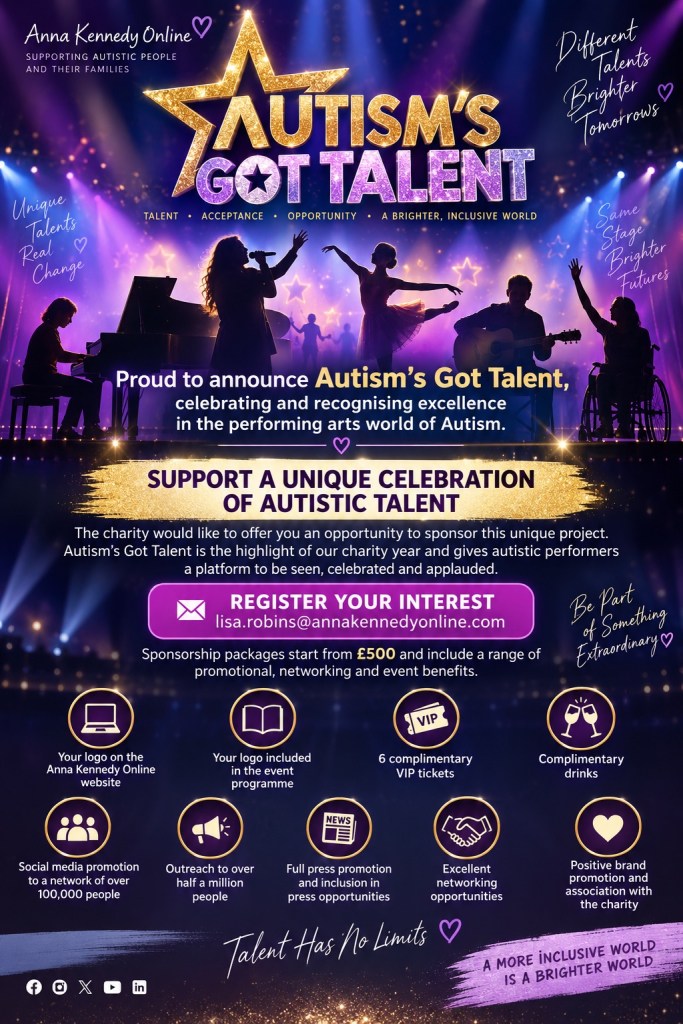
There are some evenings that entertain you, and there are others that remind you just how extraordinary people can be. Autism’s Got Talent does both.
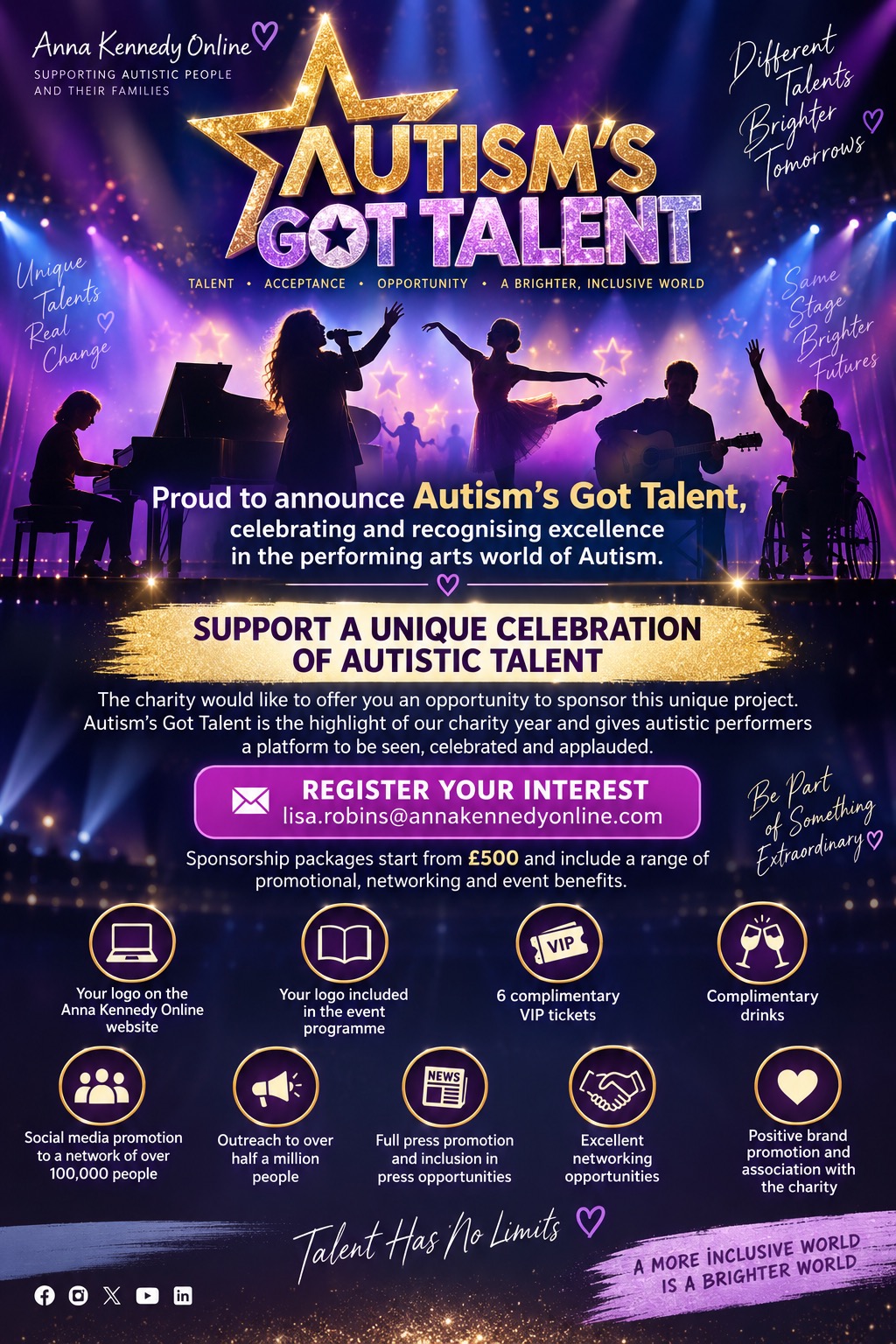
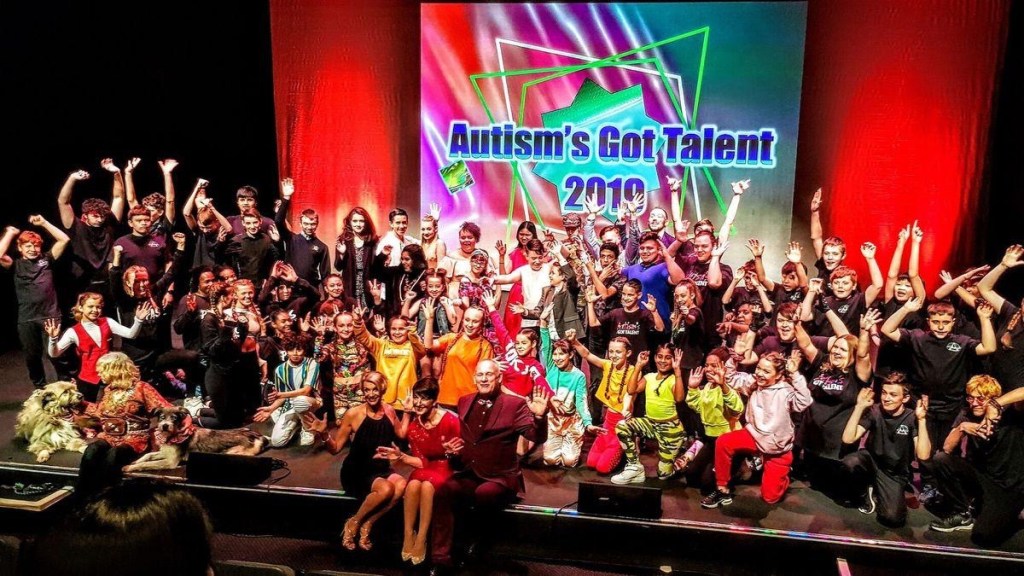
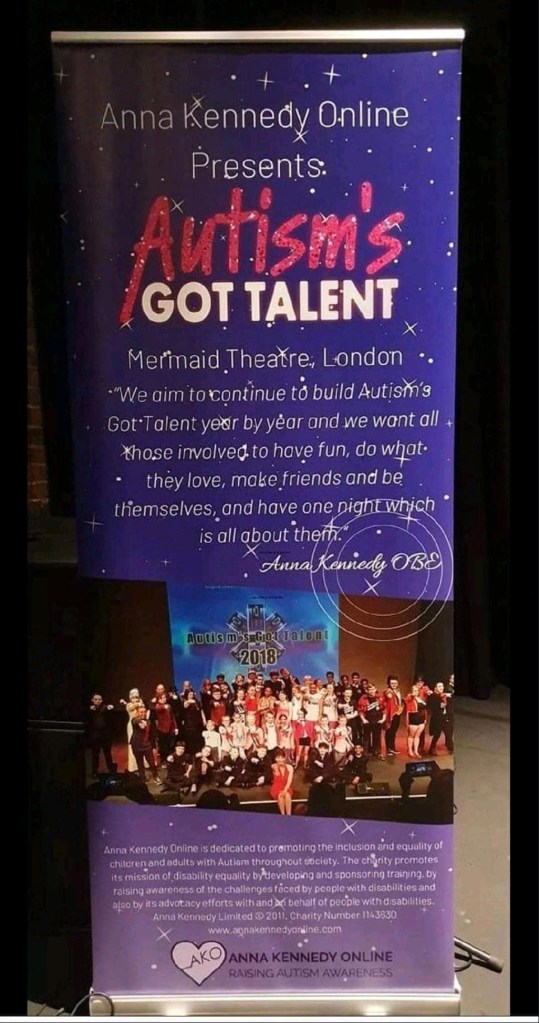
This year is particularly special. On 10 October 2026, Autism’s Got Talent returns to London’s Mermaid Theatre to celebrate its 15th anniversary — fifteen years of giving autistic children and adults the opportunity to step into the spotlight and show an audience exactly what they can do.
Created by Dr Anna Kennedy OBE and her charity Anna Kennedy Online, Autism’s Got Talent has become the highlight of the charity’s year.
Over those years, singers, dancers, musicians, magicians, poets and performers of all kinds have taken to the stage. There have been standing ovations, laughter and more than a few tears. In 2022 alone, a packed 650-seat Mermaid Theatre watched performers receive standing ovations throughout the evening.
But putting on an event of this scale takes support — and we are looking for sponsors who would like to become part of the Autism’s Got Talent story.
Sponsorship packages start from just £500, giving businesses and individuals the opportunity not only to support this remarkable event but also to receive significant exposure.
Benefits include your logo on the Anna Kennedy Online website and in the event programme, six complimentary VIP tickets, complimentary drinks, social-media promotion to a network of more than 100,000 people, wider outreach exceeding half a million people, press promotion and excellent networking opportunities.
Most importantly, however, your sponsorship helps provide a stage where autistic performers are not defined by a diagnosis or by what somebody thinks they cannot do.
They are simply performers. And the stage belongs to them.
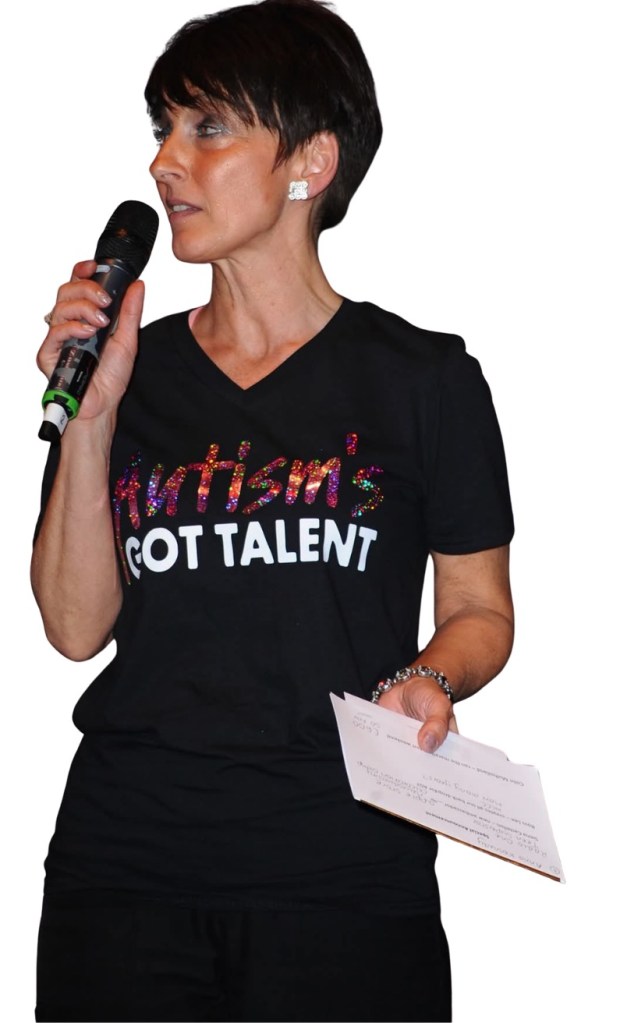
As Patron of Anna Kennedy Online, I have witnessed first-hand just how special Autism’s Got Talent is. I would love to see businesses, brands and individuals come forward and help us make the 15th anniversary an evening these talented performers will never forget.
A labyrinth of talent, colour, diversity and a little bit of fabulousness
By Steven Smith
When I walk into an art exhibition, I feel rather like a kid entering a candy shop. I want to see everything, taste everything and discover something I haven’t encountered before. My thirst for something new, exciting and slightly unexpected is endless.
That is perhaps why FLUX and I get along so well.
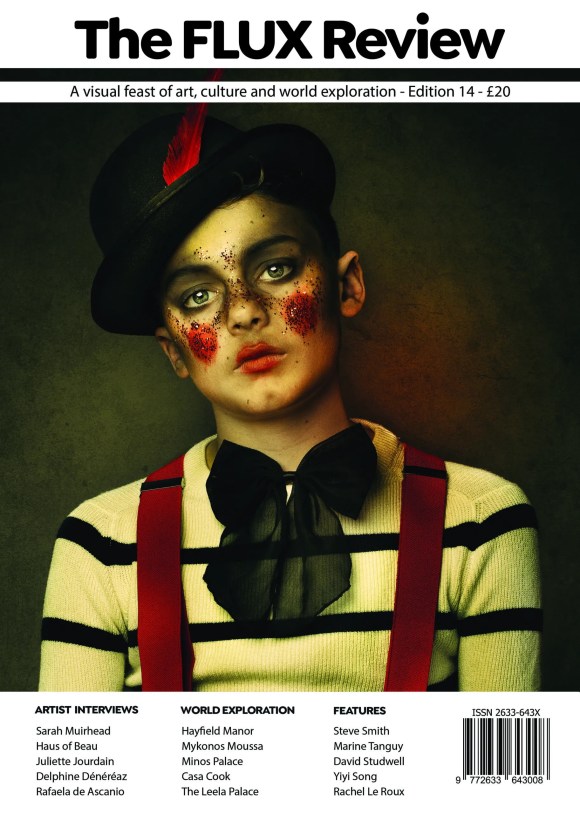
Lisa Gray’s wonderful magazine, FLUX Review, never disappoints. It is one of those publications that feels luxurious before you have even turned the first page. Mine sits proudly on my coffee table — not tucked away on a bookshelf — because it is as much an object to admire as it is a magazine to read.
And Lisa’s exhibitions have that same quality.
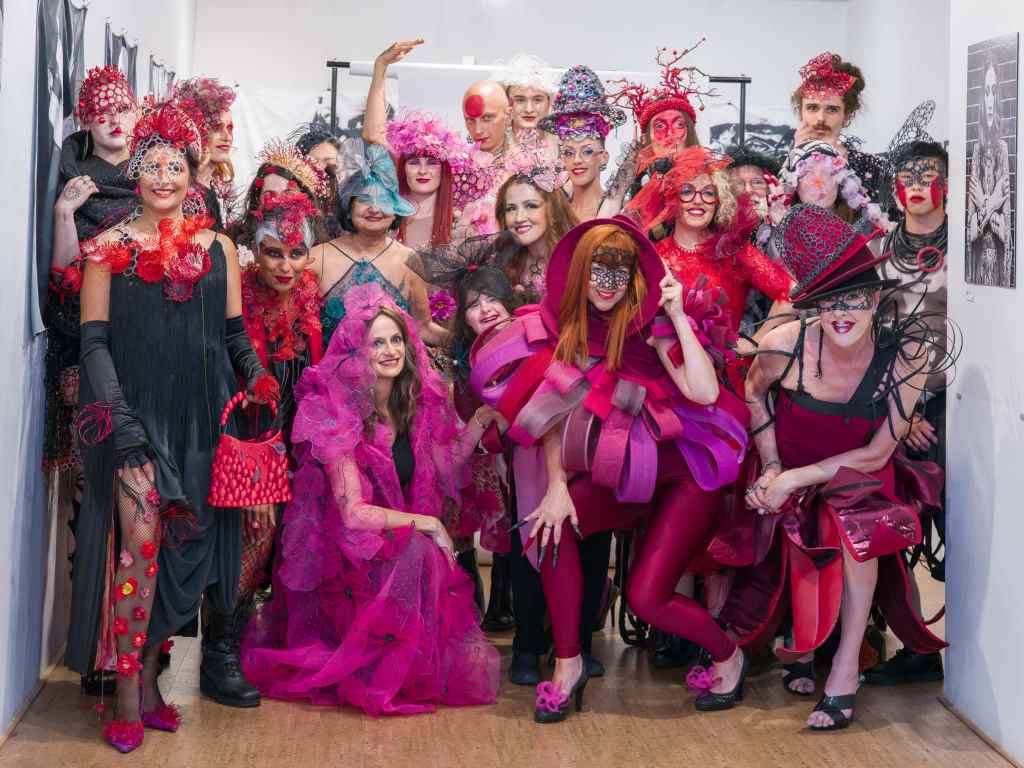
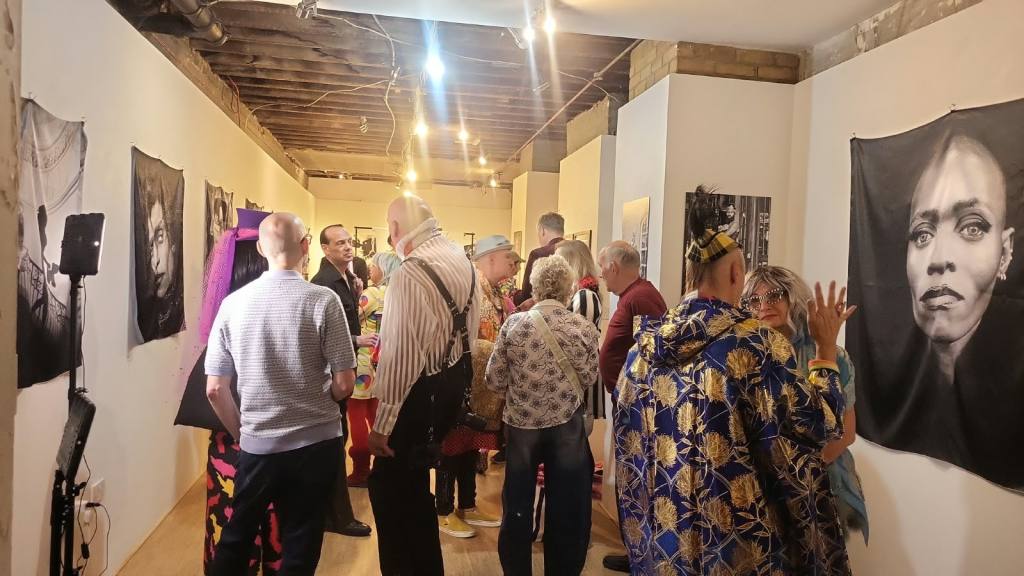
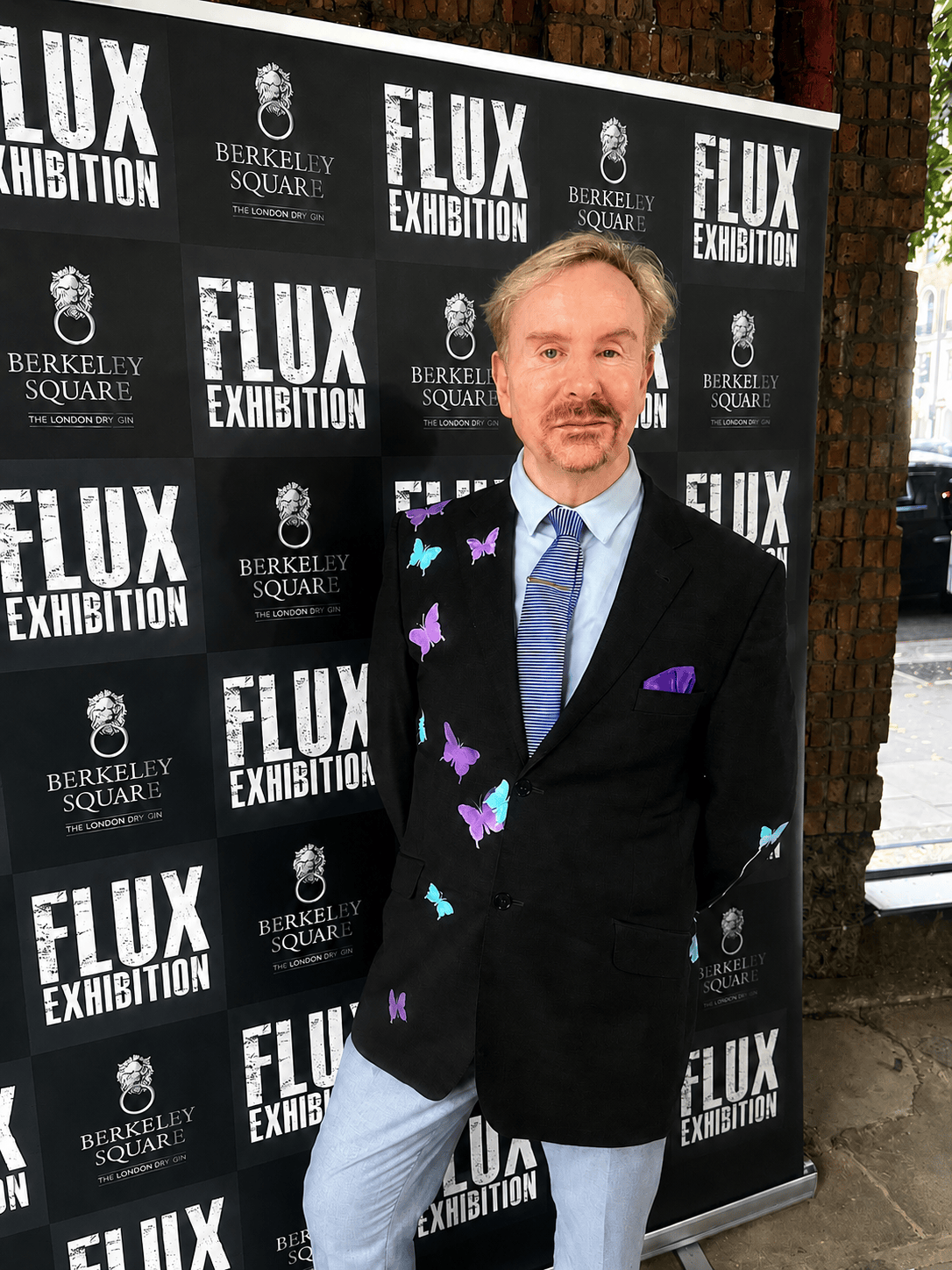
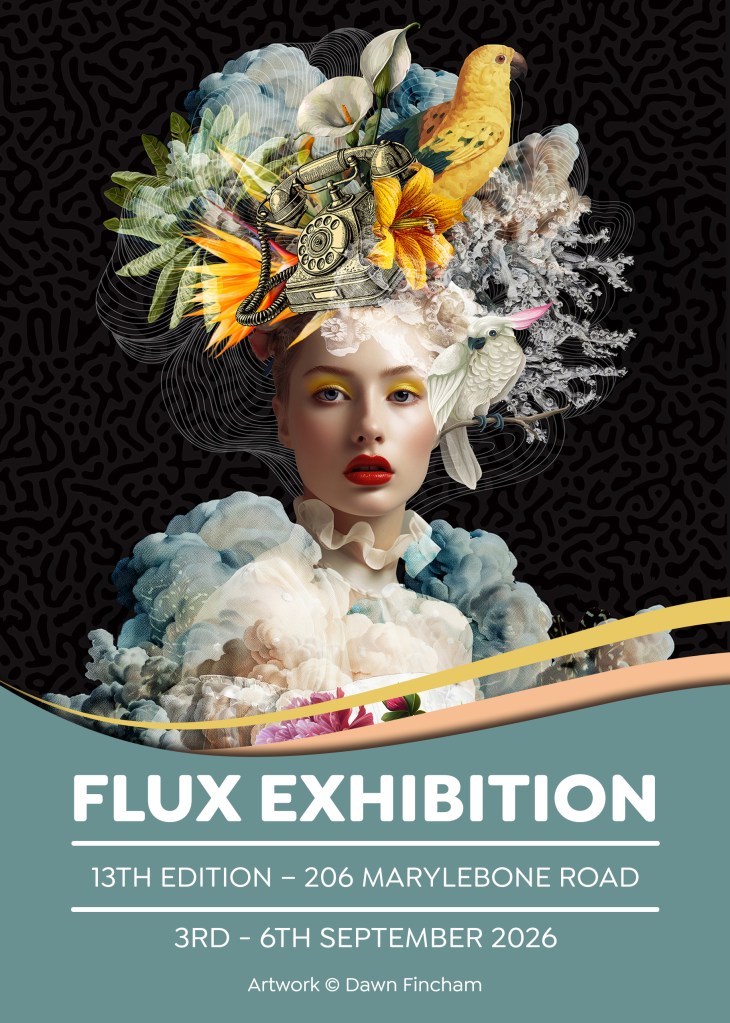
Now in its 13th edition, the FLUX Exhibition has developed into far more than simply another London art show. There is an energy surrounding it. Artists, collectors, performers, personalities and people who simply love creativity come together, and somehow the evening manages to feel glamorous without becoming stuffy.
In fact, FLUX exhibitions have become so renowned that people apparently turn up without an invitation in the hope of getting inside.
Frankly, I can understand why.
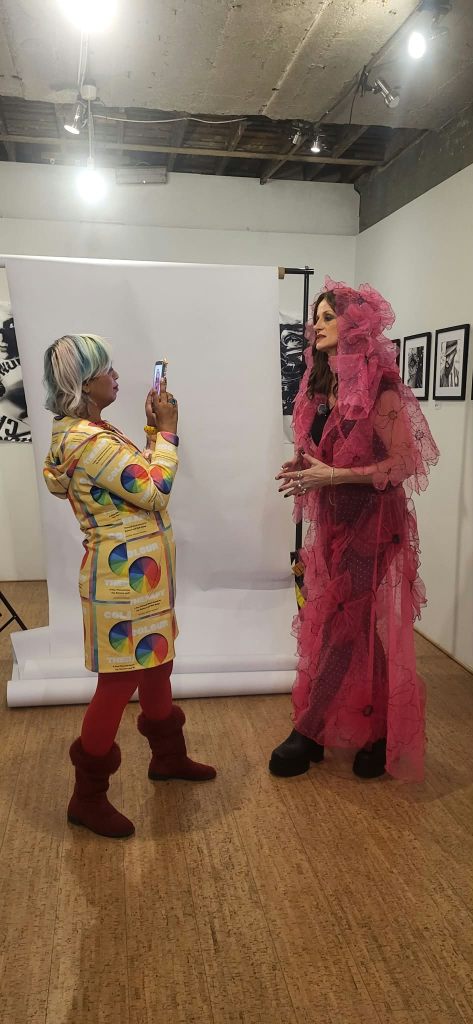
This year’s exhibition, staged at 206 Marylebone Road in London, brought together the work of 70 artists, encompassing painters, sculptors and performance artists from a mixture of established and emerging talent.
But statistics don’t really tell the story of FLUX.
You have to walk through it.
There is something around every corner. One moment you are looking at an extraordinary painting; the next you are confronted by sculpture, textiles, portraiture or something you cannot immediately put into a category at all.
That is part of the fun.
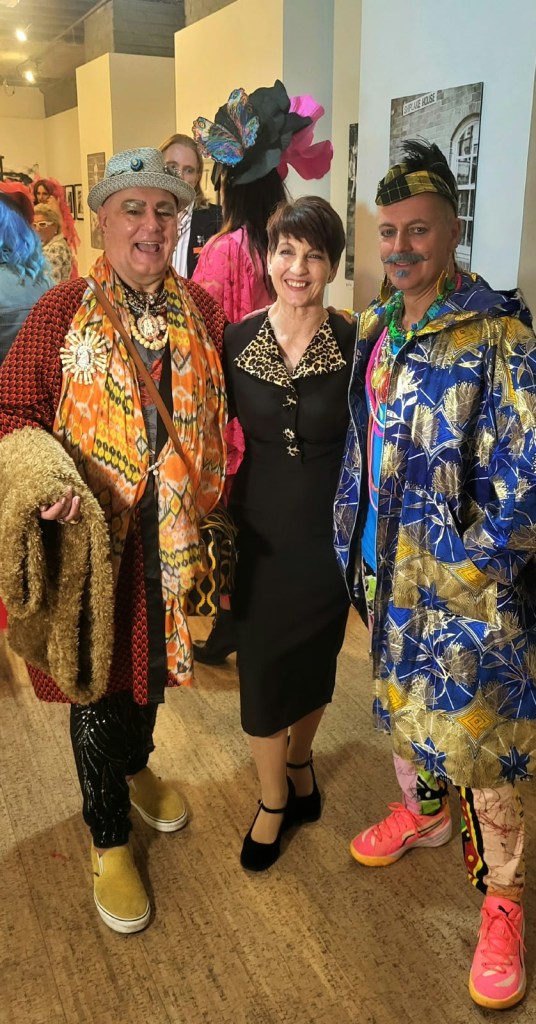
From drag queens to the who’s who of the art and social world, the evening glistened with excellence, eccentricity and individuality. There was a sense that everyone was welcome and that creativity, rather than convention, was running the show.
And I love that.
FLUX has always championed diversity, and it doesn’t feel like diversity has simply been added to satisfy a fashionable checklist. Different people, backgrounds, artistic disciplines and perspectives genuinely seem to belong together here.
Of course, in an exhibition containing so many artists, everyone will discover their own favourites.
Everyone is a star, but inevitably some stars shine particularly brightly.
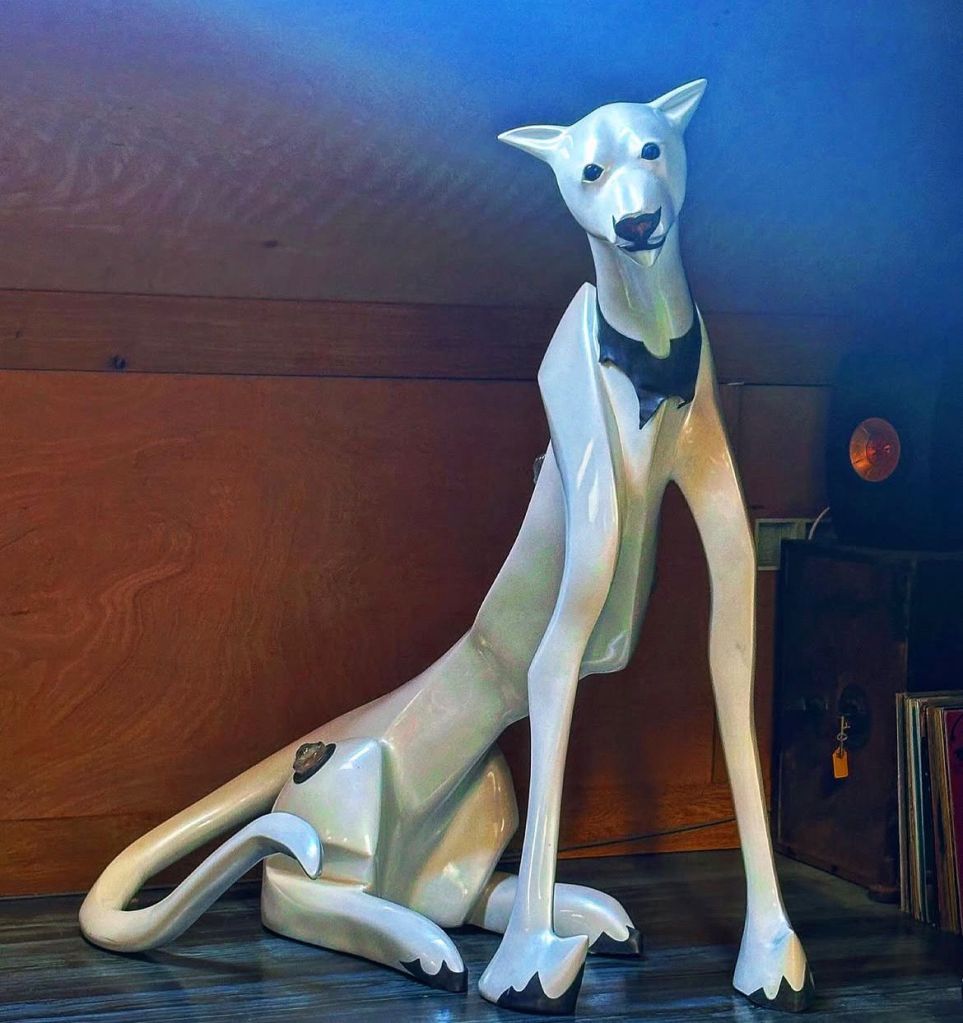
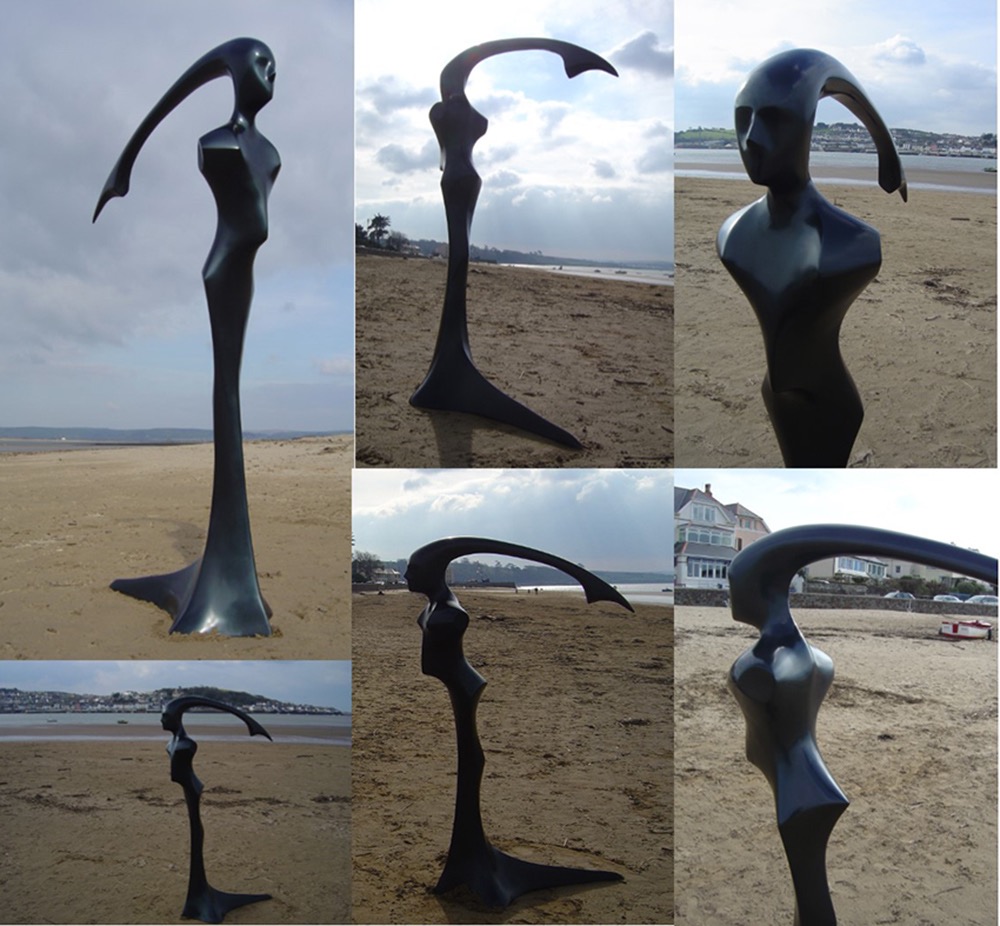
For me, one of those was Gregory John Ford, whose Snow leopard immediately caught my attention.
His sculptures made me stop — and that, in an exhibition packed with work competing for your attention, is an achievement in itself.
There is something contemporary, playful and slightly rebellious about his work. It has a new-age feeling without trying too hard to announce itself as “modern art”.
Yes, there are some skeletons in his collection.
Regular readers will know my feelings about skeletons in art. I have never understood the fascination and probably never will. I spend enough time trying to avoid becoming one without wanting one staring at me from the corner of the living room.
But put my skeleton prejudice aside and there is an artist here with genuine imagination. Amongst some brilliant work, his pieces made you stop, look again and want to know more.
That, surely, is what art is supposed to do.
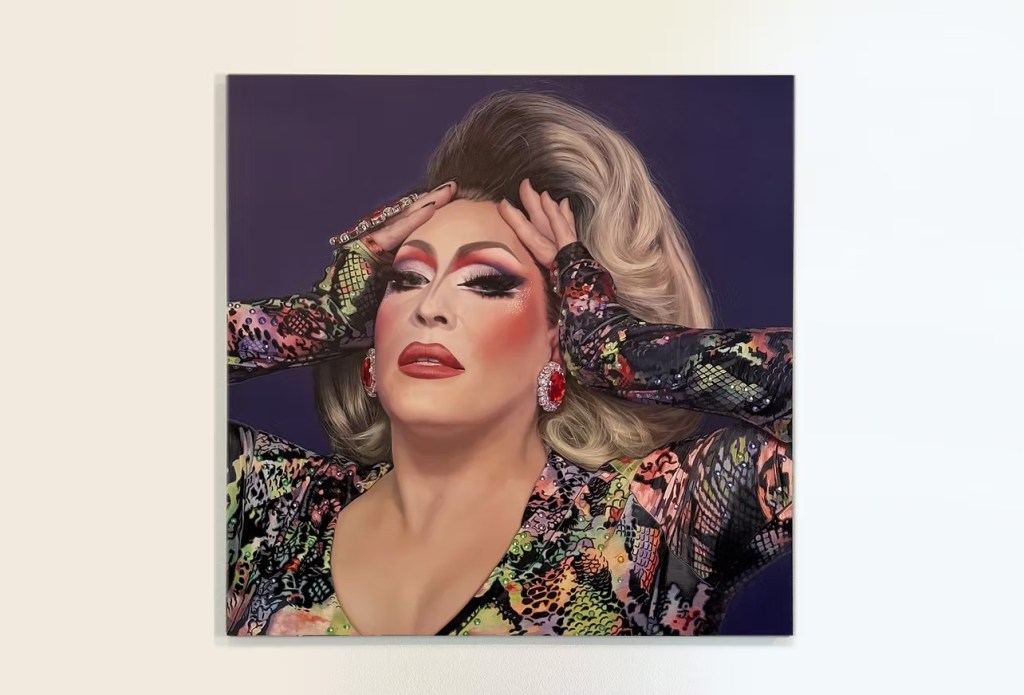
Then there was René Porter, who positively slays the canvas with her incredible drag portraits.
These are not timid portraits.
They have glamour, personality, theatricality and attitude. You almost expect the subjects to step out of the canvas, demand a spotlight and ask why the champagne hasn’t arrived yet.
Looking at them made me think what a tragedy it is that the legendary Madame Jojo’s no longer exists. René’s work should be adorning the walls of some fabulous, slightly decadent nightclub where drag queens, performers and assorted creatures of the night hold court until the early hours.
There is something wonderfully celebratory about the portraits. Drag has always been about transformation, exaggeration, humour and, underneath all the glitter, tremendous artistry. René captures that spirit beautifully.
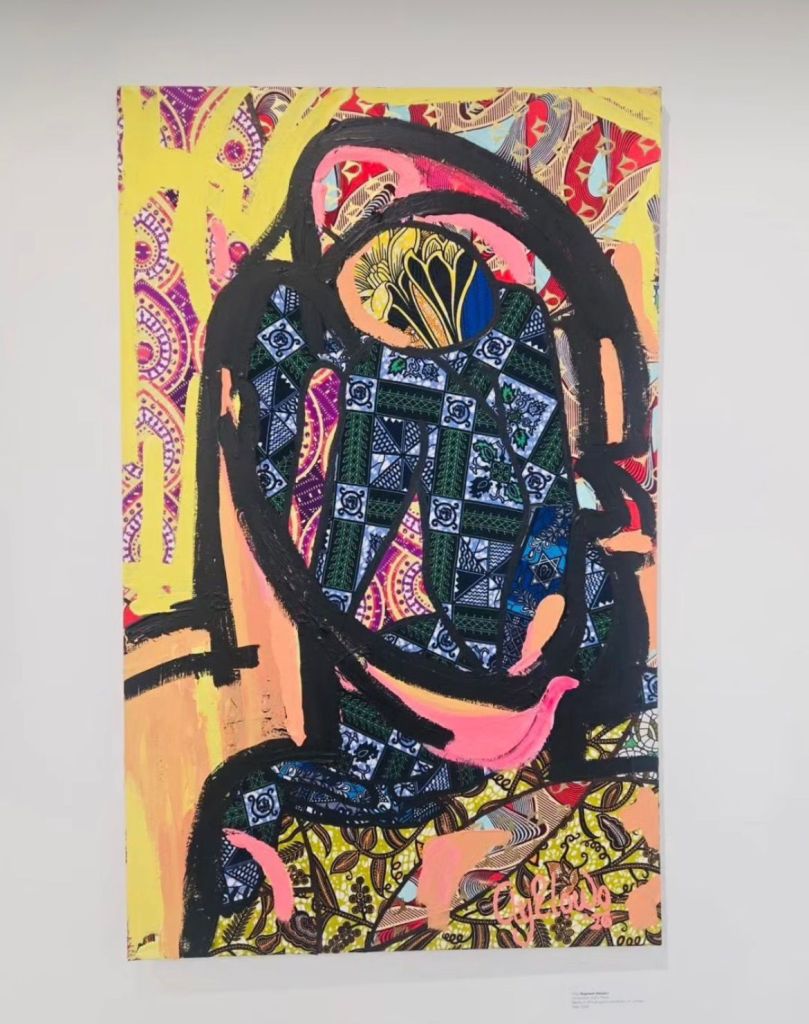
Another artist who made me pause was Tayo Ayelowo, whose textile work felt wonderfully refreshing.
Textiles can sometimes be overlooked when surrounded by traditional painting and sculpture, but here they held their own. There was texture, craftsmanship and a distinctive visual language that felt different from much of the work surrounding it.
And perhaps “different” is the word that kept returning to me throughout the exhibition.
FLUX doesn’t appear interested in presenting rows of artwork that all look as though they have been selected by the same person for the same white living room.
Instead, you find contrast.
The participating artists included Neil Ashton, Annette Aspen, Rina Bakis, John Carpenter, Stuart John Cashmore, Janet Cawthorne, Catarina Diaz, Marcela Olivia Dorantes, Marina Emphietzi, Richard Eveleigh, Bushra Fakhoury, Dawn Fincham, Michael French, Karin Jolly, Gwenda Jones, Greg Kent, Rachel Le Roux, Jamal Masarwa, Caia Matheson, Olga McClelland, Iryna Miro, Holly Nerreter, Gary Nicholls, René Porter, Usha Rajagopal, Nadiia Rom, David Studwell, Wei Keong Tan, Christine Terres and Kathryn Thomas, amongst many others.
It is an extraordinary roll call and illustrates the breadth of talent involved.
Collectors were also given another little incentive: anyone purchasing artwork at the exhibition received a complimentary artwork by Catarina Diaz valued at £200. A rather lovely touch — although, knowing me, I would probably arrive intending to look and leave wondering where on earth I was going to hang everything I had fallen in love with.
But FLUX isn’t only about buying art.
For me, the greatest pleasure is discovery.
We live in an age when so much of what we see is dictated by an algorithm. Our phones decide what we might like based on what we liked yesterday. Social media serves us more of the same, and eventually our visual world can become surprisingly small.
Walking around an exhibition such as FLUX is the antidote to that.
You can turn a corner and be confronted by something you would never have searched for, never expected to like and perhaps cannot even explain why you like.
Suddenly you are having a conversation with an artist whose work you had never seen before.
That is exciting.
Lisa Gray deserves enormous credit for continuing to create a platform where established artists can sit alongside emerging talent and where painting, sculpture, textiles, performance and portraiture can all share the spotlight.
Thirteen exhibitions in, it would be very easy to play safe.
FLUX does the opposite.
It remains colourful, inclusive, occasionally eccentric and gloriously unpredictable.
My mentions of Gregory John Ford, René Porter and Tayo Ayelowo are exactly that — personal shout-outs from a labyrinth of talent. Another visitor could walk the same rooms and come away with three completely different favourites.
And that is precisely the point.
Art should divide opinion. It should make you stop. Occasionally it should make you laugh. Sometimes it should make absolutely no sense to you whatsoever.
And every now and then, something should make you think: I need that on my wall.
The 13th FLUX Exhibition gave us plenty of those moments.
Lisa Gray has once again gathered together an extraordinary collection of people who aren’t frightened of being different, and created an exhibition where individuality is something to celebrate rather than tone down.
By Dr Anna Kennedy OBE – Guest Writer for 2Shades Magazine
Anna Kennedy Obe
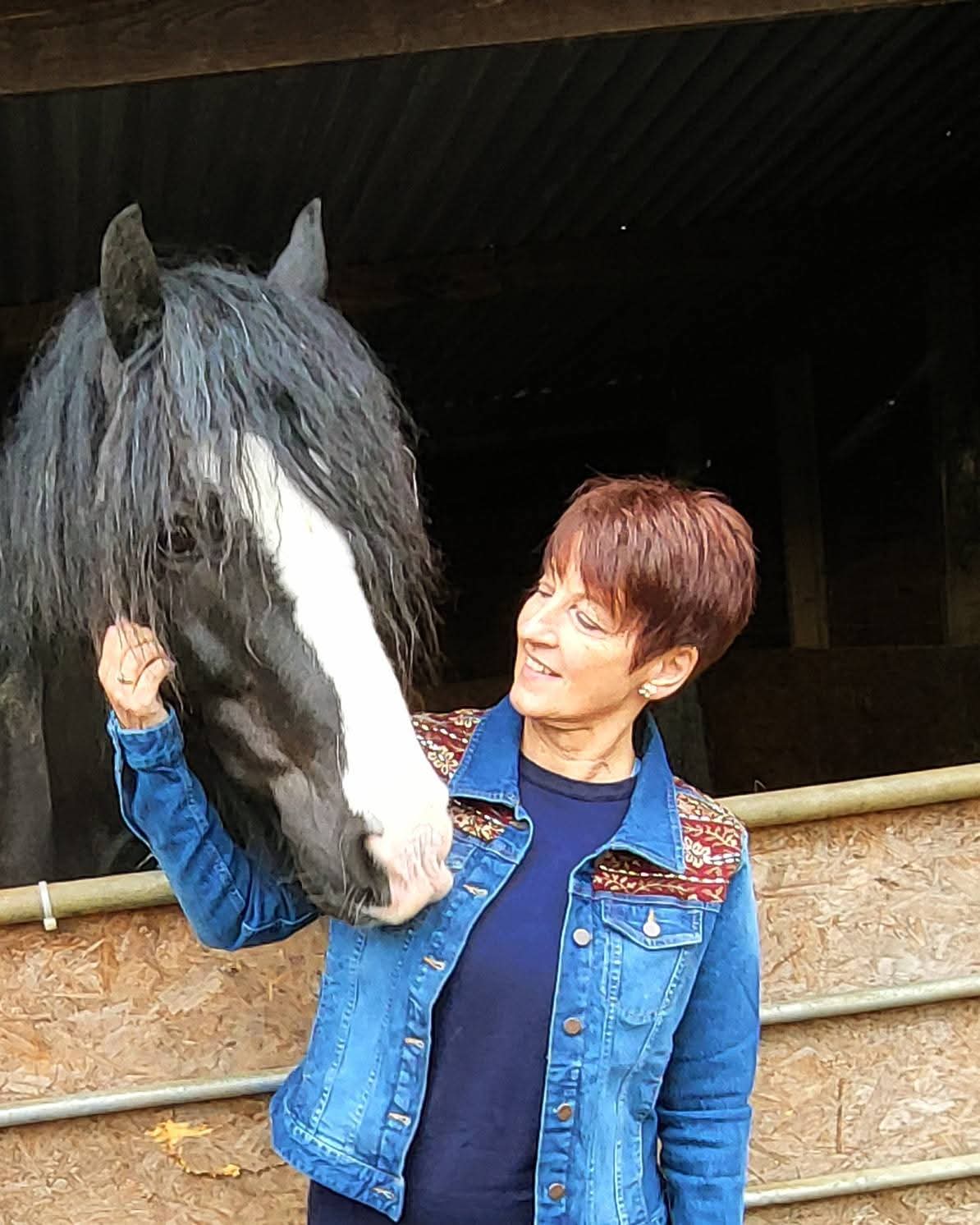
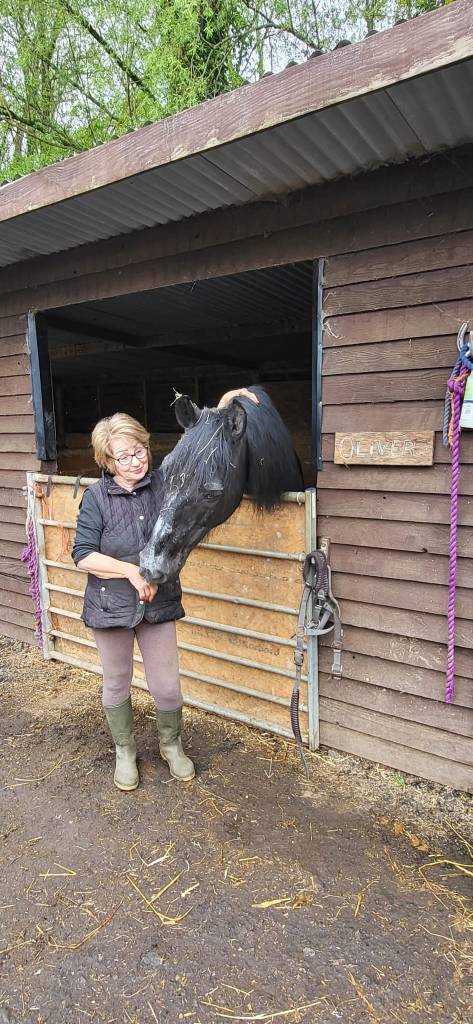
There are some places that instantly remind you just how much kindness still exists in the world, and Kilmarnock Horse, Pony and Donkey Rescue in Sussex is certainly one of them.
Recently, I had the pleasure of catching up with the wonderful Carol Jackson, founder of this remarkable sanctuary, where I have proudly served as Patron since 2015. Every visit leaves me inspired, not only by the incredible work being done but by the dedication, resilience and compassion shown by Carol and her amazing team.
For more than 26 years, Carol has devoted her life to rescuing animals that have been abandoned, neglected, mistreated or simply forgotten. It is a commitment that never stops. Every single day brings new challenges, yet her determination to give vulnerable animals a second chance has never wavered.
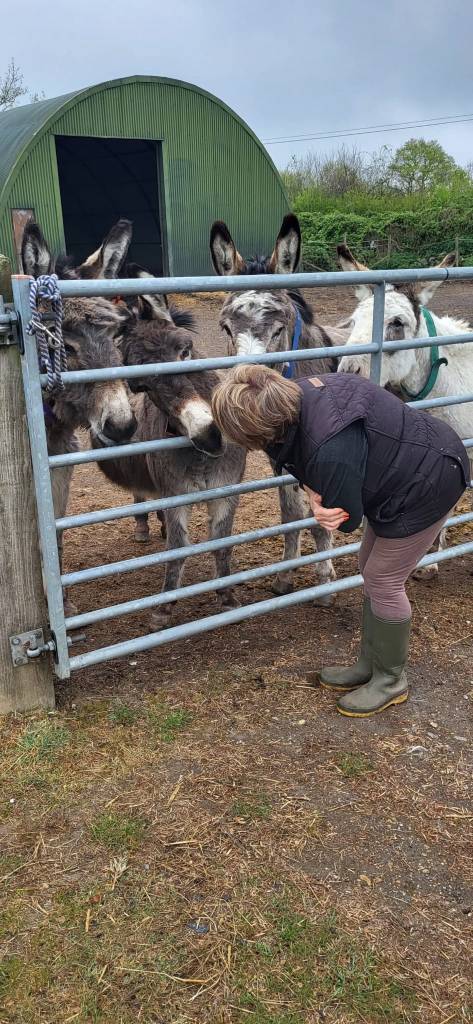
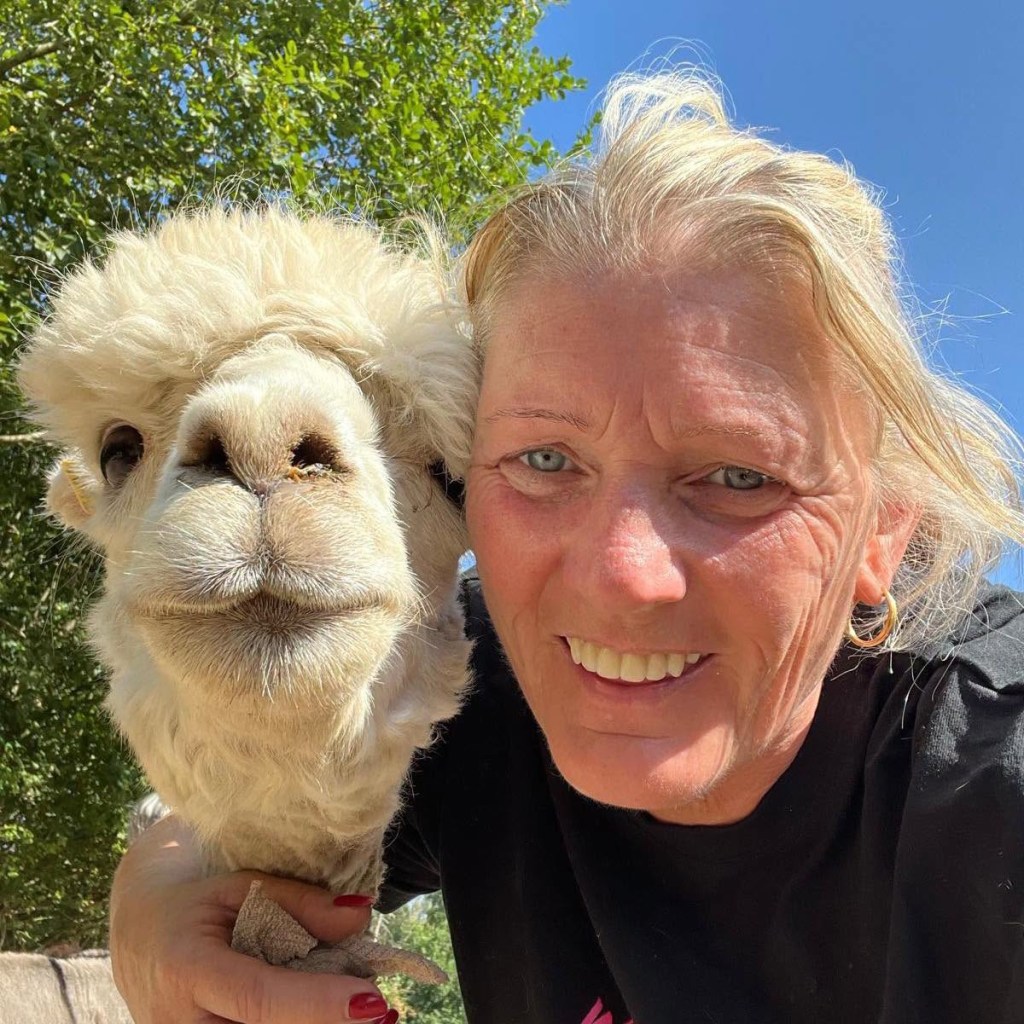
Walking around the sanctuary is a truly humbling experience. Horses, ponies, donkeys, goats, sheep and alpacas all live peacefully together, each with their own story. Many have suffered unimaginable hardship before finding safety, while others arrive elderly, frightened or in poor health. Thanks to Carol and her volunteers, they are given exactly what every living creature deserves—care, dignity, kindness and, above all, love.
Not every animal can be rehomed. Many spend the rest of their lives at the sanctuary, where they receive the specialist care they need in a safe and nurturing environment. Watching these beautiful animals thrive after everything they have endured is incredibly moving and a reminder of the difference that compassion can make.
Like so many charities across the country, however, Kilmarnock Horse, Pony and Donkey Rescue is facing increasingly difficult times.
This year’s lack of rainfall has had a significant impact on grazing land, leaving very little natural grass for the animals. As a result, the sanctuary has had to purchase far more hay than usual, and with rising costs, the financial pressure continues to grow.
Carol with some of the donkeys
Alongside these challenges comes uncertainty surrounding the future of the land and its lease. For any charity, that uncertainty can be deeply worrying, especially when so many animals rely on the sanctuary every single day. It highlights just how vital fundraising and public support have become.
Despite everything, what always impresses me most is Carol’s unwavering spirit.
She doesn’t complain. She simply gets on with the job because the animals need her. That quiet determination is something I admire enormously. She understands that every horse, every donkey and every rescued animal depends on the sanctuary, and she never loses sight of why she began this journey over two decades ago.
Of course, Carol could never achieve all of this alone.
The sanctuary is supported by an incredible team of volunteers who generously give their time, energy and compassion. During my visit I met a lovely young woman who spends her holidays volunteering while studying to become a veterinary surgeon. Seeing young people choosing to dedicate their free time to helping vulnerable animals gives me great hope for the future. Acts of kindness like these remind us that compassion is alive and well, and that the next generation is ready to make a difference.
As many of you know through my work with Anna Kennedy Online, I have always believed that communities become stronger when people come together to support one another. Whether we are helping autistic individuals and their families, supporting vulnerable people, or caring for rescued animals, the message is exactly the same—every life matters and everyone deserves kindness, respect and the opportunity to flourish.
That is why I am so proud to be Patron of this wonderful charity.
If you are able to help, no matter how small the contribution, it really can make a world of difference. Carol is currently asking supporters to visit the Kilmarnock Horse Rescue Facebook page, as the charity’s website is being updated. There are many ways to become involved. You might choose to make a donation, volunteer your time, help with fundraising, or even adopt one of the sanctuary’s elderly residents from as little as £5 a month.
Every pound raised helps provide food, shelter, veterinary care and a secure future for these beautiful animals. Your support allows Carol and her dedicated volunteers to continue giving hope where it is needed most.
I would like to thank Carol personally for everything she has done over the past 26 years. Her kindness, resilience and unwavering commitment are truly inspiring. Every time I visit the sanctuary, I leave feeling uplifted, and I always enjoy our conversations as much as meeting the wonderful animals in her care.
It remains an honour to serve as Patron of Kilmarnock Horse, Pony and Donkey Rescue, and I hope that by sharing their story, more people will discover this very special sanctuary and help secure its future for generations to come.