
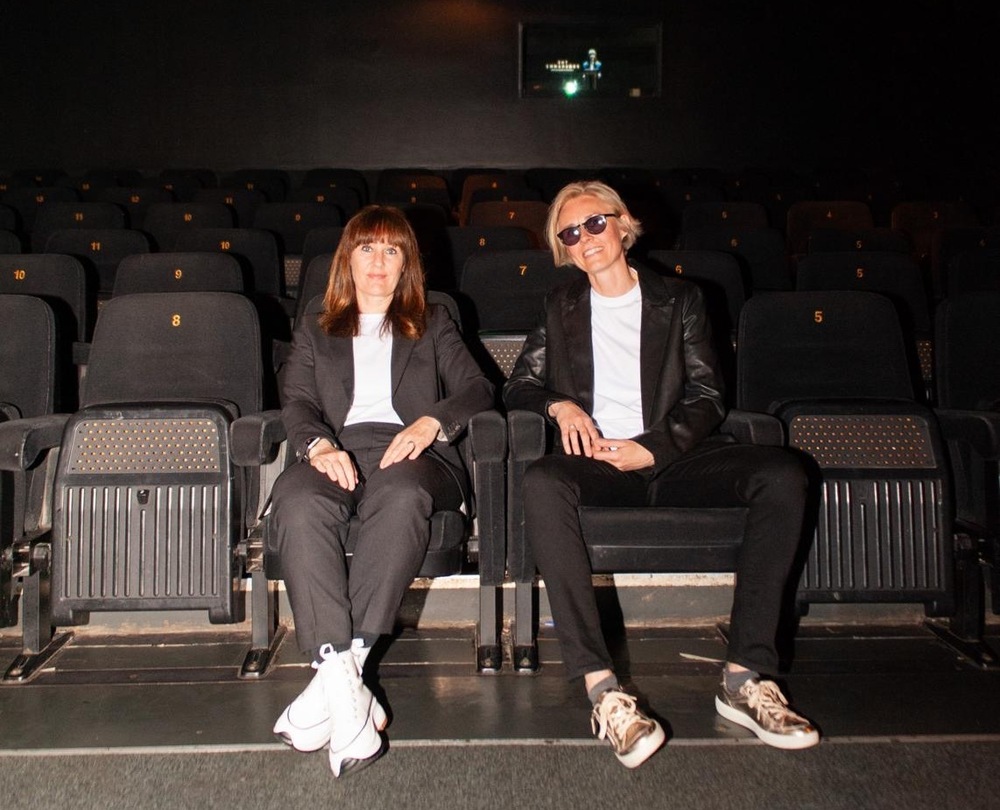
Filmmaker and writer, Sam Grierson breaks down barriers of assumptions about a neurodivergent individual’s inability to “feel”
Her work gives you permission to open your mind and her audaciousness as an artist is an invitation for you to dare to think differently
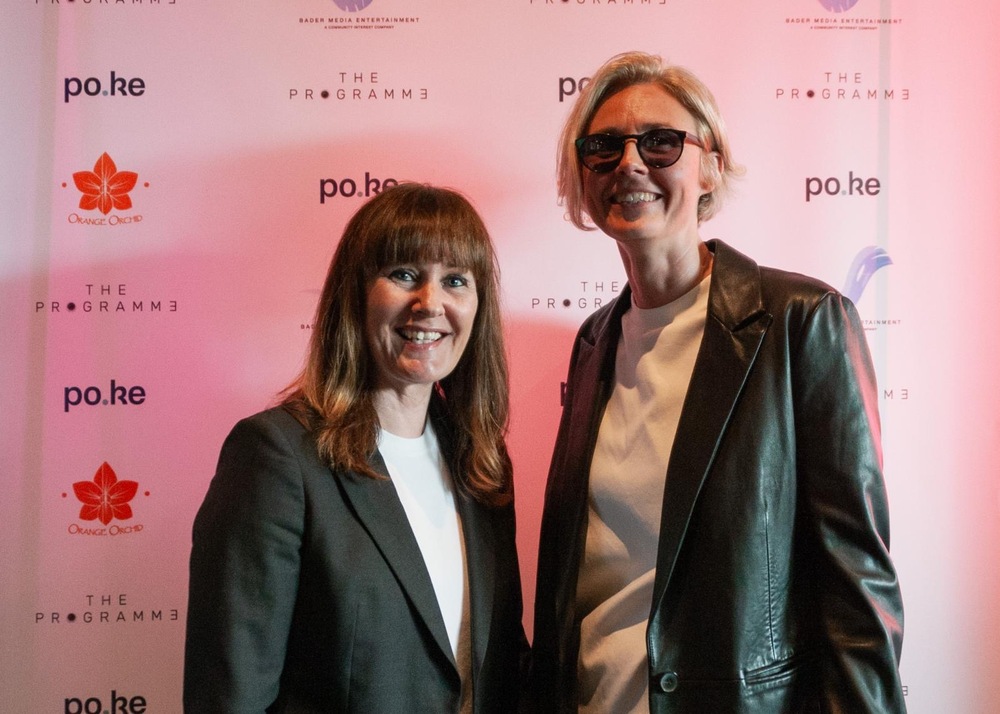
Sam Grierson said, “After my best friend took her own life, I stopped writing. I couldn’t write anymore. I met Michelle and she told me to give myself a nudge. And I went on holiday a few weeks later, and I sat on a beach in Croatia. And I hear her in my head, give yourself a nudge. And I thought to myself, you know, I’m autistic.
We’re not supposed to have big emotions. But I was having massive emotions for Jenny taking her own life. And I missed her. She’d been my best friend since I was four. And I completely missed her. And I’m thinking, I am having colossal emotions here. How is it possible that autistic people don’t feel?”
I’ve had the honour of watching Sam’s short film The Programme which is set to release in November. Her writing and direction of this enterprise made me feel a thousand emotions at once.
It’s about a non-binary and autistic character called ‘Drum’ played by Granite Harbour actress, Michelle Jeram who is interviewed by an AI robot. The purpose of this film is for the AI robot to gather information on a neurodivergent individual’s feelings and emotions to navigate how to treat them in the future.
The conversation between the AI robot (played by Sherise Blackman) and Drum was a painful watch and in many ways, made me feel seen and a huge reminder of the empathy we lack as human beings. The urgency to separate what’s normal and abnormal in people through labels, assumptions and ignorance is the root of all the divide.
People often forget that the spectrum of neurodiversity is far too varied to be generalised. There’s a reason why people say “they’re on a spectrum” after being diagnosed or familiarising themselves with certain traits. With this context in mind, Sam’s work deeply reflects how feelings and emotions also lie on an infinite spectrum that cannot be classified.
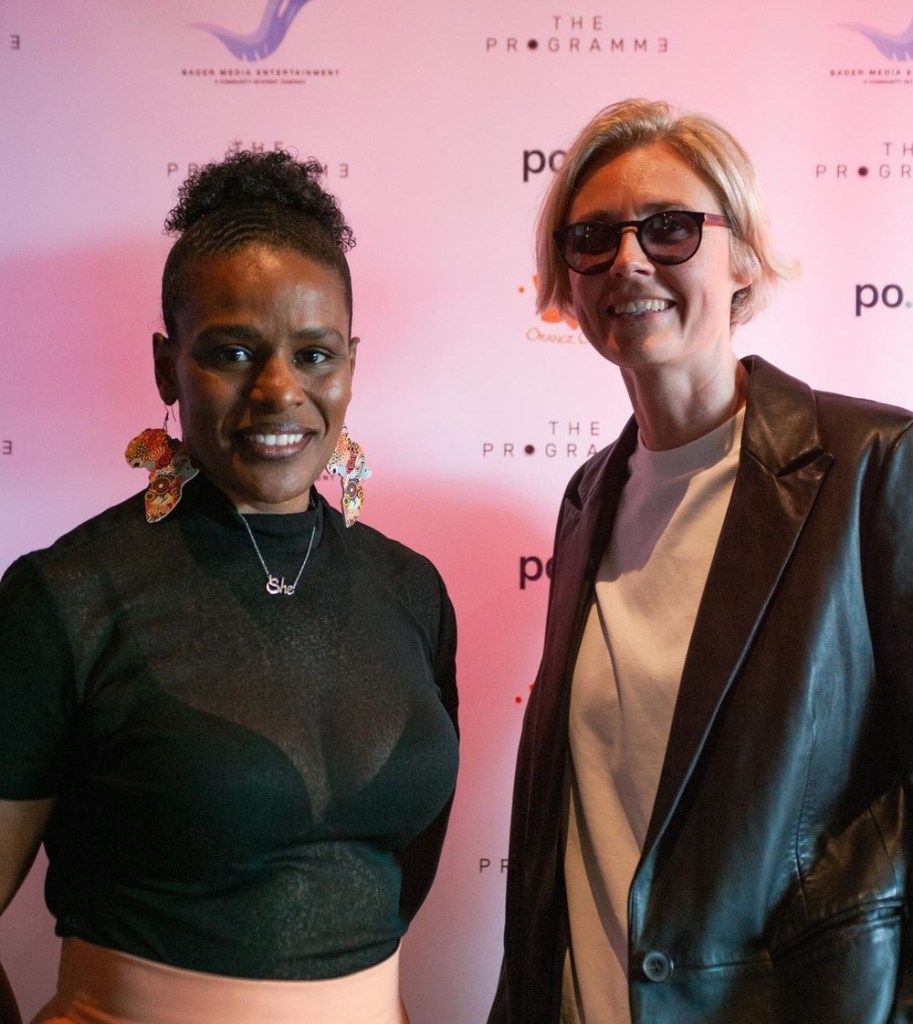
Sam explains, “Autistic people are shut down and shut up so often. I just wanted them to be able to express themselves and just talk. So I wrote the film to talk about grief and loneliness because they’re big feelings we don’t talk about. And again, as a neurodivergent person, what does that look like for us? And Drum’s not trying to be every neurodivergent person, it’s just a story by a person. But by letting them articulate their feelings, big, deep feelings, I just wanted to let people sit without uncomfortableness”
The essence of discomfort Sam speaks of while watching any of her creative explorations is an attempt to free the mind and elevate us to all forms of acceptance.
How often, as human beings, do we come across a story, feel a rush of emotions based on our own life experiences and settle on an opinion? Or, in some cases, feel so unsettled that the world becomes a projection of our emotions?
However, that’s exactly what Sam tries to portray through her work, we’re all human and equally messed up, neurodivergent or not. We’re all invited to feel the emotions that we do in our own ways. The keyword being feel and to be courageous to sit with ourselves, allow the voices to speak to us and initiate transformation through self-acceptance.
Sam mentioned, “Liz and I run workshops, we start all the workshops on the left hand side of the room, we put flip charts up and we say, right, what does autism look like? What does grief look like? And then can you express your emotions, for example, right? So we’ll put these on flip charts. And then Liz will interview me a little bit about why I wrote the film and then we’ll watch the film. Then we purposefully take a break. We let people go to the loo or whatever and just sit with it for a minute. We bring them back in the room and we say, right, talk about the film for a bit. And before they go, we do the flip charts again but on the other side of the room. We say, right, what does autism look like? What does grief look like? And can you express your emotions?

Every single person who’s ever been to our workshops has transformed in that two hour period from what they wrote and thought when they came in, to what they wrote and thought when they left, because we have challenged people, we have moved people’s perception. And the reason that we were able to do that is because we’re telling the story. And we’re able to draw people into Drum’s world and see it through Drums’ eyes in a really personal way. And so for me, what do I want to achieve? It’s that. It’s taking people’s perception beforehand and coming out the other side and transforming it. I think most people who’ve seen the film said they needed to watch it again.”
I had to watch it two or three times myself, not to make sense of the character, but mainly to make sense of my own emotions. I went through a spectrum of thoughts watching The Programme because at times I felt the writing was peeling into my heart like a stranger breaking into my house but I allowed it to happen?
At times I felt a wave of sympathy for Drum’s character for being dehumanised by the AI robot when they not only answered the questions, but also bravely articulated every ounce of their misery. Only to be shot down for digressing or being “vague”.
Sam has evolved to a state of living where she challenges herself to do things and think differently but also does everything her creative soul tells her to do. She has a wonderful community of people who share her vision to allow people to go beyond themselves and into themselves.


She continues to represent the neurodivergent community through her storytelling but also wishes to create a space for everyone to feel safe to express themselves. She works selflessly to include all voices to have a platform through her projects to spread an important message.
Sam said, “I’d like you to think differently, the other side of it. And I really want to hear from people. We’re going to put it out in November, free, because all my content is free. I really want to talk about neurodiversity. So I don’t charge for anything. It’s all self-funded. I just do it because I want to do it. I want to tell these stories. I’m going to put it out.
I really, really want people to get in touch with me and tell me what it did. What did it do? How did it make you feel? If you don’t like it, fine. Tell me why you didn’t like it. I don’t need you to like it. I don’t need you to love my film. But did it make you have some kind of emotional reaction? Yeah, that’s what I want to do. That’s what I want to do with all my audio plays, all my stories. I want to provoke an emotional reaction in people.”
And just like her audacious podcast, “Daring to be Different” Sam holds no grudge with criticism and opinions. When someone like herself enters a space of inspiration through service to the world and a community, it doesn’t matter what people think, it only matters what they feel and what they desire to share.
She is in the works of another project set in Glasgow called ‘Station’ about a man in a train station having conversations with fellow travellers to explore a multicultural perspective to life.

What I will say about Sam’s work before you experience it for yourself is that she always ends it with a twist. A stomach-curling, pillow-grabbing and mind-bending twist that leaves you hungry for more.
Her purpose towards people is to provide an outlet for limitless perception that without intention, without bias or any kind of expectation or outcome, re-programmes us to lead with our hearts.
For further information The Programme and Sam’s future work, go to https://www.crabandbull.com/
If you wish to contribute to their mission, click https://www.crowdfunder.co.uk/p/the-programme-short-film-neurodiverse-queer

 2Shades Magazine