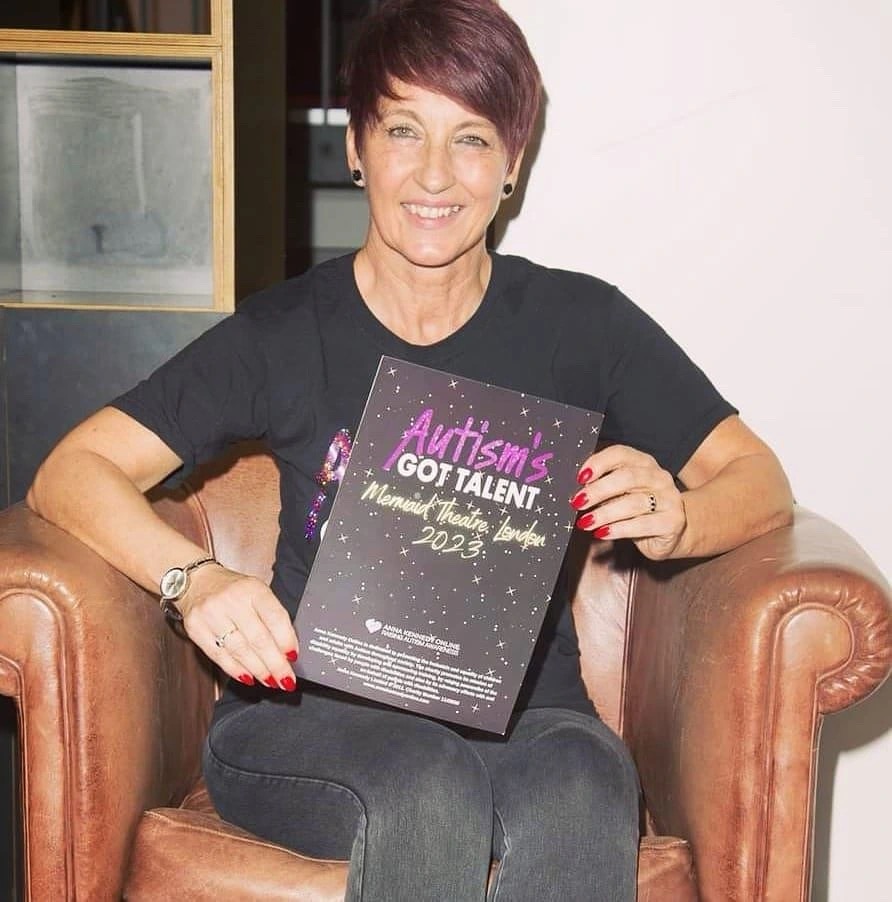
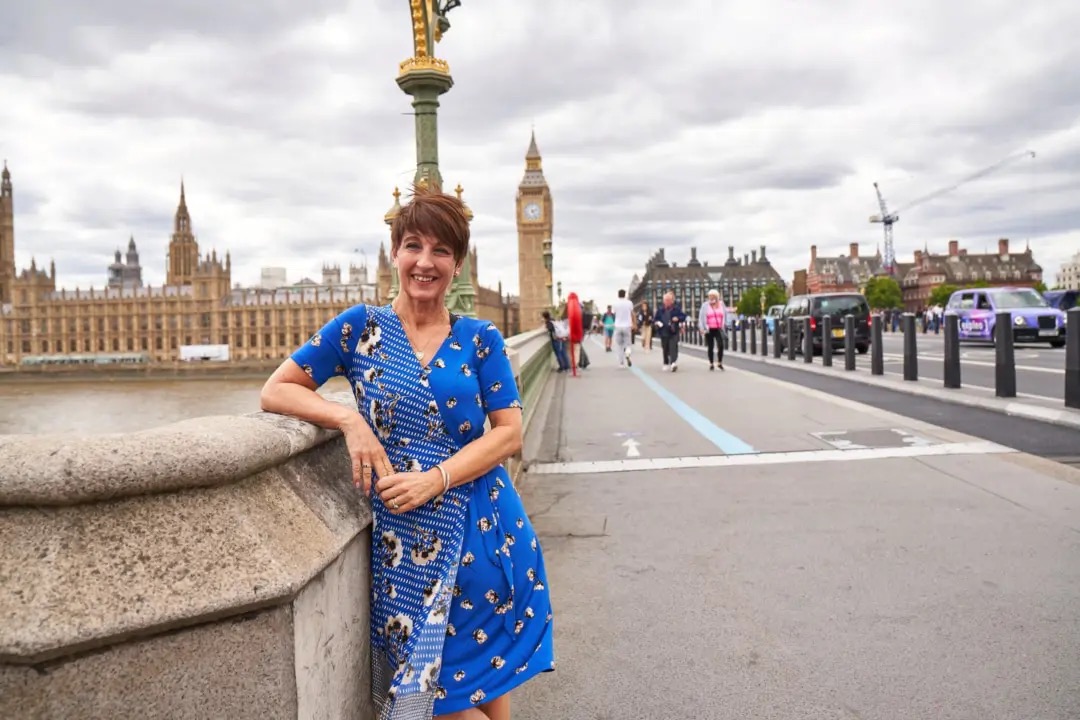
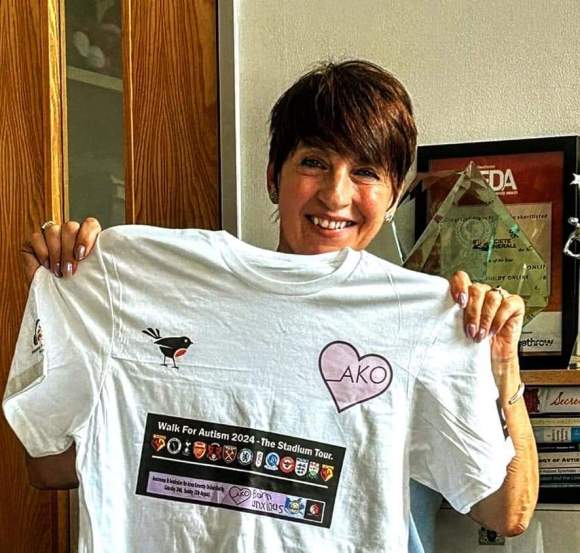
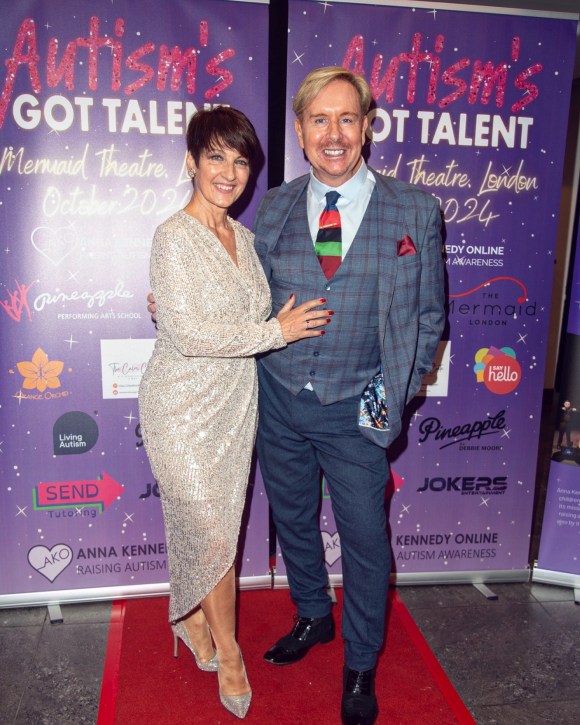
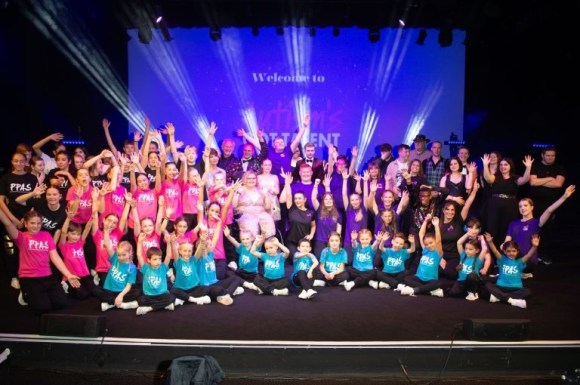
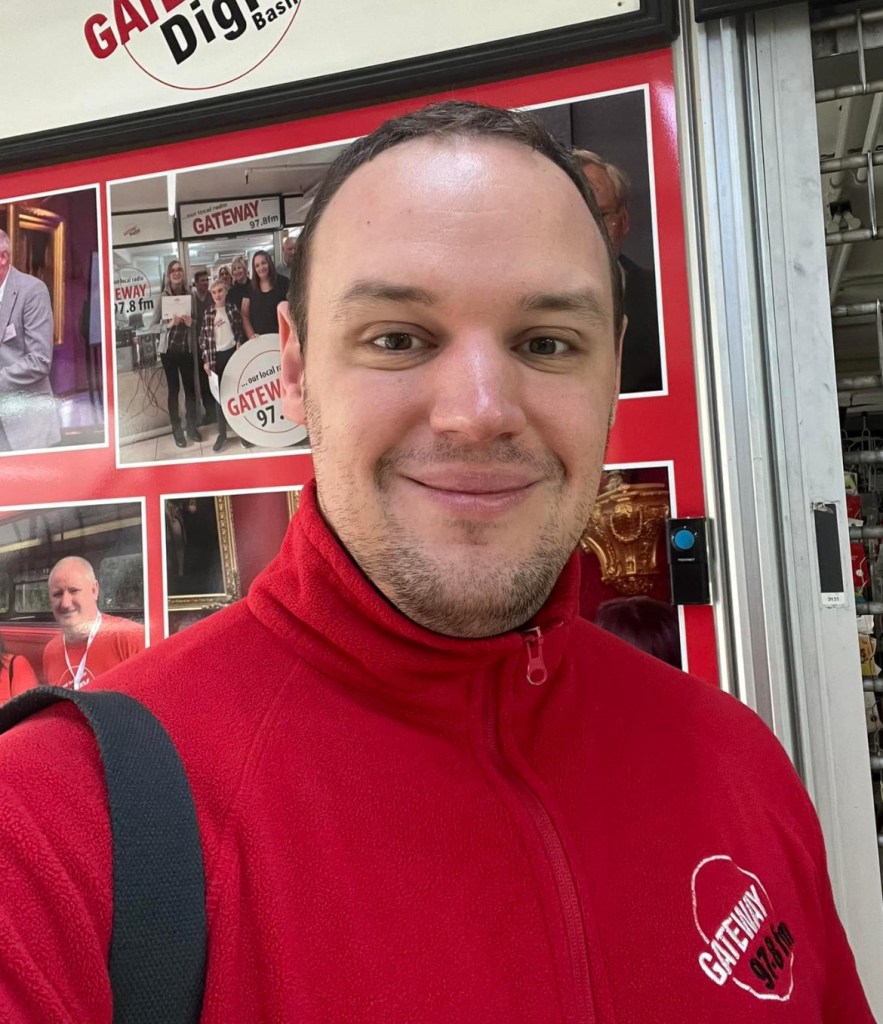
Looking through my old photographs brings back an extraordinary collection of memories. But what really stands out among them is my time with Anna Kennedy Online and, in particular, being a volunteer for Autism’s Got Talent. This year marks the 15th anniversary of Autism’s Got Talent, and for 13 of those years I have had the privilege of being involved.
When I first became involved, I could never have imagined the journey ahead. There have been red carpets, interviews, photographs, laughter, a few tears and, above all, some truly remarkable people. What started as supporting Anna and her work became something very personal to me. Thirteen years later, I am incredibly proud to have been asked to become, and to remain, one of the patrons of Anna Kennedy Online.
At the heart of it all is, of course, Dr Anna Kennedy OBE. Anna is one of those people who simply does not give up. I have watched her campaign, encourage, fight for families and create opportunities for autistic people year after year. We have stood together at countless events, and I have seen first-hand just how much work goes on behind the scenes.
We joke that Anna can get you to move mountains, even when you had no idea you could!
Today, the charity is involved in so much more, including Autism & Art, the Autism Hero Awards and many other events and initiatives throughout the year.
But one event has always had a particularly special place in my heart: Autism’s Got Talent. It was through this wonderful event that I really became part of the team.
The name may say “Got Talent”, but this has never been a competition. There are no winners and losers. It is about giving autistic performers a stage on which they can simply be themselves, celebrate their talents and show an audience exactly what they can do.
Over the years, I have watched performers walk onto that stage nervous and walk off absolutely glowing. Singers, dancers, musicians, comedians and performers with talents you could never predict have all become part of its history. Some moments have made us roar with laughter; others have left us fighting back tears.
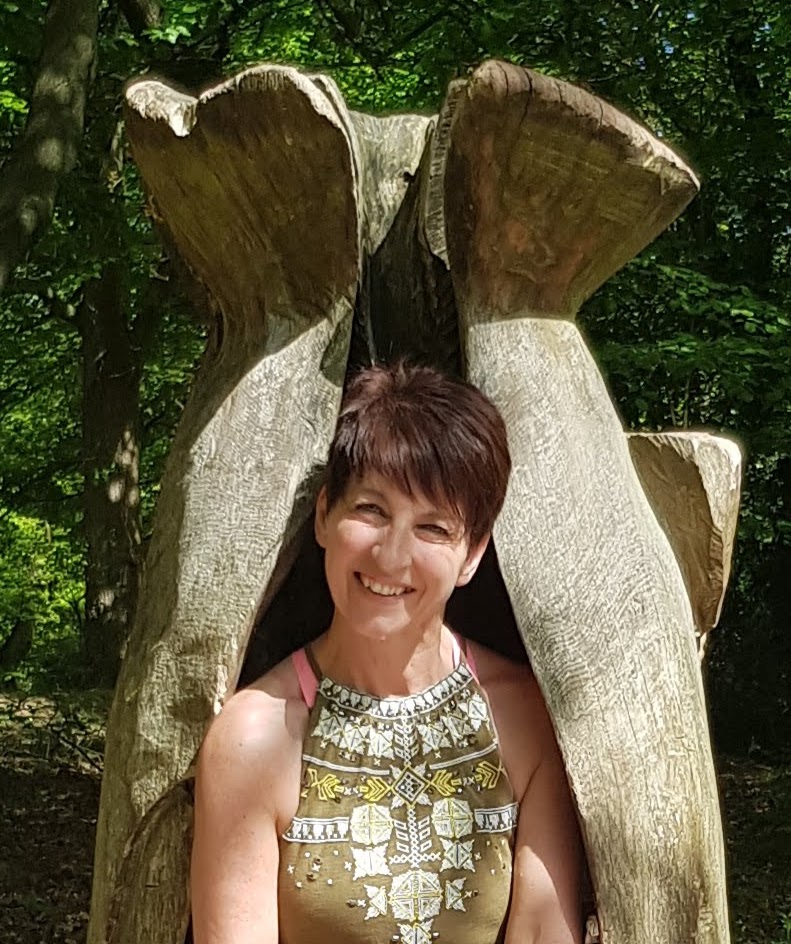
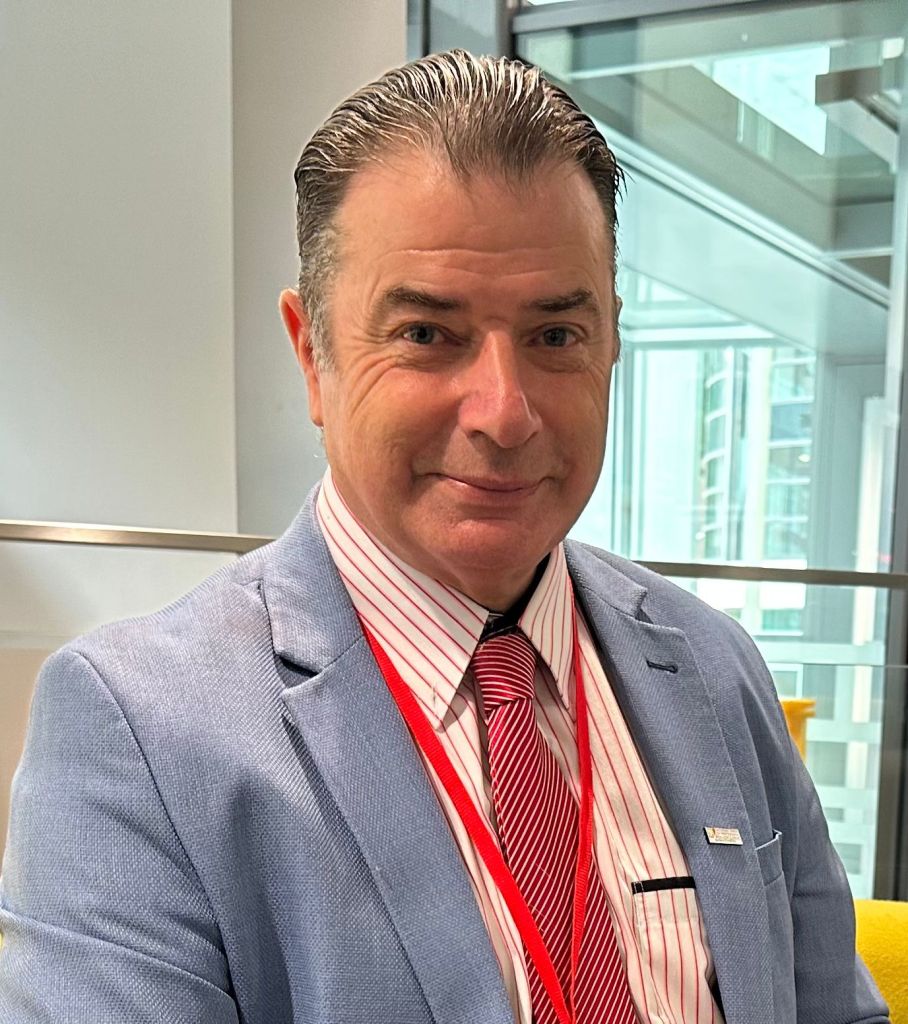
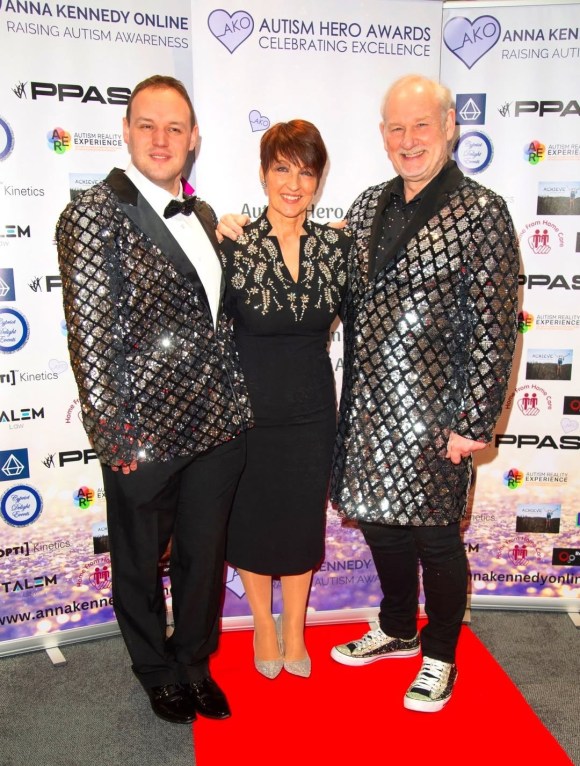
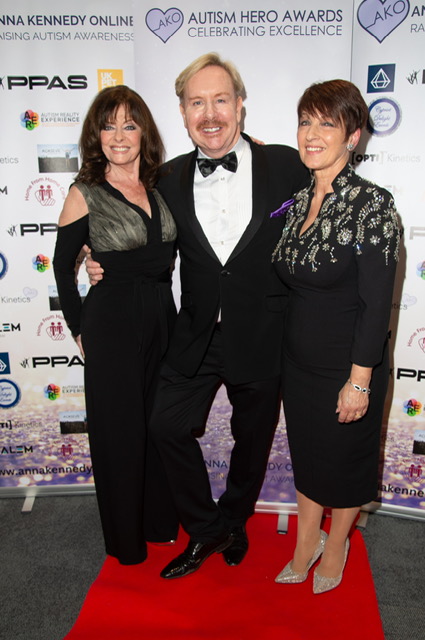
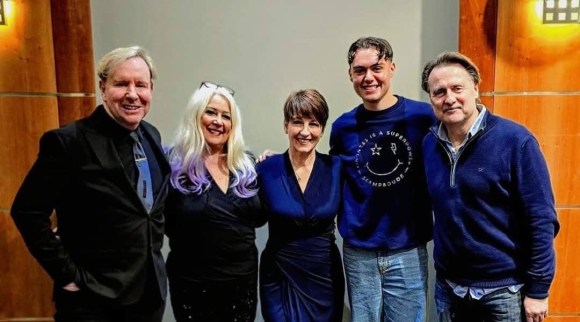
The photographs here capture just a fraction of my own journey. The hairstyles may have changed — and looking back, perhaps some of the suits should remain firmly in the past! — but my reason for being there has never changed.
I have met wonderful families, performers, volunteers, supporters and fellow patrons. Some have become genuine friends. There is a sense of family surrounding Anna Kennedy Online that is difficult to explain until you have experienced it for yourself.
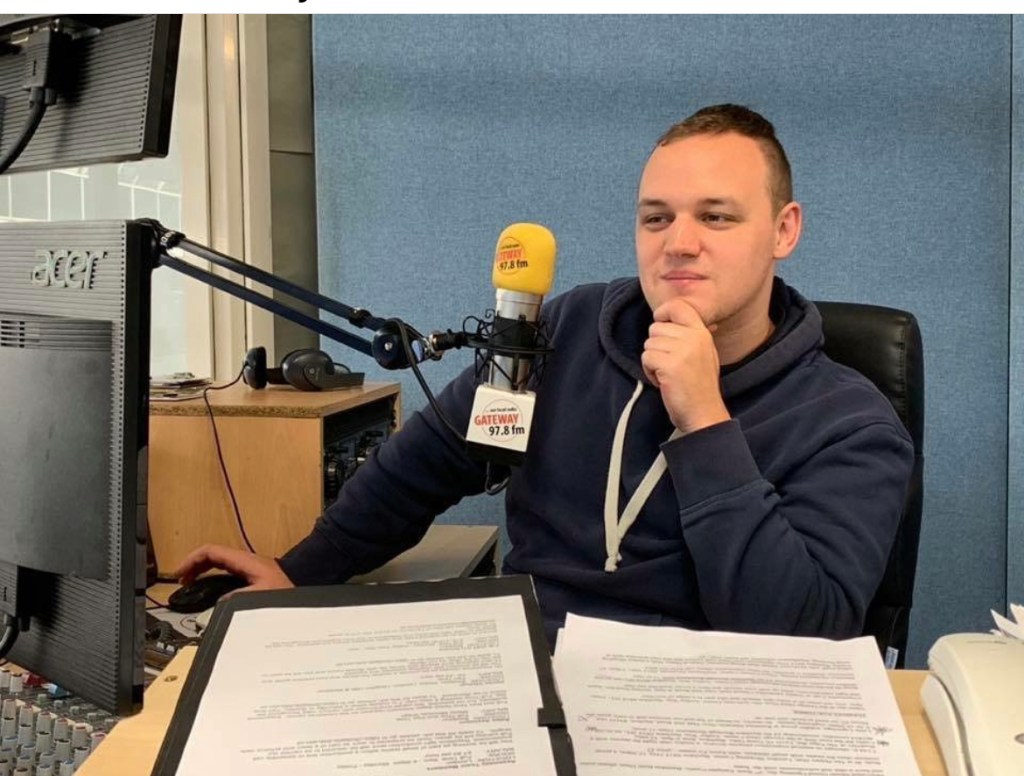
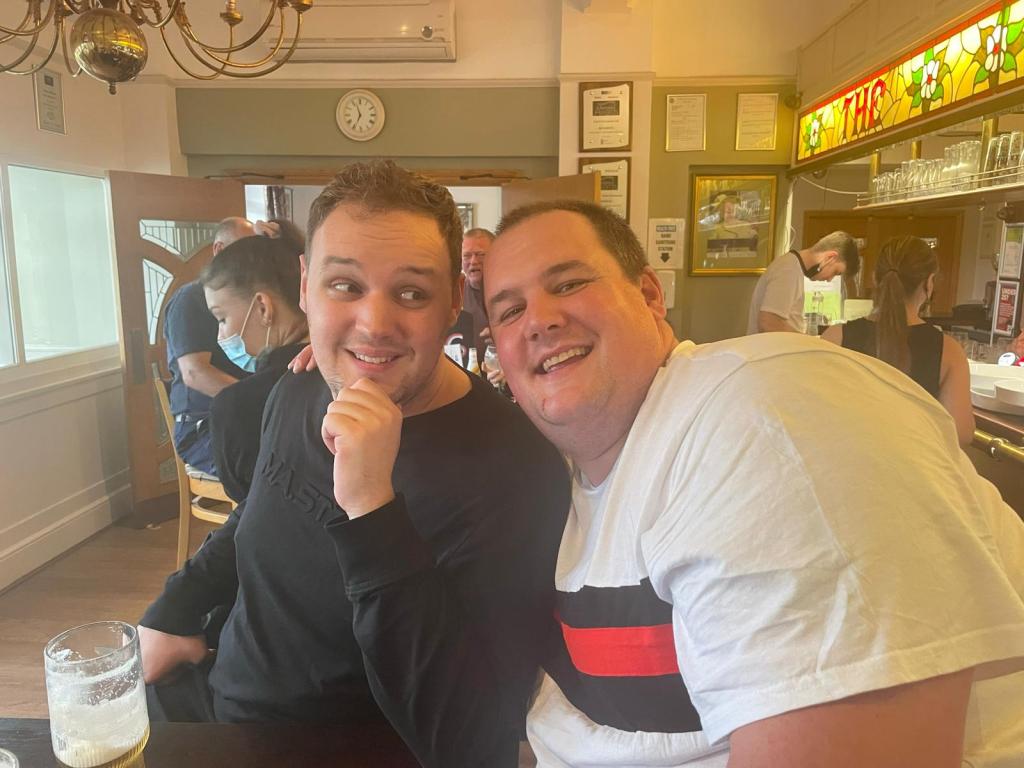
One of those friendships is with Aston Avery and his family. I will never forget meeting Aston and his mum and dad, Dawn and Keith. We became instant friends, and today I have the pleasure of joining Aston for our monthly show on Gateway Radio in Essex. Aston’s talent continues to blow me away, but equally impressive is his commitment to charity work and volunteering. He is an absolute credit to his family, and watching his journey over the years has been a privilege.
What I also love is how Autism’s Got Talent has evolved. Autism awareness has changed enormously during those years, but there is still so much work to do. Awareness is important, but acceptance, inclusion, opportunity and respect matter even more.
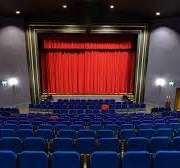
On 10 October 2026, Autism’s Got Talent returns to London’s Mermaid Theatre for its 15th anniversary. It promises to be an emotional night for everyone who has been part of its story.
For me, it will also be a chance to look back over 13 years and think: Where on earth did that time go?
I am immensely proud to have played my small part in this journey and even prouder of Anna, the team and, most importantly, every autistic performer who has had the courage to step onto that stage and share their talent with us.
Thirteen years has given me friendships, memories and moments I will treasure forever. And if there is one thing I have learned from Anna and Autism’s Got Talent, it is never to underestimate what someone can achieve when they are simply given the opportunity to shine.
Happy 15th anniversary, Autism’s Got Talent. Here’s to the next chapter. ❤️\
She’s here… and she’s someone you can always count on for honest advice, a caring opinion, and a little inspiration along the way. It’s Dr Anna Kennedy OBE.
No need to bow or curtsy—there are no airs or graces here. Anna is simply a remarkable woman whose kindness, determination and tireless work have inspired thousands of families across the UK and beyond.
Whether she’s sharing her thoughts, offering practical guidance, or championing acceptance and inclusion, Anna brings warmth, wisdom and real-life experience to every conversation.
So grab a cuppa, settle in, and enjoy Anna Chats at 2Shades—where every chat comes from the heart
Anna Does a book review .
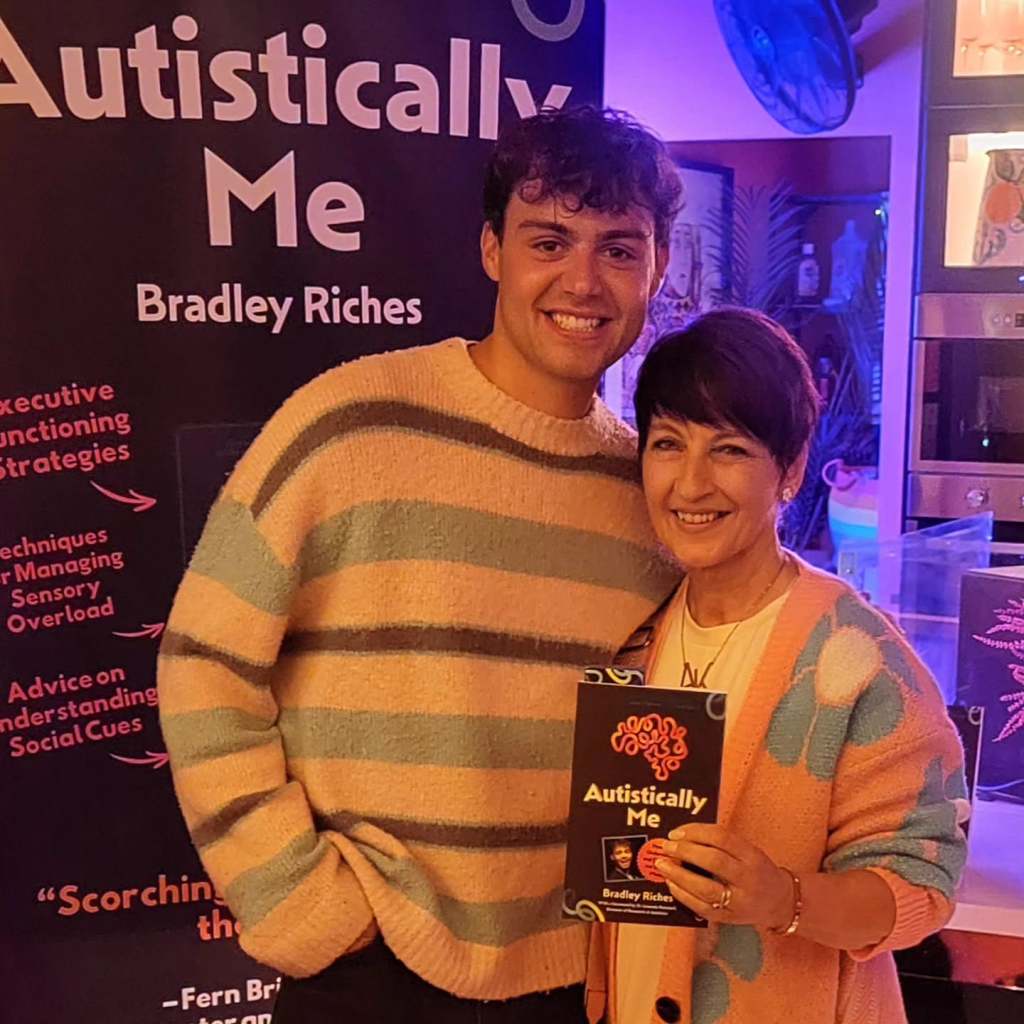
Book Review: Autistically Me by Bradley Riches ⭐⭐⭐⭐⭐
As the mother of two autistic sons, Autistically Me resonated with me on a deeply personal level. Bradley Riches offers readers an honest, insightful and often humorous account of life through his eyes as an autistic person. His warmth, openness and authenticity make this a moving memoir that is both engaging and incredibly easy to connect with.
Throughout the book, I found myself reflecting on many of the experiences my own sons have shared, or struggled to put into words over the years. Bradley has a remarkable ability to articulate feelings, challenges and triumphs in a way that helps readers gain a genuine understanding of autism from an autistic perspective. His voice is refreshingly honest, and his storytelling is filled with compassion, resilience and hope.
I am also incredibly proud that Bradley is one of the patrons of our charity. The kindness, empathy and dedication he brings to supporting the autistic community shine through every page of this book. It is clear that his goal is not only to share his own journey but also to help others feel understood, accepted and valued.
Autistically Me is a book I would wholeheartedly recommend, not only to autistic people but also to parents, carers, teachers, employers and anyone who wants to develop a deeper understanding of autism. It provides genuine insight while reminding us that every autistic person is unique, with their own strengths, challenges and way of experiencing the world.
Thank you, Bradley, for sharing your story with such courage and honesty. I have no doubt this book will help countless autistic people and their families feel seen, understood and far less alone.
An inspiring, heartfelt and uplifting read that I would happily recommend to everyone.
Available from Waterstones.
Anna Talks Art
Anna Talks Art
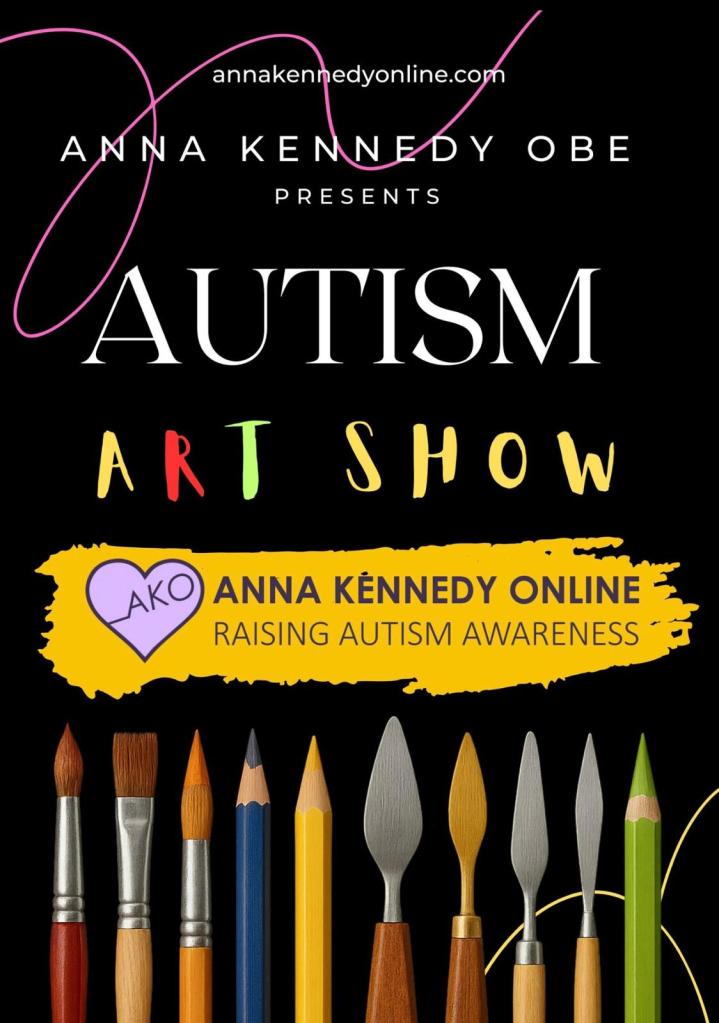
I can hardly believe that the second Autism & Art exhibition at the Firepit Gallery in London is almost here. The past year has flown by, and I honestly don’t know where the time has gone. It feels like only yesterday we were welcoming visitors to our very first exhibition, celebrating the incredible creativity of autistic artists. Now, we’re back, and I couldn’t be more excited.
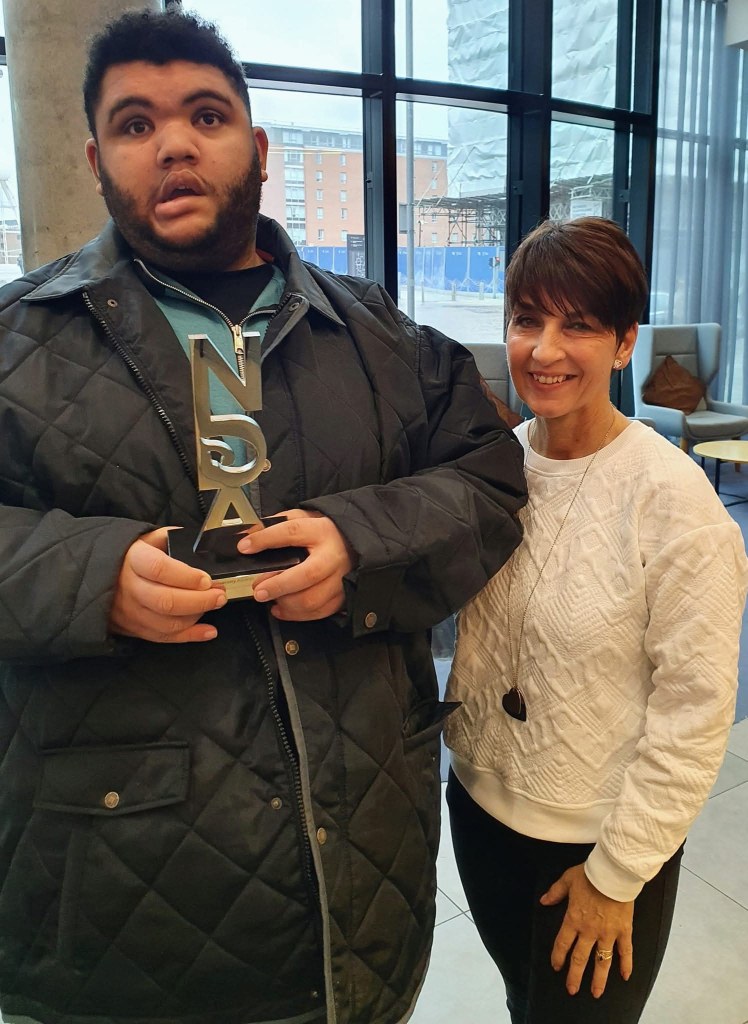
This year’s exhibition promises to be even bigger and better, with an extraordinary line-up of artists whose talent, imagination and individuality continue to inspire me every day. From the wonderful Harvey Price to a doctor who expresses her scientific world through vibrant art, a self-proclaimed witch whose creativity is as unique as her personality, and many other remarkable artists and supporters, there really is something for everyone to enjoy. Every artist brings a different story, a different perspective and a reminder that creativity has no boundaries.
One of the greatest joys of this exhibition is seeing people come together to celebrate autism through art. Every piece on display reflects not only artistic ability but also courage, passion and self-expression. Art has an incredible way of communicating feelings and experiences that words sometimes cannot, and I know our visitors will leave feeling inspired.
A very special thank you must go to one of our dedicated patrons, Steven Smith, who has worked tirelessly behind the scenes to help bring this exhibition together. From coordinating artists to helping curate the event, his enthusiasm and commitment have been invaluable. Of course, no exhibition like this happens without a wonderful team. My sincere thanks also go to Marcus Jake, owner of the beautiful Firepit Gallery, Anne-Marie Bickerton, Piluca Artist, and everyone else who has generously given their time and support to make this year’s exhibition possible.
I can’t wait to welcome you all. Whether you’re an art lover, a supporter of autism, or simply looking for an inspiring day out, I hope you’ll join us in celebrating the remarkable talents of our autistic artists. I look forward to seeing you there! 🎨💜
Anna’s talks ” This heat ” Advice: Looking After Your Loved Ones with Autism in This Heat
Hello everyone,
I’m not going to lie – this recent heat has just about been the end of me! Like so many families, we’ve really struggled, and poor Angelo has found it especially difficult. I know many of you will be experiencing exactly the same thing.
We bought a cooler for one of the rooms to create a calm, comfortable space, but even that wasn’t straightforward. The noise of the machine was unsettling for Angelo at first, so we had to introduce it very slowly. We switched it on for short periods, allowing him to become familiar with the sound before expecting him to spend any time in the room. Patience really is key.
Something as simple as cool, damp flannels can make a huge difference. Placing one gently on the forehead, neck or wrists can help lower body temperature without causing discomfort. Encouraging regular sips of water throughout the day is also so important. Some autistic people may not recognise when they’re becoming dehydrated, so gentle reminders can really help.
Whenever possible, keep curtains or blinds closed during the hottest part of the day to keep rooms cooler, and if your loved one enjoys water, paddling pools, cool baths or even playing with water can provide welcome relief while also being fun and calming.
Remember that many autistic people experience sensory differences, and heat can make those sensitivities even more intense. Clothing labels, certain fabrics or even a light breeze from a fan may feel uncomfortable. Try not to worry if routines change or if your loved one seems more anxious than usual. Sometimes just giving them a quiet, cool place where they feel safe is the best thing you can do.
Most importantly, be kind to yourself. Looking after someone with autism during extreme weather can be exhausting, both physically and emotionally. You’re doing your best, and that’s enough.
Let’s hope for some cooler days soon. Until then, take care of yourselves, keep cool where you can, and remember that you’re never alone. Our autism community is always here to support one another.
On the 9th of May, as I walk into the beautiful Holiday Inn London – Regent’s Park, my heart is always full. This is not just another event in the calendar — it is one of the most meaningful nights of the year for me, for our charity, and for the entire autism community. The Autism Hero Awards, held in aid of Anna Kennedy Online, are a celebration of courage, kindness, resilience and love. They are a reminder that behind every diagnosis is a person with incredible potential, and behind every journey, a story that deserves to be heard.
Each year, I am humbled by the extraordinary individuals we honour. These awards were created to shine a light on those who often go unrecognised — the parents who never give up, the teachers who go above and beyond, the young people who inspire us daily, and the autistic individuals who achieve remarkable things despite the challenges they face. It is about celebrating difference, not fearing it. It is about saying loudly and proudly: you matter, you are valued, and you are seen.
The evening itself is always magical. From 6pm through to 11pm, guests gather for a red-carpet celebration, a beautiful three-course dinner, and a programme filled with entertainment, laughter and, yes, a few tears. There is something incredibly powerful about bringing people together in one room — families, professionals, supporters, and those on the spectrum — all united by a shared belief in acceptance and inclusion. The atmosphere is electric, but also deeply emotional, because every award represents a real journey, often one filled with obstacles that most people will never fully understand.
As a mother of two autistic sons, I know first-hand how difficult that journey can be. When I first started, there was very little support, very little understanding, and far too many closed doors. That is why I founded Anna Kennedy Online — to create a space where families would feel less alone, where information is accessible, and where we celebrate the strengths within the autism community. Over the years, this small idea has grown into a powerful movement, helping thousands of families and raising awareness across the UK and beyond.
The Autism Hero Awards are a natural extension of that mission. They recognise excellence across a wide range of categories — from education and community work to creative arts and lifetime achievement. Every nomination we receive is a story of determination. I often say that choosing winners is the hardest part for our celebrity judges because truly, every single nominee is a hero. Their stories stay with you long after the evening ends.
This year’s awards are particularly special as they sit alongside our ongoing campaigns, including Autism Dance Day — a global celebration of joy, movement and unity. Autism Dance Day is very close to my heart. It is about breaking down barriers through something we all understand — music and dance. It doesn’t matter who you are or where you come from; when you dance, you express yourself freely. That is the message we want to share with the world: autistic individuals should have the freedom to express themselves, to be accepted, and to be celebrated exactly as they are.
There is also an important purpose behind the glamour of the evening. Events like the Autism Hero Awards help us continue our vital work — providing resources, running workshops, supporting families, and campaigning for better understanding and inclusion. Every ticket purchased, every donation made, helps us to keep going. And believe me, the need is still very real.
What makes me most proud, however, is the sense of community. When you attend the Autism Hero Awards, you are not just a guest — you become part of something bigger. You become part of a movement that is changing perceptions and creating a more inclusive society. You see friendships being formed, support networks growing, and people leaving inspired to make a difference in their own way.
As I stand on that stage on the 9th of May, looking out at a room filled with such incredible people, I am always reminded why we do this. It is for the children who need a voice, for the families who need support, and for a future where autism is understood, accepted, and embraced.
The Autism Hero Awards are more than an event. They are a celebration of humanity at its very best. And I cannot wait to share that special night with you all.
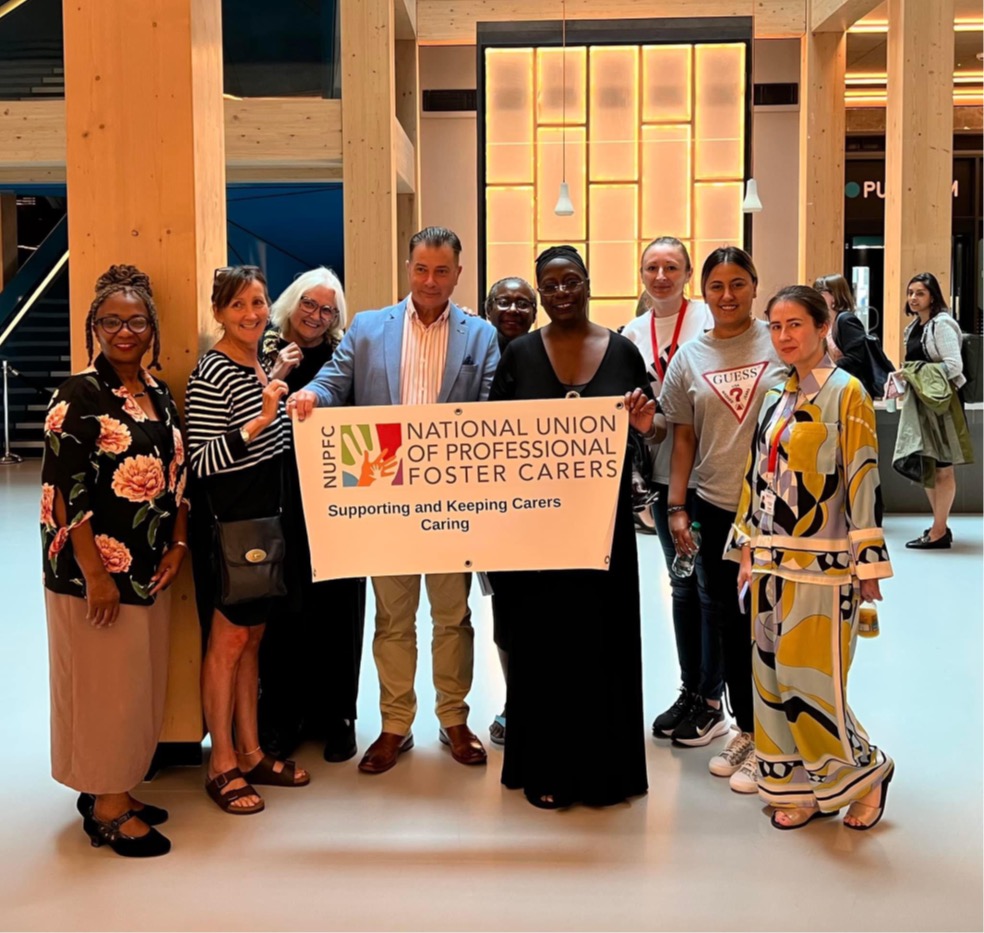
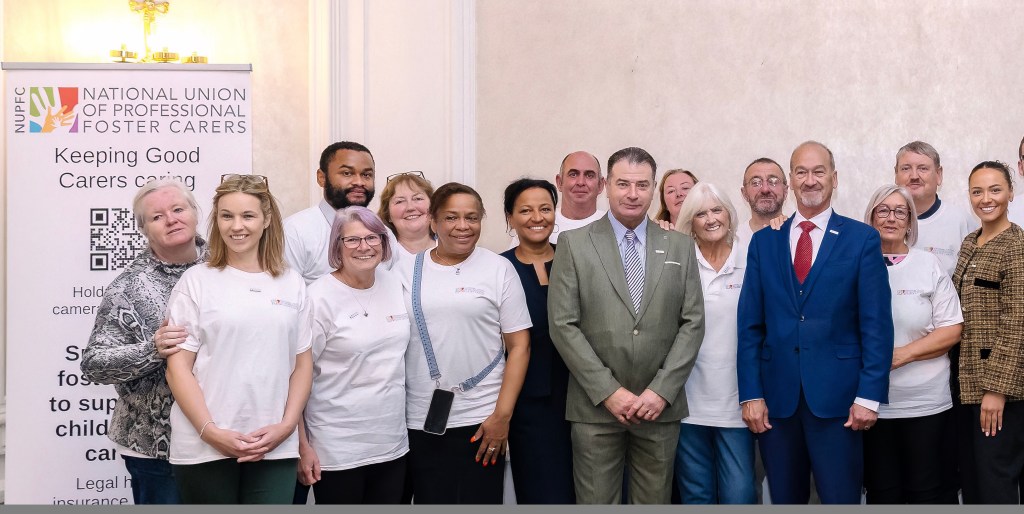
2Shades is delighted to announce the National Union of Professional Foster Cares as a sponsor of The Autism Hero Awards .
2Shades is delighted to announce the National Union of Professional Foster Carers (NUPFC) as a sponsor of this year’s Autism Hero Awards, supporting the Parent / Carer of the Year category.
The NUPFC is the only government-certified trade union in the UK dedicated exclusively to supporting foster carers, kinship carers, special guardians, and adopters. Its mission is clear: to ensure carers are informed, protected, and properly supported as they provide care for some of the most vulnerable children in society.
What sets the NUPFC apart is its depth of lived experience. Its specialist caseworkers — available 365 days a year — include current and former foster carers alongside retired social workers. This hands-on understanding allows the organisation to offer practical, empathetic guidance rooted in real-world challenges. A strong legal team further ensures members are never left navigating complex systems alone.
Caring for children who have experienced emotional harm or additional challenges can be demanding and emotionally complex. The NUPFC works closely with professionals around each child, helping to ensure carers — and in turn, the children themselves — receive the support, advocacy, and understanding they deserve.
Many children within the care system are autistic, while many others remain undiagnosed. The NUPFC actively promotes early diagnosis, recognising that timely understanding can make a profound difference to a child’s wellbeing, access to support, and long-term outcomes.
By sponsoring the Parent / Carer of the Year category at the Autism Hero Awards, the NUPFC is shining a light on the resilience, commitment, and quiet heroism of carers. This partnership not only celebrates individual achievement but also raises wider awareness of autism and caring within professional circles and among key decision-makers.
Robin Findlay, Founder and General Secretary of the National Union of Professional Foster Carers, said:
“Anna Kennedy’s tireless campaigning continues to raise awareness of the many strengths, talents, and contributions that autistic people bring to our communities. We are proud to support the Autism Hero Awards and to stand alongside Anna Kennedy Online in encouraging autistic people, and their parents and carers, to seek support when needed, build confidence, and achieve great things.”
Anna Kennedy OBE added:
“We are absolutely delighted to welcome the National Union of Professional Foster Carers as sponsors of the Autism Hero Awards. Their commitment to carers and families aligns closely with our values, and we look forward to working together to celebrate autistic individuals and recognise the dedication of those who support them every day.”
The Eleventh Hour Group is proud to sponsor the Young Person of the Year category at the Autism Hero Awards.
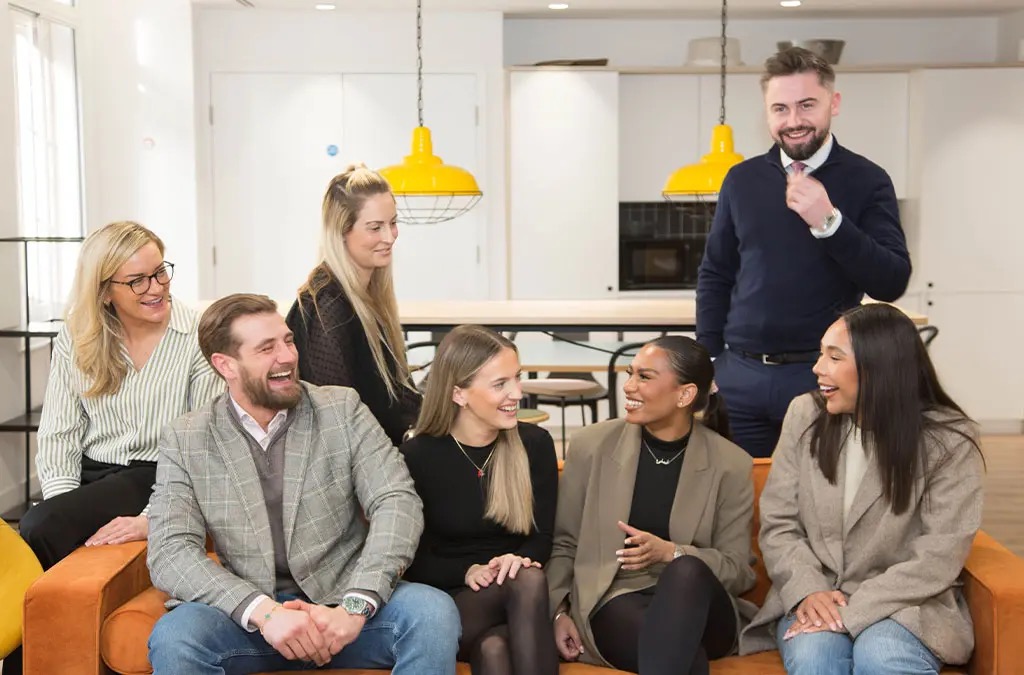
Known for its people-first approach, the Eleventh Hour Group is built on professionalism, integrity, and long-term partnerships within healthcare. Working closely with NHS Trusts, private providers, and local authorities, the organisation supports vital services by ensuring the right people are in the right place at the right time — always with care and respect at the heart of what they do.
That ethos extends beyond healthcare delivery into meaningful community engagement. This year, the Eleventh Hour Group is honoured to sponsor the Young Person of the Year category at the Autism Hero Awards, an event that celebrates achievement, advocacy, and lived experience across the autism community.
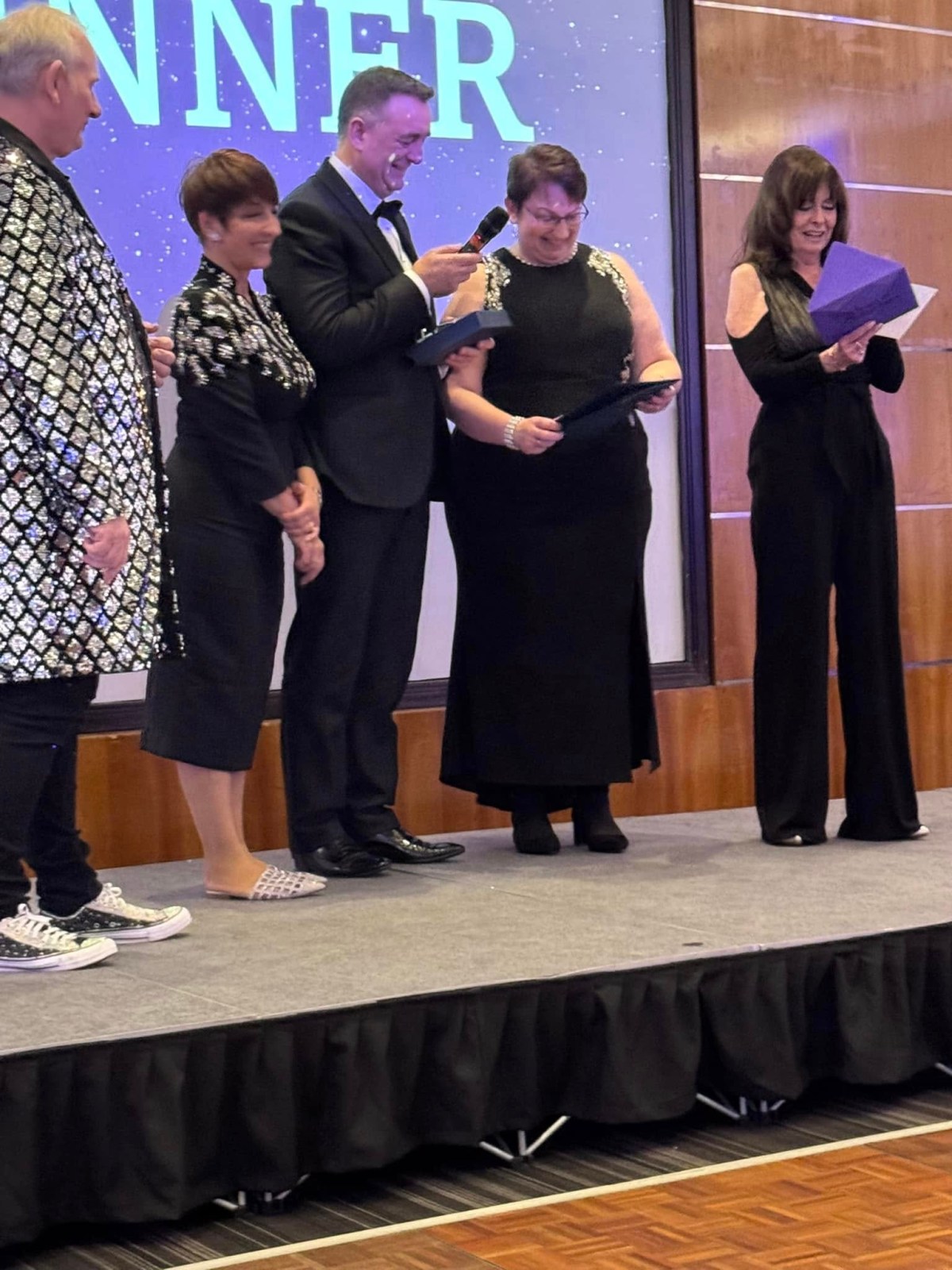
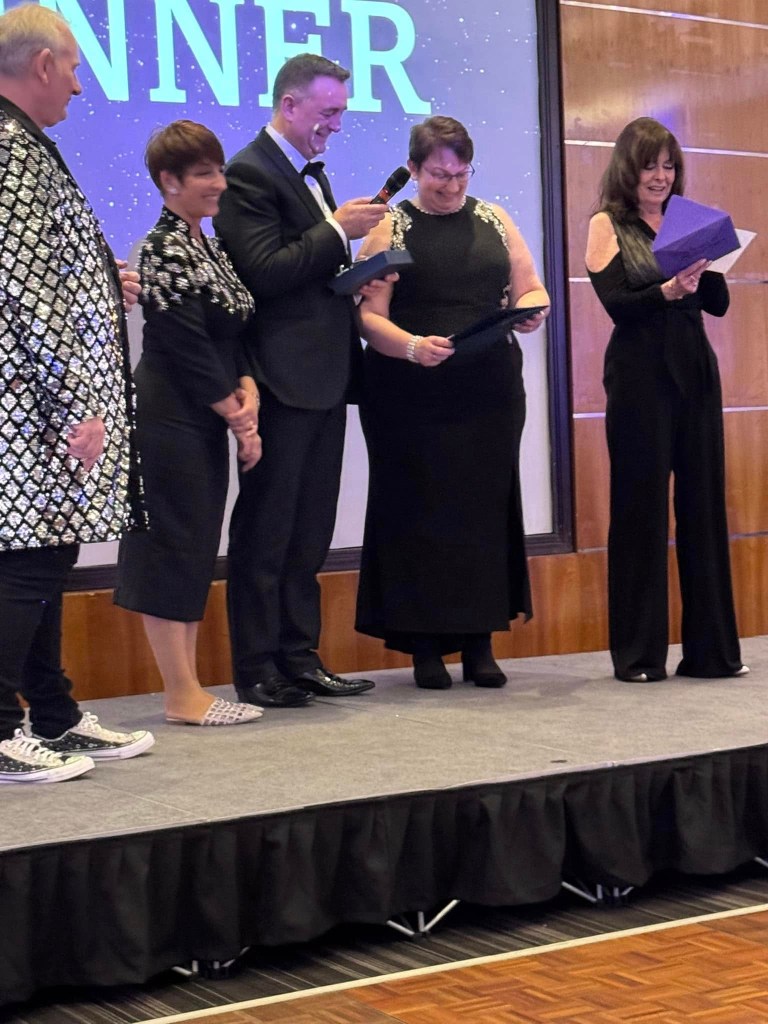
Anna Kennedy on line patron Vicki Michelle presents an award along with Dr Anna Kennedy OBE at the Autism Hero Awards .
Speaking about the sponsorship, Aaliyah McGuire, Director of Complex Care at the Eleventh Hour Group, said:
“EHG is proud to be supporting the Autism Hero Awards and sponsoring the Young Person of the Year category. Anna Kennedy Online’s work has a profound impact on the lives of autistic individuals, and their values align closely with ours. It’s a privilege to support such an important celebration of young people and their achievements.”
Hosted by Anna Kennedy Online, the Autism Hero Awards recognise individuals and organisations making a genuine difference. The Young Person of the Year category is a particularly powerful moment of the evening, shining a spotlight on young autistic individuals whose resilience, creativity, and voices deserve national recognition.
The awards ceremony will take place on 9 May at the Holiday Inn, Regent’s Park, bringing together families, professionals, advocates, and supporters to celebrate progress, inclusion, and positive change.
Dr Anna Kennedy OBE has long been a leading voice in autism advocacy. Through her tireless work with Anna Kennedy Online, and events such as the Autism Hero Awards, she continues to champion understanding, inclusion, and opportunity for autistic individuals and their families.
Dr Anna Kennedy OBE said:
“I am absolutely thrilled to have a company like the Eleventh Hour Group join us. With their strong background in healthcare, it is incredibly exciting to welcome them into the Anna Kennedy Online family. Their support truly reflects a shared commitment to people, care, and inclusion.”
By supporting the Young Person of the Year category, the Eleventh Hour Group reinforces its belief that true impact comes from valuing people, recognising potential, and investing in the next generation.
Anna Kennedy here, wishing all 2Shades readers a Happy Holiday, a wonderful Christmas, and a brilliant start to 2026.
As we head into one of the most magical—and often most demanding—times of the year for families of autistic children and adults, it’s important to remember that the festive season can bring unique challenges. While Christmas is filled with lights, music, gatherings, and excitement, these same elements can also create sensory overload, anxiety, and feelings of being overwhelmed. With a little planning, understanding, and flexibility, it’s possible to create a festive period that feels joyful, calm, and inclusive for everyone.
Here are my top seven tips to help ensure the Christmas season goes smoothly for autistic children and adults, as well as their family and friends:
Keep routines where possible. Routines offer predictability and comfort, especially during a time of year when everything else seems to change. Try to keep familiar daily patterns in place — this can include mealtimes, bedtimes, and regular activities. Even small, consistent moments can help anchor the day and reduce stress. My son Angelo thrives on routine and planning, as things can become quite overwhelming for him.
Create a quiet, safe space. Christmas often means a busier house, louder environments, and extra stimulation. Setting up a quiet area in the home — such as a bedroom, a corner of the living room, or a cosy den — can allow someone to step away and regroup when needed. You know your child or adult best, so place comforting, familiar items such as soft blankets, favourite toys, calming music, or noise-cancelling headphones.
Prepare for changes in advance. Many autistic people feel more comfortable when they know what to expect. Talk through upcoming events such as school plays, family visits, or trips to busy shops. Visual schedules, countdown calendars, or simple checklists can all help. This preparation reduces anxiety and provides a sense of control.
Introduce decorations gradually. The sudden arrival of bright lights, strong scents, and sparkly decorations can be overwhelming. Instead of transforming the house overnight, add decorations slowly over several days. This gentle approach allows the sensory environment to shift at a manageable pace and gives everyone time to adjust. This really helps my son, as changes in familiar surroundings can be upsetting for him.
Be mindful of sensory overload. Christmas comes with many sensory triggers, such as flashing lights, loud music, unfamiliar foods, and busy gatherings. Think about the sensory needs of your loved one and tailor celebrations accordingly. You might dim lights, lower music volume, offer familiar snacks, or plan shorter visits. It’s all about creating comfort, not pressure.
Manage expectations. Not everyone wants a busy, noisy Christmas — as I know well with my own family — and that’s absolutely okay. Traditions may need to be adapted. Smaller gatherings, shorter activities, or celebrating at home rather than travelling may be more suitable. Focus on what feels right for your family rather than what is expected.
Allow time for rest and recovery. Even enjoyable events can be draining. Build in downtime before and after activities. Gentle routines, quiet mornings, or restful evenings can help everyone recharge and enjoy the season more fully.
And don’t forget to allow time for yourself as parents and carers. Take five minutes whenever you can to recharge your batteries — I know it’s not always easy.
I’m really excited that in 2026 we have so much happening at Anna Kennedy Online. We’re kicking off the year with the fantastic, award-winning author Samantha Lee’s book launch on 28th February at the Firepit Gallery, with all profits from the night being donated to the charity. It will also be the 15th year of Autism’s Got Talent. Plus, booking for our gala ball — the Autism Hero Awards in May — is now open. Then there is the Autism & Art Show in July, and so much more.
My head is spinning just thinking about it with excitement! Sending positive vibes, and see you all next year!
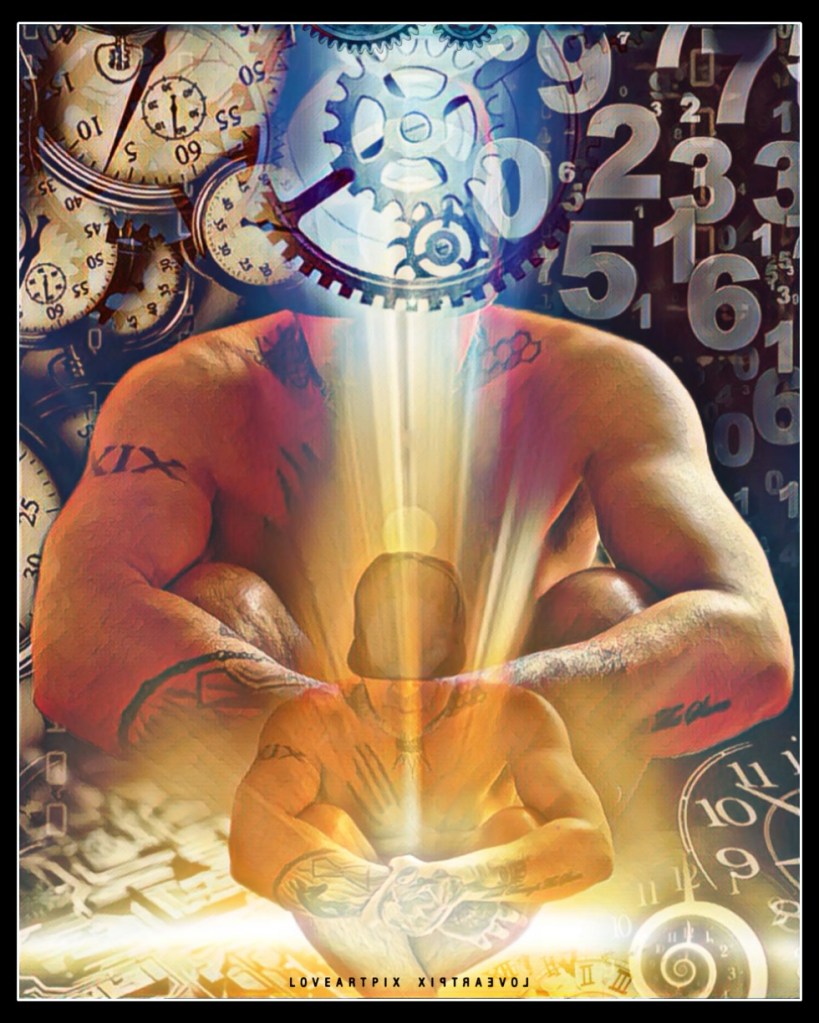
By Guest Writer Manchester based award winning artist and my friend Loveartpix.
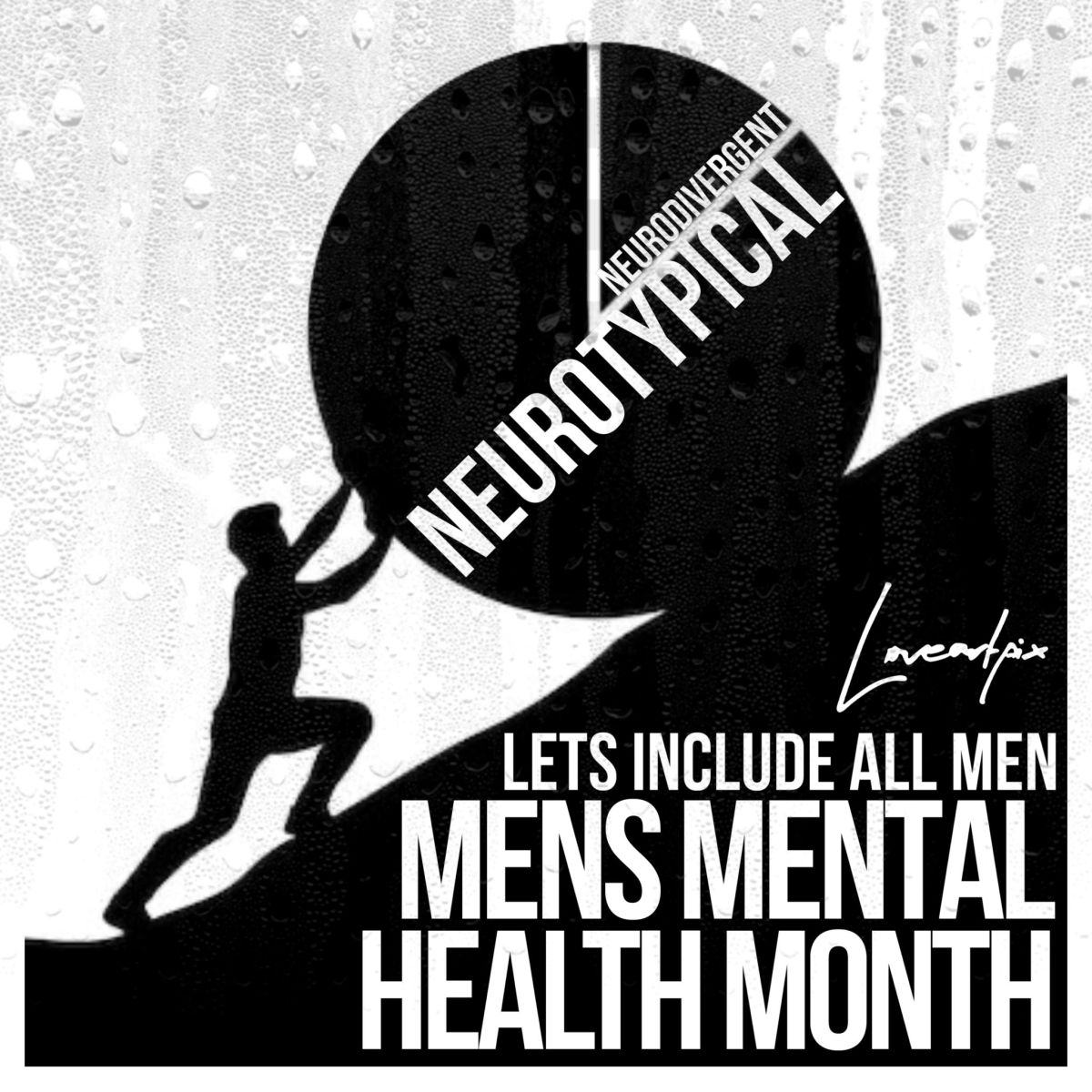
November is Men’s Mental Health Month, and as usual, I want to move beyond the usual catchphrases like ‘Talking Helps‘ as it’s far more complex than that. The question I keep returning to (because it’s personal) is this: does our generic, neurotypical framing of “men’s mental health “leave too many men like me behind?
Campaigns, days, and months do matter – they reduce stigma by getting the much needed conversations going and remind us to check in on friends. But what is their impact if suicide rates are still just as high, and some of the men at greatest risk (neurodivergent men) are largely left out of the conversation?
We rarely say this plainly: autistic people face a much higher risk of suicide than non‑autistic people. A large Swedish population study found that autistic adults, especially those without intellectual disability, were around nine times more likely to die by suicide than their non‑autistic peers (Hirvikoski et al., 2016).
Autistic adults without intellectual disabilities are, on average, more likely than non‑autistic peers to experience mental health conditions such as anxiety and depression. Factors that contribute include chronic camouflaging/masking, sensory overload, social mismatch and stigma, late or missed diagnosis, and barriers to tailored support.
In clinical samples, the picture is even starker: two‑thirds of autistic adults report lifetime suicidal ideation, and about one‑third report suicide plans or attempts (Cassidy et al., 2014). If the risk is this high, why isn’t this part of the headline of our November conversations?
And what about the many who are undiagnosed – men whose autistic traits are missed or misread due to lack of awareness? How many die by suicide after years of the wrong treatment, the wrong framework, or a string of mental‑health labels that never addressed neurodivergent needs in the first place? We don’t track this well enough to know – this, for me, is very worrying.
I’m not speaking in theory. For more than two decades, I repeated the same words over and over, and the responses I received didn’t fit their box – so it was a continuous battle creating more mental health issues.
“Look Dez, you’ve taken every combination of medication we can offer you. What else do you want us to do?” – words you don’t want to hear from the psychiatrist in charge of your mental health and well being!
Even after my diagnosis, I’m basically begging for support in any way possible, but they still don’t have an answer. Right now, no services are willing to accept my case. That isn’t a lack of “talking.”It’s a system that doesn’t understand or accommodate neurodivergent needs.
“Talk to someone.” “Pick up the phone.” “Open up.” These messages are well‑meant—and sometimes they help. But they assume a neurotypical nervous system. When distress is driven by sensory overload, alexithymia (difficulty identifying and describing feelings), shutdown, or the aftermath of masking, being asked to “speak up” on a phone call, or in fluorescent‑lit rooms, with vague questions, can be not only ineffective but also actively dysregulating and even traumatic.
Personally, I often communicate better in text when I go into meltdown (and after), I need time to process, and rely on concrete, direct language and clear communication. Standard CBT delivered at a pace, full of metaphors and homework that assumes neurotypical cognition, doesn’t work unless it’s really adapted. Yet adapted therapy is patchy across the UK, and post‑diagnostic support for adults remains weak at best – if it exists at all! I’ve learned this the hard way: I’ve been “talking” for years. What’s missing isn’t the willingness to speak – it’s services that listen but don’t know how to respond to neurodivergent communication without pathologising it.
Diagnostic waiting lists have exploded. There are now well over one hundred thousand people in England awaiting autism assessments, with many waiting far longer than the 13‑week standard – often 12–24 months or more. Adult ADHD pathways are similarly overloaded. Late diagnosis isn’t just an administrative delay; it can mean decades of inappropriate treatment plans, missed adjustments at school and work, and a build‑up of trauma from being told to “try harder” in systems not built for your brain. Each missed or delayed diagnosis is a missed opportunity for prevention – especially when we know suicidality is elevated in autistic populations.
89% of autistic adults in the UK aged 40-59 are undiagnosed – Kings College London (2025)
This is why the generic approach to “men’s mental health” feels inadequate to me. Awareness months aren’t wrong – they are just incomplete. We can’t keep telling men to “open up” while offering only neurotypical doorways.
Here’s a truth I wish we’d say out loud: it’s a huge barrier when men are already “talking,” but the system still can’t understand what they’re saying. I’ve used the same words for more than twenty years. The approaches offered back haven’t matched my needs – and I am not a unique case! Even after my diagnosis, when I articulate my needs clearly, services have no adapted pathway, no training, or no remit that fits. At this moment, I’m not being accepted by any service. That isn’t impartial; it’s exclusion by design.
Neurodiversity, complex trauma, and racialised stress each demand deep, specific knowledge. Very few clinicians are experts across all three. That’s not a criticism of individuals; it’s a system‑design problem. Our pathways remain separated: autism/adhd/dyslexia over here, trauma/cptsd over there, “men’s mental health” somewhere in a campaign toolkit. Meanwhile, men sit on waiting lists, collecting labels, and learn to mask harder. Many still struggle to speak openly – especially when their experiences don’t match neat, neurotypical scripts of sadness, worry, and recovery.
Campaigns must reflect the facts: men are not all the same, and neither are their minds – neurotypical and neurodivergent.Put neurodivergent men on the list and on the panels. Highlight that autistic burnout is not laziness; that ADHD‑related rejection sensitivity can look like despair; that shutdowns and meltdowns are not misbehaviour. And tell men this clearly: if standard tools haven’t worked, maybe it’s the tool and not you!
And let’s make the suicide data visible, not buried in academic journals. If autistic men face a dramatically higher risk, surely that belongs on the first slide, the first poster, and the first funding line?
We should admit where the evidence base is thin and choose humility. Research is (hopefully) accelerating, but we’re years from fully understanding these intersections. Until then, ‘specialists’ need to listen more to lived experience – with an open mind, and not through the generalised, stereotypical lens that turns nuance into “non‑compliance.” Ask what helps. Believe the answers. Adapt!
None of this diminishes the value of awareness months; it actually refocuses them. If we want November’s messages to be more than posters and hashtags, we have to build services that fit all men, not the imaginary neurotypical everyman. The stakes are life and death. A system designed around the most complex needs will serve everyone better.
‘I have personally reached out to some well-known men’s mental health services and asked how they handle neurodivergent individuals, and I have been met with half-hearted replies and almost snubbed to my face’ – an all too common response in my experience.
Acceptance has been central to how I navigate life now – there isn’t any help out there at the moment, as the research simply isn’t there. Acceptance hasn’t removed the struggle, but it has reframed it for me. I have been ‘speaking up’ for years. I don’t need another generic neurotypical catchphrase. I need services that recognise what I’m saying – and are ready and able to respond with understanding, compassion and a willingness to make reasonable adjustments.
Sources for the statistics mentioned:
– Hirvikoski, T. et al. (2016). Premature mortality in autism spectrum disorder. A population‑based study in Sweden. Findings include markedly elevated suicide mortality, especially among autistic adults without intellectual disability.
– Cassidy, S. et al. (2014). Suicidal ideation and suicide plans or attempts in adults with Asperger’s syndrome attending a specialist clinic. Reports 66% lifetime suicidal ideation and 35% plans/attempts.
Apologies for the delay in sharing my column—my head has been spinning! It’s been such a busy time, with so many exciting things on the horizon that I can’t wait to tell you about.
First and foremost, a heartfelt thank you to everyone involved in last month’s Autism Hero Awards.
We had an unforgettable evening at the 6th Annual AnnaKennedyOnline Charity Autism Hero Awards. ✨ A huge congratulations to all our winners and finalists! ✨
Thank you to everyone who attended and supported the event—our incredible judges, VIP guests, fabulous performersEve Devenney and Angus Baskerville, and all our amazing charity supporters.
A HUGE thank you and much love to all of my AnnaKennedyOnline volunteers. Your time, dedication, and support made this night a tremendous success. I couldn’t do what I do without you!
Vicki Michelle and Steven Smith with Dr Anna Kennedy OBE
Special Thanks:
💫 Aston Avery and Phil Barnett , our brilliant MCs for the evening – the AKO dynamic duo!
💫 Lisa Robins, my PA and friend, who has stood by my side and worked tirelessly for nearly 15 years.
💫 Tally Nothey, for creating our amazing programmes and marketing materials.
💫 Maggie Paterson and her team of dancers from PPAS, who have supported our events for the past 14 years.
💫 Steven Smith, one of our charity Patrons and a dear friend, for your unwavering support over the last 9 years. Your presence means the world to us.
📣 Check out the full list of our 2024/2025 Winners and Finalists: 👉 Click here to view
Lisa and I recently travelled up north to Whitley Bay to prepare for the next Autism’s Got Talent showcase. If you’re interested in participating in the London event, entries close on May 31st! You can find all the details here: https://annakennedyonline.com/autisms-got-talent/.
We’re also thrilled to announce our first-ever Autism and Art Show, taking place at the FirePit Gallery in London. If you’d like to have your artwork featured, please email: spman@btinternet.com. One of the incredible artists whose work will be featured is
I live with autism, anxiety, and depression, which severely affect my ability to work in a mainstream job. I would love to work and have tried setting up various home-based businesses, but unfortunately, none have been successful.
Being in my 40s, my main source of income is Universal Credit, but they are now trying to take it away and force me into employment. I have explained that my day-to-day life is unpredictable, and committing to a job would be impossible, but they are not listening and say If I can go out and about I can go to work ,
What can I do?
Elizabeth, Brighton
Hello Elizabeth,
Thank you for your message. We have received many messages since the announcement of welfare cuts by the government recently.
Universal Credit, a UK benefit system, can pose challenges for autistic individuals, potentially leading to pressure to work despite the difficulties you have mentioned. It would appear that some autistic people may face having benefits reduced or stopped if they don’t meet certain work related requirements. In my opinion the Universal Credit system may lack the flexibility needed to accommodate the needs of autistic individuals like yourself.
A good organisation to contact to ask for advice is Disability Rights UK or DAWN of which I am an Ambassador. www.dawnsupport.co.uk
Sending you best wishes
Anna
Dear Anna,
My son is autistic, very active, and an absolute joy. He’s now 24, and my husband and I feel it’s time for him to gain independence by moving into his own studio or flat. However, he is completely against the idea and has a meltdown every time we bring it up.
Is there an advice board or resource that can help young autistic adults transition to independent living? What should we do?
Joe, Bradford
Hello Joe,
Thank you for your message and yes this can be a tough for all, the transition of moving home into independent living.
Planning and Preparation is key and to engage your son in the planning process. Start my talking and allowing them to express their preferences and needs. This will be a gradual process , a sudden shift can cause great anxiety. Research different housing options, including independent living, shared housing maybe an option or specialist housing to fit his needs.You will need patience and understanding , this is challenging all round.
My son Patrick has been living in his flat for almost 4 years now. Small steps but we got there in the end.
Good Luck!
Dear Anna,
I am a huge fan and would love to see you have your own show!
I’m 16 and living with a variety of challenges. One thing that really depresses me is the thought that I may never get to meet someone special. It feels like the prospect of romance is zero for me.
Are there ways for autistic people to meet and build relationships?
A good programme to watch on Netflix where my Overseas Ambassador Dani Bowman is taking part in is ‘Love on the Spectrum. ‘
There is also useful information on the Ambitious about Autism website. They offer a UK wide platform for autistic young people aged between 13 and 25 providing a safe online space to connect and understand your autistic identity. It also features ‘Relationships and Intimacy My way’ plus lots of resources.
Happy New Year! Let’s hope 2025 is a great year for us all. I’m busy with my team, as always. Among the many things we have lined up is The Autism Hero Awards, being held at the Holiday Inn, Regent’s Park, London on the 15th of March. You can find information on how to get tickets and sponsorship details at the bottom of this column.
As always, we also have the amazing Autism’s Got Talent later this year—audition tapes are welcome now!
In other news, our autism ambassador, Kieron Lee, is launching a neurodiverse musical education platform as his final major project for his BA (Hons) degree in Popular Music.
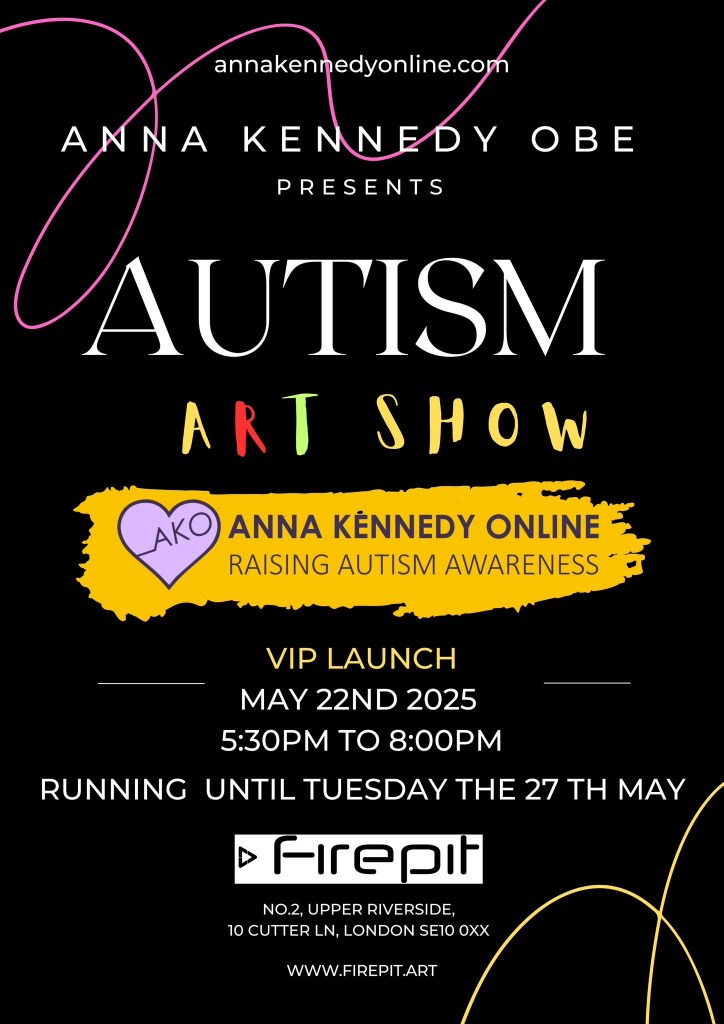
We’re also thrilled to announce that our patron, Steven Smith, along with the incredible Annemarie Bickerton, will be hosting the first-ever Autism Art Show, featuring artists on the autism spectrum and supporters of the charity. Money raised will go directly to the charity. This event will be held at the sensational gallery, The Fire Pit (https://www.firepit.art), from May 22 to May 25, 2025.
Dr Anna Kennedy OBE with one of her patrons Steven Smith ,
Please keep your questions coming into 2Shades magazine. I’ve been thrilled to join such a diverse and exciting publication!
Dear Anna, Trust you’re well. My family loves your column. We were wondering: What do you think are the most common myths about people living with autism?
Dawn, Essex.
Thank you, Dawn, for your kind comments. Sadly, there are still a lot of autism myths out there.
Here is five common ones
5 Myths and Facts About Autism
Myth 1: Autism is caused by vaccines.
Fact: There is no scientific evidence linking vaccines to autism. Numerous studies have thoroughly debunked this myth. Autism is believed to be influenced by a combination of genetic and environmental factors, but vaccines are not one of them.
Myth 2: People with autism lack empathy.
Fact: Many individuals with autism experience empathy deeply, but they may express it differently. Some may have difficulty recognizing social cues, but this does not mean they lack feelings or care for others.
Myth 3: Autism only affects children.
Fact: Autism is a lifelong condition. While symptoms might present differently as people age, autistic adults continue to experience challenges and strengths associated with autism throughout their lives.
Myth 4: Everyone with autism has the same abilities and challenges.
Fact: Autism is a spectrum, meaning it affects individuals differently. Some may have significant support needs, while others may live independently and excel in various fields. No two autistic people are alike.
Myth 5: Autism can be cured.
Fact: Autism is not a disease and does not need to be “cured.” The focus is on acceptance, support, and enabling autistic individuals to thrive by embracing their unique perspectives and abilities.
Would you like to dive deeper into any of these points?
Dear Anna, My daughter is being labelled disruptive at school. She’s been diagnosed with autism and severe learning difficulties. Despite discussing this with the headteacher, she’s suggested that Mary, my daughter, not return this term and instead find a school more suited to her needs. Anna, I feel lost—what can I do, or who can I turn to for help?
Diana, Essex
Dear Diana, I feel your frustration.
Please do contact our charity website using our contact form at http://www.annakennedyonline.com. We can discuss the possible way forward. In the meantime, do some research on schools that may meet your daughter’s needs within an hour’s drive of where you live.
You will then be in a more informed position on what is available in your area. You could visit a few schools to get a feel for the services and resources they offer.
Dear Anna, How does someone become part of Autism’s Got Talent? My son is super talented at playing guitar. He’s a little shy and unsure about auditioning. He’s also worried about encountering a harsh judge.
David, Edinburgh
Hello David, Autism’s Got Talent is now in its 14th year and one of the highlights of our charity year.
This is a showcase of talented individuals performing at The Mermaid Theatre, London. Autism’s Got Talent is not a competition.
Please do watch our highlight videos on our charity YouTube channel.
You could also come along to the show in October to experience the magic. Share the experience with the audience made up of parents, friends of the performers, and members of the public who are regular supporters. Feel the magic and be inspired. Then send a tape in of your son performing . love Anna
Autism’s Got Talent.
Dear Anna, My son is 19 and wants to start dating. He’s a lovely young man but has a stammer and lives with autism. I’m worried about how he’ll handle rejection. Is there a webpage or group where he can meet like-minded people?
Brenda, Norwich
Hello Brenda, There are many dating sites now for autistic individuals.
A popular Netflix docuseries, Love on the Spectrum, showcases autistic individuals navigating the world of dating. One of our charity’s overseas ambassadors is featured in series one and two.
In this romantic docuseries, people on the autism spectrum look for love and navigate the world of dating and relationships. https://www.netflix.com/gb/title/81338328
Good luck!
Dear Anna, I love your dancing! I’m 17 and want to learn to dance seriously. Living with autism has always made it feel challenging, but I’d like to get more involved. How did you learn?
Love, Melanie, Brighton
Hello Melanie, Dance is a great way to stay fit and boost your mood and well-being. I started tap dancing at age 6 and fell in love with dance then. It definitely keeps you feeling young.
Join a local dance class and discover which dance style suits you best. There are also many dance classes online if this makes you feel more comfortable at first, then gradually progress to a dance studio.
Good luck and enjoy!
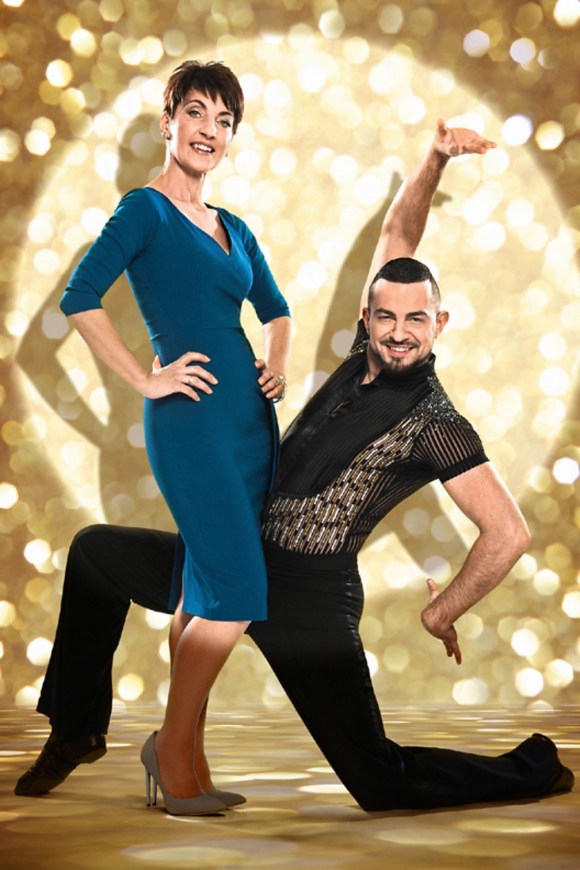
Anna Kennedy with her former Dance Partner Robin Windsor
This year’s presenter for “Autism’s Got Talent” Aston Avery chats to 2Shades
We were all thrilled to hear that one of the main presenters of “Autism’s Got talent” this year is going to be Aston Avery Gateway’s radio host and ambassador for Anna Kennedy on line.
Both Anna Kennedy and myself share a monthly spot with him on Gateway. He is for sure someone to be truly admired. He will bring an authenticity and sparkle to the show. I took time out to have chat with him before the big night.
Aston- Avery: A Journey of Passion, Perseverance, and Pride
How excited are you to be presenting Autism’s Got Talent?
I am really thrilled to be presenting this year’s Autism’s Got Talent. “It’s beyond exciting,” “I think it might surprise some people, seeing me in this role. But I’m looking forward to the challenge and seeing what I can improve on for the future.”
When did you first meet and get involved with Annakennedyonline?
My journey with Autism’s Got Talent began in 2015, when I first met Anna Kennedy while performing a bit of Elvis at the event. “That was the same year Anna did The People’s Strictly with Robin Windsor. Since then, I’ve been deeply involved with her charity, AnnaKennedyonline. In 2016, I was honored to become an ambassador for the charity, and I’ve had the privilege of performing at events like Wear It For Autism and various Autism’s Got Talent roadshows. Anna also helped me secure a scholarship with Pineapple Performing Arts, which was an incredible opportunity.”
At what age were you diagnosed with Autism ?
I was diagnosed with autism at the age of two and a half. My mum remembers it vividly. When they received the diagnosis, my dad had a tear running down his cheek. That’s why my mum’s book about our journey is called From A Tear to Here.
Astons as baby with his brother
You raise a lot of money for the cause?
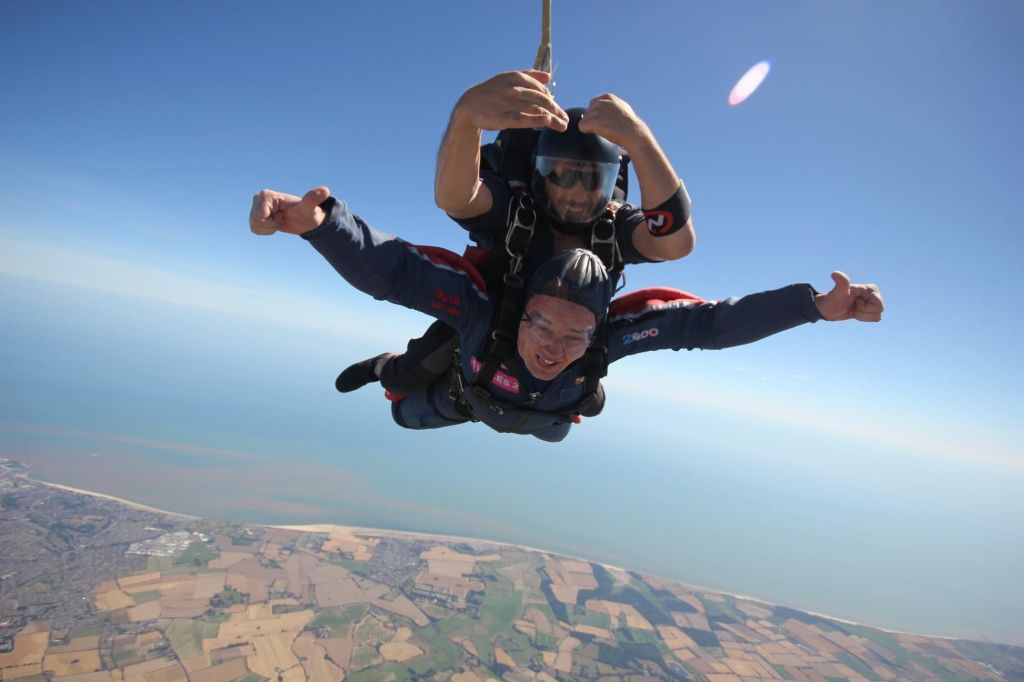
You are right, I am no stranger to the world of fundraising and raising awareness for autism. It has seen me skydiving, playing in charity football matches, organising charity discos, and even hosting charity balls. it’s not just about the money. “It’s about raising acceptance within the community. That’s my real goal.
Aston Sky Diving
Being a previous act on Autism’s Got Talent, what advice would you give this years performers?
Having been a past performer at Autism’s Got Talent, my advice for this year’s participants is: Enjoy every moment. Make friends—talk to your fellow performers, and even reach out to past performers. It’s about connection as much as performance.
Who are your hero’s Aston?
My heroes are close to home: My parents and my brother. They’ve stood by me through everything—my autism diagnosis, my battle with enterocolitis, and even my fundraising efforts. They’ve been there for the good and the rough times.
Aston with his brother, Aaron
Your very vocal about bullying what is your advice to people being bullied ?
Being an advocate for anti-bullying, I feel strongly about speaking up about it. If you’re being bullied, don’t let them break you. Talk to someone—a parent, a sibling, a professional like a teacher or manager. You don’t have to go through it alone.
How did you get involved with Gateway 97.8?
My media journey began in 2013 when I got involved with Gateway 97.8, working behind the scenes on the technical side of things. By 2015, I was presenting his own daytime show. I’ve spoken to so many people—celebrities, regular contributors, and people from the local area. It’s been such a rewarding experience.
What are your future ambitions?
I’d love to perform in a pantomime one day, and I really hope to become a TV presenter. My dream is to appear on Strictly Come Dancing—that’s my favourite show. Fingers crossed!
What would you say gives you inspiration each day?
My daily inspiration comes from the people around me and my own drive. I wake up motivated to do what I love—whether it’s performing, presenting, or connecting with people to share experiences. I always say, my name is Aston-Martin Avery, I am autistic, and I am proud!