


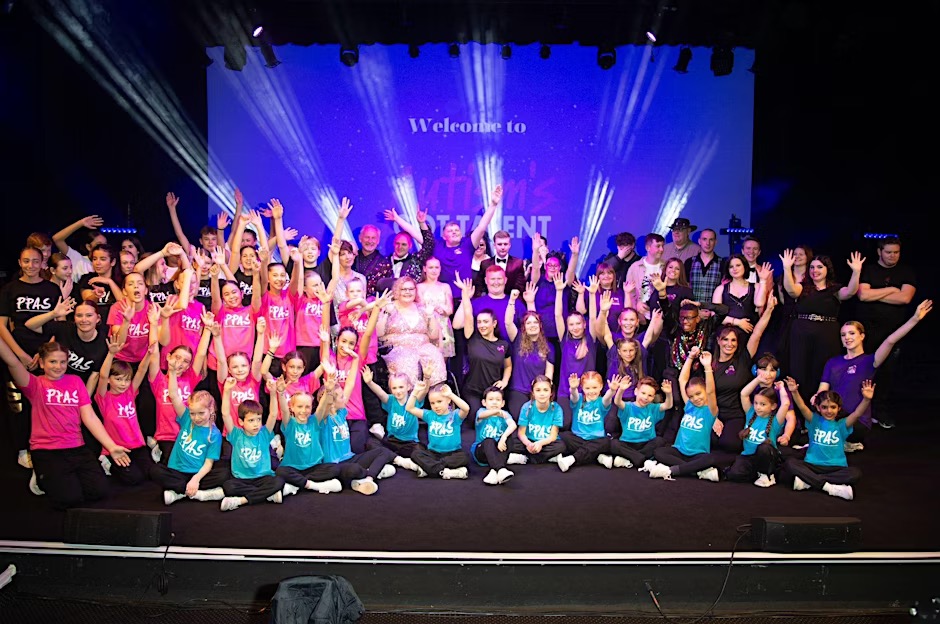
Hi it is Anna here founder of the autism charity Anna Kennedy Online. Since starting the charity in 2009, my passion has always been to raise awareness, acceptance, and understanding of autistic individuals and their families. Over the years, through our events like Autism’s Got Talent and The Autism Hero Awards, I’ve had the privilege of meeting so many incredible people who continue to inspire me every day.
This Pride Month, I want to take a moment to celebrate our autistic LGBTQ+ community members—many of whom still don’t feel fully seen or supported. Inclusion isn’t just a buzzword; it means accepting and embracing every part of who someone is. I’ve spoken to young people and families who are navigating this intersection, and I know how important it is to feel heard, respected, and safe to be your true self.
This column is a reminder that you are not alone. You matter. You belong. And we see you and your welcome at AKO Love Anna xxxx
Why do you think it’s important to recognise and celebrate Pride Month within the autism community?
Recognising and celebrating Pride Month within the autism community is important because it fosters a sense of belonging, validates the experiences of LGBTQ+ autistic individuals, and promotes greater understanding and acceptance. This recognition challenges the misconception that autism is solely a deficit and instead highlights the unique strengths and contributions of autistic people. We’ve seen this time and time again through our events such as Autism’s Got Talentand The Autism Hero Awards.
What are some of the unique challenges that autistic individuals who are also LGBTQ+ face?
Autistic individuals who are also LGBTQ+ often face the challenge of navigating two distinct communities. This can lead to increased isolation and mental health struggles. Some people I’ve spoken to find it difficult to feel fully understood and accepted, as they may not feel they completely fit within either the autistic or LGBTQ+ communities.
How does your organisation support autistic people who identify as part of the LGBTQ+ community throughout the year—not just during Pride Month?
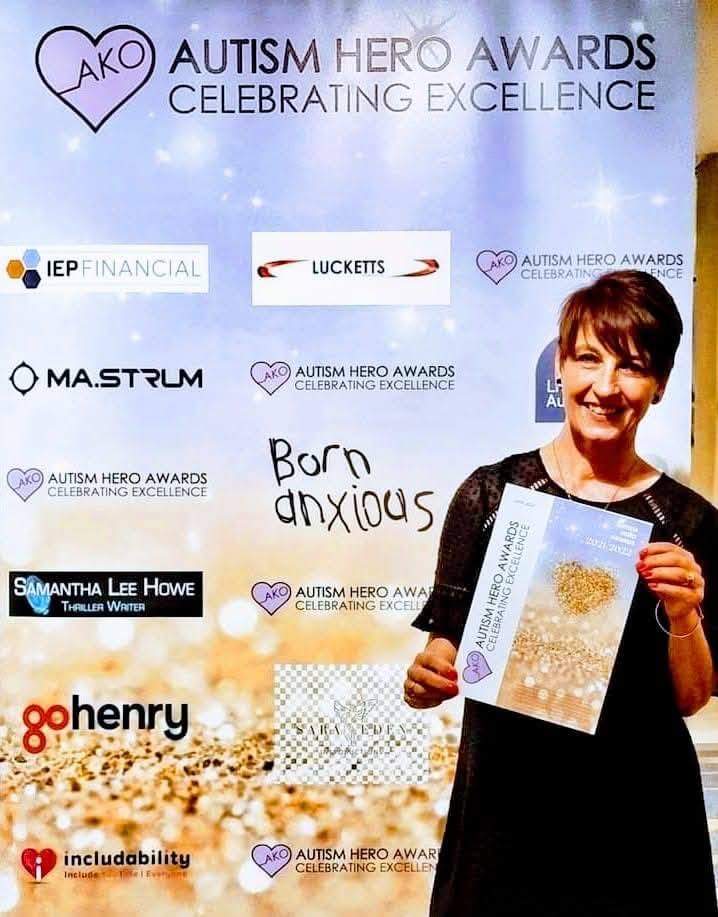
Since launching our charity in 2009, we’ve always been supportive of the LGBTQ+ community. We’ve offered advice and support to individuals and families who’ve reached out, and we’ve proudly included many LGBTQ+ performers in Autism’s Got Talent, as well as nominees for the Autism Hero Awards. Our team includes a wonderfully diverse group of ambassadors, charity patrons, and volunteers who reflect our inclusive values.
Have you noticed an increase in autistic people feeling confident to express diverse gender or sexual identities in recent years?
In my opinion, yes—there is growing awareness, acceptance, and confidence among autistic individuals when it comes to expressing diverse gender and sexual identities. Research supports this trend, and organisations like Reframing Autism are playing an important role in empowering autistic people to explore and embrace who they are.
How can parents, carers, or educators better support young autistic people who are exploring their gender or sexual identity?
The most effective way to support young autistic individuals exploring their gender or sexual identity is through active listening, affirmation, and creating safe, respectful environments. This includes using preferred names and pronouns, sharing reliable resources, and helping them access both peer and professional support networks.
How can Pride events become more sensory-friendly or accessible to autistic attendees? Have you worked with any organisers to help with this?
To make Pride events more sensory-friendly, organisers should consider providing quiet zones, visual guides, clear schedules, and accessible information. It’s also vital to ensure authentic and diverse representation within the planning teams. While we haven’t yet partnered with organisers on this specifically, it’s something we’d be very open to in the future.
Do you see any stereotypes or misconceptions that still need to be challenged when it comes to autism and LGBTQ+ identities?
Yes, there are several. One persistent misconception is that being both autistic and LGBTQ+ is rare, when in fact, research shows a significantly higher prevalence of LGBTQ+ identities among autistic individuals. Another issue is the lack of visible role models and media representation. Although awareness is growing, we still need more positive stories and accurate portrayals of autistic LGBTQ+ people in the media and beyond.
What message would you like to share during Pride Month on behalf of the autistic community—especially those who often feel invisible in both autism and LGBTQ+ spaces?
My message is: “You are seen. You are valid. You are loved. Don’t be afraid to embrace your authentic self. Find your space, take your time, and know that there is a community ready to welcome and support you.”

 2Shades Magazine