Categories
People Columns Lifestyle Health and Fitness

In celebration of “Autism Awareness and acceptance day ” we set Anna Kennedy OBE a bush trucker trail.

“I’m a Celebrity… Get Me Out of Here!” – Anna Kennedy Faces Her Fears in Essex

Words: Steven Smith

It could easily have been mistaken for a scene straight out of I’m a Celebrity… Get Me Out of Here! as screams, laughter, and nervous anticipation filled the air in Essex yesterday. But this was no television stunt. This was something far more meaningful — a deeply personal challenge undertaken by the remarkable Anna Kennedy OBE, a woman known for her relentless determination, boundless compassion, and tireless advocacy for the autism community.

Thank-you my friend Nicky Rodrigues I am so proud of you .

This time, however, Anna was stepping far outside her comfort zone — not into a boardroom, a stage, or a campaign, but into a world of exotic creatures that have long sparked fear rather than fascination.

The challenge was set by long-time friend Nicky Rodrigues and her son Harry, who now both work at Living Things UK, an organisation renowned for its immersive and educational wildlife encounters.

A World of Wildlife — With a Purpose

Living Things UK is not your typical animal experience. Behind the scenes is a dedicated team of skilled animal handlers, welfare specialists, educators, and passionate wildlife advocates. Their mission is simple yet powerful: to bring people closer to nature in a way that is safe, educational, and deeply engaging.

Their enclosures are carefully designed to replicate natural habitats, ensuring each animal thrives in an environment suited to its needs. Over the past decade, they have built an impressive reputation, delivering unforgettable experiences across schools, SEN groups, hospitals, care homes, festivals, and corporate settings.

Ordinarily closed to the general public, Living Things made a special exception for this visit in support of autism awareness, aligning perfectly with the work of Anna Kennedy Online.

A Friendship Rooted in Advocacy

Nicky Rodrigues’ connection to Anna dates back to 2014, when she volunteered with Anna Kennedy Online as a Charity Champion covering Essex.

“I met so many incredible people during my time there,” Nicky recalls. “It was an experience that stayed with me. When Harry and I began working with these amazing animals, I knew I wanted to share that world with Anna — and perhaps help her face a few fears along the way.”

And what a journey it turned out to be.

A not so scary bunny .

Enter the Animals… and the Fear

Of course, no such adventure would be complete without a witness — or, as Anna jokingly put it, “support” — from 2Shades Magazine’s Steven Smith, who joined as a patron of Anna Kennedy Online.

“I am terrified,” Anna admitted at the outset, laughing nervously. It’s a rare confession from a woman often described as having “the tenacity of a Rottweiler with a bone” when it comes to achieving her goals. Yet when it comes to insects, reptiles, and the more unusual corners of the animal kingdom, Anna is refreshingly human.

What followed was nothing short of extraordinary.

Harry, who led the experience, introduced Anna to an astonishing array of creatures. Among them were a Russian Horsfield tortoise, a leopard gecko, a bearded dragon, a frilled-neck lizard, and a striking blue iguana. The mammals proved equally captivating — a Madagascan lesser tenrec, a soft and gentle chinchilla, a playful sugar glider, and the ever-curious African meerkat.

Then came the creatures that would test Anna’s resolve to its limits: a cornsnake, a Chilean rose tarantula, an Asian forest scorpion, a giant African millipede, and the unmistakable Madagascan hissing cockroach.

And finally — a moment of calm, grace, and beauty — Juliet, the British barn owl, who would quickly become Anna’s favourite.

Harrys knowledge was impressive

Harry’s Moment to Shine

Perhaps the most moving aspect of the day was watching Harry in action. Once non-verbal as a young child, he now confidently handled and introduced each animal with knowledge, care, and quiet authority.

For Nicky, it was an emotional moment.

“To see Harry like this today — confident, engaged, and sharing his passion — is just beautiful,” she said. “Moments like this remind you how far people can come with the right support and opportunities.”

It was a powerful reflection of everything Anna Kennedy Online stands for: inclusion, empowerment, and the celebration of individual potential.

Facing Fear, Finding Joy

As for Anna, she rose to the challenge with surprising courage.

“Honestly, I’m not saying I didn’t have a flush or two,” she laughed. “The tarantula was definitely a worry! But I absolutely adored the owl. And Harry taught me so much about the animals — things I never knew before.”

What began as a fear-filled experience transformed into something joyful, educational, and even uplifting. Anna handled animals she never imagined she would go near, let alone hold.

It was, in many ways, a metaphor for her life’s work: facing the unknown, challenging perceptions, and embracing growth.

Me showing Anna how it is done ,

A Legacy of Dedication

Anna Kennedy’s achievements are nothing short of extraordinary. Awarded an OBE for her services to the autism community, she has dedicated her life to improving opportunities and understanding for autistic individuals.

She has founded and developed some of Europe’s largest autism-specific schools, while also raising her two sons, Patrick and Angelo, both of whom are autistic. Her work continues to inspire families, educators, and advocates across the UK and beyond.

Her visit to Living Things was not just a personal challenge — it was a continuation of that mission. By stepping into an unfamiliar world, she demonstrated the importance of openness, learning, and breaking down barriers.

More Than an Experience

The visit, timed just ahead of World Autism Acceptance Day, was a celebration of inclusion in its truest form.

Together, Anna and Steven explored a world that many might shy away from, proving that with the right support — and a little bravery — anything is possible.

For Living Things UK, the day was equally meaningful.

“Moments like these remind us why we do what we do,” the team shared. “Creating inclusive, unforgettable experiences that bring people and nature together is at the heart of everything we believe 

A Favourite Feathered Friend

Among all the creatures encountered, one stood out above the rest — Juliet the barn owl.

Elegant, calm, and quietly majestic, she provided a moment of serenity amidst the excitement. For Anna, it was love at first sight.

And perhaps that’s the lasting image of the day: a woman who has spent her life fighting for others, standing still for a moment, holding something beautiful, and discovering that even fear can give way to wonder.

Anna so thrilled in the end with Harry.

Find out more:
Living Things UK: https://www.living-things.co.uk
Anna Kennedy Online: https://annakennedyonline.com

Categories
Columns Lifestyle People Uncategorized

Blanky meets Pink Ribbon

https://www.kellyreeves-photography.com/?utm_source=ig&utm_medium=social&utm_content=link_in_bio&fbclid=PAZXh0bgNhZW0CMTEAc3J0YwZhcHBfaWQMMjU2MjgxMDQwNTU4AAGn5kxkJnQ03Yg_crPiLjcu4019zUHvk0kKcZfx9EcR4QfoV_4CwLSaKXHdUqM_aem_-vQUDLOmYKVCs8ChcR18tw

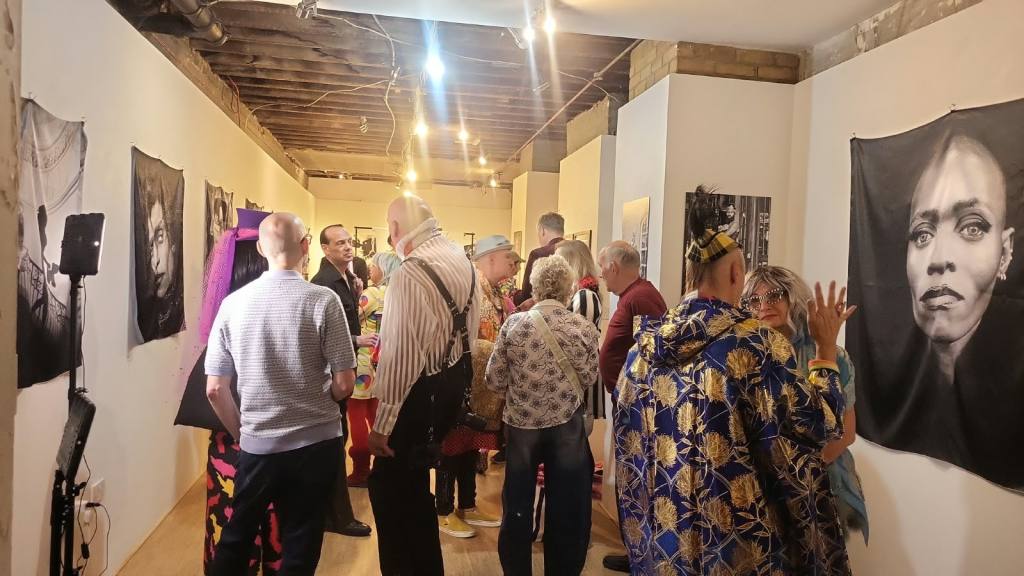
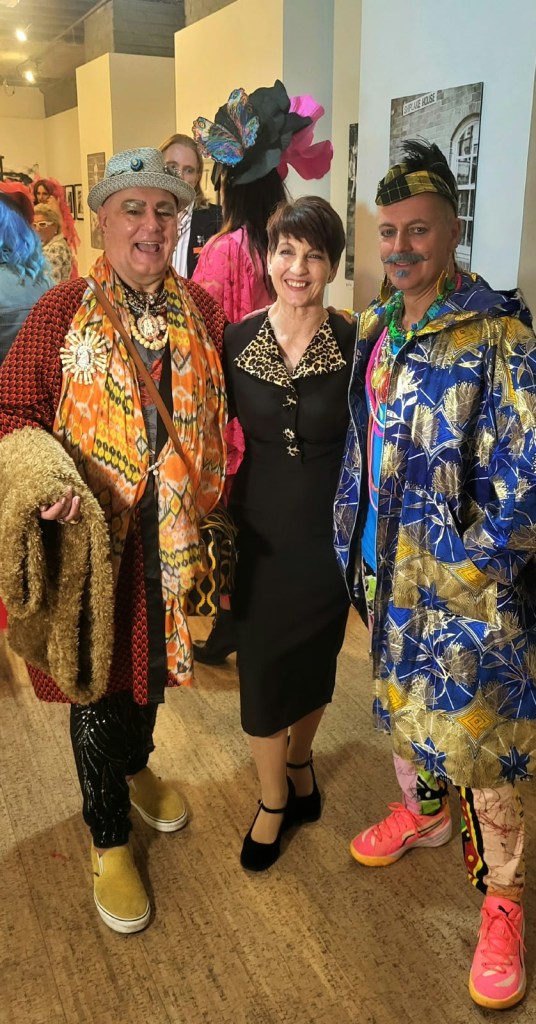
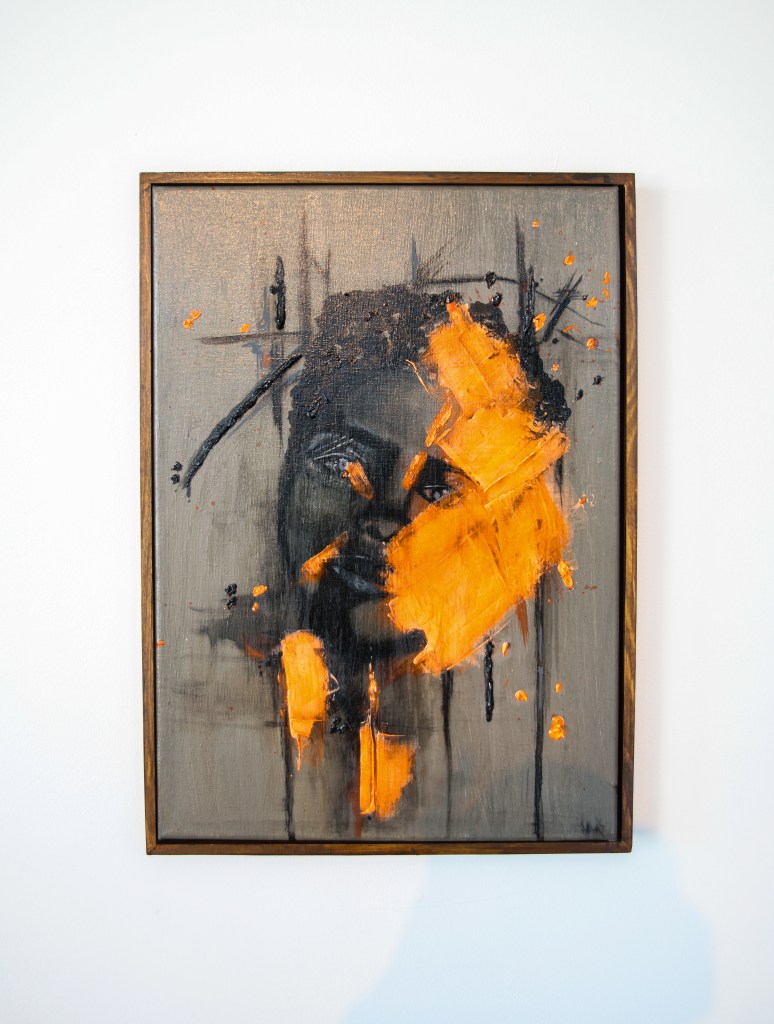
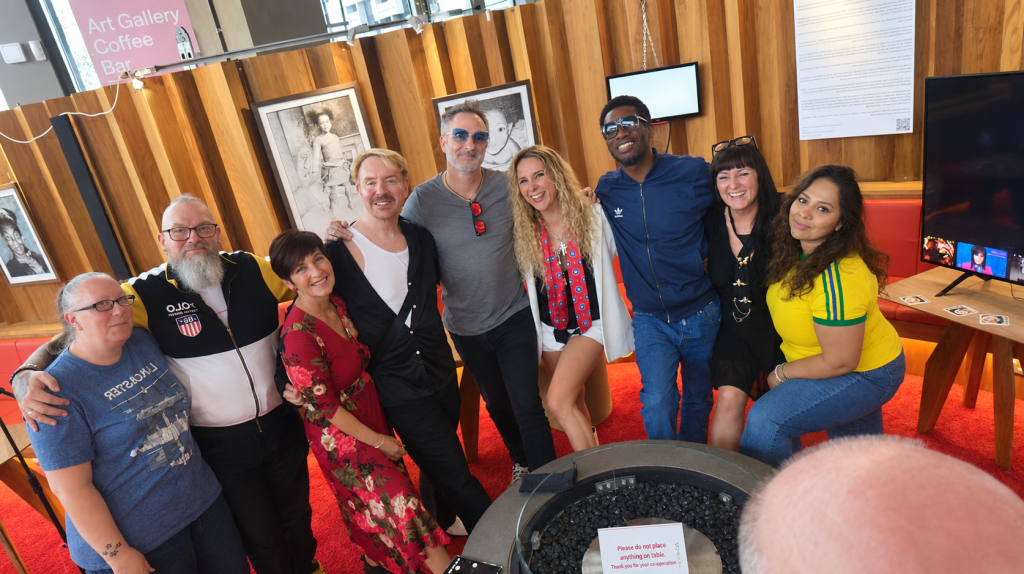
t was with palpable excitement that artist Alistair Blaster unveiled a deeply personal and touching tribute to Lisa Allen of the Pink Ribbon breast cancer charity—her very own “Blanky,” lovingly created in her image. The presentation took place at the Firepit Gallery by the O2, a vibrant creative hub that has become synonymous with championing grassroots art and meaningful causes. Surrounded by an enthusiastic and supportive crowd, the moment captured not only the spirit of artistic expression but also the profound sense of community that events like this inspire.

The evening was a celebration of both creativity and compassion, with attendees gathering to support the vital work of the Pink Ribbon charity. Alistair’s piece stood as a heartfelt acknowledgment of Lisa Allen’s tireless dedication and the impact she continues to make in raising awareness and supporting those affected by breast cancer. The “Blanky” itself—playful yet poignant—embodied warmth, comfort and resilience, echoing the very ethos of the charity it honoured.

Also on display was the striking work BustOut by artist Anne-marie Bickerton, whose bold and expressive style added another layer of depth to the evening’s artistic offering. Her work, known for its emotional intensity and fearless use of colour, complemented the tone of the event perfectly, reinforcing how art can be both visually captivating and socially powerful.

Alistair Blaster is rapidly emerging as a distinctive voice within the contemporary art scene. His unique creations—often character-driven and rich in narrative—have already attracted the attention of notable figures, including Vicki Michelle Allo Allo ” and Dr  Anna Kennedy. OBE His work has also begun to cross into storytelling, inspiring children’s literature that carries the same warmth and imaginative spirit found in his visual pieces.

Speaking about the inspiration behind the “Blanky,” Alistair shared: “I am a huge supporter of Pink Ribbon, and I wanted to do something to celebrate not only the charity but Lisa Allen, who is truly inspirational in her work.” His words resonated with many in the room, underlining the importance of recognising the individuals behind charitable movements—those who quietly and consistently make a difference.

The event at Firepit Gallery was more than just an art showcase; it was a reminder of how creativity can be harnessed for good, bringing people together in support of causes that matter. With his growing reputation and heartfelt approach, Alistair Blaster is certainly an artist to watch.

For more on Alistair’s work, visit: https://2shadesmagazine.com/2025/03/02/blanky/

https://www.pinkribbonfoundation.org.uk

https://www.firepit.org.uk

Picture

Categories
Columns Lifestyle People

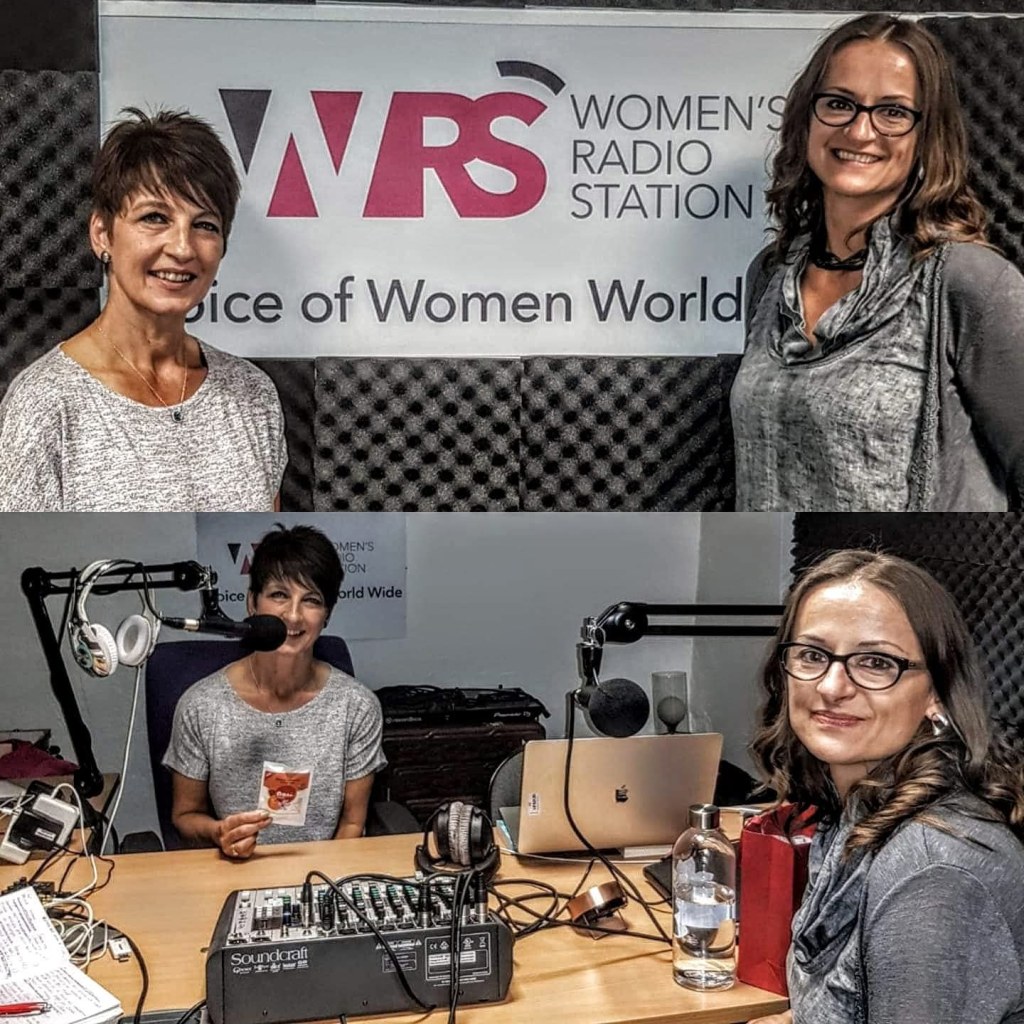
Ciara Lawrence’s Pink Sparkle Podcast celebrates Five years with Dr Anna Kennedy OBE .

Ciara Lawrence’s Pink Sparkle Podcast Celebrates Five Fabulous Years
With Dr Anna Kennedy and special guests

Words: Steven Smith
Pictures: Antony March

Everything was shimmering in shades of pink on Thursday evening as Ciara Lawrence took to the stage at Metropolis Epsom to celebrate the fifth anniversary of her much-loved Pink Sparkle Podcast. Dressed in a stunning pink outfit that perfectly captured the spirit of the night, Ciara embodied the warmth, glamour and resilience that have become synonymous with her brand.

https://pinksparklepod.com

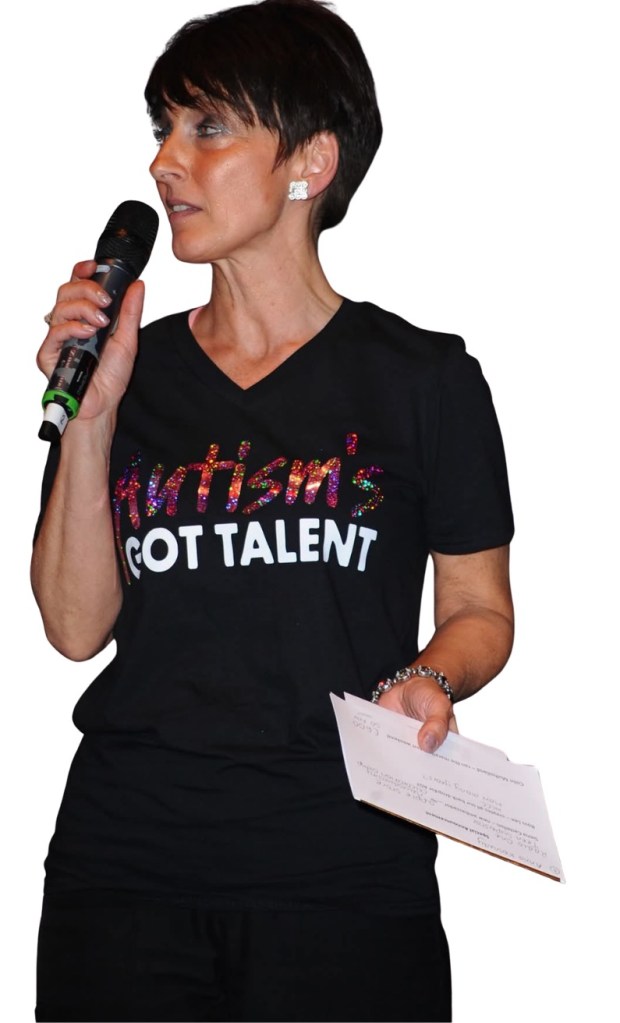
The evening was more than a celebration—it was a heartfelt tribute to a journey built on courage, connection and community. Special guest Dr Anna Kennedy brought with her an inspiring lineup of performers from Autism’s Got Talent, including Ethan Stewart, Marie Gorton, , Richard Anthony ,George Pond and Callum Kirrage. Together, they helped create a vibrant, uplifting atmosphere for what was a live recording in front of an enthusiastic and deeply engaged audience.

Ethan Stewart

Anna Kennedy, clearly moved to be part of the milestone event, spoke warmly about Ciara’s journey. “Ciara, I knew the minute I met you that you were a winner, and that The Pink Sparkle Podcast was something truly special,” she said, her words met with heartfelt applause.

Marie Gorton

Ciara, ever the consummate professional, balanced emotion with humour throughout the evening. She laughed and joked with the crowd, sharing stories of past guests—including her admiration for TV personality Rob Rinder—and revealed her hope to one day welcome his friend Rylan Clark onto the show. Yet at the heart of the evening was something far more personal: her journey with Anna Kennedy.

Calum Kirrage

“Despite everything I faced, you saw me in a room, came over, and it changed my life,” Ciara said, visibly emotional at times, holding back tears as she reflected on how that moment shaped her path.

Behind the scenes, the dedicated team from Anna Kennedy Online ensured the evening ran seamlessly. Lisa Robins—often described as the woman who “oils the wheels” of the organisation—handled the sound and event logistics with her usual professionalism, while Tally Nothey captured special moments on film, including a heartfelt thank-you message to Stacey Moore for her support.

There was even a surprise appearance from yours truly, as I marked 13 years with a charity that has profoundly changed my life. I shared a few chosen words about what the journey has meant to me—though, as many will attest, stopping me talking is no easy feat.

Me with two amazing ladies Dr Anna Kennedy OBE and Ciara Lawrence

Richard Anthony also deserves special mention, not only for his ongoing charity work but for delivering a memorable performance on the night.

George Pond

Gratitude must also go to Metropolis Epsom for generously providing the venue, helping to make the evening possible.

Richard Antony walking In with Happiness charity and fund raiser performed,

Anna’s final word “Ciara, thank you for allowing me to be part of your journey. Your sparkle is not just pink—it’s powerful, inspiring, and here to stay. I’ll always be cheering you on.”

Pictures Antony March

https://pinksparklepod.com

Categories
Columns Culture Lifestyle People

Denise Welch Brings the House Down in Her Jimmy Choos at the British Diversity Awards 2026


Denise Welch Brings the House Down in Her Jimmy Choos at the British Diversity Awards 2026

It was all glitz and glamour last night at the 2026 British Diversity Awards—an event that once again proved why it remains one of the most important evenings in the UK’s cultural and social calendar. A glittering yet deeply meaningful celebration, the awards honour those driving equality, inclusion and representation across every corner of British society.

Held at the prestigious JW Marriott Grosvenor House, the ceremony brought together a powerful mix of activists, celebrities, campaigners and changemakers, all united by a shared commitment to progress.

My own claim to fame? I was the first to get founder—and, as actress Denise Welch famously described her, “the head lesbian of the world”—Linda Riley into full make-up and a black-tie suit. In fact, I even managed to get Denise herself into men’s tailoring.

But enough about me.

Linda Riley, whose vision continues to shape the awards into a global platform for recognition and change, remains a pioneering force in LGBTQ+ visibility and inclusion. She has spent decades championing underrepresented voices, and through the British Diversity Awards has created more than just an event—she has built a movement that celebrates courage, resilience and authenticity in all its forms.

The 2026 ceremony carried an unmistakable sense of urgency as well as celebration. In a world still grappling with inequality, the awards served as both recognition and reminder—that diversity is not a trend, but a necessity. The room was filled with individuals and organisations who have gone beyond performative gestures, delivering tangible change in workplaces, communities and public life.

Denise Welch brought the house down with her trademark humour, joking about her “Jimmy Choos” while speaking passionately as a long-time supporter of diversity and inclusion initiatives. Her presence underscored the importance of allyship within the entertainment industry. Known for her outspoken nature and advocacy, Welch represents a generation of public figures increasingly using their platforms to amplify marginalised voices.

The red carpet itself was a dazzling display of individuality and expression, with stars embracing fashion as a form of identity. Among them, Christine McGuinness turned heads in a striking black ensemble, embodying both glamour and confidence as she joined fellow attendees in celebrating the evening’s message. Sinitta turned heads with not only her beauty but her personality she is a long term supporter of the British Diversity awards

But beyond the glamour, the true power of the night lay in the stories being honoured. The British Diversity Awards recognise individuals and organisations across a wide spectrum—race, gender, disability, LGBTQ+ rights, age and social mobility—reflecting the richness and complexity of modern Britain. Each award tells a story of perseverance: barriers broken, stereotypes challenged and communities uplifted.

What sets these awards apart is their authenticity. Unlike many industry events, they are rooted in lived experience. They shine a light not only on high-profile figures but also on grassroots activists and unsung heroes—those working tirelessly behind the scenes to create a more inclusive society. This balance between celebrity and community gives the event its unique integrity.

Inside the ballroom, the atmosphere was one of both celebration and reflection. Applause was not just for achievement, but for courage—the courage to speak out, to stand up and to demand better. In many ways, the awards act as a mirror to society, reflecting both how far we have come and how much further we must go.

For Linda Riley and her team, the mission remains clear: to educate, inspire and empower. As the evening drew to a close, one thing was abundantly evident—the British Diversity Awards are not just about recognition; they are about momentum. They remind us that diversity is dynamic, inclusion is ongoing, and equality requires constant vigilance.

In a city as vibrant and varied as London, the 2026 awards felt particularly resonant. They captured the spirit of a nation evolving—sometimes slowly, sometimes imperfectly—but always moving forward. And thanks to the tireless work of individuals like Linda Riley, alongside the visible support of figures such as Denise Welch, that progress is not only acknowledged, but celebrated in style.

Ultimately, the British Diversity Awards 2026 were more than a night of accolades—they were a statement. A statement that diversity matters, that representation matters, and that the voices of many will always be stronger than the silence of a few.

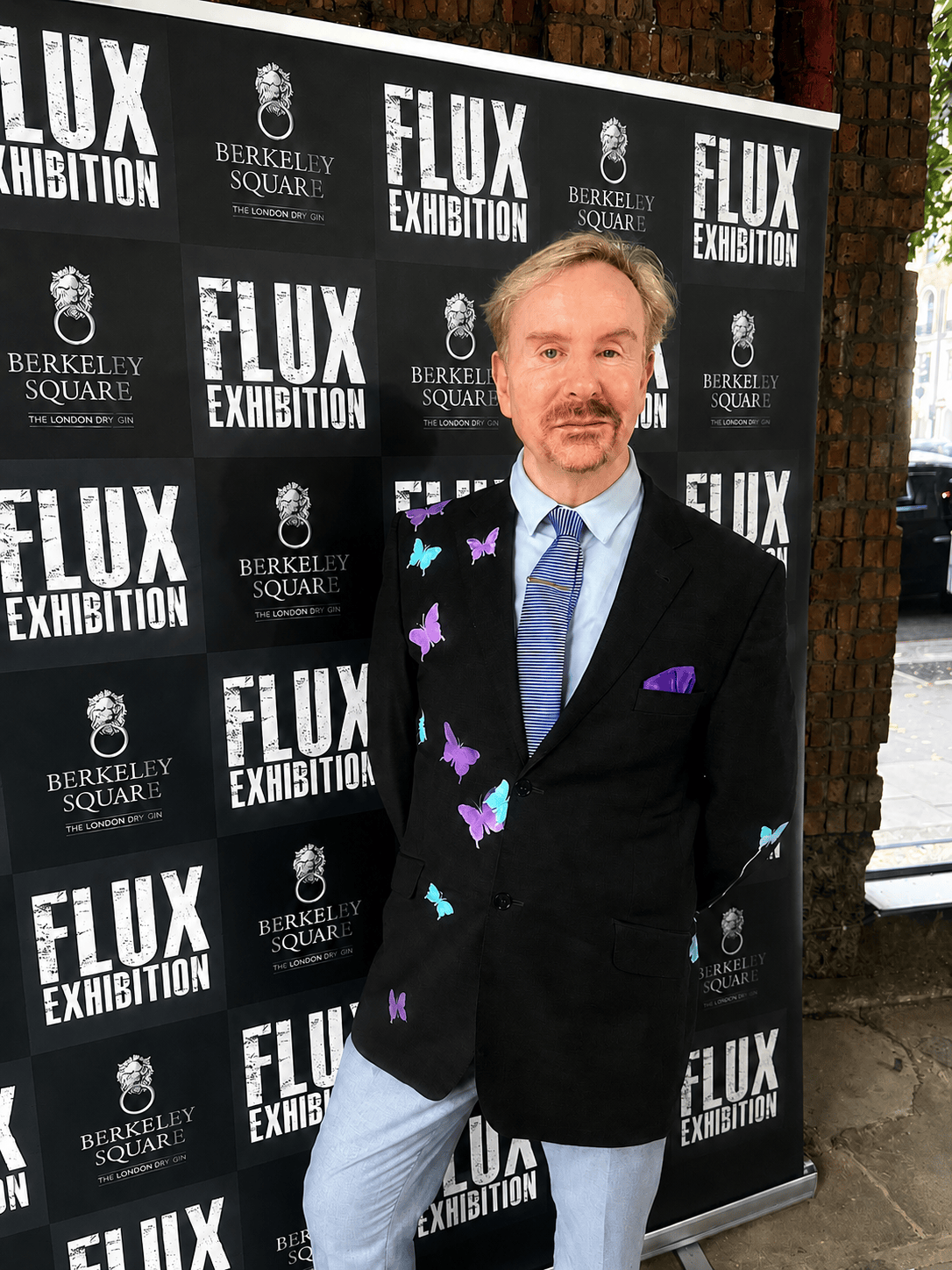
And as for style—well, I wore a suit painted by Piluca, the Spanish artist who champions diversity through her work. Denise’s husband, artist Lincoln Townley, also embraced the moment in Jimmy Choo. Fashion, after all, was as bold and expressive as the message itself.

The evening was topped off by the wonderful Blue with Riley joining as a fifth member . Duncan was looking particularly hot .

Denise Welch with Lincoln Townley and Toby Salvietto , Ryan Kay and me in my Piluca Jacket

BRITISH DIVERSITY AWARDS 2026 – WINNERS

Lifetime Achievement Award

  • Sir Lenny Henry

Media Champion of the Year

  • Chris McCausland
  • Ria Hebden

Athlete Empowering Positive Change

  • Tess Howard MBE

Community Project of the Year

  • Trans is Human

Head of Diversity of the Year

  • Reema Samuel-Lewis (Sky UK Ltd)

Changemaker of the Year

  • Natalie Ojevah MBE (Barclays)

Diversity Team of the Year

  • Community and Culture Team (CBRE)

Charity or Not-for-Profit of the Year

  • HAWA Multicultural Services CIC

Inspirational Role Model of the Year

  • Tokeer Ahmed (Capgemini)

Outstanding Employee Network of the Year

  • Menopause Network (Barratt Redrow)

Outstanding Women’s Network of the Year

  • WiNTR – Women in Non-Traditional Roles (National Grid)

Outstanding Ability Network of the Year

  • RespectAbility (Manchester Airports Group)

Outstanding LGBTQIA Network of the Year

  • LGBTQ+ at Sky (Sky UK Ltd)

Outstanding Ethnicity Network of the Year

  • REACH (Kingsley Napley)

Social Mobility Initiative of the Year

  • Digilearning x Accenture Social Mobility Month (Accenture)

Diversity Champion of the Year

  • Brendan Hegarty (NatWest Social & Community Capital)

Global Diversity Initiative of the Year

  • ‘Equity Engine’ Initiative (King)

Company of the Year

  • BDO UK

HIGHLY COMMENDED

Community Project of the Year

  • Ability Today (Academy for Disabled Journalists)

Head of Diversity of the Year

  • Rebecca Ormond (SMBC Group)

Changemaker of the Year

  • Dr Kamran Iqbal (Chiesi UK)

Diversity Team of the Year

  • Global Diversity and Inclusion Team (Standard Chartered)

Inspirational Role Model of the Year

  • Jo Powell (Deutsche Bank)

Athlete Empowering Positive Change

  • Ellie Simmonds MBE

Outstanding Employee Network of the Year

  • Journey ERG (HSBC UK)

Outstanding Women’s Network of the Year

  • Connected Women (ScottishPower)

Outstanding Ability Network of the Year

  • DHL Supply Chain Abilities Alliance (DHL)

Outstanding LGBTQIA Network of the Year

  • Wipro Europe Pride ERG (Wipro)

Outstanding Ethnicity Network of the Year

  • Race Equality Network (University of Birmingham)

Social Mobility Initiative of the Year

  • Mental Health Research For All (NIHR Applied Research Collaboration North Thames)

Diversity Champion of the Year

  • Charlotte Helliwell (Lockton)

Global Diversity Initiative of the Year

  • Building Forever (De Beers Group)

Company of the Year

  • ScottishPower

https://www.britishdiversityawards.com

https://www.marriott.com/en-us/hotels/longh-jw-marriott-grosvenor-house-london/overview/

https://www.jimmychoo.com/en/home

https://www.pilucaworld.com

Fashion pictures of Linda and Denise taken by Graham Martin.

https://www.grahammartinphotography.co.uk

https://www.channel5.com/show/life-of-riley-head-lesbian-of-the-world

Categories
Columns Health and Fitness Lifestyle People

Review “Off Roading “

Off Roading by Lucy Linger
★★★★☆

Film, theatre and literature have long served as powerful portals through which we explore subjects that are often difficult to confront in everyday life. Illness—particularly cancer—is one such subject that artists have returned to time and again, helping audiences process grief, fear and resilience through storytelling. From Terms of Endearment, where Shirley MacLaine and Debra Winger deliver unforgettable performances as a complicated mother and daughter navigating terminal illness, to Love Story with Ryan O’Neal, and the tear-stained shores of Beaches starring Bette Midler—these works remind us that love and loss are often inextricably intertwined.

This month sees a contemporary addition to that canon. Off Roading, written by Lucy Linger and sponsored by the Pink Ribbon Foundation, enjoyed test screening at the stylish cinema within The Sanctuary House Hotel. Billed as a romantic comedy-drama, the film explores modern relationships, dating, and the profound ripple effect that a cancer diagnosis—alongside issues of fertility—can have on both the individual and those closest to them.

At its heart, Off Roading is an engaging and refreshingly honest piece of writing. Linger’s script balances humour with poignancy, never allowing the subject matter to become overly sentimental, yet never shying away from its emotional weight. It is a delicate tightrope, and for the most part, she walks it with confidence and charm.

That said, from the outset, this feels less like a film destined for the blockbuster big screen and more like a piece that will thrive within the intimacy of film festivals, television, or indeed, a theatrical setting. One can easily imagine a stage adaptation—perhaps starring the likes of Keira Knightley alongside a strong male counterpart—where the dialogue and emotional exchanges could truly breathe. With a few structural tightenings, it has all the makings of a compelling, sell-out stage production. It comes as little surprise to learn that the work originated as a play; its DNA is unmistakably theatrical.

In many ways, Off Roading evokes the spirit of A Woman of No Importance, famously performed by Patricia Routledgeand written by Alan Bennett. Like Bennett’s work, Linger’s piece relies heavily on character-driven storytelling and the power of dialogue. While it may not yet possess the same razor-sharp precision or lyrical polish of Bennett’s writing, it nonetheless takes the audience on a journey that is by turns amusing, reflective and quietly devastating.

The performances—anchored by a two-hander dynamic—are a particular strength. The actors bring warmth, authenticity and nuance to their roles, ensuring that the emotional beats land with sincerity rather than melodrama. There is a natural chemistry that draws the viewer in, making the unfolding narrative feel both intimate and relatable.

What sets Off Roading apart, however, is its focus not only on the individual diagnosed with cancer but also on the emotional landscape of those around them. It examines how partners, friends and loved ones navigate their own fears, frustrations and helplessness, often sidelining their own needs in the process. This broader perspective gives the film an added layer of depth and relevance.

Ultimately, Off Roading is a thoughtful and well-crafted romantic comedy-drama that tackles complex themes with sensitivity and wit. It is a piece that will resonate deeply with audiences, though viewers should be aware that its exploration of breast cancer, risk and fertility may prove triggering for some.

A promising and heartfelt work—one that, with a little refinement, could travel far beyond its current path. It is no small feat for two actors to hold an audience’s attention for eighty minutes, yet for the most part, they carry it with assurance and skill.

I laughed out loud and, at moments, felt a tear or two. Lucy Linger is certainly one to watch.

https://www.pinkribbonfoundation.org.uk

https://www.sanctumsoho.com

Categories
Columns Culture Health and Fitness Lifestyle People Travel

Why Piers Morgan is on the side of The LGBTQ+ community .

Why Piers Morgan Might Miss a Beat on Mental Health — But He Is on the Side of the LGBTQ+ Community

Screenshot

“I disapprove of what you say, but I will defend to the death your right to say it.” — Voltaire

Let’s get one thing straight about Piers Morgan: he is no homophobe. I am re-running a feature I penned around the time he walked out of Good Morning Britain. No, I do not agree with his views on mental health for the most part, but he is entitled to his opinion. I was dumbfounded that he did not take Kevin Spacey to task over giving Elton John as a moral character reference. Having been a guest as a teenager at the Rocket Man’s house, I believe the truth will come out. His interview with the deluded TikTok personality HSTikkyTokky showed his stance against homophobia, and I will be writing about that in my column next month. For now, please read why Piers is, in fact, an LGBTQ+ ally.

Steven Smith takes a look at the meteoric rise of what could arguably be the ultimate school bully, Piers Morgan. He asks: as an adult society that often does not move far beyond the playground, do we actually revel in Morgan’s Machiavellian ways? Is he a friend to the LGBTQ+ community, and should he be fired from Good Morning Britain for his apparent sexist views and for questioning whether we should teach children that there are 100 genders?

Victoria Wood is about to come on stage at the Royal Albert Hall, and I am in the box, hosted by her PR, Neil Reading, with a variety of celebrities, journalists, and media types. The lovely Dale Winton is chatting away to me—fabulously bronzed, styled to perfection, charming and witty. Everyone is excited about the show when suddenly the air changes.

RIP Dale Winton

“Oh God, no!” Dale shrieks, as if Maleficent herself had appeared to cast a spell over us. Some of the other guests look uncomfortable too. No—it is not Maleficent. It is Piers Morgan, then the youngest editor of the Daily Mirror. Dale does all he can to avoid him, but Piers makes a beeline, grinning from ear to ear. “How’s that bottom doing, Dale?” Dale’s tan deepens two shades. “Fine, Piers, thanks,” he replies, avoiding eye contact. The penny drops. The Daily Mirror had splashed that Dale had been paying for colonic irrigation treatments at a clinic in London’s trendy Beauchamp Place—the same clinic frequented by Princess Diana. Somehow, they had photos of him leaving.

If Dale had turned around and said, “Oh, just great! You should try it, Piers—wash some of that rubbish you write straight out of you!” I suspect both men might have laughed, and Piers might even have offered him a column. The scenario did make me chuckle. Piers was goading his subject like a provocateur returning to the scene of the crime. It was no big deal—but Dale was private, kind, and is still sadly missed.

The next “victim” was Anthea Turner, splashed across the tabloids during her very public relationship scandal involving Grant Bovey. Piers had that unmistakable school bully energy—unable to resist the poke. Yet here’s the paradox: he also wanted to be one of them, a celebrity himself.

Let’s be clear—Piers Morgan is a genius. Rupert Murdoch made him editor of the now-defunct News of the World at just 29. He has the rare ability to remain calm while provoking others—an ability that later defined his interviewing style. Sometimes uncomfortable, often gripping, always headline-making. And when he chooses, he can be kind.

At a wedding with Barbara Windsor and her husband Scott Mitchell, Piers joined our table. He was delightful, charming, engaging. Until a PR woman confronted him. Piers remained calm while she became increasingly furious, eventually storming off. He had that effect—controlled chaos.

Under his leadership, the Daily Mirror became more progressive on gay issues, especially compared to rival tabloids. He helped elevate voices like Sue Carroll, a fierce advocate for LGBTQ+ rights and a dear friend of mine. He also co-created the Pride of Britain Awards alongside Peter Willis. But let’s not kid ourselves—we still have a long way to go before tabloids are truly safe ground for the LGBTQ+ community.

After the Abu Ghraib scandal and other controversies, which he has always denied wrongdoing in, Piers was sacked. You might expect him to disappear. Instead, like a phoenix, he came back stronger. From television appearances to America’s Got Talent, from winning The Celebrity Apprentice under Donald Trump, to taking over Larry King’s CNN slot, he rebuilt himself as a global media personality.

And here’s the key point: on LGBTQ+ issues, Piers Morgan has consistently shown support. He has challenged so-called conversion therapy advocates on air, telling one, “Shut up, you bigot.” He has supported figures like India Willoughby and publicly backed trans rights in debates. There is simply no credible evidence that he is anti-gay.

Now critics call for him to be cancelled—over gender debates, over tone, over clashes with guests. But should he be fired? No. If we silence every voice we disagree with, we risk losing something vital: dialogue, understanding, and progress.
I want to hear opposing views—even uncomfortable ones. That is how we measure how far we still have to go. We have made huge progress. Ten years ago, LGBTQ+ role models speaking in schools would have been unthinkable. But progress requires conversation, not cancellation.

Yes, Piers gets it wrong, especially on mental health. I believe he owes Denise Welch an apology. But he also reflects a segment of public opinion we cannot ignore. We must challenge hatred, but not silence debate. Because if we push dissenting voices underground, we risk something worse: backlash.

So no, I do not agree with everything Piers Morgan says. But I would still want him on my side.

And one final thought: can someone explain the “100 genders” to me? Not out of defiance, but because I want to understand. Asking questions does not make someone a bigot—it makes them human.
END

Categories
Columns Culture Lifestyle People

Big Rob The Gentle Giant who becomes the star of Last One Standing

Big Rob: The Gentle Giant Who Became the Heart of Last One Standing

Big Rob becomes the gently sensitive giant who has emerged as the standout star of Last One Standing: Handcuffed.

Known to many through his work on OnlyFans and often described as a “gentle giant,” Rob has proven himself to be one of the most compelling and quietly powerful figures in the show. What makes his journey so impactful is not simply the contrast between his profession and the programme’s premise, but the dignity, patience, and emotional intelligence he has brought to every moment on screen. In doing so, he has not only represented himself with pride, but has also offered a refreshingly human portrayal of the LGBTQ+ community to a broad—and at times sceptical—audience.

I am a huge supporter of Andy Lee and his gang of merry, mostly straight men. After all, for years straight men have ogled and slobbered over Playboy bunnies and the like, with very little chance of ever fulfilling those fantasies. So in equal measure, why shouldn’t someone be able to make a living from fulfilling the fantasies of others?

But what this show reminds us—powerfully—is that behind labels and professions, people are human. From the outset, pairing Rob with Charlie Gray—a self-described prude, traditional housewife, and devout Catholic—could have been a recipe for conflict or caricature. On paper, they represent two vastly different worlds. Yet what has unfolded is something far more nuanced and, at times, unexpectedly moving.

Rob has consistently approached Charlie with kindness, humour, and respect. He has never mocked her beliefs or discomfort, but instead has met her exactly where she is. That, in itself, is a powerful statement: difference does not have to lead to division.

Throughout the series, viewers have witnessed moments of tension, vulnerability, and even emotional breakdowns. These are not manufactured dramas, but genuine human reactions to an intense and unusual situation. In those moments, Rob has shown remarkable emotional resilience. He has remained grounded, often acting as the calmer presence, even when the situation could easily have pushed him into frustration. This ability to hold space for another person—especially someone so different from himself—speaks volumes about his character.

The now-infamous shower scene, while played for awkward humour, actually revealed something deeper. Rob’s willingness to simply be himself, without embarrassment or bravado, contrasted with Charlie’s visible anxiety. Her decision to wear a bright yellow blindfold—despite already facing away—was both comical and telling. Yet Rob did not exploit the moment. He handled it with sensitivity, allowing the humour to exist without making Charlie feel exposed or ridiculed. In that moment, he demonstrated respect not just for her boundaries, but for the wider audience watching.

Representation matters, and what Rob has brought to the screen is a version of LGBTQ+ identity that is layered, grounded, and relatable. Too often, individuals from the community—particularly those in the adult industry—are reduced to stereotypes or dismissed entirely. Rob challenges that narrative. He shows that someone can be part of that world and still be thoughtful, kind, emotionally aware, and worthy of respect. That balance is rarely shown on mainstream television, and it is precisely why his presence feels so important.

Moreover, his journey with Charlie subtly challenges preconceived ideas on both sides. For viewers who may share Charlie’s traditional views, Rob becomes a bridge—someone who defies expectation and invites empathy. For LGBTQ+ viewers, he offers representation that is unapologetic yet deeply human. He does not try to sanitise who he is, nor does he lean into stereotype; he simply exists as himself, and that authenticity resonates.

As the competition continues and the pair remain in the running, it is clear that Rob’s contribution goes far beyond entertainment. He has brought heart, humour, and humanity to the show. In doing so, Big Rob has not only done himself proud—he has represented the LGBTQ+ community with grace, strength, and quiet brilliance.

Rob is someone you would want on your side—and someone who absolutely belongs on our screens, just as he is with his boxers up .

https://www.channel4.com/programmes/handcuffed-last-pair-standing

Categories
Columns Culture Health and Fitness Lifestyle People

A DEDICATION TO Christopher Garnham

Christopher Garnham

By Steven Smith

A Brilliant Artist Lost Too Soon

It is early evening in Earl’s Court London.  It seems like it has never stopped raining for the last seven days and tonight is no different. Earl’s Court is an area that has been my home at times in my life and a playground since past my sixteenth birthday. This evening I am meeting a friend that I have known very fondly for over 49 years. He can be Machiavellian and entertaining but never boring.  He has some very exciting news to tell me and I can hardly wait. 

I would like to share the whole story, but it is personal My friend is adopted and the tip of the exciting news was he had found his biological mother after 70 odd years. With technology being what it is and Ai with just his mother first name and last name a friend had tracked her down. Sadly, she passed in a nursing home in Ipswich several years ago.

The news that he had a brother was something that was quite unexpected . A brother named Christopher Paul Garnham . He too like my friend and me had lived in Earl’s Court an artist and gifted portrait photographer . It was hard to believe what he told me next his brother has passed like his mother, tragegley on the Marchioness.

So many beautiful talented people passed on the Marchioness in fact my friend mother had spent her latter years campaigning for jutice for the victims.  I said this is quite a story  But it got me thinking how many artist and talnted people who light had burned brightly but so briefly that may be some what forgotten 

My friend will one day write about his feeling and his side of things but I wanted to celebrate  Christopher and highlight his story in 2Shades and dedicate this to my dear friend. 

“Christopher Garnham’s portraits of artists including Gilbert & George, Paula Rego and Elvis Costello are preserved today in the collection of the National Portrait Gallery, ensuring that his brief but brilliant career remains part of Britain’s cultural record.”

London’s creative history is filled with artists whose light burned brightly but briefly. One such figure is the gifted portrait photographer Christopher Paul Garnham, a man whose work captured the cultural energy of the 1980s but whose life ended tragically before his career had truly reached its peak.

Born on 1 March 1958 in Ipswich, Suffolk, Chris Garnham grew up in a period when British photography was undergoing a transformation. The late 1970s and early 1980s were a time when magazines, fashion, music and art were colliding to create a new visual culture. Garnham would become part of that movement.

From an early age he showed an instinctive eye for images and composition. His creative path eventually led him to London, where he studied at the Royal College of Art, one of the most prestigious art institutions in the world. There he initially trained as an illustrator, but photography soon became the medium through which he would express his vision most clearly.

The camera suited Garnham’s temperament. He was fascinated by people — their faces, their presence, and the stories they carried with them. Portraiture became his natural language.

By the early 1980s Garnham had established himself as a promising young photographer within London’s thriving creative scene. This was a period when publications such as The Face and Blitz were redefining style journalism. These magazines celebrated a new generation of designers, musicians, writers and artists, and Garnham’s portraits fitted perfectly into that vibrant cultural landscape.

His photographs were distinctive. Rather than simply recording a likeness, Garnham sought to reveal something deeper about his subjects. There was a quiet intensity in his portraits — an ability to capture both vulnerability and strength within the same frame.

Many of his subjects came from the world he moved within: artists, writers, musicians and cultural figures. Among those he photographed were notable names such as Gilbert & George, Paula Rego and Elvis Costello, figures who themselves defined British art and culture in the late twentieth century. 

Gilbert and George by Christopher Garnham

His work gained increasing recognition within the photography world. In 1984 he was named Photographer of the Year by Blitz magazine, a major accolade at the time and a clear sign that his talent had been noticed. 

Two years later his photographs were included in the National Portrait Gallery exhibition “Twenty for Today”, a group show highlighting some of the most exciting young portrait photographers working in Britain at the time. 

The National Portrait Gallery would go on to acquire many of his photographs for its permanent collection, ensuring that Garnham’s work would continue to be seen and appreciated long after his death. 

During this period Garnham lived in Earl’s Court, at Flat 5, 2 Neville Place . In the 1980s Earl’s Court was something of a creative enclave. Photographers, artists, musicians and actors were drawn to the area because of its relatively affordable rents and its proximity to London’s cultural life. It was a place where ideas were exchanged over late-night conversations and where collaborations often began.

Elvis Costello

Friends remembered Garnham as thoughtful, intelligent and quietly passionate about his craft. He was dedicated to his work but never arrogant about his talent. Like many artists of his generation, he was part of a community rather than a solitary figure.

Then came the night that would change everything.

Self portrait

On 20 August 1989, Garnham joined friends for what was meant to be a joyful evening on the River Thames. The group had boarded the pleasure boat Marchioness, which was hosting a birthday celebration. The boat travelled along the river carrying a crowd of young people — many of them from London’s creative and cultural circles.

In the early hours of the morning, tragedy struck.

At approximately 1:46 am, near Southwark Bridge, the Marchioness collided with a dredger called the Bowbelle. The smaller vessel was struck from behind and quickly capsized. Within minutes the boat had sunk.

The disaster remains one of the worst peacetime tragedies on the Thames.

Fifty-one people lost their lives that night.

Christopher Garnham was among them. He was only 31 years old.

The news sent shockwaves through London’s artistic community. Many of those who had known him were still at the beginning of their own careers. The sudden loss of such a talented photographer was deeply felt.

For Garnham’s friends and colleagues, the tragedy was not just the loss of a person but the loss of a future — the photographs he would have taken, the artists he would have portrayed, the stories he would have told through his lens.

And yet his work did not disappear.

The photographs he left behind continue to speak for him.

Today Garnham’s portraits remain preserved in the National Portrait Gallery, where they form part of the visual record of Britain’s cultural life in the 1980s. Through these images we glimpse the creative world in which he moved — a world of artists, musicians and thinkers whose ideas helped shape modern culture.

His photographs possess a rare quality. They feel both intimate and timeless. The viewer senses that Garnham approached his subjects not merely as a photographer but as a fellow participant in the creative conversation of his generation.

Looking at those portraits now, one cannot help wondering what Garnham might have achieved had he lived longer. Many photographers only reach their full artistic maturity later in life. For Garnham, that journey had barely begun.

Yet even in the relatively short span of his career he left an imprint.

In many ways his story reflects the fragile nature of artistic life. Talent, opportunity and recognition were all coming together for him just as fate intervened. His work reminds us how important it is to preserve and honour the contributions of artists whose voices were silenced too early.

Christopher Garnham may not be a household name today, but within the circles of photography and portraiture he is remembered as a gifted observer of people — a man who could look through a camera and reveal something honest and human.

More than three decades after his death, his images still carry that quiet power.

And perhaps that is the greatest tribute any photographer can hope for.

The artist may be gone, but the faces he captured continue to look back at us.

https://www.npg.org.uk

https://www.londonmuseum.org.uk/collections/london-stories/marchioness-disaster/

Categories
Columns Health and Fitness Lifestyle People

“lets Hear it for the Boy “

“Let’s Hear It for the Boy”

When I am in the United States and someone overhears my British accent, at some point during the trip someone will inevitably say — when she was alive — “I just love your Queen.”

It is almost impossible for me not to reply, “Boy George, or the one in the palace?”

Arguably, Boy George has done more to promote British fashion, music and style around the world than many who have appeared on the Honours List. In many ways he has been a global ambassador for the United Kingdom.

More importantly, George made it possible for countless young LGBTQ people to see a beacon — a figure who said, unapologetically, do not be afraid to be yourself. His honesty about his struggles with addiction has also helped many others find the courage to seek help.

Boy George burst onto Top of the Pops in 1982 with Culture Club performing their first major hit, “Do You Really Want to Hurt Me.” Today there is scarcely anyone in the world who does not recognise the name Boy George.

Back then I was living in Brighton and was nineteen years old. My sister, who was sixteen and still at school in Surbiton, rang me in excitement. She had been a huge fan of Culture Club even before their television debut, and they were about to play in Brighton. Could she come down?

A couple of weeks later there I was, surrounded by girls chanting “George! George!” at what is now the Odeon cinema, waiting for him to step on stage. Even though Culture Club were not yet household names, the excitement in the room was electrifying. When Boy George finally appeared, the crowd went wild. In the end I resorted to putting my sister on my shoulders so she could get a better view.

George reminded me of someone who had earlier brought light into my life and given me hope. When I was just nine years old, Marc Bolan flashed onto Top of the Pops singing “Ride a White Swan.”

At the time I often felt painfully different. Bullying at school — and sometimes at home — left me wondering whether I wanted to be here at all. But Marc Bolan, along with David Bowie, gave many gay men of my generation hope. They told us, in their own way: it will be OK — keep going.

Years later I realised I had actually encountered Boy George and his entourage long before his rise to global fame. I was sixteen in a club called the Regency in Great Newport Street when Phillip Sallon cheekily pinched my bottom. I turned around to see these fabulously flamboyant figures — Sallon with a black-and-white walking stick — and I was utterly speechless.

Marilyn and George were more beautiful than most of the girls I knew. They were intimidating, to say the least. My friend whispered, “Blitz Kids.” I muttered barely two words and quickly moved away, but the moment left a lasting impression.

I would later see them again at the legendary Bangs gay night on Mondays at the Astoria club. Marilyn, with his incredible Monroe-style hair, stood out from a mile away.

Boy George’s first appearance on BBC Top of the Pops immediately made tabloid headlines. Words like androgynouswere thrown around, and newspapers asked the now infamous question: “Is it a boy or a girl?”

As always happens when something genuinely different appears, critics lined up to condemn it. “One-hit wonder,” they cried. “He’ll corrupt our children,” shouted others from the moral high ground of the Thatcher era.

My sister left that Brighton concert glowing with happiness — much like I had after my first T. Rex concert at Newcastle City Hall. One thing was certain: George was a star, and he was here to stay.

Even those in the know recognised it. Freddie Mercury once said in an interview that Boy George would be around for a very long time and was no flash in the pan. Madonna, despite their occasional differences, has cited him as an inspiration. And Lady Gaga has always been unabashedly mad about the boy.

Labels such as campdrag queen and trans were quickly attached to him — particularly within the gay community, which is not always shy about labelling its own. George himself addressed it with humour at the 1984 Grammys, declaring:

“Thank you, America — you know a good drag queen when you see one.”

The remark reportedly caused Culture Club’s popularity in parts of the American Bible Belt to dip sharply.

Personally, I never thought George was particularly camp — a word often used to describe effeminate entertainers such as John Inman, Larry Grayson or Kenneth Williams. It takes a real man to live authentically. Beneath the thick foundation and those famously highlighted blue eyes, the strength of a proud Irishman has always shone through.

Both my sister and I eventually spent time living in the United States, but when I returned to London I received an invitation to Boy George’s book launch for Take It Like a Man, written with Spencer Bright.

The party came with strict instructions from George himself: guests had to dress as something to do with school — or not bother turning up.

Daily Mail journalist Lester Middlehurst and I arrived dressed as school prefects, complete with blazers and badges. Spencer Bright appeared as a headmaster carrying a cane.

True to George’s word, several corporate bigwigs were turned away at the door for failing to dress up. Meanwhile George himself wandered around the room in disguise while his mother attended dressed as a dinner lady.

The next time I encountered him was in 1999 at LWT during An Audience with Diana Ross. Ross unexpectedly pulled George from the largely celebrity audience and invited him to sing. I had brought along my partner of eighteen years, Martin Annand, and we both agreed that George’s voice easily held its own alongside Miss Ross.

At the after-party George stood nearby chatting happily with anyone who approached him.

My next brush with him came in 2002 at the opening of Taboo at the Leicester Square Theatre. It was an extraordinary evening — Alan Cumming, Phillip Sallon and countless other personalities were there.

Taboo was not simply George’s life story; it was a tribute to a generation of performers who defined an era: Steve Strange, Leigh Bowery, Phillip Sallon, Marilyn — and of course Boy George himself.

The show was electric, the kind of night you never wanted to end. Marilyn was absent from the opening night, but during the speeches someone joked that she was probably hiding somewhere backstage in rollers and a headscarf.

The production closed in London in 2003 before transferring to New York. Judging by the number of young people around London today dressed in Bowery and Boy George-inspired outfits, perhaps it is time for a revival.

Like me, George is a Gemini — a star sign known for moving between extremes. Over the years Mr O’Dowd has been very open about his struggles with addiction. Under the guidance of DJ Fat Tony he began attending Narcotics Anonymous meetings and, by all accounts, happily volunteers to make the tea for fellow attendees.

George has spoken openly and honestly about his battles, helping others confront their own.

Listening to one of his recent interviews was not only enlightening but genuinely moving. It was refreshing to hear him say, “I don’t live in a gay bubble.”

It is something I often tell people myself — just because someone else is gay does not mean you instantly want to date them or start screaming, “Let’s be sisters!”

I hope George continues giving interviews like this. They will help many people.

Yes, George has been a naughty boy at times — but who among us hasn’t? What he has contributed to music, entertainment, fashion and LGBTQ visibility is extraordinary.

Which raises the question:

Perhaps it is finally time we started calling him Sir George — or at the very least awarding him an OBE.

Categories
Columns Lifestyle

UK EUROVISION IT ‘S THE GAY NEW YEAR .

Eurovision 2026: The UK Sends Camp, Catchy Chaos with “Eins, Zwei, Drei”

There is a long-standing joke that the real gay New Year takes place not on 1 January, but every May when the glitter cannon fires up for the Eurovision Song Contest. And this year, the United Kingdom has certainly leaned into the camp spectacle with its entry for 2026: “Eins, Zwei, Drei” by LOOK MUM NO COMPUTER.

At first listen, the track leaves you momentarily speechless — partly because it is so unexpected, and mainly because it is, to put it politely, gloriously naff. But in true Eurovision fashion, what initially feels baffling somehow begins to grow on you. Like a moth drawn to a flame, you find yourself humming the hook without quite knowing why.

The UK’s representative this year is Sam Battle, better known online as Look Mum No Computer, an electronic musician and YouTube creator famous for building bizarre homemade synthesizers and experimental sound machines. It is perhaps no surprise, then, that the song he has delivered for Eurovision is anything but conventional.

“Eins, Zwei, Drei” is a quirky blend of synth-pop, electronic beats and tongue-in-cheek humour. With parts of the chorus sung in German — counting “one, two, three” — the song is as playful as it is peculiar. Throw in the slightly surreal lyric “I’m in the mood for something salty” and you have the kind of line that Eurovision fans will be quoting for weeks.

Reaction to the song has, unsurprisingly, been mixed — which in Eurovision terms is often a very good sign.

Some critics have praised the entry for being bold, catchy and refreshingly different. BBC commentators have described it as “joyful and supremely catchy,” applauding its rebellious energy and its refusal to take itself too seriously. Early reactions online have called it “delightfully bonkers,” suggesting that its eccentricity could make it stand out among a field of more traditional pop songs.

Fans who enjoy Eurovision’s more playful side have also embraced the track. For them, it represents the competition at its best: colourful, quirky and unapologetically fun. After all, Eurovision has always celebrated the unusual and the flamboyant.

Others, however, are far less convinced.

Some reviewers argue that the song leans too heavily on novelty rather than strong songwriting. Critics have described it as eccentric, odd and undeniably naff, raising concerns that the UK could once again struggle to win over the Eurovision juries.

There is also the question of whether its humour and quirky lyrics will translate well across Europe. Eurovision audiences are famously unpredictable, and what delights one country can leave another completely bewildered.

Online fan reactions have reflected this divide.

Some listeners say the track is fun, catchy and unmistakably Eurovision, praising its retro synth-pop energy and absurd humour. Others feel it is simply too strange or gimmicky, predicting that the UK may once again find itself lingering near the bottom of the scoreboard.

In short, people seem to either love the weirdness — or absolutely hate it.

Yet there is something strangely compelling about the song. Despite its oddity, the hook is undeniably infectious. Once you have heard the chant of “Eins, zwei, drei…”, it becomes almost impossible to forget. Hours later you may find yourself humming it absent-mindedly, wondering how such a peculiar tune has embedded itself in your brain.

And perhaps that is exactly the point.

Eurovision has always thrived on spectacle and personality as much as musical perfection. While this year’s UK entry may not be a masterpiece, it certainly brings a sense of humour and a touch of eccentric British charm to the contest. After all, Britain has long been known for producing its fair share of lovable eccentrics.

Of course, some fans may wish the UK would send one of its world-class superstars to Eurovision. After all, this is the country that gave the world artists like AdeleSam Smith, and Boy George. One can only imagine the impact if a performer of that calibre decided to take on the Eurovision stage.

For now, however, the UK has opted for something rather different.

Instead of polished pop perfection, we are offering Europe something camp, quirky and undeniably memorable. It may not be the entry that finally brings the trophy back to Britain, and nil points is always a lingering possibility.

But there is another prediction worth making.

While it might not win Eurovision, “Eins, Zwei, Drei” has all the ingredients of a guilty-pleasure summer anthem. It is easy to imagine the track blasting from beach bars and nightclubs in places like Benidorm, Tenerife , with holidaymakers gleefully shouting along to the chorus.

Love it or hate it, the song is impossible to ignore.

And long after Eurovision is over, one thing seems certain: somewhere, someone will still be singing “Eins… zwei… drei…”.