

Steven’s Viewz
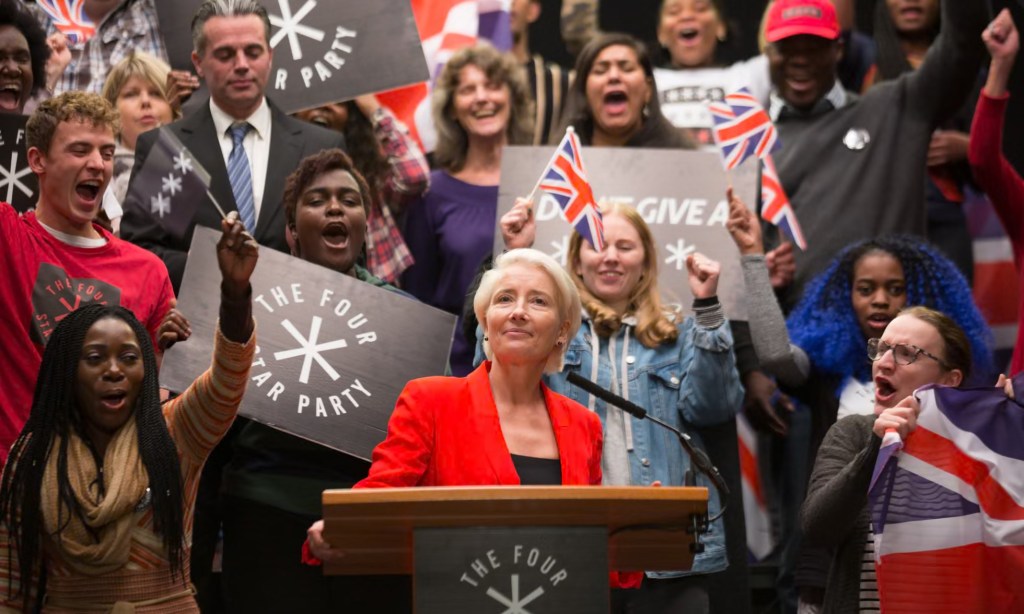
The word visionary gets thrown around far too easily. But Russell T Davies’s Years and Years earns the label. Six years after it first aired, it looks less like drama and more like a blueprint for the world we’re stumbling into.
Rewatch it now, and it feels psychic. Political chaos, social unrest, the rise of populism—it’s all there. And unless we wise up, the show won’t be a warning. It will be a prophecy.
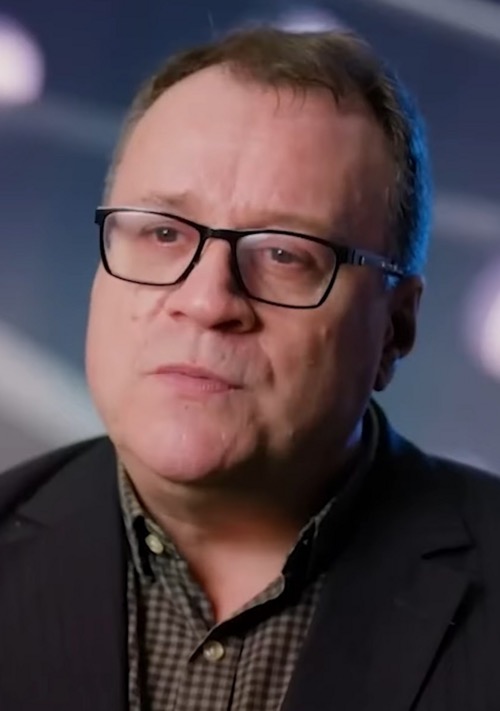
Russell T Davies a psychic for sure a genius in his craft .
No, we don’t have Vivienne Rook. But we do have her male counterpart: Nigel Farage. Like Rook, he plays the grinning “man of the people,” shaking hands in Runcorn and smiling for the cameras. But behind the performance lies something darker—homophobia, intolerance, and politics built on fear.https://en.wikipedia.org/wiki/Russell_T_Davies
I do not support Reform UK, but it would be foolish to dismiss their rise. This isn’t business as usual. Their growing popularity is dangerous, particularly for LGBTQ+ communities and minority groups. A few months ago, I pointed out how clever it was to put Sarah Pochin—the friendly, mum-next-door figure—front and centre in Runcorn, a town already uneasy about immigration and crime. But that was just a mask. The real Reform heavyweights—Anne Widdecombe and others—are waiting in the wings.

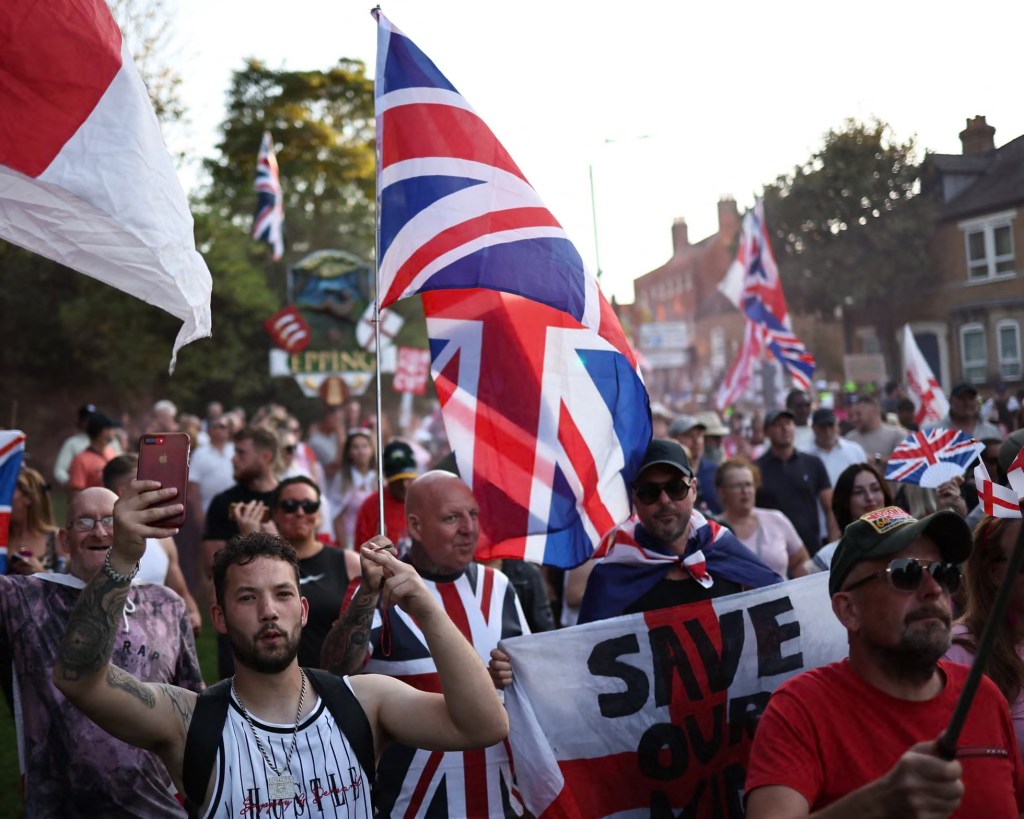
Meanwhile, protests against asylum seekers grow louder. Hotels are shutting, talk of “temporary camps” is surfacing, and once again Years and Years looks disturbingly accurate.
The truth is simple: Britain needs immigration. Since Brexit, we’ve been short of workers. And asylum seekers are not faceless statistics—they’re people fleeing torture, persecution, or death. Yes, a small minority will cause problems, but scapegoating the many for the sins of the few is cowardly politics.
And what do the hotel protests achieve? Nothing but anger. The Vile e image of men and woman wrapped in the St George’s Cross turning the English flag into a symbol of division.
Davies warned us about this too. Suppressing extreme voices doesn’t silence them—it pushes them underground, where they grow more dangerous. In Years and Years, those who should never have been jailed became martyrs. In real life, extremists are being elevated in exactly the same way.
Meanwhile, fear grips ordinary people. In London, as in most major towns, there are streets best avoided at night. That fear is oxygen for extremists.
We’re also hollowing out our culture. Hard-won expertise is being replaced with one-week certificates. People call themselves “experts” in trades and professions that once took years of graft. We let them.
And we celebrate the wrong things. We tell ourselves we want a country built on skills, morals, and manners—yet we reward celebrity over substance. How can we build anything solid when voters shrug at lies, when eight-year-old girls aspire not to be nurses or teachers but the next Katie Price? If we don’t act, the rot will be ours to own.
Then there’s technology. Phones have become extensions of our bodies. AI is already replacing jobs. Humans risk becoming redundant in a world they created.
And celebrity still rules. We’ve already lived through the reality TV star who became President of the United States. His orange finger hovered over the nuclear button while he shouted, “You’re fired!” The laugh track is gone. The danger is real.
Davies even nailed the imagery: the “£1 T-shirt,” the slow creep of authoritarianism, the erosion of freedoms. Years and Years feels less like fiction with every passing headline.
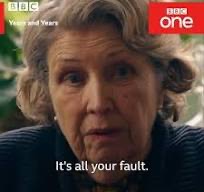
Unless we wake up, unless we stop normalising dangerous rhetoric, it won’t be long before Farage—or someone worse—takes the helm. And then Years and Years will no longer be television. It will be our future.
https://www.netflix.com/gb/title/80219056
END Steven Smith contact Jane Compton or spman@btinternet.com

 2Shades Magazine