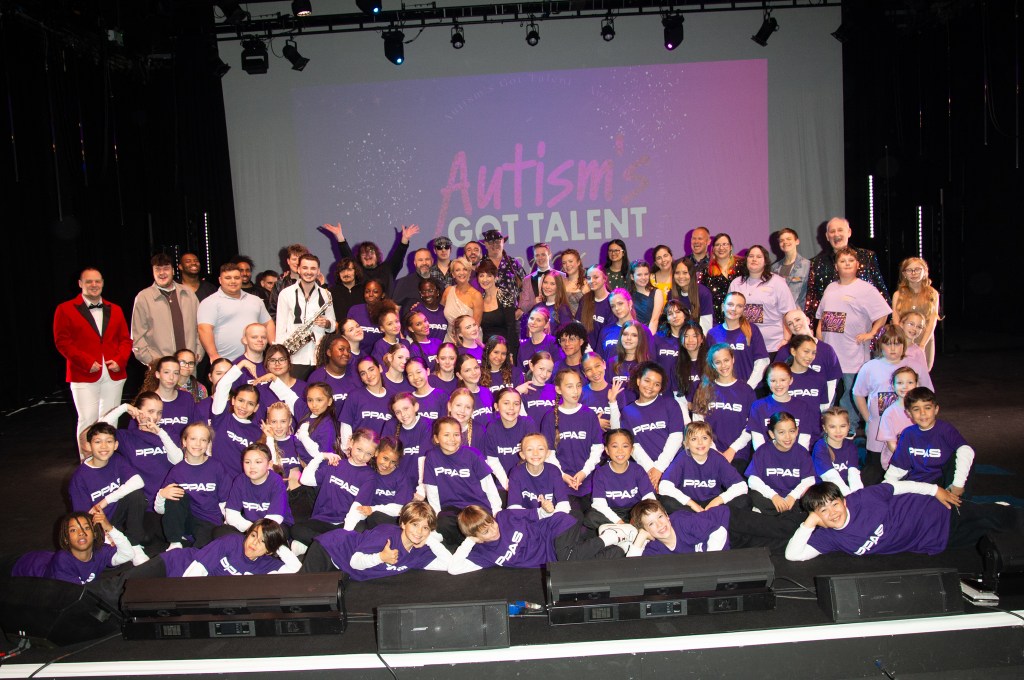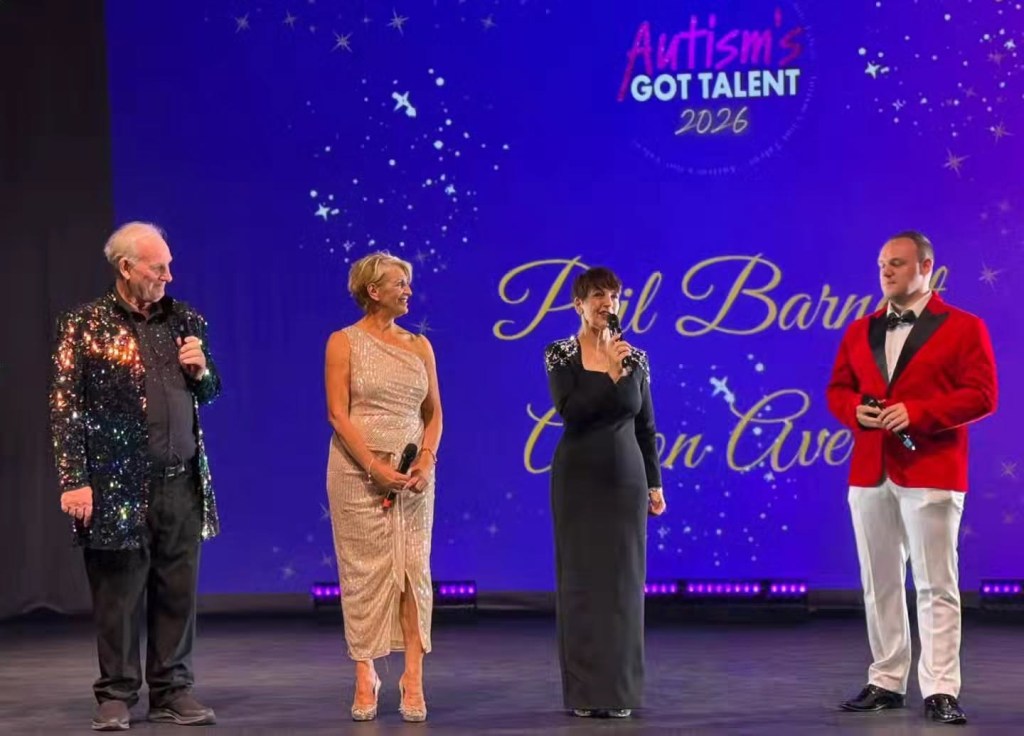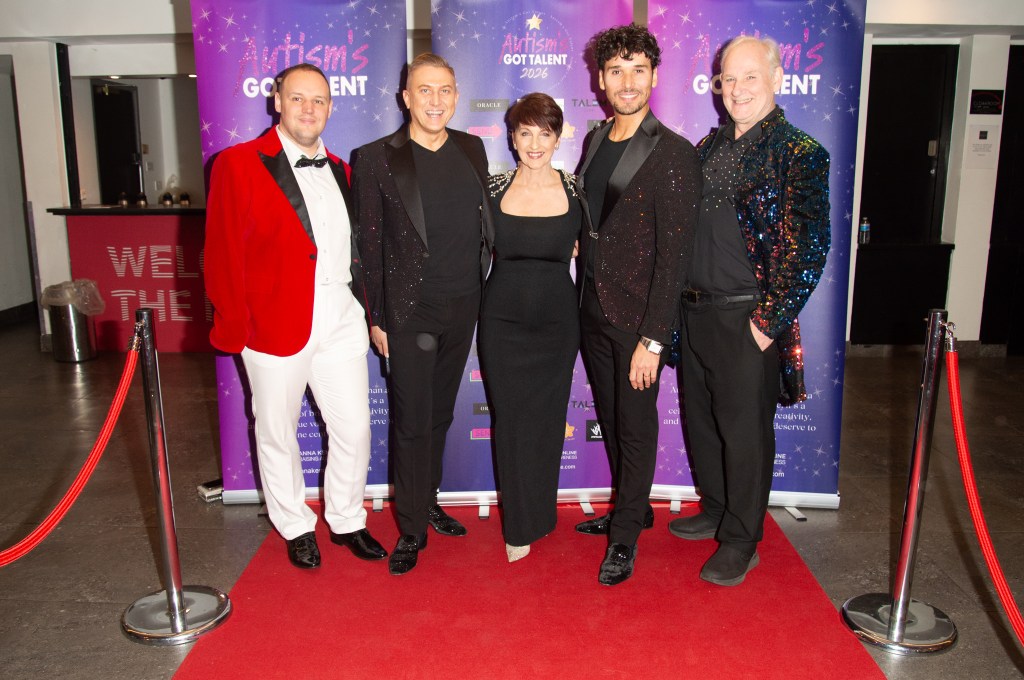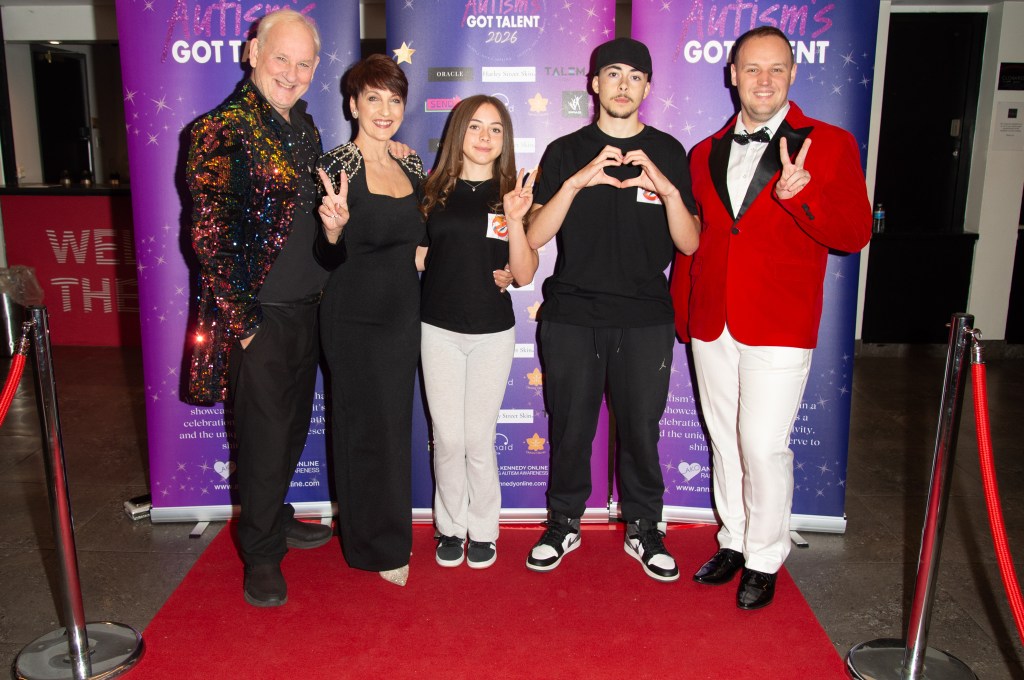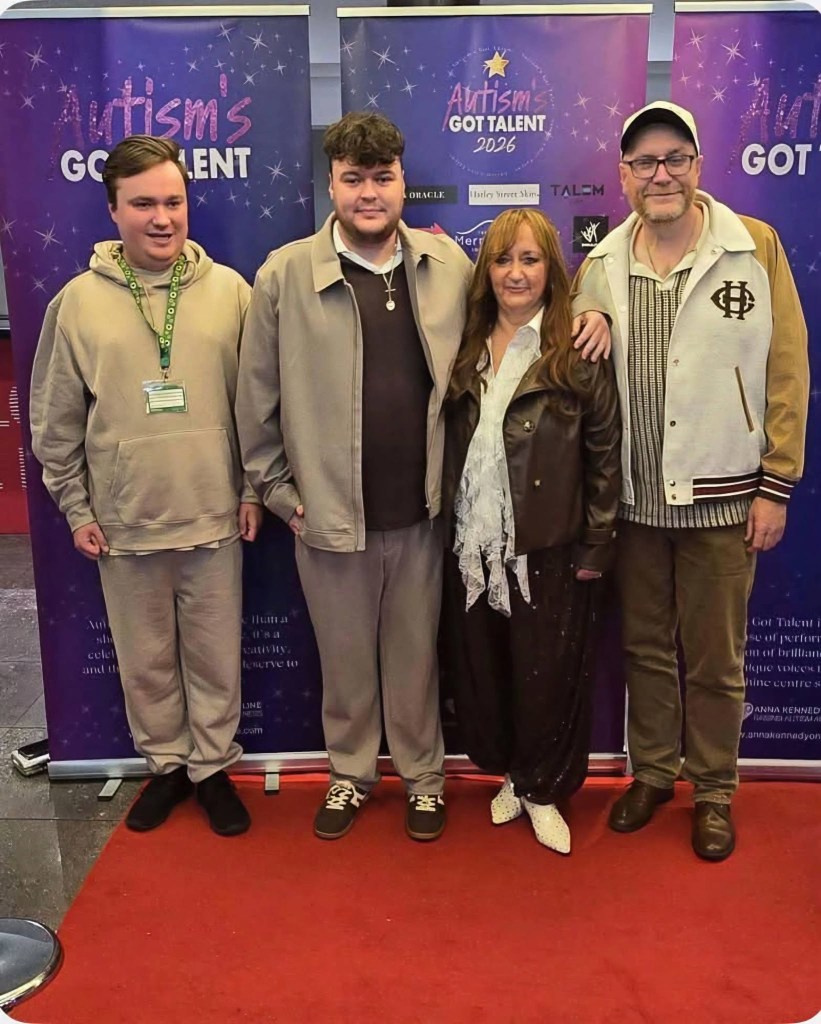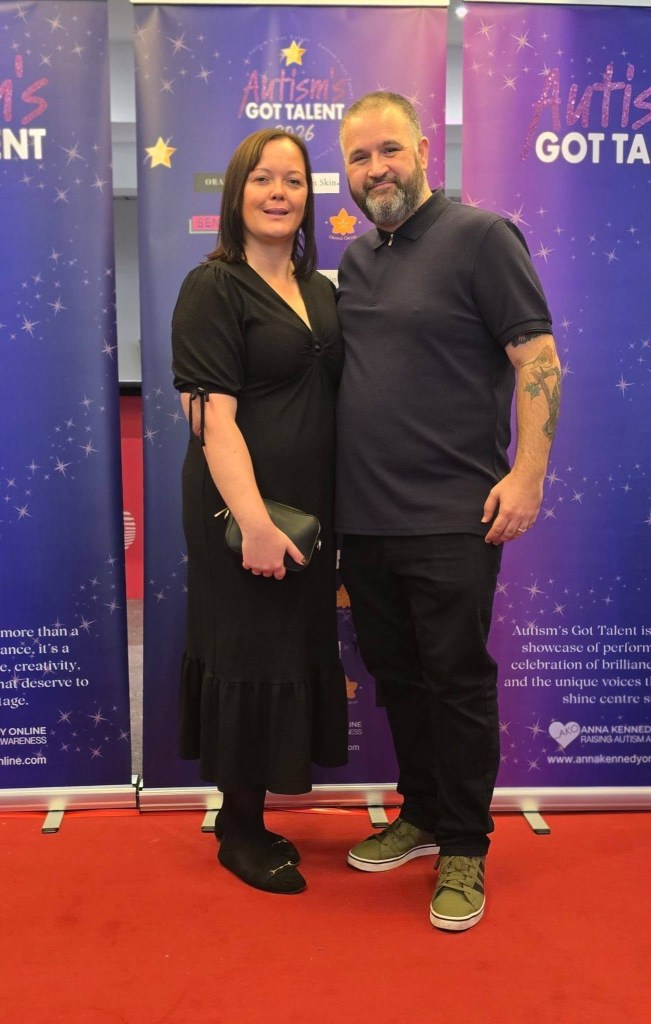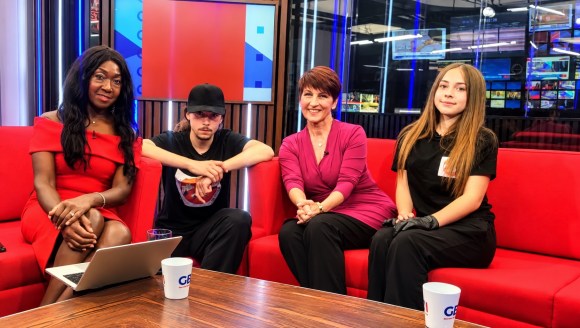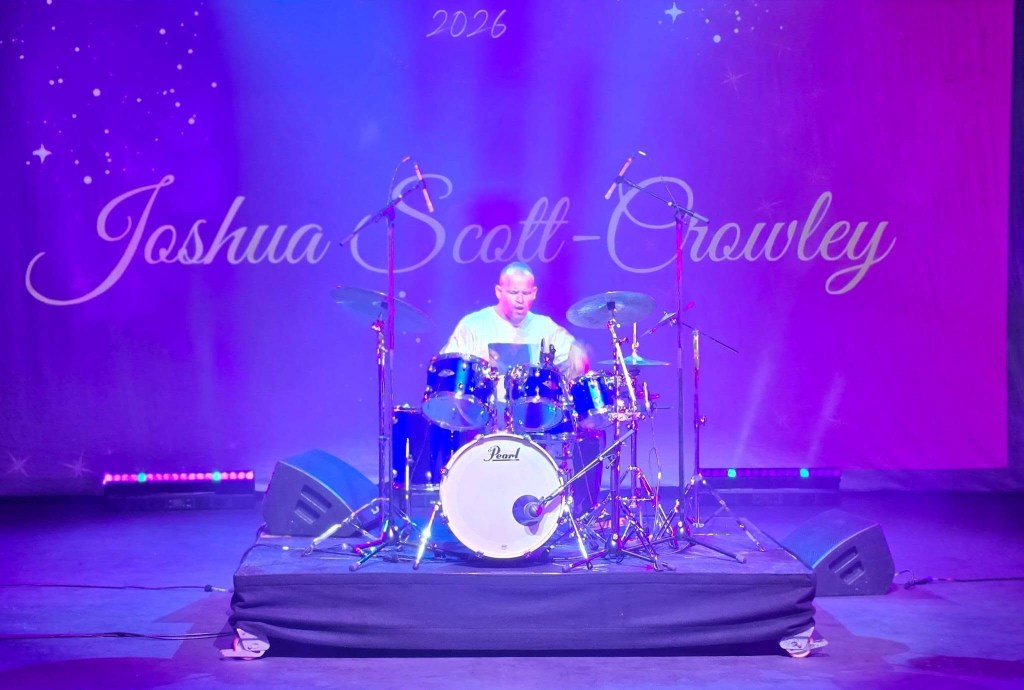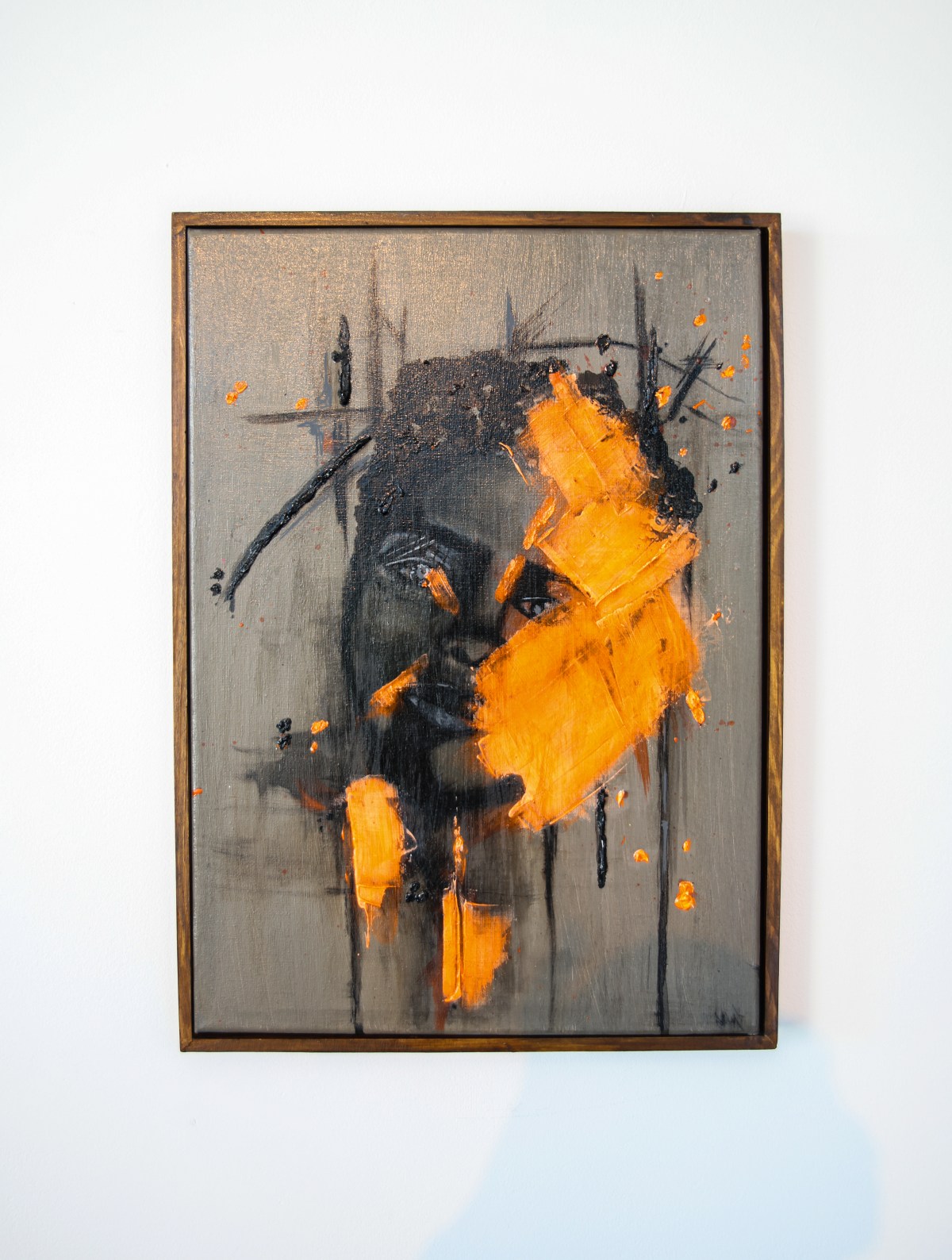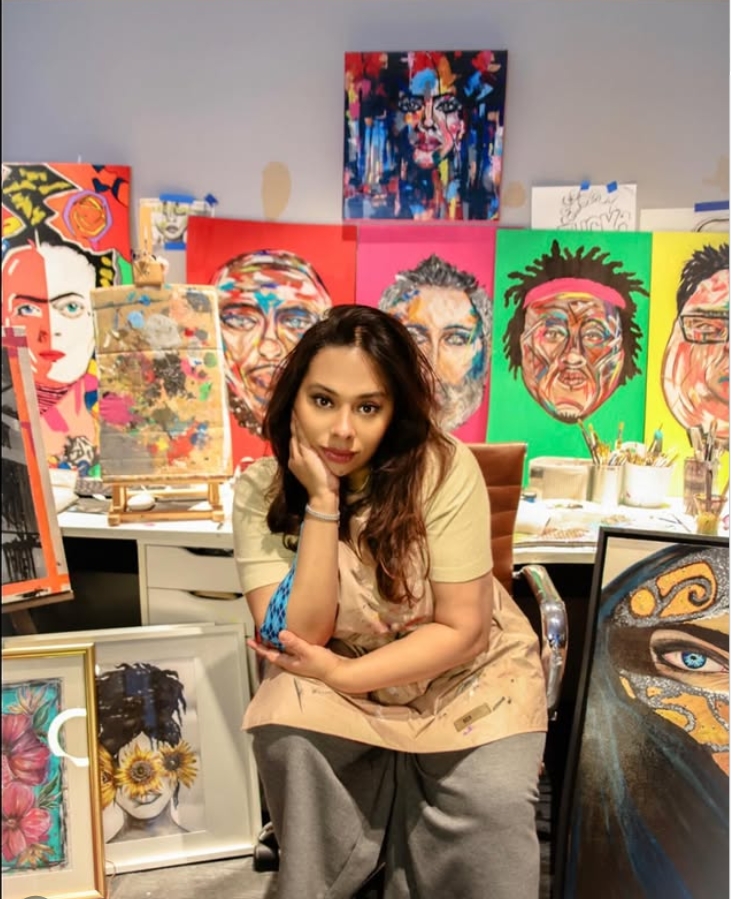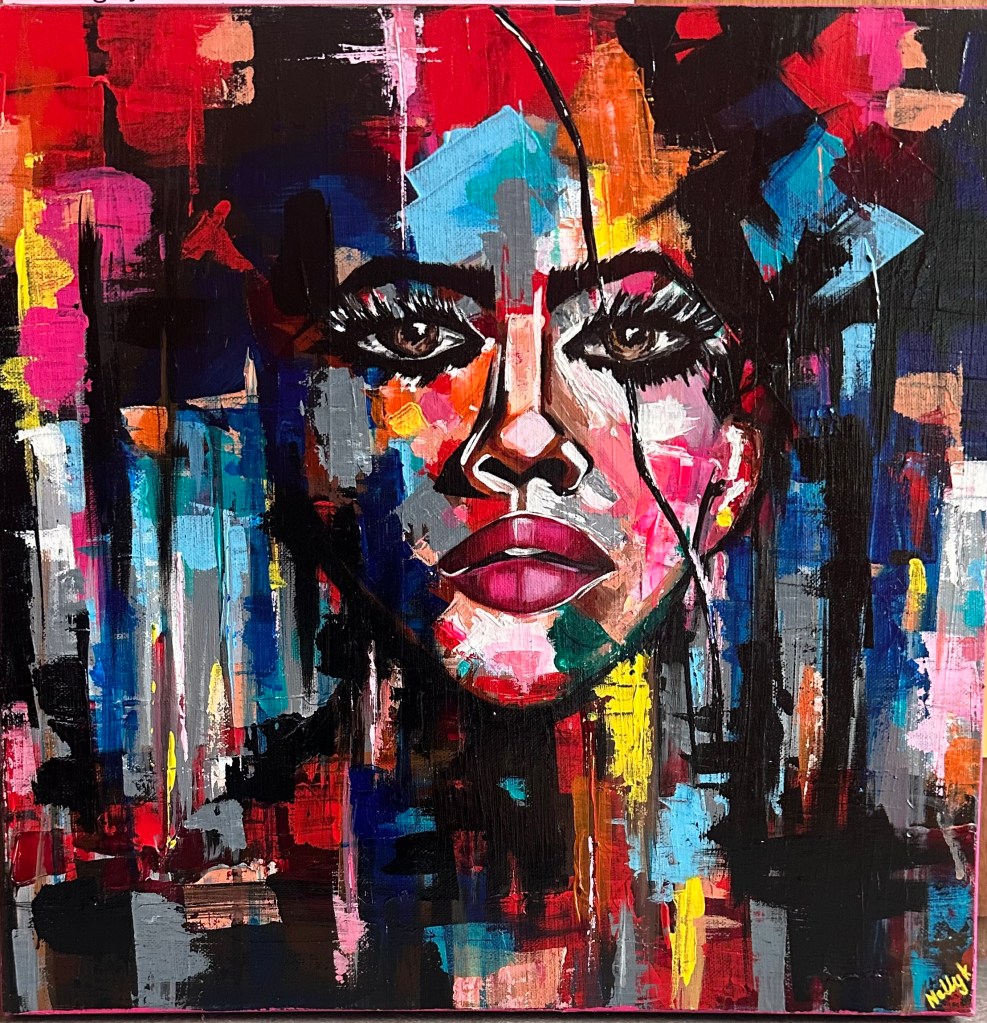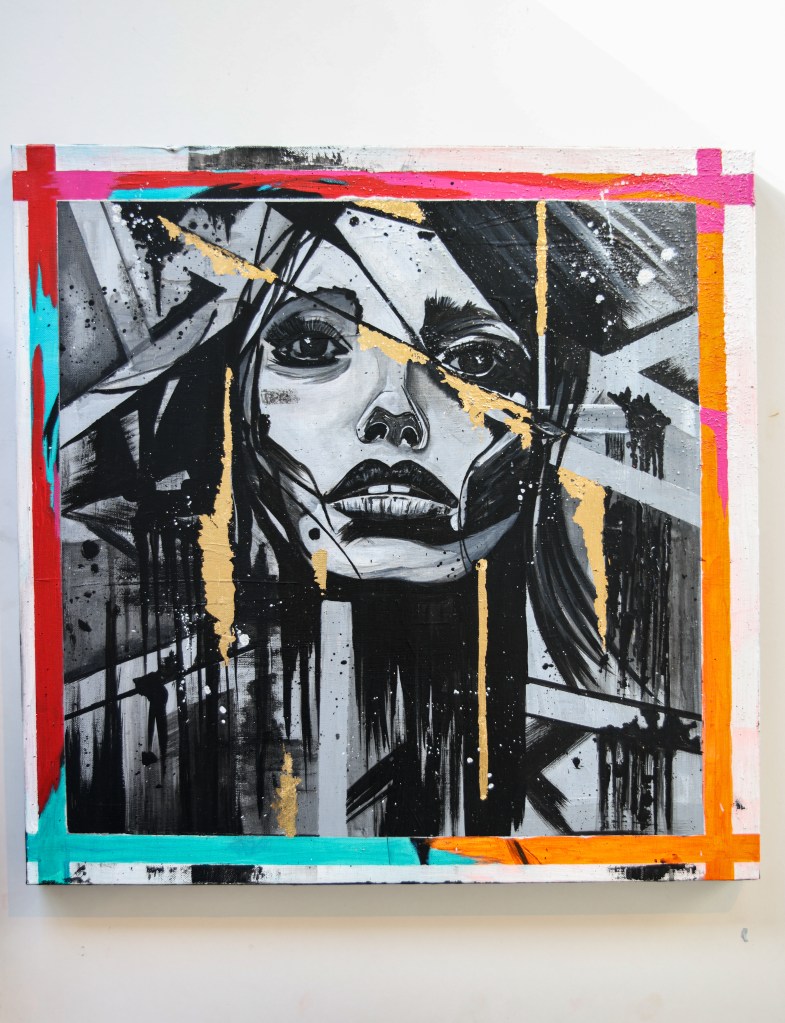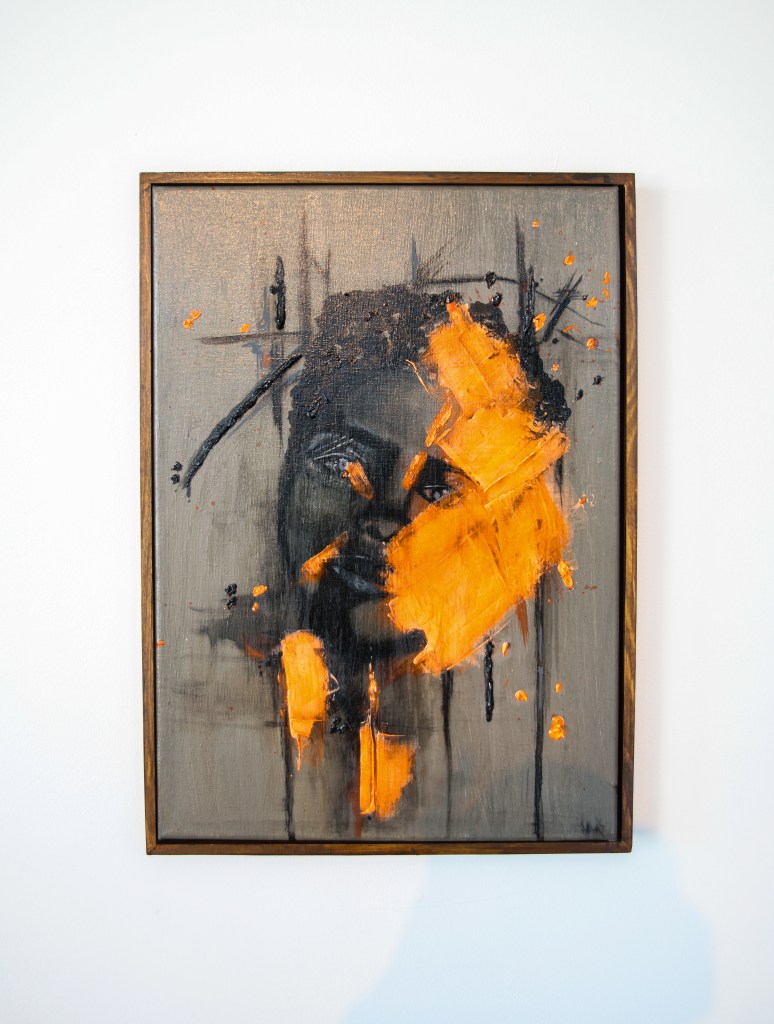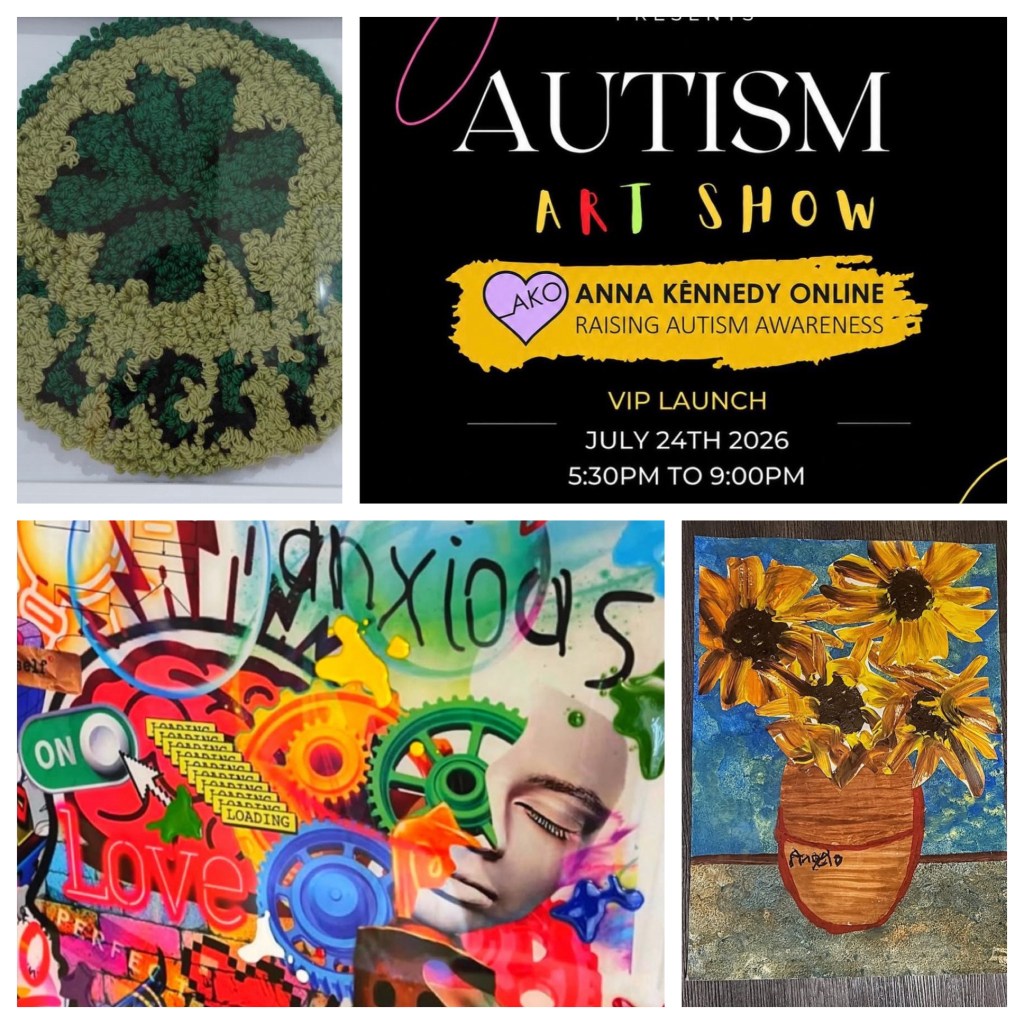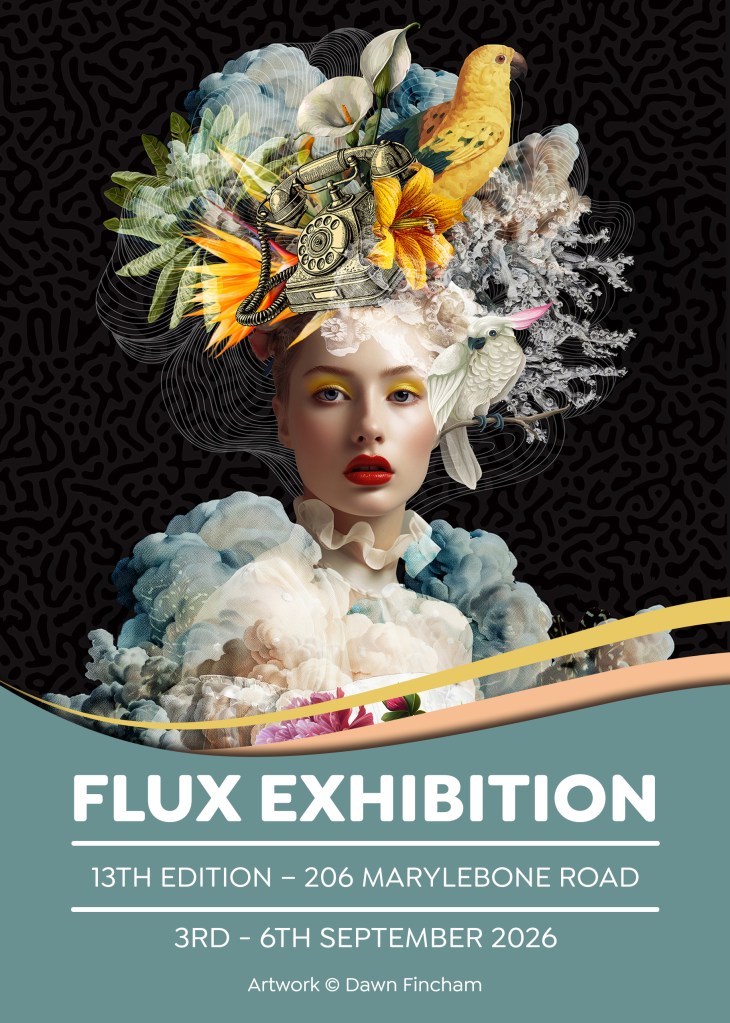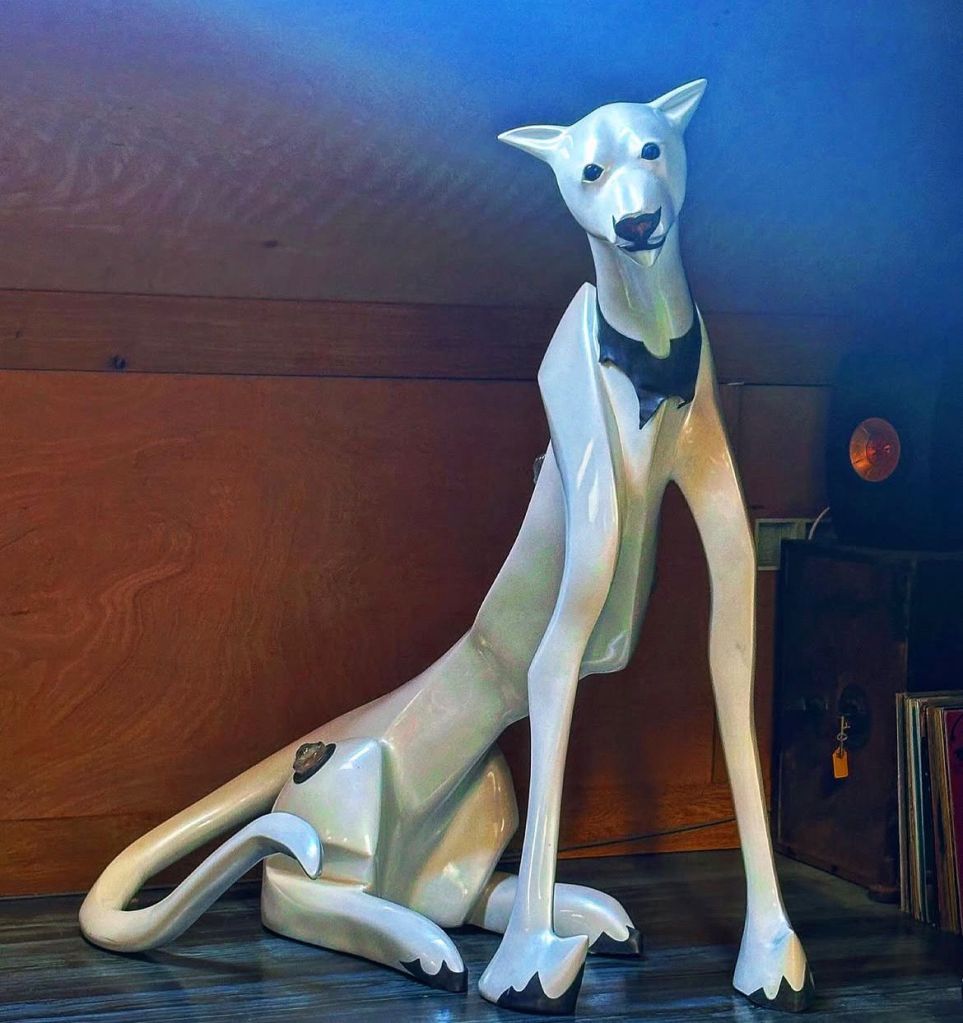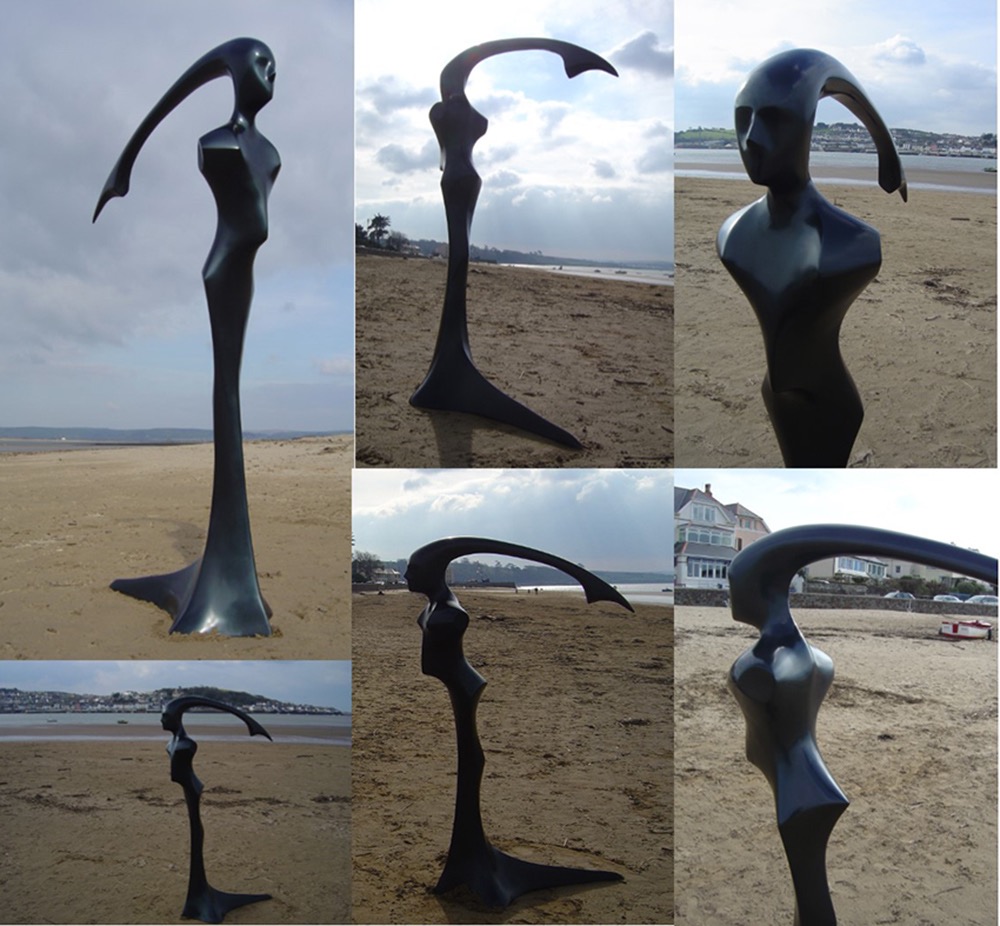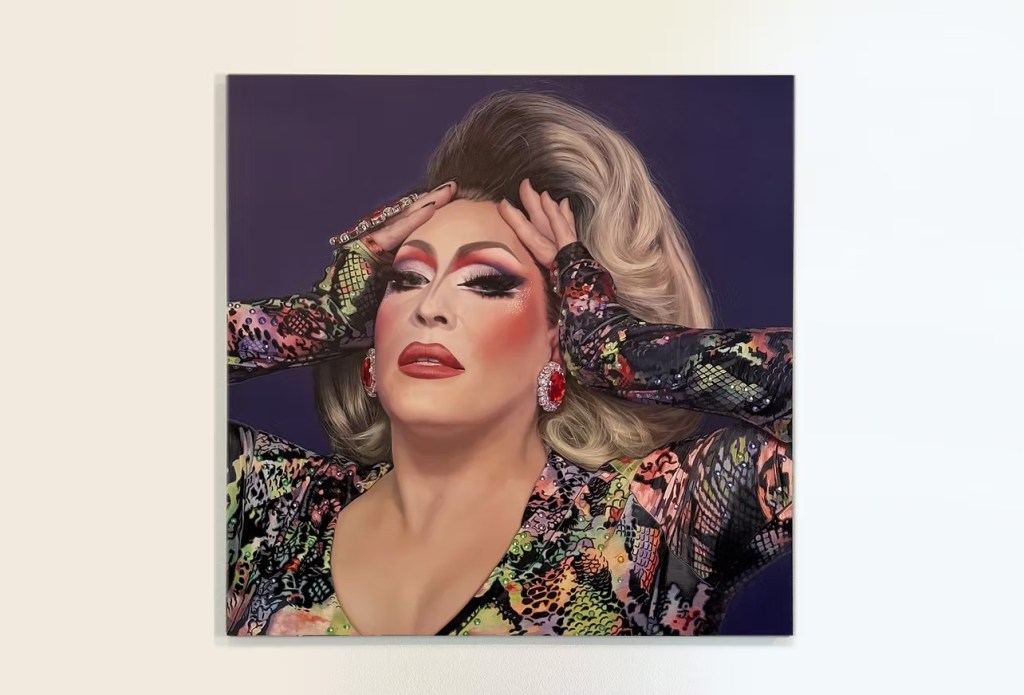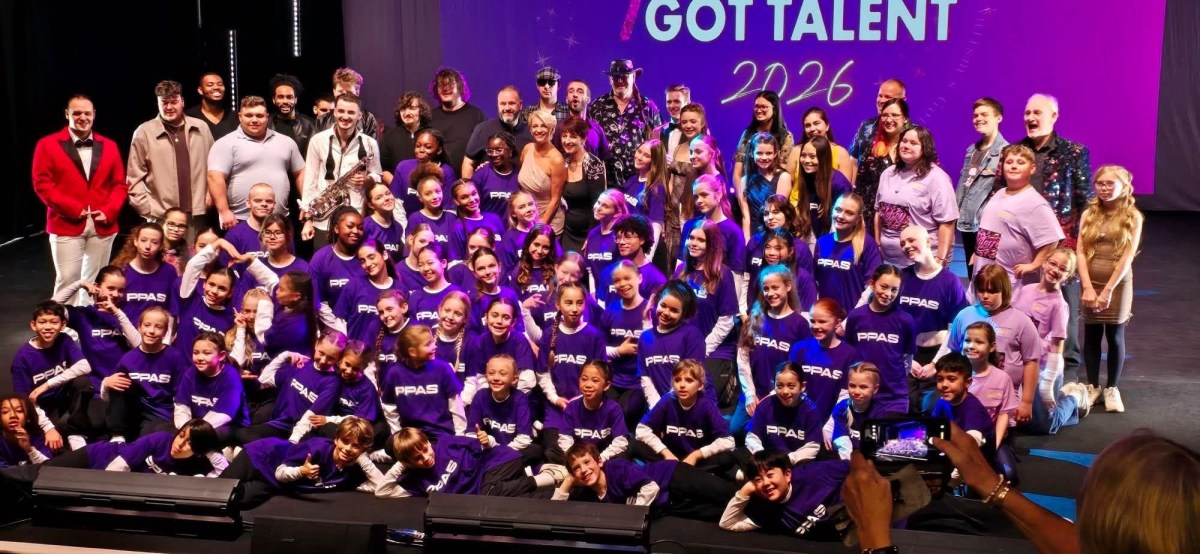
CALLING ALL AUTISTIC ARTISTS: SUBMISSIONS NOW OPEN FOR THE SECOND AUTISM & ART SHOW 2026
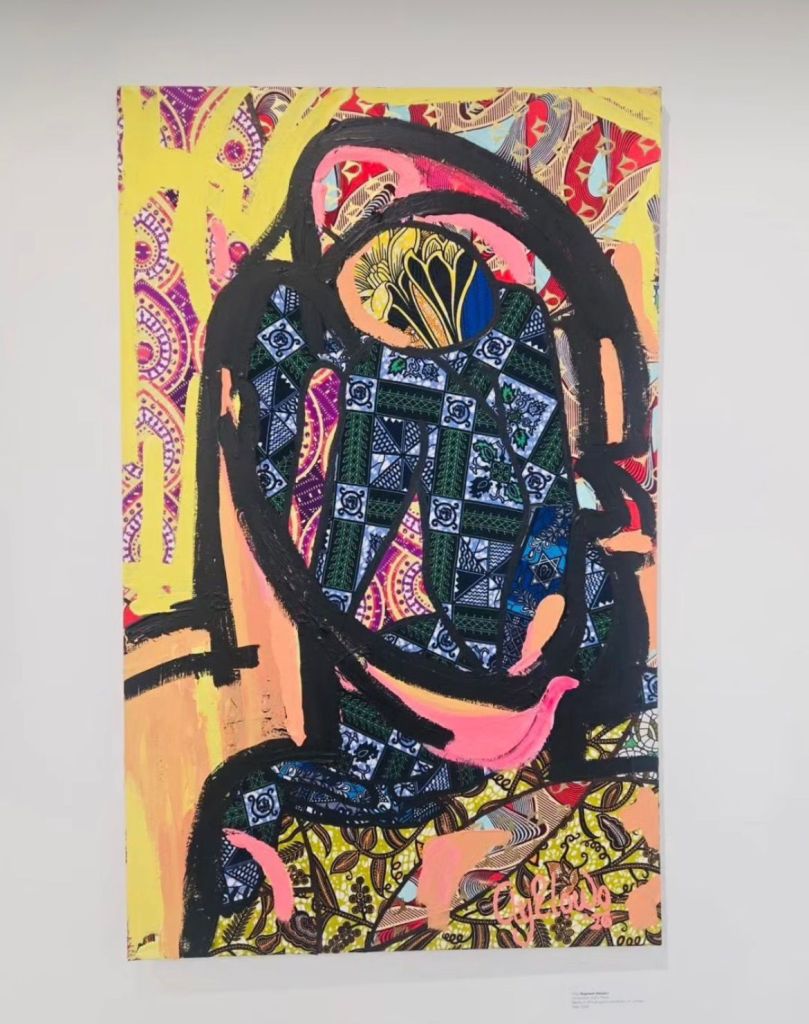
Following the overwhelming success of its debut event, The Autism & Art Show returns for a second inspiring year, opening on 24th July 2026 at the much-loved Firepit Art Gallery, London — and organisers are now calling for autistic artists across the UK to submit their artwork for inclusion.
Screenshot
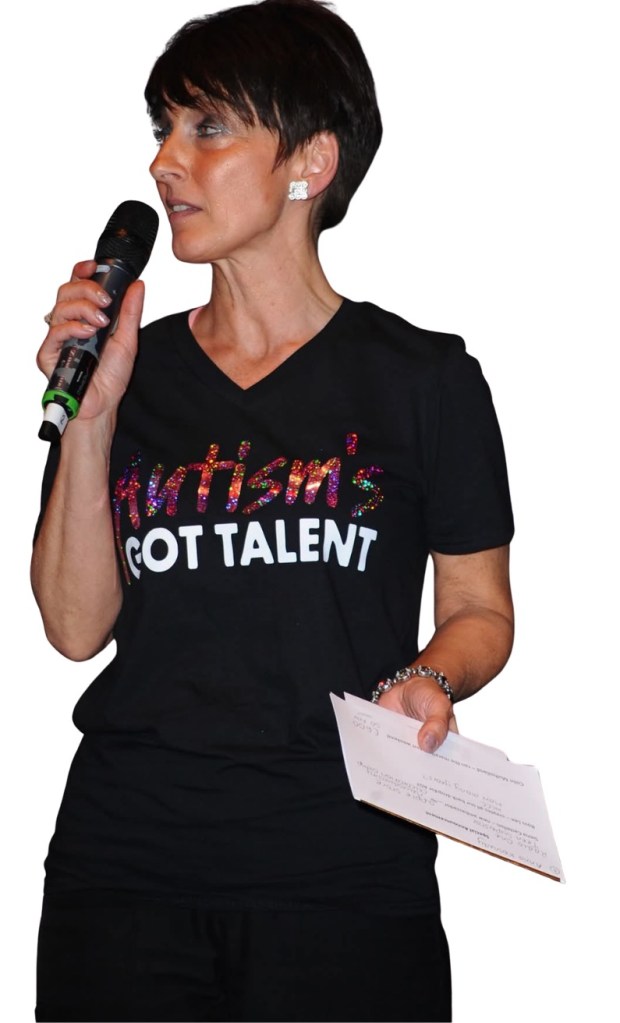
Presented by Anna Kennedy Online, in collaboration with Firepit Art Gallery, the exhibition celebrates the extraordinary creativity, individuality and talent of autistic artists and their allies, while helping raise vital funds to support the charity’s ongoing work with autistic people and their families.
For many people on the autism spectrum, art is far more than a hobby — it is a powerful form of self-expression, communication and therapy. Through creativity, artists can tell stories, explore emotions and connect with others in meaningful and inspiring ways.
Anna Kennedy OBE, charity patron Steven Smith, and Firepit Gallery founder Marcus Jake are inviting autistic artists to step forward and showcase their work as part of this unique and uplifting exhibition.
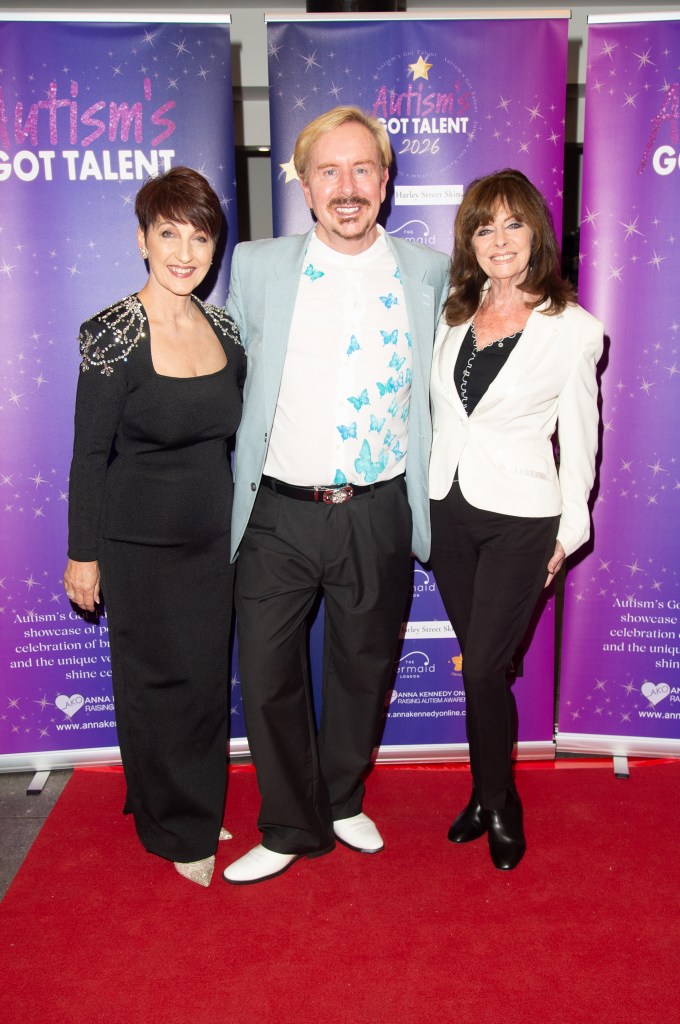
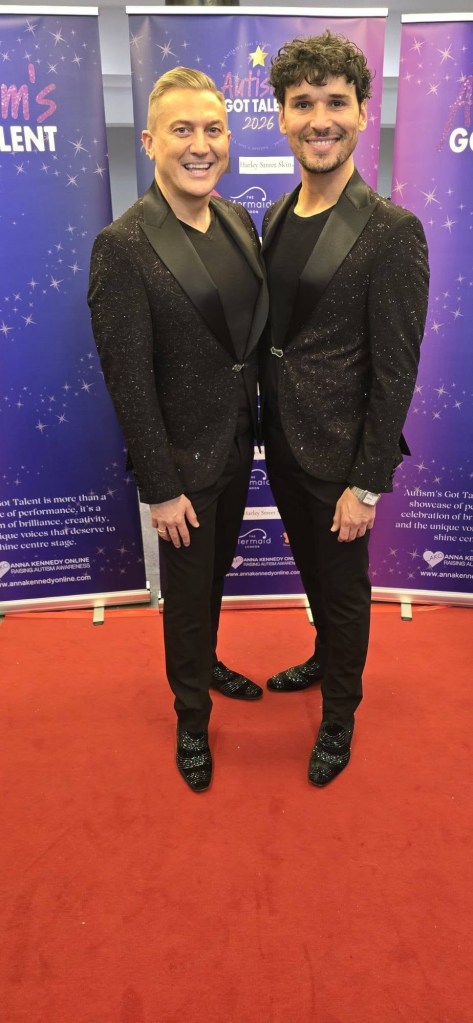
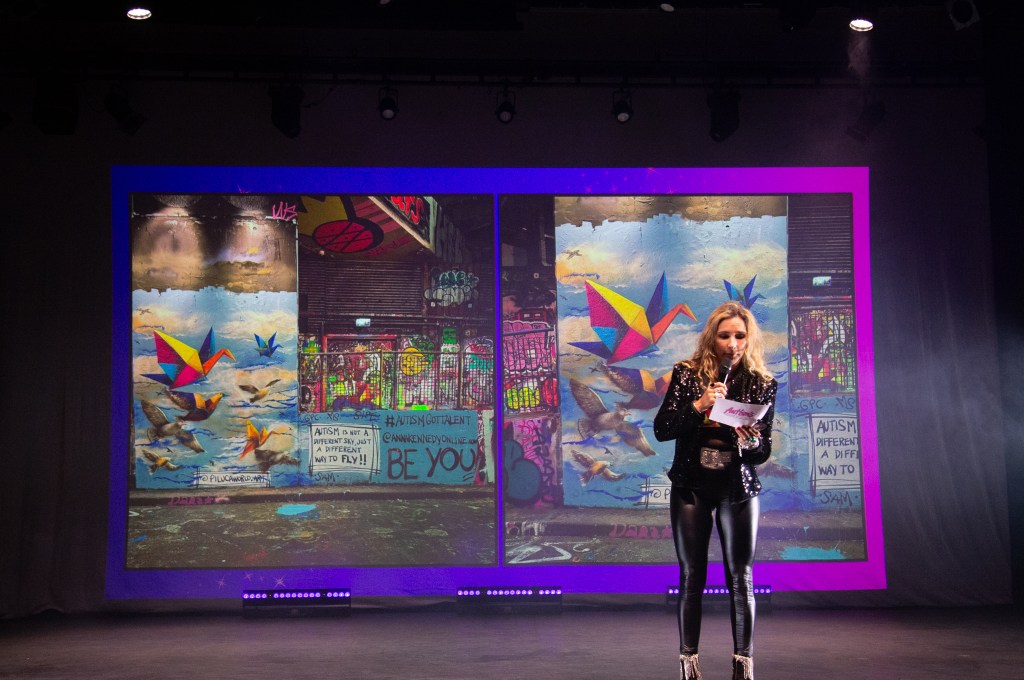
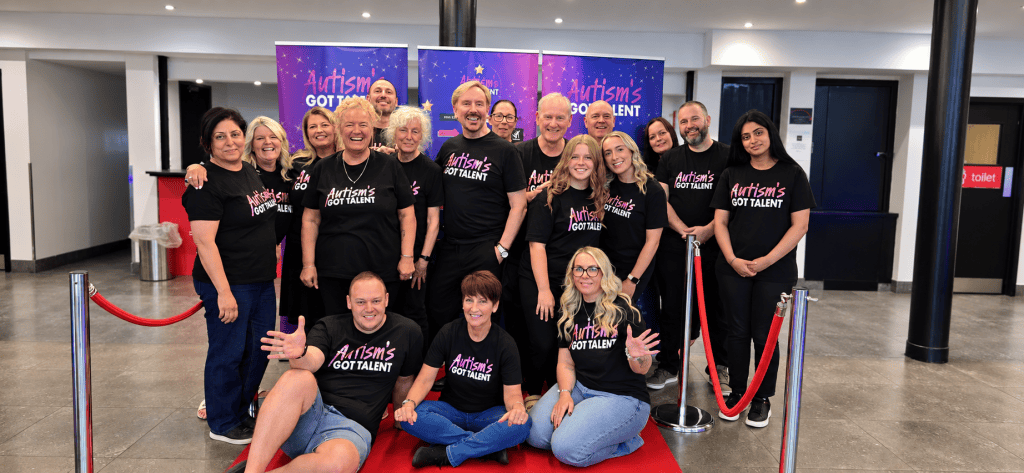
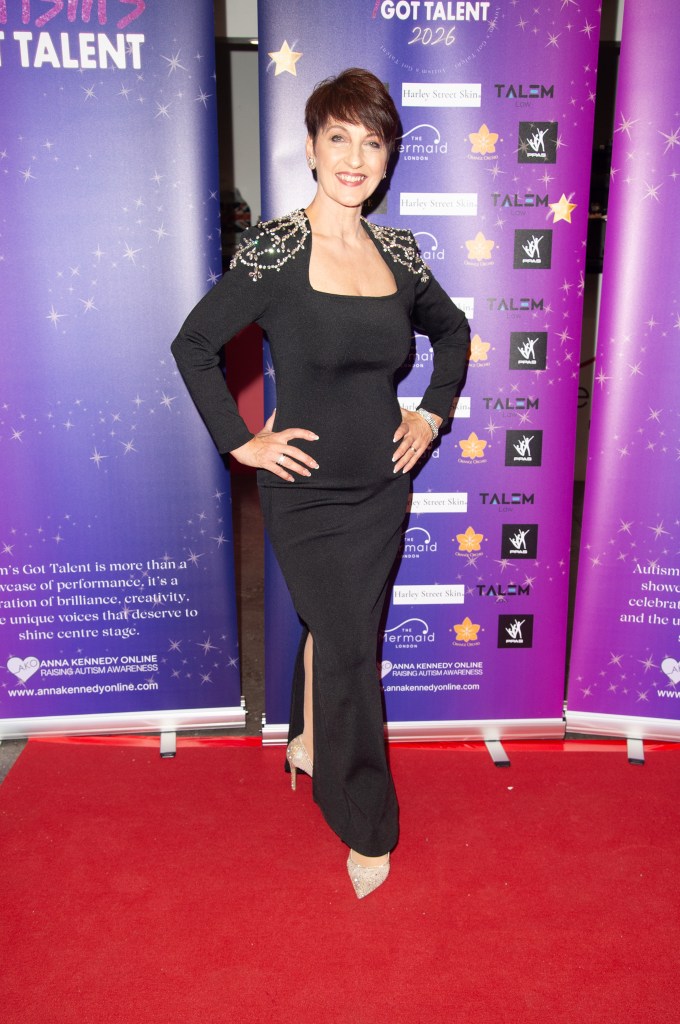
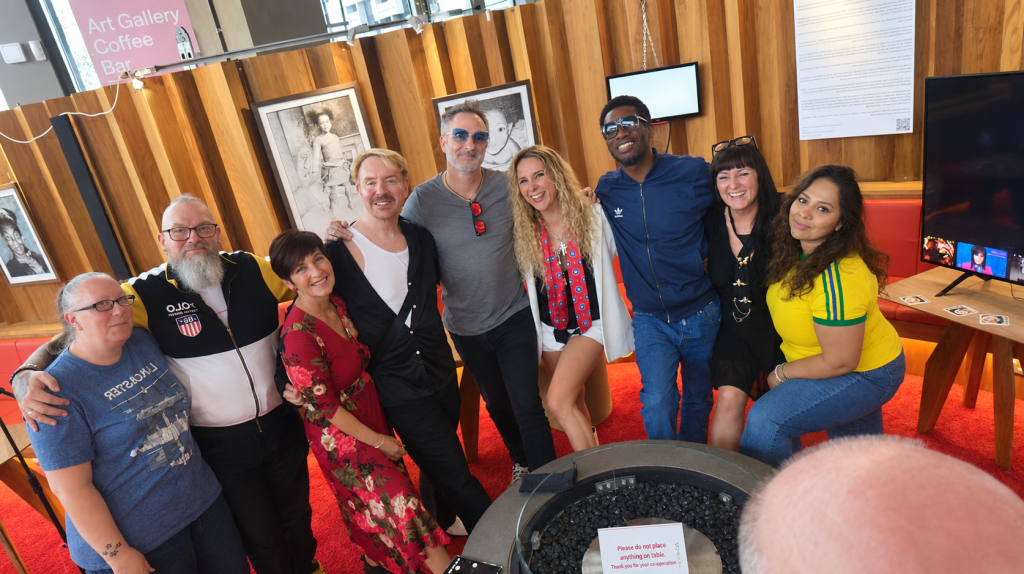
Anna Kennedy OBE and some of the team behind Autism &Art Patron Steven Smith Artist and celebrity photographer Anne-Marie Bickerton and Alistair Blaster
“Art has the power to give a voice to feelings, experiences and perspectives that words alone sometimes cannot express,” said Steven Smith. “We are incredibly proud to celebrate neurodiverse creativity and encourage autistic artists to share their talent with the public.”
The Autism & Art Show promises to be a vibrant celebration of creativity, resilience and individuality, showcasing an exciting tapestry of work from autistic artists from all walks of life. Each artist brings a unique story and artistic voice, making this exhibition a moving tribute to the richness of neurodiverse talent.
Event Location: Firepit Art Gallery CIC No.2 Upper Riverside, 10 Cutter Lane, Ground Floor Unit, Greenwich Peninsula, London SE10 0XX
Artists interested in submitting work or learning more about the exhibition are encouraged to get in touch and be part of this very special event.
Denise Welch Nearly Drowns in the Love at Mighty Hoopla
It might have been “Raining Men” with Denise Welch at Mighty Hoopla on Saturday — but the actress, presenter and beloved LGBTQ+ ally had little idea she would be positively drowned in love by thousands of adoring festival-goers.
Temperatures were soaring as the glamorous, fabulous and utterly gorgeous descended upon London’s much-loved Mighty Hoopla festival, held in Brockwell Park. Yet somehow, despite the blazing sunshine, the energy only got hotter as crowds gathered for one of the UK’s most joyful celebrations of pop culture, inclusivity and self-expression.
For those unfamiliar, Mighty Hoopla has grown into something of a cultural phenomenon since launching in 2017. Originally conceived as a playful, pop-loving alternative festival, it has blossomed into one of the UK’s biggest celebrations of queer culture and music, welcoming everyone from pop superfans to families, drag artists, celebrities and festival lovers under one glitter-covered umbrella. It sits somewhere between Pride, a giant theatrical daydream and a fabulous summer carnival — not quite Pride itself, but absolutely driven by the same spirit of love, acceptance and freedom.
The audience is wonderfully eclectic, as are the performers. Think A Midsummer Night’s Dream with sequins, cocktails and singalongs.
Celebrity spotting alone was worth the ticket price. Among those mingling were RuPaul’s Drag Race UK winner Tia Kofi, EastEnders star Natalie Cassidy, the ever-divine Kate Thornton accompanied by her lovely mother Sandra, and Smoggie Queens star Phil Dunning — who, quite frankly, deserves a BAFTA. Vanderpump Rules favourite Scheana Shay also added a touch of Hollywood sparkle to proceedings. That, however, was merely the tip of the star-studded iceberg.
People-watching at Mighty Hoopla deserves five stars in itself. From feather boas to outrageous glitter looks and fashion statements that could stop traffic, every corner offered a visual feast. Though the heat was relentless, I managed to find a shady sanctuary with my bestie Pam Sharrock, where we enjoyed a cocktail or two. A small warning — drinks are certainly not cheap — but beautifully made and served by wonderfully friendly staff.
With Pamela Sharrock she neves says no to a big Gregg’s vegan sausage roll at the Mighty Hoopla one of the sponsors .
Then, just before six o’clock, something shifted in the atmosphere.
You could feel it.
Presenter GK Barry took to the stage, jokingly warning of incoming “weather warnings” as excitement rippled through the crowd. Suddenly, phones were raised skywards, screams erupted and people began jumping up and down in delight.
The reason?
Denise Welch had arrived.
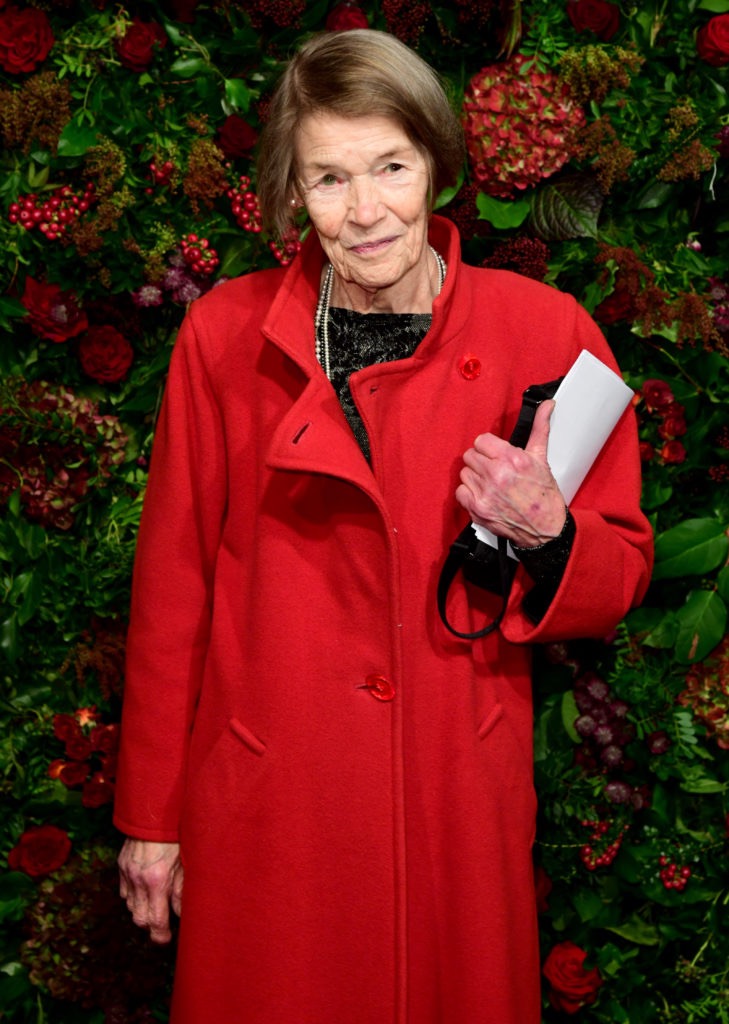
Styled impeccably by Ryan Kay, Denise looked sensational in a striking red coat, flanked by semi-clad dancers as she launched into a spirited rendition of the 1982 classic It’s Raining Men. And my goodness — did the crowd go wild.
It genuinely felt as though the festival had suddenly burst into full bloom.
Denise, now 68, was visibly emotional as she addressed the audience, telling fans: “I will always be an ally of the LGBTQ+ community and I will fight with you.”
In one of the most touching moments of the set, she paid tribute to her late father, the much-loved Vin Welch — a heterosexual Whitley Bay drag performer known as Raquell. Denise fondly recalled how, while other drama school students were being treated to McDonald’s, her father would instead take her to London’s legendary Black Cap in Camden to watch drag shows.
“How I’m not gay is beyond me,” she laughed to huge cheers from the crowd.
By the end, Denise appeared genuinely moved by the reception.
Denise and her amazing Dad Vin ,
One thing is certain — Denise Welch may have arrived as a surprise guest, but she left Mighty Hoopla absolutely drenched in love. backstage was husband 53 year old Artist Lincoln Townley. Taking a brief break from filming, her west end star son Louis Healy, 26, and Loose Women producer Mattie Jameson were amongst those waiting to congratulate her . Big shout out to Denise incredible manager Bex Elliff .
Dear Heidi: Secrets, Scandals and Saying It Straight
Life rarely arrives neatly wrapped. It tends to crash in—uninvited guests, complicated families, late-night worries, and questions that don’t come with easy answers. This week’s inbox is a heady mix: secrets hovering just beneath the surface, friendships being quietly tested, and the kind of family drama that would make even the most seasoned soap writer raise an eyebrow. From Pride-season dilemmas to Ibiza invasions, from hoarding chaos to the emotional minefield of a changing will, one thing is clear—when life gets messy, honesty may not fix everything, but it’s usually the best place to start. As ever, Heidi is here to cut through the noise, call it as it is, and offer a little perspective—with a knowing wink when needed.
Dear Heidi, It’s Pride season coming up, and I’m a big ally. I’m attracted to the same sex, though I’m engaged to a lovely girl. My best pal dates girls, but nothing ever comes of it, and he’s very good-looking. I’ve noticed him looking at guys, and I think he may be gay. However, he’s Catholic, so coming out might be an issue. I feel that, as his best friend, I should have that chat. How do you go about it? Steven, Ilford
Heidi: Slow down, Agony Uncle—this isn’t your grand reveal to orchestrate. I know you mean well, but you don’t get to pull back the curtain on someone else’s life, no matter how sharp your “eagle eye” might be. Sexuality is not a group discussion, and it certainly isn’t something to be gently cornered into over a pint.
What you can do is far more powerful—and far less intrusive. Be the friend who makes it obvious, without fanfare, that you’re open, accepting, and entirely unshockable. Talk naturally about LGBTQ+ issues, share your own experiences honestly, and remove any sense that there’s something to fear in being open. That quiet reassurance often speaks louder than any “big chat.”
And don’t underestimate the weight of his background. Faith, family, culture—these things can create a knot that takes years to untangle. If he is struggling, the last thing he needs is to feel observed or analysed. So step back, be kind, and let him lead. If he chooses you as the person to confide in, that’s a privilege. Until then, your job is simple: be safe, be steady, and—occasionally—be silent.
Dear Heidi, I’m living a nightmare. My mother is a hoarder, and I’ve been forced to move in with her after losing my job. My friend says hoarding is an illness. What can I do about it? It’s driving me mad and affecting my mental health.
Vicky, Raleigh Heidi: Nightmare is exactly the word—and yes, your friend is right. Hoarding isn’t just a bad habit or a refusal to tidy up; it’s a recognised mental health condition, often tangled up with anxiety, loss, or trauma. That doesn’t make it any easier to live with, of course—it just explains why a few stern words and a skip outside won’t magically fix it.
Here’s the uncomfortable truth: you cannot solve this for her. You can support, encourage, and gently nudge—but you cannot force change, and trying to will only exhaust you. So before anything else, protect yourself. Claim a space that is yours alone, however small—a room, a corner, even just a desk—and keep it clear. That’s not selfish; it’s survival.
Encourage her to seek help, but do it without judgement. A GP is a good starting point, and there are specialist services that deal specifically with hoarding behaviours. But timing matters—push too hard, and she’ll dig in further.
And you? You need support too. Living in that environment is emotionally draining, and it’s entirely reasonable to say, “This is affecting me.” Whether it’s a friend, a counsellor, or simply time out of the house, find ways to protect your own mental health. You can care about her without sacrificing yourself in the process—and that’s a boundary worth holding.
Dear Heidi, My best friend and I are going to Ibiza—we’ve been pals since high school. Out of the blue, one of her friends from the salon she works in is coming too. She didn’t even ask if it was OK; it was more like, “Great news—Danielle’s coming, and she’s got her own room.” I don’t want this. What can I do?
Dawn, Basildon Heidi: Ah, Ibiza—the land of sun, cocktails, and the occasional friendship reality check. Let’s be clear: this wasn’t “great news,” it was a decision made without you, and you’re absolutely entitled to feel put out. Holidays, especially ones rooted in long friendships, come with expectations—and one of those is mutual respect.
Now, before you start mentally reassigning sun loungers, have the conversation. Not a dramatic showdown, just a calm, honest moment. Tell your friend you were really looking forward to it being your time together, and that being told—rather than asked—has knocked you sideways. That’s not being difficult; that’s being honest.
This isn’t about banning Danielle or creating an awkward triangle—it’s about balance. Suggest carving out time that’s just for the two of you, and time when the three of you can all get along. Most situations can be salvaged with a bit of clarity and a dash of compromise.
But here’s the thing: if your feelings are dismissed or brushed aside, don’t ignore that. Ibiza might come and go, but how someone treats you in moments like this tends to stick. Consider it less a holiday hiccup and more a helpful insight.
Dear Heidi, I’m in a terrible state. My 18-year-old son goes out at all hours, and I’m almost certain he’s taking drugs. The problem is, he has a job and his grades are good at college. When I tell him it’s not on, he threatens to move out. I don’t know what to do about the drugs—what should I say?
Ann, Uxbridge
Heidi: Welcome to the tightrope of parenting a young adult—where control slips through your fingers just as your worry ramps up. It’s a tricky place to be, because technically he’s an adult, but emotionally—and practically—he still needs guidance.
Charging in with accusations will only push him further away. At 18, independence is currency, and if he feels policed, he’ll spend it elsewhere. So the strategy here is softer, but smarter. Choose a calm moment—no raised voices, no dramatic entrances—and speak from a place of concern. “I’m worried about you” lands very differently from “I know what you’re doing.”
Focus on safety, not morality. The reality is, if there is drug use, the risks are real, and that’s where your concern should sit. Keep the door open, even if the conversation doesn’t go perfectly. Sometimes it’s not about winning the argument—it’s about keeping the connection.
And don’t carry this alone. There are support services for parents dealing with exactly this situation, and seeking advice doesn’t mean you’ve failed—it means you’re taking it seriously. The goal isn’t to control him; it’s to stay close enough to guide him when it matters.
Dear Heidi, My sister has suddenly reappeared in our lives as our mother is dying. Mum hasn’t seen her for five years but has welcomed her back like the prodigal daughter. Now she’s changing her will to include her again. My brother and I are furious—what can we say to them both? Samantha, Bromley
Heidi: Ah, family—the one arena where history, emotion, and timing collide with spectacular force. I can hear the hurt in this, and it’s completely understandable. Someone disappears for years, returns at the eleventh hour, and suddenly the script is rewritten—it’s bound to sting.
But here’s the part you won’t like: it’s your mother’s decision. Her money, her will, her sense of closure. That doesn’t mean your feelings don’t matter—it just means you can’t dictate the outcome.
What you can do is choose how you respond. Marching in with anger will only entrench positions and risk turning a painful situation into an all-out war. Instead, opt for calm honesty. Tell your mother how this has made you feel—hurt, confused, perhaps even overlooked. Keep it about your feelings, not accusations about your sister.
As for your sister, this may not be the moment for a full reckoning of the past. Sometimes, timing matters more than being right. There may be conversations to be had later—but right now, with emotions heightened and time possibly limited, a degree of restraint might serve you better.
You may not get the outcome you want, but you do have control over how you carry yourself through it. And when all is said and done, that dignity will matter far more than winning an argument that can’t truly be won.
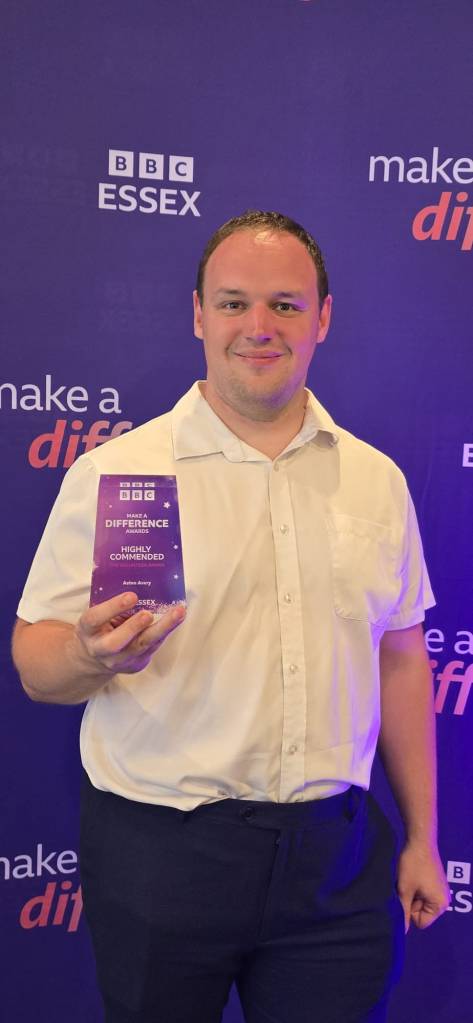
Cath Heidi on Gateway Radio with Aston Avery and Steven Smith
Denise Welch Brings the House Down in Her Jimmy Choos at the British Diversity Awards 2026
It was all glitz and glamour last night at the 2026 British Diversity Awards—an event that once again proved why it remains one of the most important evenings in the UK’s cultural and social calendar. A glittering yet deeply meaningful celebration, the awards honour those driving equality, inclusion and representation across every corner of British society.
Held at the prestigious JW Marriott Grosvenor House, the ceremony brought together a powerful mix of activists, celebrities, campaigners and changemakers, all united by a shared commitment to progress.
My own claim to fame? I was the first to get founder—and, as actress Denise Welch famously described her, “the head lesbian of the world”—Linda Riley into full make-up and a black-tie suit. In fact, I even managed to get Denise herself into men’s tailoring.
But enough about me.
Linda Riley, whose vision continues to shape the awards into a global platform for recognition and change, remains a pioneering force in LGBTQ+ visibility and inclusion. She has spent decades championing underrepresented voices, and through the British Diversity Awards has created more than just an event—she has built a movement that celebrates courage, resilience and authenticity in all its forms.
The 2026 ceremony carried an unmistakable sense of urgency as well as celebration. In a world still grappling with inequality, the awards served as both recognition and reminder—that diversity is not a trend, but a necessity. The room was filled with individuals and organisations who have gone beyond performative gestures, delivering tangible change in workplaces, communities and public life.
Denise Welch brought the house down with her trademark humour, joking about her “Jimmy Choos” while speaking passionately as a long-time supporter of diversity and inclusion initiatives. Her presence underscored the importance of allyship within the entertainment industry. Known for her outspoken nature and advocacy, Welch represents a generation of public figures increasingly using their platforms to amplify marginalised voices.
The red carpet itself was a dazzling display of individuality and expression, with stars embracing fashion as a form of identity. Among them, Christine McGuinness turned heads in a striking black ensemble, embodying both glamour and confidence as she joined fellow attendees in celebrating the evening’s message. Sinitta turned heads with not only her beauty but her personality she is a long term supporter of the British Diversity awards
But beyond the glamour, the true power of the night lay in the stories being honoured. The British Diversity Awards recognise individuals and organisations across a wide spectrum—race, gender, disability, LGBTQ+ rights, age and social mobility—reflecting the richness and complexity of modern Britain. Each award tells a story of perseverance: barriers broken, stereotypes challenged and communities uplifted.
What sets these awards apart is their authenticity. Unlike many industry events, they are rooted in lived experience. They shine a light not only on high-profile figures but also on grassroots activists and unsung heroes—those working tirelessly behind the scenes to create a more inclusive society. This balance between celebrity and community gives the event its unique integrity.
Inside the ballroom, the atmosphere was one of both celebration and reflection. Applause was not just for achievement, but for courage—the courage to speak out, to stand up and to demand better. In many ways, the awards act as a mirror to society, reflecting both how far we have come and how much further we must go.
For Linda Riley and her team, the mission remains clear: to educate, inspire and empower. As the evening drew to a close, one thing was abundantly evident—the British Diversity Awards are not just about recognition; they are about momentum. They remind us that diversity is dynamic, inclusion is ongoing, and equality requires constant vigilance.
In a city as vibrant and varied as London, the 2026 awards felt particularly resonant. They captured the spirit of a nation evolving—sometimes slowly, sometimes imperfectly—but always moving forward. And thanks to the tireless work of individuals like Linda Riley, alongside the visible support of figures such as Denise Welch, that progress is not only acknowledged, but celebrated in style.
Ultimately, the British Diversity Awards 2026 were more than a night of accolades—they were a statement. A statement that diversity matters, that representation matters, and that the voices of many will always be stronger than the silence of a few.
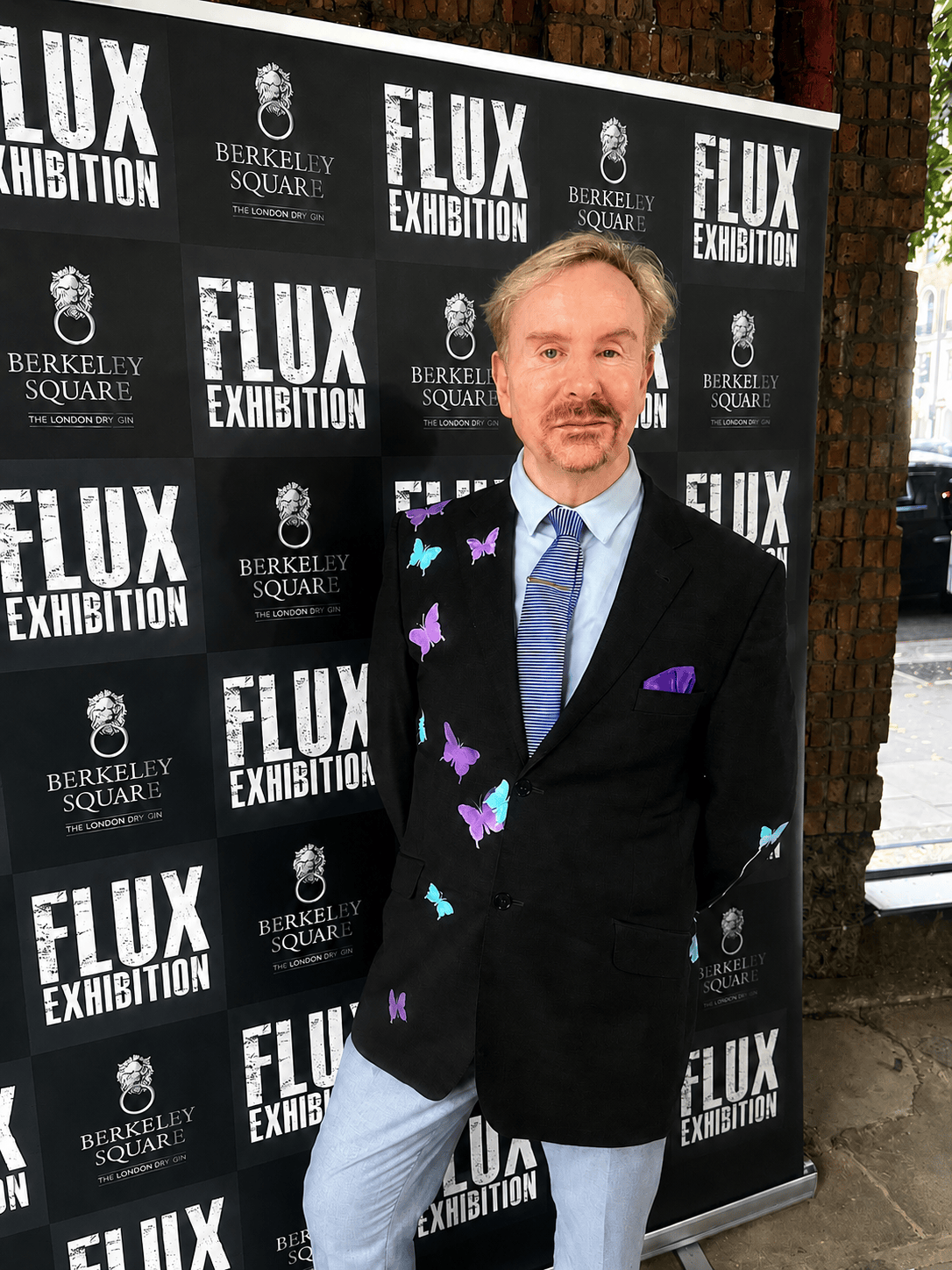
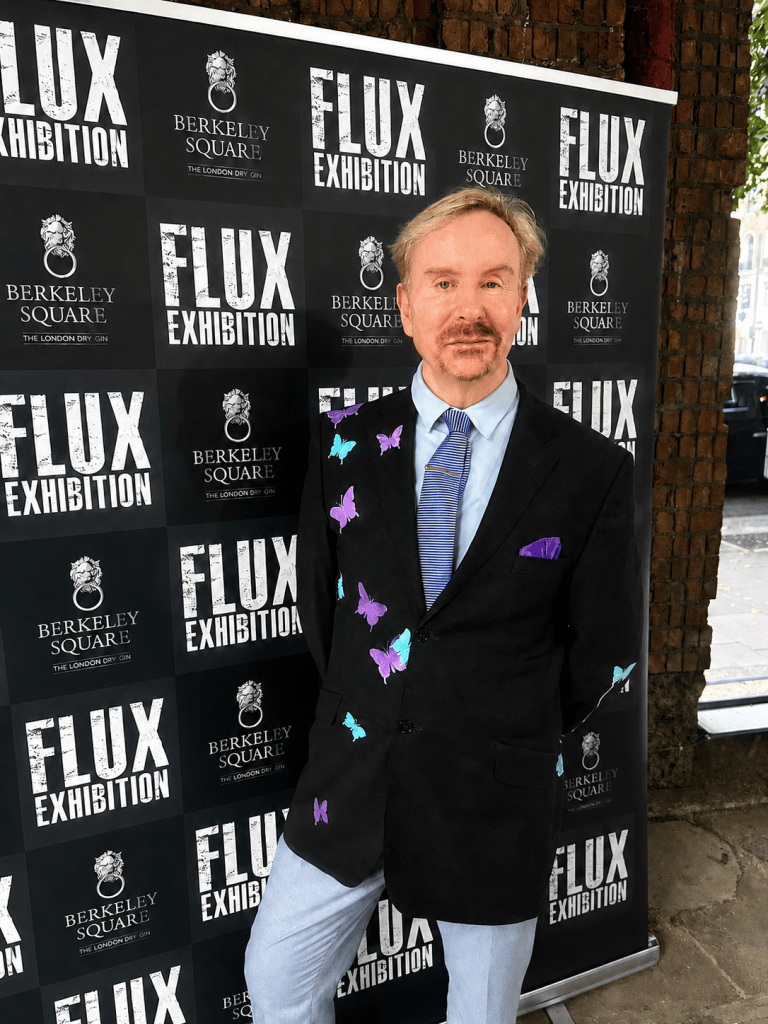
And as for style—well, I wore a suit painted by Piluca, the Spanish artist who champions diversity through her work. Denise’s husband, artist Lincoln Townley, also embraced the moment in Jimmy Choo. Fashion, after all, was as bold and expressive as the message itself.
The evening was topped off by the wonderful Blue with Riley joining as a fifth member . Duncan was looking particularly hot .
Denise Welch with Lincoln Townley and Toby Salvietto , Ryan Kay and me in my Piluca Jacket
BRITISH DIVERSITY AWARDS 2026 – WINNERS
Lifetime Achievement Award
Sir Lenny Henry
Media Champion of the Year
Chris McCausland
Ria Hebden
Athlete Empowering Positive Change
Tess Howard MBE
Community Project of the Year
Trans is Human
Head of Diversity of the Year
Reema Samuel-Lewis (Sky UK Ltd)
Changemaker of the Year
Natalie Ojevah MBE (Barclays)
Diversity Team of the Year
Community and Culture Team (CBRE)
Charity or Not-for-Profit of the Year
HAWA Multicultural Services CIC
Inspirational Role Model of the Year
Tokeer Ahmed (Capgemini)
Outstanding Employee Network of the Year
Menopause Network (Barratt Redrow)
Outstanding Women’s Network of the Year
WiNTR – Women in Non-Traditional Roles (National Grid)
Outstanding Ability Network of the Year
RespectAbility (Manchester Airports Group)
Outstanding LGBTQIA Network of the Year
LGBTQ+ at Sky (Sky UK Ltd)
Outstanding Ethnicity Network of the Year
REACH (Kingsley Napley)
Social Mobility Initiative of the Year
Digilearning x Accenture Social Mobility Month (Accenture)
Diversity Champion of the Year
Brendan Hegarty (NatWest Social & Community Capital)
Global Diversity Initiative of the Year
‘Equity Engine’ Initiative (King)
Company of the Year
BDO UK
HIGHLY COMMENDED
Community Project of the Year
Ability Today (Academy for Disabled Journalists)
Head of Diversity of the Year
Rebecca Ormond (SMBC Group)
Changemaker of the Year
Dr Kamran Iqbal (Chiesi UK)
Diversity Team of the Year
Global Diversity and Inclusion Team (Standard Chartered)
Inspirational Role Model of the Year
Jo Powell (Deutsche Bank)
Athlete Empowering Positive Change
Ellie Simmonds MBE
Outstanding Employee Network of the Year
Journey ERG (HSBC UK)
Outstanding Women’s Network of the Year
Connected Women (ScottishPower)
Outstanding Ability Network of the Year
DHL Supply Chain Abilities Alliance (DHL)
Outstanding LGBTQIA Network of the Year
Wipro Europe Pride ERG (Wipro)
Outstanding Ethnicity Network of the Year
Race Equality Network (University of Birmingham)
Social Mobility Initiative of the Year
Mental Health Research For All (NIHR Applied Research Collaboration North Thames)
Film, theatre and literature have long served as powerful portals through which we explore subjects that are often difficult to confront in everyday life. Illness—particularly cancer—is one such subject that artists have returned to time and again, helping audiences process grief, fear and resilience through storytelling. From Terms of Endearment, where Shirley MacLaine and Debra Winger deliver unforgettable performances as a complicated mother and daughter navigating terminal illness, to Love Story with Ryan O’Neal, and the tear-stained shores of Beaches starring Bette Midler—these works remind us that love and loss are often inextricably intertwined.
This month sees a contemporary addition to that canon. Off Roading, written by Lucy Linger and sponsored by the Pink Ribbon Foundation, enjoyed test screening at the stylish cinema within The Sanctuary House Hotel. Billed as a romantic comedy-drama, the film explores modern relationships, dating, and the profound ripple effect that a cancer diagnosis—alongside issues of fertility—can have on both the individual and those closest to them.
At its heart, Off Roading is an engaging and refreshingly honest piece of writing. Linger’s script balances humour with poignancy, never allowing the subject matter to become overly sentimental, yet never shying away from its emotional weight. It is a delicate tightrope, and for the most part, she walks it with confidence and charm.
That said, from the outset, this feels less like a film destined for the blockbuster big screen and more like a piece that will thrive within the intimacy of film festivals, television, or indeed, a theatrical setting. One can easily imagine a stage adaptation—perhaps starring the likes of Keira Knightley alongside a strong male counterpart—where the dialogue and emotional exchanges could truly breathe. With a few structural tightenings, it has all the makings of a compelling, sell-out stage production. It comes as little surprise to learn that the work originated as a play; its DNA is unmistakably theatrical.
In many ways, Off Roading evokes the spirit of A Woman of No Importance, famously performed by Patricia Routledgeand written by Alan Bennett. Like Bennett’s work, Linger’s piece relies heavily on character-driven storytelling and the power of dialogue. While it may not yet possess the same razor-sharp precision or lyrical polish of Bennett’s writing, it nonetheless takes the audience on a journey that is by turns amusing, reflective and quietly devastating.
The performances—anchored by a two-hander dynamic—are a particular strength. The actors bring warmth, authenticity and nuance to their roles, ensuring that the emotional beats land with sincerity rather than melodrama. There is a natural chemistry that draws the viewer in, making the unfolding narrative feel both intimate and relatable.
What sets Off Roading apart, however, is its focus not only on the individual diagnosed with cancer but also on the emotional landscape of those around them. It examines how partners, friends and loved ones navigate their own fears, frustrations and helplessness, often sidelining their own needs in the process. This broader perspective gives the film an added layer of depth and relevance.
Ultimately, Off Roading is a thoughtful and well-crafted romantic comedy-drama that tackles complex themes with sensitivity and wit. It is a piece that will resonate deeply with audiences, though viewers should be aware that its exploration of breast cancer, risk and fertility may prove triggering for some.
A promising and heartfelt work—one that, with a little refinement, could travel far beyond its current path. It is no small feat for two actors to hold an audience’s attention for eighty minutes, yet for the most part, they carry it with assurance and skill.
I laughed out loud and, at moments, felt a tear or two. Lucy Linger is certainly one to watch.
Hello darlings, I’m back—with an interview with the divine darling of poetry, Joy Jewett, and some fabulous book reviews. Stand by for my own column, sweetie—it will be honest, a little wicked, and a full-on bitch fest that will have you laughing. Coming this April.
2Shades Magazine Exclusive Beauty, Brains and a Poet’s Soul — A Supermodel in Her Own Words
In a world obsessed with image, she offers something far more enduring: depth. Model, author, and keen observer of human nature, she sits down with David to discuss the passions that shaped her, the poetry that moves her, and the moments that make her laugh.
David: What was your childhood passion? Joy: My childhood passion was always reading. While others played with dolls, I found comfort and excitement in books. I could spend hours completely immersed in stories—it was my own little world.
David: How do you feel when you write? Joy: Writing, for me, is almost an out-of-body, spiritual experience. I am deeply drawn to human emotion—I observe people, listen to their stories, and then transform those feelings into poetry. It’s incredibly personal, yet universal at the same time.
David: Who are your favourite authors? Joy: In poetry, I greatly admire the Swedish poet Tomas Tranströmer and the incomparable Maya Angelou. When it comes to classic literature, I love Shelley, James Joyce, and, of course, the Brontë sisters. Their depth and timelessness continue to inspire me.
David: When did you last laugh? Joy: Just this morning. A friend from Sweden said to me, “Why don’t you have a man in your life? Are you just too cold-hearted?” My response was, “Why do you assume I have a heart?” We both laughed—it was one of those wonderfully sharp, unexpected moments.
David: What is your idea of a dream day out? Joy: A perfect day for me would be a long walk around historical sites with friends—places filled with ancient stories and atmosphere. We’d stop at a café for coffee or tea, imagining what life must have been like in those times. Then I’d return home inspired, writing poetry about the place, the people, and the echoes of history—ending the day with laughter and meaningful conversation with those I care about.
Liza Minnelli — Kids, Wait Till You Hear This! ⭐️⭐️⭐️⭐️⭐️ (5/5)
Kids, Wait Till You Hear This! is a dazzling, deeply personal memoir that captures the essence of a woman who has lived her life centre stage—both triumphantly and turbulently. Co-written with Michael Feinstein, the book pulls back the velvet curtain on Minnelli’s extraordinary upbringing as the daughter of Judy Garland and Vincente Minnelli. From the very first pages, readers are immersed in a world of Hollywood legend and Broadway brilliance, but what sets this memoir apart is its unmistakable honesty—Liza is not interested in myth-making; she is here to tell the truth.
What makes the memoir particularly compelling is its unflinching exploration of her personal struggles. Minnelli speaks candidly about her battles with addiction, offering a nuanced and often moving account of the pressures that come with fame, legacy, and expectation. Yet, the narrative never lingers too long in darkness. Instead, it balances vulnerability with resilience, weaving in vivid recollections of her career highs—from electrifying stage performances to iconic film roles. Her relationships, both romantic and professional, are painted with warmth, wit, and occasional heartbreak.
Ultimately, this is more than a celebrity memoir—it is a testament to survival, artistry, and reinvention. Minnelli’s voice is unmistakable: bold, theatrical, and laced with humour even in her most reflective moments. Fans will relish the behind-the-scenes stories, while newcomers will discover a richly layered narrative of fame, family, and identity. A truly star-studded triumph.
A Thorn in the Rose — A Haunting Tale of Secrets, Scandal and Survival ⭐️⭐️⭐️⭐️⭐️ Five Star
There is something irresistibly seductive about a crumbling estate and the ghosts it refuses to bury, and A Thorn in the Rose leans into that allure with confidence and style. Set in post-war Britain, Avonby Estate becomes a character in its own right—dripping with decay, privilege, and long-suppressed secrets. From the moment Lady Melinda “Mel” Greenway uncovers a body beneath the roses, the novel pulls you into a world where beauty and brutality exist side by side.
At the heart of the story is Mel—a refreshingly complex heroine whose grit as a former army mechanic sets her apart from the fragile aristocracy around her. Her dynamic with Inspector Derrin Bradley adds emotional tension that elevates the narrative beyond a traditional whodunnit. Their shared past crackles with unfinished business, while a richly drawn supporting cast ensures suspicion lingers around every corner.
What lingers long after the final page is the atmosphere—cinematic, brooding, and steeped in quiet menace. With its blend of suspense, romance, and class tension, this is a gripping and elegant mystery that keeps you guessing, even if it occasionally lingers a touch too long in its own shadows.
Heated Rivalry — Love, Lust and the Politics of the Ice ⭐️⭐️⭐️⭐️⭐️ (5/5)
Rachel Reid’s Heated Rivalry is not just a sports romance—it’s a cultural moment wrapped in sharp writing, raw chemistry, and emotional intelligence. Set in the brutal, high-pressure world of professional ice hockey, this bestseller delivers far more than locker-room tension. It’s slick, seductive, and surprisingly soulful.
Shane Hollander and Ilya Rozanov are electric—two rival captains locked in a dangerous game both on and off the ice. Public enemies, private lovers, their connection is explosive and deeply human. Reid explores masculinity, identity, and the suffocating expectations placed on elite athletes with refreshing honesty.
What sets this apart is its fearlessness. It challenges perceptions, breaks boundaries, and delivers a love story that feels both modern and necessary.
Steven’s Viewz: Sexy, smart, and unapologetically bold. If you think you know sports romance—think again. This one doesn’t just play the game… it rewrites the rules.
David Nailer’s Final Word: Darlings, whether it’s scandal in a crumbling estate, passion on the ice, or survival under the brightest of spotlights, one thing is certain—great storytelling always leaves a mark. And trust me… I’ve only just warmed up. See you in April—bring a thick skin and a sense of humour.
Why Piers Morgan Might Miss a Beat on Mental Health — But He Is on the Side of the LGBTQ+ Community
Screenshot
“I disapprove of what you say, but I will defend to the death your right to say it.” — Voltaire
Let’s get one thing straight about Piers Morgan: he is no homophobe. I am re-running a feature I penned around the time he walked out of Good Morning Britain. No, I do not agree with his views on mental health for the most part, but he is entitled to his opinion. I was dumbfounded that he did not take Kevin Spacey to task over giving Elton John as a moral character reference. Having been a guest as a teenager at the Rocket Man’s house, I believe the truth will come out. His interview with the deluded TikTok personality HSTikkyTokky showed his stance against homophobia, and I will be writing about that in my column next month. For now, please read why Piers is, in fact, an LGBTQ+ ally.
Steven Smith takes a look at the meteoric rise of what could arguably be the ultimate school bully, Piers Morgan. He asks: as an adult society that often does not move far beyond the playground, do we actually revel in Morgan’s Machiavellian ways? Is he a friend to the LGBTQ+ community, and should he be fired from Good Morning Britain for his apparent sexist views and for questioning whether we should teach children that there are 100 genders?
Victoria Wood is about to come on stage at the Royal Albert Hall, and I am in the box, hosted by her PR, Neil Reading, with a variety of celebrities, journalists, and media types. The lovely Dale Winton is chatting away to me—fabulously bronzed, styled to perfection, charming and witty. Everyone is excited about the show when suddenly the air changes.
RIP Dale Winton
“Oh God, no!” Dale shrieks, as if Maleficent herself had appeared to cast a spell over us. Some of the other guests look uncomfortable too. No—it is not Maleficent. It is Piers Morgan, then the youngest editor of the Daily Mirror. Dale does all he can to avoid him, but Piers makes a beeline, grinning from ear to ear. “How’s that bottom doing, Dale?” Dale’s tan deepens two shades. “Fine, Piers, thanks,” he replies, avoiding eye contact. The penny drops. The Daily Mirror had splashed that Dale had been paying for colonic irrigation treatments at a clinic in London’s trendy Beauchamp Place—the same clinic frequented by Princess Diana. Somehow, they had photos of him leaving.
If Dale had turned around and said, “Oh, just great! You should try it, Piers—wash some of that rubbish you write straight out of you!” I suspect both men might have laughed, and Piers might even have offered him a column. The scenario did make me chuckle. Piers was goading his subject like a provocateur returning to the scene of the crime. It was no big deal—but Dale was private, kind, and is still sadly missed.
The next “victim” was Anthea Turner, splashed across the tabloids during her very public relationship scandal involving Grant Bovey. Piers had that unmistakable school bully energy—unable to resist the poke. Yet here’s the paradox: he also wanted to be one of them, a celebrity himself.
Let’s be clear—Piers Morgan is a genius. Rupert Murdoch made him editor of the now-defunct News of the World at just 29. He has the rare ability to remain calm while provoking others—an ability that later defined his interviewing style. Sometimes uncomfortable, often gripping, always headline-making. And when he chooses, he can be kind.
At a wedding with Barbara Windsor and her husband Scott Mitchell, Piers joined our table. He was delightful, charming, engaging. Until a PR woman confronted him. Piers remained calm while she became increasingly furious, eventually storming off. He had that effect—controlled chaos.
Under his leadership, the Daily Mirror became more progressive on gay issues, especially compared to rival tabloids. He helped elevate voices like Sue Carroll, a fierce advocate for LGBTQ+ rights and a dear friend of mine. He also co-created the Pride of Britain Awards alongside Peter Willis. But let’s not kid ourselves—we still have a long way to go before tabloids are truly safe ground for the LGBTQ+ community.
After the Abu Ghraib scandal and other controversies, which he has always denied wrongdoing in, Piers was sacked. You might expect him to disappear. Instead, like a phoenix, he came back stronger. From television appearances to America’s Got Talent, from winning The Celebrity Apprentice under Donald Trump, to taking over Larry King’s CNN slot, he rebuilt himself as a global media personality.
And here’s the key point: on LGBTQ+ issues, Piers Morgan has consistently shown support. He has challenged so-called conversion therapy advocates on air, telling one, “Shut up, you bigot.” He has supported figures like India Willoughby and publicly backed trans rights in debates. There is simply no credible evidence that he is anti-gay.
Now critics call for him to be cancelled—over gender debates, over tone, over clashes with guests. But should he be fired? No. If we silence every voice we disagree with, we risk losing something vital: dialogue, understanding, and progress.
I want to hear opposing views—even uncomfortable ones. That is how we measure how far we still have to go. We have made huge progress. Ten years ago, LGBTQ+ role models speaking in schools would have been unthinkable. But progress requires conversation, not cancellation.
Yes, Piers gets it wrong, especially on mental health. I believe he owes Denise Welch an apology. But he also reflects a segment of public opinion we cannot ignore. We must challenge hatred, but not silence debate. Because if we push dissenting voices underground, we risk something worse: backlash.
So no, I do not agree with everything Piers Morgan says. But I would still want him on my side.
And one final thought: can someone explain the “100 genders” to me? Not out of defiance, but because I want to understand. Asking questions does not make someone a bigot—it makes them human.
Big Rob: The Gentle Giant Who Became the Heart of Last One Standing
Big Rob becomes the gently sensitive giant who has emerged as the standout star of Last One Standing: Handcuffed.
Known to many through his work on OnlyFans and often described as a “gentle giant,” Rob has proven himself to be one of the most compelling and quietly powerful figures in the show. What makes his journey so impactful is not simply the contrast between his profession and the programme’s premise, but the dignity, patience, and emotional intelligence he has brought to every moment on screen. In doing so, he has not only represented himself with pride, but has also offered a refreshingly human portrayal of the LGBTQ+ community to a broad—and at times sceptical—audience.
I am a huge supporter of Andy Lee and his gang of merry, mostly straight men. After all, for years straight men have ogled and slobbered over Playboy bunnies and the like, with very little chance of ever fulfilling those fantasies. So in equal measure, why shouldn’t someone be able to make a living from fulfilling the fantasies of others?
But what this show reminds us—powerfully—is that behind labels and professions, people are human. From the outset, pairing Rob with Charlie Gray—a self-described prude, traditional housewife, and devout Catholic—could have been a recipe for conflict or caricature. On paper, they represent two vastly different worlds. Yet what has unfolded is something far more nuanced and, at times, unexpectedly moving.
Rob has consistently approached Charlie with kindness, humour, and respect. He has never mocked her beliefs or discomfort, but instead has met her exactly where she is. That, in itself, is a powerful statement: difference does not have to lead to division.
Throughout the series, viewers have witnessed moments of tension, vulnerability, and even emotional breakdowns. These are not manufactured dramas, but genuine human reactions to an intense and unusual situation. In those moments, Rob has shown remarkable emotional resilience. He has remained grounded, often acting as the calmer presence, even when the situation could easily have pushed him into frustration. This ability to hold space for another person—especially someone so different from himself—speaks volumes about his character.
The now-infamous shower scene, while played for awkward humour, actually revealed something deeper. Rob’s willingness to simply be himself, without embarrassment or bravado, contrasted with Charlie’s visible anxiety. Her decision to wear a bright yellow blindfold—despite already facing away—was both comical and telling. Yet Rob did not exploit the moment. He handled it with sensitivity, allowing the humour to exist without making Charlie feel exposed or ridiculed. In that moment, he demonstrated respect not just for her boundaries, but for the wider audience watching.
Representation matters, and what Rob has brought to the screen is a version of LGBTQ+ identity that is layered, grounded, and relatable. Too often, individuals from the community—particularly those in the adult industry—are reduced to stereotypes or dismissed entirely. Rob challenges that narrative. He shows that someone can be part of that world and still be thoughtful, kind, emotionally aware, and worthy of respect. That balance is rarely shown on mainstream television, and it is precisely why his presence feels so important.
Moreover, his journey with Charlie subtly challenges preconceived ideas on both sides. For viewers who may share Charlie’s traditional views, Rob becomes a bridge—someone who defies expectation and invites empathy. For LGBTQ+ viewers, he offers representation that is unapologetic yet deeply human. He does not try to sanitise who he is, nor does he lean into stereotype; he simply exists as himself, and that authenticity resonates.
As the competition continues and the pair remain in the running, it is clear that Rob’s contribution goes far beyond entertainment. He has brought heart, humour, and humanity to the show. In doing so, Big Rob has not only done himself proud—he has represented the LGBTQ+ community with grace, strength, and quiet brilliance.
Rob is someone you would want on your side—and someone who absolutely belongs on our screens, just as he is with his boxers up .
When I am in the United States and someone overhears my British accent, at some point during the trip someone will inevitably say — when she was alive — “I just love your Queen.”
It is almost impossible for me not to reply, “Boy George, or the one in the palace?”
Arguably, Boy George has done more to promote British fashion, music and style around the world than many who have appeared on the Honours List. In many ways he has been a global ambassador for the United Kingdom.
More importantly, George made it possible for countless young LGBTQ people to see a beacon — a figure who said, unapologetically, do not be afraid to be yourself. His honesty about his struggles with addiction has also helped many others find the courage to seek help.
Boy George burst onto Top of the Pops in 1982 with Culture Club performing their first major hit, “Do You Really Want to Hurt Me.” Today there is scarcely anyone in the world who does not recognise the name Boy George.
Back then I was living in Brighton and was nineteen years old. My sister, who was sixteen and still at school in Surbiton, rang me in excitement. She had been a huge fan of Culture Club even before their television debut, and they were about to play in Brighton. Could she come down?
A couple of weeks later there I was, surrounded by girls chanting “George! George!” at what is now the Odeon cinema, waiting for him to step on stage. Even though Culture Club were not yet household names, the excitement in the room was electrifying. When Boy George finally appeared, the crowd went wild. In the end I resorted to putting my sister on my shoulders so she could get a better view.
George reminded me of someone who had earlier brought light into my life and given me hope. When I was just nine years old, Marc Bolan flashed onto Top of the Pops singing “Ride a White Swan.”
At the time I often felt painfully different. Bullying at school — and sometimes at home — left me wondering whether I wanted to be here at all. But Marc Bolan, along with David Bowie, gave many gay men of my generation hope. They told us, in their own way: it will be OK — keep going.
Years later I realised I had actually encountered Boy George and his entourage long before his rise to global fame. I was sixteen in a club called the Regency in Great Newport Street when Phillip Sallon cheekily pinched my bottom. I turned around to see these fabulously flamboyant figures — Sallon with a black-and-white walking stick — and I was utterly speechless.
Marilyn and George were more beautiful than most of the girls I knew. They were intimidating, to say the least. My friend whispered, “Blitz Kids.” I muttered barely two words and quickly moved away, but the moment left a lasting impression.
I would later see them again at the legendary Bangs gay night on Mondays at the Astoria club. Marilyn, with his incredible Monroe-style hair, stood out from a mile away.
Boy George’s first appearance on BBC Top of the Pops immediately made tabloid headlines. Words like androgynouswere thrown around, and newspapers asked the now infamous question: “Is it a boy or a girl?”
As always happens when something genuinely different appears, critics lined up to condemn it. “One-hit wonder,” they cried. “He’ll corrupt our children,” shouted others from the moral high ground of the Thatcher era.
My sister left that Brighton concert glowing with happiness — much like I had after my first T. Rex concert at Newcastle City Hall. One thing was certain: George was a star, and he was here to stay.
Even those in the know recognised it. Freddie Mercury once said in an interview that Boy George would be around for a very long time and was no flash in the pan. Madonna, despite their occasional differences, has cited him as an inspiration. And Lady Gaga has always been unabashedly mad about the boy.
Labels such as camp, drag queen and trans were quickly attached to him — particularly within the gay community, which is not always shy about labelling its own. George himself addressed it with humour at the 1984 Grammys, declaring:
“Thank you, America — you know a good drag queen when you see one.”
The remark reportedly caused Culture Club’s popularity in parts of the American Bible Belt to dip sharply.
Personally, I never thought George was particularly camp — a word often used to describe effeminate entertainers such as John Inman, Larry Grayson or Kenneth Williams. It takes a real man to live authentically. Beneath the thick foundation and those famously highlighted blue eyes, the strength of a proud Irishman has always shone through.
Both my sister and I eventually spent time living in the United States, but when I returned to London I received an invitation to Boy George’s book launch for Take It Like a Man, written with Spencer Bright.
The party came with strict instructions from George himself: guests had to dress as something to do with school — or not bother turning up.
Daily Mail journalist Lester Middlehurst and I arrived dressed as school prefects, complete with blazers and badges. Spencer Bright appeared as a headmaster carrying a cane.
True to George’s word, several corporate bigwigs were turned away at the door for failing to dress up. Meanwhile George himself wandered around the room in disguise while his mother attended dressed as a dinner lady.
The next time I encountered him was in 1999 at LWT during An Audience with Diana Ross. Ross unexpectedly pulled George from the largely celebrity audience and invited him to sing. I had brought along my partner of eighteen years, Martin Annand, and we both agreed that George’s voice easily held its own alongside Miss Ross.
At the after-party George stood nearby chatting happily with anyone who approached him.
My next brush with him came in 2002 at the opening of Taboo at the Leicester Square Theatre. It was an extraordinary evening — Alan Cumming, Phillip Sallon and countless other personalities were there.
Taboo was not simply George’s life story; it was a tribute to a generation of performers who defined an era: Steve Strange, Leigh Bowery, Phillip Sallon, Marilyn — and of course Boy George himself.
The show was electric, the kind of night you never wanted to end. Marilyn was absent from the opening night, but during the speeches someone joked that she was probably hiding somewhere backstage in rollers and a headscarf.
The production closed in London in 2003 before transferring to New York. Judging by the number of young people around London today dressed in Bowery and Boy George-inspired outfits, perhaps it is time for a revival.
Like me, George is a Gemini — a star sign known for moving between extremes. Over the years Mr O’Dowd has been very open about his struggles with addiction. Under the guidance of DJ Fat Tony he began attending Narcotics Anonymous meetings and, by all accounts, happily volunteers to make the tea for fellow attendees.
George has spoken openly and honestly about his battles, helping others confront their own.
Listening to one of his recent interviews was not only enlightening but genuinely moving. It was refreshing to hear him say, “I don’t live in a gay bubble.”
It is something I often tell people myself — just because someone else is gay does not mean you instantly want to date them or start screaming, “Let’s be sisters!”
I hope George continues giving interviews like this. They will help many people.
Yes, George has been a naughty boy at times — but who among us hasn’t? What he has contributed to music, entertainment, fashion and LGBTQ visibility is extraordinary.
Which raises the question:
Perhaps it is finally time we started calling him Sir George — or at the very least awarding him an OBE.
Award-Winning Author Samantha Lee Howe Announced as New Patron of Anna Kennedy Online
Samantha Lee Howe with Dr Anna Kennedy OBE at the FirePit Gallery . Picture by Andy Barnes photography .
All pictures by Andy Barnes
It was an evening filled with celebration, inspiration and heartfelt surprises at the stylish Firepit Gallery in London, where award-winning author Samantha Lee Howe officially launched her latest novel, A Thorn in the Rose. Yet while guests gathered to honour what many are already calling her most compelling work to date, it was a very special announcement that truly captured the spirit of the night.
During the event, Dr Anna Kennedy OBE revealed that Samantha Lee Howe would become a Patron of the autism charity Anna Kennedy Online — news that was met with warmth, applause and genuine emotion from the packed audience.
The evening, held in aid of the charity, was more than a literary celebration. Funds raised from the raffle and book sales were generously donated to Anna Kennedy Online, reinforcing the strong connection between Samantha’s creative work and her commitment to supporting the autism community.
Picture by Andy Barnes Dr Anna Kennedy OBE collects her signed book from Samantha Lee Howe .
Among the distinguished guests were fellow patrons of the charity, Steven Smith and beloved ‘Allo ‘Allo!’ star and national treasure Vicki Michelle MBE. Their presence added to the celebratory atmosphere, reflecting the close-knit and passionate support network that surrounds the charity.
For Samantha, the announcement was deeply personal. Recently diagnosed with ADHD and her daughter with autism, her connection to the charity’s work is both heartfelt and authentic. Speaking at the event, she shared:
“I have been supporting Anna’s charity for over five years now and have just finished being one of the judges for the Autism’s Hero Awards. I honestly cannot wait to do more for the charity.”
Her words resonated strongly with the audience, many of whom understand first-hand the importance of advocacy, representation and community.
Samantha then treated guests to a reading from her new novel, A Thorn in the Rose, the latest instalment in the Mel Greenway Investigates series. The book is a twisty post-World War II crime mystery layered with themes of class, secrets and second chances. With her trademark precision and emotional depth, Samantha brought her characters to life, holding the room in rapt attention as she read. The atmosphere was electric — a perfect blend of literary sophistication and intimate storytelling.
Award winning writer Samatha Lee Howe in conversation with national treasure Vicki Michelle MBE . Picture Andy Barnes .
But the evening did not end there.
Following the reading, Samantha took to centre stage once more for an engaging “in conversation” segment with Vicki Michelle MBE, who herself was announced earlier this year as a Patron of Anna Kennedy Online. The two shared a natural chemistry as Vicki interviewed Samantha about her journey as an author and her life. This was followed by a Q&A session open to the audience.
Dr Anna Kennedy OBE spoke warmly about Samantha’s appointment as Patron:
“Samantha takes everything she does seriously and gives her all. She will fit in perfectly with the Anna Kennedy Online small but fierce family. We are lucky to have her.”
The phrase “small but fierce” perfectly captures the essence of the charity — a dedicated organisation that continues to make a powerful impact through awards ceremonies, community events and tireless advocacy for autistic individuals and their families.
The Firepit Gallery provided a fitting backdrop for such an occasion. Known for its vibrant atmosphere and creative energy, it has become a hub for inclusive cultural events in London. On this particular evening, it felt less like a gallery and more like a community united by storytelling, compassion and purpose.
picture Andy Barnes .
As guests left the gallery clutching signed copies of A Thorn in the Rose, it was clear that this was more than just a book launch.
With Samantha Lee Howe now officially joining as a Patron, Anna Kennedy Online strengthens its growing network of passionate advocates committed to championing autistic voices and celebrating neurodivergent achievement.