Categories
Columns Culture Health and Fitness Lifestyle People

A DEDICATION TO Christopher Garnham

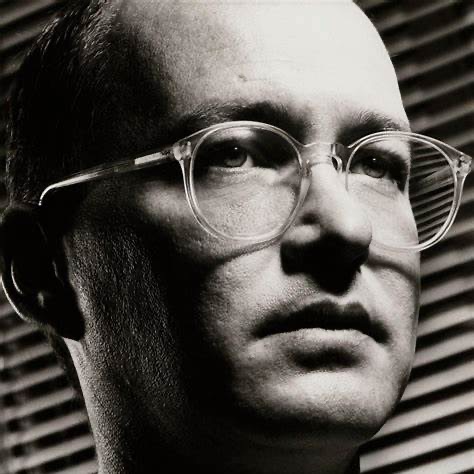
Christopher Garnham

By Steven Smith

A Brilliant Artist Lost Too Soon

It is early evening in Earl’s Court London.  It seems like it has never stopped raining for the last seven days and tonight is no different. Earl’s Court is an area that has been my home at times in my life and a playground since past my sixteenth birthday. This evening I am meeting a friend that I have known very fondly for over 49 years. He can be Machiavellian and entertaining but never boring.  He has some very exciting news to tell me and I can hardly wait. 

I would like to share the whole story, but it is personal My friend is adopted and the tip of the exciting news was he had found his biological mother after 70 odd years. With technology being what it is and Ai with just his mother first name and last name a friend had tracked her down. Sadly, she passed in a nursing home in Ipswich several years ago.

The news that he had a brother was something that was quite unexpected . A brother named Christopher Paul Garnham . He too like my friend and me had lived in Earl’s Court an artist and gifted portrait photographer . It was hard to believe what he told me next his brother has passed like his mother, tragegley on the Marchioness.

So many beautiful talented people passed on the Marchioness in fact my friend mother had spent her latter years campaigning for jutice for the victims.  I said this is quite a story  But it got me thinking how many artist and talnted people who light had burned brightly but so briefly that may be some what forgotten 

My friend will one day write about his feeling and his side of things but I wanted to celebrate  Christopher and highlight his story in 2Shades and dedicate this to my dear friend. 
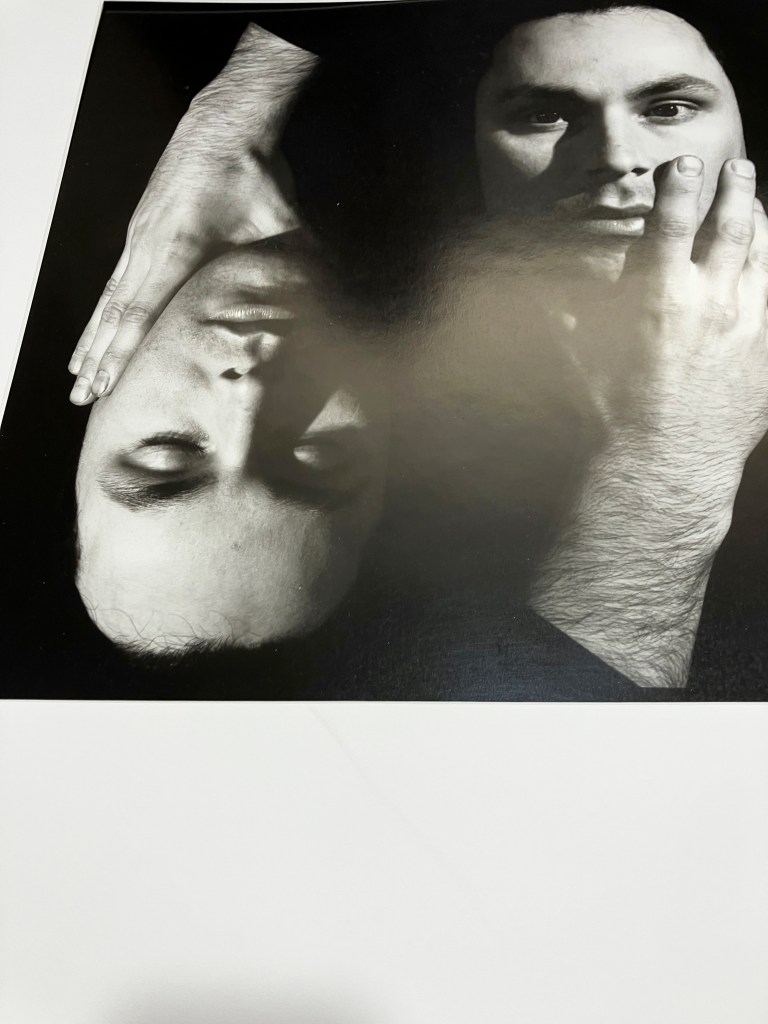
“Christopher Garnham’s portraits of artists including Gilbert & George, Paula Rego and Elvis Costello are preserved today in the collection of the National Portrait Gallery, ensuring that his brief but brilliant career remains part of Britain’s cultural record.”

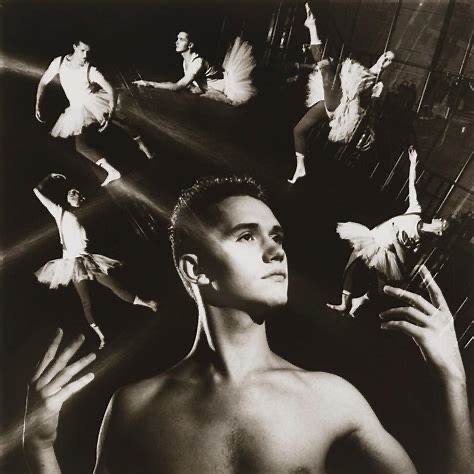
London’s creative history is filled with artists whose light burned brightly but briefly. One such figure is the gifted portrait photographer Christopher Paul Garnham, a man whose work captured the cultural energy of the 1980s but whose life ended tragically before his career had truly reached its peak.

Born on 1 March 1958 in Ipswich, Suffolk, Chris Garnham grew up in a period when British photography was undergoing a transformation. The late 1970s and early 1980s were a time when magazines, fashion, music and art were colliding to create a new visual culture. Garnham would become part of that movement.

From an early age he showed an instinctive eye for images and composition. His creative path eventually led him to London, where he studied at the Royal College of Art, one of the most prestigious art institutions in the world. There he initially trained as an illustrator, but photography soon became the medium through which he would express his vision most clearly.
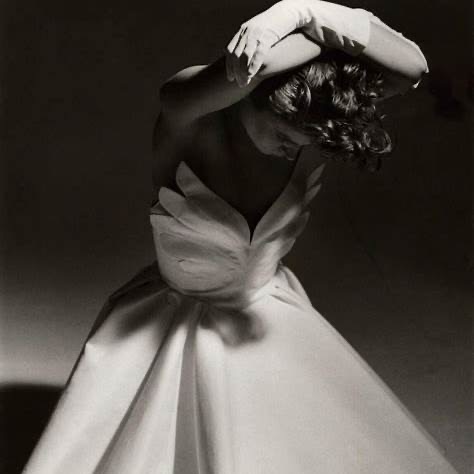
The camera suited Garnham’s temperament. He was fascinated by people — their faces, their presence, and the stories they carried with them. Portraiture became his natural language.

By the early 1980s Garnham had established himself as a promising young photographer within London’s thriving creative scene. This was a period when publications such as The Face and Blitz were redefining style journalism. These magazines celebrated a new generation of designers, musicians, writers and artists, and Garnham’s portraits fitted perfectly into that vibrant cultural landscape.

His photographs were distinctive. Rather than simply recording a likeness, Garnham sought to reveal something deeper about his subjects. There was a quiet intensity in his portraits — an ability to capture both vulnerability and strength within the same frame.

Many of his subjects came from the world he moved within: artists, writers, musicians and cultural figures. Among those he photographed were notable names such as Gilbert & George, Paula Rego and Elvis Costello, figures who themselves defined British art and culture in the late twentieth century. 
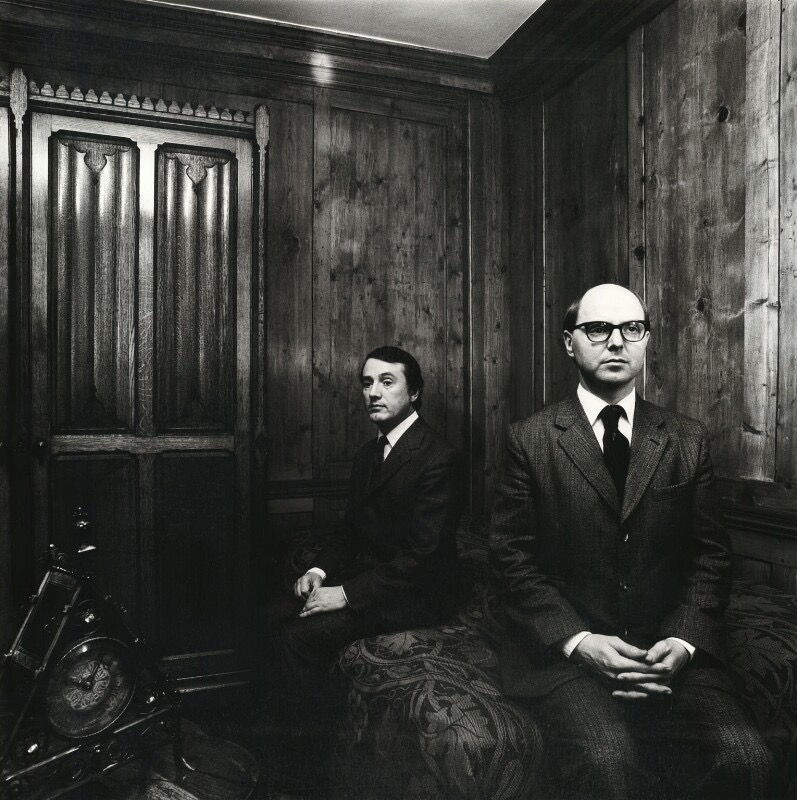
Gilbert and George by Christopher Garnham

His work gained increasing recognition within the photography world. In 1984 he was named Photographer of the Year by Blitz magazine, a major accolade at the time and a clear sign that his talent had been noticed. 

Two years later his photographs were included in the National Portrait Gallery exhibition “Twenty for Today”, a group show highlighting some of the most exciting young portrait photographers working in Britain at the time. 

The National Portrait Gallery would go on to acquire many of his photographs for its permanent collection, ensuring that Garnham’s work would continue to be seen and appreciated long after his death. 

During this period Garnham lived in Earl’s Court, at Flat 5, 2 Neville Place . In the 1980s Earl’s Court was something of a creative enclave. Photographers, artists, musicians and actors were drawn to the area because of its relatively affordable rents and its proximity to London’s cultural life. It was a place where ideas were exchanged over late-night conversations and where collaborations often began.
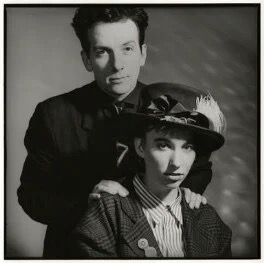
Elvis Costello

Friends remembered Garnham as thoughtful, intelligent and quietly passionate about his craft. He was dedicated to his work but never arrogant about his talent. Like many artists of his generation, he was part of a community rather than a solitary figure.

Then came the night that would change everything.
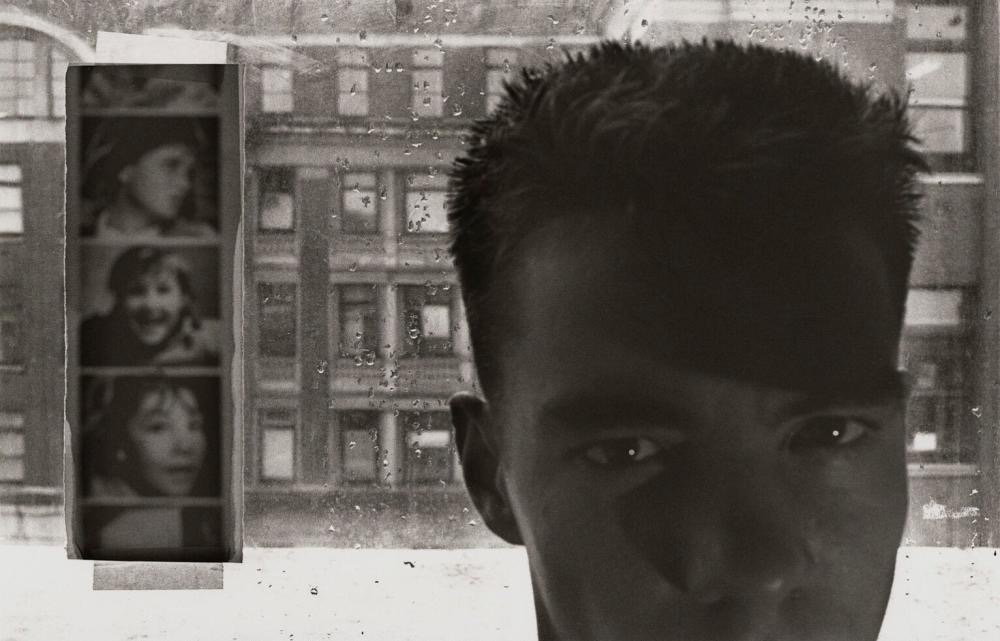
Self portrait

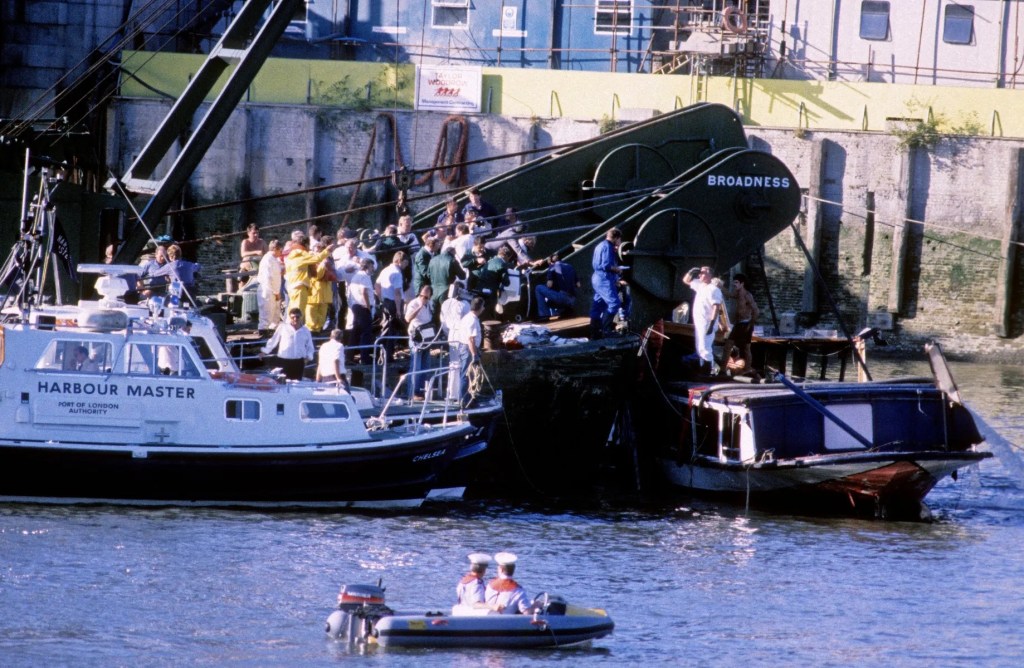
On 20 August 1989, Garnham joined friends for what was meant to be a joyful evening on the River Thames. The group had boarded the pleasure boat Marchioness, which was hosting a birthday celebration. The boat travelled along the river carrying a crowd of young people — many of them from London’s creative and cultural circles.

In the early hours of the morning, tragedy struck.

At approximately 1:46 am, near Southwark Bridge, the Marchioness collided with a dredger called the Bowbelle. The smaller vessel was struck from behind and quickly capsized. Within minutes the boat had sunk.

The disaster remains one of the worst peacetime tragedies on the Thames.

Fifty-one people lost their lives that night.

Christopher Garnham was among them. He was only 31 years old.

The news sent shockwaves through London’s artistic community. Many of those who had known him were still at the beginning of their own careers. The sudden loss of such a talented photographer was deeply felt.

For Garnham’s friends and colleagues, the tragedy was not just the loss of a person but the loss of a future — the photographs he would have taken, the artists he would have portrayed, the stories he would have told through his lens.
And yet his work did not disappear.

The photographs he left behind continue to speak for him.

Today Garnham’s portraits remain preserved in the National Portrait Gallery, where they form part of the visual record of Britain’s cultural life in the 1980s. Through these images we glimpse the creative world in which he moved — a world of artists, musicians and thinkers whose ideas helped shape modern culture.

His photographs possess a rare quality. They feel both intimate and timeless. The viewer senses that Garnham approached his subjects not merely as a photographer but as a fellow participant in the creative conversation of his generation.

Looking at those portraits now, one cannot help wondering what Garnham might have achieved had he lived longer. Many photographers only reach their full artistic maturity later in life. For Garnham, that journey had barely begun.

Yet even in the relatively short span of his career he left an imprint.

In many ways his story reflects the fragile nature of artistic life. Talent, opportunity and recognition were all coming together for him just as fate intervened. His work reminds us how important it is to preserve and honour the contributions of artists whose voices were silenced too early.

Christopher Garnham may not be a household name today, but within the circles of photography and portraiture he is remembered as a gifted observer of people — a man who could look through a camera and reveal something honest and human.

More than three decades after his death, his images still carry that quiet power.

And perhaps that is the greatest tribute any photographer can hope for.

The artist may be gone, but the faces he captured continue to look back at us.

https://www.npg.org.uk

https://www.londonmuseum.org.uk/collections/london-stories/marchioness-disaster/
Categories
Culture Lifestyle People Uncategorized

The Arzner Cinema

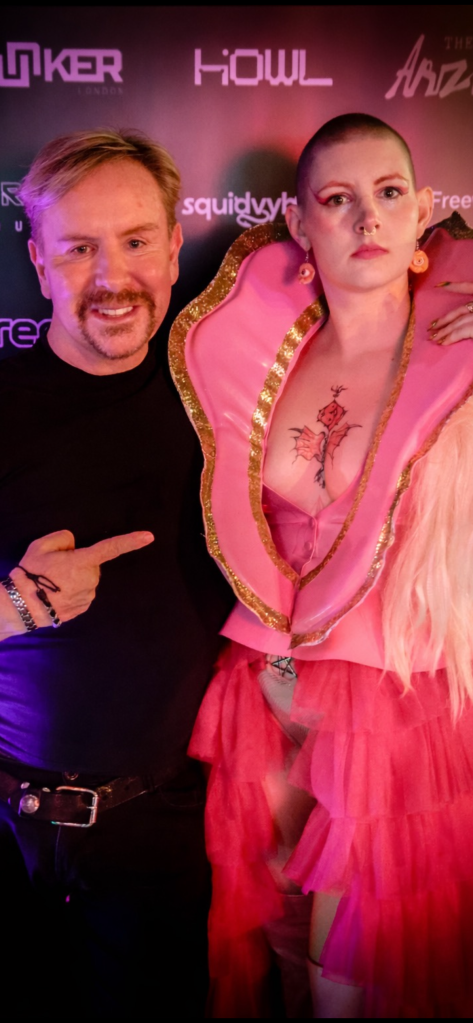
Me having a bad hair day with gorgeous actress and star of “The Visitor ” Amy Kingsmill .

The Arzner: A Safe Space for LGBTQ+ Cinema Lovers

https://thearzner.com/TheArzner.dll/Home

On a rain-soaked Friday night, I took the walk from London Bridge to see what everyone had been talking about: The Arzner — London’s only dedicated LGBTQ+ cinema, tucked away in Bermondsey. The heavens had opened, and by the time I arrived, soaked and slightly windswept, ducking beneath its glowing sign felt like a small act of salvation.

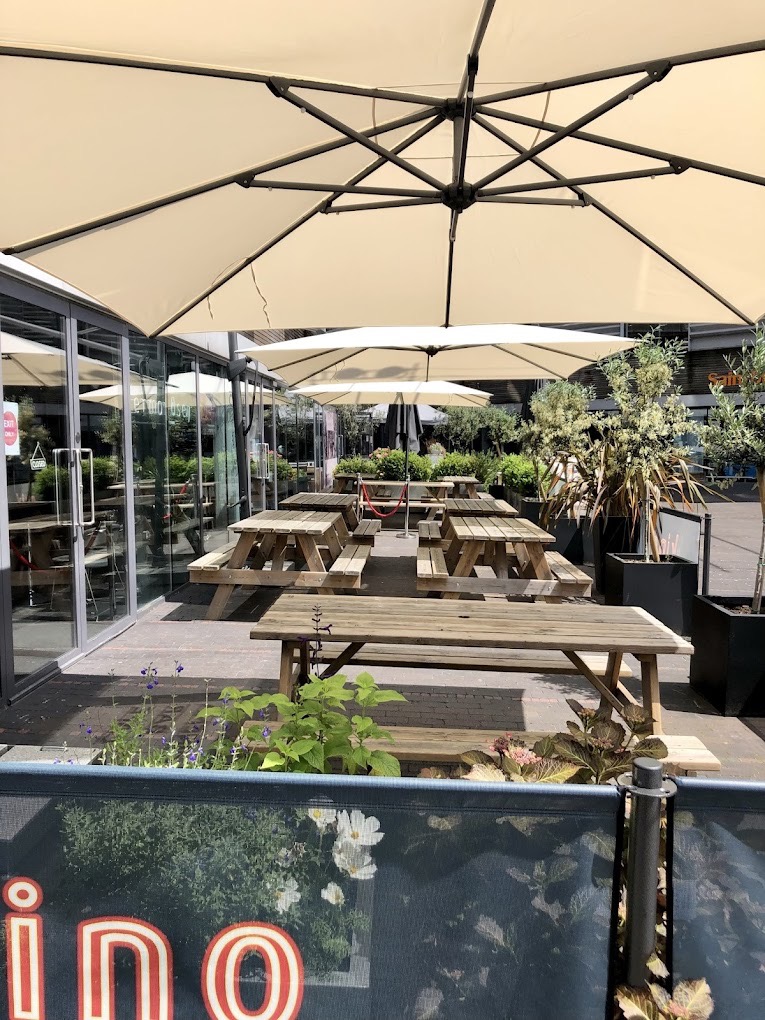
On a much drier day . https://thearzner.com/TheArzner.dll/Home

Stepping inside, it became immediately clear that this is no ordinary picture house. The Arzner feels less like a traditional cinema and more like a long-awaited living room for queer film lovers — and, I should add, for anyone who simply loves great cinema. This is not an exclusive “gay bubble”; it is a welcoming, inclusive cultural space.

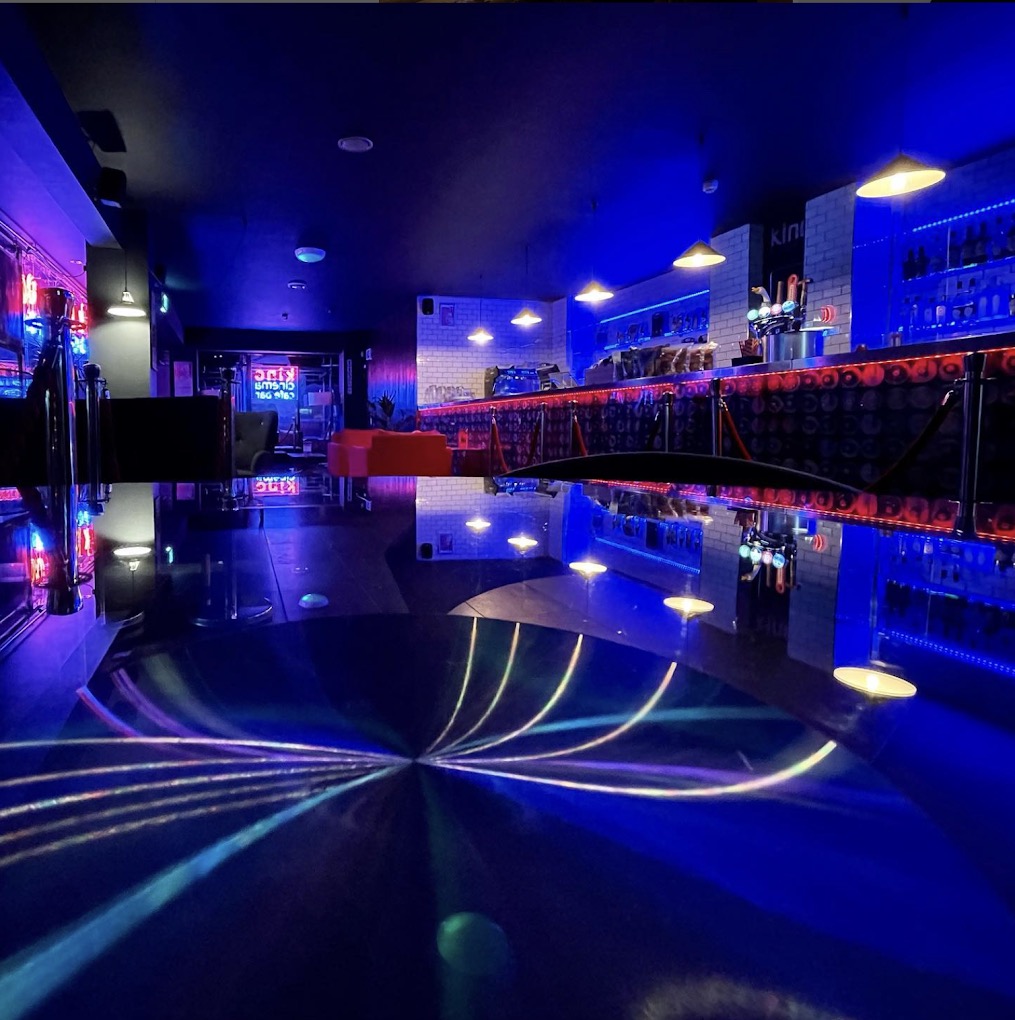
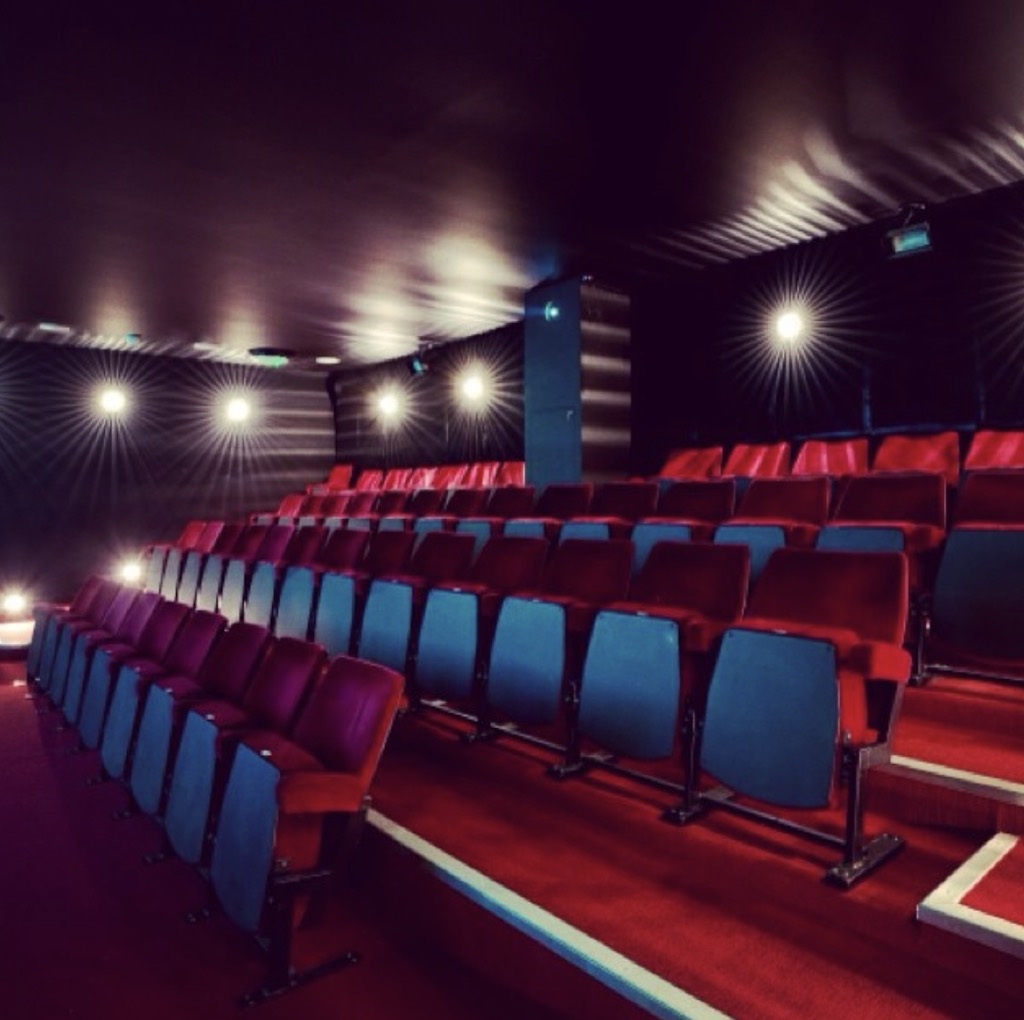
The low lighting, rich red tones, Everything here feels thoughtfully designed. And before you even enter the screening room, let me tell you: the bar is outstanding. From beautifully crafted cocktails to quality wines and excellent non-alcoholic options, it is easily five-star. Arrive early, or even pop in just for a drink — you won’t regret it.

https://thearzner.com/TheArzner.dll/Home

Named after Dorothy Arzner, the trailblazing Hollywood director who forged a remarkable career as an openly gay woman during the studio era, the cinema wears its heritage proudly yet lightly. Portraits of queer cultural icons line the walls, drinks are passed across the bar, and familiar faces greet one another. Arriving alone, yet never feeling lonely, is one of the evening’s first quiet triumphs.

The venue occupies the former site of Kino Bermondsey, but any sense of corporate uniformity has been replaced by a carefully curated personality. Its programming is unapologetically queer, spanning restored classics, contemporary independent releases, international features, and short-film showcases that amplify emerging LGBTQ+ voices.

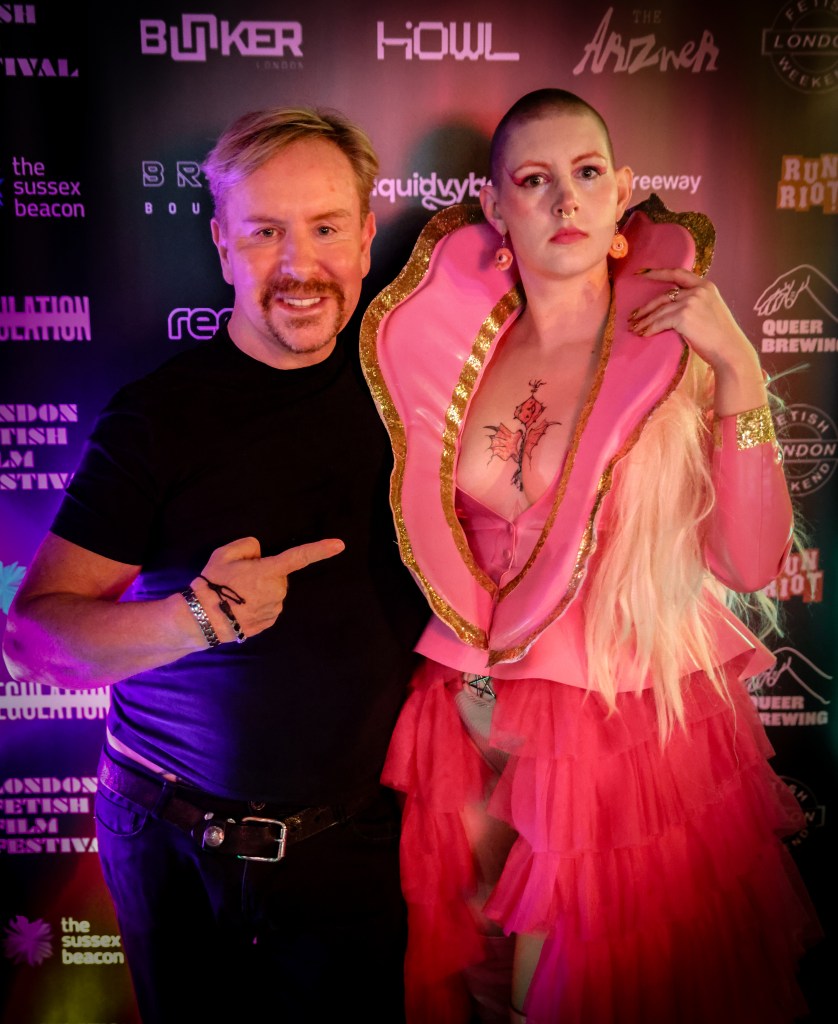
On this particular Friday, I had been invited by my friend Amy Rose, an artist and one of the organisers of the London Fetish Film Festival. Now, before anyone gets their knickers in a twist, fetish cinema has grown significantly over recent decades, and this well-established three-day festival is now in its seventh year. The eclectic crowd alone demonstrated just how diverse and fascinating the scene has become.

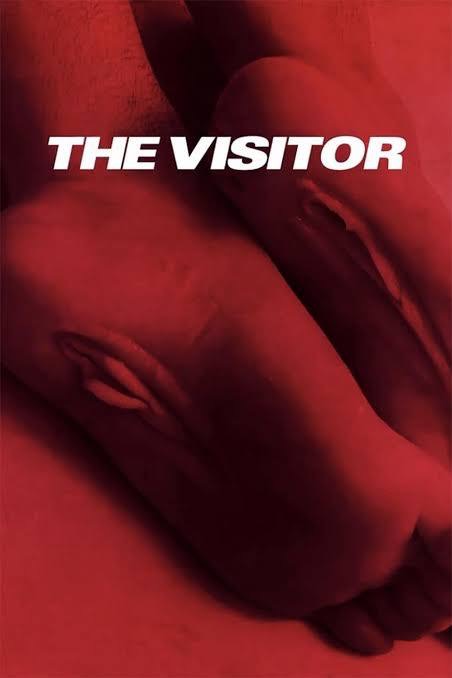
The first film I saw, The Visitor (2024), featured stunning cinematography and a memorable soundtrack. Imagine Federico Fellini meeting an early, less camp version of John Waters — complete with what may be the worst wig in cinematic history. Even Divine might have fainted. The screening was followed by a lively Q&A with director Bruce LaBruce.

On Sunday, the programme shifted to documentaries, which proved genuinely eye-opening. For anyone interested in sexuality, identity, and the human mind, these films are well worth exploring. The performers and contributors certainly went the extra mile.

What truly distinguishes The Arzner is its atmosphere. The buzz is friendly and eclectic. Mainstream cinemas can often feel anonymous, even indifferent, but here the staff introduce films with genuine enthusiasm, sharing details about upcoming themed nights and community events.

Regular special screenings, Q&As, and curated seasons ensure that the cinema is not a passing novelty, but an evolving cultural hub. Conversations continue long after the credits roll, with patrons lingering over drinks to debate performances and recommend future screenings. The line between audience and community beautifully blurs.

Technically, the cinema delivers on every level: crisp projection, balanced sound, and comfortable seating that rival any arthouse venue in the capital. Yet it is the emotional resonance that lingers most. Watching queer stories unfold in a room filled largely with LGBTQ+ viewers shifts the energy entirely. Applause feels communal rather than polite, and moments of silence carry collective meaning.

As I eventually stepped back into the rain — still wondering if it would ever end — I couldn’t help smiling at the thought of Noah popping in for “just one cocktail” before watching Brat, the Charlie XCX film, and joking about building an ark by closing time.

Spending time at The Arzner felt like a privilege. It is not merely London’s only LGBTQ+ cinema; it is a statement of permanence and pride in a city where queer spaces have too often been lost to redevelopment. By offering a year-round home for queer film, it provides something far more enduring than novelty.

It offers visibility, celebration, and the simple, radical pleasure of seeing one’s community centred on screen.

And I, for one, am very much looking forward to going back. ps there even a pop up greeting from Stephen Fry to kick your night off ,

https://thearzner.com/TheArzner.dll/Home

Picture by Amy Rose.
Categories
Columns Culture Lifestyle People

Why MEEK Is Destined for Global Superstardom

https://www.youtube.com/watch?v=x-FLnQrUGTc&list=RDx-FLnQrUGTc&start_radio=1

Why MEEK Is Destined for Global Superstardom

Among the many remarkable talents emerging from Britain’s vibrant and ever-evolving music scene, there are rare artists who make you stop, listen, and instantly want to know more. Those moments are special. They are the moments when you sense that something extraordinary is unfolding.

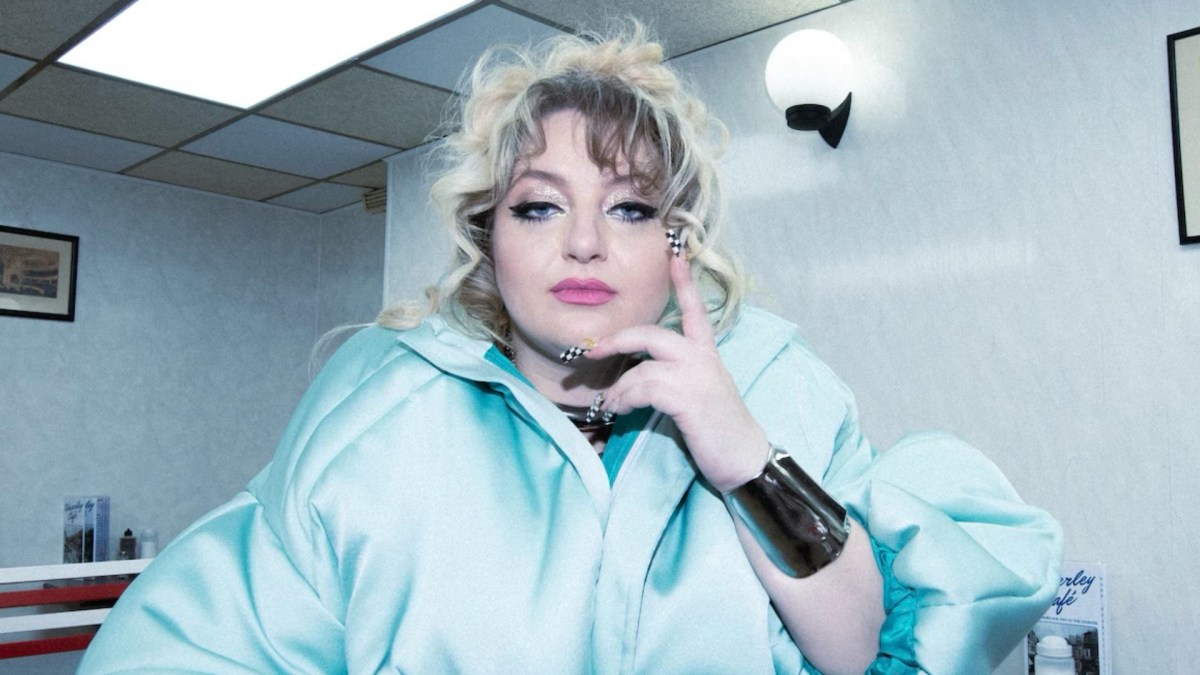
Recently, I had one of those momentswith MEEK, the Brixton-born singer who is quietly, and confidently, carving out her own space in pop music. One listen to her debut single, Fabulous, and I found myself putting down my latte and leaning in closer, eager to discover the voice behind the sound.

Fabulous, taken from her debut EP, is more than just an introduction—it is a statement of intent. From the very first notes, MEEK announces herself as an artist who understands exactly who she is and what she wants to express. Her voice is clear, confident, and emotionally resonant, drawing listeners in with effortless charm. There is a richness to her tone that feels both contemporary and timeless, blending modern pop sensibilities with classic showmanship.

Beyond her vocal talent, MEEK possesses something far rarer: presence. She commands attention without trying too hard. There is humour in her delivery, intelligence in her lyrics, and a distinctive style that makes her impossible to ignore. Watching her perform, you don’t simply hear a song—you experience a personality. Every gesture, expression, and note feels intentional, crafted to connect with her audience.

It would be easy to label her “the British Lady Gaga,” and while there are certainly echoes of boldness, theatricality, and fearless self-expression, such a comparison is ultimately limiting. MEEK is not following in anyone’s footsteps. She has developed her own musical identity—one that blends pop, performance, and personality into something refreshingly original. Her songs feel deeply personal yet universally relatable, celebrating individuality while inviting everyone along for the journey.

What also stands out is her natural ability to create joy. Her music is uplifting without being shallow, playful without losing depth. Fabulous is not just an anthem of confidence; it is a reminder that embracing who you are can be both powerful and fun. In an industry often driven by trends and formulas, MEEK’s authenticity feels like a breath of fresh air.

Crucially, she embodies the qualities of a modern pop icon: inclusivity, self-belief, creativity, and courage. She speaks to a generation that values honesty and representation, and she does so with glamour, wit, and heart. It is no surprise that many already see her as a potential LGBTQ+ icon in the making.

With her talent, charisma, and clear artistic vision, MEEK is not just another promising newcomer—she is an artist with global potential. If Fabulous is any indication of what lies ahead, this is only the beginning of a remarkable journey. The world should pay attention. A star is rising, and her name is MEEK.

Categories
Columns Culture Lifestyle People

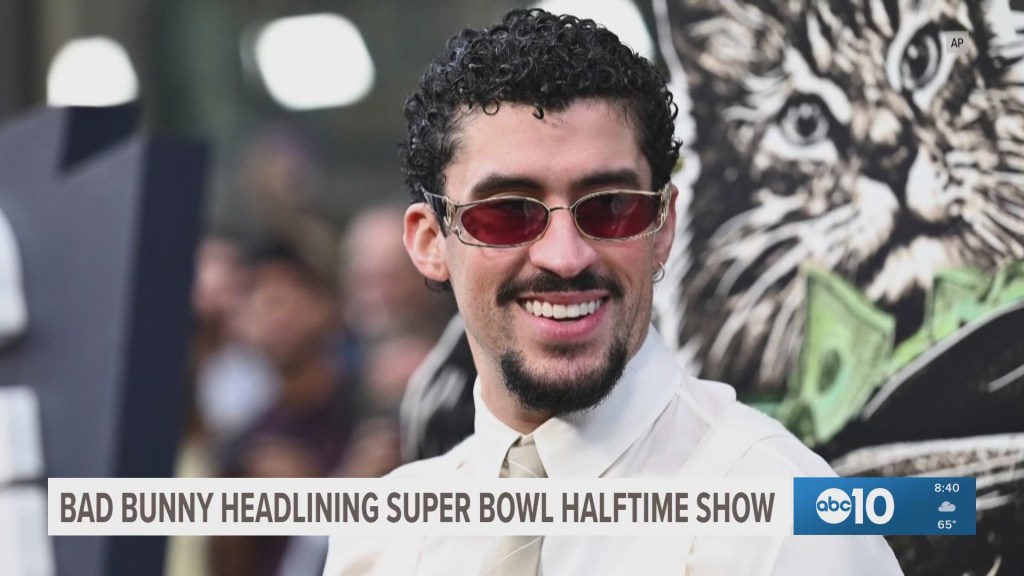
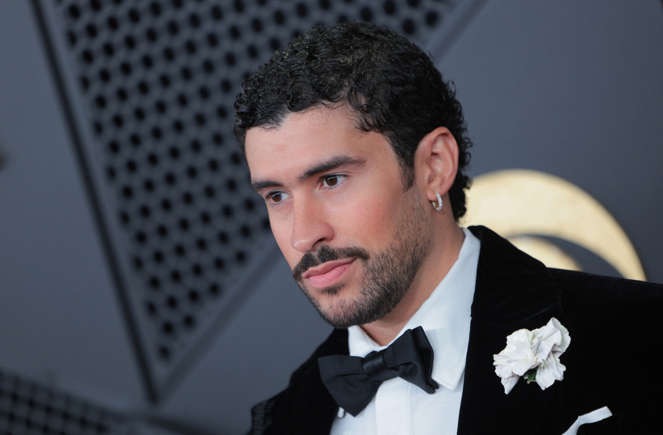
Why the World Has Fallen in Love with Bad Bunny


Why the World Has Fallen in Love with Bad Bunny

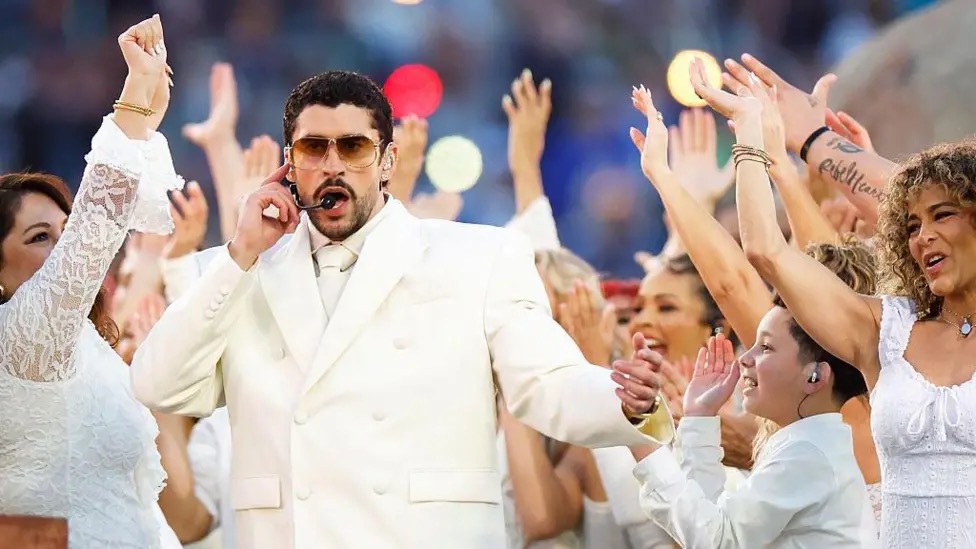
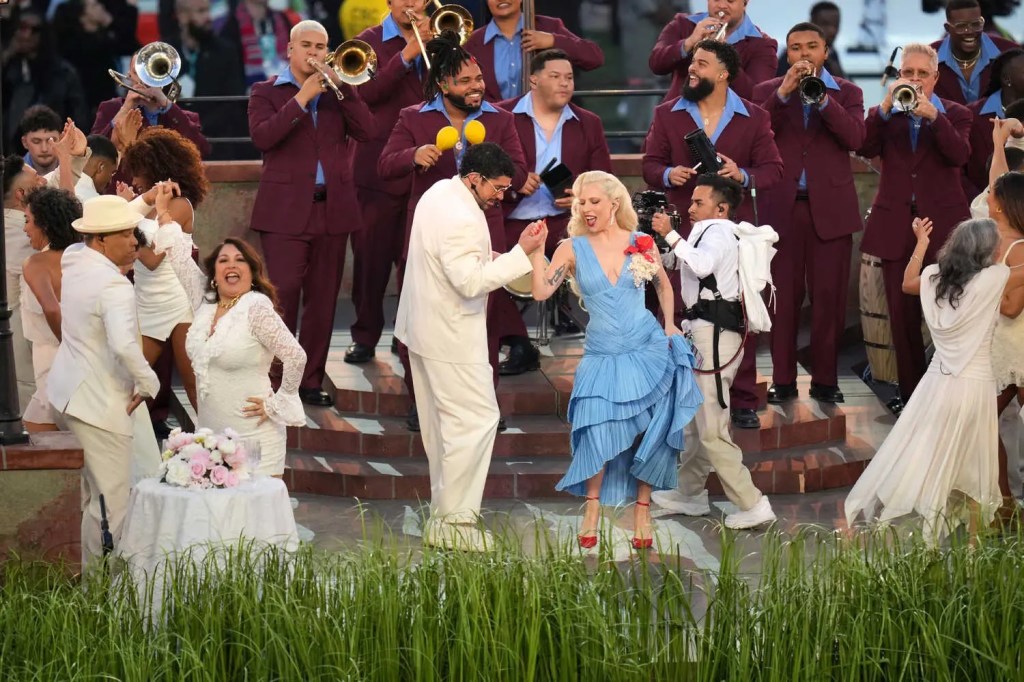
An amazing Super Bowl half time show with Bad Bunny and lady Ga Ga

For just over thirteen unforgettable minutes, Bad Bunny showed the world what America can be at its very best.

In an era too often dominated by division, fear and noise, the Puerto Rico–born megastar delivered something rare and precious: a performance rooted in empathy, diversity, unity and love. It was a reminder that kindness still matters. That culture still connects us. And that music, when created with honesty and heart, has the power to heal.

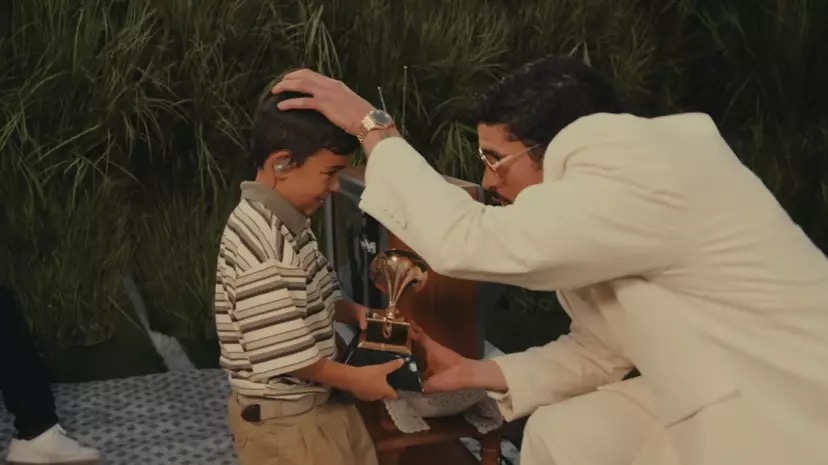
Watching his Super Bowl performance, I felt goosebumps ripple through me. It was one of those rare moments that catches you off guard — when entertainment quietly becomes something deeper. Tears welled in my eyes, not just because of the spectacle, but because of what it represented. When Bad Bunny, born Benito Antonio Martínez Ocasio, later handed his Grammy trophy to a young boy, it symbolised everything he stands for: generosity, humility, hope, and the belief that success means very little if you do not lift others with you.

Only a week before that performance, he had achieved another historic milestone, winning multiple Grammys and securing Album of the Year for a Spanish-language record — the first time in the ceremony’s history. It was far more than a personal triumph. It was a cultural moment. It declared, loudly and clearly, that Spanish-speaking artists, stories and voices belong at the very centre of global culture.

A Voice for Millions

Bad Bunny represents more than music. He represents identity.

Over 50 million Americans speak Spanish, and many millions more around the world share that language. For decades, their stories were often pushed to the margins. Today, through artists like Bad Bunny, those voices are finally being heard — not as niche or alternative, but as mainstream, powerful and essential.

What makes his music so extraordinary is that you do not even need to understand every word to feel its impact. I have sat in operas sung in German and Italian and been deeply moved without speaking either language. Music, at its best, transcends translation. It lives in rhythm, tone, emotion and feeling.

Bad Bunny’s songs do exactly that. They make you want to dance. They make you want to smile. They make you want to belong. They invite everyone into the room — regardless of age, background or nationality — and say, “You are welcome here.”

That sense of inclusion is no accident. It is the foundation of his work.

More Than a Performer

What truly sets Bad Bunny apart is not just his talent, but his courage.

He has consistently challenged stereotypes around masculinity, fashion and identity. He wears nail polish. He experiments with clothing. He speaks openly about mental health. He advocates for LGBTQ+ rights. He stands up for his community when injustice strikes. And he does so without preaching, without arrogance and without apology.

In doing so, he has become a role model for millions who may never have seen themselves reflected in mainstream culture before. Young men who felt pressured to hide their softness. Young people who felt different. Young artists who wondered if there was space for their voice.

Bad Bunny proves that there is.

And that authenticity is not weakness — it is strength.

A Night of Healing

His Super Bowl performance was not just entertainment. It was a tonic for the soul.

At a time when many Americans — and people across the world — are grappling with uncertainty, financial pressure, social division and emotional fatigue, the show offered something desperately needed: joy.

It reminded us what it feels like to be united by a shared moment. To laugh, cheer, sing and dance together. To forget our worries, even briefly, and simply exist in celebration.

That is the true power of culture. It builds bridges where politics builds walls.

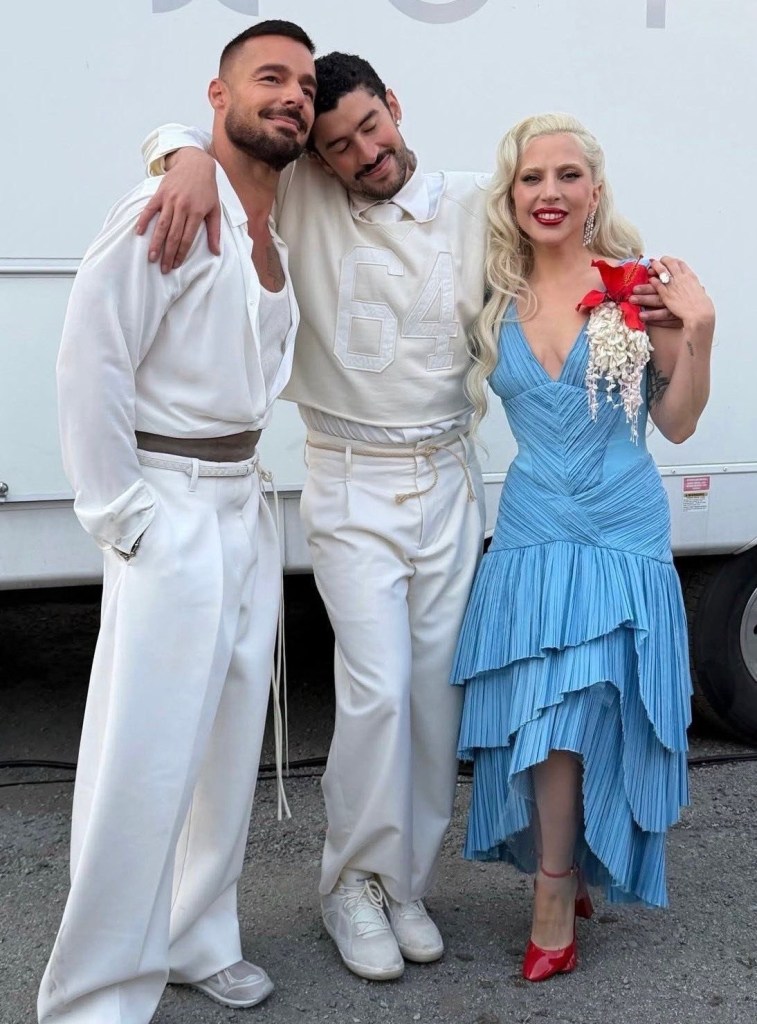
truly beautiful as love came together Lady Ga Ga , Ricky Martin and Bad Bunny ,

Standing Among Legends

Bad Bunny was not alone in delivering that message.

Lady Gaga’s performance of Hold My Hand was another beacon of light — a moving tribute that honoured courage, compassion and resilience. Her voice carried both strength and vulnerability, reminding us that patriotism is not about shouting the loudest, but about caring the deepest.

I was lucky enough to see Lady Gaga when she was just starting out, performing at Wilton Manors’ Bill’s Filling Station. Even then, she had that unmistakable spark — that sense of destiny. Watching her now, on one of the biggest stages in the world, is proof that talent paired with integrity can take you anywhere.

Meanwhile, Ricky Martin joined Bad Bunny for a beautiful rendition of Lo Que Le Pasó a Hawaii. It was emotional, elegant and deeply symbolic — a meeting of generations, cultures and histories. Two Puerto Rican artists, united on a global stage, honouring their roots while embracing the future.

It was breathtaking.

A New Definition of Success

For years, success in the music industry was defined narrowly: English-language hits, a traditional image, predictable branding. Bad Bunny has shattered that formula.

He sings in Spanish. He blends reggaeton, trap, pop and Latin rhythms. He refuses to be boxed in. He puts his community first. And he remains grounded, despite global fame.

That is why people love him.

Not because he is perfect, but because he is real.

He celebrates his culture without excluding others. He embraces fame without losing humility. He challenges norms without seeking attention. And he gives back without seeking praise.

In a world obsessed with image, he offers substance.

Love Over Hate

Perhaps the most powerful message of all was the simplest: love wins over hate.

At a time when headlines are filled with anger and conflict, Bad Bunny’s presence said something different. It said that diversity is strength. That kindness is power. That unity is possible.

His performance was not political in the traditional sense. It was something better. It was human.

It reminded us that beneath labels and borders, we are all moved by rhythm, melody, emotion and story. We all want to feel seen. We all want to belong. We all want to hope.

And for thirteen extraordinary minutes, Bad Bunny gave us exactly that.

A Moment We Needed

Looking back, it truly was one of the finest Super Bowl halftime shows in history — not just for its production, but for its heart.

It was a celebration of heritage. A statement of inclusion. A masterclass in artistry. And a powerful reminder of why music matters.

Bad Bunny did not just perform.

He connected.
He inspired.
He healed.

And in doing so, he showed the world that greatness is not measured by charts or trophies alone, but by the lives you touch along the way.

In uncertain times, he gave us certainty.
In divided times, he gave us unity.
In weary times, he gave us joy.

And that is why the world has fallen in love with Bad Bunny.

Categories
Culture Health and Fitness People

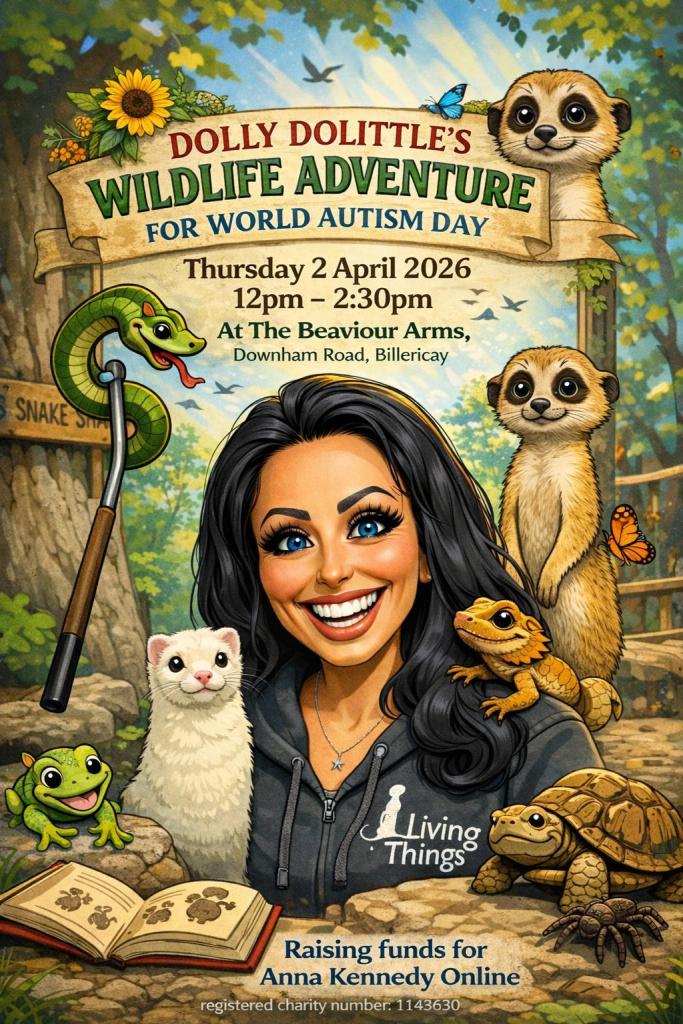
DOLLY DOLITTLE’S WILDLIFE ADVENTURE

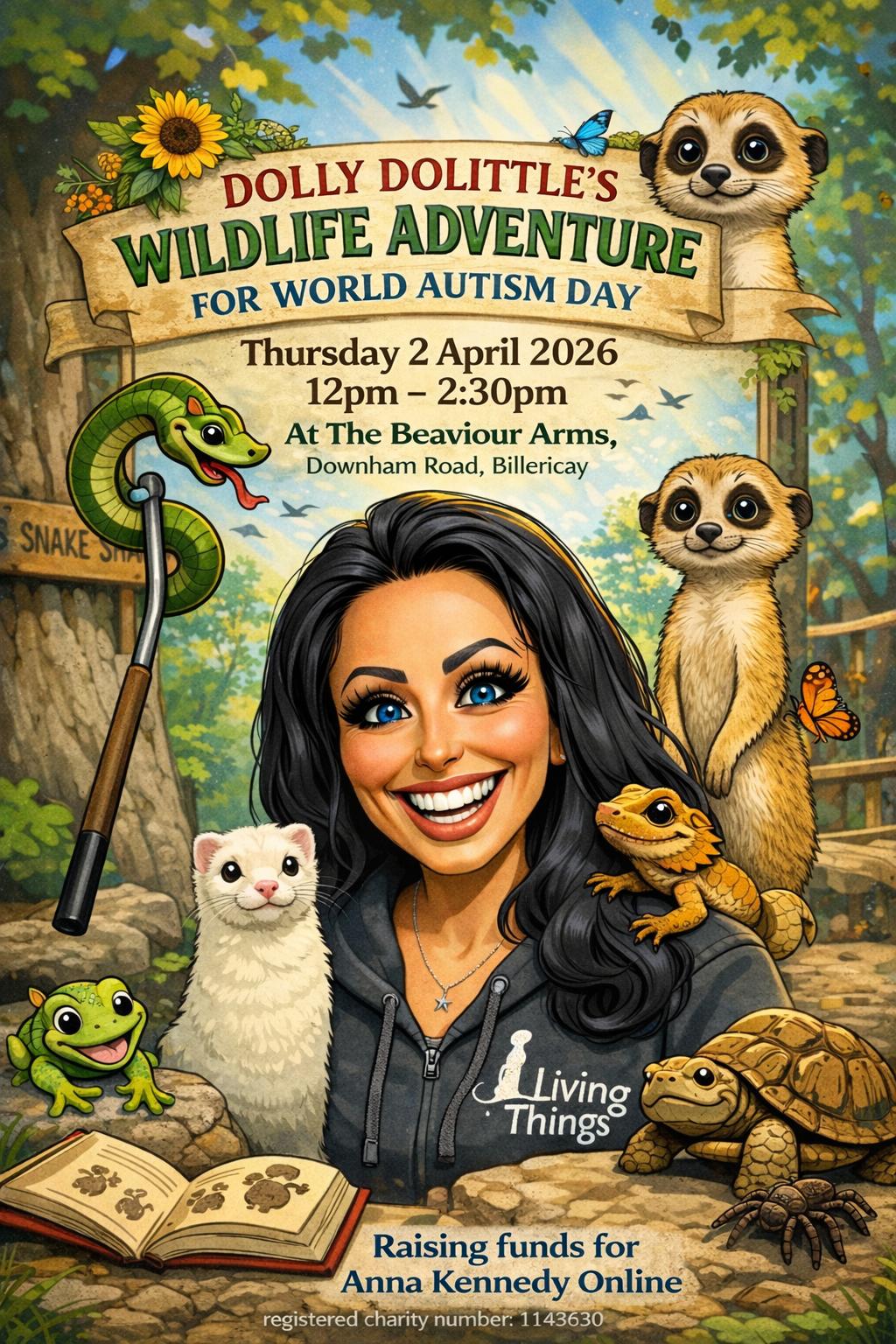
Dolly Dolittle’s Wildlife Adventure is coming to Billericay this April in celebration of World Autism Awareness Day, bringing together acclaimed Animal Wildlife Presenter Nicki Rodriguez at Living Things in support of Anna Kennedy Online.


The special family-friendly event will take place on Thursday, 2nd April, from 12:00pm to 2:30pm at The Beauvoir Arms, Downham Road, Downham, Billericay, CM11 1QH.

The main show will begin at 12:30pm and will be followed by a buffet for guests included in the price .

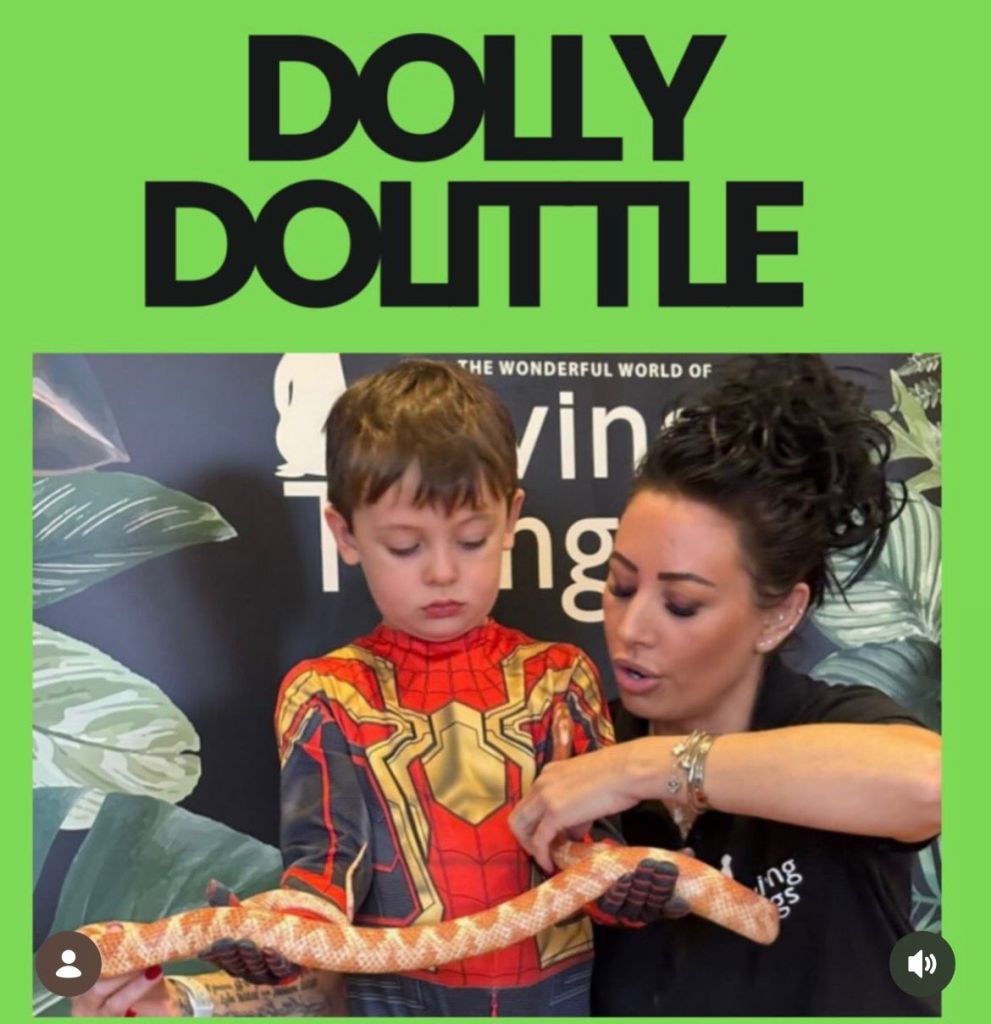
Meet a friendly snake .


Organised to mark World Autism Awareness Day, the event aims to raise awareness and vital funds for Anna Kennedy Online, a leading UK charity dedicated to supporting autistic individuals and their families through advocacy, education, and community programmes.
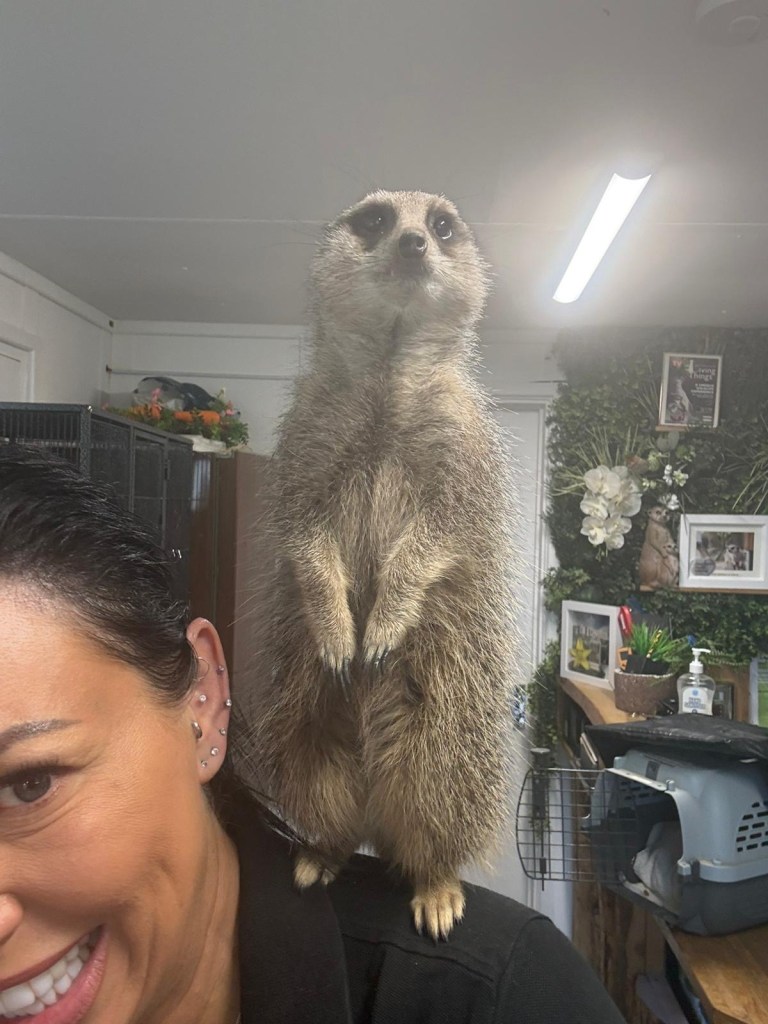
Dolly Dolittle’s Wildlife Adventure offers children and adults a unique opportunity to engage safely with a range of fascinating animals, including meerkats, snakes, tarantulas, and flying sugar gliders. Delivered in a fully supervised and educational environment, the experience encourages respect for wildlife while inspiring curiosity and learning.


The expert team at Living Things are nationally recognised for their high standards of animal care and are regularly trusted by television and film productions for their professionalism and specialist knowledge. Every animal featured in the show is carefully looked after, ensuring both their wellbeing and a positive experience for visitors.
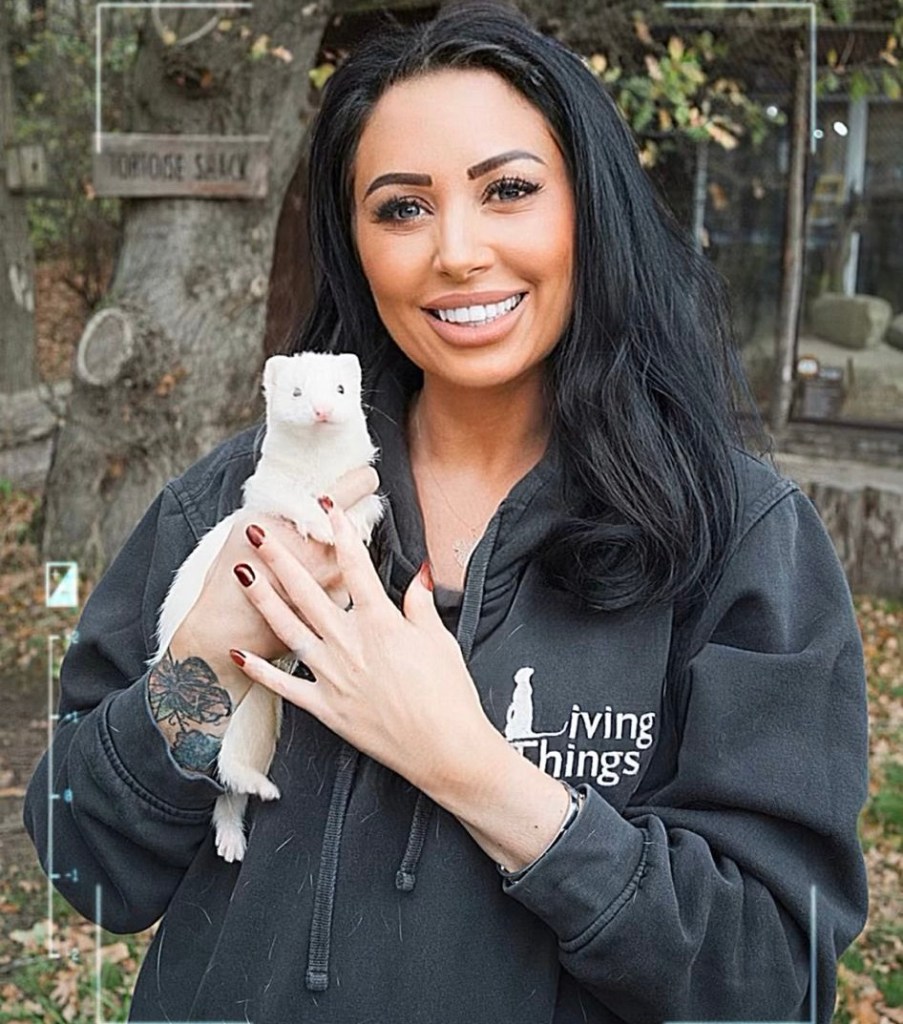
Nicky Rodriguez is also energetic and her engaging performances have delighted audiences across the UK. Having entertained royalty, celebrities, and thousands of children, Nicki is known for creating inclusive, welcoming events that combine entertainment with education.


All proceeds from the event will support the ongoing work of Anna Kennedy Online, helping to improve understanding, access to services, and quality of life for autistic people and their families. Guests will also have the opportunity to meet Dr Anna Kennedy OBE, founder of the charity, following the event.
After the wildlife presentation, attendees will enjoy a buffet at the award-winning Beauvoir Arms, providing a relaxed and friendly space for families to connect, share experiences, and reflect on a memorable afternoon.
Dolly Dolittle’s Wildlife Adventure promises to be an inspiring celebration of community, learning, and inclusion, offering fun for all ages while supporting an important cause. The event aims to leave families with lasting memories and a deeper appreciation for both wildlife and the autism community. https://www.eventbrite.com/e/1982671122700?aff=oddtdtcreator

https://www.living-things.co.uk

https://annakennedyonline.com/anna-kennedy-obe/

https://www.beauvoirarms.co.uk


Categories
Columns Culture Health and Fitness Lifestyle People Uncategorized

2Shades Welcomes a Proud New Sponsor for the Autism Hero Awards

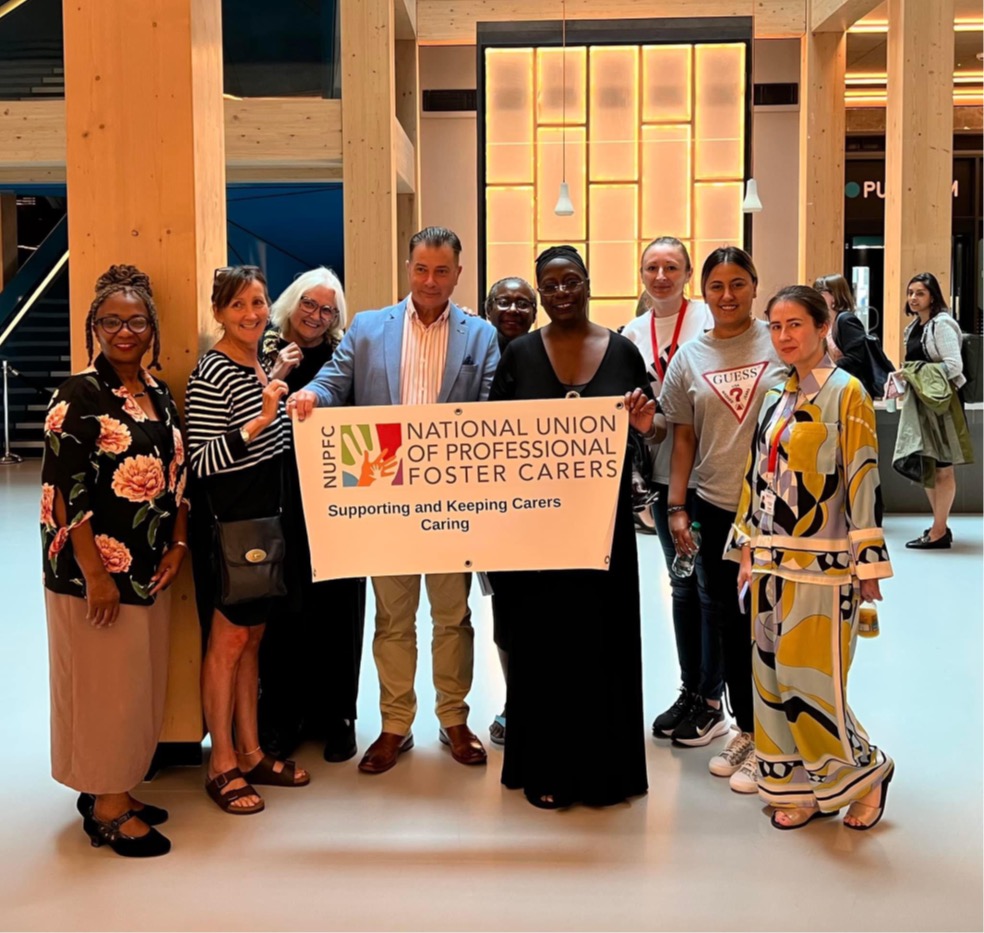
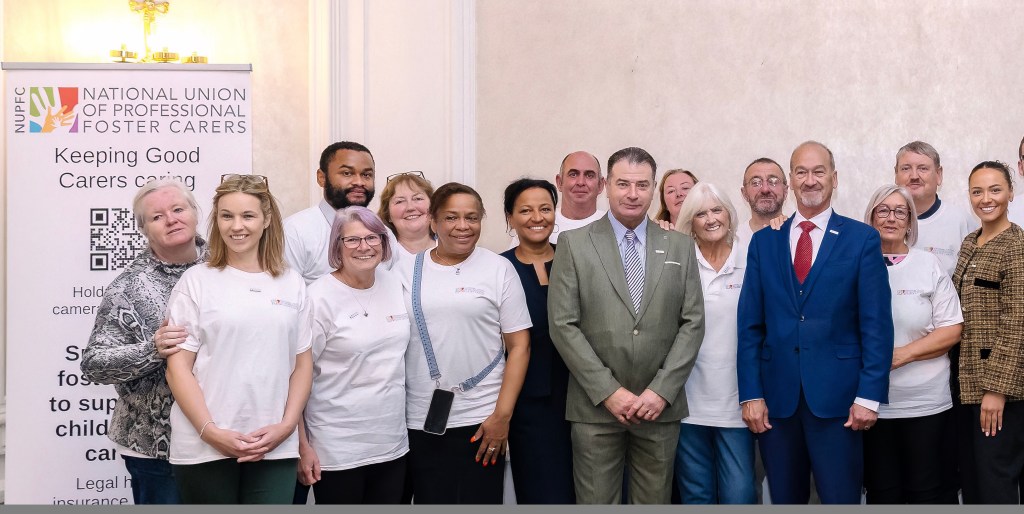
2Shades is delighted to announce the National Union of Professional Foster Cares as a sponsor of The Autism Hero Awards .

2Shades is delighted to announce the National Union of Professional Foster Carers (NUPFC) as a sponsor of this year’s Autism Hero Awards, supporting the Parent / Carer of the Year category.

The NUPFC is the only government-certified trade union in the UK dedicated exclusively to supporting foster carers, kinship carers, special guardians, and adopters. Its mission is clear: to ensure carers are informed, protected, and properly supported as they provide care for some of the most vulnerable children in society.

What sets the NUPFC apart is its depth of lived experience. Its specialist caseworkers — available 365 days a year — include current and former foster carers alongside retired social workers. This hands-on understanding allows the organisation to offer practical, empathetic guidance rooted in real-world challenges. A strong legal team further ensures members are never left navigating complex systems alone.

https://nupfc.com

Caring for children who have experienced emotional harm or additional challenges can be demanding and emotionally complex. The NUPFC works closely with professionals around each child, helping to ensure carers — and in turn, the children themselves — receive the support, advocacy, and understanding they deserve.

Many children within the care system are autistic, while many others remain undiagnosed. The NUPFC actively promotes early diagnosis, recognising that timely understanding can make a profound difference to a child’s wellbeing, access to support, and long-term outcomes.

https://nupfc.com

By sponsoring the Parent / Carer of the Year category at the Autism Hero Awards, the NUPFC is shining a light on the resilience, commitment, and quiet heroism of carers. This partnership not only celebrates individual achievement but also raises wider awareness of autism and caring within professional circles and among key decision-makers.

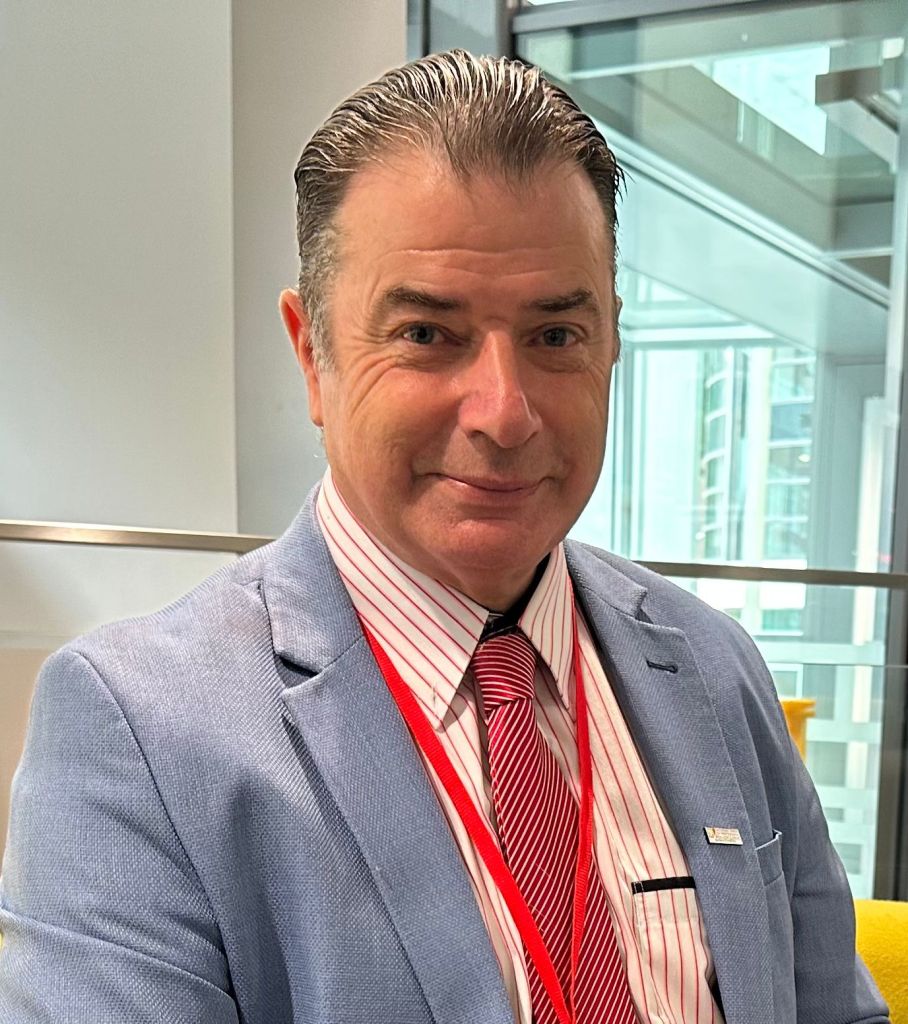
Robin Findlay https://nupfc.com

Robin Findlay, Founder and General Secretary of the National Union of Professional Foster Carers, said:

“Anna Kennedy’s tireless campaigning continues to raise awareness of the many strengths, talents, and contributions that autistic people bring to our communities. We are proud to support the Autism Hero Awards and to stand alongside Anna Kennedy Online in encouraging autistic people, and their parents and carers, to seek support when needed, build confidence, and achieve great things.”

Anna Kennedy OBE added:

“We are absolutely delighted to welcome the National Union of Professional Foster Carers as sponsors of the Autism Hero Awards. Their commitment to carers and families aligns closely with our values, and we look forward to working together to celebrate autistic individuals and recognise the dedication of those who support them every day.”

www.nupfc.com

https://nupfc.com

Categories
Columns Culture

PLEASE SHARE AND ASK YOUR FRIENDS TO SUBSCRIBE TO 2Shades magazine .

Categories
Columns Culture Lifestyle People

Anna Kennedy OBE and I venture out to do something different

The brilliant Felix Riley https://www.brilliant-thinking.com

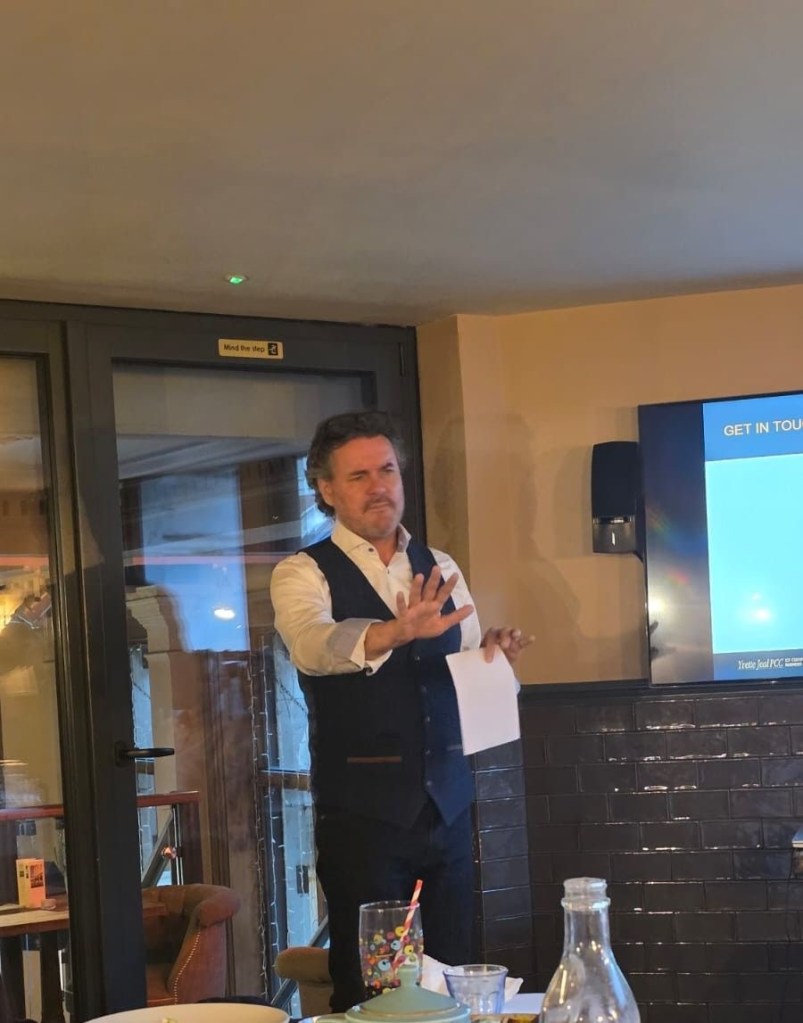
Well, I have just witnessed a man stand up and speak who could best be described as the prodigious love child of Keith Richards and Ricky Gervais—conceived, perhaps, through the mischievous spirit of Janet Street-Porter. Hilarious. Sharp. Fearless. Unapologetically himself.

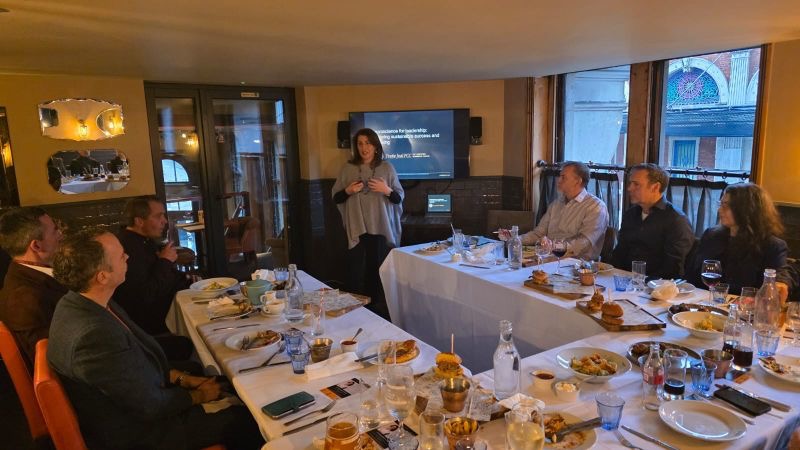
And yet, despite appearances, I was not tucked away in a comedy club. Instead, Anna Kennedy OBE and I had ventured somewhere altogether different, joining  Pier Space Speakers Corner London for one of their celebrated lunches, held at the funky  Balfour St Barts.

https://www.thepeerspace.com/speakers

It was, quite simply, brilliant.

What struck me immediately was the atmosphere: a room buzzing with ideas, warmth, and possibility. This was not a classroom, nor a rigid corporate seminar. It was a gathering of diverse voices—entrepreneurs, creatives, leaders, advocates—coming together to share experiences across business, inspiration, leadership, and life itself. A place where stories mattered as much as strategies.

I am no stranger to speaking. I love radio and television, thrive in podcasts, relish a debate, and happily interview just about anyone. Give me a microphone and a subject and I’m entirely at home. But there is a lesser-known truth about me: when it comes to standing up and talking about myself, I freeze. I brick it, as we say. Confidence deserts me. Words scatter.

Yes, a couple of glasses of vino may occasionally loosen the tongue and—miraculously—result in a standing ovation. But that’s hardly a reliable strategy.

So when Anna suggested we both attend Speakers Corner London—not as performers, but as participants, learners, listeners—I jumped at the chance. And I am so glad I did.

Out and about with Anna Kennedy obe

This was the perfect antidote to fear: an environment that was supportive rather than judgemental, energising rather than intimidating. Not a “class” in the traditional sense, but something far more powerful—an inspirational space where you learn almost by osmosis, simply by being in the room with talented, generous people who genuinely want others to succeed.

Anna, of course, took to it like the Energiser Bunny discovering a microphone. Confident, articulate, and deeply authentic, she reminded everyone why her work in autism awareness and advocacy has made such a lasting impact. Watching her speak so naturally, so purposefully, was inspiring in itself.

The lunch marked a pretty epic kick-off to the 2026 events season, and it felt fantastic to be back among such a stellar group of speakers. The line-up read like a roll-call of insight and expertise: Paul Thomas, the “Sound of Success” specialist; Graham Norris, a future confidence guru; Phil Street FIH, hospitality podcaster extraordinaire; Gill Tiney, global collaboration champion and super-connector; Maria Pardo, marketing guru and Toastmasters president; Nic Marks, happiness author and statistician; Hulya Erbeyli PCC, an authentic leadership coach; Paul Cook, expert in change and transformation; and Trevor Folley, whose work on building cultures of trust resonated deeply.

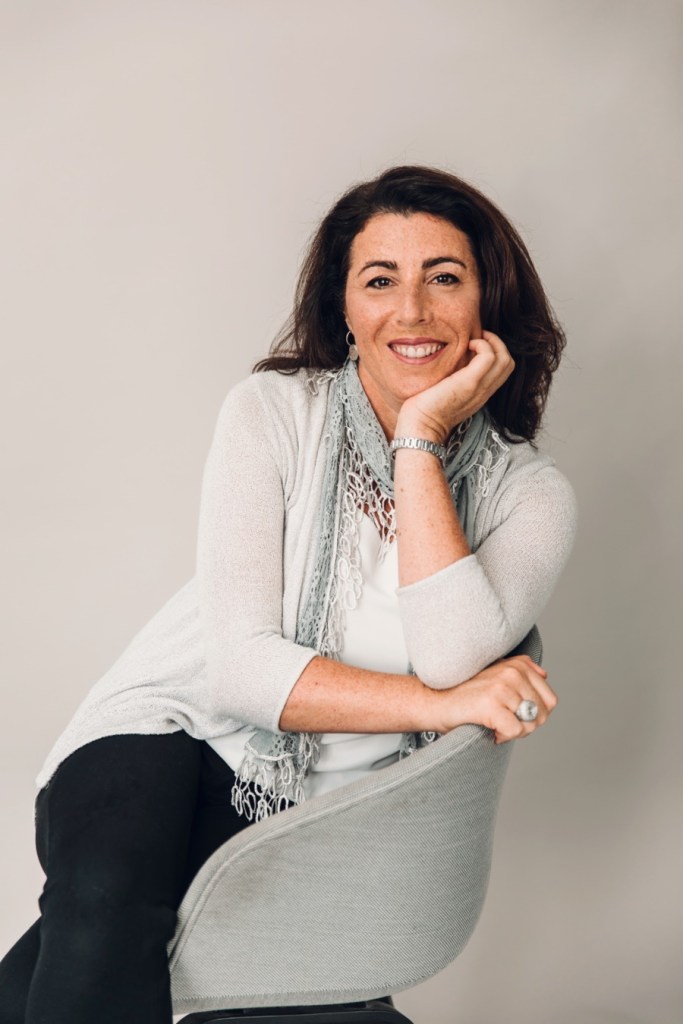
A special mention must go to Yvette Jeal PCC, who opened the speaker spotlight slots for the year with a calm, confident and fascinating immersion into the neuroscience of peak performance. It was one of those talks that leaves you thinking differently—not just about leadership, but about how we show up every day. Felix Riley followed with a high-energy, often amusing and extremely useful set of ten tips for speakers, distilled from years of hard-won experience.

https://yvettejeal.co.uk

And then there was Zoie Golding MBE, sharing news of the Big Movement and its inspiring mission to get more men dancing for mental health—proof, if ever it were needed, that leadership comes in many forms, and impact is not confined to boardrooms.

By the end of the afternoon, I realised something important: this wasn’t just about learning how to speak better. It was about confidence, connection, and community. About giving people permission to find their voice—whatever that voice sounds like—and to use it with purpose.

So yes, Anna Kennedy OBE and I did venture out to do something different. And in doing so, I found myself quietly braver, unexpectedly inspired, and already looking forward to the next Speakers Corner London gathering in May.

Sometimes, the most powerful thing you can do is simply show up, sit among the experts, and allow yourself to learn.

https://www.thepeerspace.com/speakers

https://www.thepeerspace.com/speakers

Categories
Columns Culture Poetry Travel

“She’s Behind You!” “Oh No She Isn’t!”she is Anna Kennedy On Lines new Patron .

https://malthousetheatre.co.uk

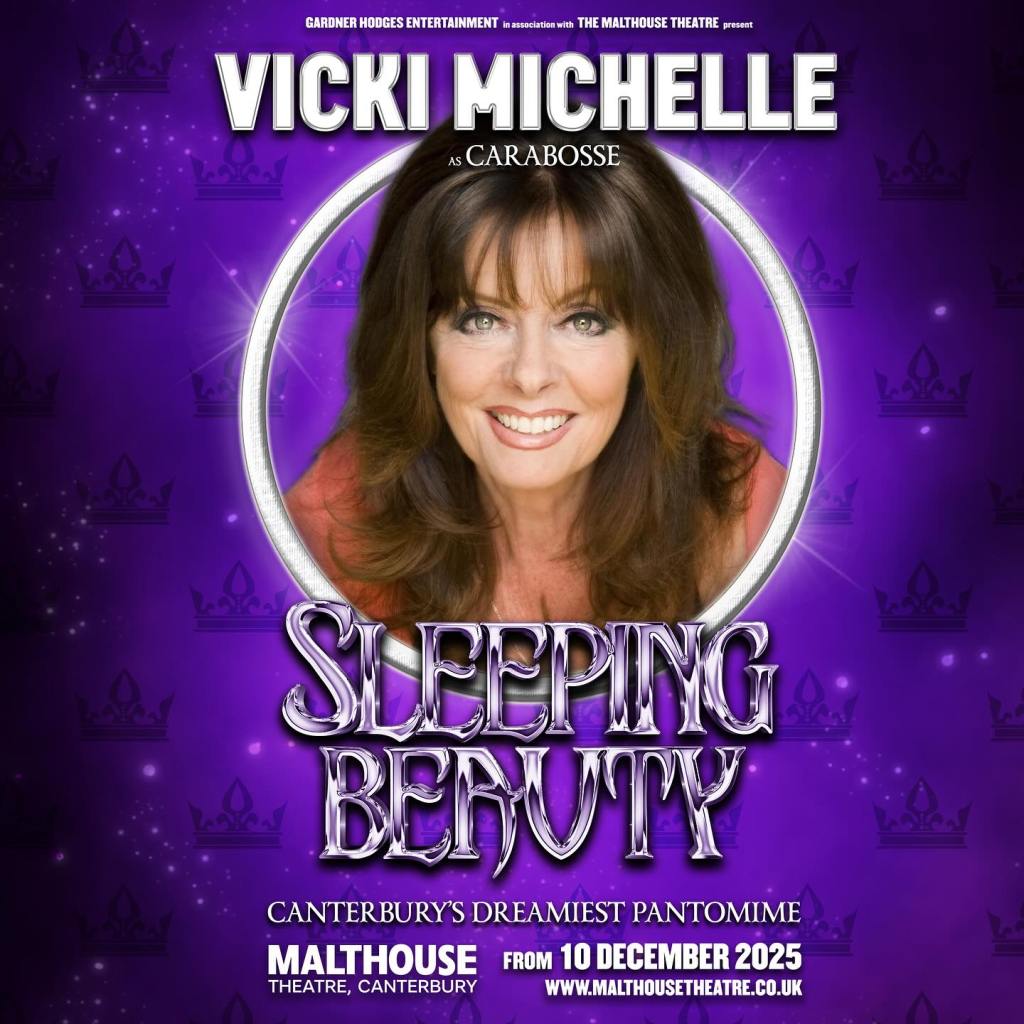
The unmistakable cry of British panto rang through the air at the Malthouse Theatre this week — and what followed was nothing short of a sparkling theatrical treat. Front and centre of this dazzling afternoon was the uber-talented Vicki Michelle.

I joined Dr Anna Kennedy for what promised to be a memorable afternoon — and it delivered in spades.

Just five minutes from Canterbury West station, the Malthouse Theatre is a gem of a venue. Housed in a former 19th-century malt house, it offers a warmth and intimacy that many larger theatres lack. From the moment we took our seats, there was a buzz in the air — the kind that tells you something special is about to unfold.

Anna and I had travelled to see a true British icon — and a good friend of Anna Kennedy Online — in action. While I was there to review the show, Anna had something rather important to ask the star of the performance once the curtain came down.

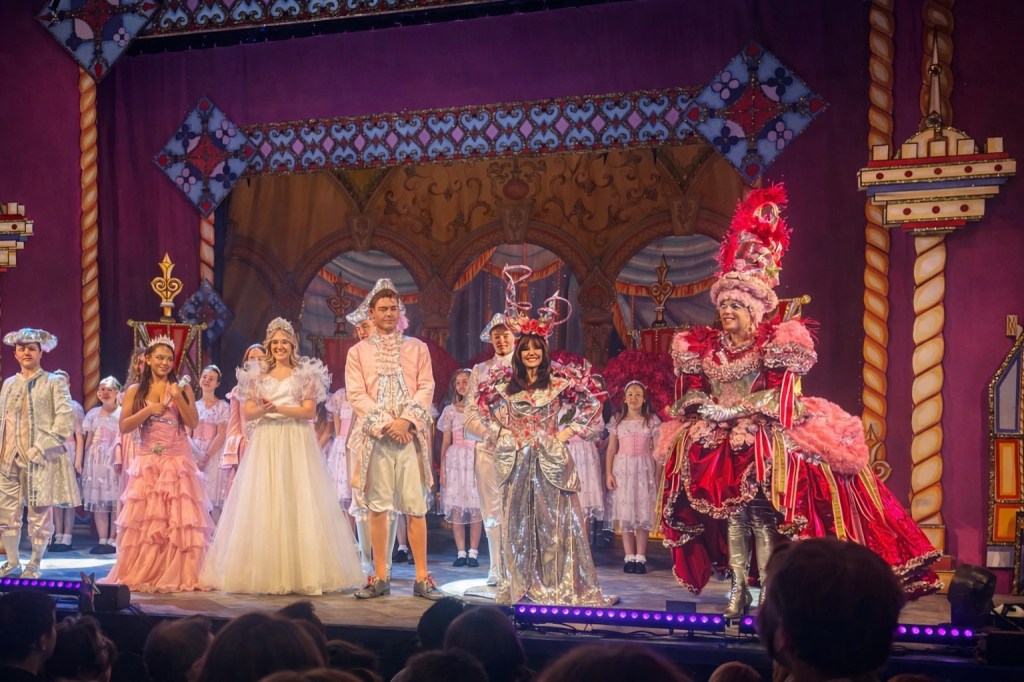
Let’s be clear: if you think you’re heading to see a “regional” panto, think again. Sleeping Beauty rivals anything currently on offer in the West End — and at a far more affordable price. The cast work tirelessly, delivering an action-packed, high-energy production that never once drops the pace.

There is nothing like a Dame as Joseph Gardner Hodges leads a stellar cast in Sleeing Beauty .

The show really kicks off brilliantly with Tim Edwards, one of the freshest comedy talents I’ve seen in a long while. Playing Jangles — Sleeping Beauty’s equivalent of Buttons — he holds the production together with effortless comic timing, youthful energy, and a commanding stage presence. He is a natural, and the audience instantly warms to him.

Joining him is one of the finest Dames I have ever seen: Joseph Gardiner-Hodges as Nurse Fanny. Hilarious, fearless, and utterly fantastic, Gardiner-Hodges is the yeast in the bread of this show — without him, it simply wouldn’t rise as far. Whether flirting shamelessly with the male members of the audience, delivering razor-sharp one-liners, or fiercely protecting Princess Aurora from the Wicked Queen (or should we say the “socially challenged” queen), he had the audience in stitches. The costume changes alone deserve their own round of applause — though a shoe change for Fanny would have made it an A+.

Then there’s Prince Charming, played by Jordan Calloway. Yes, he’s a good-looking in an Australian soap star way — but more importantly, he can sing. And not just “panto sing” — his voice genuinely stands out, rivalling many performers currently gracing the West End stage.

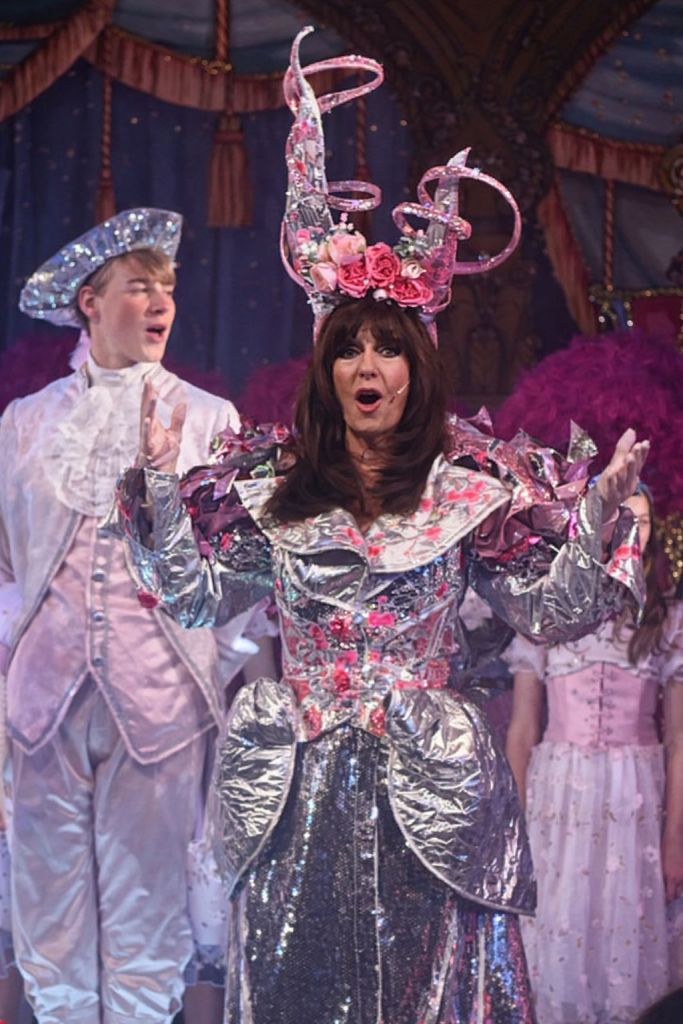
Just when you think the show can’t possibly get any better, on comes British icon and comedy legend Vicki Michelle as the deliciously evil Carabosse. From the moment she steps on stage, she commands attention. This is stage presence that simply cannot be taught. The former Allo Allo star looks phenomenal and proves exactly why she remains such a treasured figure in British entertainment. (And yes — we absolutely need her back in EastEnders.)

Fabulous costumes as Vicki Michelle captures the audience with her spells.

Her rendition of I Put a Spell on You brought the house down. Despite — or perhaps because of — the enthusiastic boos, Michelle revelled in the “baddie” role, clearly enjoying every moment. Watching an actress with such mastery of her craft is a joy; she knows exactly how to hold an audience in the palm of her hand.

The production values throughout are outstanding. The sets are dazzling, the costumes are richly detailed, and a particularly cute dragon called Caroline steals more than a few scenes. Remarkably, this was the company’s second performance of the day — yet they were as fresh as daisies, delivering with precision, warmth, and infectious enthusiasm.

Next year’s production is Goldilocks and the Three Bears, and on the strength of this alone, I’d say: book now.

After the show, Anna and I surprised Vicki by asking her to become a Patron of Anna Kennedy Online. A long-time friend and supporter of the charity, she was genuinely thrilled to accept. Only weeks earlier, she had joined Anna on GB News to discuss the charity’s work and her ongoing commitment to the autism community.

Dr Anna Kennedy OBE back stage with Vicki Michelle .

Anna summed it up perfectly:

“Vicki is someone who, when she says she will do something, it gets done. She has inspired so many within the autistic community, and we are incredibly proud to have her as a Patron.”

What a day. Huge thanks to the Malthouse Theatre and the wonderful city of Canterbury for such a magical afternoon — proof, if ever it were needed, that great theatre thrives far beyond the West End.

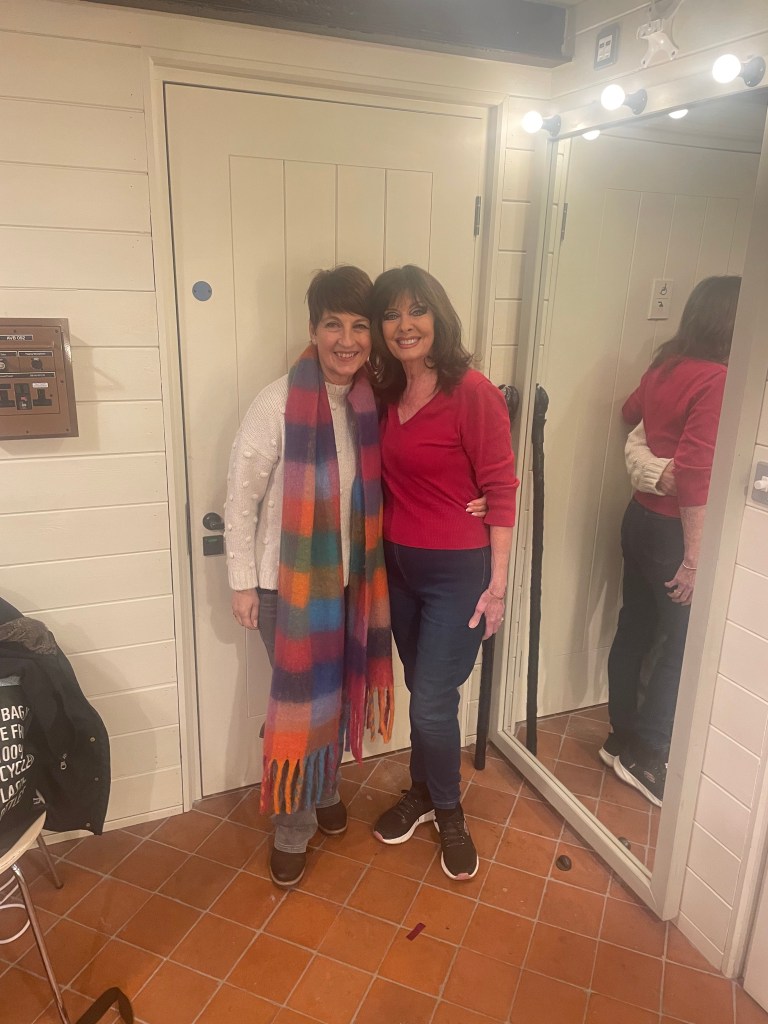
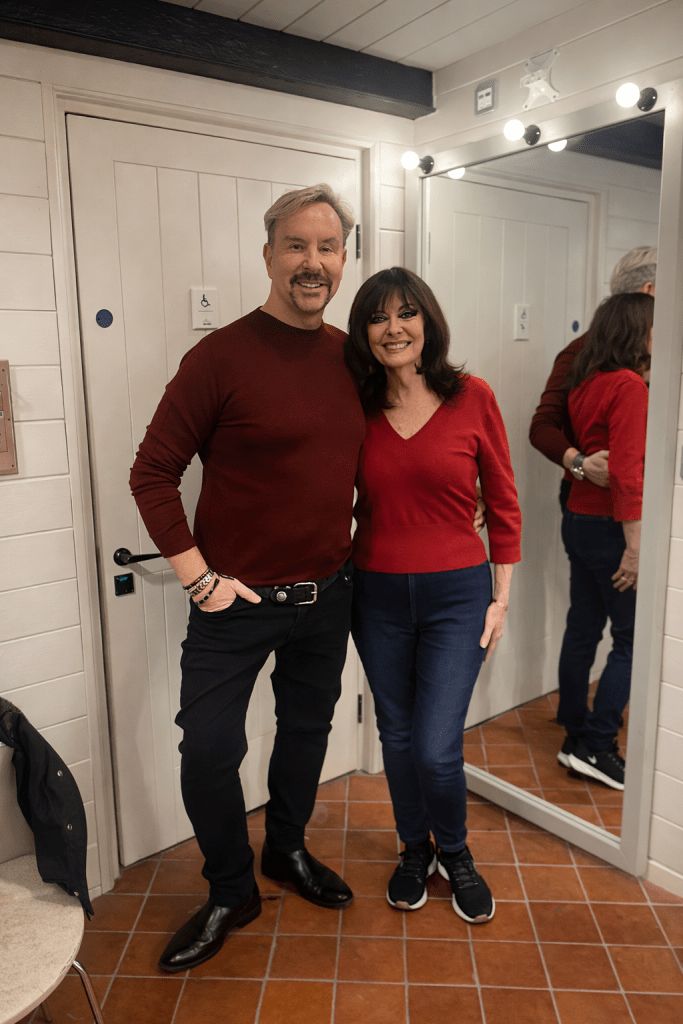
What a Treat Vicki Michelle and me back stage .

Categories
Columns Culture Lifestyle People Uncategorized

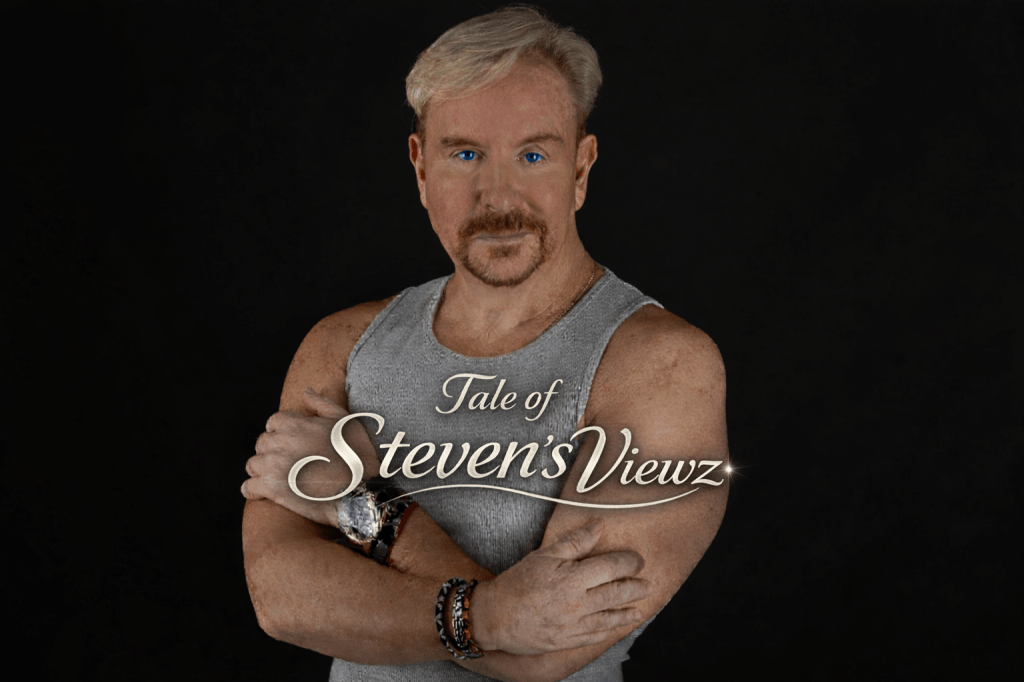
Steven’s Viewz

Is it ever okay not to invite a family member to a major life event?
Is it ever acceptable to distance yourself — or even cut ties completely?

Picture Graham Martin https://www.menart.co.uk/book-now

Steven’s Viewz

Welcome to Steven’s Viewz — the first of 2026. And let’s start the year with an uncomfortable truth.

Is it ever okay not to invite a family member to a major life event?
Is it ever acceptable to distance yourself — or even cut ties completely?

The short answer is this: yes, sometimes it is not only acceptable, it is necessary.

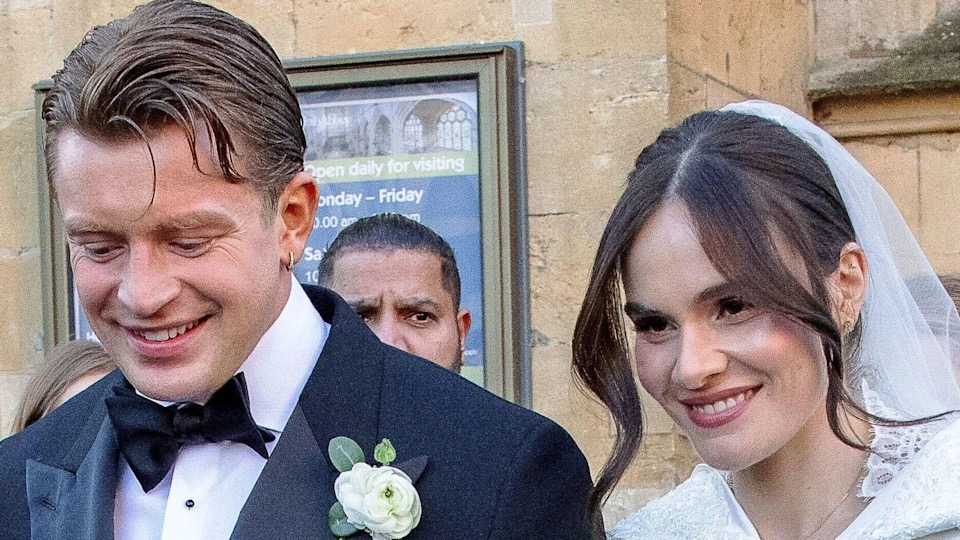
The question has been dragged into the spotlight following the wedding of the year, as Adam Peaty married Holly Ramsay and chose not to invite his mother. Predictably, the outrage machine kicked into gear. Headlines screamed. Opinions flooded in. Armchair judges — armed with no facts and limitless certainty — rushed to condemn.

Here’s what struck me most: how quick people are to defend family in theory, and how unwilling they are to accept the damage family can cause in reality.

Not all families are The Waltons.
Some families are battlegrounds dressed up as photo albums.

Behind the smiling Christmas cards and Facebook posts lie power struggles, control, emotional manipulation, and silence that screams louder than words. And when someone finally says “enough,” the world often turns on them — not the behaviour that pushed them there.

I know this terrain well.

I grew up in a family where people disappeared without explanation. At nine years old, I came home to find myself locked out. Eventually, the letterbox opened and my mother asked, “Are you on your own?” A row between her and her mother — my grandmother — had ended the relationship entirely. One moment she was part of our lives; the next, she was erased.

Visiting my grandparents had once been a joy. Then it became forbidden. When I later wrote to my gran, there were consequences. At fourteen, I was sent alone to Glasgow — not to reconnect, but to persuade my grandparents not to take my father’s side in court. That was the last time I ever saw them.

That isn’t family warmth.
That’s family politics.

So when people scoff and say, “But she’s his mother,” I don’t hear wisdom — I hear denial.

Because sometimes family isn’t a source of love. Sometimes it’s a source of fear, obligation, and emotional exhaustion. And no wedding day — no milestone — should be overshadowed by anxiety about who might erupt, undermine, or hijack the moment.

Much as you try to make it work, some people are only content when they are in control. When they aren’t centre stage, they create drama to pull the spotlight back. And when confronted, they cast themselves as the victim — never acknowledging the trail of damage behind them.

Let’s be honest: if a friend behaved that way — belittling you, calling you names, sabotaging your happiness — would you keep them in your life? Of course you wouldn’t. Yet when it’s family, we’re told to endure it. Smile through it. Absorb it.

Why?

Mental health does not become optional because someone shares your DNA.

Often, when people move into new social circles or build lives different from the ones they were raised in, it triggers insecurity in those left behind. Even when efforts are made to include them, their anxiety spills out as disruptive behaviour. Weddings, birthdays, celebrations — all become stages for unresolved resentment.

If Adam’s mother were truly the injured party, dignity would have been her strongest ally. Silence, reflection, restraint — not public outrage. Those who are genuinely wronged rarely need to shout the loudest.

Adam didn’t just make a decision about a wedding invitation. He changed his surname. That is not impulsive. That is not petty. That is the culmination of years of internal conflict, careful thought, and emotional cost.

And I applaud him for doing it early — before resentment calcifies, before damage multiplies, before patterns repeat. Family member may love you but it does not allow them to hurt you and be in denial.

No family member should ever make you feel small, fearful, or unworthy. Family should be the safest place — not the one you brace yourself for.

Sometimes the bravest, healthiest choice is to step away. Not out of bitterness, but out of self-respect. Not to punish, but to protect.

And if that makes people uncomfortable, perhaps it’s because it forces them to confront a truth they’d rather ignore:

Family doesn’t get a free pass to hurt you.

Why Amandaland Was the Christmas Treat We Didn’t Know We Needed

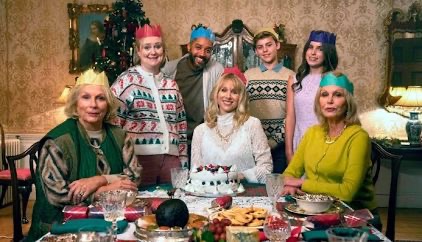
There is a particular kind of Christmas television that feels like slipping into a familiar jumper: slightly stretched, deeply comforting, and faintly ridiculous. The Amandaland Christmas special is exactly that kind of viewing — and all the better for it.

Christmas Day television is a battlefield. Big budgets, earnest dramas, and aggressively “heartwarming” narratives often jostle for attention, all while families argue over the remote and someone burns the sprouts. Amandaland cuts through the noise by doing something radical: it knows precisely what it is. A sharp, character-driven comedy about social aspiration, emotional repression, and the very British terror of appearing ordinary — now wrapped in tinsel.

The episode’s premise is delightfully simple. Amanda, our tightly wound heroine, decides to recreate a “perfect” childhood Christmas at her aunt’s country home. Naturally, this requires absolute aesthetic control, emotional denial, and an unwavering belief that nothing — not weather, children, or other people — should interfere with her vision. What follows is a festive slow-motion collapse, played with exquisite comic timing.

Enter Jennifer Saunders, who turns up as Aunt Joan like a glitter cannon fired directly into the episode. Saunders doesn’t merely steal scenes — she annexes them. Her performance is gloriously unfiltered, full of physical comedy, throwaway lines, and the sense that she is enjoying herself enormously. This is not nostalgia casting; this is a master at work, reminding us how joyful comedy can be when it’s driven by confidence rather than caution.

Then there’s Joanna Lumley, a woman who could make a shopping list sound withering. As Amanda’s emotionally glacial mother, Lumley delivers her lines with that unmistakable mix of elegance and quiet disdain. Every raised eyebrow lands like a punchline. She doesn’t chase laughs — she allows them to come to her, which somehow makes them sharper. Watching Lumley and Saunders share the screen again is less a reunion and more a reminder: this is what happens when comic icons are trusted to do what they do best.

What makes Amandaland such perfect Christmas viewing is its refusal to be falsely sentimental. Yes, there’s warmth here — but it’s earned, not imposed. The show understands that Christmas isn’t magical because it’s perfect; it’s memorable because it rarely is. The forced cheer, the unresolved family tensions, the desperate attempts to manufacture tradition — all of it rings painfully, hilariously true.

In an era where television often feels either too bleak or too bland, Amandaland occupies a sweet spot we desperately need more of. It’s clever without being smug, affectionate without being soft, and funny without shouting for attention. Most importantly, it trusts its audience — and its performers — to appreciate humour rooted in character rather than spectacle.

By the time the credits roll, you feel lighter. Not because everything’s been neatly resolved, but because you’ve laughed at the chaos instead of pretending it doesn’t exist. And really, isn’t that the whole point of Christmas television?

More of this, please. Preferably every year. https://www.bbc.co.uk/iplayer/episode/m002p137/amandaland-christmas-special

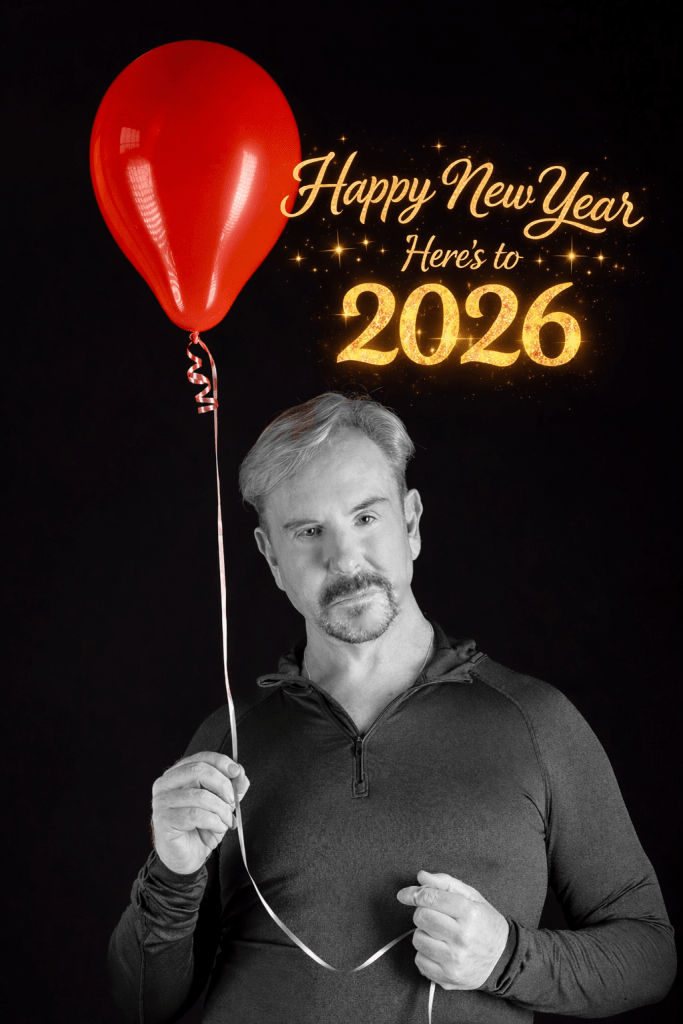
Wishing you an amazing 2026 please support 2shades by sharing and subscribing .

https://www.facebook.com/profile.php?id=100063512412288

https://www.instagram.com/stevesmithwords22/