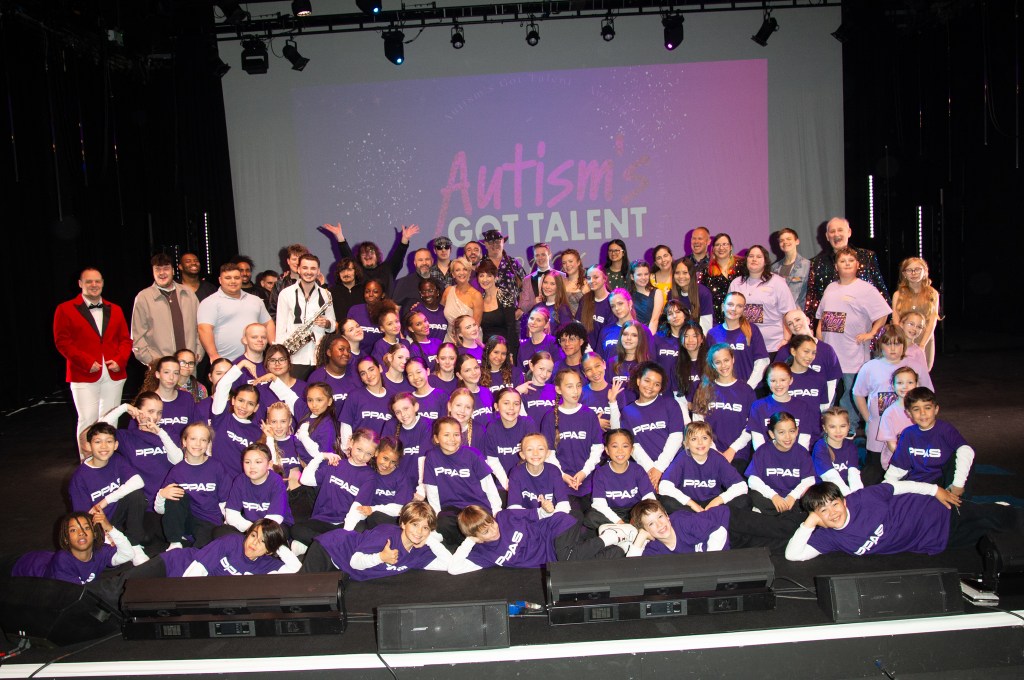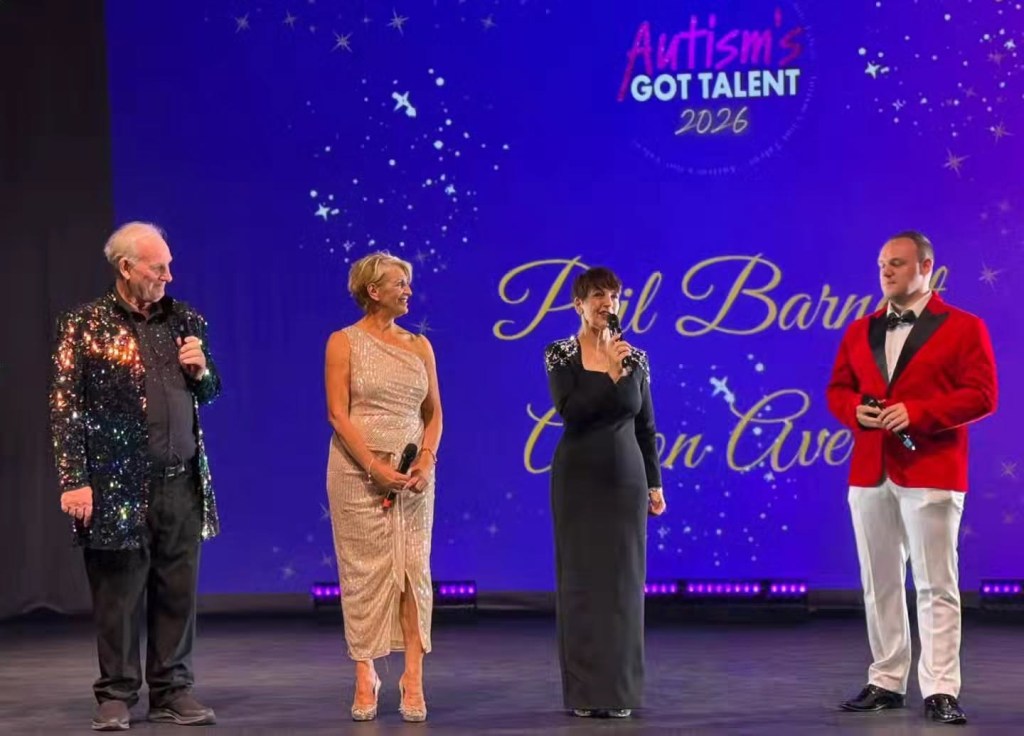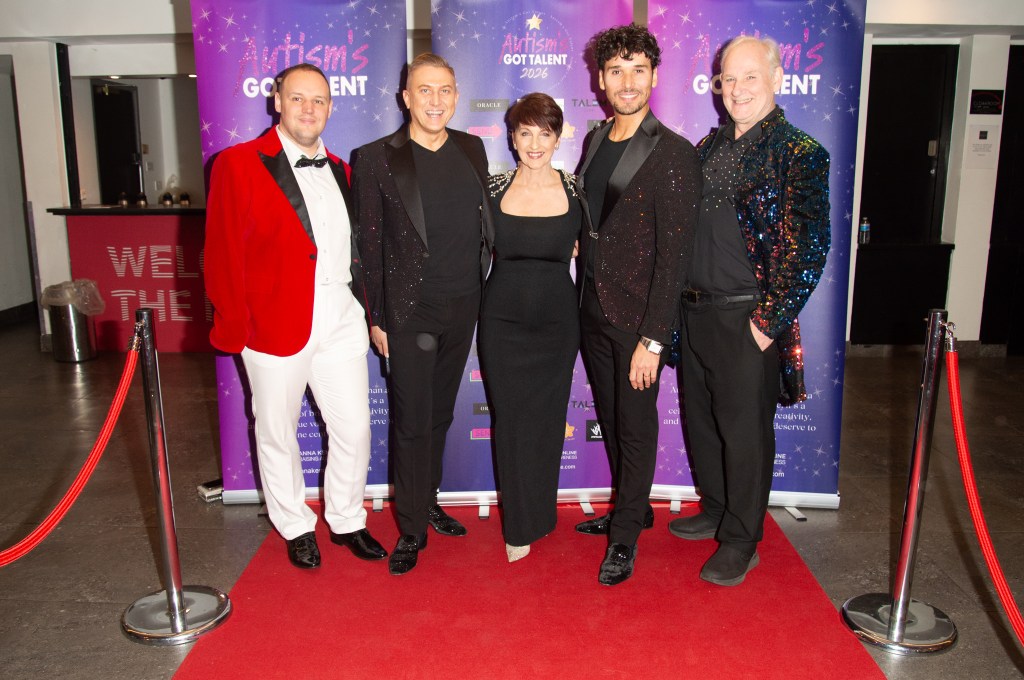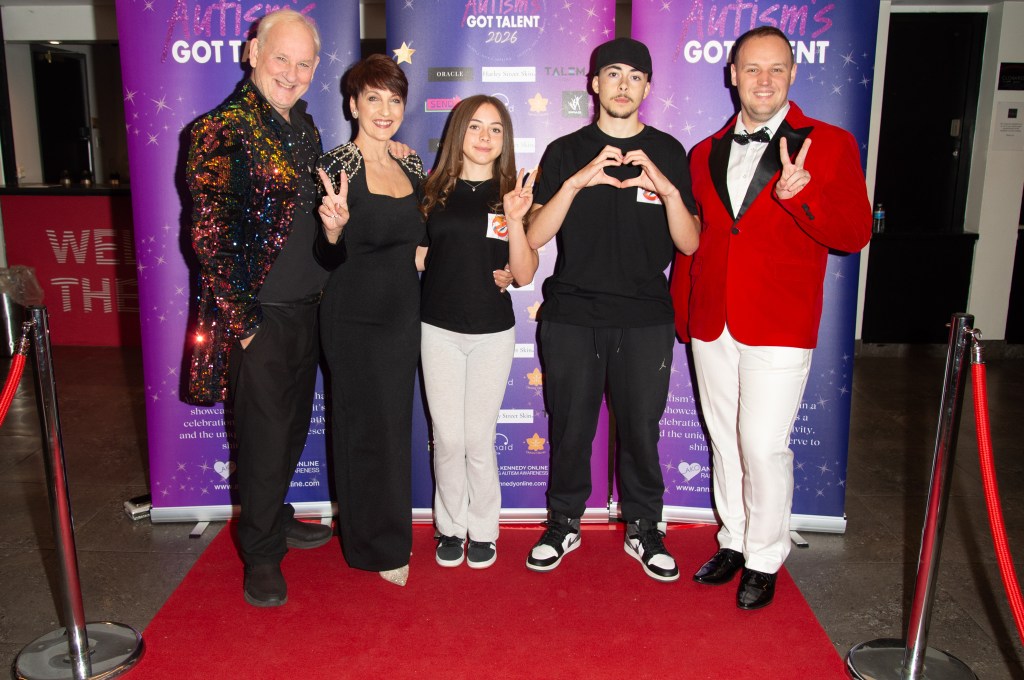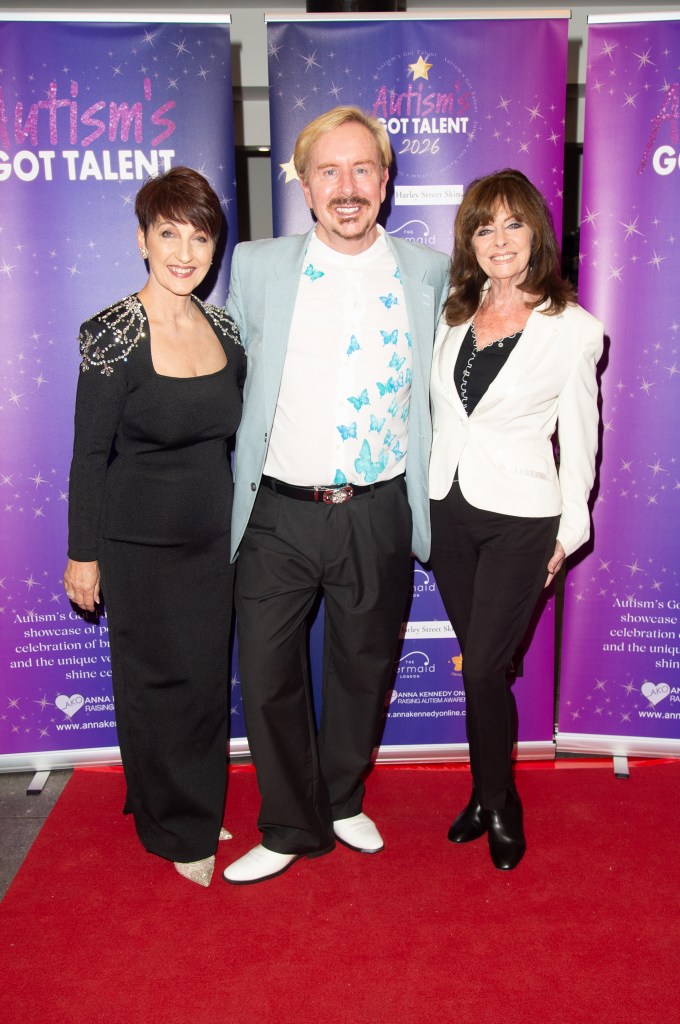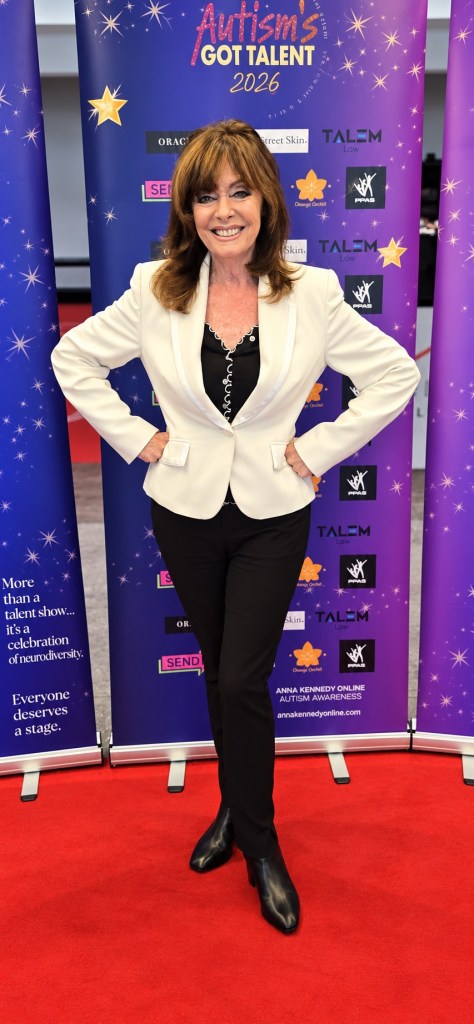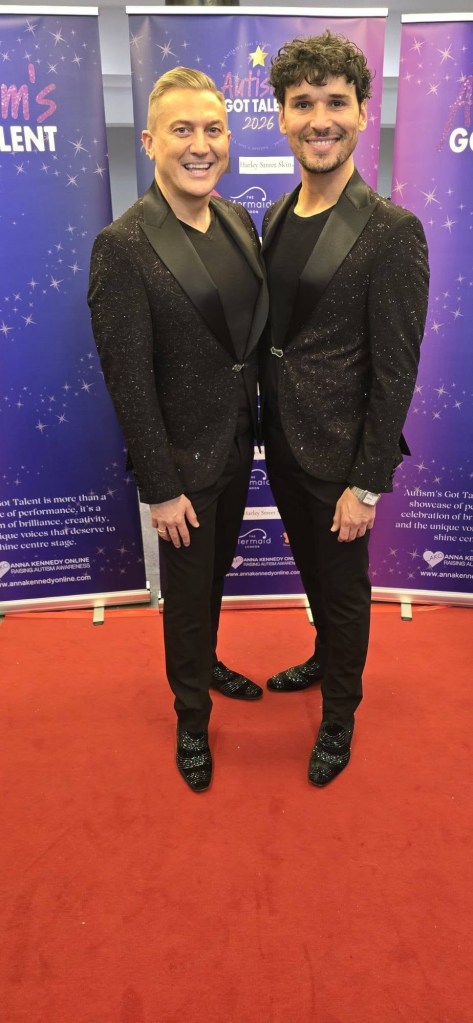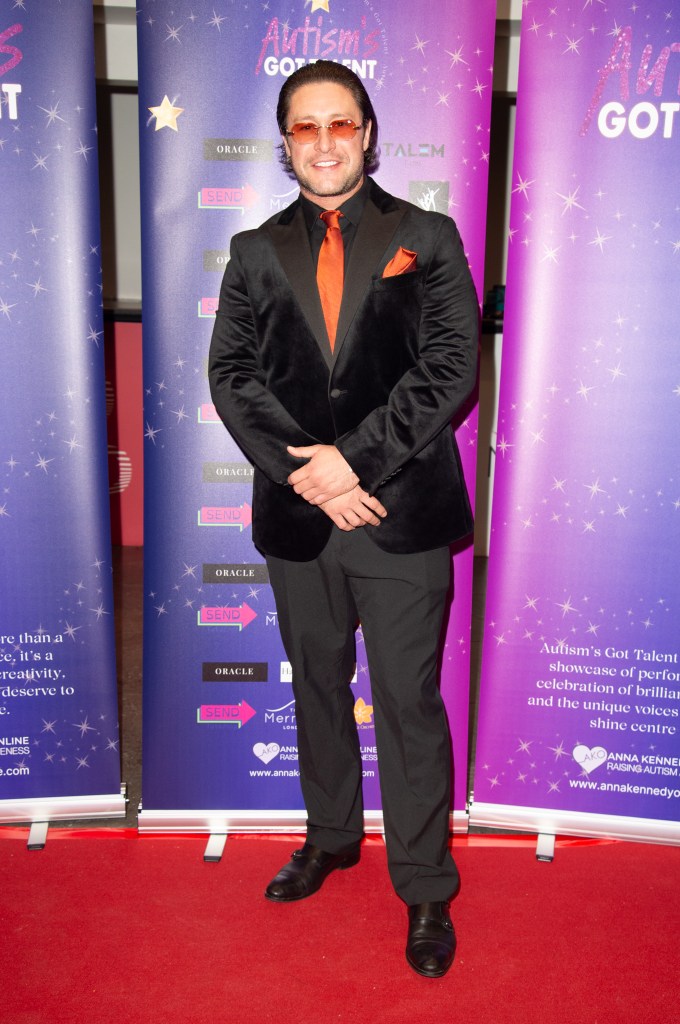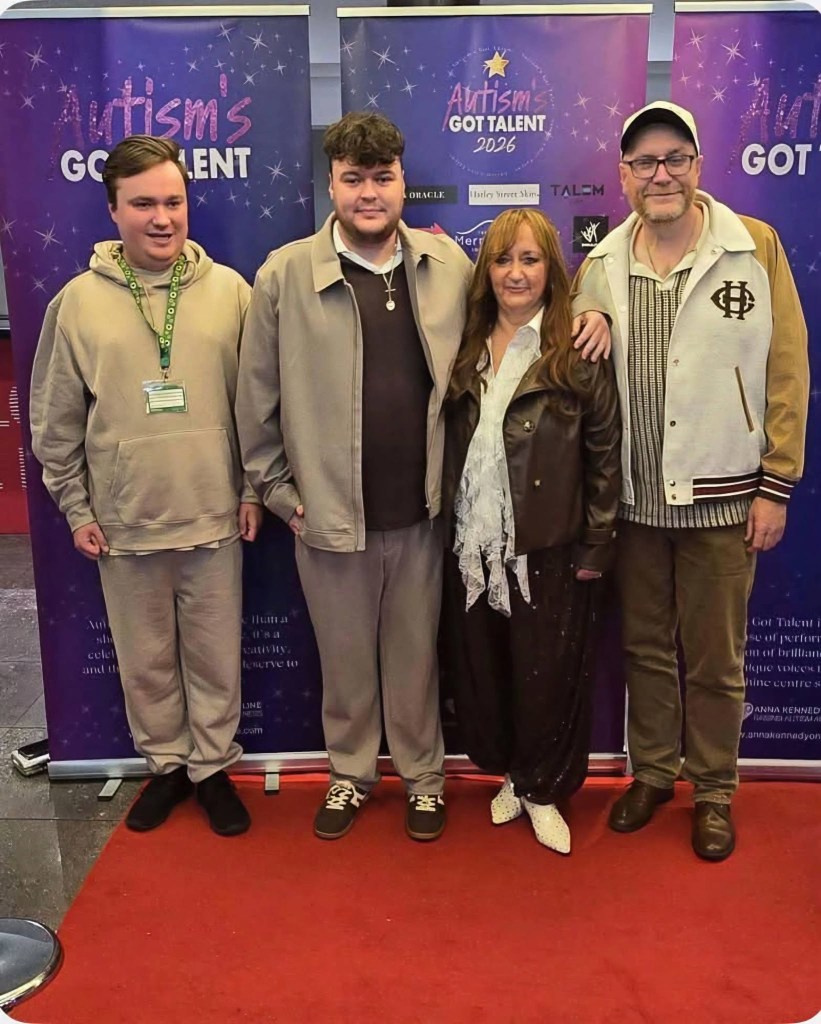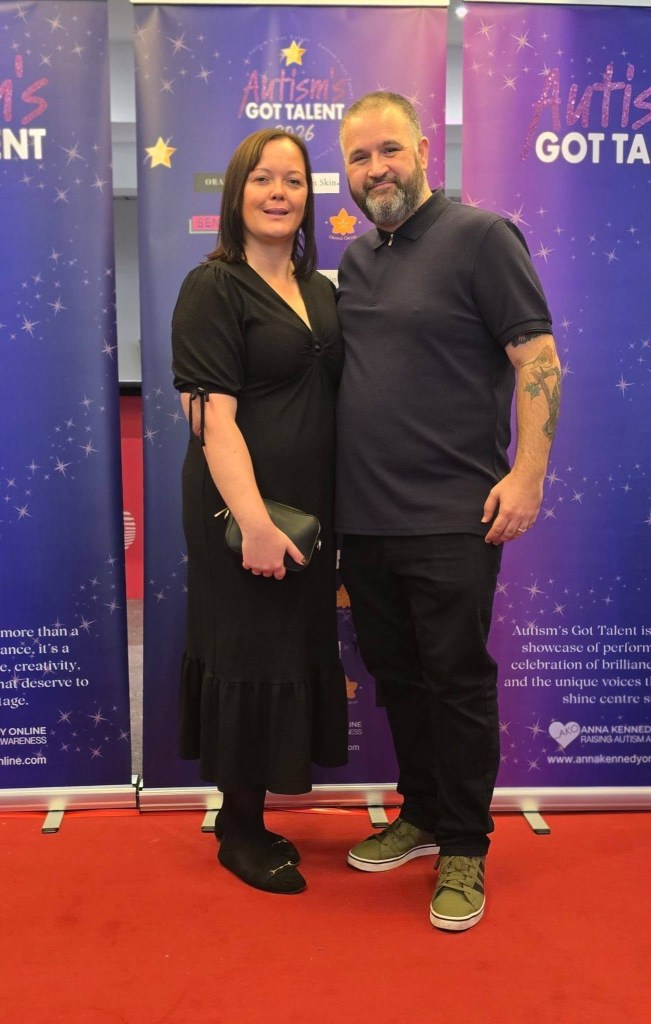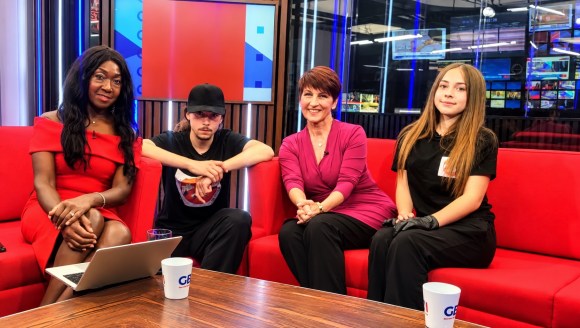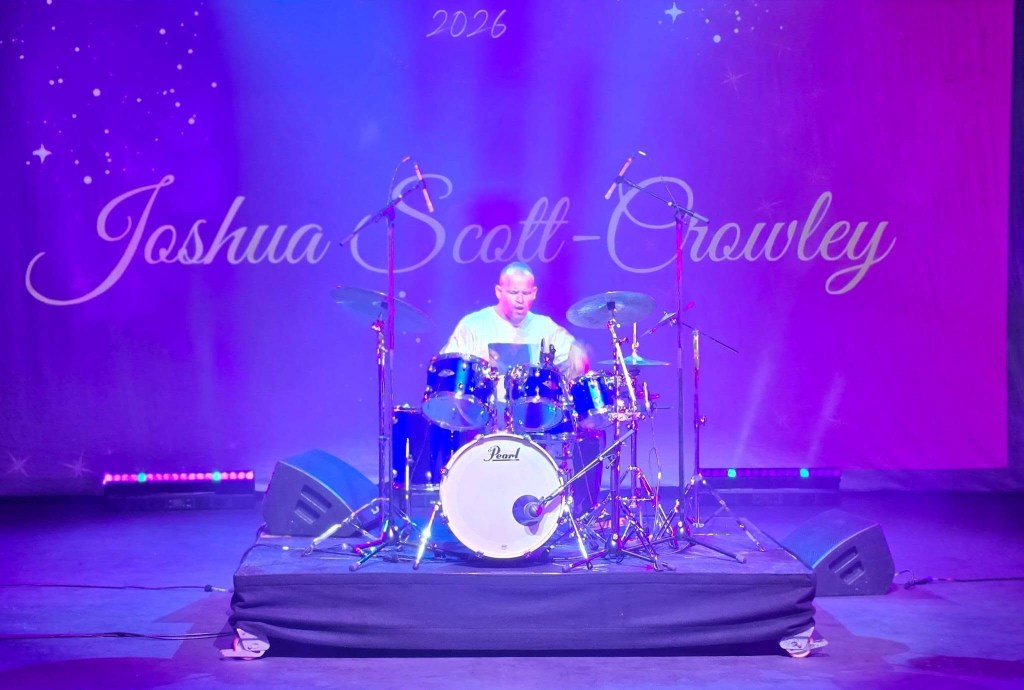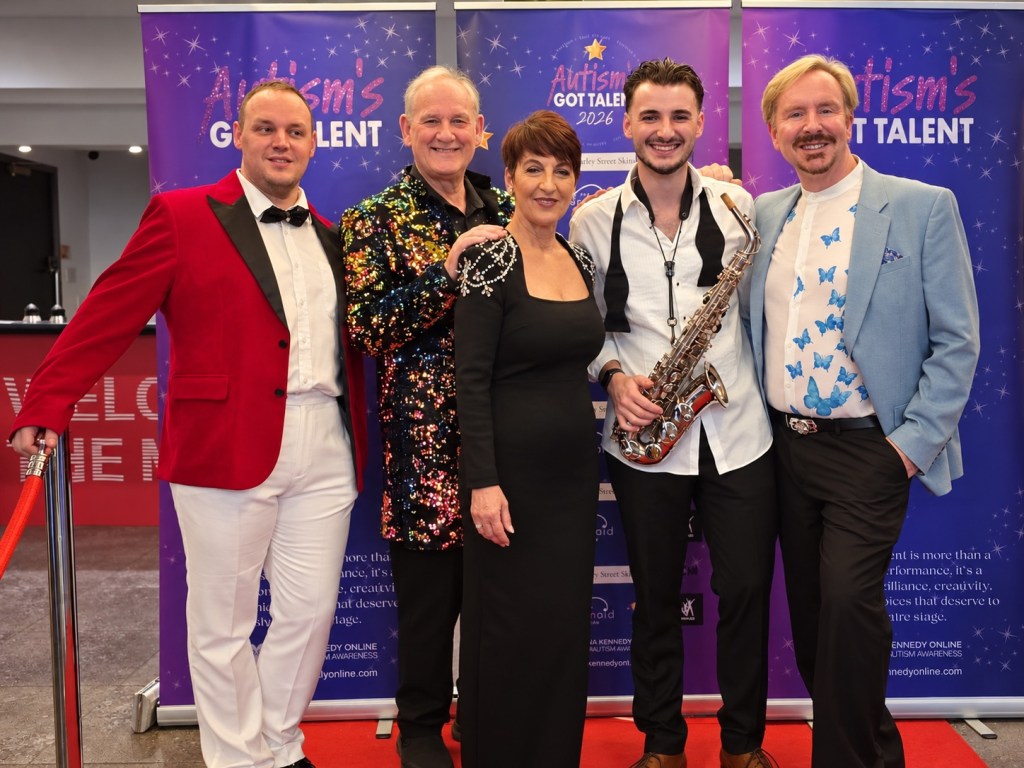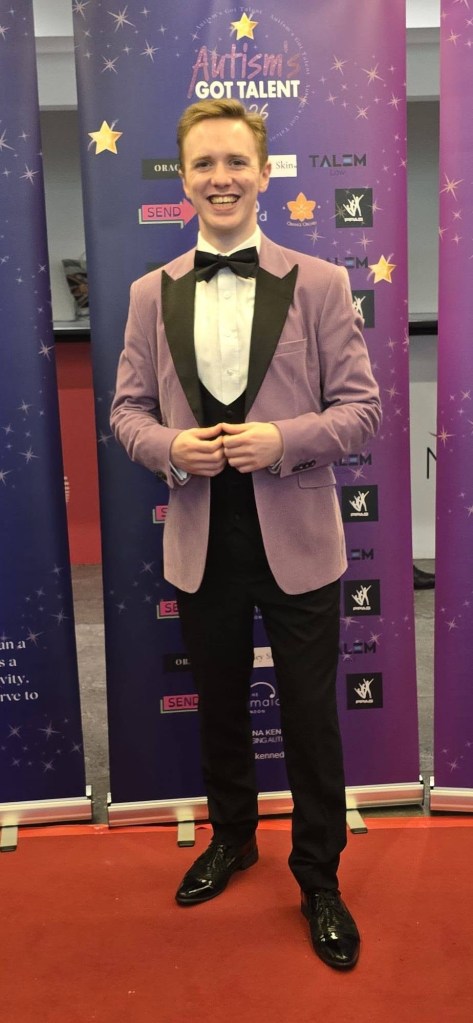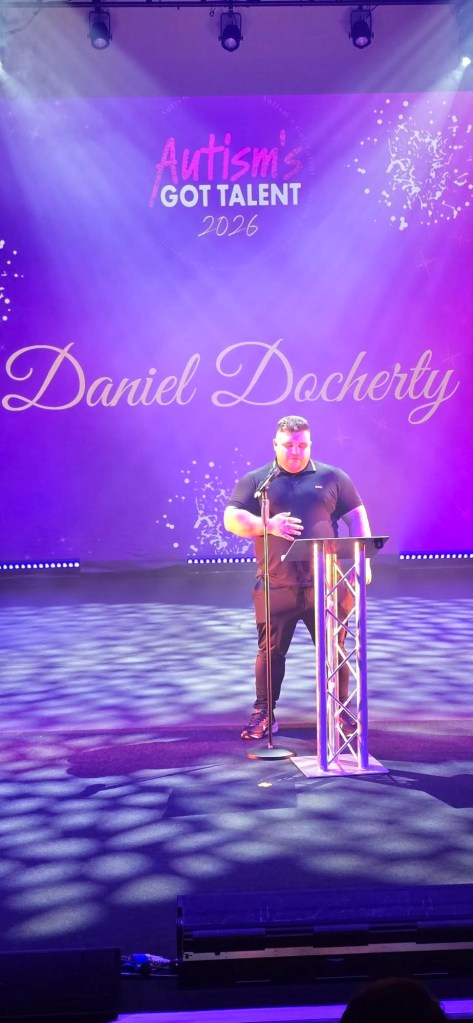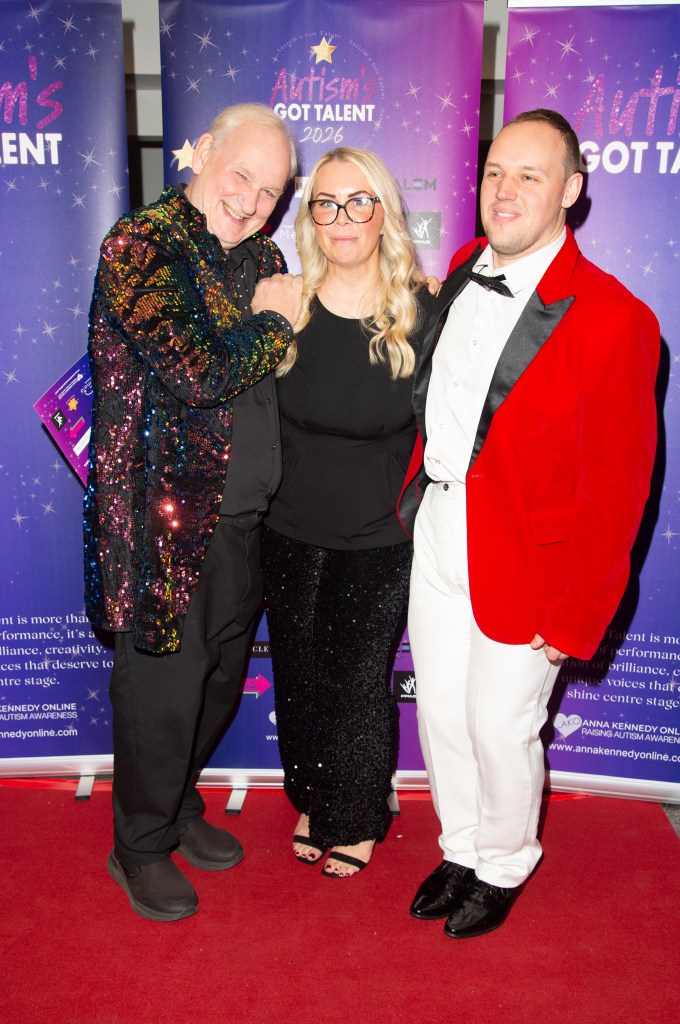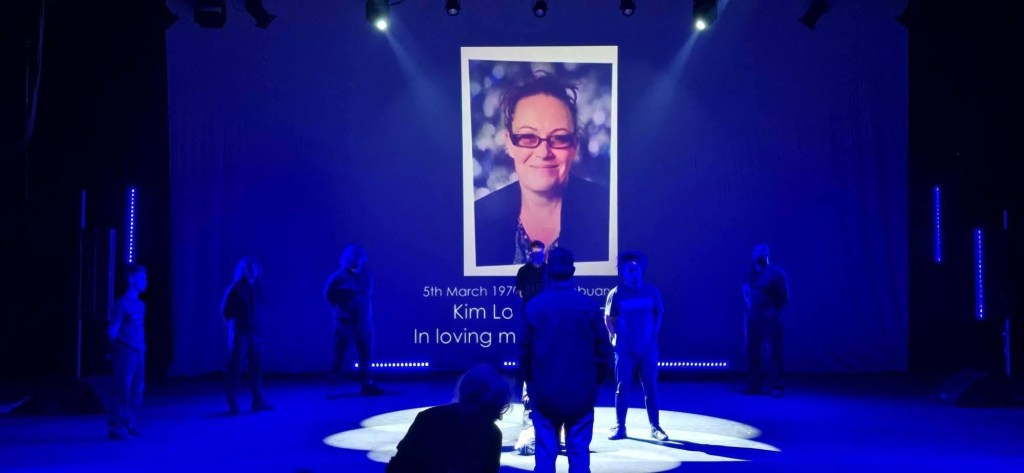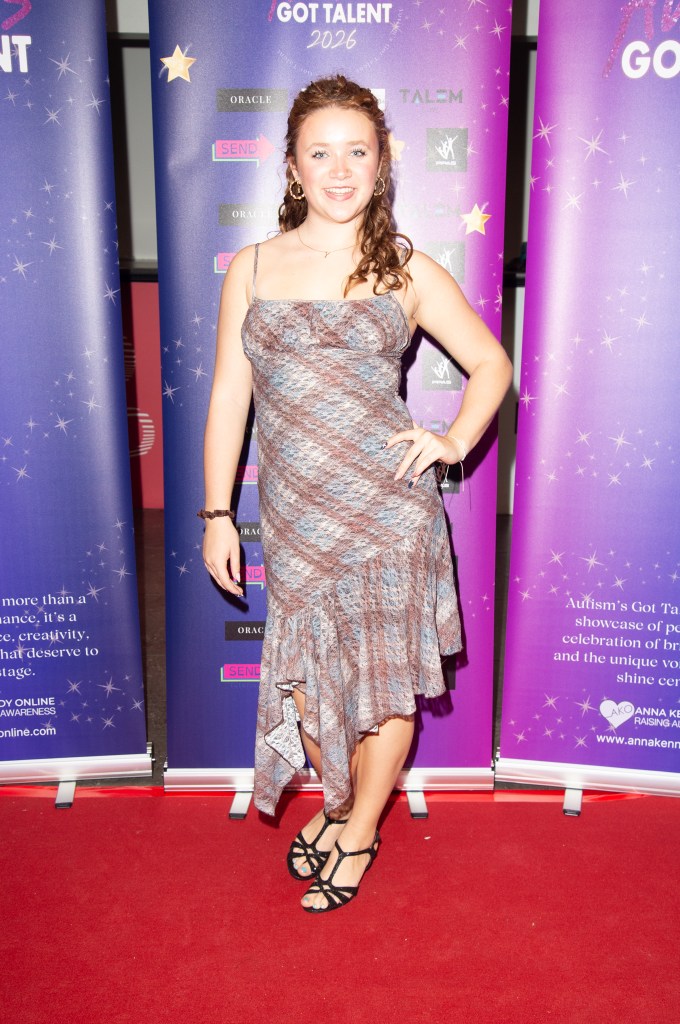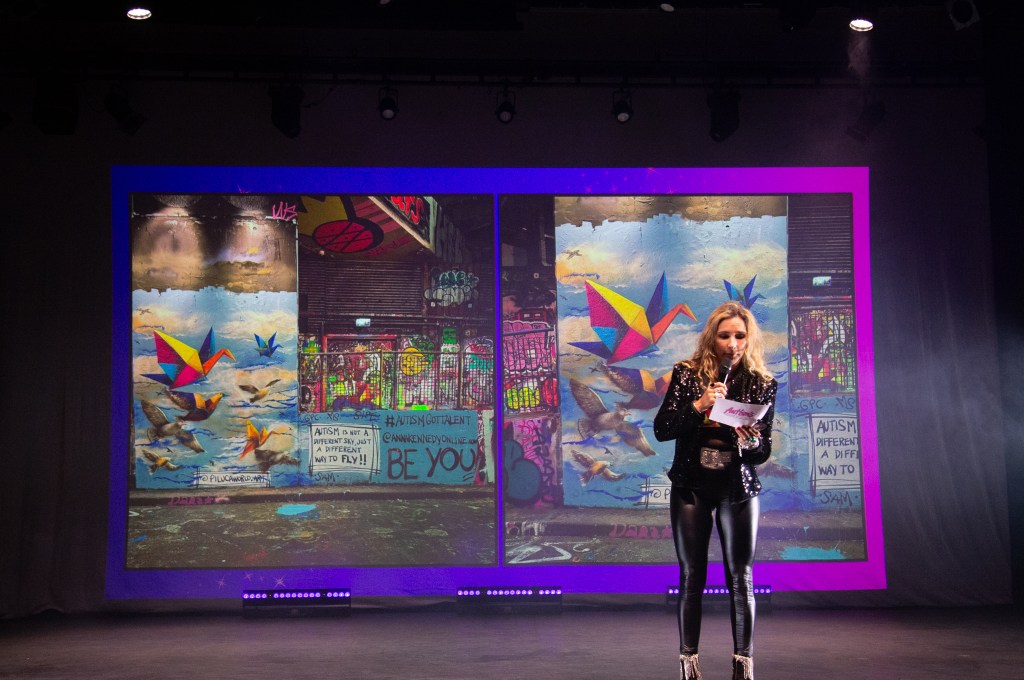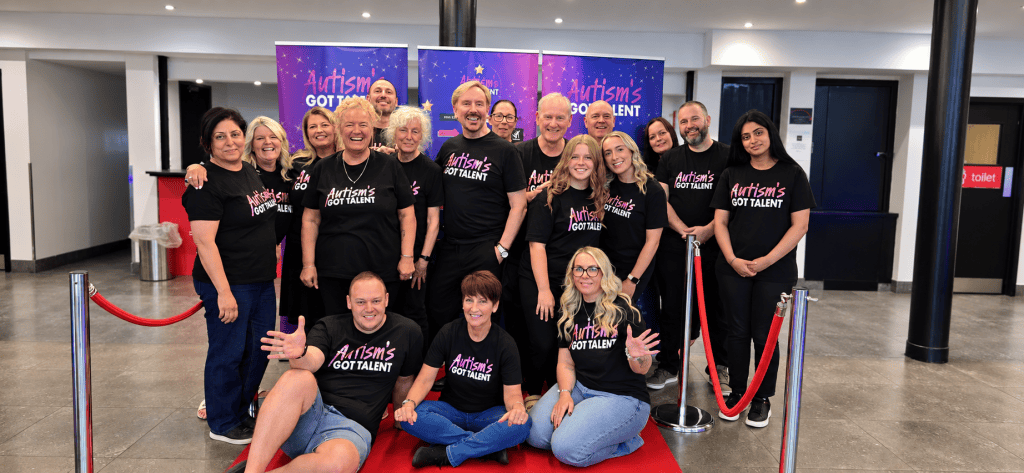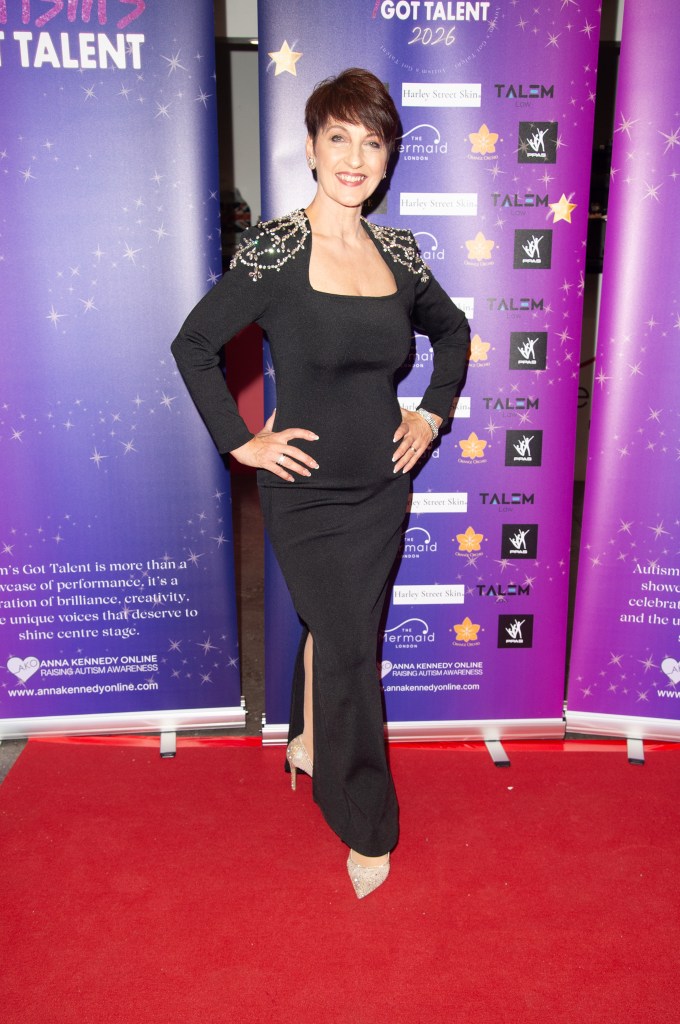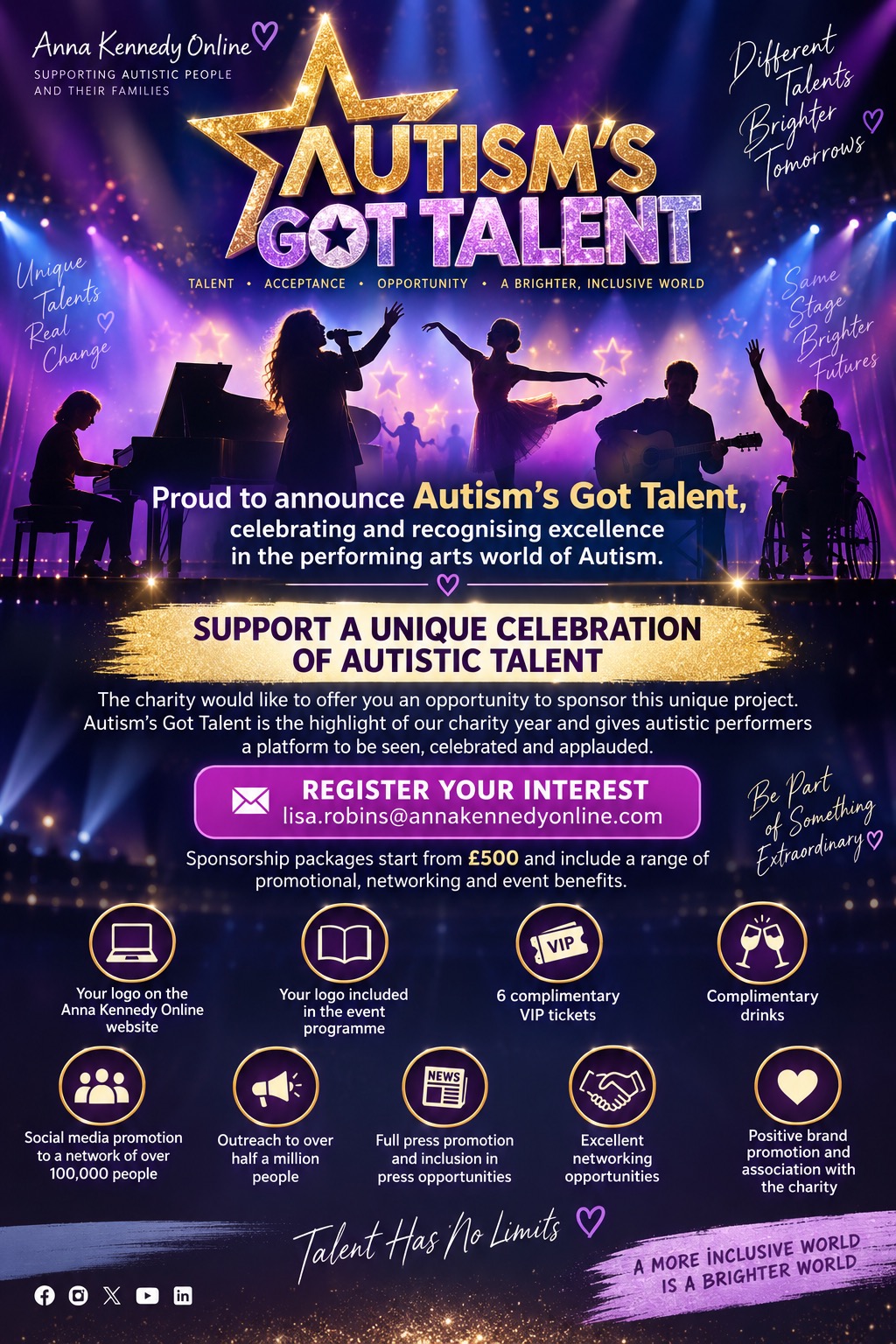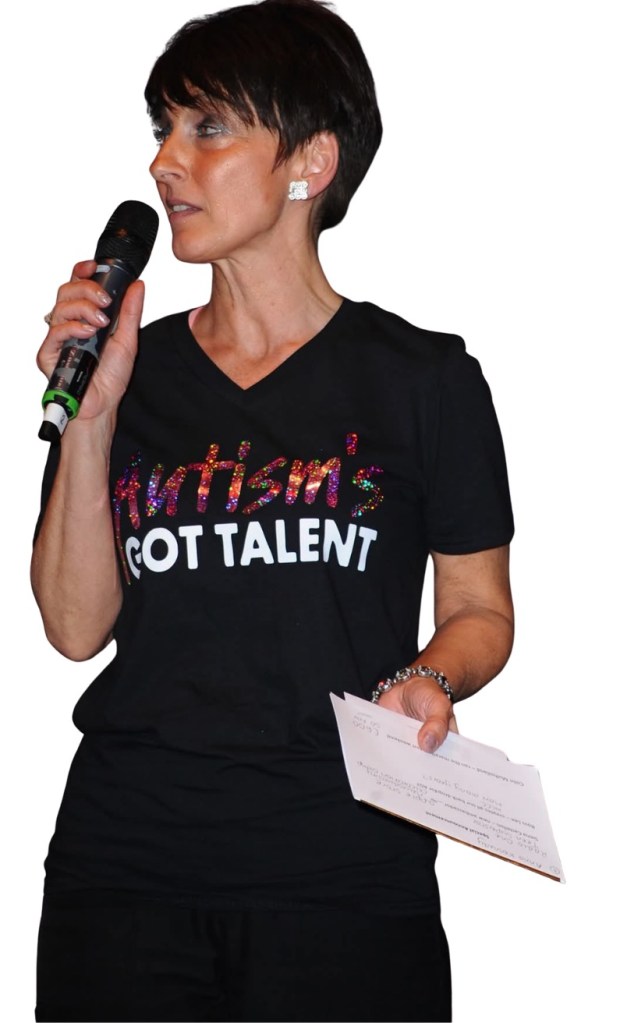
There are some evenings that entertain you, and there are others that remind you just how extraordinary people can be. Autism’s Got Talent does both.
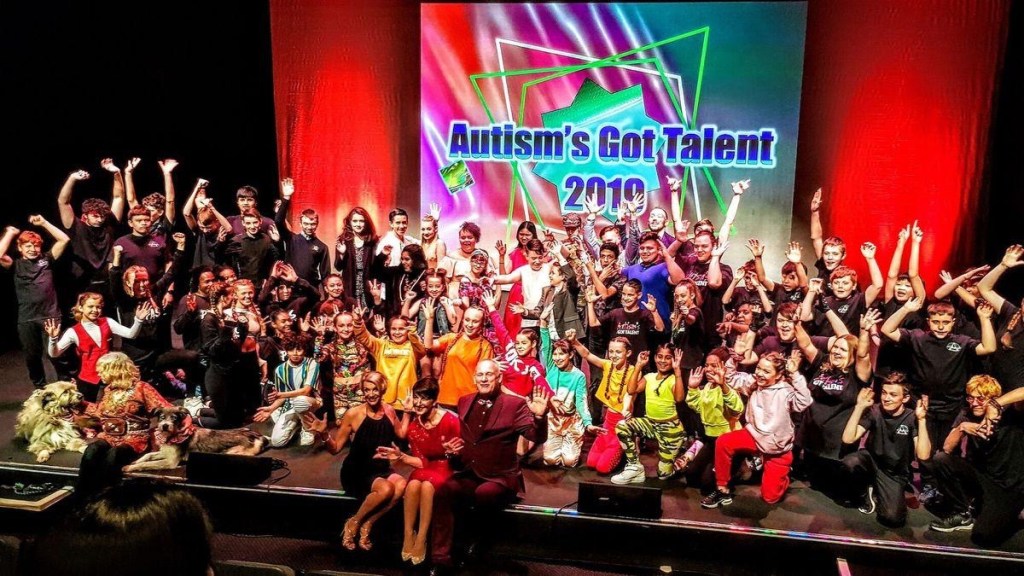
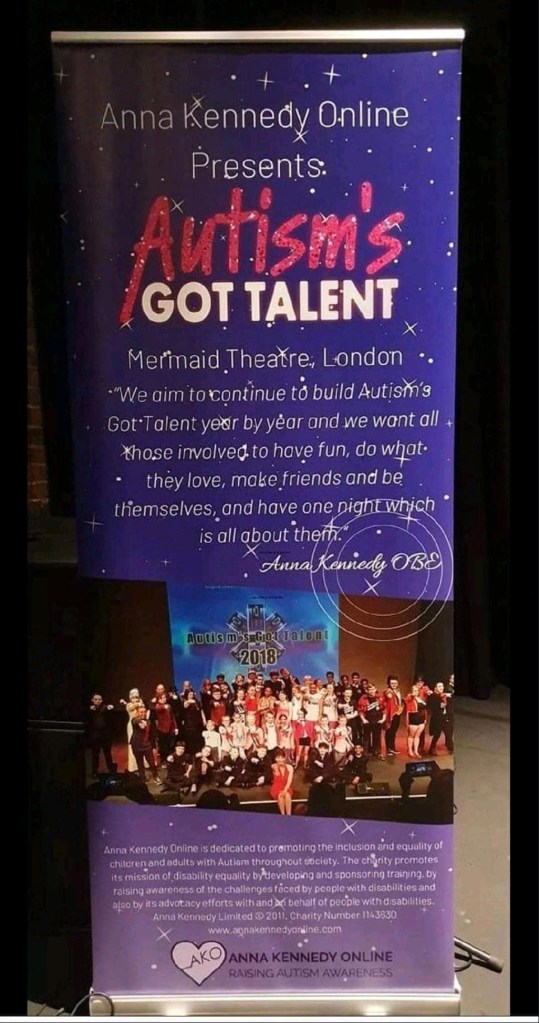
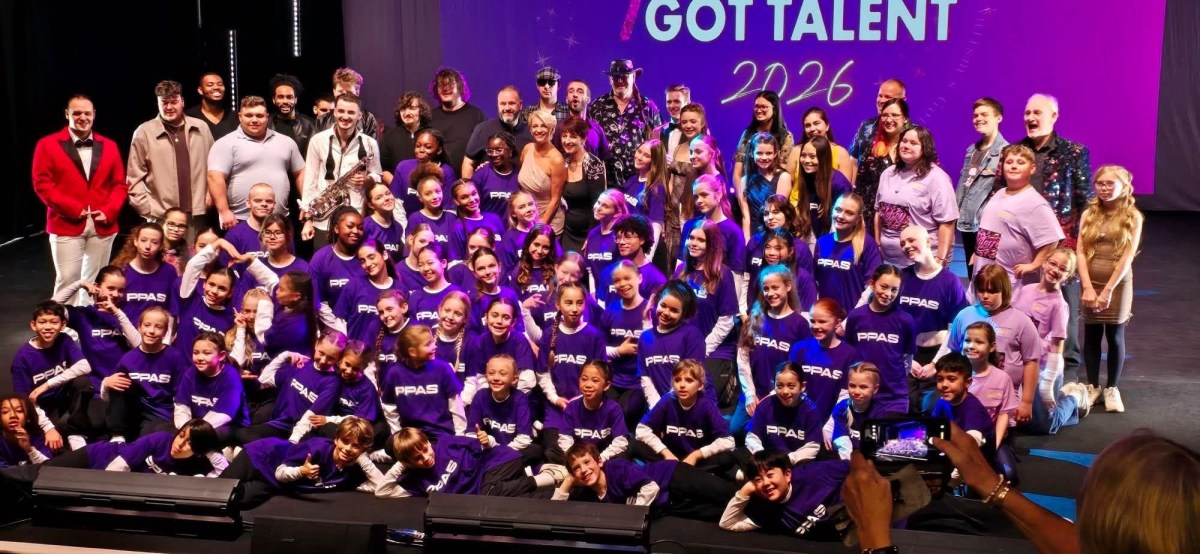
This year is particularly special. On 10 October 2026, Autism’s Got Talent returns to London’s Mermaid Theatre to celebrate its 15th anniversary — fifteen years of giving autistic children and adults the opportunity to step into the spotlight and show an audience exactly what they can do.
Created by Dr Anna Kennedy OBE and her charity Anna Kennedy Online, Autism’s Got Talent has become the highlight of the charity’s year.
Over those years, singers, dancers, musicians, magicians, poets and performers of all kinds have taken to the stage. There have been standing ovations, laughter and more than a few tears. In 2022 alone, a packed 650-seat Mermaid Theatre watched performers receive standing ovations throughout the evening.
But putting on an event of this scale takes support — and we are looking for sponsors who would like to become part of the Autism’s Got Talent story.
Sponsorship packages start from just £500, giving businesses and individuals the opportunity not only to support this remarkable event but also to receive significant exposure.
Benefits include your logo on the Anna Kennedy Online website and in the event programme, six complimentary VIP tickets, complimentary drinks, social-media promotion to a network of more than 100,000 people, wider outreach exceeding half a million people, press promotion and excellent networking opportunities.
Most importantly, however, your sponsorship helps provide a stage where autistic performers are not defined by a diagnosis or by what somebody thinks they cannot do.
They are simply performers. And the stage belongs to them.
As Patron of Anna Kennedy Online, I have witnessed first-hand just how special Autism’s Got Talent is. I would love to see businesses, brands and individuals come forward and help us make the 15th anniversary an evening these talented performers will never forget.
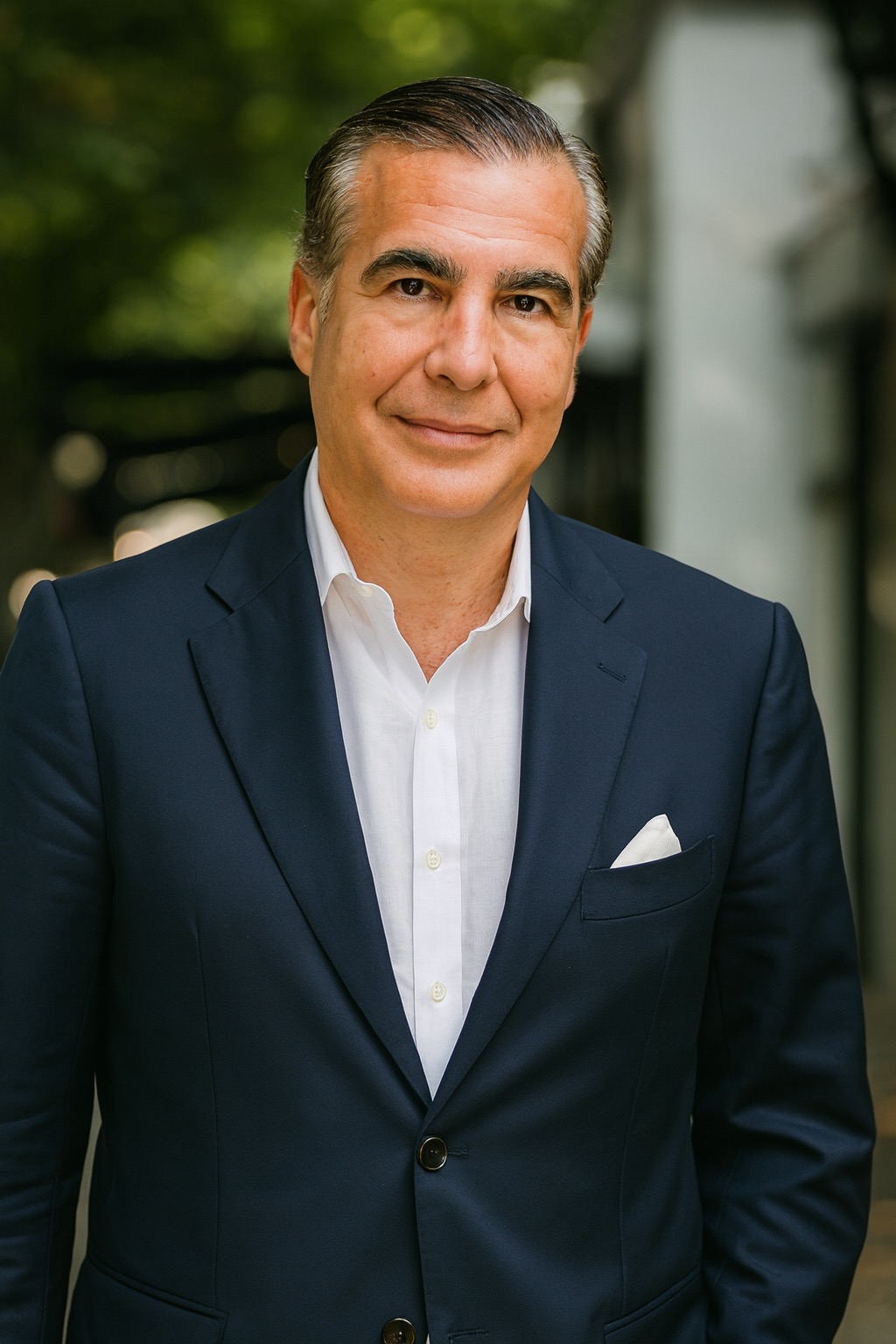
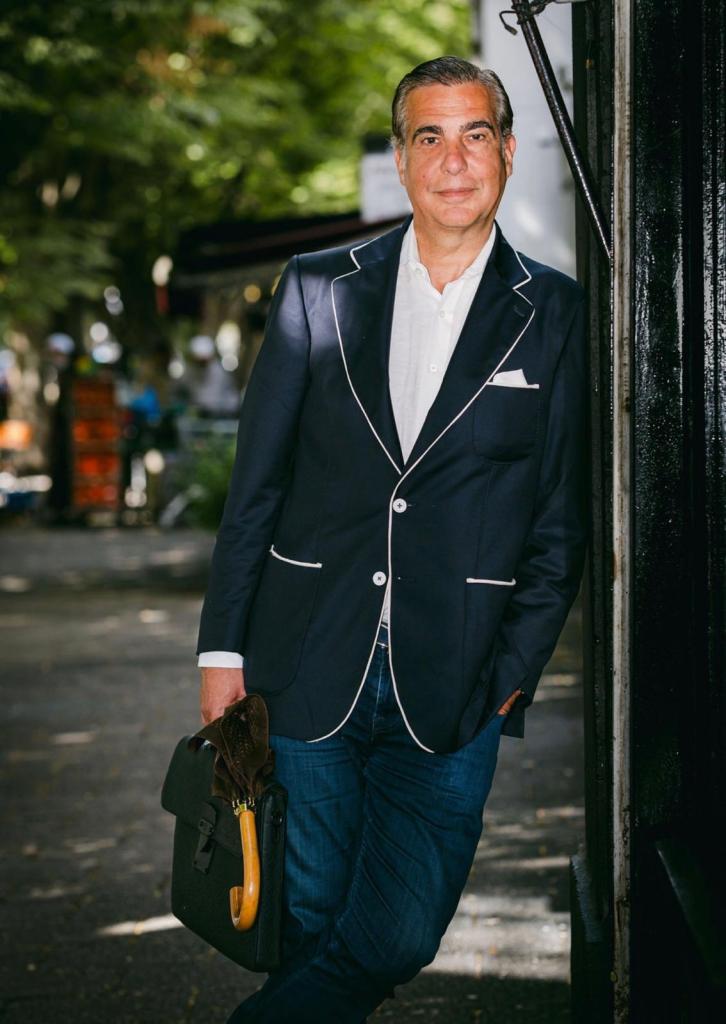
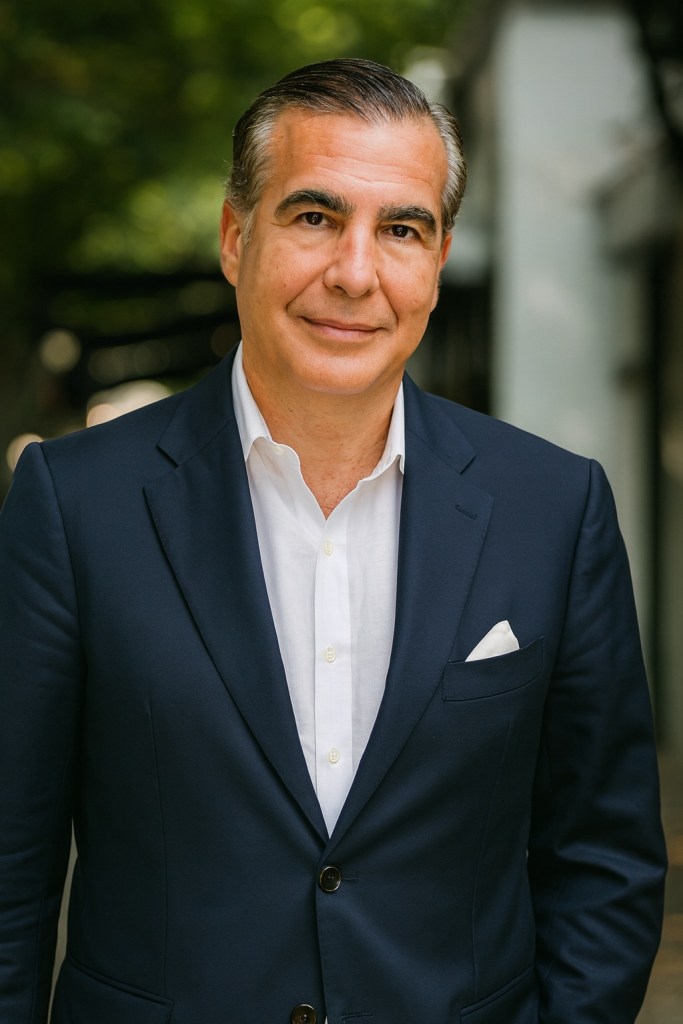
There are some people whose careers follow a fairly predictable path, and then there are those who take a completely different route. Dr Joseph Crespo certainly falls into the latter category.
London-based Dr Crespo has a fascinating and varied background. Before entering the world of medicine, he studied law and went on to complete an MBA in London, before working in the financial sector as a consultant and analyst. But his story didn’t end there. He made the considerable decision to change direction and retrain as a doctor — beginning a new chapter that would eventually see him working across both NHS and private healthcare.
His medical career has been equally varied, with experience ranging from GP surgeries and urgent care to walk-in centres, out-of-hours services and even HM Prisons. He has also been involved in teaching the next generation of doctors as a GP tutor and clinical examiner, alongside undertaking medical charity work in India.
It is perhaps not surprising, then, that someone who has reinvented his own life more than once should become interested in the science behind our ability to change.
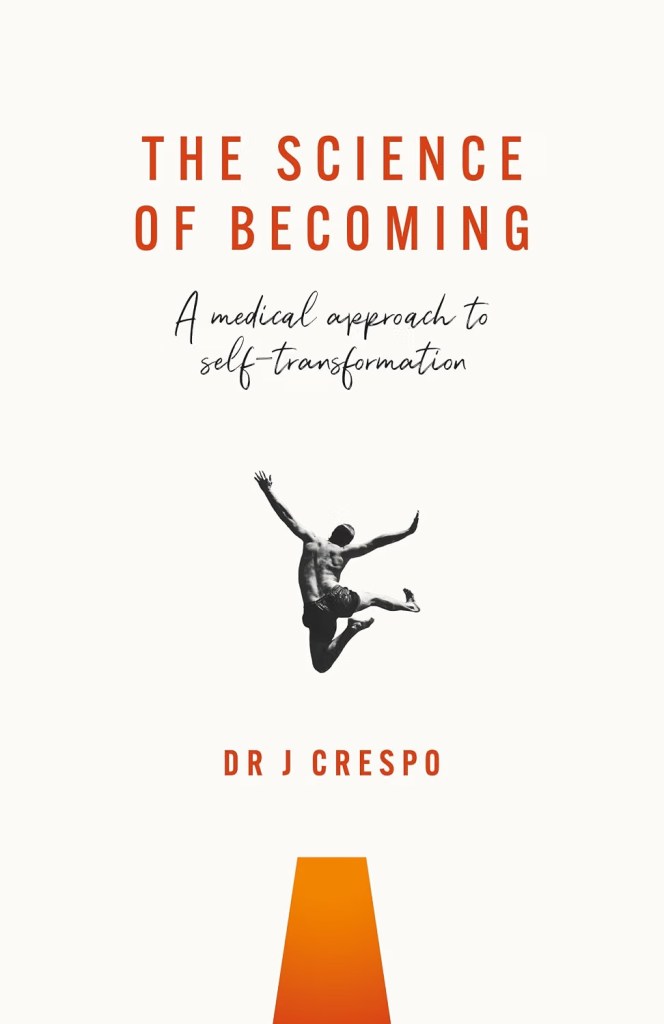
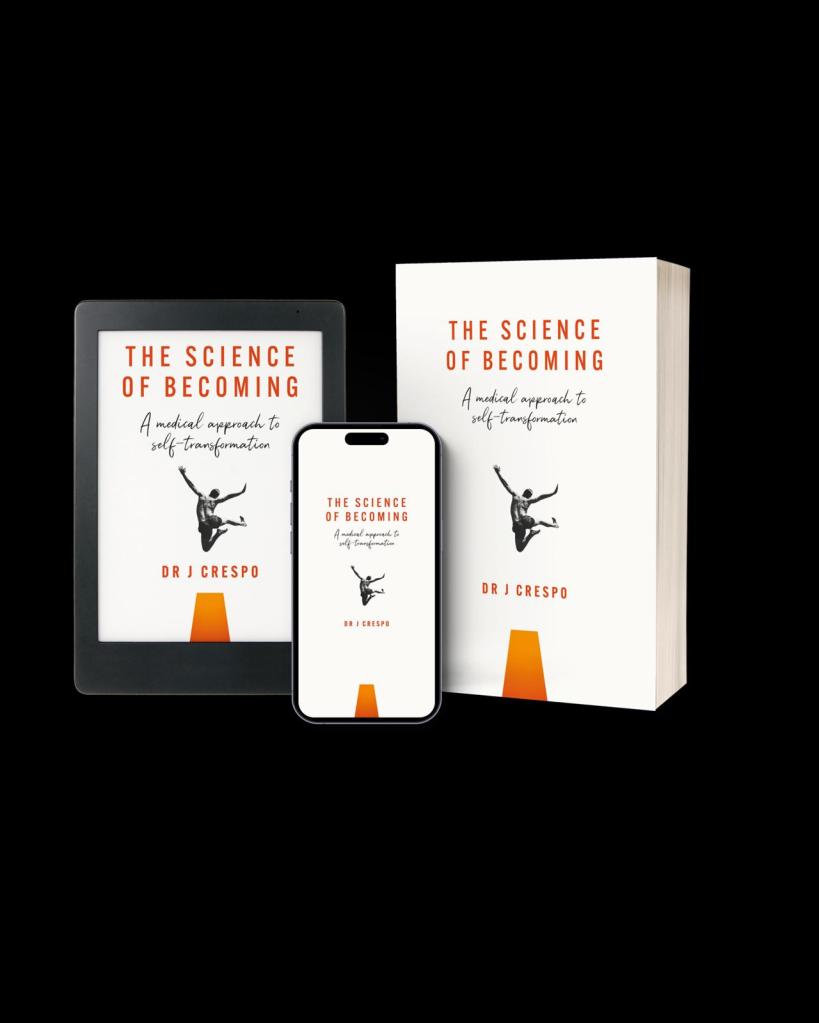
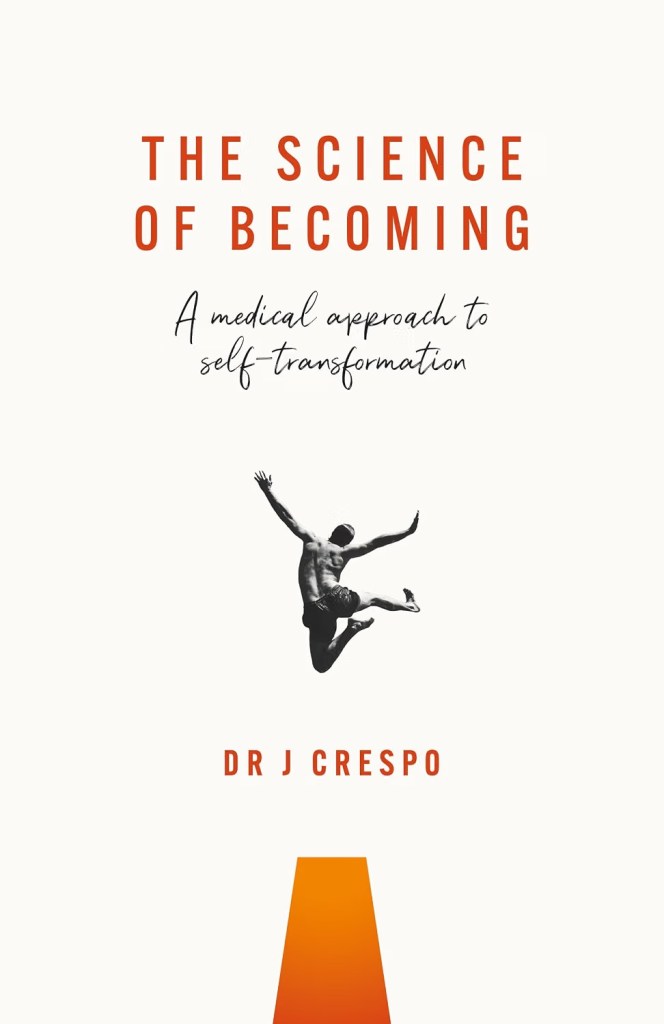
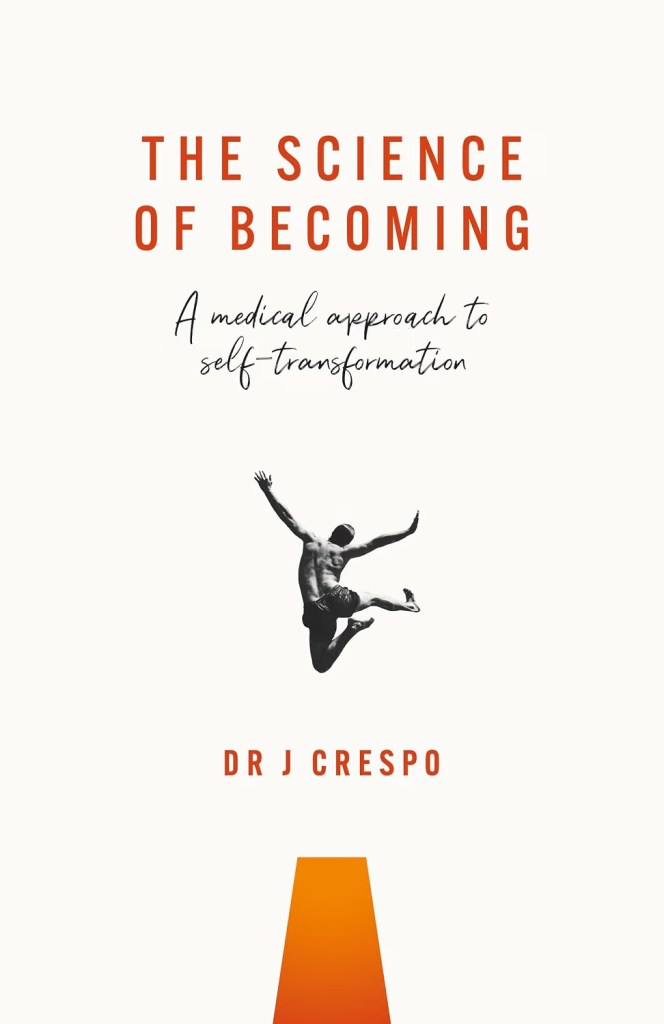
That interest has now resulted in his book, The Science of Becoming: A Medical Approach to Self-Transformation. Rather than simply telling us to think positively or try harder, Dr Crespo looks at personal change through the eyes of a medical professional, exploring subjects including habits, decision-making, stress, sleep and nutrition — and asking how science can help us make changes that actually last.
At a time when social media seems to offer us a new wellness trend, miracle solution or life-changing hack almost every day, separating good advice from clever marketing has arguably never been more important.
So who better to ask than the doctor who has made transformation not only the subject of his book, but something of a feature of his own extraordinary career?
I caught up with Dr Joseph Crespo to find out more…
Dr Crespo, tell me a little about you. What was your journey into medicine, and what eventually made you want to write a book about changing our lives?
My journey into medicine was long and unorthodox, training first as a lawyer and then a financier. When I finally left it all behind to follow my passion, I trained and practise as a primary care physician, and for years my work sat at the intersection of diagnostics, chronic illness and prevention.
What struck me again and again in clinic was that the biggest lever for most people’s health wasn’t a prescription. It was the slow accumulation of daily choices: how they slept, how they handled stress, what they ate, how they thought about themselves. I kept watching patients try to change with sheer determination and fail, not because they lacked willpower but because nobody had ever given them a framework. Medicine has one. It’s called clinical reasoning, and I realised the same discipline doctors use to diagnose and treat could be turned inward, applied to the process of changing a life rather than treating a disease. That’s where the book came from.
The title is The Science of Becoming. Becoming what? Is there actually an optimum version of ourselves, or are we in danger of constantly being told that we need to improve?
Becoming isn’t about arriving at some fixed, optimised endpoint. There’s no single best version of a person waiting to be unlocked. What I mean by becoming is closer to what we mean clinically by healing: a direction, not a destination. It’s the ongoing process of reducing the gap between how you’re currently living and what your body and mind actually need to function well. I’m wary of the “optimisation” culture that treats a person like a machine to be tuned for maximum output.
That framing burns people out. The question I ask is not “how do I become the best version of myself” but “what is actually true about my biology, my history and my circumstances, and what does that call for right now.”
You argue that we rely too much on willpower. Why doesn’t willpower always work, and what should we be doing instead?
Willpower is a finite, fatiguing resource, and it’s also the wrong tool for the job. In clinic, we don’t tell a patient with a chest infection to try harder not to be infected. We diagnose, then we design an intervention suited to the underlying problem. Most of what looks like a willpower failure is actually a design failure: an environment, a routine or a belief system working against the change someone is trying to make. Instead of asking for more willpower, I encourage people to reduce the number of decisions that require willpower in the first place, by changing defaults, removing friction, and building systems that make the desired behaviour the easy and enjoyable behaviour.
You take clinical decision-making and apply it to everyday life. Can you give me a real-world example? How could I use clinical reasoning to make a better decision tomorrow morning?
Clinical reasoning follows a simple sequence: gather data, form a differential, test it, act, then reassess. Take something as ordinary as feeling constantly tired. Instead of reaching straight for caffeine or willing yourself through it, treat it like a case. What’s the data: how did you sleep, what did you eat yesterday, who did you mix with, what’s your stress load this week. What’s the differential: is this poor sleep quality, is it dehydration, is it emotional load, is it simply overtraining. Pick the most likely cause, make one small deliberate change, and observe the result over a few days rather than guessing forever. Tomorrow morning, that might be as simple as noticing what you automatically reach for and asking, briefly, what problem am I actually trying to solve with this.
We’re bombarded with wellness advice on social media — supplements, fasting, cortisol, sleep hacks, diets and longevity treatments. As a doctor, how do you separate genuine science from very clever marketing?
I look for three things. First, is the claim built on a mechanism that’s been demonstrated in humans, not just in a petri dish or a mouse. Second, does the person selling it benefit financially from your belief in it, and how large is that incentive. Third, is the advice generalised or personalised. Genuine science tends to come with caveats, uncertainty and “it depends.” Marketing tends to come with certainty, urgency and a product at the end of it. If a claim can’t survive the question “compared to what, and for whom,” I treat it with real caution.
Neuroscience has become a fashionable word in the self-help world. What do we genuinely know about changing the brain and forming new habits, and what claims do you think go beyond the evidence?
What we know reasonably well is that the brain retains plasticity throughout life, that repetition genuinely does strengthen certain neural pathways, and that habits form through consistent cues and rewards over time, typically longer than the popular twenty-one-day myth suggests. What goes beyond the evidence is the tendency to take a genuine finding from a controlled lab study and present it as a guaranteed personal transformation protocol. Dopamine, cortisol and neuroplasticity get used as marketing words rather than as the specific, conditional findings they actually are. I try to be honest with readers about where the solid ground ends and the speculation begins.
What about someone in their 60s or 70s? Can we genuinely make substantial changes to our habits, health and outlook later in life, or does change become significantly harder as we get older?
Change is absolutely still possible, and I say that as a clinician who sees it happen. What changes with age isn’t the capacity for change itself, it’s the margin for error and the starting conditions: more accumulated habits, sometimes more comorbidity, less physiological reserve to draw on. The clinical reasoning approach actually suits older patients well, because it isn’t about dramatic overhaul, it’s about identifying the one or two changes that will have the greatest effect given someone’s specific situation, and building from there patiently. I’ve seen patients in their seventies transform their sleep, their mobility and their outlook once they had a clear, individualised plan rather than a generic one.
Stress, sleep and nutrition all feature in your approach. If someone came to you and said, “I’m overwhelmed, I can’t change everything,” which one would you tackle first, and why?
Sleep, almost every time. It’s the foundation the other two rest on. Poor sleep drives stress reactivity, disrupts appetite regulation and blunts willpower and decision-making the following day. It’s also usually the most tractable of the three, because unlike stress or nutrition, sleep responds fairly quickly to specific, well-evidenced changes: consistent timing, light exposure, and a wind-down routine. Fix sleep first and the other two often become noticeably easier to address.
Self-help is an enormous industry, and every year we’re offered another formula for transforming ourselves. What makes your approach different, and what evidence is there that it can produce lasting change rather than the short burst of motivation people often get after reading a self-help book?
Most self-help sells motivation. Motivation is a mood, and moods pass. What I’m offering instead is a method: the same diagnostic, iterative process doctors are trained to use, which doesn’t depend on how inspired you feel on a given day. It assumes you will fail at points, and builds reassessment into the process rather than treating failure as proof the whole effort was doomed. Lasting change, in my clinical experience, comes from small, testable, personalised interventions rather than a single dramatic reinvention. That’s a much less glamorous story than the one the industry usually sells, but it’s the one that holds up over years rather than weeks. In addition, I offer documented medical research studies to substantiate every idea.
DR JOSEPH CRESPO
Not everyone is a reader or someone who would naturally pick up a self-help book. For those people listening to us today, what’s one simple thing they could start doing right now to make a positive change in their lives?
Pick one thing you do automatically every single day, and simply notice it for a week before you try to change anything. Don’t judge it, don’t fix it yet, just observe it the way a clinician observes a patient before making a diagnosis. Most people skip straight to changing behaviour without ever accurately understanding what they’re currently doing and why. That single week of honest observation is often the most useful health intervention I can suggest, and it costs nothing and requires no willpower at all.
Quick-fire questions
Favourite place to relax?
My home.
If you were Mayor of London for a day, what’s the first thing you’d change?
The institutionalisation of common sense, and an understanding that our individual rights end where others’ begin. Sadly, I see a growing number of entitled people imposing their views and beliefs, and condemning anybody who disagrees.
A restaurant you particularly love dining at?
Many, but if I have to choose one, Oliveto on Elizabeth Street, a proper Italian trattoria offering high quality food, friendly service, and a home feel environment. https://www.olivetolondon.uk/about
What has been the proudest moment of your life so far?
Every moment I made the decision to keep growing.
What motivates you to keep going when life gets difficult?
Difficulties are circumstantial, and overcoming them requires only a change in perspective. One thing that has helped me a great deal was when I stopped worrying about things which outcome I cannot change.
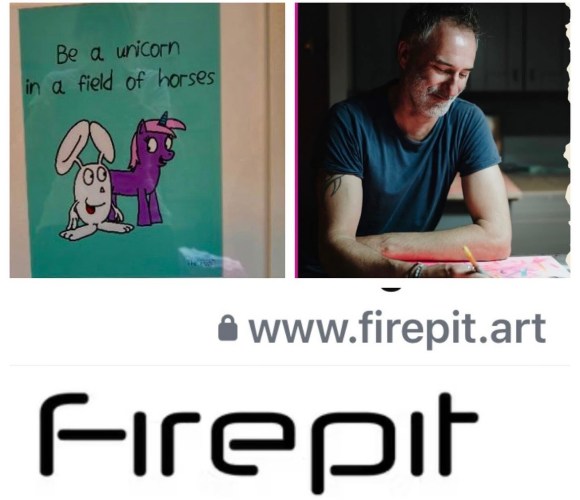
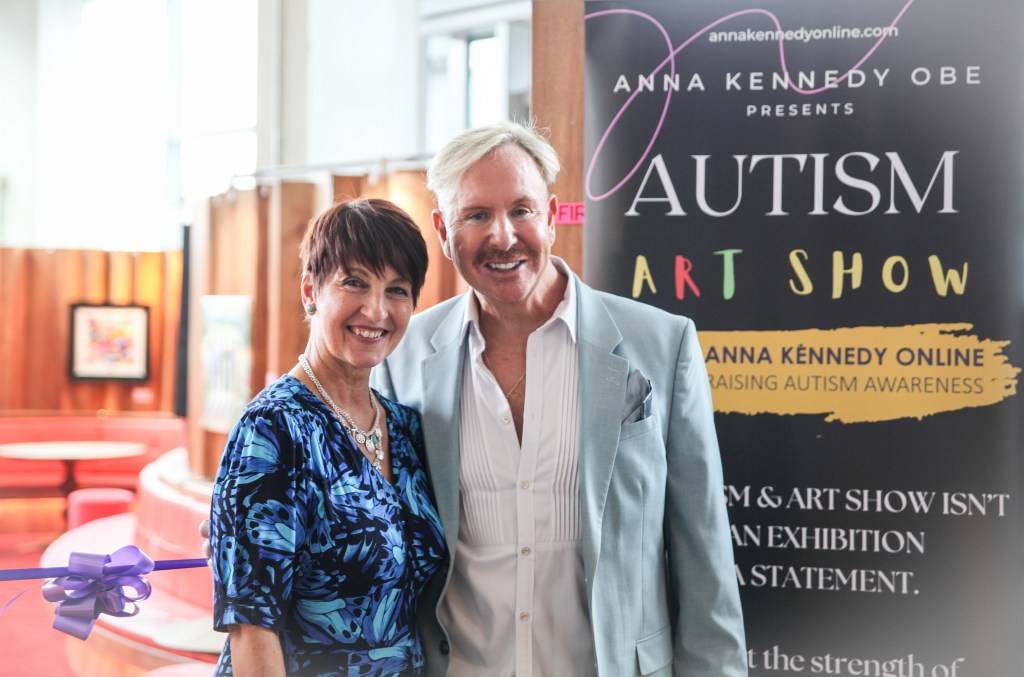
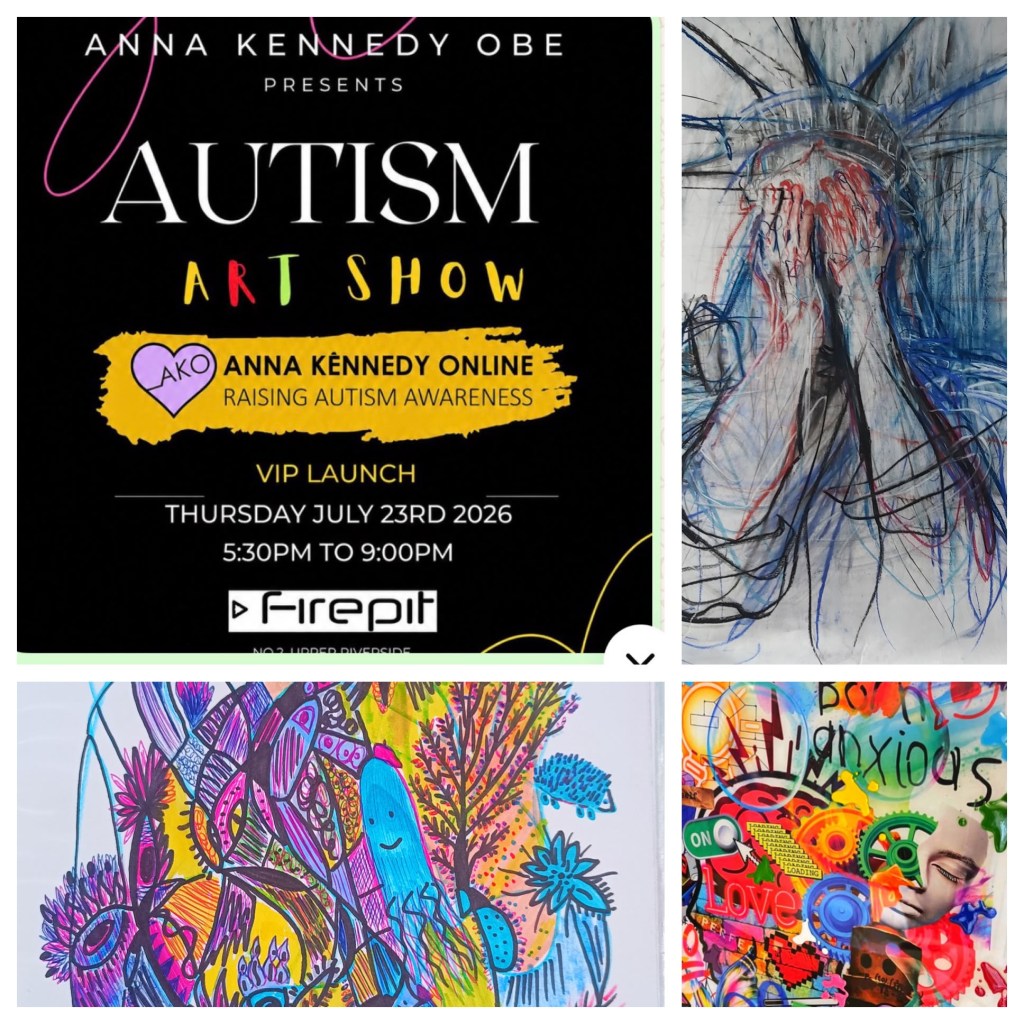
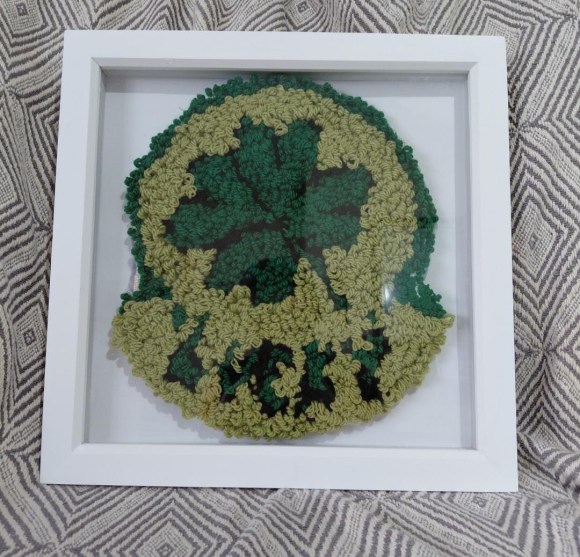
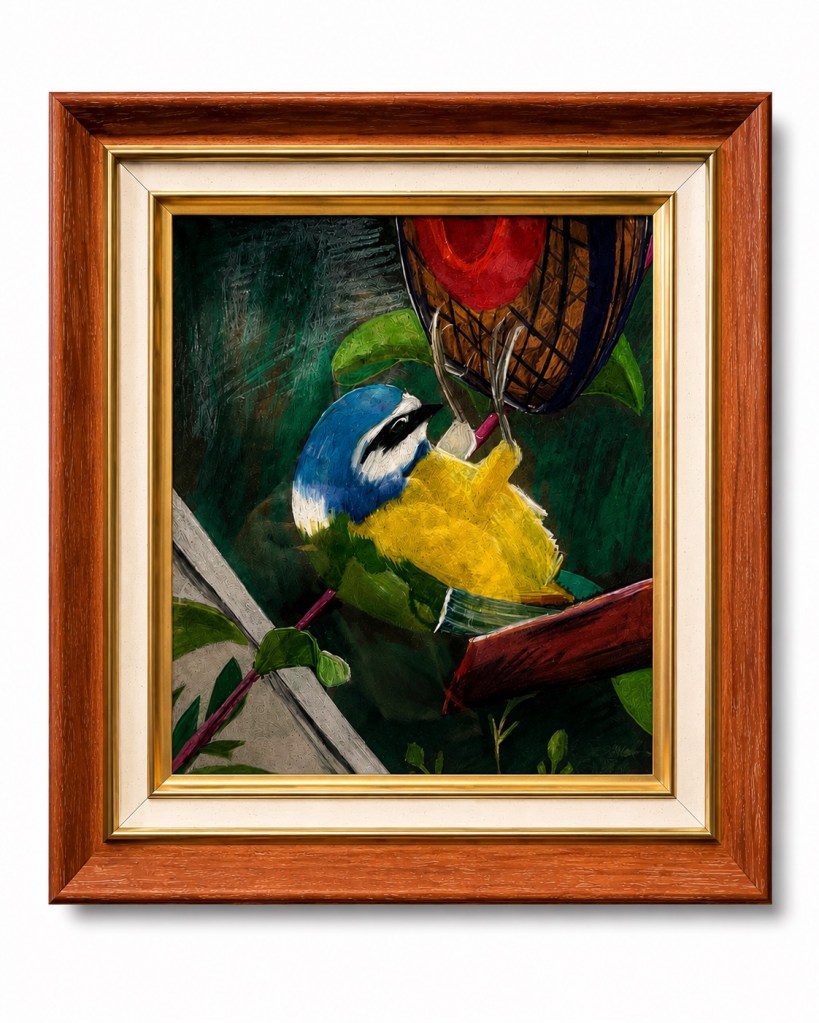
This year’s much-anticipated Autism & Art Show, taking place on 24th July 2026, promises to be a powerful celebration of creativity, individuality and artistic expression. Presented by Anna Kennedy Online, in collaboration with Firepit Art Gallery on London’s vibrant Greenwich Peninsula, the exhibition will once again shine a spotlight on the incredible talents of autistic artists and their allies.
More than simply an art exhibition, The Autism & Art Show is a platform for voices to be heard, stories to be told and creativity to flourish. Through painting, sculpture, photography, mixed media and contemporary works, visitors will experience a diverse collection of art that reflects the unique perspectives, imagination and lived experiences of its artists.
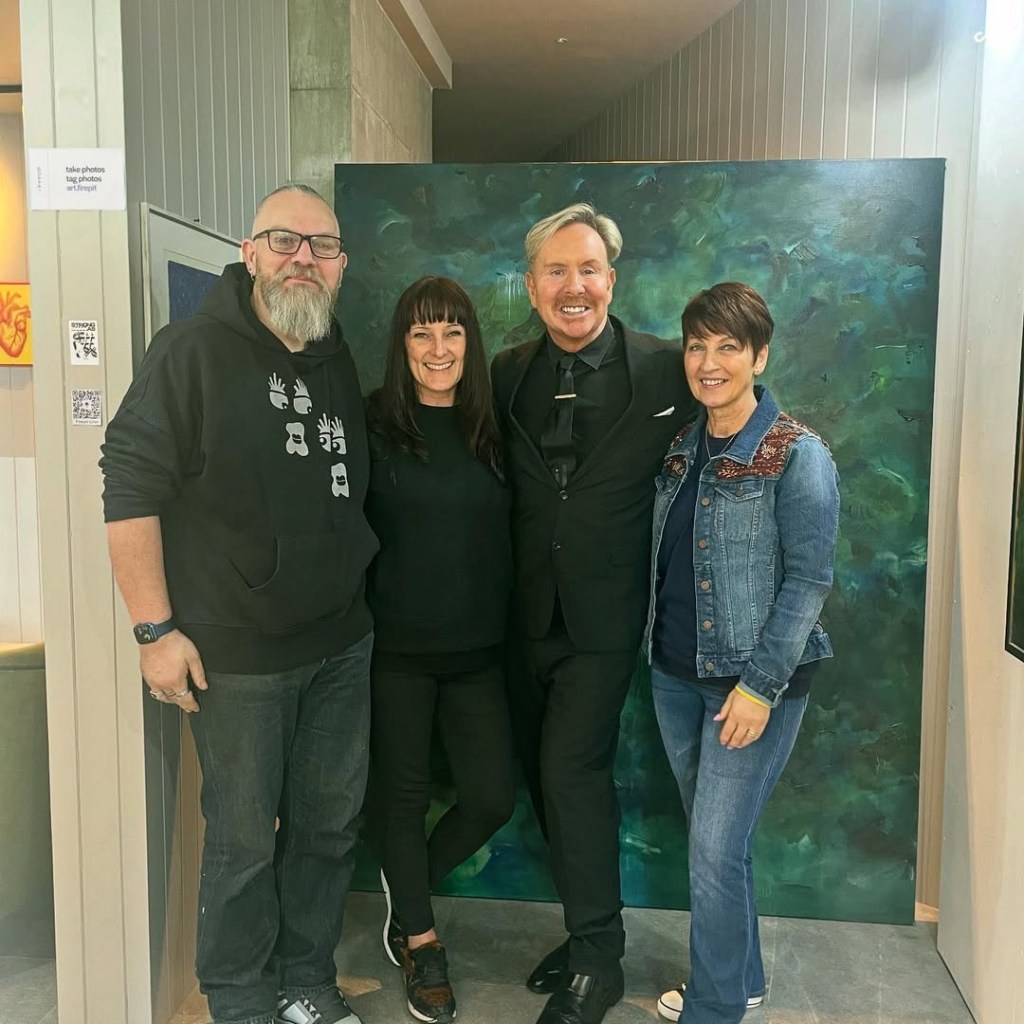
Patron Steven Smith and Dr Anna Kennedy OBE
Presented by Anna Kennedy Online, a charity dedicated to supporting autistic people and their families, the exhibition also plays an important role in raising vital funds to help continue its life-changing work. By supporting the show, visitors are not only discovering extraordinary talent, but also helping champion inclusion, opportunity and understanding within the autism community.
Held in partnership with the much-loved Firepit Art Gallery, renowned for championing emerging and independent creatives, the exhibition promises to be an inspiring, uplifting and unforgettable event. Whether you are an art lover, collector, supporter of the autism community or simply curious to discover fresh creative voices, The Autism & Art Show 2026 is set to be one of the summer’s most heartwarming cultural highlights.
Lana Mitchell
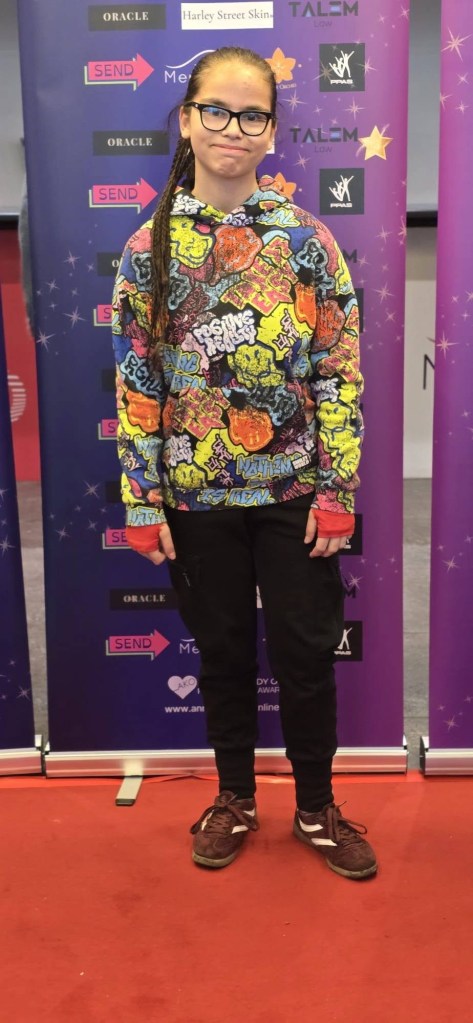
21 Lana, who lives with autism, once feared unfamiliar environments. In 2024, she began volunteering at Shelter Crystal Palace, where her uniqueness was embraced and her creativity blossomed. She now designs themed window displays and has performed at Autism Got Talent .
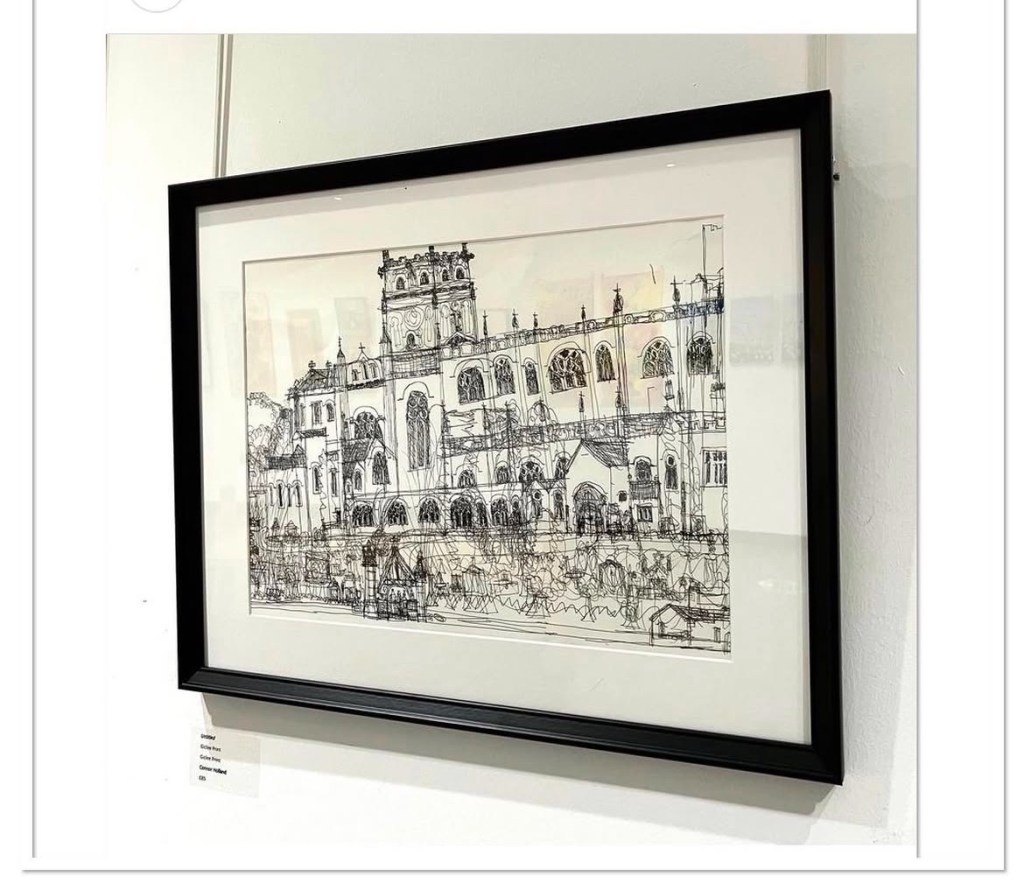
Art By Connor £100
Connor is 18 years old and profoundly autistic. Although he cannot tell us where his incredible talent and passion for drawing come from, his artwork speaks for itself. Drawing entirely from memory and using only the inner cartridge of a biro pen, Connor creates stunningly detailed pieces with extraordinary focus and precision, his pen rarely leaving the page. His favourite subject is churches, and while we do not know what first inspired this fascination or how he recalls such remarkable detail, each drawing reflects a unique gift and an extraordinary way of seeing the world. Through his art, Connor expresses what words cannot, sharing his creativity, dedication, and exceptional talent with everyone who views his work
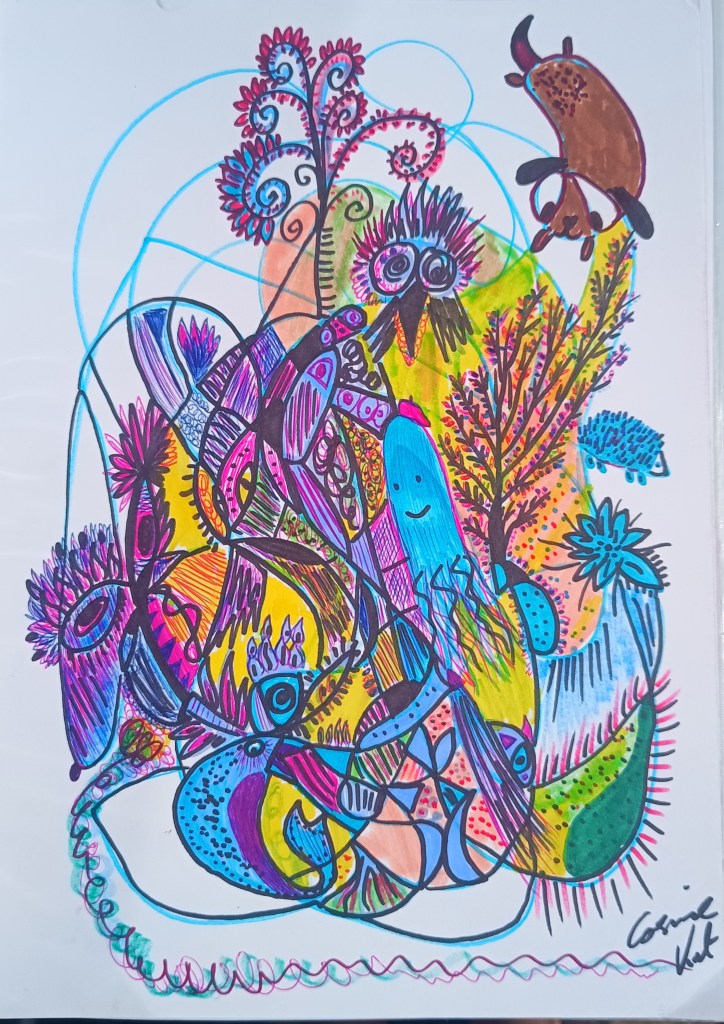
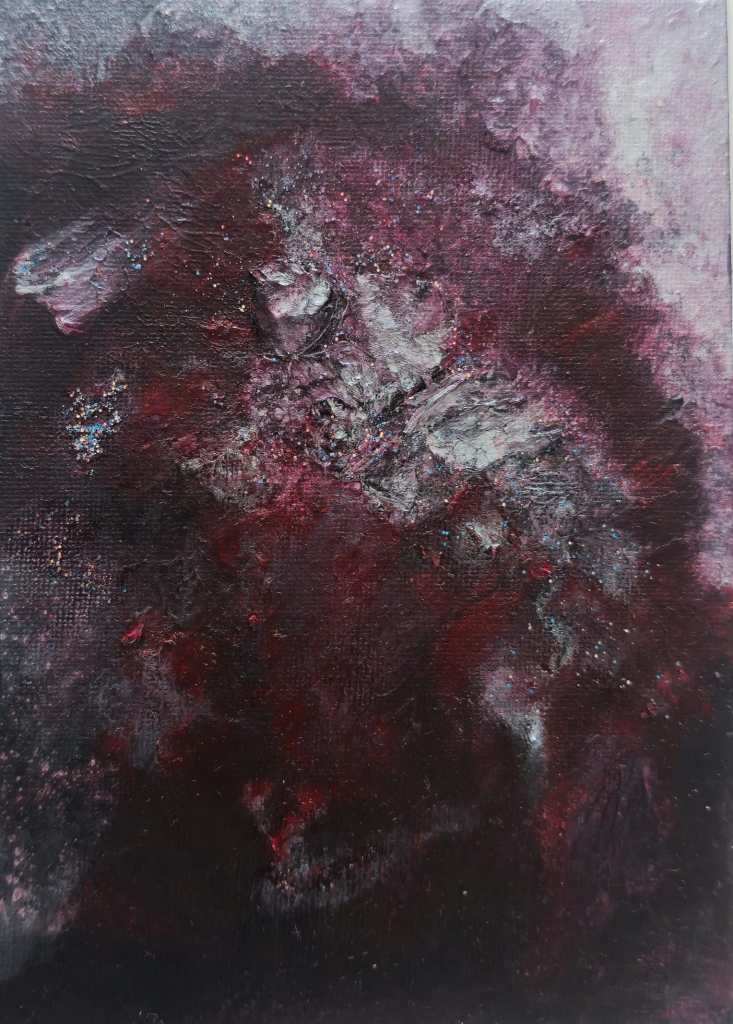
Cosmic Kat from 300
Cosmic Kat is a self-taught artist based in Hucknall, Nottinghamshire who grew up in N.Ireland. Her work features bright colours, alien worlds and fantastical creatures. She was late diagnosed Autistic aged 30 and her work explores the themes of grief, unmasking and identity that this entails.
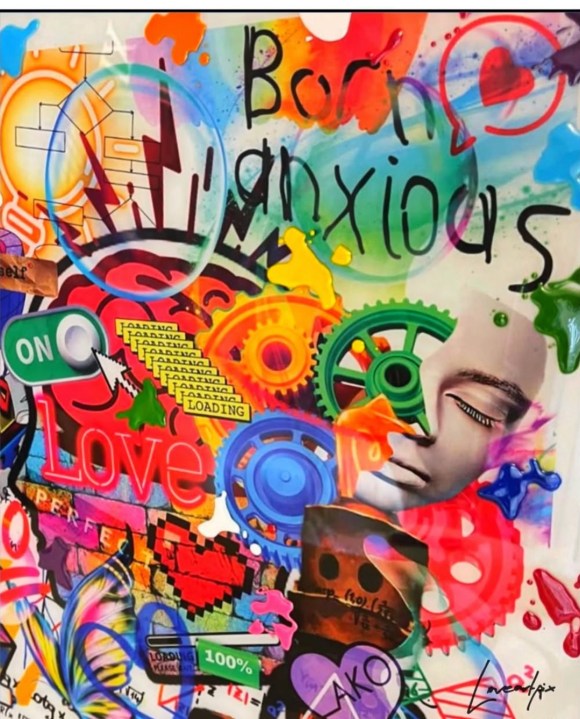
Loveartpix offers from £1000
Loveartpix (Dez)
Loveartpix , a self-taught AudHD (Autism + ADHD) artist from Manchester, uses creativity as a vital outlet for mental health and self-expression. Diagnosed with Bipolar Disorder, Autism, and ADHD, he began his art journey in 2018 as therapy. His vibrant work often reflects the spirit of Manchester and the experiences of neurodivergence
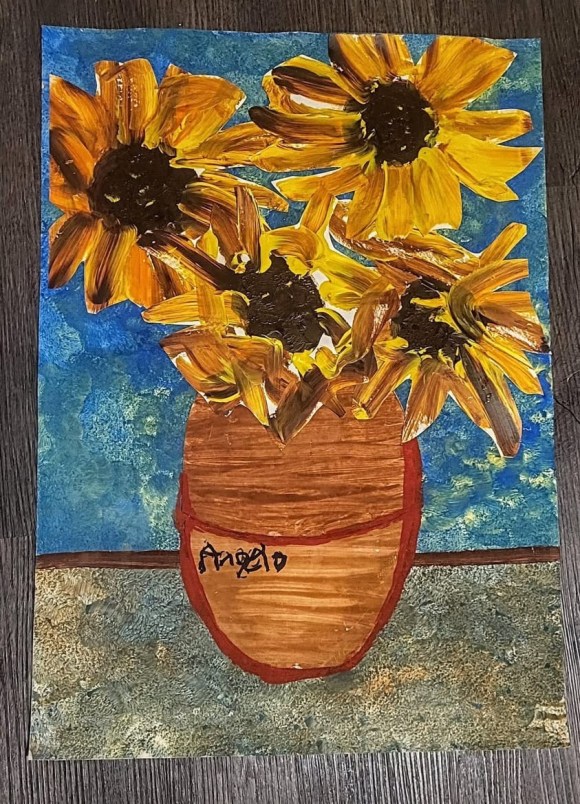
Sun flowers by Angelo Kennedy £500
Angelo, 33, is autistic and lives with significant sensory processing disorder. On display is a vibrant painting of sunflowers he created at just 10 years old. Angelo enjoys cooking, bowling, and continues to work hard on his independent living skills. His brother, Patrick, is also on the spectrum and works at Pinewood Studios
Blanky from £50 each
Alastair Blaster Artz
Alastair McEwen, also known as BlasterArtz, is a full-time carer for both his disabled parent and autistic son. Through art, he finds a way to manage emotions, connect with loved ones, and reflect on mental health. His heartfelt piece Blanky, created with friend and writer Steven Smith, has moved many and embodies the power of art as a lifeline.
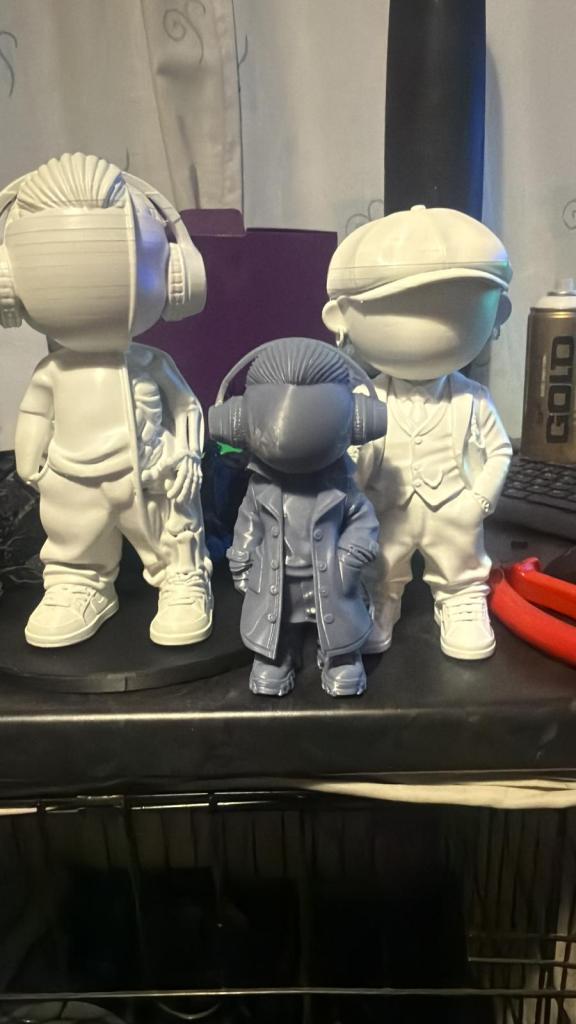
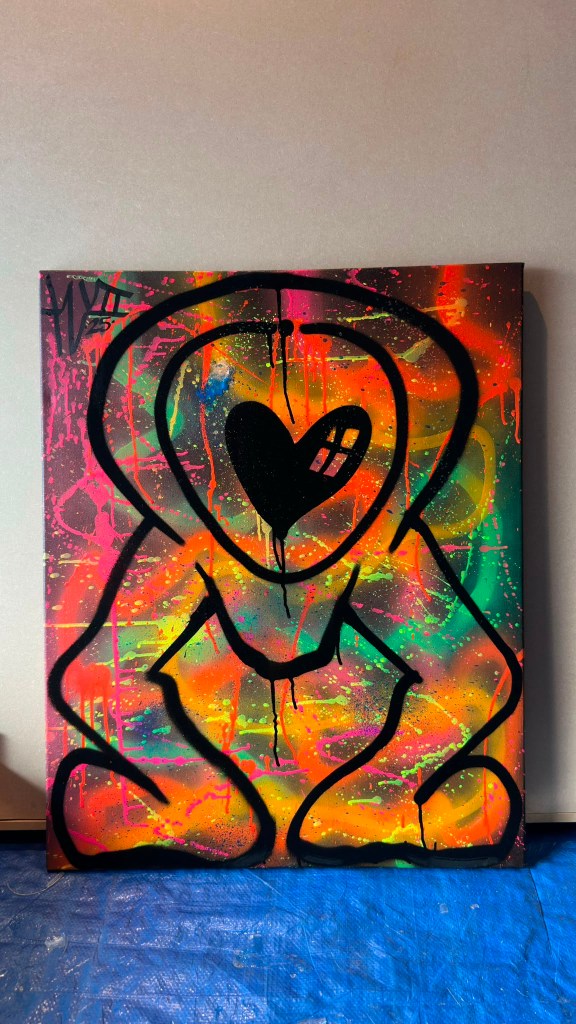
XLVII is a leading figure in the UK urban art scene, renowned for his distinctive graphic style and iconic character, SNAMUH. Combining bold pop-culture influences with the energy of street art, his work explores themes of identity and freedom of expression through vibrant colours, strong character design, and striking visual storytelling. A regular participant in painting jams, gallery exhibitions, and live art events across the country, XLVII has established himself as one of London’s most prolific contemporary urban artists. Now exhibiting at The Fire Pit Gallery, he is generously donating his featured artwork to help raise funds for Anna Kennedy Online, supporting autistic people and their families. Follow his work on Instagram: @xlvii.
Nazaraptor (NAZARAP7OR) is a highly respected figure in the UK urban art scene, known for her energetic style and iconic character, MUCHE. A member of renowned graffiti collectives including CBM, GPC, and ACC (All City Crew), her vibrant work can be seen across the UK, from city streets to galleries and public spaces. Her bold use of colour, expressive handstyles, and unmistakable visual identity have earned her a strong reputation within both street art and contemporary art circles. Currently exhibiting at The Fire Pit Gallery, Nazaraptor brings the energy and creativity of graffiti culture onto canvas. Demonstrating her commitment to giving back, she has generously donated her artwork to help raise funds for Anna Kennedy Online, supporting autistic people and their families. Follow her work on Instagram: @nazaraptor.
Sam Bickerton £50
Sam Bickerton
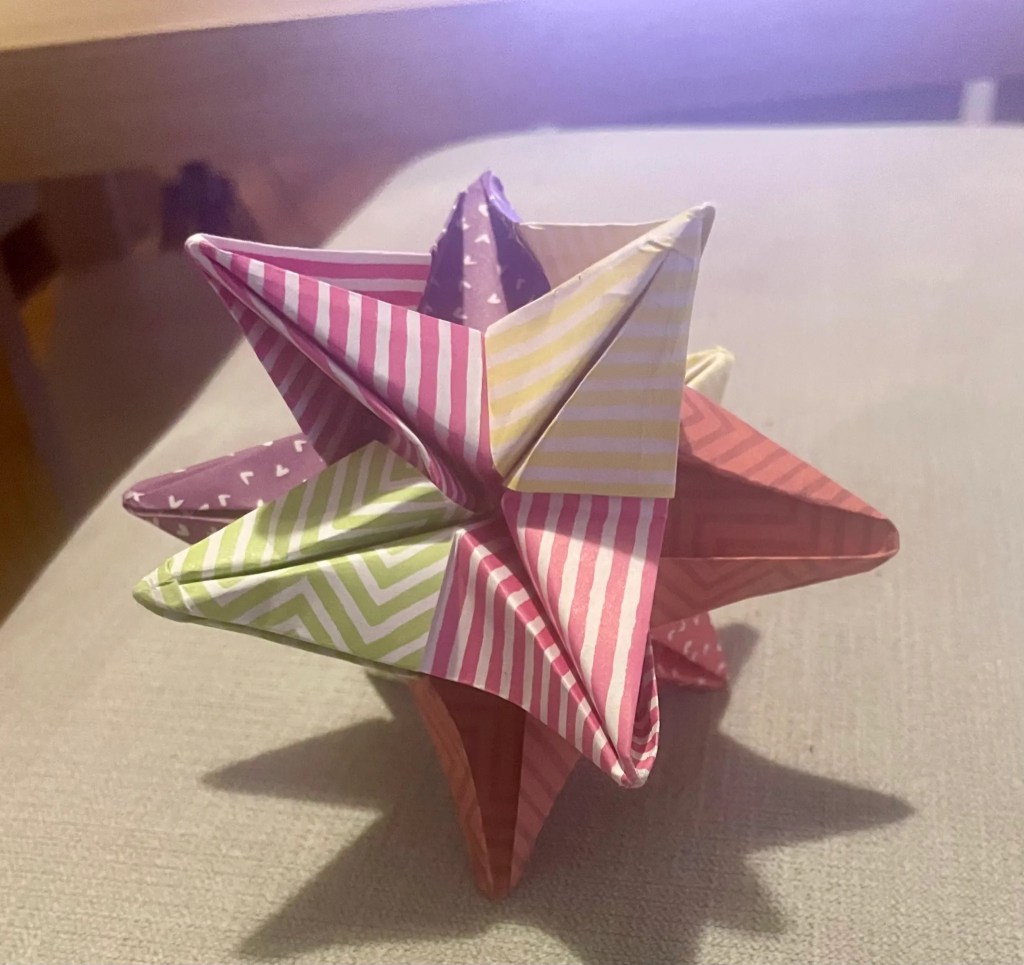
Sam, diagnosed with ASD and dyslexia, demonstrates resilience in the face of social and emotional challenges. From early Lego builds to his love for origami, mask-making, and boxing, Sam’s creativity offers a safe space for self-expression and calm. His journey is one of strength and self-discovery through art.
`Josh Andrade
Josh. £200
Autistic artist Josh uses his distinctive, eclectic style to tell stories that demand to be seen. Inspired by the experiences of his brother, Leo, and countless others detained in Assessment and Treatment Units (ATUs), this haunting portrait captures the fear, isolation and despair faced by many autistic people and individuals with learning disabilities. More than a work of art, it is a powerful statement on the need for compassion, dignity and a more humane approach to care, ensuring that those whose voices are often overlooked are finally heard.
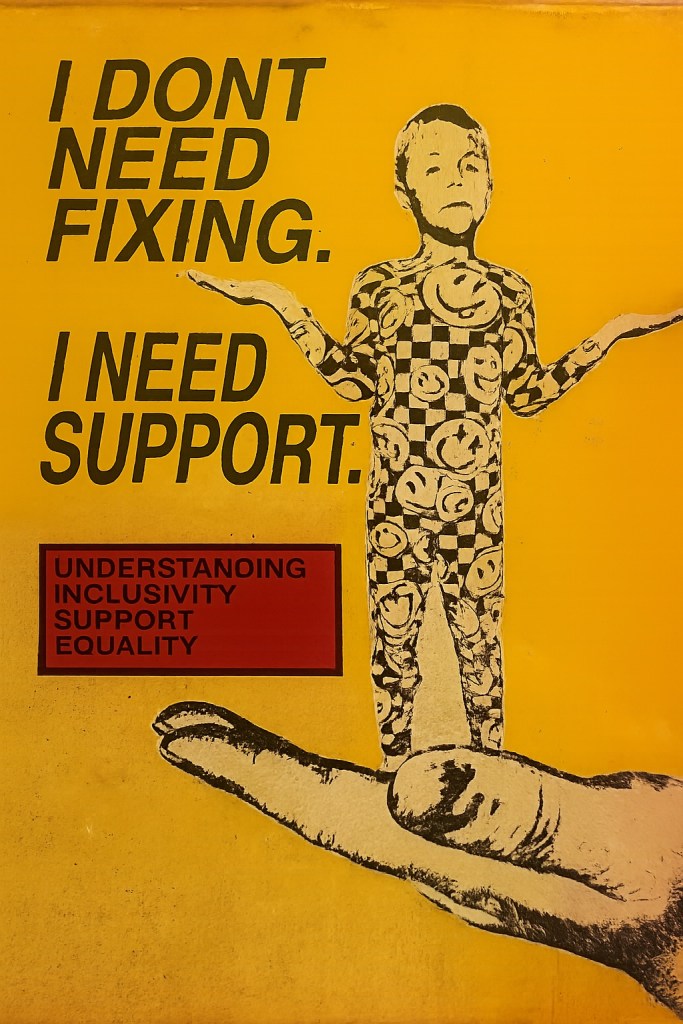
Matthew “BUCKO” Buckingham is a contemporary multidisciplinary artist whose increasingly transdisciplinary practice combines contemporary art, visual communication, autism advocacy, and inclusive design. Through portraiture, printmaking, and the development of an autistic visual language, his work explores autism, identity, and social inclusion. Drawing on his personal experience as both a father and a neurodivergent artist, his practice challenges misconceptions surrounding autism while advocating for greater understanding, support, equality, and acceptance.
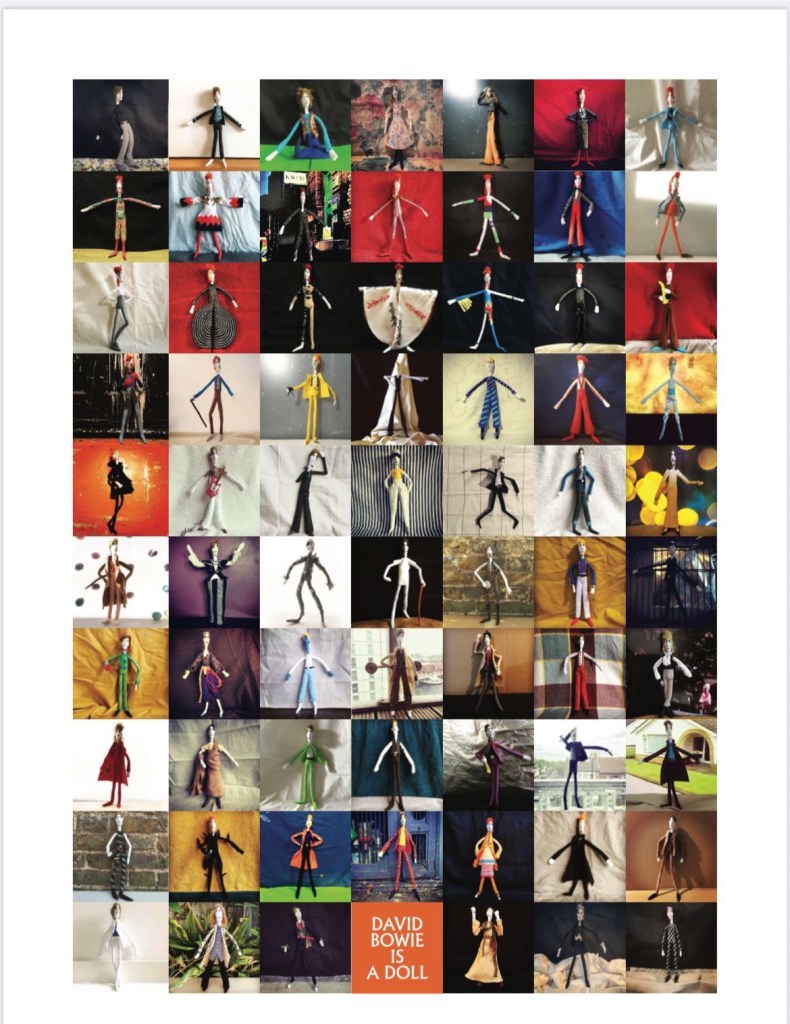
John Lee Bird is a multi-disciplinary artist known for his global exhibitions of paintings, collages, and sculptural work. His DOLLS project features over 2,000 hand-sewn textile sculptures celebrating idols, friends, and queer culture. Inspired by film, drag, cult TV, and music, each 13-inch doll is crafted from felt, beads, buttons, and embellishments. The project began during lockdown as a therapeutic return to textiles, starting with 69 David Bowie dolls. It has since grown into a rich portrait series spanning pop culture icons and personal heroes. John’s work is driven by obsession, emotion, and a deep love of music and storytelling. He also creates sound and film, collaborating with artists such as Simon Fisher Turner and Xiu Xiu. John co-runs the queer club night KNICKERS with musician Jemma Freeman.
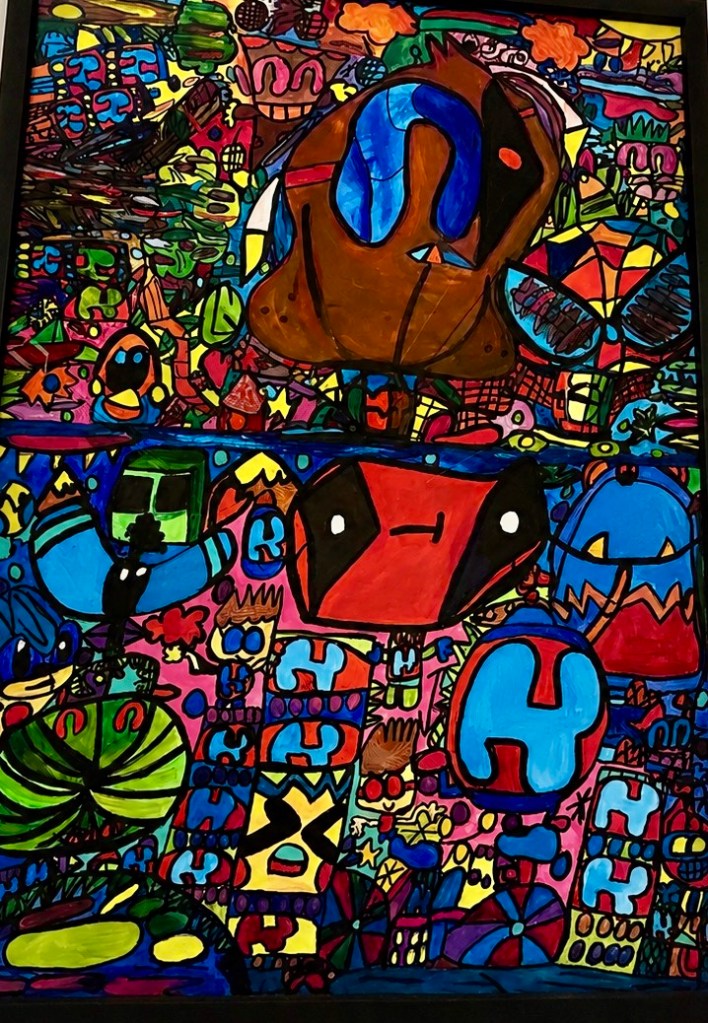
Heidi Simm is an autistic, self-taught artist from Essex whose colourful acrylic paintings are inspired by the original characters and imaginative worlds she has created. Alongside her artwork, Heidi has developed Horizon Hero’s, her own collectible card game featuring heroes from the worlds of Disco City and Sci-Fi Kingdom.
For the Autism & Art exhibition, Heidi presents Local Legends, bringing together her unique characters in a vibrant story of creativity, communication and adventure. Her work celebrates the power of imagination and demonstrates how art can create entire worlds from a single idea.
“SHANK3 and autism spectrum disorder” Acrylics and nail polish on canvas. 28x23cm framed (18x13cm on canvas .
Dr Diana Dunca is a drug development scientist with a PhD in Experimental Personalised Medicine (Bioinformatics and Statistical Genetics) from University College London. Her work involves analysing genetic data to help pharmaceutical companies develop safer and more effective treatments for common complex diseases. As these conditions affect a large proportion of the UK population and continue to rise, Diana uses art as a form of expression to raise awareness and inspire hope.
As an emerging artist, Diana translates her scientific perspective into visual form, using gold, shimmer, vibrant colours and nail polish to create radiant, uplifting artworks. Through her art, she invites viewers to discover beauty and hope within disease, while connecting with the resilience, strength and humanity that lie behind scientific research
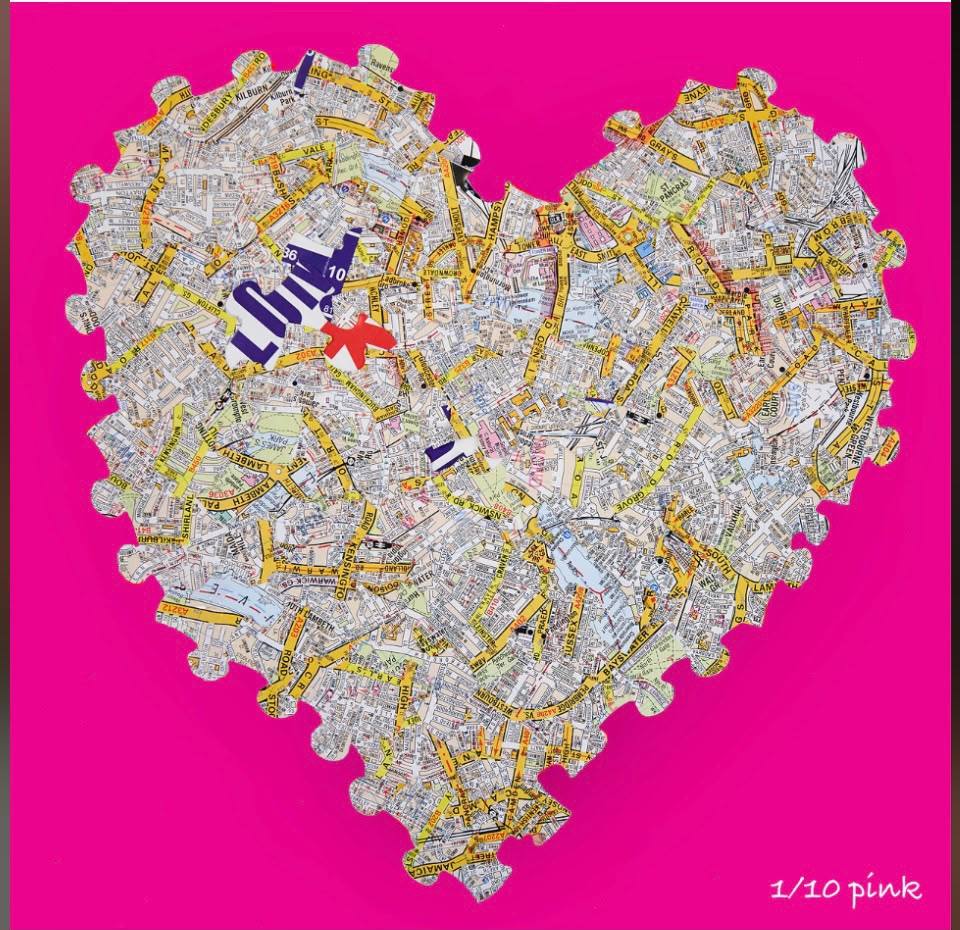
THE MAP OF LOVE by Anne-Marie Bickerton £150
Annemarie Bickerton
With over 30 years in photography and art, Annemarie specializes in editorial portraiture. As digital photography evolved, she pivoted toward headshot work, applying her skills to editorial, corporate, and artistic projects. Annemarie is also a proud mum to Sam, who lives with autism, and continues to champion neurodiverse creativity in all its forms.
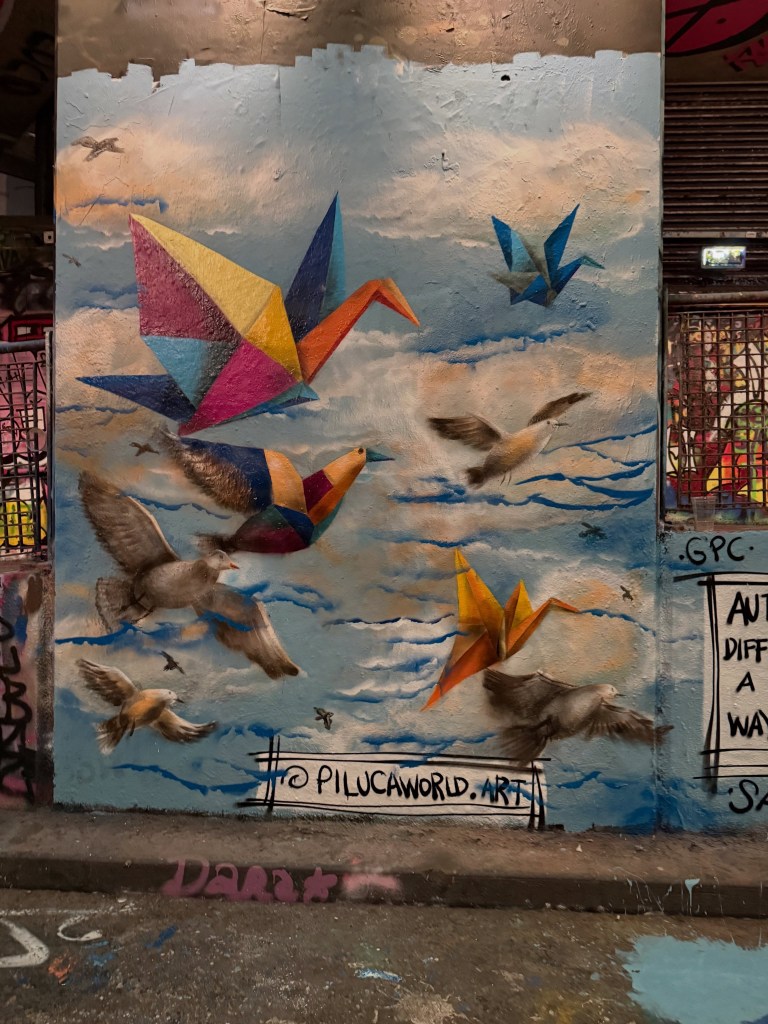
Piluca Artist
Piluca: Artist. Muralist. Fashion Visionary. Street Art Queen. Born in Madrid and ignited by Brixton’s wild heart, Piluca is a published illustrator, muralist, fashion designer, and founder of I Am Here 2 Play, launched last year she is a huge supporter of Anna Kennedy on line London. Her vibrant murals and street art light up London’s iconic venues, turning the city into an open-air gallery. A WinTrade Awards finalist, she moves effortlessly across fine art, fashion, and branding with fearless, raw style. Piluca’s creative impact extends deep into communities—leading workshops, festivals, and campaigns with purpose. From fashion to neuroscience illustration, her work defies boundaries—and London proudly
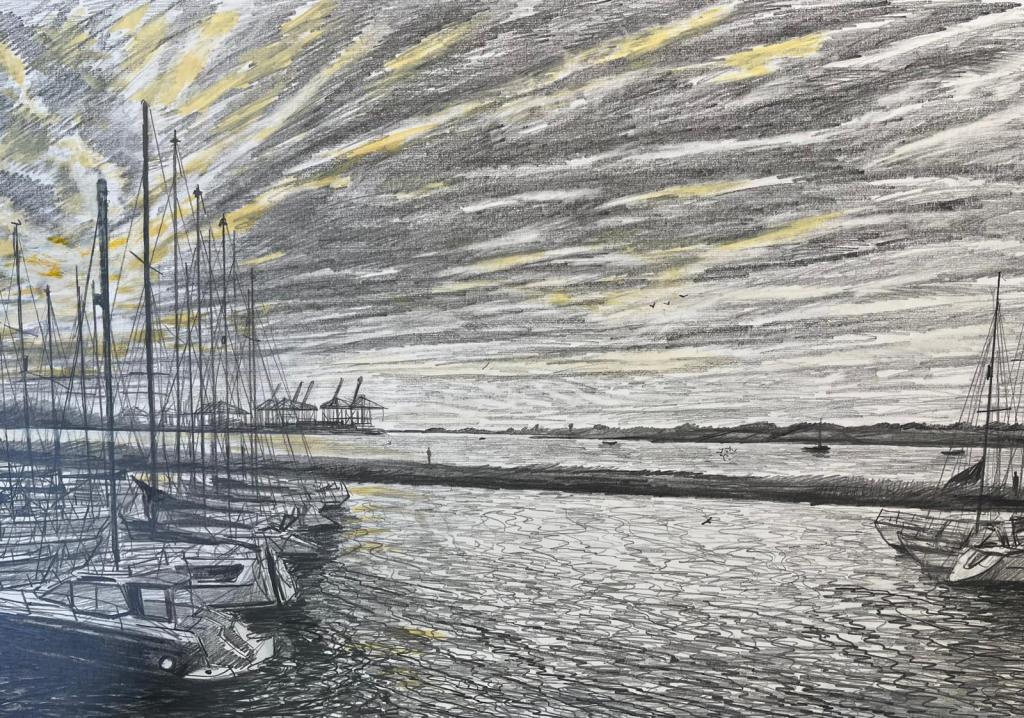
Title: Levington Marina, Suffolk, 2026 Artist: David Downes Dimensions: 52cm x 80cm Medium: pen, ink and acrylic on card. Price: £1,950
David Downes – English Painter and Autism Advocate
David Downes is an acclaimed English landscape painter celebrated for his dramatic skies, seascapes and intricate architectural works. As an autistic artist with a remarkable photographic memory, he creates many of his paintings from vivid recollections of places he has visited. A graduate of the Royal College of Art, David has received prestigious commissions from organisations including the BBC, ITV and The Savoy, where his Diamond Jubilee Pageant painting remains on permanent display.
David is Vice President of the National Autistic Society and an Ambassador for Autism Anglia, using his art and public speaking to raise awareness and support for autistic people. Now based in Manningtree, Essex, where he runs the David Downes Gallery, his work beautifully combines realism and imagination, capturing landscapes and architecture with extraordinary detail and a unique perspective.
Daisy Hutchinson £50 The real Meg
Daisy Hutchinson
Daisy, 21, is autistic and a proud Young Autism Ambassador for Anna Kennedy Online. She has a passion for art, which provides a creative way to express herself and helps her feel calm when she is anxious.
Outside of creating art, Daisy enjoys reading, jogging, singing, geology, Harry Potter, Goosebumps, Toy Story, Disney, Mamma Mia! and Love on the Spectrum. She also loves spending time with her dog, family and friends, and enjoys visits to the cinema, theatre and concerts. Daisy is a friendly, kind-hearted person and is delighted to be exhibiting her artwork at the Autism & Art Show.
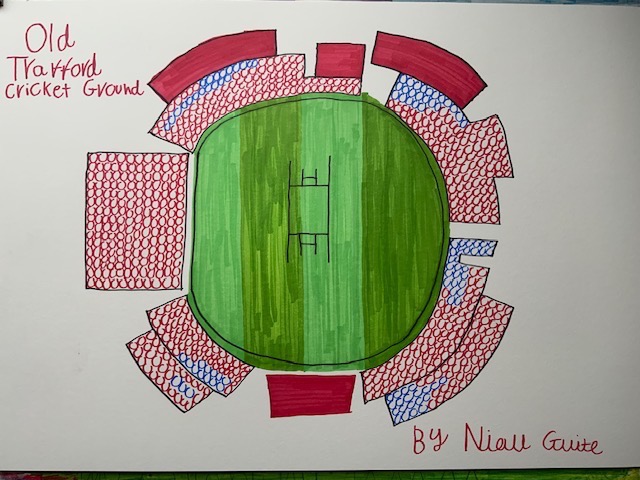
Niall Gaute offers £200
Niall, 30, is an artist with autism, an intellectual disability, dyspraxia, and dyslexia. He gained international acclaim after raising funds for Special Olympics GB by selling his iconic stadium drawings. Niall has exhibited at the Royal Academy Summer Exhibition, delivered a TED Talk, and received an Honorary Doctorate from Sheffield Hallam University for his work promoting inclusion through art.
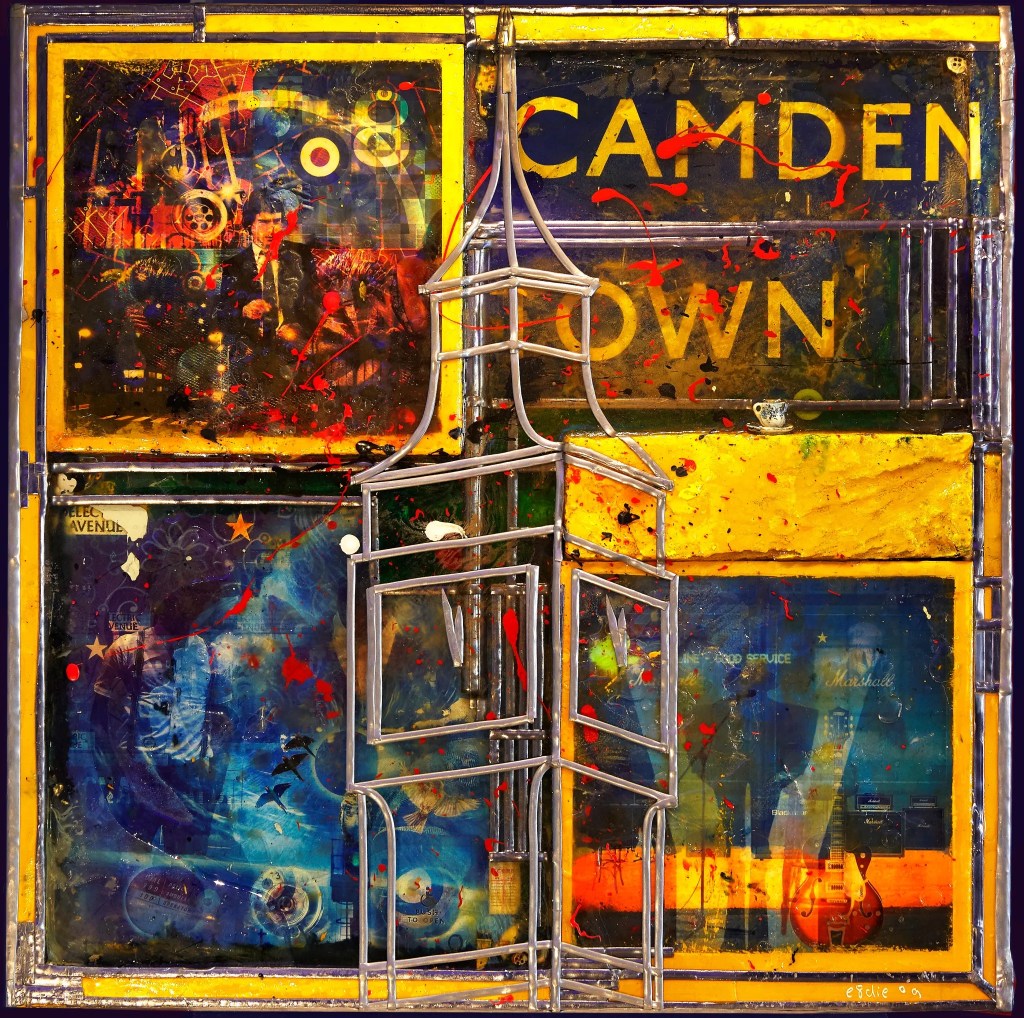
Eddie Wells offers over £1000.
Eddie Wells
Eddie grew up in East London, navigating life with undiagnosed ADHD and dyslexia. Creativity was his refuge. Following his father’s death in 2013, he realized that art wasn’t just an outlet — it was his salvation. His work reflects the inner world of someone living on the spectrum and overcoming silent battles through creative expression.
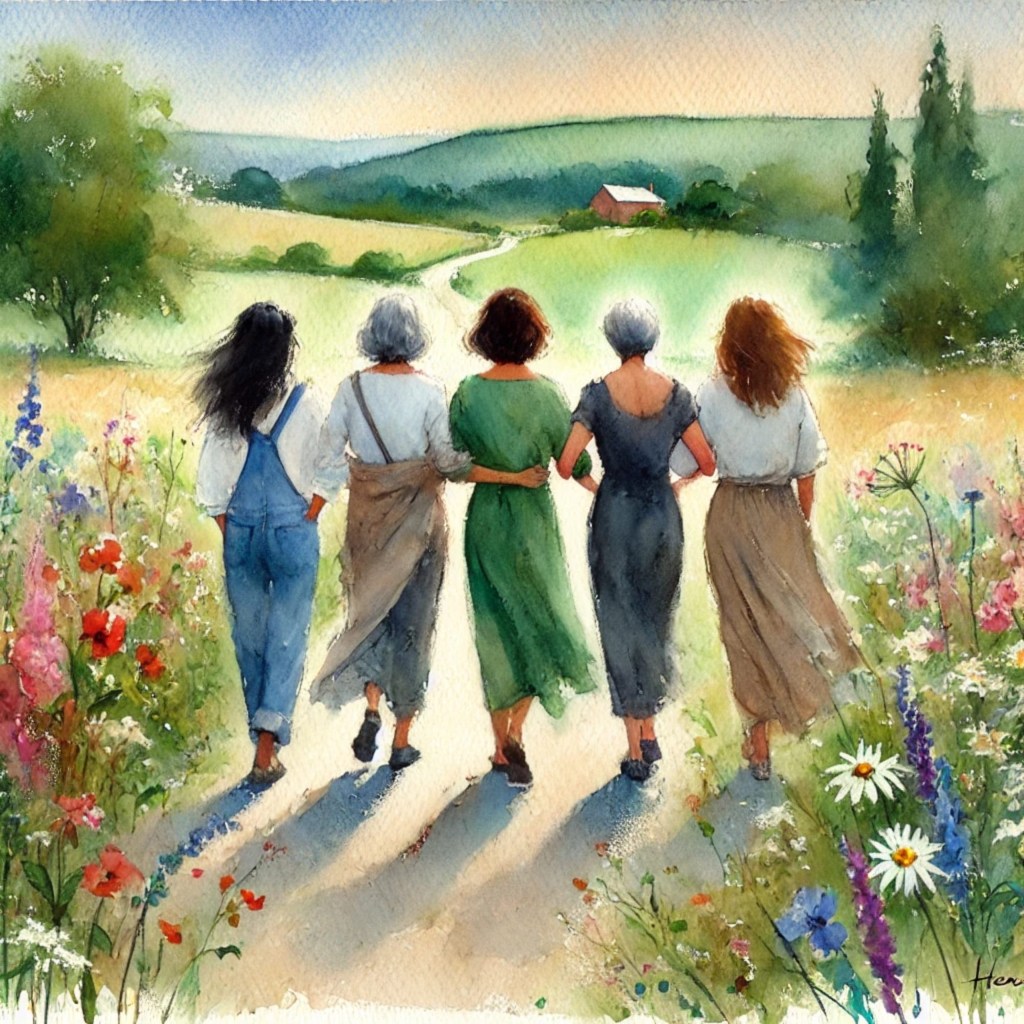
Offers at £250 ” I am woman ”
Tally Nothey
This piece is deeply personal. As the mother of an autistic child, Tally has faced days that felt overwhelmingly heavy—marked by worry, exhaustion, and the deep ache of feeling misunderstood. Yet, through every challenge, it has been the support of close friends that has carried her forward. Each woman represented in this work symbolizes someone who has stood beside her, held space for her fears, celebrated the smallest victories, and reminded her of her own strength when she struggled to find it.
This image reflects that journey. It acknowledges that while friendship may not solve everything, it makes the burdens easier to bear. Together, they have cried, laughed, and lifted one another—and because of them, she never walks alone
Sadie King offers over £200
Sadie King is a 17-year-old student . She has a strong passion for character design and storytelling. Sadie hopes to build a career in creating her own animated series. Her work often explores original concepts and imaginative worlds. She is eager to share more of her art and ideas with others. Sadie welcomes feedback and is open to showing additional work
Offers over £250.
Marcus Mason-Williams
Marcus is a multi-talented autistic artist and entrepreneur. As a founding member of The Lilac Review — a government-backed campaign spotlighting disabled-led businesses — Marcus uses his business, CoolArt2021, to share wildlife-inspired storytelling and merchandise. “Art and performing set me free,” he says. “Through my stories and performances, I connect with others and the world around me.”
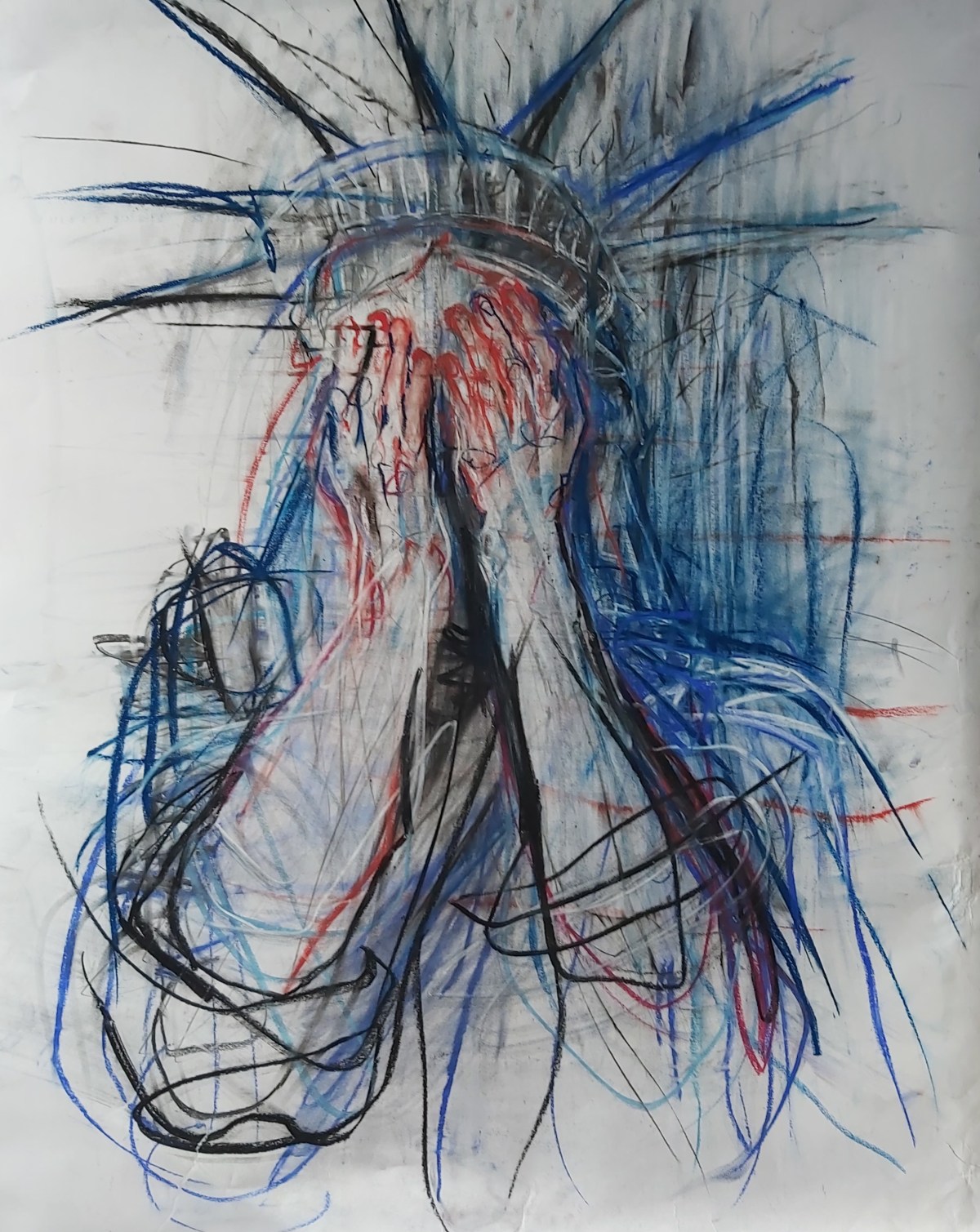
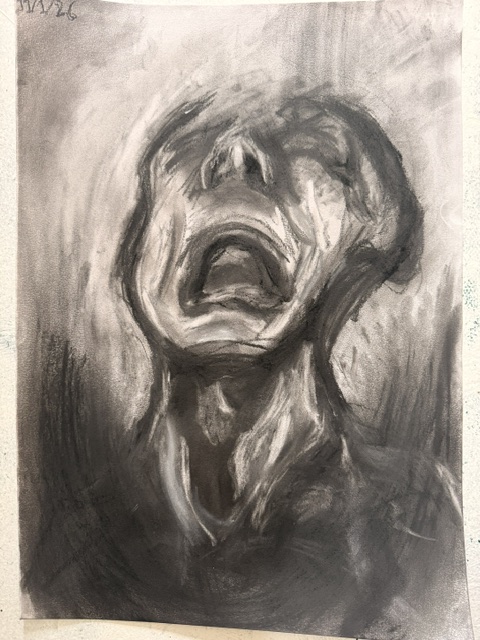
Pastel , charcoal, ompressed charcoal, pencil & graphite on fabriano paper Price- £1,200
LA Colella
Is a London gestural intuitive artist. Who uses music to tap into emotion for figurative works of Art. She describes the music influence as another pastel & believes she has the condition described as Synesthesia. This is an involuntary neurological trait where the stimulation of one sense automatically and consistently triggers an experience in another. She hears music and sees colours.
Lucia works in large scale drawings creating with pastel, charcoal, graphite & pencil.
Her work involves reflections on her personal life past & present.
Lucia claims that ‘Art doesn’t serve the system; it serves your soul. Through executing a piece of Art individuals of all ages can explore & express deep emotions, process complex experiences & reconnect with themselves in meaningful ways’
Artwork title- Sorrows of Liberty
Dimensions 120cm length/ 102cm width
Harvey Price’s special guest artist . Harvey’s artwork is a wonderful example of how creativity can communicate emotion beyond words. His colourful, expressive style reflects his unique way of seeing the world, with each piece celebrating individuality, imagination and self-expression. Harvey’s growing confidence as an artist has inspired many people and highlights the importance of recognising and valuing the talents of autistic artists. His work reminds us that art has the power to connect people, challenge perceptions and celebrate neurodiversity in a truly meaningful way. ( art to be announced )
Courtney Ward £100 value
Courtney is a neurodivergent pan poet, spoken word artist, visual artist, photographer, speaker, and shadow writer for Beyond the Spectrum. Using creativity to give voice to experiences that deserve to be heard, her work has been published by Steel Jackdaw, Poetic Edge Publishers, Worcestershire LitFest, and Writing East Midlands. Through talks and advocacy across the East Midlands and London, she promotes neurodiversity and inclusion, serving on the North London Learning Disability and Autism Council and her local Inclusive Steering Group while encouraging young neurodivergent people to embrace who they are
Emily Haynes,
Emily Haynes, known online as callmeshadz or ShadyShadz, has been passionate about drawing since childhood. Inspired by the beauty of nature and animals, her work celebrates the natural world through imaginative and often fantastical creations. Her artwork explores unusual creatures, the wonders of nature and her reflections on the modern world.
Diagnosed with autism while at university, Emily found that art became an important way to process and express emotions that she often struggled to put into words. Being diagnosed later in life helped her better understand her experiences growing up, and today her creativity provides both a voice and a sense of connection. Her artwork for the exhibition is titled Carnivore.
Entertainment by Lana Mitchell and George Pond
5:00–5:30 pm – Guests arrive
6:00–6:30 pm – Drinks reception
Entertainment
Anna Kennedy OBE welcomes everyone.
Anna introduces George Pond.
Anna thanks George, chats about the artists, and thanks Marcus and the team.
Anna introduces Lana Mitchell.
Ayesha thanks Lana, says a few words about Oracle, and speaks about the charity and her involvement with it.
Anna introduces Vicky Michelle MBE and Samantha Lee Howe, patrons of the charity. for the raffle
Wendy Turner Webster joins midway through the evening, takes over, and says a few words about the artwork.
8:00–9:00 pm – Mingle, network, and enjoy the evening.
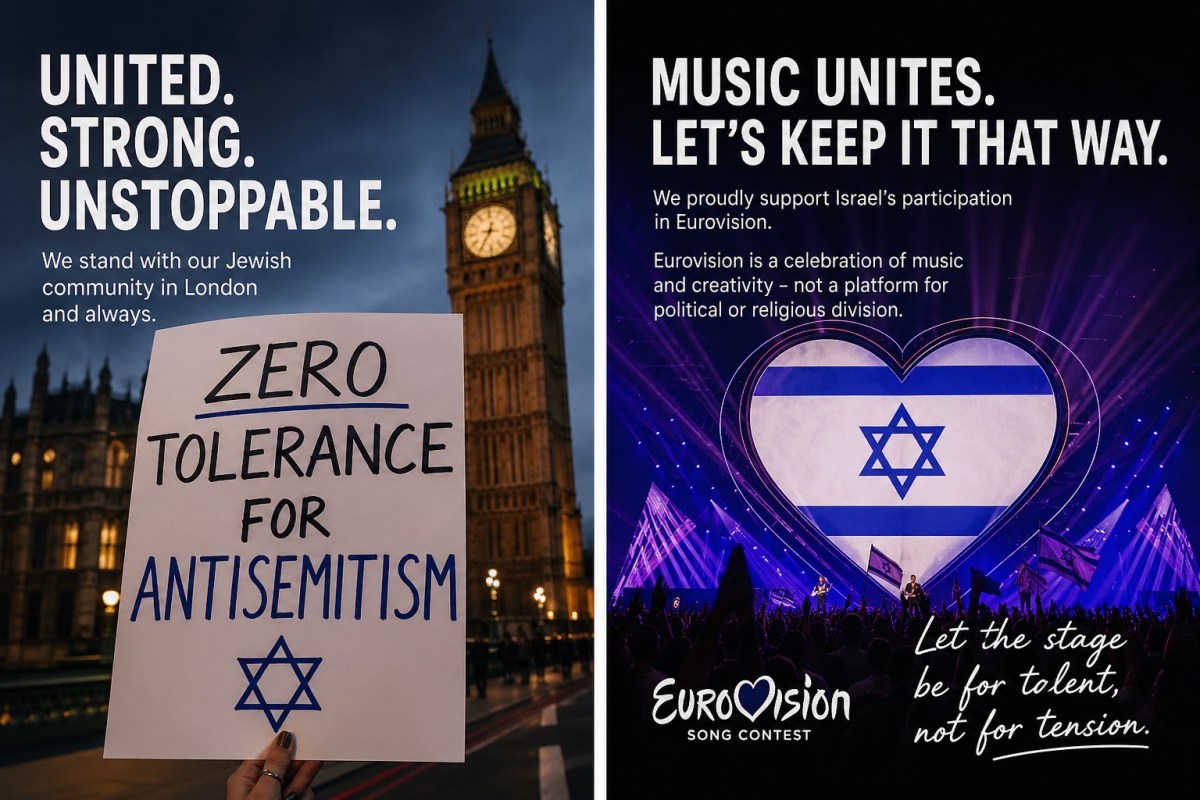
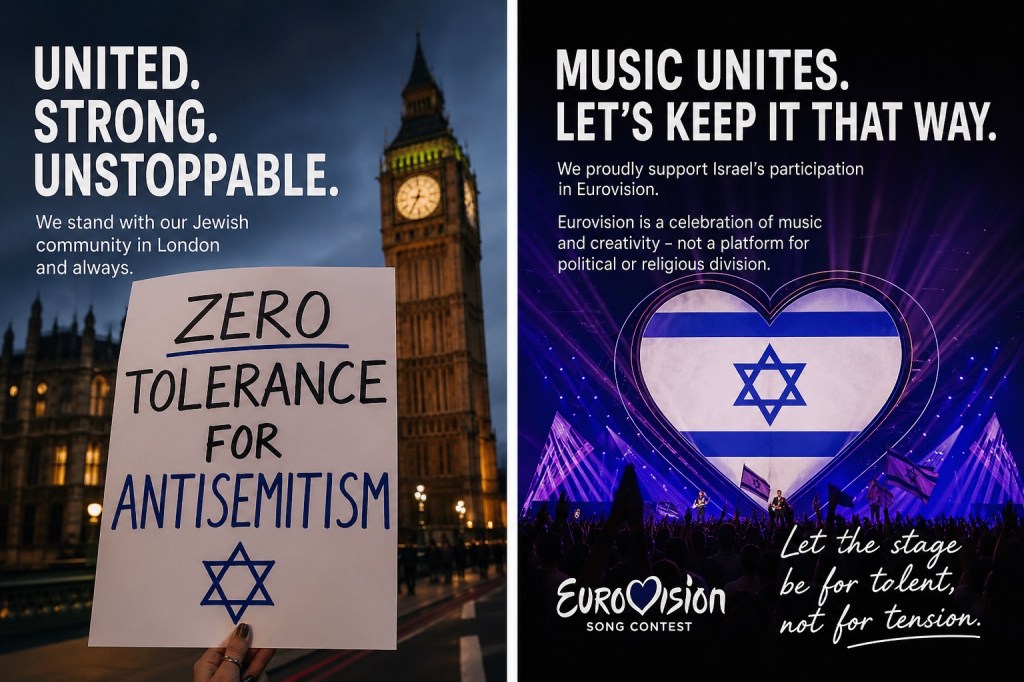
What is happening on our streets and across the world right now is deeply unsettling, and for many of my Jewish friends, it’s not just something they’re reading about—it’s something they’re feeling, living, and navigating every single day. In a city like London—a place that prides itself on diversity, tolerance, and community—there is simply no excuse for hatred to rear its head in any form. Whether it’s whispered prejudice, online abuse, or something far more frightening, it chips away at the very fabric of who we are supposed to be. What happened in Golders Green this week was, quite simply, horrific. A community shaken, people frightened, and a stark reminder that hate is not something happening “somewhere else”—it’s here, and it needs calling out.
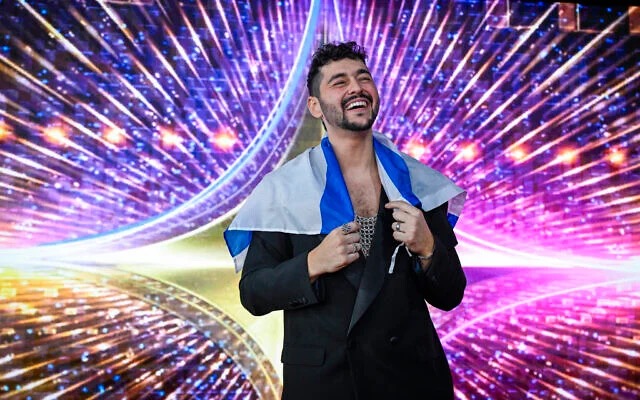
Let’s be absolutely clear: standing against antisemitism is not a political statement, it’s a human one. Nobody should feel unsafe because of their faith, their heritage, or who they are. And in the same breath, we need to start drawing a line when it comes to how we allow global tensions to spill into spaces that are meant to unite us. Take the Eurovision Song Contest—a celebration of music, creativity, and shared culture. It is not, and should never become, a battleground for political or religious division. At 2Shades, we proudly support Israel’s participation in Eurovision, just as we support every artist who takes to that stage to share their talent. Music is meant to bring people together, not tear them apart.
The arts, in all their forms, should be a sanctuary—a place where differences are not just accepted but celebrated. Actors, performers, musicians—whatever their background or belief—should feel safe to express themselves without fear of hostility or intimidation. The idea that someone could be targeted or made to feel unsafe simply for their identity is not only unacceptable, it’s a betrayal of everything the creative world stands for. From the West End to grassroots venues, the message must be consistent: there is no room for hate here.
At 2Shades, we’ve always championed voices, celebrated difference, and stood firmly on the side of inclusion—and that doesn’t waver when times get tough. Terror, in any form, is designed to divide, to instil fear, and to make people retreat into silence. But silence is not an option. We stand with our Jewish community—today and always—with solidarity, compassion, and a refusal to let hate win. Because if we allow fear to dictate how we treat one another, then we’ve already lost something far more valuable than we realise.
This is about unity. It’s about dignity. And it’s about remembering that London—our London—is strongest when it stands together, not apart.
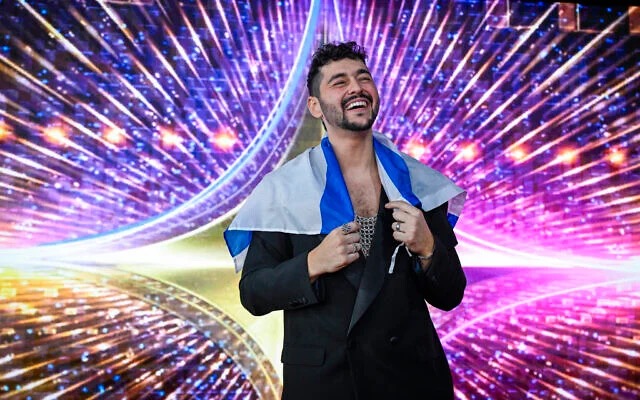
Noam Bettan, Israel’s 2026 Eurovision contestant, poses for a photo in Neve Ilan, near Jerusalem, January 21, 2026. (Yael Abas Guisky/Flash90)
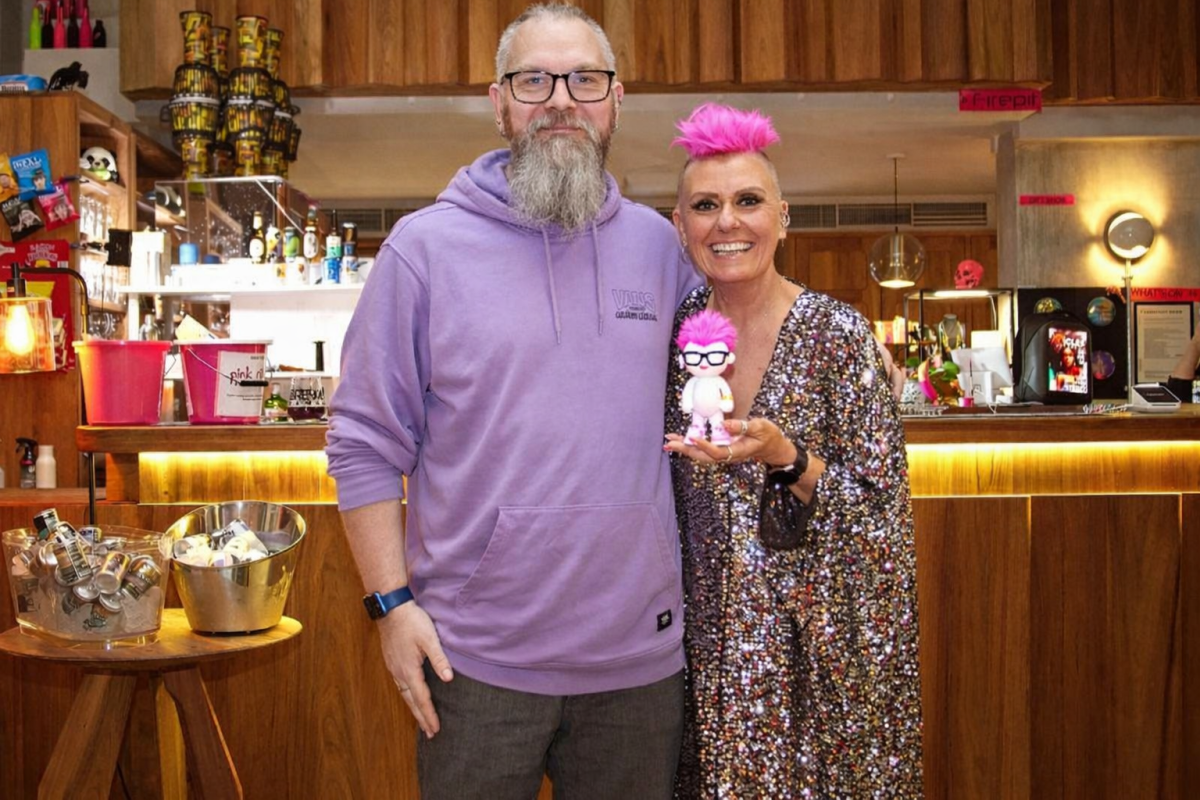
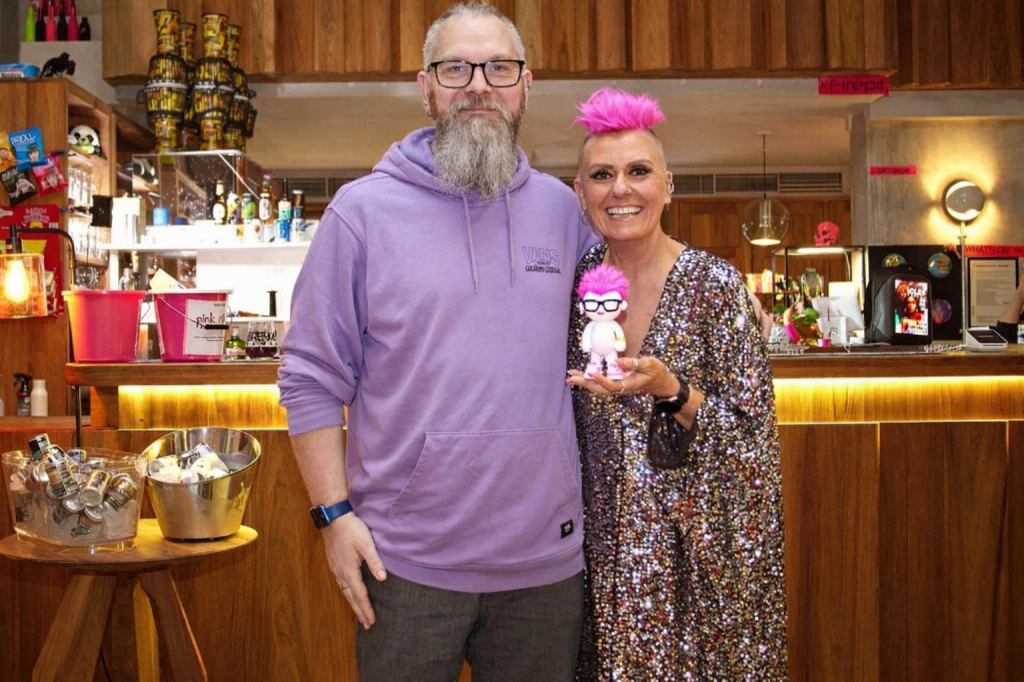
t was with palpable excitement that artist Alistair Blaster unveiled a deeply personal and touching tribute to Lisa Allen of the Pink Ribbon breast cancer charity—her very own “Blanky,” lovingly created in her image. The presentation took place at the Firepit Gallery by the O2, a vibrant creative hub that has become synonymous with championing grassroots art and meaningful causes. Surrounded by an enthusiastic and supportive crowd, the moment captured not only the spirit of artistic expression but also the profound sense of community that events like this inspire.
The evening was a celebration of both creativity and compassion, with attendees gathering to support the vital work of the Pink Ribbon charity. Alistair’s piece stood as a heartfelt acknowledgment of Lisa Allen’s tireless dedication and the impact she continues to make in raising awareness and supporting those affected by breast cancer. The “Blanky” itself—playful yet poignant—embodied warmth, comfort and resilience, echoing the very ethos of the charity it honoured.
Also on display was the striking work BustOut by artist Anne-marie Bickerton, whose bold and expressive style added another layer of depth to the evening’s artistic offering. Her work, known for its emotional intensity and fearless use of colour, complemented the tone of the event perfectly, reinforcing how art can be both visually captivating and socially powerful.
Alistair Blaster is rapidly emerging as a distinctive voice within the contemporary art scene. His unique creations—often character-driven and rich in narrative—have already attracted the attention of notable figures, including Vicki Michelle Allo Allo ” and Dr Anna Kennedy. OBE His work has also begun to cross into storytelling, inspiring children’s literature that carries the same warmth and imaginative spirit found in his visual pieces.
Speaking about the inspiration behind the “Blanky,” Alistair shared: “I am a huge supporter of Pink Ribbon, and I wanted to do something to celebrate not only the charity but Lisa Allen, who is truly inspirational in her work.” His words resonated with many in the room, underlining the importance of recognising the individuals behind charitable movements—those who quietly and consistently make a difference.
The event at Firepit Gallery was more than just an art showcase; it was a reminder of how creativity can be harnessed for good, bringing people together in support of causes that matter. With his growing reputation and heartfelt approach, Alistair Blaster is certainly an artist to watch.
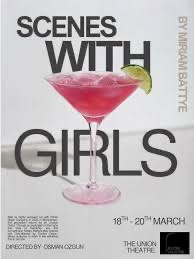
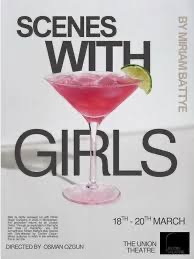
Scenes with Girls — Sass, Spark and a Slice of London Life ⭐️⭐️⭐️⭐️
If you like your theatre sharp, stylish and just a little bit chaotic, then Scenes with Girls at the Union Theatre is one to put firmly on your cultural radar.
Presented by Two Souls Productions and penned by the brilliantly observant Miriam Battye, this deliciously modern piece throws us headfirst into the tangled web of female friendship, dating disasters and the emotional rollercoaster that is being a young woman in London. It’s witty, it’s raw, and at times it cuts a little too close to the bone — just how we like it.
Now let’s talk talent.
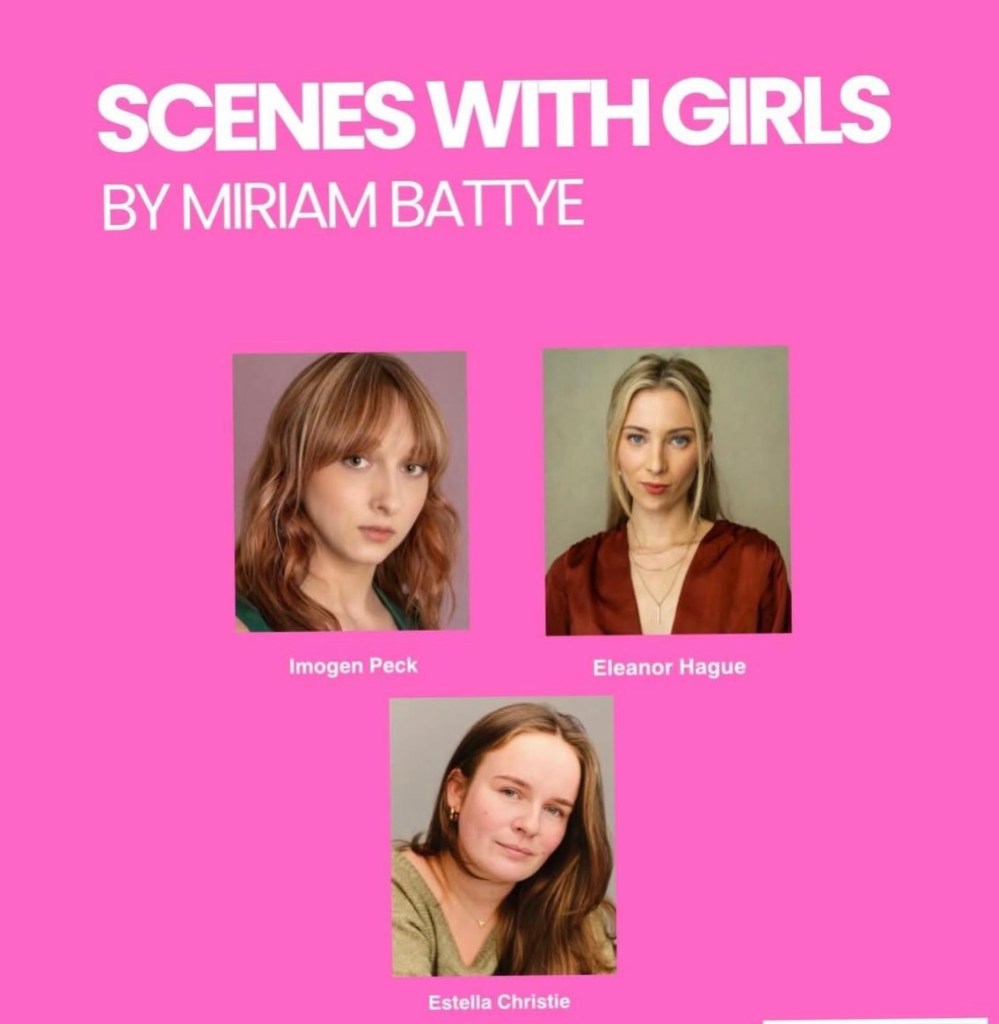
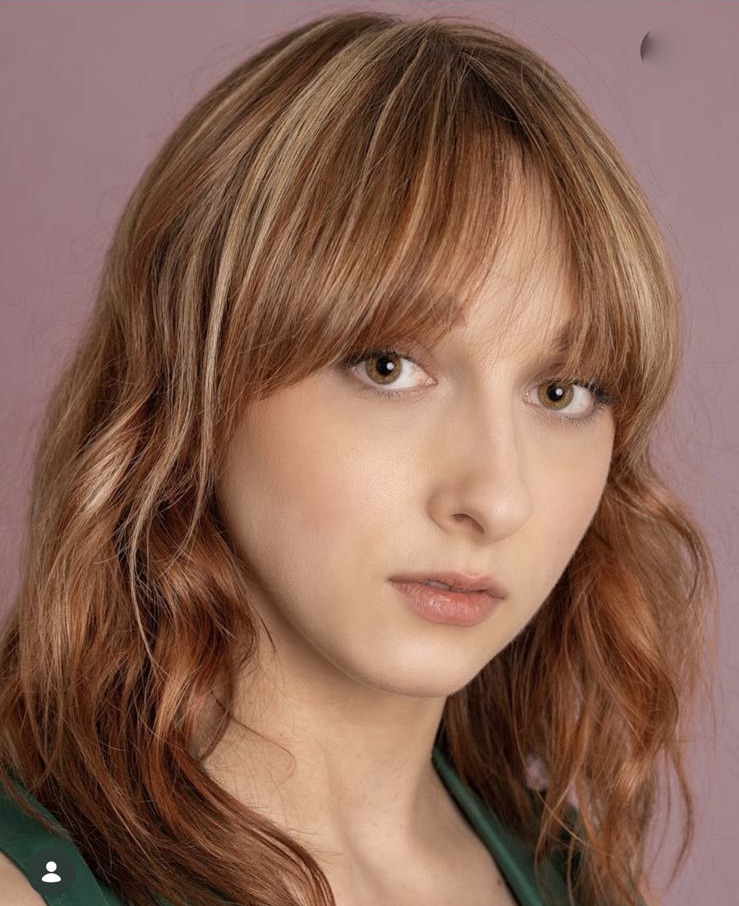
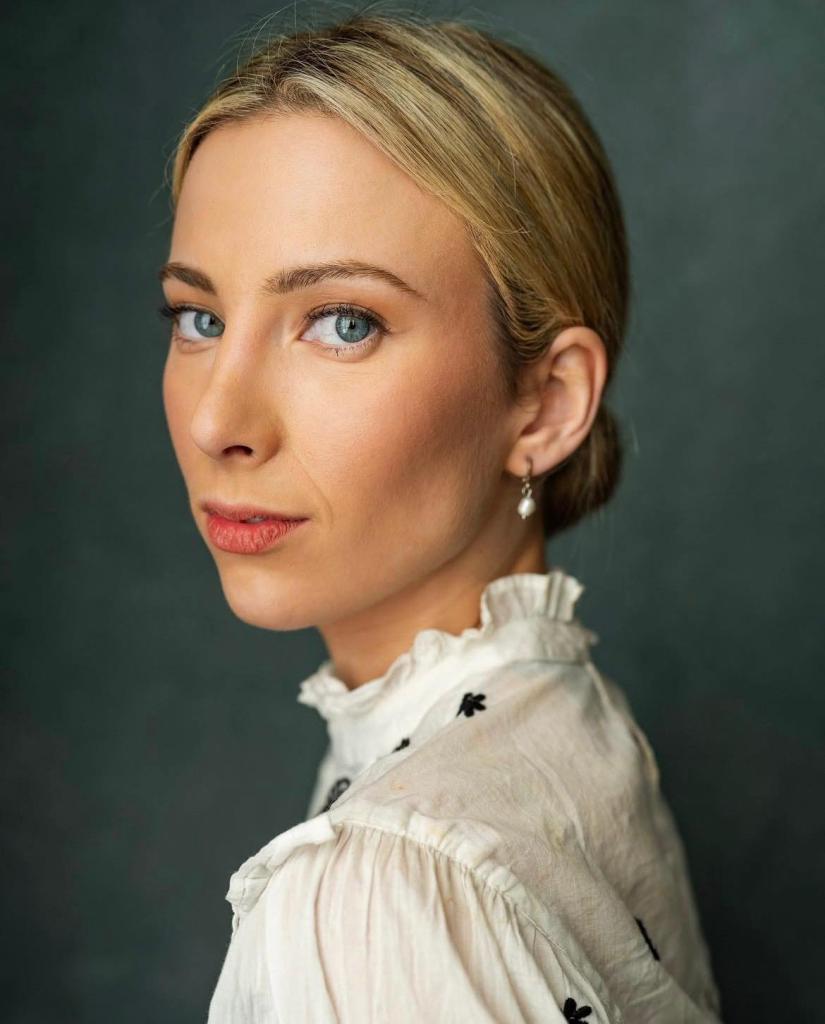
Imogen Peck is, quite simply, one to watch. She owns the stage with a confidence that feels entirely natural, never forced. There’s a magnetism about her — that elusive “it factor” — and you find yourself drawn in every time she speaks. Mark my words, this is a rising star in the making.
Imogen Peck
Eleanor Hague, meanwhile, brings a different flavour. With a face absolutely destined for the camera, she has that cinematic quality casting directors dream about. Her performance is a little more acting alone in places in other she commands the stage , but there’s a quiet intrigue there — the kind that suggests, given time, she could be a real force both on stage and screen.
Eleanor Hague,
The script? Oh, it’s clever. Very clever. Battye captures the rhythm of modern conversation with razor-sharp precision — the awkward pauses, the brutal honesty, the humour that masks something deeper. It’s brilliantly written and packed with moments that will have you wincing in recognition.
That said — and we keep it honest at 2Shades — acting is reacting, and in places the connection between performers doesn’t quite land. There are moments where the energy dips slightly, where you want that extra spark, that sharper exchange. But here’s the thing: this is exactly what makes the production exciting. With a little more time, a little more polish, this could be exceptional.
And let’s not forget the unsung heroes — the technical team. Slick, seamless and quietly impressive, they support the piece beautifully without ever overshadowing it.
As for the venue, the Union Theatre remains one of London’s best-kept secrets. Intimate, atmospheric and full of charm, it’s the kind of place where theatre feels alive. Pro tip: arrive early, grab a drink, and soak up the vibe — the staff are as fabulous as the performances.
All in all, Scenes with Girls is a bold, funny and promising showcase of emerging talent. It may not be perfect, but darling, it absolutely has potential — and that’s far more exciting.
Go. Watch. And say you saw them before they were stars.
Award-Winning Author Samantha Lee Howe Announced as New Patron of Anna Kennedy Online
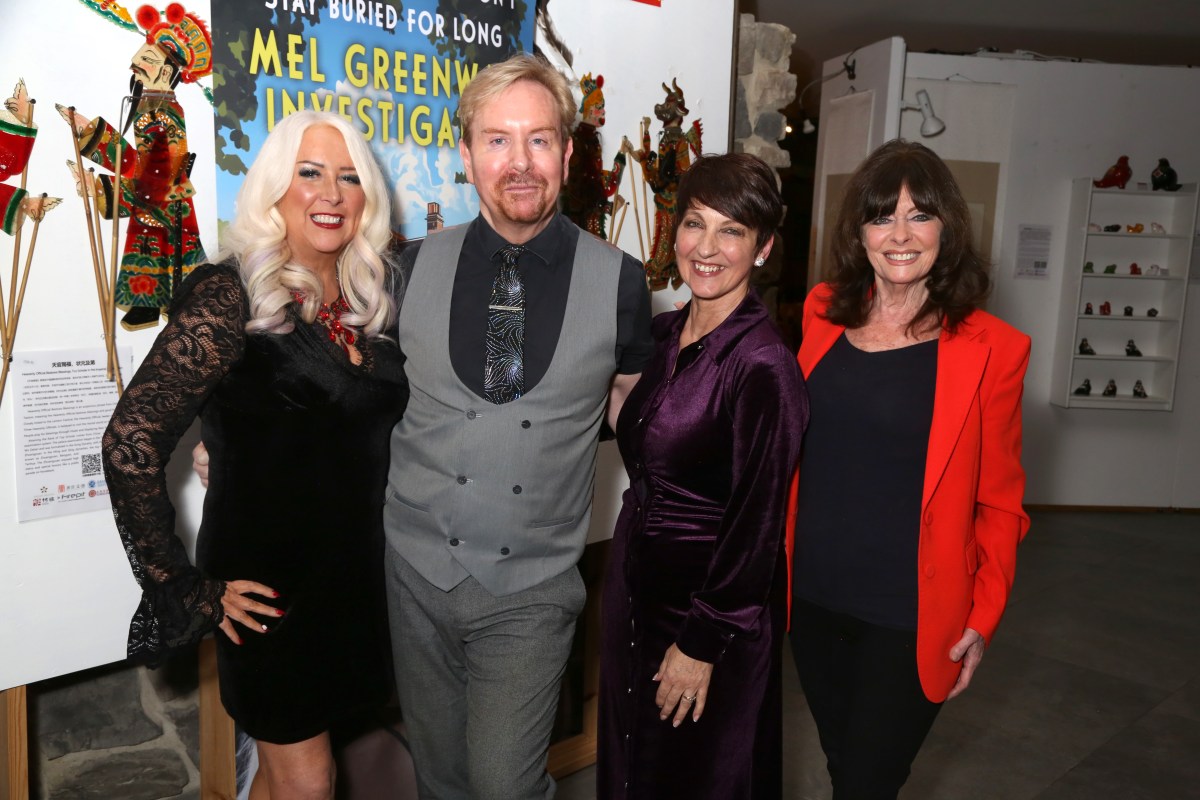
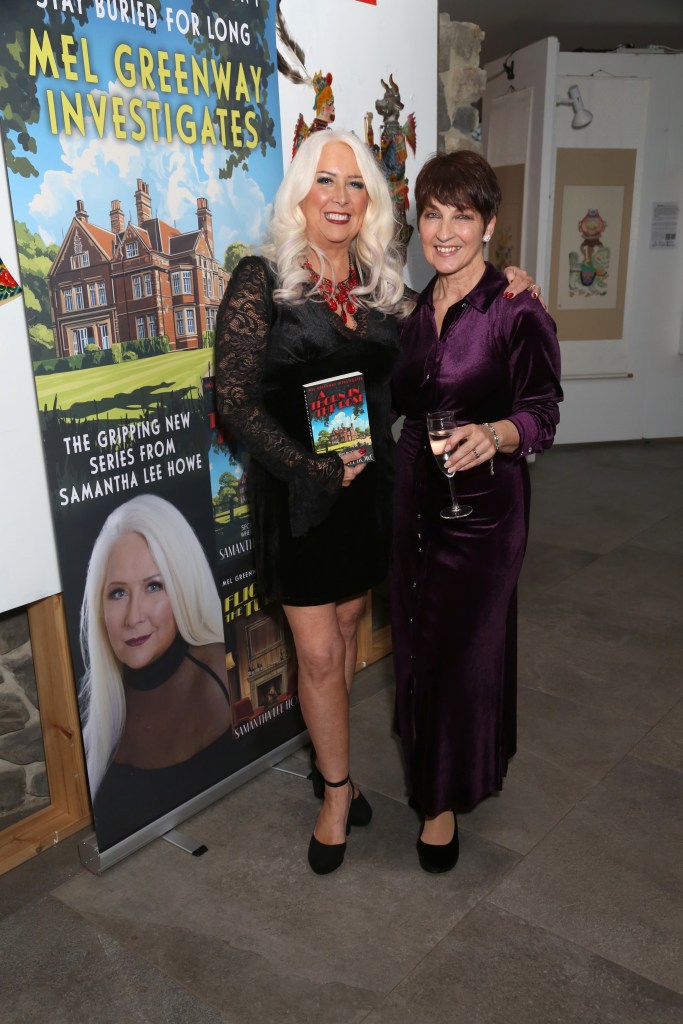
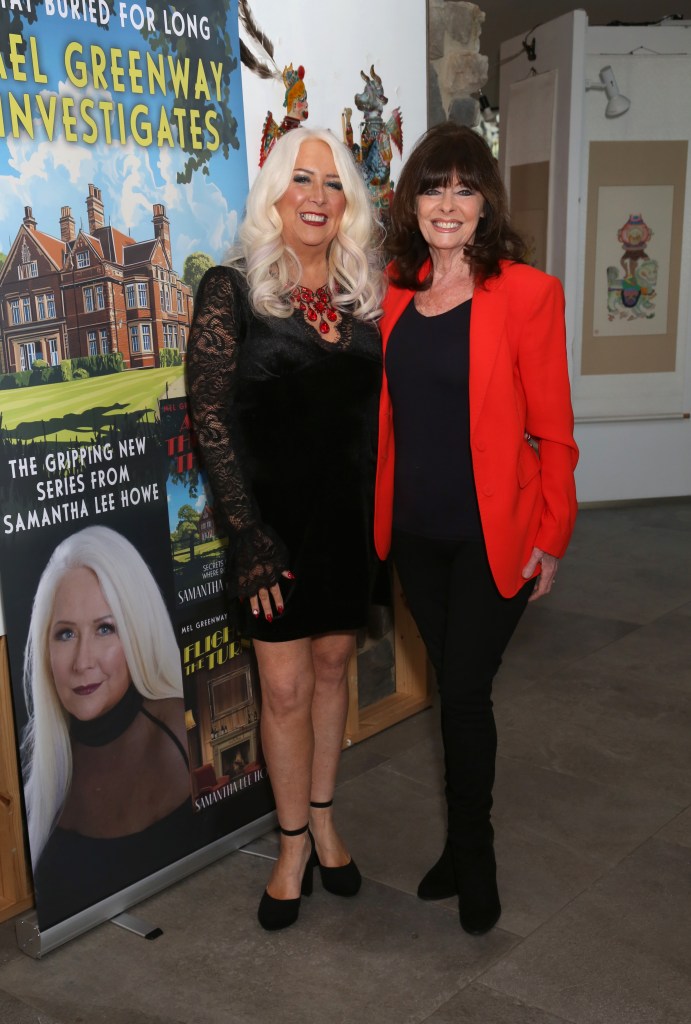
Samantha Lee Howe with Dr Anna Kennedy OBE at the FirePit Gallery . Picture by Andy Barnes photography .
All pictures by Andy Barnes
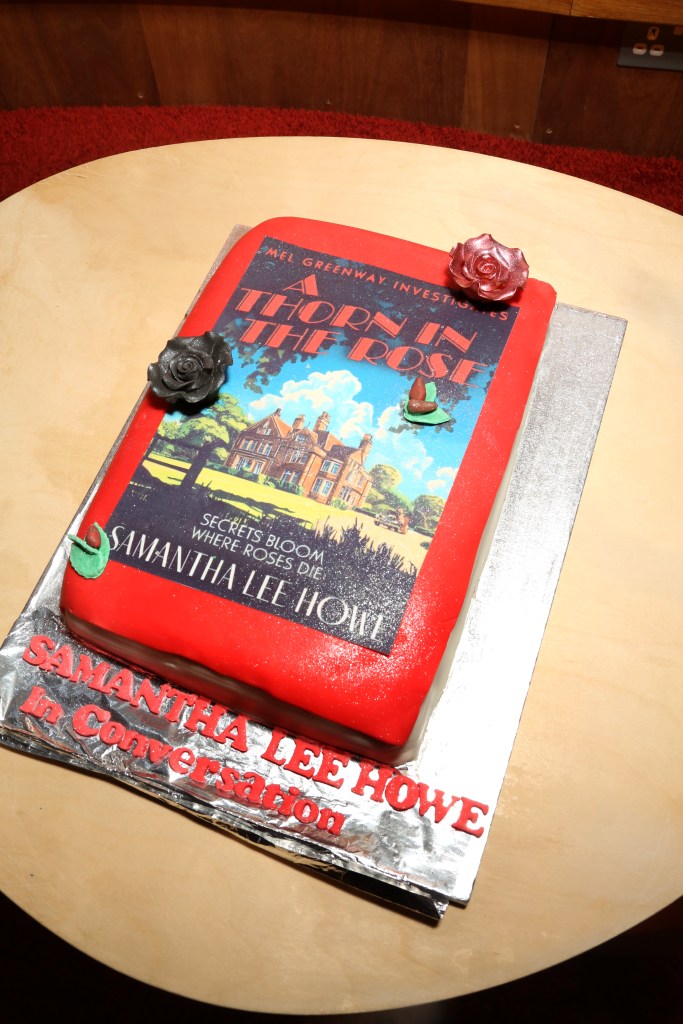
It was an evening filled with celebration, inspiration and heartfelt surprises at the stylish Firepit Gallery in London, where award-winning author Samantha Lee Howe officially launched her latest novel, A Thorn in the Rose. Yet while guests gathered to honour what many are already calling her most compelling work to date, it was a very special announcement that truly captured the spirit of the night.
During the event, Dr Anna Kennedy OBE revealed that Samantha Lee Howe would become a Patron of the autism charity Anna Kennedy Online — news that was met with warmth, applause and genuine emotion from the packed audience.
The evening, held in aid of the charity, was more than a literary celebration. Funds raised from the raffle and book sales were generously donated to Anna Kennedy Online, reinforcing the strong connection between Samantha’s creative work and her commitment to supporting the autism community.
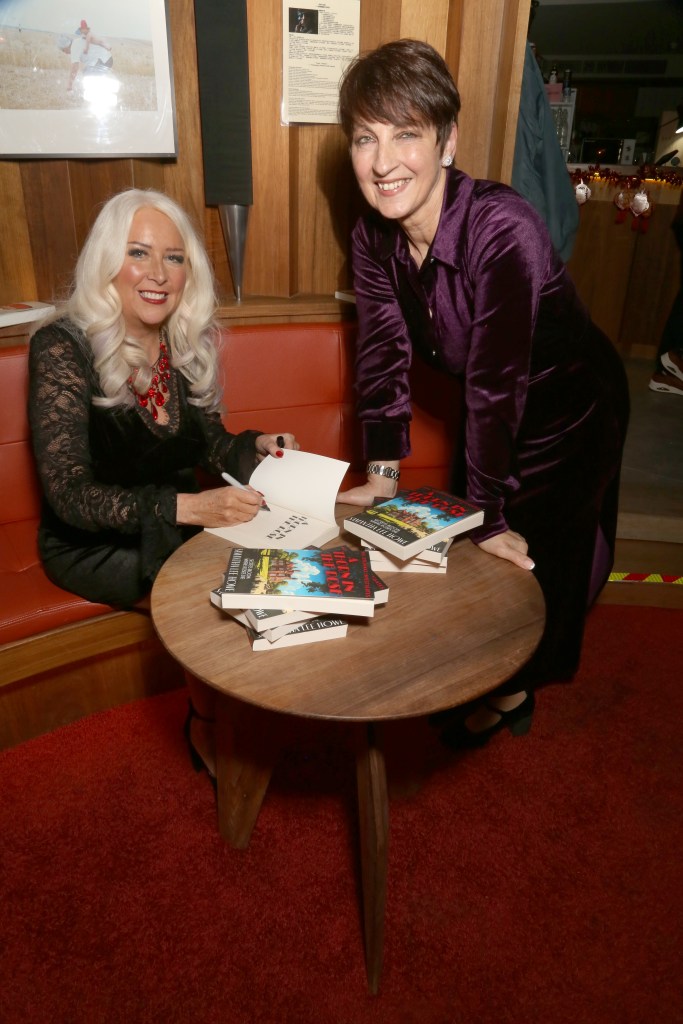
Picture by Andy Barnes Dr Anna Kennedy OBE collects her signed book from Samantha Lee Howe .
Among the distinguished guests were fellow patrons of the charity, Steven Smith and beloved ‘Allo ‘Allo!’ star and national treasure Vicki Michelle MBE. Their presence added to the celebratory atmosphere, reflecting the close-knit and passionate support network that surrounds the charity.
For Samantha, the announcement was deeply personal. Recently diagnosed with ADHD and her daughter with autism, her connection to the charity’s work is both heartfelt and authentic. Speaking at the event, she shared:
“I have been supporting Anna’s charity for over five years now and have just finished being one of the judges for the Autism’s Hero Awards. I honestly cannot wait to do more for the charity.”
Her words resonated strongly with the audience, many of whom understand first-hand the importance of advocacy, representation and community.
Samantha then treated guests to a reading from her new novel, A Thorn in the Rose, the latest instalment in the Mel Greenway Investigates series. The book is a twisty post-World War II crime mystery layered with themes of class, secrets and second chances. With her trademark precision and emotional depth, Samantha brought her characters to life, holding the room in rapt attention as she read. The atmosphere was electric — a perfect blend of literary sophistication and intimate storytelling.
Award winning writer Samatha Lee Howe in conversation with national treasure Vicki Michelle MBE . Picture Andy Barnes .
But the evening did not end there.
Following the reading, Samantha took to centre stage once more for an engaging “in conversation” segment with Vicki Michelle MBE, who herself was announced earlier this year as a Patron of Anna Kennedy Online. The two shared a natural chemistry as Vicki interviewed Samantha about her journey as an author and her life. This was followed by a Q&A session open to the audience.
Dr Anna Kennedy OBE spoke warmly about Samantha’s appointment as Patron:
“Samantha takes everything she does seriously and gives her all. She will fit in perfectly with the Anna Kennedy Online small but fierce family. We are lucky to have her.”
The phrase “small but fierce” perfectly captures the essence of the charity — a dedicated organisation that continues to make a powerful impact through awards ceremonies, community events and tireless advocacy for autistic individuals and their families.
The Firepit Gallery provided a fitting backdrop for such an occasion. Known for its vibrant atmosphere and creative energy, it has become a hub for inclusive cultural events in London. On this particular evening, it felt less like a gallery and more like a community united by storytelling, compassion and purpose.
picture Andy Barnes .
As guests left the gallery clutching signed copies of A Thorn in the Rose, it was clear that this was more than just a book launch.
With Samantha Lee Howe now officially joining as a Patron, Anna Kennedy Online strengthens its growing network of passionate advocates committed to championing autistic voices and celebrating neurodivergent achievement.
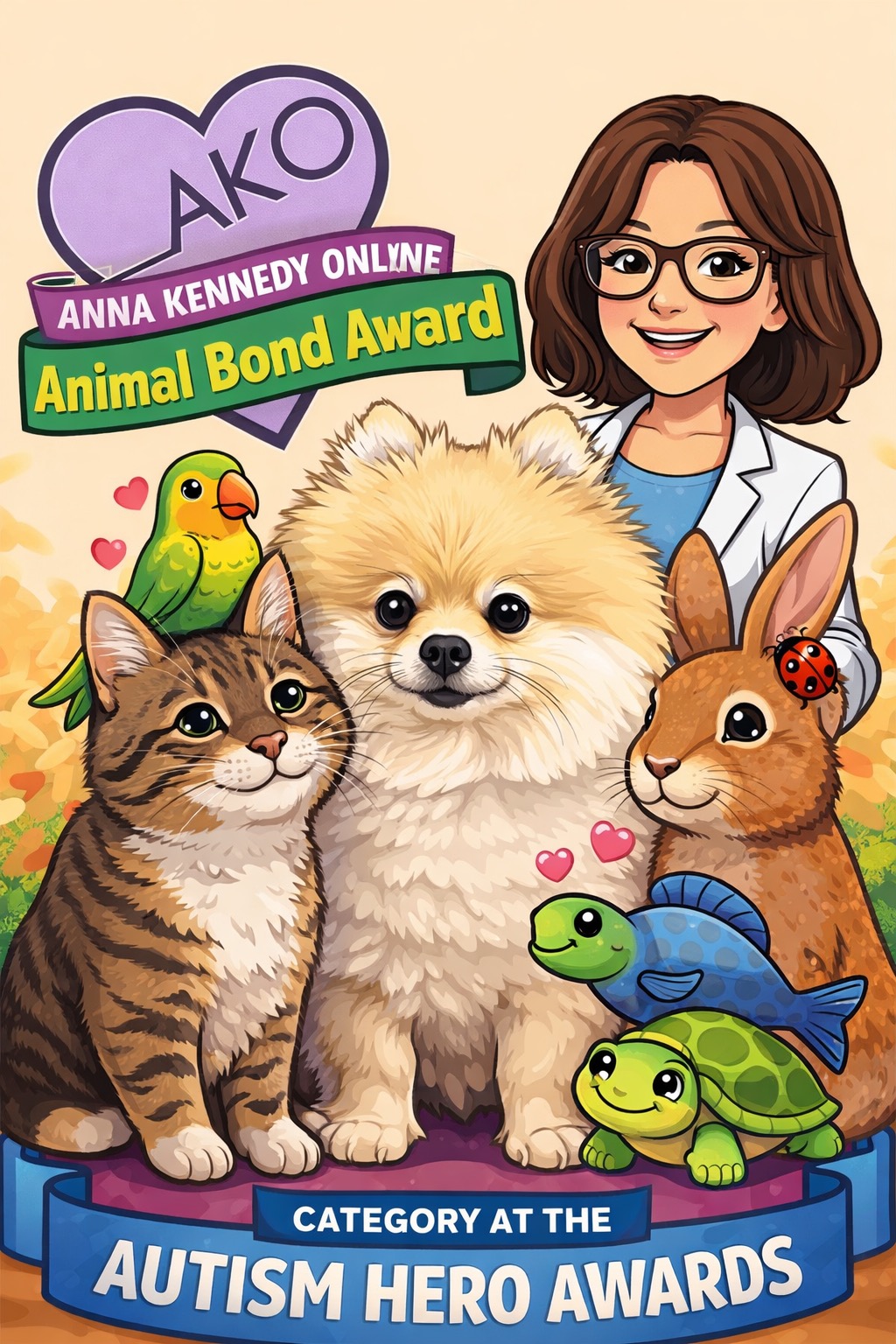
The Animal Bond Award at the Autism Hero Awards, organised by Anna Kennedy Online, is one of the most heart-warming and meaningful categories in the programme. It celebrates the profound and often life-changing relationships between animals and autistic individuals, shining a light on how these unique bonds enrich lives in extraordinary ways.
For many autistic people, animals provide comfort without judgement, routine without pressure, and companionship without expectation. Whether it is a loyal dog offering emotional regulation, a cat providing quiet reassurance, or another cherished animal companion helping to reduce anxiety and build confidence, these relationships can be transformational. The Animal Bond Award recognises those stories that demonstrate empathy, connection, and mutual understanding between humans and animals.
This special category is judged by a compassionate and experienced panel, including pet rescue star Wendy Turner Webster, alongside model and actress Victoria Featherstone Peace, and the talented Tess Eagle Swan who brings insight and authenticity to the judging process as ambassador of the charity. and her idea to add the category .
Tess with Kratu
Together, they celebrate stories that remind us how powerful kindness, trust, and unconditional love can be—proving that sometimes the strongest bonds are formed without words.
Please Nominate and come join us on the night the details below
Finding the perfect birthday experience for someone special is no small task—especially when expectations are high and the guest of honour is flying in from Lisbon with friends in tow. A month before the big day, my phone rang.
“Steven,” my best friend said, “I really want to do something fun for Hernando’s birthday. Something exciting. A show. There’ll be ten of us. What do you suggest?”
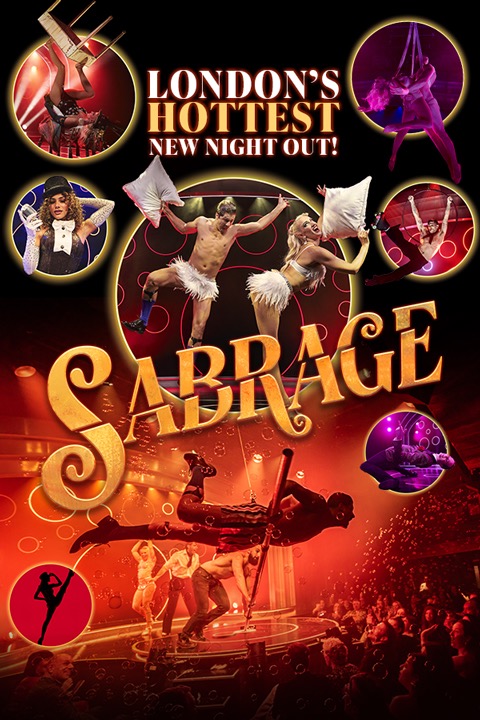
I’d been hearing whispers—more like delighted murmurs—circulating through my social circle about a production with just the right amount of cheeky X-factor. A show called SABRAGE. The reviews were glowing, bordering on evangelical, and once I looked further, the decision was made.
Described as an intoxicating collision of circus artistry, vintage glamour, high-octane acrobatics, and mischievous humour, SABRAGE promised far more than a conventional night out. It billed itself not merely as a show, but as an experience. And it
delivers—spectacularly.
On Saturday evening, we headed to King’s Cross, an area that has undergone one of London’s most impressive transformations over the past decade. Once gritty and utilitarian, it’s now a cultural and social hub buzzing with confidence. Lafayette, located just four minutes’ walk from the station, sits discreetly behind the main thoroughfare—an architectural gem that immediately sets the tone.
From the moment you arrive, the welcome is warm and efficient. Even security manages to be charming—no small feat. Before entering the theatre space, there are a few house rules. Chief among them: no photographs of nudity. This might raise an eyebrow or two, but rest assured—nothing here is gratuitous. Everything is artfully staged, elegant, playful, and firmly in good taste. If you’re easily offended, this may not be your night—but if you appreciate sensuality delivered with wit and intelligence, you’re in safe hands.
One of SABRAGE’s most impressive feats—aside from the performers themselves—is the seamless audience experience. Drinks and food can be ordered directly from your seat via a simple scan, and every member of staff we encountered was genuinely helpful, friendly, and clearly proud of the production.
The show opens with a theatrical pop—a sword cleanly slicing the cork from a champagne bottle—setting the mood instantly. Our hosts glide onstage, equal parts ringmaster and rogue, and from that moment, the audience is completely seduced.
Then comes the talent.
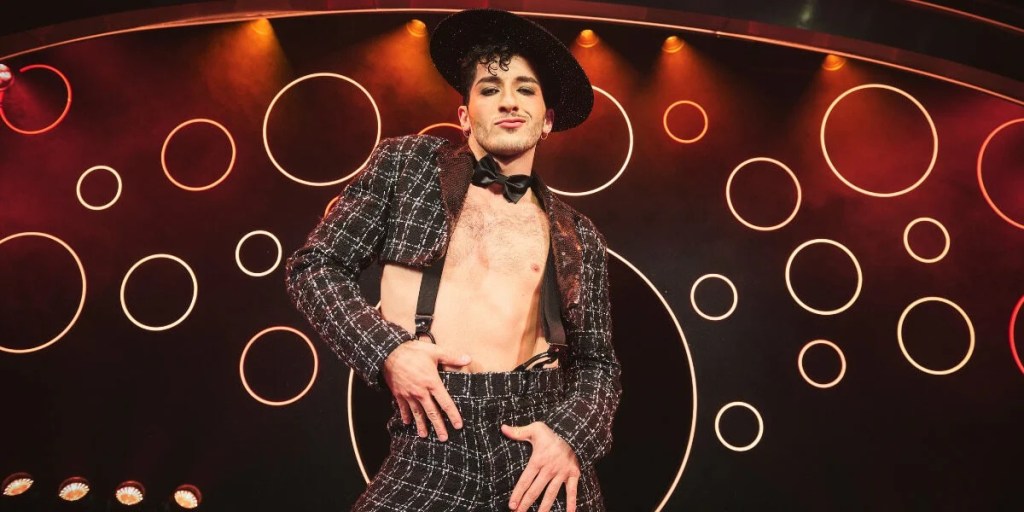
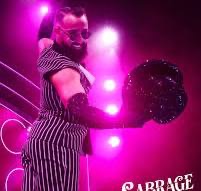
Almost immediately, the room developed a collective crush on Flynn Miller, whose high-flying aerial act is nothing short of breathtaking. There is a rare beauty in watching someone so utterly in command of their body, defying gravity with elegance, strength, and apparent effortlessness. His performance alone would be worth the ticket price.
But SABRAGE is far more than a one-man triumph. The cast—drawn from the very best international circus and acrobatic talent—deliver a relentless parade of jaw-dropping moments. There is danger, precision, laughter, and an undercurrent of delicious rebellion throughout. Vintage glamour collides with modern irreverence, and the result is electric.
What makes SABRAGE truly special is its balance. It knows exactly how far to push without tipping into excess. The humour is cheeky rather than crude. The sensuality is teasing, never tawdry. The spectacle is bold but controlled. Every act feels curated, every transition intentional.
By the end of the evening, our table of ten—birthday boy included—was unanimous. This wasn’t just a successful celebration; it was a night none of us will forget. SABRAGE doesn’t simply entertain—it exhilarates.
If you’re looking for something genuinely different in London, whether for a birthday, celebration, or simply because life deserves more champagne-fuelled circus brilliance, SABRAGE at Lafayette should be at the very top of your list.
As we step into 2026, I want to begin by thanking every single reader of 2Shades for your continued support, compassion, and commitment to inclusion. Each year brings its own challenges, but it also brings fresh opportunities to listen, to learn, and to act — and it is that collective spirit which continues to drive the work my husband Sean and I are so proud to be part of, with the help of an incredible team of unpaid volunteers at Anna Kennedy Online.
One of the highlights already firmly marked in my diary is the Autism Hero Awards, taking place on 9 May. These awards are incredibly close to my heart. They exist to celebrate the unsung heroes within the autism community — parents, carers, professionals, advocates, and autistic individuals themselves — whose dedication so often goes unnoticed. The Autism Hero Awards are not about red carpets or grand gestures; they are about recognition, visibility, and gratitude. They remind us that change is driven by people who show up every day, quietly and consistently, to make life better for others.
Creativity and self-expression will also take centre stage this year with the Autism and Art Show, opening in July at the FirePit Gallery. Art has always been a powerful vehicle for communication, particularly for autistic individuals who may find traditional forms of expression limiting. This exhibition is not only a celebration of artistic talent, but a statement: autistic voices deserve to be seen, valued, and taken seriously in cultural spaces. The Autism and Art Show continues to challenge outdated perceptions and offers audiences the chance to engage with autism through creativity rather than cliché.
February also brings an exciting and meaningful moment with the book launch by Samantha Lee Howe, taking place on 28 February, in aid of Anna Kennedy Online. Samantha’s work is deeply personal and profoundly resonant, and this launch is a wonderful example of how storytelling can build empathy while directly supporting autism advocacy. Events like this remind us that awareness and action must always go hand in hand. Samantha is also a judge at the Autism Hero Awards, which we are delighted about.
This year also marks the 15th anniversary of Autism’s Got Talent, a milestone that fills me with immense pride. Over the past fifteen years, Autism’s Got Talent has provided a platform for autistic people to shine on their own terms — celebrating ability, ambition, and individuality. It has been a joy to witness so many participants grow in confidence and self-belief, and to see audiences rethink what talent truly means.
Beyond events and milestones, ongoing conversation remains vital.
I am delighted to continue co-hosting my radio show on Gateway Radio, alongside Aston Avery. The programme gives us space to discuss disability, inclusion, mental health, and real-world challenges honestly and accessibly. Radio remains a powerful medium for reaching people who may feel isolated, unheard, or overlooked — and those conversations matter more than ever.
However, alongside hope and celebration, there are serious concerns that cannot be ignored. One of the most pressing is the future facing younger autistic people as they grow into adulthood — particularly what happens when parents or primary carers are no longer there. Too many families live with quiet fear about long-term support, independence, housing, and care. Systems are often fragmented, under-resourced, and slow to respond. As a society, we must do better at planning for lifelong autism support, not short-term solutions.
Sean and I remain committed to fighting for diversity, inclusion, and practical change. Advocacy does not end with awareness campaigns; it continues in policy discussions, education, employment, healthcare, and community support. We will continue to challenge inequality wherever we see it and to stand alongside those who feel marginalised or forgotten.
As we move forward into this new year, my hope is simple: that compassion leads action, that listening leads understanding, and that inclusion becomes the norm rather than the exception. Thank you for being part of this journey. Together, we can — and will — continue to make a difference.
With warmest wishes for a hopeful, inclusive, and empowering year ahead.