Categories
Columns Lifestyle People Uncategorized

Shimi Goodman unveils his new single Adagio

Steven Smith Chats with the star .

Some songs entertain, others inspire, but every so often a piece of music comes along that reaches far deeper, touching something deep within us. Adagio is one of those rare recordings.

After spending years carefully nurturing the project, Shimi Goodman is preparing to unveil a breathtaking classical crossover interpretation of the timeless melody made famous by Lara Fabian. Produced by George Guerrette, with sweeping orchestral arrangements by Shay Alon and performed by members of the renowned Prague Philharmonic Orchestra, Adagio promises to be one of the year’s most ambitious independent releases. Available in immersive Dolby Atmos, the recording combines cinematic grandeur with deeply personal storytelling.

Accompanying the single is a visually stunning music video directed by Omri Dagan and filmed within the haunting beauty of an abandoned Victorian boarding school in Hereford. Together, the music and visuals explore themes of memory, faith, love, loss, hope and redemption, creating an unforgettable experience that lingers long after the final note fades.

Ahead of its release on 3 July, I caught up with Shimi to talk about the five-year journey behind Adagio, the challenges of bringing such an ambitious project to life, and why this deeply personal recording marks an exciting new chapter in an already remarkable career.

Shimi at sea

Tell me about Adagio. How did the project come about?

I’ve loved Lara Fabian’s recording of this song, and the classical piece it’s based on, for years. I was fascinated by the famous story that the piece was reconstructed from fragments found after the bombing of Dresden. I love the idea that even from the darkest of times, something so beautiful could emerge.

In 2020, I approached Shay Alon, whom I knew from the production of Salt & Honey, where he was the musical director and I played the lead role. I asked him to create orchestrations for both Adagio and Feeling Good. We recorded members of the Prague Philharmonic Orchestra remotely while Chris Hamilton and I were performing in Asia. I watched the session streamed live from Prague as Shay conducted from Paris. It felt extraordinary. Hearing members of the Prague Philharmonic Orchestra bring those arrangements to life was one of the proudest moments of my career.

We completed Feeling Good and even filmed a music video for it, but then Covid hit hard. Our work came to a complete halt, the budget disappeared, and Adagio was left unfinished on an external hard drive for years.

During that time, Chris and I officially launched Tiano. We’d been performing together since the day we met, but the duo was really born during Covid. Once lockdown ended, we were fortunate enough to perform around the world, both as Tiano and in our solo shows, so Adagio remained tucked away.

Then, last year, I met producer George Guerrette backstage while he was playing trombone in one of my shows. He suggested we work together and immediately connected with both the song and its story. Together we completely reimagined the project. George suggested producing it in Dolby Atmos, which was a first for me. I loved the idea of giving this timeless classical piece a contemporary sound while honouring its extraordinary history.

George did an incredible job, and when Grammy Award-winning mixer Justin Gray said he loved the recording and wanted to work with us, we knew we might have something rather special. I really hope listeners feel the same.


Would you ever consider entering the Eurovision Song Contest? And what is your all-time favourite Eurovision song?

I absolutely love Eurovision! I’d love to enter the competition one day. I think Tiano could potentially do quite well, and it would be an honour to represent either of my countries.

Chris and I get completely immersed in Eurovision every year. We print score sheets and take it incredibly seriously. We’ve been invited to Eurovision watch parties before, but quickly realised they weren’t really for us. Everyone else wanted to socialise while we were busy analysing every performance. I even ended up shushing people! They weren’t too impressed, so these days we happily watch it at home.

Choosing my favourite Eurovision song is almost impossible. I may be slightly biased, but Hallelujah, which won for Israel in Jerusalem in 1979, still moves me every time I hear it. I also have a real soft spot for Conchita Wurst’s Rise Like a Phoenix.

Milk and Honey

The music video was filmed in an abandoned Victorian boarding school. What was that experience like? And what were your own school days like?

When I spoke to Omri Dagan, the brilliant director of the video, he immediately understood my vision. He found the location online almost instantly, and I knew we’d found the perfect place.

It was a four-hour drive from London to Hereford. As I was away performing, we couldn’t visit beforehand, so it was a bit of a gamble. Thankfully, when we arrived it was exactly as we’d imagined—an abandoned, eerie, beautifully decaying Victorian school that perfectly matched the atmosphere we wanted to create. I loved every minute of filming and also enjoyed designing and sourcing my costumes beforehand.

.It is reconstructed from fragments said to have been found after the bombing of Dresden”

Afterwards, I looked up the school online and discovered it’s one of the UK’s most sought-after ghost-hunting locations. Every time I watch the video now, I half expect to spot a ghost wandering through the background!

My own school days were incredibly busy. I attended a school specialising in science and engineering, but at the same time I discovered my passion for musical theatre. Gradually my focus shifted from academics to performing, and I spent most afternoons at my local community theatre group.

My teachers recognised where my heart truly lay and encouraged me to follow my passion. I began taking private lessons in singing, acting and dance, and thankfully it all paid off.


When did you first realise you had such an incredible voice, and how did your singing career begin

Firstly, thank you—that’s incredibly kind.

It wasn’t something I suddenly realised. Other people believed in me before I believed in myself. I was often given the leading singing roles in youth theatre, but it wasn’t until I started performing professionally that I truly appreciated how audiences connected with my voice.

A real turning point came when I attended a summer course at the Guildford School of Acting. I was unexpectedly offered a place on the full three-year BA Musical Theatre course.

I remember thinking, “Wow… I must be doing something right.”

The plan had been to move to England a year later, but suddenly I had just one month to leave Tel Aviv and begin a completely new life in Guildford.

I was incredibly fortunate to have the full support of my parents, siblings and friends. Sometimes I wonder how different life might have been if they’d said no.

After graduating, I fulfilled my dream of performing in London’s West End in productions including Evita and Chicago. Eventually, however, I realised I wanted audiences to know me as an artist rather than simply as a performer in someone else’s show.

With the encouragement of my now-husband, Chris Hamilton, I created my own concerts. Chris introduced me to his agent at Gary Parkes Music Limited, and before long I was performing around the world.


Who have been your biggest musical influences?

Without question—Barbra Streisand.

I’ve always admired everything she’s achieved, both as a woman and as a proud Jewish artist. Her voice, her acting and her determination have had an enormous influence on my own musical journey.

I was lucky enough to sit in the front row when she performed at London’s O2 Arena. During the show I couldn’t resist shouting, “You’re like butter!”—a reference to the famous Saturday Night Live sketch.

To my amazement she actually stopped, laughed and spoke to me. We joked about creating a product called “Like Butter”—butter without the butter!

If I ever had the opportunity to sing with Barbra Streisand, I could honestly die a happy man.

“Barbra… can you hear me?”

Pa Pa can you hear me the icon that is Barbra Streisand

How did you meet your husband, Chris?

We met while studying at the Guildford School of Acting. Chris had already enjoyed a successful career as an Oxford-educated lawyer and award-winning pianist before deciding to return to performing.

We’ve been making music together ever since.

We’re incredibly fortunate that we both love travelling and performing. We occasionally work apart for short periods, which makes us appreciate our time together even more.

Shimi with his beautiful husband Chris Hamilton

Looking at today’s music scene, who would you most like to collaborate with?

Andrea Bocelli and Céline Dion would be absolute dream collaborations.

I’d also love to work with Bruno Mars, Ed Sheeran and legendary producer David Foster. If David Foster ever asked me to sing for him, I’d probably faint before I reached the microphone!


When you’re not performing around the world, how do you relax?

Honestly, by sitting on the sofa watching all the television I’ve missed while travelling.

I also love going to the gym, which keeps me focused, and whenever I’m back in London I try to get to the theatre as often as possible.


If you were hosting the ultimate dinner party, which five people—living or dead—would you invite?

Judy Garland and Gene Kelly would definitely be there. My father introduced me to their films when I was growing up, and they still remind me of him every time I watch them.

Barbra Streisand would have to be invited, of course, along with Golda Meir—such an inspirational woman.

Finally, Frank Sinatra. A wonderfully complex man with one of the greatest voices of all time.


Finally, what are your ambitions over the next five years?

I’d love to see Adagio enter the classical crossover charts and for Tiano to become a household name.

We’re slowly but surely moving in that direction. We have an incredible US manager who first discovered us through her sister-in-law, a Tony Award-winning Broadway producer. Together they’ve helped introduce us to audiences across America.

We’ve been fortunate enough to receive visas for artists of extraordinary ability and have already performed throughout the United States. We’re hoping to return to New York, Las Vegas and many other venues again this year.

Ultimately, though, success isn’t about fame. It’s about making people feel something.

If audiences leave our shows happier than when they arrived, then we’ve done our job. I sincerely hope Adagio touches people’s hearts in exactly the same way.

Adagio is released on 3 July, with the official music video premiering on 10 July.

https://ffm.to/adagio-9780

Categories
Columns Culture People

“It’s Just like a prayer for Madonna fans but Graham doesn’t take you there “

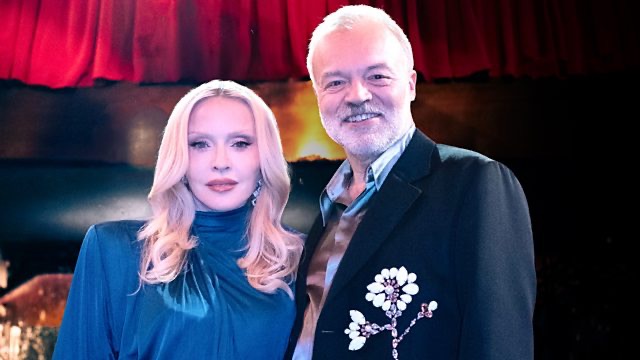
IT’S JUST LIKE A PRAYER FOR MADONNA FANS … BUT GRAHAM NORTON DOESN’T TAKE YOU THERE

By Steven Smith

There are few chat show hosts in the world who can match Graham Norton when it comes to creating entertaining television. For well over a decade, The Graham Norton Show has been essential viewing, bringing together Hollywood royalty, music legends, comedians and sporting icons on one famous sofa. His effortless charm, quick wit and ability to make even the biggest stars relax have earned him a loyal audience and countless awards.

The format is brilliantly simple. Big personalities gather together, stories are exchanged, laughter follows, and viewers feel like they’re eavesdropping on an exclusive dinner party. It works because Norton never tries to dominate the conversation. Instead, he gently nudges it along, allowing his guests to bounce naturally off one another.

However, there is one important distinction.

Norton is a superb chat show host.

He is not an in-depth interviewer.

Unlike Oprah Winfrey, Louis Theroux or the late Sir Michael Parkinson, Graham rarely pushes beyond entertaining anecdotes and witty conversation. He seldom asks the difficult follow-up questions or explores the emotional experiences that have shaped the people sitting opposite him.

Unfortunately, that weakness became painfully obvious in what the BBC heavily promoted as one of television’s biggest interviews of the year: Graham Meets Madonna.

The Interview That Never Quite Begins

As a lifelong Madonna fan, I couldn’t wait to watch it.

Madonna remains one of the most fascinating figures in popular culture. Over four decades she has reinvented herself more successfully than perhaps any artist in history. Behind the global superstar lies an intensely private woman who has experienced extraordinary success, devastating personal loss, family conflict and relentless public scrutiny.

Surely this was the opportunity to finally meet the woman behind the icon.

Sadly, it wasn’t.

The programme opens with Graham Norton sitting in the back of a classic London taxi.

“I always get nervous when meeting Madonna,” he admits.

It’s an honest opening, but it also establishes the tone. Rather than appearing like an experienced broadcaster preparing to interview one of the world’s biggest stars, Norton almost feels like a fan about to meet his hero.

From the outset, it becomes clear that either the production team—or perhaps Madonna’s own management—have tried far too hard to make this landmark interview feel different.

Instead of simply sitting two intelligent people down for an honest conversation, viewers are taken through a series of carefully staged moments that never quite work.

One particularly awkward sequence sees Graham climbing to the top of an empty theatre before dramatically looking down onto the stage, where Madonna slowly emerges under the spotlight like an apparition. He then races down the stairs to greet her with all the excitement of a teenager meeting their idol.

Rather than feeling cinematic, it simply feels forced.

Where’s the Real Madonna?

Madonna has always been something of an enigma. Friends and collaborators frequently describe her as warm, witty and possessing a wonderfully dry sense of humour, yet that side of her rarely appears during television interviews.

This was Graham Norton’s golden opportunity.

Instead of discussing costumes, boots and backstage stories, he could have explored the remarkable woman behind one of music’s greatest careers.

Instead, the opening conversation drifts aimlessly.

In fact, Madonna often asks Graham more questions than he asks her.

They wander around the theatre chatting about boots, stolen clothes from Coachella and nostalgic memories, almost like two dinner guests waiting for their table to become available.

You keep expecting the interview to begin.

It never really does.

At times, Madonna herself appears visibly bored.

Stuart Price Steals the Show

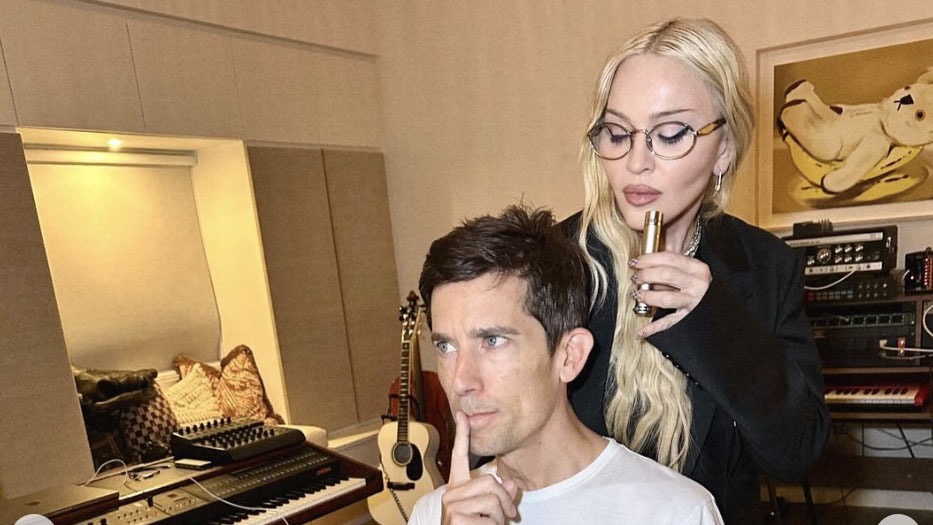
Stuart Price a welcome relief with Madonna

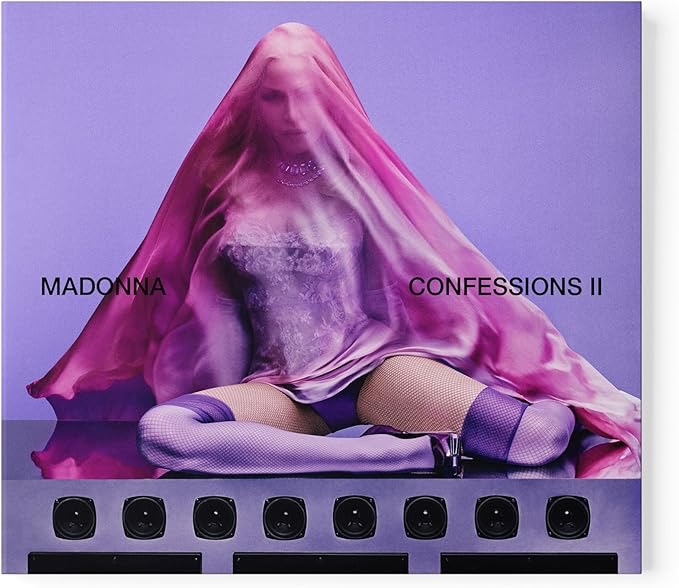
Thankfully, the programme briefly comes alive when Graham and Madonna head upstairs to meet legendary producer Stuart Price, the creative force behind Confessions on a Dance Floor and Madonna’s latest musical project.

Ironically, this becomes the documentary’s strongest section.

Price discusses Madonna’s perfectionism, her musical instincts and her relentless pursuit of excellence. As he plays tracks from the forthcoming album, viewers are finally given a genuine glimpse into how one of the world’s greatest pop stars creates her music.

It’s fascinating television.

In truth, Stuart Price provides more insight into Madonna in ten minutes than Graham Norton manages throughout the rest of the programme.

Still Waiting for the Questions

One exchange perfectly captures the imbalance between interviewer and interviewee.

“Why do you have to know everything?” Madonna jokes.

It’s a line that amusingly echoes Julie Walters’ famous quip on The Graham Norton Show“Leave me alone!”

Norton laughs before replying,

“It’s a chat show.”

Except, with Madonna, it never quite becomes one.

Instead of taking control, asking meaningful follow-up questions or steering the conversation into more revealing territory, Graham remains slightly starstruck throughout.

The next stop is a bar.

By this stage, the audience probably deserves a drink too.

Waiting behind the bar is another surprise guest—Kylie Minogue.

For many LGBTQ+ viewers, seeing Kylie and Madonna together is genuinely enjoyable. Graham excitedly declares, “I’m in gay heaven!”

It should be one of the funniest moments in the programme.

Instead, it feels heavily rehearsed.

The chemistry simply isn’t there.

A Missed Opportunity

Perhaps the most telling moment comes when Madonna looks directly at Graham and asks:

“When are you going to start asking me questions?”

“I have been,” Graham replies while swapping drinks with her.

The problem is…

He really hasn’t.

Most of the questions remain stubbornly on the surface.

There are countless fascinating areas of Madonna’s life that receive little or no attention: her battles with ageism, motherhood, spirituality, surviving four decades in an industry that constantly writes women off after forty, and the loneliness that often accompanies global fame.

Instead of meaningful exploration, viewers are offered snippets rather than substance.

One particularly frustrating moment briefly touches upon the death of Madonna’s younger brother, Christopher Ciccone. For a split second, it feels as though the documentary is finally about to reveal something deeply personal.

Then the moment disappears almost as quickly as it arrived.

Whether that decision came from Madonna herself or her management, we’ll probably never know.

Either way, it leaves viewers wanting much more.

The Verdict

Of course, it’s impossible to ignore the programme’s real purpose.

This is ultimately a promotional vehicle for Madonna’s new music.

There are some genuinely wonderful archive photographs from her early days performing at New York’s legendary Danceteria nightclub, reminding viewers just how extraordinary her journey has been.

Visually, Madonna looks fantastic—confident, elegant and entirely comfortable in her own skin. She remains every inch the cultural icon she has always been.

Which makes it even more disappointing that the programme never truly matches its subject.

Rather than trying so hard to create quirky television through staged walks, surprise guests and theatrical entrances, a simple sit-down interview may well have produced something far more memorable.

Sometimes, less really is more.

Madonna has given exceptional interviews before. Her legendary conversation with Ruby Wax in Paris remains one of the finest celebrity interviews ever recorded because Wax wasn’t afraid to challenge her while allowing humour and vulnerability to emerge naturally.

More recently, her thoughtful discussion with Jay Shetty revealed another side of Madonna—reflective, intelligent and surprisingly open. It proved that, when asked the right questions, she is still willing to reveal the woman behind the myth.

Sadly, Graham Meets Madonna never reaches those heights.

That’s not because Madonna isn’t interesting.

Far from it.

It’s because Graham Norton never quite takes us where we wanted to go.

For fans, there is still enough to enjoy. Seeing Madonna revisit her past, hearing Stuart Price discuss her music and watching two entertainment giants share the screen certainly has its appeal.

But what could have been the definitive Madonna interview ultimately settles for pleasant conversation.

Like one of Madonna’s greatest songs, it promises revelation.

Unlike Like a Prayer, however, it never quite takes you there.

https://www.bbc.co.uk/programmes/m002y4g5

https://www.amazon.co.uk/CONFESSIONS-II-Madonna/dp/B0GXC72FF7/ref=asc_df_B0GXC72FF7?mcid=18fa45e6d409344d9f9dc8d664ef43d0&th=1&psc=1&tag=googshopuk-21&linkCode=df0&hvadid=788531771417&hvpos=&hvnetw=g&hvrand=15638585306469593212&hvpone=&hvptwo=&hvqmt=&hvdev=c&hvdvcmdl=&hvlocint=&hvlocphy=9045885&hvtargid=pla-2502536493354&psc=1&hvocijid=15638585306469593212-B0GXC72FF7-&hvexpln=0&gad_source=1
Categories
Columns Lifestyle People Travel

All You Need Is Your Love Tonight

Steven meets SUMZ the Dj you are all going to love .

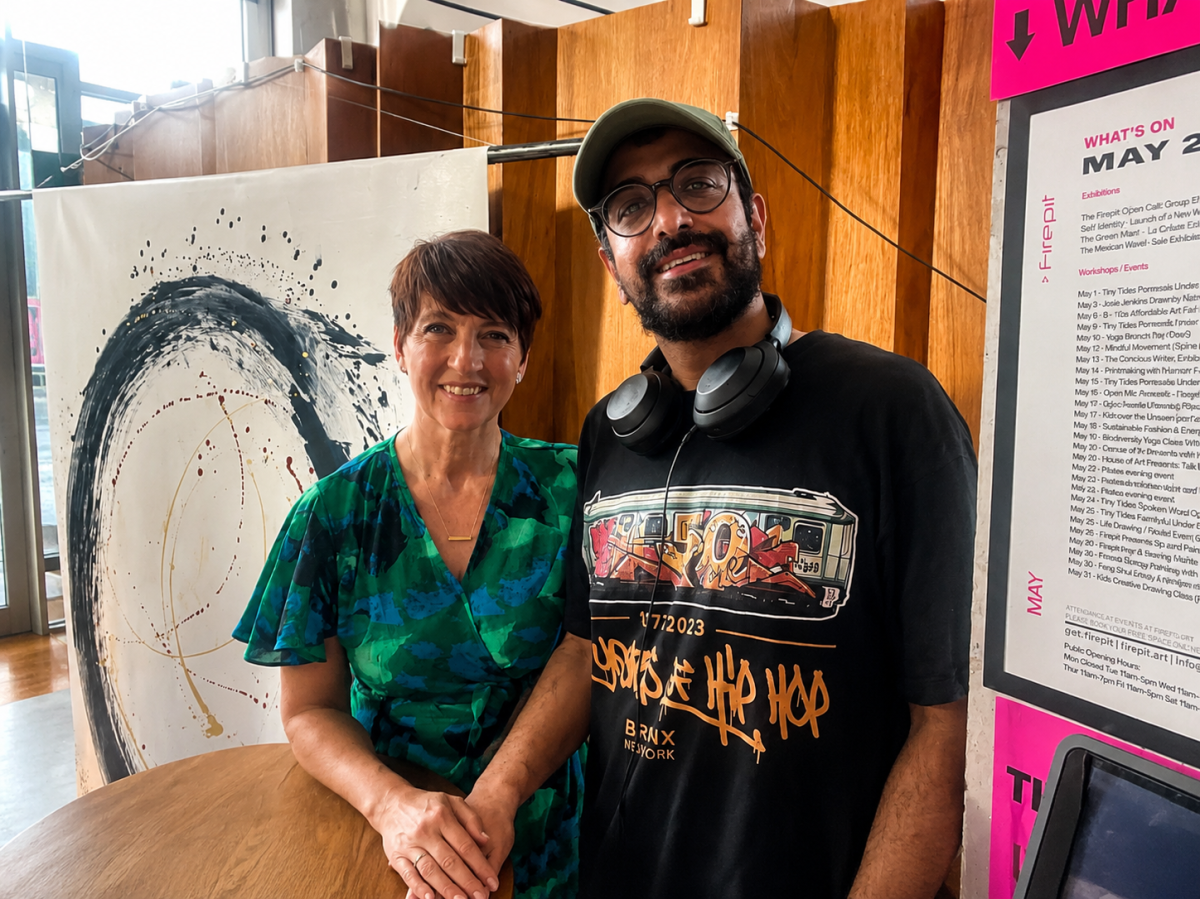
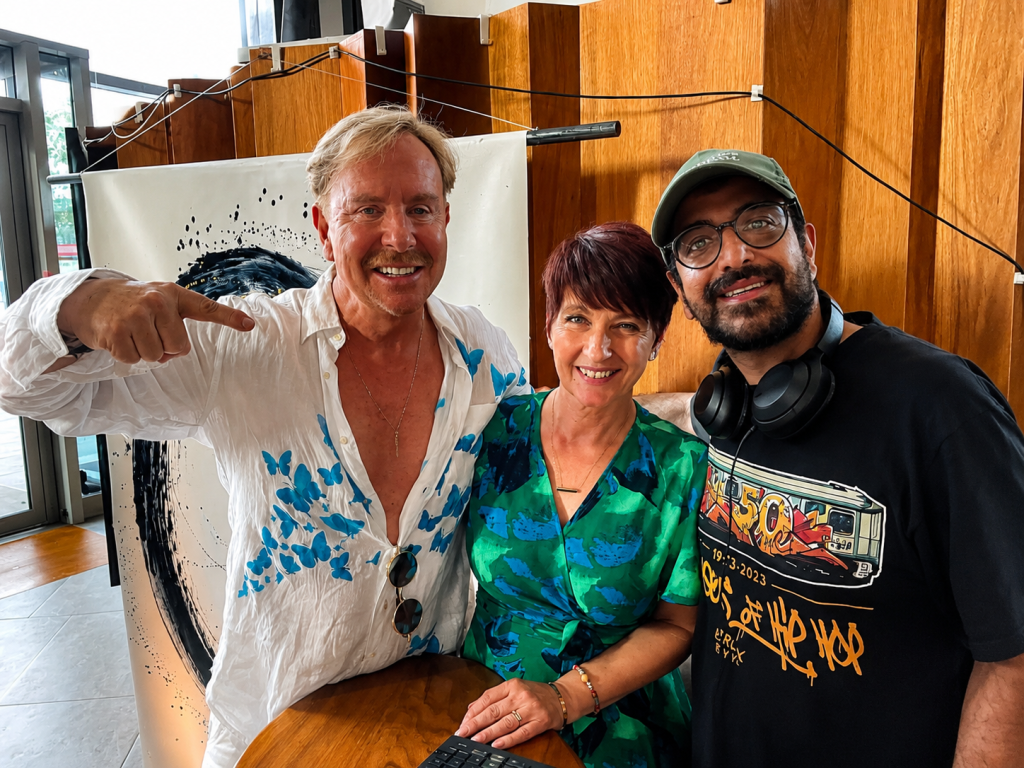
Patron of Anna Kennedy on line Steven Smith Dr Anna Kennedy OBE with DJ SUMZ At The Firepit gallery https://annakennedyonline.com

2Shades Meets DJ SUMZ

2Shades Magazine would like to thank the incredible DJ SUMZ, who generously donated his time and talent to support Anna Kennedy Online at a special fundraising event held at The Firepit Gallery on 23rd May. He showed his love that night .

Performing under the newly launched media platform Soundtrax, SUMZ is a London-based DJ and journalist with a passion for independently produced music, art, film, and culture. His mission is to shine a spotlight on underrepresented artists while creating memorable musical experiences for audiences around the world.

Fresh from his appearance at the Firepit Gallery, we caught up with SUMZ to talk about music, Pride, travel, weddings, and the future of the music industry.

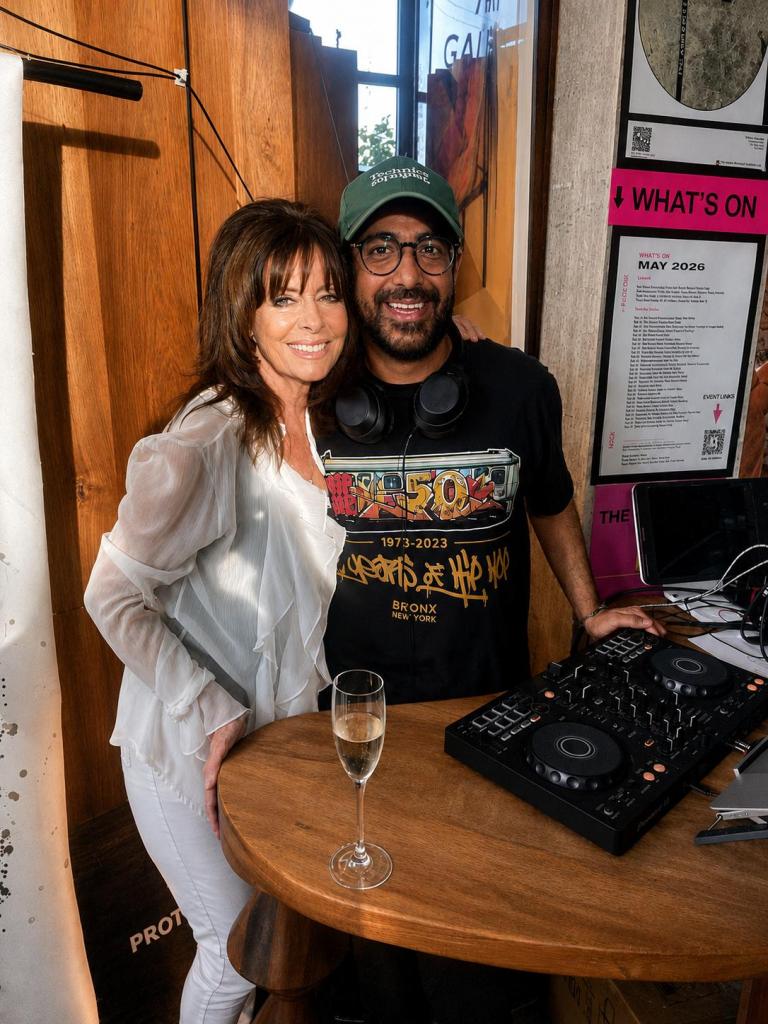
Sumz with one of the celebrity guests Vicki Michelle

What is your earliest memory of music?

There are pictures of me wearing large DJ headphones at the age of one! However, from my own memory, I remember hearing a mix of Bollywood, Bhangra, and R&B in my living room as a toddler. I also recall singing Bollywood songs in front of my family at about five years old!

Growing up, who were your biggest musical influences?

My taste has largely been influenced by my older siblings and cousins. I always loved music that was before my time, including 70s funk and soul and 80s new wave and hip hop. Movie and video game soundtracks largely shaped my long-term tastes. Whether it was the score to Bollywood movies such as Dilwale Dulhania Le Jayenge, the rapper-backed playlist of Space Jam, or the synth-pop radio stations of GTA Vice City, these soundtracks have left a lasting impact.

We are loving the crossover vibe of South American music blending with jazz and house. If you could visit one country purely for its musical culture and atmosphere, where would it be and why?

There are so many countries I would love to explore for this reason. I’ve been lucky enough to visit Bolivia, Colombia, and Mexico, plus Brazil which helped deepen my understanding of Latin American musical culture. Next, I’d love to venture to Japan, where there is an incredible fusion of jazz, hip hop, R&B, and pop. I’d love to experience that first-hand.

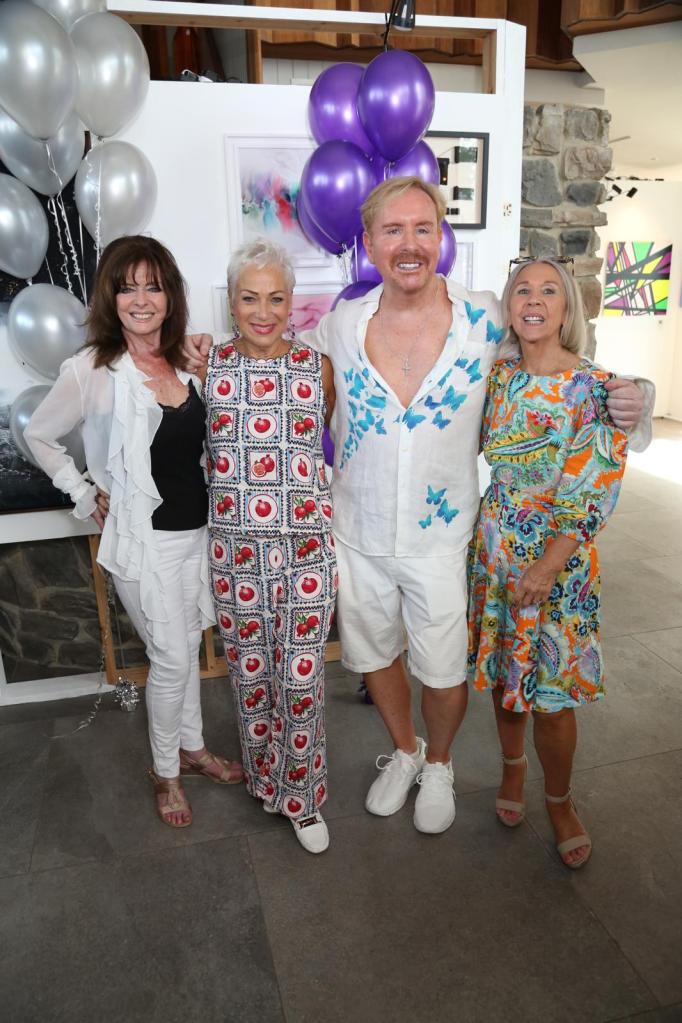
Actress Vicki Michelle , actress Denise Welch author Steven Smith socialite Pam Sharrock loved Sumz sets

If you were getting married on a beach — or performing at a wedding — what song would you choose, ruling out the traditional Here Comes the Bride?

Eres Tú by Carla Morrison would be a great choice. It’s a song my wife and I bond over, and it strikes a perfect balance between romantic and unique. The Spanish vocals and calm strings create a peaceful and heartfelt atmosphere.

It is Pride Month, and from the disco sounds of the 1970s to artists such as Freddie Mercury and George Michael, LGBTQ+ culture has helped push musical boundaries. If you had to choose four iconic songs for the ultimate Pride party playlist, what would they be?

Music is an incredibly powerful vessel for expression. It breaks barriers both internally and externally. Karma Chameleonby Culture Club has long resonated with me when it comes to themes of identity and self-expression. George Michael’s Freedom would be another essential choice.

For pure dancefloor energy, I’d add Madonna’s Vogue and Queen’s I Want To Break Free. It’s hard to narrow it down to just four songs, but those would certainly be among my first picks.

When people hire a DJ, music is a two-way street. What advice would you give clients about the information they should share with you to help create a truly successful event?

While attentive DJs always adapt to the dancefloor, it helps enormously to understand the tastes of both the host and the audience. Sharing genre preferences can provide a smooth starting point. Letting the DJ know about birthdays or special occasions also allows for personal touches, such as dedications and shout-outs.

Is there any type of music that you are not particularly fond of?

I’m a big believer in not boxing music. While I naturally listen to some genres more than others, I genuinely believe there is a place for all sounds.

Have you ever had anything go dramatically wrong while performing?

Thankfully, no! But it’s something I always think about, which encourages me to prepare thoroughly for every possible scenario.

When you are not performing, what is your favourite way to relax and switch off?

I love writing, learning about history, and watching football. Travelling is another passion of mine. Exploring different countries helps keep me inspired both creatively and personally.

How do you see the music scene evolving over the next century?

I think there will be a significant counterculture to AI-generated content. People will increasingly value live experiences, raw talent, and genuine human creativity. Combined with the rising cost of major concerts, I believe smaller local music events could enjoy a real resurgence in the years ahead.

2Shades Magazine once again thanks DJ SUMZ for supporting Anna Kennedy Online and helping to make a memorable evening even more special.

https://www.firepit.art

https://youtu.be/qc8HEy4zjVs?si=xm7rcvopbUM7Yjjt

Categories
Columns Lifestyle

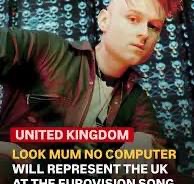
UK EUROVISION IT ‘S THE GAY NEW YEAR .

Eurovision 2026: The UK Sends Camp, Catchy Chaos with “Eins, Zwei, Drei”

There is a long-standing joke that the real gay New Year takes place not on 1 January, but every May when the glitter cannon fires up for the Eurovision Song Contest. And this year, the United Kingdom has certainly leaned into the camp spectacle with its entry for 2026: “Eins, Zwei, Drei” by LOOK MUM NO COMPUTER.

At first listen, the track leaves you momentarily speechless — partly because it is so unexpected, and mainly because it is, to put it politely, gloriously naff. But in true Eurovision fashion, what initially feels baffling somehow begins to grow on you. Like a moth drawn to a flame, you find yourself humming the hook without quite knowing why.

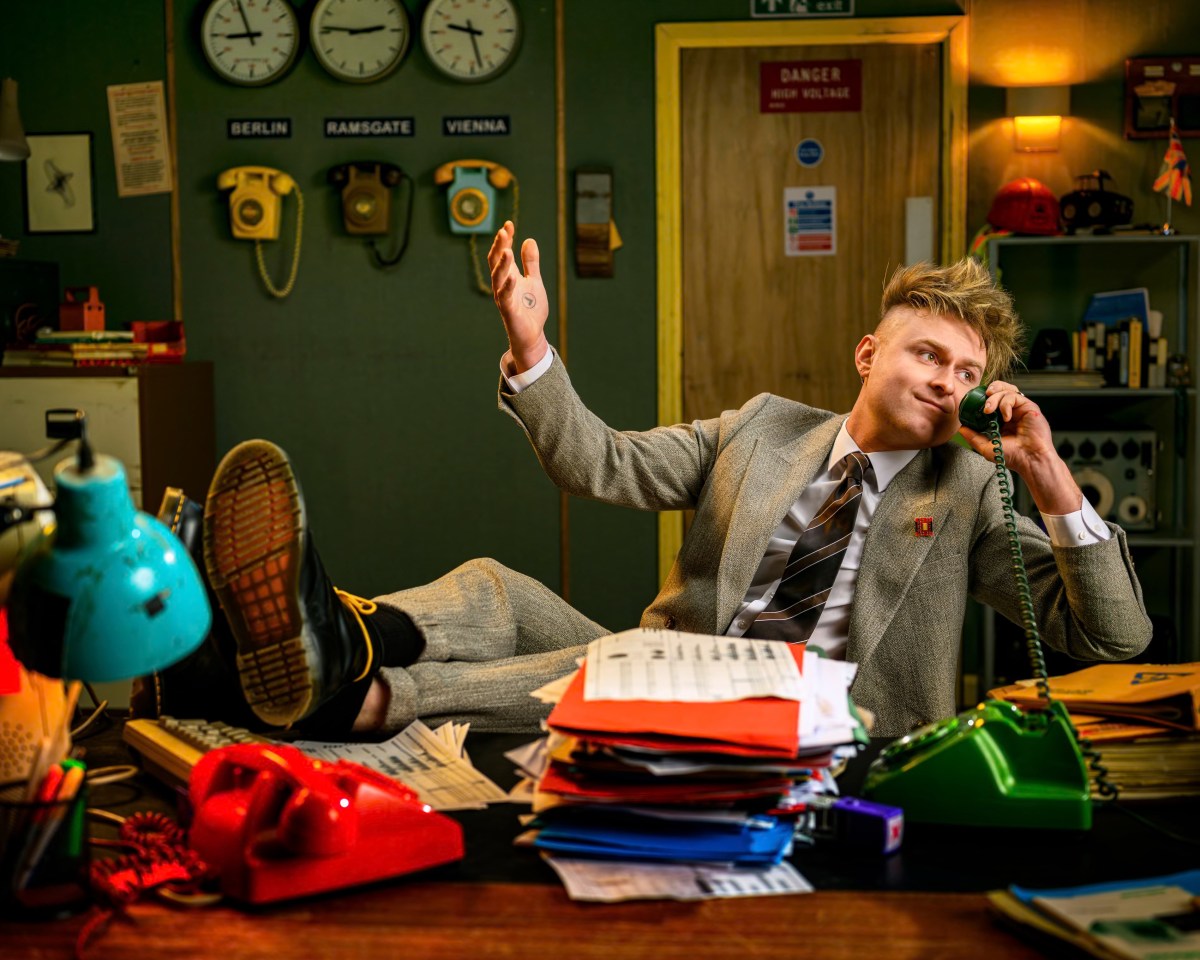
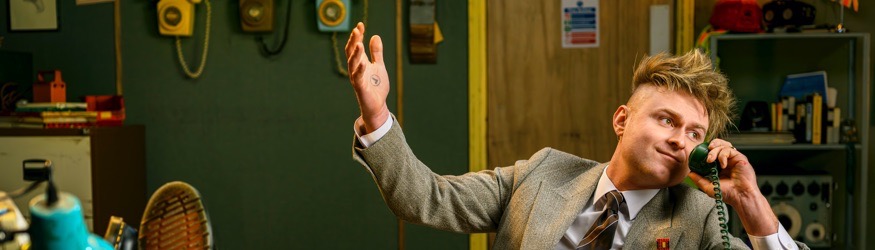
The UK’s representative this year is Sam Battle, better known online as Look Mum No Computer, an electronic musician and YouTube creator famous for building bizarre homemade synthesizers and experimental sound machines. It is perhaps no surprise, then, that the song he has delivered for Eurovision is anything but conventional.

“Eins, Zwei, Drei” is a quirky blend of synth-pop, electronic beats and tongue-in-cheek humour. With parts of the chorus sung in German — counting “one, two, three” — the song is as playful as it is peculiar. Throw in the slightly surreal lyric “I’m in the mood for something salty” and you have the kind of line that Eurovision fans will be quoting for weeks.

Reaction to the song has, unsurprisingly, been mixed — which in Eurovision terms is often a very good sign.

Some critics have praised the entry for being bold, catchy and refreshingly different. BBC commentators have described it as “joyful and supremely catchy,” applauding its rebellious energy and its refusal to take itself too seriously. Early reactions online have called it “delightfully bonkers,” suggesting that its eccentricity could make it stand out among a field of more traditional pop songs.

Fans who enjoy Eurovision’s more playful side have also embraced the track. For them, it represents the competition at its best: colourful, quirky and unapologetically fun. After all, Eurovision has always celebrated the unusual and the flamboyant.

Others, however, are far less convinced.

Some reviewers argue that the song leans too heavily on novelty rather than strong songwriting. Critics have described it as eccentric, odd and undeniably naff, raising concerns that the UK could once again struggle to win over the Eurovision juries.

There is also the question of whether its humour and quirky lyrics will translate well across Europe. Eurovision audiences are famously unpredictable, and what delights one country can leave another completely bewildered.

Online fan reactions have reflected this divide.

Some listeners say the track is fun, catchy and unmistakably Eurovision, praising its retro synth-pop energy and absurd humour. Others feel it is simply too strange or gimmicky, predicting that the UK may once again find itself lingering near the bottom of the scoreboard.

In short, people seem to either love the weirdness — or absolutely hate it.

Yet there is something strangely compelling about the song. Despite its oddity, the hook is undeniably infectious. Once you have heard the chant of “Eins, zwei, drei…”, it becomes almost impossible to forget. Hours later you may find yourself humming it absent-mindedly, wondering how such a peculiar tune has embedded itself in your brain.

And perhaps that is exactly the point.

Eurovision has always thrived on spectacle and personality as much as musical perfection. While this year’s UK entry may not be a masterpiece, it certainly brings a sense of humour and a touch of eccentric British charm to the contest. After all, Britain has long been known for producing its fair share of lovable eccentrics.

Of course, some fans may wish the UK would send one of its world-class superstars to Eurovision. After all, this is the country that gave the world artists like AdeleSam Smith, and Boy George. One can only imagine the impact if a performer of that calibre decided to take on the Eurovision stage.

For now, however, the UK has opted for something rather different.

Instead of polished pop perfection, we are offering Europe something camp, quirky and undeniably memorable. It may not be the entry that finally brings the trophy back to Britain, and nil points is always a lingering possibility.

But there is another prediction worth making.

While it might not win Eurovision, “Eins, Zwei, Drei” has all the ingredients of a guilty-pleasure summer anthem. It is easy to imagine the track blasting from beach bars and nightclubs in places like Benidorm, Tenerife , with holidaymakers gleefully shouting along to the chorus.

Love it or hate it, the song is impossible to ignore.

And long after Eurovision is over, one thing seems certain: somewhere, someone will still be singing “Eins… zwei… drei…”.

Categories
Columns Culture Lifestyle People

Why MEEK Is Destined for Global Superstardom

https://www.youtube.com/watch?v=x-FLnQrUGTc&list=RDx-FLnQrUGTc&start_radio=1

Why MEEK Is Destined for Global Superstardom

Among the many remarkable talents emerging from Britain’s vibrant and ever-evolving music scene, there are rare artists who make you stop, listen, and instantly want to know more. Those moments are special. They are the moments when you sense that something extraordinary is unfolding.

Recently, I had one of those momentswith MEEK, the Brixton-born singer who is quietly, and confidently, carving out her own space in pop music. One listen to her debut single, Fabulous, and I found myself putting down my latte and leaning in closer, eager to discover the voice behind the sound.

Fabulous, taken from her debut EP, is more than just an introduction—it is a statement of intent. From the very first notes, MEEK announces herself as an artist who understands exactly who she is and what she wants to express. Her voice is clear, confident, and emotionally resonant, drawing listeners in with effortless charm. There is a richness to her tone that feels both contemporary and timeless, blending modern pop sensibilities with classic showmanship.

Beyond her vocal talent, MEEK possesses something far rarer: presence. She commands attention without trying too hard. There is humour in her delivery, intelligence in her lyrics, and a distinctive style that makes her impossible to ignore. Watching her perform, you don’t simply hear a song—you experience a personality. Every gesture, expression, and note feels intentional, crafted to connect with her audience.

It would be easy to label her “the British Lady Gaga,” and while there are certainly echoes of boldness, theatricality, and fearless self-expression, such a comparison is ultimately limiting. MEEK is not following in anyone’s footsteps. She has developed her own musical identity—one that blends pop, performance, and personality into something refreshingly original. Her songs feel deeply personal yet universally relatable, celebrating individuality while inviting everyone along for the journey.

What also stands out is her natural ability to create joy. Her music is uplifting without being shallow, playful without losing depth. Fabulous is not just an anthem of confidence; it is a reminder that embracing who you are can be both powerful and fun. In an industry often driven by trends and formulas, MEEK’s authenticity feels like a breath of fresh air.

Crucially, she embodies the qualities of a modern pop icon: inclusivity, self-belief, creativity, and courage. She speaks to a generation that values honesty and representation, and she does so with glamour, wit, and heart. It is no surprise that many already see her as a potential LGBTQ+ icon in the making.

With her talent, charisma, and clear artistic vision, MEEK is not just another promising newcomer—she is an artist with global potential. If Fabulous is any indication of what lies ahead, this is only the beginning of a remarkable journey. The world should pay attention. A star is rising, and her name is MEEK.

Categories
Columns Culture Lifestyle People

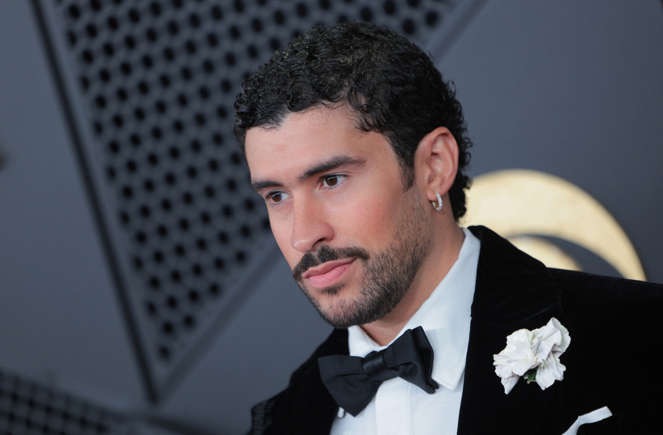
Why the World Has Fallen in Love with Bad Bunny


Why the World Has Fallen in Love with Bad Bunny

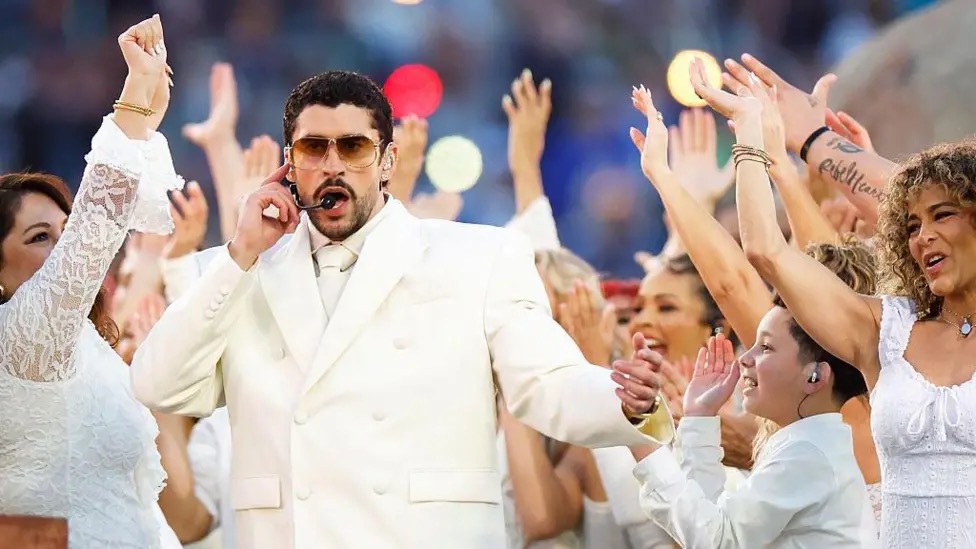
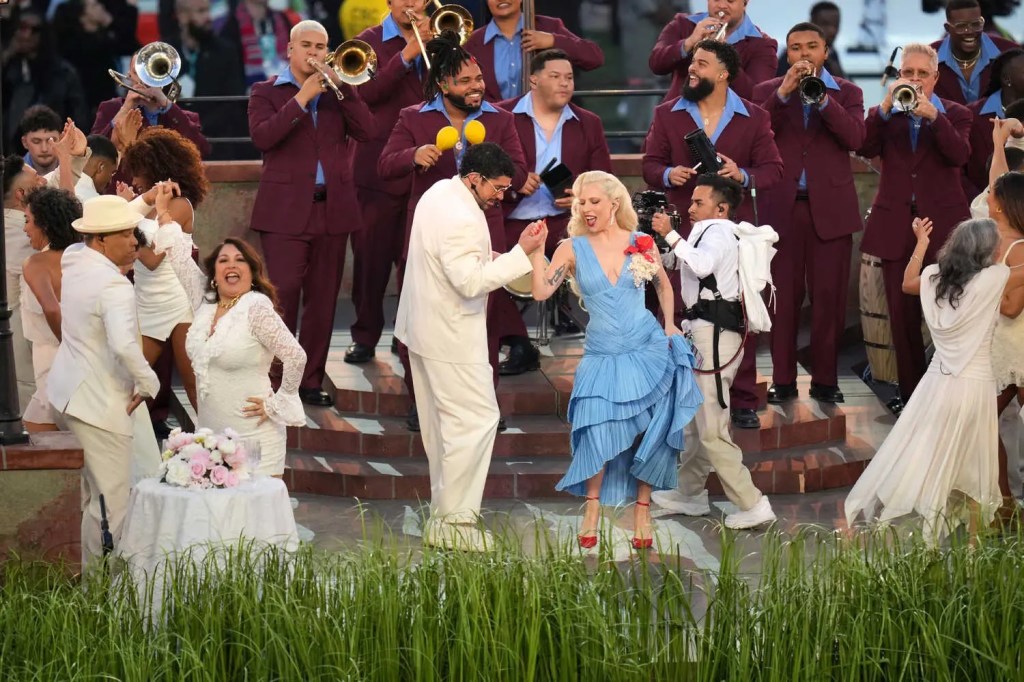
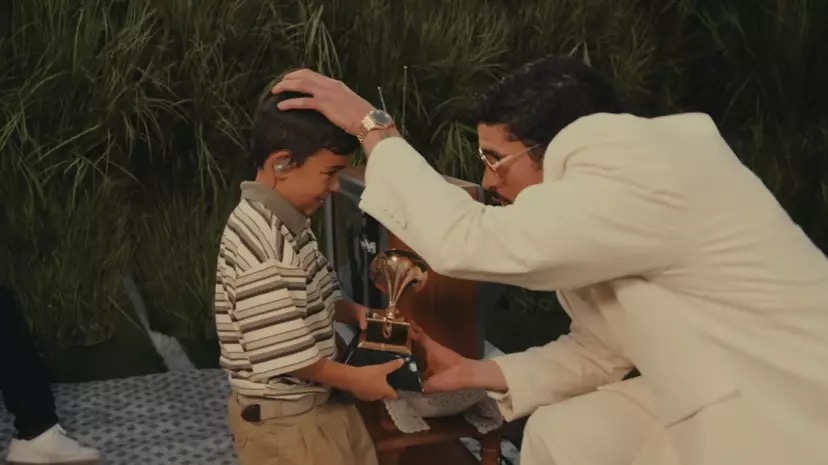
An amazing Super Bowl half time show with Bad Bunny and lady Ga Ga

For just over thirteen unforgettable minutes, Bad Bunny showed the world what America can be at its very best.

In an era too often dominated by division, fear and noise, the Puerto Rico–born megastar delivered something rare and precious: a performance rooted in empathy, diversity, unity and love. It was a reminder that kindness still matters. That culture still connects us. And that music, when created with honesty and heart, has the power to heal.

Watching his Super Bowl performance, I felt goosebumps ripple through me. It was one of those rare moments that catches you off guard — when entertainment quietly becomes something deeper. Tears welled in my eyes, not just because of the spectacle, but because of what it represented. When Bad Bunny, born Benito Antonio Martínez Ocasio, later handed his Grammy trophy to a young boy, it symbolised everything he stands for: generosity, humility, hope, and the belief that success means very little if you do not lift others with you.

Only a week before that performance, he had achieved another historic milestone, winning multiple Grammys and securing Album of the Year for a Spanish-language record — the first time in the ceremony’s history. It was far more than a personal triumph. It was a cultural moment. It declared, loudly and clearly, that Spanish-speaking artists, stories and voices belong at the very centre of global culture.

A Voice for Millions

Bad Bunny represents more than music. He represents identity.

Over 50 million Americans speak Spanish, and many millions more around the world share that language. For decades, their stories were often pushed to the margins. Today, through artists like Bad Bunny, those voices are finally being heard — not as niche or alternative, but as mainstream, powerful and essential.

What makes his music so extraordinary is that you do not even need to understand every word to feel its impact. I have sat in operas sung in German and Italian and been deeply moved without speaking either language. Music, at its best, transcends translation. It lives in rhythm, tone, emotion and feeling.

Bad Bunny’s songs do exactly that. They make you want to dance. They make you want to smile. They make you want to belong. They invite everyone into the room — regardless of age, background or nationality — and say, “You are welcome here.”

That sense of inclusion is no accident. It is the foundation of his work.

More Than a Performer

What truly sets Bad Bunny apart is not just his talent, but his courage.

He has consistently challenged stereotypes around masculinity, fashion and identity. He wears nail polish. He experiments with clothing. He speaks openly about mental health. He advocates for LGBTQ+ rights. He stands up for his community when injustice strikes. And he does so without preaching, without arrogance and without apology.

In doing so, he has become a role model for millions who may never have seen themselves reflected in mainstream culture before. Young men who felt pressured to hide their softness. Young people who felt different. Young artists who wondered if there was space for their voice.

Bad Bunny proves that there is.

And that authenticity is not weakness — it is strength.

A Night of Healing

His Super Bowl performance was not just entertainment. It was a tonic for the soul.

At a time when many Americans — and people across the world — are grappling with uncertainty, financial pressure, social division and emotional fatigue, the show offered something desperately needed: joy.

It reminded us what it feels like to be united by a shared moment. To laugh, cheer, sing and dance together. To forget our worries, even briefly, and simply exist in celebration.

That is the true power of culture. It builds bridges where politics builds walls.

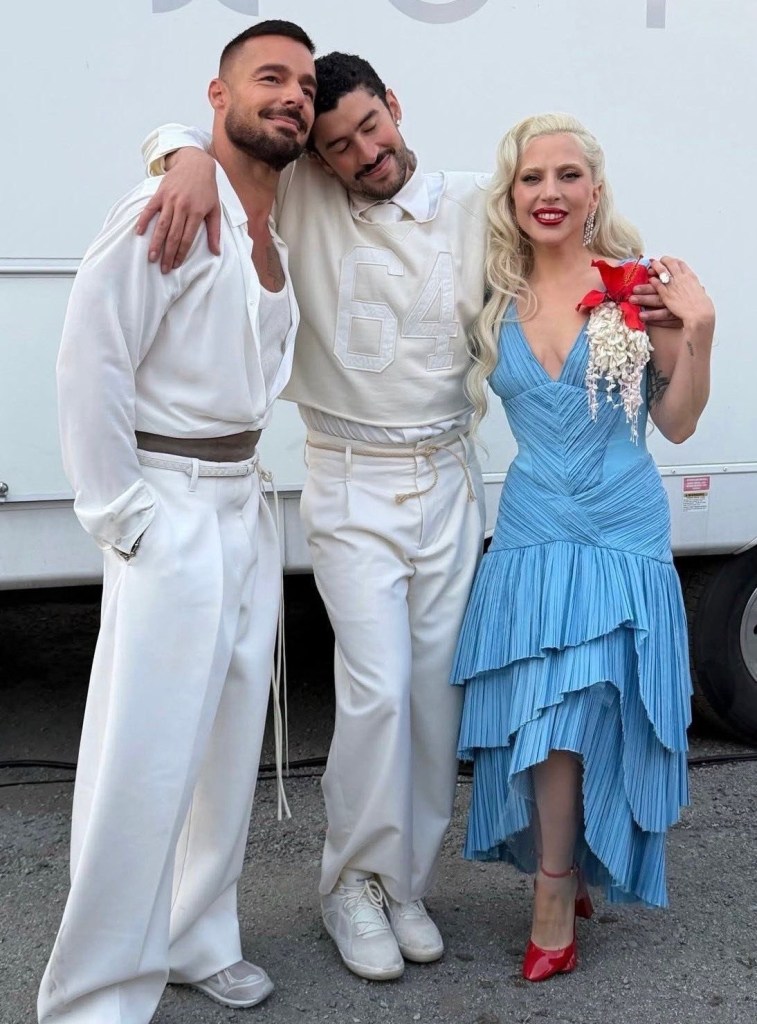
truly beautiful as love came together Lady Ga Ga , Ricky Martin and Bad Bunny ,

Standing Among Legends

Bad Bunny was not alone in delivering that message.

Lady Gaga’s performance of Hold My Hand was another beacon of light — a moving tribute that honoured courage, compassion and resilience. Her voice carried both strength and vulnerability, reminding us that patriotism is not about shouting the loudest, but about caring the deepest.

I was lucky enough to see Lady Gaga when she was just starting out, performing at Wilton Manors’ Bill’s Filling Station. Even then, she had that unmistakable spark — that sense of destiny. Watching her now, on one of the biggest stages in the world, is proof that talent paired with integrity can take you anywhere.

Meanwhile, Ricky Martin joined Bad Bunny for a beautiful rendition of Lo Que Le Pasó a Hawaii. It was emotional, elegant and deeply symbolic — a meeting of generations, cultures and histories. Two Puerto Rican artists, united on a global stage, honouring their roots while embracing the future.

It was breathtaking.

A New Definition of Success

For years, success in the music industry was defined narrowly: English-language hits, a traditional image, predictable branding. Bad Bunny has shattered that formula.

He sings in Spanish. He blends reggaeton, trap, pop and Latin rhythms. He refuses to be boxed in. He puts his community first. And he remains grounded, despite global fame.

That is why people love him.

Not because he is perfect, but because he is real.

He celebrates his culture without excluding others. He embraces fame without losing humility. He challenges norms without seeking attention. And he gives back without seeking praise.

In a world obsessed with image, he offers substance.

Love Over Hate

Perhaps the most powerful message of all was the simplest: love wins over hate.

At a time when headlines are filled with anger and conflict, Bad Bunny’s presence said something different. It said that diversity is strength. That kindness is power. That unity is possible.

His performance was not political in the traditional sense. It was something better. It was human.

It reminded us that beneath labels and borders, we are all moved by rhythm, melody, emotion and story. We all want to feel seen. We all want to belong. We all want to hope.

And for thirteen extraordinary minutes, Bad Bunny gave us exactly that.

A Moment We Needed

Looking back, it truly was one of the finest Super Bowl halftime shows in history — not just for its production, but for its heart.

It was a celebration of heritage. A statement of inclusion. A masterclass in artistry. And a powerful reminder of why music matters.

Bad Bunny did not just perform.

He connected.
He inspired.
He healed.

And in doing so, he showed the world that greatness is not measured by charts or trophies alone, but by the lives you touch along the way.

In uncertain times, he gave us certainty.
In divided times, he gave us unity.
In weary times, he gave us joy.

And that is why the world has fallen in love with Bad Bunny.

Categories
Columns Lifestyle People

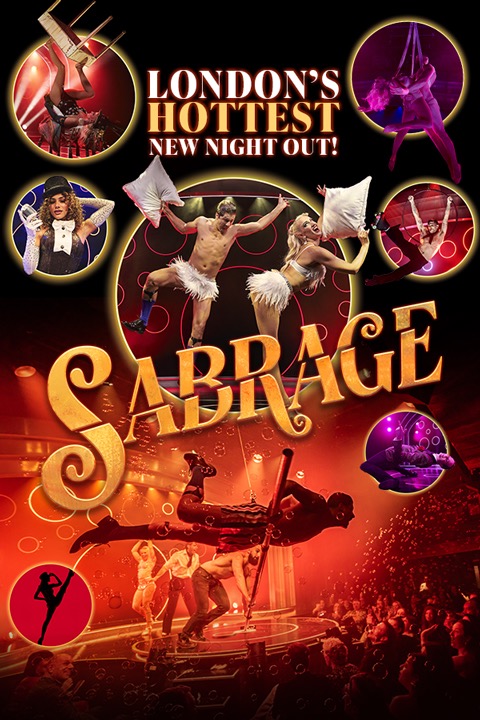
SABRAGE at Lafayette: Champagne, Circus, and Controlled Chaos

Finding the perfect birthday experience for someone special is no small task—especially when expectations are high and the guest of honour is flying in from Lisbon with friends in tow. A month before the big day, my phone rang.

“Steven,” my best friend said, “I really want to do something fun for Hernando’s birthday. Something exciting. A show. There’ll be ten of us. What do you suggest?”

I’d been hearing whispers—more like delighted murmurs—circulating through my social circle about a production with just the right amount of cheeky X-factor. A show called SABRAGE. The reviews were glowing, bordering on evangelical, and once I looked further, the decision was made.

Described as an intoxicating collision of circus artistry, vintage glamour, high-octane acrobatics, and mischievous humour, SABRAGE promised far more than a conventional night out. It billed itself not merely as a show, but as an experience. And it 

delivers—spectacularly.

On Saturday evening, we headed to King’s Cross, an area that has undergone one of London’s most impressive transformations over the past decade. Once gritty and utilitarian, it’s now a cultural and social hub buzzing with confidence. Lafayette, located just four minutes’ walk from the station, sits discreetly behind the main thoroughfare—an architectural gem that immediately sets the tone.

From the moment you arrive, the welcome is warm and efficient. Even security manages to be charming—no small feat. Before entering the theatre space, there are a few house rules. Chief among them: no photographs of nudity. This might raise an eyebrow or two, but rest assured—nothing here is gratuitous. Everything is artfully staged, elegant, playful, and firmly in good taste. If you’re easily offended, this may not be your night—but if you appreciate sensuality delivered with wit and intelligence, you’re in safe hands.

One of SABRAGE’s most impressive feats—aside from the performers themselves—is the seamless audience experience. Drinks and food can be ordered directly from your seat via a simple scan, and every member of staff we encountered was genuinely helpful, friendly, and clearly proud of the production.

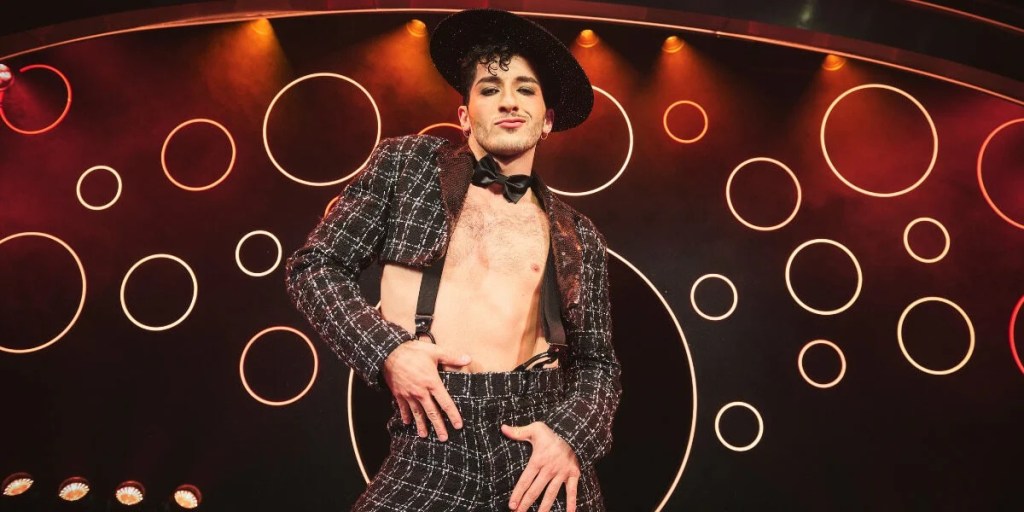
The show opens with a theatrical pop—a sword cleanly slicing the cork from a champagne bottle—setting the mood instantly. Our hosts glide onstage, equal parts ringmaster and rogue, and from that moment, the audience is completely seduced.

Then comes the talent.

Almost immediately, the room developed a collective crush on Flynn Miller, whose high-flying aerial act is nothing short of breathtaking. There is a rare beauty in watching someone so utterly in command of their body, defying gravity with elegance, strength, and apparent effortlessness. His performance alone would be worth the ticket price.

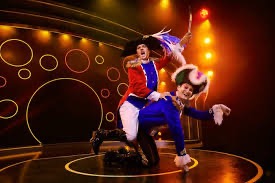
But SABRAGE is far more than a one-man triumph. The cast—drawn from the very best international circus and acrobatic talent—deliver a relentless parade of jaw-dropping moments. There is danger, precision, laughter, and an undercurrent of delicious rebellion throughout. Vintage glamour collides with modern irreverence, and the result is electric.

What makes SABRAGE truly special is its balance. It knows exactly how far to push without tipping into excess. The humour is cheeky rather than crude. The sensuality is teasing, never tawdry. The spectacle is bold but controlled. Every act feels curated, every transition intentional.

By the end of the evening, our table of ten—birthday boy included—was unanimous. This wasn’t just a successful celebration; it was a night none of us will forget. SABRAGE doesn’t simply entertain—it exhilarates.

If you’re looking for something genuinely different in London, whether for a birthday, celebration, or simply because life deserves more champagne-fuelled circus brilliance, SABRAGE at Lafayette should be at the very top of your list.

Rating: ★★★★★
A dazzling, decadent triumph.
 🥂🎪

Categories
Columns Lifestyle Poetry Uncategorized

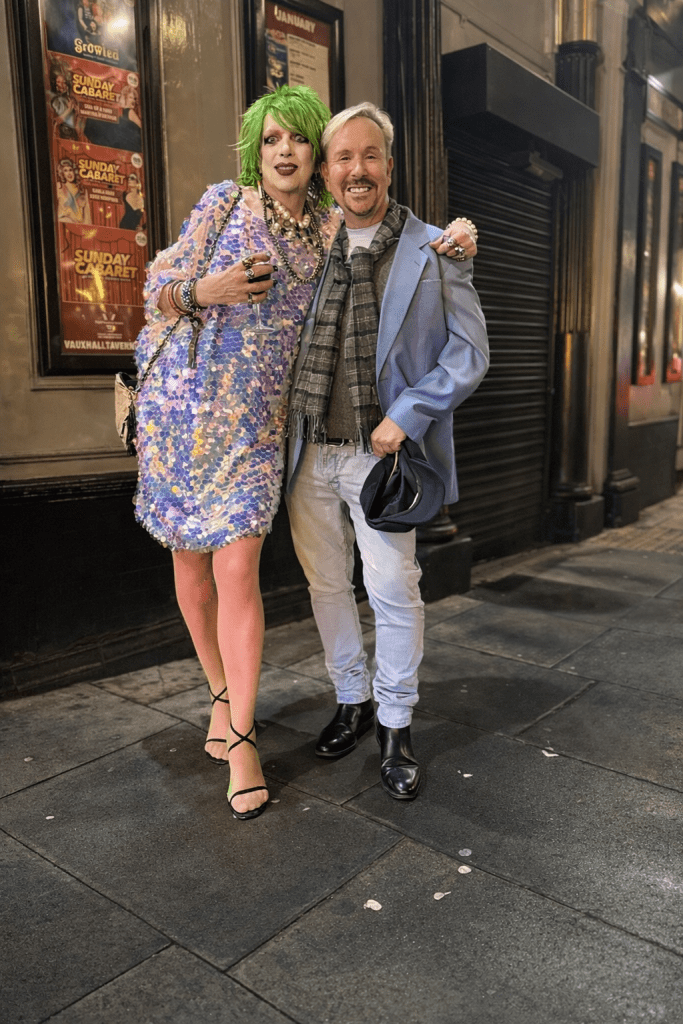
Piluca, Artist, and Steven Smith Take to the Town to See British Icon David Hoyle at the Legendary Royal Vauxhall Tavern

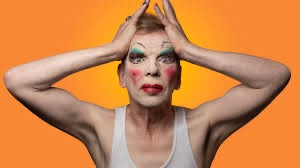
With the wonder that is David Hoyle

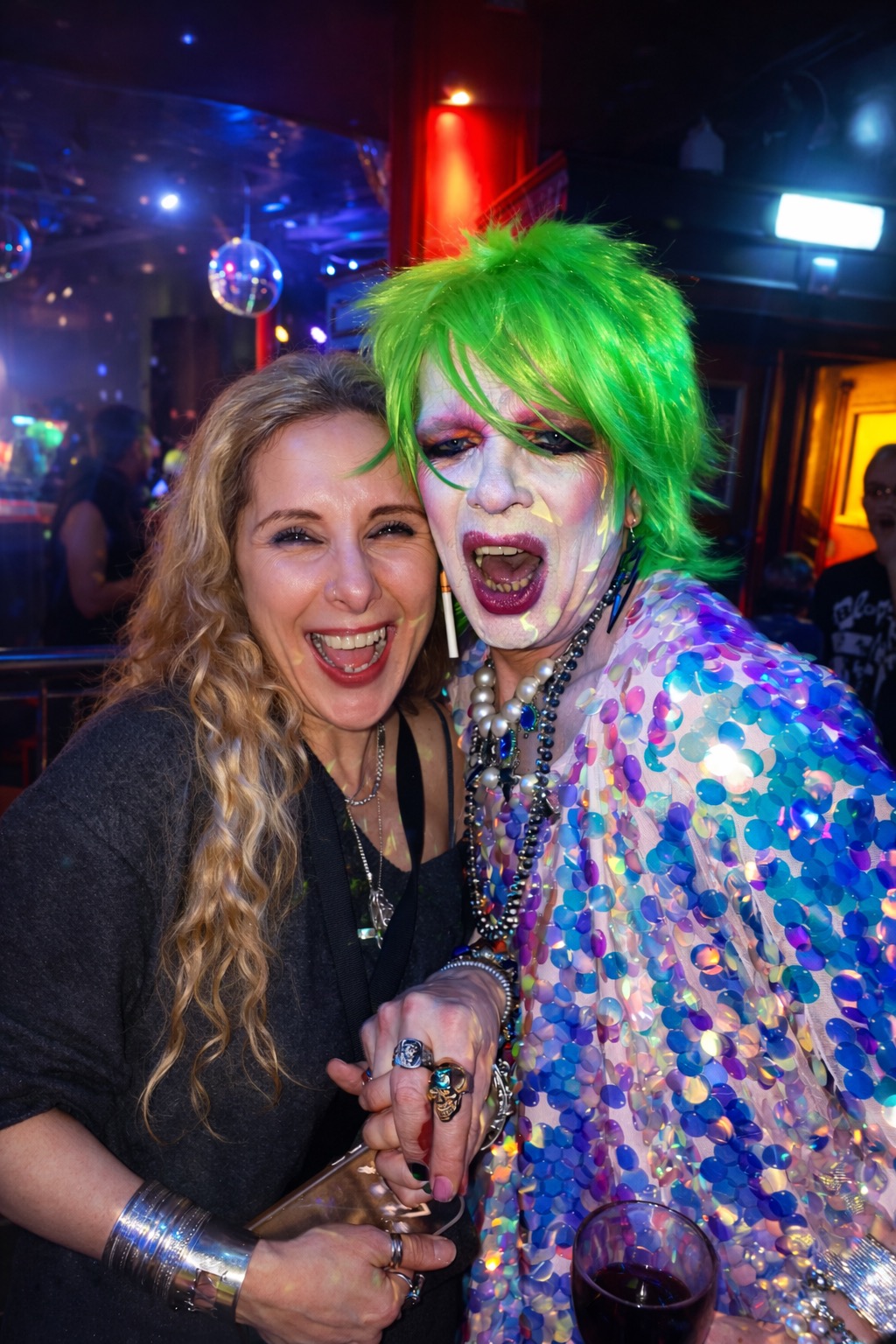
There are nights out, and then there are nights that feel like a rite of passage. One such evening found artist Piluca and myself stepping through the doors of the legendary Royal Vauxhall Tavern, to witness the singular brilliance of David Hoyle—a figure who exists somewhere between performer, prophet, poet, and living artwork.

I once described Hoyle as the love child of Kate Bush and Lindsay Kemp, and I stand by it. He is not merely an accomplished performer—with a career spanning television, film, and theatre—but an artist who uses his entire being as medium and message. Last year alone he appeared on stage in an adaptation of Hedda Gabler, proving once again that he is as comfortable in classical reinterpretation as he is in anarchic cabaret.

Hoyle is, quite simply, a walking piece of art. He cuts a vein—metaphorical, emotional, spiritual—and allows the audience to witness everything that spills out: his fears, his hopes, his contradictions. There is no armour, no polite distance. When I interviewed him previously for FLUX magazine, it was immediately clear that what you see on stage is not an act but an extension of the man himself. His work screams originality. It declares, unapologetically: This is me. This is David.

The Royal Vauxhall Tavern functions as his church, and Hoyle its high priest. From the roof—sometimes literally—he preaches love, acceptance, beauty, and defiance. His congregation is as eclectic as it is devoted. On any given night you might find Princess Julia rubbing shoulders with City bankers, artists, drag legends, first-timers, and the gloriously undefinable. It would not be absurd to compare the atmosphere to Warhols  Factory in its heyday: a collision of art, celebrity, and counterculture, bound together by a shared understanding that something special is happening in the room.
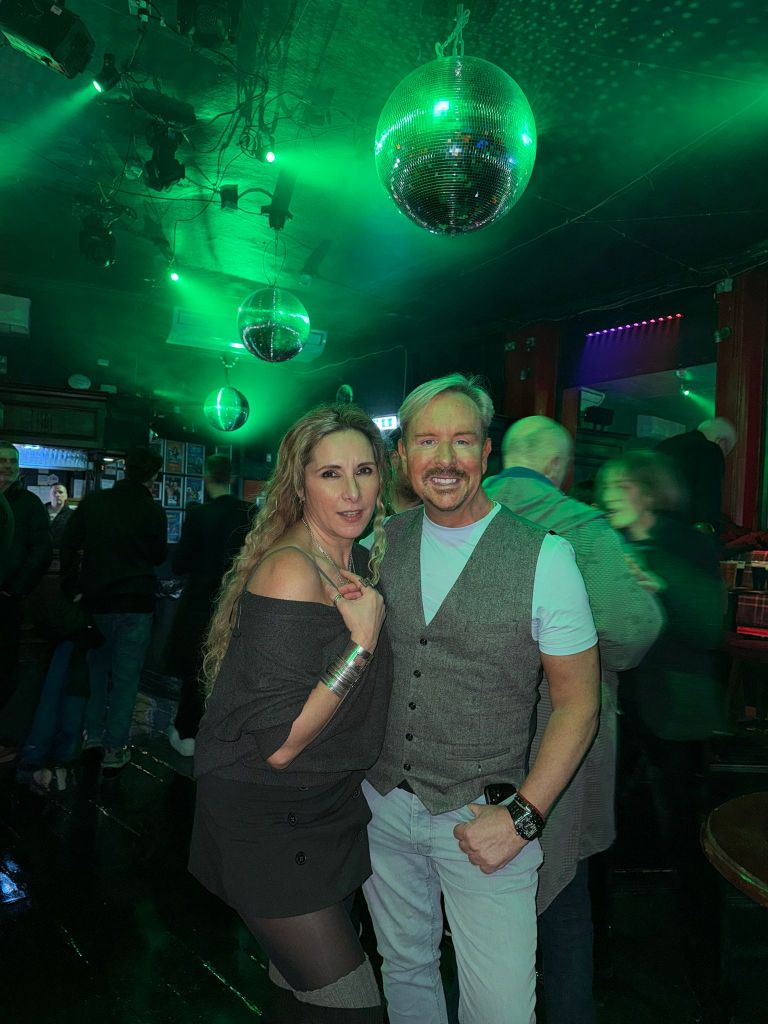
What is striking is the complete absence of age anxiety. Hoyle himself dismisses it with a wave of the hand: “Everyone is beautiful in the room.” And they are. Young and old gather as equals at the metaphorical fountain, drinking in his wisdom, his wit, and his generosity of spirit. The atmosphere is electric yet oddly intimate, like a secret shared by hundreds.

Piluca and me at The Royal Vauxhall Tavern

This is not to say the evening is solemn. Far from it. Hoyle’s humour is razor-sharp, his observations hilariously precise—particularly when directed at the audience. Sit front and centre and expect to become fodder. But crucially, he is never cruel. There is warmth beneath the provocation, and affection behind the mischief.

The man seated next to me informed me—without a hint of irony—that this was his 135th time seeing Hoyle perform. A true disciple. By contrast, my gorgeous friend Piluca—Spanish-born artist and creative force—was a virgin to the experience. I could think of no one better to introduce to what I consider a kindred artistic spirit.
Two incredible artist Piluca meets Hoyle

She was utterly blown away. The evening began with a film tribute to our shared hero, David Bowie, and Piluca leaned over to whisper, “It’s like being dipped in everything I love.” She could not wait to come back, already plotting a return before the night had even ended.

Adding to the richness of the evening, Pam—taking a brief pause from her charity work—took to the stage to read poetry. We were promised one poem and given two, a small but perfect act of generosity that felt entirely in keeping with the spirit of the night.

The show concluded with Hoyle playing cupid, creating a live portrait of two handsome men from the audience—art, flirtation, and theatre merging in real time. To be part of such an evening is to leave not only entertained, but altered. You walk out thinking differently, feeling differently, slightly braver perhaps.

This is not just a show. It is an experience—unique, communal, and deeply worthwhile. In a world increasingly starved of authenticity, David Hoyle remains gloriously, defiantly real.

https://www.instagram.com/davidhoyleuniversal/?hl=en-gb

Categories
Columns Culture Poetry Travel

“She’s Behind You!” “Oh No She Isn’t!”she is Anna Kennedy On Lines new Patron .

https://malthousetheatre.co.uk

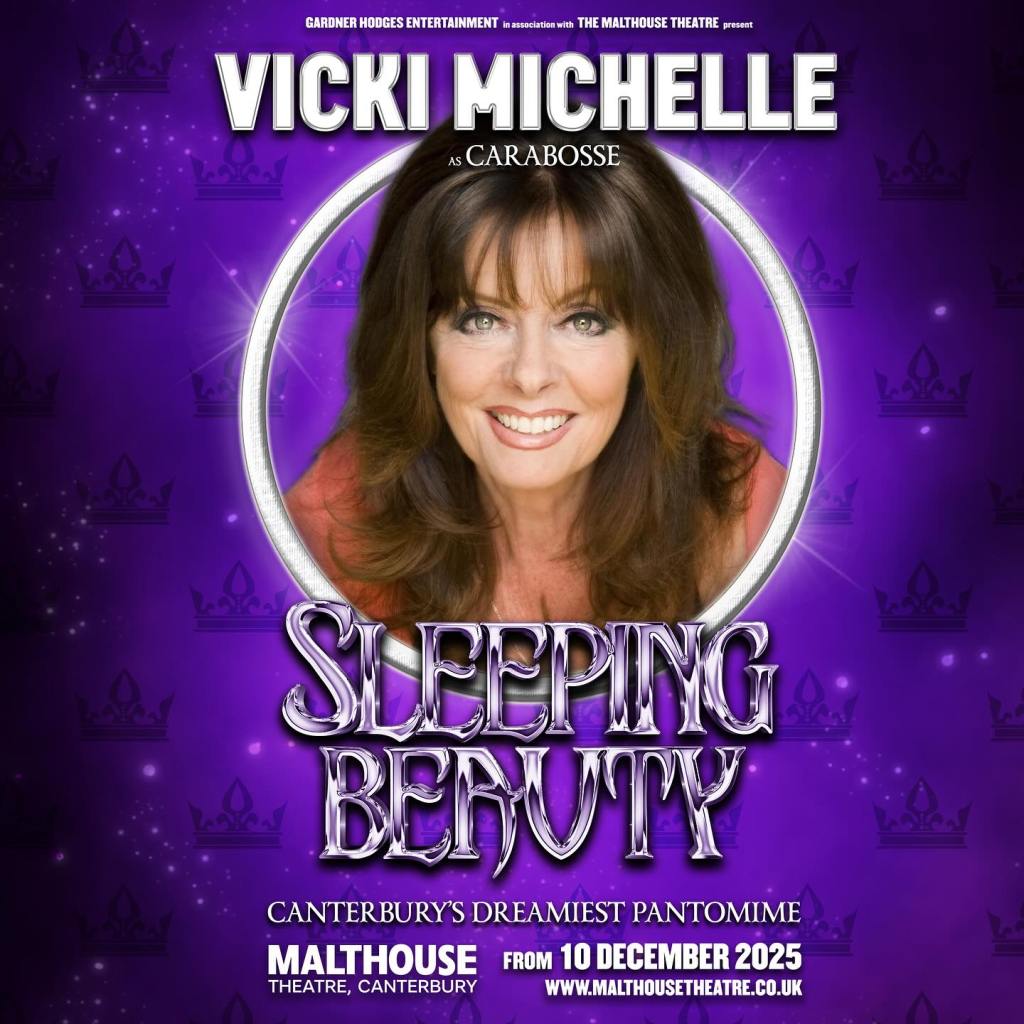
The unmistakable cry of British panto rang through the air at the Malthouse Theatre this week — and what followed was nothing short of a sparkling theatrical treat. Front and centre of this dazzling afternoon was the uber-talented Vicki Michelle.

I joined Dr Anna Kennedy for what promised to be a memorable afternoon — and it delivered in spades.

Just five minutes from Canterbury West station, the Malthouse Theatre is a gem of a venue. Housed in a former 19th-century malt house, it offers a warmth and intimacy that many larger theatres lack. From the moment we took our seats, there was a buzz in the air — the kind that tells you something special is about to unfold.

Anna and I had travelled to see a true British icon — and a good friend of Anna Kennedy Online — in action. While I was there to review the show, Anna had something rather important to ask the star of the performance once the curtain came down.

Let’s be clear: if you think you’re heading to see a “regional” panto, think again. Sleeping Beauty rivals anything currently on offer in the West End — and at a far more affordable price. The cast work tirelessly, delivering an action-packed, high-energy production that never once drops the pace.

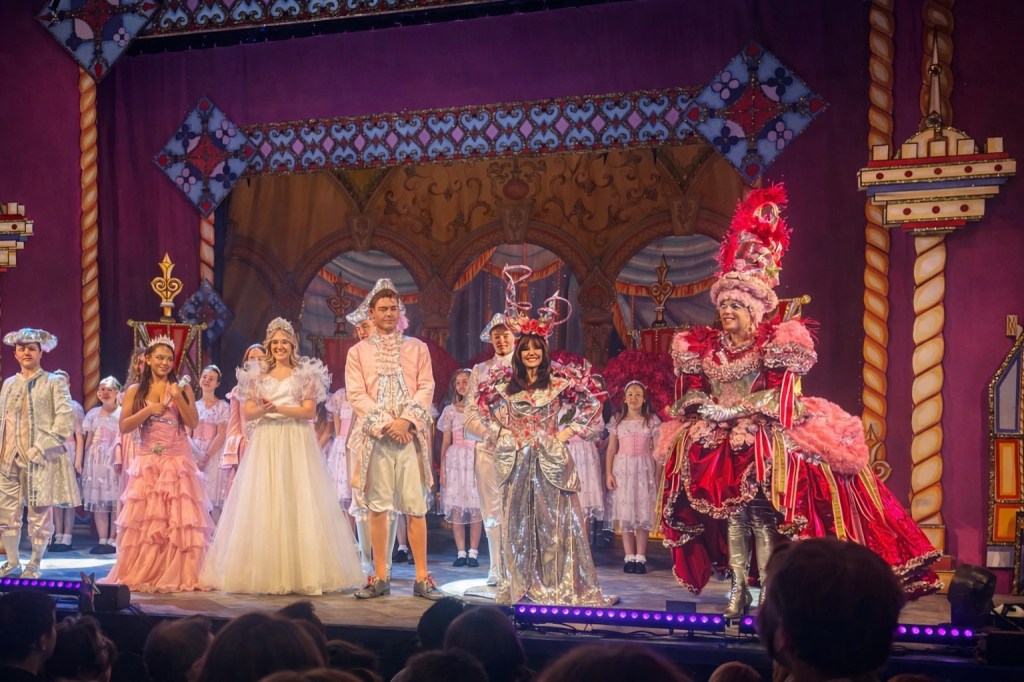
There is nothing like a Dame as Joseph Gardner Hodges leads a stellar cast in Sleeing Beauty .

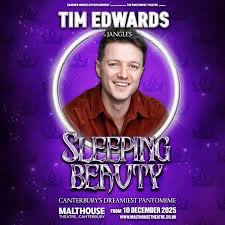
The show really kicks off brilliantly with Tim Edwards, one of the freshest comedy talents I’ve seen in a long while. Playing Jangles — Sleeping Beauty’s equivalent of Buttons — he holds the production together with effortless comic timing, youthful energy, and a commanding stage presence. He is a natural, and the audience instantly warms to him.

Joining him is one of the finest Dames I have ever seen: Joseph Gardiner-Hodges as Nurse Fanny. Hilarious, fearless, and utterly fantastic, Gardiner-Hodges is the yeast in the bread of this show — without him, it simply wouldn’t rise as far. Whether flirting shamelessly with the male members of the audience, delivering razor-sharp one-liners, or fiercely protecting Princess Aurora from the Wicked Queen (or should we say the “socially challenged” queen), he had the audience in stitches. The costume changes alone deserve their own round of applause — though a shoe change for Fanny would have made it an A+.

Then there’s Prince Charming, played by Jordan Calloway. Yes, he’s a good-looking in an Australian soap star way — but more importantly, he can sing. And not just “panto sing” — his voice genuinely stands out, rivalling many performers currently gracing the West End stage.

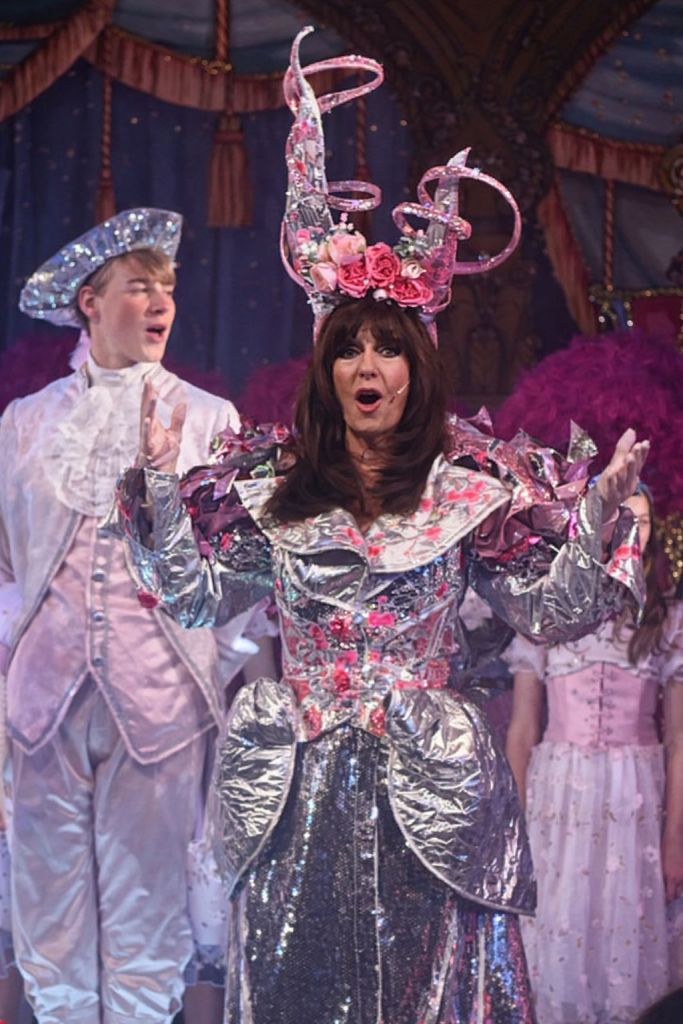
Just when you think the show can’t possibly get any better, on comes British icon and comedy legend Vicki Michelle as the deliciously evil Carabosse. From the moment she steps on stage, she commands attention. This is stage presence that simply cannot be taught. The former Allo Allo star looks phenomenal and proves exactly why she remains such a treasured figure in British entertainment. (And yes — we absolutely need her back in EastEnders.)

Fabulous costumes as Vicki Michelle captures the audience with her spells.

Her rendition of I Put a Spell on You brought the house down. Despite — or perhaps because of — the enthusiastic boos, Michelle revelled in the “baddie” role, clearly enjoying every moment. Watching an actress with such mastery of her craft is a joy; she knows exactly how to hold an audience in the palm of her hand.

The production values throughout are outstanding. The sets are dazzling, the costumes are richly detailed, and a particularly cute dragon called Caroline steals more than a few scenes. Remarkably, this was the company’s second performance of the day — yet they were as fresh as daisies, delivering with precision, warmth, and infectious enthusiasm.

Next year’s production is Goldilocks and the Three Bears, and on the strength of this alone, I’d say: book now.

After the show, Anna and I surprised Vicki by asking her to become a Patron of Anna Kennedy Online. A long-time friend and supporter of the charity, she was genuinely thrilled to accept. Only weeks earlier, she had joined Anna on GB News to discuss the charity’s work and her ongoing commitment to the autism community.

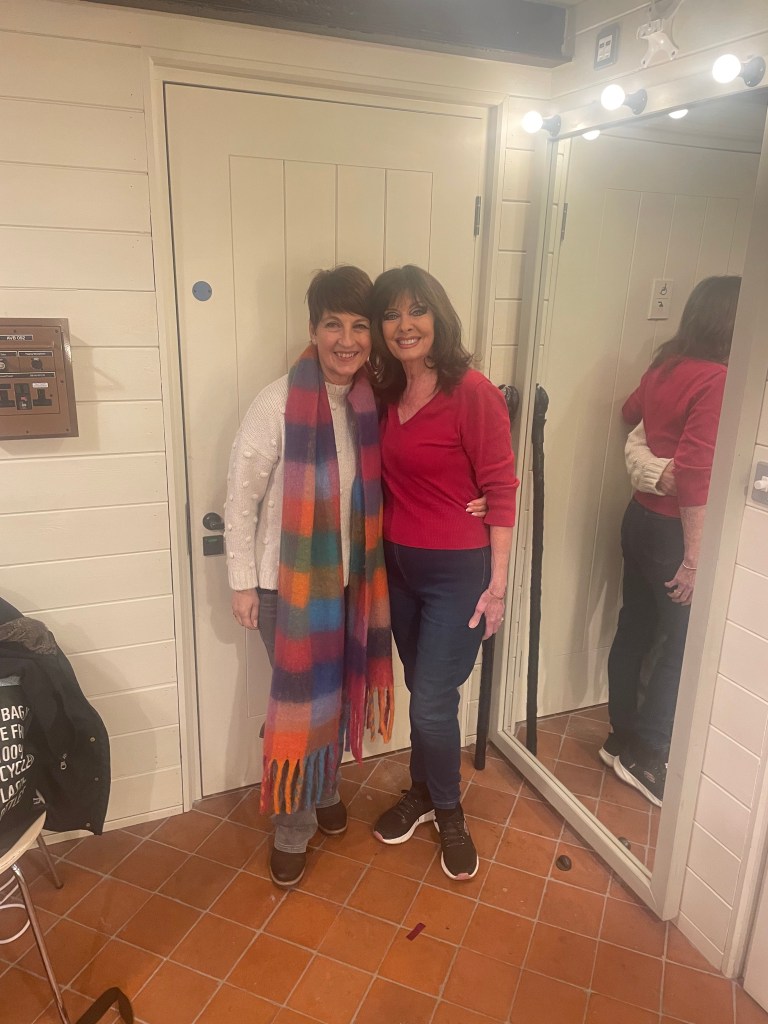
Dr Anna Kennedy OBE back stage with Vicki Michelle .

Anna summed it up perfectly:

“Vicki is someone who, when she says she will do something, it gets done. She has inspired so many within the autistic community, and we are incredibly proud to have her as a Patron.”

What a day. Huge thanks to the Malthouse Theatre and the wonderful city of Canterbury for such a magical afternoon — proof, if ever it were needed, that great theatre thrives far beyond the West End.

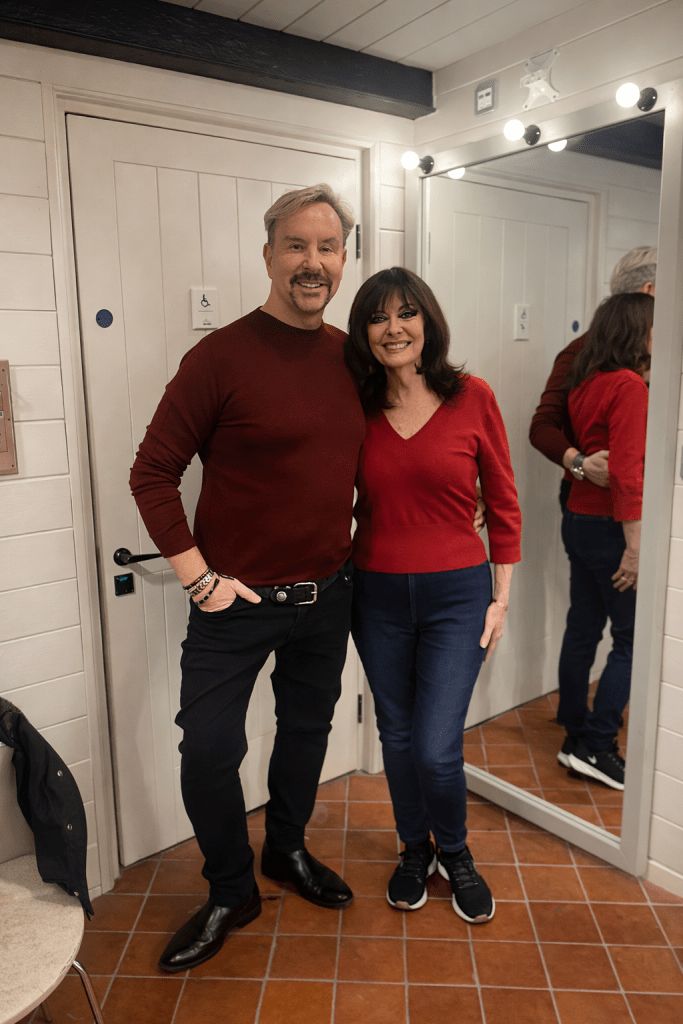
What a Treat Vicki Michelle and me back stage .

Categories
Columns Lifestyle People Uncategorized

Why Israel Should Be Included in the Eurovision Song Contest

Keep Israel in the Eurovision contest .


Steven’s Viewz

We hear it time and time again: “The Eurovision Song Contest is not political.” And while we all know that the voting patterns can sometimes be… entertaining, to say the least, at its heart Eurovision remains a celebration of music, creativity, and community. It has long been affectionately referred to as the “Gay New Year,” bringing joy, glamour, and unapologetic self-expression to millions around the world. For many viewers, it is more than a show — it is a moment of unity.

The spirit of Eurovision has always been about artists coming together to share their talent, culture, and stories. It was never intended to be a platform for political punishment, nor a place where artists are excluded because of the actions of their governments.

When I interviewed Peter Tatchell this year, he said something that resonated deeply with me: the way forward for the LGBTQ+ community is to keep being a shining beacon across all platforms. I couldn’t agree more. Visibility, inclusion, and dialogue are how progress is made — not through shutting doors.

Madonna in Israel at the Eurovision Song Contest .

I don’t live in some insulated “gay bubble,” nor would I want to. Real change happens when we remain open to conversation, even with those whose governments or policies we may profoundly disagree with. Excluding countries from Eurovision is not a solution; it brings nothing constructive to the table. In fact, it risks undermining the very principles Eurovision claims to stand for: openness, inclusivity, and the celebration of cultural diversity.

Israel, in particular, has a long and meaningful relationship with the contest. It is a country where LGBTQ+ people are welcomed, recognised, and celebrated — a fact often overlooked in broader political debates. Eurovision itself has benefited enormously from Israel’s participation. It gave us Dana International, the first (known) transgender winner, whose victory in 1998 was a landmark moment for queer visibility worldwide. Beyond Dana, Israel has consistently showcased diverse performers and daring artistic vision, enriching the contest’s legacy.

Rather than silencing or excluding, Eurovision should remain a platform where artists from all backgrounds, beliefs, and nations can share their voice. Music has always had the power to connect people beyond politics, beyond borders, and beyond conflict. Using your voice to send a message is a beautiful and powerful thing — but using silence as a form of punishment rarely fosters understanding or change.

When we welcome artists from countries whose governments we may disagree with, we create the possibility for conversation, empathy, and cultural exchange. When we block them, we lose that opportunity. Eurovision should not become a battleground of boycotts and bans; it should remain what it was created to be: a stage that celebrates unity in diversity.

Let’s not allow hatred, division, or political pressure to turn Eurovision into something it was never meant to be. Let’s welcome all who bring music to the stage — and keep the contest a place where voices are heard, not silenced.

END