

Is everyone a little bit racist ?
In the wake of current events, 2Shades asks the question: “Is everyone unintentionally a little racist?” Are we, as a society, guilty of labelling others at a glance? Does our upbringing dictate our fear of those perceived as different? How can we move forward and ensure that everyone is seen — and treated — as equal?
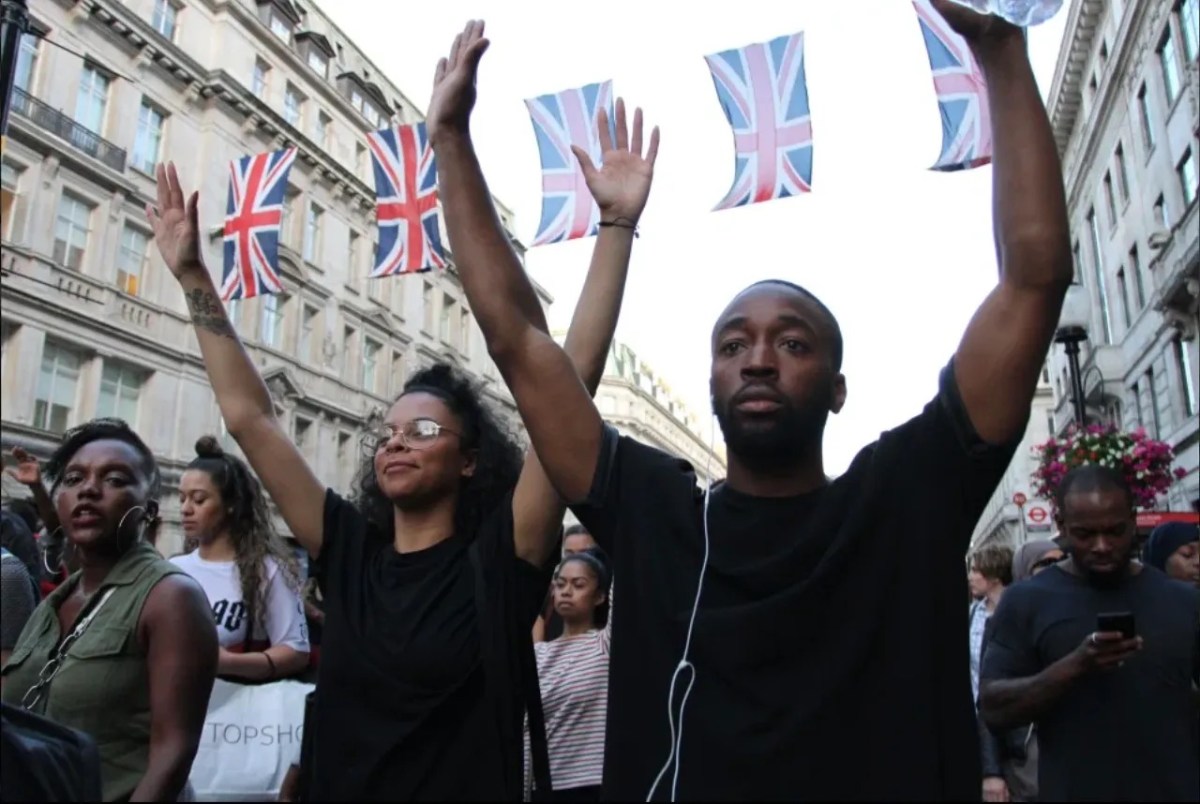
These days, you can’t escape slogans like “Black Lives Matter” and “Trans Rights.” They’re everywhere — and it breaks my heart that we still need to say those words. We think of ourselves as a civilised society, yet some people still feel the need to proclaim that their lives have value. Even during the pandemic, crowds took to the streets, desperate to have their voices heard.
Strike at the Root
How, in 2025, do people still feel like their lives matter less? And why does anyone need reminding that a life matters? We all breathe the same air and wake up with similar hopes, dreams, and stresses. Why should anyone feel like others see them as lesser?
It’s time to ensure that future generations never need to be reminded of their worth. As with many serious issues, we must strike at the root. Since no one is born a racist, let’s teach children that we are all the same.
Racist — someone who believes that other races are inferior to their own and therefore treats them unfairly, discriminating against other races, religions, or anyone perceived to be part of a minority group.
Avenue Q and the Racist Song
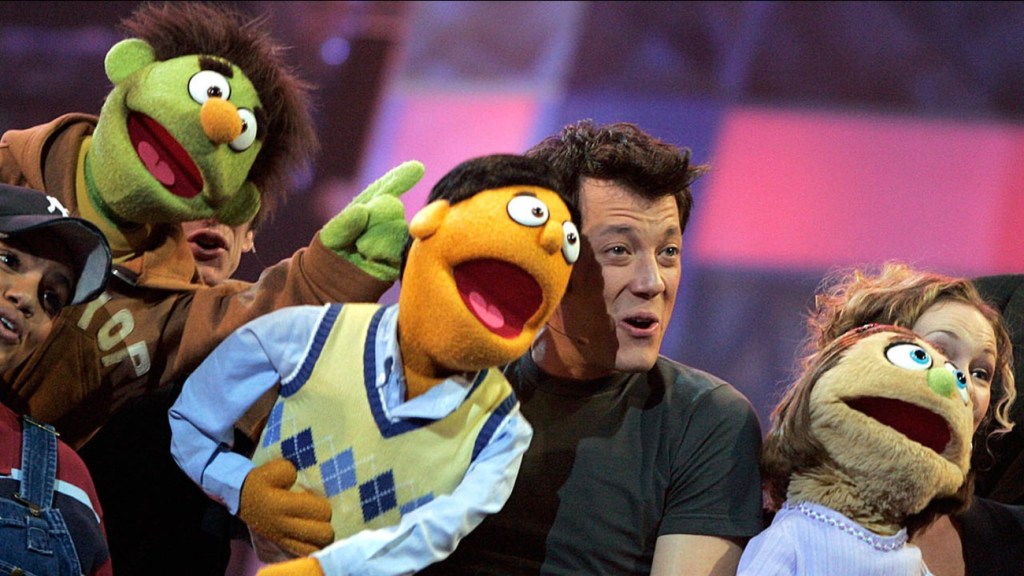
About ten years ago, I was sitting in the notoriously uncomfortable Noël Coward Theatre — wondering if the Marquis de Sade had designed the seats for people under 5’2” who hadn’t eaten in weeks — waiting to see one of my guilty pleasures: Avenue Q. It’s a kind of adult puppet show that has me in stitches every time.
But there’s one song that makes me squirm: “Everyone’s a Little Bit Racist.”
Princeton, the puppet, asks Kate Monster, “You’re a monster, right? So are you related to Tricky Monster, my neighbour?” Horrified, Kate calls him out — and Princeton points out some of her own biases. Then they burst into song:
“Everyone’s a little bit racist sometimes…”
At first, I was indignant. “Don’t put me in that category!” I thought, leaving the theatre. Yet Kate Monster’s reaction hit a nerve. You wouldn’t believe how many times I’ve been asked if I know a certain gay person — just because I’m gay.

The Gay Book
At a wedding in Guernsey, a woman I’d never met ran up to me and blurted out, “I hear you’re gay! David from EastEnders is gay — do you know him?”
I replied, “No, but I’ll look him up in the gay book.”
Her eyes widened. “There’s a book?”
I assured her there was (she didn’t get the irony) and off she went to tell her friends — who seemed to find me fascinating purely because of my sexuality.
Was it ignorance, racism, homophobia, or just misguided curiosity? Either way, I felt uncomfortable — half-expecting a wicker man to be erected in the town square.
Yes, many people — even with good intentions — can be unintentionally racist or discriminatory. This subject is close to my heart, which is why I’ve hesitated to speak out. Take my beautiful best friend of ten years, Dee. Her incredible personality and talent struck me first — not the colour of her skin.
“This Is My Gay Friend”
My eyes roll when I hear someone say, “This is my gay friend.”
My friends aren’t defined by race, sexuality, or religion. They’re defined by loyalty, kindness, and character. That’s what I see in another human being.
The N Word
Race only becomes relevant when a friend opens up about painful experiences — like when, as a child, her white friend’s mother told her she wasn’t allowed to play with her anymore because she was a n——. She ran home in tears. Her mother gently said, “Sometimes people in this world aren’t very nice.”
Even as she told me this story, I could see from her eyes — from her posture — that the wound still hurt.
Statues and Cancel Culture
How do we fix things so that no child ever feels this way? Peaceful protest is one way — but let’s steer clear of mob mentality. Keep perspective.
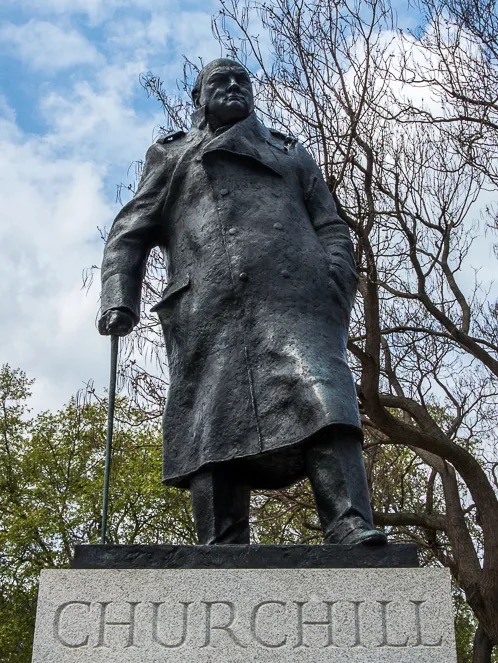
Churchill, Gandhi, and other historic figures were undeniably racist by today’s standards. But judging them solely by modern values brings little progress. Where do we draw the line?
If a statue needs to come down due to proven atrocities, let’s campaign — legally and collectively — for its removal. Not through vigilantism.
I’m also unsure we’re achieving anything by banning old TV shows. These are cultural artefacts — uncomfortable, yes, but historically significant.
When I heard Fawlty Towers’ “The Germans” had been banned, it felt like the final straw. Little Britain is apparently gone too.
Racism Off the Scale
If you want to see truly racist shows, look at the 1970s — Alf Garnett, George and Mildred, or Not on Your Nellie. In one episode, Hylda Baker asks a Black policeman for directions, then says, “You won’t know, you’re not from here either.”
Benny Hill was rife with misogyny, homophobia, and racism — yet celebrated in the US. Even the Carry On films were full of it. Bo’ Selecta! was criticised by Trisha Goddard, though Mel B and Craig David participated. And White Chicks, where two Black men disguise themselves as white women, is still one of my favourites.
Trying to erase the past is futile. By all means, campaign — but let’s make democratic decisions, not let the loudest voices dictate.
“All Lives Matter” — But You’re Missing the Point
Yes, all lives do matter — but that’s not the point. It’s not that Black lives matter more — it’s that they haven’t mattered enough. Imagine seeing images implying your ancestors’ lives were worthless. How would you feel?
Foundations of Prejudice
Let’s not pretend racism only comes from white people. It exists in every race. So let’s examine the root causes.
It starts with children. Schoolbooks shouldn’t include just one token non-white character. Representation should be equal and authentic. Let’s integrate, educate, and explore our complex past while teaching why things must change.
Redheads
Growing up in 1970s Scotland, there were no children of colour in my school. But I still stood out — red hair, Scottish accent. I was different. I was bullied.
Even today, redheads are mocked. I’ve explained that redheads often have more sensitive skin — and even educated people look puzzled.
Katie Hopkins once said, “There’s nothing worse than a ginger boy in younger years.” Hateful. Nasty.

Your Correspondent
We may not be born racist, but it’s a poisonous lesson many absorb early. My dad hated the Welsh. He’d tell stories about a man who stole his army uniform and say, “Never trust them.” Yet he adored Katherine Jenkins. His views were racist, misogynistic, and homophobic — but typical of his time.
Enoch Powell
At family gatherings, kindly grandmothers would say things like, “I don’t mind the coloureds, as long as they don’t move in next door — it brings down the property value.”
A friend’s mum once declared, “Enoch Powell had the right idea.”
His Rivers of Blood speech still echoes in some circles.
We must teach our children that judging or bullying others is never acceptable. We may come from different heritages, but we are one people.
Grace Jones and Harlem
My musical influences included Diana Ross, Nina Simone, and Ella Fitzgerald. Moving to London, I encountered other cultures — clubbing at places like The Embassy and Bangs Adams, dancing to Grace Jones and Sister Sledge. To me, dark skin was beautiful.
In New York, I was warned not to go to “Black neighbourhoods.” Why? “They’re dangerous.” That attitude is the problem. I went anyway.
Harlem in the ’70s was vibrant, full of life. But segregation — fuelled by fear — persists.

Hair
One good thing about the US: to become a licensed hairdresser, you must learn to style all hair types. Not so in the UK, where separate salons still exist for Black and white clients.
I’ve shown up to jobs where actresses looked horrified. One woman said, “No offence, honey, but no white boy’s touching my weave.”
She loved it in the end. The UK could learn a lot from America on this front.
Dee and Me
Dee and I are often mistaken for a couple. We’re not. But we’ve faced attitude — from both Black and white people — even in cosmopolitan London.
At a Caribbean funeral, I was twice asked to park cars. One man said, “Easy mistake. You all look the same.”

Conclusion
Racism is learned — and it’s everywhere. Real change won’t come from reactive outbursts. It starts with education. It starts with talking, not shouting.
Let’s stop teaching kids that some people are worth less. Let’s support organisations like Diversity Role Models, which go into schools and promote inclusivity.
Sometimes I wonder — if Earth were attacked by aliens, would we finally unite?
Looking at today’s governments, I doubt it. After all, they can’t even agree on how to fight a virus.
Contact Steven at: spman@btinternet.com

 2Shades Magazine