

Clare McSweeney reports

Finally, laws are being introduced to stop unqualified people performing cosmetic treatments. It won’t be easy to enforce, but it’s a vital step forward.
The aesthetics industry is now worth billions, with social media piling on the pressure to look “perfect” or copy a celebrity face. Both mindsets are unhealthy. Real beauty is about confidence—being the best version of yourself, not a clone of someone else. Done well, aesthetics should enhance your natural features, not disguise them.
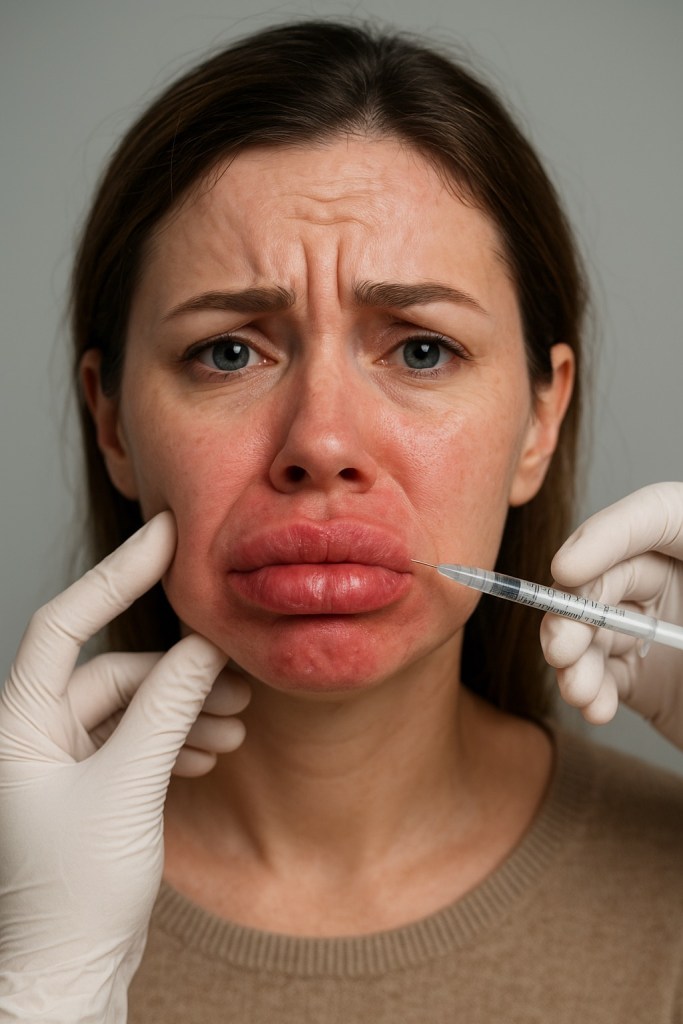
We’ve all seen beautiful people lose their uniqueness through overfilled lips, frozen foreheads, or mask-like faces. Sometimes, it’s not the doctor’s fault—addiction to treatments is real, and when reputable practitioners refuse to go further, some clients shop around until they find someone who will. That’s where the danger lies.
The truth? Aesthetics should only be carried out by skilled doctors, nurses, or dentists with specialist training. Sadly, it’s still possible for someone with no background in beauty or healthcare to take a short course and start injecting. With treatments marketed as casually as a haircut, many clients never think to check credentials.
So, protect yourself. Always see qualifications, check medical registration, and insist on meeting the actual practitioner—not just a “patient coordinator” in sales mode. Avoid clinics that rely on flashy ads (unless they’re new) and trust word-of-mouth recommendations from people you know.
In the right hands, aesthetics can be a subtle art form that brings out your best features. But remember: even the top professionals can’t promise perfection, and complications do happen. That’s why your treatments should only ever be in the hands of a true expert—one who values your safety, skillfully enhances your beauty, and keeps your privacy sacred.
Clare’s quick tips for finding the right practitioner:
- Ask around – hairdressers, beauty therapists, and make-up artists often know the best.
- Check the space – it should be spotless and professional.
- Guard your privacy – no loud “Are you here for Botox?” in reception.
- Demand hygiene – you should be properly draped and protected.
- Verify credentials – never assume they’re qualified; check.
- Have a consultation – speak directly to the person treating you.
- Look for aftercare – a follow-up appointment should be standard.

 2Shades Magazine