Categories
Columns Culture Health and Fitness Lifestyle People

A DEDICATION TO Christopher Garnham

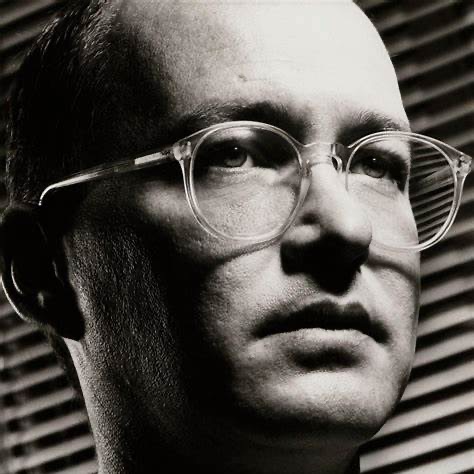
Christopher Garnham

By Steven Smith

A Brilliant Artist Lost Too Soon

It is early evening in Earl’s Court London.  It seems like it has never stopped raining for the last seven days and tonight is no different. Earl’s Court is an area that has been my home at times in my life and a playground since past my sixteenth birthday. This evening I am meeting a friend that I have known very fondly for over 49 years. He can be Machiavellian and entertaining but never boring.  He has some very exciting news to tell me and I can hardly wait. 

I would like to share the whole story, but it is personal My friend is adopted and the tip of the exciting news was he had found his biological mother after 70 odd years. With technology being what it is and Ai with just his mother first name and last name a friend had tracked her down. Sadly, she passed in a nursing home in Ipswich several years ago.

The news that he had a brother was something that was quite unexpected . A brother named Christopher Paul Garnham . He too like my friend and me had lived in Earl’s Court an artist and gifted portrait photographer . It was hard to believe what he told me next his brother has passed like his mother, tragegley on the Marchioness.

So many beautiful talented people passed on the Marchioness in fact my friend mother had spent her latter years campaigning for jutice for the victims.  I said this is quite a story  But it got me thinking how many artist and talnted people who light had burned brightly but so briefly that may be some what forgotten 

My friend will one day write about his feeling and his side of things but I wanted to celebrate  Christopher and highlight his story in 2Shades and dedicate this to my dear friend. 
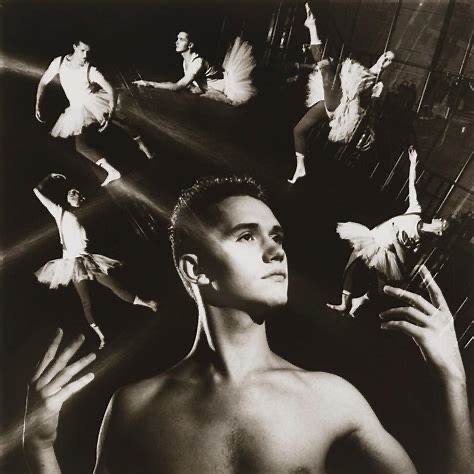
“Christopher Garnham’s portraits of artists including Gilbert & George, Paula Rego and Elvis Costello are preserved today in the collection of the National Portrait Gallery, ensuring that his brief but brilliant career remains part of Britain’s cultural record.”

London’s creative history is filled with artists whose light burned brightly but briefly. One such figure is the gifted portrait photographer Christopher Paul Garnham, a man whose work captured the cultural energy of the 1980s but whose life ended tragically before his career had truly reached its peak.

Born on 1 March 1958 in Ipswich, Suffolk, Chris Garnham grew up in a period when British photography was undergoing a transformation. The late 1970s and early 1980s were a time when magazines, fashion, music and art were colliding to create a new visual culture. Garnham would become part of that movement.

From an early age he showed an instinctive eye for images and composition. His creative path eventually led him to London, where he studied at the Royal College of Art, one of the most prestigious art institutions in the world. There he initially trained as an illustrator, but photography soon became the medium through which he would express his vision most clearly.
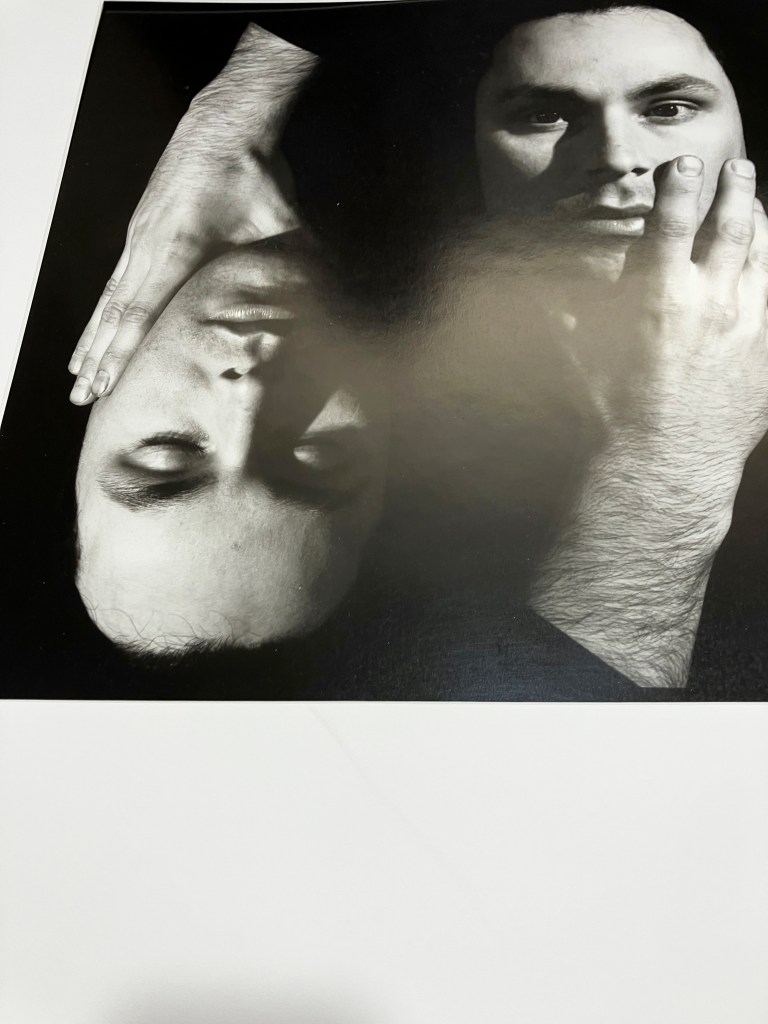
The camera suited Garnham’s temperament. He was fascinated by people — their faces, their presence, and the stories they carried with them. Portraiture became his natural language.

By the early 1980s Garnham had established himself as a promising young photographer within London’s thriving creative scene. This was a period when publications such as The Face and Blitz were redefining style journalism. These magazines celebrated a new generation of designers, musicians, writers and artists, and Garnham’s portraits fitted perfectly into that vibrant cultural landscape.

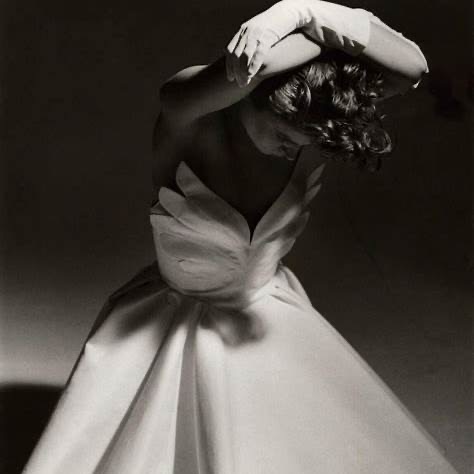
His photographs were distinctive. Rather than simply recording a likeness, Garnham sought to reveal something deeper about his subjects. There was a quiet intensity in his portraits — an ability to capture both vulnerability and strength within the same frame.

Many of his subjects came from the world he moved within: artists, writers, musicians and cultural figures. Among those he photographed were notable names such as Gilbert & George, Paula Rego and Elvis Costello, figures who themselves defined British art and culture in the late twentieth century. 
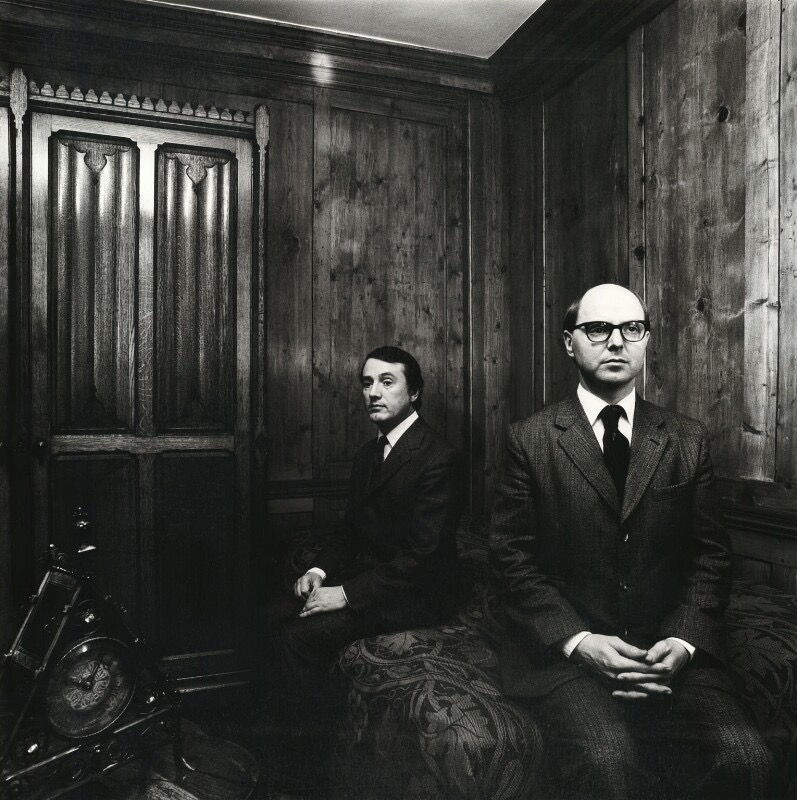
Gilbert and George by Christopher Garnham

His work gained increasing recognition within the photography world. In 1984 he was named Photographer of the Year by Blitz magazine, a major accolade at the time and a clear sign that his talent had been noticed. 

Two years later his photographs were included in the National Portrait Gallery exhibition “Twenty for Today”, a group show highlighting some of the most exciting young portrait photographers working in Britain at the time. 

The National Portrait Gallery would go on to acquire many of his photographs for its permanent collection, ensuring that Garnham’s work would continue to be seen and appreciated long after his death. 

During this period Garnham lived in Earl’s Court, at Flat 5, 2 Neville Place . In the 1980s Earl’s Court was something of a creative enclave. Photographers, artists, musicians and actors were drawn to the area because of its relatively affordable rents and its proximity to London’s cultural life. It was a place where ideas were exchanged over late-night conversations and where collaborations often began.
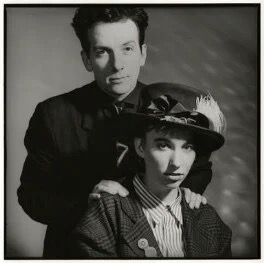
Elvis Costello

Friends remembered Garnham as thoughtful, intelligent and quietly passionate about his craft. He was dedicated to his work but never arrogant about his talent. Like many artists of his generation, he was part of a community rather than a solitary figure.

Then came the night that would change everything.
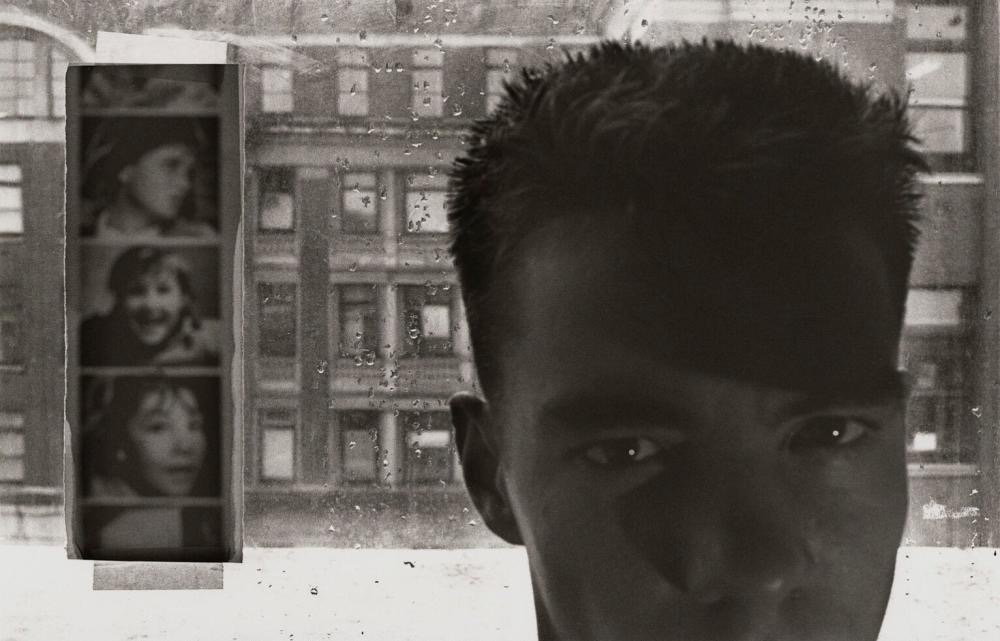
Self portrait

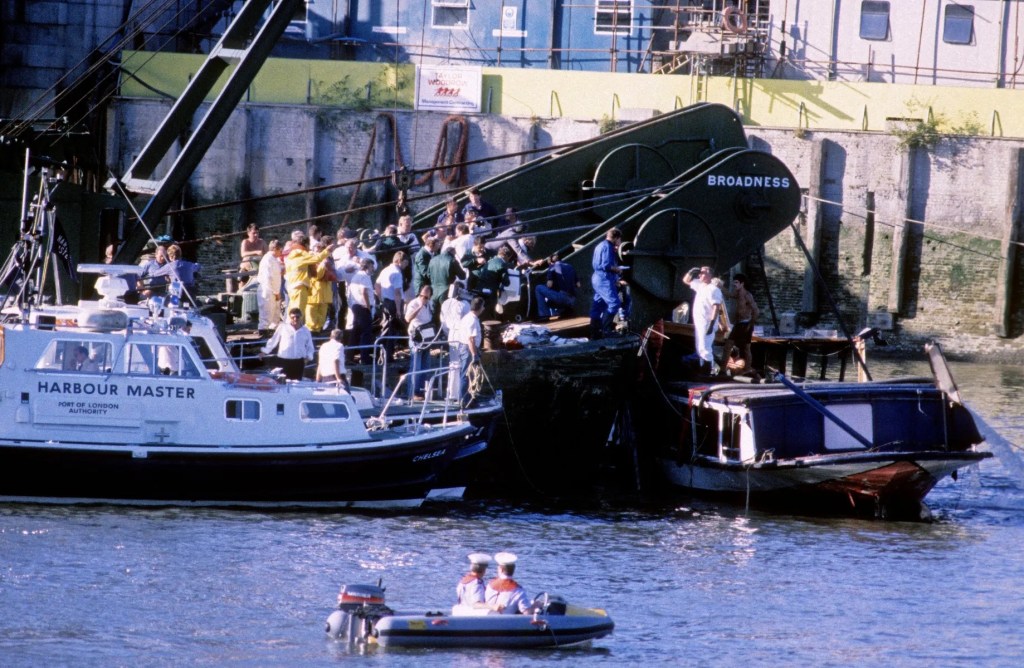
On 20 August 1989, Garnham joined friends for what was meant to be a joyful evening on the River Thames. The group had boarded the pleasure boat Marchioness, which was hosting a birthday celebration. The boat travelled along the river carrying a crowd of young people — many of them from London’s creative and cultural circles.

In the early hours of the morning, tragedy struck.

At approximately 1:46 am, near Southwark Bridge, the Marchioness collided with a dredger called the Bowbelle. The smaller vessel was struck from behind and quickly capsized. Within minutes the boat had sunk.

The disaster remains one of the worst peacetime tragedies on the Thames.

Fifty-one people lost their lives that night.

Christopher Garnham was among them. He was only 31 years old.

The news sent shockwaves through London’s artistic community. Many of those who had known him were still at the beginning of their own careers. The sudden loss of such a talented photographer was deeply felt.

For Garnham’s friends and colleagues, the tragedy was not just the loss of a person but the loss of a future — the photographs he would have taken, the artists he would have portrayed, the stories he would have told through his lens.
And yet his work did not disappear.

The photographs he left behind continue to speak for him.

Today Garnham’s portraits remain preserved in the National Portrait Gallery, where they form part of the visual record of Britain’s cultural life in the 1980s. Through these images we glimpse the creative world in which he moved — a world of artists, musicians and thinkers whose ideas helped shape modern culture.

His photographs possess a rare quality. They feel both intimate and timeless. The viewer senses that Garnham approached his subjects not merely as a photographer but as a fellow participant in the creative conversation of his generation.

Looking at those portraits now, one cannot help wondering what Garnham might have achieved had he lived longer. Many photographers only reach their full artistic maturity later in life. For Garnham, that journey had barely begun.

Yet even in the relatively short span of his career he left an imprint.

In many ways his story reflects the fragile nature of artistic life. Talent, opportunity and recognition were all coming together for him just as fate intervened. His work reminds us how important it is to preserve and honour the contributions of artists whose voices were silenced too early.

Christopher Garnham may not be a household name today, but within the circles of photography and portraiture he is remembered as a gifted observer of people — a man who could look through a camera and reveal something honest and human.

More than three decades after his death, his images still carry that quiet power.

And perhaps that is the greatest tribute any photographer can hope for.

The artist may be gone, but the faces he captured continue to look back at us.

https://www.npg.org.uk

https://www.londonmuseum.org.uk/collections/london-stories/marchioness-disaster/
Categories
Columns Health and Fitness Lifestyle People

“lets Hear it for the Boy “

“Let’s Hear It for the Boy”

When I am in the United States and someone overhears my British accent, at some point during the trip someone will inevitably say — when she was alive — “I just love your Queen.”

It is almost impossible for me not to reply, “Boy George, or the one in the palace?”

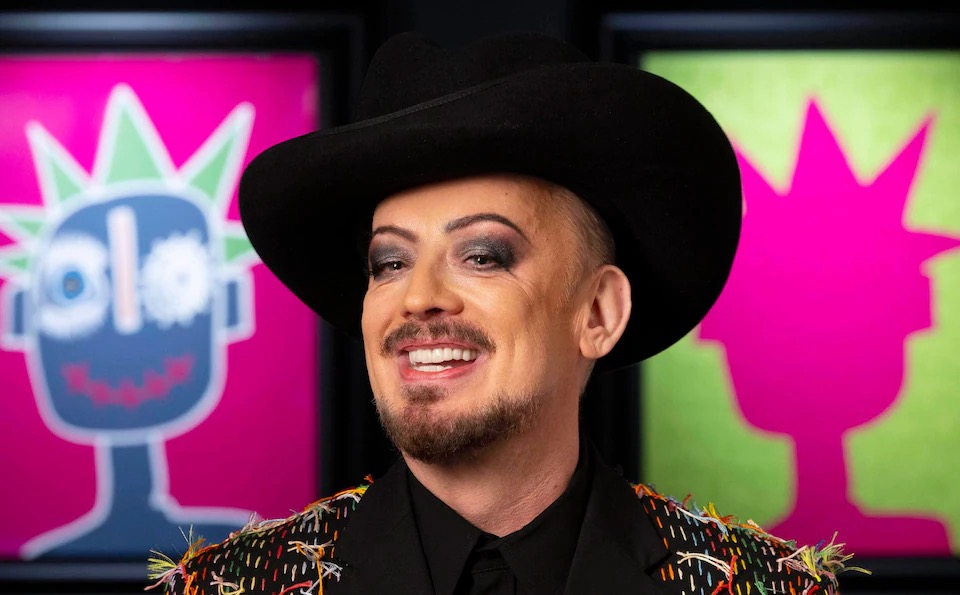
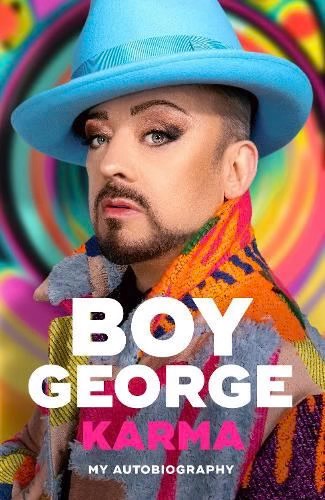
Arguably, Boy George has done more to promote British fashion, music and style around the world than many who have appeared on the Honours List. In many ways he has been a global ambassador for the United Kingdom.

More importantly, George made it possible for countless young LGBTQ people to see a beacon — a figure who said, unapologetically, do not be afraid to be yourself. His honesty about his struggles with addiction has also helped many others find the courage to seek help.

Boy George burst onto Top of the Pops in 1982 with Culture Club performing their first major hit, “Do You Really Want to Hurt Me.” Today there is scarcely anyone in the world who does not recognise the name Boy George.

Back then I was living in Brighton and was nineteen years old. My sister, who was sixteen and still at school in Surbiton, rang me in excitement. She had been a huge fan of Culture Club even before their television debut, and they were about to play in Brighton. Could she come down?

A couple of weeks later there I was, surrounded by girls chanting “George! George!” at what is now the Odeon cinema, waiting for him to step on stage. Even though Culture Club were not yet household names, the excitement in the room was electrifying. When Boy George finally appeared, the crowd went wild. In the end I resorted to putting my sister on my shoulders so she could get a better view.

George reminded me of someone who had earlier brought light into my life and given me hope. When I was just nine years old, Marc Bolan flashed onto Top of the Pops singing “Ride a White Swan.”

At the time I often felt painfully different. Bullying at school — and sometimes at home — left me wondering whether I wanted to be here at all. But Marc Bolan, along with David Bowie, gave many gay men of my generation hope. They told us, in their own way: it will be OK — keep going.

Years later I realised I had actually encountered Boy George and his entourage long before his rise to global fame. I was sixteen in a club called the Regency in Great Newport Street when Phillip Sallon cheekily pinched my bottom. I turned around to see these fabulously flamboyant figures — Sallon with a black-and-white walking stick — and I was utterly speechless.

Marilyn and George were more beautiful than most of the girls I knew. They were intimidating, to say the least. My friend whispered, “Blitz Kids.” I muttered barely two words and quickly moved away, but the moment left a lasting impression.

I would later see them again at the legendary Bangs gay night on Mondays at the Astoria club. Marilyn, with his incredible Monroe-style hair, stood out from a mile away.

Boy George’s first appearance on BBC Top of the Pops immediately made tabloid headlines. Words like androgynouswere thrown around, and newspapers asked the now infamous question: “Is it a boy or a girl?”

As always happens when something genuinely different appears, critics lined up to condemn it. “One-hit wonder,” they cried. “He’ll corrupt our children,” shouted others from the moral high ground of the Thatcher era.

My sister left that Brighton concert glowing with happiness — much like I had after my first T. Rex concert at Newcastle City Hall. One thing was certain: George was a star, and he was here to stay.

Even those in the know recognised it. Freddie Mercury once said in an interview that Boy George would be around for a very long time and was no flash in the pan. Madonna, despite their occasional differences, has cited him as an inspiration. And Lady Gaga has always been unabashedly mad about the boy.

Labels such as campdrag queen and trans were quickly attached to him — particularly within the gay community, which is not always shy about labelling its own. George himself addressed it with humour at the 1984 Grammys, declaring:

“Thank you, America — you know a good drag queen when you see one.”

The remark reportedly caused Culture Club’s popularity in parts of the American Bible Belt to dip sharply.

Personally, I never thought George was particularly camp — a word often used to describe effeminate entertainers such as John Inman, Larry Grayson or Kenneth Williams. It takes a real man to live authentically. Beneath the thick foundation and those famously highlighted blue eyes, the strength of a proud Irishman has always shone through.

Both my sister and I eventually spent time living in the United States, but when I returned to London I received an invitation to Boy George’s book launch for Take It Like a Man, written with Spencer Bright.

The party came with strict instructions from George himself: guests had to dress as something to do with school — or not bother turning up.

Daily Mail journalist Lester Middlehurst and I arrived dressed as school prefects, complete with blazers and badges. Spencer Bright appeared as a headmaster carrying a cane.

True to George’s word, several corporate bigwigs were turned away at the door for failing to dress up. Meanwhile George himself wandered around the room in disguise while his mother attended dressed as a dinner lady.

The next time I encountered him was in 1999 at LWT during An Audience with Diana Ross. Ross unexpectedly pulled George from the largely celebrity audience and invited him to sing. I had brought along my partner of eighteen years, Martin Annand, and we both agreed that George’s voice easily held its own alongside Miss Ross.

At the after-party George stood nearby chatting happily with anyone who approached him.

My next brush with him came in 2002 at the opening of Taboo at the Leicester Square Theatre. It was an extraordinary evening — Alan Cumming, Phillip Sallon and countless other personalities were there.

Taboo was not simply George’s life story; it was a tribute to a generation of performers who defined an era: Steve Strange, Leigh Bowery, Phillip Sallon, Marilyn — and of course Boy George himself.

The show was electric, the kind of night you never wanted to end. Marilyn was absent from the opening night, but during the speeches someone joked that she was probably hiding somewhere backstage in rollers and a headscarf.

The production closed in London in 2003 before transferring to New York. Judging by the number of young people around London today dressed in Bowery and Boy George-inspired outfits, perhaps it is time for a revival.

Like me, George is a Gemini — a star sign known for moving between extremes. Over the years Mr O’Dowd has been very open about his struggles with addiction. Under the guidance of DJ Fat Tony he began attending Narcotics Anonymous meetings and, by all accounts, happily volunteers to make the tea for fellow attendees.

George has spoken openly and honestly about his battles, helping others confront their own.

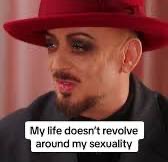
Listening to one of his recent interviews was not only enlightening but genuinely moving. It was refreshing to hear him say, “I don’t live in a gay bubble.”

It is something I often tell people myself — just because someone else is gay does not mean you instantly want to date them or start screaming, “Let’s be sisters!”

I hope George continues giving interviews like this. They will help many people.

Yes, George has been a naughty boy at times — but who among us hasn’t? What he has contributed to music, entertainment, fashion and LGBTQ visibility is extraordinary.

Which raises the question:

Perhaps it is finally time we started calling him Sir George — or at the very least awarding him an OBE.

Categories
Columns Lifestyle

UK EUROVISION IT ‘S THE GAY NEW YEAR .

Eurovision 2026: The UK Sends Camp, Catchy Chaos with “Eins, Zwei, Drei”

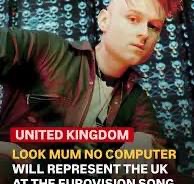
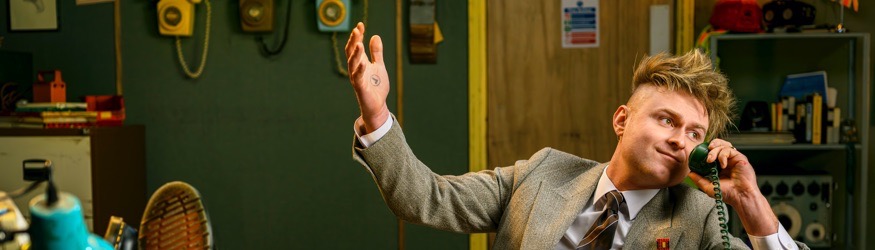
There is a long-standing joke that the real gay New Year takes place not on 1 January, but every May when the glitter cannon fires up for the Eurovision Song Contest. And this year, the United Kingdom has certainly leaned into the camp spectacle with its entry for 2026: “Eins, Zwei, Drei” by LOOK MUM NO COMPUTER.

At first listen, the track leaves you momentarily speechless — partly because it is so unexpected, and mainly because it is, to put it politely, gloriously naff. But in true Eurovision fashion, what initially feels baffling somehow begins to grow on you. Like a moth drawn to a flame, you find yourself humming the hook without quite knowing why.

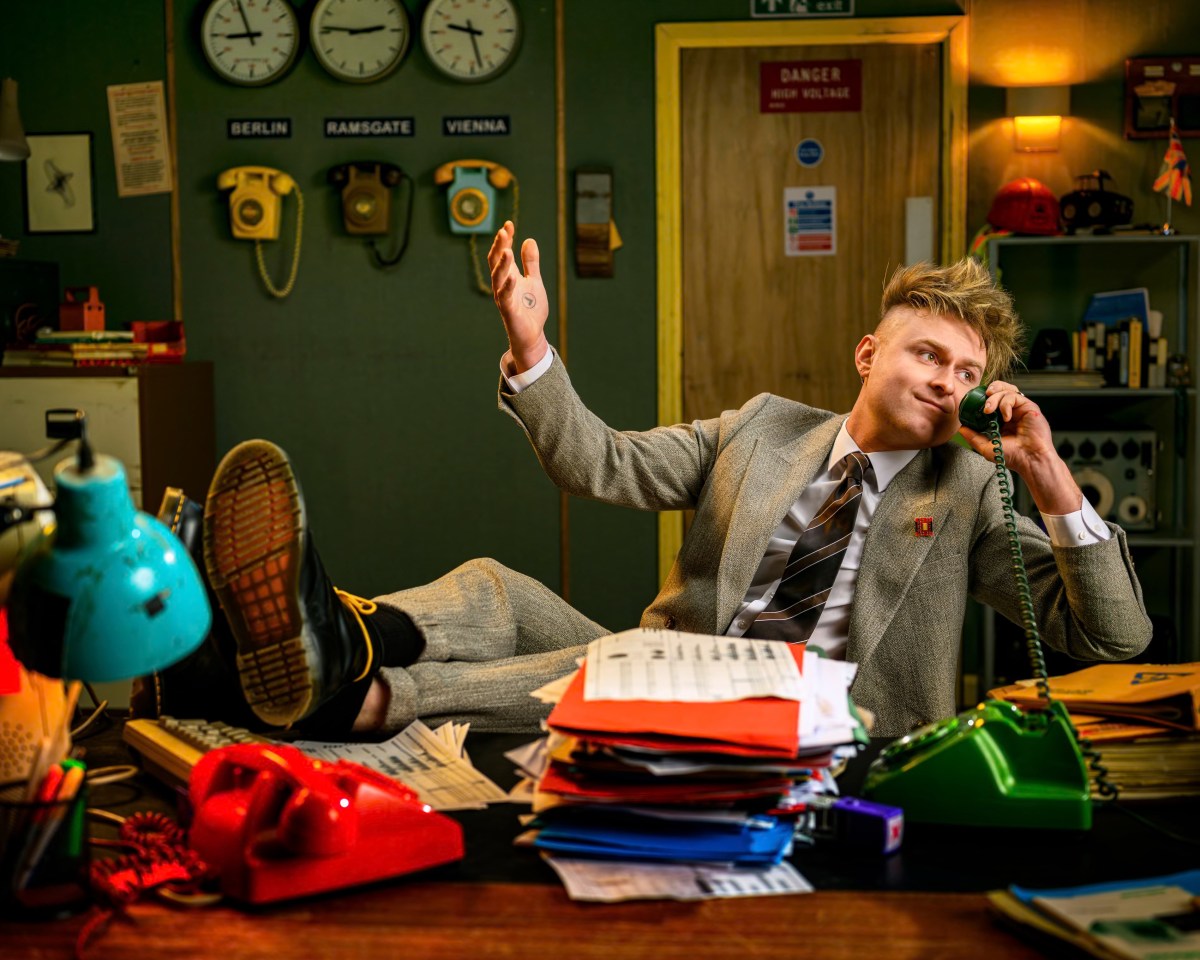
The UK’s representative this year is Sam Battle, better known online as Look Mum No Computer, an electronic musician and YouTube creator famous for building bizarre homemade synthesizers and experimental sound machines. It is perhaps no surprise, then, that the song he has delivered for Eurovision is anything but conventional.

“Eins, Zwei, Drei” is a quirky blend of synth-pop, electronic beats and tongue-in-cheek humour. With parts of the chorus sung in German — counting “one, two, three” — the song is as playful as it is peculiar. Throw in the slightly surreal lyric “I’m in the mood for something salty” and you have the kind of line that Eurovision fans will be quoting for weeks.

Reaction to the song has, unsurprisingly, been mixed — which in Eurovision terms is often a very good sign.

Some critics have praised the entry for being bold, catchy and refreshingly different. BBC commentators have described it as “joyful and supremely catchy,” applauding its rebellious energy and its refusal to take itself too seriously. Early reactions online have called it “delightfully bonkers,” suggesting that its eccentricity could make it stand out among a field of more traditional pop songs.

Fans who enjoy Eurovision’s more playful side have also embraced the track. For them, it represents the competition at its best: colourful, quirky and unapologetically fun. After all, Eurovision has always celebrated the unusual and the flamboyant.

Others, however, are far less convinced.

Some reviewers argue that the song leans too heavily on novelty rather than strong songwriting. Critics have described it as eccentric, odd and undeniably naff, raising concerns that the UK could once again struggle to win over the Eurovision juries.

There is also the question of whether its humour and quirky lyrics will translate well across Europe. Eurovision audiences are famously unpredictable, and what delights one country can leave another completely bewildered.

Online fan reactions have reflected this divide.

Some listeners say the track is fun, catchy and unmistakably Eurovision, praising its retro synth-pop energy and absurd humour. Others feel it is simply too strange or gimmicky, predicting that the UK may once again find itself lingering near the bottom of the scoreboard.

In short, people seem to either love the weirdness — or absolutely hate it.

Yet there is something strangely compelling about the song. Despite its oddity, the hook is undeniably infectious. Once you have heard the chant of “Eins, zwei, drei…”, it becomes almost impossible to forget. Hours later you may find yourself humming it absent-mindedly, wondering how such a peculiar tune has embedded itself in your brain.

And perhaps that is exactly the point.

Eurovision has always thrived on spectacle and personality as much as musical perfection. While this year’s UK entry may not be a masterpiece, it certainly brings a sense of humour and a touch of eccentric British charm to the contest. After all, Britain has long been known for producing its fair share of lovable eccentrics.

Of course, some fans may wish the UK would send one of its world-class superstars to Eurovision. After all, this is the country that gave the world artists like AdeleSam Smith, and Boy George. One can only imagine the impact if a performer of that calibre decided to take on the Eurovision stage.

For now, however, the UK has opted for something rather different.

Instead of polished pop perfection, we are offering Europe something camp, quirky and undeniably memorable. It may not be the entry that finally brings the trophy back to Britain, and nil points is always a lingering possibility.

But there is another prediction worth making.

While it might not win Eurovision, “Eins, Zwei, Drei” has all the ingredients of a guilty-pleasure summer anthem. It is easy to imagine the track blasting from beach bars and nightclubs in places like Benidorm, Tenerife , with holidaymakers gleefully shouting along to the chorus.

Love it or hate it, the song is impossible to ignore.

And long after Eurovision is over, one thing seems certain: somewhere, someone will still be singing “Eins… zwei… drei…”.

Categories
Columns Lifestyle People

International Women’s Day

International Women’s Day: Dr Anna Kennedy OBE Celebrates at the Powerful Women Event

Steven Smith reports

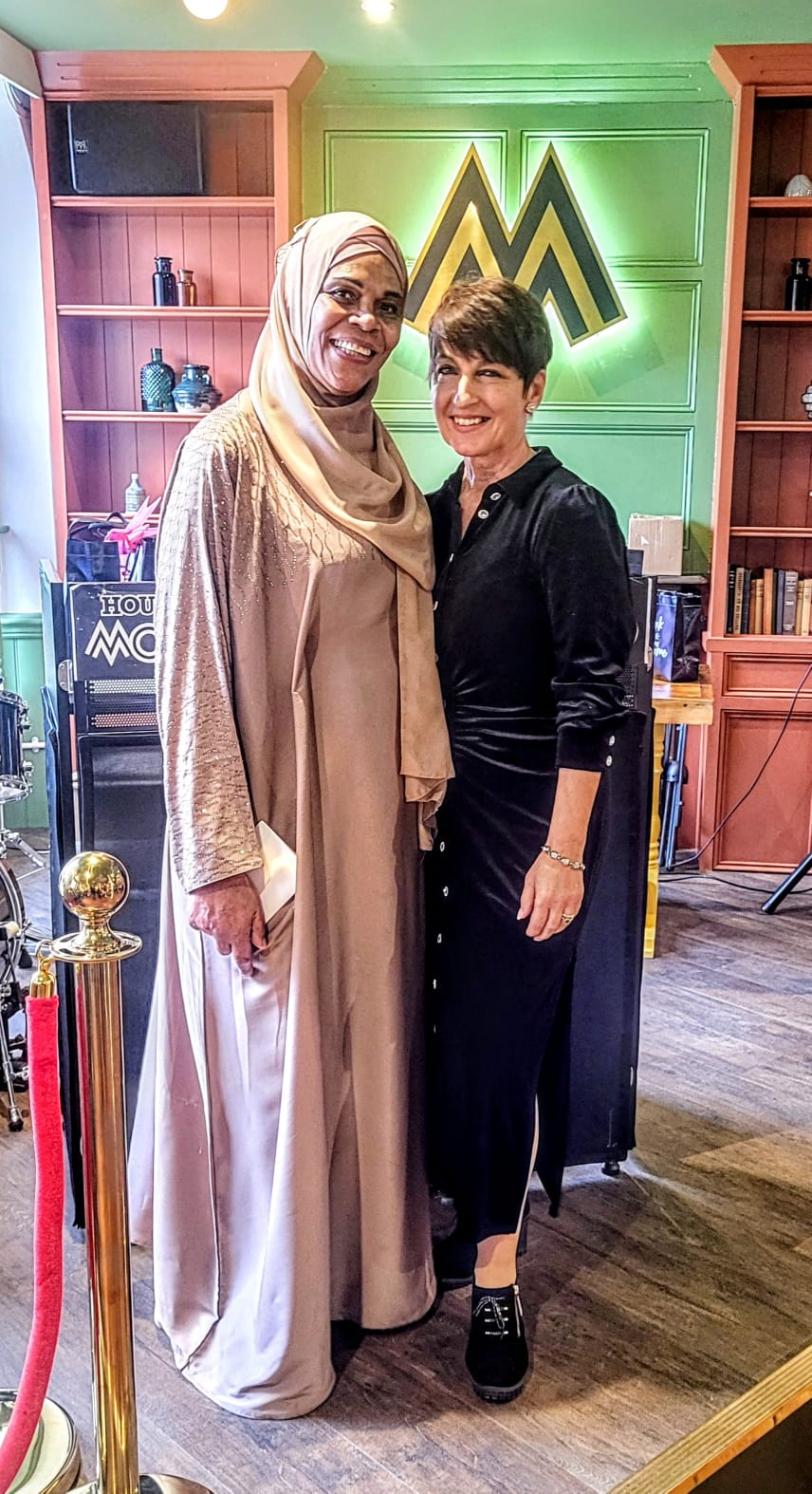
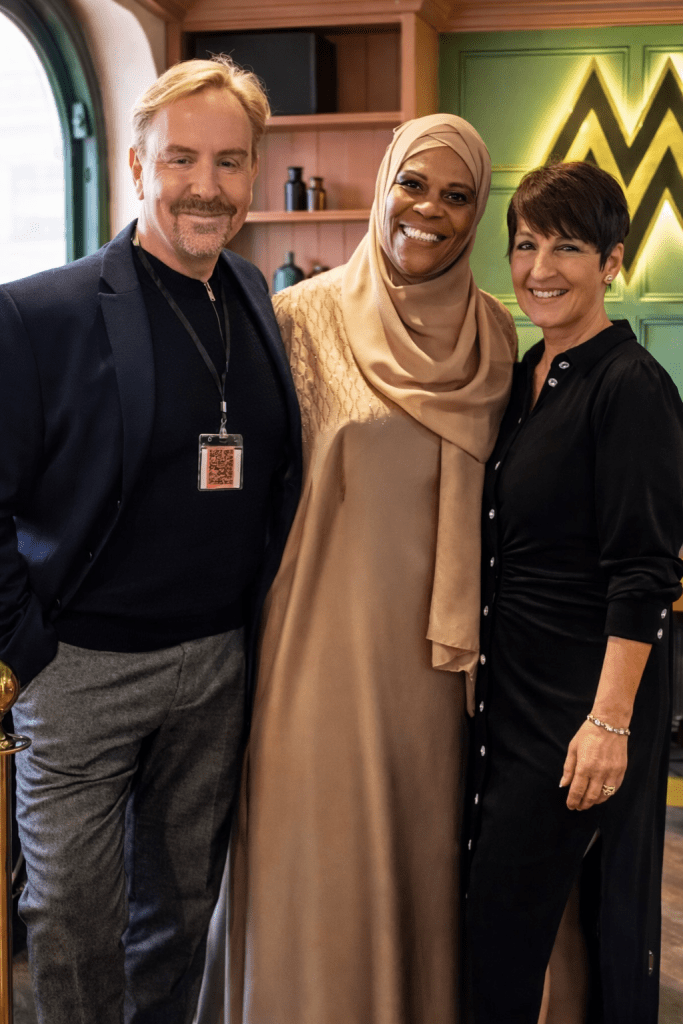
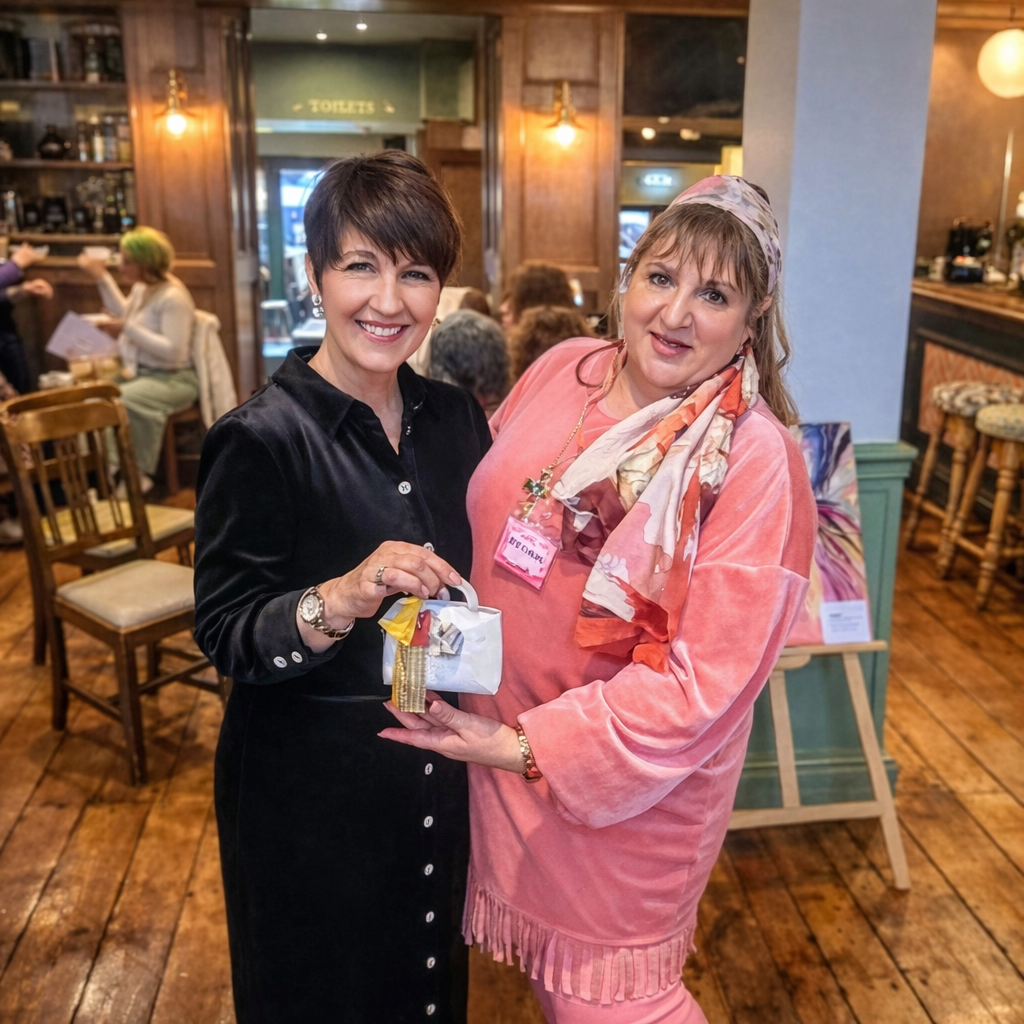
Steven Joins Dr Anna Kennedy OBE and Marie Hanson MBE

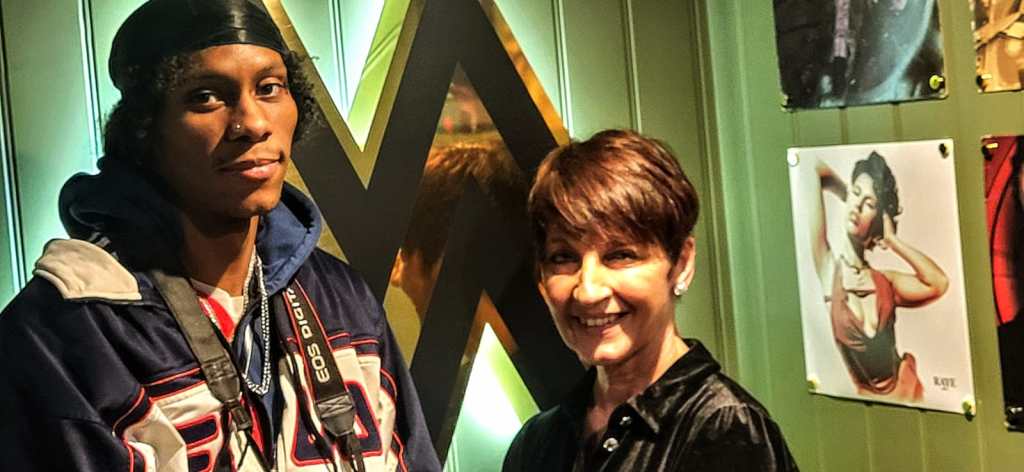
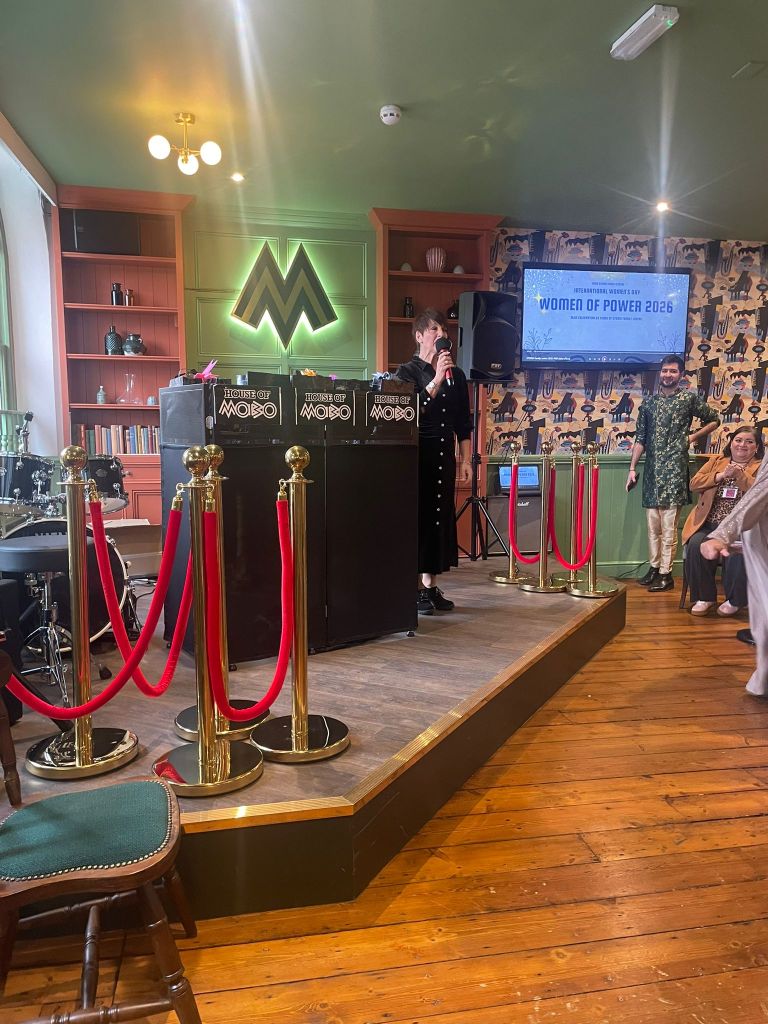
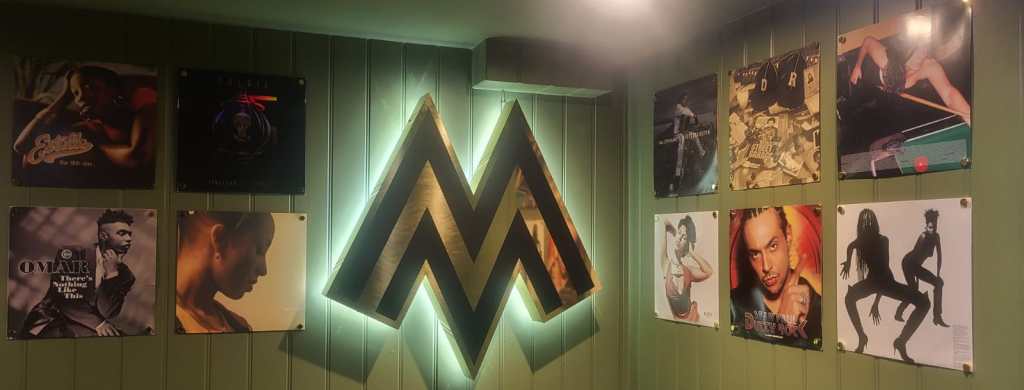
To mark International Women’s Day, leading autism campaigner Anna Kennedy OBE joined an inspiring line-up of speakers at the inaugural Powerful Women Event, hosted by Marie Hanson MBE and Rabi-Jaeier at the prestigious House of MOBO in London.

The event brought together community leaders, campaigners, artists, and changemakers to celebrate the achievements of women while highlighting the importance of solidarity and collaboration in tackling some of society’s most pressing challenges.

The gathering was organised by the STORM Family Centre, a charity founded by Marie Hanson MBE that supports individuals and families facing domestic abuse, poverty, youth crime, and other social issues. Based in Battersea, the organisation has built a strong reputation for helping vulnerable communities and empowering people to rebuild their lives.

The acronym S.T.O.R.M. stands for Support, Trust, Opportunity, Rebuilding, and Motivation—principles that sit at the heart of the charity’s mission. Through its work, the centre addresses a wide range of issues including domestic violence, sexual exploitation, long-term unemployment, and youth wellbeing. It also provides youth programmes and practical support to help individuals move forward with confidence.

The event itself proved hugely popular, selling out quickly and attracting an audience eager to celebrate women’s achievements while learning about the important work being done by charities and community leaders across London.

Opening the programme, Marie Hanson MBE welcomed guests and spoke passionately about the need for charities to work together, especially during challenging financial times. She emphasised that collaboration, rather than competition, would help organisations continue to support the communities that rely on them.

Her remarks were followed by a powerful short film produced by her son Elijah showcasing the work and impact of STORM Family Centre, highlighting stories of resilience, survival, and empowerment.

The event also featured a keynote address from Kanya King CBE, the pioneering music entrepreneur and founder of the MOBO Awards. King spoke about the importance of representation, resilience, and creating opportunities for future generations of women.

Guests were also treated to a heartfelt video message from international humanitarian and patron of the charity Sabrina Dhowre Elba. In her message, she praised the work of the organisation and encouraged women everywhere to continue supporting and uplifting one another.

Adding a civic voice to the proceedings, Jeremy Amache Mayor of Wandsworth addressed the audience and spoke about the importance of unity within communities. He highlighted how local organisations and charities play a vital role in supporting vulnerable residents and strengthening neighbourhoods.

Maitie, a trustee of the charity who also kindly donated the goody bags received by every guest, delivered a heartfelt speech about the importance of giving back. During her address, she also announced the launch of her own charity dedicated to supporting men living with domestic violence. Her words were deeply moving, and there was a palpable sense of warmth, admiration, and support for her throughout the room.

There was a beautiful poem read out by Marie Son Elijah who is studying photography at University

One of the standout moments of the afternoon came when Anna Kennedy OBE took to the stage. Known internationally for her tireless advocacy for autistic people and their families through her charity Anna Kennedy Online, Anna delivered an inspiring speech that deeply resonated with the audience.

Speaking about her journey and the work of her organisation, Anna highlighted the importance of recognising and supporting autistic individuals while also celebrating the incredible dedication of parents and carers.

She also spoke about one of the charity’s most popular initiatives, the annual talent showcase Autism’s Got Talent, which provides a national platform for autistic performers to share their abilities and creativity.

Anna said she was deeply moved by the whole event and by the calibre of the speakers who had taken part.

Her words were met with warm applause, and the audience was then treated to an example of the extraordinary talent within the autism community as the charity single “Baby Boy” was played, demonstrating the calibre of performers involved in Autism’s Got Talent.

Anna said:

“Tomorrow is International Women’s Day, and I want to recognise autistic women and the incredible mothers raising autistic children. Being part of this community has shown me the strength, patience, and resilience that so many women carry every single day.”

The room was reduced to tears when Sanctuary 4sisterhood founder Anella read a poem about her own battle with domestic violence beautifully crafted giving not just her own prospective but how affects those around her.

The celebration also featured a musical performance from best-selling singer Alysha Warren, who delighted the audience with several powerful songs. Raised in a musical Christian household and later signed by RCA, Warren’s impressive voice and uplifting performance added a vibrant energy to the event.

Although humanitarian speaker Lady Hagir Ahmed had been scheduled to appear, she was unfortunately unable to attend. Nevertheless, the programme continued to inspire those present with its powerful mix of speeches, music, and storytelling.

The Powerful Women Event proved to be a fitting tribute to International Women’s Day — a day dedicated to recognising the achievements of women across the world while encouraging continued progress towards equality, empowerment, and opportunity.

Above all, the event highlighted the importance of community, collaboration, and compassion. FromA grassroots charities to global advocates, the message was clear: when women support one another, extraordinary change is possible. A huge thank – you to the incredible friendly staff at the House of MOBO


Sources
https://stormfamilycentre.com/gallery/
https://houseofmobo.com
https://annakennedyonline.com/anna-kennedy-obe

https://www.instagram.com/sanctuary4sisterhoodcic/

Categories
Columns Lifestyle People

Award-Winning Author Samantha Lee Howe Announced as New Patron of Anna Kennedy Online https://annakennedyonline.com


All pictures by Andy Barnes

Award-Winning Author Samantha Lee Howe Announced as New Patron of Anna Kennedy Online

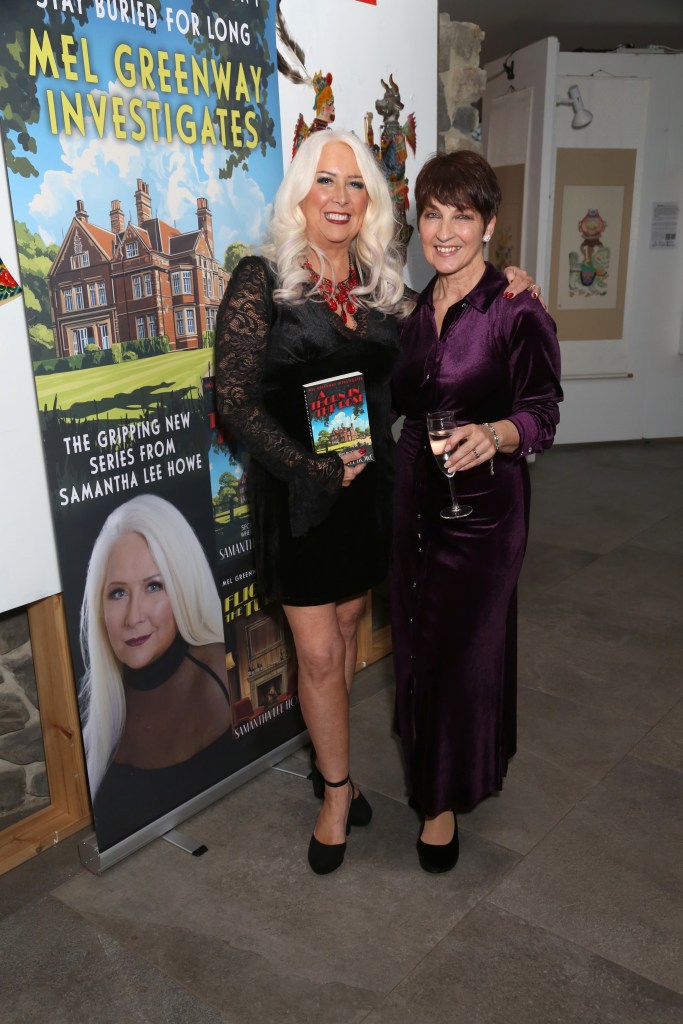
Samantha Lee Howe with Dr Anna Kennedy OBE at the FirePit Gallery . Picture by Andy Barnes photography .


All pictures by Andy Barnes

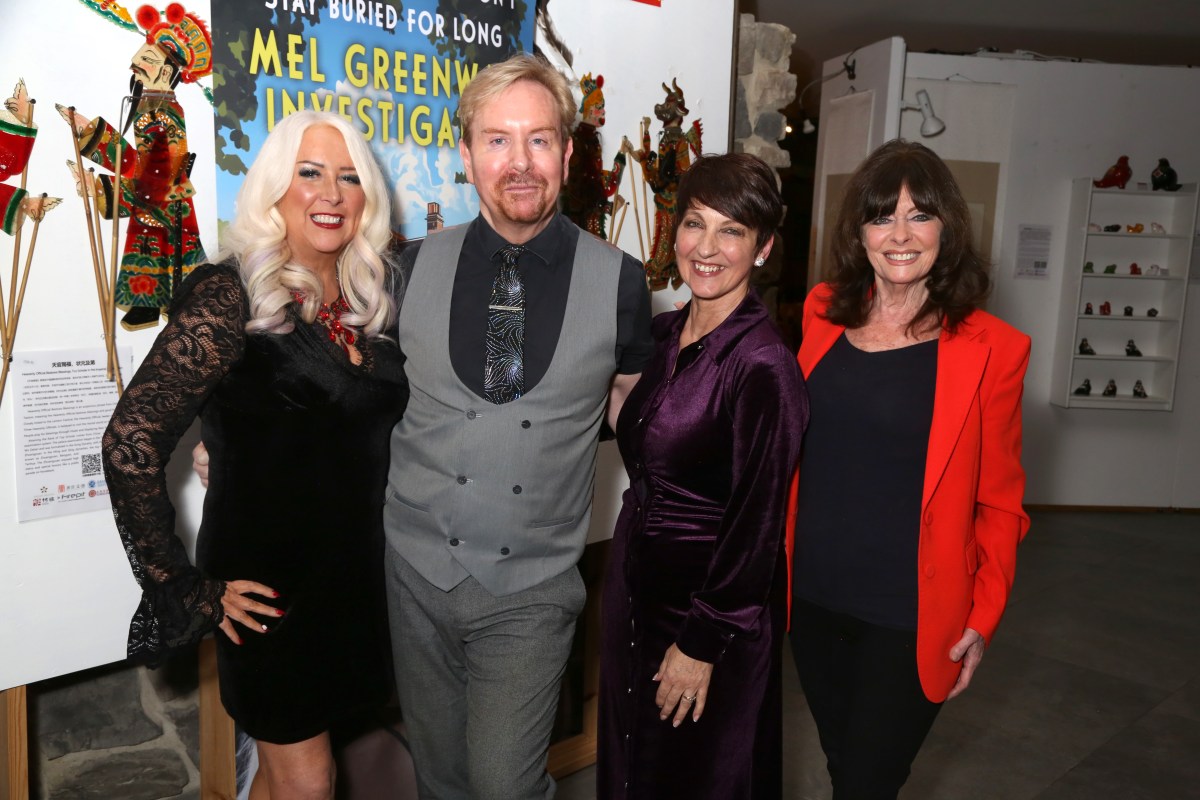
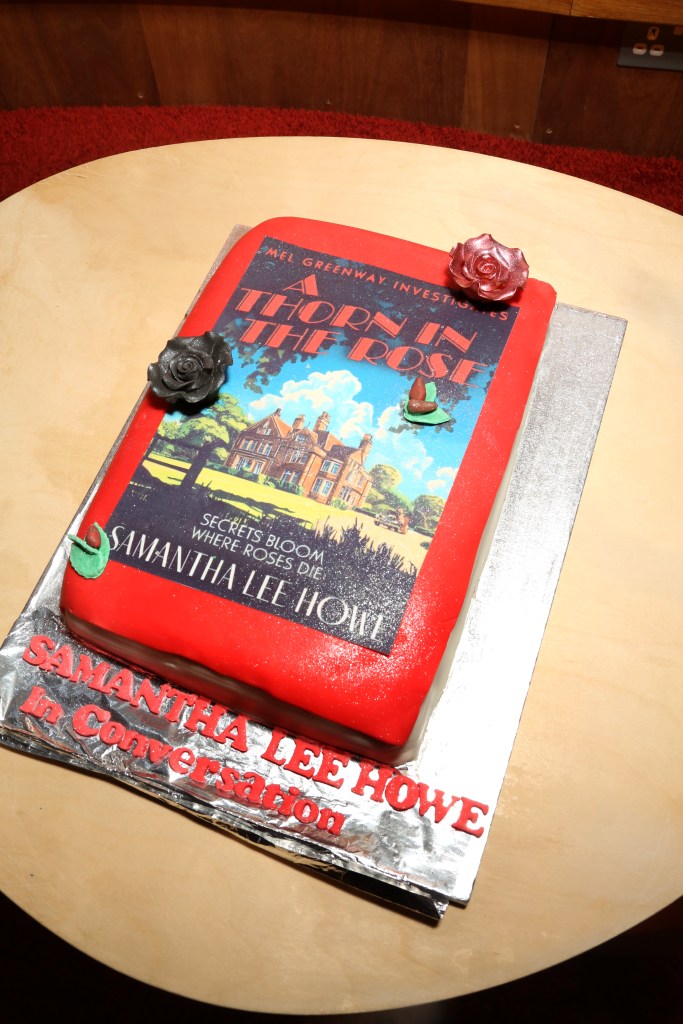
It was an evening filled with celebration, inspiration and heartfelt surprises at the stylish Firepit Gallery in London, where award-winning author Samantha Lee Howe officially launched her latest novel, A Thorn in the Rose. Yet while guests gathered to honour what many are already calling her most compelling work to date, it was a very special announcement that truly captured the spirit of the night.

During the event, Dr Anna Kennedy OBE revealed that Samantha Lee Howe would become a Patron of the autism charity Anna Kennedy Online — news that was met with warmth, applause and genuine emotion from the packed audience.

The evening, held in aid of the charity, was more than a literary celebration. Funds raised from the raffle and book sales were generously donated to Anna Kennedy Online, reinforcing the strong connection between Samantha’s creative work and her commitment to supporting the autism community.

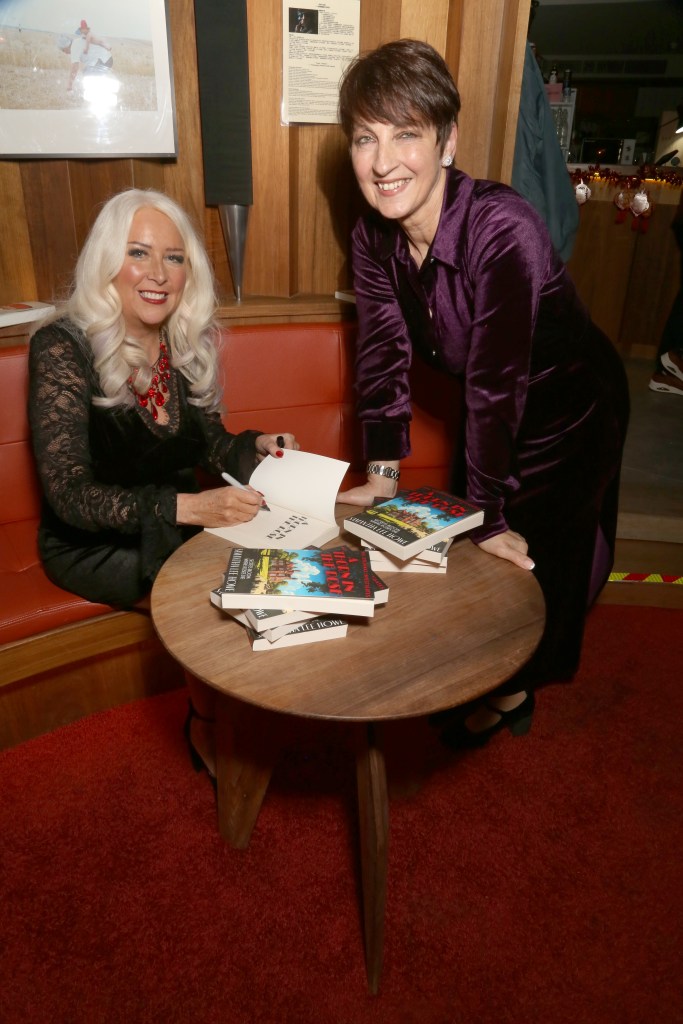
Picture by Andy Barnes Dr Anna Kennedy OBE collects her signed book from Samantha Lee Howe .

Among the distinguished guests were fellow patrons of the charity, Steven Smith and beloved ‘Allo ‘Allo!’ star and national treasure Vicki Michelle MBE. Their presence added to the celebratory atmosphere, reflecting the close-knit and passionate support network that surrounds the charity.

For Samantha, the announcement was deeply personal. Recently diagnosed with ADHD and her daughter with autism, her connection to the charity’s work is both heartfelt and authentic. Speaking at the event, she shared:

“I have been supporting Anna’s charity for over five years now and have just finished being one of the judges for the Autism’s Hero Awards. I honestly cannot wait to do more for the charity.”

Her words resonated strongly with the audience, many of whom understand first-hand the importance of advocacy, representation and community.

Samantha then treated guests to a reading from her new novel, A Thorn in the Rose, the latest instalment in the Mel Greenway Investigates series. The book is a twisty post-World War II crime mystery layered with themes of class, secrets and second chances. With her trademark precision and emotional depth, Samantha brought her characters to life, holding the room in rapt attention as she read. The atmosphere was electric — a perfect blend of literary sophistication and intimate storytelling.

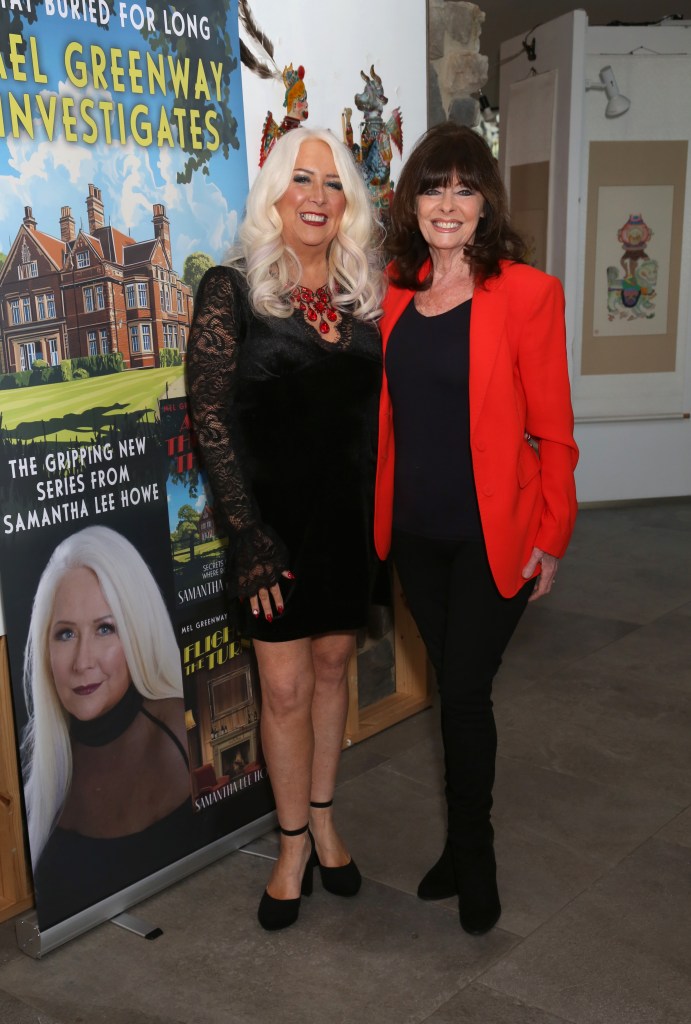
Award winning writer Samatha Lee Howe in conversation with national treasure Vicki Michelle MBE . Picture Andy Barnes .

But the evening did not end there.

Following the reading, Samantha took to centre stage once more for an engaging “in conversation” segment with Vicki Michelle MBE, who herself was announced earlier this year as a Patron of Anna Kennedy Online. The two shared a natural chemistry as Vicki interviewed Samantha about her journey as an author and her life. This was followed by a Q&A session open to the audience.

Dr Anna Kennedy OBE spoke warmly about Samantha’s appointment as Patron:

“Samantha takes everything she does seriously and gives her all. She will fit in perfectly with the Anna Kennedy Online small but fierce family. We are lucky to have her.”

The phrase “small but fierce” perfectly captures the essence of the charity — a dedicated organisation that continues to make a powerful impact through awards ceremonies, community events and tireless advocacy for autistic individuals and their families.

The Firepit Gallery provided a fitting backdrop for such an occasion. Known for its vibrant atmosphere and creative energy, it has become a hub for inclusive cultural events in London. On this particular evening, it felt less like a gallery and more like a community united by storytelling, compassion and purpose.

picture Andy Barnes .

As guests left the gallery clutching signed copies of A Thorn in the Rose, it was clear that this was more than just a book launch.

With Samantha Lee Howe now officially joining as a Patron, Anna Kennedy Online strengthens its growing network of passionate advocates committed to championing autistic voices and celebrating neurodivergent achievement.

Categories
Culture Lifestyle People Uncategorized

The Arzner Cinema

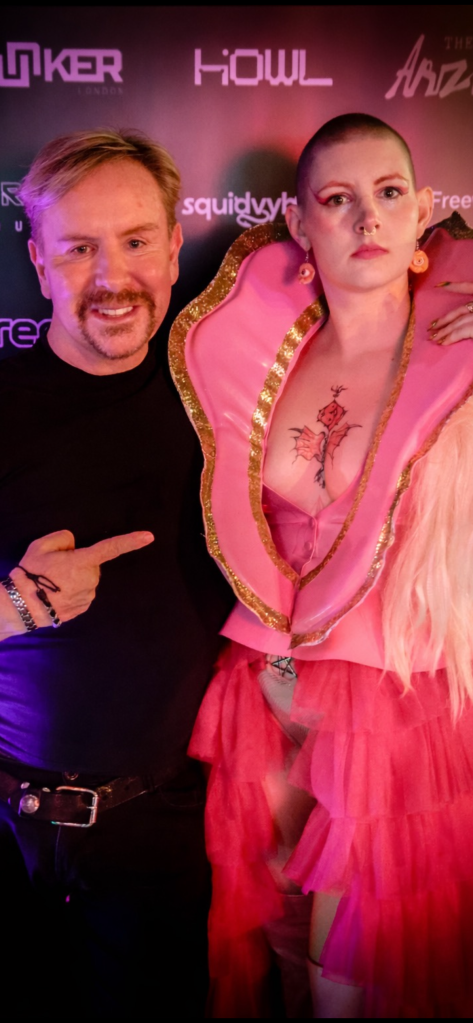
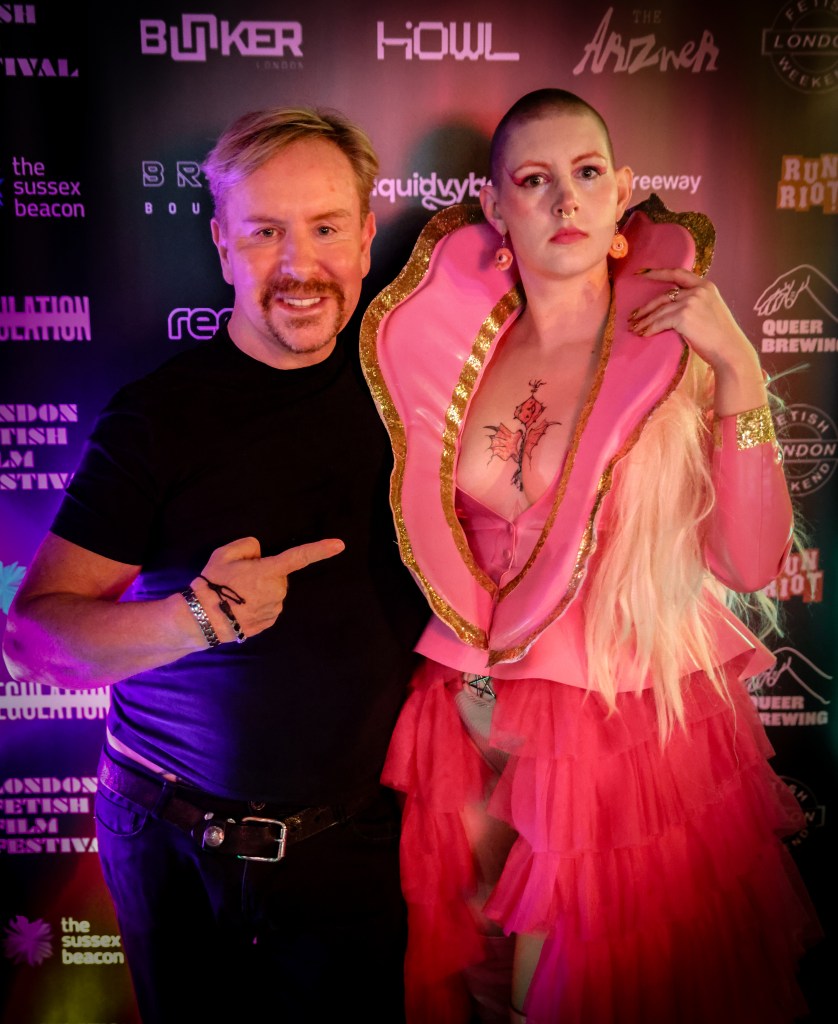
Me having a bad hair day with gorgeous actress and star of “The Visitor ” Amy Kingsmill .

The Arzner: A Safe Space for LGBTQ+ Cinema Lovers

https://thearzner.com/TheArzner.dll/Home

On a rain-soaked Friday night, I took the walk from London Bridge to see what everyone had been talking about: The Arzner — London’s only dedicated LGBTQ+ cinema, tucked away in Bermondsey. The heavens had opened, and by the time I arrived, soaked and slightly windswept, ducking beneath its glowing sign felt like a small act of salvation.

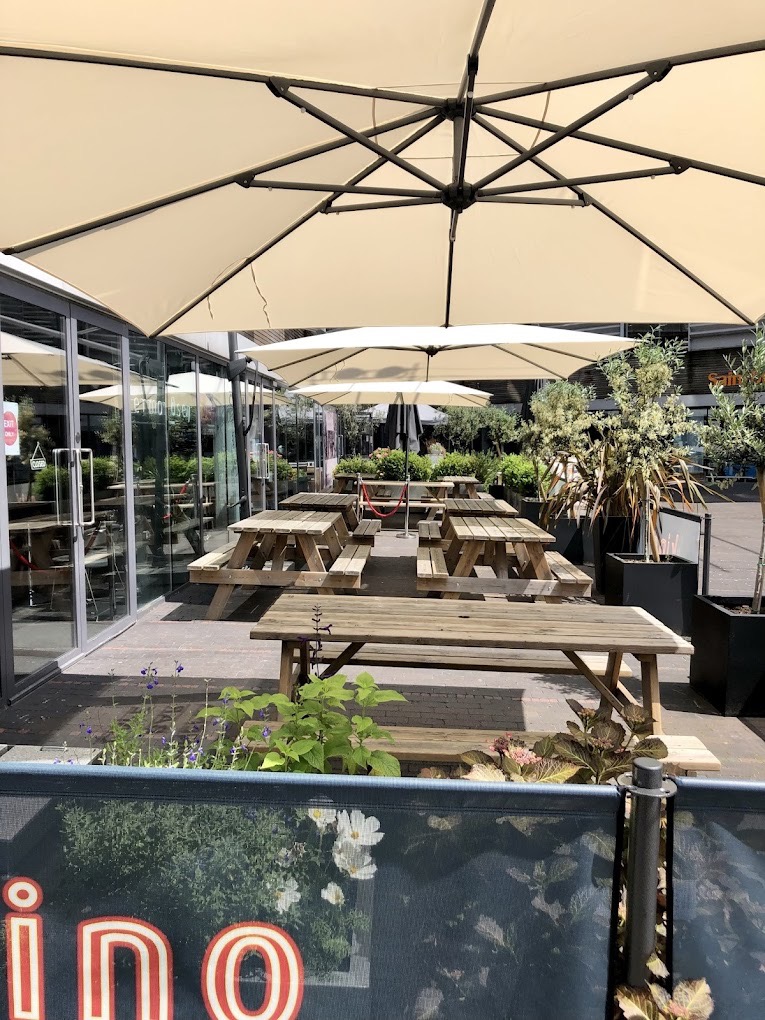
On a much drier day . https://thearzner.com/TheArzner.dll/Home

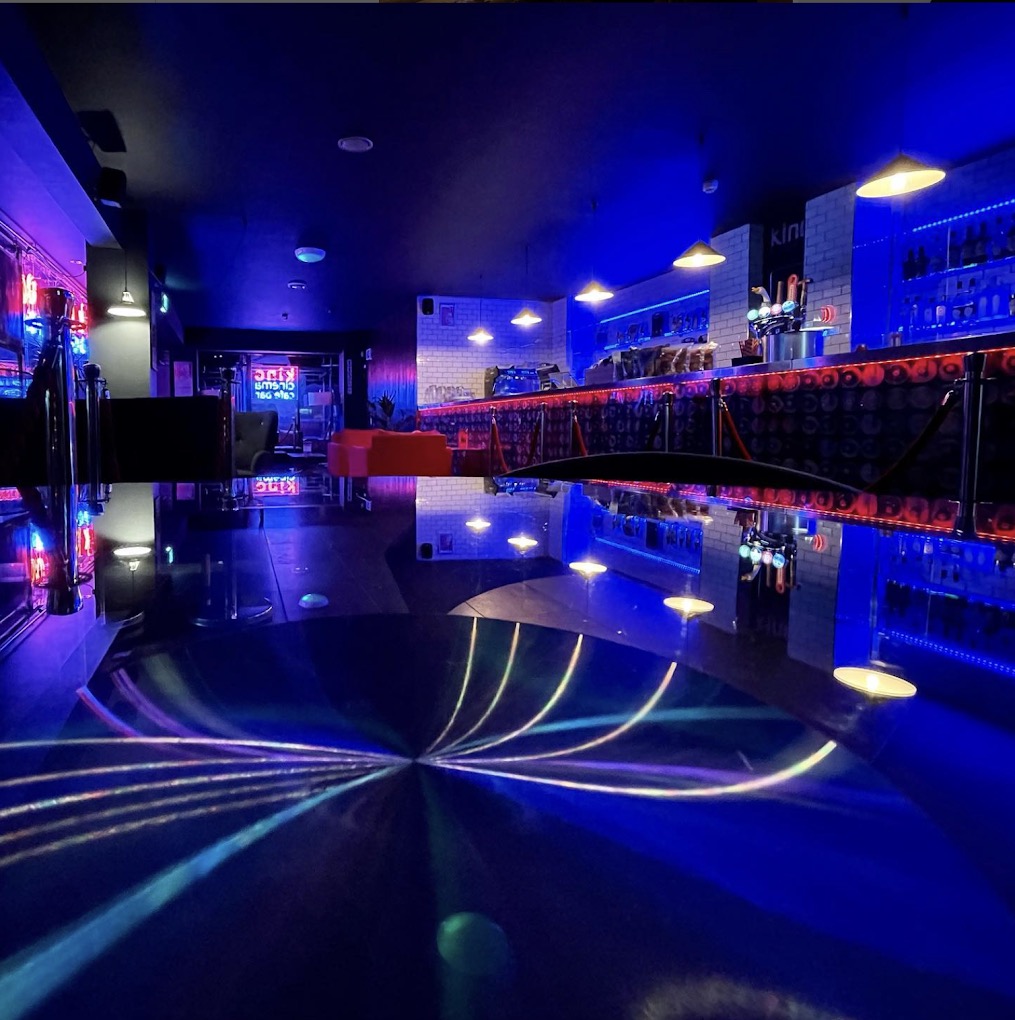
Stepping inside, it became immediately clear that this is no ordinary picture house. The Arzner feels less like a traditional cinema and more like a long-awaited living room for queer film lovers — and, I should add, for anyone who simply loves great cinema. This is not an exclusive “gay bubble”; it is a welcoming, inclusive cultural space.

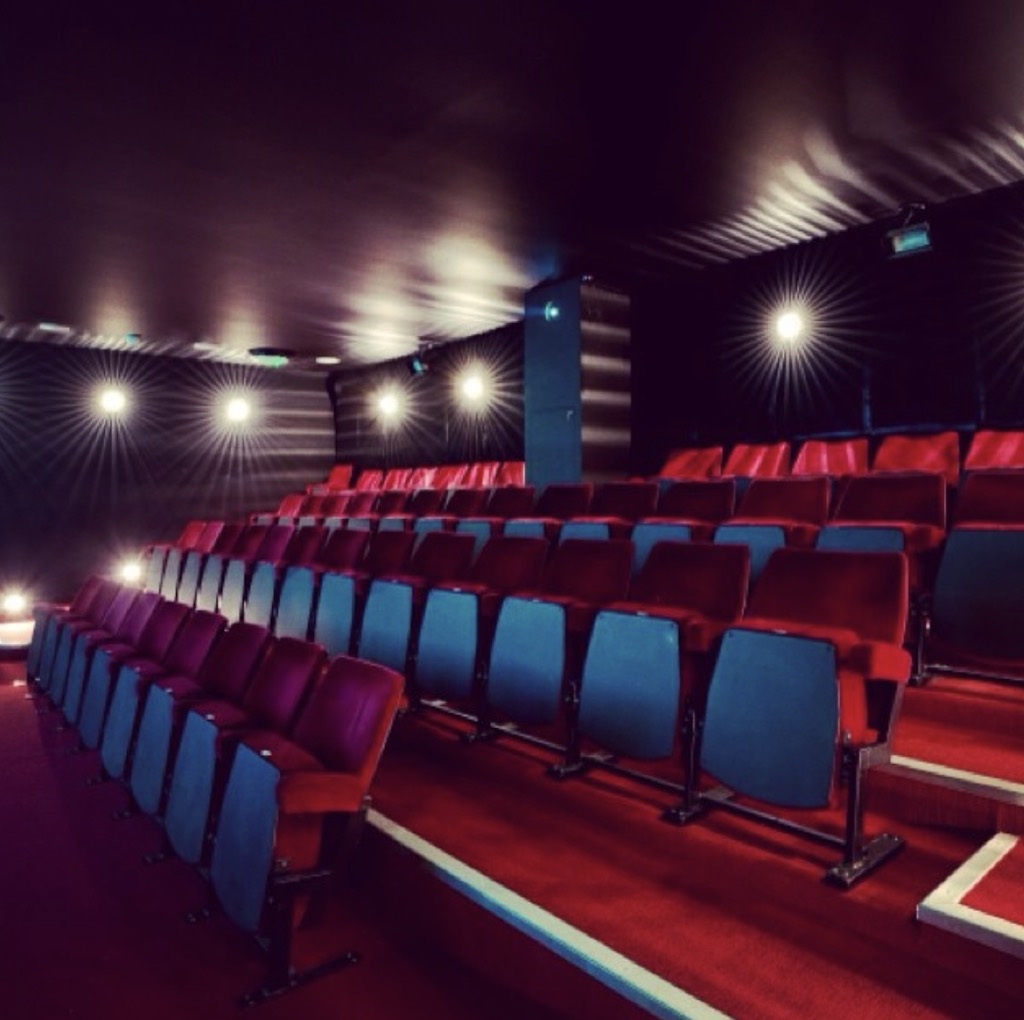
The low lighting, rich red tones, Everything here feels thoughtfully designed. And before you even enter the screening room, let me tell you: the bar is outstanding. From beautifully crafted cocktails to quality wines and excellent non-alcoholic options, it is easily five-star. Arrive early, or even pop in just for a drink — you won’t regret it.

https://thearzner.com/TheArzner.dll/Home

Named after Dorothy Arzner, the trailblazing Hollywood director who forged a remarkable career as an openly gay woman during the studio era, the cinema wears its heritage proudly yet lightly. Portraits of queer cultural icons line the walls, drinks are passed across the bar, and familiar faces greet one another. Arriving alone, yet never feeling lonely, is one of the evening’s first quiet triumphs.

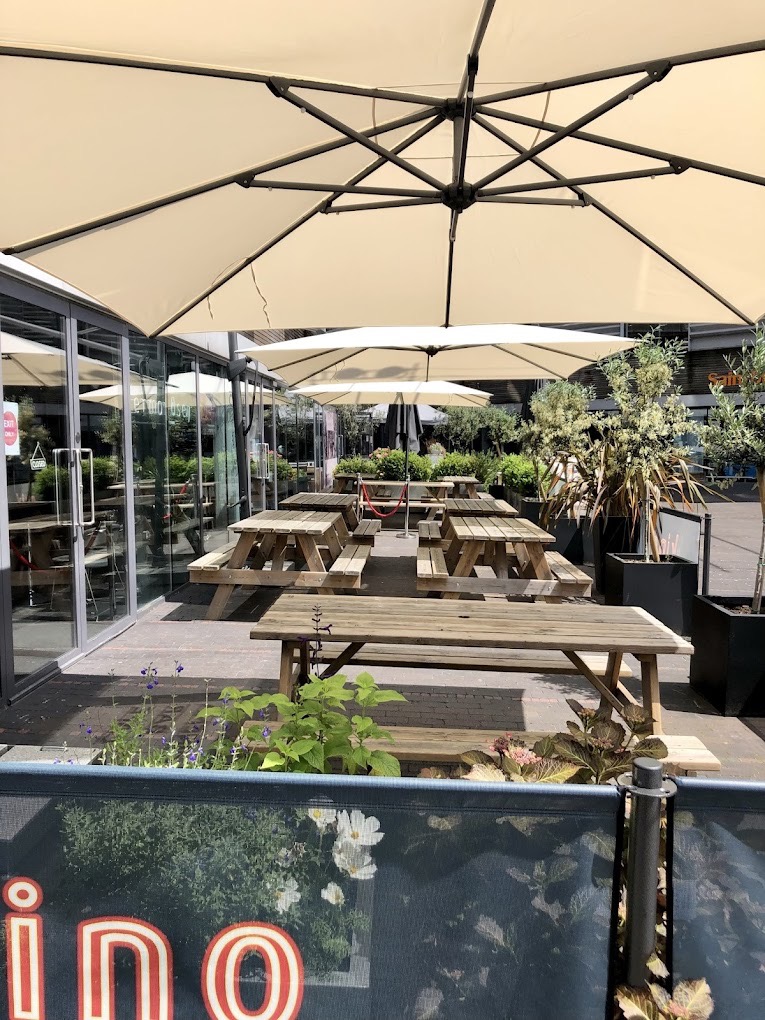
The venue occupies the former site of Kino Bermondsey, but any sense of corporate uniformity has been replaced by a carefully curated personality. Its programming is unapologetically queer, spanning restored classics, contemporary independent releases, international features, and short-film showcases that amplify emerging LGBTQ+ voices.

On this particular Friday, I had been invited by my friend Amy Rose, an artist and one of the organisers of the London Fetish Film Festival. Now, before anyone gets their knickers in a twist, fetish cinema has grown significantly over recent decades, and this well-established three-day festival is now in its seventh year. The eclectic crowd alone demonstrated just how diverse and fascinating the scene has become.

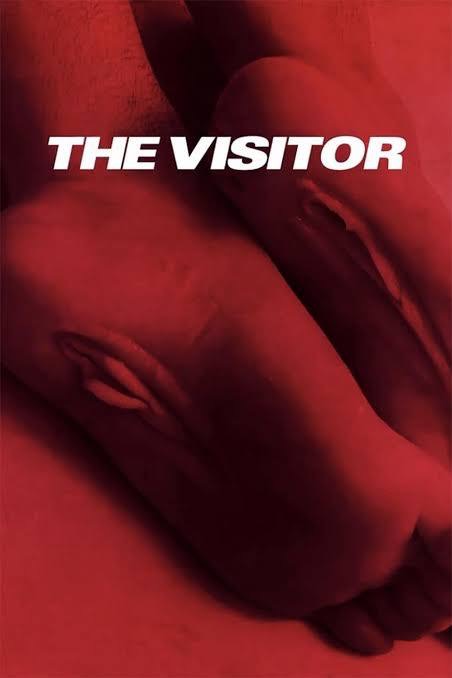
The first film I saw, The Visitor (2024), featured stunning cinematography and a memorable soundtrack. Imagine Federico Fellini meeting an early, less camp version of John Waters — complete with what may be the worst wig in cinematic history. Even Divine might have fainted. The screening was followed by a lively Q&A with director Bruce LaBruce.

On Sunday, the programme shifted to documentaries, which proved genuinely eye-opening. For anyone interested in sexuality, identity, and the human mind, these films are well worth exploring. The performers and contributors certainly went the extra mile.

What truly distinguishes The Arzner is its atmosphere. The buzz is friendly and eclectic. Mainstream cinemas can often feel anonymous, even indifferent, but here the staff introduce films with genuine enthusiasm, sharing details about upcoming themed nights and community events.

Regular special screenings, Q&As, and curated seasons ensure that the cinema is not a passing novelty, but an evolving cultural hub. Conversations continue long after the credits roll, with patrons lingering over drinks to debate performances and recommend future screenings. The line between audience and community beautifully blurs.

Technically, the cinema delivers on every level: crisp projection, balanced sound, and comfortable seating that rival any arthouse venue in the capital. Yet it is the emotional resonance that lingers most. Watching queer stories unfold in a room filled largely with LGBTQ+ viewers shifts the energy entirely. Applause feels communal rather than polite, and moments of silence carry collective meaning.

As I eventually stepped back into the rain — still wondering if it would ever end — I couldn’t help smiling at the thought of Noah popping in for “just one cocktail” before watching Brat, the Charlie XCX film, and joking about building an ark by closing time.

Spending time at The Arzner felt like a privilege. It is not merely London’s only LGBTQ+ cinema; it is a statement of permanence and pride in a city where queer spaces have too often been lost to redevelopment. By offering a year-round home for queer film, it provides something far more enduring than novelty.

It offers visibility, celebration, and the simple, radical pleasure of seeing one’s community centred on screen.

And I, for one, am very much looking forward to going back. ps there even a pop up greeting from Stephen Fry to kick your night off ,

https://thearzner.com/TheArzner.dll/Home

Picture by Amy Rose.
Categories
Columns Lifestyle People

ART ATTACK

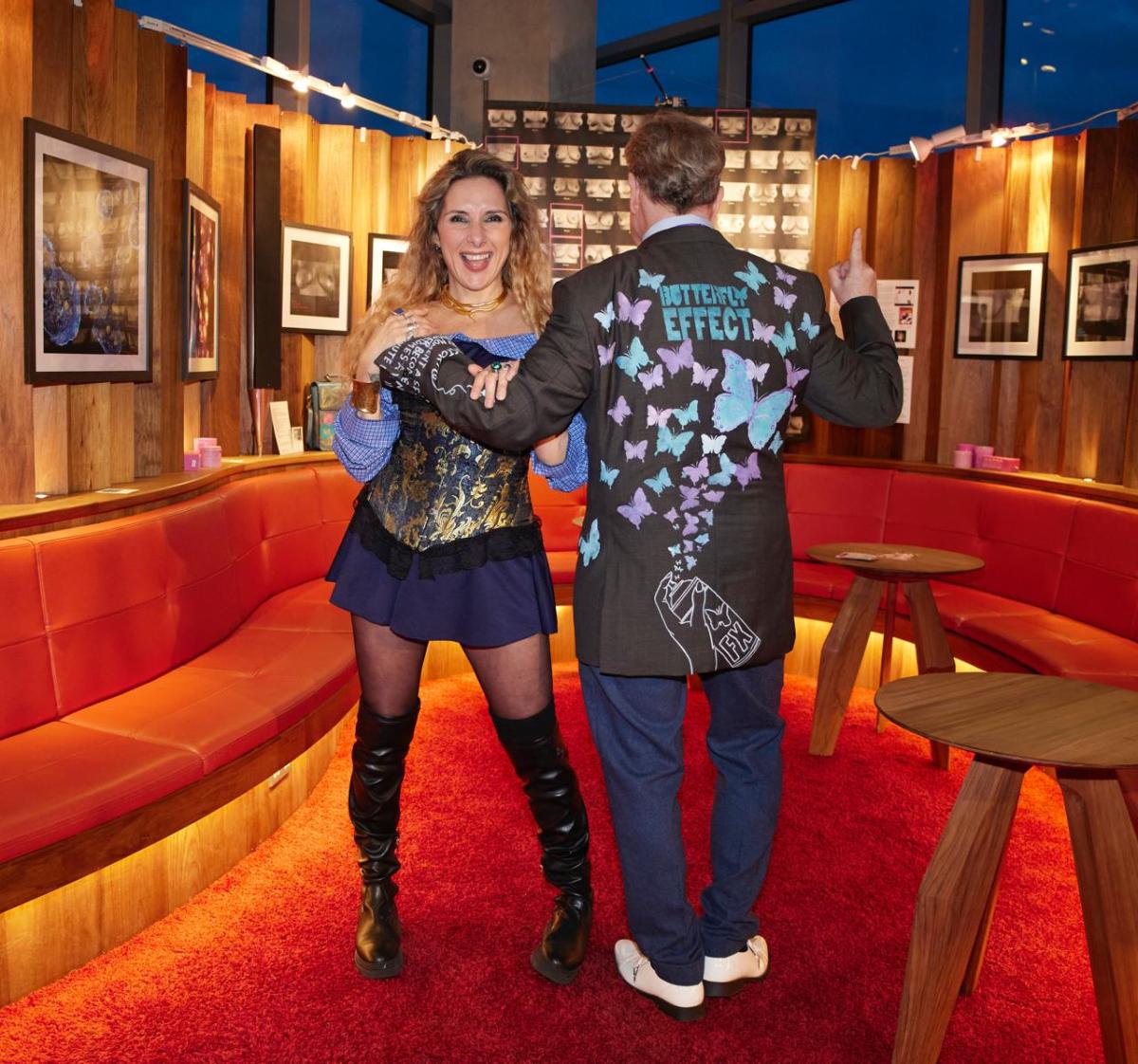
Piluca turns me into a walking piece of art . https://www.pilucaworld.com

https://www.pilucaworld.com

ART ATTACK

https://www.pilucaworld.com

Become a Walking Piece of Art

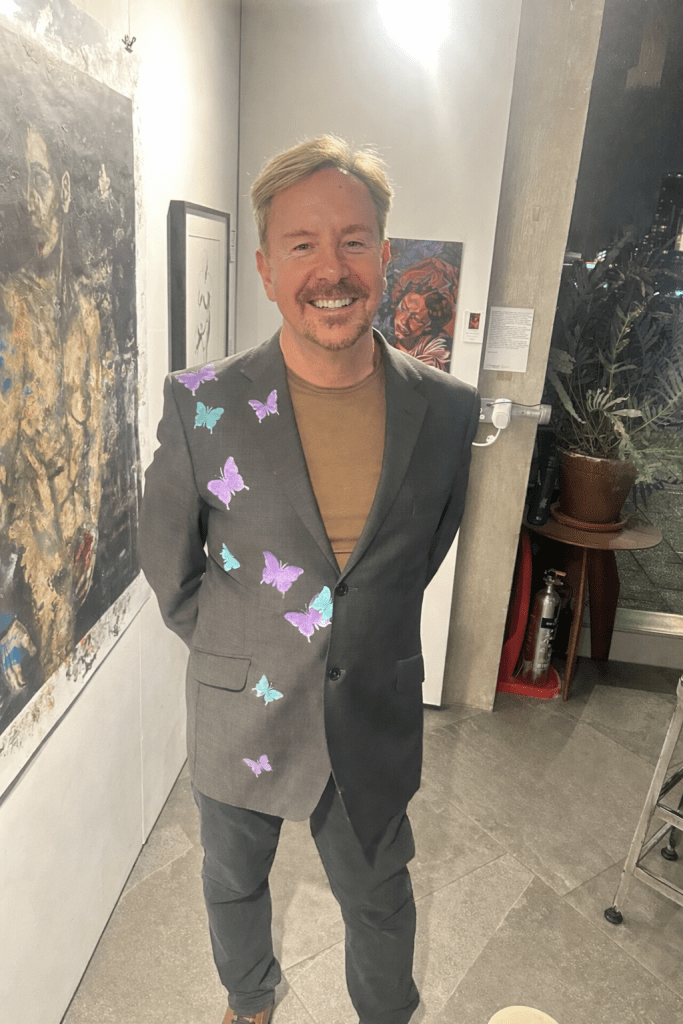
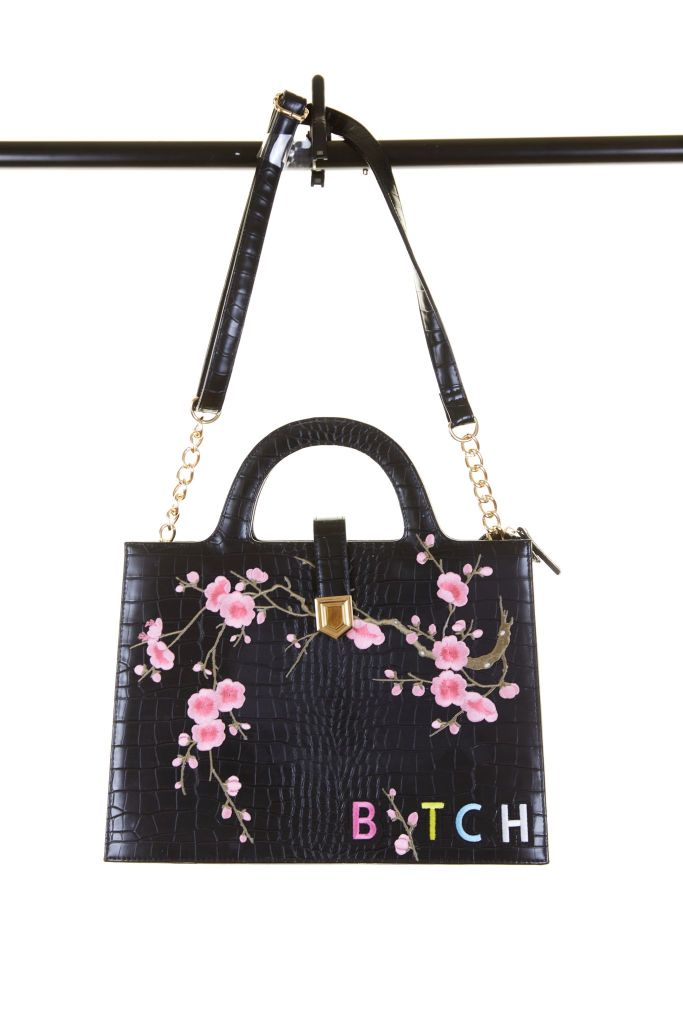
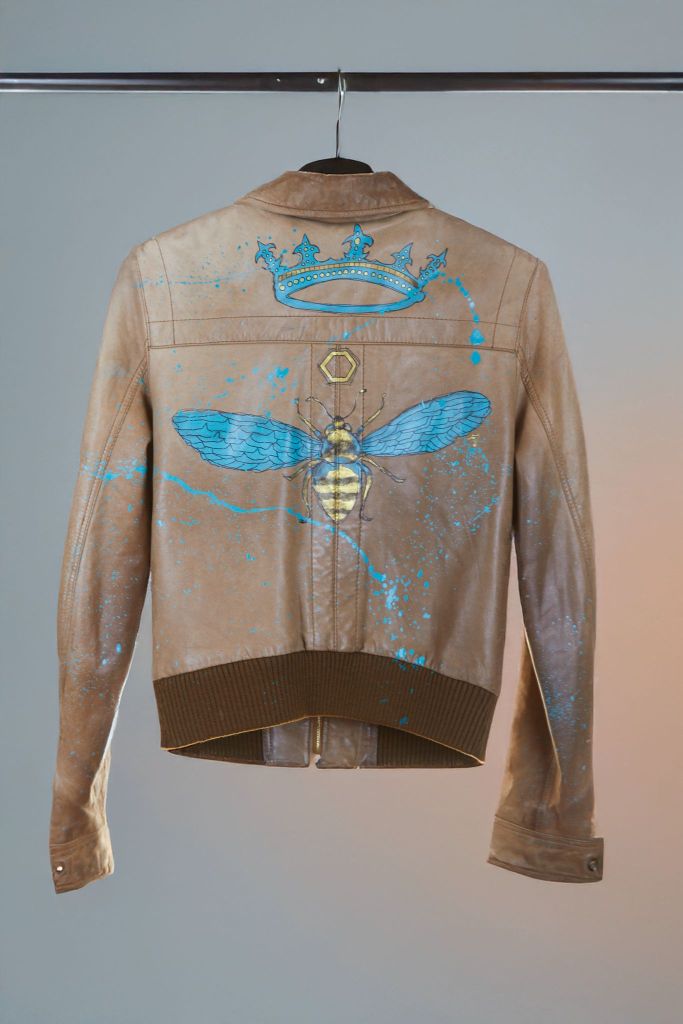
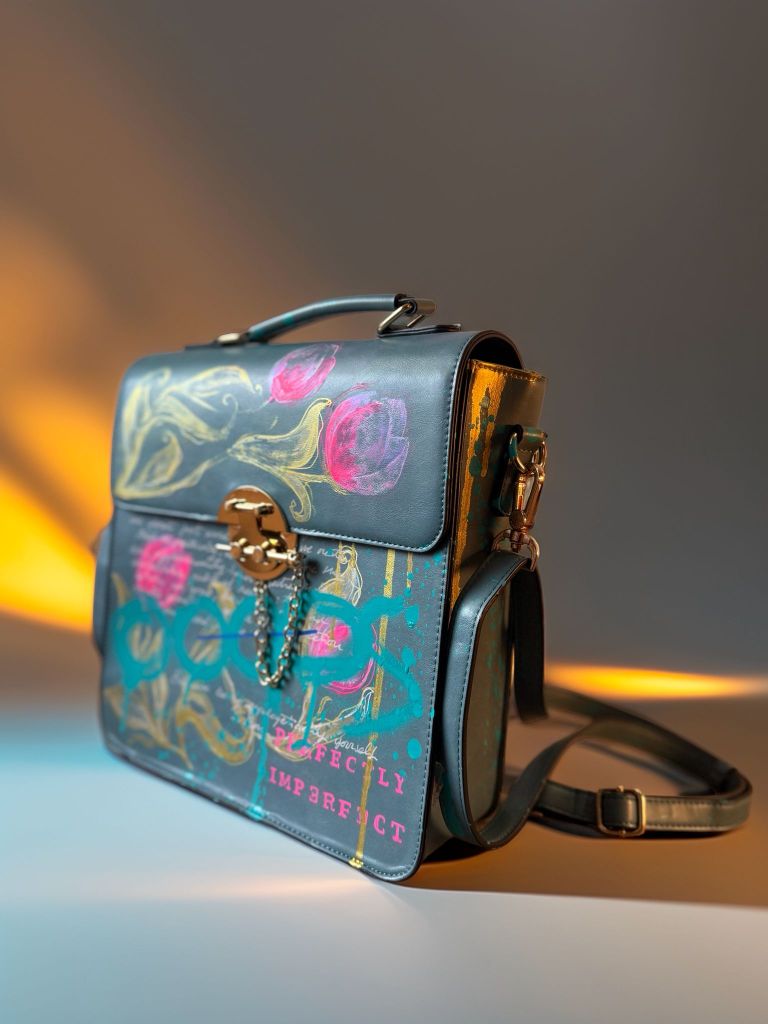
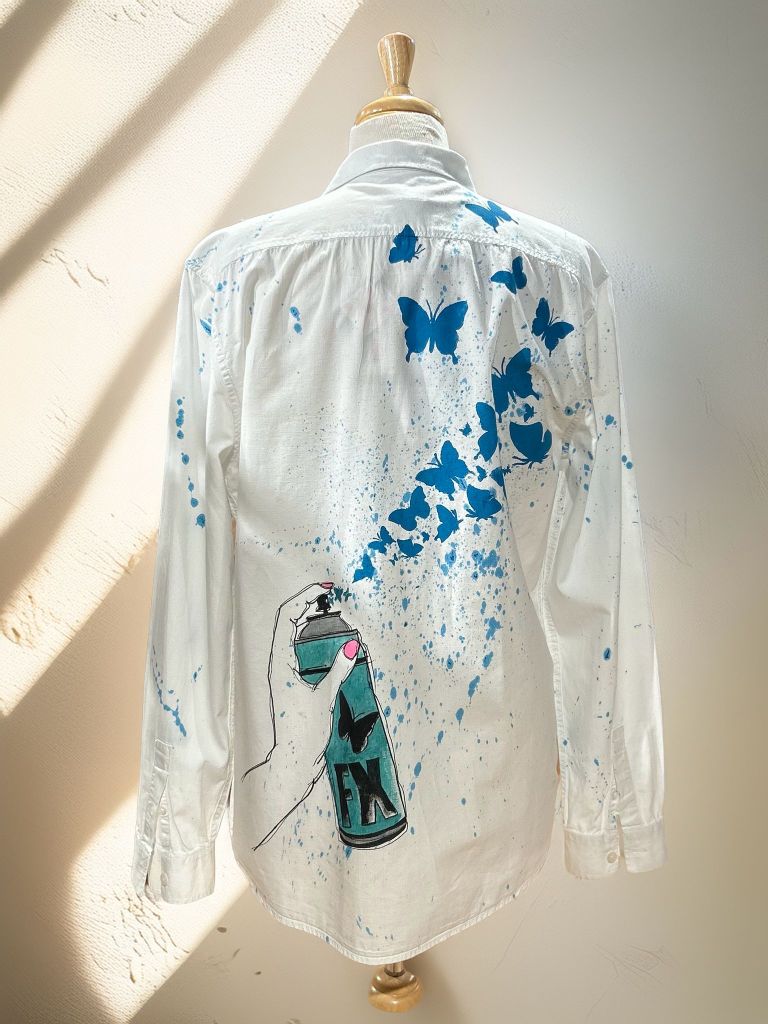
It is not often that my expectations are blown completely out of the water. I attend enough launches, private views and glittering gatherings to think I’ve seen it all. But when one of my favourite artists offered to transform my rather ordinary jacket into a luminous, wearable work of art, I genuinely could not wait.

https://www.pilucaworld.com

The artist in question, Piluca, is nothing short of an explosion of style, colour and expressive beauty. Her work has always carried an emotional charge — bold, fearless and deeply personal — so the idea of that same energy being transferred onto clothing felt thrilling.

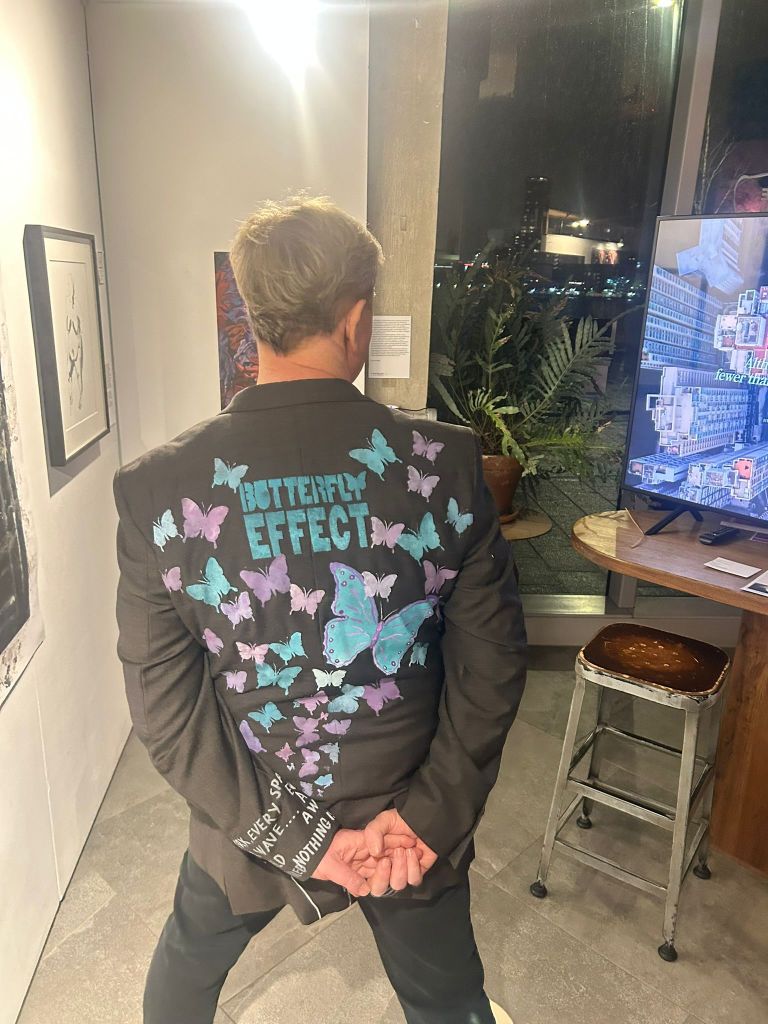
On the day my jacket arrived, it did not simply emerge from its garment bag — it flew. Butterflies in radiant, molten hues seemed to lift from the fabric itself. The colours shimmered; they danced. What had once been a safe, neutral piece hanging quietly in my wardrobe was now something entirely different: unapologetic, vibrant and uniquely mine.

https://www.pilucaworld.com

I debuted it at the Firepit Art Gallery, and the reaction was immediate. Conversations stopped mid-sentence. There was an audible gasp — the kind that cannot be choreographed or faked. People did not just glance; they stared. And then they smiled. In a world saturated with fast fashion and predictable trends, this jacket felt alive. It was not simply worn — it was experienced.

https://www.pilucaworld.com

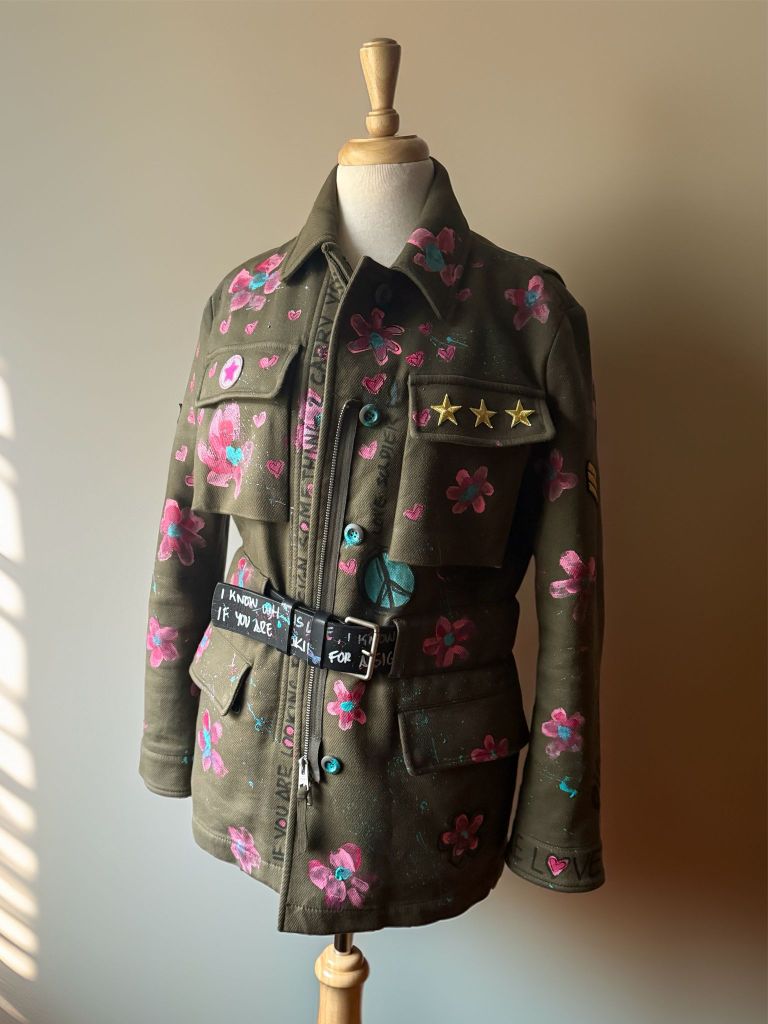
Many artists attempt to translate their canvases into clothing lines, and some do so very successfully. Yet too often the result feels commercial, diluted or mass-produced. With Piluca, there is no dilution. She paints her soul. What makes her wearable pieces so compelling is that they are not reproductions or prints — they are one-offs. Each jacket is individually hand-painted, making every commission entirely unique. You are not buying fashion; you are investing in a singular artwork that happens to move with you.

Of course, I had practical concerns. “What if it rains?” I asked, imagining colour running dramatically down my sleeves. Piluca reassured me that the materials and finishing processes mean the jacket can be worn in all weather conditions and even professionally cleaned. This was not delicate theatre costume — it was durable, living art designed for real life.

https://www.pilucaworld.com

The following evening, I wore it to a party. I barely made it through the door. Guests stopped me repeatedly to ask where it was from, who had created it, and how they could commission one of their own. It became a conversation starter, a connector, a declaration. The jacket did what great art always does — it sparked emotion.

In an era where personal style can sometimes feel algorithm-driven and predictable, becoming a walking piece of art feels quietly revolutionary. With Piluca, fashion is not about blending in. It is about standing tall, telling your story, and wearing your individuality with pride.

https://www.pilucaworld.com

Price Guide

Jackets

  • Custom paint on a jacket you provide (simpler designs):
    From £250–£400
  • Sourced jacket with a medium-complexity painted design:
    From £450–£700
  • Highly detailed statement jackets, leather pieces, large back artworks, or designs with stones and embellishments:
    From £650–£1,200

Other Garments and Accessories

I also create custom hand-painted pieces on bags, shirts, trousers, boots, trainers, and hoodies.

  • These commissions generally start from £150, increasing depending on the size of the piece, level of detail, and materials used.

Pricing & Quotes

All prices are indicative. Each piece is quoted individually once I understand your concept, the garment, and the level of detail you’re looking for.

If you’d like a personalised quote, please let me know:

  • What item you’d would like customised
  • Whether you already have the garment or would like me to source one
  • The design style, theme, or overall feeling you have in mind

I’m always happy to discuss ideas and explore creative options before confirming a commission.

https://www.pilucaworld.com

Categories
Columns Culture Lifestyle People

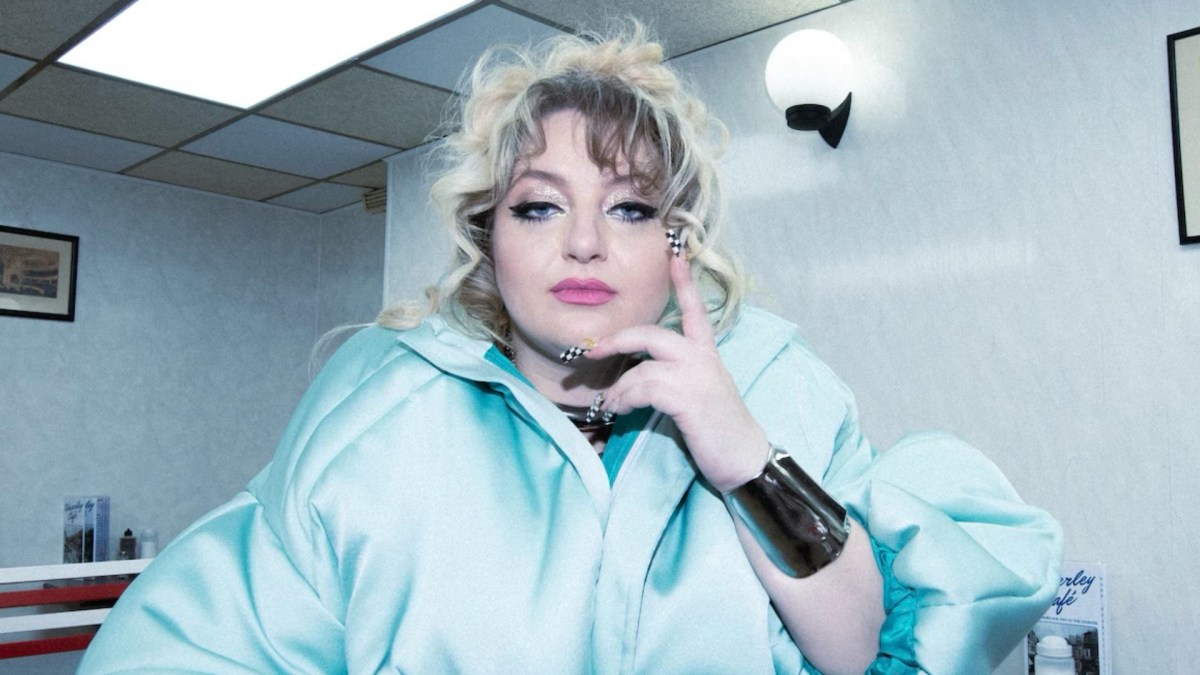
Why MEEK Is Destined for Global Superstardom

https://www.youtube.com/watch?v=x-FLnQrUGTc&list=RDx-FLnQrUGTc&start_radio=1

Why MEEK Is Destined for Global Superstardom

Among the many remarkable talents emerging from Britain’s vibrant and ever-evolving music scene, there are rare artists who make you stop, listen, and instantly want to know more. Those moments are special. They are the moments when you sense that something extraordinary is unfolding.

Recently, I had one of those momentswith MEEK, the Brixton-born singer who is quietly, and confidently, carving out her own space in pop music. One listen to her debut single, Fabulous, and I found myself putting down my latte and leaning in closer, eager to discover the voice behind the sound.

Fabulous, taken from her debut EP, is more than just an introduction—it is a statement of intent. From the very first notes, MEEK announces herself as an artist who understands exactly who she is and what she wants to express. Her voice is clear, confident, and emotionally resonant, drawing listeners in with effortless charm. There is a richness to her tone that feels both contemporary and timeless, blending modern pop sensibilities with classic showmanship.

Beyond her vocal talent, MEEK possesses something far rarer: presence. She commands attention without trying too hard. There is humour in her delivery, intelligence in her lyrics, and a distinctive style that makes her impossible to ignore. Watching her perform, you don’t simply hear a song—you experience a personality. Every gesture, expression, and note feels intentional, crafted to connect with her audience.

It would be easy to label her “the British Lady Gaga,” and while there are certainly echoes of boldness, theatricality, and fearless self-expression, such a comparison is ultimately limiting. MEEK is not following in anyone’s footsteps. She has developed her own musical identity—one that blends pop, performance, and personality into something refreshingly original. Her songs feel deeply personal yet universally relatable, celebrating individuality while inviting everyone along for the journey.

What also stands out is her natural ability to create joy. Her music is uplifting without being shallow, playful without losing depth. Fabulous is not just an anthem of confidence; it is a reminder that embracing who you are can be both powerful and fun. In an industry often driven by trends and formulas, MEEK’s authenticity feels like a breath of fresh air.

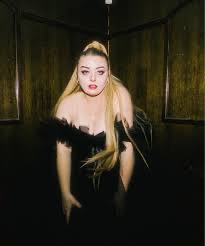
Crucially, she embodies the qualities of a modern pop icon: inclusivity, self-belief, creativity, and courage. She speaks to a generation that values honesty and representation, and she does so with glamour, wit, and heart. It is no surprise that many already see her as a potential LGBTQ+ icon in the making.

With her talent, charisma, and clear artistic vision, MEEK is not just another promising newcomer—she is an artist with global potential. If Fabulous is any indication of what lies ahead, this is only the beginning of a remarkable journey. The world should pay attention. A star is rising, and her name is MEEK.

Categories
Columns Culture Lifestyle People

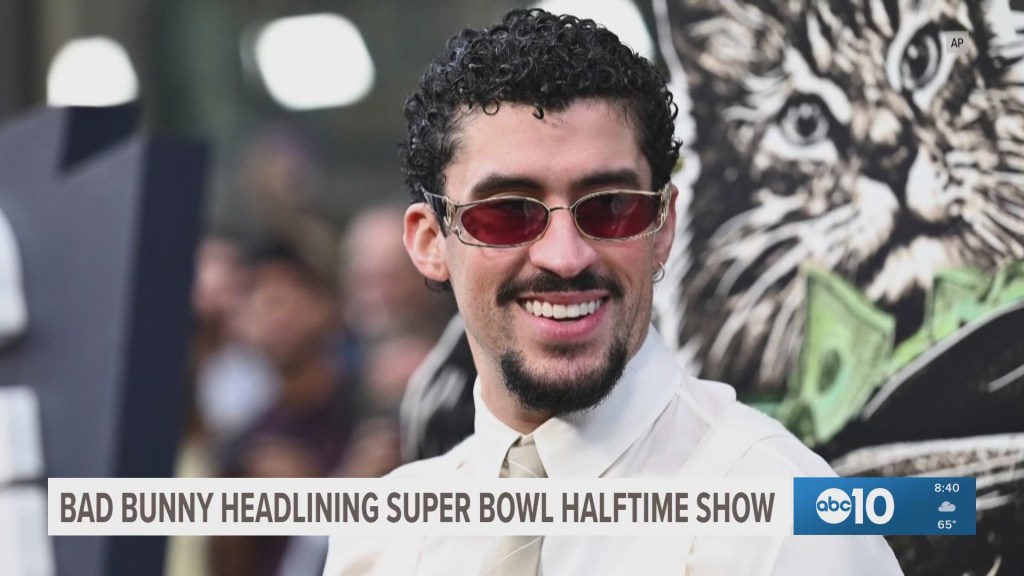
Why the World Has Fallen in Love with Bad Bunny


Why the World Has Fallen in Love with Bad Bunny

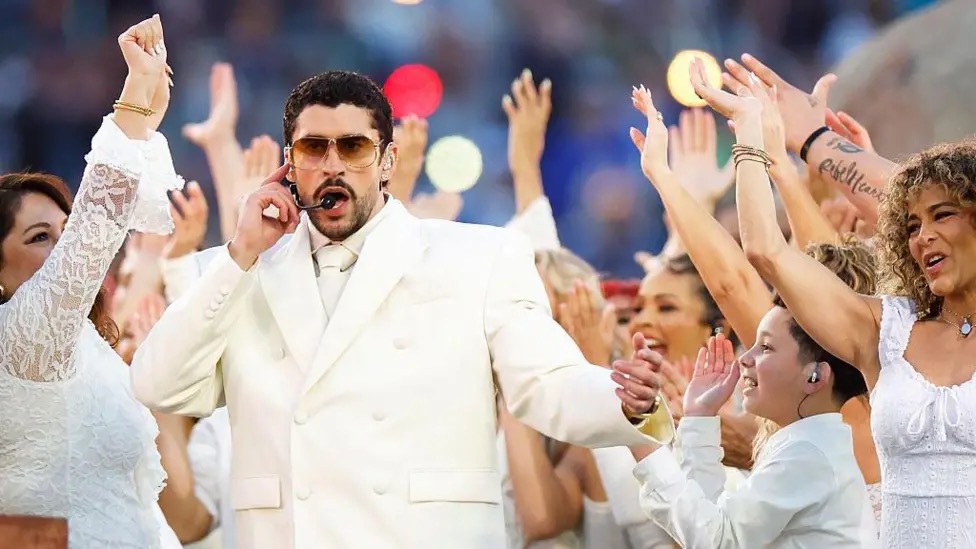
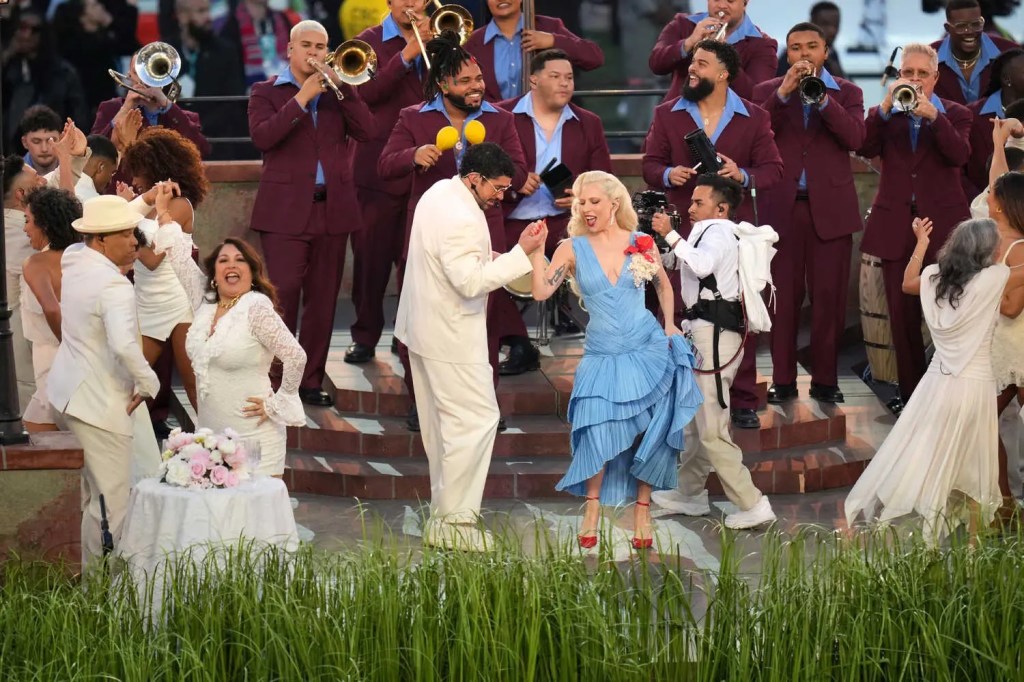
An amazing Super Bowl half time show with Bad Bunny and lady Ga Ga

For just over thirteen unforgettable minutes, Bad Bunny showed the world what America can be at its very best.

In an era too often dominated by division, fear and noise, the Puerto Rico–born megastar delivered something rare and precious: a performance rooted in empathy, diversity, unity and love. It was a reminder that kindness still matters. That culture still connects us. And that music, when created with honesty and heart, has the power to heal.

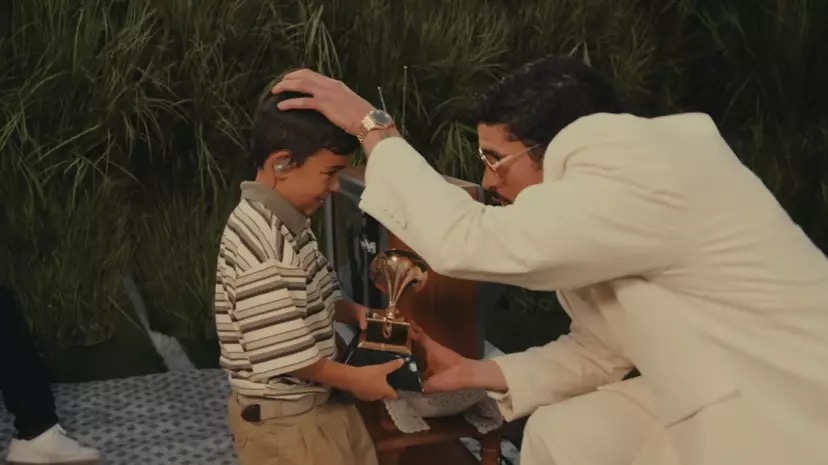
Watching his Super Bowl performance, I felt goosebumps ripple through me. It was one of those rare moments that catches you off guard — when entertainment quietly becomes something deeper. Tears welled in my eyes, not just because of the spectacle, but because of what it represented. When Bad Bunny, born Benito Antonio Martínez Ocasio, later handed his Grammy trophy to a young boy, it symbolised everything he stands for: generosity, humility, hope, and the belief that success means very little if you do not lift others with you.

Only a week before that performance, he had achieved another historic milestone, winning multiple Grammys and securing Album of the Year for a Spanish-language record — the first time in the ceremony’s history. It was far more than a personal triumph. It was a cultural moment. It declared, loudly and clearly, that Spanish-speaking artists, stories and voices belong at the very centre of global culture.

A Voice for Millions

Bad Bunny represents more than music. He represents identity.

Over 50 million Americans speak Spanish, and many millions more around the world share that language. For decades, their stories were often pushed to the margins. Today, through artists like Bad Bunny, those voices are finally being heard — not as niche or alternative, but as mainstream, powerful and essential.

What makes his music so extraordinary is that you do not even need to understand every word to feel its impact. I have sat in operas sung in German and Italian and been deeply moved without speaking either language. Music, at its best, transcends translation. It lives in rhythm, tone, emotion and feeling.

Bad Bunny’s songs do exactly that. They make you want to dance. They make you want to smile. They make you want to belong. They invite everyone into the room — regardless of age, background or nationality — and say, “You are welcome here.”

That sense of inclusion is no accident. It is the foundation of his work.

More Than a Performer

What truly sets Bad Bunny apart is not just his talent, but his courage.

He has consistently challenged stereotypes around masculinity, fashion and identity. He wears nail polish. He experiments with clothing. He speaks openly about mental health. He advocates for LGBTQ+ rights. He stands up for his community when injustice strikes. And he does so without preaching, without arrogance and without apology.

In doing so, he has become a role model for millions who may never have seen themselves reflected in mainstream culture before. Young men who felt pressured to hide their softness. Young people who felt different. Young artists who wondered if there was space for their voice.

Bad Bunny proves that there is.

And that authenticity is not weakness — it is strength.

A Night of Healing

His Super Bowl performance was not just entertainment. It was a tonic for the soul.

At a time when many Americans — and people across the world — are grappling with uncertainty, financial pressure, social division and emotional fatigue, the show offered something desperately needed: joy.

It reminded us what it feels like to be united by a shared moment. To laugh, cheer, sing and dance together. To forget our worries, even briefly, and simply exist in celebration.

That is the true power of culture. It builds bridges where politics builds walls.

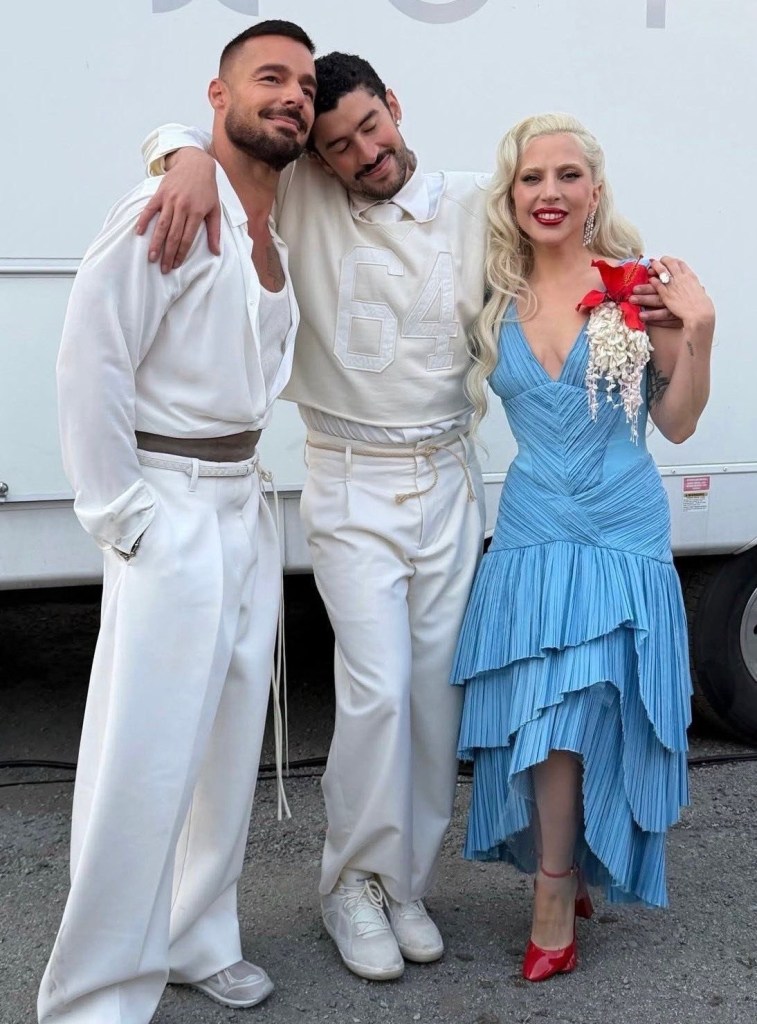
truly beautiful as love came together Lady Ga Ga , Ricky Martin and Bad Bunny ,

Standing Among Legends

Bad Bunny was not alone in delivering that message.

Lady Gaga’s performance of Hold My Hand was another beacon of light — a moving tribute that honoured courage, compassion and resilience. Her voice carried both strength and vulnerability, reminding us that patriotism is not about shouting the loudest, but about caring the deepest.

I was lucky enough to see Lady Gaga when she was just starting out, performing at Wilton Manors’ Bill’s Filling Station. Even then, she had that unmistakable spark — that sense of destiny. Watching her now, on one of the biggest stages in the world, is proof that talent paired with integrity can take you anywhere.

Meanwhile, Ricky Martin joined Bad Bunny for a beautiful rendition of Lo Que Le Pasó a Hawaii. It was emotional, elegant and deeply symbolic — a meeting of generations, cultures and histories. Two Puerto Rican artists, united on a global stage, honouring their roots while embracing the future.

It was breathtaking.

A New Definition of Success

For years, success in the music industry was defined narrowly: English-language hits, a traditional image, predictable branding. Bad Bunny has shattered that formula.

He sings in Spanish. He blends reggaeton, trap, pop and Latin rhythms. He refuses to be boxed in. He puts his community first. And he remains grounded, despite global fame.

That is why people love him.

Not because he is perfect, but because he is real.

He celebrates his culture without excluding others. He embraces fame without losing humility. He challenges norms without seeking attention. And he gives back without seeking praise.

In a world obsessed with image, he offers substance.

Love Over Hate

Perhaps the most powerful message of all was the simplest: love wins over hate.

At a time when headlines are filled with anger and conflict, Bad Bunny’s presence said something different. It said that diversity is strength. That kindness is power. That unity is possible.

His performance was not political in the traditional sense. It was something better. It was human.

It reminded us that beneath labels and borders, we are all moved by rhythm, melody, emotion and story. We all want to feel seen. We all want to belong. We all want to hope.

And for thirteen extraordinary minutes, Bad Bunny gave us exactly that.

A Moment We Needed

Looking back, it truly was one of the finest Super Bowl halftime shows in history — not just for its production, but for its heart.

It was a celebration of heritage. A statement of inclusion. A masterclass in artistry. And a powerful reminder of why music matters.

Bad Bunny did not just perform.

He connected.
He inspired.
He healed.

And in doing so, he showed the world that greatness is not measured by charts or trophies alone, but by the lives you touch along the way.

In uncertain times, he gave us certainty.
In divided times, he gave us unity.
In weary times, he gave us joy.

And that is why the world has fallen in love with Bad Bunny.

Categories
Columns Lifestyle

ART ATTACK STEVEN MEETS Ernesto Romano a name worth seeking out.

https://ernestoromano.com

https://ernestoromano.com

And now for something completely different.

If you’re looking for art that truly stands out—something with edge, intellect and a distinct Italian flavour—then Italian-born artist Ernesto Romano is a name worth seeking out.

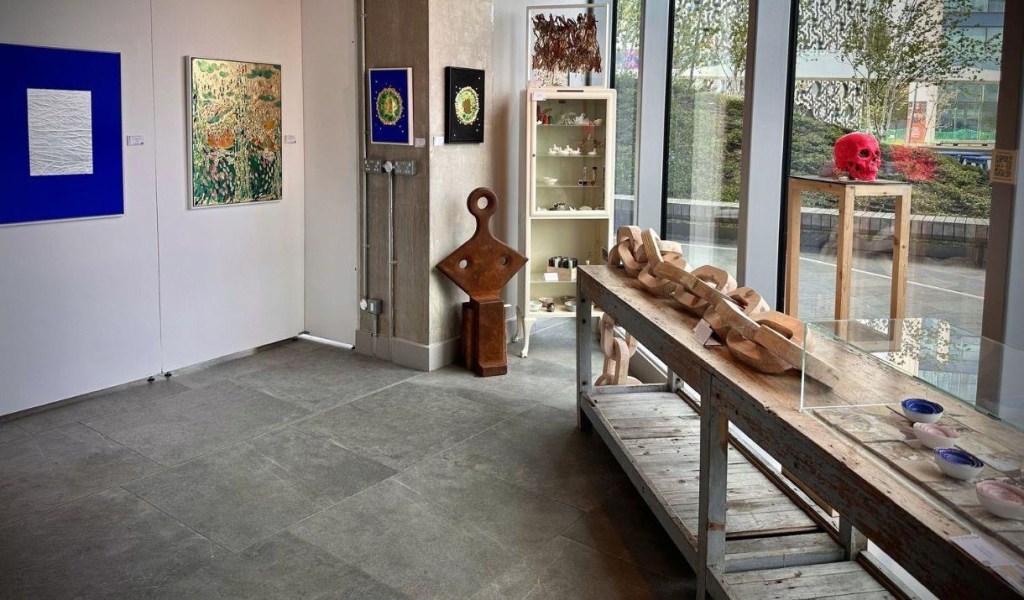
Romano lives and works in London, where his practice reaches far beyond the surface of the body and into its very core. Based at the remarkable FirePit Gallery, just moments from The O2, he creates work that is as visually seductive as it is intellectually provocative. This is the kind of art that stops people in their tracks—the portrait no one else has, and the talking point everyone wants.

https://ernestoromano.com

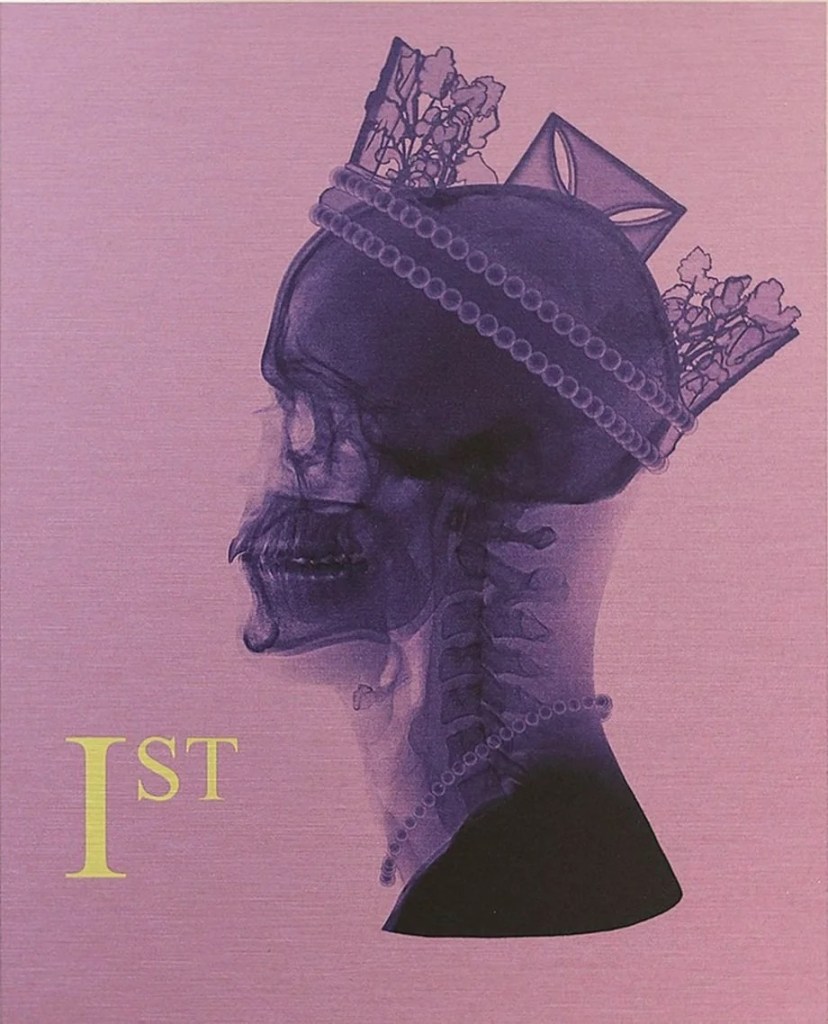
At the heart of Romano’s work is an extraordinary and deeply personal source material: his own medical records. X-rays, MRIs and internal scans of his body are transformed into striking, often playful artworks that quietly ask some of life’s biggest questions. “I am progressively dissecting myself,” he says with a smile. By stripping the body of its external markers—fashion, status, wealth and adornment—Romano reveals a powerful truth: beneath it all, we are equal. Bones, organs and neural structures carry no hierarchy. Jewels mean nothing here.

https://ernestoromano.com

And yet, paradoxically, jewels and decoration frequently appear in his work. Glitter, gold leaf and even diamond dust sit alongside stark medical imagery, creating a fascinating tension between what lies beneath the skin and the sparkle we use to present ourselves to the world. Bold colour is central to his practice, an influence he traces back to Pop Art, and for Romano, colour is inseparable from life itself. It is a celebration of being alive, of being human. You can easily imagine his work echoing the iconic glamour of Andy Warhol’s portraits of Marilyn, and being sought after by collectors and celebrities alike.

https://ernestoromano.com

Research plays a vital role in his creative process. Romano spends countless hours studying historical anatomical drawings, medical imagery and scientific material. He is also deeply inspired by documentaries about the Universe. Reflecting on humanity’s origins and our place within something so vast can feel overwhelming, he admits, but it is precisely that sense of scale that fuels his creativity. Big questions, after all, lead to bold ideas.

At the core of his practice is an ongoing, almost forensic exploration of his own body. Each project focuses on a different internal element, analysed, reimagined and transformed. His most recent work centres on the brain: a three-dimensional print created from an MRI scan converted into a digital 3D file. Next, he hopes, will be the heart—both literally and conceptually.

https://ernestoromano.com

Romano cites Damien Hirst as a key influence, particularly in terms of colour, though he is careful to stress that his admiration is selective. If he could own any artwork, Guido Reni’s Ecce Homo would be high on the list, while in the contemporary world he is drawn to the visceral, energetic paintings of Riccardo Cinalli, which he describes as full of carnality and pathos.

Originally trained as an architect, Romano brings a strong sense of proportion, balance and material awareness to his art. Architecture taught him the emotional power of simplicity, the relationship between order and chaos, and the importance of restraint. “Less is more,” he says, echoing Mies van der Rohe—a philosophy that underpins even his most glittering works.

Away from the studio, his passions are quieter but no less revealing. If he weren’t an artist, he would be a botanist. He grows flowers from seed and finds the process meditative—a gentle counterpoint to the intensity of his conceptual work. Electronic music provides the soundtrack to his studio hours, while Stephen Hawking’s The Universe in a Nutshellremains his favourite book, a fitting choice for an artist fascinated by existence, origin and meaning.

Looking ahead, Romano dreams of showing his work in unconventional settings. A techno club such as Berghain, housed in a former power station, feels like a natural fit—raw, industrial and immersive. He imagines his pieces on a monumental scale, backlit like giant lightboxes, vibrating with sound and energy. He has already made an international impact, having spent three months working in Shanghai, and his ambitions continue to expand globally.

Ask him where he sees himself in ten years and the answer is simple and quietly confident: at home, making exciting new work for another exhibition somewhere in the world, tea in hand, surrounded by plants. Always moving forward. Always creating.

https://ernestoromano.com

https://www.firepit.art

https://ernestoromano.com