
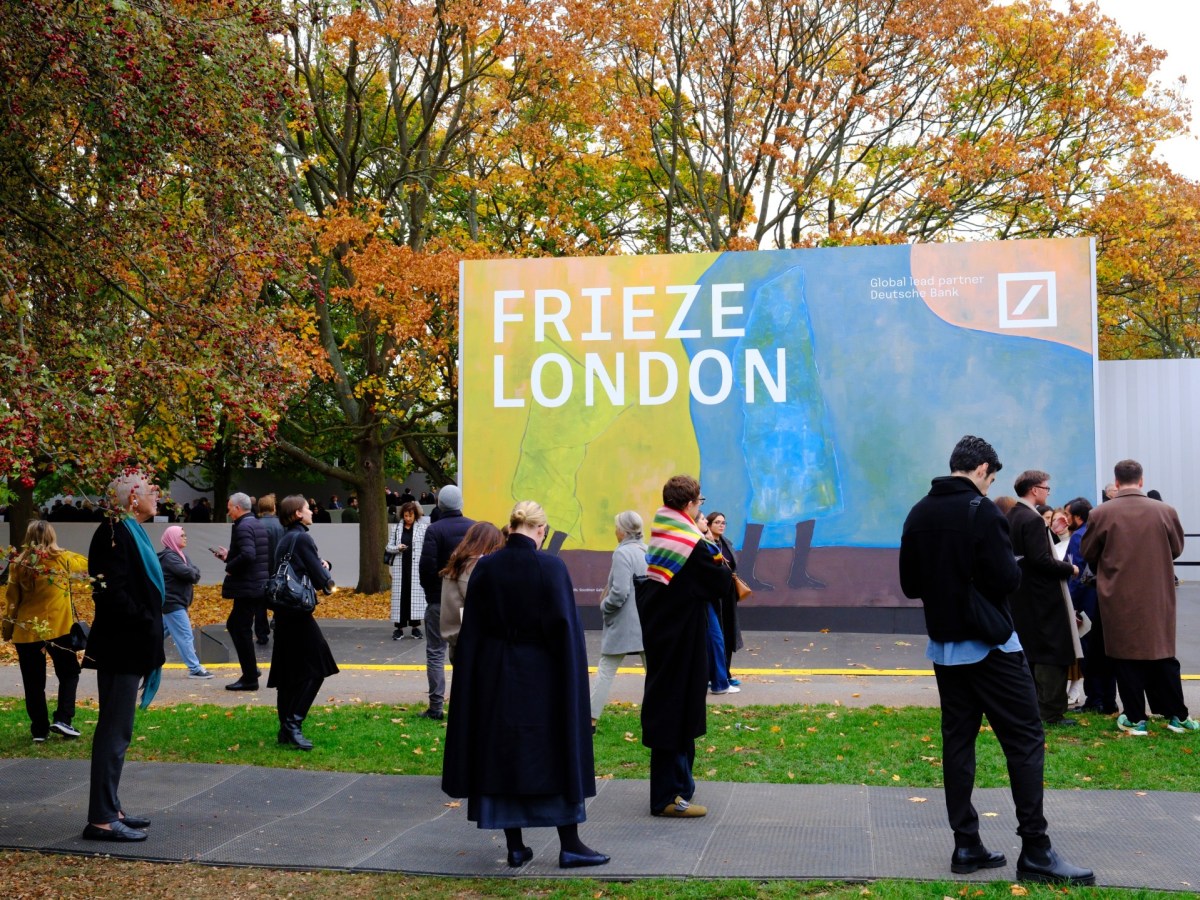
Frieze
By Steven Smith
“This was Frieze in its most mature form — calm, confident, and beautifully human.”
This October, Regent’s Park once again became the beating heart of contemporary culture, as London’s premier art fair returned with a noticeably more reflective air. Gone were the flashing lights and social-media gimmicks that once dominated the scene — in their place, a quiet confidence and an emphasis on meaning over market value. Frieze London 2025 proved that the true allure of art lies not in the roar of spectacle, but in surprise, sincerity, and the occasional whisper that lingers long after the tents come down.
A Quieter Kind of Dazzle
Each autumn, the white tents of Frieze rise like a sleek temporary city, drawing curators, collectors, and celebrities who glide between installations and champagne bars. But this year, something had shifted. The fair felt calmer — less about performance, more about purpose.
The tone was set from the outset. New entrance pavilions — elegant aluminium structures created by A Studio Between using 75 per cent recycled metal — signalled sustainability rather than status. It was a small yet telling gesture: Frieze has grown up.
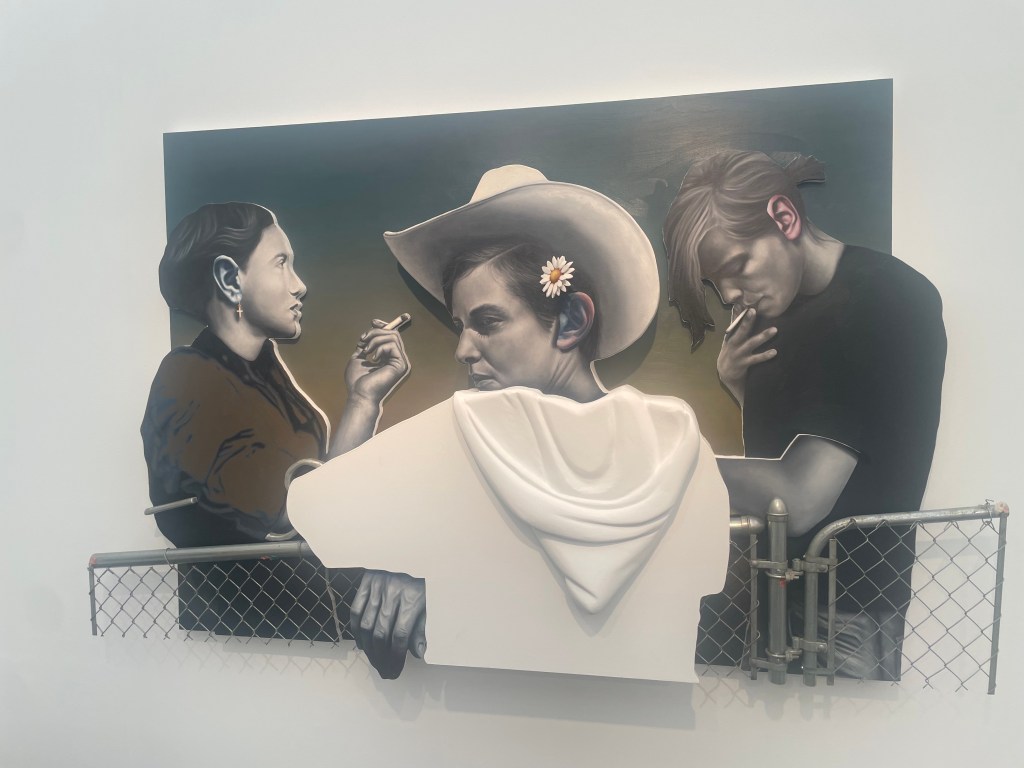
Inside, the fair’s redesigned layout provided space to breathe. Instead of the crowding and visual overload of previous years, this edition privileged air, light, and contemplation. And what stood out most was originality. You weren’t left thinking “Hirst homage” or “Bacon knock-off” — though artistic lineage was there — the work felt boldly its own.
“It’s still dazzling, but with a steadier gaze.”
A Fair with Focus

Frieze remains vast — more than 280 galleries across Frieze London and Frieze Masters — yet this year’s coherence was striking. Focus, the section dedicated to younger galleries, became its emotional anchor. Thirty-plus exhibitors explored climate, identity, displacement, and belonging with genuine urgency rather than opportunistic messaging.
One standout installation — a delicate shelter of reclaimed textiles and timber — spoke quietly yet powerfully of “home”. No gimmicks. Just humanity.
Even the major galleries opted for subtlety. Gagosian, Hauser & Wirth, and White Cube resisted spectacle in favour of introspection: small, thoughtful works that drew viewers in rather than overwhelming them.
“Frieze 2025 is a fair about stories, not stunts.”
The Market Mood
Frieze is both cultural pilgrimage and high-stakes shop floor — and the cooling market was impossible to ignore. Economic uncertainty has made collectors judicious, especially in Britain. Yet the fair thrived precisely because it did not mask reality.
Dealers confessed that sales were careful but consistent. Relationships mattered more than rapid-fire transactions. There was less frenzy, more trust — and with it, a sense of optimism that art still carries weight when times feel lean.
Art with Intention
What defined Frieze this year wasn’t a single blockbuster piece — but a collective tone of intentionality. Works spoke across booths about survival, memory, fragility, and the search for place.
Even architecture joined the conversation. Those aluminium pavilions — modest in shine yet rich in idea — mirrored the fair’s shift: modernism stepping into mindfulness.
Once known for glamour and provocation, Frieze has found its inner voice. No longer chasing viral moments, it invited something rarer: genuine attention.
“If previous years shouted, this one spoke — and everyone listened.”
Moments of Stillness
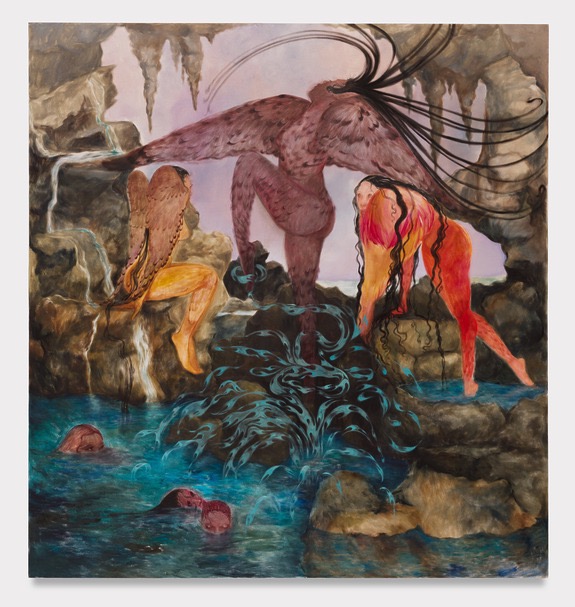
Frieze 2025 balanced buzz with calm. The chatter of negotiations coexisted with long, quiet looks. Visitors paused not because works were famous — but because they were interesting.
Climate anxiety, migration and belonging were recurring ideas, but handled with nuance rather than sloganising. There was vulnerability — a powerful antidote in a world polished to a shine.
Where It Wobbles
A fair this size still overwhelms. After several hours, even the sharpest eye risks softening into what insiders call “booth blur”. And while sustainability was championed, the contradiction of air-freighted masterpieces inside temporary architecture remains unresolved.
Yet for Frieze, these were growing pains — not failings.
“After three hours, the brain begins to flatten everything into booth blur — but somehow, this year, the art fought back.”
London’s Moment
Amid market turbulence, Frieze reaffirmed London’s role as the art world’s soulful heart. Where Basel can feel clinical and New York transactional, London offers intellect tempered with humour — grit paired with grace.
A temporary city in a timeless park: that is its poetry.

In the End
Frieze London 2025 was the grown-up edition — less showmanship, more sincerity. It favoured ideas over Instagram, meaning over money. It reminded us that great art doesn’t always demand attention. Sometimes it waits. Sometimes it whispers. And sometimes, if you pause long enough, it tells you exactly what you needed to hear.
“This was Frieze in its most mature form — calm, confident, and beautifully human.”

 2Shades Magazine