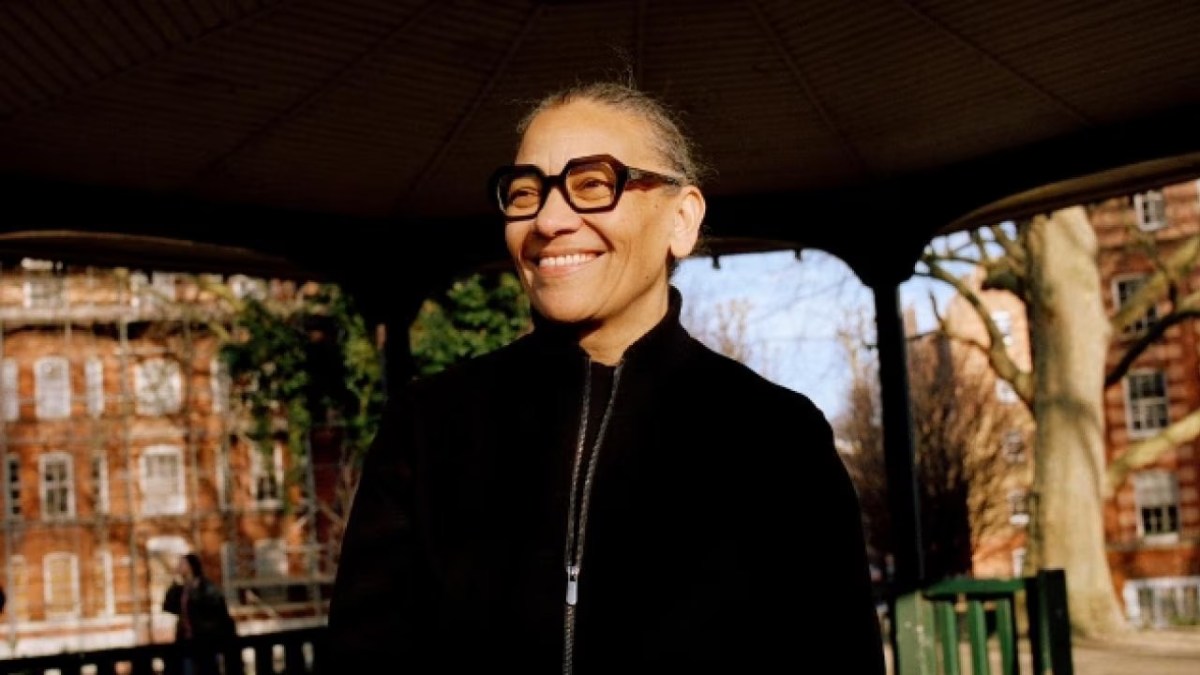
When news broke that Lubaina Himid RA, CBE would represent Britain at the 2026 Venice Biennale, the art world let out a collective cheer. At 72, the pioneering British artist—born in Zanzibar, based in Preston—has earned a place among the most influential voices of her generation. Her work, a dazzling blend of history, storytelling, and social critique, has long challenged the narratives that dominate Western culture, shining a light on the contributions of Black figures who have too often been overlooked.
Himid is no stranger to breaking ground. In the 1980s and 1990s, she curated trailblazing exhibitions like Five Black Women (1983) at London’s Africa Centre and The Thin Black Line (1985) at the ICA, putting Black female artists firmly on the map at a time when mainstream galleries barely noticed. Her daring vision earned her the Turner Prize in 2017, and a CBE followed in 2018, honours that recognise not just her artistry but her remarkable influence on the British cultural landscape.
And yet, Himid remains delightfully down-to-earth. On hearing of her Biennale invitation, she laughed, “with both disbelief and pleasure,” before reflecting on the opportunity:
“It is such a great honour and at the same time a brilliant and exciting opportunity to make something particularly special, which resonates with multiple audiences, communicates with complex histories, and looks to a more collaborative future.”
The Path to Venice
Being chosen to represent Britain in Venice is no small feat. The British Council, which manages the UK’s pavilion, conducts a rigorous selection process. Artists are nominated and assessed by curators, critics, and cultural institutions from across the country. Their proposals are scrutinised for artistic excellence, innovation, and international significance—a combination that signals not just mastery of craft, but an ability to spark conversation on a global stage. The final decision rests with the Pavilion Commissioner and the Visual Arts Advisory Group.
It’s a recognition that places an artist at the very pinnacle of contemporary British art, transforming their career and showcasing their vision to a global audience. For Himid, whose work thrives on dialogue, this platform offers a chance to create a profound, immersive experience in Venice’s historic spaces.
Reimagining the British Pavilion
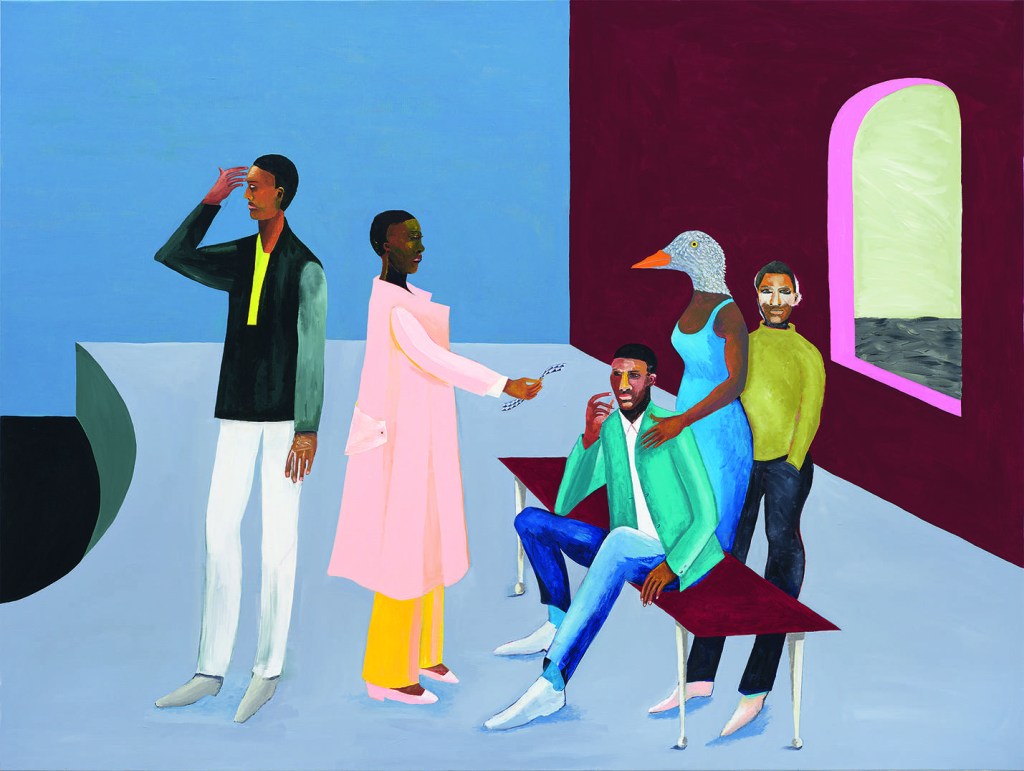
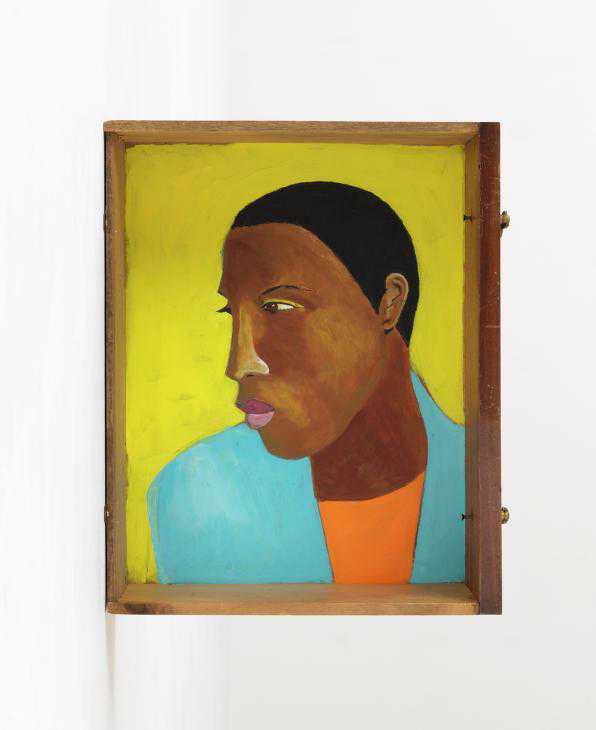
Himid is renowned for pushing the boundaries of painting, sculpture, and installation, fusing textures, narratives, and sound to construct spaces that feel alive, vivid, and socially urgent. Emma Dexter, Director of Visual Arts and the British Council Collection, describes Himid’s approach as “a radical optimism combined with incisive social critique,” noting that her exhibition will transform the Pavilion into a journey of discovery.
For Venice 2026, Himid’s work promises to be both playful and profound, intimate yet expansive—a conversation across centuries and continents, a reminder that history is never neutral, and that art can illuminate the stories we have forgotten.
From her early curatorial triumphs to her recent global recognition, Lubaina Himid has always worked at the intersection of history, identity, and imagination. Venice will be the latest—and most spectacular—stage for her audacious vision, a moment that promises to resonate far beyond the gilded canals and crowded pavilions of Italy’s floating city.
In 2026, the British Pavilion will not just exhibit art—it will tell a story, vibrant and urgent, through the eyes of one of Britain’s most brilliant and fearless artists.
Steven Smith was born in Coatbridge in Scotland. He was brought up in Whitley Bay, before briefly moving to London. He then moved to the seaside town of Brighton, where he was first receiver recognition for his hairdressing skills. Steven moved to America for eight years, working in Beverly Hills, and on his return to London in the late 90s, rose to fame working in fashionable Knightsbridge. He has styled model Katie Price, actress Denise Welch, David Hasselhoff and the cast of Baywatch. Steven had his own column in The Sun newspaper advising on hair and beauty, and was a regular on the Lorraine Kelly show, transforming GMTV viewers into their favourite stars. He made over Lorraine herself, transforming her into movie legend, Elizabeth Taylor.
Steven has been a freelance writer for the last ten years, combining showbiz interviews and travel with his eye for styling. He has written two books: Powder Boy, looking at the dark side of showbiz, and an autobiography: It shouldn't happen to a hairdresser, offering a witty and sad look at his life. He is currently penning a third book to be titled Happy in Chennai.
He has a monthly column, Tales of a single middle-aged gay man that looks at not only the light side of gay life, but also darker aspects such as rape, addiction, and chem-sex. Steven also runs his own beauty/aesthetic blog and is a patron of Anna Kennedy online; a charity that not only supports the autism community but educates the public about those that live with autism.