
And now for something completely different.
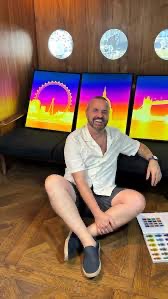
If you’re looking for art that truly stands out—something with edge, intellect and a distinct Italian flavour—then Italian-born artist Ernesto Romano is a name worth seeking out.
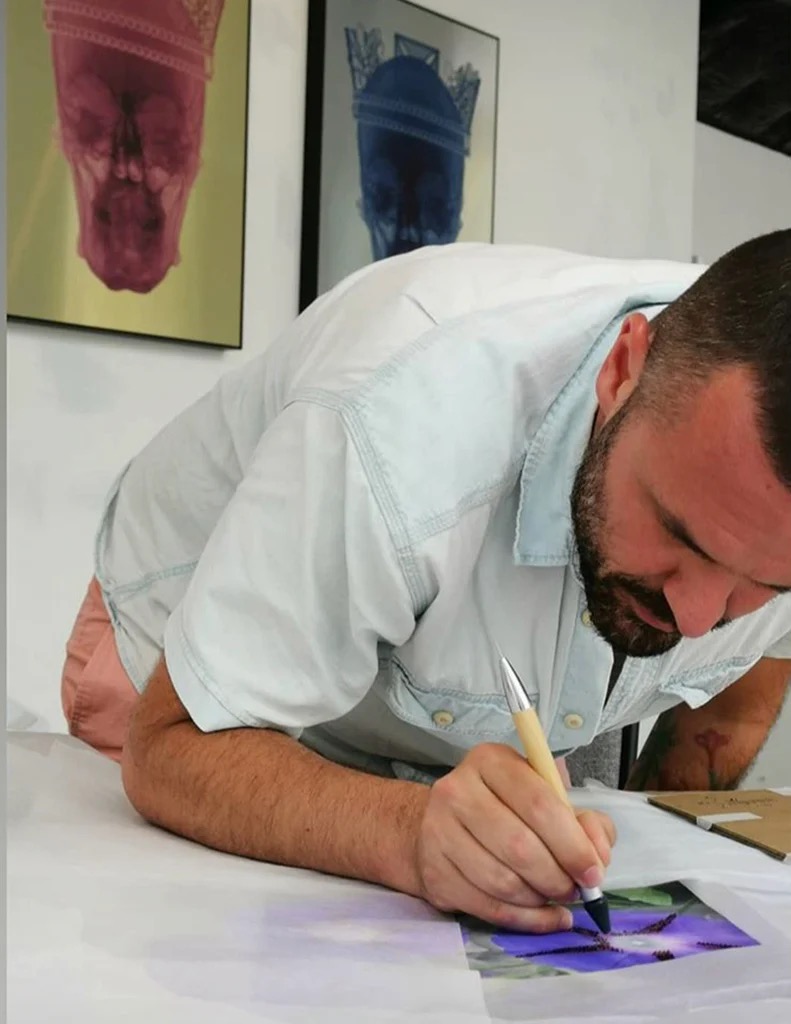
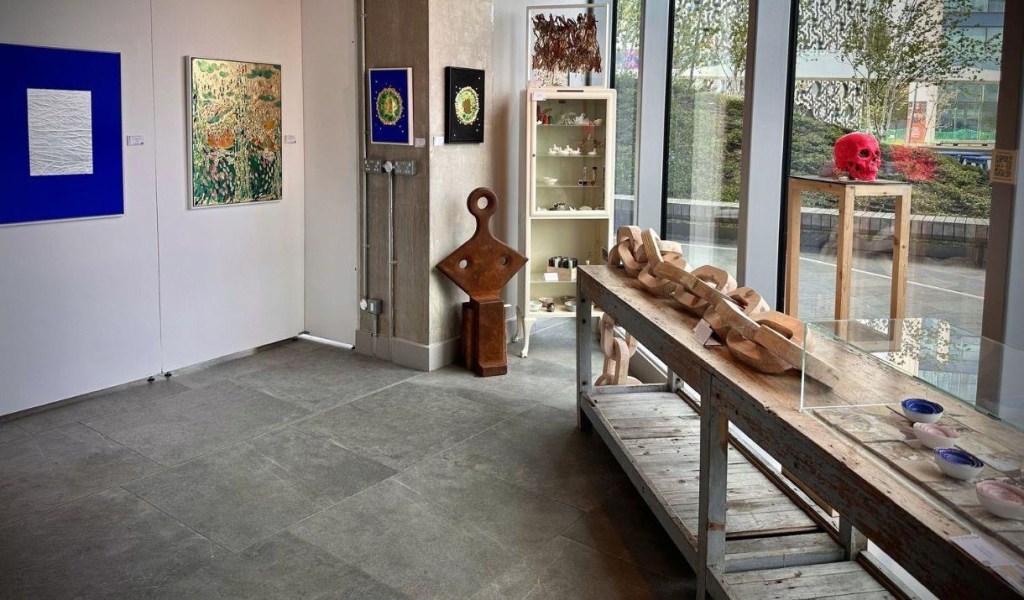
Romano lives and works in London, where his practice reaches far beyond the surface of the body and into its very core. Based at the remarkable FirePit Gallery, just moments from The O2, he creates work that is as visually seductive as it is intellectually provocative. This is the kind of art that stops people in their tracks—the portrait no one else has, and the talking point everyone wants.
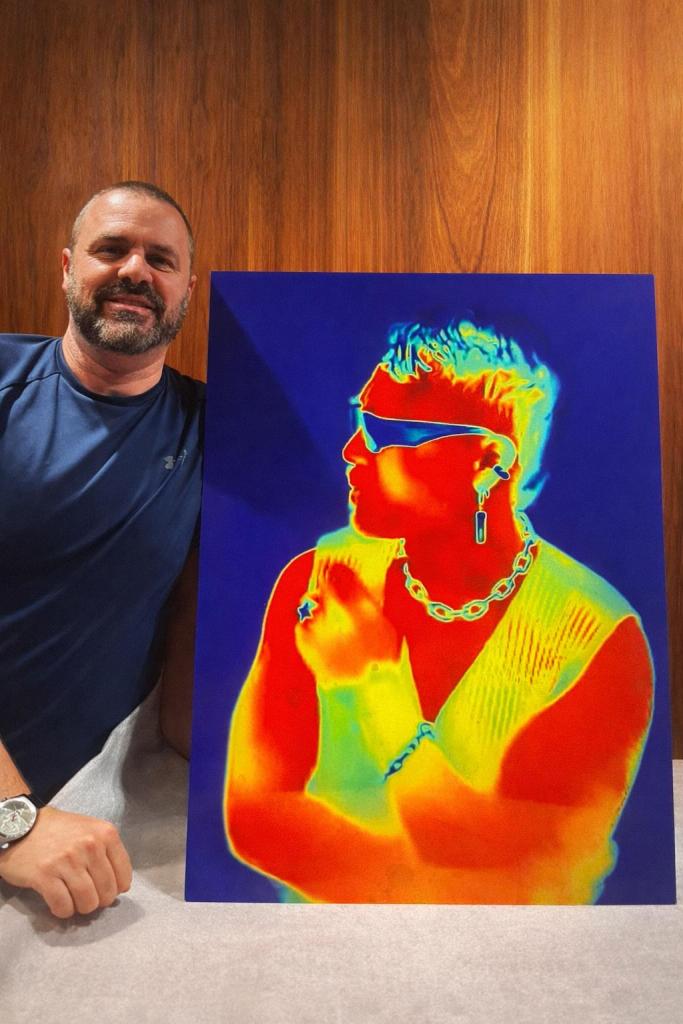
At the heart of Romano’s work is an extraordinary and deeply personal source material: his own medical records. X-rays, MRIs and internal scans of his body are transformed into striking, often playful artworks that quietly ask some of life’s biggest questions. “I am progressively dissecting myself,” he says with a smile. By stripping the body of its external markers—fashion, status, wealth and adornment—Romano reveals a powerful truth: beneath it all, we are equal. Bones, organs and neural structures carry no hierarchy. Jewels mean nothing here.
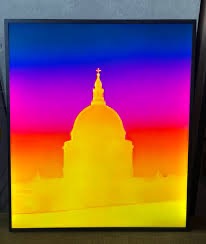
And yet, paradoxically, jewels and decoration frequently appear in his work. Glitter, gold leaf and even diamond dust sit alongside stark medical imagery, creating a fascinating tension between what lies beneath the skin and the sparkle we use to present ourselves to the world. Bold colour is central to his practice, an influence he traces back to Pop Art, and for Romano, colour is inseparable from life itself. It is a celebration of being alive, of being human. You can easily imagine his work echoing the iconic glamour of Andy Warhol’s portraits of Marilyn, and being sought after by collectors and celebrities alike.
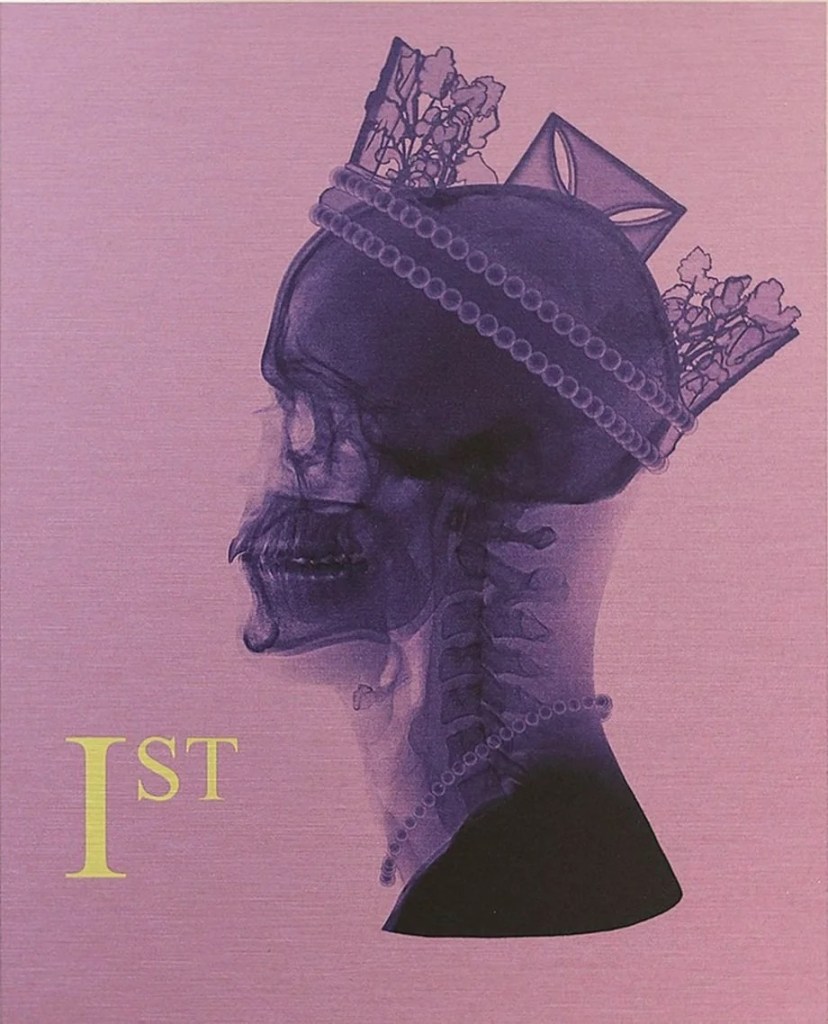
Research plays a vital role in his creative process. Romano spends countless hours studying historical anatomical drawings, medical imagery and scientific material. He is also deeply inspired by documentaries about the Universe. Reflecting on humanity’s origins and our place within something so vast can feel overwhelming, he admits, but it is precisely that sense of scale that fuels his creativity. Big questions, after all, lead to bold ideas.
At the core of his practice is an ongoing, almost forensic exploration of his own body. Each project focuses on a different internal element, analysed, reimagined and transformed. His most recent work centres on the brain: a three-dimensional print created from an MRI scan converted into a digital 3D file. Next, he hopes, will be the heart—both literally and conceptually.
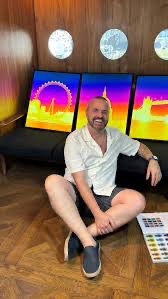
Romano cites Damien Hirst as a key influence, particularly in terms of colour, though he is careful to stress that his admiration is selective. If he could own any artwork, Guido Reni’s Ecce Homo would be high on the list, while in the contemporary world he is drawn to the visceral, energetic paintings of Riccardo Cinalli, which he describes as full of carnality and pathos.
Originally trained as an architect, Romano brings a strong sense of proportion, balance and material awareness to his art. Architecture taught him the emotional power of simplicity, the relationship between order and chaos, and the importance of restraint. “Less is more,” he says, echoing Mies van der Rohe—a philosophy that underpins even his most glittering works.
Away from the studio, his passions are quieter but no less revealing. If he weren’t an artist, he would be a botanist. He grows flowers from seed and finds the process meditative—a gentle counterpoint to the intensity of his conceptual work. Electronic music provides the soundtrack to his studio hours, while Stephen Hawking’s The Universe in a Nutshellremains his favourite book, a fitting choice for an artist fascinated by existence, origin and meaning.
Looking ahead, Romano dreams of showing his work in unconventional settings. A techno club such as Berghain, housed in a former power station, feels like a natural fit—raw, industrial and immersive. He imagines his pieces on a monumental scale, backlit like giant lightboxes, vibrating with sound and energy. He has already made an international impact, having spent three months working in Shanghai, and his ambitions continue to expand globally.
Ask him where he sees himself in ten years and the answer is simple and quietly confident: at home, making exciting new work for another exhibition somewhere in the world, tea in hand, surrounded by plants. Always moving forward. Always creating.

 2Shades Magazine