
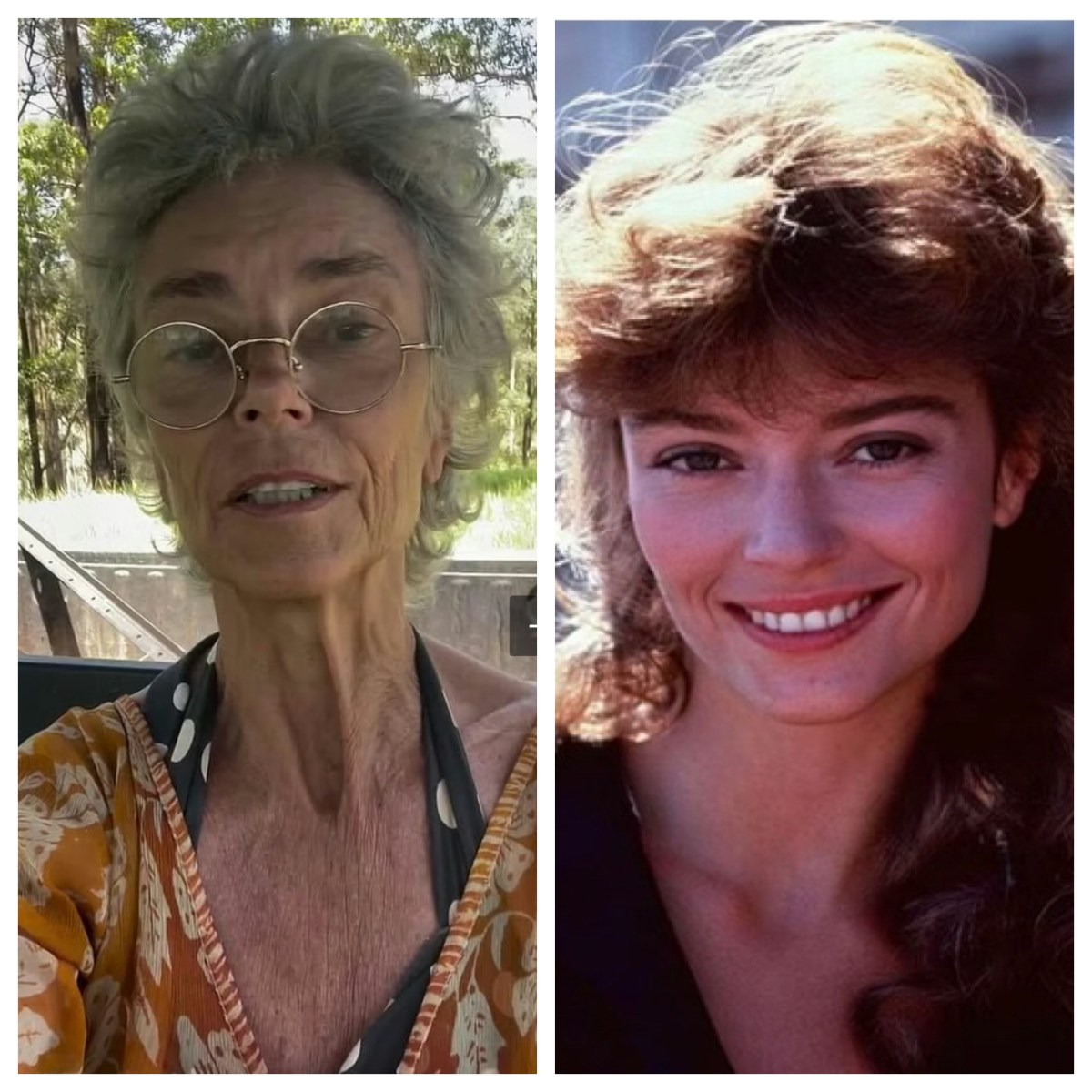
Do not judge those who choose to age gracefully
I want to make one thing 120 per cent clear: I am absolutely in favour of physical self-improvement and anything that helps us feel good about ourselves, including anti-ageing treatments. After all, if your house starts to crumble or needs a repair, most of us don’t think twice about getting a tradesperson in to fix it. We patch, we paint, we renovate. So why should our faces, bodies, or confidence be treated any differently?
Fill your boots. Have the facial. Get the Botox. Try whatever makes you feel better when you look in the mirror. Confidence is attractive, and feeling good in your own skin can be genuinely life-enhancing. But—and this is the crucial bit—we also need to be careful. There’s a line where self-care quietly slips into obsession, and sometimes it isn’t your gorgeous face that needs work at all, but your mental health.
Age, after all, is just a number. Reaching 60 is not guaranteed. If you’re lucky enough to get there, rejoice—many don’t. Yet we live in a culture obsessed with youth, where growing older is treated as something faintly shameful rather than something earned. I constantly hear phrases like “age-appropriate dress” or “age-appropriate behaviour,” usually delivered with a raised eyebrow and a side-order of judgement.
Let’s be honest. If gravity has taken a firm grip and décolletage is mapped with red veins, tiny shorts and a boob tube probably won’t make you look younger—it’ll likely do the opposite. But equally, if you want to wear them, then shake it honey 🥾. Personal style should be about expression, not apology. Dressing “younger” doesn’t make you younger; dressing confidently makes you look alive.
What I genuinely struggle to understand is why so many people feel entitled to judge others for ageing gracefully. There’s a peculiar cruelty in sneering at someone who has chosen not to fight time with needles and fillers, as if dignity itself were an act of rebellion.
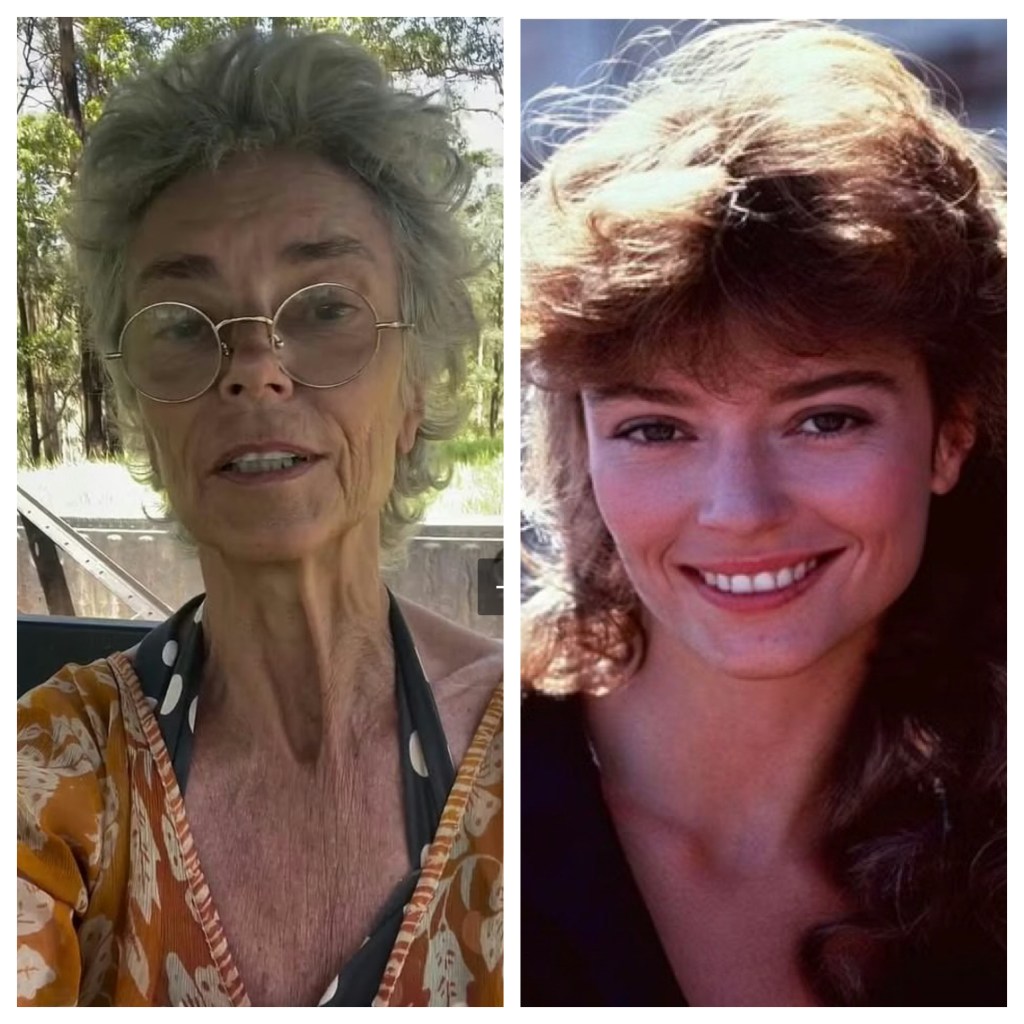
Take Rachel Ward, once heralded as one of the great beauties of the 1980s after her unforgettable role in The Thorn Birds. She could have spent decades trying to drag her face back to that era, chasing a frozen echo of her younger self. Instead, she chose something braver. She embraced her face in her sixties—lines, movement, expression intact—and looks refreshingly real. There’s no stiffness, no denial, just a face that tells a story. A face you want to know.
No frozen look here. Just confidence, character, and the quiet power of self-acceptance.
Perhaps that’s the real anti-ageing secret: not erasing who we’ve been, but owning who we are.
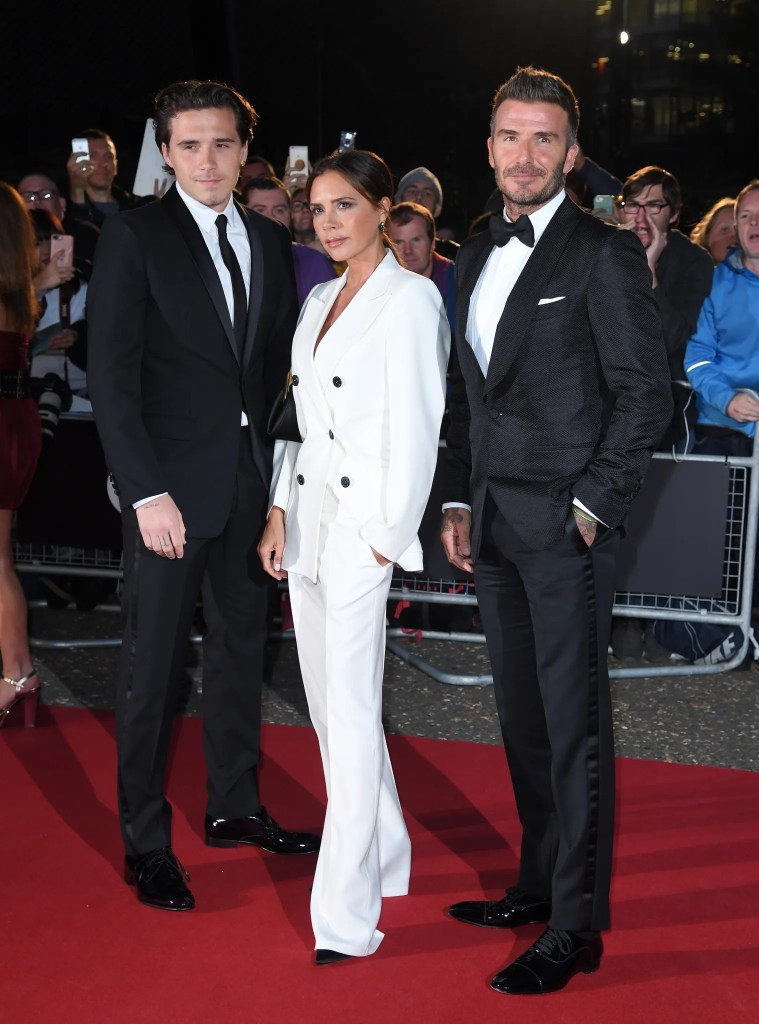
Re: The Beckhams
From “harmless mum dancing” to accusations of being overly controlling, the Beckhams have once again found themselves dominating headlines—at a time when the world is facing far graver realities. Bodies lie in the streets of Iran, conflicts rage across multiple countries, and yet we are invited to clutch our pearls over a family wobble involving a pop star, a dance floor, and a grown man with opinions.
Brooklyn Beckham, we’re told, had a tough childhood. Listen, pal—we all had to listen to your mum sing. Perspective is a wonderful thing.
But let’s be honest: no one truly knows what goes on behind those carefully curated, smiling family photographs. Families are complicated. Fame magnifies everything, distorts nuance, and turns private disagreements into public sport. Judging any family—famous or not—based on fragments and hearsay is a fool’s errand, and none of us are in possession of the full story.
What did give me pause, however, was DJ Fat Tony choosing to speak out. It was a paid gig. He was hired, did the job, and that should have been the end of it. Unless subpoenaed or dragged into court, discretion would have been the wiser—and classier—option. Airing opinions after the fact feels less like honesty and more like self-publicity. A whiff of Paul Burrell, if you will.
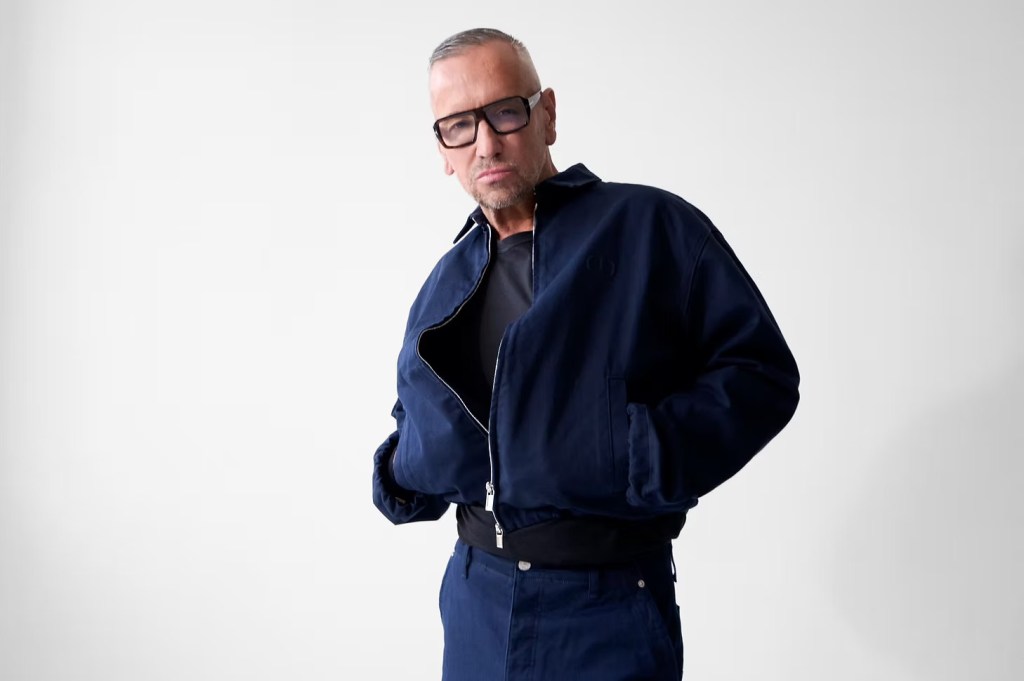
As for the rest of it, let’s calm down. If Victoria Beckham wants to dance in a way deemed “inappropriate” by the commentariat, someone could have gently steered her off the floor. It was hardly the crime of the century.
If anything, the whole saga has had the unintended consequence of resurrecting Victoria’s singing career—long thought buried—rising again like a bad smell. Some things, it seems, never stay dead.
Here’s hoping The Beckhams do what most families eventually manage: talk, regroup, and move on—preferably without the rest of us pretending it’s global news. However if mum or dad is nightmare I urge anyone to put boundaries down asap as it only gets worse .
My viewzs on the family . https://2shadesmagazine.com/2026/01/01/stevens-viewz-7/
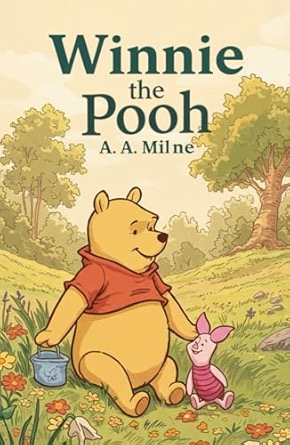
Happy Birthday, Winnie-the-Pooh
I have a very soft spot for Winnie-the-Pooh. My former partner of twenty years used to call me Tigger, after the ever-bouncy tiger, and over the years he sent me affectionate cards featuring Pooh and friends. One of the last films we saw together was Winnie-the-Pooh, and we loved it—gentle, comforting, and quietly profound.
Pooh and his friends beautifully emulate life itself. Eeyore carries his depression with weary honesty; Tigger bounces through the world with unstoppable enthusiasm; Piglet worries; Owl pontificates; and Pooh simply is. There’s something deeply enchanting about a group of characters who mirror our own emotional landscapes so tenderly, without judgement or pretence.
Created by A. A. Milne, Pooh gives us permission to slow down. In a world increasingly obsessed with productivity, achievement, and noise, the bear of very little brain reminds us that gentleness is a strength. He values friendship over status, kindness over cleverness, and a good walk in the woods over almost everything else—except, perhaps, honey.
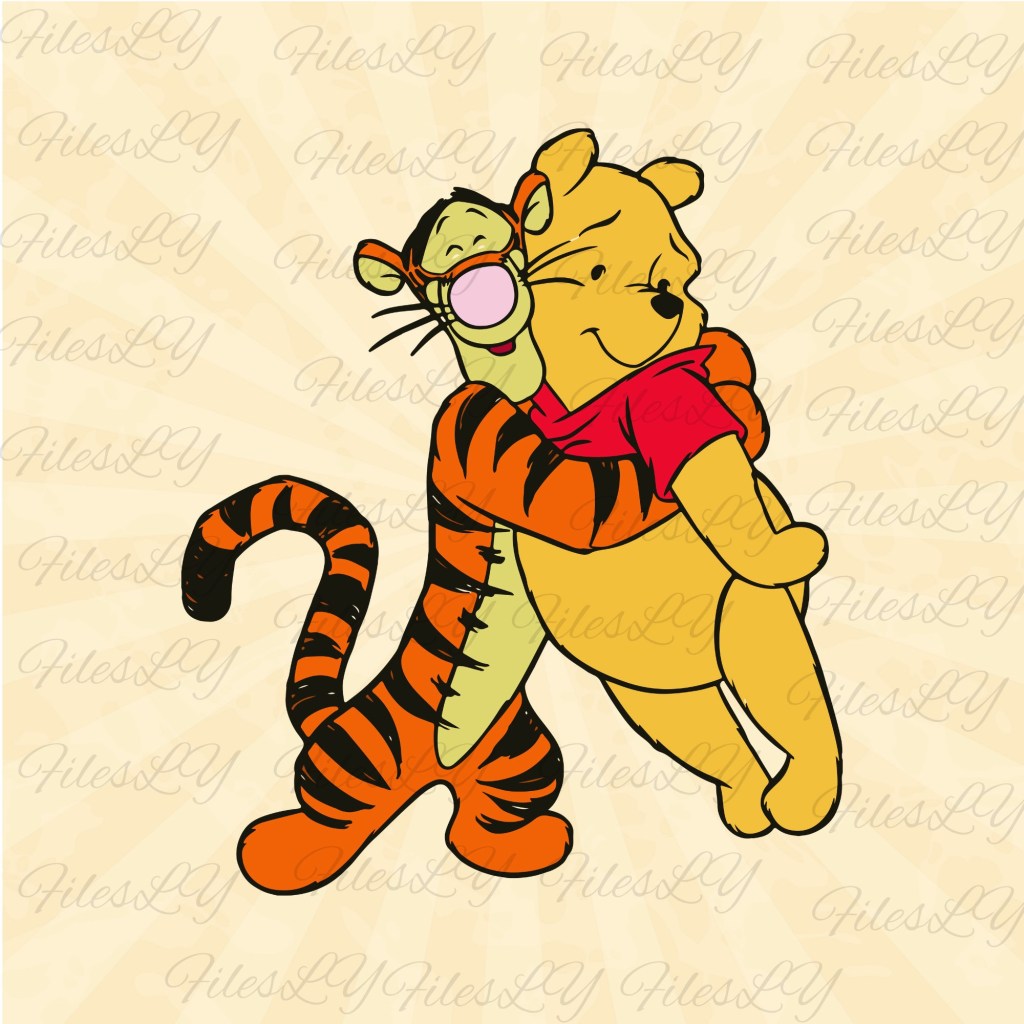
For many of us, Pooh arrives early in life, read aloud at bedtime, his world drawn in soft, timeless lines by E. H. Shepard. But he grows with us. As adults, we return to the Hundred Acre Wood and discover unexpected wisdom in its simplicity: that it’s all right not to have the answers, that listening matters, and that being present is often enough.
Pooh’s importance lies in his humanity. He reassures us that you don’t need to be extraordinary to be loved, and that friendship—steady, imperfect, and loyal—is what truly carries us through life.
One hundred years on, Winnie-the-Pooh still whispers the same gentle truth: sometimes the smallest things take up the most room in your heart. 🍯💛

 2Shades Magazine