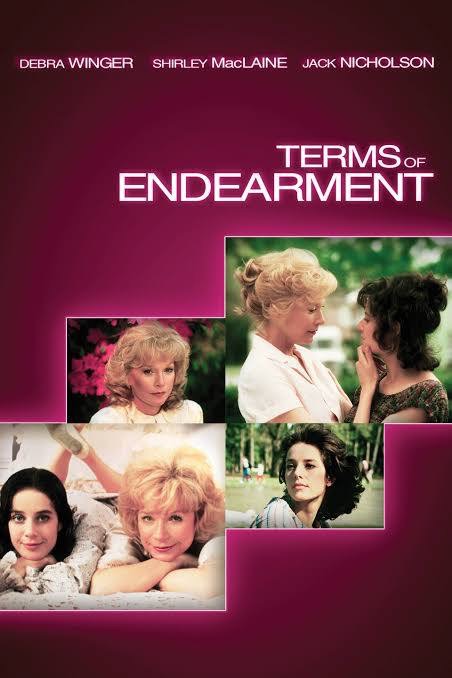
Film, theatre and literature have long served as powerful portals through which we explore subjects that are often difficult to confront in everyday life. Illness—particularly cancer—is one such subject that artists have returned to time and again, helping audiences process grief, fear and resilience through storytelling. From Terms of Endearment, where Shirley MacLaine and Debra Winger deliver unforgettable performances as a complicated mother and daughter navigating terminal illness, to Love Story with Ryan O’Neal, and the tear-stained shores of Beaches starring Bette Midler—these works remind us that love and loss are often inextricably intertwined.
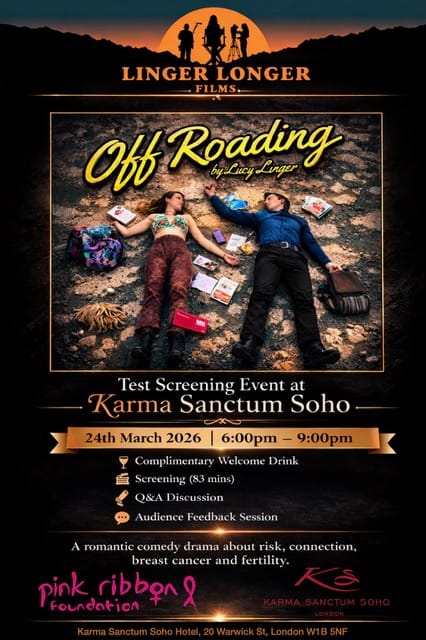
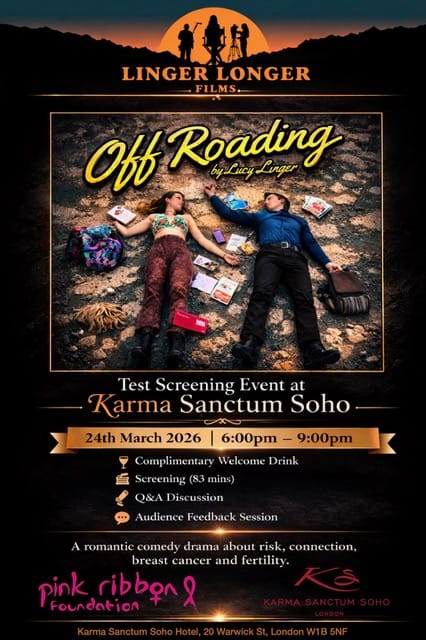
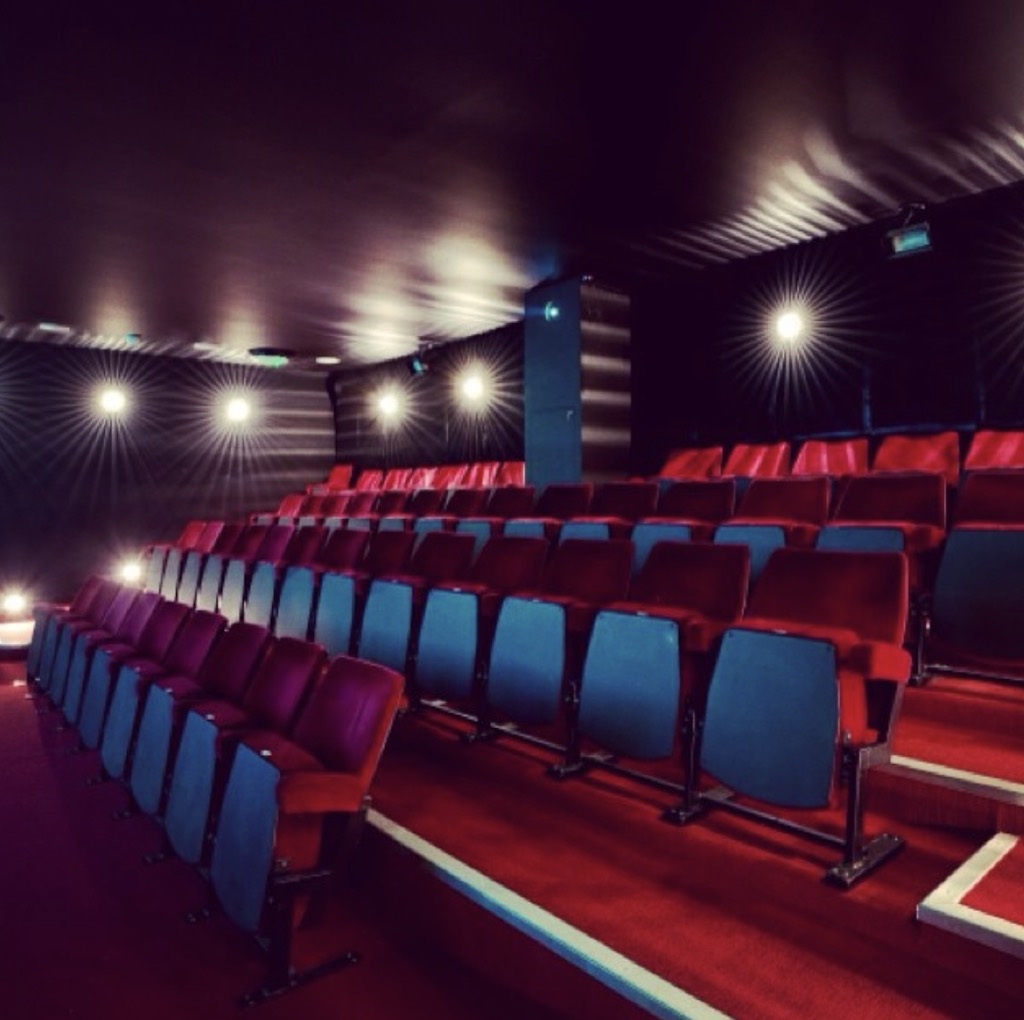
This month sees a contemporary addition to that canon. Off Roading, written by Lucy Linger and sponsored by the Pink Ribbon Foundation, enjoyed test screening at the stylish cinema within The Sanctuary House Hotel. Billed as a romantic comedy-drama, the film explores modern relationships, dating, and the profound ripple effect that a cancer diagnosis—alongside issues of fertility—can have on both the individual and those closest to them.
At its heart, Off Roading is an engaging and refreshingly honest piece of writing. Linger’s script balances humour with poignancy, never allowing the subject matter to become overly sentimental, yet never shying away from its emotional weight. It is a delicate tightrope, and for the most part, she walks it with confidence and charm.
That said, from the outset, this feels less like a film destined for the blockbuster big screen and more like a piece that will thrive within the intimacy of film festivals, television, or indeed, a theatrical setting. One can easily imagine a stage adaptation—perhaps starring the likes of Keira Knightley alongside a strong male counterpart—where the dialogue and emotional exchanges could truly breathe. With a few structural tightenings, it has all the makings of a compelling, sell-out stage production. It comes as little surprise to learn that the work originated as a play; its DNA is unmistakably theatrical.
In many ways, Off Roading evokes the spirit of A Woman of No Importance, famously performed by Patricia Routledgeand written by Alan Bennett. Like Bennett’s work, Linger’s piece relies heavily on character-driven storytelling and the power of dialogue. While it may not yet possess the same razor-sharp precision or lyrical polish of Bennett’s writing, it nonetheless takes the audience on a journey that is by turns amusing, reflective and quietly devastating.
The performances—anchored by a two-hander dynamic—are a particular strength. The actors bring warmth, authenticity and nuance to their roles, ensuring that the emotional beats land with sincerity rather than melodrama. There is a natural chemistry that draws the viewer in, making the unfolding narrative feel both intimate and relatable.
What sets Off Roading apart, however, is its focus not only on the individual diagnosed with cancer but also on the emotional landscape of those around them. It examines how partners, friends and loved ones navigate their own fears, frustrations and helplessness, often sidelining their own needs in the process. This broader perspective gives the film an added layer of depth and relevance.
Ultimately, Off Roading is a thoughtful and well-crafted romantic comedy-drama that tackles complex themes with sensitivity and wit. It is a piece that will resonate deeply with audiences, though viewers should be aware that its exploration of breast cancer, risk and fertility may prove triggering for some.
A promising and heartfelt work—one that, with a little refinement, could travel far beyond its current path. It is no small feat for two actors to hold an audience’s attention for eighty minutes, yet for the most part, they carry it with assurance and skill.
I laughed out loud and, at moments, felt a tear or two. Lucy Linger is certainly one to watch.
On a rain-soaked Friday night, I took the walk from London Bridge to see what everyone had been talking about: The Arzner — London’s only dedicated LGBTQ+ cinema, tucked away in Bermondsey. The heavens had opened, and by the time I arrived, soaked and slightly windswept, ducking beneath its glowing sign felt like a small act of salvation.
Stepping inside, it became immediately clear that this is no ordinary picture house. The Arzner feels less like a traditional cinema and more like a long-awaited living room for queer film lovers — and, I should add, for anyone who simply loves great cinema. This is not an exclusive “gay bubble”; it is a welcoming, inclusive cultural space.
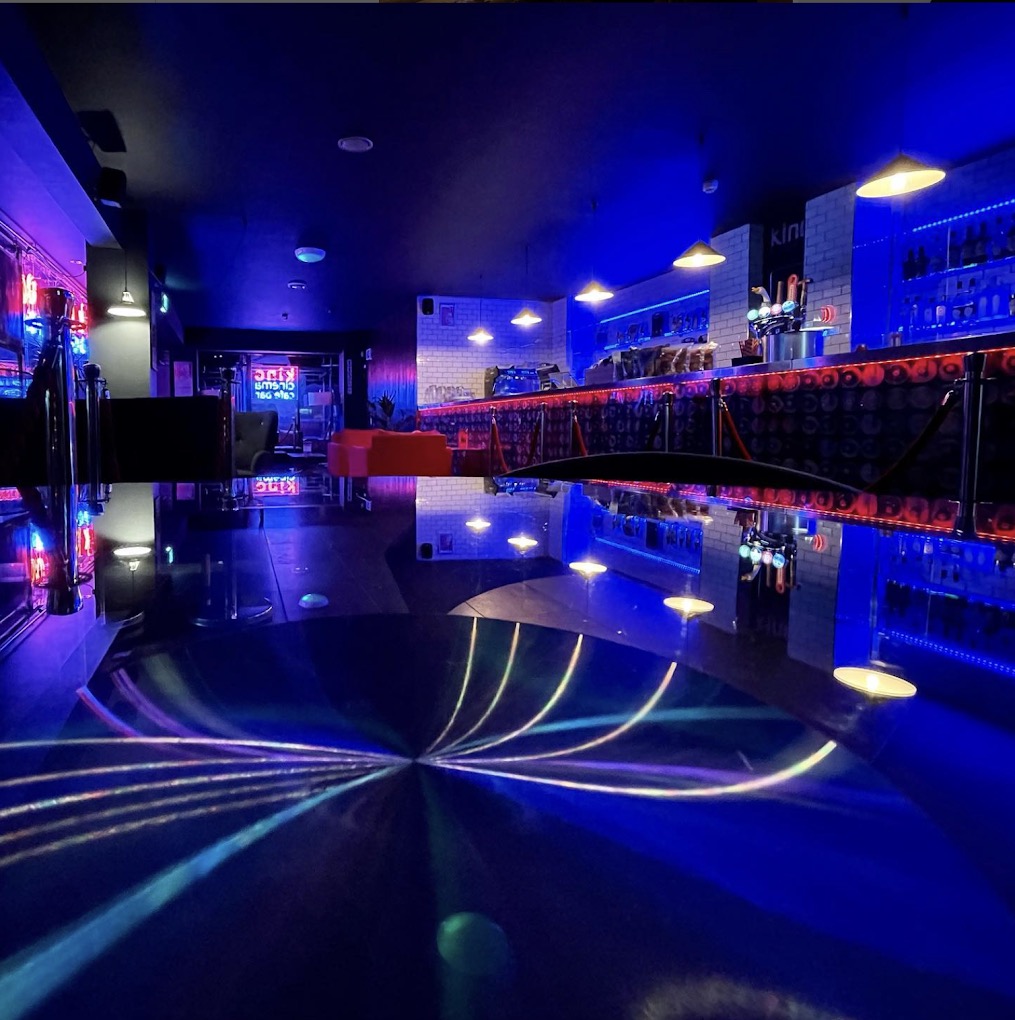
The low lighting, rich red tones, Everything here feels thoughtfully designed. And before you even enter the screening room, let me tell you: the bar is outstanding. From beautifully crafted cocktails to quality wines and excellent non-alcoholic options, it is easily five-star. Arrive early, or even pop in just for a drink — you won’t regret it.
Named after Dorothy Arzner, the trailblazing Hollywood director who forged a remarkable career as an openly gay woman during the studio era, the cinema wears its heritage proudly yet lightly. Portraits of queer cultural icons line the walls, drinks are passed across the bar, and familiar faces greet one another. Arriving alone, yet never feeling lonely, is one of the evening’s first quiet triumphs.
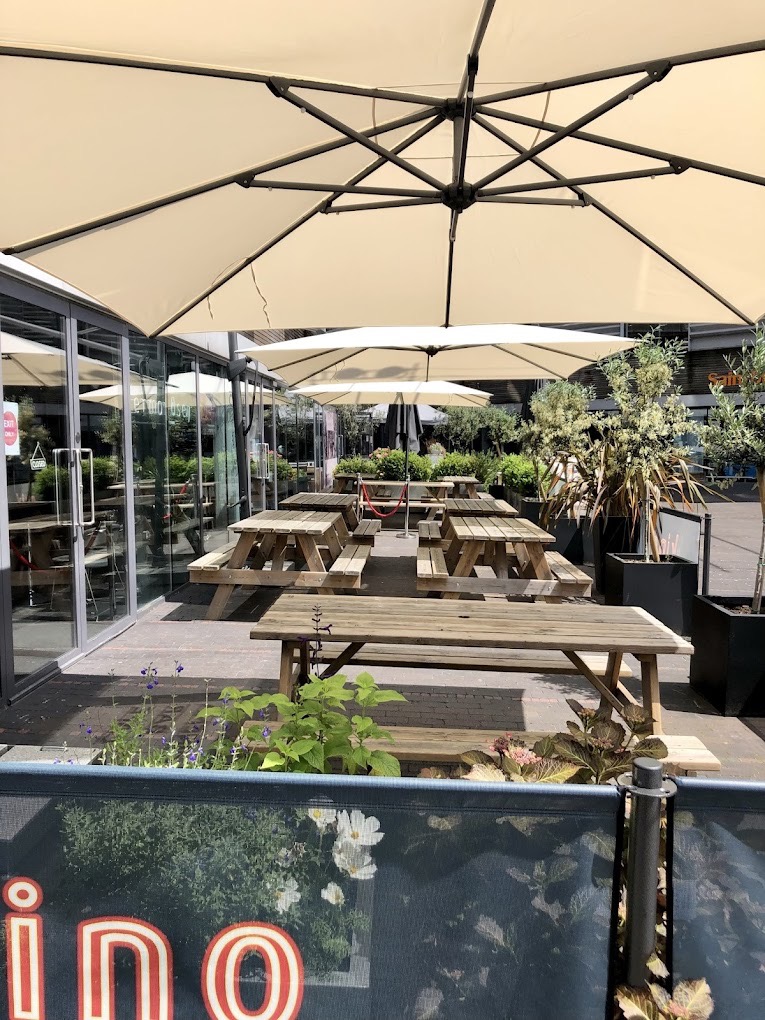
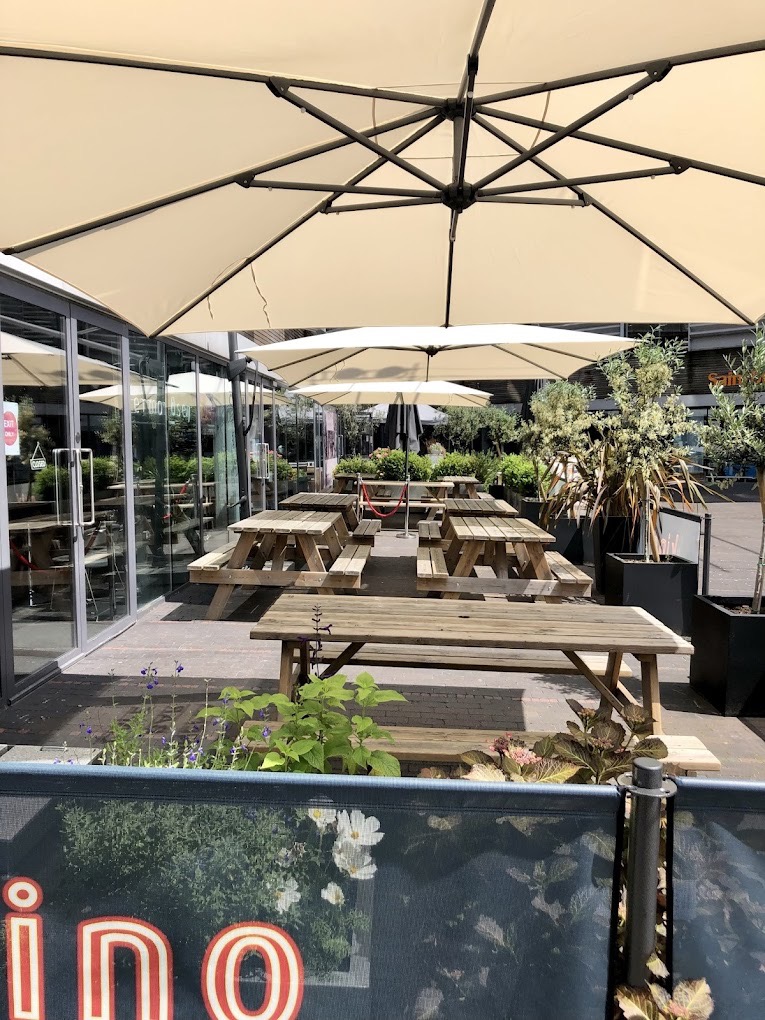
The venue occupies the former site of Kino Bermondsey, but any sense of corporate uniformity has been replaced by a carefully curated personality. Its programming is unapologetically queer, spanning restored classics, contemporary independent releases, international features, and short-film showcases that amplify emerging LGBTQ+ voices.
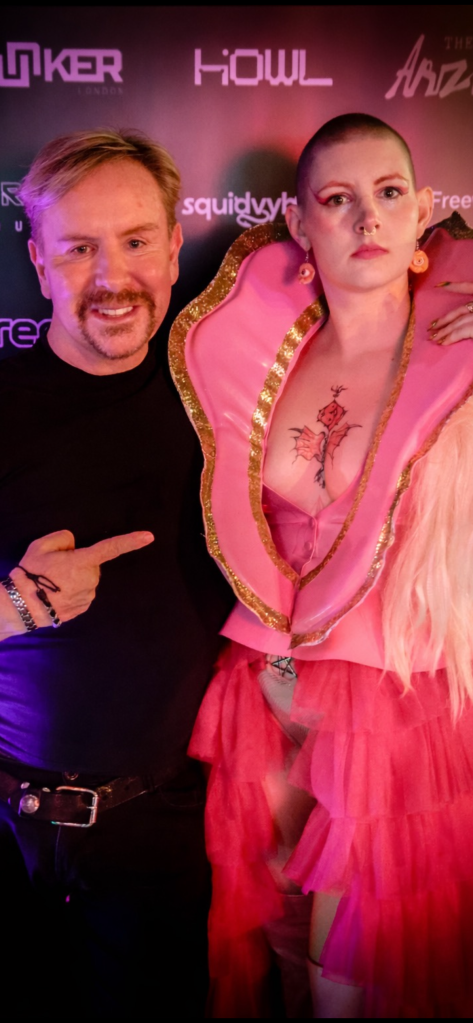
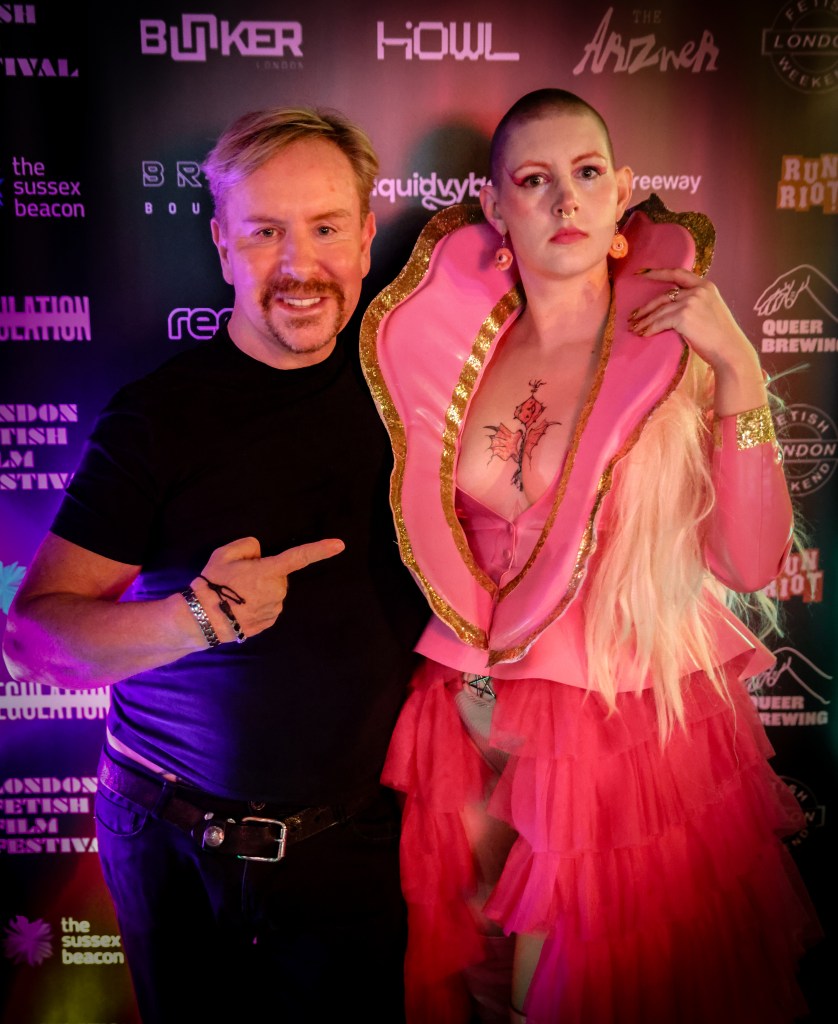
On this particular Friday, I had been invited by my friend Amy Rose, an artist and one of the organisers of the London Fetish Film Festival. Now, before anyone gets their knickers in a twist, fetish cinema has grown significantly over recent decades, and this well-established three-day festival is now in its seventh year. The eclectic crowd alone demonstrated just how diverse and fascinating the scene has become.
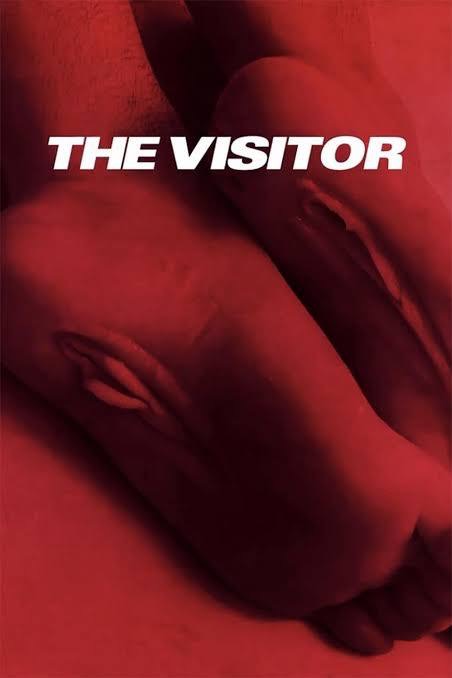
The first film I saw, The Visitor (2024), featured stunning cinematography and a memorable soundtrack. Imagine Federico Fellini meeting an early, less camp version of John Waters — complete with what may be the worst wig in cinematic history. Even Divine might have fainted. The screening was followed by a lively Q&A with director Bruce LaBruce.
On Sunday, the programme shifted to documentaries, which proved genuinely eye-opening. For anyone interested in sexuality, identity, and the human mind, these films are well worth exploring. The performers and contributors certainly went the extra mile.
What truly distinguishes The Arzner is its atmosphere. The buzz is friendly and eclectic. Mainstream cinemas can often feel anonymous, even indifferent, but here the staff introduce films with genuine enthusiasm, sharing details about upcoming themed nights and community events.
Regular special screenings, Q&As, and curated seasons ensure that the cinema is not a passing novelty, but an evolving cultural hub. Conversations continue long after the credits roll, with patrons lingering over drinks to debate performances and recommend future screenings. The line between audience and community beautifully blurs.
Technically, the cinema delivers on every level: crisp projection, balanced sound, and comfortable seating that rival any arthouse venue in the capital. Yet it is the emotional resonance that lingers most. Watching queer stories unfold in a room filled largely with LGBTQ+ viewers shifts the energy entirely. Applause feels communal rather than polite, and moments of silence carry collective meaning.
As I eventually stepped back into the rain — still wondering if it would ever end — I couldn’t help smiling at the thought of Noah popping in for “just one cocktail” before watching Brat, the Charlie XCX film, and joking about building an ark by closing time.
Spending time at The Arzner felt like a privilege. It is not merely London’s only LGBTQ+ cinema; it is a statement of permanence and pride in a city where queer spaces have too often been lost to redevelopment. By offering a year-round home for queer film, it provides something far more enduring than novelty.
It offers visibility, celebration, and the simple, radical pleasure of seeing one’s community centred on screen.
And I, for one, am very much looking forward to going back. ps there even a pop up greeting from Stephen Fry to kick your night off ,
It’s All Hanky Panky as the London Fetish Film Festival Returns
It is all hanky-panky as the London Fetish Film Festival returns for its seventh year, once again lifting the curtain on a world that many people are curious about, some quietly participate in, and others still regard as taboo. Fetish, after all, has always occupied that fascinating space between the private and the performative, the misunderstood and the mythologised.
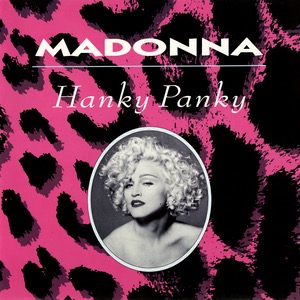
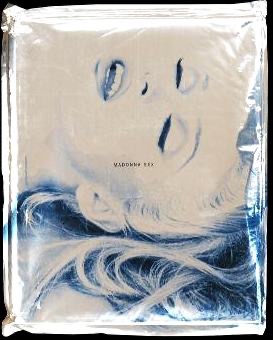
Long before hashtags and streaming platforms, Madonna helped drag fetish culture into the mainstream. In the 1990s she didn’t just flirt with provocation; she weaponised it. Her song Hanky Panky cheekily suggested there was nothing quite like a good spanking, while her 1992 book Sex boldly invited readers to explore fantasies ranging from bondage and domination to submission and exhibitionism. What had once been whispered about behind closed doors was suddenly glossy, photographed, and unapologetically public. Madonna didn’t just shock — she reframed desire as something to be examined rather than hidden, daring readers to “make love in Paris” or “let her be your mistress”.
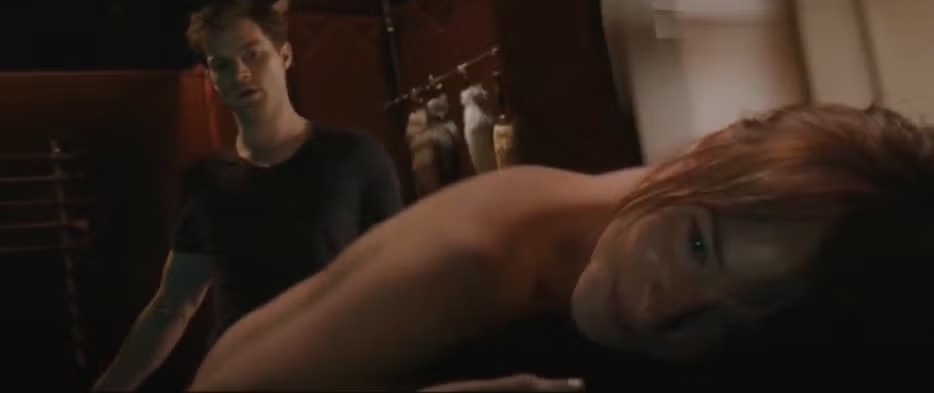
Then came Fifty Shades of Grey, which flew off bookshop shelves and dominated bestseller lists. Its story of a young woman entering a sexually dominant relationship with a billionaire reignited debates about power, consent, and feminism. Critics argued it set women’s liberation back decades, yet the reality was more nuanced. I couldn’t help noticing how many women were reading it openly — on trains, on planes, in cafés — suggesting that whatever the book’s flaws, it tapped into something real and widespread.
50 shades spanking .
It’s often said that one in three of us has a submissive side. But I’ve always wondered: if the dominant figure in Fifty Shades lived in a council flat rather than a penthouse, would the story have been as romanticised? Or would he have been slapped, arrested, or both? Wealth and aesthetics, it seems, can dramatically change how power dynamics are perceived.
Of course, fetish itself is nothing new. Evidence of flagellation, bondage, and erotic imagery can be traced back to cave drawings, ancient Egypt, and the Roman Empire, who were particularly enthusiastic when it came to indulgence. Some argue certain fetishes may stem from childhood trauma, but that’s a conversation for another article entirely.
Like many people coming of age in the 1990s, I wore the leather trousers and biker jacket, blissfully unaware that I was echoing a long-standing visual language of rebellion and desire well thats what I tell people . Clubs embraced biker and fetish aesthetics, encouraging people to explore what was often described as their “forbidden side”. London saw nights like Torture Garden spring up at venues such as the Hoist, while across the Atlantic the New York gay scene was already miles ahead. The Eagle, with its hyper-masculine leather culture in the 70s and 80s, set a template that still influences fetish spaces today.
I once thought of myself as very liberal and worldly — until Florida taught me otherwise. In a celebrity-frequented club with a strong fetish theme, people dressed as if they’d stepped straight out of Madonna’s Sex era or a George Michael video, playing with master-and-slave imagery. Much of it felt like cosplay: people loved the look but many would run a mile if a leather daddy’s belt actually landed near them. They admired the surface without really understanding the psychology beneath it.
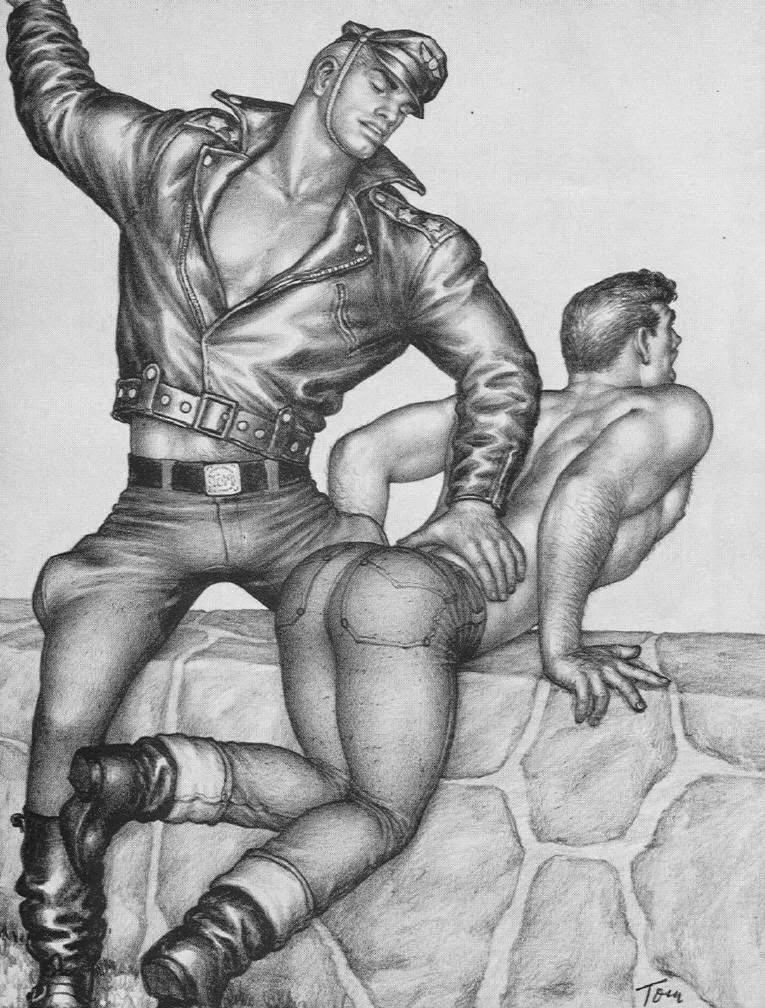
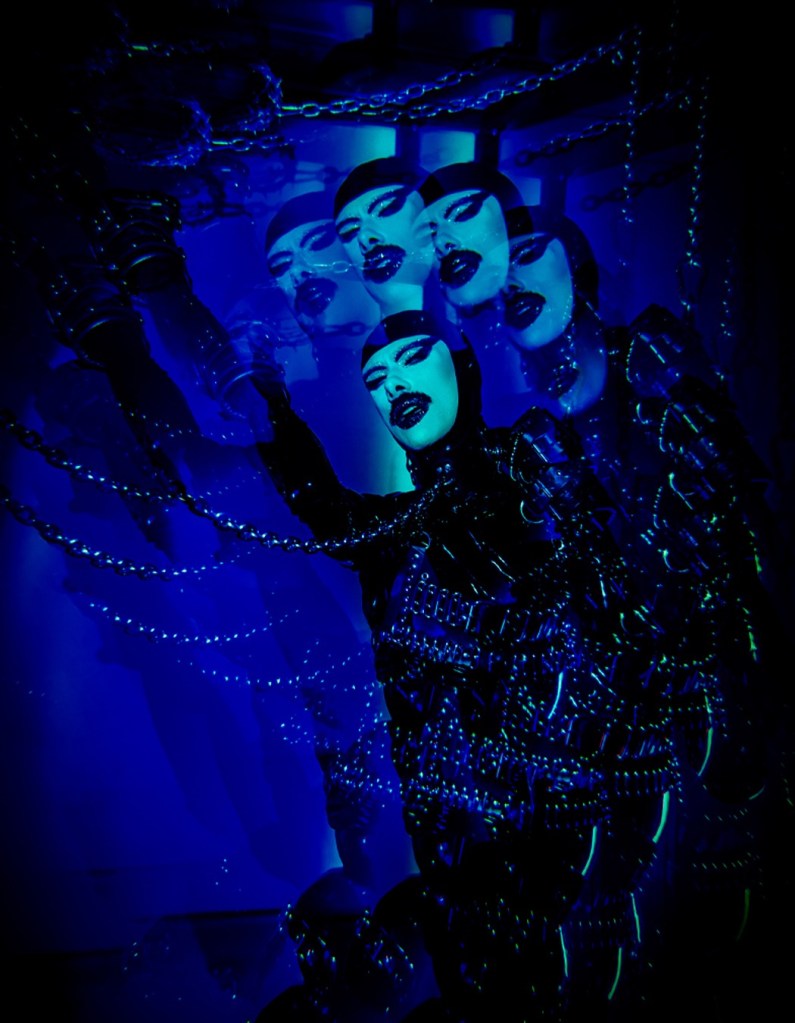
Tom Of Finland fantasy .
Over the years, many dominatrices have told me the same thing: a large number of their clients are men who hold immense power in everyday life — heads of companies, senior military figures, decision-makers used to absolute control. For an hour or two, giving that control away can be a profound relief. When discussed openly and practised safely, role-play can even strengthen relationships. Yet for a small section of society, this isn’t theatre at all — it’s identity.
One moment in particular floored me. A man at a club stared at me so intensely it became unsettling. My friend eventually asked him what he wanted. He vanished — or so we thought. Five minutes later, I felt something brush my ankles. Looking down, I discovered a man in a full black cat suit. My friend laughed and said, “It would happen to you.” I was told to at least stroke the poor thing. It was, quite literally, the last time I went for a pussy.
Just when you think you’ve seen it all.
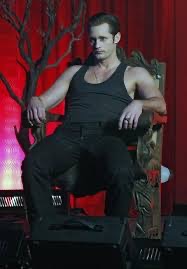
Which brings me to cinema. While the Fifty Shades films were largely dismal, I was curious about what a gay equivalent might look like. After all, who didn’t fall for Alexander Skarsgård in True Blood? As a vampire who commanded worship and dismissal in equal measure, he embodied dominance with chilling ease.
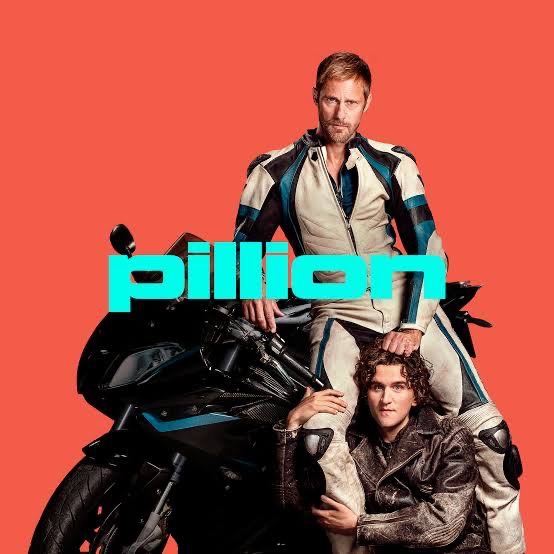
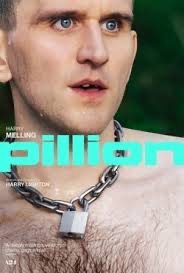
The film Pillion, despite rave reviews, sadly fails on many levels to explain the dom-sub relationship. While I admire the decision to use real fetishists, it never quite lands emotionally. Ironically, it does highlight one truth often misunderstood: the submissive is frequently the one truly in control, setting boundaries and rules. Beyond that, the sex scenes are oddly cold, and I found myself more worried about the dogs tied up and left alone than anything else.
There is a brilliant dom-sub film waiting to be made. Pillion isn’t it — not an amazing love story, not a revelatory exploration — but watching Alexander Skarsgård is reason enough to give it a look. That, of course, is just my opinion. Many people are raving about it.
The film is screening as part of the London Fetish Film Festival, and I’d urge you not to take my word alone. Dive in, make up your own mind, and perhaps discover that fetish, like all good cinema, tells us as much about ourselves as it does about what’s happening on screen.
HOWL is a sexual wellness brand revolutionising intimacy through innovative sex tech
products. They leverage the power of experiential events and a viral media channel to
dismantle shame and champion pleasure.
LFFF: Shorts Session 1
Saturday 21st February
4pm
93.47min run time
Featuring 8 short films
Tickets £12
Join us for a dripping new curation of ‘Fun Fetish’ and 2024 LFFF award winning short films!
Indulgent Delights
8mins 11secsAn electrifying front row seat as burlesque performer Leila Delicious adorns her body with
glitter.
Lee in Leatherland
6mins
The speaker, a queer man searching for the hypermasculine fantasy figures drawn by Tom
of Finland, journeys from Helsinki to London in pursuit of desire made flesh. In Vauxhall’s
clubs and darkrooms, he encounters the sweaty, neon-lit world of gay nightlife – full of
longing, bravado, and disappointment.
Darwin Fantasia
10mins 56secs
Canela immerses herself in Darwin’s studies on the plant world, focusing particularly on The
Fertilisation of Orchids. As she explores the meticulous accounts of interactions between
plants and insects, she discovers something that goes beyond mere survival: a web of
curiosity, play, and pleasure that also seems to captivate the naturalist himself.
2024 Award Winners: Best Short + Best Screenplay
A Pacific Touch
37mins 43secs
This is a story about love. Isolation, and an unusual obsession. Alexei , a young man,
becomes consumed by his passion for his new wallpaper, slowly withdrawing from the world
outside. As he drifts deeper into his fixation, Texture Pasifique explores the limits of love and
obsession, revealing the complexities of intimacy with both people and objects.
Jacked Out
7mins 53secs
What is a virtual pet in an era of mass surveillance? Jack out of the Y2KAGE in this erotic
hauntology film probing the persistent feedback loops of future’s past in our present, forces
of technological dominance, and virtual pets unleashed!
2024 Award Winners: Best Animation
Klimax
2min 47secs
Klimax explores the topic of female masturbation in order to redefine the already negatively
connoted image of the female sex and thus strives to create new aesthetic associations of
femininity. Our main protagonist, Barbie, undergoes a process of transformation.
My Perfect Dolly
17mins
A pretty pink dollification scene with two non-binary plus size femmes, followed by a
conversation.
Lupae x Hardwerk4mins 37secs
LFFF: Shorts Session 2
Saturday 21st February
6:30pm
Full run time with interval 149.24mins
Featuring 20 short films
Tickets £15
Join us for a dripping new curation of Kink Art, Fetish Horror and 2024 LFFF award winning
short films!
The Nest
7mins
It’s the first night he’s bringing someone home. They must be quiet.
2024 Award Winners: Best Edit
What if I Told You to
4mins 21secs
Official music video
2024 Award Winners: Best Comedy
Squeegee
10mins 54secs
A high-powered businesswoman meets a high-rise window-washer for an erotic rendezvous
on opposite sides of her skyscraper window.
Fetish
21mins
Oddball Clark meets the girl of his dreams, but the relationship is threatened by his foot
fetish.
2024 Award Winners: Best Production Design
The Debutante
14mins 35secs
When a young woman agrees to satisfy a peculiar request in exchange for a luxurious pair of
shoes, what begins as a simple act of submission soon spirals out of, and then into, control –
reshaping her identity and his shoe collection.
Guro
7minsIn the harsh Arctic landscape of Longyearbyen, Guro meets a mysterious client for a
straightforward transaction. However, as they travel together along the isolated, icy roads,
the client makes an unusual request that tests Guro in unexpected ways.
Virgin X – Billionaires
2mins 18secs
Official music video
20 MINS INTERVAL
Operotica: Stabat Mater
4mins 22secs
A music video for Operotica’s re-orchestration of the first movement of Pergolesi’s Stabat
Mater, featuring Operotica as latex-clad nuns, rigged together with shibari by Dominatrix
Veronica Viper. The awkwardness of their positioning reflects the close suspensions in the
music
Virgin X – Splinters
3mins 25secs
Official music video
Bath Bomb
9mins 55secs
A possessive doctor prepares an ostensibly romantic bath for his narcissistic boyfriend, but
after an accusation of infidelity, things take a deeply disturbing turn.
2024 Award Winners: Best Sound Design
Mutations of Desire
5mins 27secs
A queer tribute to the Cronenberg film, Deadringers. Sade and Odette create a disorienting
world of latex, strange medical instruments, and hallucination.
Woman ASMR
4mins 25secs
A woman and her microphone provide an erotic autonomous sensory meridian response.
Virgin X – Shame
3mins 48secs
Official music video
2024 Award Winners: Yes it’s F*cking Political
Dori Dori
3mins 39secs
In a world that tries to suppress who you are, Sara ATH shows
us that the soul can’t be caged and takes a stand against the shame and silencing of her
fellow queers. Rapping in Arabic, it’s her turn on the mic to sing out loud who she is and howproud she is – a rebellious act that may bar her from ever returning to her home country.
Symbolising the internal battles of accepting your sexuality and grappling with self-identity,
the music video explores the liberation and eventual acceptance of queer existence and how
‘orgasmic’ this enlightenment feels.
Vanessa
5mins
Making love to an inanimate body; the mannequin Vanessa.
2024 Award Winners: Best Costume + Best Music Video
Virgin X – Fuck Myself
3mins 23secs
Official music video
Hyperion
1min 44secs
Hyperion is a high order penitentiary complex. Walls rewrite identity, silence reshapes desire,
and every exit demands transformation. No one leaves Hyperion, at least not without
fundamentally changing themselves.
Blood – Humanification
1min
An intriguing creature seems to have fallen from the sky, confused and unmoored. It will
witness how its passage through Earth shapes its body and its identity, and how, slowly, we
all end in the same cage when we betray ourselves. Even the most rare and bizarre can be
shaped to humanity. No one escapes.
2024 Award Winners: Best Kink Moment (Human Chopping Board)
Thing
10mins 50secs
The everyday life of a mistress and her furniture slave. When he suddenly disappears, they
find themselves in an identity crisis.
Moan
8mins 38secs
Framed against a blood red haze of stark crimson backdrops, the conclusive short film
MOAN presents a visually penetrating feast. The ultimate climactic crescendo sees
unsuspecting strangers thrust into the throws of breath-slick tension, curdling curiosity
ultimately ending in a hypnotic descent of all-consuming indulgent, auditory stimulation.
Throbbing suspense, washed out groans and the illicit breathy moans staining the lips of
those who dare pick up the phone. The voice, wet, sticky and intoxicatingly close.LFFF: Documentaries
Sunday 22nd February
2:30pm
83.33mins runtime
Tickets £10
Sex in Colour: Kinky and Loving It
48mins 33secs
KINKY AND LOVING IT is an empowering documentary highlighting the transformative
potential of reclamation. Celebrating how Black folks reclaim agency over their desires,
bodies, and identities, KINKY AND LOVING IT is a liberating journey into the transformative
power of radical acceptance, reclamation, and love within Black kink.
Mr. Bound & Gagged
35mins
“Bob Wingate and Lee Clauss, former publishers of the legendary Bound & Gagged
magazine, open the archive and the floodgates in this richly layered excavation of queer
kink, media history, and erotic resistance. Set against the backdrop of the Leather Archives
& Museum in Chicago, this candid portrait splices salacious nostalgia with radical politics,
tracing decades of defiant desire, artistic transgression, and unapologetic love. A necessary
tribute to two aging icons of the underground.
” (CUFF32)
LFFF: Inside Fetish
Sunday 22nd February
4:30pm
92.43mins runtime
Tickets £12
On The Erotics Of Stuffing Large Objects Into Small Spaces
15mins
Aexperimental film about the submissive desire for restrictive bondage. The subject – a single figure
locked in a dog crate, hooded and caged – shares his internal monologue: “This cage will never be
comfortable, though I find it deeply comforting.
Ripples: Libra
5mins 36secs
A Shibari short from Director Guillaume Pin
Oasis6mins 34secs
Shot with super8 camera in the desert of Joshua Tree , this film is about a Gay Asian Cowboy
reconnecting with a version of his younger self via ropes.
Breakfast Time
17mins 58secs
A raw, intimate documentary about a queer pup eating breakfast from his dog bowl. As he eats, a
candid voiceover unfolds – reflections on the nature of desire and disgust, failed relationships,
encounters with gay-bashing, and the feeling of isolation that comes along with stigmatized desire.
Sanguine
4mins 54secs
A love letter to blood accompanied by seraphic, breathy music. Beau Flex (they/them) meditates on
the strength of flesh in this ritualistic solo scene. Engaging in self piercing play, Beau focuses on
coaxing blood out of their thigh, producing round ruby droplets. As they smear the blood upon their
skin, they smile at the release in their art.
Babyblue
4mins 27scs
An exploration of tenderness and catharsis through needle play. Shot on Finn’s last day in New York
City, this performance symbolises goodbyes and a rite of passage to mark their way back home.
σάρξ [Sarx]
1min 59secs
A masochist mortification of the flesh. A perversion of prayer.
A.S.F.R. (alt.sex.fetish.robots.)
5mins
Vudhi K., a Thai ASFR practitioner, recounts the process of transformation and the moment his fetish
first took hold. A memory, a primal scene, a mercurial awakening. The drag of a brush against skin
blurs the boundary between subject and object, drone and human. Featuring performers Damian
Dragon and Botan Peony.
2024 Award Winners: Best Director
The Pleasure in Pain
18mins 28secs
An arthouse short documentary following key figures of the London kink scene on an exploration into
BDSM and the notorious fetish event Klub Verboten. The film touches upon themes of psychology,
trauma, LGBTQ+ rights and black representation.
2024 Award Winners: Best Documentary
Lasting Marks
14mins 47secs
The story of a group of men with shared sexual desires, lucky to have found each other yet
unfortunate to be considered criminal for expressing them.LFFF: A Body to Live In + Short Films
Sunday 22nd February
6:30pm
122.57mins runtime
Tickets £15
2024 Award Winners: Best Performer + Best Cinematography + Festival Director’s
Choice
Subspace
20mins 18secs
This love-story being dom and sub is a BDSM film that explores the intimacy and trust
between partners.
Starring Commander Ares and Roughkicks
Dir. Matt Lambert
2024 Award Winners: Best Art Direction
The Architect
4mins 39secs
Odette Engle performing a process of inverted architectural mapping on the suspended body
of Cute But Deadly.
A Body to Live In
1hr 38mins
A BODY TO LIVE IN is a feature film that traces the life and work of legendary photographer,
performer, and “Gender Flex” cultural icon, Fakir Musafar (1930-2018). Through
investigating the body modification movement and the trajectory of Fakir’s art career and
philosophy, A BODY TO LIVE IN uncovers a riveting facet of queer history. Using Fakir’s
early experiments in body play and his photographic works from the 1940s and 50s as a
springboard, the film traces the body modification movement as it emerged in LGBT
subculture in the early 1970s. The film introduces us to early collaborative experimentation
at gay underground BDSM parties, leading to the first piercing shop, moving through the
radical faerie movement and the role of body modification during the AIDS epidemic, the
emergence of body-based performance art, and the rise of an entire subculture. Insights
from key figures including Annie Sprinkle, Ron Athey, Idexa Stern, Cléo Dubois, Jim Ward,
Midori, and others provoke deeper reflections about art making, surviving AIDS, and the
controversial collaging of various spiritual and cultural practices to build a philosophy.
Captured in static 16mm film portraits, A BODY TO LIVE IN unfolds conversationally
between Fakir’s archive of 100+ hours of unseen footage, and the voices of the canonical
elders of this movement, to create intergenerational dialog, question cultural responsibility,
and provoke larger ideas about the drive to transcend the limits of the body.Please do mention our 2026 sponsors and collaborators:
No smoking guns here as Mob land falls very flat .
Hardy delivers a master class in acting in this mediocre show .
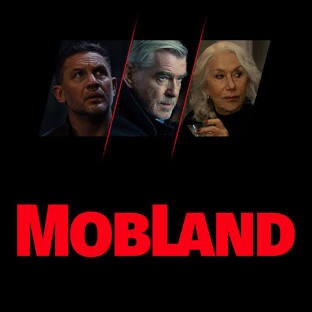
Mob Land undoubtedly cements Tom Hardy as one of the greatest actors of our time. His commanding presence on screen is astounding, delivering a masterclass in acting that is, unfortunately, the only real highlight of Guy Ritchie’s Mob Land.
As a long-time admirer of Ritchie’s work, it’s difficult to understand what he was aiming for with this series . Mob Landbrings nothing particularly new to the table. It feels as though Ritchie watched Gangs of London and thought, “I should have done that.” Ironically, Gangs of London was likely influenced by Ritchie’s own early work, Lock, Stock and Two Smoking Barrels and Snatch—films that helped define the modern British gangster genre. However, Mob Land lacks the freshness, wit, and compelling storytelling that made those earlier films so iconic.
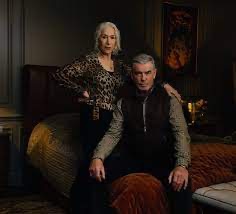
Tom Hardy is the film’s saving grace, but even his powerful performance cannot elevate the series beyond mediocrity. The rest of the star-studded cast delivers disappointingly lackluster performances, making for an underwhelming experience. Pierce Brosnan, despite being Irish, sounds as though he is forcing his accent rather than naturally embodying it. He brings no depth or nuance to his role as Conrad Harrigan, the ruthless patriarch of the crime family, and at times, his attempts to instill fear in his character come across as unintentionally laughable.
Even more disappointing is the legendary Helen Mirren, who plays Maeve Harrigan. Her exaggerated accent seems to have been plucked straight from Father Ted’s Mrs. Doyle, and her chemistry with Brosnan is virtually nonexistent. The two share as much on-screen rapport as Donald Trump and Volodymyr Zelensky—awkward, strained, and completely unconvincing. The rest of the family members are equally miscast, leaving audiences struggling to form any emotional connection with them. Rather than being immersed in their struggles and conflicts, viewers are left wondering if the cast were simply Ritchie’s friends having a casual get-together rather than dedicated actors committed to their roles.
Helen Mirren and Piers Bronson as much chemistry as Trump and Zelensky
Set in the dark underworld of London’s criminal elite, Mob Land follows the Harrigan crime family, once a formidable empire now teetering on the brink of collapse. Conrad Harrigan (Pierce Brosnan), the aging patriarch, is desperate to maintain his grip on the city’s illicit activities while facing threats from younger, more ruthless up-and-comers. His wife, Maeve (Helen Mirren), is the matriarch who attempts to hold the family together through sheer force of will, though her influence is waning.
Their eldest son, Michael Harrigan, is expected to inherit the family business, but his lack of cunning and charisma makes him an unfit successor. Meanwhile, his younger brother, Sean (a brooding but ultimately forgettable presence), wrestles with the moral implications of the life he’s been born into. As internal family tensions rise, external threats loom ever closer.
Not much of as family affair as the cast fail to connect .
Enter Tom Hardy as James “Jimmy” Callahan, a former enforcer for the Harrigans who has spent the past decade trying to escape his violent past. Haunted by his past actions, Jimmy is reluctantly pulled back into the fray when his younger brother, Danny, finds himself in the crosshairs of both the Harrigans and a rival gang. Jimmy’s return sets off a chain of events that pits old loyalties against new betrayals, forcing him to navigate a treacherous landscape where trust is a commodity in short supply.
The series attempts to explore themes of legacy, loyalty, and redemption, but it never quite commits to any of them in a meaningful way. The narrative meanders through predictable plot points, offering nothing particularly innovative or engaging. The action sequences, while well-choreographed, feel like recycled versions of better-executed scenes from Ritchie’s earlier works. Mob Land lacks the sharp dialogue, snappy pacing, and dynamic storytelling that made films like Snatch and The Gentlemen so enjoyable.
Ultimately, Mob Land is a series that suffers from a lack of originality, uninspired performances (aside from Hardy), and a script that fails to live up to its potential. The story is neither gripping nor emotionally resonant, leaving viewers indifferent to the fates of its characters. What you find yourself longing for throughout the series is a return to Hardy’s scenes—because only then does Mob Land show any real spark of life.
In the end, Mob Land feels more like a missed opportunity than a worthy addition to Ritchie’s filmography. Fans of the director’s earlier work will likely walk away disappointed, wondering what could have been if the series had lived up to its promising premise.
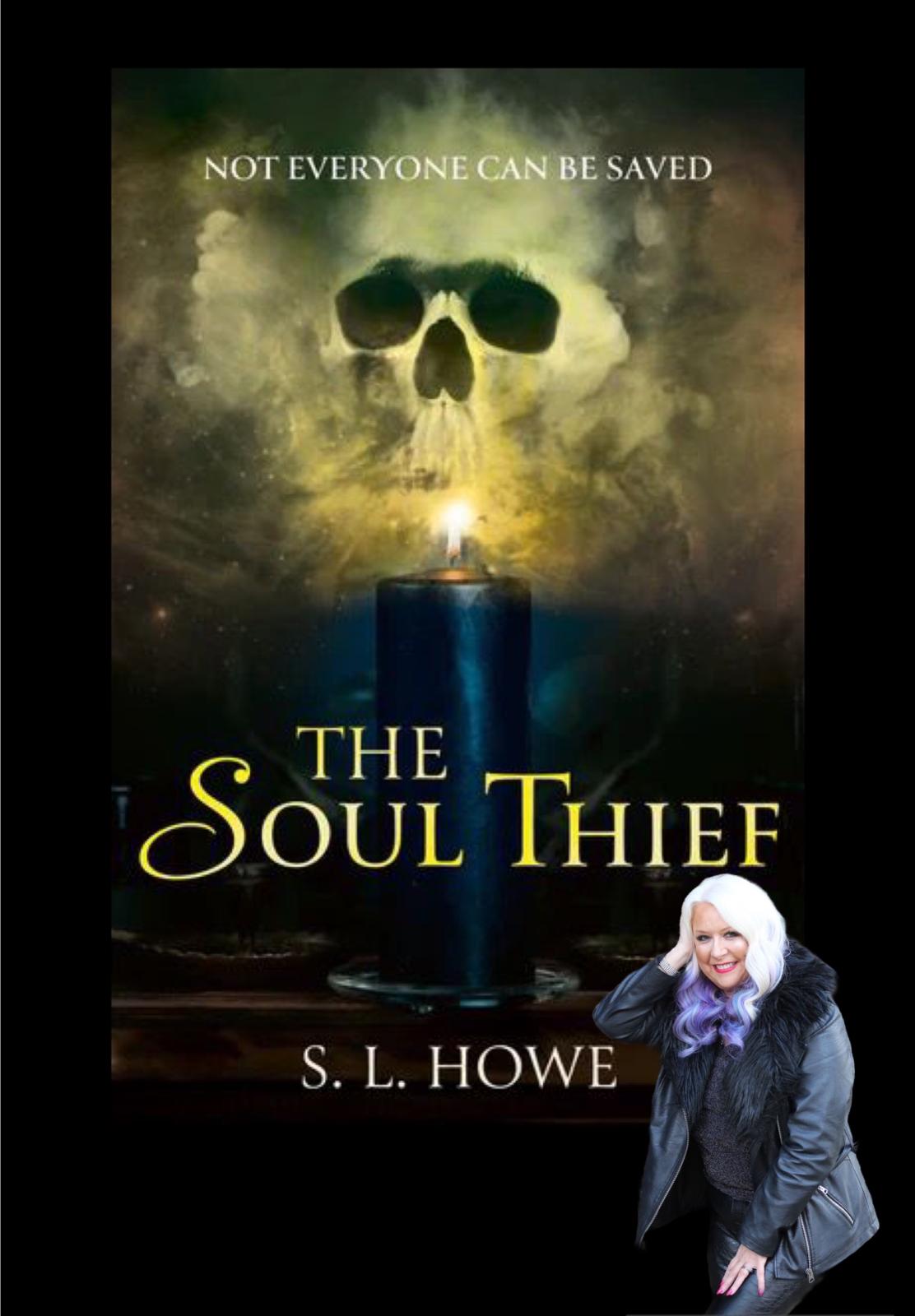
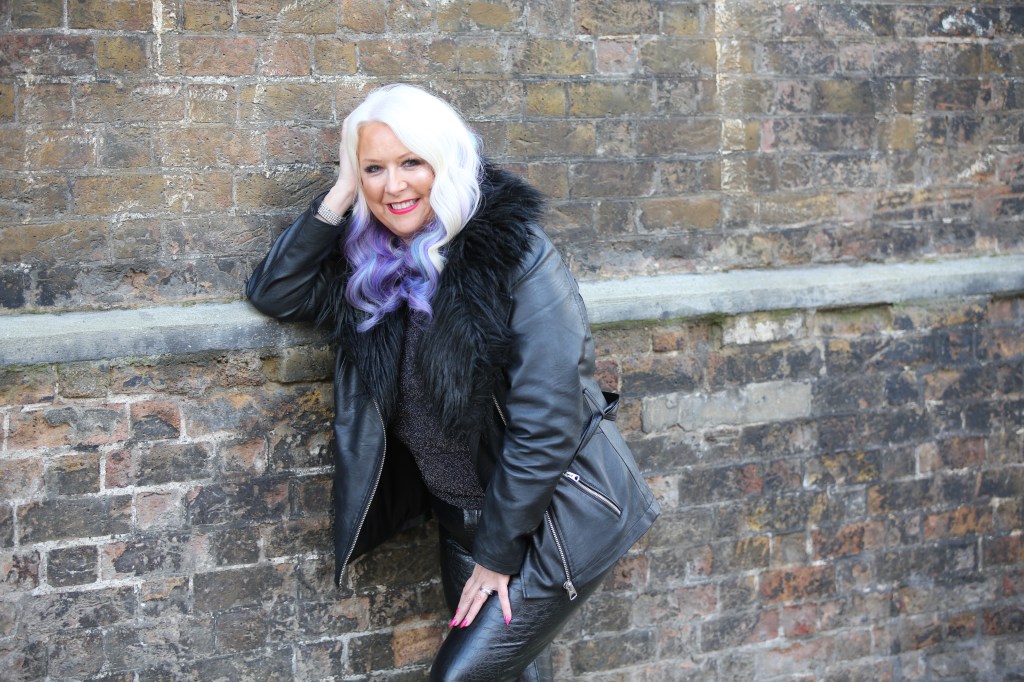
2shades Steven Smith gets down with award wining author and screen writer Samantha Lee Howe to talk about her latest venture “The Soul Thief”
Pictures by Andy Barnes and Terry Scott
Congratulations on the new book Samantha, tell us a bit about it?
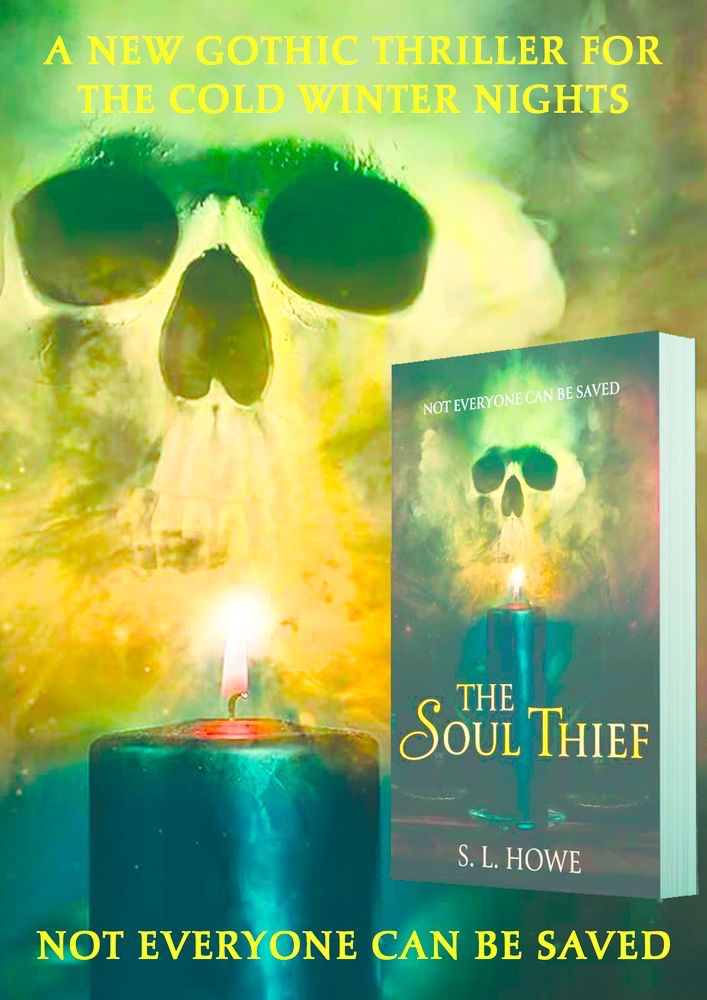
The Soul Thief is a Gothic Thriller about a gentleman detective, Mitchell Bishop, in Victorian Manchester, who begins to investigate a series of bizarre murders. Along with his former fiancée, Laura Carter, Mitchell finds himself in danger and he must look back into his own past in order to inform the present and learn who and what is hurting the people around him.
I’ve always had a fascination with gothic fiction, particularly the Victorian era, and have found the works of Mary Shelley, Bram Stoker and Sheridan Le Fanu fascinating. The Soul Thief is my tribute to 19th Century gothic fiction, but is written in the style more conducive to the modern reader. Therefore it’s very fast paced, with lots of twists and turns and a surprise ending.
Does writing horror differ from the other genre of books you pen?
Horror has always been a fascination of mine and a natural default to write into. It’s a challenging genre in many ways because you sometimes have to look deep inside yourself to really bring forth an element that scares you. It doesn’t have to be supernatural, after all, real life is full of horrible things that humans do to each other, but supernatural horror is a little less hard to take and also gives you more freedom to explore the genre.
When you’re writing in this genre you have to make many decisions about which way you want to take it and how extreme you want to go. My favourite horror to write is psychological, but I’m not afraid to be visceral if that is needed in the story and not gratuitous.
What really frightens you?
Lots of things frighten me. Enclosed spaces, heights, stalkers, people in general, as they are capable of doing terrible things to each other. One of the things I used to be really scared of was zombies – until I wrote about them a couple of times! As writing is very cathartic, it’s always good to explore the things that do frighten you the most and it takes the sting out of it immediately!
When were you growing up what horror characters caught your attention?
Growing up I was a huge fan of staying up late with my sister, Adele, watching Hammer movies. We loved the character of Dracula. Christopher Lee was my first introduction to that. I used to lie awake worrying about vampires, but couldn’t stop watching them. When I was 16 I saw my first zombie movie, Zombie Flesh Eaters, and I couldn’t watch another one after that for about 30 years! It terrified me! I even avoided Shaun of the Dead because I just hated zombies. Eventually my husband David talked me into watching the latter film, and it’s now a favourite. But I just can’t revisit Zombie Flesh Eaters!
Films like “Terrifier” are a huge hit in the USA. Do you think slasher films rank as Horror or do they just promote sadism?
All slasher films are horror, but they have varying degrees of psychological basis. Some are described as torture porn – in other words the physical violence meted out to various characters, mainly female, is the whole point of the film – and I’m not into those at all – I don’t really understand why anyone is – but each to their own! What you don’t see can be far more terrifying to the viewer or reader than anything that is presented in graphic detail on screen.
Samatha Lee Howe with 2Shades Steven Smith
The 16 Days of Action Against Domestic Violence campaign starts on November 25th, 2024, which is the International Day for the Elimination of Violence Against Women. You are a survivor ambassador for the Yorkshire charity IDAS. How did you get involved and how do people get help?
A couple of years ago, I reached out to IDAS to see if I could help them because this is a charity very close to my heart. I felt it was important, and the right time, to tell my own story, and I hoped it would help other people. I was not surprised when some of my social media friends contacted me to say they had been victims of domestic violence, what did surprise me was just how many people have had these experiences and still do.
I advised them, as I advise anyone, to reach out and call the local Domestic Violence service near them if they feel they are being abused, manipulated, controlled, or being subjected to any form of physical abuse. Not all abuse is obvious, sometimes abusers use coercive control to cause a great deal of damage to a person’s self-esteem.
For IDAS, they have a website (https://idas.org.uk/) and contact numbers (North Yorkshire and Barnsley: 03000 110 110 / Sheffield: 0808 808 2241), so please reach out if you need help!
Your screen version of your best-selling book “The Stranger in Our Bed” not only saw you being given countless awards, but was an international hit on the screen. Has life changed for you, and when will your next film be?
My personal life hasn’t changed at all I’m glad to say! I tend to stay very grounded. Professionally, though, the film has opened new doors and given me new and exciting opportunities. I’m currently writing a horror movie for a Hollywood-based producer – but I’m NDA’d so can’t say more than that! I’ve also written the pilot for The House of Killers TV series, which is based on my spy trilogy of the same name, and it’s with a production company. I guess I’m writing much more for screen now than I was.
But it’s a difficult industry with many hurdles, so getting something actually into production is rare. But we keep pitching the ideas, and discussing the options … and there are some smashing people that I’m working with.
What are you doing for Christmas?
We are having a very quiet Christmas this year at home with my daughter Linzi and our friend, actor, Frazer Hines. But we’ll be partying more at New Year when we have an annual party for some of our family and friends.
Please tell us about 2025. What plans do you have?
2025 is looking crazy already! I will be writing as always (I have several projects underway and commissioned) but I also have a few public appearances. February will see me presenting a screenwriting workshop in Scotland, March is The SciFi Weekender (a Sci-Fi/Fantasy festival which I help programme and run).
I’m running two film festivals myself (details at http://www.slhfilmfest.com), one in June and the other in October. I’ll be on panels and doing signings at the World Fantasy Convention in Brighton at the end of October … and there are so many other things in between. Busy. Very busy.
Who would you like to play you in the film version of your life?
Scarlett Johansson!! I love her, wish I looked like her – she’s very talented and so beautiful! I’ve never seen a film starring her that I haven’t loved. Same for Anya Taylor-Joy – what a talent!
The idea has left me not just stirred, but shaken.
It is time to put the brakes on the more extreme woke and cancel culture, otherwise I predict that we will soon see an enormous backlash against some of the minority groups in our country.
Some more extreme activists undo the hard work, sacrifices, and tireless fighting of the many heroes of the LGBTQ+ community which gave us the rights we have now.
When I first heard the news that there could be a gender-neutral James Bond, all I could think was “NO!”. James Bond was created by the writer Ian Fleming. The character studied at Cambridge University, where he achieved a first in Oriental Languages. In Fleming’s novels, Bond alluded to briefly attending the University of Geneva (as did Fleming) before being taught to ski in Kitzbühel.
His character is rumoured to be based on Sir William Stephenson. In fact, Fleming’s first choice actor to play James Bond was David Niven. It is documented that Fleming was less than impressed by Sean Connery playing what he called a glorified stunt man who used to drive a lorry. What the character was certainly not was trans, gender-neutral or a woman.
We do not need to rewrite the classics to force inclusion. Instead, we need to positively and proactively introduce strong gay characters into new films, television series and cartoons.
Boarding school
True, in “Skyfall,” Daniel Craig’s Bond hints that he may have tried sleeping with a man (it was almost cut). Let’s face it, while the character may be fictional, he did go to boarding school, so it is a plausible possibility. Craig is considered the closest actor to Fleming’s original description of Bond in the first novel. Casino Royale was published in 1953, with a further 11 novels making up the series.
According to the book, Bond was a womaniser, a man’s man. Rather the antithesis of a gay or gender-neutral person. He embodied, for the most part, what heterosexual men aspire to be, next to being a footballer or sports star. If the woke mob were sensible, they would leave well alone and leave this classic macho character to be just that.
There is, for sure, room for LGBTQ+ superheroes or villains on mainstream television or in films. It is important that everyone is given roles to give exposure to all communities. But this needs to be positive exposure, done with tact and not at the expense of “the other side”.
Lesbian Snow White
I do not want a lesbian Snow White. Nor do I want a socially challenged Queen with narcissism issues carrying a fair-trade organic apple. Or Cinderella, who obviously lost the shoe because she was drunk, being transformed into Buttons, who lost his shoe while getting ready for Ru Paul’s Drag Race. Or Indiana Jones and the Last Top on Old Compton Street. Leave them alone!
Sure, many of us in the LGBTQ+ community did not have role models growing up and those of us who grew up in the 70s and 80s can thank God for Bowie and T-Rex, Boy George and Quentin Crisp!
We do not need to rewrite the classics to force inclusion. Instead, we need to positively and proactively introduce strong gay characters into new films, television series and cartoons. Netflix recently released “Single All The Way,” which was a brave attempt at exposing general audiences to gay characters with a sense of normality – just a typical rom-com where the main characters just happened to be gay (it’s a shame though that Jennifer Coolidge could not save that turkey!). But, as my sister says, heterosexuals have to endure Hallmark. It is only fair we have a bad movie too.
Joan Collins
The last thing we need is to start to attack something that is seen as masculine or feminine and try to turn what is seen as a heterosexual character into an LGBTQ+ character. If the heterosexual community thinks we are attacking them, we are in trouble as fear has caused more wars in history – that is what will happen if we attack their foundation.
Why do we need to do this when so many of our community are such heroes?
Joan Collins has so eloquently expressed that cancel culture is a problem, but so are extremists in the LGBTQ+ community. Trust me: we have a huge backlash approaching as extremism in any group is not a good thing. All the incredible work so many in the community have dedicated themselves to accomplishing to fight for our community rights can quickly be undone. We are already seeing this unravelling – homophobic hate crimes have trebled in the UK this year…and that’s just crime that is reported.
Mermaids
Talking, not arguing, is the way forward. Recently, I had the pleasure of having drinks with two friends. The topic of trans children came up. I know many trans activists who think children should wait until they are 18 years old to start treatment but are frightened to say so in case they are cancelled or abused on social media. I was wondering what the author’s perspectives were, and the conversation quickly went quiet.
So, we moved on. Later in a very entertaining hour or so, the subject of Mermaids, the charity for trans children and their parents. It turned out that one of the groups had been involved with the charity. I asked if they had gone quiet before as the subject had offended them. They said no: they just said they didn’t want an argument. The statement “I do not argue, I merely correct” sprung to mind as they said this, and it made me realise that different perspectives within the LGBTQ+ community may not be heard.
We need to calmly listen to one another, as we still have a lot to learn. Thanks to the conversations I have had, I have learned a different point of view and, that night, I started to look into Mermaids and find out about how they help trans kids who need support through what, for many, is a difficult and often traumatic experience.
The LGBTQ+ community is still under attack every day. Like all wars, a good strategy is a key factor in survival. Education in schools is essential – using positive role models and making kids feel safe who do not fit the masculine or feminine stereotypes. This is still going to take time, understanding, and some amazing people to give a strong voice to this community. This is NOT going to be achieved by trying to rewrite classic characters, as this will only antagonise those not affiliated with the community.
If we do not box clever, one day, we could wake up to someone ruling the world that will make Trump look like a fairytale character. Just think back to 1933 when a failed artist persuaded an entire nation to turn against minorities. Let’s not be naive and think it could not happen again.
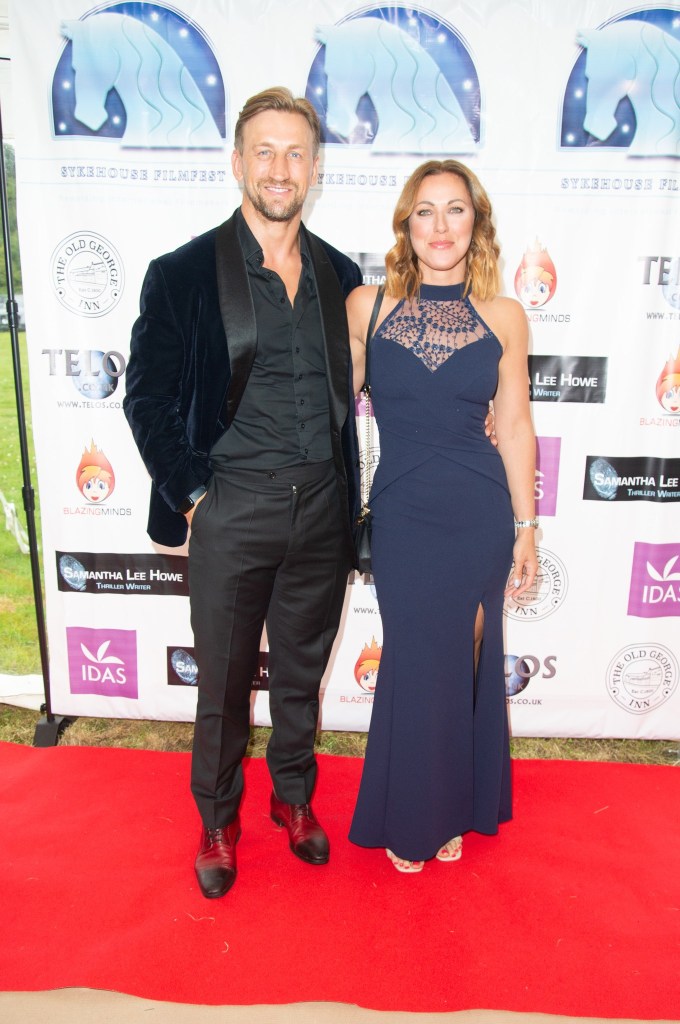
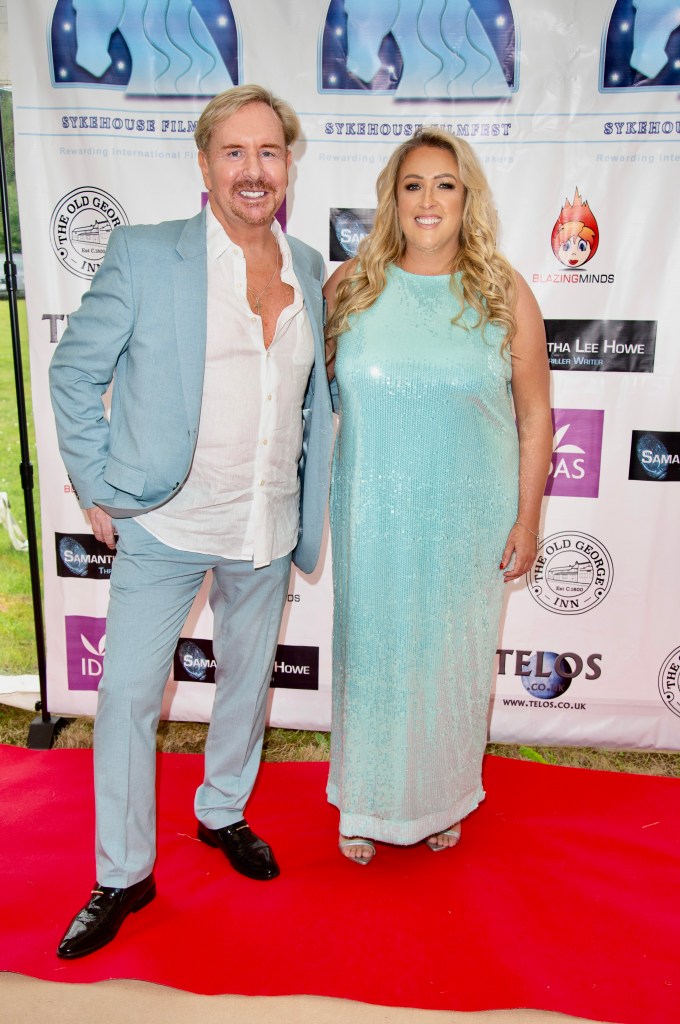
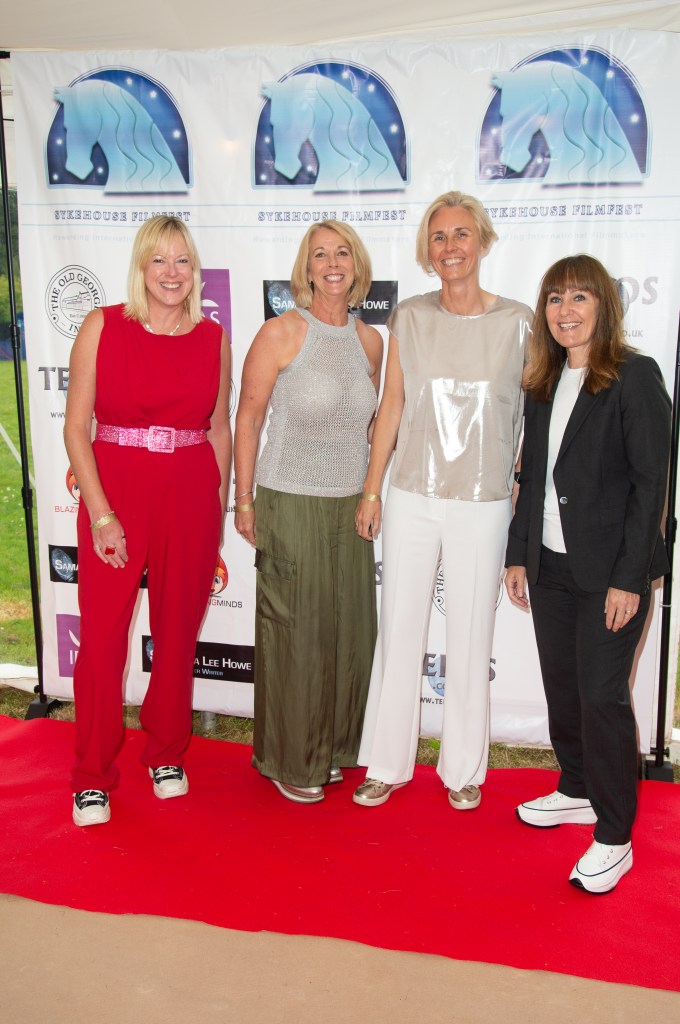
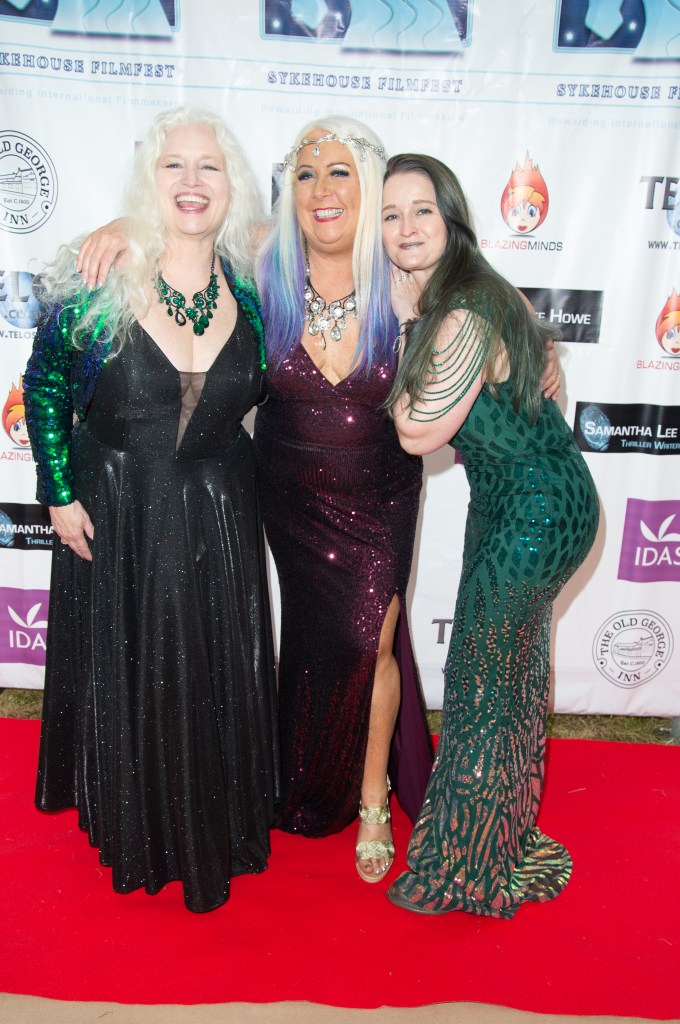
Actors and celebrities joined film makers and writers at this sold-out red-carpet event held at the “Old George Inn” Sykehouse.
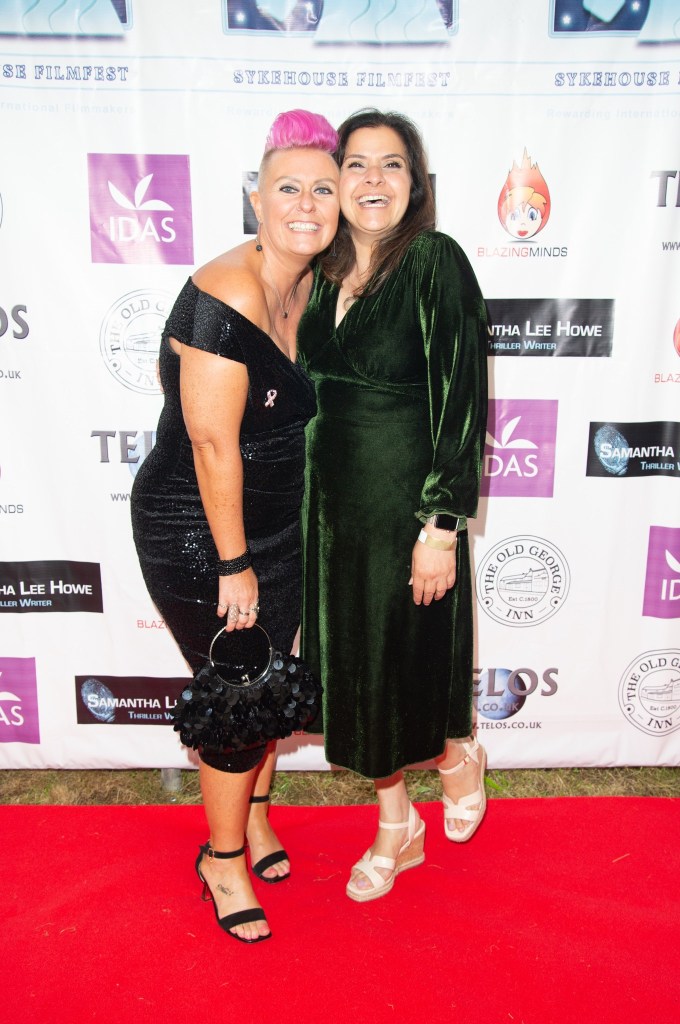
Award winning actress Nina Wadia OBE with Champion charity ambassador Pink Ribbons Lisa Allen
There was great excitement as Nina Wadia OBE (Eastenders), Gary Webster straight from starring in the action thriller ‘Bermondsey Tales, his wife presenter turned author Wendy Turner Webster, acting legend Frazer Hines (celebrating 70 years in show business), local royalty rugby ace turned Hollywood actor Keith Mason, and presenter Danielle Broadbent and actress Michelle Jeram (Granite Harbour BBC ) were amongst the celebrity guest.
One of the surprises of the festival was a guest appearance by zoom from Tom Hank’s brother Jim Hanks.
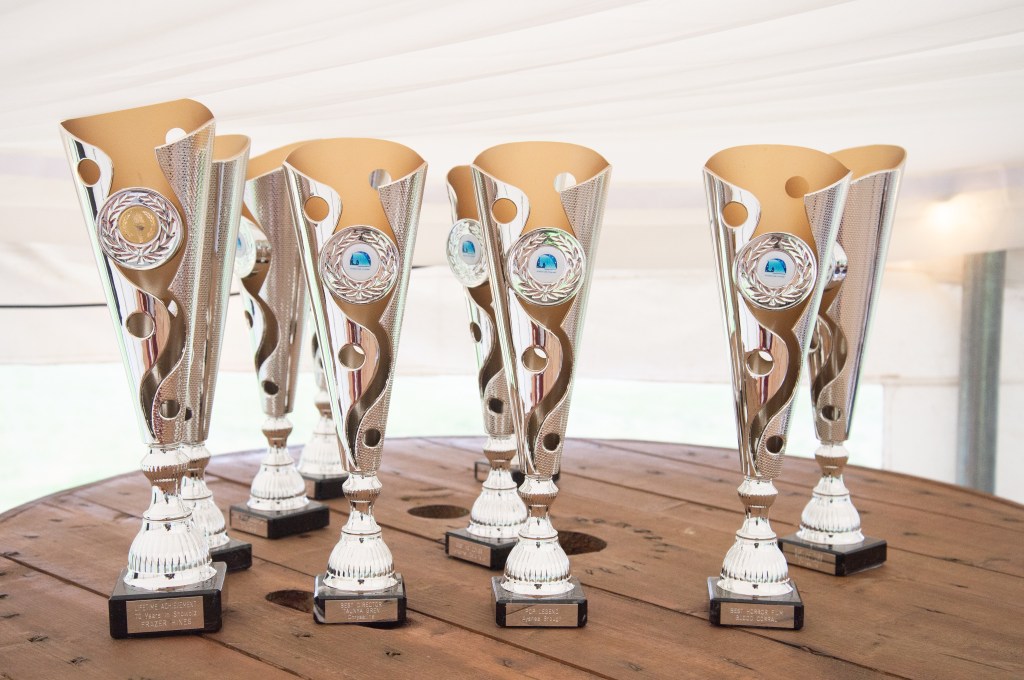
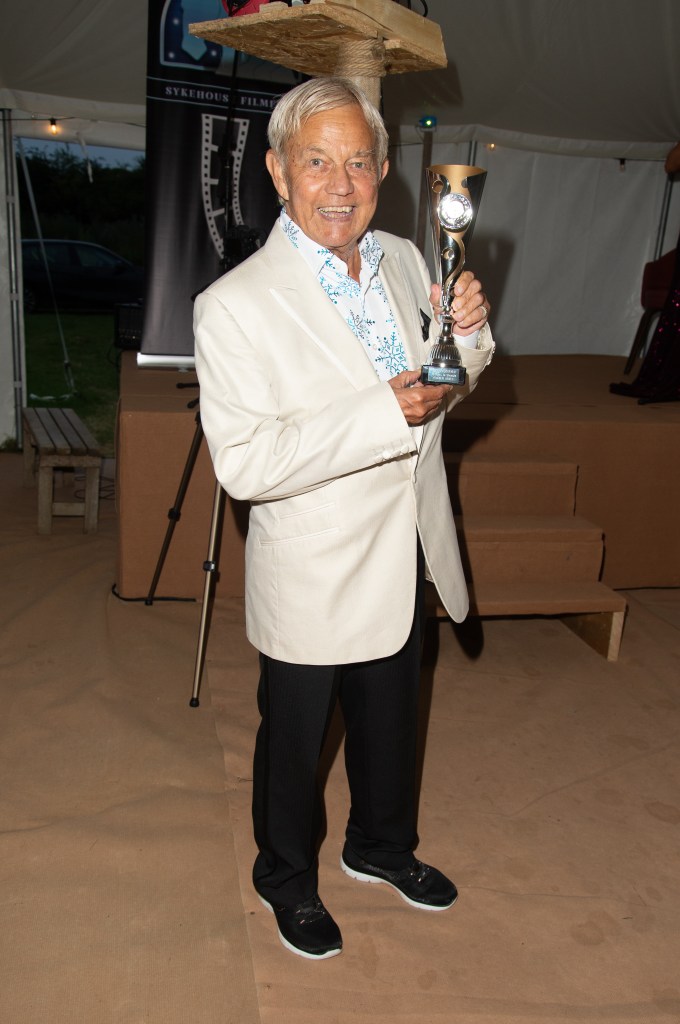
Acting Legend Frazer Hines receives a life time achievement award
There were tears in the room as the evening was dedicated to the Irish song bird Rose-Marie who was meant to presenting but sadly passed on a few weeks before the event.
Acting King Gary Webster, with Pet-rescue presenter Wendy Turner Webster Join author Samantha Lee Howe on the red carpet .
The entry films were shown during the day. This included a selection of short and feature films submitted to the festival which had all been commended by the judges.
The festival was the brainchild of USA Today bestselling author and multiple-award winning screenwriter Samantha Lee Howe.
Rugby legend turned Hollywood actor Keith Mason with his partner Nicole Hudson
“I wanted to create an event which celebrated the art of film, and which rewarded filmmakers by getting their work in front of an appreciative audience”, she explained.
The evening was presented by David Howe and winner of the night were Taunya Gren from the USA, who had submitted three of her films to the festival: two shorts and one feature.
She ended up scooping seven awards in total, including the Best Director, Best Horror Feature and Best Short Film, while Seanna Ladd, Gren’s daughter, who appeared in all three films, was awarded Best Actress.
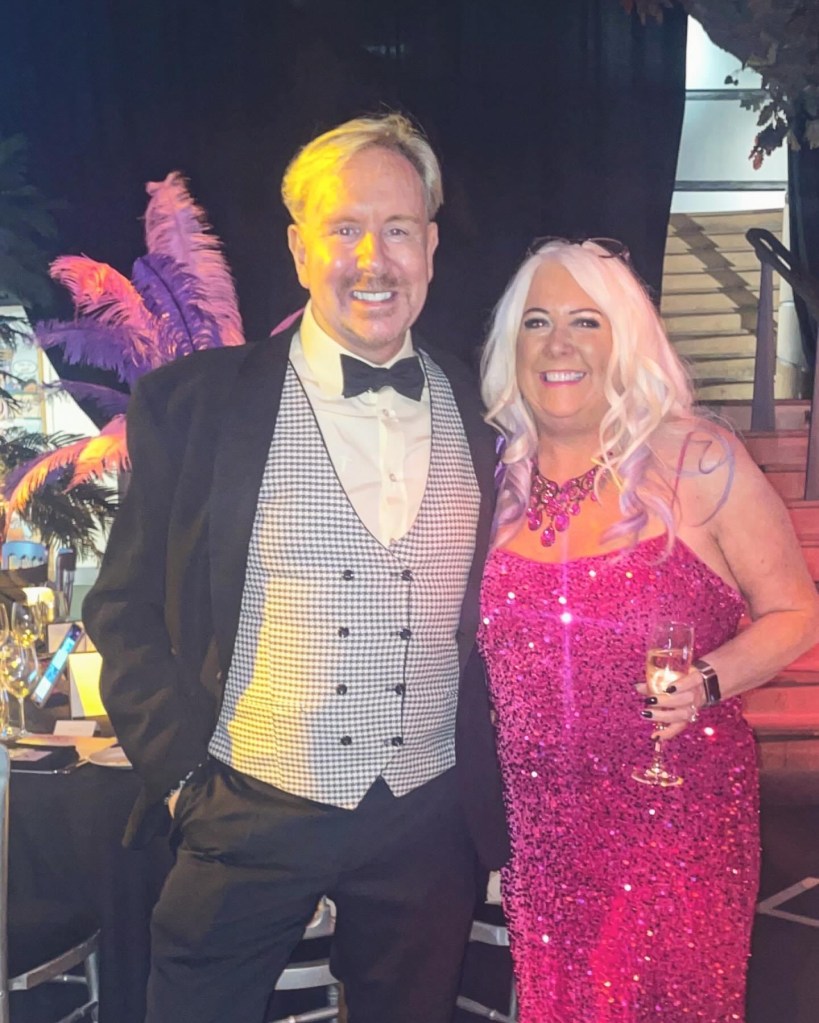
Celebrity hairdresser turned author Steven Smith Joins presenter Danielle Broadbent as they rock the red carpet
Comedy was provided by top comedians George Coppen and Alex Leam, while Linzi Gold sang three of her own songs to an appreciative audience.
There was a raffle in aid of the Yorkshire charity IDAS with some amazing prizes. Award-winning winery Nyetimber provided Champagne for the guests as they arrived.
The whole event was an incredible success with people coming from all over the UK, and even from America, to attend.








 2Shades Magazine