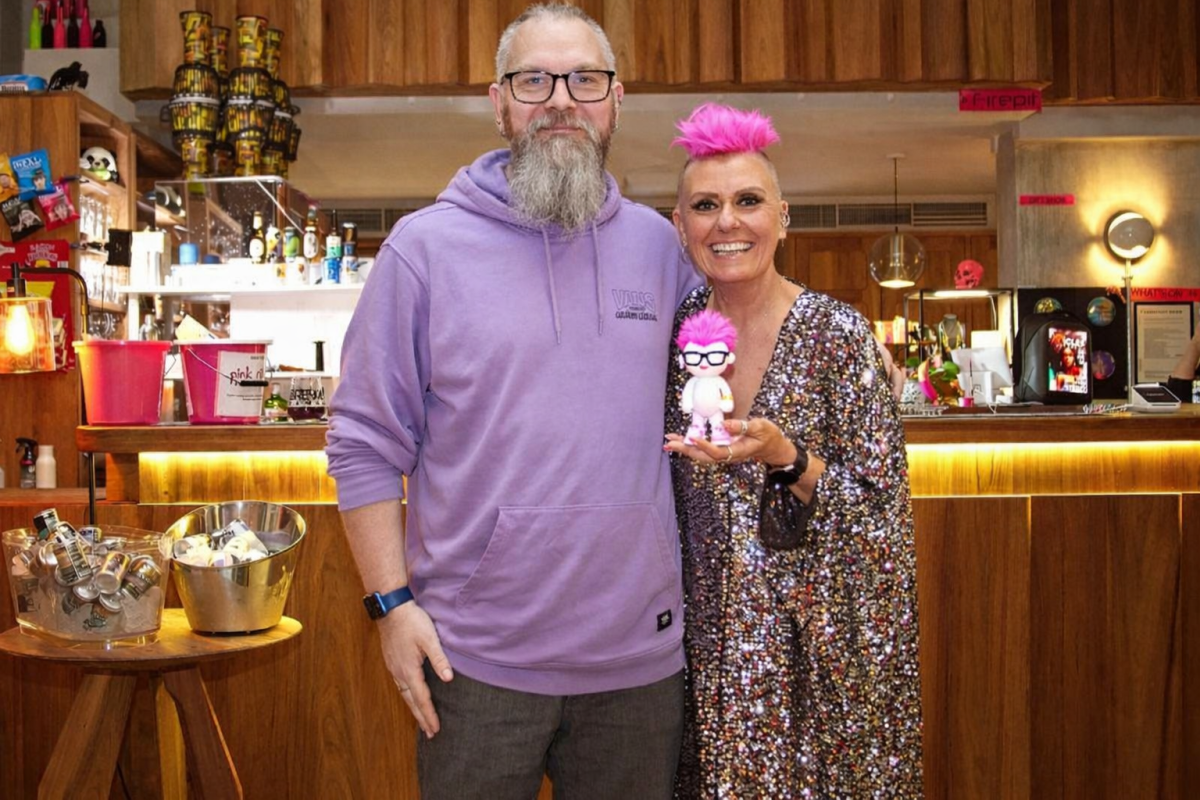
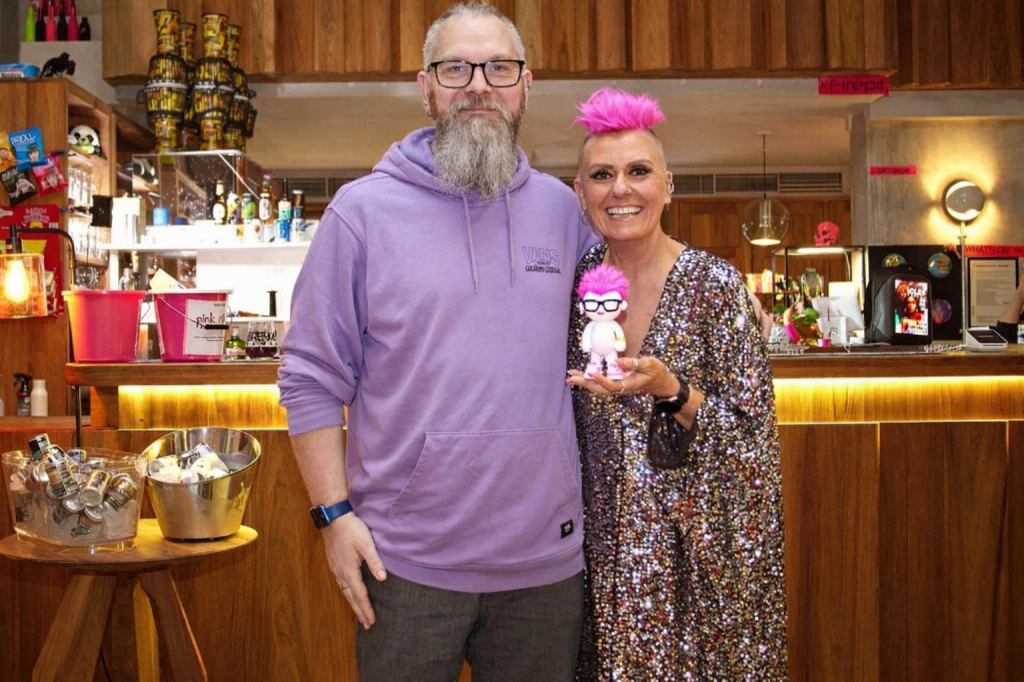
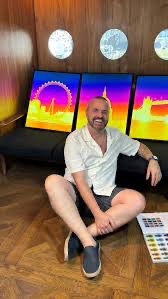
t was with palpable excitement that artist Alistair Blaster unveiled a deeply personal and touching tribute to Lisa Allen of the Pink Ribbon breast cancer charity—her very own “Blanky,” lovingly created in her image. The presentation took place at the Firepit Gallery by the O2, a vibrant creative hub that has become synonymous with championing grassroots art and meaningful causes. Surrounded by an enthusiastic and supportive crowd, the moment captured not only the spirit of artistic expression but also the profound sense of community that events like this inspire.
The evening was a celebration of both creativity and compassion, with attendees gathering to support the vital work of the Pink Ribbon charity. Alistair’s piece stood as a heartfelt acknowledgment of Lisa Allen’s tireless dedication and the impact she continues to make in raising awareness and supporting those affected by breast cancer. The “Blanky” itself—playful yet poignant—embodied warmth, comfort and resilience, echoing the very ethos of the charity it honoured.
Also on display was the striking work BustOut by artist Anne-marie Bickerton, whose bold and expressive style added another layer of depth to the evening’s artistic offering. Her work, known for its emotional intensity and fearless use of colour, complemented the tone of the event perfectly, reinforcing how art can be both visually captivating and socially powerful.
Alistair Blaster is rapidly emerging as a distinctive voice within the contemporary art scene. His unique creations—often character-driven and rich in narrative—have already attracted the attention of notable figures, including Vicki Michelle Allo Allo ” and Dr Anna Kennedy. OBE His work has also begun to cross into storytelling, inspiring children’s literature that carries the same warmth and imaginative spirit found in his visual pieces.
Speaking about the inspiration behind the “Blanky,” Alistair shared: “I am a huge supporter of Pink Ribbon, and I wanted to do something to celebrate not only the charity but Lisa Allen, who is truly inspirational in her work.” His words resonated with many in the room, underlining the importance of recognising the individuals behind charitable movements—those who quietly and consistently make a difference.
The event at Firepit Gallery was more than just an art showcase; it was a reminder of how creativity can be harnessed for good, bringing people together in support of causes that matter. With his growing reputation and heartfelt approach, Alistair Blaster is certainly an artist to watch.
Ciara Lawrence’s Pink Sparkle Podcast Celebrates Five Fabulous Years With Dr Anna Kennedy and special guests
Words: Steven Smith Pictures: Antony March
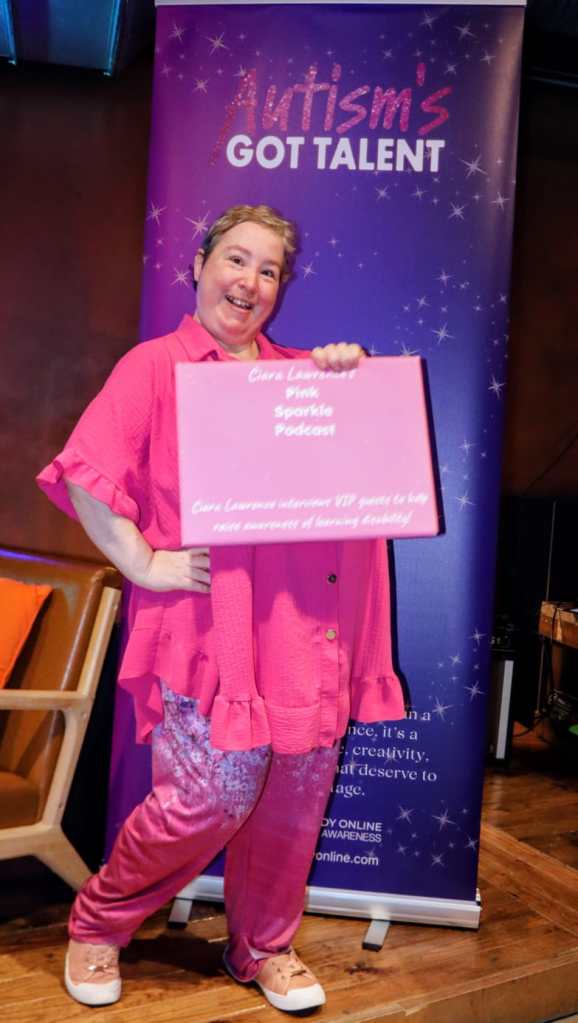
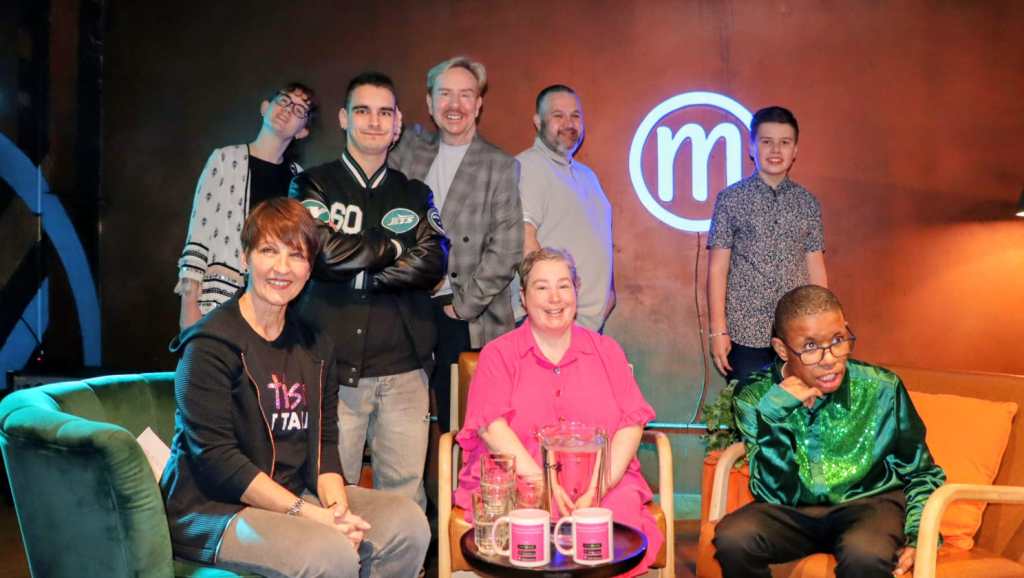
Everything was shimmering in shades of pink on Thursday evening as Ciara Lawrence took to the stage at Metropolis Epsom to celebrate the fifth anniversary of her much-loved Pink Sparkle Podcast. Dressed in a stunning pink outfit that perfectly captured the spirit of the night, Ciara embodied the warmth, glamour and resilience that have become synonymous with her brand.
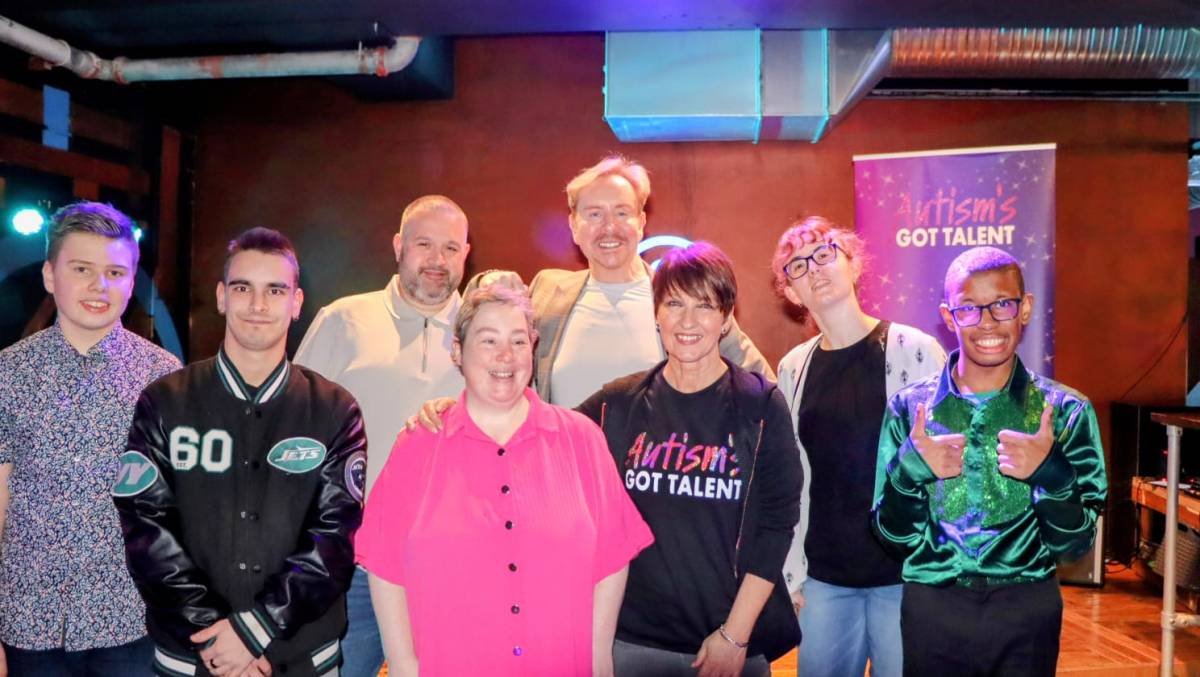
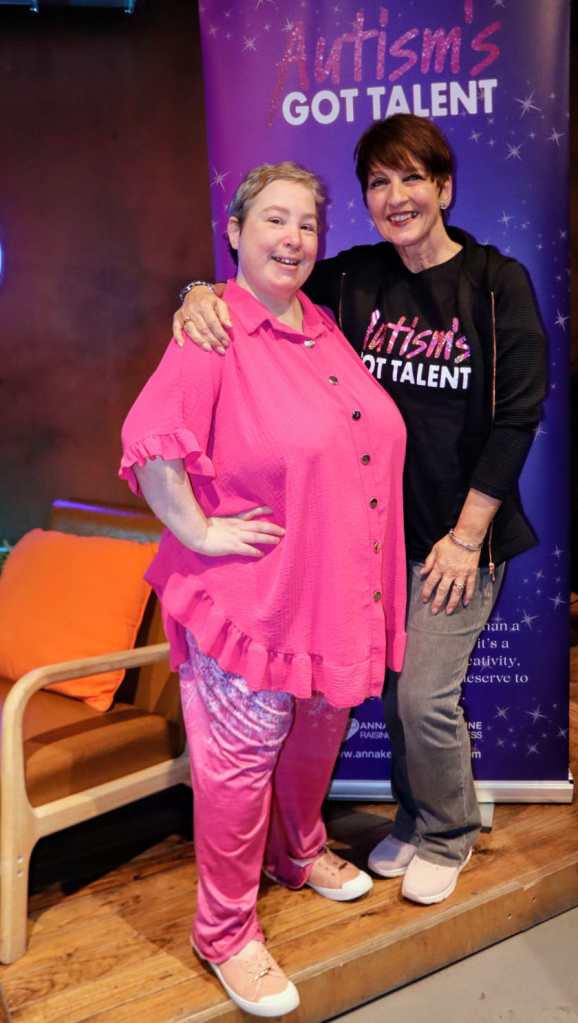
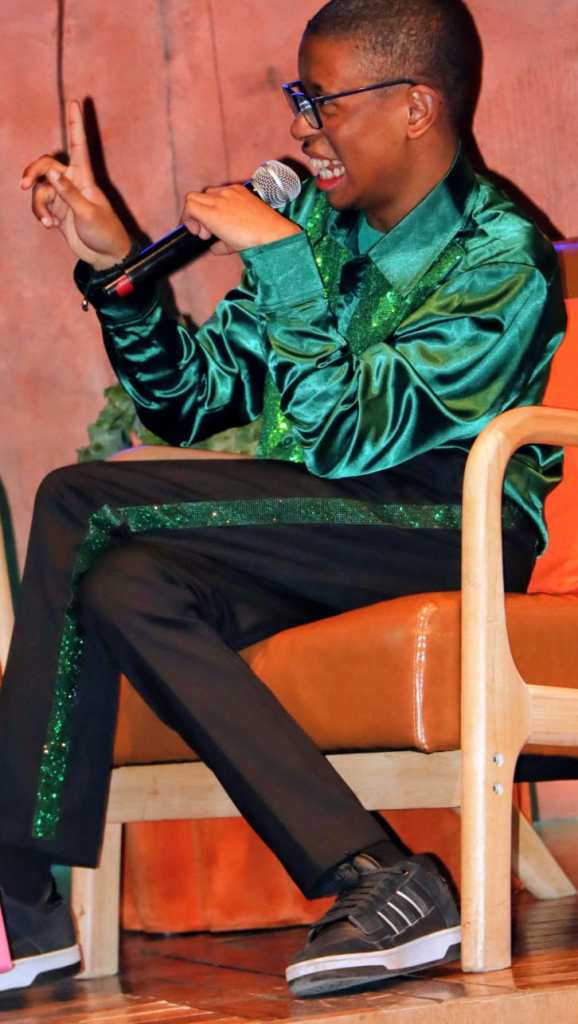
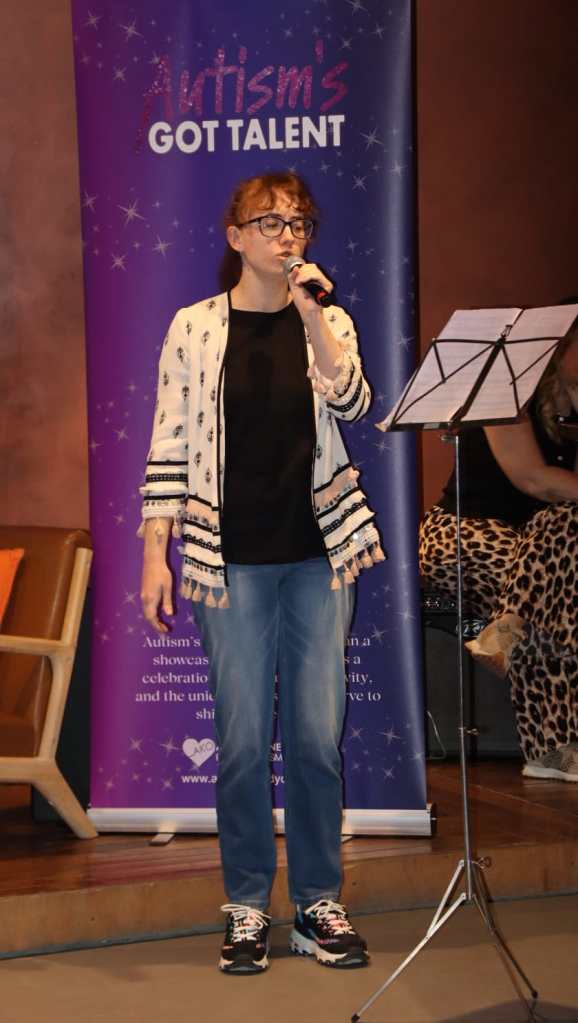
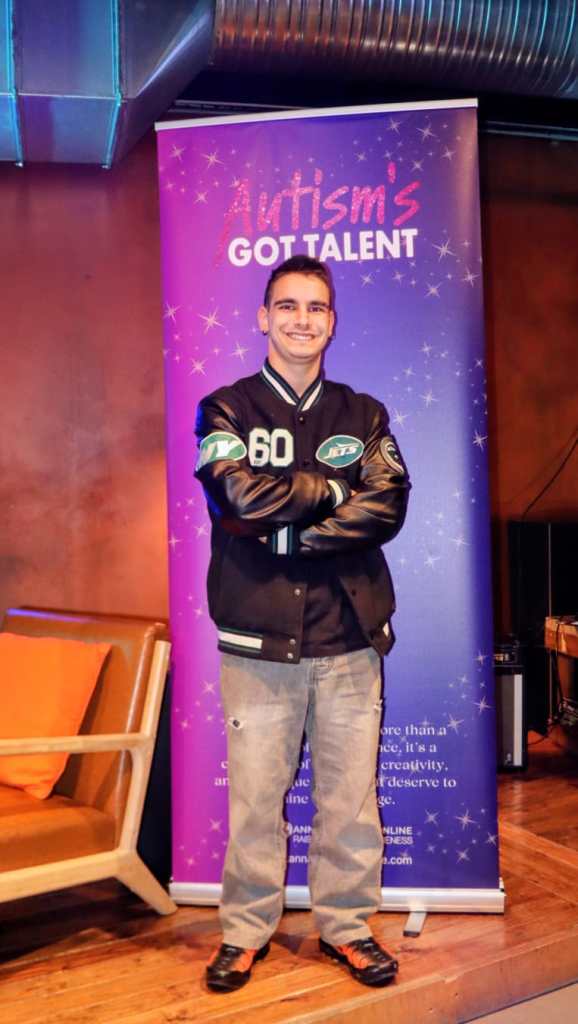
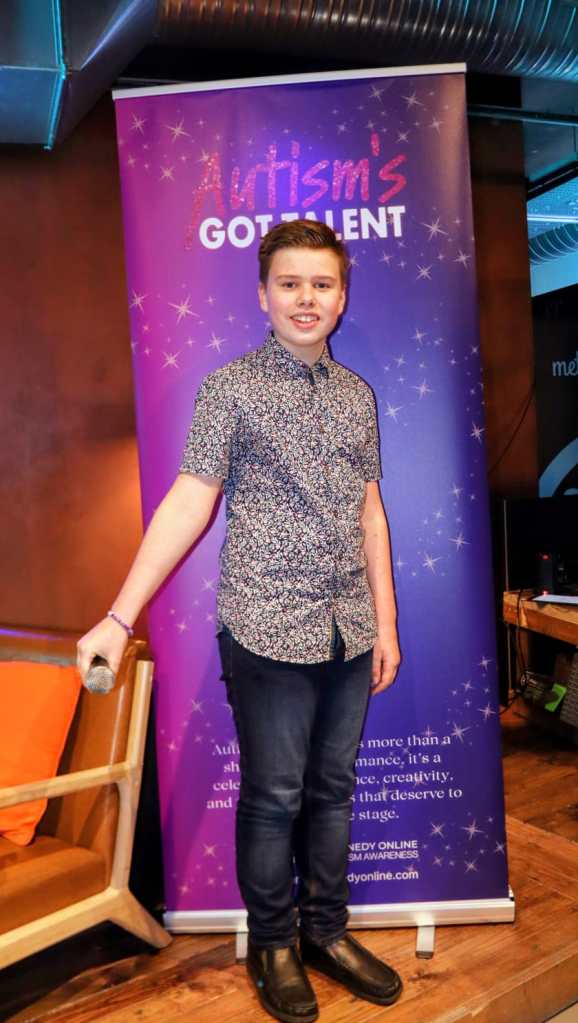
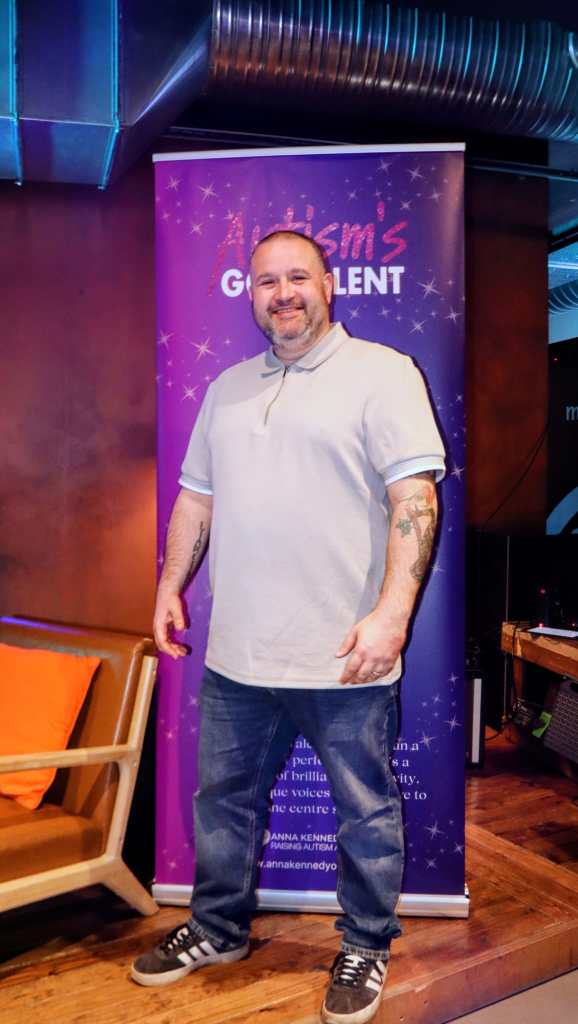
The evening was more than a celebration—it was a heartfelt tribute to a journey built on courage, connection and community. Special guest Dr Anna Kennedy brought with her an inspiring lineup of performers from Autism’s Got Talent, including Ethan Stewart, Marie Gorton, , Richard Anthony ,George Pond and Callum Kirrage. Together, they helped create a vibrant, uplifting atmosphere for what was a live recording in front of an enthusiastic and deeply engaged audience.
Ethan Stewart
Anna Kennedy, clearly moved to be part of the milestone event, spoke warmly about Ciara’s journey. “Ciara, I knew the minute I met you that you were a winner, and that The Pink Sparkle Podcast was something truly special,” she said, her words met with heartfelt applause.
Marie Gorton
Ciara, ever the consummate professional, balanced emotion with humour throughout the evening. She laughed and joked with the crowd, sharing stories of past guests—including her admiration for TV personality Rob Rinder—and revealed her hope to one day welcome his friend Rylan Clark onto the show. Yet at the heart of the evening was something far more personal: her journey with Anna Kennedy.
Calum Kirrage
“Despite everything I faced, you saw me in a room, came over, and it changed my life,” Ciara said, visibly emotional at times, holding back tears as she reflected on how that moment shaped her path.
Behind the scenes, the dedicated team from Anna Kennedy Online ensured the evening ran seamlessly. Lisa Robins—often described as the woman who “oils the wheels” of the organisation—handled the sound and event logistics with her usual professionalism, while Tally Nothey captured special moments on film, including a heartfelt thank-you message to Stacey Moore for her support.
There was even a surprise appearance from yours truly, as I marked 13 years with a charity that has profoundly changed my life. I shared a few chosen words about what the journey has meant to me—though, as many will attest, stopping me talking is no easy feat.
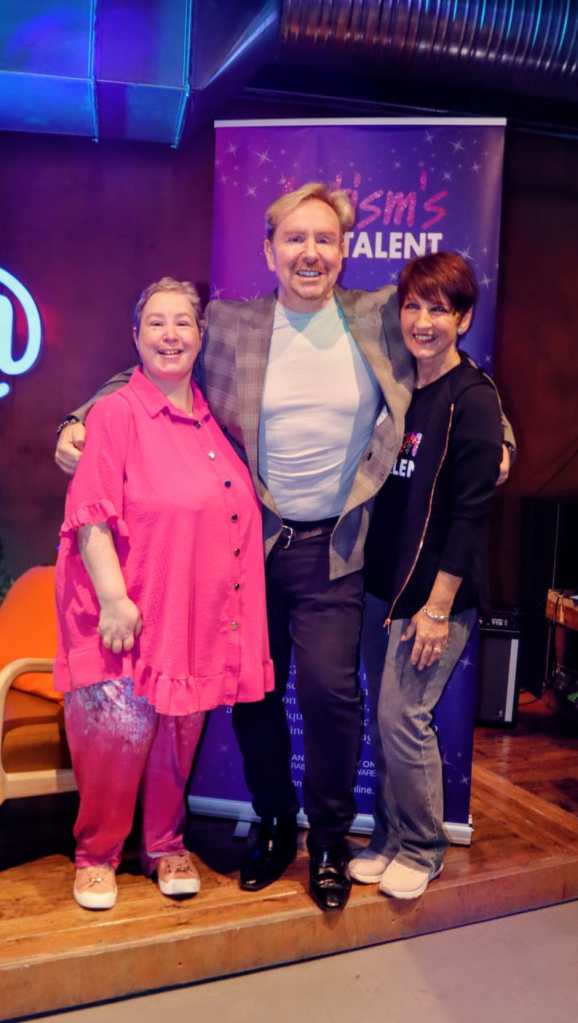
Me with two amazing ladies Dr Anna Kennedy OBE and Ciara Lawrence
Richard Anthony also deserves special mention, not only for his ongoing charity work but for delivering a memorable performance on the night.
George Pond
Gratitude must also go to Metropolis Epsom for generously providing the venue, helping to make the evening possible.
Richard Antony walking In with Happiness charity and fund raiser performed,
Anna’s final word “Ciara, thank you for allowing me to be part of your journey. Your sparkle is not just pink—it’s powerful, inspiring, and here to stay. I’ll always be cheering you on.”
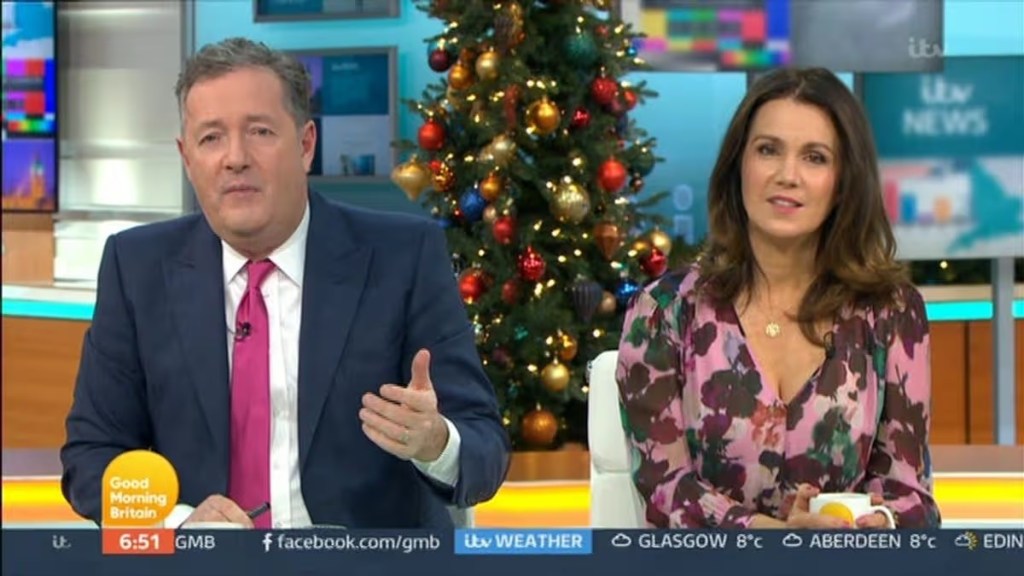
Why Piers Morgan Might Miss a Beat on Mental Health — But He Is on the Side of the LGBTQ+ Community
Screenshot
“I disapprove of what you say, but I will defend to the death your right to say it.” — Voltaire
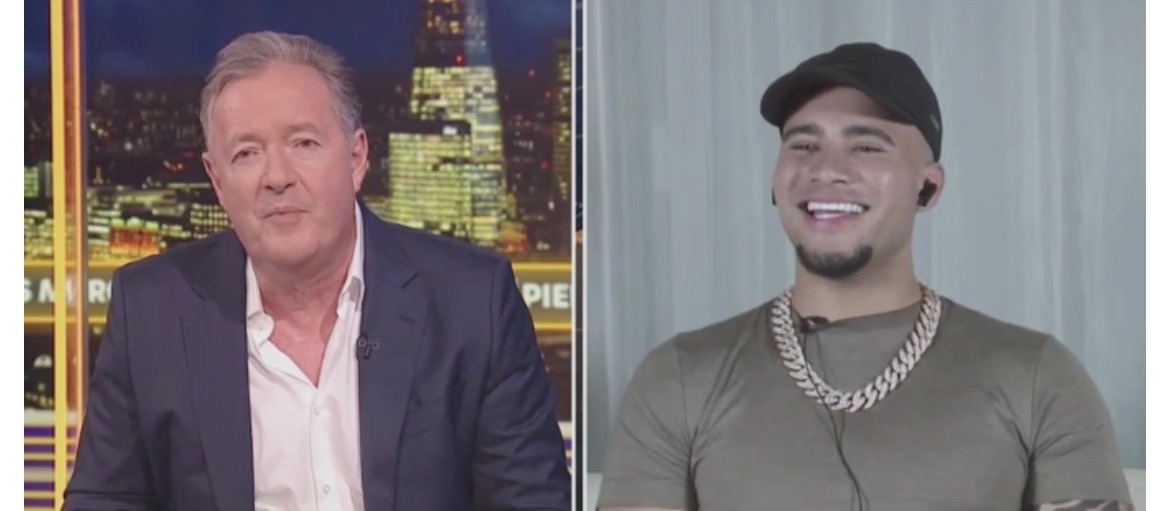
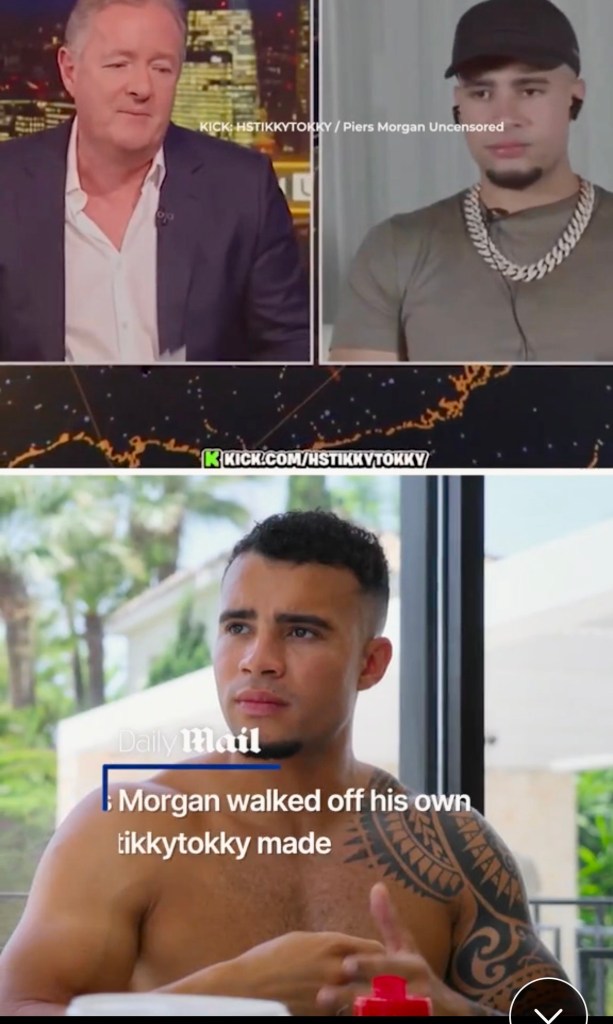
Let’s get one thing straight about Piers Morgan: he is no homophobe. I am re-running a feature I penned around the time he walked out of Good Morning Britain. No, I do not agree with his views on mental health for the most part, but he is entitled to his opinion. I was dumbfounded that he did not take Kevin Spacey to task over giving Elton John as a moral character reference. Having been a guest as a teenager at the Rocket Man’s house, I believe the truth will come out. His interview with the deluded TikTok personality HSTikkyTokky showed his stance against homophobia, and I will be writing about that in my column next month. For now, please read why Piers is, in fact, an LGBTQ+ ally.
Steven Smith takes a look at the meteoric rise of what could arguably be the ultimate school bully, Piers Morgan. He asks: as an adult society that often does not move far beyond the playground, do we actually revel in Morgan’s Machiavellian ways? Is he a friend to the LGBTQ+ community, and should he be fired from Good Morning Britain for his apparent sexist views and for questioning whether we should teach children that there are 100 genders?
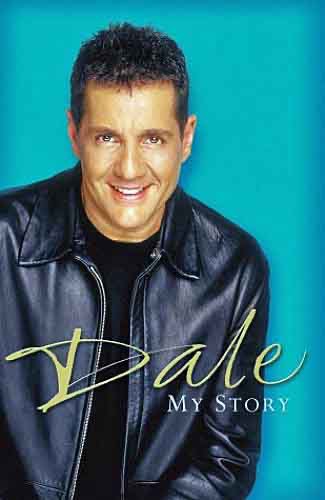
Victoria Wood is about to come on stage at the Royal Albert Hall, and I am in the box, hosted by her PR, Neil Reading, with a variety of celebrities, journalists, and media types. The lovely Dale Winton is chatting away to me—fabulously bronzed, styled to perfection, charming and witty. Everyone is excited about the show when suddenly the air changes.
RIP Dale Winton
“Oh God, no!” Dale shrieks, as if Maleficent herself had appeared to cast a spell over us. Some of the other guests look uncomfortable too. No—it is not Maleficent. It is Piers Morgan, then the youngest editor of the Daily Mirror. Dale does all he can to avoid him, but Piers makes a beeline, grinning from ear to ear. “How’s that bottom doing, Dale?” Dale’s tan deepens two shades. “Fine, Piers, thanks,” he replies, avoiding eye contact. The penny drops. The Daily Mirror had splashed that Dale had been paying for colonic irrigation treatments at a clinic in London’s trendy Beauchamp Place—the same clinic frequented by Princess Diana. Somehow, they had photos of him leaving.
If Dale had turned around and said, “Oh, just great! You should try it, Piers—wash some of that rubbish you write straight out of you!” I suspect both men might have laughed, and Piers might even have offered him a column. The scenario did make me chuckle. Piers was goading his subject like a provocateur returning to the scene of the crime. It was no big deal—but Dale was private, kind, and is still sadly missed.
The next “victim” was Anthea Turner, splashed across the tabloids during her very public relationship scandal involving Grant Bovey. Piers had that unmistakable school bully energy—unable to resist the poke. Yet here’s the paradox: he also wanted to be one of them, a celebrity himself.
Let’s be clear—Piers Morgan is a genius. Rupert Murdoch made him editor of the now-defunct News of the World at just 29. He has the rare ability to remain calm while provoking others—an ability that later defined his interviewing style. Sometimes uncomfortable, often gripping, always headline-making. And when he chooses, he can be kind.
At a wedding with Barbara Windsor and her husband Scott Mitchell, Piers joined our table. He was delightful, charming, engaging. Until a PR woman confronted him. Piers remained calm while she became increasingly furious, eventually storming off. He had that effect—controlled chaos.
Under his leadership, the Daily Mirror became more progressive on gay issues, especially compared to rival tabloids. He helped elevate voices like Sue Carroll, a fierce advocate for LGBTQ+ rights and a dear friend of mine. He also co-created the Pride of Britain Awards alongside Peter Willis. But let’s not kid ourselves—we still have a long way to go before tabloids are truly safe ground for the LGBTQ+ community.
After the Abu Ghraib scandal and other controversies, which he has always denied wrongdoing in, Piers was sacked. You might expect him to disappear. Instead, like a phoenix, he came back stronger. From television appearances to America’s Got Talent, from winning The Celebrity Apprentice under Donald Trump, to taking over Larry King’s CNN slot, he rebuilt himself as a global media personality.
And here’s the key point: on LGBTQ+ issues, Piers Morgan has consistently shown support. He has challenged so-called conversion therapy advocates on air, telling one, “Shut up, you bigot.” He has supported figures like India Willoughby and publicly backed trans rights in debates. There is simply no credible evidence that he is anti-gay.
Now critics call for him to be cancelled—over gender debates, over tone, over clashes with guests. But should he be fired? No. If we silence every voice we disagree with, we risk losing something vital: dialogue, understanding, and progress.
I want to hear opposing views—even uncomfortable ones. That is how we measure how far we still have to go. We have made huge progress. Ten years ago, LGBTQ+ role models speaking in schools would have been unthinkable. But progress requires conversation, not cancellation.
Yes, Piers gets it wrong, especially on mental health. I believe he owes Denise Welch an apology. But he also reflects a segment of public opinion we cannot ignore. We must challenge hatred, but not silence debate. Because if we push dissenting voices underground, we risk something worse: backlash.
So no, I do not agree with everything Piers Morgan says. But I would still want him on my side.
And one final thought: can someone explain the “100 genders” to me? Not out of defiance, but because I want to understand. Asking questions does not make someone a bigot—it makes them human.
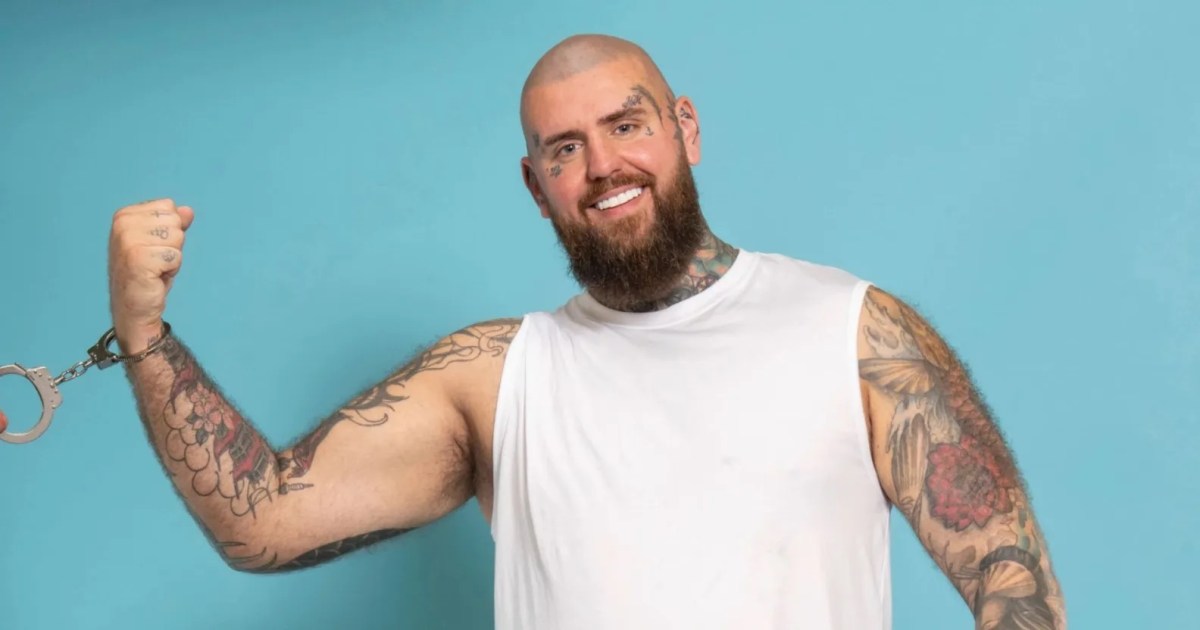
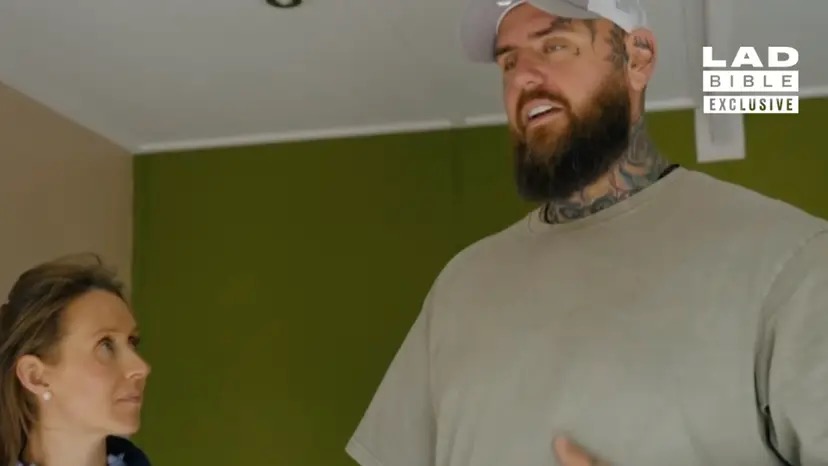
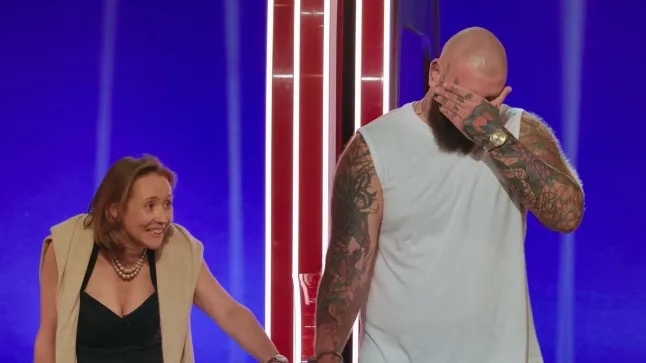
Big Rob: The Gentle Giant Who Became the Heart of Last One Standing
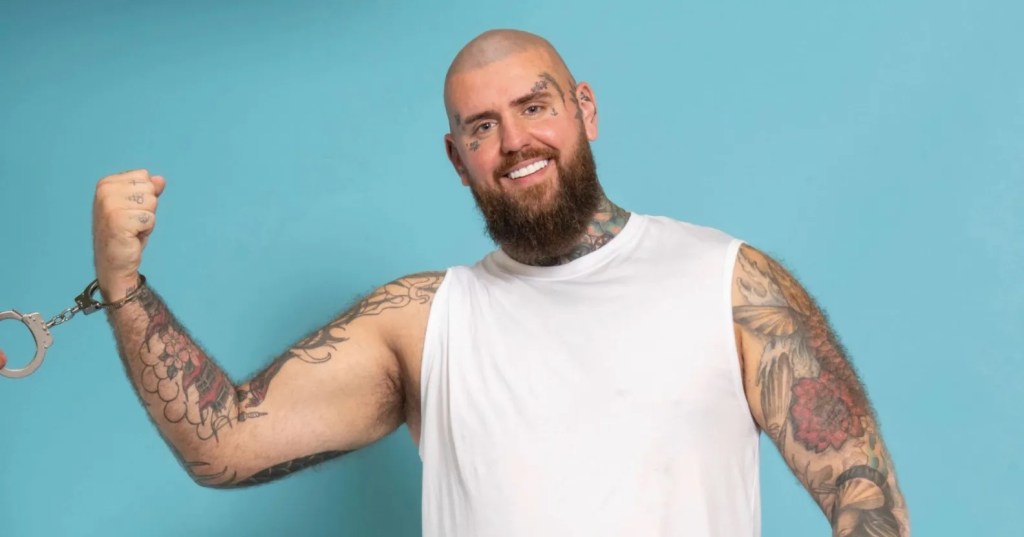
Big Rob becomes the gently sensitive giant who has emerged as the standout star of Last One Standing: Handcuffed.
Known to many through his work on OnlyFans and often described as a “gentle giant,” Rob has proven himself to be one of the most compelling and quietly powerful figures in the show. What makes his journey so impactful is not simply the contrast between his profession and the programme’s premise, but the dignity, patience, and emotional intelligence he has brought to every moment on screen. In doing so, he has not only represented himself with pride, but has also offered a refreshingly human portrayal of the LGBTQ+ community to a broad—and at times sceptical—audience.
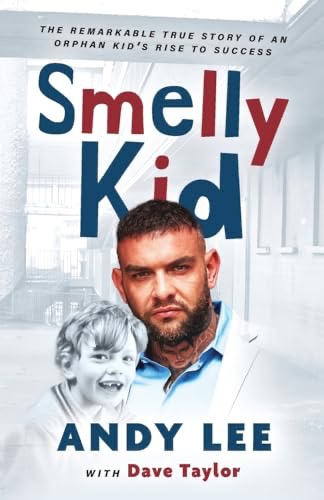
I am a huge supporter of Andy Lee and his gang of merry, mostly straight men. After all, for years straight men have ogled and slobbered over Playboy bunnies and the like, with very little chance of ever fulfilling those fantasies. So in equal measure, why shouldn’t someone be able to make a living from fulfilling the fantasies of others?
But what this show reminds us—powerfully—is that behind labels and professions, people are human. From the outset, pairing Rob with Charlie Gray—a self-described prude, traditional housewife, and devout Catholic—could have been a recipe for conflict or caricature. On paper, they represent two vastly different worlds. Yet what has unfolded is something far more nuanced and, at times, unexpectedly moving.
Rob has consistently approached Charlie with kindness, humour, and respect. He has never mocked her beliefs or discomfort, but instead has met her exactly where she is. That, in itself, is a powerful statement: difference does not have to lead to division.
Throughout the series, viewers have witnessed moments of tension, vulnerability, and even emotional breakdowns. These are not manufactured dramas, but genuine human reactions to an intense and unusual situation. In those moments, Rob has shown remarkable emotional resilience. He has remained grounded, often acting as the calmer presence, even when the situation could easily have pushed him into frustration. This ability to hold space for another person—especially someone so different from himself—speaks volumes about his character.
The now-infamous shower scene, while played for awkward humour, actually revealed something deeper. Rob’s willingness to simply be himself, without embarrassment or bravado, contrasted with Charlie’s visible anxiety. Her decision to wear a bright yellow blindfold—despite already facing away—was both comical and telling. Yet Rob did not exploit the moment. He handled it with sensitivity, allowing the humour to exist without making Charlie feel exposed or ridiculed. In that moment, he demonstrated respect not just for her boundaries, but for the wider audience watching.
Representation matters, and what Rob has brought to the screen is a version of LGBTQ+ identity that is layered, grounded, and relatable. Too often, individuals from the community—particularly those in the adult industry—are reduced to stereotypes or dismissed entirely. Rob challenges that narrative. He shows that someone can be part of that world and still be thoughtful, kind, emotionally aware, and worthy of respect. That balance is rarely shown on mainstream television, and it is precisely why his presence feels so important.
Moreover, his journey with Charlie subtly challenges preconceived ideas on both sides. For viewers who may share Charlie’s traditional views, Rob becomes a bridge—someone who defies expectation and invites empathy. For LGBTQ+ viewers, he offers representation that is unapologetic yet deeply human. He does not try to sanitise who he is, nor does he lean into stereotype; he simply exists as himself, and that authenticity resonates.
As the competition continues and the pair remain in the running, it is clear that Rob’s contribution goes far beyond entertainment. He has brought heart, humour, and humanity to the show. In doing so, Big Rob has not only done himself proud—he has represented the LGBTQ+ community with grace, strength, and quiet brilliance.
Rob is someone you would want on your side—and someone who absolutely belongs on our screens, just as he is with his boxers up .
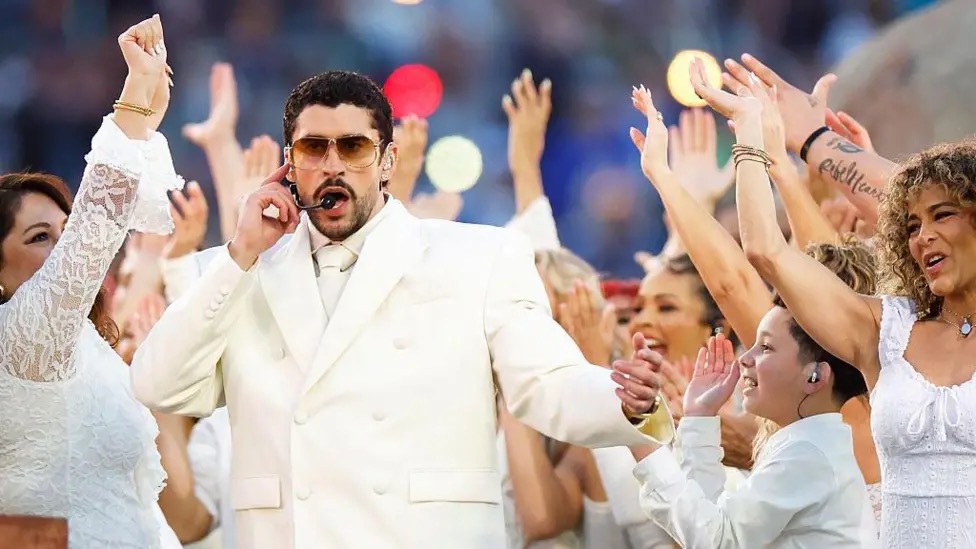
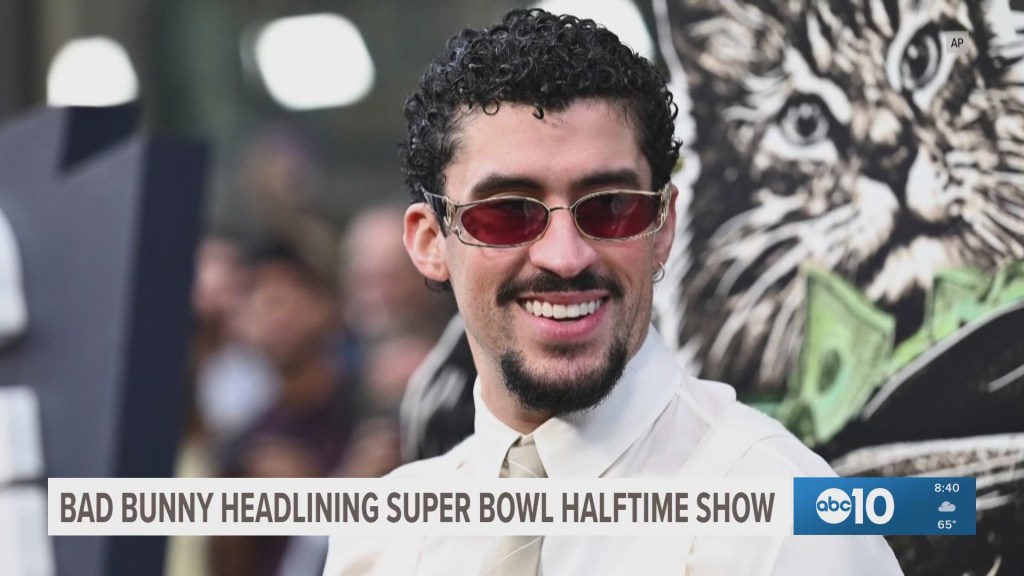
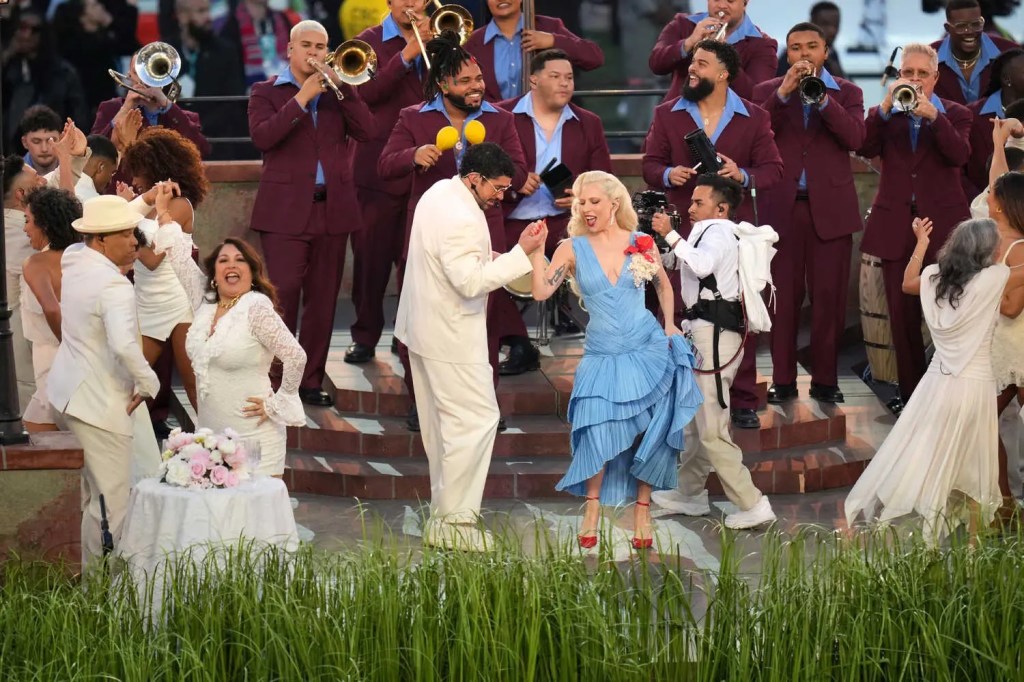
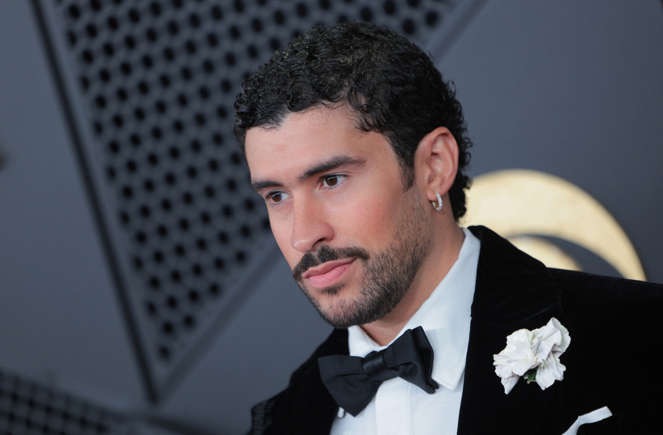
An amazing Super Bowl half time show with Bad Bunny and lady Ga Ga
For just over thirteen unforgettable minutes, Bad Bunny showed the world what America can be at its very best.
In an era too often dominated by division, fear and noise, the Puerto Rico–born megastar delivered something rare and precious: a performance rooted in empathy, diversity, unity and love. It was a reminder that kindness still matters. That culture still connects us. And that music, when created with honesty and heart, has the power to heal.
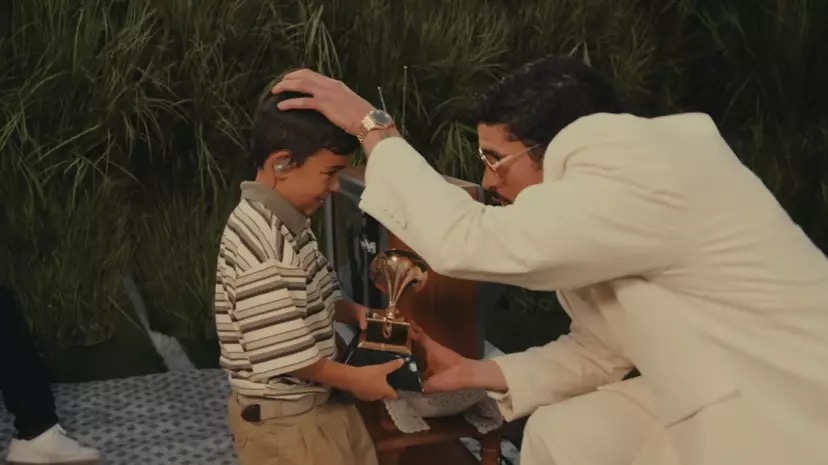
Watching his Super Bowl performance, I felt goosebumps ripple through me. It was one of those rare moments that catches you off guard — when entertainment quietly becomes something deeper. Tears welled in my eyes, not just because of the spectacle, but because of what it represented. When Bad Bunny, born Benito Antonio Martínez Ocasio, later handed his Grammy trophy to a young boy, it symbolised everything he stands for: generosity, humility, hope, and the belief that success means very little if you do not lift others with you.
Only a week before that performance, he had achieved another historic milestone, winning multiple Grammys and securing Album of the Year for a Spanish-language record — the first time in the ceremony’s history. It was far more than a personal triumph. It was a cultural moment. It declared, loudly and clearly, that Spanish-speaking artists, stories and voices belong at the very centre of global culture.
A Voice for Millions
Bad Bunny represents more than music. He represents identity.
Over 50 million Americans speak Spanish, and many millions more around the world share that language. For decades, their stories were often pushed to the margins. Today, through artists like Bad Bunny, those voices are finally being heard — not as niche or alternative, but as mainstream, powerful and essential.
What makes his music so extraordinary is that you do not even need to understand every word to feel its impact. I have sat in operas sung in German and Italian and been deeply moved without speaking either language. Music, at its best, transcends translation. It lives in rhythm, tone, emotion and feeling.
Bad Bunny’s songs do exactly that. They make you want to dance. They make you want to smile. They make you want to belong. They invite everyone into the room — regardless of age, background or nationality — and say, “You are welcome here.”
That sense of inclusion is no accident. It is the foundation of his work.
More Than a Performer
What truly sets Bad Bunny apart is not just his talent, but his courage.
He has consistently challenged stereotypes around masculinity, fashion and identity. He wears nail polish. He experiments with clothing. He speaks openly about mental health. He advocates for LGBTQ+ rights. He stands up for his community when injustice strikes. And he does so without preaching, without arrogance and without apology.
In doing so, he has become a role model for millions who may never have seen themselves reflected in mainstream culture before. Young men who felt pressured to hide their softness. Young people who felt different. Young artists who wondered if there was space for their voice.
Bad Bunny proves that there is.
And that authenticity is not weakness — it is strength.
A Night of Healing
His Super Bowl performance was not just entertainment. It was a tonic for the soul.
At a time when many Americans — and people across the world — are grappling with uncertainty, financial pressure, social division and emotional fatigue, the show offered something desperately needed: joy.
It reminded us what it feels like to be united by a shared moment. To laugh, cheer, sing and dance together. To forget our worries, even briefly, and simply exist in celebration.
That is the true power of culture. It builds bridges where politics builds walls.
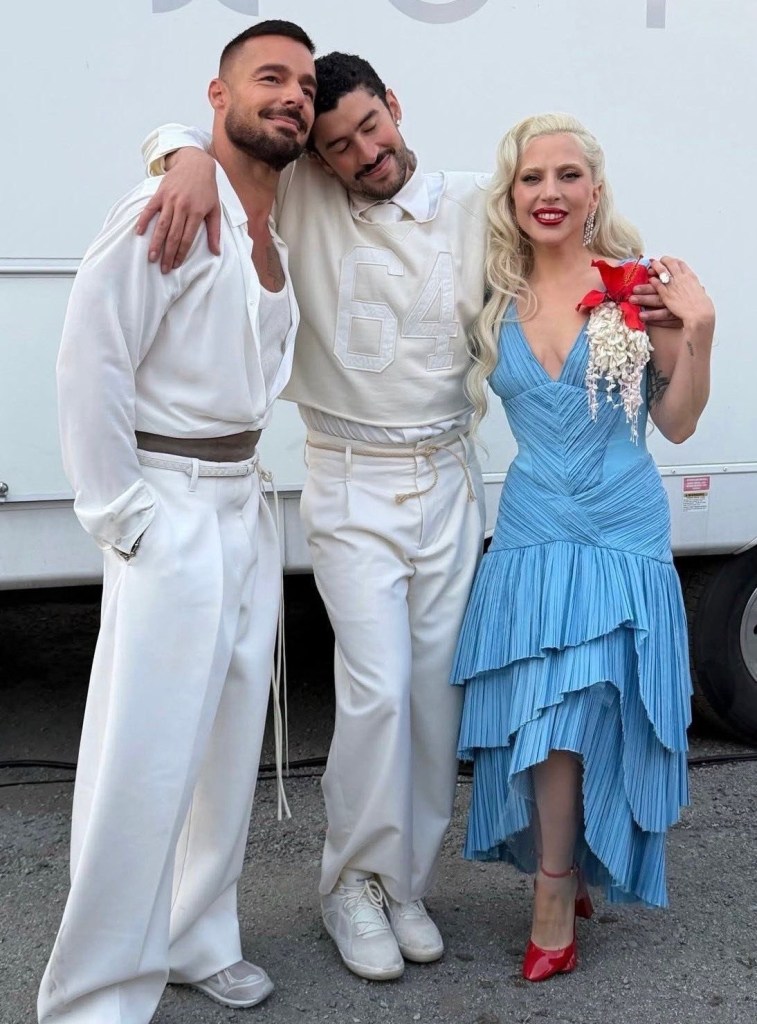
truly beautiful as love came together Lady Ga Ga , Ricky Martin and Bad Bunny ,
Standing Among Legends
Bad Bunny was not alone in delivering that message.
Lady Gaga’s performance of Hold My Hand was another beacon of light — a moving tribute that honoured courage, compassion and resilience. Her voice carried both strength and vulnerability, reminding us that patriotism is not about shouting the loudest, but about caring the deepest.
I was lucky enough to see Lady Gaga when she was just starting out, performing at Wilton Manors’ Bill’s Filling Station. Even then, she had that unmistakable spark — that sense of destiny. Watching her now, on one of the biggest stages in the world, is proof that talent paired with integrity can take you anywhere.
Meanwhile, Ricky Martin joined Bad Bunny for a beautiful rendition of Lo Que Le Pasó a Hawaii. It was emotional, elegant and deeply symbolic — a meeting of generations, cultures and histories. Two Puerto Rican artists, united on a global stage, honouring their roots while embracing the future.
It was breathtaking.
A New Definition of Success
For years, success in the music industry was defined narrowly: English-language hits, a traditional image, predictable branding. Bad Bunny has shattered that formula.
He sings in Spanish. He blends reggaeton, trap, pop and Latin rhythms. He refuses to be boxed in. He puts his community first. And he remains grounded, despite global fame.
That is why people love him.
Not because he is perfect, but because he is real.
He celebrates his culture without excluding others. He embraces fame without losing humility. He challenges norms without seeking attention. And he gives back without seeking praise.
In a world obsessed with image, he offers substance.
Love Over Hate
Perhaps the most powerful message of all was the simplest: love wins over hate.
At a time when headlines are filled with anger and conflict, Bad Bunny’s presence said something different. It said that diversity is strength. That kindness is power. That unity is possible.
His performance was not political in the traditional sense. It was something better. It was human.
It reminded us that beneath labels and borders, we are all moved by rhythm, melody, emotion and story. We all want to feel seen. We all want to belong. We all want to hope.
And for thirteen extraordinary minutes, Bad Bunny gave us exactly that.
A Moment We Needed
Looking back, it truly was one of the finest Super Bowl halftime shows in history — not just for its production, but for its heart.
It was a celebration of heritage. A statement of inclusion. A masterclass in artistry. And a powerful reminder of why music matters.
Bad Bunny did not just perform.
He connected. He inspired. He healed.
And in doing so, he showed the world that greatness is not measured by charts or trophies alone, but by the lives you touch along the way.
In uncertain times, he gave us certainty. In divided times, he gave us unity. In weary times, he gave us joy.
And that is why the world has fallen in love with Bad Bunny.
If you’re looking for art that truly stands out—something with edge, intellect and a distinct Italian flavour—then Italian-born artist Ernesto Romano is a name worth seeking out.
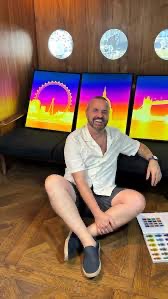
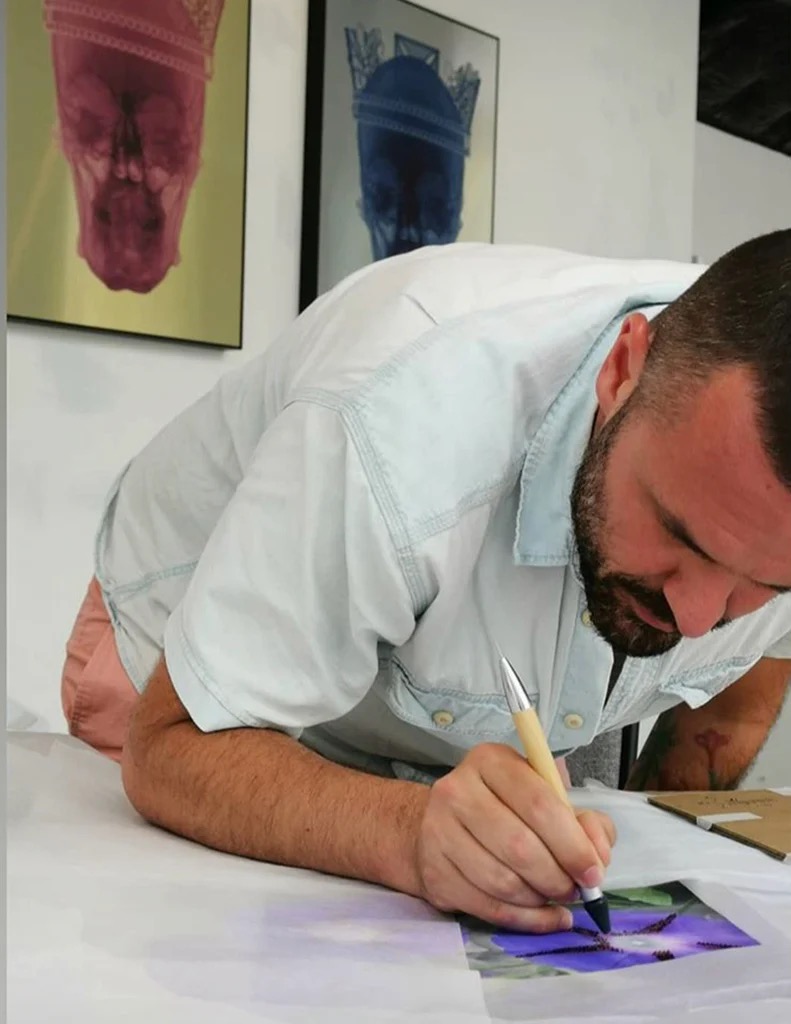
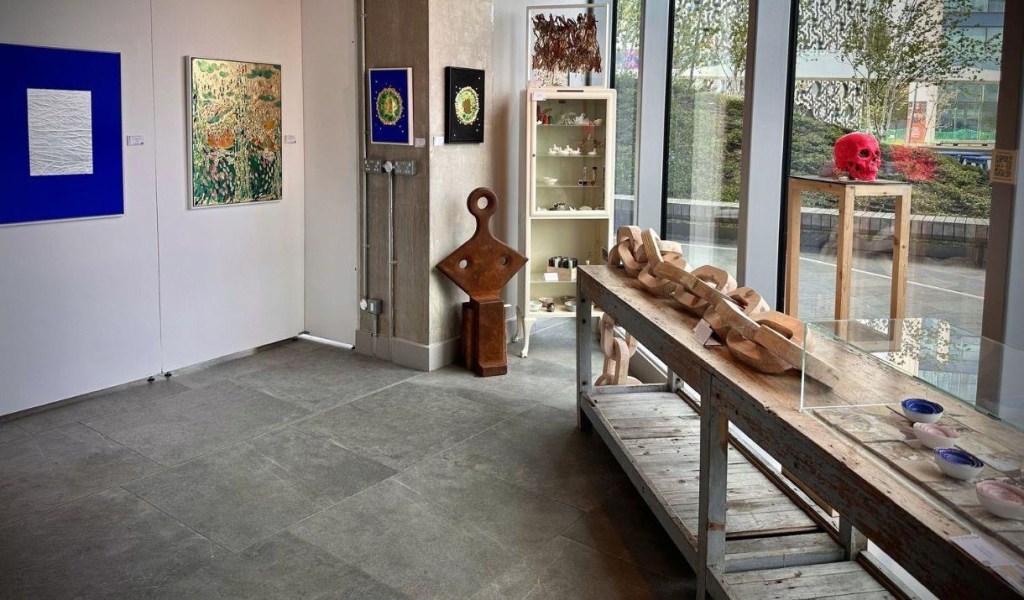
Romano lives and works in London, where his practice reaches far beyond the surface of the body and into its very core. Based at the remarkable FirePit Gallery, just moments from The O2, he creates work that is as visually seductive as it is intellectually provocative. This is the kind of art that stops people in their tracks—the portrait no one else has, and the talking point everyone wants.
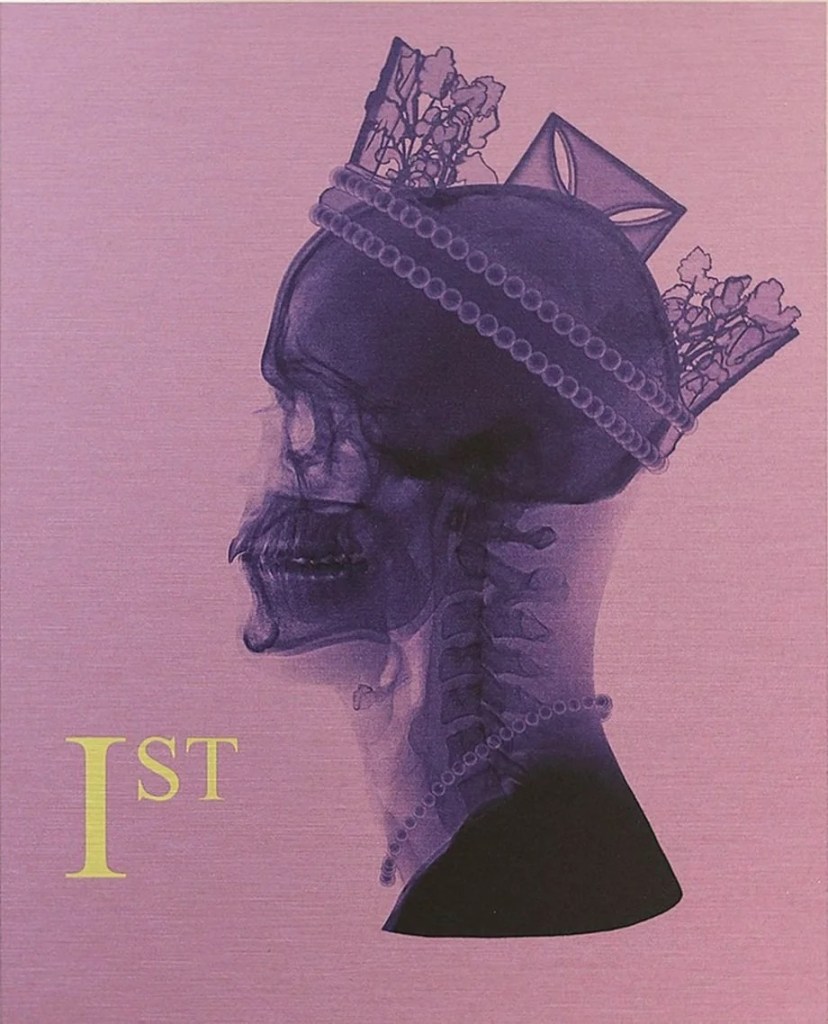
At the heart of Romano’s work is an extraordinary and deeply personal source material: his own medical records. X-rays, MRIs and internal scans of his body are transformed into striking, often playful artworks that quietly ask some of life’s biggest questions. “I am progressively dissecting myself,” he says with a smile. By stripping the body of its external markers—fashion, status, wealth and adornment—Romano reveals a powerful truth: beneath it all, we are equal. Bones, organs and neural structures carry no hierarchy. Jewels mean nothing here.
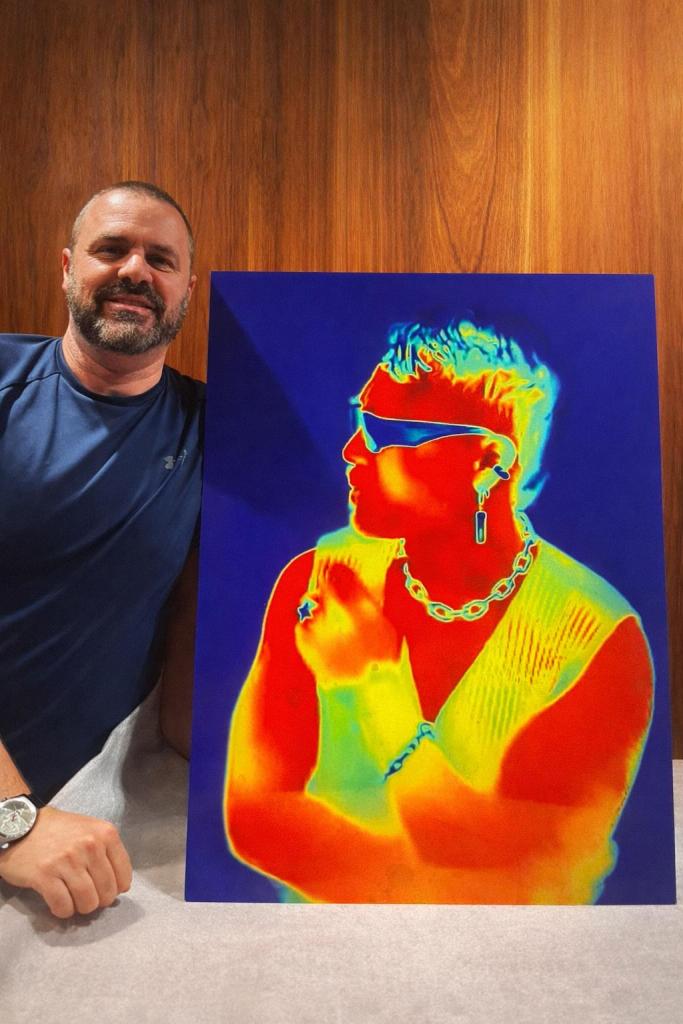
And yet, paradoxically, jewels and decoration frequently appear in his work. Glitter, gold leaf and even diamond dust sit alongside stark medical imagery, creating a fascinating tension between what lies beneath the skin and the sparkle we use to present ourselves to the world. Bold colour is central to his practice, an influence he traces back to Pop Art, and for Romano, colour is inseparable from life itself. It is a celebration of being alive, of being human. You can easily imagine his work echoing the iconic glamour of Andy Warhol’s portraits of Marilyn, and being sought after by collectors and celebrities alike.
Research plays a vital role in his creative process. Romano spends countless hours studying historical anatomical drawings, medical imagery and scientific material. He is also deeply inspired by documentaries about the Universe. Reflecting on humanity’s origins and our place within something so vast can feel overwhelming, he admits, but it is precisely that sense of scale that fuels his creativity. Big questions, after all, lead to bold ideas.
At the core of his practice is an ongoing, almost forensic exploration of his own body. Each project focuses on a different internal element, analysed, reimagined and transformed. His most recent work centres on the brain: a three-dimensional print created from an MRI scan converted into a digital 3D file. Next, he hopes, will be the heart—both literally and conceptually.
Romano cites Damien Hirst as a key influence, particularly in terms of colour, though he is careful to stress that his admiration is selective. If he could own any artwork, Guido Reni’s Ecce Homo would be high on the list, while in the contemporary world he is drawn to the visceral, energetic paintings of Riccardo Cinalli, which he describes as full of carnality and pathos.
Originally trained as an architect, Romano brings a strong sense of proportion, balance and material awareness to his art. Architecture taught him the emotional power of simplicity, the relationship between order and chaos, and the importance of restraint. “Less is more,” he says, echoing Mies van der Rohe—a philosophy that underpins even his most glittering works.
Away from the studio, his passions are quieter but no less revealing. If he weren’t an artist, he would be a botanist. He grows flowers from seed and finds the process meditative—a gentle counterpoint to the intensity of his conceptual work. Electronic music provides the soundtrack to his studio hours, while Stephen Hawking’s The Universe in a Nutshellremains his favourite book, a fitting choice for an artist fascinated by existence, origin and meaning.
Looking ahead, Romano dreams of showing his work in unconventional settings. A techno club such as Berghain, housed in a former power station, feels like a natural fit—raw, industrial and immersive. He imagines his pieces on a monumental scale, backlit like giant lightboxes, vibrating with sound and energy. He has already made an international impact, having spent three months working in Shanghai, and his ambitions continue to expand globally.
Ask him where he sees himself in ten years and the answer is simple and quietly confident: at home, making exciting new work for another exhibition somewhere in the world, tea in hand, surrounded by plants. Always moving forward. Always creating.
Money Matters: Your Questions Answered by Richard Andrews
Richard Andrews spent over ten years working for high-street banks, including time as a business manager supporting small businesses. Today, he runs his own company, coaching executives and individuals to help them achieve the outcomes they want. All of this gives him plenty of real-world insight to share with 2Shades readers.
I want my teenage son to learn about money. He’s 16, and his grandmother gave him £5,000—against my better advice. We support him at home and with college, and he also has a part-time job. How should I advise him to use this money? He’s already talking about holidays and clothes.
A: This is a tricky one, Brenda—because whatever approach you take, there’s a strong chance you’ll feel like the “bad guy”. That said, this is also a valuable teaching moment.
A balanced approach usually works best. Encourage him to split the money into three parts: savings, sensible future planning, and a smaller amount to enjoy now. Completely denying him any fun spending can backfire, but allowing all of it to disappear on short-term treats isn’t ideal either.
For savings, suggest putting a portion aside for something tangible and motivating—driving lessons, insurance, or even a first car. Without a clear goal, saving can feel abstract, especially to teenagers. When there’s a purpose, it suddenly becomes exciting.
There are some strong, easy-access savings options for young people. For example, the Nationwide FlexOne Saveroffers competitive interest up to a set limit, while HSBC My Savings provides tiered interest rates. Watching interest build can be a great lesson in how money works for you.
If you’re particularly worried about impulse spending, a Junior ISA could be an option. Funds are locked away until age 18, giving the money time to grow and removing temptation. Comparison sites like Money Saving Expert are useful for finding the best rates.
Ultimately, though, it is his money. If he spends more than you’d like, resist the urge to say “I told you so”. Gently guide him back towards saving and goal-setting. Those lessons tend to land better when they’re learned through experience.
Q: Buying Bitcoin as a Gift
Colin, Edinburgh
I’m thinking of buying my boyfriend Bitcoin for his birthday—he’s always talking about it. How much is too little, and how do I go about buying it?
A: That’s a generous idea, Colin—and a very modern one. It’s worth starting with a bit of context. Bitcoin is expensive and highly volatile. You don’t need to buy a whole Bitcoin; most people purchase a fraction, depending on what they’re comfortable spending.
To buy it, you’d need to open an account with a cryptocurrency exchange such as Coinbase or Crypto.com. You transfer funds in, then place a trade for the amount you want.
However, a note of caution: cryptocurrency is not protected by the Financial Services Compensation Scheme. If the platform fails or the value drops sharply, there’s no safety net.
Personally, I tend to avoid crypto due to its price swings, so it’s not something I’d actively recommend. But as a gift, especially for someone who understands and enjoys the space, a modest amount can make sense. Think of it more as a speculative present than a traditional investment.
Q: Teaching Children to Save and Invest
Paula, Southend
What was your earliest way of saving? I want to teach my children how to save and invest.
A: Paula, this is a brilliant question—and you’re doing your children a huge favour by thinking about this early.
I’ll be honest: I wasn’t good at saving when I was younger, and I’ve spent a lot of time catching up. The key lesson I’ve learned is that habits formed early matter enormously.
Simple methods work best. A child’s savings account, a piggy bank or jar for coins, and regular conversations about money can be incredibly effective. Counting coins, bagging them up, and taking them to the bank helps children see money as something real and manageable.
Goals are essential. Help your child save towards something—a toy, an experience, or a future plan. Saving feels far more meaningful when it leads to something tangible.
There are also child-friendly banking apps that allow kids to track savings and spending, though some come with monthly fees—so check whether they’re actually adding value. And don’t forget Junior ISAs, which lock money away until age 18 and can be a powerful long-term tool.
Q: Premium Bonds vs Lottery Tickets
Are Premium Bonds a better investment than buying lottery tickets?
A: In short—yes, but they’re not the same thing.
Lottery tickets are gambling. Once the money’s spent, it’s gone. Premium Bonds, on the other hand, are a form of saving. You can invest from £25 up to £50,000, and you can withdraw your money if you need it.
Instead of interest, you’re entered into monthly prize draws. I’ve had a few wins myself, and in some cases they’ve outperformed traditional savings accounts. That said, for consistent growth, using your tax-free ISA allowance is often a better option.
Q: Saving for a Holiday Without Spending It
Mark Brighton
I want to save for a holiday in June, but I’m hopeless with money. How do I save and stop myself dipping into it?
A: Mark —you’re definitely not alone. This comes down to two things: control and motivation.
Start with a simple budget planner so you know exactly what’s coming in and going out. Separate essentials from “nice-to-haves” and work out what you can realistically save each month. Many banks offer budgeting tools and savings “pots” within their apps—Monzo and Virgin Money are good examples.
If self-control is the biggest issue, you need to tackle the why. What triggers the spending? And what would you rather have more: a short-term splurge, or that holiday in June?
Another practical option is paying for holidays in instalments. easyJet holidays, for example, allows you to secure a trip with a small deposit and pay the rest over time—interest-free. TUI and others offer similar schemes.
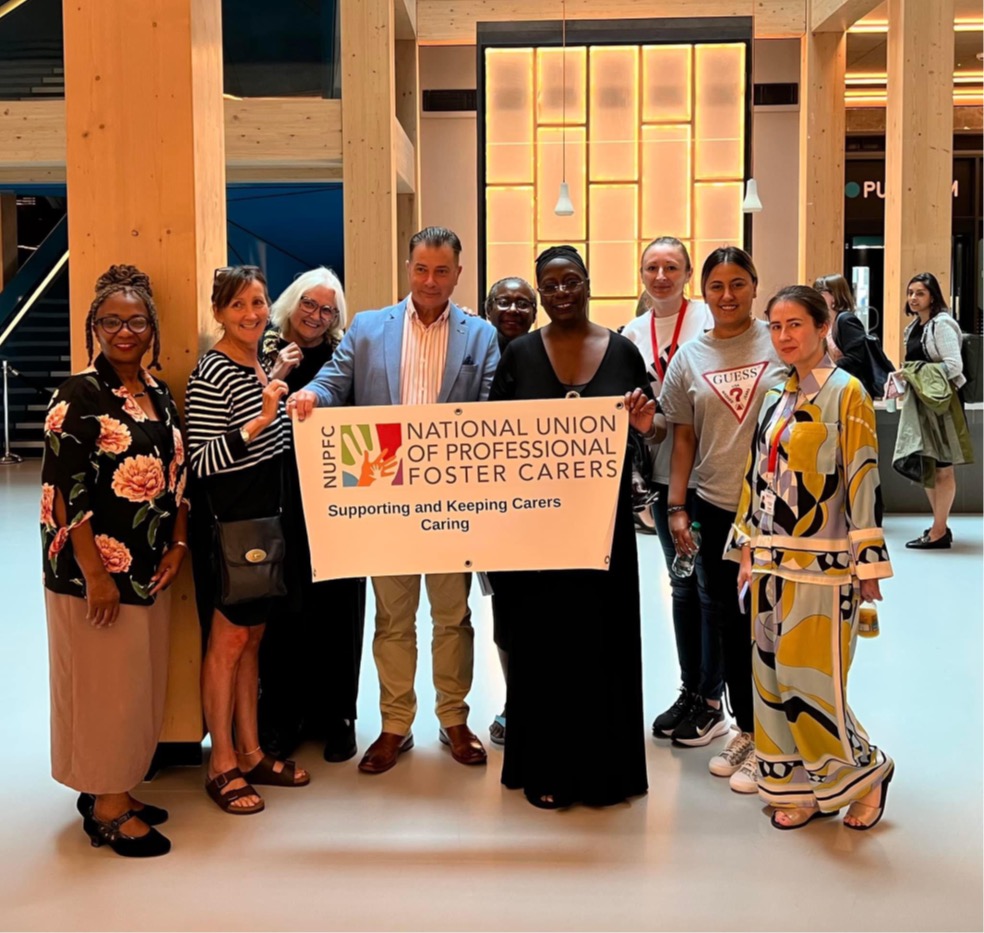
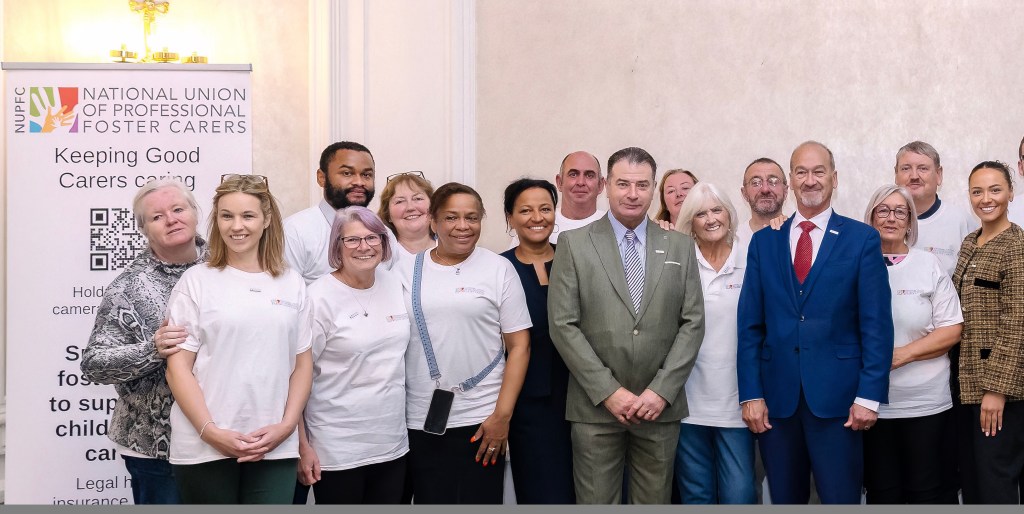
2Shades is delighted to announce the National Union of Professional Foster Cares as a sponsor of The Autism Hero Awards .
2Shades is delighted to announce the National Union of Professional Foster Carers (NUPFC) as a sponsor of this year’s Autism Hero Awards, supporting the Parent / Carer of the Year category.
The NUPFC is the only government-certified trade union in the UK dedicated exclusively to supporting foster carers, kinship carers, special guardians, and adopters. Its mission is clear: to ensure carers are informed, protected, and properly supported as they provide care for some of the most vulnerable children in society.
What sets the NUPFC apart is its depth of lived experience. Its specialist caseworkers — available 365 days a year — include current and former foster carers alongside retired social workers. This hands-on understanding allows the organisation to offer practical, empathetic guidance rooted in real-world challenges. A strong legal team further ensures members are never left navigating complex systems alone.
Caring for children who have experienced emotional harm or additional challenges can be demanding and emotionally complex. The NUPFC works closely with professionals around each child, helping to ensure carers — and in turn, the children themselves — receive the support, advocacy, and understanding they deserve.
Many children within the care system are autistic, while many others remain undiagnosed. The NUPFC actively promotes early diagnosis, recognising that timely understanding can make a profound difference to a child’s wellbeing, access to support, and long-term outcomes.
By sponsoring the Parent / Carer of the Year category at the Autism Hero Awards, the NUPFC is shining a light on the resilience, commitment, and quiet heroism of carers. This partnership not only celebrates individual achievement but also raises wider awareness of autism and caring within professional circles and among key decision-makers.
Robin Findlay, Founder and General Secretary of the National Union of Professional Foster Carers, said:
“Anna Kennedy’s tireless campaigning continues to raise awareness of the many strengths, talents, and contributions that autistic people bring to our communities. We are proud to support the Autism Hero Awards and to stand alongside Anna Kennedy Online in encouraging autistic people, and their parents and carers, to seek support when needed, build confidence, and achieve great things.”
Anna Kennedy OBE added:
“We are absolutely delighted to welcome the National Union of Professional Foster Carers as sponsors of the Autism Hero Awards. Their commitment to carers and families aligns closely with our values, and we look forward to working together to celebrate autistic individuals and recognise the dedication of those who support them every day.”
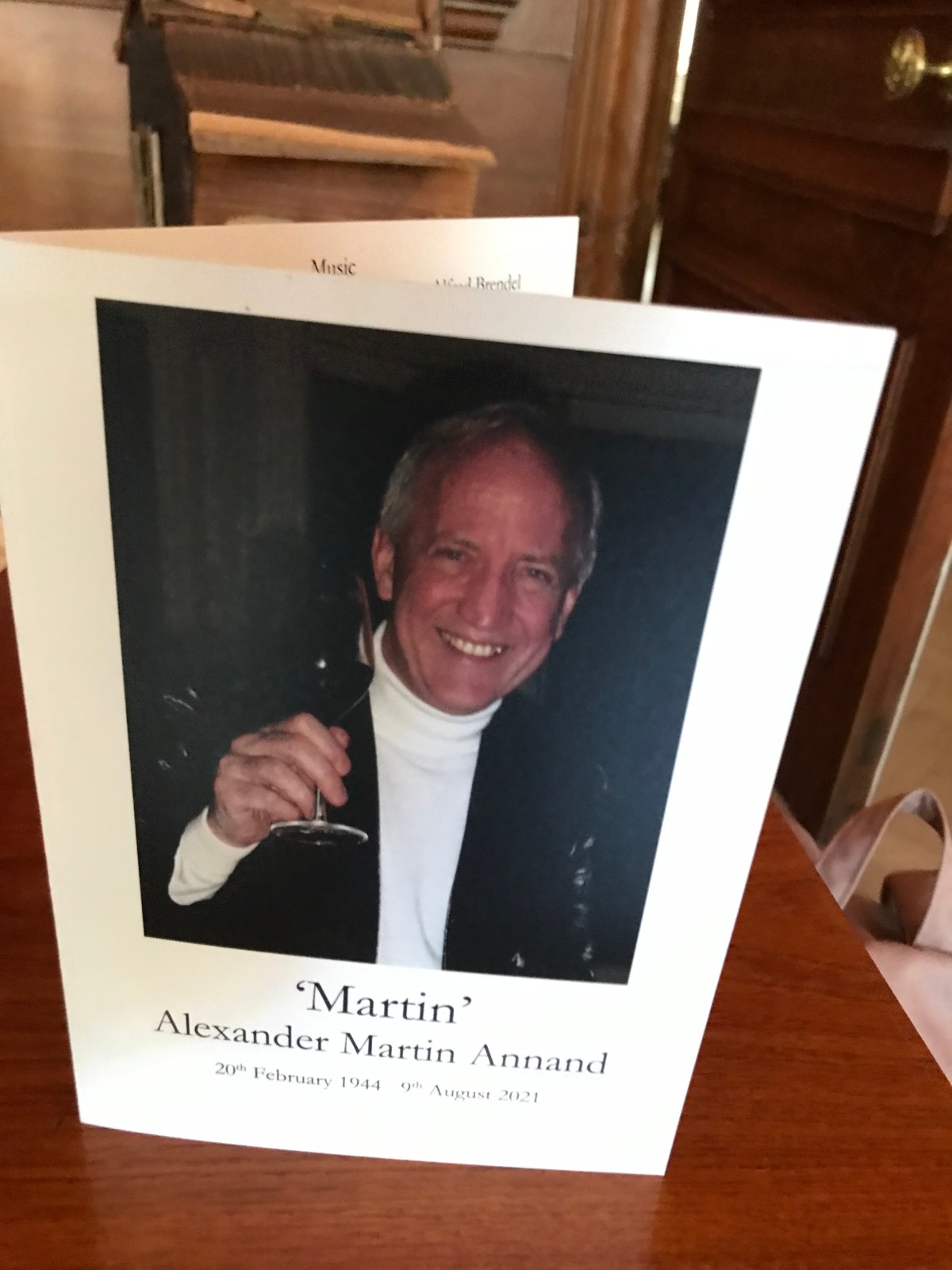
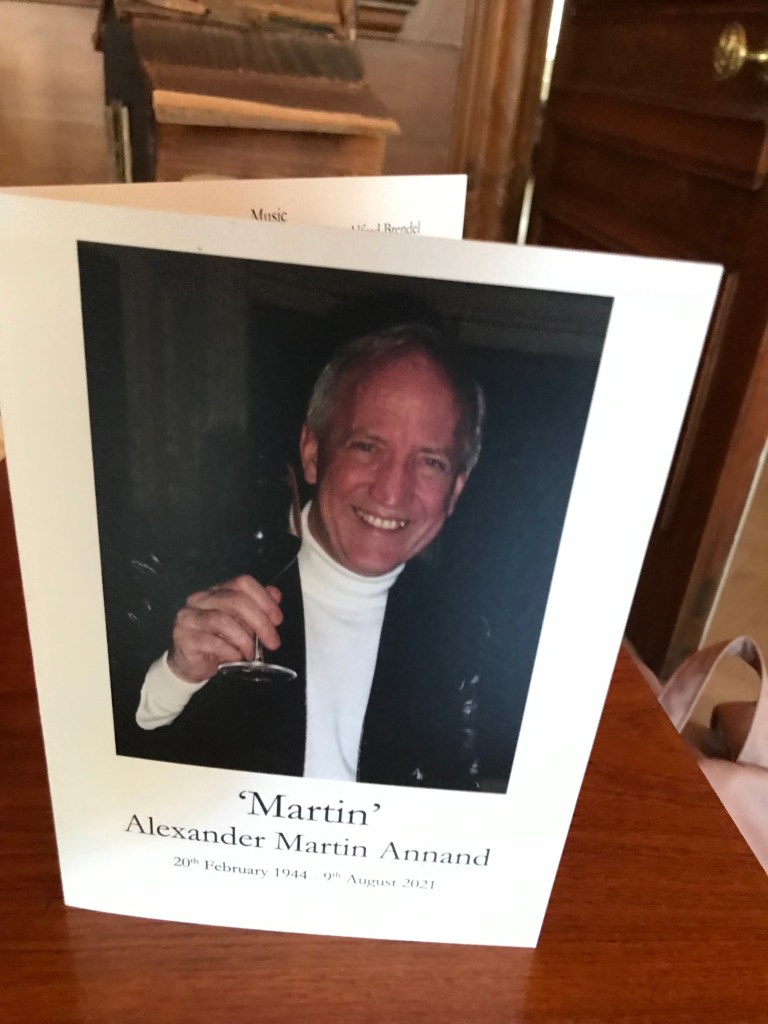
Other people’s issues. Martin and I had a beautiful relationship but there was always someone who had an issue with it . It may seem strange to start my story at the end of someone’s life to tell their tale. The remarkable Mr Annand was no ordinary man, so his journey should be told just as the curtain is about to fall on his extraordinary life, an existence that for most parts was never quite what it seemed to so many.
Mr Annand, or as we called him, Martin, looked up at me from the brown mobility chair, which he had become confined to during the day over the last few weeks of his life, his beautiful big blue eyes still reminding me of Jiminy Cricket from Pinocchio. Still full of hope, he smiled at me, pulled gently on my shirt and asked me to go and get a nice French bread stick – warm if possible – and some soup. He had been off his food for the last few days so it was a relief to hear him want something.
There was only one problem. We needed to hide the bread from Nicos, Martin’s Greek Cypriot trust fund civil partner, as gluten and bread were taboo in the soulless flat that they shared in trendy Bloomsbury. Though the wood and lighting were incredible, it resembled an art gallery with uncomfortable furniture. Nicos ruled the roost in this place and would become hysterical and cruel when not getting his own way. Even traditional cooking was banned for fear that it would cause damage to any of the many art works.
A splash of water, not wiped up from the sink tap, could cause a rage so powerful you would have thought you had flooded the flat.
Nicos had allowed me to take joint care of Martin with great reluctance; only after he had worked out the actual cost of private nurses did he reluctantly give in. At first it was only to be when Nicos was at cross fit for three hours a day, or when he had his own hospital appointments. However, the workload was constant and eventually I stayed there 24 hours a day, and for this I was grateful Nicos allowed me to do so as it was so painful not to be with Martin
It seemed odd to me: Nicos’ art collection in the UK and Cyprus had a value in the millions so if he had sold just one piece, it could have funded 24-hour private care. Martin always said that, despite Nicos’ wealth given to him by his father, he was incredibly tight.
Nicos had just left for a workout and was meeting a friend after. Dashing up Tottenham Court Road to M&S, I returned quickly with some of Martin’s favourite fruit jellies, two small warm bread flutes and heart-warming chicken noodle soup. Frantically I cut the bread up into small slices and buttered them cleaning up after myself for fear that crumbs would be found.
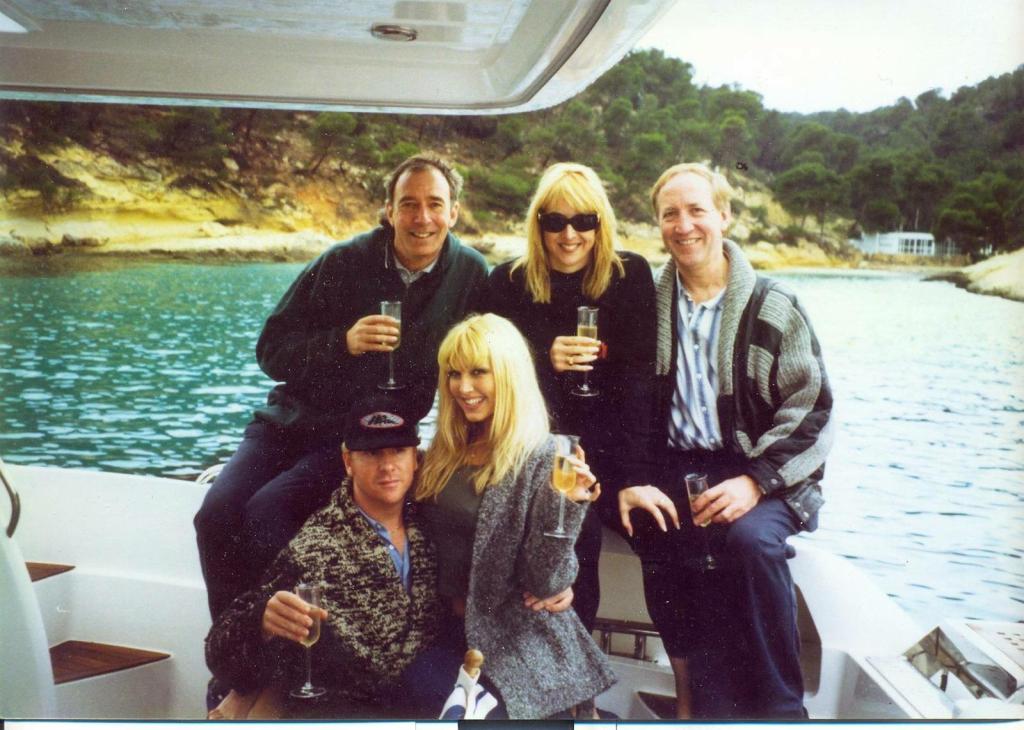
Martin Annand and Pam Sharrock and me in the South of France
The soup was being cooked in the microwave that was hidden so high up, cooking anything in it was a challenge. Even the kettle was in a cupboard to stop steam hitting any artwork that adorned the kitchen walls. Martin smiled as I brought it to him, “I am getting my appetite back”, he said, with some hope. Pointing out it was a good sign, I gave him a wink
. The man I had loved for forty years was dying and I was determined to keep my emotions in check and just be his rock. If I ever allowed the flood gates to open and show how I was feeling, my fear was that the tears would never stop, and that was the last thing he needed. Martin had a beautiful childlike quality that most people never got to see. He gave me a paw as I put the food down.
Of course, he only managed a little bread and some soup. Just as he was about to get me to take it away the door opened. Nicos was there. “All right my love, what’s that you have got there?” he enquired, with his eyes throwing daggers of steel towards me. Explaining that he really wanted a bread roll and some soup, strangely Nicos did not react, although I made a hasty retreat to the kitchen to discard the evidence out into the bin in the communal areas of the block.
There was only one flute of bread left by the side of the sink that was left to hide. Nicos had not gone to shower as he usually did on return from the gym and he was in the kitchen. To my amazement, he was cutting the spare French bread flute in to slices and covered them in strawberry Jam and organic Honey. Instinct told me to get out of the way to see Martin, and a wise decision it was.
Ten minutes later Nicos came charging down the wooden plank floors of the corridor towards the bathroom slamming the door. He spent twenty minutes in there inducing himself to vomit. Eventually he came out and marched up to Martin, shoving his hands that stunk of sick up into Martin’s pale face. “Look what you made me do bring that into our home!”
There was nothing I could do to stop Nicos. My heart often went out to him as he was so uncomfortable in his own body, I can only imagine what it must be like to wake up every day so unhappy in life. I do not think that I had ever seen him do a full day’s work in the twenty years I knew him. Martin wrote his correspondence for him, Nicos went for the odd meeting in Cyprus but for the most part, he went to the gym, shopped, attended gallery openings, and holidayed abroad a lot. What he devoted a lot of time to was sitting in judgement of other’s efforts, which he did with great ease. He really was the quintessential trust fund baby.
Though Nicos’ and my relationship made Joan’s and Bette’s look like an easy one, he always had the upper hand. At first I had liked him as he was amusing, witty and we shared many of the same interests. He clearly had huge mental health issues, so to take him on was a fruitless task and only caused issues with me seeing my ex-partner, Martin.
Over the years my radar went into no comment regarding his hatred of me, even during the campaign of daily phone text’s calling me every name you could imagine. Once he caught me off guard with the malicious comment, “No wonder your boyfriend killed himself and the latest is missing!” That text was a step too far and I threatened to call the police, although for the sake of Martin, we did eventually make up
. There was always someone who had an issue with my relationship with Martin. Nico’s just could not cope with the fact that Martin still loved me and him in different ways. It was not long before Nicos was in the kitchen and you could just tell he was looking for a fight. He was opening and closing drawers for no reasons when suddenly he spied a small amount of water that had escaped me whilst cleaning, next to the marble sink. That was it, he hit the roof. “YOU RESPECT THE QUALITY OF NOTHING!” he bellowed behind me as I made my excuses to Martin and decided to spend one night at my home let Nicos calm down. When an apologetic text from Nicos did come through, I told him all was fine.
Returning the next day at 6:30 I found there were two patients in bed: Nicos had piles and might need to go the hospital, possibly for four days. Nicos had fired four of the helpers the NHS had sent us. Looking after Martin really needed two, but the idea of spending some time with him was a relief to me. In the end Nicos just went to a specialist. Looking after Martin was not the hard part, though it was breaking my heart every day. Dealing with Nico’s, who was devious and underhand, was horrendous. He seemed obsessed with my every move.
However if you think he sounded bad, nothing could prepare you for his sidekick we will call “The Cousin”. A woman as equally uncomfortable in her own skin as Nicos, Martin had only known her for five years. On the face of it she seemed nice, with an air of the teacher about her. Nicos had decided that she was Martin’s replacement sister, as the relationship with his own sister Pen had become strained over the years due to her dominating girlfriend. Martin ‘just loved her’, Nicos would inform me with some command. Martin, though fond of her, did not see her that way.
She was a walking nightmare and expert on everything to do with cancer. My first hint that she needed to be stopped was when Martin called me telling she was trying to roll a tennis ball up and down his spine. Luckily, I got there in time to challenge her and that went down like a lead balloon.
The cousin had a habit of putting her hand up like she was teaching at school. I did not want Martin doing those exercise she was trying to make him do and reiterated that he had spinal cancer so his specialist would need to approve any exercise. If she was teaching or instructing, she was fine. Nicos went away for two weeks and left me with Martin. The Cousin started coming over bringing lots of sugary desserts, all well-meaning but not good for cancer and definitely not to Martin’s taste. It seemed well meaning so Martin would smile and say, “Save for later, yummy!” I would chuck them in the bin as soon as she left.
The first time she came over was to give me an hour off. Martin asked me to call and cancel her, he would be fine, but I felt it would be rude to do so, and if she did come, it would pacify Nicos and assure him that everything was ok. Politely, I thanked her for coming. “I was coming whether you wanted it or not”, she replied, with the coldness of a witch at midnight. “Nicos and I have a plan for Martin, so don’t you worry yourself”, she went on. People must have wondered why I did not tell her to go F— herself. Instead, I hid the various things she brought to roll on Martin. The last thing Martin needed was her exercises that still needed to be approved by a professional.
We nearly had words when she waltzed in all sweetness and light with more desserts. With her empathetic face she asked, “Anything I can do to help?” For once I was happy to oblige, asking if she minded making Martin’s bed. Her face fell as what she really had meant was if there was anything she could teach or instruct. Her face perked up as she replied, “I will teach you how to do it.” Of course, I declined.
There was zero empathy from Nicos when I explained Martin was not as keen on her visits as he thought. But more important please could he supervise her teaching exercises as she had zero experience. Having breast cancer did not make you an expert on all cancers. Nicos hollered, “She is like a sister to him!” Nicos had ostracised most of Martin’s close friends and substituted them with ones he approved of over the years they were together.
We were told by the nurse visiting Martin that under NO circumstances should he make any financial, work related or personal decisions at this stage. It became incredibly difficult to handle the Cousin and Nicos, as no matter what I suggested, it was wrong. Dr Prakash who had helped Martin with his injections and treated him privately for free was branded an idiot, whereas the cousin, who really needed locking up, was always right whatever she said.
To this day it is my belief that she helped speed the cancer up. I grieved for Martin deeply. When one considers grief, it is foremost for the person you have lost. You could not begin to comprehend how grief magnifies when also confronted with two such devious, plotting malcontents, whose subsequent aim was to erase me from Martin’s eulogy along with any memories we shared. But I’m getting ahead of myself.
Apart from a lunch with my dear friend Marieanne, I had been there with Martin for twenty four hours. However I had a doctor’s appointment that I could not miss, but the whole thing would take only four hours tops. Warning signs should have flagged in my brain as the pair seemed unusually enthusiastic about this and confirmed several times that I was still going. Despite the warning given by the professionals, whilst I was out they got the lawyers in and established power of attorney.
Worse still, in his weakened state, Martin signed standing orders to pay monthly into the joint bank account in the Isle of Man the sum of £10,000 from Princess Salimah Aga Khan’s bank account. When I returned, Nico’s was quick to tell me he had power of attorney and only he had the right to deal with things. But again he allowed me to stay. I only found out about the Princess Salimah standing order when she noticed it. It honestly finished Martin off, he was SO distressed. How could this ever have been allowed? Simple Greed on one person’s part. Salimah was distraught though she did attend the funeral by zoom.
My beautiful Martin Annand died in St Johns hospice on the 9th of August surrounded by his civil partner Nicos and myself, his lover and friend of forty years. I was wiping his mouth with a moist tiny sponge. He was ice cold, and I knew it was the end. He made a noise then went, Nicos screamed and ran to the door, missing the fact Martin had taken one more breath, and then the beautiful angel left us for good.
Martin and I had been of the same mind; if we took ill, we would go to Switzerland and end it with dignity. In hindsight it was easier said than done. Whilst Nicos was in Greece, Martin had all the details. He had gone on business to Geneva working with Salimah Aga Khan and had everything planned, it was just down to me to take him. He was having a bad day and was booking flights. Martin’s chemo had been tremendous, although his hair had stayed, and we were full of hope.
He would shower at night trying to ease the agonising pain, but he refused to take the morphine for fear of being hooked. The doctors said it was all down to the side effects of the radiation treatment. Believing them I begged him just to give it two more weeks, then we would go and Nicos would never need to know. But they were wrong, and the cancer had spread. I would not let a dog suffer the indignity my beautiful Martin went through. My deep regret is not saying yes and flying him down to Switzerland when he wanted to go. There was no time for me to grieve at the bedside
. Nicos was hysterical and threw himself on Martin’s body. It was the opposite of what Martin stood for. It was not long though before Nicos became aware of my obvious grief. “I am his civil partner and have rights!” he shrieked at the nurse. Not for one minute did I challenge that, even though Martin was in fact still legally married to an American and she never divorced him. For five minutes I excused myself and went to the bathroom, locked the door and broke down.
This was not what Martin would have wanted, so I stood up and went to aid Nicos. He was actually kind to me, thanked me, and he was full of questions. Martin would have wanted me to look after him and, as much as he would let me, I did. It did not take long for him to hit the phone. He asked The Cousin to meet him at the house.
He called Phillipa, a long-term friend in Cyprus that Martin and I both liked, and was furious that she could not come straight away. He turned to his old friend Tee, who was also in Cyprus. The pair had fallen out for years, but a mutual ailment had brought them back together, and that Tee did not like me was a huge bonus. He was flying over the next day. I offered to stay, but it was refused. Accompanying Nicos back home, I came up to make some tea.
It was not long before the cousin arrived, she was of course kind. To my horror they jumped into funeral arrangements. Worse still, “Has anyone told Danielle. Martin was very fond of her?” was the next question. They both knew that I had fallen out with Danielle as she had taken great advantage of Martin. He had paid for her partner to be flown from Cyprus as a medical emergency. He had set up a bank account up for her and had been paying the price. I saw her as a user although Martin said “She’s great at parties”. If I was throwing a party, number one on the guest list would certainly not have been Danielle. I realised that I was on a hiding to nothing and left the pair to it.
Though I had helped Nicos as much as I could, The Cousin quickly jumped in and took over; my little eulogy was judged too much about me by the pair and not used. The actual funeral had to be seen to be believed and if Martin had not been cremated he would have rolled in his grave. In fairness I was in the funeral procession car. Arriving at their home, Nicos was not there.
I was outside as the coffin pulled up and Nicos jumped from the car wearing ripped jeans, flanked by Tee and another friend, who both seemed to be dressed like crows. He fell onto the ground of the apartment steps, wailing, “My Martin is here!” calling up to Phillipa. Ironically it looked like a scene from Tosca, a favourite opera of Martin and I. Nicos saw me then and I thought he was coming to hug me, but instead all the drama was over. “You get in the second car”. It was a shape of things to come for the day. I was only allowed a few people as mourners. Nicos did not realise that Martin still had had a life with me and he saw people like Denise Welch and others when Nicos was not around. Still, I was not going to argue and held my head with dignity. Just as I was about to enter the crematorium at Golders Green on a beautiful sunny day, Nico’s whispered to me, “I am afraid I have been a bit selfish with the eulogy.”
Looking back at him, I replied I would not expect anything else. Nicos outdid himself with the downright pack of lies contained in the eulogy. Yes, there were moments of truth but it was hard for me to comprehend what was being read out. If there was any doubt that this was not a bad dream, the beautiful friends I shared with Martin, who were there to support me, gasped in places. Darling Marieanne, a long-term friend of Martin’s and my best pal at the time, squeezed my arm each time something was read out that made Nicos sound a hero and omitted my name completely. We were instructed not to look at Nicos as we left, but he should not have worried as there was absolutely no danger of that.
Walking through the crematorium doors into the beautiful memorial gardens, my numbness started to thaw out as one of my oldest friends exclaimed, “What the fuck was that?” Nicos had had the nerve to ring my kid sister in the US and ask her to watch. It was not long before she was on the phone to find out if I was ok. “Why did he say those things?!” She knew how humiliated I must have felt and said how restrained I had been. If she had been there in person with a baseball bat…
Do not think the thought had not passed my mind. However, holding my head high was what Martin would have wanted, not some ugly drama. His eulogy was heard by 42 people. A week later I released mine on the net and it has been seen by over 4000,000 people. Many of Martin’s family and friends asked why it had not been used. It is below. My hope is to hold a proper ceremony on the anniversary of Martin’s death.
The wonder that was Martin Annand A beautiful light has left the world. But I just know he is sparkling above us full of love. Martin Annand passed away at St John’s hospice London at 12.15 on the 9th of August 2021, with Mozart piano concerto 15 playing, and his civil partner Nicos Steratzias and his former partner Steven Smith lovingly by his side. https://www.stjohnshospice.org.uk/about/
Christopher Robin said to Winne the Pooh: “You’re braver than you believe, stronger than you seem, and smarter than you think.” Martin Annand was the quintessential Christopher Robin and he loved his eclectic friends, no matter their flaws, and he embraced their strengths. He would often joke, “I think he is having an Eeyore moment”, if a friend was down or not seeing the positive about something. He would reference more of Christopher’s pals, saying, “You’re very Tigger-y today”, if one of us was particularly bouncy, and even though Martin enjoyed a healthy lifestyle, he also empathised with Pooh, adoring a sneaky sweet or two. Martin was a true English gentleman, whose style and grace made him so wonderfully unique
. People just adored him as he made every person feel important, taking an interest in everyone he met. From classic cars to a hand of bridge, the latest song by the Pet Shop Boys, or even a glance at what Robbie Williams was wearing; Martin could talk about it all. He just loved everything in life. I would often laugh to myself when people thought Martin was “serious” and “a little unapproachable”
Martin with Ian Phillips Samantha Phillips and Emma Noble and me
. He was one of the funniest people I have ever met, bringing the phrase “Don’t judge the book by its cover” to mind. Martin’s inner child beamed out to those who knew him and took the time to see the beautiful man for who he really was. When I first met him, he told me a story that could only happen to Martin. He said, “I went to a dinner party last night. When I got there, the house was awfully dark. When I pressed the doorbell, the hostess answered in her night attire. “Oh, has the dinner been cancelled?” I enquired. “It was last week”, the hostess answered, wide mouthed. “And what is more, you came to it!”
Martin had the ability to laugh at himself. He was funny, sometimes forgetful and, what is a rare quality these days, loyal. Whenever you saw him, he opened his wide blue eyes and smiled, and he made you believe you could do whatever you wanted to do. He was fortunate enough to have danced with Princess Margaret, but always said he enjoyed dancing at his friend Denise Welch’s ball, with a group of bright young things, more than with Her Royal Highness. Martin just loved the dance of life and he threw himself into everything – whether it was captaining a boat or dancing the Conga in Rio de Janeiro.
Or partying in St. Tropez for his friend Pam Sharrock’s 60th. I recall him skiing down a black run in Klosters Ski Resort with such ease, leaving the soon-to-be-famous Denise Welch and myself way behind. Of course, Martin being Martin, he was straight back up the slope to come to the aid of his friends. There is so much to write on The Exceptional Mr Annand that it could fill two volumes. If there is a Heaven, he will be up there playing bridge and chatting to his friends who journeyed there before him. If he is looking down, all he would want for us is love, success and happiness, as Martin embodied in everything he did in life. But please continue reading as this is a story of one of the most glamorous, quintessential gentlemen, whose story will make you laugh, gasp and cry. He was the accountant for some of the world’s wealthiest and most famous people despite never training as an accountant. The man that could make you feel like you could fly…
Finding the perfect birthday experience for someone special is no small task—especially when expectations are high and the guest of honour is flying in from Lisbon with friends in tow. A month before the big day, my phone rang.
“Steven,” my best friend said, “I really want to do something fun for Hernando’s birthday. Something exciting. A show. There’ll be ten of us. What do you suggest?”
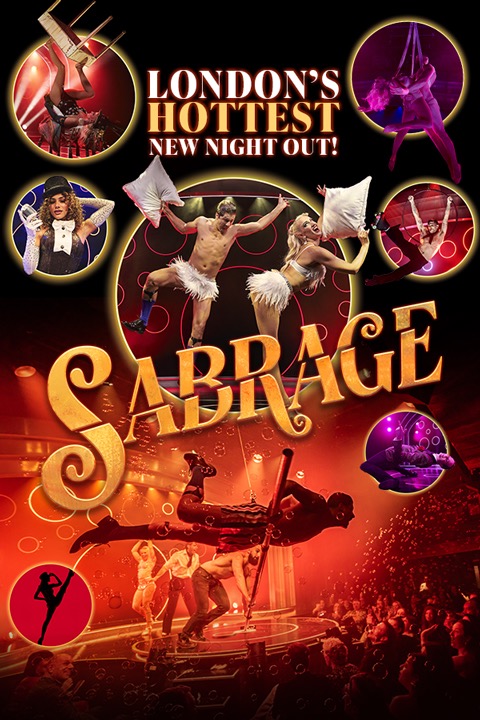
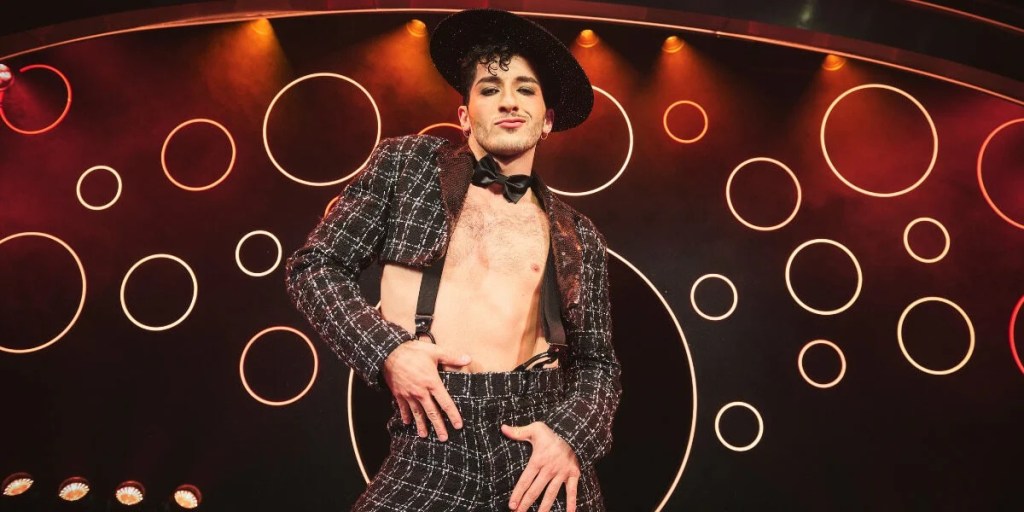
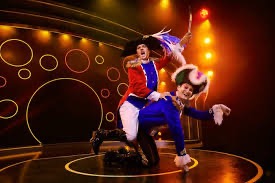
I’d been hearing whispers—more like delighted murmurs—circulating through my social circle about a production with just the right amount of cheeky X-factor. A show called SABRAGE. The reviews were glowing, bordering on evangelical, and once I looked further, the decision was made.
Described as an intoxicating collision of circus artistry, vintage glamour, high-octane acrobatics, and mischievous humour, SABRAGE promised far more than a conventional night out. It billed itself not merely as a show, but as an experience. And it
delivers—spectacularly.
On Saturday evening, we headed to King’s Cross, an area that has undergone one of London’s most impressive transformations over the past decade. Once gritty and utilitarian, it’s now a cultural and social hub buzzing with confidence. Lafayette, located just four minutes’ walk from the station, sits discreetly behind the main thoroughfare—an architectural gem that immediately sets the tone.
From the moment you arrive, the welcome is warm and efficient. Even security manages to be charming—no small feat. Before entering the theatre space, there are a few house rules. Chief among them: no photographs of nudity. This might raise an eyebrow or two, but rest assured—nothing here is gratuitous. Everything is artfully staged, elegant, playful, and firmly in good taste. If you’re easily offended, this may not be your night—but if you appreciate sensuality delivered with wit and intelligence, you’re in safe hands.
One of SABRAGE’s most impressive feats—aside from the performers themselves—is the seamless audience experience. Drinks and food can be ordered directly from your seat via a simple scan, and every member of staff we encountered was genuinely helpful, friendly, and clearly proud of the production.
The show opens with a theatrical pop—a sword cleanly slicing the cork from a champagne bottle—setting the mood instantly. Our hosts glide onstage, equal parts ringmaster and rogue, and from that moment, the audience is completely seduced.
Then comes the talent.
Almost immediately, the room developed a collective crush on Flynn Miller, whose high-flying aerial act is nothing short of breathtaking. There is a rare beauty in watching someone so utterly in command of their body, defying gravity with elegance, strength, and apparent effortlessness. His performance alone would be worth the ticket price.
But SABRAGE is far more than a one-man triumph. The cast—drawn from the very best international circus and acrobatic talent—deliver a relentless parade of jaw-dropping moments. There is danger, precision, laughter, and an undercurrent of delicious rebellion throughout. Vintage glamour collides with modern irreverence, and the result is electric.
What makes SABRAGE truly special is its balance. It knows exactly how far to push without tipping into excess. The humour is cheeky rather than crude. The sensuality is teasing, never tawdry. The spectacle is bold but controlled. Every act feels curated, every transition intentional.
By the end of the evening, our table of ten—birthday boy included—was unanimous. This wasn’t just a successful celebration; it was a night none of us will forget. SABRAGE doesn’t simply entertain—it exhilarates.
If you’re looking for something genuinely different in London, whether for a birthday, celebration, or simply because life deserves more champagne-fuelled circus brilliance, SABRAGE at Lafayette should be at the very top of your list.








 2Shades Magazine