
xxxxxx 5 star
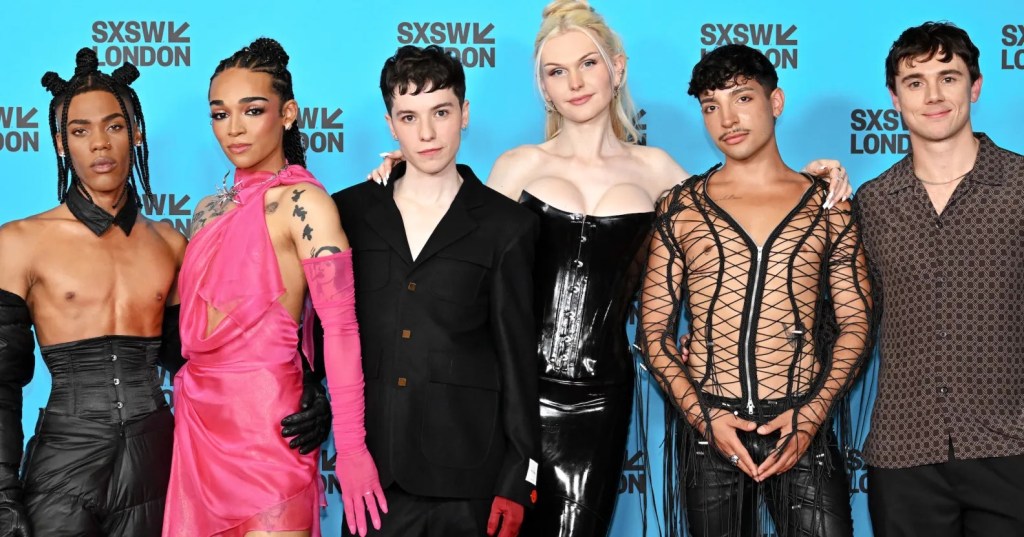

There is no doubt that What It Feels Like for a Girl is one of the bravest, boldest, and most emotionally charged dramas the BBC has aired in recent memory. Dark, funny, and deeply moving, it doesn’t pull punches — and nor should it. In today’s climate, where LGBTQ+ rights are often politicised and marginalised, this series dares to dig into the raw truth of what it can feel like to grow up queer, different, and determined in an often hostile world.
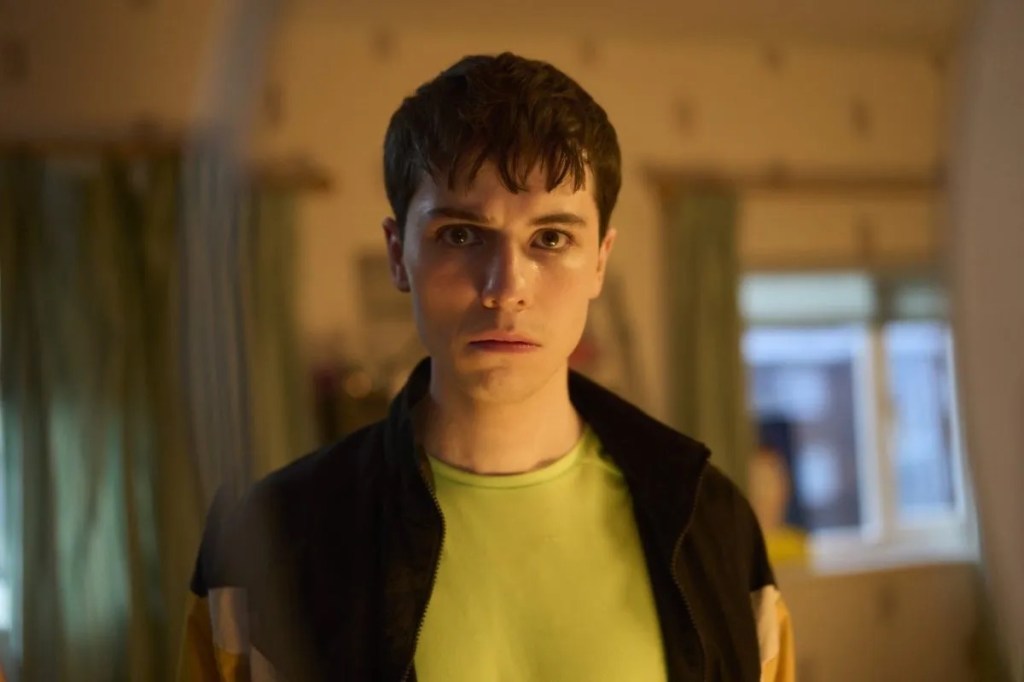
At the heart of the drama is Byron — a teenager who doesn’t so much come out as leap flamboyantly out of the closet in heels and an acrylic wig. It’s a bold characterisation, and one that instantly divides viewers between admiration and concern. Byron is played with remarkable energy and vulnerability by the talented Elis Howard, whose performance captures both the sass and sadness behind a young person trying to define themselves on their own terms. Byron is no victim — he’s fierce, intelligent, witty — but the world he moves through doesn’t always treat him with the same kindness or understanding.
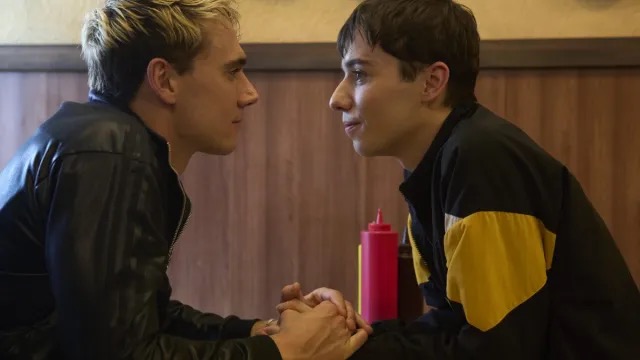
The series is packed with dynamic performances, but none more compelling than Jake Dunn as the chilling and unpredictable Liam. Liam is, quite frankly, terrifying — a young man full of rage, confusion, and violence, embodying a dangerous masculinity that feels all too familiar. Dunn’s performance is nothing short of remarkable, tapping into a deep well of menace and vulnerability. It would not be surprising to see this role lead to awards recognition — it’s a BAFTA-worthy turn from a young actor in complete control of his craft.

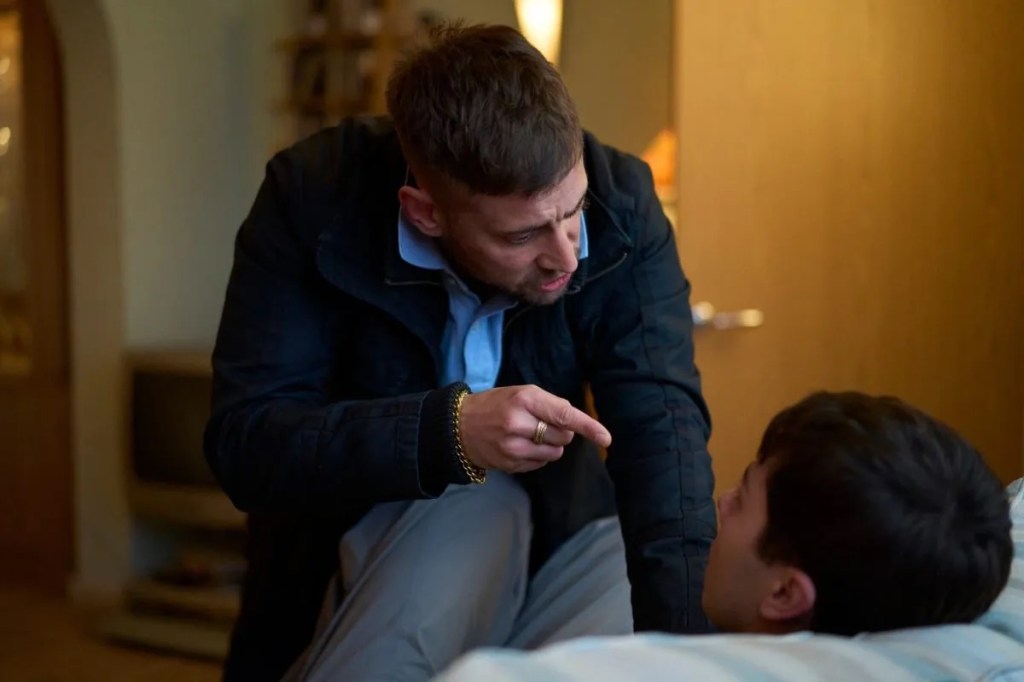
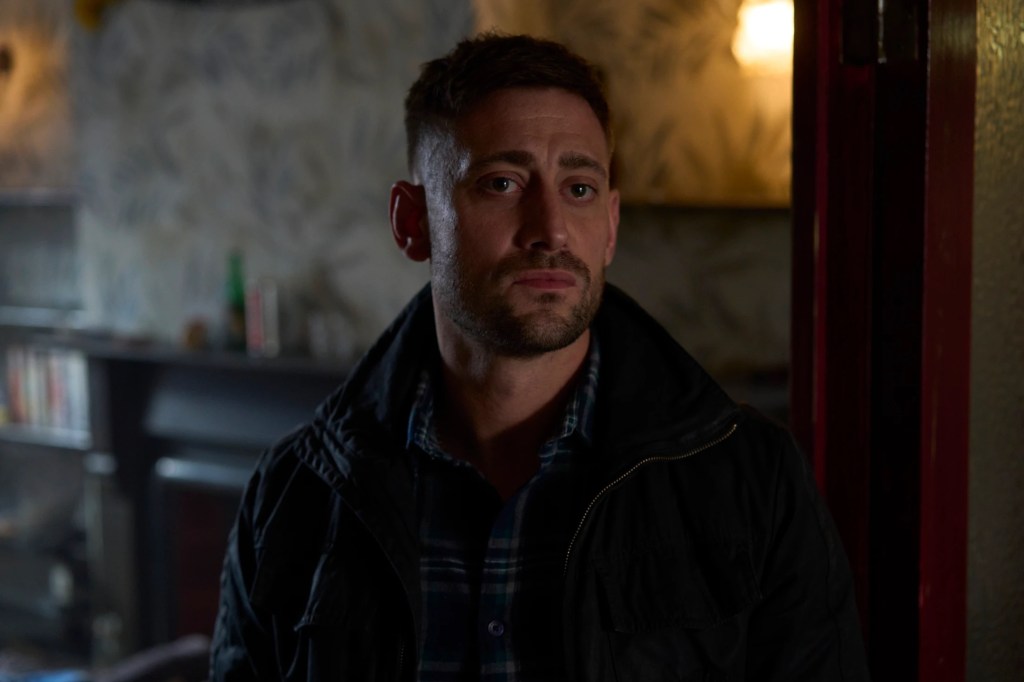
Just as striking is Michael Socha as Byron’s dad, Steve. Socha — one of the UK’s brightest acting talents, known for his powerful work in Big Boys Don’t Cry — brings incredible depth and complexity to a role that could easily have slipped into cliché. Steve is a working-class father trying to love and protect his child while also wrestling with his own fears, prejudices, and sense of masculinity. He isn’t perfect, but he tries — and that attempt, that effort to understand, is what gives the performance its emotional weight. Socha makes Steve both gruff and tender, occasionally heartbreaking, and always utterly human.
The supporting cast is also excellent, rounding out a story that never feels one-note. Each character serves as a window into different facets of LGBTQ+ identity, family dynamics, and the brutal realities of adolescence. The script, while occasionally unflinching in its language and choices, never feels exploitative. Instead, it invites the viewer to sit in discomfort, to examine their assumptions, and to witness the daily negotiations and dangers that queer teens may face.
However, it would be dishonest to pretend the series is perfect — or without controversy.
In a time where LGBTQ+ and particularly trans communities are under increasing attack — in the media, in politics, and in public life — there is a growing call for stories that offer more balance, more hope, and more variation. While What It Feels Like for a Girl is undeniably powerful, it risks reinforcing some deeply damaging tropes. The depiction of young gay men becoming involved in sex work or aggressively pursuing unavailable straight men plays into harmful stereotypes that many activists and members of the LGBTQ+ community have spent decades working to dismantle.
There is a danger that a show like this, no matter how well-crafted, could be misinterpreted by those looking for ammunition to further vilify queer lives. It’s a delicate balance — representing the reality of some without suggesting it’s the reality for all. And in this case, that balance feels slightly off. Yes, some young people do struggle in these ways. But others do not. Some grow up in supportive families, thrive at school, fall in love safely, and live joyfully. Those stories matter too.
In many ways, this series is a reminder of the importance of representation — and the challenges that come with it. Authentic queer storytelling is vital, but so is diversity within that storytelling. Not every queer teen is a tragedy, and not every narrative needs to be soaked in trauma. What we need now, more than ever, is nuance. The right to be messy, yes — but also the right to be happy.
Despite these concerns, What It Feels Like for a Girl remains compelling, necessary viewing. The direction is confident and unflinching, the writing brutally honest, and the performances — particularly from Dunn, Howard, and Socha — are unforgettable. The series asks difficult questions and offers no easy answers. And perhaps that is its greatest strength.
This isn’t a show that ties everything up in a bow or gives us a neat resolution. It leaves viewers unsettled, maybe even angry. But it also invites conversation. It asks us to sit in the discomfort of the truth and to consider how we might do better — as parents, as friends, as a society.
In the end, What It Feels Like for a Girl doesn’t pretend to speak for everyone. It tells one version of the truth — raw, messy, painful, and defiant. It may not be the perfect flag-bearer for LGBTQ+ representation, but it doesn’t need to be. What it does do is open the door. It gets us talking. It reminds us that behind every label is a life — complicated, beautiful, and worthy of understanding.
https://www.bbc.co.uk/iplayer/episodes/m002c6nx/what-it-feels-like-for-a-girl
END


One reply on “Review: What It Feels Like for a Girl”
Great piece putting some balance on a bold and interesting new show that’s coming along at a really crucial time just now. It feels like we’re heading back to the godawful and intensely damaging era of the Tory 80s. Some of us still haven’t got over that…
LikeLike