
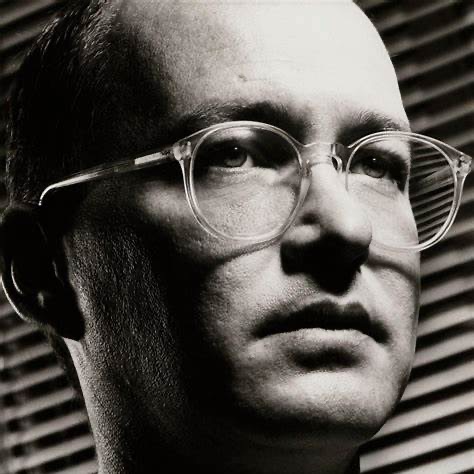
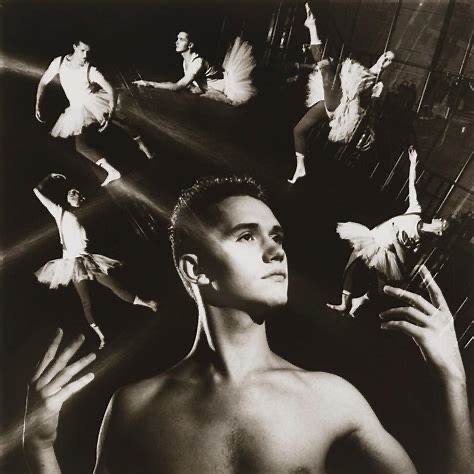
Christopher Garnham
By Steven Smith
A Brilliant Artist Lost Too Soon
It is early evening in Earl’s Court London. It seems like it has never stopped raining for the last seven days and tonight is no different. Earl’s Court is an area that has been my home at times in my life and a playground since past my sixteenth birthday. This evening I am meeting a friend that I have known very fondly for over 49 years. He can be Machiavellian and entertaining but never boring. He has some very exciting news to tell me and I can hardly wait.
I would like to share the whole story, but it is personal My friend is adopted and the tip of the exciting news was he had found his biological mother after 70 odd years. With technology being what it is and Ai with just his mother first name and last name a friend had tracked her down. Sadly, she passed in a nursing home in Ipswich several years ago.
The news that he had a brother was something that was quite unexpected . A brother named Christopher Paul Garnham . He too like my friend and me had lived in Earl’s Court an artist and gifted portrait photographer . It was hard to believe what he told me next his brother has passed like his mother, tragegley on the Marchioness.
So many beautiful talented people passed on the Marchioness in fact my friend mother had spent her latter years campaigning for jutice for the victims. I said this is quite a story But it got me thinking how many artist and talnted people who light had burned brightly but so briefly that may be some what forgotten
My friend will one day write about his feeling and his side of things but I wanted to celebrate Christopher and highlight his story in 2Shades and dedicate this to my dear friend.
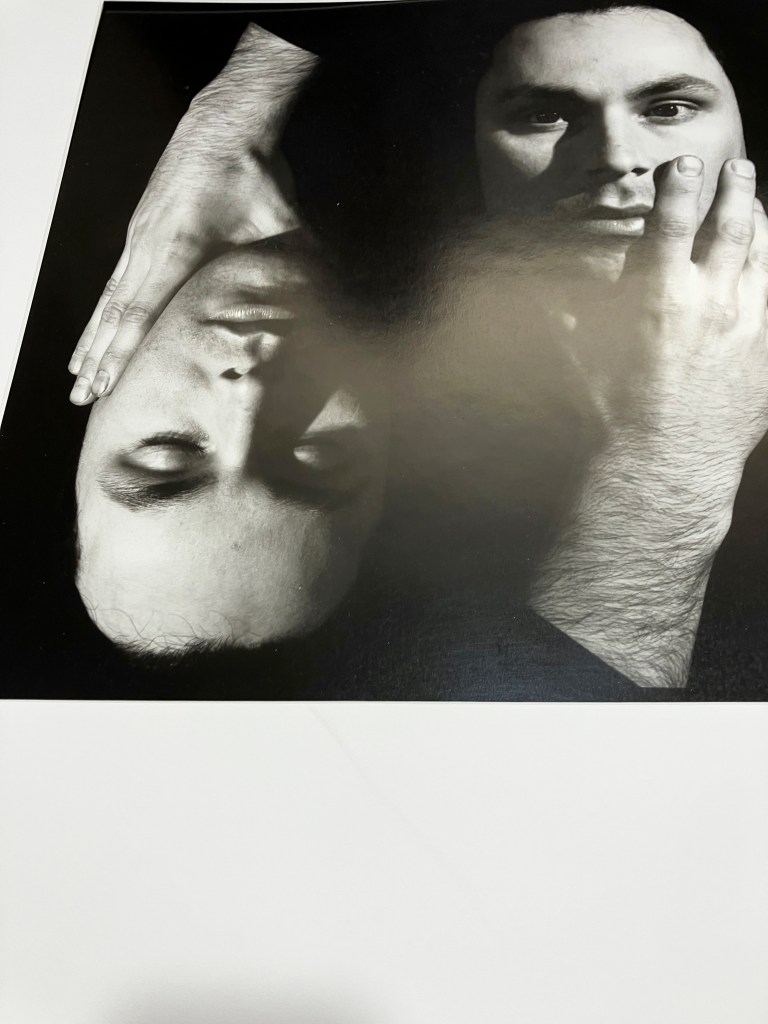
London’s creative history is filled with artists whose light burned brightly but briefly. One such figure is the gifted portrait photographer Christopher Paul Garnham, a man whose work captured the cultural energy of the 1980s but whose life ended tragically before his career had truly reached its peak.
Born on 1 March 1958 in Ipswich, Suffolk, Chris Garnham grew up in a period when British photography was undergoing a transformation. The late 1970s and early 1980s were a time when magazines, fashion, music and art were colliding to create a new visual culture. Garnham would become part of that movement.
From an early age he showed an instinctive eye for images and composition. His creative path eventually led him to London, where he studied at the Royal College of Art, one of the most prestigious art institutions in the world. There he initially trained as an illustrator, but photography soon became the medium through which he would express his vision most clearly.
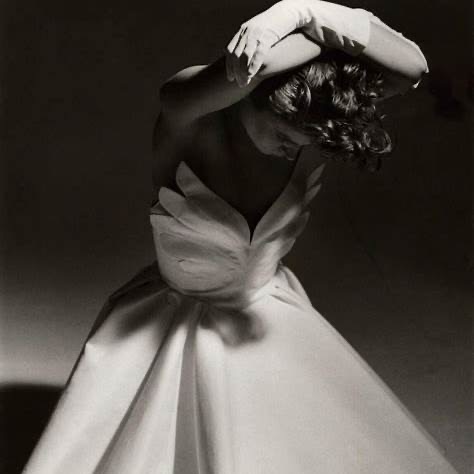
The camera suited Garnham’s temperament. He was fascinated by people — their faces, their presence, and the stories they carried with them. Portraiture became his natural language.
By the early 1980s Garnham had established himself as a promising young photographer within London’s thriving creative scene. This was a period when publications such as The Face and Blitz were redefining style journalism. These magazines celebrated a new generation of designers, musicians, writers and artists, and Garnham’s portraits fitted perfectly into that vibrant cultural landscape.
His photographs were distinctive. Rather than simply recording a likeness, Garnham sought to reveal something deeper about his subjects. There was a quiet intensity in his portraits — an ability to capture both vulnerability and strength within the same frame.
Many of his subjects came from the world he moved within: artists, writers, musicians and cultural figures. Among those he photographed were notable names such as Gilbert & George, Paula Rego and Elvis Costello, figures who themselves defined British art and culture in the late twentieth century.
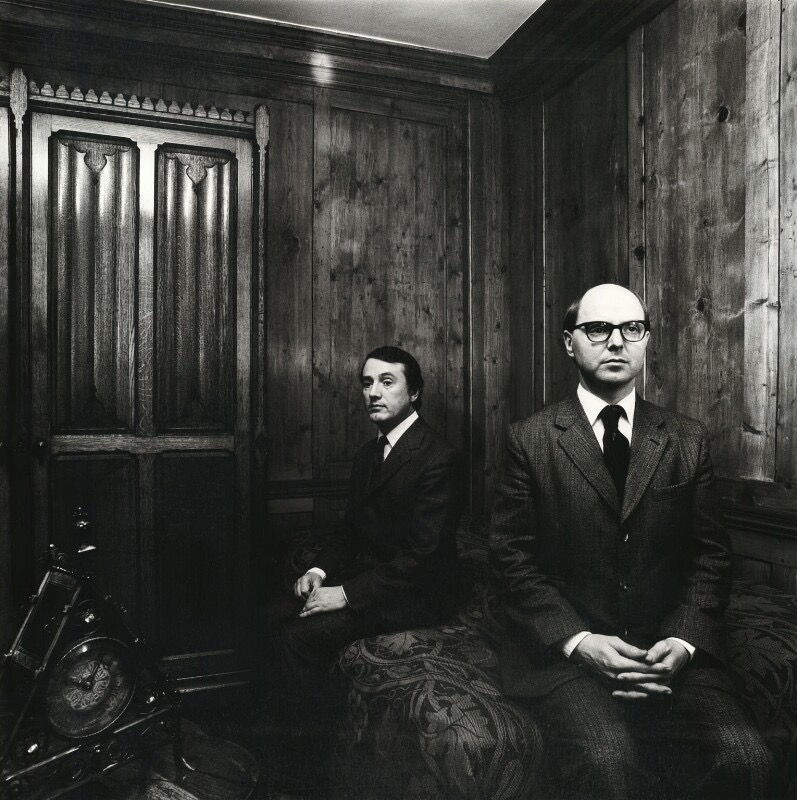
His work gained increasing recognition within the photography world. In 1984 he was named Photographer of the Year by Blitz magazine, a major accolade at the time and a clear sign that his talent had been noticed.
Two years later his photographs were included in the National Portrait Gallery exhibition “Twenty for Today”, a group show highlighting some of the most exciting young portrait photographers working in Britain at the time.
The National Portrait Gallery would go on to acquire many of his photographs for its permanent collection, ensuring that Garnham’s work would continue to be seen and appreciated long after his death.
During this period Garnham lived in Earl’s Court, at Flat 5, 2 Neville Place . In the 1980s Earl’s Court was something of a creative enclave. Photographers, artists, musicians and actors were drawn to the area because of its relatively affordable rents and its proximity to London’s cultural life. It was a place where ideas were exchanged over late-night conversations and where collaborations often began.

Friends remembered Garnham as thoughtful, intelligent and quietly passionate about his craft. He was dedicated to his work but never arrogant about his talent. Like many artists of his generation, he was part of a community rather than a solitary figure.
Then came the night that would change everything.
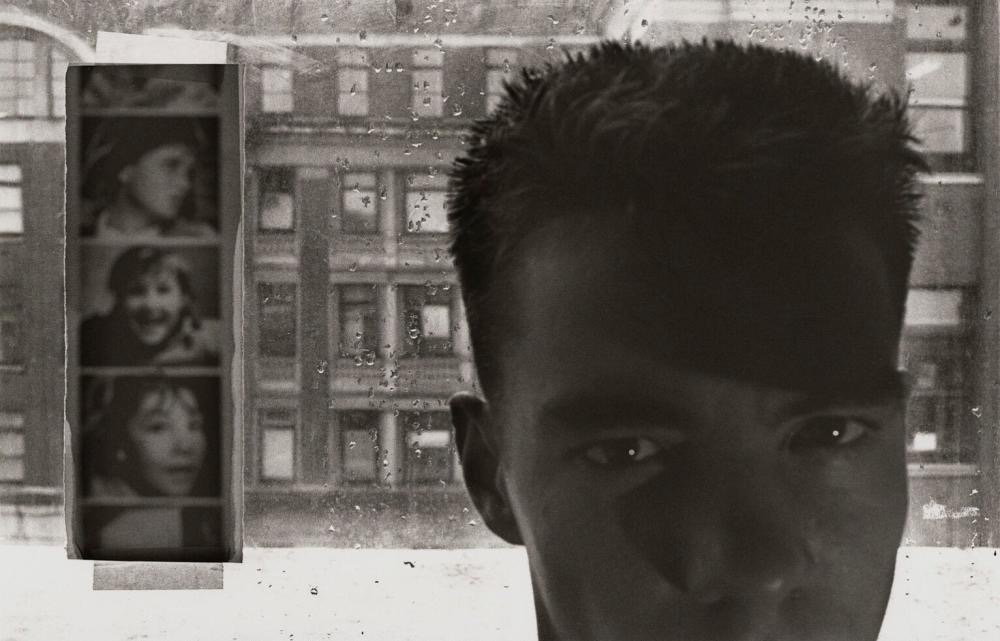
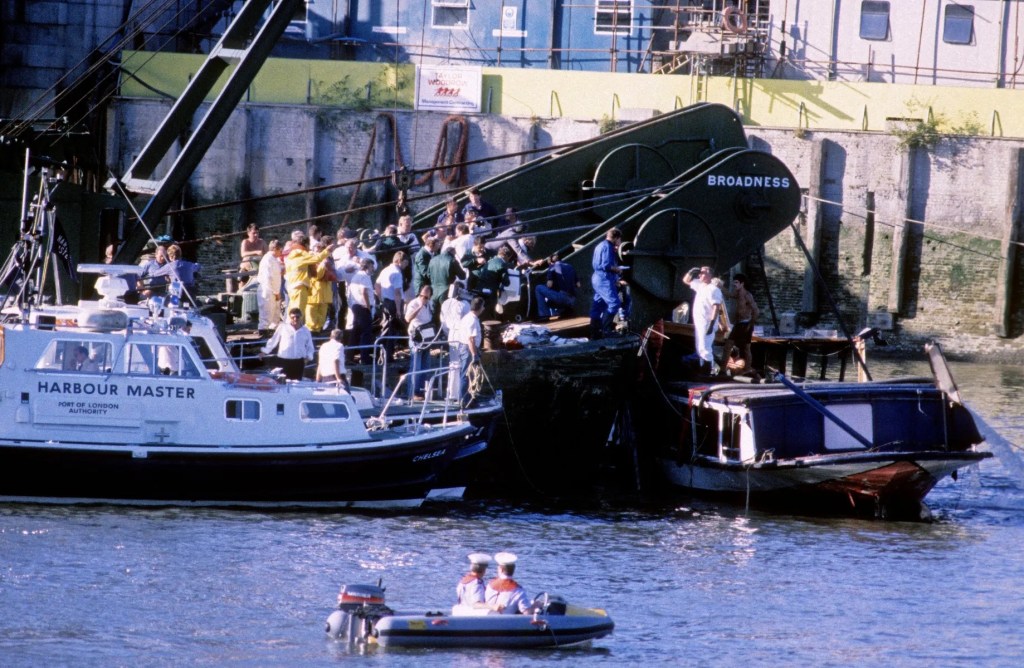
On 20 August 1989, Garnham joined friends for what was meant to be a joyful evening on the River Thames. The group had boarded the pleasure boat Marchioness, which was hosting a birthday celebration. The boat travelled along the river carrying a crowd of young people — many of them from London’s creative and cultural circles.
In the early hours of the morning, tragedy struck.
At approximately 1:46 am, near Southwark Bridge, the Marchioness collided with a dredger called the Bowbelle. The smaller vessel was struck from behind and quickly capsized. Within minutes the boat had sunk.
The disaster remains one of the worst peacetime tragedies on the Thames.
Fifty-one people lost their lives that night.
Christopher Garnham was among them. He was only 31 years old.
The news sent shockwaves through London’s artistic community. Many of those who had known him were still at the beginning of their own careers. The sudden loss of such a talented photographer was deeply felt.
For Garnham’s friends and colleagues, the tragedy was not just the loss of a person but the loss of a future — the photographs he would have taken, the artists he would have portrayed, the stories he would have told through his lens.
And yet his work did not disappear.
The photographs he left behind continue to speak for him.
Today Garnham’s portraits remain preserved in the National Portrait Gallery, where they form part of the visual record of Britain’s cultural life in the 1980s. Through these images we glimpse the creative world in which he moved — a world of artists, musicians and thinkers whose ideas helped shape modern culture.
His photographs possess a rare quality. They feel both intimate and timeless. The viewer senses that Garnham approached his subjects not merely as a photographer but as a fellow participant in the creative conversation of his generation.
Looking at those portraits now, one cannot help wondering what Garnham might have achieved had he lived longer. Many photographers only reach their full artistic maturity later in life. For Garnham, that journey had barely begun.
Yet even in the relatively short span of his career he left an imprint.
In many ways his story reflects the fragile nature of artistic life. Talent, opportunity and recognition were all coming together for him just as fate intervened. His work reminds us how important it is to preserve and honour the contributions of artists whose voices were silenced too early.
Christopher Garnham may not be a household name today, but within the circles of photography and portraiture he is remembered as a gifted observer of people — a man who could look through a camera and reveal something honest and human.
More than three decades after his death, his images still carry that quiet power.
And perhaps that is the greatest tribute any photographer can hope for.
The artist may be gone, but the faces he captured continue to look back at us.
https://www.londonmuseum.org.uk/collections/london-stories/marchioness-disaster/

 2Shades Magazine
One reply on “A DEDICATION TO Christopher Garnham”
Thanks Stephen
I also lived in Earl’s Court in the ’60s – in Nevern Square David x ________________________________
LikeLike