
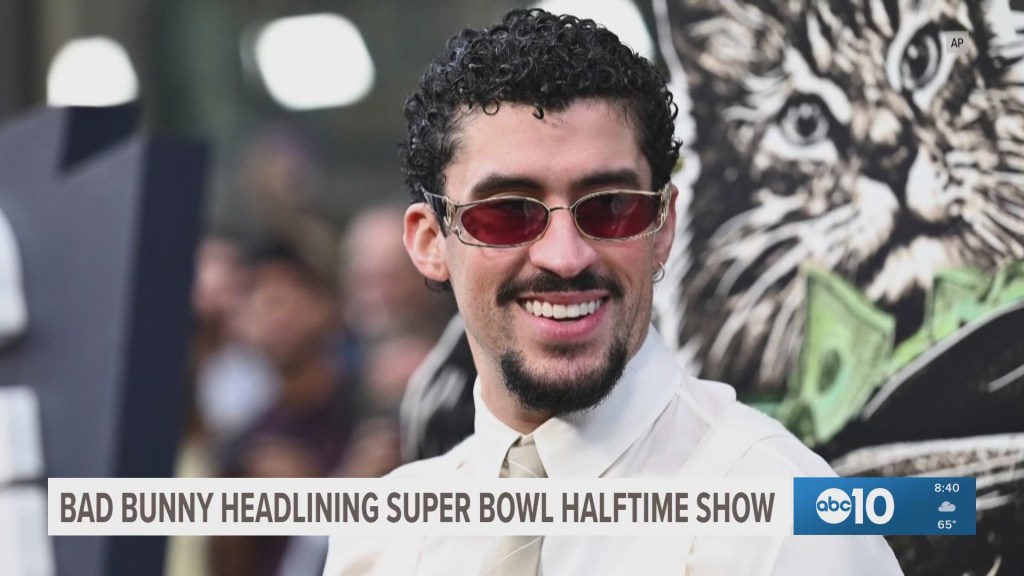
Why the World Has Fallen in Love with Bad Bunny
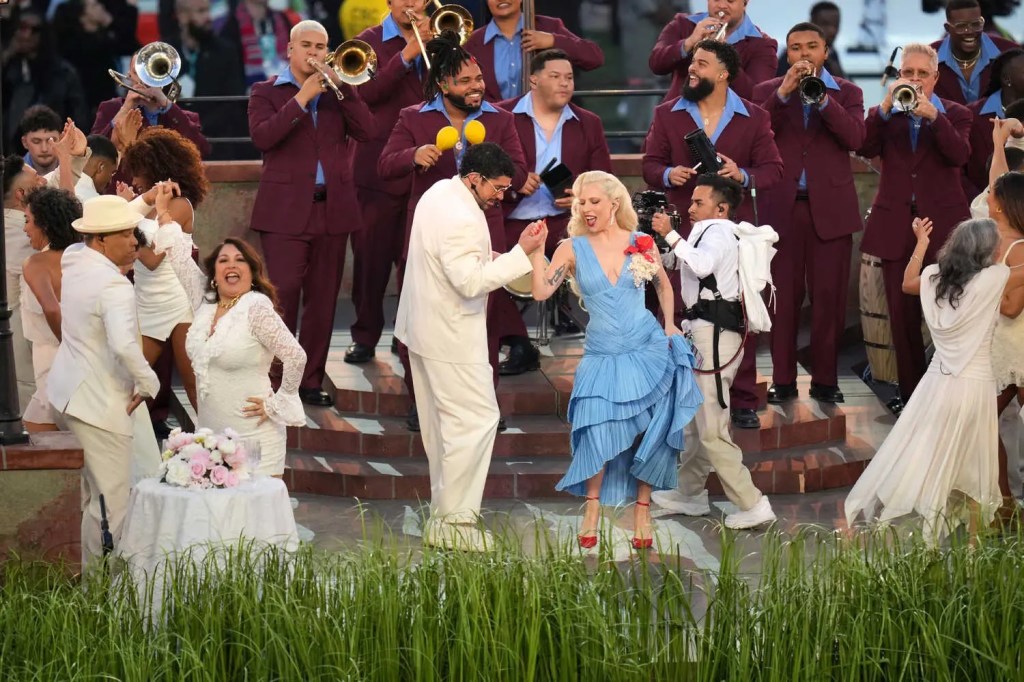
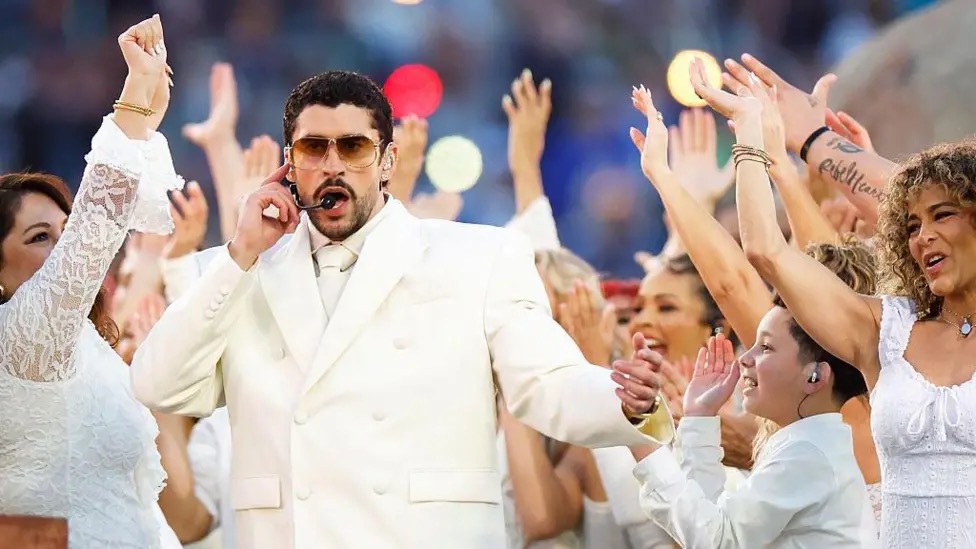
For just over thirteen unforgettable minutes, Bad Bunny showed the world what America can be at its very best.
In an era too often dominated by division, fear and noise, the Puerto Rico–born megastar delivered something rare and precious: a performance rooted in empathy, diversity, unity and love. It was a reminder that kindness still matters. That culture still connects us. And that music, when created with honesty and heart, has the power to heal.
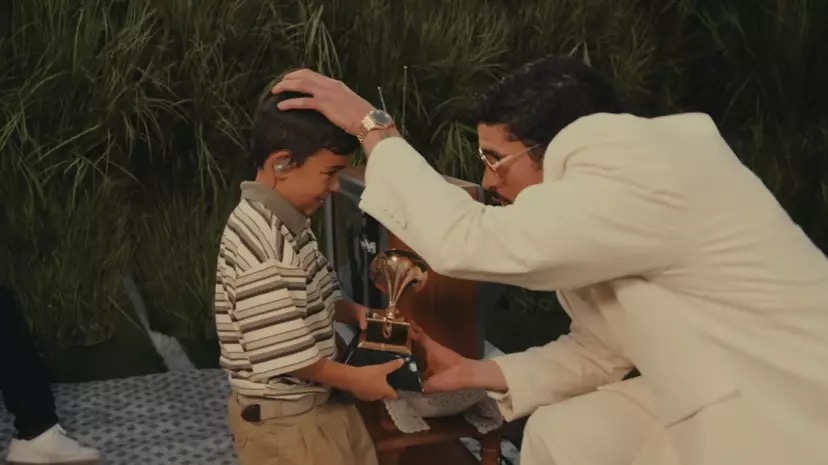
Watching his Super Bowl performance, I felt goosebumps ripple through me. It was one of those rare moments that catches you off guard — when entertainment quietly becomes something deeper. Tears welled in my eyes, not just because of the spectacle, but because of what it represented. When Bad Bunny, born Benito Antonio Martínez Ocasio, later handed his Grammy trophy to a young boy, it symbolised everything he stands for: generosity, humility, hope, and the belief that success means very little if you do not lift others with you.
Only a week before that performance, he had achieved another historic milestone, winning multiple Grammys and securing Album of the Year for a Spanish-language record — the first time in the ceremony’s history. It was far more than a personal triumph. It was a cultural moment. It declared, loudly and clearly, that Spanish-speaking artists, stories and voices belong at the very centre of global culture.
A Voice for Millions
Bad Bunny represents more than music. He represents identity.
Over 50 million Americans speak Spanish, and many millions more around the world share that language. For decades, their stories were often pushed to the margins. Today, through artists like Bad Bunny, those voices are finally being heard — not as niche or alternative, but as mainstream, powerful and essential.
What makes his music so extraordinary is that you do not even need to understand every word to feel its impact. I have sat in operas sung in German and Italian and been deeply moved without speaking either language. Music, at its best, transcends translation. It lives in rhythm, tone, emotion and feeling.
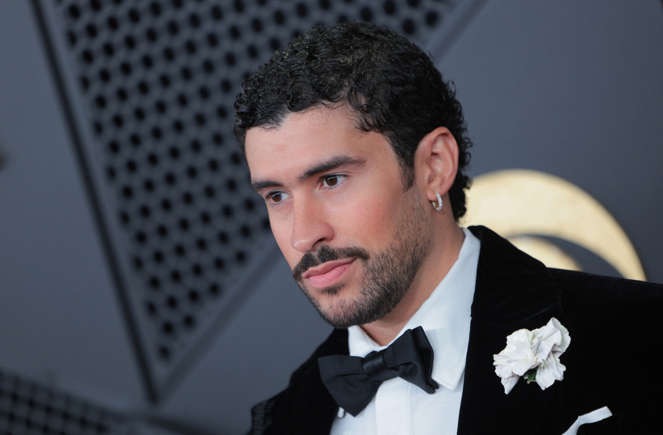
Bad Bunny’s songs do exactly that. They make you want to dance. They make you want to smile. They make you want to belong. They invite everyone into the room — regardless of age, background or nationality — and say, “You are welcome here.”
That sense of inclusion is no accident. It is the foundation of his work.
More Than a Performer
What truly sets Bad Bunny apart is not just his talent, but his courage.
He has consistently challenged stereotypes around masculinity, fashion and identity. He wears nail polish. He experiments with clothing. He speaks openly about mental health. He advocates for LGBTQ+ rights. He stands up for his community when injustice strikes. And he does so without preaching, without arrogance and without apology.
In doing so, he has become a role model for millions who may never have seen themselves reflected in mainstream culture before. Young men who felt pressured to hide their softness. Young people who felt different. Young artists who wondered if there was space for their voice.
Bad Bunny proves that there is.
And that authenticity is not weakness — it is strength.
A Night of Healing
His Super Bowl performance was not just entertainment. It was a tonic for the soul.
At a time when many Americans — and people across the world — are grappling with uncertainty, financial pressure, social division and emotional fatigue, the show offered something desperately needed: joy.
It reminded us what it feels like to be united by a shared moment. To laugh, cheer, sing and dance together. To forget our worries, even briefly, and simply exist in celebration.
That is the true power of culture. It builds bridges where politics builds walls.
Standing Among Legends
Bad Bunny was not alone in delivering that message.
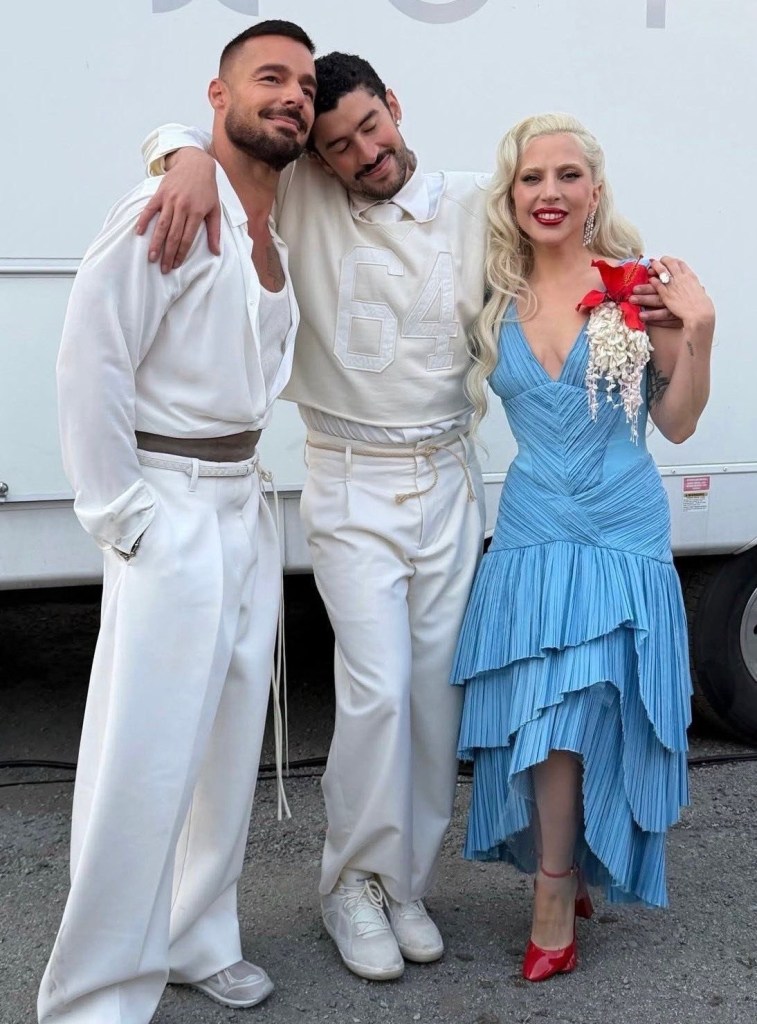
Lady Gaga’s performance of Hold My Hand was another beacon of light — a moving tribute that honoured courage, compassion and resilience. Her voice carried both strength and vulnerability, reminding us that patriotism is not about shouting the loudest, but about caring the deepest.
I was lucky enough to see Lady Gaga when she was just starting out, performing at Wilton Manors’ Bill’s Filling Station. Even then, she had that unmistakable spark — that sense of destiny. Watching her now, on one of the biggest stages in the world, is proof that talent paired with integrity can take you anywhere.
Meanwhile, Ricky Martin joined Bad Bunny for a beautiful rendition of Lo Que Le Pasó a Hawaii. It was emotional, elegant and deeply symbolic — a meeting of generations, cultures and histories. Two Puerto Rican artists, united on a global stage, honouring their roots while embracing the future.
It was breathtaking.
A New Definition of Success
For years, success in the music industry was defined narrowly: English-language hits, a traditional image, predictable branding. Bad Bunny has shattered that formula.
He sings in Spanish. He blends reggaeton, trap, pop and Latin rhythms. He refuses to be boxed in. He puts his community first. And he remains grounded, despite global fame.
That is why people love him.
Not because he is perfect, but because he is real.
He celebrates his culture without excluding others. He embraces fame without losing humility. He challenges norms without seeking attention. And he gives back without seeking praise.
In a world obsessed with image, he offers substance.
Love Over Hate
Perhaps the most powerful message of all was the simplest: love wins over hate.
At a time when headlines are filled with anger and conflict, Bad Bunny’s presence said something different. It said that diversity is strength. That kindness is power. That unity is possible.
His performance was not political in the traditional sense. It was something better. It was human.
It reminded us that beneath labels and borders, we are all moved by rhythm, melody, emotion and story. We all want to feel seen. We all want to belong. We all want to hope.
And for thirteen extraordinary minutes, Bad Bunny gave us exactly that.
A Moment We Needed
Looking back, it truly was one of the finest Super Bowl halftime shows in history — not just for its production, but for its heart.
It was a celebration of heritage. A statement of inclusion. A masterclass in artistry. And a powerful reminder of why music matters.
Bad Bunny did not just perform.
He connected.
He inspired.
He healed.
And in doing so, he showed the world that greatness is not measured by charts or trophies alone, but by the lives you touch along the way.
In uncertain times, he gave us certainty.
In divided times, he gave us unity.
In weary times, he gave us joy.
And that is why the world has fallen in love with Bad Bunny.
 2Shades Magazine