The Assembly: Kieron Lee Brings the Room to Tears in a Moment of Pure Television Gold
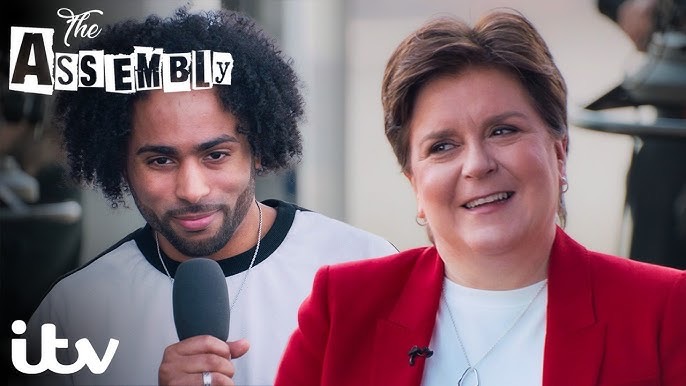
The Assembly has built a reputation for doing something television rarely dares to attempt—stripping away the polish, the PR filters, and the rehearsed answers to reveal something altogether more human. In last week’s episode, aired on 10 April, that raw authenticity reached a powerful crescendo, thanks to Anna Kennedy Online ambassador Kieron Lee, whose emotional performance for Nicola Sturgeon left not only the former First Minister visibly moved, but much of the audience in tears.
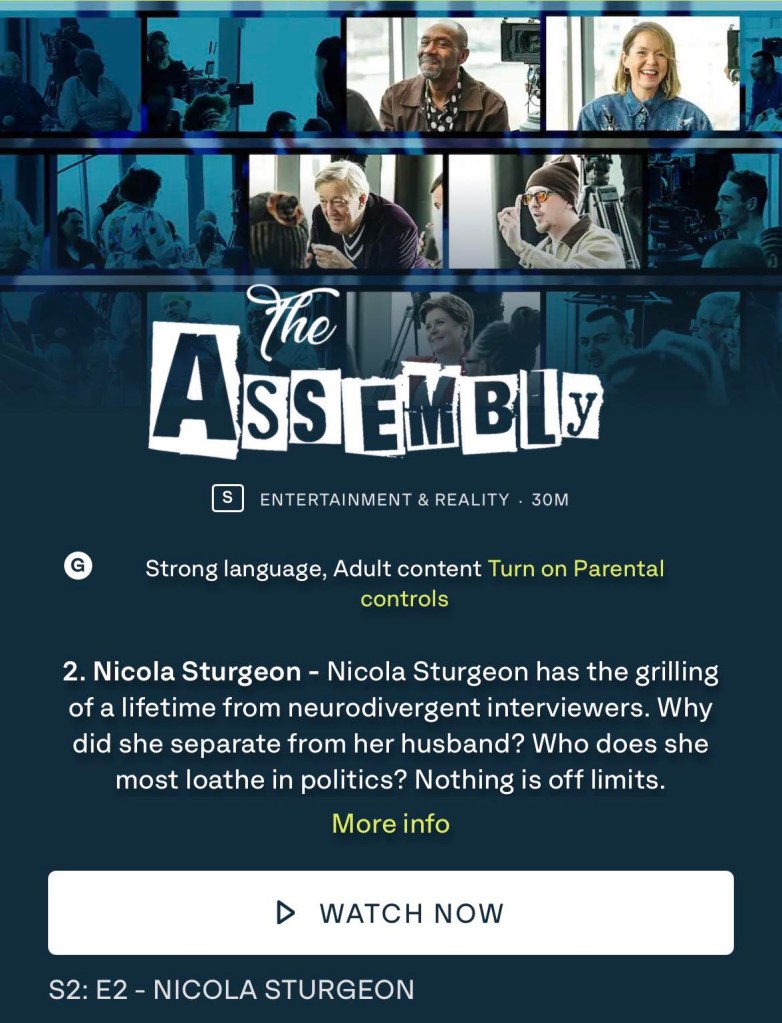
Anna Kennedy Online charity ambassador Mr. Kieron Lee makes a memorable debut in Episode 2 of ITV’s powerful and thought-provoking series, featuring Nicola Sturgeon. Over the past few months, he has been filming for The Assembly, stepping into a format that is as challenging as it is rewarding. The episode is available now on ITVX, or viewers can tune in on ITV, where it sits comfortably alongside some of the channel’s biggest primetime programming.
For those familiar with Kieron Lee, this moment will come as no surprise. An EDM/R&B producer and artist with a gift for blending vulnerability with musical precision, Kieron has long had the ability to stop a room in its tracks. I first witnessed that magic myself during Autism’s Got Talent, where his performance carried the same emotional weight—quietly building, then landing with a resonance that lingers long after the final note.
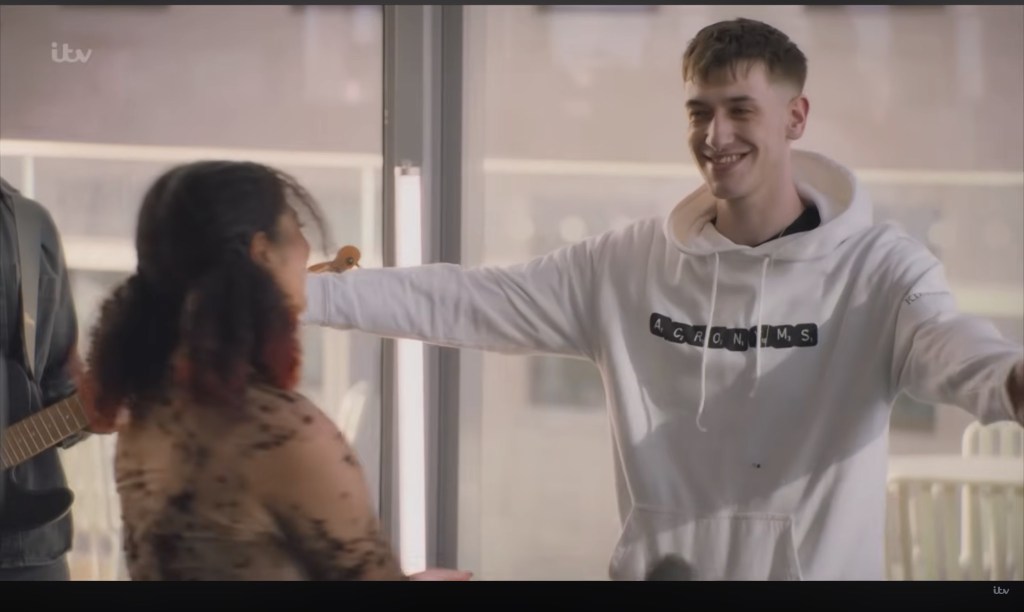
Kieron’s journey with Anna Kennedy Online dates back to 2016, when he contributed his track Letting Go to the charity’s debut album Building Bridges. Since then, his career has steadily grown, with his debut album Acronyms reaching listeners in over 100 countries on Spotify. Importantly, his work continues to give back, with each project donating a portion of proceeds to the charity—a reflection of both his talent and his integrity.
But The Assembly is not a typical stage, and this was not a typical performance.
The ITV series turns the traditional interview format on its head. In this episode, Nicola Sturgeon is interviewed by a panel of autistic and learning-disabled contributors who ask honest, fearless, and uncompromising questions. The discussion moves seamlessly between the personal and the political—covering everything from her separation from her husband to her least favourite politicians, her arrest, and even her love life. Nothing is off-limits, and that is precisely what gives the programme its edge.
Kieron Lee was not simply there to observe. He was part of that panel—an active voice shaping the tone of the conversation. Reflecting on the experience, he described it as “surreal” and something he will treasure for the rest of his life. It also marked a significant personal milestone: his first time travelling to London alone, stepping far outside his comfort zone and into a completely new environment.
Then came the moment that would define the episode.
Closing the programme, Kieron delivered a moving duet of Dignity by Deacon Blue. It was a choice that felt both poignant and perfectly pitched—its themes of aspiration and quiet resilience echoing the spirit of the show itself.
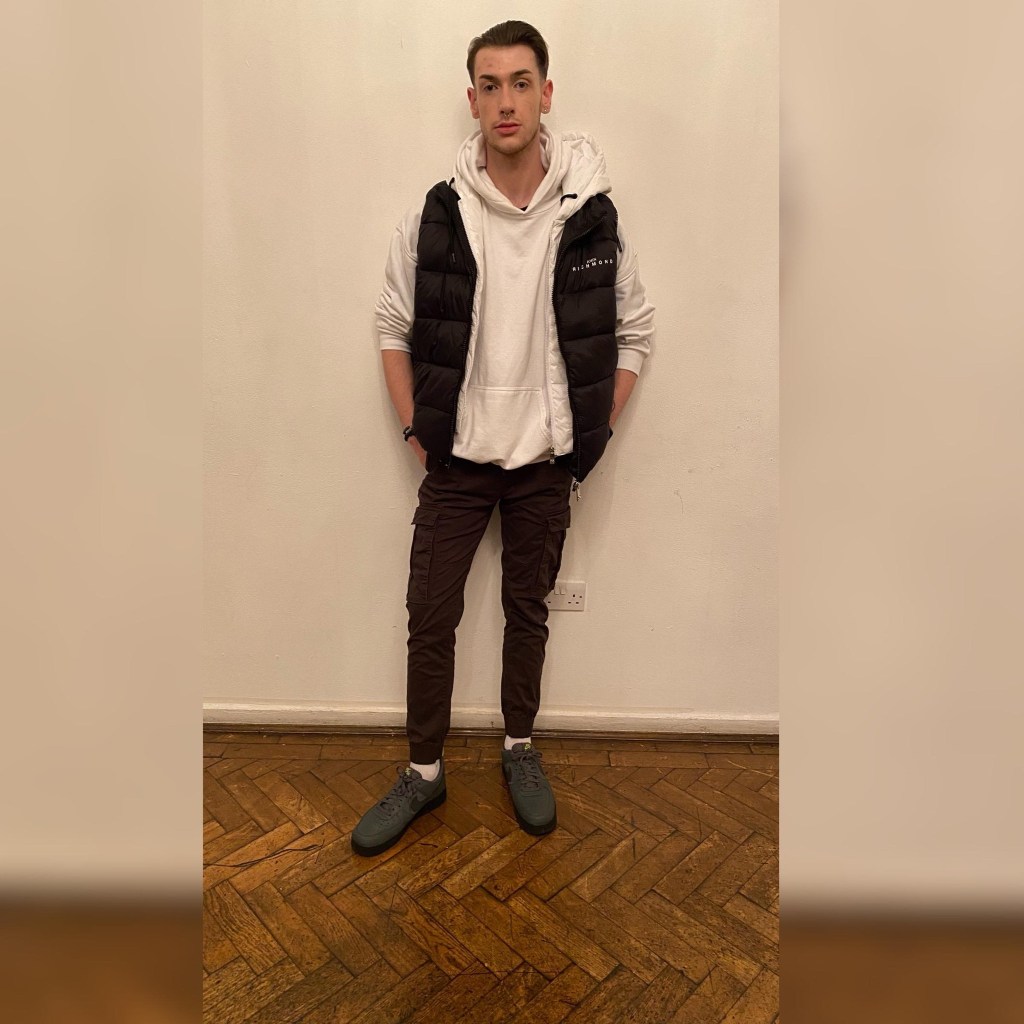
“Performing for Nicola Sturgeon was an honour,” he said. “Her warmth and genuineness were so admirable.”
What makes this moment even more remarkable is what viewers did not see. Kieron had been incredibly unwell in the hours leading up to filming. “I was sick twice before going on,” he revealed, “and when I got home, I was bedridden all week with a terrible flu.” Yet despite this, he stepped forward and delivered a performance that resonated deeply with everyone in the room.
There was no artifice—just honesty, courage, and talent.
As the final notes faded, Nicola Sturgeon was visibly emotional, and she was not alone. Across the room, there was a shared sense that something special had taken place. It was one of those rare television moments that cannot be manufactured—only felt.
For Kieron, the experience was about more than performance. “Being part of a project that gives a voice to people who often feel unheard is something I strive to do in other areas of my life through music,” he said. “To see that come to life on mainstream television has been truly life-changing.”
He also paid tribute to the production team behind the series, describing The Assembly as “an exceptional piece of television, with a beautiful cast,” and expressing his gratitude for being invited to take part in its second series.
This is precisely why programmes like The Assembly matter. In an era of over-produced content, it offers something refreshingly real—championing neurodiverse voices, creating unscripted moments, and breaking down barriers between public figures and the public.
Kieron Lee’s appearance embodies all of that. He was not there to perform for someone in the traditional sense—he was there as an equal, a voice, a presence. And yet, when the moment called for it, he delivered something unforgettable.
At Anna Kennedy Online, there is immense pride in all that Kieron continues to achieve. His journey is not only inspiring but deeply meaningful, reflecting the very ethos of the charity.
And the story does not end here.
Kieron is set to perform at the Autism Hero Awards on 9 May 2026—an event that continues to celebrate extraordinary individuals within the autism community. If his appearance on The Assembly is anything to go by, it will be a performance not to be missed.
The episode is available now on ITVX and across digital platforms.
Just be prepared—this is television that doesn’t just entertain. It moves you.
https://www.itv.com/watch/the-assembly/10a6350/10a6350a0008