Categories
Columns Lifestyle People

Anna Kennedy on lines ambassador Kieron Lee on the Assembly .

The Assembly: Kieron Lee Brings the Room to Tears in a Moment of Pure Television Gold

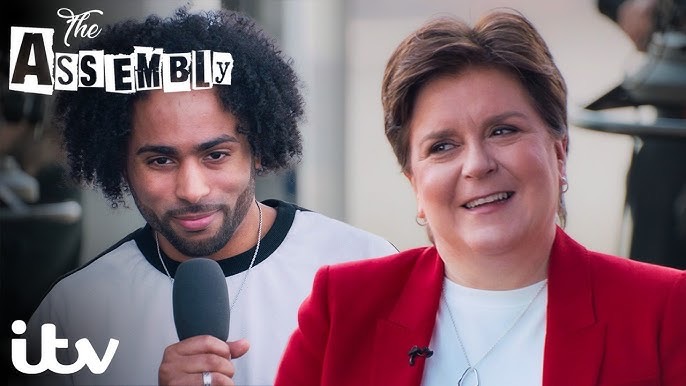
The Assembly has built a reputation for doing something television rarely dares to attempt—stripping away the polish, the PR filters, and the rehearsed answers to reveal something altogether more human. In last week’s episode, aired on 10 April, that raw authenticity reached a powerful crescendo, thanks to Anna Kennedy Online ambassador Kieron Lee, whose emotional performance for Nicola Sturgeon left not only the former First Minister visibly moved, but much of the audience in tears.
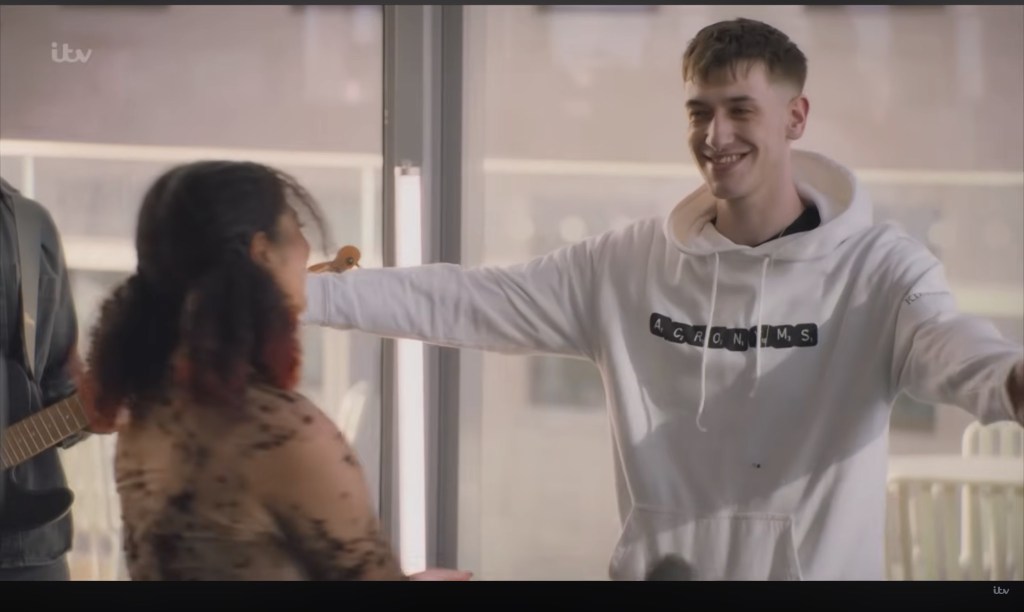
Anna Kennedy Online charity ambassador Mr. Kieron Lee makes a memorable debut in Episode 2 of ITV’s powerful and thought-provoking series, featuring Nicola Sturgeon. Over the past few months, he has been filming for The Assembly, stepping into a format that is as challenging as it is rewarding. The episode is available now on ITVX, or viewers can tune in on ITV, where it sits comfortably alongside some of the channel’s biggest primetime programming.

For those familiar with Kieron Lee, this moment will come as no surprise. An EDM/R&B producer and artist with a gift for blending vulnerability with musical precision, Kieron has long had the ability to stop a room in its tracks. I first witnessed that magic myself during Autism’s Got Talent, where his performance carried the same emotional weight—quietly building, then landing with a resonance that lingers long after the final note.

Kieron’s journey with Anna Kennedy Online dates back to 2016, when he contributed his track Letting Go to the charity’s debut album Building Bridges. Since then, his career has steadily grown, with his debut album Acronyms reaching listeners in over 100 countries on Spotify. Importantly, his work continues to give back, with each project donating a portion of proceeds to the charity—a reflection of both his talent and his integrity.

But The Assembly is not a typical stage, and this was not a typical performance.

The ITV series turns the traditional interview format on its head. In this episode, Nicola Sturgeon is interviewed by a panel of autistic and learning-disabled contributors who ask honest, fearless, and uncompromising questions. The discussion moves seamlessly between the personal and the political—covering everything from her separation from her husband to her least favourite politicians, her arrest, and even her love life. Nothing is off-limits, and that is precisely what gives the programme its edge.

Kieron Lee was not simply there to observe. He was part of that panel—an active voice shaping the tone of the conversation. Reflecting on the experience, he described it as “surreal” and something he will treasure for the rest of his life. It also marked a significant personal milestone: his first time travelling to London alone, stepping far outside his comfort zone and into a completely new environment.

Then came the moment that would define the episode.

Closing the programme, Kieron delivered a moving duet of Dignity by Deacon Blue. It was a choice that felt both poignant and perfectly pitched—its themes of aspiration and quiet resilience echoing the spirit of the show itself.
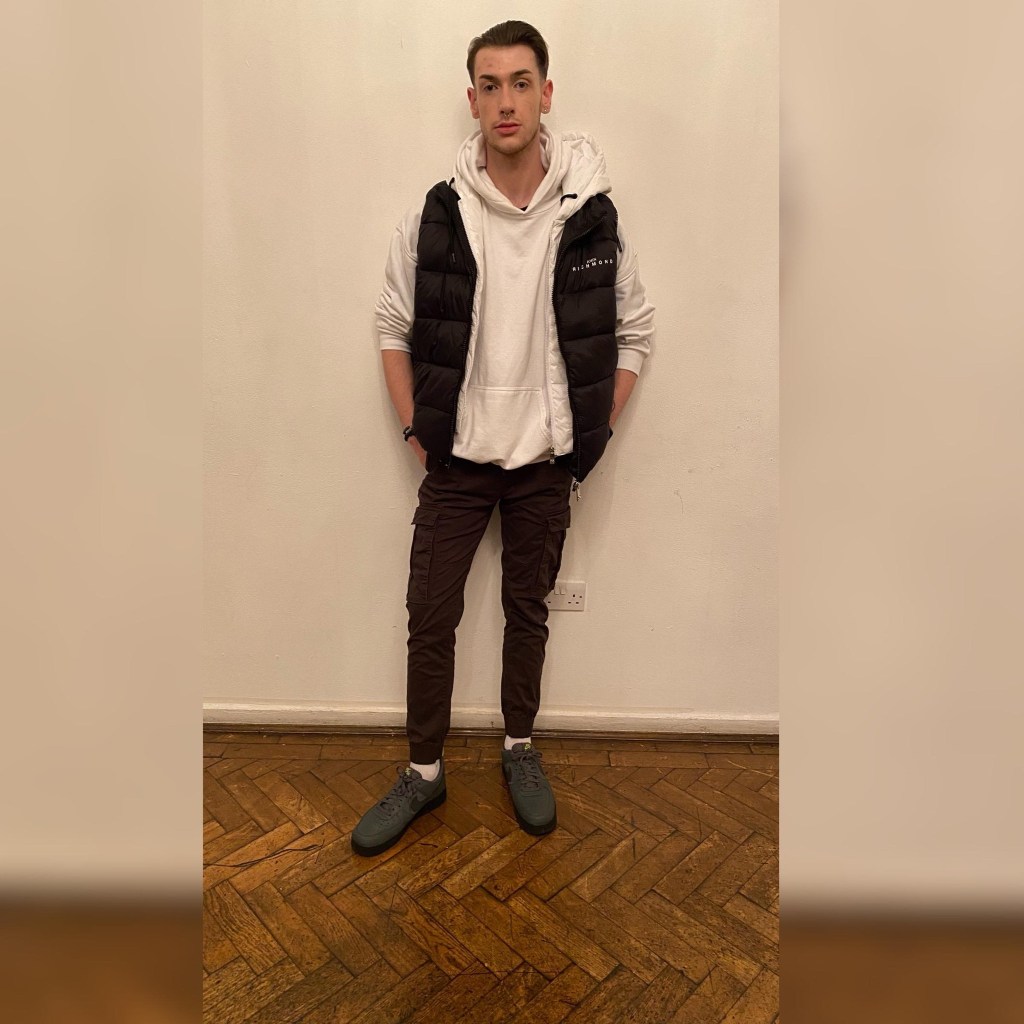
Kieron Lee always a standing ovation.

“Performing for Nicola Sturgeon was an honour,” he said. “Her warmth and genuineness were so admirable.”

What makes this moment even more remarkable is what viewers did not see. Kieron had been incredibly unwell in the hours leading up to filming. “I was sick twice before going on,” he revealed, “and when I got home, I was bedridden all week with a terrible flu.” Yet despite this, he stepped forward and delivered a performance that resonated deeply with everyone in the room.

There was no artifice—just honesty, courage, and talent.

As the final notes faded, Nicola Sturgeon was visibly emotional, and she was not alone. Across the room, there was a shared sense that something special had taken place. It was one of those rare television moments that cannot be manufactured—only felt.

For Kieron, the experience was about more than performance. “Being part of a project that gives a voice to people who often feel unheard is something I strive to do in other areas of my life through music,” he said. “To see that come to life on mainstream television has been truly life-changing.”

He also paid tribute to the production team behind the series, describing The Assembly as “an exceptional piece of television, with a beautiful cast,” and expressing his gratitude for being invited to take part in its second series.

This is precisely why programmes like The Assembly matter. In an era of over-produced content, it offers something refreshingly real—championing neurodiverse voices, creating unscripted moments, and breaking down barriers between public figures and the public.

Kieron Lee’s appearance embodies all of that. He was not there to perform for someone in the traditional sense—he was there as an equal, a voice, a presence. And yet, when the moment called for it, he delivered something unforgettable.

At Anna Kennedy Online, there is immense pride in all that Kieron continues to achieve. His journey is not only inspiring but deeply meaningful, reflecting the very ethos of the charity.

And the story does not end here.

Kieron is set to perform at the Autism Hero Awards on 9 May 2026—an event that continues to celebrate extraordinary individuals within the autism community. If his appearance on The Assembly is anything to go by, it will be a performance not to be missed.

The episode is available now on ITVX and across digital platforms.

Just be prepared—this is television that doesn’t just entertain. It moves you.

https://www.itv.com/watch/the-assembly/10a6350/10a6350a0008

https://www.facebook.com/reel/1272981491000254

Categories
Columns Lifestyle People Uncategorized

“I Was Nearly Exterminated !”

Picture Anna Marie Bickerton

An Interview with David J Howe

How Doctor Who – and the Daleks – saved his life.

Even before David J Howe was born, the world of print and storytelling was already close at hand. His father worked in the printing department at the Daily Express newspaper, a job he kept until the paper moved out of Fleet Street in 1984. Neither father nor son could have foreseen that David’s fascination with a certain Saturday evening television programme would grow into a lifelong obsession — one that would shape his career, his friendships, and ultimately even save his life.

We sat down with David to talk about Doctor Who, the Daleks, and his extraordinary new memoir Who Me!.

John Pertwee and David ,,,

From Fan to Creator

Q: Do you remember when the magic of Doctor Who first gripped you?

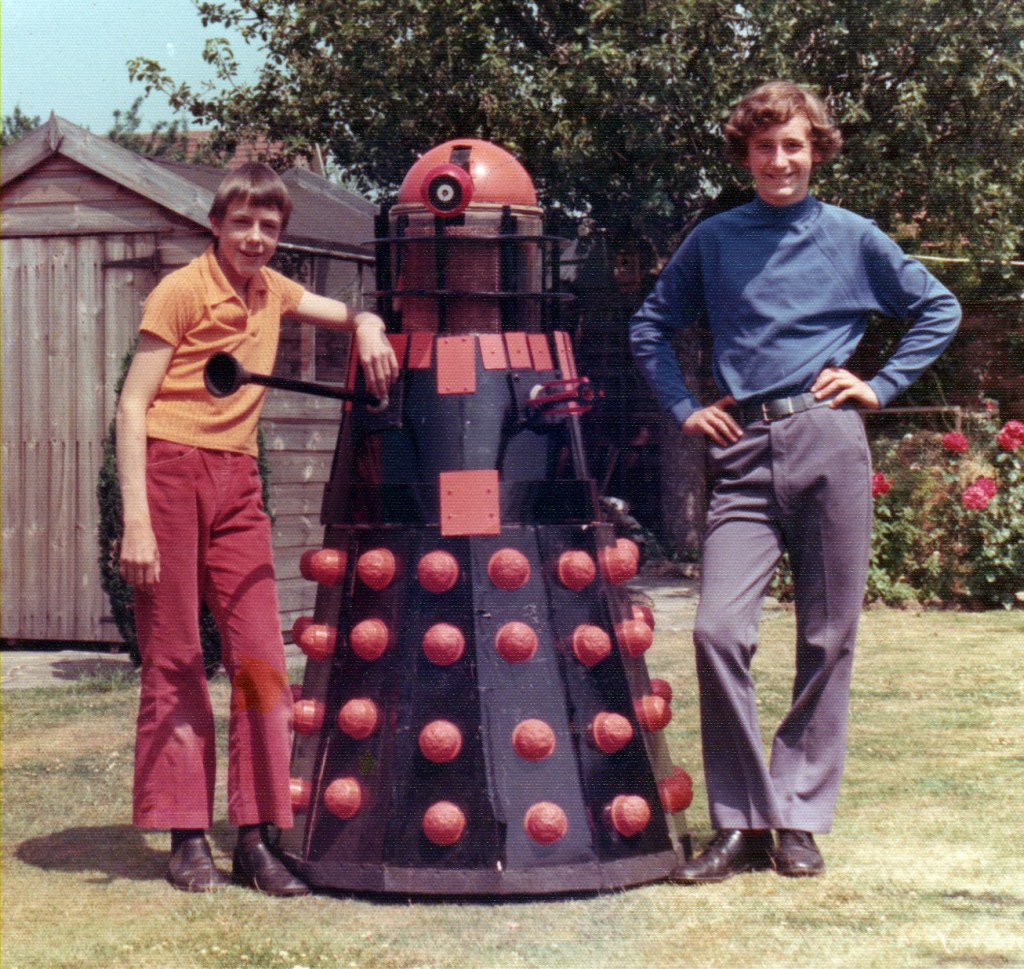
David: I was just a boy in South London during the 1960s, when Dalek toys were everywhere. Like a lot of children, I was completely captivated. By the time I was 15, I was so inspired that I decided to build my own Dalek. My father used to bring home waste plastic from the printing floor, and I scavenged other bits and pieces. Using those materials, I built a full-size Dalek from scratch. It was a labour of love — and in a way, the start of everything that followed.

Father and son build a Dalek

Working with the Doctor

Q: Your journey from fan to authority on the show is remarkable. What were the big turning points?

David: I began collecting, writing, and eventually contributing to the world of Doctor Who. One of the most extraordinary moments was working with Jon Pertwee himself. Helping him with his autobiography was a privilege and a huge learning experience. Over the years, I became more and more involved in chronicling the programme’s history — from conventions and events to writing books that many fans now consider reference staples.


https://www.amazon.co.uk/Who-Me-publishing-decades-history/dp/1835013309/ref=sr_1_1?crid=2W87D524O4N1M&dib=eyJ2IjoiMSJ9.XwlZPLdXkWi3Ck2dDv-GKE6NXSnDhUCaHdD3b4JylbmbCUnODIzOKyFW2m8kTV531EvFaZRAxejNEfL7VG0Eblc2p5CT28I47AUl8YByXr6QnaD5oDRQ218XrpxrrAZkyf0ahVXBZfewIpymAyhu1hw7wGmL5GGdmv2fw8IK1pImipMHSf2HQMbngr3JM3Ujj8-z7pOjolY5CeioCONO1RgP0HaSEMXOBUMyq1o2Or8.rE0qe7VVeX6Nqlde2kQArEPPWrUAzswxxBufU-VZyb8&dib_tag=se&keywords=dr+who+books+david+j+howe&qid=1756821305&sprefix=david+j+howe+%2Caps%2C238&sr=8-1

A Life-Saving Detour

Q: You’ve said that Doctor Who quite literally saved your life. Can you tell us about that?

David: Yes, it’s true. A few years ago, I was heading to Cardiff for a Doctor Who exhibition — specifically to see the Daleks. On the way, I suffered a massive heart attack. If I had been at home, I wouldn’t have survived. But because of that trip, I happened to pass right by Cardiff University Hospital, one of the best cardiac hospitals in the country. I was rushed straight there. Without that coincidence, without that journey to see the Daleks, I simply wouldn’t be here today.

And of course, I wasn’t alone. My wife, bestselling author Samantha Lee Howe, has been my rock through it all. Without her support, recovery would have been a much harder road.

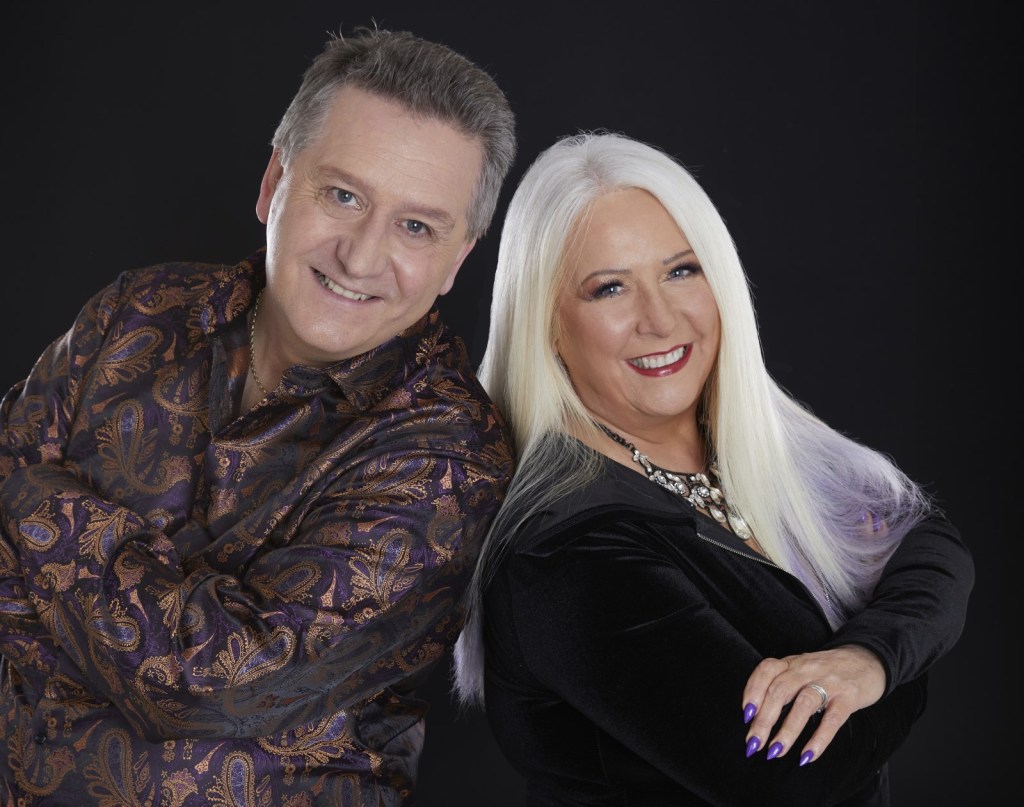
David with his beautiful wife and best selling author Samantha Lee Howe .

The Memoir: Who Me!

Q: Your new book, Who Me!, comes out this October. What can readers expect?

David: The book is my story, but it’s also the story of Doctor Who told through a very personal lens. I wanted to show how a television programme can shape a life, a culture, and even a country. I take readers behind the scenes — from the earliest fan conventions to my work documenting the series in print. I talk about working with Jon Pertwee, interviewing actors like Peter Davison, and even how the BBC began to understand and build its merchandise empire.

More than that, it’s about the joy of fandom, the friendships forged, the challenges faced, and the way Doctor Whobecame — and remains — a defining part of British popular culture.


Final Thoughts

Q: Why should readers pick up Who Me!?

David: Because it’s not just a fan’s tale. It’s a story about passion, perseverance, and the power of popular culture. Anyone interested in Doctor Who, or in British television history more broadly, will find something to enjoy. And I hope it shows that sometimes, what we love most can guide our lives in ways we never expect.

David with 70;s icon and Dr Who assistant Frazer Hines

📖 Who Me! by David J Howe
Publication date: 9 October 2025
Formats: Hardback, Digital, Audio
Publisher: Bedford Square
Available on Amazon

Categories
Columns Culture Health and Fitness People

Lewis Capaldi “There are tears for a star of The People”

Steven Smith sheds a tear at Glastonbury .

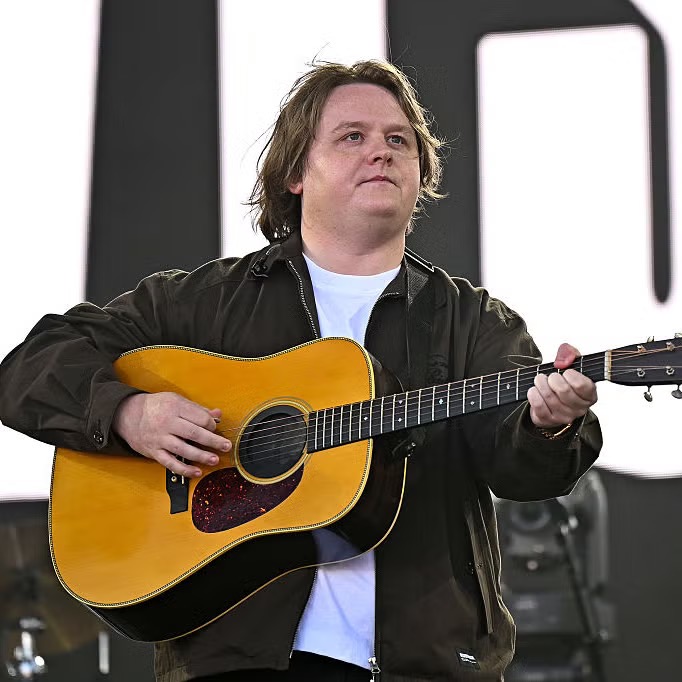
Lewis Capaldi at Glastonbury


Lewis Capaldi at Glastonbury

It’s hard to believe it’s a beautiful sunny day. I’m standing in a field surrounded by almost ten thousand people, with one of my best friends beside me It should be a moment of sheer joy. And yet, I’m crying.

Why? Because Lewis Capaldi is performing.

More than just singing, he is baring his soul. And somehow, it feels as though he’s opening it just for me. There’s a rawness in his voice and vulnerability in his presence that goes beyond a typical performance. As a man, I felt an instant, emotional connection to his struggle, his humour, and his humanity.

Capaldi’s return to the stage feels like one of the landmark performances of this century. Not simply because “he’s back,” as he says but because he has redefined what it means to be a male performer in the modern age. There was a time when baring your soul in music was reserved for iconic women—Judy Garland, Liza Minnelli, Nina Simone—divas who transformed pain into power and emotion into art. But Capaldi proves that a man can do the same. His voice isn’t just strong; it’s expressive, vulnerable, and unashamedly real.

There’s a reason we relate to artists like these so deeply: they tell our stories. And when we see them, we feel seen. Capaldi doesn’t posture or hide behind image or ego. He stumbles, jokes, apologises, laughs at himself—and keeps going. In a world often obsessed with perfection, his imperfections are his greatest strength.

Capaldi may not see himself this way, but he is one of the great performers of our time. Not only because of his incredible voice, but because of his natural wit, honesty, and charm. Who could forget his now-famous moment on The Graham Norton Show, when he hilariously recounted watching Fifty Shades of Grey star Jamie Dornan wield a whip, joking that he was holding one part of his anatomy while Dornan had the other? It’s outrageous, but entirely Capaldi—bold, cheeky, and completely unfiltered.

But behind the banter lies something even more powerful. His recent public struggles with mental health and Tourette’s have made him not just relatable but important. His openness has created space for men to talk about vulnerability without shame. Watching him on stage—pausing mid-song, taking deep breaths, letting the audience carry him when needed—is nothing short of brave.

I’ve attended many performances in my life, from pop concerts to opera at the Royal Opera House, where I once saw a devastatingly beautiful Tosca. I cried But nothing prepared me for the emotional impact of Capaldi live—it was so unexpected. He may not wear a tuxedo or stand beneath a chandelier, but make no mistake—this was high art. And perhaps more importantly, it was deeply human.

There’s a rare intimacy between Capaldi and his audience. At times, the concert felt more like a conversation than a show. People sang not just with him, but for him, filling in lyrics when his voice cracked or faltered. It wasn’t just support—it was love. Genuine, messy, joyous love.

In a world full of polished pop stars, here is someone who dares to be completely himself. He reminds us that music isn’t always about escapism; sometimes, it’s about facing pain head-on and finding beauty in the cracks. His songs speak to heartbreak, loneliness, and the strange, funny bits of life that connect us all.

So yes, on this perfect sunny day, in the middle of a field with thousands of others and one of my dearest friends, I cried. Not because I was sad, but because I felt something real—raw, universal, and unforgettable.

Lewis Capaldi, whether he realises it or not, has become a star of the people. And as tears rolled down my face, I felt honoured to witness it.

Categories
Columns Lifestyle People Uncategorized

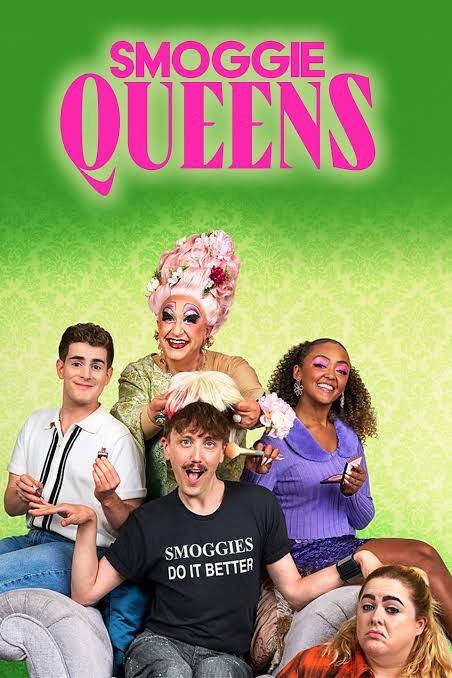
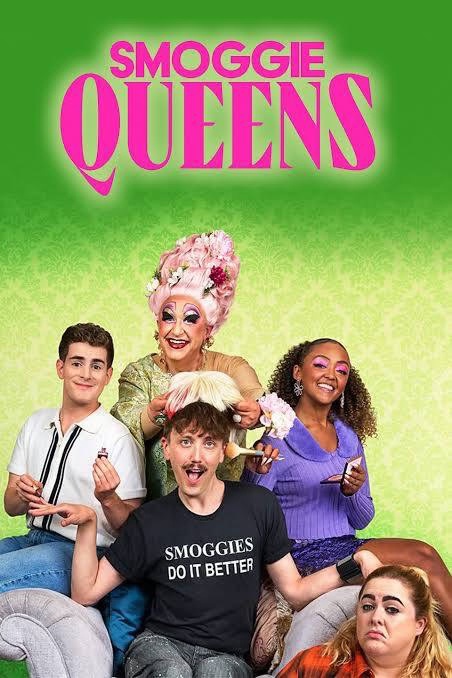
2shades” Smoggie Queens.” Is bullying ever funny ?

Steven Smith takes a look at BBC’s Smoggie Queens . https://www.bbc.co.uk/iplayer/episodes/m0024pgt/smoggie-queens

https://www.bbc.co.uk/iplayer/episodes/m0024pgt/smoggie-queens

There is no doubt that “Smoggie Queens” has moments of comedic brilliance. However, the constant bullying by Dickie (played by Phil Dunning, whose drag persona is Tuna Baguette) of the younger queen Stewart ( Elijah Young ) makes for uncomfortable viewing.at times This theme runs throughout the entire series, becoming repetitive and embodying everything we do not want to see in contemporary LGBTQ+ storytelling or comedy .

https://www.bbc.co.uk/iplayer/episodes/m0024pgt/smoggie-queens

Having been a young teenager treated similarly by an older gay man when I was simply seeking advice and desperate for acceptance, I could relate to the discomfort the series evokes. I recall being humiliated when the most attractive man at the bar approached me at 16, bypassing my own “Dickie.” Outside, I was punched and accused of making myself look cheap—pure jealousy. Sadly, the gay scene isn’t always the “We Are Family” utopia it’s often portrayed to be. Mean queens are a reality, and most cases, they’re not particularly funny.

Dickie, unfortunately, is where the show falters. Phil Dunning, the writer and creator, fails to bring much depth to the character, leaving him unlikeable. As Dickie’s former boyfriend Harrison aptly states, “I have really tried to love you, but you’re selfish, egotistical prick .” This sentiment defines how Dunning plays Dickie throughout the series, both in and out of drag. While Dunning’s screen presence is undeniable, it’s disappointing that he didn’t explore more dimensions of Dickie’s character. Even in the end, when Dickie shows a glimmer of empathy for his victim, it feels like too little, too late.

Dickie (played by Phil Dunning, whose drag persona is Tuna Baguette)

Where “Smoggie Queens” truly shines is in its brilliant supporting cast. Mark Benton as Mam is nothing short of phenomenal. Channeling the charm of greats like the legendary Marc Fleming, Benton delivers an award-worthy performance that leaves you in stitches from the moment Mam appears. While it would have been easy to play Mam solely for laughs, Benson’s portrayal is a masterclass in combining comedy with humanity, making Mam a character you simply can’t get enough of.

Alexandra Mardell as Lucinda, the ultimate “fag hag” on the lookout for love, teams up with Patsy Lowe as Sal to deliver comedy gold. Their beautifully understated performances result in side-splitting humor that elevates the show.

There are some notable guest appearances: RuPaul’s Drag Race star Michelle Visage plays the office spinster (and who doesn’t love her?). Plus, there’s a brilliant cameo by Steph McGovern. Notably, Michael Hodgson’s Nan is both menacing and camp.

While the series does have its merits, it also reinforces certain stereotypes about the LGBTQ+ community. Instead of challenging these clichés or providing fresh perspectives, “Smoggie Queens” sometimes leans into them, which feels like a missed opportunity in an otherwise promising show.

This is a show that will for sure be recommissioned. It is no “Will and Grace ” or “Gimmie, Gimmie . But it does a firm Mark Benton as comic genius and open the gates to a new talent in Elijah Young .

https://www.bbc.co.uk/iplayer/episodes/m0024pgt/smoggie-queens