
It’s Called Show Business, Not Show Politics
By Steven Smith
There is an old saying: it’s called show business, not show friends. Perhaps we should now add: it’s not called show politics either.
If you are lucky enough to have been given a gift, or developed a craft that has made you famous, people are paying to see you perform. They have bought a ticket to hear you sing, watch you act, laugh at your comedy or simply be entertained. They have not necessarily paid to hear your political views or be lectured about the causes you support.
Of course, there is a time and place for everything.
If you are performing at a charity event, then absolutely talk about the charity. Fill your boots! You are there to help, raise awareness and, hopefully, raise money. If you are a singer who has written a commercial song highlighting a cause that matters to you, then sing it. Music, theatre, film and art have always been ways of expressing ideas, challenging opinions and starting conversations.
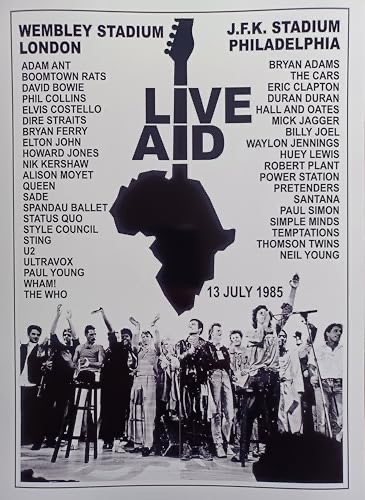
Look at the brilliance of Bob Geldof, Midge Ure and Live Aid. In 1985, some of the biggest names in music came together for an event specifically created to raise money for famine relief in Ethiopia. The cause wasn’t an unexpected lecture halfway through an unrelated evening — it was the reason everyone was there.
But the audience should know what they are buying into.
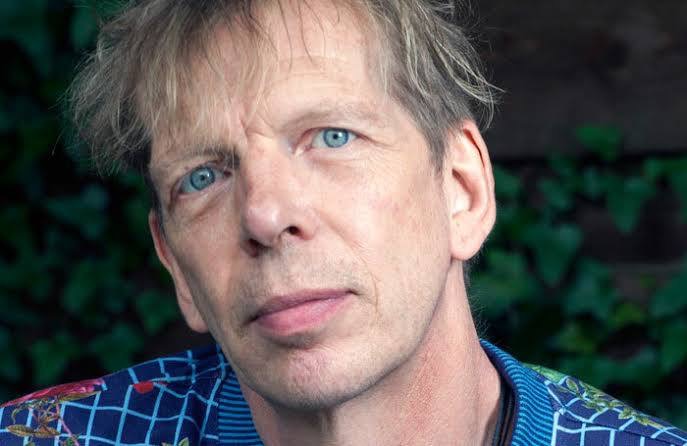
Performance artists such as David Hoyle, or artists like Marina Abramović, are different. Their work is often provocative, challenging and designed to make a statement. You go in knowing that you may hear an opinion, be confronted by an idea or even have your own beliefs challenged. That’s absolutely fine — it does what it says on the tin. The statement is part of the performance, and the audience knows that before they walk through the door.
If an artist intends to turn a concert into a political platform, particularly on an issue that has little or nothing to do with the performance, I believe the audience has a right to decide whether they want to be there. Their views may be the complete opposite of the person on stage, or they may simply want an evening of entertainment without politics entering the room.
There is also nothing wrong with a performer deciding that politics matters more to them than show business. Glenda Jackson is a perfect example of someone who made that choice openly.
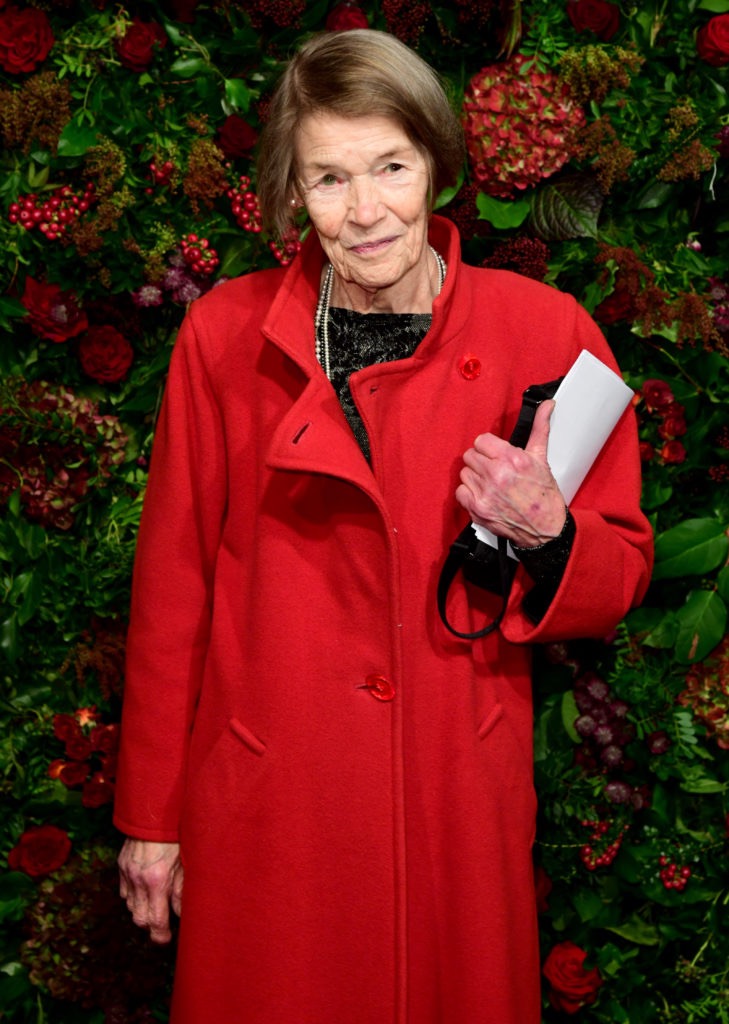
Jackson was one of Britain’s most acclaimed actors and a two-time Academy Award winner. In the early 1990s, she stepped away from acting and entered politics, becoming the Labour MP for Hampstead and Highgate in 1992. She remained an MP for 23 years, including serving as a government minister, before leaving Parliament in 2015 and returning to acting.
Whatever your political views, there is something refreshingly straightforward about that decision. She wanted to enter politics, so she stood for Parliament. She did not expect audiences buying theatre or cinema tickets to elect her.
Perhaps one of my favourite show-business stories involves the late, great Dolly Parton and Julia Roberts while filming Steel Magnolias. The cast were shooting in the sweltering Louisiana heat and everyone was complaining — except Dolly. Roberts, amazed that Dolly wasn’t joining in despite the wig, heavy clothes and heat, asked her why.
Dolly’s response was wonderfully simple: “When I was a little girl, I wanted to be famous and I wanted to be rich, and now I’m both those things. I’m not going to complain about it.”
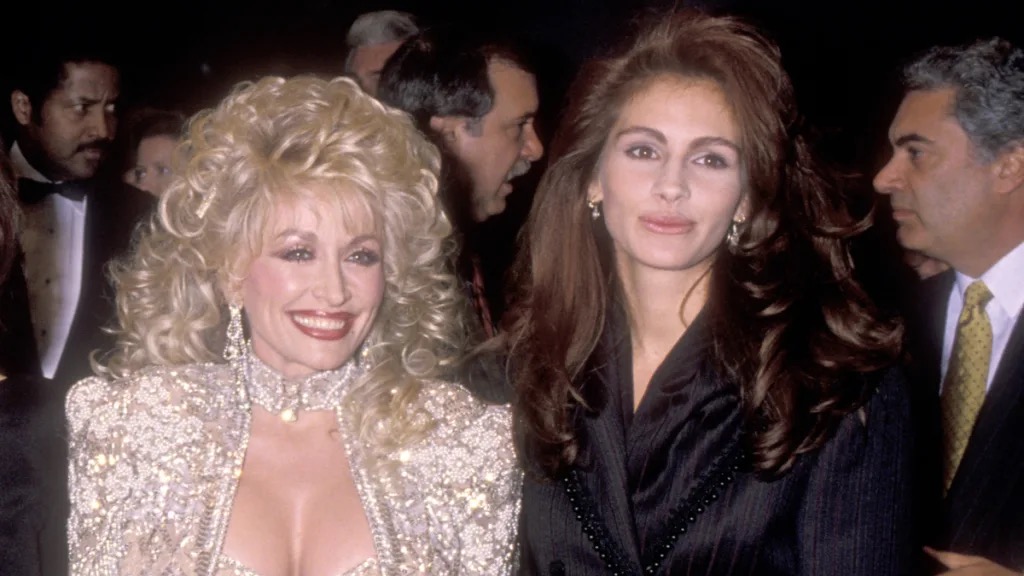
What a fabulous attitude.
There are thousands of extraordinarily talented actors, singers and performers who would give anything for the opportunity to stand on that stage, walk onto that film set or hear an audience applaud them. Perhaps sometimes, amid the fame, money and attention, it is worth remembering just how fortunate you are to have made it there in the first place.
As Dolly understood better than most: enjoy the privilege, do the job — and put on the show.
The recent palaver surrounding the legendary Dame Maureen Lipman also got me thinking. Two actors withdrew from Right Before I Go following her casting, citing disagreement with views she had publicly expressed.
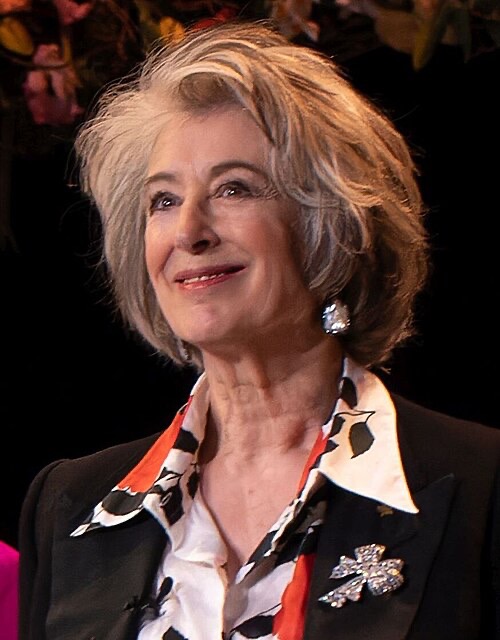
Now, goodness knows, over the years I have worked with people who held views I found horrible. I’ve lost count. But maturity surely means accepting that you can work alongside someone without agreeing with everything they think.
Sometimes you can even change someone’s mind — or they might make you reconsider something yourself.
It’s show business, not show friends. And if you are fortunate enough to be earning your living as an actor, let alone working alongside somebody with decades of experience and talent, perhaps there is something to be gained from the experience even when you disagree with them.
As I like to say: eat it up, buttercup.
Celebrities, like everybody else, have every right to hold strong political opinions. Fame does not take away your freedom of speech. Equally, buying a ticket to see someone perform does not mean an audience has agreed with everything that performer believes.
I wouldn’t expect The Phantom of the Opera to suddenly stop halfway through so the cast could share their political views. Nor would I expect A Midsummer Night’s Dream to grind to a halt for a political speech unrelated to Shakespeare’s play. In much the same way, I don’t expect my plumber or hairdresser to stop halfway through their work to give me a lecture on their politics.
There is another side to this that troubles me: our increasing inability to tolerate people whose opinions oppose our own.
I am a huge advocate of allowing people into my life whose views are different from mine. Sometimes friendship, affection and respect are built on far more than agreeing about politics. As long as somebody isn’t permanently standing on their soapbox preaching at me, I’m perfectly happy to have a lively debate.
What I find far more troubling is the idea of simply cancelling or silencing people with whom we disagree.
There is an old saying: keep your friends close and your enemies even closer. I would adapt that slightly: keep listening to the people you disagree with.
How on earth are we supposed to understand what is happening in society if we refuse to hear opinions we dislike? Silencing an opinion doesn’t necessarily make that opinion disappear. It can simply mean we stop hearing it. Then, suddenly, we are shocked when a movement, idea or political force gains ground that we never saw coming.
Listening is not the same as agreeing.
Social media has also changed the relationship between celebrities and the public. Stars now have direct access to millions of followers and can express their views whenever they wish. If someone wants to campaign, protest or support a cause online, people can choose whether to follow, engage, debate — or simply scroll straight past.
A live performance feels different because the audience has paid to be there.
Please campaign, march, raise money, support charities and speak passionately about the things that matter to you. Debate with people who disagree with you rather than automatically shutting them out. And if politics becomes your true calling, perhaps follow Glenda Jackson’s example and enter politics yourself.
But when the lights go down and the curtain goes up, sometimes we simply want the show.
Steven Smith
Steven’s Viewz
listen to Steven on Gateway radio


