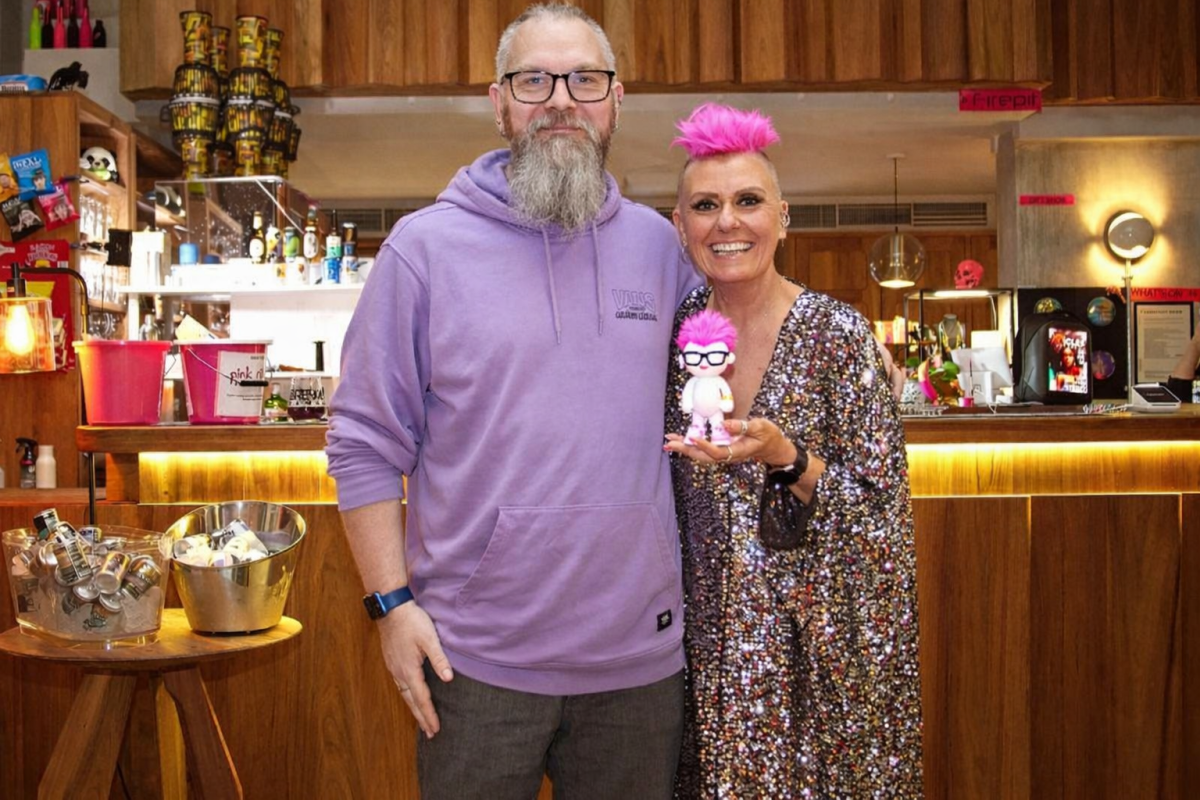
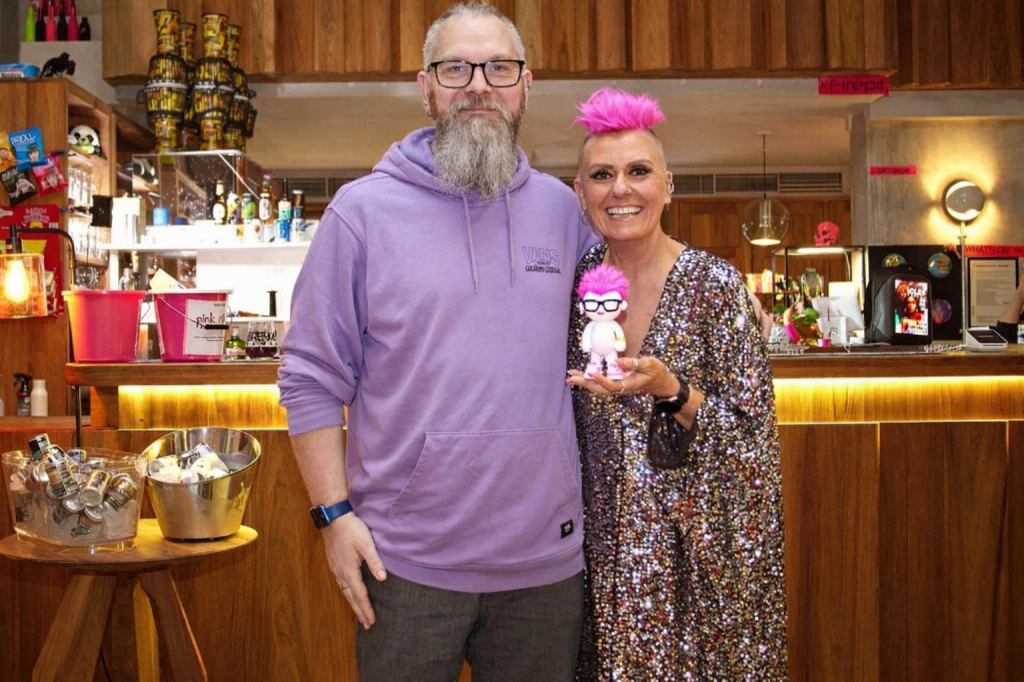
t was with palpable excitement that artist Alistair Blaster unveiled a deeply personal and touching tribute to Lisa Allen of the Pink Ribbon breast cancer charity—her very own “Blanky,” lovingly created in her image. The presentation took place at the Firepit Gallery by the O2, a vibrant creative hub that has become synonymous with championing grassroots art and meaningful causes. Surrounded by an enthusiastic and supportive crowd, the moment captured not only the spirit of artistic expression but also the profound sense of community that events like this inspire.
The evening was a celebration of both creativity and compassion, with attendees gathering to support the vital work of the Pink Ribbon charity. Alistair’s piece stood as a heartfelt acknowledgment of Lisa Allen’s tireless dedication and the impact she continues to make in raising awareness and supporting those affected by breast cancer. The “Blanky” itself—playful yet poignant—embodied warmth, comfort and resilience, echoing the very ethos of the charity it honoured.
Also on display was the striking work BustOut by artist Anne-marie Bickerton, whose bold and expressive style added another layer of depth to the evening’s artistic offering. Her work, known for its emotional intensity and fearless use of colour, complemented the tone of the event perfectly, reinforcing how art can be both visually captivating and socially powerful.
Alistair Blaster is rapidly emerging as a distinctive voice within the contemporary art scene. His unique creations—often character-driven and rich in narrative—have already attracted the attention of notable figures, including Vicki Michelle Allo Allo ” and Dr Anna Kennedy. OBE His work has also begun to cross into storytelling, inspiring children’s literature that carries the same warmth and imaginative spirit found in his visual pieces.
Speaking about the inspiration behind the “Blanky,” Alistair shared: “I am a huge supporter of Pink Ribbon, and I wanted to do something to celebrate not only the charity but Lisa Allen, who is truly inspirational in her work.” His words resonated with many in the room, underlining the importance of recognising the individuals behind charitable movements—those who quietly and consistently make a difference.
The event at Firepit Gallery was more than just an art showcase; it was a reminder of how creativity can be harnessed for good, bringing people together in support of causes that matter. With his growing reputation and heartfelt approach, Alistair Blaster is certainly an artist to watch.
It is early evening in Earl’s Court London. It seems like it has never stopped raining for the last seven days and tonight is no different. Earl’s Court is an area that has been my home at times in my life and a playground since past my sixteenth birthday. This evening I am meeting a friend that I have known very fondly for over 49 years. He can be Machiavellian and entertaining but never boring. He has some very exciting news to tell me and I can hardly wait.
I would like to share the whole story, but it is personal My friend is adopted and the tip of the exciting news was he had found his biological mother after 70 odd years. With technology being what it is and Ai with just his mother first name and last name a friend had tracked her down. Sadly, she passed in a nursing home in Ipswich several years ago.
The news that he had a brother was something that was quite unexpected . A brother named Christopher Paul Garnham . He too like my friend and me had lived in Earl’s Court an artist and gifted portrait photographer . It was hard to believe what he told me next his brother has passed like his mother, tragegley on the Marchioness.
So many beautiful talented people passed on the Marchioness in fact my friend mother had spent her latter years campaigning for jutice for the victims. I said this is quite a story But it got me thinking how many artist and talnted people who light had burned brightly but so briefly that may be some what forgotten
My friend will one day write about his feeling and his side of things but I wanted to celebrate Christopher and highlight his story in 2Shades and dedicate this to my dear friend.
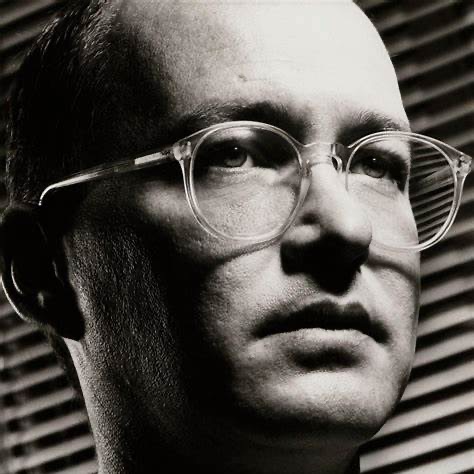
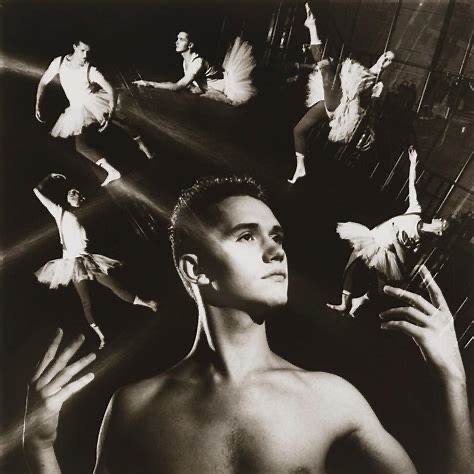
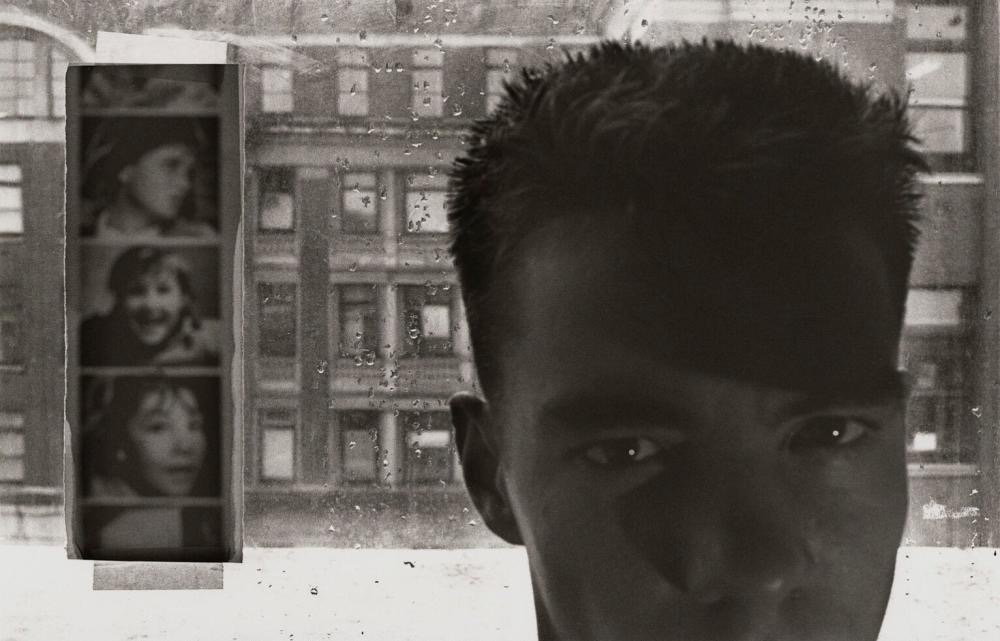
“Christopher Garnham’s portraits of artists including Gilbert & George, Paula Rego and Elvis Costello are preserved today in the collection of the National Portrait Gallery, ensuring that his brief but brilliant career remains part of Britain’s cultural record.”
London’s creative history is filled with artists whose light burned brightly but briefly. One such figure is the gifted portrait photographer Christopher Paul Garnham, a man whose work captured the cultural energy of the 1980s but whose life ended tragically before his career had truly reached its peak.
Born on 1 March 1958 in Ipswich, Suffolk, Chris Garnham grew up in a period when British photography was undergoing a transformation. The late 1970s and early 1980s were a time when magazines, fashion, music and art were colliding to create a new visual culture. Garnham would become part of that movement.
From an early age he showed an instinctive eye for images and composition. His creative path eventually led him to London, where he studied at the Royal College of Art, one of the most prestigious art institutions in the world. There he initially trained as an illustrator, but photography soon became the medium through which he would express his vision most clearly.
The camera suited Garnham’s temperament. He was fascinated by people — their faces, their presence, and the stories they carried with them. Portraiture became his natural language.
By the early 1980s Garnham had established himself as a promising young photographer within London’s thriving creative scene. This was a period when publications such as The Face and Blitz were redefining style journalism. These magazines celebrated a new generation of designers, musicians, writers and artists, and Garnham’s portraits fitted perfectly into that vibrant cultural landscape.
His photographs were distinctive. Rather than simply recording a likeness, Garnham sought to reveal something deeper about his subjects. There was a quiet intensity in his portraits — an ability to capture both vulnerability and strength within the same frame.
Many of his subjects came from the world he moved within: artists, writers, musicians and cultural figures. Among those he photographed were notable names such as Gilbert & George, Paula Rego and Elvis Costello, figures who themselves defined British art and culture in the late twentieth century.
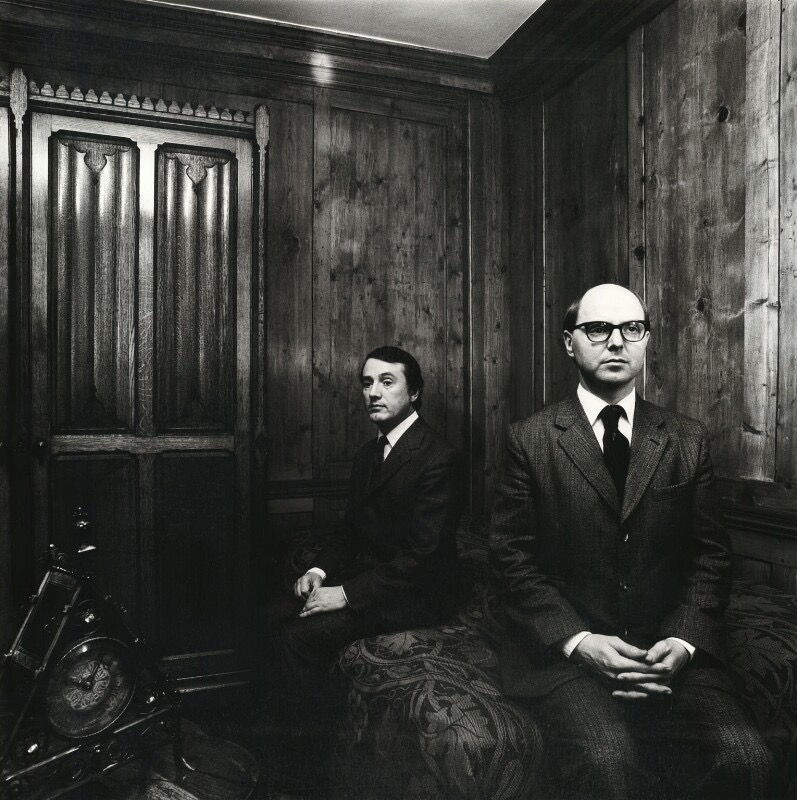
Gilbert and George by Christopher Garnham
His work gained increasing recognition within the photography world. In 1984 he was named Photographer of the Year by Blitz magazine, a major accolade at the time and a clear sign that his talent had been noticed.
Two years later his photographs were included in the National Portrait Gallery exhibition “Twenty for Today”, a group show highlighting some of the most exciting young portrait photographers working in Britain at the time.
The National Portrait Gallery would go on to acquire many of his photographs for its permanent collection, ensuring that Garnham’s work would continue to be seen and appreciated long after his death.
During this period Garnham lived in Earl’s Court, at Flat 5, 2 Neville Place . In the 1980s Earl’s Court was something of a creative enclave. Photographers, artists, musicians and actors were drawn to the area because of its relatively affordable rents and its proximity to London’s cultural life. It was a place where ideas were exchanged over late-night conversations and where collaborations often began.
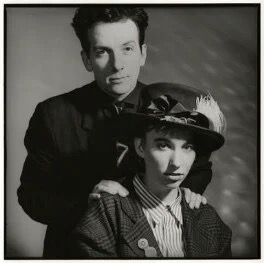
Elvis Costello
Friends remembered Garnham as thoughtful, intelligent and quietly passionate about his craft. He was dedicated to his work but never arrogant about his talent. Like many artists of his generation, he was part of a community rather than a solitary figure.
Then came the night that would change everything.
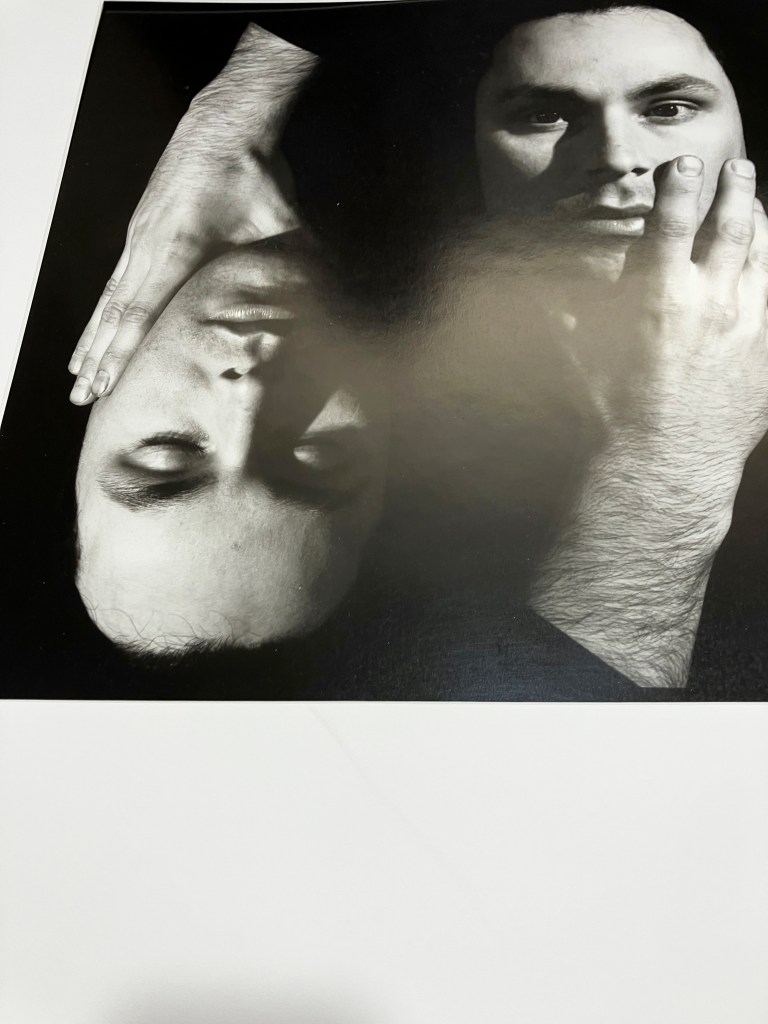
Self portrait
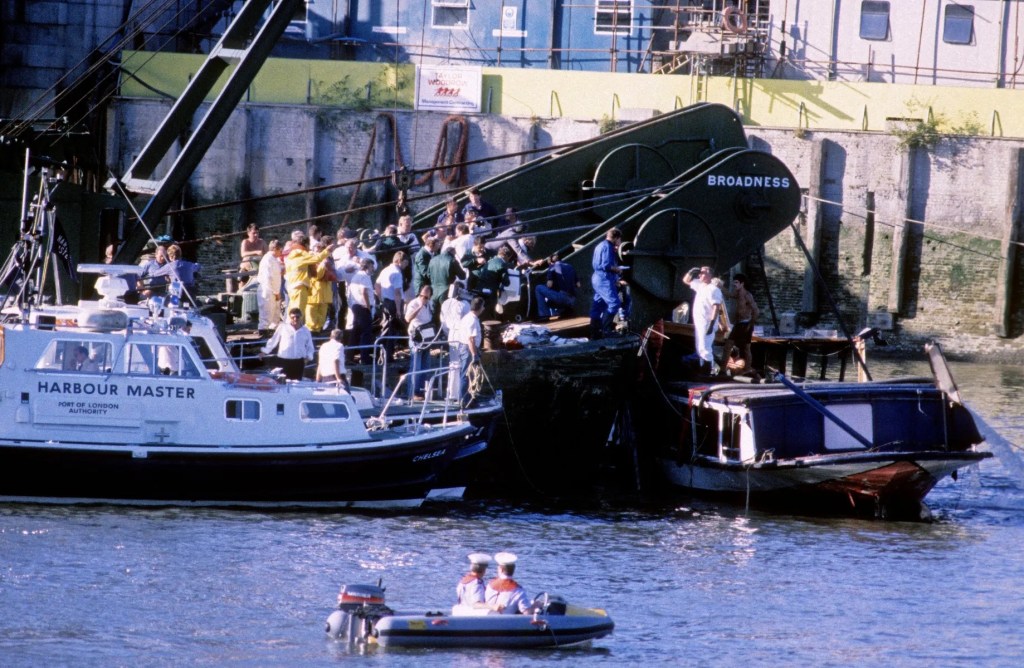
On 20 August 1989, Garnham joined friends for what was meant to be a joyful evening on the River Thames. The group had boarded the pleasure boat Marchioness, which was hosting a birthday celebration. The boat travelled along the river carrying a crowd of young people — many of them from London’s creative and cultural circles.
In the early hours of the morning, tragedy struck.
At approximately 1:46 am, near Southwark Bridge, the Marchioness collided with a dredger called the Bowbelle. The smaller vessel was struck from behind and quickly capsized. Within minutes the boat had sunk.
The disaster remains one of the worst peacetime tragedies on the Thames.
Fifty-one people lost their lives that night.
Christopher Garnham was among them. He was only 31 years old.
The news sent shockwaves through London’s artistic community. Many of those who had known him were still at the beginning of their own careers. The sudden loss of such a talented photographer was deeply felt.
For Garnham’s friends and colleagues, the tragedy was not just the loss of a person but the loss of a future — the photographs he would have taken, the artists he would have portrayed, the stories he would have told through his lens.
And yet his work did not disappear.
The photographs he left behind continue to speak for him.
Today Garnham’s portraits remain preserved in the National Portrait Gallery, where they form part of the visual record of Britain’s cultural life in the 1980s. Through these images we glimpse the creative world in which he moved — a world of artists, musicians and thinkers whose ideas helped shape modern culture.
His photographs possess a rare quality. They feel both intimate and timeless. The viewer senses that Garnham approached his subjects not merely as a photographer but as a fellow participant in the creative conversation of his generation.
Looking at those portraits now, one cannot help wondering what Garnham might have achieved had he lived longer. Many photographers only reach their full artistic maturity later in life. For Garnham, that journey had barely begun.
Yet even in the relatively short span of his career he left an imprint.
In many ways his story reflects the fragile nature of artistic life. Talent, opportunity and recognition were all coming together for him just as fate intervened. His work reminds us how important it is to preserve and honour the contributions of artists whose voices were silenced too early.
Christopher Garnham may not be a household name today, but within the circles of photography and portraiture he is remembered as a gifted observer of people — a man who could look through a camera and reveal something honest and human.
More than three decades after his death, his images still carry that quiet power.
And perhaps that is the greatest tribute any photographer can hope for.
The artist may be gone, but the faces he captured continue to look back at us.
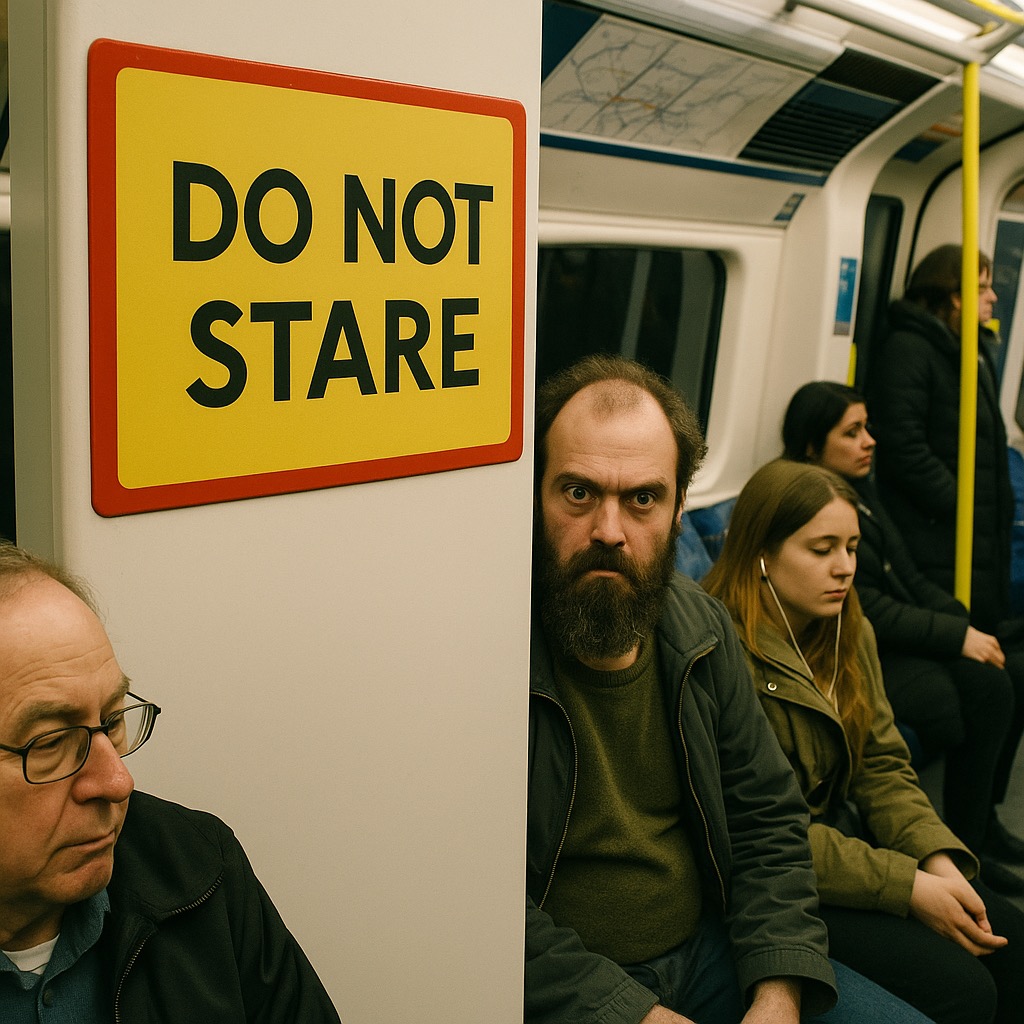
It was hard not to stifle a chuckle when I spotted the old familiar sign on the London Underground: “DO NOT STARE.”Really? How is it even possible to avoid making eye contact—no matter how hard you try—when there’s a man across from you mining his nose with such vigour that you worry his fingers might pop out through his eyeball? Or that couple in the corner, so utterly absorbed in each other that you’re not quite sure where to look—especially when she takes a break from kissing to slide her tongue into his ear. lets not start on ” If you see something that does not look right please report it ”
But that’s London for you. A glorious, bustling, cosmopolitan city teeming with people from every walk of life, each more stylish or eccentric than the last. The Tube isn’t just a means of transportation—it’s a rolling reality show. Every trip, every change of line, brings a new cast of characters and a fresh episode of human theatre.
Personally, I’ve always loved the art of people-watching. Airports were once my favourite stage. I’d arrive early just for the chance to observe humanity in transit. Back when loudspeakers used to blare out dramatic announcements—“Mrs Jones, please come to Desk Seven. You have an urgent message.” I never followed to see who Mrs Jones was, but oh, how my imagination ran wild. Maybe she was running away with a lover who’d had a sudden change of heart. Maybe she was being lured back to a secret double life. Most likely, it was something terribly dull—but still, it was enough to get the mental movie reels spinning.
Imagination has always been my saving grace. It’s carried me through life’s best and worst moments. The joy of observing life and its never-ending cast of characters continues to fuel me. As Shakespeare said: “All the world’s a stage, and all the men and women merely players; They have their exits and their entrances, And one man in his time plays many parts.”
But let’s return to the Underground, which has been whisking Londoners beneath the city’s streets since 1863. That “DO NOT STARE” sign, upon closer inspection, had smaller print I hadn’t noticed before: “INTRUSIVE STARING OF A SEXUAL NATURE IS SEXUAL HARASSMENT AND IS NOT TOLERATED.” Fair point—and an important one.
Over a decade ago, I interviewed twelve Page 3 models about their experiences with dating and sex. Shockingly—but sadly not surprisingly—every single one of them had experienced some form of sexual harassment on the Tube. From groping in crowded carriages to lingering, uncomfortable touches during rush hour, it was a grim reminder of the darker side of commuting. Everyone deserves to travel safely, without fear of violation or discomfort.
Yes, let’s stamp out intrusive behaviour. But while we’re putting up signs, how about a few more reminders—common courtesies that could make life better for all of us packed into those rolling metal sausages?
Here’s my updated list of suggested announcements for the London Underground, to be posted right alongside “DO NOT STARE”:
Uncross your legs. No one wants your muddy footprint on their trousers when the train jerks to a stop.
Remove your backpack. Place it between your feet—don’t swing it around like a medieval weapon during rush hour.
Move your bags. That seat is not reserved for your handbag. Let others sit down.
Offer your seat. A little kindness never goes out of fashion. If you see someone elderly, pregnant, or visibly struggling, give up your seat. Don’t pretend to be engrossed in your phone or suddenly blind. But again… DO NOT STARE.
Leave the snacks at home. This isn’t the Orient Express. No one wants to arrive smelling like a bucket of fried chicken or a spicy chow mein from Mr Wok.
Escalator etiquette matters. DO NOT stop dead at the top to check your phone or sort your shopping. Move clear—or risk being shoved, bumped, or bruised.
If someone touches you inappropriately, report it immediately. We all have a right to feel safe.
London’s Underground is legendary around the world for good reason. It’s fast, far-reaching, and, if you ask me, oddly charming. Yes, the fares could be more reasonable—please, Sadiq Khan, no more price hikes—but it remains one of the most efficient and fascinating ways to travel.
So let’s respect it. Let’s love it. And let’s all do our bit to keep the journey pleasant for everyone.
And remember—DO NOT STARE. Even if that Colin Farrell lookalike in rugby shorts gets on at Clapham.
A great headshot can open doors — whether you’re an actor, a creative, or a professional. Choosing the right photographer, preparing properly, and understanding the process can make all the difference. In this guide, I answer some of the most common questions about headshot photography, share tips from my personal experience, and offer advice for anyone considering a career behind the camera.
1. What should I look for when searching for a photographer to do my headshots? Recommendations and word-of-mouth referrals are a great place to start. Always review a photographer’s previous work by browsing their website and social media profiles. Pay attention to the style and quality of their photography. Check if they specialize in headshots or if they have broader experience in different types of photography — both can be beneficial. Most importantly, ask yourself: Do you like their work? Trust your instinct and choose someone whose style resonates with you.
2. If I am an actor looking to use the headshots for my “Spotlight” profile, are there specific rules I should follow? Yes, there are a few important guidelines to keep in mind:
The photograph must look like you — authenticity is key.
It should be a close-up of your face, typically from the shoulders upwards, and usually in portrait orientation (standard size is 10”x8”).
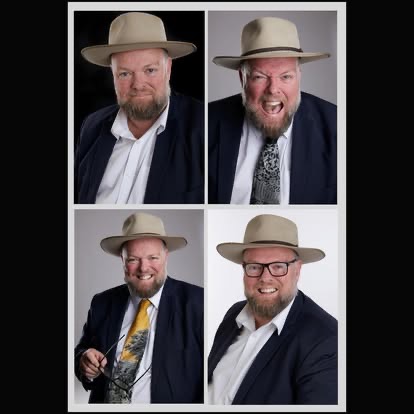
Submit a selection of no more than six images, showcasing slightly different looks — for example, hair styled up and down, smiling and serious expressions. There’s no need for exaggerated acting in your photos.
Keep makeup minimal and natural. Simple is best.
Your headshot should invite the viewer to want to know more about you, sparking curiosity.
If you have facial hair, it’s a good idea to show options both with and without it, helping casting directors visualize you in various roles.
3. Is there anything I should avoid before a photoshoot, like spray tans or getting a new haircut? Absolutely! Avoid making drastic changes to your appearance just before the shoot. Skip the heavy spray tans or any extreme fake tanning — you don’t want to look “Tango’d”! Stay true to your natural look, as the photos need to reflect how you appear in person.
4. What should I do to prepare before the shoot? Stay in touch with your photographer beforehand. They can offer advice on what clothes to bring and what styles work best. Connecting with the photographer ahead of time will also help you feel more relaxed and confident on the day. Plan your journey carefully. Know your route and allow plenty of time so you can arrive calm and not rushed.
5. On the big day, how should I arrive at the shoot? Aim to arrive early. Give yourself time to settle in, organize your clothes, and make final choices about what you’ll wear. The more prepared and calm you are, the better your photos will turn out.
6. If I’m not used to posing for the camera, do you have any tips? Yes! Most importantly, trust your photographer. Follow their guidance and instructions — they know how to get the best out of you. Relax and be yourself. A good photographer will help you feel comfortable and confident.
7. How did you become a photographer? I went straight from school into studying photography at college. After graduating, I joined a small business studio in Victoria called The Downstairs Studio, where I quickly gained valuable experience in headshots and corporate photography. At just 18 years old, it was both challenging and exciting to find myself covering press releases and presentations, even venturing into the House of Commons! I made a point of looking up to photographers whose work I admired and started assisting them to gain real-world experience. Soon after, I joined a studio full-time, using every opportunity to learn about lighting, observe different shoots, and build my own portfolio. At the time, it was common practice to take your physical portfolio to magazine picture editors and pitch yourself directly. My first commission came from The Mirror Magazine, and from there, many doors opened. That was over 30 years ago — and the journey continues!
8. Do you have any tips for those wanting to get into photography? Assisting established photographers is one of the best ways to break into the industry. Learning directly from professionals is invaluable. Working as a studio assistant is another great way to meet photographers and build connections. Be enthusiastic, be helpful, and ask lots of questions! These days, you also have an incredible range of online resources at your fingertips. Platforms like YouTube offer endless technical guidance. Research photographers whose work you admire and learn from their approach and style.
9. Which photographers do you admire? David Bailey — an incredible inspiration, especially his approach to portraiture and fashion. Henri Cartier-Bresson — a master of capturing moments in time and a true storyteller through reportage photography. Helmut Newton — I loved how he challenged norms and pushed boundaries through his striking portraits. Of course, there are many others, but these are some of the greats who have shaped my vision.
10. You are exhibiting at “Autism and Art” in May. Are you looking forward to it? Absolutely! Photography and art offer wonderful ways to communicate and express oneself. They can also be incredibly therapeutic. Exhibitions like “Autism and Art” are so important because they inspire others to challenge themselves, find their own creative outlets, and perhaps discover a new passion. I’m very excited to be part of it and to see how art can continue to open doors and touch lives.










 2Shades Magazine