Categories
Columns Culture People

“It’s Just like a prayer for Madonna fans but Graham doesn’t take you there “

IT’S JUST LIKE A PRAYER FOR MADONNA FANS … BUT GRAHAM NORTON DOESN’T TAKE YOU THERE

By Steven Smith

There are few chat show hosts in the world who can match Graham Norton when it comes to creating entertaining television. For well over a decade, The Graham Norton Show has been essential viewing, bringing together Hollywood royalty, music legends, comedians and sporting icons on one famous sofa. His effortless charm, quick wit and ability to make even the biggest stars relax have earned him a loyal audience and countless awards.

The format is brilliantly simple. Big personalities gather together, stories are exchanged, laughter follows, and viewers feel like they’re eavesdropping on an exclusive dinner party. It works because Norton never tries to dominate the conversation. Instead, he gently nudges it along, allowing his guests to bounce naturally off one another.

However, there is one important distinction.

Norton is a superb chat show host.

He is not an in-depth interviewer.

Unlike Oprah Winfrey, Louis Theroux or the late Sir Michael Parkinson, Graham rarely pushes beyond entertaining anecdotes and witty conversation. He seldom asks the difficult follow-up questions or explores the emotional experiences that have shaped the people sitting opposite him.

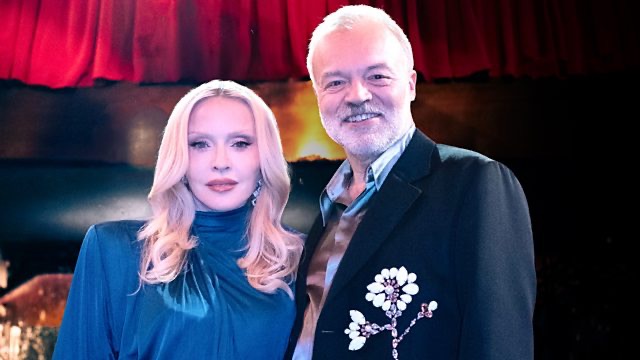
Unfortunately, that weakness became painfully obvious in what the BBC heavily promoted as one of television’s biggest interviews of the year: Graham Meets Madonna.

The Interview That Never Quite Begins

As a lifelong Madonna fan, I couldn’t wait to watch it.

Madonna remains one of the most fascinating figures in popular culture. Over four decades she has reinvented herself more successfully than perhaps any artist in history. Behind the global superstar lies an intensely private woman who has experienced extraordinary success, devastating personal loss, family conflict and relentless public scrutiny.

Surely this was the opportunity to finally meet the woman behind the icon.

Sadly, it wasn’t.

The programme opens with Graham Norton sitting in the back of a classic London taxi.

“I always get nervous when meeting Madonna,” he admits.

It’s an honest opening, but it also establishes the tone. Rather than appearing like an experienced broadcaster preparing to interview one of the world’s biggest stars, Norton almost feels like a fan about to meet his hero.

From the outset, it becomes clear that either the production team—or perhaps Madonna’s own management—have tried far too hard to make this landmark interview feel different.

Instead of simply sitting two intelligent people down for an honest conversation, viewers are taken through a series of carefully staged moments that never quite work.

One particularly awkward sequence sees Graham climbing to the top of an empty theatre before dramatically looking down onto the stage, where Madonna slowly emerges under the spotlight like an apparition. He then races down the stairs to greet her with all the excitement of a teenager meeting their idol.

Rather than feeling cinematic, it simply feels forced.

Where’s the Real Madonna?

Madonna has always been something of an enigma. Friends and collaborators frequently describe her as warm, witty and possessing a wonderfully dry sense of humour, yet that side of her rarely appears during television interviews.

This was Graham Norton’s golden opportunity.

Instead of discussing costumes, boots and backstage stories, he could have explored the remarkable woman behind one of music’s greatest careers.

Instead, the opening conversation drifts aimlessly.

In fact, Madonna often asks Graham more questions than he asks her.

They wander around the theatre chatting about boots, stolen clothes from Coachella and nostalgic memories, almost like two dinner guests waiting for their table to become available.

You keep expecting the interview to begin.

It never really does.

At times, Madonna herself appears visibly bored.

Stuart Price Steals the Show
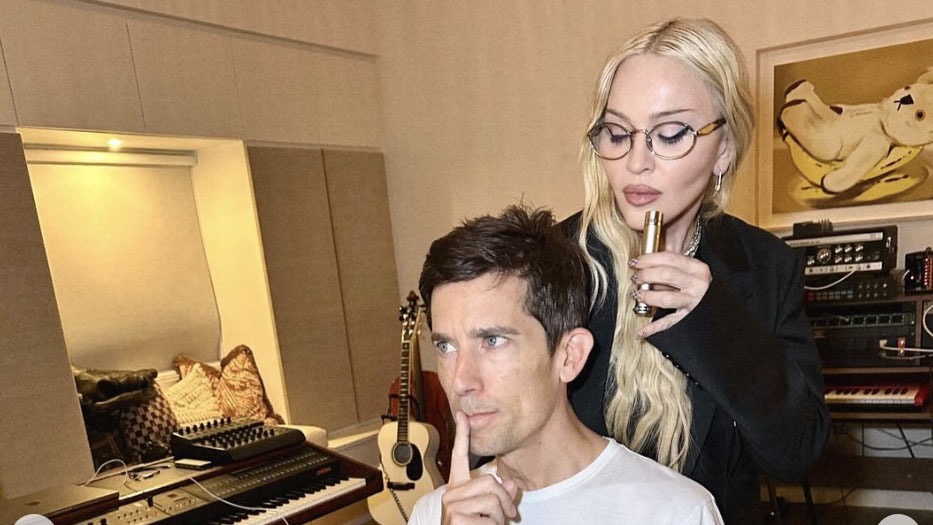
Stuart Price a welcome relief with Madonna

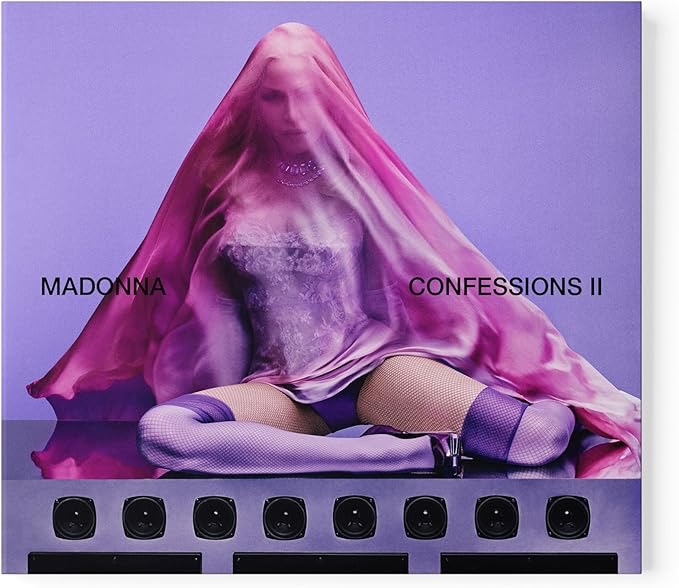
Thankfully, the programme briefly comes alive when Graham and Madonna head upstairs to meet legendary producer Stuart Price, the creative force behind Confessions on a Dance Floor and Madonna’s latest musical project.

Ironically, this becomes the documentary’s strongest section.

Price discusses Madonna’s perfectionism, her musical instincts and her relentless pursuit of excellence. As he plays tracks from the forthcoming album, viewers are finally given a genuine glimpse into how one of the world’s greatest pop stars creates her music.

It’s fascinating television.

In truth, Stuart Price provides more insight into Madonna in ten minutes than Graham Norton manages throughout the rest of the programme.

Still Waiting for the Questions

One exchange perfectly captures the imbalance between interviewer and interviewee.

“Why do you have to know everything?” Madonna jokes.

It’s a line that amusingly echoes Julie Walters’ famous quip on The Graham Norton Show“Leave me alone!”

Norton laughs before replying,

“It’s a chat show.”

Except, with Madonna, it never quite becomes one.

Instead of taking control, asking meaningful follow-up questions or steering the conversation into more revealing territory, Graham remains slightly starstruck throughout.

The next stop is a bar.

By this stage, the audience probably deserves a drink too.

Waiting behind the bar is another surprise guest—Kylie Minogue.

For many LGBTQ+ viewers, seeing Kylie and Madonna together is genuinely enjoyable. Graham excitedly declares, “I’m in gay heaven!”

It should be one of the funniest moments in the programme.

Instead, it feels heavily rehearsed.

The chemistry simply isn’t there.

A Missed Opportunity

Perhaps the most telling moment comes when Madonna looks directly at Graham and asks:

“When are you going to start asking me questions?”

“I have been,” Graham replies while swapping drinks with her.

The problem is…

He really hasn’t.

Most of the questions remain stubbornly on the surface.

There are countless fascinating areas of Madonna’s life that receive little or no attention: her battles with ageism, motherhood, spirituality, surviving four decades in an industry that constantly writes women off after forty, and the loneliness that often accompanies global fame.

Instead of meaningful exploration, viewers are offered snippets rather than substance.

One particularly frustrating moment briefly touches upon the death of Madonna’s younger brother, Christopher Ciccone. For a split second, it feels as though the documentary is finally about to reveal something deeply personal.

Then the moment disappears almost as quickly as it arrived.

Whether that decision came from Madonna herself or her management, we’ll probably never know.

Either way, it leaves viewers wanting much more.

The Verdict

Of course, it’s impossible to ignore the programme’s real purpose.

This is ultimately a promotional vehicle for Madonna’s new music.

There are some genuinely wonderful archive photographs from her early days performing at New York’s legendary Danceteria nightclub, reminding viewers just how extraordinary her journey has been.

Visually, Madonna looks fantastic—confident, elegant and entirely comfortable in her own skin. She remains every inch the cultural icon she has always been.

Which makes it even more disappointing that the programme never truly matches its subject.

Rather than trying so hard to create quirky television through staged walks, surprise guests and theatrical entrances, a simple sit-down interview may well have produced something far more memorable.

Sometimes, less really is more.

Madonna has given exceptional interviews before. Her legendary conversation with Ruby Wax in Paris remains one of the finest celebrity interviews ever recorded because Wax wasn’t afraid to challenge her while allowing humour and vulnerability to emerge naturally.

More recently, her thoughtful discussion with Jay Shetty revealed another side of Madonna—reflective, intelligent and surprisingly open. It proved that, when asked the right questions, she is still willing to reveal the woman behind the myth.

Sadly, Graham Meets Madonna never reaches those heights.

That’s not because Madonna isn’t interesting.

Far from it.

It’s because Graham Norton never quite takes us where we wanted to go.

For fans, there is still enough to enjoy. Seeing Madonna revisit her past, hearing Stuart Price discuss her music and watching two entertainment giants share the screen certainly has its appeal.

But what could have been the definitive Madonna interview ultimately settles for pleasant conversation.

Like one of Madonna’s greatest songs, it promises revelation.

Unlike Like a Prayer, however, it never quite takes you there.

https://www.bbc.co.uk/programmes/m002y4g5
https://www.amazon.co.uk/CONFESSIONS-II-Madonna/dp/B0GXC72FF7/ref=asc_df_B0GXC72FF7?mcid=18fa45e6d409344d9f9dc8d664ef43d0&th=1&psc=1&tag=googshopuk-21&linkCode=df0&hvadid=788531771417&hvpos=&hvnetw=g&hvrand=15638585306469593212&hvpone=&hvptwo=&hvqmt=&hvdev=c&hvdvcmdl=&hvlocint=&hvlocphy=9045885&hvtargid=pla-2502536493354&psc=1&hvocijid=15638585306469593212-B0GXC72FF7-&hvexpln=0&gad_source=1
Categories
Columns Culture Health and Fitness Lifestyle People Poetry

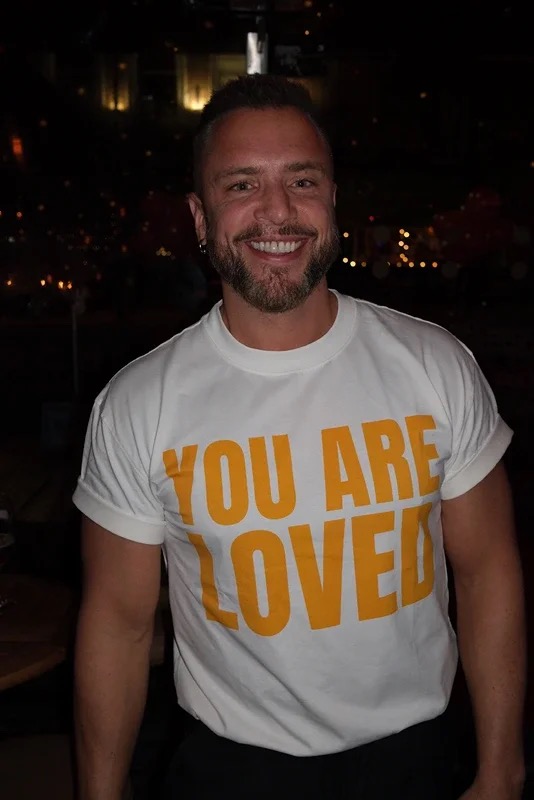
YOU ARE LOVED

Keeping Robin Windsor’s Legacy Alive Through Love, Support and Community

I came out at the age of 15. One thing I have learned over the years is that being gay is not a choice, so why do so many families make their children and loved ones feel bad for simply being who they are?

Equality should mean exactly that — the same love, respect and support for a gay child as for a heterosexual child. Personally, I prefer to think of us all simply as human beings.

The knock-on effect of rejection can be devastating. In a world already struggling with a mental health crisis, many members of the LGBTQ+ community continue to face unique challenges. Sadly, issues such as substance misuse, alcohol dependency and risky behaviour are often not the root cause of the problem, but symptoms of people trying to cope with loneliness, discrimination, fear and a lack of acceptance.

What is perhaps even more troubling is that the LGBTQ+ community itself can sometimes be unwelcoming. Some of the most judgemental and homophobic attitudes I have encountered have come from other gay people. It is a reminder that kindness, understanding and compassion are needed everywhere.

The suicide rate among LGBTQ+ people remains deeply concerning. That is why I always say that no matter how successful, popular or outwardly happy someone may appear, it is important to take the time to check that they are truly okay. A simple conversation can make all the difference.

That is why I am delighted to introduce You Are Loved CIC.

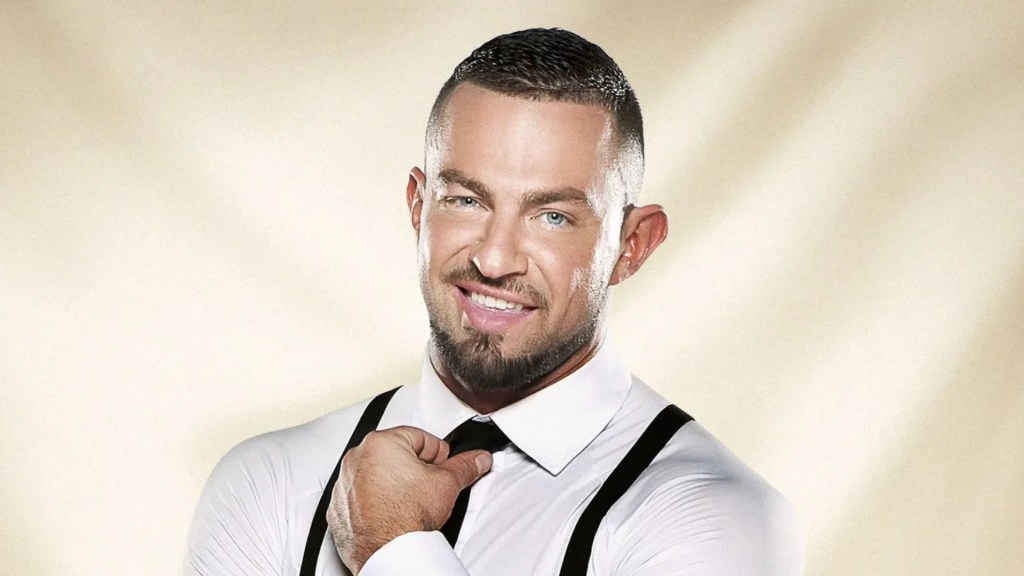
The loss of Strictly Come Dancing star Robin Windsor sent shockwaves through the dance world, the LGBTQ+ community and the countless lives he touched through his warmth, kindness and generosity. Robin was far more than a talented dancer and television personality. He was a friend, mentor, advocate and source of comfort to many people who were struggling with life’s challenges.

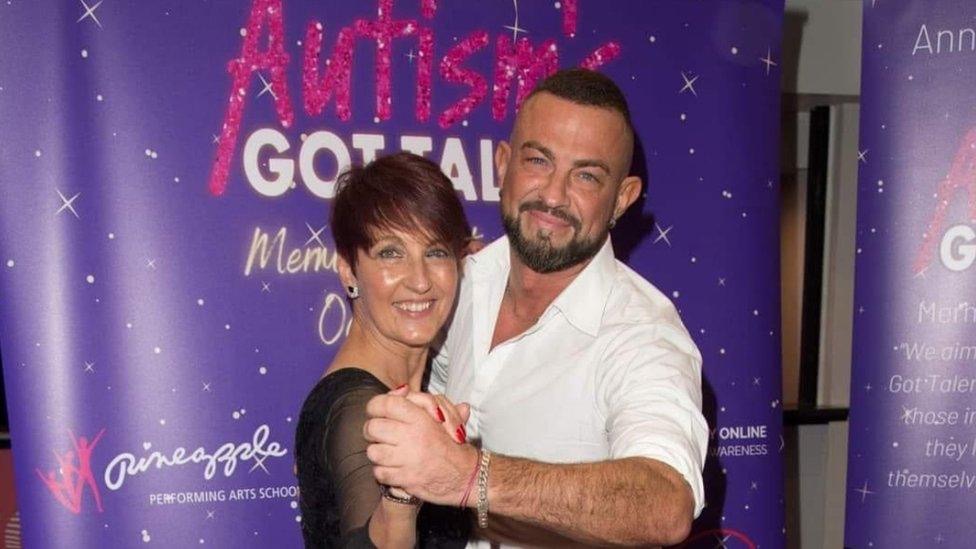
I was fortunate enough to meet Robin Windsor through Anna Kennedy Online, a charity that is very close to my heart. As a Patron of the organisation, I had the privilege of seeing first-hand the kindness, generosity, and compassion that Robin brought to everything he did.

Robin was a tremendous supporter of the autism community and regularly gave his time to help others. He was involved with both Autism’s Got Talent and the Autism Hero Awards, where his warmth and genuine care for people shone through. Whether he was on stage, meeting families, or encouraging participants, Robin always made people feel valued and included.

He possessed that rare ability to light up a room with his smile, his energy, and his infectious enthusiasm. Yet beyond the public persona was a truly beautiful soul—kind-hearted, thoughtful, and deeply compassionate. Robin never underestimated the power of a kind word or a supportive gesture, and his impact on so many lives continues to be felt today.

Those of us who were lucky enough to know him will always remember not only his incredible talent as a dancer but also the love, friendship, and encouragement he gave so freely. Robin’s legacy lives on through the countless people he inspired and the communities he helped to support. https://annakennedyonline.com

Today, his legacy continues through the work of You Are Loved CIC, a remarkable organisation dedicated to supporting LGBTQ+ people facing mental health difficulties, loneliness, isolation, substance misuse and a range of other life challenges.

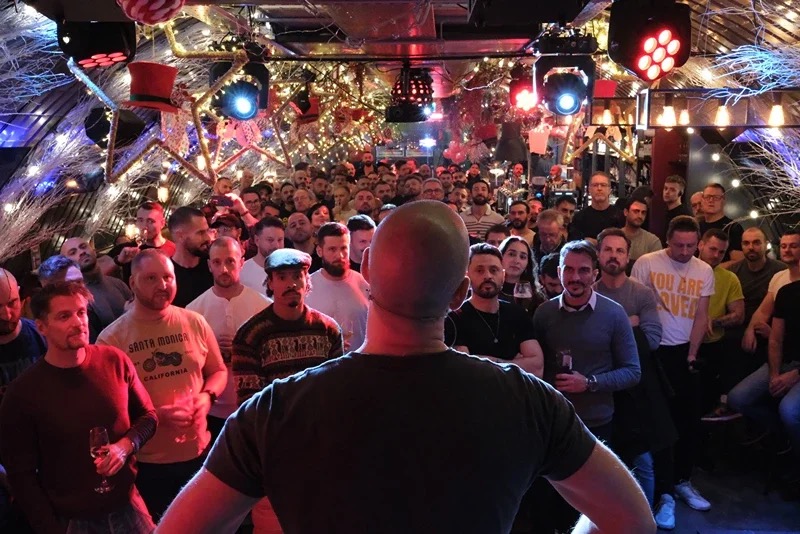
Founded in 2024 by social psychologist and researcher Marc Svensson, You Are Loved CIC was created with a simple but powerful mission: to ensure that nobody in the LGBTQ+ community feels alone when they need help most. The organisation is powered by a passionate team of volunteers who bring together a wide range of skills, expertise and lived experiences. What unites them is a genuine commitment to helping others and creating a safer, more connected community.

Following Robin Windsor’s passing, many of those closest to him wanted to find a meaningful way to honour his memory. Robin was known for his ability to reach out to people who were struggling, offering friendship, encouragement and understanding without judgement. His compassion left a lasting impression on everyone fortunate enough to know him.

It was this spirit of kindness that inspired the creation of Ask Bobby, named after Robin’s much-loved nickname. The platform stands as a living tribute to the man who dedicated so much of his life to supporting others. More importantly, it continues the work that Robin cared about deeply: helping people before they reach a point of crisis.

Over the past year, Ask Bobby has grown significantly. The platform has been rebuilt and improved to make it easier for people to access support and find organisations that can help with their specific needs. Whether someone is experiencing loneliness, mental health difficulties, addiction issues or simply needs someone to point them in the right direction, Ask Bobby serves as an invaluable gateway to support services across the United Kingdom.

For many LGBTQ+ individuals, asking for help can feel overwhelming. Feelings of isolation, stigma and fear can prevent people from seeking support until their situation becomes critical. Ask Bobby helps bridge that gap by making information accessible and connecting people with organisations that can offer practical assistance and emotional support.

The impact of this work cannot be overstated. Every day, people across the country are facing challenges that leave them feeling disconnected and alone. By providing access to trusted resources and support networks, Ask Bobby offers hope, reassurance and a reminder that help is available.

However, like many charities and community organisations, You Are Loved CIC now faces a significant challenge.

Despite its success and growing reach, the organisation is almost entirely volunteer-led. Funding remains one of the biggest obstacles to sustaining and expanding its services. To continue developing Ask Bobby and ensure it can support even more people, the charity is seeking to raise £10,000.

This funding would enable the organisation to further improve the platform, add an additional 1,000 support organisations from across the UK and recruit two part-time team members dedicated to maintaining and growing the service. These developments would significantly increase the platform’s reach and effectiveness, helping thousands more people access the support they need.

For those involved, this campaign is about much more than technology or infrastructure. It is about people. It is about ensuring that someone experiencing loneliness at three o’clock in the morning can find help. It is about providing support before a crisis develops. Most importantly, it is about continuing Robin Windsor’s legacy of compassion, kindness and unconditional support.

Robin’s life touched countless hearts, and through Ask Bobby, his influence continues to make a real difference every single day. Every donation, no matter how large or small, helps keep that legacy alive.

At a time when mental health support and community connection are needed more than ever, You Are Loved CIC is proving that love, kindness and understanding remain powerful forces for change.

Robin Windsor believed in helping people. Through Ask Bobby and the work of You Are Loved CIC, that belief continues to inspire hope, build connections and save lives.

To find out more about the campaign or make a donation, please visit the You Are Loved website and help ensure that Robin’s legacy of love and support continues for generations to come.

SUPPORT ROBIN WINDSOR’S LEGACY

You Are Loved CIC is raising £10,000 to help expand Ask Bobby, the LGBTQ+ support platform created in memory of Strictly Come Dancing star Robin Windsor.

The funding will help:
• Add 1,000 additional support organisations across the UK
• Improve and develop the Ask Bobby platform
• Recruit two part-time team members to maintain and grow the service
• Ensure more LGBTQ+ people can access help before reaching a point of crisis

Every donation, no matter how small, will help continue Robin’s legacy of compassion, kindness and support for those facing mental health challenges, loneliness, isolation and other life difficulties.

To make a donation, please visit:

https://youareloved.org.uk/donate

“A simple act of kindness can change someone’s life. Help us keep Robin’s legacy alive.”

Johnny says he is ok

By Steven Smith

Johnny says he is ok. Johnny is bright – he dazzles and is always the life and soul of any party He is kind and caring, always one to lean on, and is everyone’s friend we all know his name.

Johnny says he is ok. He smiles and gives you that wink. It looks like the world is at his feet.

Johnny says he is ok. It looks like he wears his heart on his sleeve. But you see what he wants you to see. A cleverly crafted mask camouflages the pain and sadness, often caressing his soul as trauma becomes his good friend.

Johnny says he is ok. He touches you, makes you feel good and tells you are going to be alright. not to worry and that he is here for you to talk.

Johnny is going to be ok. You see Johnny’s eyes sparkle with love and, as you walk away, you know in your heart he is always happy.

Johnny all ok as he dances home alone, looking at the stars and the moon. They wave and ask him if anyone really knows who Johnny is? Does anyone feel his hurt or see the darkness covering him as he smiles and entertains?

Johnny says he is going to be ok as he turns the key to his flat. Loneliness waits as the darkness flies in before him. They both beckon Johnny; they know who Johnny is and if he just takes their hand, it will all be ok. The pain will go away.

`It is so simple open the bathroom cabinets and take the pills. Hey, let’s celebrate. We can wash it down with alcohol. Come, says the darkness. Lay down with me. Loneliness is just leaving. Close your eyes, sleep in my arms. I promise you at last Johnny you will be ok.

Categories
Columns Lifestyle People

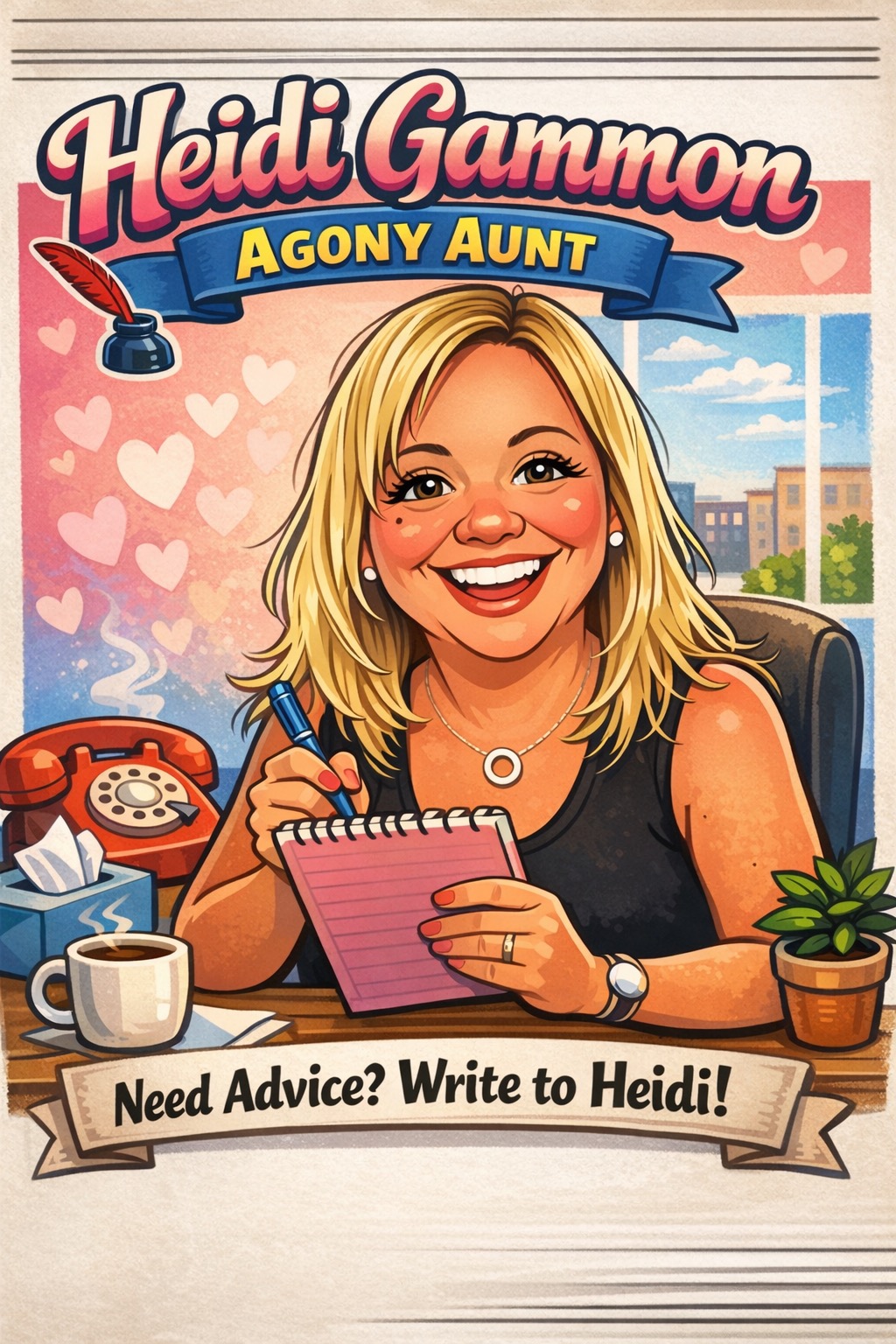
Agony Aunt Heidi Gammon is back .

Dear Heidi: Secrets, Scandals and Saying It Straight

Life rarely arrives neatly wrapped. It tends to crash in—uninvited guests, complicated families, late-night worries, and questions that don’t come with easy answers. This week’s inbox is a heady mix: secrets hovering just beneath the surface, friendships being quietly tested, and the kind of family drama that would make even the most seasoned soap writer raise an eyebrow. From Pride-season dilemmas to Ibiza invasions, from hoarding chaos to the emotional minefield of a changing will, one thing is clear—when life gets messy, honesty may not fix everything, but it’s usually the best place to start. As ever, Heidi is here to cut through the noise, call it as it is, and offer a little perspective—with a knowing wink when needed.

Dear Heidi,
It’s Pride season coming up, and I’m a big ally. I’m attracted to the same sex, though I’m engaged to a lovely girl. My best pal dates girls, but nothing ever comes of it, and he’s very good-looking. I’ve noticed him looking at guys, and I think he may be gay. However, he’s Catholic, so coming out might be an issue. I feel that, as his best friend, I should have that chat. How do you go about it?
Steven, Ilford


Heidi:
Slow down, Agony Uncle—this isn’t your grand reveal to orchestrate. I know you mean well, but you don’t get to pull back the curtain on someone else’s life, no matter how sharp your “eagle eye” might be. Sexuality is not a group discussion, and it certainly isn’t something to be gently cornered into over a pint.

What you can do is far more powerful—and far less intrusive. Be the friend who makes it obvious, without fanfare, that you’re open, accepting, and entirely unshockable. Talk naturally about LGBTQ+ issues, share your own experiences honestly, and remove any sense that there’s something to fear in being open. That quiet reassurance often speaks louder than any “big chat.”

And don’t underestimate the weight of his background. Faith, family, culture—these things can create a knot that takes years to untangle. If he is struggling, the last thing he needs is to feel observed or analysed. So step back, be kind, and let him lead. If he chooses you as the person to confide in, that’s a privilege. Until then, your job is simple: be safe, be steady, and—occasionally—be silent.

Dear Heidi,
I’m living a nightmare. My mother is a hoarder, and I’ve been forced to move in with her after losing my job. My friend says hoarding is an illness. What can I do about it? It’s driving me mad and affecting my mental health.


Vicky, Raleigh
Heidi:
Nightmare is exactly the word—and yes, your friend is right. Hoarding isn’t just a bad habit or a refusal to tidy up; it’s a recognised mental health condition, often tangled up with anxiety, loss, or trauma. That doesn’t make it any easier to live with, of course—it just explains why a few stern words and a skip outside won’t magically fix it.

Here’s the uncomfortable truth: you cannot solve this for her. You can support, encourage, and gently nudge—but you cannot force change, and trying to will only exhaust you. So before anything else, protect yourself. Claim a space that is yours alone, however small—a room, a corner, even just a desk—and keep it clear. That’s not selfish; it’s survival.

Encourage her to seek help, but do it without judgement. A GP is a good starting point, and there are specialist services that deal specifically with hoarding behaviours. But timing matters—push too hard, and she’ll dig in further.

And you? You need support too. Living in that environment is emotionally draining, and it’s entirely reasonable to say, “This is affecting me.” Whether it’s a friend, a counsellor, or simply time out of the house, find ways to protect your own mental health. You can care about her without sacrificing yourself in the process—and that’s a boundary worth holding.

Dear Heidi,
My best friend and I are going to Ibiza—we’ve been pals since high school. Out of the blue, one of her friends from the salon she works in is coming too. She didn’t even ask if it was OK; it was more like, “Great news—Danielle’s coming, and she’s got her own room.” I don’t want this. What can I do?


Dawn, Basildon
Heidi:
Ah, Ibiza—the land of sun, cocktails, and the occasional friendship reality check. Let’s be clear: this wasn’t “great news,” it was a decision made without you, and you’re absolutely entitled to feel put out. Holidays, especially ones rooted in long friendships, come with expectations—and one of those is mutual respect.

Now, before you start mentally reassigning sun loungers, have the conversation. Not a dramatic showdown, just a calm, honest moment. Tell your friend you were really looking forward to it being your time together, and that being told—rather than asked—has knocked you sideways. That’s not being difficult; that’s being honest.

This isn’t about banning Danielle or creating an awkward triangle—it’s about balance. Suggest carving out time that’s just for the two of you, and time when the three of you can all get along. Most situations can be salvaged with a bit of clarity and a dash of compromise.

But here’s the thing: if your feelings are dismissed or brushed aside, don’t ignore that. Ibiza might come and go, but how someone treats you in moments like this tends to stick. Consider it less a holiday hiccup and more a helpful insight.

Dear Heidi,
I’m in a terrible state. My 18-year-old son goes out at all hours, and I’m almost certain he’s taking drugs. The problem is, he has a job and his grades are good at college. When I tell him it’s not on, he threatens to move out. I don’t know what to do about the drugs—what should I say?


Ann, Uxbridge


Heidi:
Welcome to the tightrope of parenting a young adult—where control slips through your fingers just as your worry ramps up. It’s a tricky place to be, because technically he’s an adult, but emotionally—and practically—he still needs guidance.

Charging in with accusations will only push him further away. At 18, independence is currency, and if he feels policed, he’ll spend it elsewhere. So the strategy here is softer, but smarter. Choose a calm moment—no raised voices, no dramatic entrances—and speak from a place of concern. “I’m worried about you” lands very differently from “I know what you’re doing.”

Focus on safety, not morality. The reality is, if there is drug use, the risks are real, and that’s where your concern should sit. Keep the door open, even if the conversation doesn’t go perfectly. Sometimes it’s not about winning the argument—it’s about keeping the connection.

And don’t carry this alone. There are support services for parents dealing with exactly this situation, and seeking advice doesn’t mean you’ve failed—it means you’re taking it seriously. The goal isn’t to control him; it’s to stay close enough to guide him when it matters.

Dear Heidi,
My sister has suddenly reappeared in our lives as our mother is dying. Mum hasn’t seen her for five years but has welcomed her back like the prodigal daughter. Now she’s changing her will to include her again. My brother and I are furious—what can we say to them both?
Samantha, Bromley


Heidi:
Ah, family—the one arena where history, emotion, and timing collide with spectacular force. I can hear the hurt in this, and it’s completely understandable. Someone disappears for years, returns at the eleventh hour, and suddenly the script is rewritten—it’s bound to sting.

But here’s the part you won’t like: it’s your mother’s decision. Her money, her will, her sense of closure. That doesn’t mean your feelings don’t matter—it just means you can’t dictate the outcome.

What you can do is choose how you respond. Marching in with anger will only entrench positions and risk turning a painful situation into an all-out war. Instead, opt for calm honesty. Tell your mother how this has made you feel—hurt, confused, perhaps even overlooked. Keep it about your feelings, not accusations about your sister.

As for your sister, this may not be the moment for a full reckoning of the past. Sometimes, timing matters more than being right. There may be conversations to be had later—but right now, with emotions heightened and time possibly limited, a degree of restraint might serve you better.

You may not get the outcome you want, but you do have control over how you carry yourself through it. And when all is said and done, that dignity will matter far more than winning an argument that can’t truly be won.

Cath Heidi on Gateway Radio with Aston Avery and Steven Smith

https://switchboard.lgbt

Categories
Columns Health and Fitness Lifestyle People

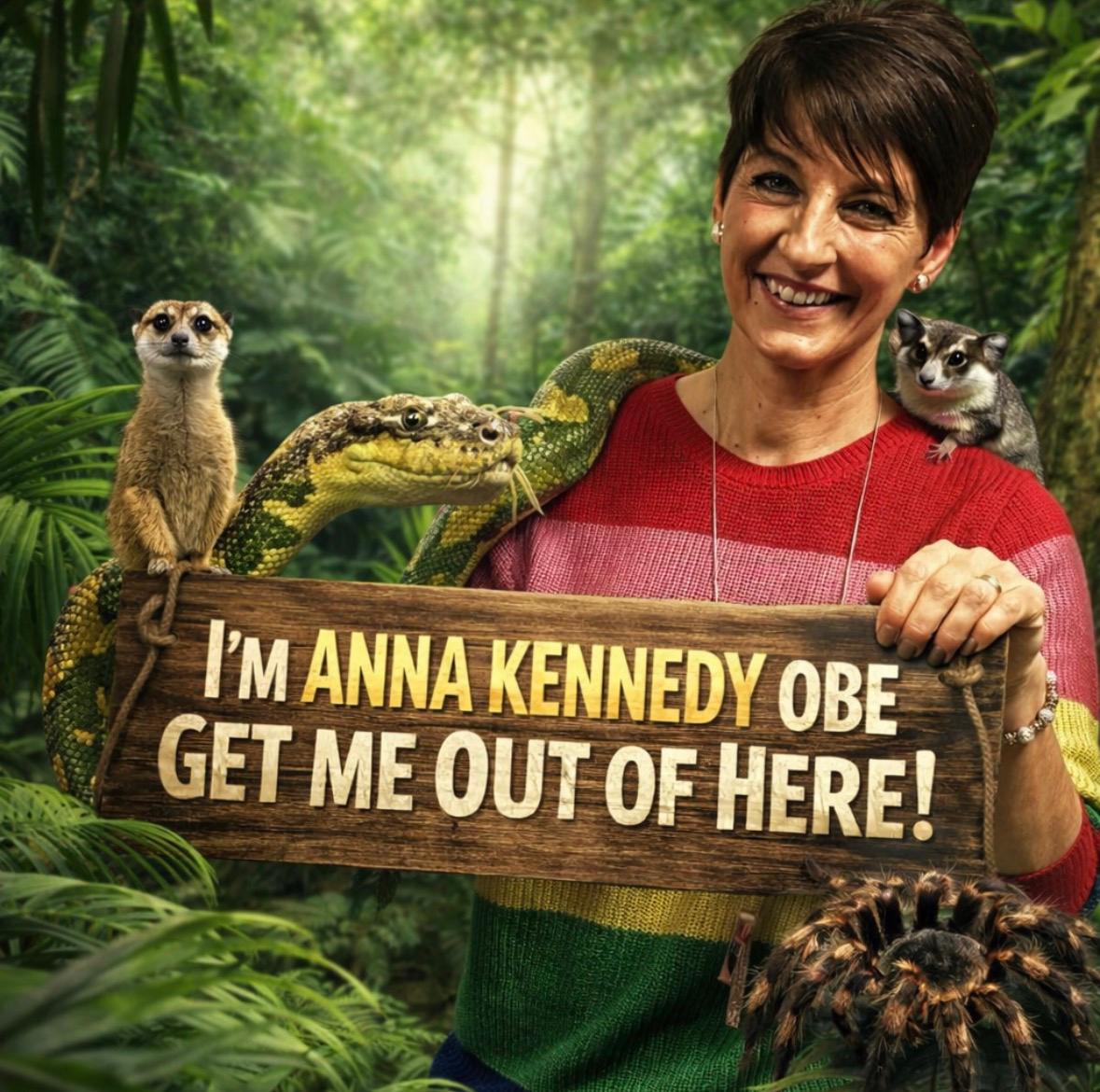
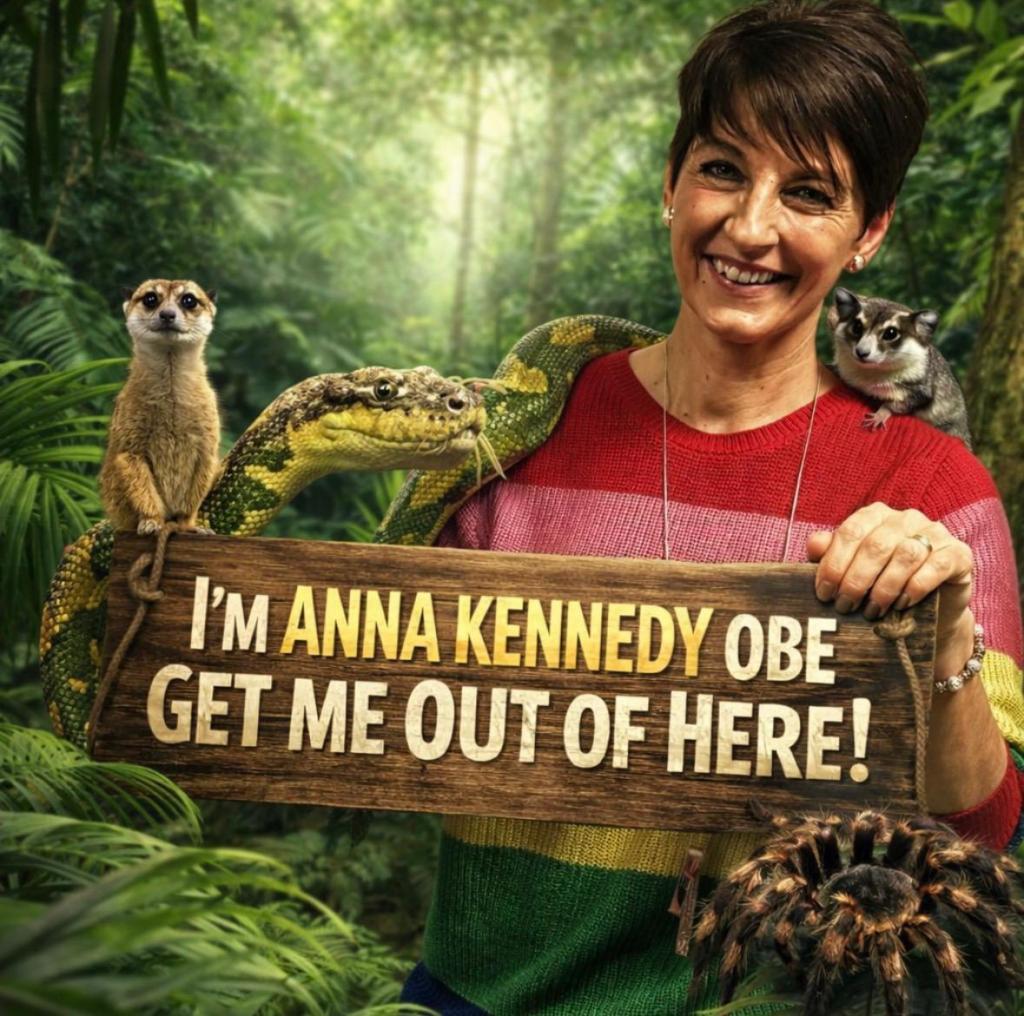
In celebration of “Autism Awareness and acceptance day ” we set Anna Kennedy OBE a bush trucker trail.

“I’m a Celebrity… Get Me Out of Here!” – Anna Kennedy Faces Her Fears in Essex

Words: Steven Smith

It could easily have been mistaken for a scene straight out of I’m a Celebrity… Get Me Out of Here! as screams, laughter, and nervous anticipation filled the air in Essex yesterday. But this was no television stunt. This was something far more meaningful — a deeply personal challenge undertaken by the remarkable Anna Kennedy OBE, a woman known for her relentless determination, boundless compassion, and tireless advocacy for the autism community.

Thank-you my friend Nicky Rodrigues I am so proud of you .

This time, however, Anna was stepping far outside her comfort zone — not into a boardroom, a stage, or a campaign, but into a world of exotic creatures that have long sparked fear rather than fascination.

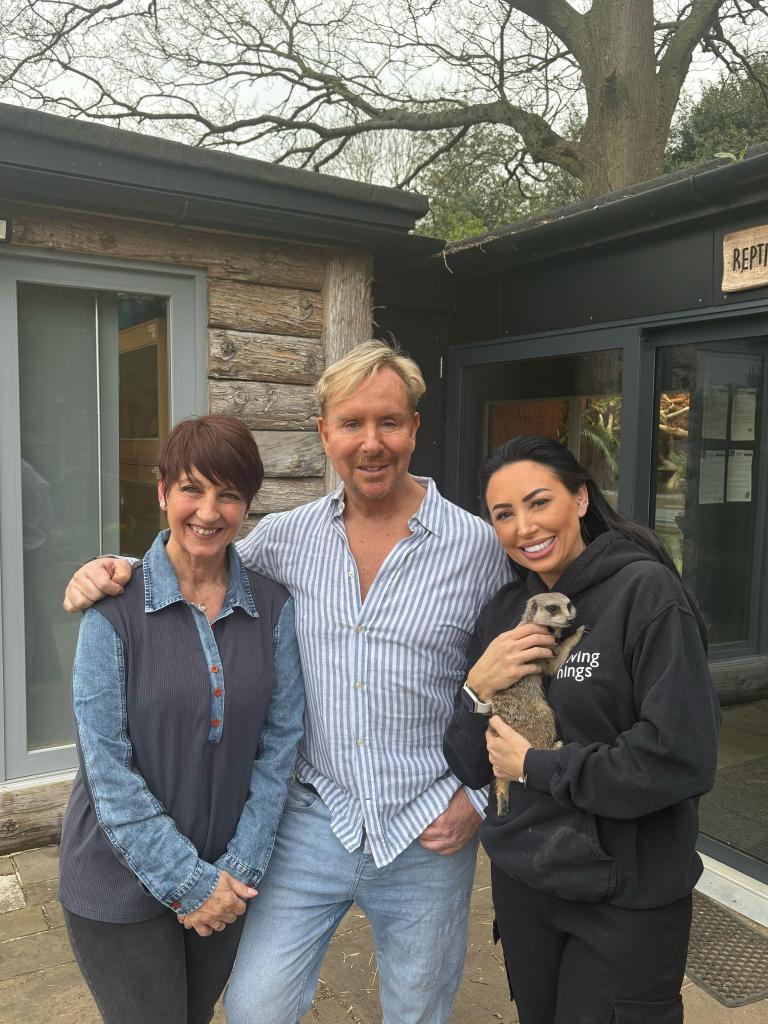
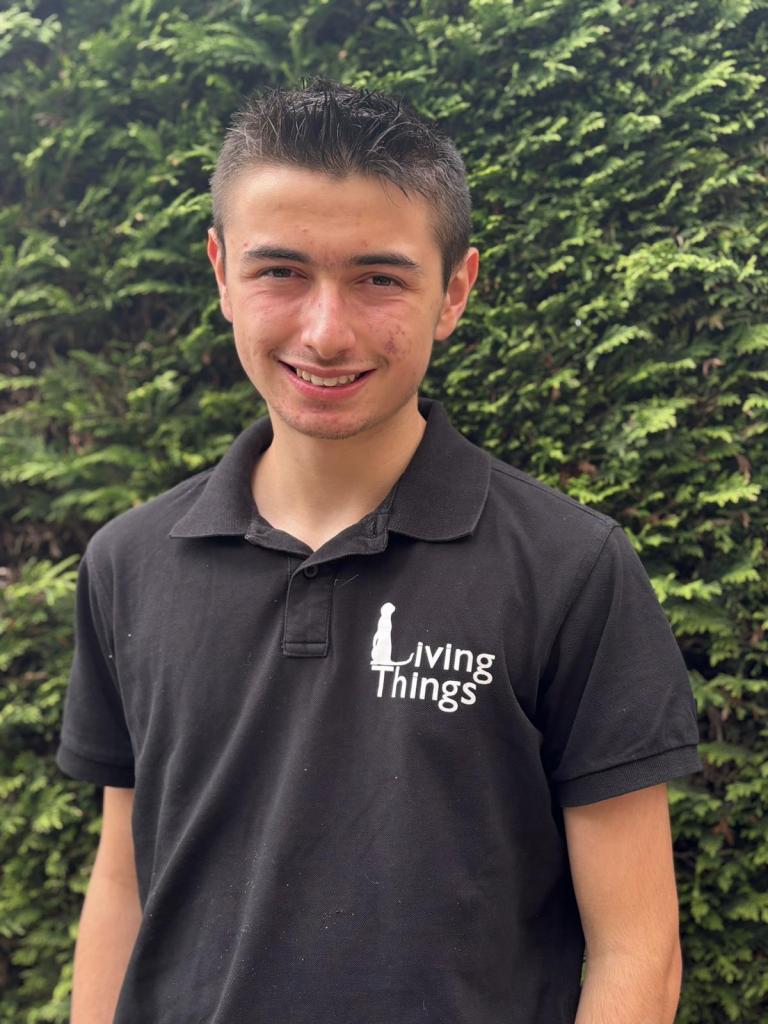
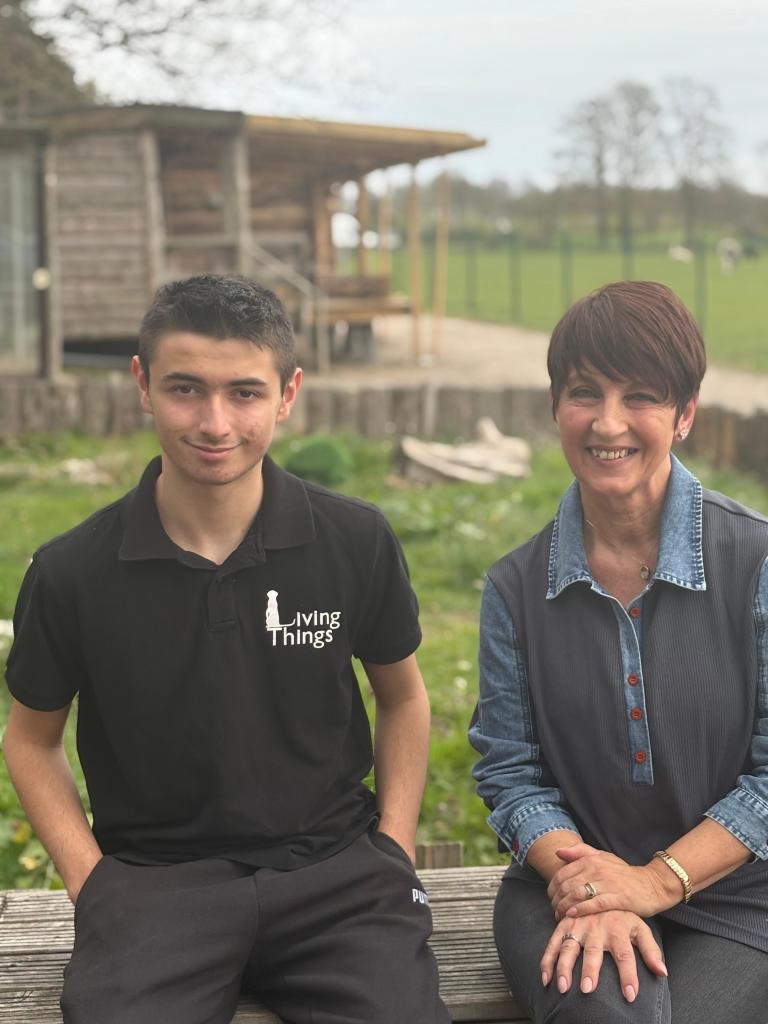
The challenge was set by long-time friend Nicky Rodrigues and her son Harry, who now both work at Living Things UK, an organisation renowned for its immersive and educational wildlife encounters.

A World of Wildlife — With a Purpose

Living Things UK is not your typical animal experience. Behind the scenes is a dedicated team of skilled animal handlers, welfare specialists, educators, and passionate wildlife advocates. Their mission is simple yet powerful: to bring people closer to nature in a way that is safe, educational, and deeply engaging.

Their enclosures are carefully designed to replicate natural habitats, ensuring each animal thrives in an environment suited to its needs. Over the past decade, they have built an impressive reputation, delivering unforgettable experiences across schools, SEN groups, hospitals, care homes, festivals, and corporate settings.

Ordinarily closed to the general public, Living Things made a special exception for this visit in support of autism awareness, aligning perfectly with the work of Anna Kennedy Online.

A Friendship Rooted in Advocacy

Nicky Rodrigues’ connection to Anna dates back to 2014, when she volunteered with Anna Kennedy Online as a Charity Champion covering Essex.

“I met so many incredible people during my time there,” Nicky recalls. “It was an experience that stayed with me. When Harry and I began working with these amazing animals, I knew I wanted to share that world with Anna — and perhaps help her face a few fears along the way.”

And what a journey it turned out to be.

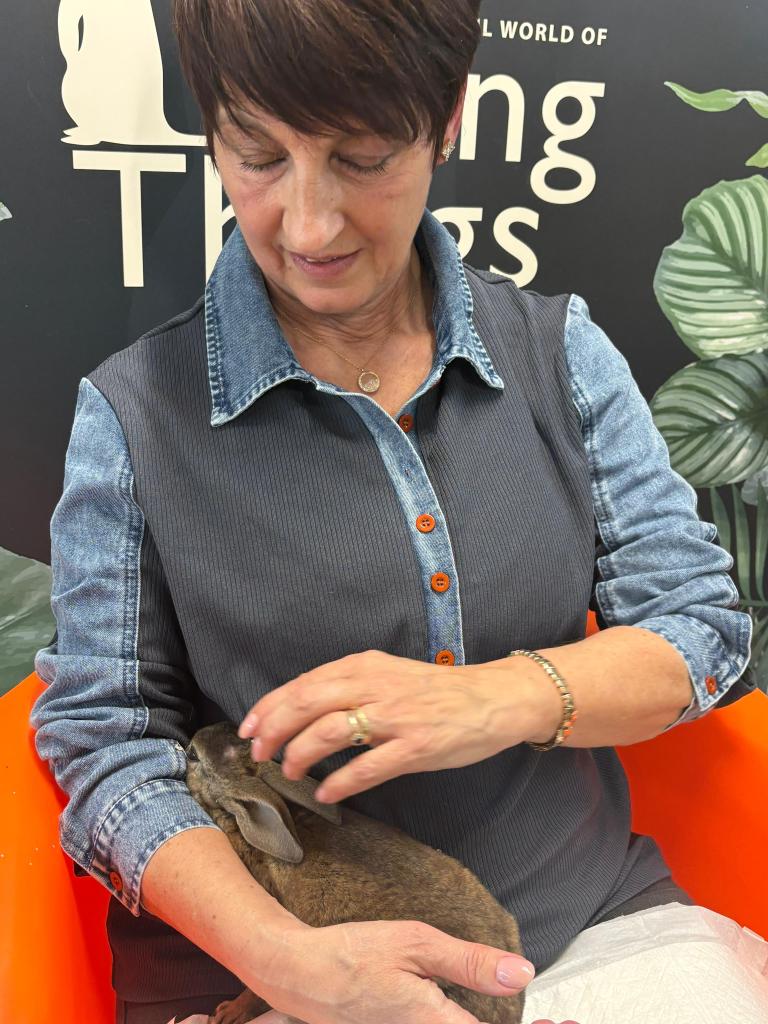
A not so scary bunny .

Enter the Animals… and the Fear

Of course, no such adventure would be complete without a witness — or, as Anna jokingly put it, “support” — from 2Shades Magazine’s Steven Smith, who joined as a patron of Anna Kennedy Online.

“I am terrified,” Anna admitted at the outset, laughing nervously. It’s a rare confession from a woman often described as having “the tenacity of a Rottweiler with a bone” when it comes to achieving her goals. Yet when it comes to insects, reptiles, and the more unusual corners of the animal kingdom, Anna is refreshingly human.

What followed was nothing short of extraordinary.

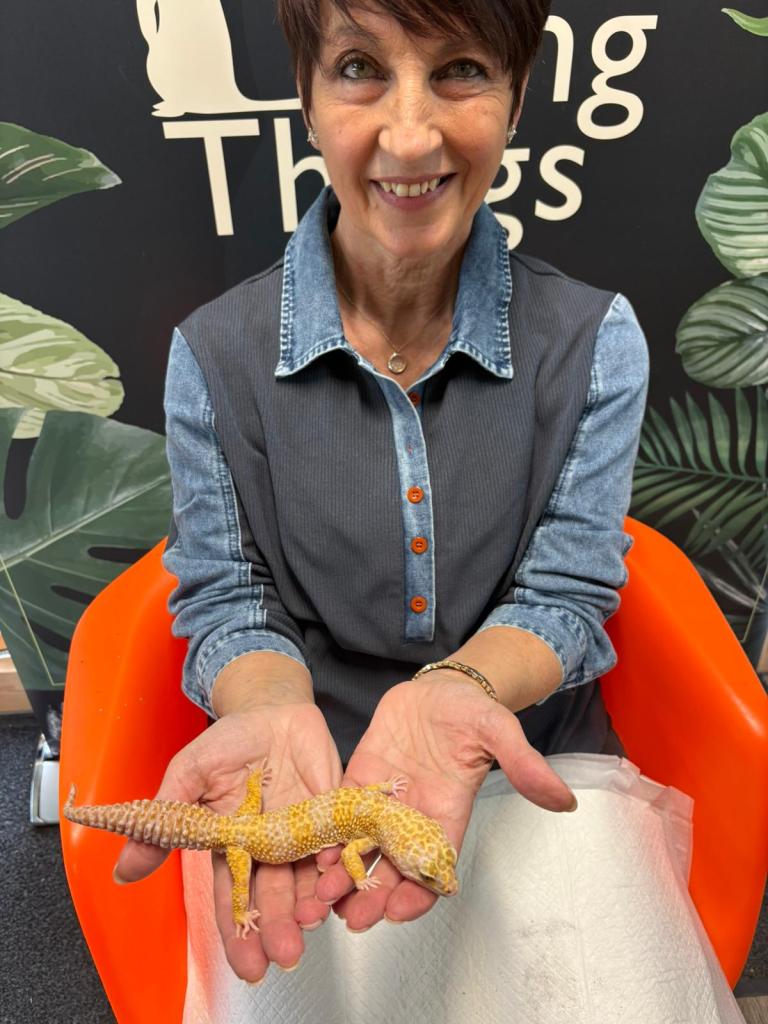
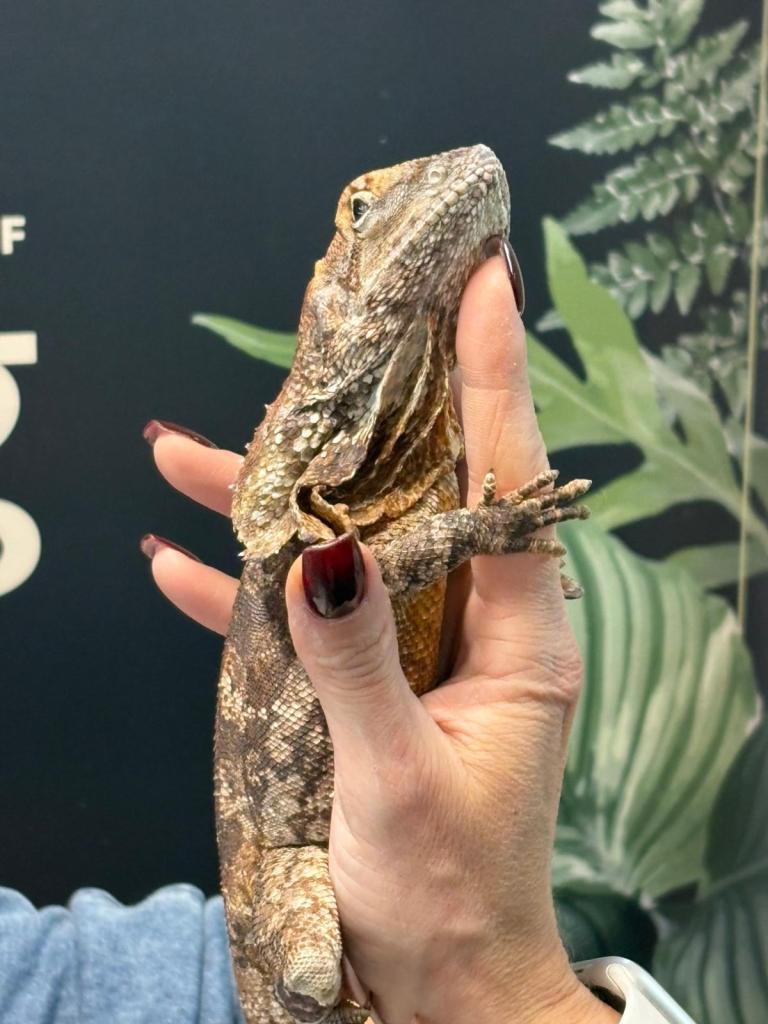
Harry, who led the experience, introduced Anna to an astonishing array of creatures. Among them were a Russian Horsfield tortoise, a leopard gecko, a bearded dragon, a frilled-neck lizard, and a striking blue iguana. The mammals proved equally captivating — a Madagascan lesser tenrec, a soft and gentle chinchilla, a playful sugar glider, and the ever-curious African meerkat.

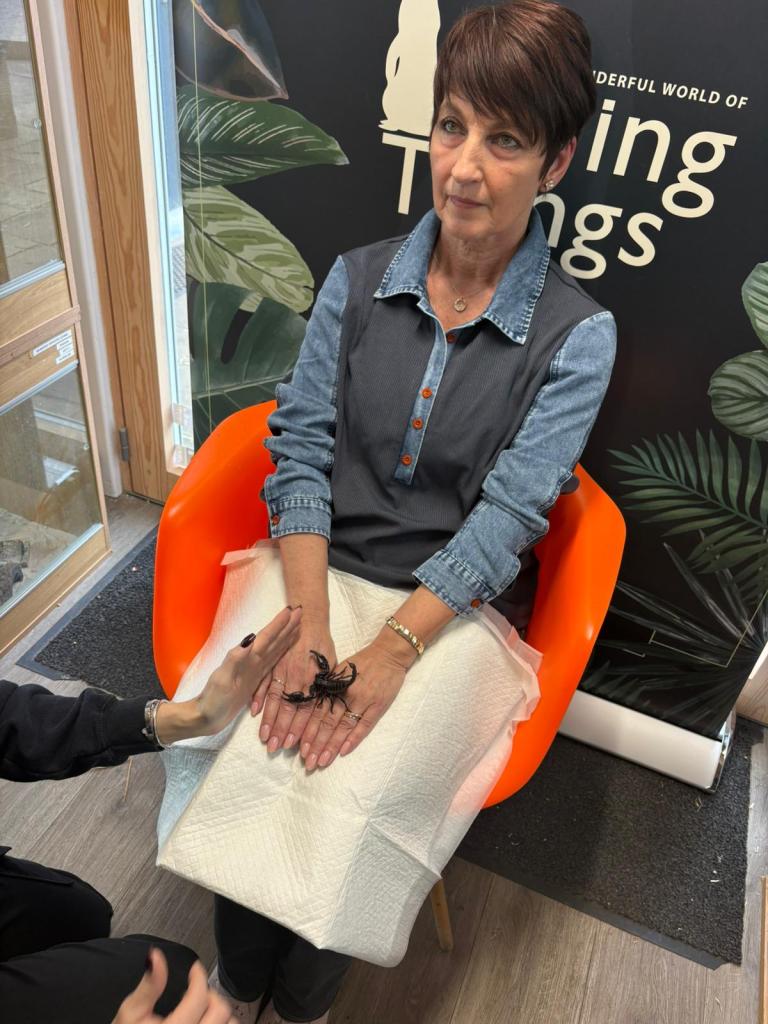
Then came the creatures that would test Anna’s resolve to its limits: a cornsnake, a Chilean rose tarantula, an Asian forest scorpion, a giant African millipede, and the unmistakable Madagascan hissing cockroach.

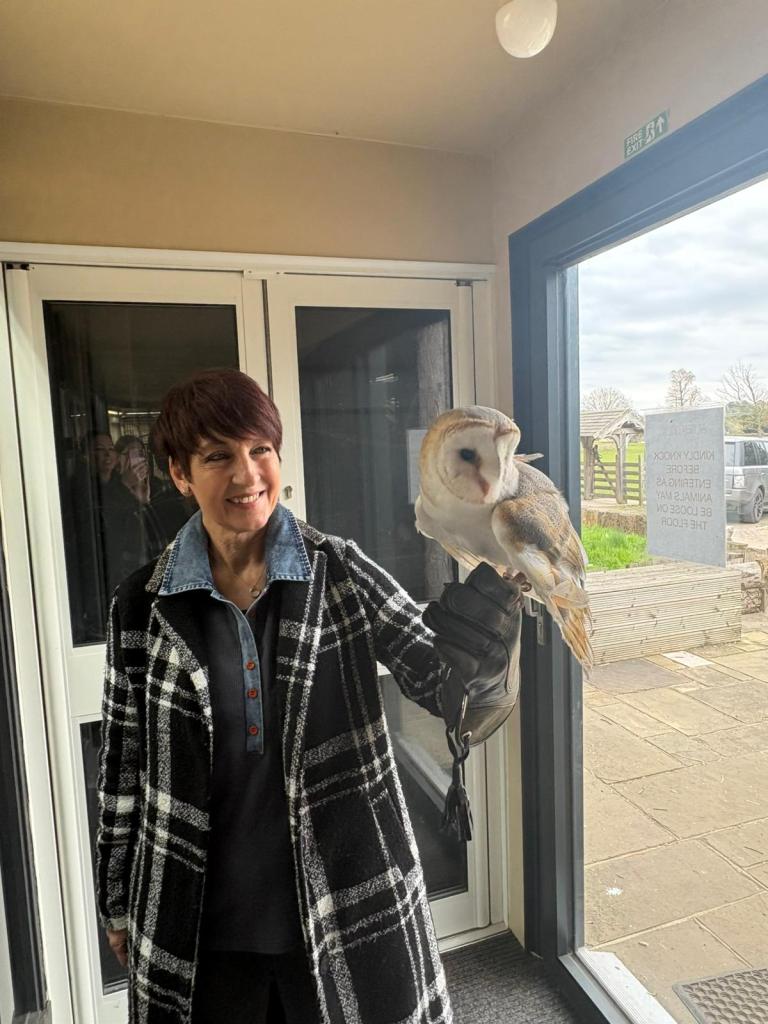
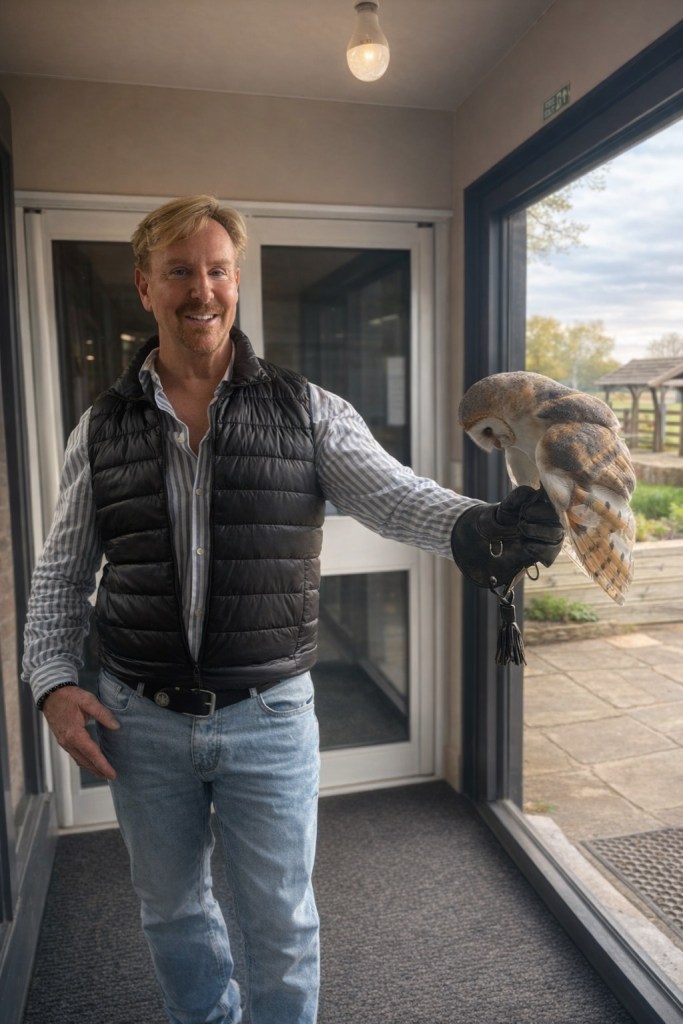
And finally — a moment of calm, grace, and beauty — Juliet, the British barn owl, who would quickly become Anna’s favourite.

Harrys knowledge was impressive

Harry’s Moment to Shine

Perhaps the most moving aspect of the day was watching Harry in action. Once non-verbal as a young child, he now confidently handled and introduced each animal with knowledge, care, and quiet authority.

For Nicky, it was an emotional moment.

“To see Harry like this today — confident, engaged, and sharing his passion — is just beautiful,” she said. “Moments like this remind you how far people can come with the right support and opportunities.”

It was a powerful reflection of everything Anna Kennedy Online stands for: inclusion, empowerment, and the celebration of individual potential.

Facing Fear, Finding Joy

As for Anna, she rose to the challenge with surprising courage.

“Honestly, I’m not saying I didn’t have a flush or two,” she laughed. “The tarantula was definitely a worry! But I absolutely adored the owl. And Harry taught me so much about the animals — things I never knew before.”

What began as a fear-filled experience transformed into something joyful, educational, and even uplifting. Anna handled animals she never imagined she would go near, let alone hold.

It was, in many ways, a metaphor for her life’s work: facing the unknown, challenging perceptions, and embracing growth.

Me showing Anna how it is done ,

A Legacy of Dedication

Anna Kennedy’s achievements are nothing short of extraordinary. Awarded an OBE for her services to the autism community, she has dedicated her life to improving opportunities and understanding for autistic individuals.

She has founded and developed some of Europe’s largest autism-specific schools, while also raising her two sons, Patrick and Angelo, both of whom are autistic. Her work continues to inspire families, educators, and advocates across the UK and beyond.

Her visit to Living Things was not just a personal challenge — it was a continuation of that mission. By stepping into an unfamiliar world, she demonstrated the importance of openness, learning, and breaking down barriers.

More Than an Experience

The visit, timed just ahead of World Autism Acceptance Day, was a celebration of inclusion in its truest form.

Together, Anna and Steven explored a world that many might shy away from, proving that with the right support — and a little bravery — anything is possible.

For Living Things UK, the day was equally meaningful.

“Moments like these remind us why we do what we do,” the team shared. “Creating inclusive, unforgettable experiences that bring people and nature together is at the heart of everything we believe 

A Favourite Feathered Friend

Among all the creatures encountered, one stood out above the rest — Juliet the barn owl.

Elegant, calm, and quietly majestic, she provided a moment of serenity amidst the excitement. For Anna, it was love at first sight.

And perhaps that’s the lasting image of the day: a woman who has spent her life fighting for others, standing still for a moment, holding something beautiful, and discovering that even fear can give way to wonder.

Anna so thrilled in the end with Harry.

Find out more:
Living Things UK: https://www.living-things.co.uk
Anna Kennedy Online: https://annakennedyonline.com

Categories
Columns People Poetry Travel

David Nailers Book Reviews and chat .

David Nailer’s Book Reviews Are Back, Darlings

Hello darlings, I’m back—with an interview with the divine darling of poetry, Joy Jewett, and some fabulous book reviews. Stand by for my own column, sweetie—it will be honest, a little wicked, and a full-on bitch fest that will have you laughing. Coming this April.

But first, a chat with Joy.

https://www.joyfjewett.com/about-joy

2Shades Magazine Exclusive
Beauty, Brains and a Poet’s Soul — A Supermodel in Her Own Words

In a world obsessed with image, she offers something far more enduring: depth. Model, author, and keen observer of human nature, she sits down with David to discuss the passions that shaped her, the poetry that moves her, and the moments that make her laugh.

David: What was your childhood passion?
Joy: My childhood passion was always reading. While others played with dolls, I found comfort and excitement in books. I could spend hours completely immersed in stories—it was my own little world.

David: How do you feel when you write?
Joy: Writing, for me, is almost an out-of-body, spiritual experience. I am deeply drawn to human emotion—I observe people, listen to their stories, and then transform those feelings into poetry. It’s incredibly personal, yet universal at the same time.

David: Who are your favourite authors?
Joy: In poetry, I greatly admire the Swedish poet Tomas Tranströmer and the incomparable Maya Angelou. When it comes to classic literature, I love Shelley, James Joyce, and, of course, the Brontë sisters. Their depth and timelessness continue to inspire me.

David: When did you last laugh?
Joy: Just this morning. A friend from Sweden said to me, “Why don’t you have a man in your life? Are you just too cold-hearted?” My response was, “Why do you assume I have a heart?” We both laughed—it was one of those wonderfully sharp, unexpected moments.

David: What is your idea of a dream day out?
Joy: A perfect day for me would be a long walk around historical sites with friends—places filled with ancient stories and atmosphere. We’d stop at a café for coffee or tea, imagining what life must have been like in those times. Then I’d return home inspired, writing poetry about the place, the people, and the echoes of history—ending the day with laughter and meaningful conversation with those I care about.

https://www.joyfjewett.com/about-joy

Book Reviews

Liza Minnelli — Kids, Wait Till You Hear This!
⭐️⭐️⭐️⭐️⭐️ (5/5)

Kids, Wait Till You Hear This! is a dazzling, deeply personal memoir that captures the essence of a woman who has lived her life centre stage—both triumphantly and turbulently. Co-written with Michael Feinstein, the book pulls back the velvet curtain on Minnelli’s extraordinary upbringing as the daughter of Judy Garland and Vincente Minnelli. From the very first pages, readers are immersed in a world of Hollywood legend and Broadway brilliance, but what sets this memoir apart is its unmistakable honesty—Liza is not interested in myth-making; she is here to tell the truth.

What makes the memoir particularly compelling is its unflinching exploration of her personal struggles. Minnelli speaks candidly about her battles with addiction, offering a nuanced and often moving account of the pressures that come with fame, legacy, and expectation. Yet, the narrative never lingers too long in darkness. Instead, it balances vulnerability with resilience, weaving in vivid recollections of her career highs—from electrifying stage performances to iconic film roles. Her relationships, both romantic and professional, are painted with warmth, wit, and occasional heartbreak.

Ultimately, this is more than a celebrity memoir—it is a testament to survival, artistry, and reinvention. Minnelli’s voice is unmistakable: bold, theatrical, and laced with humour even in her most reflective moments. Fans will relish the behind-the-scenes stories, while newcomers will discover a richly layered narrative of fame, family, and identity. A truly star-studded triumph.

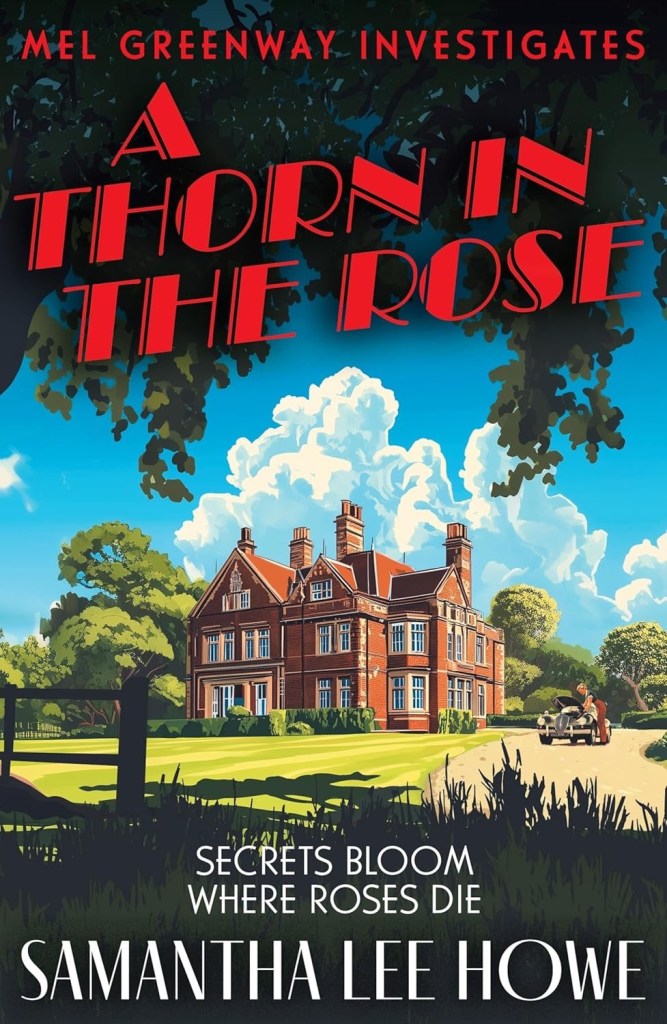
A Thorn in the Rose — A Haunting Tale of Secrets, Scandal and Survival
⭐️⭐️⭐️⭐️⭐️ Five Star

There is something irresistibly seductive about a crumbling estate and the ghosts it refuses to bury, and A Thorn in the Rose leans into that allure with confidence and style. Set in post-war Britain, Avonby Estate becomes a character in its own right—dripping with decay, privilege, and long-suppressed secrets. From the moment Lady Melinda “Mel” Greenway uncovers a body beneath the roses, the novel pulls you into a world where beauty and brutality exist side by side.

At the heart of the story is Mel—a refreshingly complex heroine whose grit as a former army mechanic sets her apart from the fragile aristocracy around her. Her dynamic with Inspector Derrin Bradley adds emotional tension that elevates the narrative beyond a traditional whodunnit. Their shared past crackles with unfinished business, while a richly drawn supporting cast ensures suspicion lingers around every corner.

What lingers long after the final page is the atmosphere—cinematic, brooding, and steeped in quiet menace. With its blend of suspense, romance, and class tension, this is a gripping and elegant mystery that keeps you guessing, even if it occasionally lingers a touch too long in its own shadows.

Heated Rivalry — Love, Lust and the Politics of the Ice
⭐️⭐️⭐️⭐️⭐️ (5/5)

https://www.amazon.co.uk/Heated-Rivalry-2-Game-Changers/dp/1335534636/ref=asc_df_1335534636?mcid=c426025b2f9f356a95723f7317f34a75&th=1&psc=1&tag=googshopuk-21&linkCode=df0&hvadid=710472506588&hvpos=&hvnetw=g&hvrand=5560434510716372681&hvpone=&hvptwo=&hvqmt=&hvdev=c&hvdvcmdl=&hvlocint=&hvlocphy=9045885&hvtargid=pla-2334017057185&psc=1&hvocijid=5560434510716372681-1335534636-&hvexpln=0&gad_source=1

Rachel Reid’s Heated Rivalry is not just a sports romance—it’s a cultural moment wrapped in sharp writing, raw chemistry, and emotional intelligence. Set in the brutal, high-pressure world of professional ice hockey, this bestseller delivers far more than locker-room tension. It’s slick, seductive, and surprisingly soulful.

Shane Hollander and Ilya Rozanov are electric—two rival captains locked in a dangerous game both on and off the ice. Public enemies, private lovers, their connection is explosive and deeply human. Reid explores masculinity, identity, and the suffocating expectations placed on elite athletes with refreshing honesty.

What sets this apart is its fearlessness. It challenges perceptions, breaks boundaries, and delivers a love story that feels both modern and necessary.

Steven’s Viewz: Sexy, smart, and unapologetically bold. If you think you know sports romance—think again. This one doesn’t just play the game… it rewrites the rules.

David Nailer’s Final Word: Darlings, whether it’s scandal in a crumbling estate, passion on the ice, or survival under the brightest of spotlights, one thing is certain—great storytelling always leaves a mark. And trust me… I’ve only just warmed up. See you in April—bring a thick skin and a sense of humour.

Categories
Columns Culture Health and Fitness Lifestyle People Travel

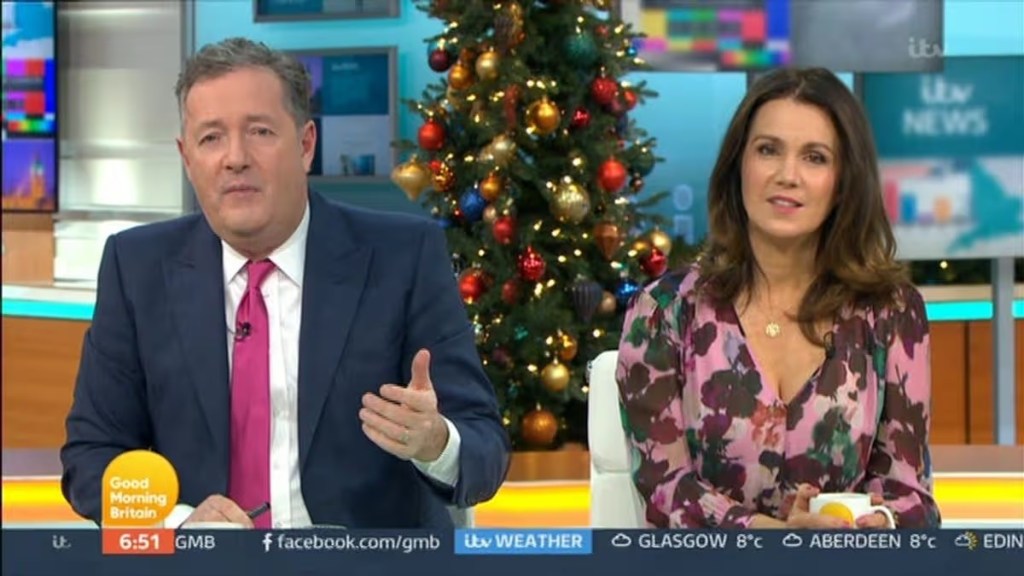
Why Piers Morgan is on the side of The LGBTQ+ community .

Why Piers Morgan Might Miss a Beat on Mental Health — But He Is on the Side of the LGBTQ+ Community

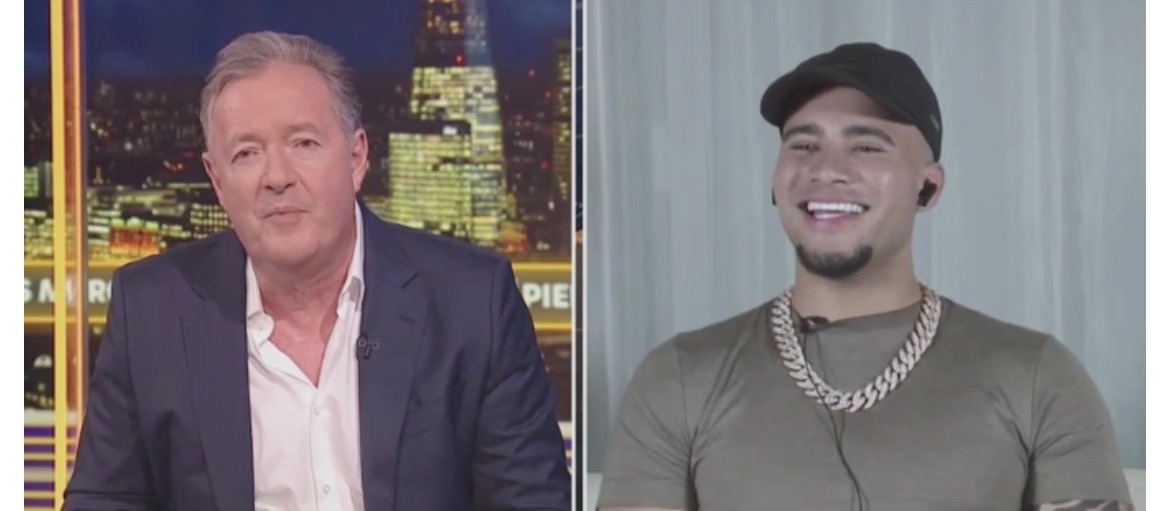
Screenshot

“I disapprove of what you say, but I will defend to the death your right to say it.” — Voltaire

Let’s get one thing straight about Piers Morgan: he is no homophobe. I am re-running a feature I penned around the time he walked out of Good Morning Britain. No, I do not agree with his views on mental health for the most part, but he is entitled to his opinion. I was dumbfounded that he did not take Kevin Spacey to task over giving Elton John as a moral character reference. Having been a guest as a teenager at the Rocket Man’s house, I believe the truth will come out. His interview with the deluded TikTok personality HSTikkyTokky showed his stance against homophobia, and I will be writing about that in my column next month. For now, please read why Piers is, in fact, an LGBTQ+ ally.

Steven Smith takes a look at the meteoric rise of what could arguably be the ultimate school bully, Piers Morgan. He asks: as an adult society that often does not move far beyond the playground, do we actually revel in Morgan’s Machiavellian ways? Is he a friend to the LGBTQ+ community, and should he be fired from Good Morning Britain for his apparent sexist views and for questioning whether we should teach children that there are 100 genders?

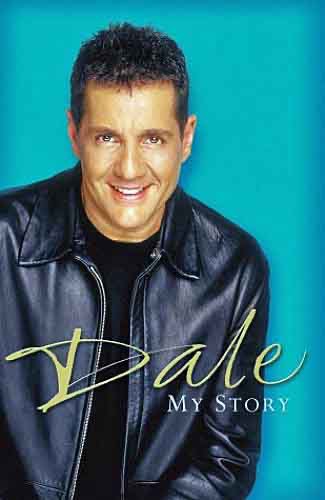
Victoria Wood is about to come on stage at the Royal Albert Hall, and I am in the box, hosted by her PR, Neil Reading, with a variety of celebrities, journalists, and media types. The lovely Dale Winton is chatting away to me—fabulously bronzed, styled to perfection, charming and witty. Everyone is excited about the show when suddenly the air changes.

RIP Dale Winton

“Oh God, no!” Dale shrieks, as if Maleficent herself had appeared to cast a spell over us. Some of the other guests look uncomfortable too. No—it is not Maleficent. It is Piers Morgan, then the youngest editor of the Daily Mirror. Dale does all he can to avoid him, but Piers makes a beeline, grinning from ear to ear. “How’s that bottom doing, Dale?” Dale’s tan deepens two shades. “Fine, Piers, thanks,” he replies, avoiding eye contact. The penny drops. The Daily Mirror had splashed that Dale had been paying for colonic irrigation treatments at a clinic in London’s trendy Beauchamp Place—the same clinic frequented by Princess Diana. Somehow, they had photos of him leaving.

If Dale had turned around and said, “Oh, just great! You should try it, Piers—wash some of that rubbish you write straight out of you!” I suspect both men might have laughed, and Piers might even have offered him a column. The scenario did make me chuckle. Piers was goading his subject like a provocateur returning to the scene of the crime. It was no big deal—but Dale was private, kind, and is still sadly missed.

The next “victim” was Anthea Turner, splashed across the tabloids during her very public relationship scandal involving Grant Bovey. Piers had that unmistakable school bully energy—unable to resist the poke. Yet here’s the paradox: he also wanted to be one of them, a celebrity himself.

Let’s be clear—Piers Morgan is a genius. Rupert Murdoch made him editor of the now-defunct News of the World at just 29. He has the rare ability to remain calm while provoking others—an ability that later defined his interviewing style. Sometimes uncomfortable, often gripping, always headline-making. And when he chooses, he can be kind.

At a wedding with Barbara Windsor and her husband Scott Mitchell, Piers joined our table. He was delightful, charming, engaging. Until a PR woman confronted him. Piers remained calm while she became increasingly furious, eventually storming off. He had that effect—controlled chaos.

Under his leadership, the Daily Mirror became more progressive on gay issues, especially compared to rival tabloids. He helped elevate voices like Sue Carroll, a fierce advocate for LGBTQ+ rights and a dear friend of mine. He also co-created the Pride of Britain Awards alongside Peter Willis. But let’s not kid ourselves—we still have a long way to go before tabloids are truly safe ground for the LGBTQ+ community.

After the Abu Ghraib scandal and other controversies, which he has always denied wrongdoing in, Piers was sacked. You might expect him to disappear. Instead, like a phoenix, he came back stronger. From television appearances to America’s Got Talent, from winning The Celebrity Apprentice under Donald Trump, to taking over Larry King’s CNN slot, he rebuilt himself as a global media personality.

And here’s the key point: on LGBTQ+ issues, Piers Morgan has consistently shown support. He has challenged so-called conversion therapy advocates on air, telling one, “Shut up, you bigot.” He has supported figures like India Willoughby and publicly backed trans rights in debates. There is simply no credible evidence that he is anti-gay.

Now critics call for him to be cancelled—over gender debates, over tone, over clashes with guests. But should he be fired? No. If we silence every voice we disagree with, we risk losing something vital: dialogue, understanding, and progress.

I want to hear opposing views—even uncomfortable ones. That is how we measure how far we still have to go. We have made huge progress. Ten years ago, LGBTQ+ role models speaking in schools would have been unthinkable. But progress requires conversation, not cancellation.

Yes, Piers gets it wrong, especially on mental health. I believe he owes Denise Welch an apology. But he also reflects a segment of public opinion we cannot ignore. We must challenge hatred, but not silence debate. Because if we push dissenting voices underground, we risk something worse: backlash.

So no, I do not agree with everything Piers Morgan says. But I would still want him on my side.

And one final thought: can someone explain the “100 genders” to me? Not out of defiance, but because I want to understand. Asking questions does not make someone a bigot—it makes them human.

END

Categories
Columns Culture Lifestyle People

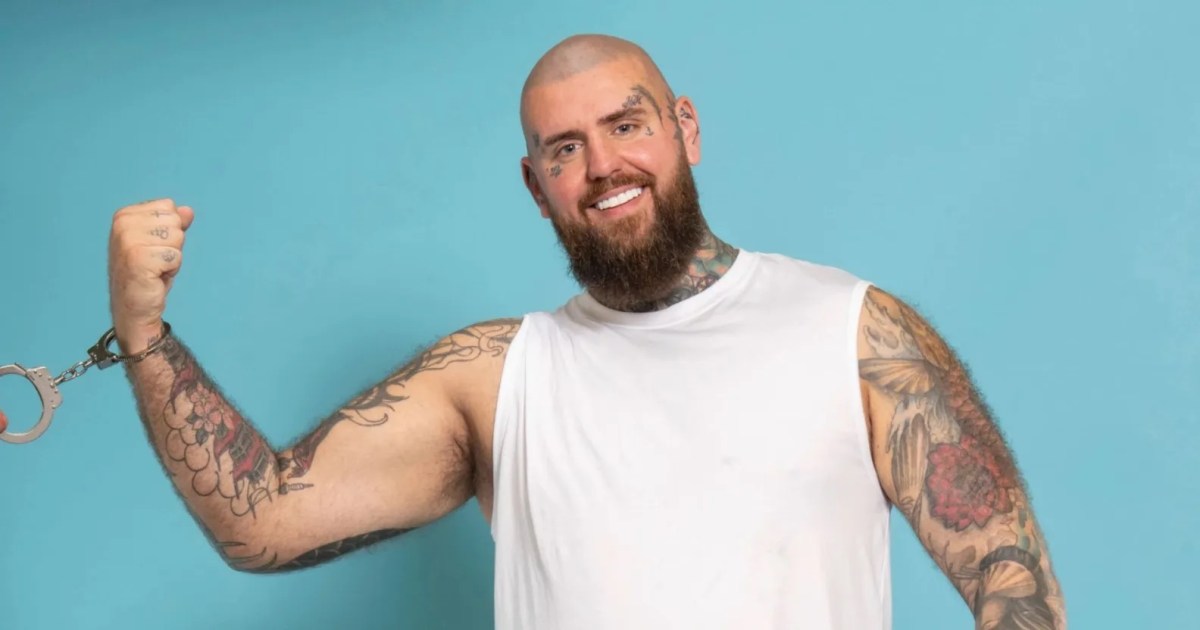
Big Rob The Gentle Giant who becomes the star of Last One Standing

Big Rob: The Gentle Giant Who Became the Heart of Last One Standing

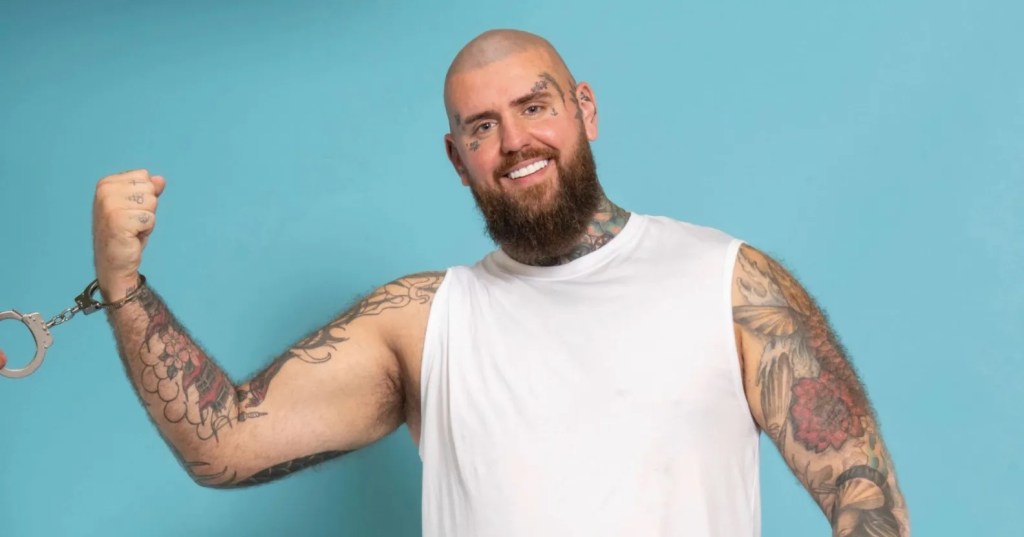
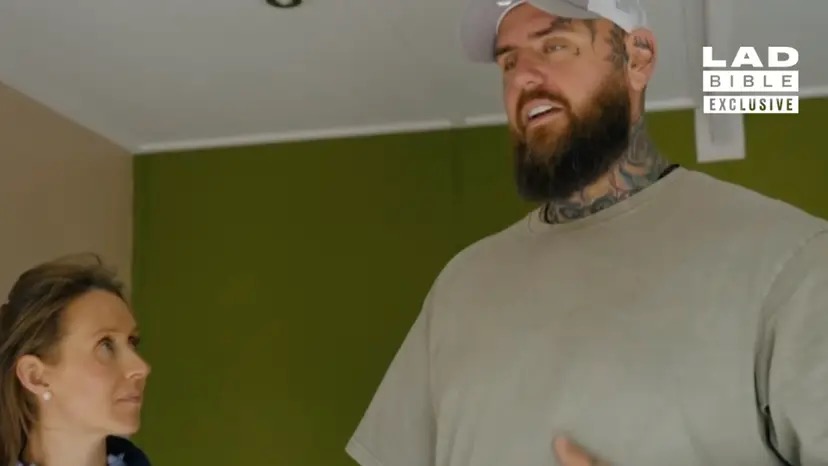
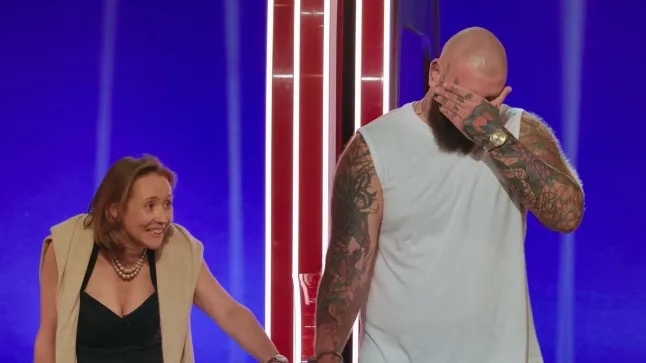
Big Rob becomes the gently sensitive giant who has emerged as the standout star of Last One Standing: Handcuffed.

Known to many through his work on OnlyFans and often described as a “gentle giant,” Rob has proven himself to be one of the most compelling and quietly powerful figures in the show. What makes his journey so impactful is not simply the contrast between his profession and the programme’s premise, but the dignity, patience, and emotional intelligence he has brought to every moment on screen. In doing so, he has not only represented himself with pride, but has also offered a refreshingly human portrayal of the LGBTQ+ community to a broad—and at times sceptical—audience.

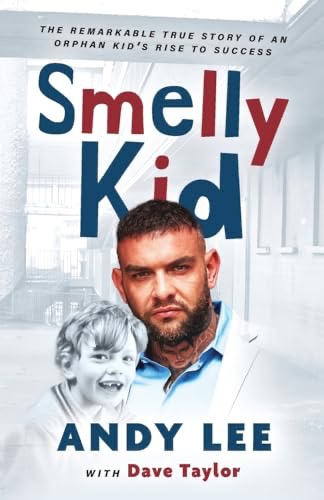
I am a huge supporter of Andy Lee and his gang of merry, mostly straight men. After all, for years straight men have ogled and slobbered over Playboy bunnies and the like, with very little chance of ever fulfilling those fantasies. So in equal measure, why shouldn’t someone be able to make a living from fulfilling the fantasies of others?

But what this show reminds us—powerfully—is that behind labels and professions, people are human. From the outset, pairing Rob with Charlie Gray—a self-described prude, traditional housewife, and devout Catholic—could have been a recipe for conflict or caricature. On paper, they represent two vastly different worlds. Yet what has unfolded is something far more nuanced and, at times, unexpectedly moving.

Rob has consistently approached Charlie with kindness, humour, and respect. He has never mocked her beliefs or discomfort, but instead has met her exactly where she is. That, in itself, is a powerful statement: difference does not have to lead to division.

Throughout the series, viewers have witnessed moments of tension, vulnerability, and even emotional breakdowns. These are not manufactured dramas, but genuine human reactions to an intense and unusual situation. In those moments, Rob has shown remarkable emotional resilience. He has remained grounded, often acting as the calmer presence, even when the situation could easily have pushed him into frustration. This ability to hold space for another person—especially someone so different from himself—speaks volumes about his character.

The now-infamous shower scene, while played for awkward humour, actually revealed something deeper. Rob’s willingness to simply be himself, without embarrassment or bravado, contrasted with Charlie’s visible anxiety. Her decision to wear a bright yellow blindfold—despite already facing away—was both comical and telling. Yet Rob did not exploit the moment. He handled it with sensitivity, allowing the humour to exist without making Charlie feel exposed or ridiculed. In that moment, he demonstrated respect not just for her boundaries, but for the wider audience watching.

Representation matters, and what Rob has brought to the screen is a version of LGBTQ+ identity that is layered, grounded, and relatable. Too often, individuals from the community—particularly those in the adult industry—are reduced to stereotypes or dismissed entirely. Rob challenges that narrative. He shows that someone can be part of that world and still be thoughtful, kind, emotionally aware, and worthy of respect. That balance is rarely shown on mainstream television, and it is precisely why his presence feels so important.

Moreover, his journey with Charlie subtly challenges preconceived ideas on both sides. For viewers who may share Charlie’s traditional views, Rob becomes a bridge—someone who defies expectation and invites empathy. For LGBTQ+ viewers, he offers representation that is unapologetic yet deeply human. He does not try to sanitise who he is, nor does he lean into stereotype; he simply exists as himself, and that authenticity resonates.

As the competition continues and the pair remain in the running, it is clear that Rob’s contribution goes far beyond entertainment. He has brought heart, humour, and humanity to the show. In doing so, Big Rob has not only done himself proud—he has represented the LGBTQ+ community with grace, strength, and quiet brilliance.

Rob is someone you would want on your side—and someone who absolutely belongs on our screens, just as he is with his boxers up .

https://www.channel4.com/programmes/handcuffed-last-pair-standing

Categories
Columns Health and Fitness Lifestyle People

“lets Hear it for the Boy “

“Let’s Hear It for the Boy”

When I am in the United States and someone overhears my British accent, at some point during the trip someone will inevitably say — when she was alive — “I just love your Queen.”

It is almost impossible for me not to reply, “Boy George, or the one in the palace?”

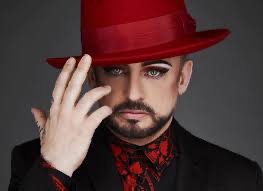
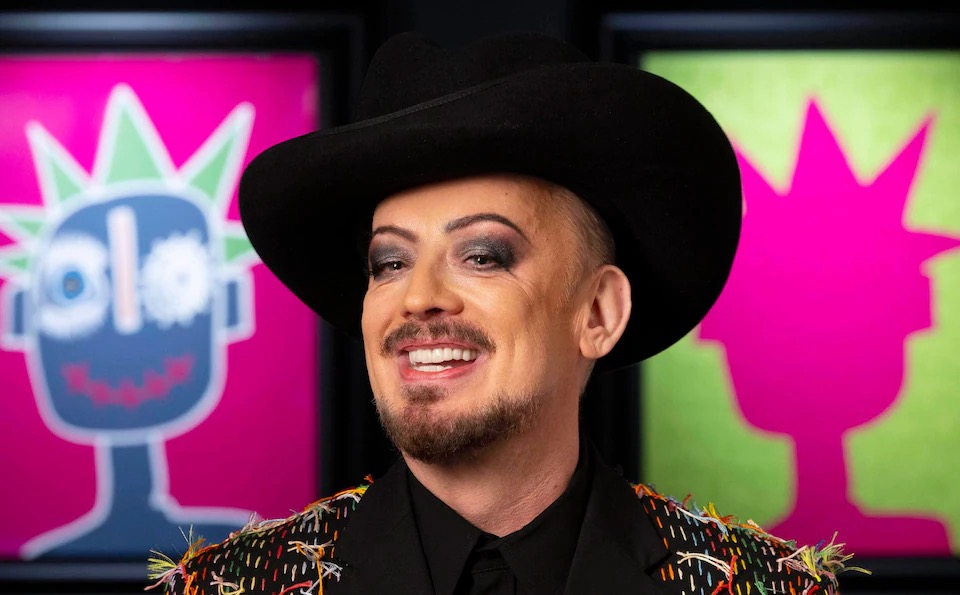
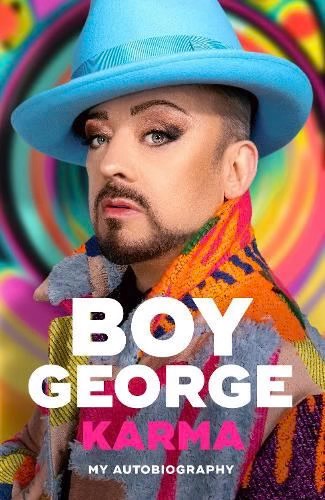
Arguably, Boy George has done more to promote British fashion, music and style around the world than many who have appeared on the Honours List. In many ways he has been a global ambassador for the United Kingdom.

More importantly, George made it possible for countless young LGBTQ people to see a beacon — a figure who said, unapologetically, do not be afraid to be yourself. His honesty about his struggles with addiction has also helped many others find the courage to seek help.

Boy George burst onto Top of the Pops in 1982 with Culture Club performing their first major hit, “Do You Really Want to Hurt Me.” Today there is scarcely anyone in the world who does not recognise the name Boy George.

Back then I was living in Brighton and was nineteen years old. My sister, who was sixteen and still at school in Surbiton, rang me in excitement. She had been a huge fan of Culture Club even before their television debut, and they were about to play in Brighton. Could she come down?

A couple of weeks later there I was, surrounded by girls chanting “George! George!” at what is now the Odeon cinema, waiting for him to step on stage. Even though Culture Club were not yet household names, the excitement in the room was electrifying. When Boy George finally appeared, the crowd went wild. In the end I resorted to putting my sister on my shoulders so she could get a better view.

George reminded me of someone who had earlier brought light into my life and given me hope. When I was just nine years old, Marc Bolan flashed onto Top of the Pops singing “Ride a White Swan.”

At the time I often felt painfully different. Bullying at school — and sometimes at home — left me wondering whether I wanted to be here at all. But Marc Bolan, along with David Bowie, gave many gay men of my generation hope. They told us, in their own way: it will be OK — keep going.

Years later I realised I had actually encountered Boy George and his entourage long before his rise to global fame. I was sixteen in a club called the Regency in Great Newport Street when Phillip Sallon cheekily pinched my bottom. I turned around to see these fabulously flamboyant figures — Sallon with a black-and-white walking stick — and I was utterly speechless.

Marilyn and George were more beautiful than most of the girls I knew. They were intimidating, to say the least. My friend whispered, “Blitz Kids.” I muttered barely two words and quickly moved away, but the moment left a lasting impression.

I would later see them again at the legendary Bangs gay night on Mondays at the Astoria club. Marilyn, with his incredible Monroe-style hair, stood out from a mile away.

Boy George’s first appearance on BBC Top of the Pops immediately made tabloid headlines. Words like androgynouswere thrown around, and newspapers asked the now infamous question: “Is it a boy or a girl?”

As always happens when something genuinely different appears, critics lined up to condemn it. “One-hit wonder,” they cried. “He’ll corrupt our children,” shouted others from the moral high ground of the Thatcher era.

My sister left that Brighton concert glowing with happiness — much like I had after my first T. Rex concert at Newcastle City Hall. One thing was certain: George was a star, and he was here to stay.

Even those in the know recognised it. Freddie Mercury once said in an interview that Boy George would be around for a very long time and was no flash in the pan. Madonna, despite their occasional differences, has cited him as an inspiration. And Lady Gaga has always been unabashedly mad about the boy.

Labels such as campdrag queen and trans were quickly attached to him — particularly within the gay community, which is not always shy about labelling its own. George himself addressed it with humour at the 1984 Grammys, declaring:

“Thank you, America — you know a good drag queen when you see one.”

The remark reportedly caused Culture Club’s popularity in parts of the American Bible Belt to dip sharply.

Personally, I never thought George was particularly camp — a word often used to describe effeminate entertainers such as John Inman, Larry Grayson or Kenneth Williams. It takes a real man to live authentically. Beneath the thick foundation and those famously highlighted blue eyes, the strength of a proud Irishman has always shone through.

Both my sister and I eventually spent time living in the United States, but when I returned to London I received an invitation to Boy George’s book launch for Take It Like a Man, written with Spencer Bright.

The party came with strict instructions from George himself: guests had to dress as something to do with school — or not bother turning up.

Daily Mail journalist Lester Middlehurst and I arrived dressed as school prefects, complete with blazers and badges. Spencer Bright appeared as a headmaster carrying a cane.

True to George’s word, several corporate bigwigs were turned away at the door for failing to dress up. Meanwhile George himself wandered around the room in disguise while his mother attended dressed as a dinner lady.

The next time I encountered him was in 1999 at LWT during An Audience with Diana Ross. Ross unexpectedly pulled George from the largely celebrity audience and invited him to sing. I had brought along my partner of eighteen years, Martin Annand, and we both agreed that George’s voice easily held its own alongside Miss Ross.

At the after-party George stood nearby chatting happily with anyone who approached him.

My next brush with him came in 2002 at the opening of Taboo at the Leicester Square Theatre. It was an extraordinary evening — Alan Cumming, Phillip Sallon and countless other personalities were there.

Taboo was not simply George’s life story; it was a tribute to a generation of performers who defined an era: Steve Strange, Leigh Bowery, Phillip Sallon, Marilyn — and of course Boy George himself.

The show was electric, the kind of night you never wanted to end. Marilyn was absent from the opening night, but during the speeches someone joked that she was probably hiding somewhere backstage in rollers and a headscarf.

The production closed in London in 2003 before transferring to New York. Judging by the number of young people around London today dressed in Bowery and Boy George-inspired outfits, perhaps it is time for a revival.

Like me, George is a Gemini — a star sign known for moving between extremes. Over the years Mr O’Dowd has been very open about his struggles with addiction. Under the guidance of DJ Fat Tony he began attending Narcotics Anonymous meetings and, by all accounts, happily volunteers to make the tea for fellow attendees.

George has spoken openly and honestly about his battles, helping others confront their own.

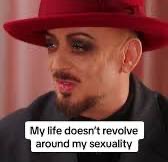
Listening to one of his recent interviews was not only enlightening but genuinely moving. It was refreshing to hear him say, “I don’t live in a gay bubble.”

It is something I often tell people myself — just because someone else is gay does not mean you instantly want to date them or start screaming, “Let’s be sisters!”

I hope George continues giving interviews like this. They will help many people.

Yes, George has been a naughty boy at times — but who among us hasn’t? What he has contributed to music, entertainment, fashion and LGBTQ visibility is extraordinary.

Which raises the question:

Perhaps it is finally time we started calling him Sir George — or at the very least awarding him an OBE.

Categories
Columns

In memory of the Queen of Punk .

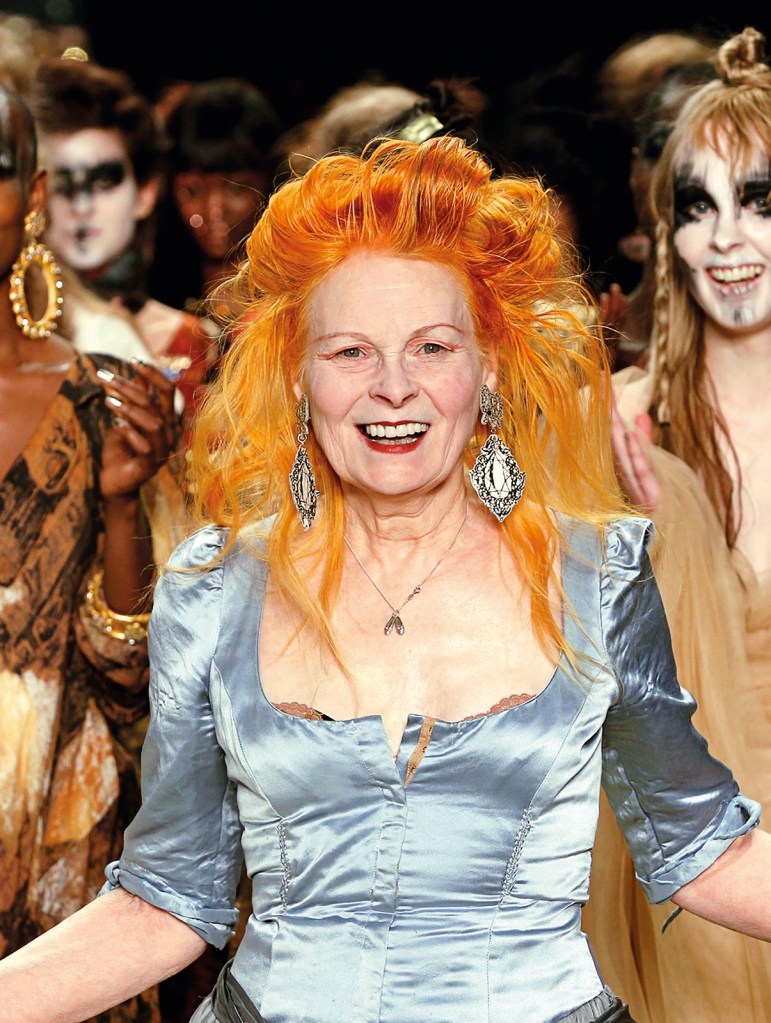
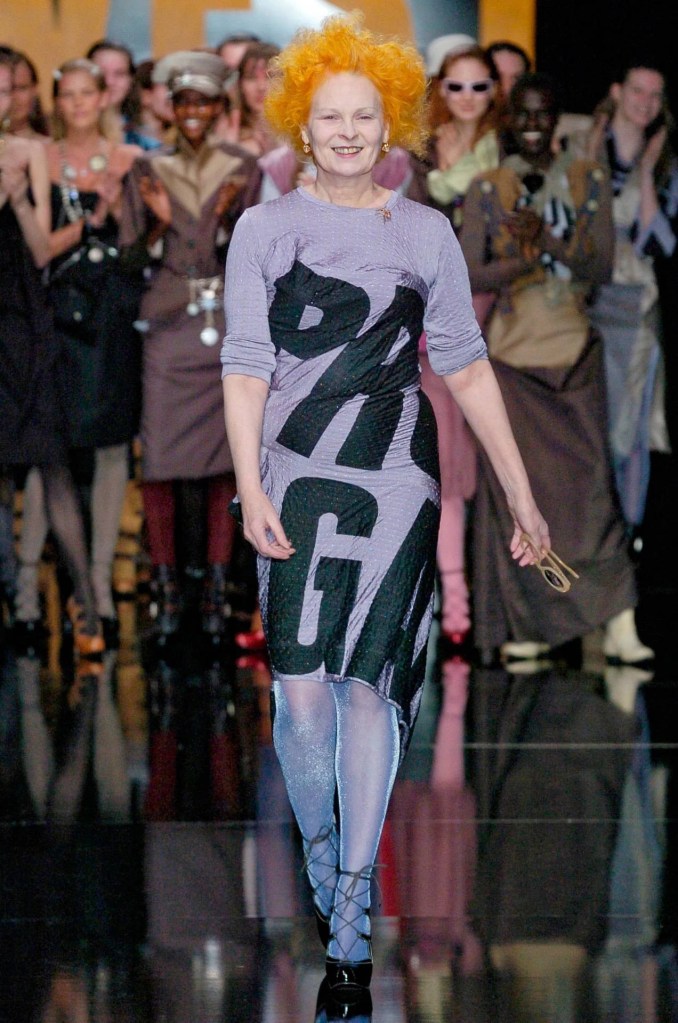
“God Save the Queen of Fashion: Vivienne Westwood”

Back in London after several years in Los Angeles, my dear friend, the late journalist Lester Middlehurst, could not wait to take me out on the London party scene. It was all a little overwhelming on our first outing — the launch of Naomi Campbell’s first album.

As we pushed through the excitable crowd onto the red carpet, Lester whispered, “You’re not actually invited. I only have one invite — we’ll just blag you in.” In true Lester style, blag me in he did, leaving my face as red as the carpet and my hands shaking. Blagging is not my forte, and I stood there clutching my glass of champagne, feeling far less confident than I looked.

It felt like I was the only person among the assembled celebrity guests I had never heard of.

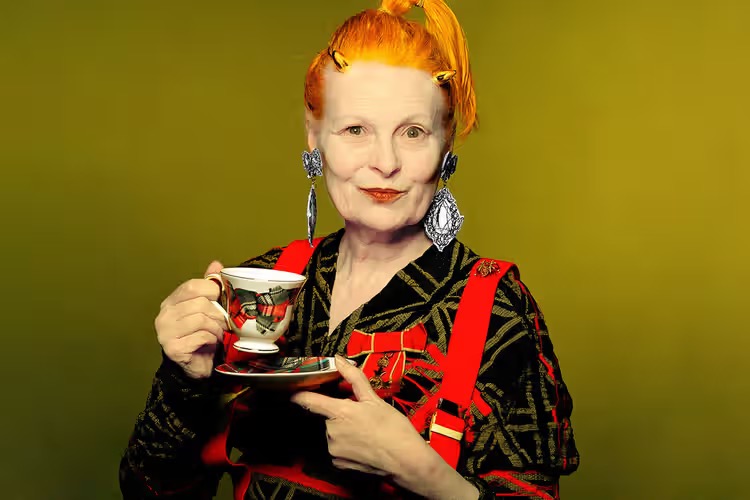
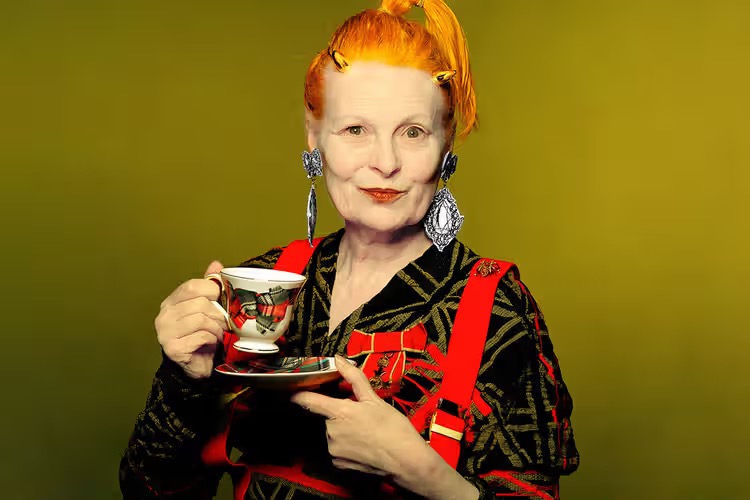
My nerves were soon eased when a lovely woman with a soft Yorkshire accent asked, “How are you tonight? You look great.” It was none other than the wonderful and grounded Vivienne Westwood.

Unlike many of the politely named “meerkats” I encountered over the years — people constantly looking over your shoulder to see if someone more important had arrived — Vivienne was genuinely interested. When I told her I’d owned a pair of her bondage trousers at just seventeen, she laughed and listened. Several people tried to interrupt us, and she politely told them she was talking to me.

That first London social event is one I will never forget, thanks to Vivienne.

With her down-to-earth, no-nonsense charm, she didn’t just change fashion — she changed how we saw designers. Outrageous, camp, fun, and fearless, she was arguably the woman we all wished could be our friend.

In my teens, I once took my mum for a treat day out to King’s Road when I was sixteen. We sat opposite the famous shop Sex, run by Vivienne and Malcolm McLaren. My mum was not ready for the vibe. Spotting what she thought was a giant tampon in the window, she let out a small scream — and that was the end of our day out.

Whether telling Kate Moss that she’d fancy her if she were gay, challenging older generations with “We don’t accept your values,” promoting the Green Party, stripping for PETA, or mocking then–Prime Minister Margaret Thatcher on the cover of Tatler, Vivienne was never afraid to stand on the front line.

Her origins lay in slogan T-shirts. With Malcolm, she designed provocative clothing that led to prosecution under the 1959 Obscene Publications Act. They responded by rebranding the shop, and later opening Seditionaries. Around the same time, the Sex Pistols — managed by Malcolm — released God Save the Queen, a chart-topper banned by the BBC.

Punk was born, and Vivienne led it.

Long before “fifty shades” became fashionable, she brought taboo, fetish, and fantasy into mainstream culture. She inspired artists like Madonna and helped people express themselves boldly through clothing.

Despite her anti-establishment views, she became one of the world’s top designers. She won Fashion Designer of the Year in 1990 and 1991 from the British Fashion Council. She received an OBE from Queen Elizabeth II in 1992 and was made a Dame in 2006.

In 1992, she introduced wedding gowns into her collections. One of her designs famously appeared in Sex and the City, when Mr Big gifts Carrie her dress.

It shocked many when her death was announced in December 2022 — and that this ageless woman was 81. She passed away peacefully, surrounded by family, in Clapham, South London.

Many people enter this world hoping to leave their mark. The soft-spoken Yorkshire girl left her mark on everyone she met — and an indelible stamp on global fashion.

God save the Queen of Fashion.

Categories
Columns People

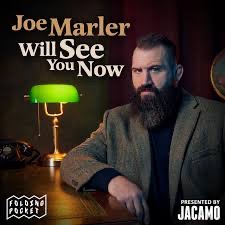
Joe Marler Will See You Now: The Talk Show Everyone Will Want to Be On

https://www.youtube.com/@WillSeeYouNowShow

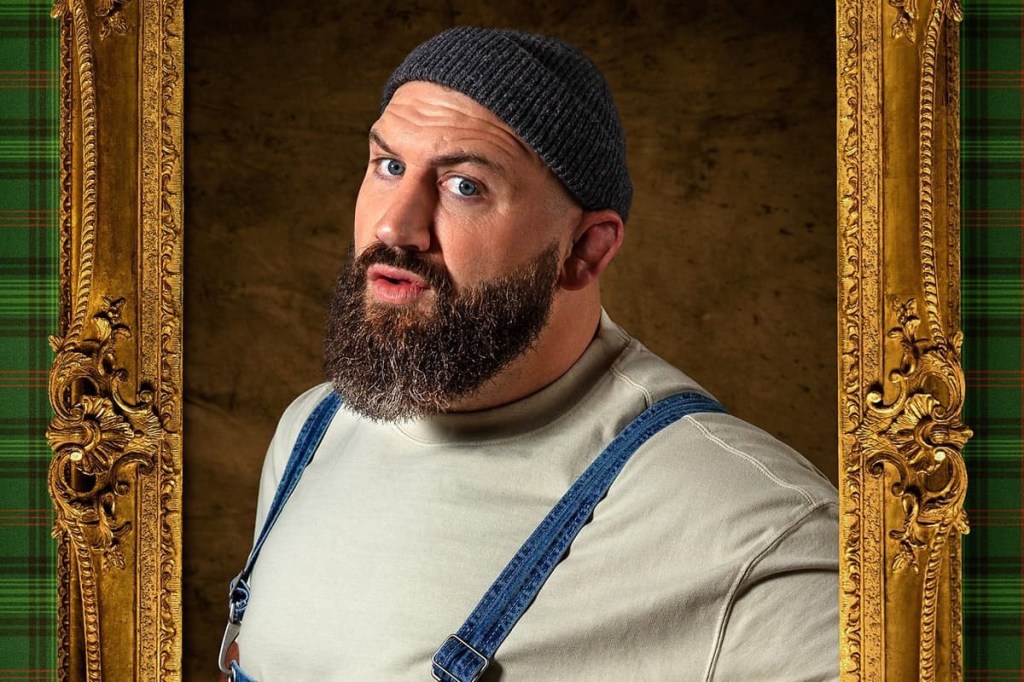
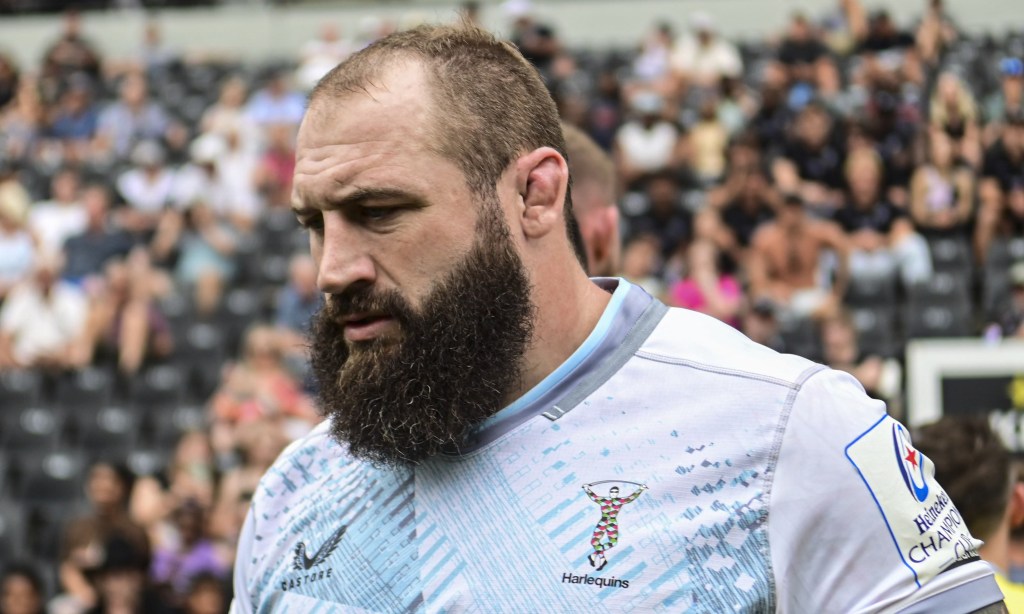
In the ever-evolving landscape of British entertainment, certain personalities burst onto the scene with such warmth and authenticity that audiences instantly connect with them. One such figure is Joe Marler, whose transition from sporting hero to television favourite has been nothing short of remarkable. From rugby pitches to reality TV, and now into the world of podcasting, Marler has carved out a unique space — and his talk show, Will See You Now, is fast becoming one of the most talked-about formats in modern media.

For many viewers, Joe truly captured hearts during his appearance on The Traitors. By the end of the series, it was almost impossible not to develop something akin to a “man crush” on him. He emerged as everyone’s favourite dad, big brother, and loyal mate rolled into one — approachable, funny, and refreshingly honest.

What made Joe stand out was not just his gameplay, but his no-nonsense approach to life. He didn’t pretend to be someone he wasn’t. His humour was natural, his reactions genuine, and his emotional intelligence quietly impressive. In a show built on deception and suspicion, Joe’s openness felt like a breath of fresh air.

When the dramatic finale arrived and Joe was eliminated just short of victory, many viewers felt he had been unfairly “robbed.” Social media lit up with disappointment, with fans lamenting the loss of one of the show’s most likeable contestants. Yet, in typical Joe fashion, he handled defeat with grace and good humour — proving once again why audiences admired him so deeply.

Thankfully, The Traitors was far from the end of Joe’s television journey. Instead, it marked the beginning of something even more personal: his own talk show and podcast, Joe Marler Will See You Now.

Available on YouTube and podcast platforms, the show takes an unconventional and delightfully playful approach to interviews. Set up as a kind of “clinic,” Joe positions himself — tongue firmly in cheek — as an unqualified therapist, ready to examine the minds, stories, and quirks of his guests. the “Clinic”: Joe is joined by his faithful assistant, Jake, as they host sessions featuring awkward small talk and probing questions.With Janet coordinating who we never see. 

But make no mistake: behind the humour lies genuine insight. Joe has an uncanny ability to make people feel relaxed, safe, and willing to open up. He doesn’t interrogate; he converses. He listens. He reacts. And in doing so, he creates moments of real connection that traditional interview formats often fail to capture.

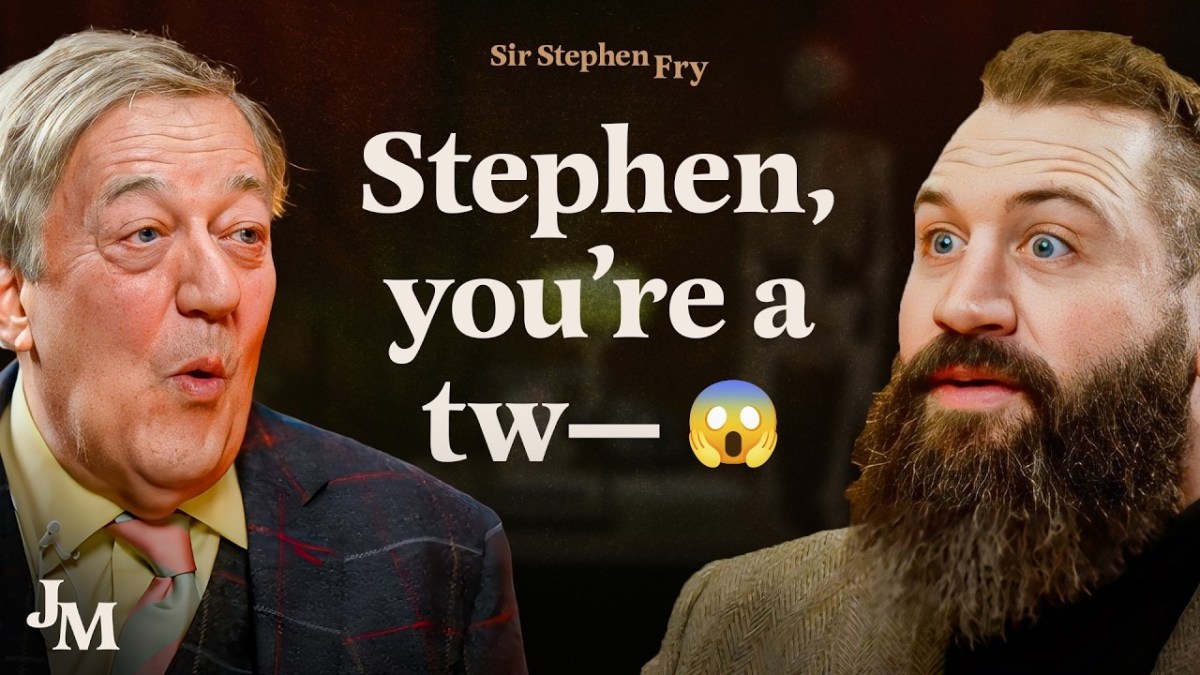
One of the most celebrated episodes to date features Stephen Fry, a guest whose presence alone elevates any conversation. In this standout instalment, viewers are treated to a rare blend of wit, wisdom, and vulnerability. Hillarous moment when he pretends to be Joe and message the Traitors whatsapp group as him asking if he should  open and “Only fans page “ 

Johnathan Ross replys sure and do forget to include a free microscope for members. Others were more encouraging

The episode sees Fry reflecting on creativity, mental health, fame, and identity, while Joe responds not as a distant host but as an engaged, curious human being. Their chemistry is effortless — at times deeply moving, at others laugh-out-loud funny. It is a masterclass in how thoughtful conversation can still thrive in the digital age.

For many fans, the Stephen Fry episode confirmed that Will See You Now is more than just a celebrity chat show. It is a space for meaningful dialogue — where humour and heart sit side by side.

Other episodes have featured comedians, athletes, entertainers, and public figures, each bringing their own stories and struggles to the table. Whether discussing career highs, personal setbacks, or unexpected life lessons, Joe guides every conversation with empathy and authenticity.

What makes the show truly compelling is Joe himself. He never hides behind a polished persona. He is honest about his own doubts, his mistakes, and his journey. That openness invites guests — and viewers — to be open too.

In an age where many celebrity interviews feel rehearsed and formulaic, Will See You Now feels refreshingly real. It’s unpredictable, warm, occasionally chaotic, and always engaging. You never quite know where the conversation will go — and that’s exactly the point.

Joe Marler’s evolution from rugby star to beloved broadcaster has been organic and heartfelt. He hasn’t chased fame; he’s simply followed curiosity and stayed true to himself. And audiences have followed willingly.

With standout episodes like the one featuring Stephen Fry, and a growing list of fascinating guests, Joe Marler Will See You Now is quickly establishing itself as a must-watch series. It’s the talk show everyone wants to be on — and increasingly, one everyone wants to watch.

In a world hungry for authenticity, Joe Marler is delivering it, one conversation at a time. Lets have it a main stream show as it is funny orginal and what we need right now . 

https://www.youtube.com/@WillSeeYouNowShow