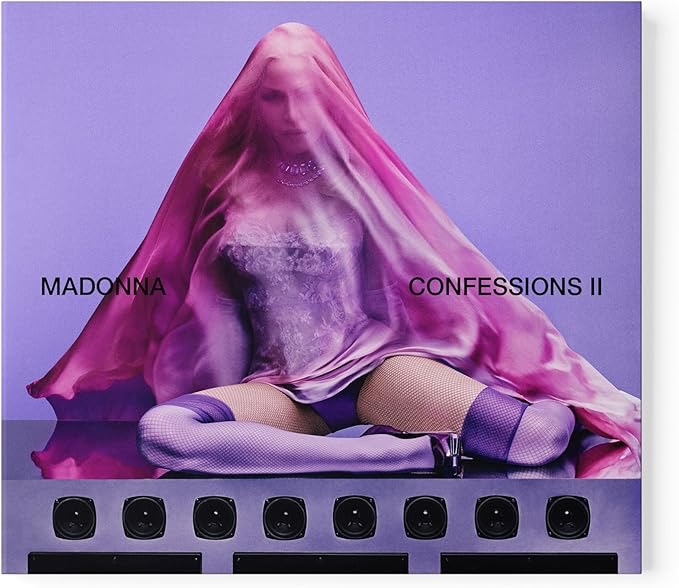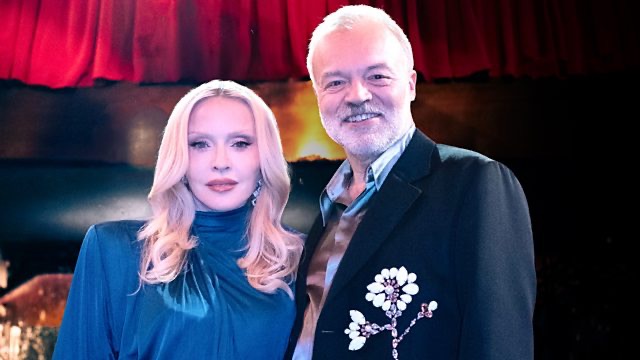
IT’S JUST LIKE A PRAYER FOR MADONNA FANS … BUT GRAHAM NORTON DOESN’T TAKE YOU THERE
By Steven Smith
There are few chat show hosts in the world who can match Graham Norton when it comes to creating entertaining television. For well over a decade, The Graham Norton Show has been essential viewing, bringing together Hollywood royalty, music legends, comedians and sporting icons on one famous sofa. His effortless charm, quick wit and ability to make even the biggest stars relax have earned him a loyal audience and countless awards.
The format is brilliantly simple. Big personalities gather together, stories are exchanged, laughter follows, and viewers feel like they’re eavesdropping on an exclusive dinner party. It works because Norton never tries to dominate the conversation. Instead, he gently nudges it along, allowing his guests to bounce naturally off one another.
However, there is one important distinction.
Norton is a superb chat show host.
He is not an in-depth interviewer.
Unlike Oprah Winfrey, Louis Theroux or the late Sir Michael Parkinson, Graham rarely pushes beyond entertaining anecdotes and witty conversation. He seldom asks the difficult follow-up questions or explores the emotional experiences that have shaped the people sitting opposite him.
Unfortunately, that weakness became painfully obvious in what the BBC heavily promoted as one of television’s biggest interviews of the year: Graham Meets Madonna.
The Interview That Never Quite Begins
As a lifelong Madonna fan, I couldn’t wait to watch it.
Madonna remains one of the most fascinating figures in popular culture. Over four decades she has reinvented herself more successfully than perhaps any artist in history. Behind the global superstar lies an intensely private woman who has experienced extraordinary success, devastating personal loss, family conflict and relentless public scrutiny.
Surely this was the opportunity to finally meet the woman behind the icon.
Sadly, it wasn’t.
The programme opens with Graham Norton sitting in the back of a classic London taxi.
“I always get nervous when meeting Madonna,” he admits.
It’s an honest opening, but it also establishes the tone. Rather than appearing like an experienced broadcaster preparing to interview one of the world’s biggest stars, Norton almost feels like a fan about to meet his hero.
From the outset, it becomes clear that either the production team—or perhaps Madonna’s own management—have tried far too hard to make this landmark interview feel different.
Instead of simply sitting two intelligent people down for an honest conversation, viewers are taken through a series of carefully staged moments that never quite work.
One particularly awkward sequence sees Graham climbing to the top of an empty theatre before dramatically looking down onto the stage, where Madonna slowly emerges under the spotlight like an apparition. He then races down the stairs to greet her with all the excitement of a teenager meeting their idol.
Rather than feeling cinematic, it simply feels forced.
Where’s the Real Madonna?
Madonna has always been something of an enigma. Friends and collaborators frequently describe her as warm, witty and possessing a wonderfully dry sense of humour, yet that side of her rarely appears during television interviews.
This was Graham Norton’s golden opportunity.
Instead of discussing costumes, boots and backstage stories, he could have explored the remarkable woman behind one of music’s greatest careers.
Instead, the opening conversation drifts aimlessly.
In fact, Madonna often asks Graham more questions than he asks her.
They wander around the theatre chatting about boots, stolen clothes from Coachella and nostalgic memories, almost like two dinner guests waiting for their table to become available.
You keep expecting the interview to begin.
It never really does.
At times, Madonna herself appears visibly bored.
Stuart Price Steals the Show
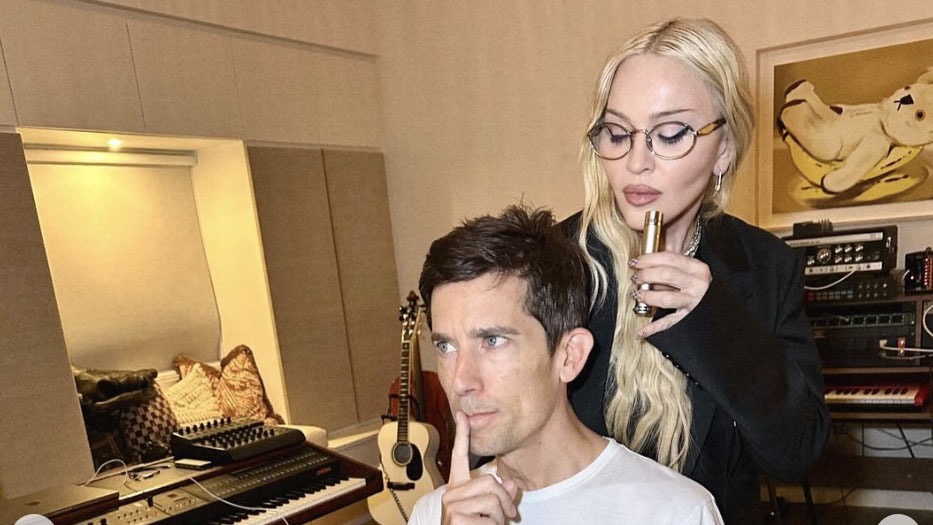
Thankfully, the programme briefly comes alive when Graham and Madonna head upstairs to meet legendary producer Stuart Price, the creative force behind Confessions on a Dance Floor and Madonna’s latest musical project.
Ironically, this becomes the documentary’s strongest section.
Price discusses Madonna’s perfectionism, her musical instincts and her relentless pursuit of excellence. As he plays tracks from the forthcoming album, viewers are finally given a genuine glimpse into how one of the world’s greatest pop stars creates her music.
It’s fascinating television.
In truth, Stuart Price provides more insight into Madonna in ten minutes than Graham Norton manages throughout the rest of the programme.
Still Waiting for the Questions
One exchange perfectly captures the imbalance between interviewer and interviewee.
“Why do you have to know everything?” Madonna jokes.
It’s a line that amusingly echoes Julie Walters’ famous quip on The Graham Norton Show: “Leave me alone!”
Norton laughs before replying,
“It’s a chat show.”
Except, with Madonna, it never quite becomes one.
Instead of taking control, asking meaningful follow-up questions or steering the conversation into more revealing territory, Graham remains slightly starstruck throughout.
The next stop is a bar.

By this stage, the audience probably deserves a drink too.
Waiting behind the bar is another surprise guest—Kylie Minogue.
For many LGBTQ+ viewers, seeing Kylie and Madonna together is genuinely enjoyable. Graham excitedly declares, “I’m in gay heaven!”
It should be one of the funniest moments in the programme.
Instead, it feels heavily rehearsed.
The chemistry simply isn’t there.
A Missed Opportunity
Perhaps the most telling moment comes when Madonna looks directly at Graham and asks:
“When are you going to start asking me questions?”
“I have been,” Graham replies while swapping drinks with her.
The problem is…
He really hasn’t.
Most of the questions remain stubbornly on the surface.
There are countless fascinating areas of Madonna’s life that receive little or no attention: her battles with ageism, motherhood, spirituality, surviving four decades in an industry that constantly writes women off after forty, and the loneliness that often accompanies global fame.
Instead of meaningful exploration, viewers are offered snippets rather than substance.
One particularly frustrating moment briefly touches upon the death of Madonna’s younger brother, Christopher Ciccone. For a split second, it feels as though the documentary is finally about to reveal something deeply personal.
Then the moment disappears almost as quickly as it arrived.
Whether that decision came from Madonna herself or her management, we’ll probably never know.
Either way, it leaves viewers wanting much more.
The Verdict
Of course, it’s impossible to ignore the programme’s real purpose.
This is ultimately a promotional vehicle for Madonna’s new music.
There are some genuinely wonderful archive photographs from her early days performing at New York’s legendary Danceteria nightclub, reminding viewers just how extraordinary her journey has been.
Visually, Madonna looks fantastic—confident, elegant and entirely comfortable in her own skin. She remains every inch the cultural icon she has always been.
Which makes it even more disappointing that the programme never truly matches its subject.
Rather than trying so hard to create quirky television through staged walks, surprise guests and theatrical entrances, a simple sit-down interview may well have produced something far more memorable.
Sometimes, less really is more.
Madonna has given exceptional interviews before. Her legendary conversation with Ruby Wax in Paris remains one of the finest celebrity interviews ever recorded because Wax wasn’t afraid to challenge her while allowing humour and vulnerability to emerge naturally.
More recently, her thoughtful discussion with Jay Shetty revealed another side of Madonna—reflective, intelligent and surprisingly open. It proved that, when asked the right questions, she is still willing to reveal the woman behind the myth.
Sadly, Graham Meets Madonna never reaches those heights.
That’s not because Madonna isn’t interesting.
Far from it.
It’s because Graham Norton never quite takes us where we wanted to go.
For fans, there is still enough to enjoy. Seeing Madonna revisit her past, hearing Stuart Price discuss her music and watching two entertainment giants share the screen certainly has its appeal.
But what could have been the definitive Madonna interview ultimately settles for pleasant conversation.
Like one of Madonna’s greatest songs, it promises revelation.
Unlike Like a Prayer, however, it never quite takes you there.
https://www.bbc.co.uk/programmes/m002y4g5