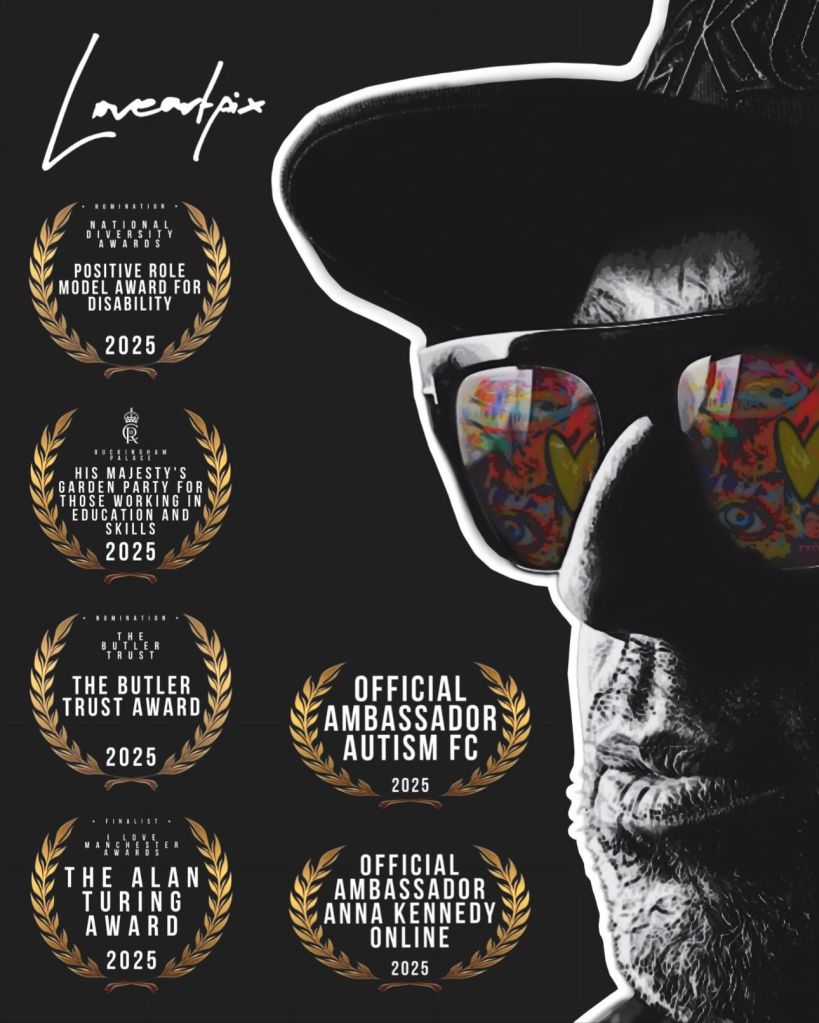
By Guest Writer Manchester based award winning artist and my friend Loveartpix.
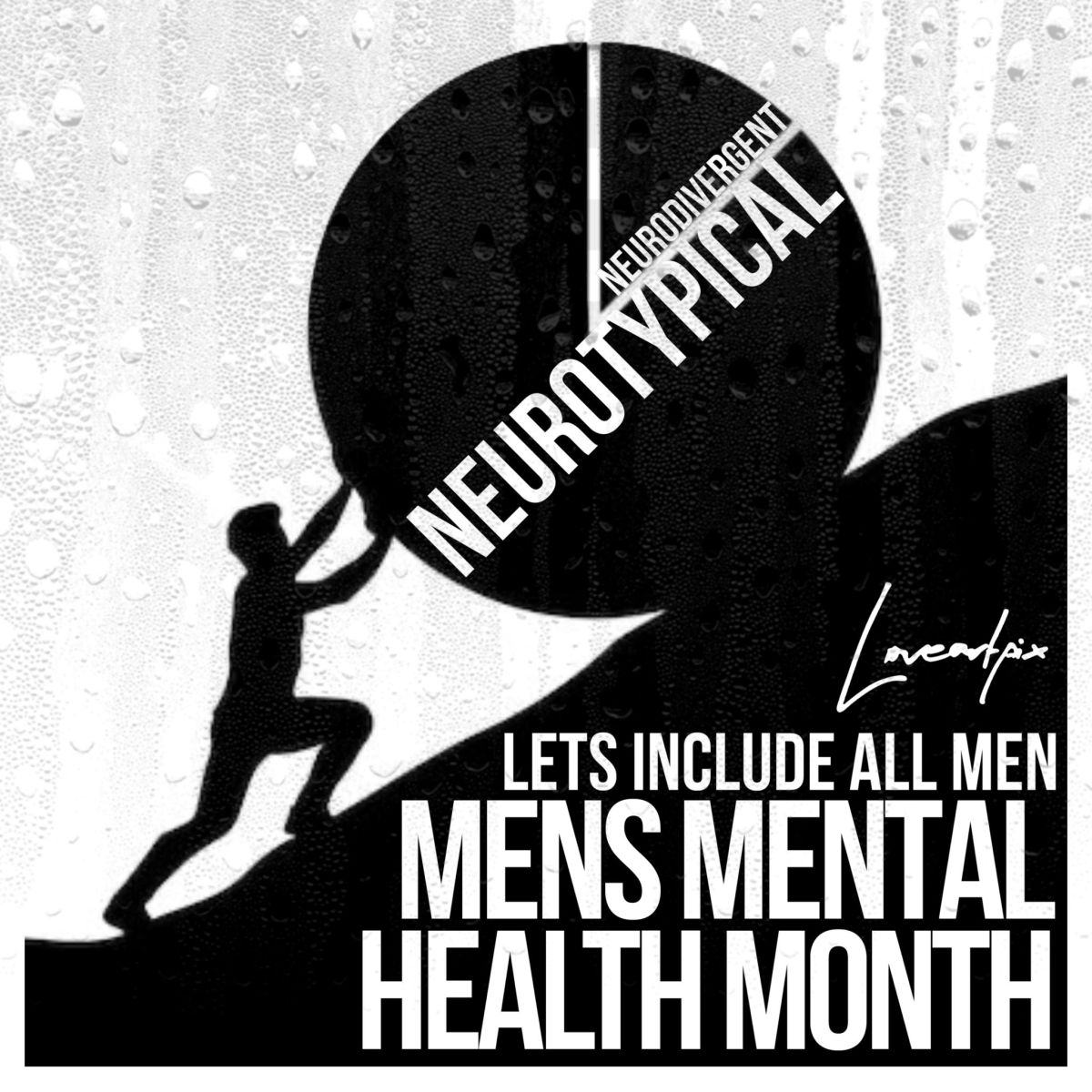
November is Men’s Mental Health Month, and as usual, I want to move beyond the usual catchphrases like ‘Talking Helps‘ as it’s far more complex than that. The question I keep returning to (because it’s personal) is this: does our generic, neurotypical framing of “men’s mental health “leave too many men like me behind?
Campaigns, days, and months do matter – they reduce stigma by getting the much needed conversations going and remind us to check in on friends. But what is their impact if suicide rates are still just as high, and some of the men at greatest risk (neurodivergent men) are largely left out of the conversation?
We rarely say this plainly: autistic people face a much higher risk of suicide than non‑autistic people. A large Swedish population study found that autistic adults, especially those without intellectual disability, were around nine times more likely to die by suicide than their non‑autistic peers (Hirvikoski et al., 2016).
Autistic adults without intellectual disabilities are, on average, more likely than non‑autistic peers to experience mental health conditions such as anxiety and depression. Factors that contribute include chronic camouflaging/masking, sensory overload, social mismatch and stigma, late or missed diagnosis, and barriers to tailored support.
In clinical samples, the picture is even starker: two‑thirds of autistic adults report lifetime suicidal ideation, and about one‑third report suicide plans or attempts (Cassidy et al., 2014). If the risk is this high, why isn’t this part of the headline of our November conversations?
And what about the many who are undiagnosed – men whose autistic traits are missed or misread due to lack of awareness? How many die by suicide after years of the wrong treatment, the wrong framework, or a string of mental‑health labels that never addressed neurodivergent needs in the first place? We don’t track this well enough to know – this, for me, is very worrying.
I’m not speaking in theory. For more than two decades, I repeated the same words over and over, and the responses I received didn’t fit their box – so it was a continuous battle creating more mental health issues.
“Look Dez, you’ve taken every combination of medication we can offer you. What else do you want us to do?” – words you don’t want to hear from the psychiatrist in charge of your mental health and well being!
Even after my diagnosis, I’m basically begging for support in any way possible, but they still don’t have an answer. Right now, no services are willing to accept my case. That isn’t a lack of “talking.”It’s a system that doesn’t understand or accommodate neurodivergent needs.
“Talk to someone.” “Pick up the phone.” “Open up.” These messages are well‑meant—and sometimes they help. But they assume a neurotypical nervous system. When distress is driven by sensory overload, alexithymia (difficulty identifying and describing feelings), shutdown, or the aftermath of masking, being asked to “speak up” on a phone call, or in fluorescent‑lit rooms, with vague questions, can be not only ineffective but also actively dysregulating and even traumatic.
Personally, I often communicate better in text when I go into meltdown (and after), I need time to process, and rely on concrete, direct language and clear communication. Standard CBT delivered at a pace, full of metaphors and homework that assumes neurotypical cognition, doesn’t work unless it’s really adapted. Yet adapted therapy is patchy across the UK, and post‑diagnostic support for adults remains weak at best – if it exists at all! I’ve learned this the hard way: I’ve been “talking” for years. What’s missing isn’t the willingness to speak – it’s services that listen but don’t know how to respond to neurodivergent communication without pathologising it.
Diagnostic waiting lists have exploded. There are now well over one hundred thousand people in England awaiting autism assessments, with many waiting far longer than the 13‑week standard – often 12–24 months or more. Adult ADHD pathways are similarly overloaded. Late diagnosis isn’t just an administrative delay; it can mean decades of inappropriate treatment plans, missed adjustments at school and work, and a build‑up of trauma from being told to “try harder” in systems not built for your brain. Each missed or delayed diagnosis is a missed opportunity for prevention – especially when we know suicidality is elevated in autistic populations.
89% of autistic adults in the UK aged 40-59 are undiagnosed – Kings College London (2025)
This is why the generic approach to “men’s mental health” feels inadequate to me. Awareness months aren’t wrong – they are just incomplete. We can’t keep telling men to “open up” while offering only neurotypical doorways.
Here’s a truth I wish we’d say out loud: it’s a huge barrier when men are already “talking,” but the system still can’t understand what they’re saying. I’ve used the same words for more than twenty years. The approaches offered back haven’t matched my needs – and I am not a unique case! Even after my diagnosis, when I articulate my needs clearly, services have no adapted pathway, no training, or no remit that fits. At this moment, I’m not being accepted by any service. That isn’t impartial; it’s exclusion by design.
Neurodiversity, complex trauma, and racialised stress each demand deep, specific knowledge. Very few clinicians are experts across all three. That’s not a criticism of individuals; it’s a system‑design problem. Our pathways remain separated: autism/adhd/dyslexia over here, trauma/cptsd over there, “men’s mental health” somewhere in a campaign toolkit. Meanwhile, men sit on waiting lists, collecting labels, and learn to mask harder. Many still struggle to speak openly – especially when their experiences don’t match neat, neurotypical scripts of sadness, worry, and recovery.
Campaigns must reflect the facts: men are not all the same, and neither are their minds – neurotypical and neurodivergent.Put neurodivergent men on the list and on the panels. Highlight that autistic burnout is not laziness; that ADHD‑related rejection sensitivity can look like despair; that shutdowns and meltdowns are not misbehaviour. And tell men this clearly: if standard tools haven’t worked, maybe it’s the tool and not you!
And let’s make the suicide data visible, not buried in academic journals. If autistic men face a dramatically higher risk, surely that belongs on the first slide, the first poster, and the first funding line?
We should admit where the evidence base is thin and choose humility. Research is (hopefully) accelerating, but we’re years from fully understanding these intersections. Until then, ‘specialists’ need to listen more to lived experience – with an open mind, and not through the generalised, stereotypical lens that turns nuance into “non‑compliance.” Ask what helps. Believe the answers. Adapt!
None of this diminishes the value of awareness months; it actually refocuses them. If we want November’s messages to be more than posters and hashtags, we have to build services that fit all men, not the imaginary neurotypical everyman. The stakes are life and death. A system designed around the most complex needs will serve everyone better.
‘I have personally reached out to some well-known men’s mental health services and asked how they handle neurodivergent individuals, and I have been met with half-hearted replies and almost snubbed to my face’ – an all too common response in my experience.
Acceptance has been central to how I navigate life now – there isn’t any help out there at the moment, as the research simply isn’t there. Acceptance hasn’t removed the struggle, but it has reframed it for me. I have been ‘speaking up’ for years. I don’t need another generic neurotypical catchphrase. I need services that recognise what I’m saying – and are ready and able to respond with understanding, compassion and a willingness to make reasonable adjustments.
Sources for the statistics mentioned:
– Hirvikoski, T. et al. (2016). Premature mortality in autism spectrum disorder. A population‑based study in Sweden. Findings include markedly elevated suicide mortality, especially among autistic adults without intellectual disability.
– Cassidy, S. et al. (2014). Suicidal ideation and suicide plans or attempts in adults with Asperger’s syndrome attending a specialist clinic. Reports 66% lifetime suicidal ideation and 35% plans/attempts.
“For people on the autism spectrum, art is a powerful medium that encourages self-expression.”
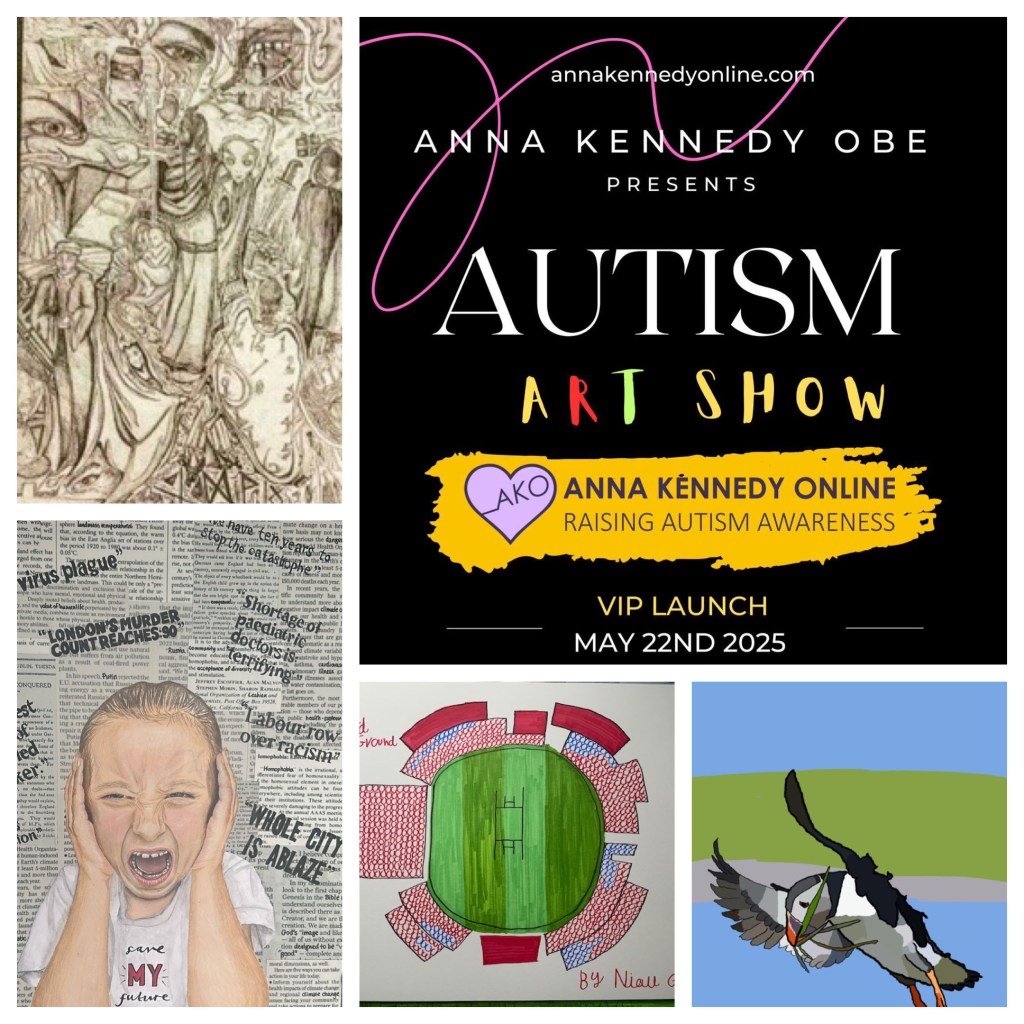
Anna Kennedy Online, in collaboration with the Firepit Art Gallery , is proud to present the first-ever “Autism & Art Show. “This exciting event showcases incredible artwork from autistic artists and their allies, with all profits supporting the charity Anna Kennedy Online. Art is more than just a passion—it serves as a therapeutic outlet, offering solace and joy to many individuals on the autism spectrum. With great enthusiasm, Anna Kennedy OBE, charity patron Steven Smith, and Firepit Art Gallery founder Markus Jake invite you to celebrate and support these talented artists. Ar) Event Location: Firepit Art Gallery CIC Firepit Gallery No.2, Upper Riverside, 10 Cutter Ln, Ground Floor Unit, Greenwich Peninsula London SE10 0XX Learn More & Support the Charity
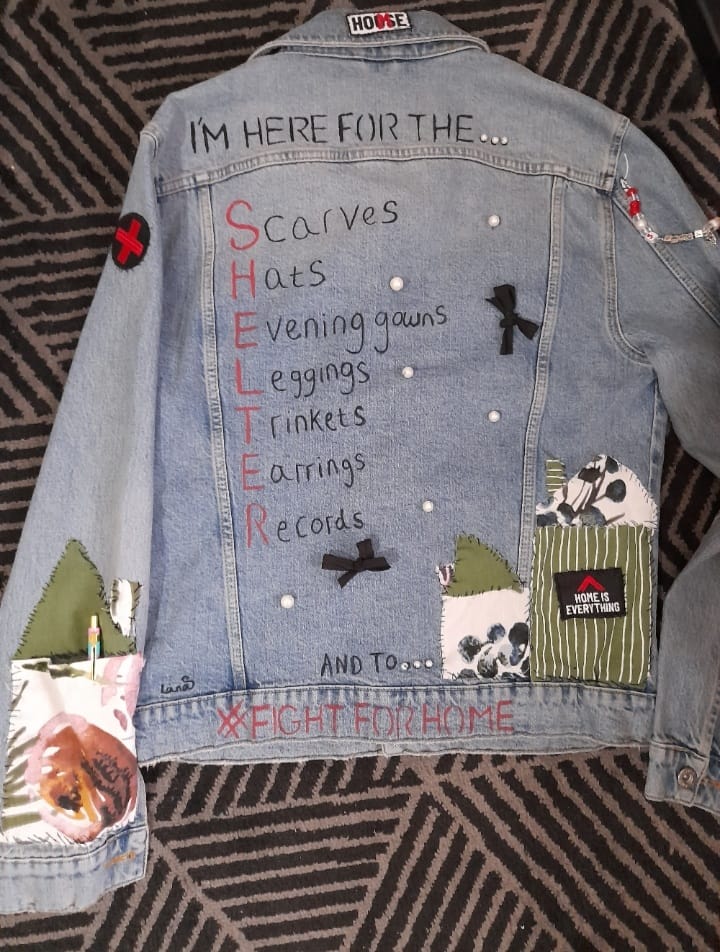
jacket not for sale Aladdin Sane £200.
The Autism & Art Show — 22nd May 2025
Join us for a celebration of creativity, resilience, and neurodiverse voices at The Autism & Art Show, showcasing a rich tapestry of work by autistic artists from across the UK. Each participant brings a unique story and style, making this event a powerful tribute to the talents of individuals on the spectrum.
Featured Artists
Angelo Kennedy
Angelo, 32, is autistic and lives with significant sensory processing disorder. On display is a vibrant painting of sunflowers he created at just 10 years old. Angelo enjoys cooking, bowling, and continues to work hard on his independent living skills. His brother, Patrick, is also on the spectrum and works at Pinewood Studios.
£500 pounds by Angelo Kennedy for offers contact spman@btinternet 07969016222
Lana Mitchell
Lana, who lives with autism, once feared unfamiliar environments. In 2024, she began volunteering at Shelter Crystal Palace, where her uniqueness was embraced and her creativity blossomed. She now designs themed window displays and, to celebrate her one-year anniversary, created a striking punk-style denim jacket.
sold
Collette Sherriffs
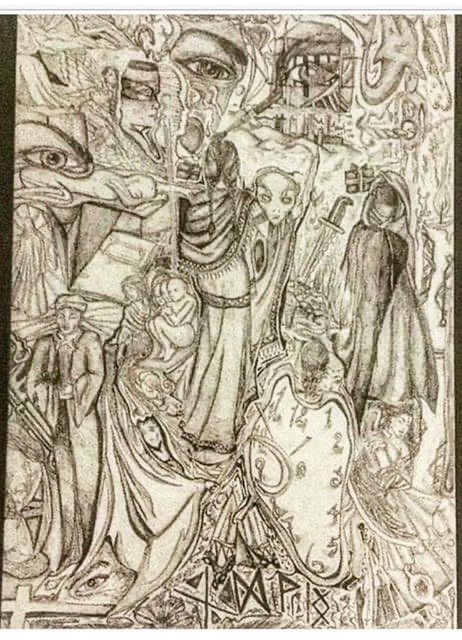
Collette, 47, from Kincardine, Scotland, has loved art since childhood. Despite working hard to earn a place at art school, her dreams were crushed when her mother told her she was “too stupid” to succeed. Heartbroken, she gave up art—until recently. One of the pieces on display is from her original portfolio, which her mother once threw away but was fortunately saved. Now a devoted mum of two, Collette champions her children’s creativity with pride and encouragement.
Offers over £250 inbox spman@btinternet.com
Niall Guite
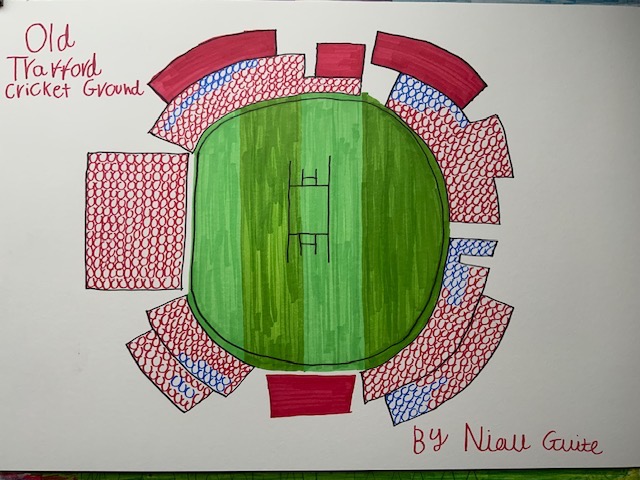
Niall, 30, is an artist with autism, an intellectual disability, dyspraxia, and dyslexia. He gained international acclaim after raising funds for Special Olympics GB by selling his iconic stadium drawings. Niall has exhibited at the Royal Academy Summer Exhibition, delivered a TED Talk, and received an Honorary Doctorate from Sheffield Hallam University for his work promoting inclusion through art.
A collector piece offers over £250 inbox spman@btinternet.com
Piluca Artist
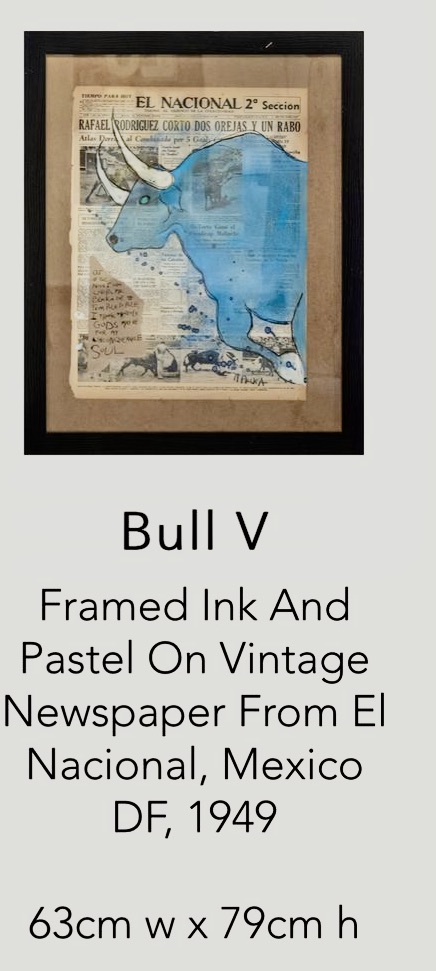
Piluca: Artist. Muralist. Fashion Visionary. Street Art Queen. Born in Madrid and ignited by Brixton’s wild heart, Piluca is a published illustrator, muralist, fashion designer, and founder of I Am Here 2 Play, launching this May at Hypezeus, London. Her vibrant murals and street art light up London’s iconic venues, turning the city into an open-air gallery. A WinTrade Awards finalist, she moves effortlessly across fine art, fashion, and branding with fearless, raw style. Piluca’s creative impact extends deep into communities—leading workshops, festivals, and campaigns with purpose. From fashion to neuroscience illustration, her work defies boundaries—and London proudly wears her name.
Offers above £350
Chris Wild
Chris is an author, artist, actor, care home consultant, government advisor, youth advocate, and charity patron. A passionate voice for young people in care, Chris’s first book, Damaged, shares his personal story. His second, The State of It, challenges the systemic failures affecting vulnerable youth. Through art and writing, he continues to inspire change and awareness.
Chris Wild painting offers over £500
Artism by Jake
Jake, 20, finds joy in painting. As a young man on the autism spectrum, his artwork offers a distinct and captivating perspective. All profits from his prints are donated to charitable causes.
Offers over £150
Heidi Simm
At 17, Heidi is the creative mind behind Disco City, a fusion of Disney characters and her own original creations. With a strong, determined spirit, she uses her art to express herself, manage her mental health, and explore new techniques. Her inquisitive nature and unique imagination make her work stand out.
Fabulous fun £250 please inbox me at spman@btinternet.com
Dr. Ian Hale
Based in Bristol, Dr. Ian Hale is an author, poet, autism specialist, and certified Master of Photography. His book, Asperger’s, Autism and You: Is the Epidemic Real and Are Vaccines the Cause?, blends personal insight with clinical research. Ian, who is autistic himself, shares his journey through media, public speaking, and art. His photography — praised by brands like Chanel and Vogue — offers a profound glimpse into his neurodiverse worldview.
Offers over £200 please .
Loveartpix (Dez)
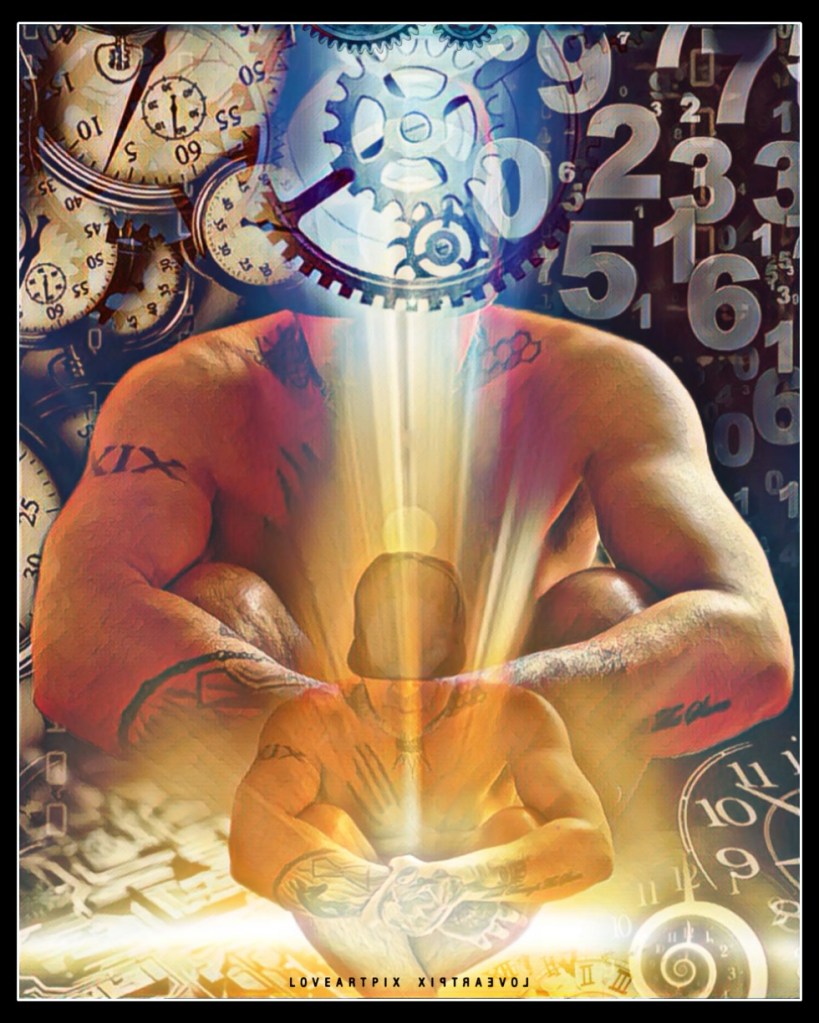
Loveartpix , a self-taught AudHD (Autism + ADHD) artist from Manchester, uses creativity as a vital outlet for mental health and self-expression. Diagnosed with Bipolar Disorder, Autism, and ADHD, he began his art journey in 2018 as therapy. His vibrant work often reflects the spirit of Manchester and the experiences of neurodivergence.
Loveartpix with the wonderful art he will be showing offers over £1000 please .
Annemarie Bickerton
With over 30 years in photography and art, Annemarie specializes in editorial portraiture. As digital photography evolved, she pivoted toward headshot work, applying her skills to editorial, corporate, and artistic projects. Annemarie is also a proud mum to Sam, who lives with autism, and continues to champion neurodiverse creativity in all its forms.
£500 by Annemarie Bickerton
Sam Bickerton
Sam, diagnosed with ASD and dyslexia, demonstrates resilience in the face of social and emotional challenges. From early Lego builds to his love for origami, mask-making, and boxing, Sam’s creativity offers a safe space for self-expression and calm. His journey is one of strength and self-discovery through art.
an example of Sam work the will be. bigger one on the night offers from £150 message me spman@btinternet.com
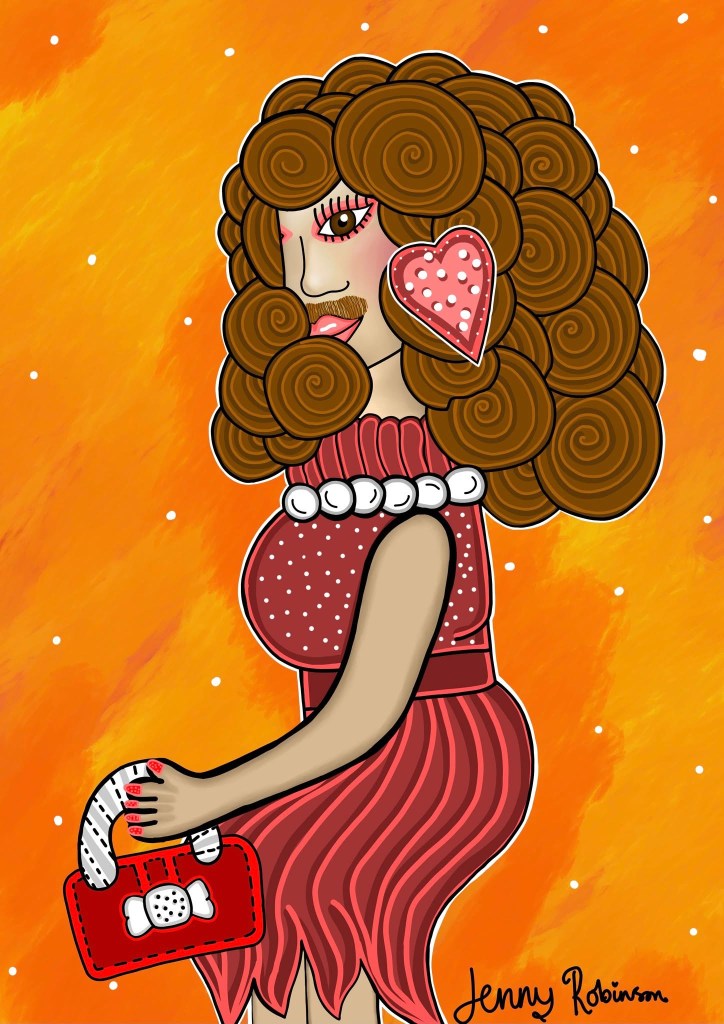
Jenny Robinson
Jenny is a self-taught digital artist and graphic designer with a love for Freddie Mercury. Her standout piece is a digital portrait of Freddie in a custom outfit inspired by the I Want to Break Free video. Although not included in her solo exhibition, Jenny has pledged to donate 100% of the sale proceeds to the Anna Kennedy charity. Diagnosed with autism a year ago, she now explores digital art as a core part of her creative identity.
Jenny Robinson £250 inbox spman@btinternet.com
Marcus Mason-Williams
Marcus is a multi-talented autistic artist and entrepreneur. As a founding member of The Lilac Review — a government-backed campaign spotlighting disabled-led businesses — Marcus uses his business, CoolArt2021, to share wildlife-inspired storytelling and merchandise. “Art and performing set me free,” he says. “Through my stories and performances, I connect with others and the world around me.”
Offers over £250 message Steven Smith 079069106222
AlastairBlasterArtz
Alastair McEwen, also known as BlasterArtz, is a full-time carer for both his disabled parent and autistic son. Through art, he finds a way to manage emotions, connect with loved ones, and reflect on mental health. His heartfelt piece Blanky, created with friend and writer Steven Smith, has moved many and embodies the power of art as a lifeline.
BLANKY offers over £200
Eddie Wells
Eddie grew up in East London, navigating life with undiagnosed ADHD and dyslexia. Creativity was his refuge. Following his father’s death in 2013, he realized that art wasn’t just an outlet — it was his salvation. His work reflects the inner world of someone living on the spectrum and overcoming silent battles through creative expression.
Offers over £2000. e-mail spman@btinternet.com
Shayla Curtis
At just 18, Shayla is already a passionate advocate for children with autism and complex needs. Diagnosed with autism herself, she struggled in most subjects at school — except for art. Encouraged by a supportive GCSE teacher, Shayla flourished creatively and now uses her skills to design activities that help young people express themselves, build confidence, and develop life skills.
SOLD
Tally Nothey
This piece is deeply personal. As the mother of an autistic child, Tally has faced days that felt overwhelmingly heavy—marked by worry, exhaustion, and the deep ache of feeling misunderstood. Yet, through every challenge, it has been the support of close friends that has carried her forward. Each woman represented in this work symbolizes someone who has stood beside her, held space for her fears, celebrated the smallest victories, and reminded her of her own strength when she struggled to find it.
This image reflects that journey. It acknowledges that while friendship may not solve everything, it makes the burdens easier to bear. Together, they have cried, laughed, and lifted one another—and because of them, she never walks alone.
work in progress £500 .
Darren Chapman – Actor & Artist
Darren Charman – Visual Artist & Storyteller
Darren Charman is a British visual artist and actor, originally from Hastings in Sussex. His creative journey began in the world of performance, training in the Meisner technique at The Actors Temple in London, where he developed a deep sensitivity to emotion, narrative, and human expression—qualities that now echo powerfully through his artwork.
Drawing on his background in character-driven storytelling, Darren’s art is bold, imaginative, and often laced with wit. Each piece invites viewers into a world that balances humour with poignancy, reflecting the layered perspectives of someone equally at home on a stage or behind a canvas.
Darren has received recognition for his work in comedy film, winning two DAFTA awards for The Fetishman (The Irishman Parody) and Living Dead (Living Parody). These accolades underscore his instinctive grasp of character, timing, and satire—all of which now inform his artistic practice.
Stunning bracelets by Darren £100 or above .
Gemma Lees is a Romany Gypsy, disabled and autistic fine art installationist, performance poet, comedian, facilitator and journalist from Bury. Her practise focuses on protest, advocacy, inclusion and telling the stories that no one else is.
Last year she worked with: Arts and Homelessness International, Traveller’s Times, Headteacher Update, SEN Magazine, ACERT, Queer Britain, Turnpike, Cartwheel Arts, BBC Radio Manchester, Triple C, Warwickshire Libraries, CultureDale, WOW Fest, Factory International, CIJ and CRIPtic.
A qualified post-compulsory teacher, she is a passionate advocate for GTRSB and neurodiverse inclusion in schools and wider education.
Sadie King is a 16-year-old student currently studying for her GCSEs. She has a strong passion for character design and storytelling. Sadie hopes to build a career in creating her own animated series. Her work often explores original concepts and imaginative worlds. She is eager to share more of her art and ideas with others. Sadie welcomes feedback and is open to showing additional work
Offers over £200
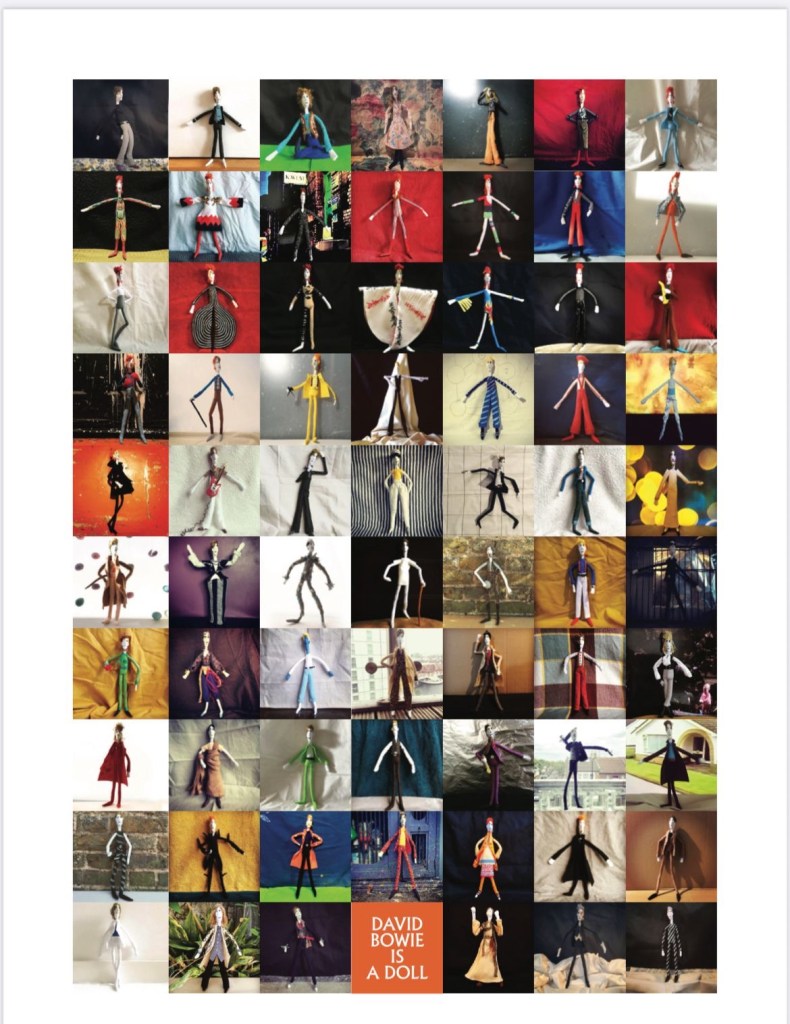
John Lee Bird is a multi-disciplinary artist known for his global exhibitions of paintings, collages, and sculptural work. His DOLLS project features over 2,000 hand-sewn textile sculptures celebrating idols, friends, and queer culture. Inspired by film, drag, cult TV, and music, each 13-inch doll is crafted from felt, beads, buttons, and embellishments. The project began during lockdown as a therapeutic return to textiles, starting with 69 David Bowie dolls. It has since grown into a rich portrait series spanning pop culture icons and personal heroes. John’s work is driven by obsession, emotion, and a deep love of music and storytelling. He also creates sound and film, collaborating with artists such as Simon Fisher Turner and Xiu Xiu. John co-runs the queer club night KNICKERS with musician Jemma Freeman.
Posters £25
PATRICK STEELE-BODGER Patrick calls himself a “Media Wikipedia” and “the Sheldon of Media” – a nod to his incredible recall of screen and sound. From a young age, he’s expressed himself through TV, film, books and comics. He recreates the tiniest details, from split-second sound effects to hidden cameos. Patrick loves drawing characters, writing fan fiction, and exploring music from Louis Armstrong to Daft Punk. As the in-house artist for Meet The Pods, now becoming a toy range, his creativity shines. He also designs bespoke greeting cards – and if you ask his favourite word? It’s “EXCELSIOR!”
£100 each
The Autism & Art Show isn’t just an exhibition — it’s a statement. It’s about the strength of neurodivergent minds, the healing power of creativity, and the joy of self-expression. Come and be inspired by these extraordinary artists.
The story of BLANKY .
SOLD OUT.
Blanky
Art Alastair Blaster words Steven Smith
“We are all born as blank canvases; hate, racism, and a lack of understanding are learned.” How you choose to see the world and create the tapestry of your life is up to you. Blanky is here to “Make Earth Safe Again.”
In another universe, under a different sun, there was a planet much like Earth called Alacritas. It was a world of lush tropical forests, crystal-clear lakes, and unpolluted seas. The people of Alacritas lived in harmony, where kindness and tolerance were deeply ingrained in their way of life. Their homes were built to exist in perfect balance with nature, and even in their cities, the air remained clean and pure.
Advertisement
Privacy Settings
The Alacritans were far more advanced than humans. Meditation and self-healing were essential practices, and their very beings were composed of energy molecules, allowing many to heal themselves from illness. Some possessed extraordinary abilities, such as telepathy and body transformations, harnessing the sun’s rays to bring goodness to their planet and others. While there were occasional exceptions, as the saying goes, “one bad apple”—but that is another story.
You could say it was a utopia—until they arrived.
The people of Olethros came claiming peace, seeking to live in harmony with the Alacritans. But the sun did not welcome them. Almost immediately, it burned their skin a bright orange, making them stand out. Rumours spread that their own planet had been devastated by pollution, war, and slavery.
It soon became clear that the orange ones had not come as friends but as conquerors. They sought to strip Alacritas of its rich minerals, enslave its people, and channel their energy into restoring their own dying world.
The peaceful Alacritans were unprepared for battle. Their civilization, built on unity and respect, was nearly wiped out. Only a few survived—those who could transform or scatter their molecules to avoid detection.
The Olethrans ravaged the planet like ants devouring sugar. Within a year, there was nothing left. In desperation, one Alacritan, Blanky, used his powers to escape. Transforming into pure energy, he fled into the cosmos in search of help. But as he left, Alacritas could take no more. The planet exploded, sending Blanky hurtling off course.
100 Years Later
Planet Earth
London, Waterloo
Patrick was fourteen, tall for his age, and loved playing basketball. From the window of his small ground floor apartment, he watched the other kids on the court, longing to join them. He knew he had the talent to be a star player. But his mother, protective as ever, rarely let him out alone. She feared he would be bullied or misunderstood because of his autism.
One Saturday afternoon, his mother had a friend over and asked them to watch Patrick while she ran errands in Stratford. With their eyes glued to The Real Housewives, they barely noticed Patrick, assuming he was immersed in his video game as usual.
But today was different. Quietly, Patrick put down the controller and crept toward the door. His apartment, on the ground floor, was only 200 yards from the basketball court. As he stepped outside, excitement surged through him. The sun’s rays warmed his face as he gently closed the door behind him and ran toward the court.
But then—he tripped.
As he hit the ground, something surrounded him, unlike anything he had ever seen. A strange, shifting cloud engulfed his body, sending tingles through his skin. As the mist dispersed, a small figure emerged.
Patrick couldn’t believe his eyes.
Before him stood a tiny being—completely blank, as if made of smooth, featureless clay. It pointed a stubby finger at Patrick’s baseball cap. Amused, Patrick handed it over. The moment the creature touched the fabric, the hat transformed into the same clay-like substance as its body.
Advertisement
Privacy Settings
Then, to Patrick’s shock, the small figure spoke.
“I am Blanky. Your planet needs me, or it may suffer the same fate as mine.”
Patrick stared, wide-eyed.
“I need sunlight to regain my strength,” Blanky continued. “With your help, I can transform and protect those who are hated and discriminated against. I have chosen you, Patrick, because you are special. For now, my body is just a canvas. Put me in your pocket, and let’s go play ball.”
Patrick didn’t hesitate. He gently scooped up Blanky and tucked him into the pocket of his jacket.
“I’ll tell you more soon,” Blanky assured him.
Patrick knew he had just made a special friend—one he would have to keep secret for now.
What neither of them realised was that Blanky had maybe arrived years too late.






 Event Location:
 Learn More & Support the Charity











 2Shades Magazine