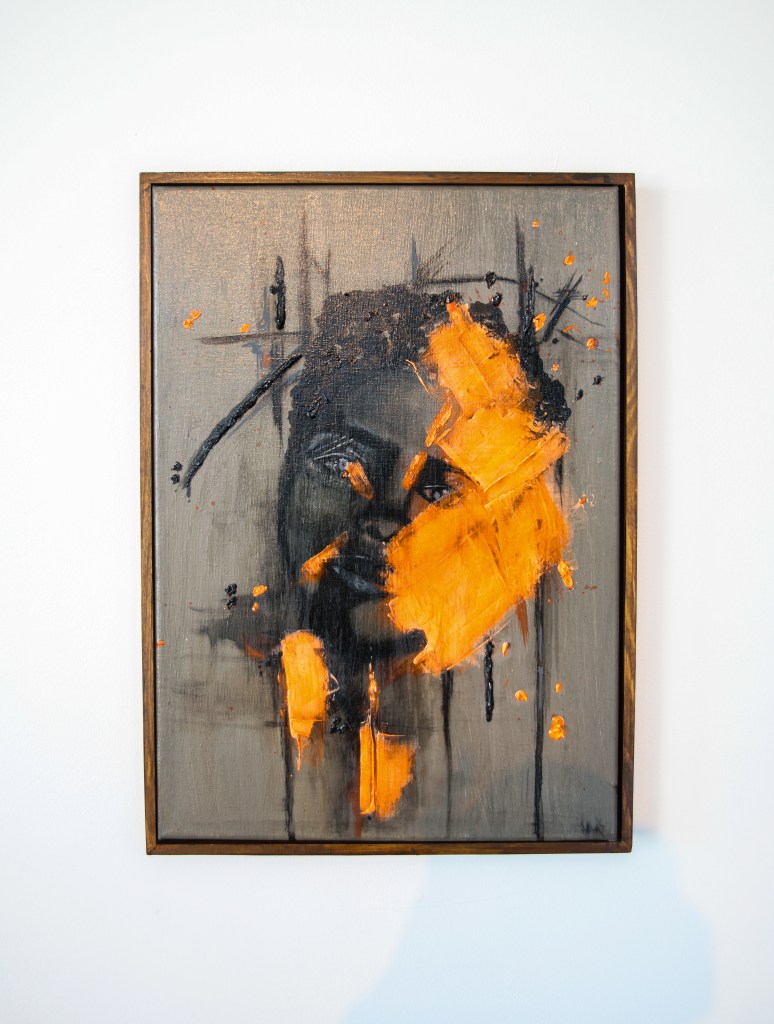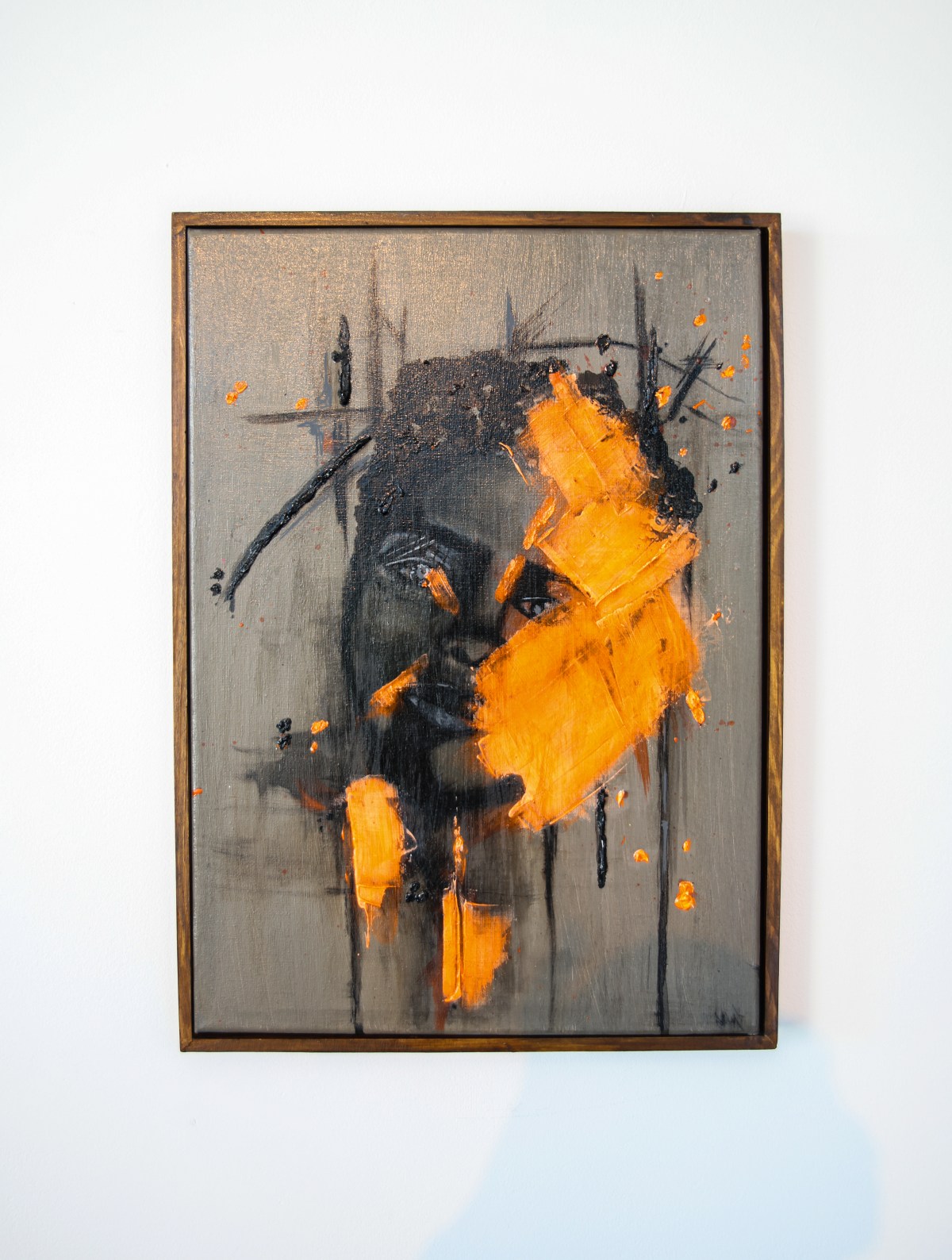
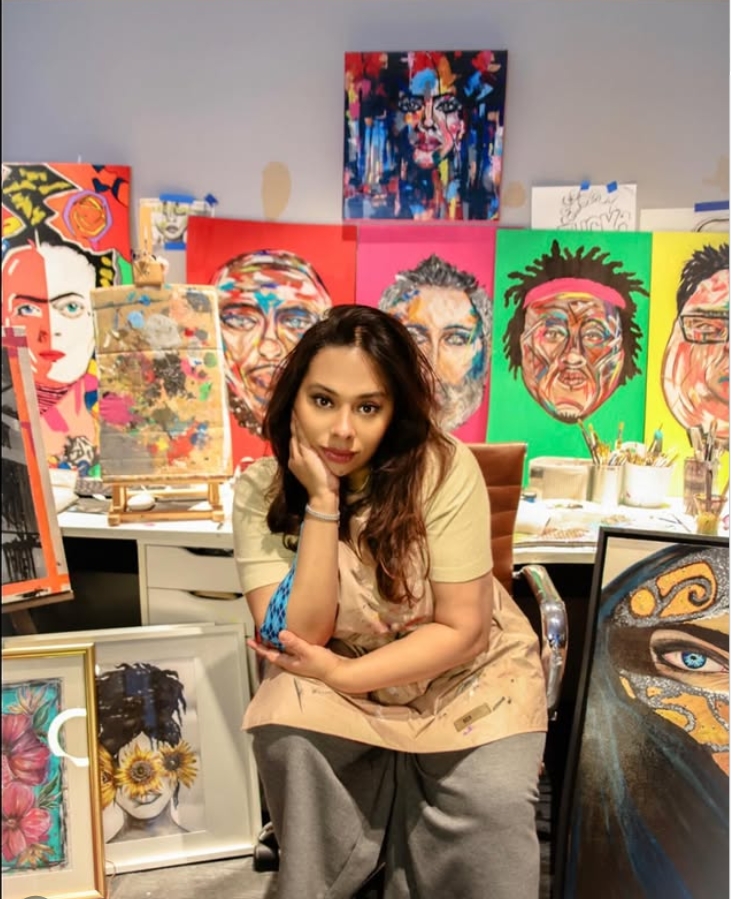
Healing through art Steven Smith chats to Nelly K
Art can be beautiful. It can be decorative. It can make us smile, stop us in our tracks or completely divide opinion. But at its most powerful, art can also start conversations about subjects we sometimes find difficult to put into words.
For artist Nelly K, creativity is about far more than producing something to hang on a wall. It is a way of communicating, challenging perceptions and, importantly, helping to break down the stigma that still surrounds mental health.
After earning her degree in Art from Birmingham University, Nelly began developing a creative path that brought together two things she cares deeply about: artistic expression and social impact.
Her work is bold, thought-provoking and unafraid to tackle difficult subjects. Rather than staying within the traditional boundaries of art, Nelly uses her creativity as a catalyst for conversation and change, exploring mental health and the way it is viewed and discussed within society.
Throughout her career, she has exhibited in local galleries, worked alongside mental health organisations, appeared on podcasts and become involved in community projects designed to encourage greater understanding and inclusivity.
There is also something very human at the heart of what she does. Art can give us a voice when finding the right words feels impossible. It can make the invisible visible and allow someone else’s experience to suddenly feel a little less distant.
Nelly remains committed to the belief that art shouldn’t simply be about personal expression. It can advocate, educate and even play a part in healing.
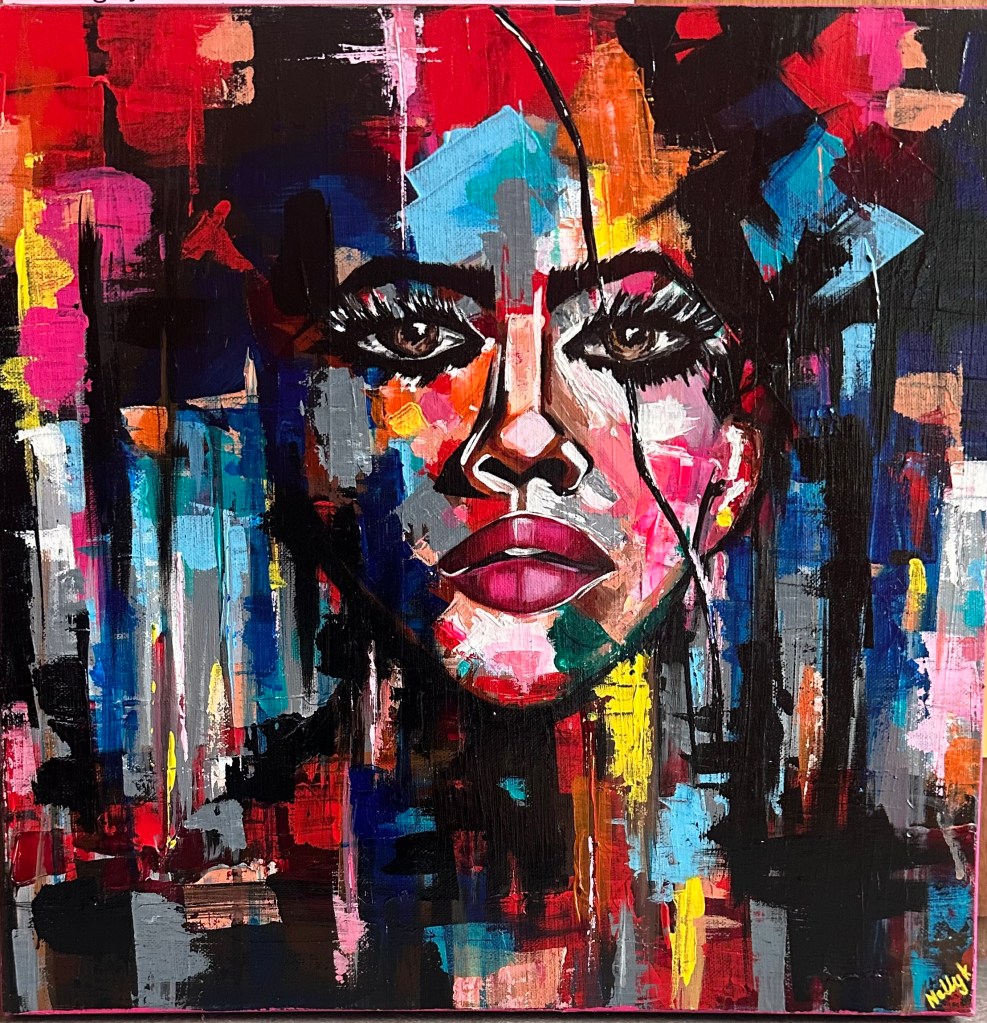
That immediately caught my attention.
So, for this edition of Art Attack, I wanted to find out more about the woman behind the work. Where does her inspiration come from? Why has mental health become such an important part of her artistic identity? Does an artist have a responsibility to challenge society? And can a painting genuinely change the way we think?
It’s time to meet Nelly K.
1. Nelly, let’s start right at the beginning. Were you one of those children who was always drawing and creating, or did your love affair with art come later?
I think creativity has always been part of who I am. Art became a way for me to express things that weren’t always easy to put into words. Over time, I realised that creativity could be much more than personal expression; it could be a way of understanding myself, connecting with others and exploring the world around me.
My relationship with art has grown alongside my own personal journey. It has given me a voice and, importantly, a way to explore identity, both my own and the identities of the people whose stories I encounter.
2. You studied Art at Birmingham University. What did those years teach you, not just technically, but about the sort of artist you wanted to become?
Studying Art at Birmingham University gave me the space to experiment, challenge myself and really think about the purpose behind what I was creating.
Technically, I learned a great deal, but the biggest lesson was realising that I wanted my work to mean something beyond the visual. I wanted to use art as a form of storytelling and as a way of starting conversations about issues that affect people in real life.
Those years helped me understand that I wanted to be an artist whose work combined creativity with social impact; someone unafraid to explore difficult subjects while still leaving room for hope.
3. Mental health is central to much of your work. Was there a particular moment or experience that made you realise this was something you wanted to explore through your art?
My practice is deeply rooted in my own journey and in the real experiences of people I meet. That authenticity is incredibly important to me.
I became interested in exploring mental health through art because I recognised that people are often far more complex than the labels society gives them. Our emotional wellbeing is influenced by our background, experiences, relationships and sense of self.
Art gave me the freedom to explore those complexities without reducing anyone to a diagnosis or a single story. I wanted to create work that encourages people to look beyond stigma and see the person first.
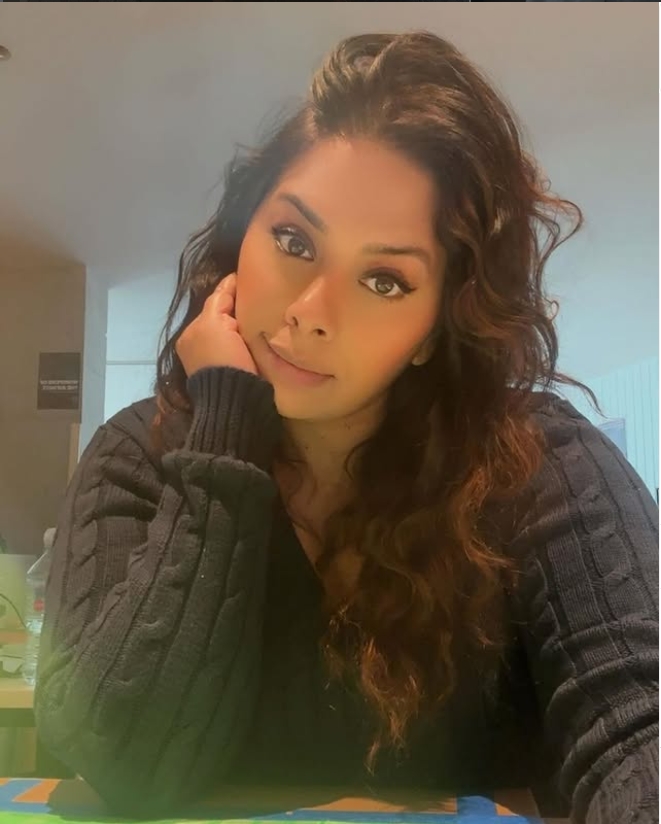
4. Mental health awareness has improved enormously, yet stigma certainly hasn’t disappeared. What frustrates you most about the way society still talks about mental health?
What frustrates me most is that awareness doesn’t always equal understanding. We have become much better at talking about mental health, but people can still feel judged or defined by a diagnosis or difficult period in their lives.
There is no single experience that represents everyone. Our backgrounds and circumstances shape how we experience the world, which is why listening is so important.
I think we need to become more comfortable with complexity and allow people to define themselves rather than having society do it for them.
5. Your work can be bold and thought-provoking. When you begin a piece, do you start with the image, an emotion, or with the message you want the viewer to take away?
Usually, it begins with a feeling, a story or a question. Sometimes it comes from something personal, and sometimes inspiration comes from something I have witnessed or heard.
The image often develops alongside the message. Visual storytelling is a huge part of my practice, and I’m fascinated by the way an image can communicate something that words sometimes cannot.
I don’t want to tell the viewer exactly what to think. I’d rather leave enough space for people to bring their own experiences and interpretations to the work.
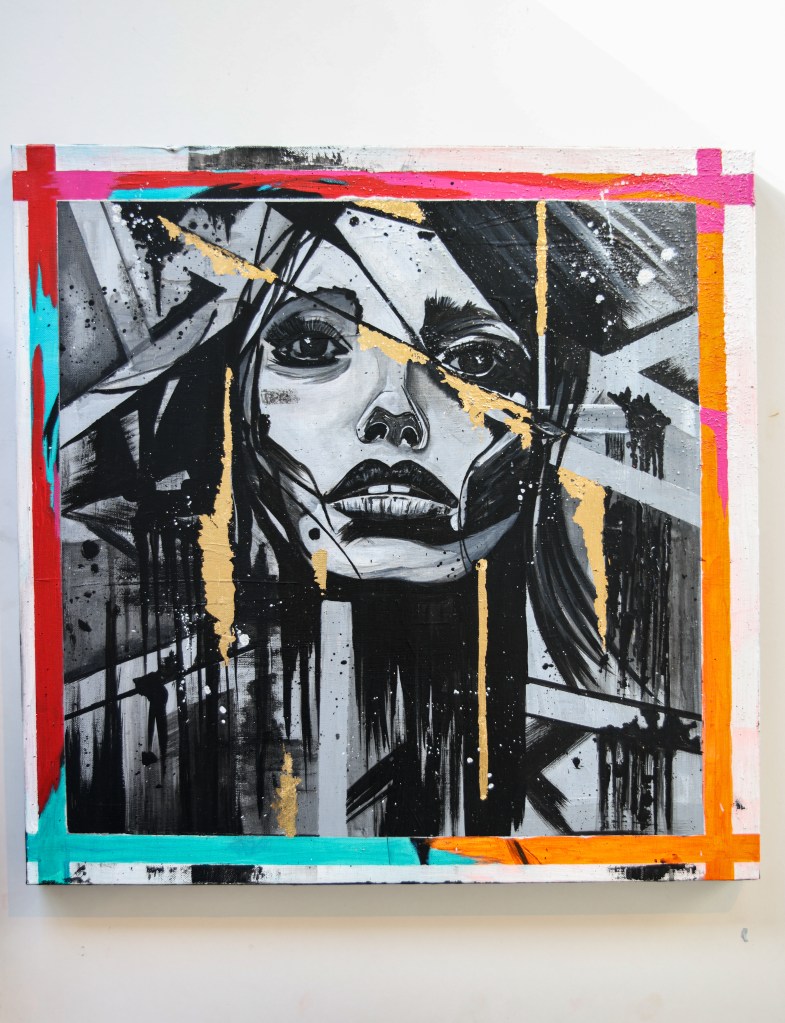
6. Art is incredibly subjective. Have you ever created something that provoked a reaction you weren’t expecting, either positively or negatively?
Absolutely. Once you put artwork into the world, you lose complete control over how it will be interpreted. People bring their own memories, emotions and experiences to it, and they may see something completely different from what you originally intended.
That is one of the things I find most powerful about art. Something that begins as very personal to me can take on an entirely different meaning for somebody else.
Those unexpected reactions remind me that art doesn’t always need to provide answers. Sometimes simply making somebody stop, think or feel something is enough.
7. Is there one piece you’ve created that feels particularly personal to you, perhaps one that was difficult to make or that you found emotional to let go of?
The pieces that feel most personal are often the ones rooted most closely in my own journey. Creating them requires vulnerability because you are revealing something of yourself through the work.
We often see vulnerability as weakness, but I see it very differently. There can be enormous strength in allowing yourself to be open.
Letting go of a personal piece can be emotional, but there is also something wonderful about knowing that something which began with you can go on to have a life and meaning of its own.
8. You’ve worked with mental health organisations, podcasts and community projects. Has anyone ever approached you and told you that your art genuinely helped them or made them feel understood? How did that make you feel?
That is probably one of the most meaningful things an artist can hear. When somebody tells me that a piece has resonated with them personally, it reminds me why I create.
My work isn’t about speaking for other people or telling them who they are. I simply want to open a door to conversations that might otherwise be difficult to have.
Knowing that something I created has touched somebody or made them feel less alone is incredibly humbling. Moments like that stay with you.
9. If money, space and practicalities were no object, what would be your dream piece or exhibition to create, and where would you love to see it exhibited?
My dream would be to create a large-scale immersive exhibition that takes people on a real emotional journey.
It would bring together many different voices and perspectives, exploring not only struggle but vulnerability, resilience, healing, joy and celebration. I’d want visitors to experience something rather than simply walk around looking at pictures on walls.
I would love it to be staged in a major public cultural space, but ultimately I’d want it to travel. Art with an important message shouldn’t be restricted to traditional galleries or to people who already feel comfortable entering those spaces.
10. Finally, complete this sentence for me: “Without art, I would…”
Without art, I would be missing one of the most honest ways I know to understand myself, connect with others and make sense of the world.
Quick Fire
1. The most romantic place in London?
My bed.
2. What is your favourite colour?
Yellow. Loud, warm, fun and full of energy — a bit like myself!
3. Best meal you have ever had?
Every meal my mother made.
4. Can you describe happiness?
Happiness is feeling free to be yourself, feeling understood and fully present in the moment. Usually when it’s just me and my paintbrush.
5. Why do you love the Firepit Gallery?I love the Firepit Gallery because it feels like a place where creativity and people naturally come together. It gives artists the freedom to share their voices while making art feel welcoming and accessible. There’s a genuine sense that everyone is invited to be part of it, and I think spaces like that are incredibly important