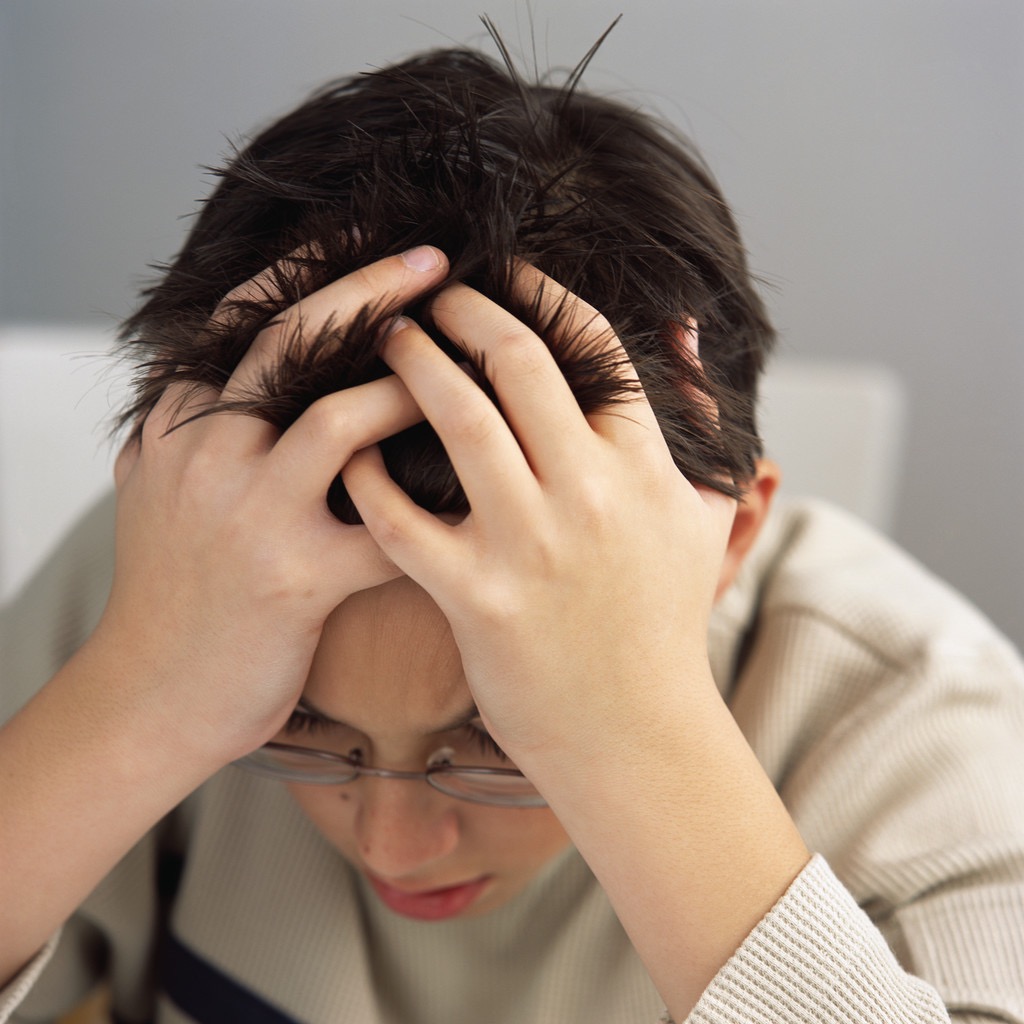
My son has always been effeminate and neither my husband or myself have tried to change that. When he wanted to not do football and take up sewing (and he is good) we fully encouraged him. Now he is 15 he wants to return to school this term as a girl, going from David to Danielle. Heidi can I be honest, I am terrified for him and his safety. The school say it is ok but my husband is against it. We just feel he is too young still what can we do?
Thanks so much for your question, I think it is great you have always seen David for who he wants to be and fully supported him. As with everything that should not change, and your love and protection is the number one thing he counts on.
David has made what might be seen to many as brave decision to start to transition into Danielle, and it can be a confusing and frightening time for Danielle and for those that love her. But it also can be liberating and a wonderful thing for those that feel they have been born into the wrong body.
Please make sure you keep an open conversation with Danielle, so there are no secrets. If you feel the reaction at school to Danielle is hurting her, go to the school right away. It is so important not to react negatively as you have been doing but talk to her about safety and life moving forward.
Here is hoping it all goes well
Love Heidi
Heidi hi,
My mother is a super bitch and is all about how things look. I am 17 and going to college this year and as it is a boarding college it is brilliant as I can get away from her showing off. Heidi, she thinks she is coming to see me settle in. I know it sounds like I am being unfair but all that will happen is she will come and make the whole thing about herself, flirt with people and it will be an embarrassment. Honestly I do not want to go if she is coming.
Oh, bless you, I am sure she wants the best for you. Parents are only human too and as we grow older, we sometimes see flaws in them as in all humans. Equally it is a good idea to talk to your parents as humans. You are 17 now so maybe tell her you want to make the move in and settle in on your own.
It may cause a row if she asks why to tell her you sometimes find her a little embarrassing. It can go either way but it may get mum thinking .
I feel as a parent myself you always want your child to be happy and safe, so it’s understandable that she wants to see where you are living. When you are ready, show her where you are residing and then possibly whisk her out for a mum and son lunch !
Good luck 🤞
Love you Heidi and need your help,
Having lost my virginity last year to an older boy at my school, it did not take long to realise that my preference is girls. Then in Brighton in June this gorgeous girl came on to me and that was that.
It was only a week in when I found out she is starting work at my college this term. Now I am 18 so not jailbait, but she said it would be an issue . What do I do when I see her? I am in love.
Kim, Worthing.
Hi Kim,
Oh, my love I feel your pain. If she says she cannot be in a relationship, there may be strict rules against this. I think she sounds sensible and will have checked.
It is a very new relationship and if it is true love maybe in three years’ time when you leave it can be rekindled.
But please do not be holding a torch for the whole time. My thoughts are she would be more impressed if you went on with your life, met new people and grow as a person.
Best of luck.
Hi Heidi.
My boyfriend is super-hot, he plays rugby and is a Queen’s dream. The only issue is when we go out everyone flirts with him and I am invisible. The main problem is he flirts back and tells me it is just fun, that I am to get over myself and that I am his man. But I dread going out socially, especially to gay bars. We have been together for two years; I am a teacher and he is a doctor. I do not want to say anything in case I sound jealous or drive him away.
Paul, Battersea.
Hi Paul,
This might sound crazy, but many beautiful looking people have issues finding love and making people feel secure in a relationship with them.
It feels like you’re being insecure and I feel for you. Sit him down tell him you’re feeling insecure and you need some reassurances. Even get some couples counselling.
Steven Smith looks at the affect addiction has on us all, how it can be so prolific among the LGBTQ community, the often-misguided views people have about those living with addiction, and of course shares his own tale.
November 26th, 2010, the phone rang with news I had been expecting—my lifelong friend Lester Middlehurst, the witty, Machiavellian, and brilliant journalist was dead at 55. He had been in coma for days after a suspected suicide attempt.
I know how I was supposed to feel to the world. But putting down the phone, there was complete numbness followed by anger, and then an overwhelming relief that the man who had formerly been my friend, but had in later years become my tormenter was no longer. No more waking to drunken abusive messages, or being the brunt of his jokes or outburst at parties, and I’d no longer have to apologise to other people for his behaviour towards them.
Lester in his prime
Lester Middlehurst was one of the first openly gay staff members at The Daily Mail. He was legendary. At the coroner’s inquest it turned out he had not killed himself, rather his death certificate said that he died of a hypoxic brain damage attack. Everyone agreed it was his addictive lifestyle that killed him.
Sadness
Lester was one the most addicted people that I have ever met, and he was my friend and I loved him. A month later I must have spent a day crying over him. The sadness was really that he never got help for his addiction, and you could say that my lack of knowledge of it prevented me from helping him…but that would be romanticising a terrible situation.
Back in 2009 I got him to agree to attend the Meadows Clinic in Arizona, but the next day he told me not to be so stupid. In truth, I did not feel strong enough to stand up to him. As my knowledge about addiction has grown, I have become more aware that there was nothing I could have done unless Lester had wanted to do anything about it.
According to the Centre of Addiction, members of the LGBTQ community are at greater risk of substance use and mental health issues compared to those identifying as heterosexual.
Members of the LGBTQ community face chronically high levels of stress, often due to having to suffer from social prejudice and discrimination. Fear, isolation, and depression increase the chances of self-medicating with alcohol and drugs. As a man that has lived a life in big cities, I have witnessed addiction in all classes and types of people. Addiction is a mistress that does not care who she dances with, yet the LGBTQ community are often her favourite partners.
As the self-confessed addict, actor Russell Brand explains that the distinction of any compulsive or addictive behaviour is when it begins to negatively impact on the rest of your life.
Compulsive
So, you might love chocolate so much that you’ll ignore all logical reasoning, “I have to have chocolate…I have to have chocolate…I don’t care what else happens”. If you’re crashing your car because of chocolate, that’s a problem.
According to Wikipedia, addiction is a brain disorder characterised by compulsive engagement in a rewarding stimulation despite adverse consequences.
Of course, addiction is certainly an illness and not a lifestyle choice, and if we are honest, addiction is in all of us in some way or another.
For me, I just can’t not buy a large French baguette, cut a few slices off, and put it back for later. I end up devouring the whole thing. Subsequently, I do not buy French baguettes unless I am feeling poorly. Whether it’s chocolate, coffee, or your favourite tipple, we all have cravings.
Russell Brand
Much as Russell Brand is right, there are so-called functioning addicts who you would not even realise are hooked on their drug of choice, and it can take many years for the effects to begin to show. Often referred to as “high functioning addicts” owing to their having powerful jobs or enough money to effectively hide their addiction from others. This knocks on the head the commonly presented image of an addict being down-and-out or living on the streets. According to the American Psychiatric Association, there is no such thing…they are all just addicts who have created coping mechanisms.
My father, God rest his soul, came home after holding down a high-powered job and drank whisky every day of his life, yet he would be horrified at the idea of being described as an addict. But when he left hospital after lung cancer removal surgery, he sat down and demanded, “Get me a whisky and a cigarette.” On the suggestion that was not a good idea and that he would end up back in hospital, he snapped “Are you threatening me?”
Growing up, I was told that an addict was someone who got up and drank first thing. Drinking after coming home from work and weekends was seen as normal for many in the 60s and through to the 90s. All of our soaps were featured around a pub, making alcohol look like a socially acceptable way of life.
I had a volatile relationship with my dad, but his fight with cancer gave me a better understanding of the nature of his addiction and where it had come from. He had been a talented jazz trumpeter and played with the BBC orchestra, but his nerves had come to the forefront and he started to self-medicate by having a few whiskies before his shows. Eventually, he gave up and started a family, but the drinking did not stop.
Charismatic
My father adored my best pal who also fights addiction, and is a truly remarkable human being who I was fortunate to love, and my dad did not like many people. The two were like two peas in a pod and talked for ages.
Spending time with my dad before he died made me wonder whether, if he had managed to overcome obvious anxiety and continued playing, perhaps he would have been happier. Of course, back then mental health was seen by many as a weakness and not to be spoken about.
My world has been filled with people who are addicts in one form or another. They are the most charismatic and amazing people and the arts are full of them. In my opinion, they all have one thing in common—they can snap and become almost frightening at the drop of a hat, and then suddenly they are wonderful and make you feel like you mean the world when they are OK. Sadly, during my childhood there was more of the former with my dad. Though I knew in the end that he loved me.
There are so many people living with addiction, anxiety, and mental health issues who are in denial. Even with all the help groups and open discussions there seems to be a quite a bit of stigma attached to it still.
Dr Pam Spurr, a popular self-help expert and radio television personality, says she often encounters people who are in denial about their issues that are the source of their addiction problems. They say things like “I just have a little problem with confidence” which ignores the fact that they drink excessively to help make them feel more confident. Or they say, “I only drink after work to take the edge off.” But when they count up the units, they are far in excess of government guidelines. It’s at times like these that I encourage them to think honestly about their drinking (or drug taking) and consider expert advice.
Dr Pam
Many addicts get clean either by joining the 12-step programme, by checking into rehab, or by seeking counselling. The journey of recovery can be different and what works for one person might not work for another person. It is important to point out that as much as the newspapers show pictures of celebrities dashing off to glamorous-looking rehabs, getting into a state-run rehab in the UK can be very difficult for mere mortals.
While helping a friend who was using OxyContin (a pain killer) and had got into a mess from ordering online and then become addicted, the general health services did not want to know. Even going through other channels, she was advised that her chances of getting into rehab were slim, although she did come away from it with a strong network of friends around her.
A beautiful girlfriend of mine found her sobriety in a man as her anchor who was also living with addiction. They have both been clean for seven years now.
Living in LA, the 12 steppers (12 step programme) were like the mafia, and rumour had it that all the best movie deals were done at their meetings and also that many there did not have addiction issues and instead just wanted to pitch ideas.
There is no doubt that the 12-step programme helps many, and even if the meetings can become the new addiction it’s a healthy one.
I agree with Doctor Pam that it is amazing how much of a lack of understanding there is about addiction.
Cake
My gorgeous bubbly friend Monica is originally from California. She is a super bright academic having gone to Yale, lectured all over the world, and she also ran a school for a while.
Yet three years ago she decided to open an up-market catering company as her award-winning chef sister is a goddess in the business. People actually beg for invites to try her canapés.
Lunch with Monica is always fun—it starts off with “Darling shall we share a cake after?” Despite being gorgeous, she is always on some kind of diet. Her little addiction would be cake.
Like one or two other intellectuals I have met with qualifications coming out of every orifice, their life skills sometimes leave me speechless. Despite having a gay brother, she once commented on a photo shoot involving five men I had directed “Is the man with his foot up against the wall a sign he is gay?” I replied “No darling, there are no secret signs; it’s a James Dean inspired clothing shoot.” She just smiled and continued eating.
Today, however, she was on the warpath. She was catering for a big party we had worked on together to get celebrities at. One of the celebs had behaved inappropriately to some of the other guests and to a couple of waitresses.
She was not amused when I laughed, “Well darling, at least he did not get his cock out and try and pee in the champagne fountain like at my other friend’s launch. How that did not end up in the papers is beyond me.” I got the school ma’am look.
He was living with addiction – not surprising considering his childhood trauma and the abuse he lived with. He really should not have been drinking. I am not excusing him, but it’s not the end of the world that I did not invite him to the next few. I said that I’d have a word. Her eyes got wider, and she seemed shocked that I had empathy with the celebrity at all. She wanted him banned for life.
Taboo
As much as I have some reservations about the 12-step programme, saying you’re sorry to those you may have hurt is not easy to do, but it sometimes isn’t enough. I started talking about addiction, and a few minutes in it was clear that it was going nowhere, even though I was sharing this with someone highly intelligent.
Addiction remains a taboo subject. There are so many people in denial and as much as the newspapers are full of celebrity headlines about them being addicted, most of us don’t want to talk about it or feel labelled by it.
A year ago my phone rang—it was a friend who had come out of family day at a rehab centre that her daughter was attending. She was fuming that they suggested that it may run in the family, “They had better not be blaming this on me. I have no addiction.” She was not amused when I laughed “It’s not about you and I will remind you of that next time you refuse to come home from the bar or spend two weeks obsessing about something.”
Outside those who are counsellors, therapists, and those who talk openly about their addiction and some of their loved ones, I have found very few people who understand those living with addiction.
A very wise woman, author, presenter, and journalist, Jane Moore was one person who seemed to understand it. Lester and Jane were great friends and the two together were hysterical. Yet Lester had gone on a tirade about her and I was mortified since she was a true loyal friend to him, and he was starting to run out of friends due to his behaviour.
Lester Middlehurst and Jane Moore
While ringing her and offering full apologies asking her not to fall out with him, she calmly said, “I could never be offended by Lester. He is hurting too much, but he’s lucky to have a friend in you.”
At the time I just thought, but I wish if I had taken those words more to heart I might not have taken his behaviour personally and got as hurt as I did in the end. It helped later in life as I saw the pain addiction brings too.
The LGBTQ community have learnt to talk more as we have needed to be heard to survive. Most surveys say that a larger proportion of those identifying drug and alcohol use as a coping mechanism are LGBTQ, but I beg to differ.
I have sat in many restaurants and bars in London watching the city boys and their entourage go back and forth to the toilets, passing each other along the way. I am pretty sure they are not the kind found in the survey.
Addiction is a worldwide human crisis according to the World Drug Report. Unless we start talking about it, spotting the signs at an early age, and treating it as an illness, many will die with all the new and powerful drugs flooding the market. Whole towns have been wiped out in the US due to drug addiction.
Chemsex is the consumption of drugs to facilitate sexual activity. Both terms refer to a subculture of recreational drug users who engage in high-risk sexual activities under the influence of drugs within groups. Chemsex parties are said to be prolific on the London gay scene, but that is a different story. Not wanting to be righteous, I have no experience of it or want to engage in it. Recent reports in the gay press say chemsex parties are held across UK, but there is a correlation between addiction and sex shame.
The perfect storm
David Stewart of 56 Dean Street, an award-winning HIV and sexual health clinic in the heart of London, explains that this trend is driven by a convergence of factors: “Vulnerable gay men with issues around sex, new drugs that tapped into that problem and changing technology. What they call the perfect storm.”
There was enough of a problem for the government to lay out guidelines in 2017.
Actress Danielle Westbrook, who I have interviewed many a time, put it simply to me, “Look Steve, you get ten people at a party and they all try coke for the first time. Four never try it again, four have it once in a blue moon, and two poor things are addicted six months later.”
The answer would be to never take the risk, but human nature is never that simple.
My friend Lester will never come back but it led me to have so much more of an understanding of addiction and how to protect myself around addiction. Many of the world’s beautiful people are soldiers fighting addiction every day of their lives.
Mike Edde with one of the many celebrity clients Eammon Holmes
When it comes to woman’s hair if you need a brand new hair style it really is worth paying top dollar to get the best attention and idea’s to create a new you.
But often with a trim round the bottom you can get the same result with out robbing the bank at your local salon just do not expect a cappuccino , five minute head rub at the back wash and latest recommendations to the top spots in town you would get in the really high-end Salons.
However, when it comes to men’s hair, I gave up years ago getting my friends to cut my locks. It took too long and they never really did what I wanted except for the brilliant Martyne Fletcher who used to tend the late Joanne Rivers.
I gravitated to going to Sassoon’s who really never once made me happy and other high end Salon often leaving feeling robbed at £50 -£80 for a trim. One day I was just about to give up when saw a man in the gym who’s hair I liked so following my own advise I asked where he had it cut. “Mike the Barbers ” he replied. A local men’s shop that I had seen but would never dream of trusting my blond do to a shop a barbers.
I actually stood outside for three or four minutes to get up the nerve to go in, before asking for Mike, a dashing bubbly local legend in Earl’s Court. For sure there was not cappuccino in sight and no head rub, in fact unless you request it they do not wash your hair, as I more than often had to take the brush off the stylists in the high end salons and dry it myself so it was no loss to me.
Mike in his shop in Earl’s Court is legendary
Unlike many Sassoon people I noticed they where experts with razor’s and thinning scissors. I told Mike what i wanted and he asked if I would like the harsh line softened a bit, it had always bugged me that they could not soften it. Always ended up with a server wedge or fire fly. With in 15 minutes for the first time in years I loved my hair and did not need to grow a bit back or wish it had been cut shorter.
Even better it was £11, I get it cut every two weeks now to keep it neat and I go with out worrying it will be yet another disappointment . Mike has been doing my hair for six years and every fella I recommend goes again and again and one or two short hair ladies love him too. You never know who you will bump into Wayne Sleep might just come pirouetting by or one of the many celeb clients that know the secret.
Now colouring is another thing only to go high-end.
Doctor Giles Gyer is a British trained specialist musculoskeletal Osteopath who has worked within health and fitness for over 12 years; he combines a variety of articulation and manipulation techniques alongside a variety of rehabilitation exercises within his treatments, and works with patients from office workers to professional strength and international sports athletes at his central London clinic.
Giles is a senior lecturer at www.omttraining.co.uk and teaches grade 5 / HVT Spinal Manipulation, Osteopathic Articulation and Manual Therapy techniques throughout UK and internationally to professional therapists from all over Europe, he has lectured at national conferences and has lecturered and run MasterClass training events for groups such as the NHS, MK Dons FC and Liverpool Football Club physiotherapy department.

Giles has authored two books within manual therapy, first a specialist book on dry needling and secondly on spinal articulation techniques.
Eight tips for looking after your body.
We are now in an age where more people are desk bound for most of the week, working long hours, glued to their iphones, laptops with a blur of thumbs as they swipe left and right and tap away, and with all this inactivity, increased postural problems, fast paced lifestyle, it can have an impact on health and well being.
Staying fit and healthy is everyone’s top priority. But, because of our busy work schedules and poor lifestyle choices, we often make it the biggest challenge of our lives. If you’re here to overcome this barrier, the first thing you have to understand that the path to being healthy and fit is an ongoing process and includes many elements. However, it’s not something that is impossible to achieve. With a little focus on nutrition, being a bit health-conscious and doing a few exercises each day, you can easily win this challenge.
Here is how you can do this.
1. Adopt a Healthy Eating Style
The key to a healthy lifestyle is adopting a well-balanced diet that has all the nutrients for the optimal functioning of your body. According to NHS, a balanced diet means eating a wide range of foods in the right proportions, so that you can maintain a healthy body weight. However, it is also important that you are making realistic changes to your diet; otherwise, you won’t be able to stick with it. Use these tips to make the right changes:
· Get as many low calorie, nutrient dense, and antioxidant rich foods into your diet as possible. These include whole grains, fresh fruits and vegetables, fibre, milk, nuts, and lean proteins such as chicken, turkey, fish, egg, tofu and beans.
· Drink plenty of water, as it keeps your body hydrated.
· Cut back on unhealthy foods and replace them with healthier alternatives.
· Eat less or avoid foods that are highly processed and contain unhealthy ingredients, such as saturated fats, hidden sugars, salts and artificial sweeteners.
· Try avoiding red meat or eat it only once in a week.
· Skip milk if you’re lactose intolerant.
· Try cooking meals at your home.
· Do not overeat and enjoy balanced meals at regular intervals.
· Do not skip breakfast, as it helps maintain a stable blood sugar level.
2. Take Nutritional Supplements
Nutritional supplements are not essential for everyone. If you are already following a balanced diet, you do not need them. You can get all the nutrients you need from you diet. However, some people may need to take supplements.
According UK Food Standards Agency (FSA), supplements are advised to the following groups of people:
· Women who are pregnant or breastfeeding. If you are pregnant or planning a pregnancy, you are suggested to eat folate rich foods and a daily supplement containing 400 micrograms (mcg) of folic acid. This recommendation is applicable until the week 12 of pregnancy. Pregnant and breastfeeding women are also advised to take 10mcg of vitamin D per day.
· Older adults. With age, our bodies become less effective in absorbing certain nutrients from our daily diets. These include calcium, potassium, folic acid, omega-3, vitamin B12 and vitamin D. Therefore, if you are over age 50, you are advised to take a supplement containing these nutrients.
· Children below the age of 5. If your child is not a good eater, the FSA suggests that he/she may need to take a supplement containing vitamins A, D and C. However, this advice is not applicable for those who eat a wide range of foods and have a good appetite.
· People who are vegetarian or eat no meat or fish. People in this group often lack nutrients, such as vitamin B12, iron, calcium and omega-3 fatty acids, from animal sources. If you are in this category, you are advised to take a supplement containing these elements.
· People who do not receive sufficient sunlight. Insufficient exposure to sunlight causes vitamin D deficiency. If you rarely get outdoors or spend most of your time indoors, you may need to take an additional 10mcg of vitamin D per day.
I really do believe “Movement is medicine” and consistent regular exercise is essential for being healthy and fit, as it prevents fat gain, improves muscle strength and tone, helps with the cardiovascular system, and more importantly helps to improve mood and boosts energy. It also helps combat against a number of diseases and conditions that can be caused through inactivity or dietary issues, the NHS states that a lack of exercise can contribute significantly to issues such as,
· Coronary heart disease
· High blood pressure
· Stroke
· Metabolic syndrome (including obesity and abnormal blood cholesterol levels)
· Type 2 diabetes
Therefore, you should get rid of all the excuses for not exercising regularly and try making it a daily habit. No matter you have only 20 minutes form your hectic daily schedules, you should do it.
However, if you are really unable to manage time for an actual workout, you can use these simple tips to keep yourself physically active:
· Practice light yoga or stretching moves while watching TV or talking on the phone.
· Take regular breaks from your work and go for a short walk.
· Make fidgeting a habit while you work.
· Use the stairs instead of the lift.
· Walk or run to the nearby shops instead of driving.
· Take your kids or dog for a walk.
· Get off one bus or tube stop early and walk to your destination.
· Go out for a 10-minute walk before breakfast and after dinner.
4. Get Your Health Checkups
Regular health checkups are required, even if you are healthy and fit, because these tests help you find risk factors and problems before they start. Ultimately, this helps you to get better treatment, and in the end “prevention is better than cure”, when you are diagnosed early with a disease. So visit your doctor for routine health exams and tests to make sure you are not susceptible to any diseases and everything is fine and normal.
Depending on your age, ethnicity, lifestyle choices, physical activity, family medical history and smoking status, your doctor will suggest which exams and screenings you need. Although these advices vary from person to person, there are some common exams and tests that are often performed during a routine health checkup. These include:
· Total blood count (TBC) and urine tests
· Hearing and vision tests
· Tests for cholesterol level and blood pressure
· Measurement of body mass index (BMI)
· Risk assessment for diabetes (if high blood pressure or high cholesterol is already present)
· Screening for colorectal cancer (if there is a family history or age is over 50)
· Tests for sexually transmitted diseases (STDs)
· Screening for breast and cervical cancer
· Screening for prostate cancer
· Checking of immunisation schedules
5. Monitor Your Weight
It’s always a good practice to track your progress regularly, because this will help you to keep yourself motivated about your goals. However, do not check your weight excessively, as this may cause the opposite. So try checking your weight only once in a day.
In addition, there are many weight loss apps are now available on both Android and iOS. Check the reviews of these apps, and download the most suitable one according to your needs, so that you can track your food, connect with like-minded people and stay focused on your goals.
6. Get Enough Sleep
Getting a good night’s sleep has a profound effect on your life. It benefits your health both physically and mentally. Studies suggest that getting enough sleep can strengthen memories, improve mood, enhance cognitive functions, boost sex drive and improve overall quality of life. In fact, adequate sleep allows your body the time it needs to repair and rejuvenate.
On the other hand, insufficient sleep is linked to a number of health problems, including lower testosterone levels, diabetes, cardiovascular diseases, heart attacks, poor cognitive functions, chronic pain and obesity. So if you are not getting the recommended seven to eight hours of sleep a night, this can adversely affect your health, mood, motor skills, weight and even sex life.
7. Do Not Ignore Pain
Pain is a common condition that needs no further description. We all know what it is and how it affects our overall quality of life. What you need to know that pain is usually caused by an underlying disease or injury. In fact, it is you body’s red alert, a mechanism of telling you that something is wrong. So even if your pain is mild, do not ignore or get used to it.
Pain is not inevitable; it is actually a condition that can be treated. However, if you do not want to go for the conventional treatments, you can also manage it without taking any painkillers or NSAIDs. There are a number of drug-free alternative treatments, such as osteopathy, available today that can effectively help manage your pain, injury or other issues and get you back fighting fit.
Doctor Giles Gyer on a resent trip to China -Shanghai with leading personal trainer friend and client Denise Couprie www.osteon.co.uk
8. Visit an Osteopath
Osteopathy is a whole body approach to help your nervous, circulatory and immune systems. Although it is still considered as an alternative medicine, it is by far one of the most effective ways of identifying, treating and preventing health problems related to musculoskeletal issues. Also, osteopathy is a more natural approach than conventional medicine, because it doesn’t use drugs or surgical procedures.
Osteopaths focus on restoring the normal function and stability of the musculoskeletal framework, so that the body can heal by itself. In doing so, they use a variety of drug-free, non-invasive techniques to relieve muscle tension, increase joint mobility and encourage blood flow to tissues. These techniques include:
· Spinal manipulation / High-velocity thrusts
· Medical Acupuncture / Dry Needling
· Message techniques
· Stretching
· Joint Articulation
· Exercise Rehabilitation
Therefore, if you are struggling with persistent pain due to an injury or other issue, you should visit a registered osteopath. An osteopath can not only help detect and treat your problem but also give you advice on self-help, posture, stretching and other activities, in order to aid your recovery.