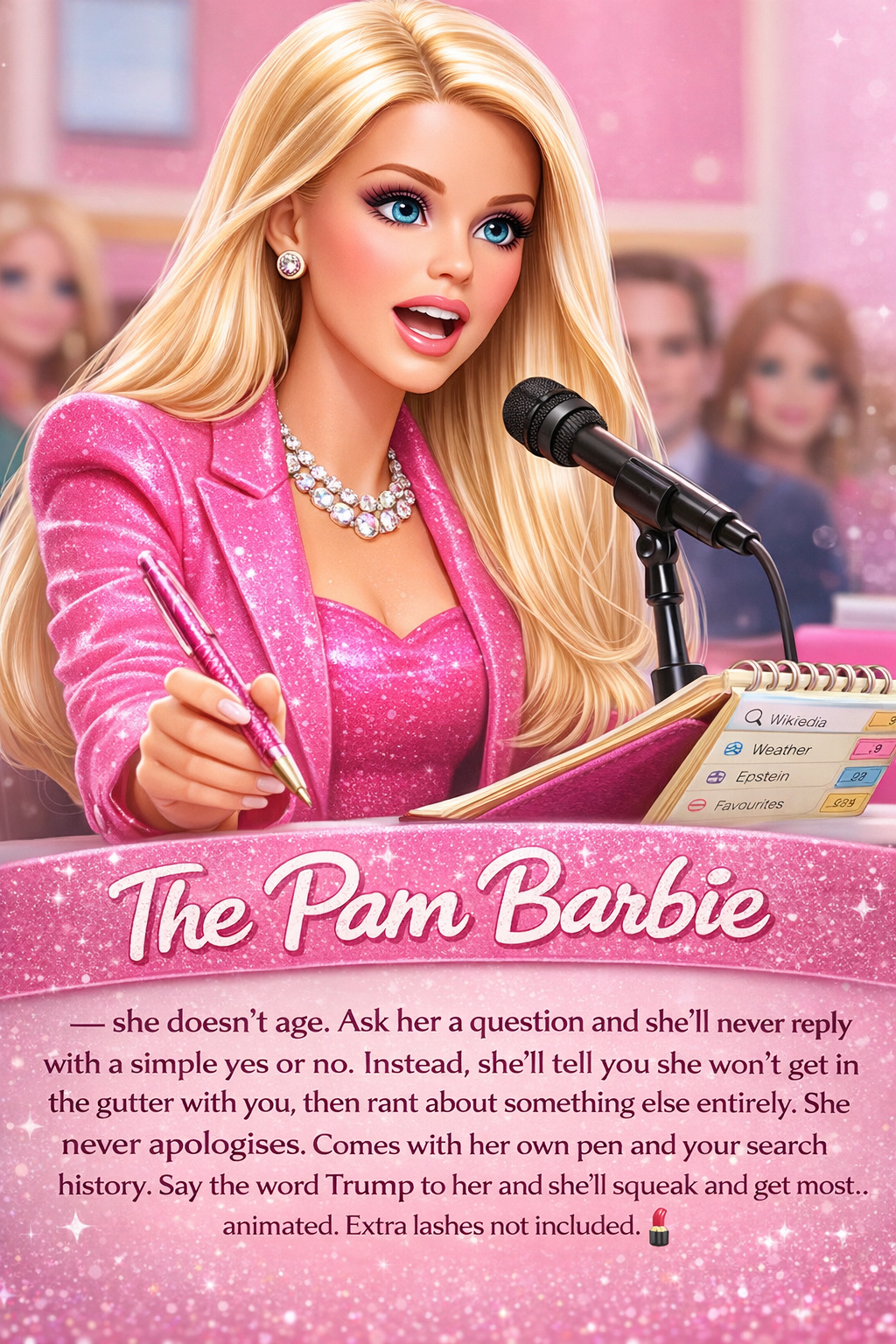
The Pam Barbie — she doesn’t age. Ask her a question and she’ll never reply with a simple yes or no. Instead, she’ll tell you she won’t get in the gutter with you, then rant about something else entirely. She never apologises. Comes with her own pen and your search history. Say the word Trump to her and she’ll squeak and get most… animated. Extra lashes not included. 💄
Do not forget two more in the set
ICE ICE BABY BARBIE
Throw myself on the cross for Trump Press Barbie
WARNING NOT SUITABLE FOR PEOPLE WITH COMMON SCENSE , OR WHO UNDERSTAND EMPATHY OR ARE PART OF GROUP THAT DOES NOT BOW DOWN TO TRUMP.
Give Me a Break: Why Jim Ratcliffe Shouldn’t Have to Apologise for Speaking His Mind
Give me a break. Jim Ratcliffe should never have been asked to apologise simply for saying what he thinks. You may not agree with him — and that’s perfectly fine — but he is entitled to express his views. That is how debate works. Someone speaks, others respond, and through discussion we decide where we stand. Silencing people helps no one.
The Monaco-based Manchester United co-owner has faced anger from politicians and football fans over words branded “disgraceful.” But really, what he did is what many of us do when we are frustrated: he spoke honestly. He didn’t dress his feelings up in polite clichés or empty phrases. He said what he meant.
Most of us are experts in polite dishonesty. “With all due respect” often means “I completely disagree with you. or F—U ” “That was pleasant” usually means “that was awful.” And “I’m sorry if you were offended” is perhaps the most passive-aggressive phrase of all. Anyone with a bit of intelligence knows it isn’t a real apology — it’s a way of avoiding responsibility while appearing polite.
We have become obsessed with forcing public figures into rehearsed apologies. They are expected to grovel, backtrack, and apologise for having opinions. Often, these apologies are meaningless. They are written by advisers, polished by PR teams, and delivered with no genuine feeling behind them.
We should be careful not to turn into a country where people are afraid to speak openly. Suppressing opinions does not make racism, homophobia, or prejudice disappear. It simply pushes those views into the shadows, where they cannot be challenged or confronted. Open discussion, however uncomfortable, is far healthier than silence.
If someone chooses to apologise on their own terms, that is their right. But forcing an apology achieves nothing. Once people have spoken, we know who they are and what they believe. Then it is up to the rest of us to agree, disagree, challenge, or ignore them.
Free speech is not about comfort. It is about honesty. And we should defend it — even when we don’t like what is being said.
Take your mind of Andy . Mandy . Epstein a Trump came too . Beast Games is Great Viewing .
Thank God for the Winter Olympics and the latest instalment of Bridgerton. At times like this, they are exactly what we need — a welcome distraction from the endless cycle of headlines Andy, Mandy, Epstein, and Trump came too . Sadly, it’s not a children’s cartoon we can simply switch off and forget. This is real life, and sometimes it feels overwhelming.
Let’s not even go there with the innuendo. Some stories are so grim and uncomfortable that they leave you wishing for a remote control that could pause the world for a while. Instead, we scroll, we sigh, and we carry on, trying to protect our sanity as best we can.
That is why entertainment matters more than people realise. It isn’t shallow or pointless. It is a form of escape, a mental breather. Whether it’s athletes pushing themselves to the limit on icy slopes or glamorous characters sweeping through Regency ballrooms, these moments remind us that there is still beauty, talent, and creativity in the world.
And if you are looking for something fun and completely absorbing, look no further than Amazon Prime’s Beast Games. It is fast-paced, dramatic, and unapologetically entertaining. The challenges are outrageous, the stakes are high, and it is impossible not to get drawn in. It is the kind of programme that makes you forget your phone, your worries, and even the news for an hour or two.
Sometimes, switching off is not avoidance — it is survival. We cannot live in a constant state of outrage and anxiety. We need sport, drama, laughter, and even a bit of escapist nonsense to balance things out.
So yes, thank God for the Winter Olympics, Bridgerton, and shows like Beast Games. In a noisy, reedless world, they offer us something precious: a moment of peace.
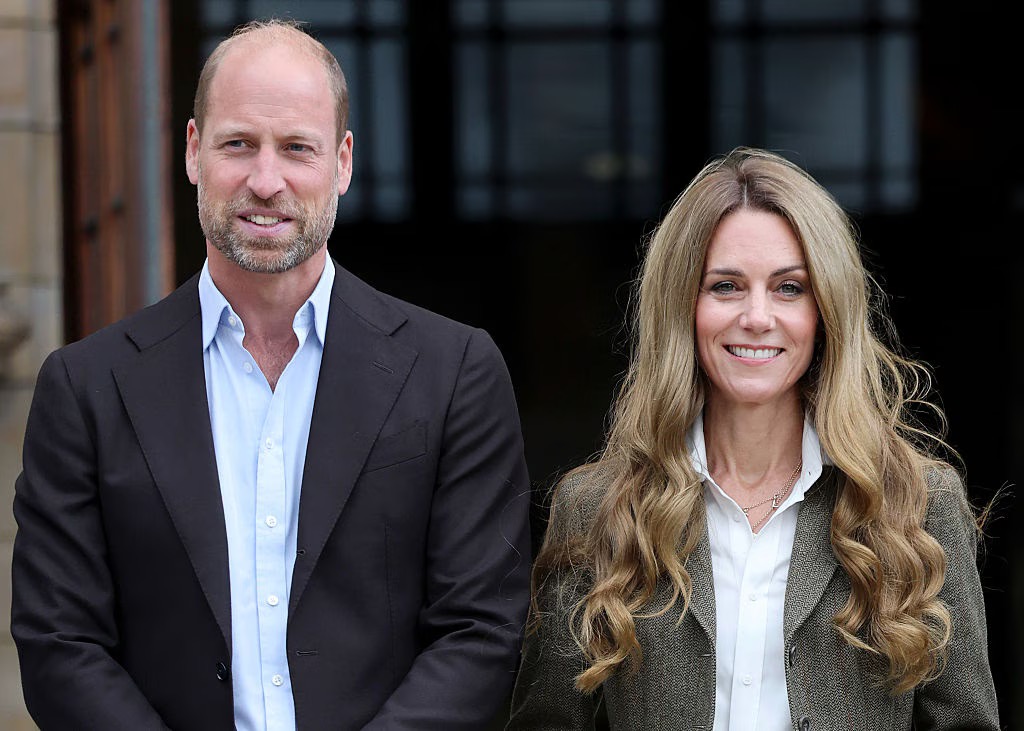
Let’s be honest: a woman’s hair is her crown and glory. It’s part of her identity, her confidence, her style. And when it comes to royalty, that crown is both literal and symbolic. Princess Catherine—Kate, as we fondly call her—always manages to look spectacular. She carries herself with elegance and dignity, and despite facing health struggles, she continues to shine as my favourite member of the Royal Family.
So why, then, does the we feel the need to dissect every strand on her head? Recently, Kate decided to lighten her hair a touch. Not platinum, not peroxide blonde—just a soft, subtle lift. Hardly headline material, yet suddenly it’s splashed across the front pages. Is this really news?
I say this as someone who spent years as a celebrity hairdresser: hair is deeply personal. It’s not just style, it’s self-expression, sometimes even reinvention. I actually admire Kate for trying something new under the relentless glare of the cameras. Personally, I think she suits brunette best—but that’s beside the point. The point is, it’s her hair, her choice, and she looks radiant either way.
But what left me utterly flabbergasted was what happened next. A few days later, she attended a women’s rugby match with her hair pulled back in a ponytail—practical, appropriate, perfectly normal. And would you believe it? That too became a headline. A ponytail! Honestly, are we that short of news?
It makes me wonder about our priorities. Wars are raging, the cost of living is biting, families are struggling—and yet we’re fixated on whether a princess wears her hair up or down. Surely, we can do better.
Here’s what really matters: Kate represents grace, resilience, and positivity at a time when good news is hard to come by. She continues to serve, smile, and inspire, even while facing challenges of her own. She is a mother, a wife, a public figure, and a future queen—and she handles it all with poise. That deserves admiration, not nit-picking.
So, my view is simple. Leave Kate’s hair alone. Celebrate the woman, not the ponytail. Applaud her courage, her elegance, her humanity. Hair grows; styles change—but the strength of character she shows every day? That’s what truly deserves the front page.
Why Do So Many Smart Women Fall Under the Spell of Con Men?
It’s not about weakness—it’s about hope, empathy, and the universal desire to be loved.
Before we begin, let’s be clear: this isn’t unique to women. Men, too, can fall victim to manipulation, deceit, and what we might call a “love con.” Yet it remains striking how often we see bright, accomplished women—lawyers, doctors, business leaders, and artists—caught in the webs spun by controlling, Svengali-type men.
This was brought home to me recently while watching Love Con: Revenge on Netflix. The series exposes the astonishing ways charismatic fraudsters charm their way into people’s lives, leaving devastation behind. The victims are not naïve or unintelligent. Quite the opposite—they’re usually sharp, capable, and worldly. Yet even they are drawn into the con, sometimes for years.
The Psychology of the “Love Con”
Why does this happen? Why do intelligent women—women who can negotiate boardrooms, run companies, and juggle families—become vulnerable when love enters the picture? Is there, as cynics suggest, something in female nature that makes women more susceptible when romance is involved?
I don’t believe it’s about weakness. If anything, it’s about strength—and hope. Many women are deeply empathetic, nurturing, and generous. They are also willing to give people the benefit of the doubt. These qualities are admirable, yet they are the very traits manipulators exploit. Con men mirror back what their victims long to see: affection, stability, the promise of being cherished. By the time the illusion cracks, the emotional investment is so deep that leaving feels impossible.
Neuroscience sheds light here. Falling in love floods the brain with dopamine, oxytocin, and serotonin—the same chemicals associated with addiction. Under their influence, judgment clouds and red flags fade. Intelligence doesn’t disappear; it’s simply overwhelmed by biology.
The Celebrity Trap
Even women with power, influence, and entire teams of advisors aren’t immune. How many times have we seen successful actresses or performers introduce a new partner, only to announce within months that he is now their manager? Management is a skilled profession requiring experience and industry knowledge. Yet suddenly, the boyfriend is running the show.
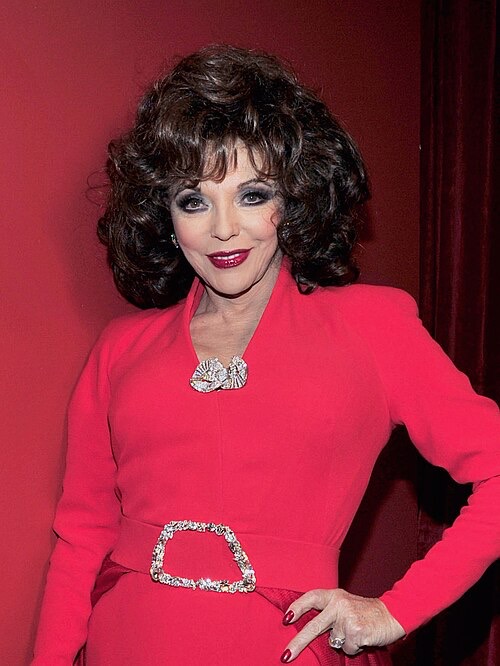
Rarely does it end well. Take Joan Collins, who married Peter Holm in 1985. Within weeks, he had become her manager and co-producer. By 1987, the marriage collapsed in a storm of bitterness.
I’ve seen the same pattern in everyday life. Brilliant women who once spoke their minds now begin every sentence with, “And Joe says…”—as if their identity has been swallowed whole. The pattern is chillingly predictable: isolate her from friends, cut ties with anyone who might see through the act, and gradually take total control. Netflix’s Dirty John dramatises this cycle with unnerving accuracy.
Ghislaine Maxwell:
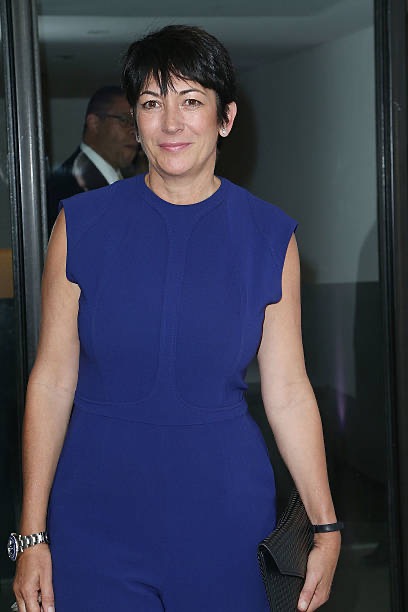
Consider, too, the controversial case of Ghislaine Maxwell. An intelligent, educated woman from a powerful family, she nonetheless became the enabler of Jeffrey Epstein. Was he a replacement father figure for the domineering Robert Maxwell? Did her need for validation blind her to the enormity of his crimes?
Whatever the reason, it is telling that Epstein’s male associates have largely escaped accountability, while Maxwell sits behind bars. She has become, many argue, the fall guy in a sordid melodrama. Her case is a stark reminder of how even the brightest women can be drawn into the orbit of a manipulative man.
Beyond Blame
So why do smart women fall for con men? Because intelligence is not a shield against love, against hope, or against the human desire to be needed. These women are not foolish—they are human.
If anything, their empathy, generosity, and optimism make them prime targets. And until society learns to place blame squarely where it belongs—on the men who manipulate, control, and exploit—the cycle will continue.
The question, then, should not be “Why do women fall for con men?” but rather, “Why do we allow con men to keep exploiting love so freely?”
Because in the end, the real con is not about women being weak—it’s about predators preying on the very best of human qualities.
Will Harry Meet Charlie?
There is so much speculation surrounding Prince Harry’s upcoming visit. Will he meet with his father, or won’t he? That’s the question on everyone’s lips.
First of all, he is King Charles’s son—and whether he is seen as the prodigal son or not, I truly hope a meeting takes place. After all, no amount of titles or headlines can change the simple truth of family.
As a nation, we watched Harry and his brother William Walk behind their mother’s coffin. They were just boys, and the emotional and psychological impact of that moment must have been unimaginable. It shaped both of them forever, and perhaps explains much about the men they have become.
Of course, all families have rifts. Harsh words get said, mistakes are made, and Harry has certainly made some. His marriage added another layer of complexity, and Meghan herself is another story entirely. But to dismiss him outright would be unfair.
Harry was always one of my favourite royals. He brought a youthful sparkle and an authenticity to public life that made him stand out. Whatever the differences, I hope father and son can find their way back to each other.
Ah… the Passive Aggressives. We’ve all met them. They open their mouths and what comes out sounds like a compliment—but it’s actually a veiled put-down. Before you can respond, they’ve already moved on to a new subject. Like silent assassins, they strike, then dare you to recover from the blow.
If you say, “Hey, would you like that said to you?”, they recoil in horror and reply, “Why are you so sensitive, darling? It was a compliment,” shaking their heads like they’re the victim of #PassiveAggression.
From: “I do admire how you keep going when others would have thrown in the towel ages ago—so brave,” to: “You know that outfit suits you—don’t let others put you off, whatever they say.”
Favourite?
My personal favourite came from a friend who’d actually introduced me to my now-best male pal. She told me: “So glad it’s going well with you two… you shouldn’t care what others are saying about you both.”
Let’s not forget the classic: “You can’t tell anyone I told you this, but so-and-so said XYZ about you.” My reply? Always: “Why were they so comfortable telling you?”
Now, much passive aggression comes from strangers, but the deepest cuts usually come from people we love, see regularly—or worse—family members.
Madeleine, a dear friend of mine, simply can’t help herself.
We All Know a Few Wicked Queens
The trouble is, I love her, and I tend to overlook her barbed remarks. Picture this: dinner with a group of friends as she regales the table with a story— “Oh darling, we were sitting up in premium class while Steven was way back in economy, squashed between two people.”
Everyone chuckles and looks at me sympathetically. In reality, she was also in economy. A bit further from me, yes—but the same class. Why make me the fall guy in her tale?
I don’t correct her. Honestly, I’m speechless. And who wants to play #PassiveAggressiveTennis? I know she loves me—really.
Spelling Lessons
Another agent friend, Antonia, has a wicked sense of humour, and her loyalty redeems a lot. I was so looking forward to lunch with her. She’d just returned from New York, promoting her girlfriend’s record, and we planned to pop into a gallery event where one of her friends was exhibiting.
But it didn’t take long for the first blow: “Darling Donna [her girlfriend] and I were just saying—you forget what a great writer you are—pause—as you’re just such an appalling speller.” Then, after another pause: “Does someone help you?” she asked, casually munching a root vegetable like we were discussing the weather.
It’s true—I’m dyslexic. Spelling is not my strong suit. But after over 20 years writing for publications around the world, and two published books, I’ve earned my place. If it weren’t for journalist and presenter Jane Moore encouraging me— “You have the voice. The rest will come—just do it.”
With technology, hard work, and mentors like Jane, I carved out a writing career. These days, people actually rate my work—and that means a lot. So I just smile and explain that yes, I have editors and tech, and the tools are better now.
Before I finish, the topic shifts—to Donna hitting the charts in the U.S.
Still Not Done
Later, at the packed gallery event, Madeleine introduces me to a group of people: “Everyone, this is Steven. He’s a great writer—but can’t spell.”
They look bemused. Madeleine has struck—and vanished—leaving me standing there hoping no one starts a crowdfund for my spelling lessons.
Arlena & Real Life
Life isn’t like the movies when the passive-aggressive gang comes for you. Most of us feel like rabbits in headlights—unlike the deliciously sharp Dames Diana Rigg and Maggie Smith in Evil Under the Sun.
Maggie, as Daphne Castle, greets Diana Rigg’s character Arlena Marshall: “Arlena and I were in the chorus of a show together—not that I could compete. Even in those days, she could always throw her legs in the air higher than any of us—and wider!”
Arlena retorts, “Kenneth, what a surprise. When you told me the island was run by a quaint little landlady, I had no idea it was Daphne Castle.”
There’s a fine line between bitchy and passive-aggressive.
Mother-in-Law Moments
A friend’s mother-in-law, taken backstage after a show, hugged the leading man and gushed about how amazing he was. The leading lady popped in to say hello. She turned to her and said, “I thought you were great… don’t listen to those reviews.”
Silence. The actress smiled, made her excuses, and left. When we later pointed out it was a line from The Feud (Joan Crawford vs. Bette Davis), the poor woman was mortified—she hadn’t meant it to cut. In hindsight? Hysterically funny.
The day before, she’d overheard me chatting to a famous pop star: “Who was that?” she asked. I should’ve said, “Mind your own business,” like my mum would. But I answered. Her reply? “Why would they want to talk to you?”
Gobsmacked. And somehow, older people get away with more. She really is lovely, though.
LGBTQ and the Passive Blow
As a member of the LGBTQ+ community, we often face passive aggression. It’s exhausting.
At a wedding in Guernsey, where the bride was 20 years older than the groom (so you’d think a liberal crowd, right?), a woman rushed up: “Oh, you two must be Mandy’s gay friends from London!”
She beamed like she expected us to burst into I Am What I Am. I tried some small talk. She wasn’t done: “David is gay—from EastEnders!” I replied, “Really? Amazing. I’ll look him up in the book.” Her eyes widened, “There’s a book?” “Yes, we’re all registered. I’ll bring you a copy next time I visit Mandy.”
Okay, that may have been me being passive-aggressive.
From: “I don’t mind the gays. My hairdresser’s one.” to: “I’m all for it—but don’t you mind not being able to have children?” We’ve all heard those.
Let’s not get started on the “bitchy queen” lines: “Don’t mind me, it’s all in jest. I’m just a bitch.” You’re waiting for them to hand you the poisoned apple. “Go on, bite, dear.”
What the Experts Say
Dr Pam
Experts say the best way to handle passive-aggressive people is not to react.
Self-help psychologist Dr Pam Spurr (@DrPamSpurr) says:
“People can be passive-aggressive for many reasons, but usually it’s because they have a manipulative streak.
If they want to put you down, the easiest way is with a backhanded compliment. It wrong-foots you and leaves you wondering what they really meant. That’s emotional manipulation.
She adds:
“Passive aggression often comes from resentment, envy, or jealousy—sometimes without them even realising it.
Some people, however, do know exactly what they’re doing. They enjoy the power of the subtle jab.”
Her advice?
Call it out calmly—especially if you see the person often.
If it’s someone you barely know—ignore it, put it in perspective.
Realise: it’s more about them than it is about you.
According to LearningMind.com, passive aggression also includes chronic lateness (to gain attention), controlling events, undermining others behind their backs, playing the victim, or pretending there’s no issue when there clearly is.
Psychology Today agrees:
Recognise the behaviour.
Stay calm.
Don’t take it personally.
Confront it if needed.
Blackmail and Backlash
These all sound simple on paper. But for people like me—who hate confrontation—even a kind challenge results in tears and emotional blackmail. I’ll do anything to stop someone crying.
Growing up, pointing out when someone was wrong led to a meltdown. Still today, if I gently mention something upsetting, I get: “I can’t say anything right,” soon followed by, “I had a terrible childhood.”
Let’s be honest—in the UK, from the 60s to the 80s (and sometimes now), talking about feelings can feel like a deadly sin.
Teach Them Young
Signe Whitson, LSW, writing for Psychology Today, notes:
“Without directly addressing passive-aggressive behaviour, the pattern will play out again and again. For real change, benign confrontation is necessary.”
She argues being assertive isn’t something to fear.
I agree. Imagine if we taught kids that if someone they love says something hurtful, it’s okay to speak up and share how it made them feel.
As Dr Pam says,
“Sometimes they don’t even realise what they’re doing.”
Friendships hold deep bonds, sometimes as deep as family bonds
But are friendships always good? Or are they also damaging if you don’t know yourself?
People come and go into our lives on a daily basis. Some we see everyday and others are months and even years apart. There’s a special connection that can make us feel that time never passed. Inside, you know that this person will always be in your life, no matter how much time apart you have. This is the beautiful part of true friendship and companionship.
But what brings people together?
A common ground, family, employment, education, or through coincidental events that lead people to form a relationship. Mutual memories and shared experiences create a narrative that only they know and can share.
When it’s tied to a historical significance, it seals a feeling of forever that can never be downplayed or recreated. A story of friendship and joint paths. That somehow the universe had this written and the belief that one can’t exist without the other. A sense of belonging in a period of time.
If independence, self-love and self-control are seen as essential qualities, then are these relationships set up to eventually fail?
Everyone has their own lives. We can’t always be there through all the highs and lows our friends experience. We all have our own paths. These paths are directed by our life choices and events. They stem from our natural development and a change in priorities.
How do we know when that moment comes?
When the show is over for a bond that once was and people part ways. Some friendships or human relationships last as long as necessary. They allow you to move on to the next stage of your life. It feels like good-bye to the version of you that connected to a version of them. We mutually and subconsciously decide to let go of those versions of us. We do this when the forces of life challenge us to evolve.
Ultimately a relationship with anyone other than family is based on the setting that you meet them in. A work colleague you see more or less every day may leave suddenly. It’s sad, but life continues. New people start working with you and this brings change and new connections. The old work colleague eventually becomes a distant memory. You may meet for catch-ups and go to each other’s birthday parties, wedding, or perhaps meet for dinner and drinks.
The moment you know it’s fading…
Time with them includes reminiscing about shared past memories. It also involves sharing funny anecdotes, reflecting, and updating each other on how everyone is doing. Life has continued and a reminder of the past becomes the only bond that you have with these people. Until the point that social media and the odd messages are all that connects these friends. They lose their glue and the only link that is shared are mutual experiences in the past.
Can work friends, become long-term friends?
People at work we see more or less everyday. We build relationships and maintain friendships during work time. I always say that I spend more time with colleagues than I do with family and friends and even with myself. We are brought together through coincidence. Unless you recommend a friend who starts working with you, everyone there are people you met because you applied for a job with the same company.
I have been extremely lucky enough to meet a colleague at work through a complete coincidence and because of an incident that took place. This person has become a rock and solid foundation in my life. I was there for them through the tragic loss of their mother and reminded them of their strength to get through the heartbreak and absence of their best friend and reason to keep living.
Similarly, they are the reason I am still here. In my lowest of lows, they were there to simply listen to me, vent it all out and we held each other up. When one is deteriorating, the other holds a safety net to catch the other to disintegrate any anxiety or self-doubt. They see similar traits and personality characteristics between me and their mother and I see myself in them. They bring a glowing and shining light into the world and people’s lives but they also carry the shadows of insecurities and self doubt that the world and loss has cursed them with. We are part of each others lives and they are in my heart and always make sure I have whatever I need to be George. Despite this there are times we may not have contact temporarily but we will always reconnect.
From strangers to best friends in a minute…
Some brief encounters feel like you have known the person for years and you share things about yourself that are deep and personal. It’s a shame that most of these will inevitably end. A random meet up, an online date, a shop worker, the person on the train going to work, a customer in the queue, or a person at the bus stop. These people match your mood, energy, and humour but there is nothing else to bring you together. You remain strangers when you part ways until a day that you may see them again.
The overwhelming fear of losing friendships as we grow
I fear sometimes that life will separate me even more from the closest few in my life. The friends I grew up with have evolved on to different paths now. They have children and their lives have completely changed to nurture, care and love their children. I’m always in their thoughts, we speak and meet up on certain occasions but ultimately things could never be the same as before.
I often felt left behind because of my sexuality and lifestyle. During my growth I have realised that I am on my own path that starts with me. I am at a point where I can count my true friends, choose where I go and with whom I want to spend time with bearing no guilt or the need to feel validated or accepted by pleasing others. There have been events that I was not invited to because I have no children. While the people I grew up with can meet regularly to catch up and share memories. I’m not included in this because my lifestyle is different from theirs so I may be over looked, or there is an assumption I may not want to go because there are children there. The truth is I could not think of anything better than seeing my friend’s children grow and seeing my friends in a parental light and the love they share as a family.
But when is it time to make this decision before life does it for us?
Some of us hold onto friendships and relationships because of a history of connections when in reality these people are unsupportive, toxic, and self-centered. Although the initial connection was true and genuine, life has pulled them into a different direction or changed their priorities and they keep you in their lives because of what you supply them with. A support mechanism, a non-judgemental companion that will always be there to vent to, and pick up the pieces every time they continue to make the same mistakes over and over again despite the outcome being the same.
There are genuine times you are there for each other through a loss, support with life issues, or to have a good time. But the outcome will still result in a complete separation either because one will realise they are being used or the other may feel exhausted giving constant advice only to be met with backlash or resentment.
When I was at my worst, I was able to discern between those who were there for me because they actually care about my happiness and those who needed me in their lives because it was convenient for them. By the end of it, the truth always comes out and a painful yet relieving decision has to be made. You start putting yourself first.
What is the role of friendship in our lives?
A friend or companion should make you feel empowered, strong, encouraged, and valued. They will always find time to ask how you are despite the pain they might be going through in their own lives and you do the same for them. They will never intentionally let you down, take you for granted, or use you to vent their anger and blame you for their mistakes in order to validate their own decisions that are wrong or damaging.
Moreover, they will never throw anything back at you that you have confided or shared with them in confidence. And they teach you the value of our choices, they teach you to forgive and move on.
With their support, I have now developed the courage and forward thinking ability to decide who is no longer part of my life journey. I had some amazing and memorable moments with them where we laughed, cried, supported each other and flourished. However, a realisation eventually kicks in, that we’re different people and they’re not healthy or positive to be around for my mental health or well-being. With some people I will never look back and would rather not know them anymore. With others they will always have a place in my heart and I would never rule out reconnecting and sharing good times if life has that in store for us. But it will never be the same as it once was.
George Khoury walking towards a successful life and leaving the past behind
How to co-exist with a sense of self and friendship?
In order to continue to grow, we need to cut loose people that are not ready to move to the next stage of our lives. When you change, this disrupts the use you have for them and you will be held back and reminded of the old you that you are detaching from, and may receive hurtful comments and accusations that prevent you from moving forward. You will be caught in a never ending wheel of toxicity and negativity.
But take a breath and look around you to decide who really inspires you, makes you glow, shine, forego self-doubt, value your self-worth and uniqueness. Put yourself first and remove the barriers stopping you from reaching your goals and life purpose. You will see the benefits this will have in your life before you know it. You’ll realise that this is your life and you have the choice despite memories or connections. You’ve got this. See you on the sweeter side.
Welcome to more of Steven Smith’s Tales of a Middle-Aged Single Gay Man column
‘Fag hag’ is a gay slang phrase referring to women who associate exclusively with gay or bisexual men. But you knew that anyway, didn’t you?
Steven Smith
Now, I hate labels of any kind, but when a woman tells me “I love the gays” my toes curl. Even my nephew, when he was thirteen, was smart enough to not fall for that one.
“They are just like everyone else, good and bad”, he shrewdly pointed out. It’s funny in Ab Fab when Adina blurts out “all my friends are gay”. Oh, the irony.
However, the women that happily label themselves fag hags tend to flag up serious warning signs. I have heard it so many times: “other woman just don’t get me, but you and the gay guys do.”
This is usually followed by how she likes bad boys in bed. That’s nice for them. For me, I want to be liked as a person, not for my sexuality or a label.
Since my first time at a gay club in New York, the Limelight, I was aware of lots of very sexy women model types dancing. My friend told me: “they feel safe here. They can dance and not get hit on.”
It was not long before the straight men caught onto this and started frequenting the more glamorous gay venues. On one occasion, I was with a group of guys when a very hot girl walked straight up to us and said “so sad you are all gay. I would f*** the lot of you!”
A little voice piped up: “I am straight”. He was my pal who honestly leads the way in gay fashion but is 100% straight, though many men have tried their luck and a minute later found themselves in a taxi home.
Elizabeth Taylor. Wowza.
Elizabeth Taylor loved the company of gay men, from Rock Hudson to Tab Hunter and Montgomery Clift. She described them as her confidants.
Tallulah Bankhead, when she was not famously trying to sleep with gay men, preferred their company. Long ago, in the time of Mary Queen of Scots, Mary loved to quote the pretty men.
For me, I like people. It seems though by chance that many of my friends are female and quite glamorous and powerful. None of them would be described as fag hags.
In their company I still keep to the traditional male role that I am comfortable with: opening doors, walking on the right side of the path near the road, and even pulling the chair out. Though some of the women I know try to lead when dancing and even pull the chair out for me.
Now, despite having some pictures taken to join a dating website, somehow I am no further along, and the woman who I would call one of my rocks, Liz Branson, is on the phone from her New York office. She splits her time between there, Dubai and London.
“Have you done it?” she enquires. Trying to get off the subject, I ask when she is in London next. There is a pause:
“You haven’t“, she snaps with an air of annoyance. Then she almost commands “Jo Allen’s, Tuesday 9.30”. She does not wait to see if I am free and hangs up. But then texts ten minutes later (“If you are free can you book it?”).
Liz is great fun, but always right about everything and obsessive, sometimes to a point where you want to scream. That’s what makes her so successful, alluringly and fascinating.
She is also always late, arriving with some story, but the reality is it takes her half an hour to cover herself in body oil that makes her beautiful worked-out body glisten. That’s just the part of the beauty regime to go out.
So, despite having brass balls when it comes to business and breaking many high-level men, she still likes to be every part a high-maintenance woman.
Still from the Will & Grace show
She is my Grace, as in Will and Grace, the TV show. Now, it is a common mistake to presume that women “get” gay men just because they hang out with them. Even the woman who proclaims: “I am just a gay man trapped in woman’s body” can be shockingly naive.
One long-term friend of 36 who grew up around the LGBTQ community, recently pointed out on a theatre visit that the show we’d gone to see was a great one for me just because it had five youthful boys, scantily dressed, in the cast.
It did take me back. As pretty as they were they left me sexually cold. She must have noticed none of my boyfriends have been under 40.
My best gay mate would know that the male cast of Peaky Blinders or Colin Farrell would have me hot in my seat. But teen boys have as much effect as Dita Von Teese dancing – nice to watch. She was the same friend who once asked, “Why would you want to give head rather than take?”
This is the case with Liz, apart from one man who was straight when he lived with her and came out later, she really did not know any gay men until me.
I think she presumed we all came in a mould, as she was quick to dash into another relationship with a gay man who was in a rush to take her to gay bars and so on.
My opinion is it should be mutual, and I am happy in a predominately straight bar/club, but as it’s rare I am in a gay bar I tend to have dinner or go to events.
Liz rang me one night: “I am on Clapham Common”, she whispered down the phone. Enquiring if there was concert or some event, to my horror she replied, “no, I’m cruising with… Have you done this?” Really, I wanted to scream – this was a step too far. Needless to say, their relationship did not last when he tried to seduce Liz’s then-husband.
But it was not the first time that I heard of women going cruising with gay men. My former lady boss was once in a Freedom cab (a gay taxi company) when the driver said he was going to Hampstead Heath to drop condoms off by a tree in the cruising area.
She jumped: ‘Oh, I have been there.” Some of her gay pals had taken her. This phenomenon had passed me by. One, I don’t cruise – it’s scary, and broadminded as I am, why would you take a woman?
Well, Liz is late as usual. She has texted several times, blaming the Uber driver, a lion escaping from Regents Park zoo, and a fire at the local orphanage.
But when she arrives she’s looking spectacular, and the whole restaurant turn their heads to look at her. Liz runs her hands through her thick red hair, passes, and waves enthusiastically.
She has just become a vegan, and was difficult enough in restaurants before, but this is taking it to a whole new level. Once, after sending an omelette back four times, famously I took a picture of her perfect omelette and gave it to the waiter the next day, much to her annoyance. It’s just one of the things that make her amusing.
But back to the evening. Only one waiter and chef have resigned since Liz has placed her order – kidding. My suggestion that I nip to Tesco’s and get the soya sauce she wants so badly goes down like a lead balloon as she has everyone fussing over her.
There is quick chat about the gorgeous executive she went skinny dipping with in Dubai and how fantastic he was in bed. Do I think 15 years age difference is too much?
Followed by she really is still into 50 shades of Darryl, a man she met at a conference and had the best sex ever with, but had turned out to be an asshole and who I hate hearing about for the 90th time.
The nice thing about Liz is she is not an energy vampire and likes to hear about you. But it’s the subject that’s not top of my list – my ‘love life’.
She is convinced that my best pal and I should be together and that why I am not with anyone? The problem many people don’t get is you can have a purely platonic relationship when you’re gay with another gay man.
Of course, I love my best mate, but have no plans to marry him. Losing track of how many times that I have told her ‘NO!!’, I tell Liz that’s it, I’ll ask him to marry me next week.
There is a scream and she wants to order champagne. Liz’s face quickly drops when it’s pointed out it’s a tease. Well, I am sure it would have if she hadn’t had Botox two weeks before.
The subject is dropped, and we have lots of laughs and drinks, until she announces we are going to Old Compton Street for after-drinks. “Why?” I ask. Apparently, she loves GAY and the music.
But my gut feeling is that she is very kindly obsessing about finding me a fella. My suggestion of our usual after-venue, Radio Bar, is met with a blank. Realising that she is doing something Liz thinks will be good for me, we take off.
There is no queue to get into GAY, but it is busy, and Liz wastes no time in turning into Cilla Black after getting a drink, and my heart falls as she starts randomly talking to men; all of course adore her right away. “Who do you like?” she shouts above the music.
Liz introducing me to random men to reject me leaves me feeling like a rabbit in the headlights. “I’ll be discreet”, she bellows.“I’m all good, thanks” and hug her.
Liz starts dancing with some colourful drag queens and shouts “I’m a gay icon!” Of course they all agree. Much as there is room for interpretation, Madonna or Judy she isn’t, but for that night she was. It was so kind of her to care.
Flushed with her success at GAY, she wants to explore more, so we head to a bar on Rupert Street, as a friend of mine is there anyway. Her one-woman show goes down well there, too.
I have already briefed her that my American pal is a friend, and not to think about bringing up whether we are dating or anything of that nature. She thinks he’s too young anyway, so I am off the hook.
Liz is now befriending the handsome doorman, who turns out to be heterosexual and married. He waves me over. “Why don’t you take your girlfriend somewhere she can meet a man?” My reaction was to smile. “She wanted to come here, not me.”
Besides, who says she would not meet a fella there? My sister had a holiday romance in Key West with a man who managed a gay club, and one lady friend married a bar man who worked in one.
Liz and I are still happily single, but watch this page for more tales.
Steven is a published author, regular radio guest and has a monthly column in MilliOnAirMagazine.














 2Shades Magazine