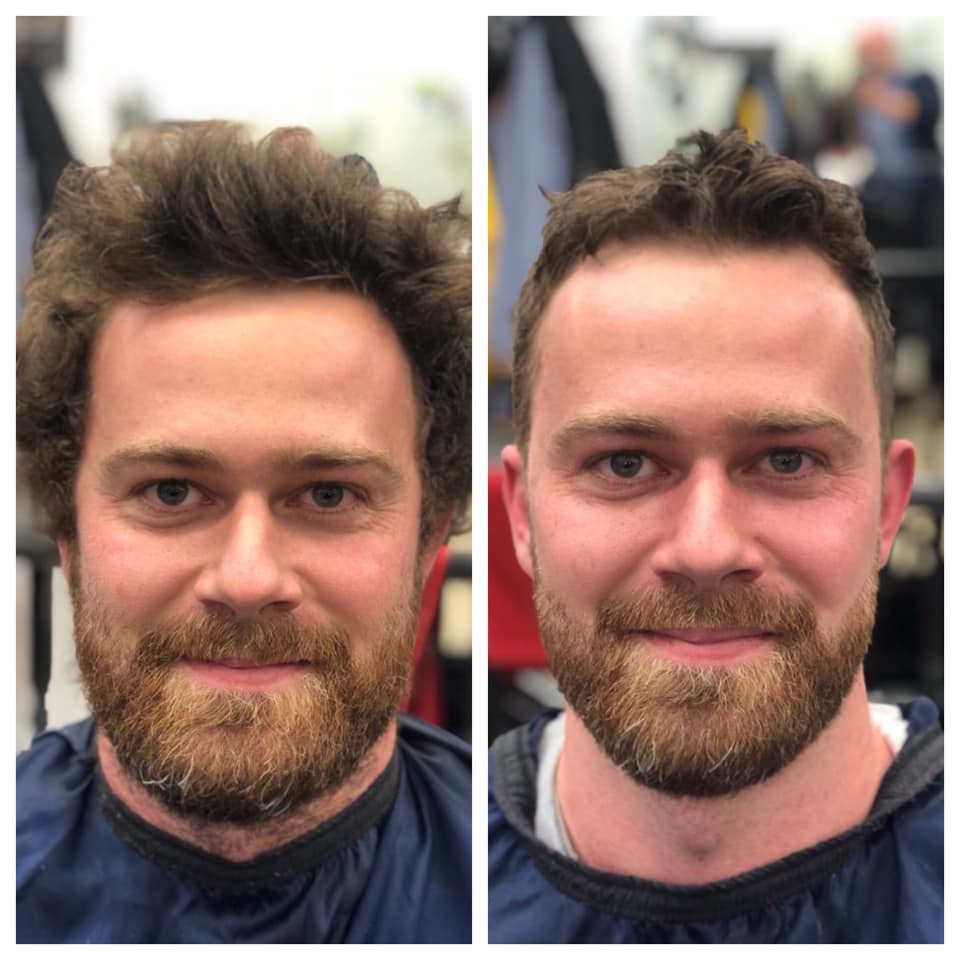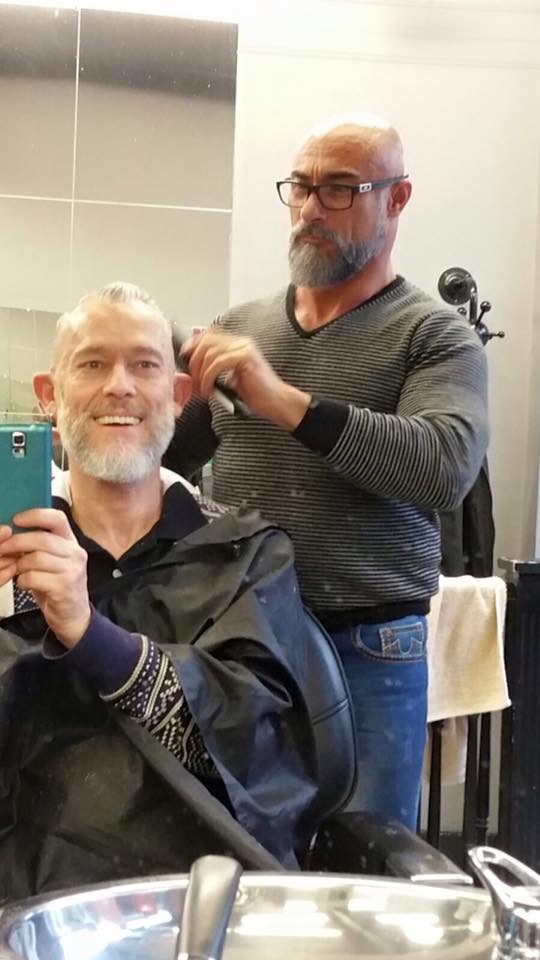
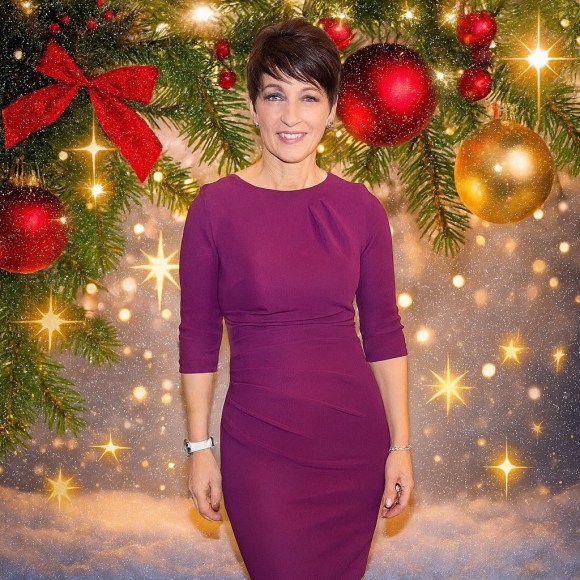
“Blondes have more fun”. But in this current heat wave the sun can strip your colour and take you from a cool blonde to a brassy one in just one outing to the seaside! Rushing to get that toner in the salon can be costly. However, armed with Waterman’s violet shampoo and conditioner, you can remove those unwanted yellow tones without an extra salon visit between your normal appointments. Be careful how long you leave the conditioner on as, depending on how cool you want your hair to look, five minutes should be enough. Watermans also do a great range of hair care for thinning or fine hair.
Vegan friendly, this collagen moisturiser has a sun factor of 25 and tightens the skin.
With ingredients like Argon oil and shea butter it may be a little on the pricey side, but fans of Crème de la Mer might find it a cheaper alternative.
Jeunvie is a favourite range amongst cosmetic doctors. Asal Shirazi created the range with the vision of keeping it as close to nature as possible. For men, I just love the moisturiser to shave with too.
A must have in this heat, it has absolutely no cholesterol – this is in addition to being a low-calorie drink.
Coconut water is identical to blood plasma. In World War II and even today in very rare cases in countries, coconut water has saved lives by being used as an intravenous hydration fluid instead of the standard IV fluid. Despite being naturally sweet, it is extremely low in sugars. It is low in sodium compared to energy drinks, and high in chloride compared to sports drinks. It regulates and controls the body’s temperature and boosts the immune system.
It boosts your metabolism, which is an important step in a person’s weight loss process.
It is a natural isotonic beverage, i.e. is the perfect drink to rehydrate your body and replenish lost electrolytes.
It cleanses and settles the digestive tract by actively killing intestinal worms, which makes for easier digestion and less chance of digestive illness. Coconut water controls vomiting, making it extremely important for those suffering from ailments that cause vomiting like typhoid, malaria, or fevers. If you are summer partying, coconut water is a must for that hangover.
If you, your man or anyone wants to smell that extra bit classy, you cannot go wrong with my secret weapon Perfums-De Marly. I adore Layton Exclusif from the brand designed for the male, but in this day and age anyone can wear it. It might seem a little pricey, but keep it for those special occasions when you want to stand out.
It is a rich and woody fragrance and will make an impression. Top notes of bergamot, grapefruit, and apple softly envelop the heart of cinnamon, lavender, agarwood, and geranium. The base is concluded by guaiac wood, sensual vanilla and sweet cypriol. A revival on the traditional, yet refined in its scent.
A gender-neutral James Bond? The idea has left me not just stirred, but shaken. It is time to put the brakes on the more extreme woke and cancel culture, otherwise I predict that we will soon see an enormous backlash against some of the minority groups in our country. Some more extreme activists undo the hard work, sacrifices, and tireless fighting of the many heroes of the LGBTQ+ community which gave us the rights we have now.
When I first heard the news that there could be a gender-neutral James Bond, all I could think was “NO!”. James Bond was created by the writer Ian Fleming. The character studied at Cambridge University, where he achieved a first in Oriental Languages. In Fleming’s novels, Bond alluded to briefly attending the University of Geneva (as did Fleming) before being taught to ski in Kitzbühel. His character is rumoured to be based on Sir William Stephenson. In fact, Fleming’s first choice actor to play James Bond was David Niven. It is documented that Fleming was less than impressed by Sean Connery playing what he called a glorified stunt man who used to drive a lorry. What the character was certainly not was trans, gender-neutral or a woman.
We do not need to rewrite the classics to force inclusion. Instead, we need to positively and proactively introduce strong gay characters into new films, television series and cartoons.
Boarding school
True, in “Skyfall,” Daniel Craig’s Bond hints that he may have tried sleeping with a man (it was almost cut). Let’s face it, while the character may be fictional, he did go to boarding school, so it is a plausible possibility. Craig is considered the closest actor to Fleming’s original description of Bond in the first novel. Casino Royale was published in 1953, with a further 11 novels making up the series.
According to the book, Bond was a womaniser, a man’s man. Rather the antithesis of a gay or gender-neutral person. He embodied, for the most part, what heterosexual men aspire to be, next to being a footballer or sports star. If those fighting for change and we all are were sensible, they would leave well alone and leave this classic macho character to be just that.
There is, for sure, room for LGBTQ+ superheroes or villains on mainstream television or in films. It is important that everyone is given roles to give exposure to all communities. But this needs to be positive exposure, done with tact and not at the expense of “the other side”.
Lesbian Snow White
I do not want a lesbian Snow White. Nor do I want a socially challenged Queen with narcissism issues carrying a fair-trade organic apple. Or Cinderella, who obviously lost the shoe because she was drunk, being transformed into Buttons, who lost his shoe while getting ready for Ru Paul’s Drag Race. Or Indiana Jones and the Last Top on Old Compton Street. Leave them alone!
Sure, many of us in the LGBTQ+ community did not have role models growing up and those of us who grew up in the 70s and 80s can thank God for Bowie and T-Rex, Boy George and Quentin Crisp!
We do not need to rewrite the classics to force inclusion. Instead, we need to positively and proactively introduce strong gay characters into new films, television series and cartoons. Netflix recently released “Single All The Way,” which was a brave attempt at exposing general audiences to gay characters with a sense of normality – just a typical rom-com where the main characters just happened to be gay (it’s a shame though that Jennifer Coolidge could not save that turkey!). But, as my sister says, heterosexuals have to endure Hallmark. It is only fair we have a bad movie too.
Joan Collins
The last thing we need is to start to attack something that is seen as masculine or feminine and try to turn what is seen as a heterosexual character into an LGBTQ+ character. If the heterosexual community thinks we are attacking them, we are in trouble as fear has caused more wars in history – that is what will happen if we attack their foundation.
Why do we need to do this when so many of our community are such heroes?
Joan Collins has so eloquently expressed that cancel culture is a problem, but so are extremists in the LGBTQ+ community. Trust me: we have a huge backlash approaching as extremism in any group is not a good thing. All the incredible work so many in the community have dedicated themselves to accomplishing to fight for our community rights can quickly be undone. We are already seeing this unravelling – homophobic hate crimes have trebled in the UK this year…and that’s just crime that is reported.
Mermaids
Talking, not arguing, is the way forward. Recently, I had the pleasure of having drinks with two friends. The topic of trans children came up. I know many trans activists who think children should wait until they are 18 years old to start treatment but are frightened to say so in case they are cancelled or abused on social media. I was wondering what the author’s perspectives were, and the conversation quickly went quiet. So, we moved on. Later in a very entertaining hour or so, the subject of Mermaids, the charity for trans children and their parents. It turned out that one of the groups had been involved with the charity. I asked if they had gone quiet before as the subject had offended them. They said no: they just said they didn’t want an argument. The statement “I do not argue, I merely correct” sprung to mind as they said this, and it made me realise that different perspectives within the LGBTQ+ community may not be heard. We need to calmly listen to one another, as we still have a lot to learn. Thanks to the conversations I have had, I have learned a different point of view and, that night, I started to look into Mermaids and find out about how they help trans kids who need support through what, for many, is a difficult and often traumatic experience.
The LGBTQ+ community is still under attack every day. Like all wars, a good strategy is a key factor in survival. Education in schools is essential – using positive role models and making kids feel safe who do not fit the masculine or feminine stereotypes. This is still going to take time, understanding, and some amazing people to give a strong voice to this community. This is NOT going to be achieved by trying to rewrite classic characters, as this will only antagonise those not affiliated with the community.
If we do not box clever, one day, we could wake up to someone ruling the world that will make Trump look like a fairytale character. Just think back to 1933 when a failed artist persuaded an entire nation to turn against minorities. Let’s not be naive and think it could not happen again.
This article was first published five years ago But is very relevant right now.
Ten years ago, on a warm summer’s afternoon I am in a well-known clothes rental store getting a kilt for a Scottish friend’s wedding (I have since bought one) laughing and chatting with the lady who’s serving me. She is about to measure me up when a male assistant interrupts.
“Oh, I can see what size he is, I’ll pop down and get a couple for him to try.”
There is nothing unusual here and the lady shuffles off. Minutes later the man returns and ushers me to the changing room. “Try that one on first” – and he leaves me. Barely seconds before I have it on, he is back. This time he has tape measure in hand. “Oh, that’s too loose, let me double check the measurements.”
Are you gay?
To be honest, I really loathe trying clothes on in shops, so my thought was, at this point, that was what that girl was doing before you interrupted. Before I know it, he has the tape measure around me and as he releases it his hand goes up the kilt and he grabs the Crown Jewels. “Sorry, it slipped, I’ll get you the right size.”
Now I feel like a rabbit in the headlights. “Did that just happen?”
If I am left in any doubt, he returns with a third kilt in hand and whispers,
“Are you gay?”
I lie and say no!!! Taking the kilt I close the curtains on him and just stand there thinking “What the fuck?” Funnily enough, the lady who was originally serving me checks me out while he is nowhere to be seen.
Anyone reading this may well say, “The man doth protest too much.” But unless you have been sexually assaulted, you have no idea how you will react.
My first thought was, what did I do to encourage that behaviour? Second, if I complain, it is going to be, “You’re a gay man, you must have encouraged it.” If you were that traumatised you should have run out of the shop.”
My gay friends were not any help either. “Lucky you, dear, you’re no chicken but the boys keep coming”, one laughed. “It can only happen to you,” said another. “Do you have his number?”
Your correspondent
This is not the first time this kind of thing has happened to me. I don’t want to sound like a victim but I always blame myself. Much as I have been out since 15 and a spokesperson for LGBTQ and Walk with Pride, due to various experiences there is still some shame and trauma around my sexuality. But I built a wall around myself so nobody can tell.
Terrified
This experience is common to so many gay men I have spoken to who have been sexually abused or raped. “We must have done something to deserve this.” Trust me, this is not unusual. There are men, gay and straight, walking around who have been raped and are terrified anyone finds out.
My heart goes go out to the bravery of Sam Thompson. What a man. Sam was raped by two men in Manchester. He has led the way in encouraging reporting and talking about sexual abuse and rape.
Sam Thompson (pic, BBC)
Though in macho British society men are raised on the “big boys don’t cry” motto, we are getting better. Talking about feelings is hard for men because society’s labelling of what a man should. It’s almost impossible to live up to.
What really stands out about Sam’s horrific ordeal – he is heterosexual – is there are so many comments claiming that it must have been so much worse for him as he was straight.
Internalised homophobia
This shows a complete lack of understanding. And exactly one of the reasons there is so much shame around reporting being raped among both gay and straight men. It’s as if it was “not as bad” if you’re gay. Almost as if we would take some pleasure in it.
Another human forcing them on you is wrong, no matter what your sexuality is. The fear that you’ll be judged can be as bad as the act itself. Sexual-awareness experts say that probably only nine percent of men raped or sexually abused will report it due to the fear they won’t be seen as “real men” or, perhaps, because of internal homophobia.
In fact, many of the men who commit the act of rape don’t identify as gay. They are not typically to be found on the gay scene, though they may hunt on the periphery for victims.
Who could forget the film “Shawshank Redemption” set in a prison when Andy, the hero, hears that the nicknamed “Sisters” (three men) have taken, “a shine to him”? Andy replies, “I don’t suppose it would help if I told them I am not homosexual?”
Red replies, “Neither are they. You’d have to be human first. They don’t qualify.”
Shawshank Redemption (pic: Columbia Pictures)
Male rape has been seen as a taboo subject in the media. It only raises its head in the prison genre of movies. It caused shock revelations when the movie “Scum” came out in 1979 (it was set in a boys’ reformatory) due in part to the male-rape scene.
Seventeen years ago, Channel 4’s Hollyoaks tackled the subject with the Luke Morgan storyline. The victim was brilliantly played by Gary Lucy. It remains their most popular storyline to date.
A recent, horrible turn of events has forced the subject of male rape to hit the headlines, with Britain’s worst rapist, Reynhard Sinaga, 36, found guilty of luring 48 men from outside bars and clubs in Manchester back to his flat where he drugged and assaulted them. In many cases he filmed them. The actual number of victims has been estimated to be in the hundreds, but fear, guilt or just not realising what happened meant that many assaults went unreported.
Reynhard Sinaga
It is so important that these assaults are reported, and that men talk about sexual assault and rape.
I know what the risks are because now I am going to talk about the rape of a 16-year-old boy. Me! And just how easy it is for it to happen.
My home life was a nightmare. I had come out just before my 16th birthday but those details or for another day. Needless to say, I was desperate for some kindness and positive male role models. We had moved from Whitley Bay to what was supposed to be London, but it was Surbiton and I knew no one, let alone having the chance to meet another gay person in suburbia.
Earl’s Court
There were no apps or dating sites. The rules of my house, apparently there to protect me, actually put me in more danger as I had to be home by a silly time and could never stay out overnight in case the “homosexuals got me”. But it was fine to leave me and go to Spain for two weeks before I came out. Still, we all make mistakes and I am sure my folks meant well. I’m not judging, just giving you a bit of background.
Being a resourceful sort, it did not take long for me to come up with a plan, and I discovered Earl’s Court and a bar called The Coleherne on Brompton Road. Apart from a pint with some of the people at the theatre school in Newcastle I went to when I was 15, I had never really been to a bar, let alone a gay bar. Honestly, it felt like entering the genie’s cave. It was overwhelming – people like me! – and it was exciting. It wasn’t long before a lad a few years older than me approached me and asked, “Where are you going next?” He thought it was hysterical when I said I had a curfew.
Pembroke, Earl’s Court
“Well lovely, you have time to get down to Catacombs. They don’t sell booze, but we can have boogie and coffee.” He was called Ian and he was going to be my “sister” (gay slang).
Oh god, I fell in love with the Catacombs. The rich music of Grace Jones’ La Vie En Rose came bursting up to greet me as I walked down the stairs into the small, vibrant club. I felt free and safe as I danced and laughed with people that seemed to be like me. Honestly. the music of Donna Summer and the like meant I could not wait to go back the following Saturday. It insulated me from the often-miserable time during the week.
One night, one of the guys running the club, who was older, starting chatting. He told me that hanging out with Ian, I might get myself a reputation. It was a shame as I was “a nice lad”.
“Listen, some of us are going to lunch tomorrow, around one o’clock. Why don’t you come too? Don’t tell your mate though. I’ll fill you in when we chat tomorrow.”
I was getting what seemed to be approval and he seemed so nice. I honestly could not wait to get home that night and then back to Earl’s Court. I arrived a little early to make a good impression and had dressed up. He was a few minutes late and patted me on the back, so smiley.
“Do you mind if we nip down the club? I need to do a bit of cashing up, the others are running late.”
Mind? Of course not. I was actually excited to go. Once in, he popped some music on, and he had some alcohol behind the coffee bar – hidden, as it had no licence.
“Drink?” he said. Who was going to refuse, and he was so interested in me. He was counting money and he eventually topped me up and next thing I feel like I am spinning and in a dream state, and my body was almost limp with the red lights of the club beaming on me. In my hazy recollection there were two men on me.
Luckily, they took me to Ian’s car (worse could have happened). I was being very sick. Ian knew I was a not a big drinker at the time. Honestly, I could hear him going mad and the men saying that too much drink had been consumed.
“That’s not drink,” he screamed. He had to give me saltwater as the sick was black. We got a friend of Ian’s to take me home, but I was in an awful state. I dared not tell anyone what had happened and – to be honest – I was not sure what had happened at the time. But I knew it wasn’t good.
Parents
Of course, I stuck to the story that it was drink. However, my parents decided that, on top of me being gay, I was now a drug addict, and mum started calling helplines. This had given them all the ammunition to confirm that everything about being gay was bad. Of course, it was all my fault. It was my fault that in my need for validation from a male, so sadly lacking, I had listened to gossip and not told my friend Ian. My heartfelt apologies went out to him and it was a lesson.
There were other consequences, and luckily Ian helped me see a doctor so I could keep what had happened covered up from family and work. Yet who did I blame. Myself, of course. So, as in other traumatising situations from my childhood, I internalised it and coped.
I moved on and never spoke about it ever again, Of course I apologised for being such a terrible person. Bless my parents, they really were not to know. Still, one of the best things that happened was that I moved out a few months later to Chiswick and was much safer and happier.
Gary Lucy, Hollyoaks
But only a month later, one Monday night, was Bangs, the UK’s biggest gay club night, and I managed to persuade my parents that as Tuesday was my day off it would be easier to stay with Ian. Dancing was my escape. I loved it, and quickly I was approached by a young air steward who asked me to a party in the countryside. It was being hosted that Sunday by someone famous who “would love me”.
Well, he was young and nice, and it was different, and it was someone famous.
Gin and tonic
They would even pick me up. Of course, when I got there, and my host greeted me it was straight off to the tennis court. It was only the four of us and we quickly moved into the disco room and drinks flowed.
But in all my excitement and nerves, wanting to please, I got drunk on gin and tonic.
There was no food, but it became clear I was the main course for the host. Only later in life, when my nephew got to 15 -16, I thought never would I do something to a young person and take advantage of them. I honestly don’t think I would be responsible for my actions if anyone touched my nephew. It is funny, the celeb is busy dishing the dirt on so many people. I won’t name him, but according to a celebrity pal of mine her friend says he still has young people shipped in. Trust me, there is another Prince Andrew story out there.
It’s only now I don’t blame myself, but I could not talk about things till now: what happened in the Catacombs club, even my best friend and sister don’t know.
What is so frightening is the rise of chem-sex parties in London, with so many deaths and stories of apparent rape. I have never been to one and I am not judging, but it’s just not what would turn me on. But I guarantee there will be a line crossed and men will leave blaming themselves for just being there or feel they asked for it for just being gay.
GHB, one of the common drugs used at the parties, comes in a clear liquid form and was apparently used by Reynhard Sinaga on his victims (and also by gay serial-killer rapist Stephen Port). Is incredibly dangerous and can either kill the user or invoke a sensation of euphoria. It’s a fine line, though.
With the rise of this drug and the rise in male rapes too, is it possible we can all talk about it and start to make a difference? No means no and it’s never okay to put anything in anyone’s drink.
If you have been raped or sexually abused and would like to talk you can find support below:
2Shades writer Steven Smith grows. a beard picture by Graham Martin
As the singer Kelis would say, “Her milkshake brings all the boys to the yard”. One thing that will always bring me howling to the yard is a man with facial hair or, at the very least, that five o’clock shadow.
In the late 70’s, the clones with their check shirts and ’taches emulated what many gay men saw as the ultimate heterosexual man with Tom Selleck and Burt Reynolds the undisputed poster boys. And let’s not forget the fantasy images of Tom of Finland.
Image: Tom of Finland foundation
In my experience, much as the clones looked “hot”, what was on the lid was often not what was in the can. Many were hiding their dislike of their own sexuality by playing it pseudo straight, something that was compounded when, in New York in the 80s, I was outside the Munster Bar and a friend advised me, “Babe: if you get into any trouble scream for the drag queens. They will come running. The clones will just go hollering back into the bar.”
Freddie Mercury brought the clone ’tache look back to life for Queen’s third studio album, “The Game” – a trend many said was inspired by the San Francisco gay clubs. The look was prevalent in London at Heaven, the Coleherne and the Earl’s Court Catacombs. Freddie is actually quoted as saying that when he looked back on all that black nail varnish, chiffon and satin, he thought, “God, what was I doing?”
The much-missed Freddie Mercury.
I recall having lunch with the late, amazing Kenny Everett and the Daily Mail journalist Lester Middlehurst in early 90s Los Angeles, when I couldn’t help but notice that both men had moustaches. Kenny was delightful and so very sweet. Still, he commented that I should really grow a ’tache. Men without them simply looked like women to him.
My partner of 18 years had a sexy ’tache, and his hair was standing up on the crown where someone had cut it too short, when I first spotted him. Devilishly handsome, I loved his ’tache. Although I’ve always remained smooth faced, I guess I always went with the theory that opposites attract. It just did not feel right to me if I missed even one day with the razor.
Movember, the well-known charity, was behind my only attempt to grow a ’tache. One week in and friends kept asking if I had not washed. Two weeks on and it was starting to show, and though not impressive, it was there. A beautician friend of mine offered to get rid of a few nose hairs.
During the action she waxed half my newly sprouted moustache off. I let out a little shriek of horror. “WHERE’S MY MOUSTACHE GONE?”
“Is that what that was?” came the reply.
It seems that 2020 saw an explosion of male facial hair adorning our screens. My favourite actor, Colin Farrell, makes me go weak at the knees with his Irish accent and ’tache. Eurovision, though cancelled, gave us the Russian band “Little Big”. Joining them from the gypsy Russian band “The Hatters” was Yuriy Muzychenko.
Yuriy – “Little Big”.
Yuriy, with his many stages of facial hair, is sex on legs, as well as being uber-talented. Since “Little Big” seem to embrace the ’tache so easily, it’s a pity their stance on LGBTQ issues seems a little questionable. Tom Hardy and Jake Gyllenhaal are wearing the beard this season and it looks (as Americans would say) totally awesome on them.
Colin Farrell. Phwoarrr.
Graham Martin, one of London’s premier LGBTQ photographers, has seen an explosion of his clients sporting facial hair. Graham, who himself wears a distinguished silver-fox goatee, tells me that half his male clientele have some sort of ’tache or beard, compared to around one in ten just five years ago. Designer stubble started sneaking in, and the odd ’tache. The demand for the more rough-and-rugged look started pushing ahead of the usually popular twink or surfer look.
Your correspondent with Graham Martin.
It could be that the gay scene is evolving. When I first came out in the late 70s, I was told at the tender age of 16 to have fun as “you’re washed up by 25”. Nasty lies fed to me by the chicken-hawks, as they were called back then.
At one point during the groundbreaking (and sure to win every award going) “It’s a Sin”, written by Russell T Davies, two of the characters are chatting. Curtis tells Richie he slept with a man who was 36; both express their disgust. Arguably the gay scene has always been youth obsessed, with a tendency towards the Dorian Gray complex.
Still, change certainly has come upon us. The Daddies, Silver Fox and The Bear, Wolf and Well-Over-40 seem to be the new in. One Silver-Haired Daddy who is in his sixties, wearing a ’tache and beard, says he is inundated with young men wanting to meet, as well as guys his own age. All seem to love the beard.
Michael Edde is a popular barber in London’s Earl’s Court with a large gay clientele. He has seen a huge increase in beards and ’taches.
Legendary barber Michael Deeds.
“The best way to get your beard looking good is to grow it for ten to fifteen days and have it professionally shaped”, says Michael. “Obviously during lockdown this is impossible. My recommendation is to use conditioner or beard oil, and you might try using Buddha clippers. Start with the highest gauge and work down till you get the shape you’re happy with. Many of my male clients love a beard.”
Picture Graham Martin
Being on my own during lockdown, I gave up shaving for a day or two and decided I quite liked the look. The second time around I had better luck, and my ’tache seemed to come through strongly this time. I had a little help from Watermans’ “GROWME” shampoo.
By week four, I had a beard and a ’tache for the first time in my 59 years.
Reactions were, erm, varied. Some people burst out laughing. Two girlfriends thought I looked like a Joe Swash tribute act. But for the most part, it went down very well. Graham Martin thought it was an attribute. My ex loved it, and even my sister thought it was cool. One thing that did stand out is the fact I am ginger, and much as I have hidden this since I was 18 by dyeing my hair blond, there was no way of hiding it with the beard. Maybe in my sixth decade, embracing my red-headed Scots heritage might not be a bad thing. It has certainly been fun trying it, and it may be here to stay.
Certainly now, I can say with conviction, “Who’s your Daddy?”
In the wake of current events, 2Shades asks the question: “Is everyone unintentionally a little racist?” Are we, as a society, guilty of labelling others at a glance? Does our upbringing dictate our fear of those perceived as different? How can we move forward and ensure that everyone is seen — and treated — as equal?
These days, you can’t escape slogans like “Black Lives Matter” and “Trans Rights.” They’re everywhere — and it breaks my heart that we still need to say those words. We think of ourselves as a civilised society, yet some people still feel the need to proclaim that their lives have value. Even during the pandemic, crowds took to the streets, desperate to have their voices heard.
Strike at the Root
How, in 2025, do people still feel like their lives matter less? And why does anyone need reminding that a life matters? We all breathe the same air and wake up with similar hopes, dreams, and stresses. Why should anyone feel like others see them as lesser?
It’s time to ensure that future generations never need to be reminded of their worth. As with many serious issues, we must strike at the root. Since no one is born a racist, let’s teach children that we are all the same.
Racist — someone who believes that other races are inferior to their own and therefore treats them unfairly, discriminating against other races, religions, or anyone perceived to be part of a minority group.
Avenue Q and the Racist Song
About ten years ago, I was sitting in the notoriously uncomfortable Noël Coward Theatre — wondering if the Marquis de Sade had designed the seats for people under 5’2” who hadn’t eaten in weeks — waiting to see one of my guilty pleasures: Avenue Q. It’s a kind of adult puppet show that has me in stitches every time.
But there’s one song that makes me squirm: “Everyone’s a Little Bit Racist.”
Princeton, the puppet, asks Kate Monster, “You’re a monster, right? So are you related to Tricky Monster, my neighbour?” Horrified, Kate calls him out — and Princeton points out some of her own biases. Then they burst into song:
“Everyone’s a little bit racist sometimes…”
At first, I was indignant. “Don’t put me in that category!” I thought, leaving the theatre. Yet Kate Monster’s reaction hit a nerve. You wouldn’t believe how many times I’ve been asked if I know a certain gay person — just because I’m gay.
The Gay Book
At a wedding in Guernsey, a woman I’d never met ran up to me and blurted out, “I hear you’re gay! David from EastEnders is gay — do you know him?”
I replied, “No, but I’ll look him up in the gay book.”
Her eyes widened. “There’s a book?”
I assured her there was (she didn’t get the irony) and off she went to tell her friends — who seemed to find me fascinating purely because of my sexuality.
Was it ignorance, racism, homophobia, or just misguided curiosity? Either way, I felt uncomfortable — half-expecting a wicker man to be erected in the town square.
Yes, many people — even with good intentions — can be unintentionally racist or discriminatory. This subject is close to my heart, which is why I’ve hesitated to speak out. Take my beautiful best friend of ten years, Dee. Her incredible personality and talent struck me first — not the colour of her skin.
“This Is My Gay Friend”
My eyes roll when I hear someone say, “This is my gay friend.”
My friends aren’t defined by race, sexuality, or religion. They’re defined by loyalty, kindness, and character. That’s what I see in another human being.
The N Word
Race only becomes relevant when a friend opens up about painful experiences — like when, as a child, her white friend’s mother told her she wasn’t allowed to play with her anymore because she was a n——. She ran home in tears. Her mother gently said, “Sometimes people in this world aren’t very nice.”
Even as she told me this story, I could see from her eyes — from her posture — that the wound still hurt.
Statues and Cancel Culture
How do we fix things so that no child ever feels this way? Peaceful protest is one way — but let’s steer clear of mob mentality. Keep perspective.
Churchill, Gandhi, and other historic figures were undeniably racist by today’s standards. But judging them solely by modern values brings little progress. Where do we draw the line?
If a statue needs to come down due to proven atrocities, let’s campaign — legally and collectively — for its removal. Not through vigilantism.
I’m also unsure we’re achieving anything by banning old TV shows. These are cultural artefacts — uncomfortable, yes, but historically significant.
When I heard Fawlty Towers’ “The Germans” had been banned, it felt like the final straw. Little Britain is apparently gone too.
Racism Off the Scale
If you want to see truly racist shows, look at the 1970s — Alf Garnett, George and Mildred, or Not on Your Nellie. In one episode, Hylda Baker asks a Black policeman for directions, then says, “You won’t know, you’re not from here either.”
Benny Hill was rife with misogyny, homophobia, and racism — yet celebrated in the US. Even the Carry On films were full of it. Bo’ Selecta! was criticised by Trisha Goddard, though Mel B and Craig David participated. And White Chicks, where two Black men disguise themselves as white women, is still one of my favourites.
Trying to erase the past is futile. By all means, campaign — but let’s make democratic decisions, not let the loudest voices dictate.
“All Lives Matter” — But You’re Missing the Point
Yes, all lives do matter — but that’s not the point. It’s not that Black lives matter more — it’s that they haven’t mattered enough. Imagine seeing images implying your ancestors’ lives were worthless. How would you feel?
Foundations of Prejudice
Let’s not pretend racism only comes from white people. It exists in every race. So let’s examine the root causes.
It starts with children. Schoolbooks shouldn’t include just one token non-white character. Representation should be equal and authentic. Let’s integrate, educate, and explore our complex past while teaching why things must change.
Redheads
Growing up in 1970s Scotland, there were no children of colour in my school. But I still stood out — red hair, Scottish accent. I was different. I was bullied.
Even today, redheads are mocked. I’ve explained that redheads often have more sensitive skin — and even educated people look puzzled.
Katie Hopkins once said, “There’s nothing worse than a ginger boy in younger years.” Hateful. Nasty.
Me at 63 but back in school being a red head got be bullied ,
Your Correspondent
We may not be born racist, but it’s a poisonous lesson many absorb early. My dad hated the Welsh. He’d tell stories about a man who stole his army uniform and say, “Never trust them.” Yet he adored Katherine Jenkins. His views were racist, misogynistic, and homophobic — but typical of his time.
Enoch Powell
At family gatherings, kindly grandmothers would say things like, “I don’t mind the coloureds, as long as they don’t move in next door — it brings down the property value.”
A friend’s mum once declared, “Enoch Powell had the right idea.” His Rivers of Blood speech still echoes in some circles.
We must teach our children that judging or bullying others is never acceptable. We may come from different heritages, but we are one people.
Grace Jones and Harlem
My musical influences included Diana Ross, Nina Simone, and Ella Fitzgerald. Moving to London, I encountered other cultures — clubbing at places like The Embassy and Bangs Adams, dancing to Grace Jones and Sister Sledge. To me, dark skin was beautiful.
In New York, I was warned not to go to “Black neighbourhoods.” Why? “They’re dangerous.” That attitude is the problem. I went anyway.
Harlem in the ’70s was vibrant, full of life. But segregation — fuelled by fear — persists.
My early musical influences Diana Ross , Nina Simone , Sister Sledge
Hair
One good thing about the US: to become a licensed hairdresser, you must learn to style all hair types. Not so in the UK, where separate salons still exist for Black and white clients.
I’ve shown up to jobs where actresses looked horrified. One woman said, “No offence, honey, but no white boy’s touching my weave.”
She loved it in the end. The UK could learn a lot from America on this front.
Dee and Me
Dee and I are often mistaken for a couple. We’re not. But we’ve faced attitude — from both Black and white people — even in cosmopolitan London.
At a Caribbean funeral, I was twice asked to park cars. One man said, “Easy mistake. You all look the same.”
Harlem 1970
Conclusion
Racism is learned — and it’s everywhere. Real change won’t come from reactive outbursts. It starts with education. It starts with talking, not shouting.
Let’s stop teaching kids that some people are worth less. Let’s support organisations like Diversity Role Models, which go into schools and promote inclusivity.
Sometimes I wonder — if Earth were attacked by aliens, would we finally unite? Looking at today’s governments, I doubt it. After all, they can’t even agree on how to fight a virus.
Hi Oscar, We at 2Shades think you are art. We love your openness about living with addiction, and we would love to know more.
Thank you so much—that’s a wonderful thing to say. And thank you for having me. It was lovely meeting you at the Routine exhibition recently.
I’m Oscar, an artist based in London. I make a lot of different things, but mostly graphic illustrations that revolve around fashion, comic books, or BDSM. I’m a recovering alcoholic and addict. I’ve been sober for a while now, and I’ve been working on both my creative career and rebuilding my life—I’m even back at university. I love bold colours, especially red (my absolute favourite), which features heavily in my work. But sometimes, just simple black-and-white linework can be really rewarding too. You’ll usually find me watching horror movies, rocking out to the Sugababes, drawing some femme fatale in a fabulous outfit—or playing video games, of course.
I’ve been drawing for as long as I can remember. It’s been a way for me to express so much—my sexuality, my adoration of femininity, my experience as a queer person, or just the thrill of an incredible superhero fight scene. Now I’ve had the chance to exhibit and work as an illustrator, which has been amazing. I’m only getting better, so I’m excited to see what the future holds.
What does it feel like to create, for you?
For me, creating is perfect concentration and calm. My head is usually full of thoughts—non-stop—except when I’m drawing or designing. That’s when everything quiets down. I get totally absorbed in the world of the piece, in the details of the colours—or I just disappear into the flow of (deafening) music and let the pen take me somewhere new.
I’ve grown a lot as an artist since getting sober. I had to figure out how to be creative again, because my addiction robbed me of that desire—and the ability. I worried it wouldn’t come back. Part of me thought art was lost to me, or at least the passion for it was.
Thankfully, it came back—but it feels different now. These days, I create with less intention and let my emotions and the pen guide me. Trusting my skills is a big part of that. I’m the best I’ve ever been, and there’s a sense of security in that, because it allows me to just let go. That freedom is why creativity is such a safe space for me.
When you’re an addict, so much of your life is micromanaged. I avoid certain places when I’m too tired or upset because the pull of alcohol or drugs can be dangerous when I’m not stable. I have to constantly protect myself in a world where addiction is everywhere. Being around alcohol and drugs is exhausting—so I make sure I recharge, or I crash.
Creation is free of all the mental admin I have to do every day around addiction. That’s why it’s such a solace. I get to be somewhere else, someone else—feeling, seeing, and doing something else. It’s incredibly freeing.
Can you remember the earliest thing you created artistically?
Absolutely. I’ve always loved comic books and still collect them—I’ve got hundreds in my room. They were my gateway into art. I used to print out images of my favourite characters at primary school and try to redraw them as best I could.
Around that time, I also became obsessed with the brides of Dracula—after seeing Van Helsing with Kate Beckinsale. Those brides were everything to a young gay boy from South London. Flowing sleeves that turned into wings? Iconic.
I also drew Storm, Elektra, Catwoman, and Raven from Teen Titans because I grew up watching all those shows, not even realising there were decades of comics about these amazing women I could be reading. I started copying comic pages and poses from books I bought or found online. Comic artists are incredibly underrated—the technical and artistic skill needed is mind-blowing.
Redrawing other artists’ work was how I learned. It’s a great skill to develop early on. Even now, I love watching artists create on YouTube. That’s how I pick up new techniques—watching how someone shades or sketches anatomy, then figuring out how I’d do it. I tell every new artist I meet: understand the process. See how other people use the medium. It’ll change your practice.
What correlation does addiction and art have for you?
Addiction seeps into parts of who I am and, by extension, my art. My obsessive focus on one subject or style until I burn out feels very much like addiction. My love of recurring colours or patterns feels repetitive—like addiction did.
But, honestly, addiction was the opposite of being an artist for me. Toward the end of my using, I just stopped creating. There was nothing left inside to work with—no soul to put into art. Addiction stole that from me. Even though it was my own doing, it still feels like a theft.
That whole “depressed addict artist” stereotype? It wasn’t me. There was no creating going on. I don’t know how people stay functional in addiction. I couldn’t. Everything outside of using and, occasionally, working just faded away.
That said, art can be just as self-indulgent as addiction—just without the destruction. And it can pay! Which is the opposite of addiction, where I only ever lost money. So in that way, it’s gratifying.
Do you have any stand-out influences in your creative journey?
Yes! René Gruau is my favourite fashion illustrator. The first time I saw his work, I was blown away by his minimalism—but also by the drama and flair. His use of red (swoon) and sheer elegance… phenomenal.
Simone Bianchi is a comic book artist I’ve loved for over a decade. He paints many of his pieces, which makes them feel unique—especially in comics. His grasp of anatomy and colour is chef’s kiss. He drew Storm better than anyone at Marvel. Big hair, boots, cape—flawless.
Tim Sale is another one. Famous for Batman: The Long Halloween and one of my favourites, Catwoman: When in Rome. His work feels like a fashion illustrator started doing comics. Perfect intersection of the things I love. He passed recently, which devastated me. The industry lost a legend.
Music is also a huge influence. I have a very visual connection to it—like a movie trailer in my head. I never draw without music. It’s the emotional gateway to my creative brain. I often play the same song on repeat for hours when I’m trying to stay in a feeling.
Nowadays, my inspiration is more internal. I rarely use references unless I’m doing commissioned work. But I still like life drawing sometimes—to keep my skills sharp.
How did you control the battle with addiction?
I wouldn’t call it “control,” because there’s not much you can control. For me, it all comes down to one non-negotiable truth: Sobriety or death. If I use again, I know I’ll die. That’s not melodramatic—it’s just the reality. So there is no choice. I’ve worked too hard to rebuild my life and relationships. I’m not throwing that away.
I take my peace seriously. Work is work, but my life means more. If I don’t want to go out, I don’t. If I need a day to myself, I take it. I fought for my happiness. I’m not sacrificing it for anyone.
AA helped me massively—especially early on. Those people saved my life. But as it’s anonymous and not about promotion, I’ll leave it at that.
Do you remember your darkest moment dealing with addiction?
Yes. Any time I tried to end my life. It happened a few times during my addiction. Thankfully, I wasn’t successful—but I remember that feeling of walking around not wanting to be here. I truly believed the world would be better off without me.
That feeling consumed me for years. The only relief came through explosive, manic episodes that never ended well. I felt hollow, like I had nothing left to offer.
These days, I still have hard moments—days or even weeks of depression—but now I know it’s not forever. That helps. Therapy helps too. Lots of it.
What’s next in your journey?
I just graduated with a first in Graphic Design! So right now, I’m job hunting and creating more art. I’ve been lucky to exhibit a few times and would love to do more of that. I’ve also got some creative projects in the works I can’t talk about yet—but I want to do everything. I didn’t think I’d live past 21, so the fact that I have time now? That feels powerful.
I’d love to put my work on clothing. That would be amazing. But for now, it’s more art, more exhibitions—and staying open to new projects. Commission work has always surprised me in the best ways.
Do you feel people are quick to judge you?
Probably. But it doesn’t bother me.
I’m gay. I live in a world where my community is still criminalised in many countries. Judgment comes with the territory. I have a small circle of people whose opinions matter. Everyone else? Irrelevant.
I love heels, claws, and makeup sometimes. Any queer person will tell you: being visibly queer means being hyper-aware of how you’re perceived. But I’m not hiding any part of myself to appease someone else’s discomfort. That’s a terrible deal.
I’m also quite introverted now. I enjoy my own company. And if someone doesn’t like me? Not my problem. I’m not for everyone—and I don’t want to be. That sounds exhausting.
I’m not unkind. I’ll apologise if I’m wrong. I work hard in therapy so my issues don’t hurt my people. But I also stand by myself. If I’m not sorry, I don’t say it. There’s great power in saying, “I’m not sorry.”
And hey—I draw men being sexually tied up. I expect judgment. But art is made to be disliked as much as it is to be loved. If someone hates my work, great. That’s their job as the audience: to respond. Love or hate—it means it made them feel something. That’s all that matters.
Quick Fire Sushi or Chinese – Neither Kiss or Slap – Both Bowie or Madonna – Madonna Favourite Place in London – My house First thing you’d change as mayor for a day – Free dental / Legal protections for trans people that can’t be undone by a moron
Yes — Steven’s Viewz is back, and this month’s edition is bursting with variety, insight, and just the right dose of controversy! As always, Steven brings his unique voice and unfiltered perspective to the table, tackling topics that range from the deeply thought-provoking to the wonderfully unexpected.
This issue explores everything from equality in marriage — reminding us how far we’ve come and how far we still have to go — to the growing interest in magic mushrooms and their potential benefits in mental health treatment. It’s bold, it’s current, and it’s never afraid to ask the uncomfortable questions.
Farage and the Marriage Debate
Laure Ferrari with Nigel charming lady .
If you’re wondering whether the Reform Party under Nigel Farage might take a stance against the LGBTQ+ community, you may not have to look very far. A closer glance at Farage’s voting record reveals that he once voted against same-sex marriage—a move that speaks volumes about his social and political outlook.
This position seems somewhat ironic, given Farage’s own colourful marital history. Having been through two failed marriages himself, one might imagine he’d be a little more open-minded—or at the very least, more humble—when it comes to other people’s right to marry. Love, after all, comes in many forms, and marriage is a deeply personal choice that should be available to all consenting adults, regardless of gender or sexual orientation.
I had the chance to meet Farage briefly once, and I’ll say this: his current partner, Laure Ferrari, is a charming and intelligent woman. But perhaps Farage would be better served reflecting on his own relationship history before trying to legislate who can and cannot get married. A man who has struggled to sustain long-term commitments might want to tread lightly before denying others the right to even try.
If Farage is basing his stance on traditional or biblical values—as he often implies—then perhaps he should revisit those same values in the mirror. The Bible, after all, says a great deal about humility, compassion, and loving thy neighbour—principles that seem to get conveniently overlooked in his rhetoric. Selective morality has never made for good leadership, and voters are waking up to that.
Farage often touts his children as a source of pride, and no doubt he is a dedicated father. One of his children is an outspoken supporter of Donald Trump, which tells you a great deal about the household dynamic and political leanings. That said, it’s good to hear that despite having had testicular cancer, he’s clearly not firing blanks.
Isabelle Farage did an internship in Washington DC
While loyalty to family is admirable, it doesn’t excuse positions that marginalise entire communities or strip people of their rights in the name of so-called tradition. It’s worth asking: what kind of future does the Reform Party really envision? A society where love is judged and legislated? Where equality is rationed out depending on who fits into a narrow, outdated mould? The UK has made great strides in LGBTQ+ rights, and going backwards is not what people want—or need.
In the end, Farage’s views on marriage may say more about him than they do about society at large. Rather than acting as the moral gatekeeper, perhaps it’s time he looked inward and asked himself why love between two people—regardless of gender—should ever be up for debate.
Love is love. And no politician, no matter how many headlines they chase, should have the power to decide otherwise.
I think it’s safe to say that no one will be rushing to give Erin Patterson — the so-called “mushroom murderer” — a job in the prison kitchen anytime soon. The tragic case has cast a long shadow over what has always seemed like a fairly harmless food.
Come to think of it, all my wonderful vegan friends who create amazing mushroom-based dishes might find me double-checking what varieties they’re actually using from now on! Mushrooms truly are one of nature’s wonders — packed with nutrients, flavour, and even potential healing properties. In fact, magic mushrooms (when used in microdosing) are showing promising results in mental health treatments, including anxiety, PTSD, and depression.
However, not all mushrooms are safe. Some look similar to edible varieties but are highly toxic, even deadly. It’s always best to source mushrooms from trusted suppliers or foragers who are fully trained in identification.
Death Cap mushrooms .
Here are a few of the most dangerous mushrooms to avoid:
Death Cap (Amanita phalloides)
Destroying Angel (Amanita virosa)
Funeral Bell (Galerina marginata)
Deadly Webcap (Cortinarius rubellus)
Panther Cap (Amanita pantherina)
False Morel (Gyromitra esculenta)
Mushrooms can nourish or kill — respect is key.
Driving me mad
Let’s make one thing clear: this is not a rant about women drivers. That said, there’s one male driver left such an impression that part of my heart still feels stranded in the Cotswolds — I’ve no idea how I survived that journey.
Now, one friend, bless her, assured me she had an advanced driving licence. This was just as we found ourselves parked in the central reservation, waiting for the next juggernaut to thunder past or into us I was gasping for air. “If I take the wrong one, it can be miles before I can turn back,” she said calmly — completely puzzled by my look of terror.
With the number of high-profile motorway deaths recently, I think I’m fully justified in being a back-seat driver. One friend drove with a small dog on her lap, a slurpy drink in one hand, and then decided it was the perfect time to apply lipstick. She seemed genuinely shocked when I wanted to get out of the car.
Taking a call while holding the phone in one hand should absolutely be illegal — and yet, some of my lady friends seem to do it as if it’s second nature. Zero awareness. Zero empathy.
One particularly playful argument — when I declined a Greggs coffee in favour of a Starbucks ” How can you afford that your broke ” — nearly ended in disaster, as the car narrowly missed a truck. When I instinctively threw my hands up onto the dashboard, I got snapped at: “That’s their fault — and if you keep doing that, you can get out!”
Apparently I’m the difficult one. But when we finally reached one friend’s house, her daughter-in-law took one look at me and said, “How did you survive that? It’s a suicide mission waiting to happen.”
Another friend got a ticket (thankfully not while I was in the car).
With drones now being used to catch drivers holding phones, drinks, or simply not holding the wheel — well, I say: bring it on!
Happily Ever After
The gorgeous couple Mel B and Rory McPhee
It’s lovely to finally see some heartwarming news in the papers for a change! Scary Spice herself — the fabulous Mel B — has officially tied the knot with her long-time partner, Rory McPhee. He’s a professional hairdresser, and from the photos, they both looked absolutely gorgeous on their big day. There was an effortless glamour about them, and Mel B radiated happiness.
After everything Mel has been through in her personal life, it’s refreshing to see her smiling, looking confident, and surrounded by love. The wedding seemed like something straight out of a modern-day fairytale — intimate, stylish, and full of joy. I really hope that, just like in the stories, this marks the beginning of a “happily ever after” for the couple.
It’s easy to forget that celebrities are real people, with real hopes, heartbreaks, and dreams. Mel has always been a bold, outspoken figure, and her resilience over the years is truly inspiring. Seeing her find love again is a reminder that there’s always hope — no matter what life throws at us.
Here’s to new beginnings, lasting happiness, and a bit of Spice Girls sparkle. Congratulations, Mel and Rory — wishing you a lifetime of love and laugher .
The drink of choice for celebrities , and health enthusiasts world over.
10 Reasons Why Coconut Water is Good For You
It has absolutely no cholesterol – this is in addition to being a low-calorie drink.
Coconut water is identical to blood plasma. In World War II and even today in very rare cases in countries, coconut water has saved lives by being used as an intravenous hydration fluid instead of the standard IV fluid.
Despite being naturally sweet, it is extremely low in sugars.
It is low in sodium compared to energy drinks and high in chloride compared to sports drinks.
Regulates and controls the body’s temperature and boosts the immune system.
It boosts your metabolism, which is an important step in a person’s weight loss process.
It is a natural isotonic beverage i.e. is the perfect drink to rehydrate your body and replenish lost electrolytes.
It cleanses and settles the digestive tract by actively killing intestinal worms that makes for easier digestion and less chances of digetsive illnesses.
Coconut water controls vomiting making it extremely important for those suffering from ailments that cause vomiting like typhoid, malaria or fevers.
In case you haven’t noticed a distinct connection between the last few benefits –coconut water is an excellent drink for hangovers
It’s hard to believe it’s a beautiful sunny day. I’m standing in a field surrounded by almost ten thousand people, with one of my best friends beside me It should be a moment of sheer joy. And yet, I’m crying.
Why? Because Lewis Capaldi is performing.
More than just singing, he is baring his soul. And somehow, it feels as though he’s opening it just for me. There’s a rawness in his voice and vulnerability in his presence that goes beyond a typical performance. As a man, I felt an instant, emotional connection to his struggle, his humour, and his humanity.
Capaldi’s return to the stage feels like one of the landmark performances of this century. Not simply because “he’s back,” as he says but because he has redefined what it means to be a male performer in the modern age. There was a time when baring your soul in music was reserved for iconic women—Judy Garland, Liza Minnelli, Nina Simone—divas who transformed pain into power and emotion into art. But Capaldi proves that a man can do the same. His voice isn’t just strong; it’s expressive, vulnerable, and unashamedly real.
There’s a reason we relate to artists like these so deeply: they tell our stories. And when we see them, we feel seen. Capaldi doesn’t posture or hide behind image or ego. He stumbles, jokes, apologises, laughs at himself—and keeps going. In a world often obsessed with perfection, his imperfections are his greatest strength.
Capaldi may not see himself this way, but he is one of the great performers of our time. Not only because of his incredible voice, but because of his natural wit, honesty, and charm. Who could forget his now-famous moment on The Graham Norton Show, when he hilariously recounted watching Fifty Shades of Grey star Jamie Dornan wield a whip, joking that he was holding one part of his anatomy while Dornan had the other? It’s outrageous, but entirely Capaldi—bold, cheeky, and completely unfiltered.
But behind the banter lies something even more powerful. His recent public struggles with mental health and Tourette’s have made him not just relatable but important. His openness has created space for men to talk about vulnerability without shame. Watching him on stage—pausing mid-song, taking deep breaths, letting the audience carry him when needed—is nothing short of brave.
I’ve attended many performances in my life, from pop concerts to opera at the Royal Opera House, where I once saw a devastatingly beautiful Tosca. I cried But nothing prepared me for the emotional impact of Capaldi live—it was so unexpected. He may not wear a tuxedo or stand beneath a chandelier, but make no mistake—this was high art. And perhaps more importantly, it was deeply human.
There’s a rare intimacy between Capaldi and his audience. At times, the concert felt more like a conversation than a show. People sang not just with him, but for him, filling in lyrics when his voice cracked or faltered. It wasn’t just support—it was love. Genuine, messy, joyous love.
In a world full of polished pop stars, here is someone who dares to be completely himself. He reminds us that music isn’t always about escapism; sometimes, it’s about facing pain head-on and finding beauty in the cracks. His songs speak to heartbreak, loneliness, and the strange, funny bits of life that connect us all.
So yes, on this perfect sunny day, in the middle of a field with thousands of others and one of my dearest friends, I cried. Not because I was sad, but because I felt something real—raw, universal, and unforgettable.
Lewis Capaldi, whether he realises it or not, has become a star of the people. And as tears rolled down my face, I felt honoured to witness it.
When you tune in to watch The 1975 perform live, you’re not just listening to a concert—you’re boarding an electrifying emotional rollercoaster. From the first beat to the final bow, Matty Healy doesn’t just sing; he commands, provokes, and enchants. At Glastonbury, he led his band into the annals of festival history with a performance that was nothing short of spellbinding—part protest, part performance art, and all heart.
There’s no doubt that watching The 1975 live is like being caught in a storm of sound and sentiment. Healy, a vocal advocate for mental health awareness, brings his audience on a journey that often feels bipolar in nature—veering from euphoric highs to moments of raw, painful vulnerability. One moment, you’re leaping in unison with thousands, lost in the pulse of a synth-heavy anthem; the next, you’re hushed and still, listening as he declares, “I’m bleeding for you.” Behind him, haunting visuals flash—images of human suffering, environmental destruction, animal cruelty—reminding the audience that this isn’t just music, it’s a call to consciousness.
“It’s not about politics anymore,” Healy said mid-set. “It’s about love. It’s about being kind. Only with that will we ever make a real difference.” It’s these moments of candour that transform his concerts from simple entertainment into deeply moving communal experiences. In an industry where many shy away from difficult truths, Healy walks straight into them, arms wide open.
His onstage persona oscillates between bravado and vulnerability. “I’m the greatest poet,” he quips with a grin—only to retract with a shrug in the next breath, “No, I’m an idiot.” The line between jest and confession blurs. It’s this constant tension—between confidence and self-doubt, performance and honesty—that makes him so captivating. Matty Healy was born for the stage, but it’s his disbelief in his own myth that makes the myth so powerful.
Critics often compare him to rock legends—Jagger, Iggy Pop, maybe even Bowie—but the truth is, Healy defies easy classification. He’s original, carving out a space that feels entirely his own. Perhaps the closest parallel is Marc Bolan, who stunned a generation with “Ride a White Swan,” opening the doors for glam rock and gender fluid performance styles. Bolan didn’t just sing songs—he shaped culture. Healy is doing the same, one provocative, glittering, gut-punch of a show at a time.
Musically, The 1975 occupy a unique space in modern rock. Their sound is a kaleidoscope—one moment polished pop, the next raw post-punk, with forays into jazz, soul, and experimental electronica. Healy’s songwriting is equally diverse. At times playful and catchy, at others profound and searching, he writes like someone trying to make sense of the world in real time. His voice—distinctly androgynous—is now fully formed. It’s a sound that feels both masculine and feminine, emotionally expressive without relying on the grit or aggression often associated with male rock vocalists.
Unlike performers such as Eminem or Macklemore, who often lean on female vocalists to soften or elevate their songs, Healy’s voice stands entirely on its own. There’s no need for a counterbalance. His vocal tone is rich, resonant, and complete. If a perfectly dressed salad needed no extra dressing, then Healy’s voice is that seasoned dish—balanced, flavorful, and satisfying all on its own.
And while Matty Healy is the band’s lightning rod, The 1975 is far more than just one man. The musicianship within the group is extraordinary. Drummer George Daniel is a master of rhythm—an innovator whose work deserves to be ranked alongside legends like Keith Moon and Ginger Baker. His beats are not just background; they are the spine of every song. Then there’s saxophonist John Waugh, whose solos are so expressive and vital that it’s easy to imagine David Bowie himself swooping in to steal him for a side project. Guitarist Adam Hann is no less impressive, crafting intricate textures and soaring riffs that elevate every performance.
1975 Drummer George Danielles a drummer for the hall of fame .
Together, they’re a cohesive force, a band in the truest sense. At Glastonbury, they played not like hired hands or background musicians, but like brothers—a family bound by the music they make. It was Healy, of course, who brought them all together, and it is his vision that they continue to follow. But it’s the synergy of all four that gives the band its power.
The 1975
The Glastonbury crowd, thousands strong, didn’t just watch—they listened. When Healy pleaded with them to “be kind” and to “make a difference,” they responded not with cheers but with thoughtful silence, a stillness that only true impact can elicit. Few performers have that kind of power. It’s the rare ability to hush a festival crowd, not with volume but with vulnerability.
And already, there are imitators—artists scrambling to mimic his stage presence, his fashion, his lyrical style. We won’t name names—let’s be kind, as Healy would urge—but the influence is undeniable. The 1975 are not just leading; they’re redefining the genre.
As the final chords rang out into the Glastonbury night, one thing became clear: this was a moment that would be remembered. The band could have easily played for another hour, and no one would have left. But sometimes, leaving them wanting more is the mark of a true master. And Matty Healy, for all his self-doubt and sarcasm, is exactly that—a master performer, a cultural touchstone, and yes, perhaps the Pied Piper of modern rock.
The world will keep watching. The arenas will fill. And The 1975 will continue to evolve, to provoke, and to inspire. Glastonbury may be behind them, but their story is far from over.
END
Why The 1975 and Matty Healy Support LGBTQ+ Rights and Fund Them
In an era where performative allyship is all too common in pop culture, The 1975 have carved out a reputation for genuine advocacy—particularly when it comes to LGBTQ+ rights. Fronted by the passionate and outspoken Matty Healy, the Manchester-based band not only vocalizes support but backs it with real action and funding.
Healy and his bandmates—George Daniels, Adam Hann, and Ross MacDonald—aren’t just a group with a large LGBTQ+ following; they’ve actively embraced and empowered the community. Their hit “Loving Someone” has become something of a modern gay anthem, resonating deeply with queer fans for its themes of identity, love, and resistance to conformity.
But their commitment goes well beyond lyrics. In a tangible display of support, The 1975 donated £16,000 to help create an LGBTQ+ centre in London—a meaningful contribution aimed at fostering safe spaces and community resources. As Healy himself said, “You might wonder why this is needed and ask what exactly everyone is still scared of, but sadly stigma still exists.” It’s clear he understands the ongoing challenges faced by LGBTQ+ individuals and refuses to remain silent.
Healy’s activism isn’t just about charity—it’s also about calling out injustices. At the BRIT Awards, he used his platform to highlight misogyny in the music industry, quoting journalist Laura Snapes to critique the double standards applied to male and female artists. This kind of intersectional awareness is why his advocacy rings true.
Part of Healy’s inclusive worldview stems from his upbringing. With a gay icon for a mother—actress Denise Welch—and a father known for playing drag characters on TV, he grew up immersed in queer culture. Labels never mattered in his household, and that open-mindedness clearly carries into both his personal life and public platform.
What truly sets The 1975 apart, though, is how authentic and accessible they remain despite global fame. Backstage at a packed O2 concert, Healy was more concerned about making sure a guest had a drink than what he was going to wear on stage. That sincerity, that desire to connect rather than dominate, defines their relationship with fans—especially LGBTQ+ fans who have long searched for artists that don’t just exploit queer culture but stand alongside it.
In short, The 1975 aren’t just the band everyone’s talking about because of their catchy songs or chart success. They matter because they’re using their platform with genuine purpose—offering representation, safe spaces, and support for those who need it most.