Most spiders are harmless to humans and even helpful by controlling insect populations. While it’s natural to be nervous around them, especially large or unusual ones, very few are dangerous. A healthy respect rather than fear is all that’s necessary, and keeping distance is usually enough if you come across one.
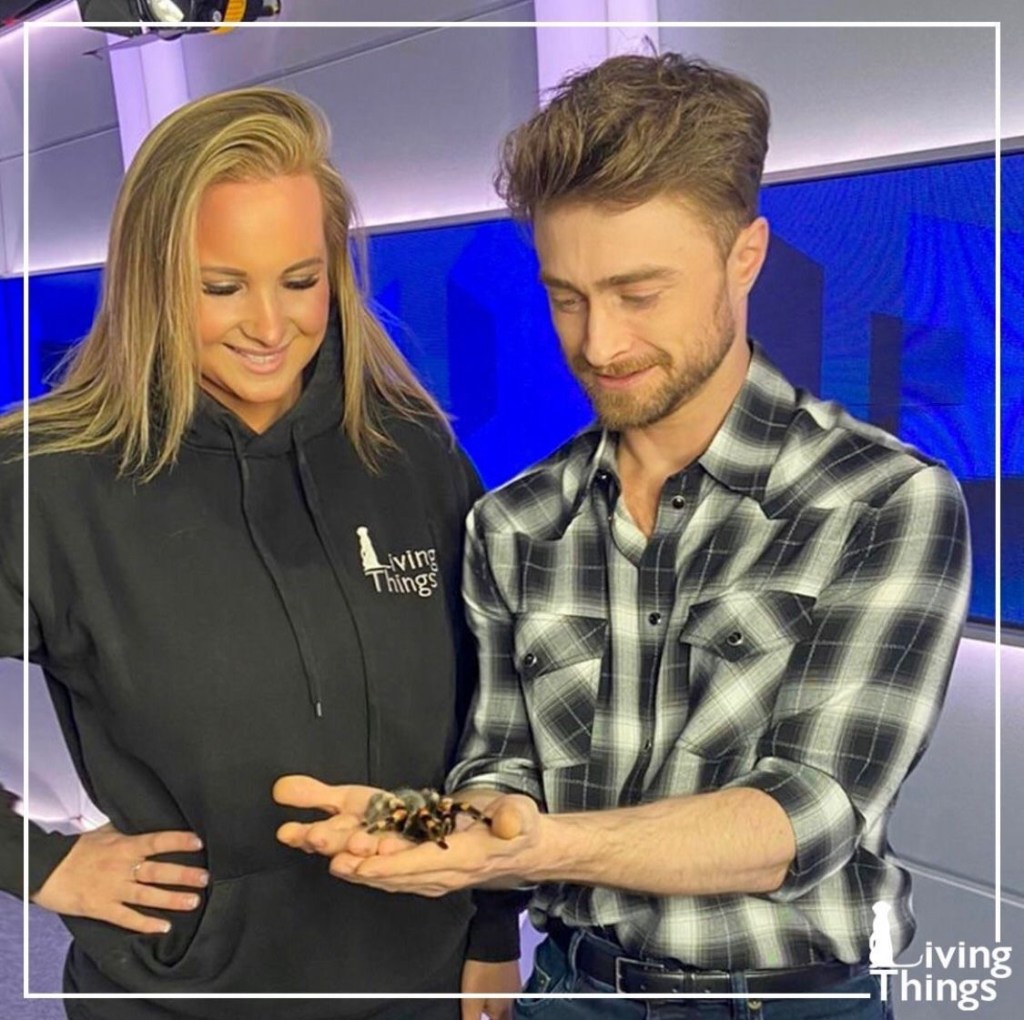
2. If you came across a tarantula among your bananas, what should you do?
First, try to keep calm. Tarantulas are not aggressive unless threatened. Avoid touching it, place a container over it if you can, and contact local animal control or a professional to safely handle and remove it.
3. Rats in the jungle or anywhere terrify me. But I hear they make good house pet?
Yes! Domestic rats can make affectionate, intelligent pets and bond well with their owners. They’re usually very social and enjoy interacting with people, which makes them a great choice for those who may be wary of other pets. Just remember, like any pet, they require time, proper care, and space. Really one of the cleanest pets you could have.
4. Are the witchy grubs and insects on “I’m a Celebrity” actually good for you?
Many insects are indeed edible and highly nutritious, often rich in protein, fiber, vitamins, and healthy fats. They’re also more sustainable than traditional livestock, so insect-based dishes are becoming popular in some restaurants. However, they’re still a unique experience for most people!
5. Would a meerkat make a great Christmas present?
Though meerkats may be cute, they are not suitable pets. They are social wild animals, requiring a complex environment and social structure that can’t be replicated at home. Instead, you could look into sponsoring a meerkat through a wildlife charity, so kids can learn about them responsibly.
6. What is the responsible way to introduce a pet to your child?
Start by teaching kids about gentle handling, respect, and boundaries with pets. Choosing a low-maintenance, child-friendly pet is ideal, and involve children in pet care tasks to build a bond gradually. It’s also good to emphasize that pets are family members, not toys, and need long-term commitment.
7. How do you protect pets from fireworks?
Fireworks can be stressful for pets. To protect them:
Create a safe space indoors with familiar bedding and toys.
Muffle sounds by closing windows and playing calming music.
Give pets extra comfort and stay with them if possible.
Consider pheromone diffusers or consult a vet for other calming solutions.
8. What are you doing for Christmas?
Planning your Christmas can involve festive meals, spending time with loved ones, or engaging in your favorite seasonal traditions! Many also choose to volunteer or donate to causes, spreading a little extra holiday cheer.
9.If your child is asking for a pet for Christmas, it’s wise to approach it thoughtfully. Here’s a balanced way to think about it
The holiday season can be a stressful time for a new pet. The excitement, extra visitors, and unpredictable schedules can be overwhelming for both the animal and the family. Instead, you could start by giving your child a book on caring for their desired pet and a stuffed animal version to symbolise the responsibility they’ll take on. This allows them time to learn about pet care, setting a foundation for responsible ownership.
Then, once things settle down after the holidays, you can bring the actual pet into the home with the focus and calm it deserves. This approach also lets you and your child research and prepare your home properly, ensuring a smooth transition and a happier experience for everyone—including the new pet!
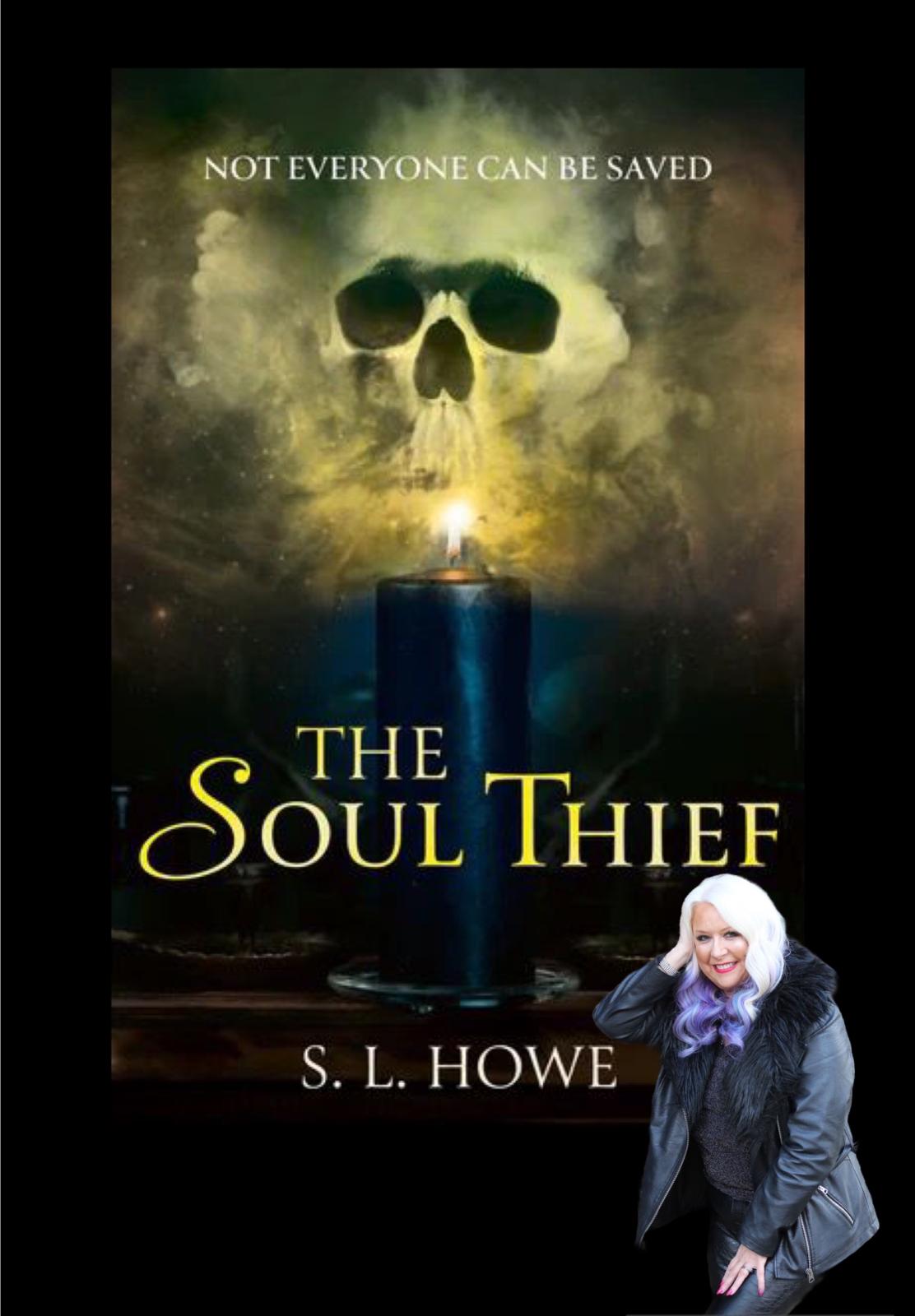
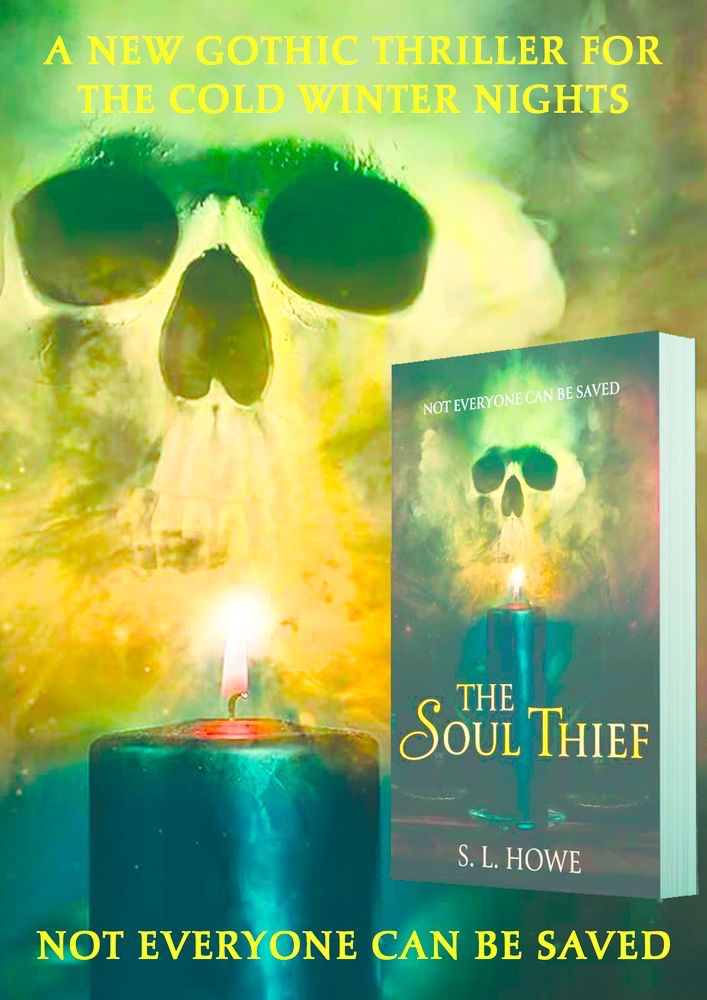
2shades Steven Smith gets down with award wining author and screen writer Samantha Lee Howe to talk about her latest venture “The Soul Thief”
Pictures by Andy Barnes and Terry Scott
Congratulations on the new book Samantha, tell us a bit about it?
The Soul Thief is a Gothic Thriller about a gentleman detective, Mitchell Bishop, in Victorian Manchester, who begins to investigate a series of bizarre murders. Along with his former fiancée, Laura Carter, Mitchell finds himself in danger and he must look back into his own past in order to inform the present and learn who and what is hurting the people around him.
I’ve always had a fascination with gothic fiction, particularly the Victorian era, and have found the works of Mary Shelley, Bram Stoker and Sheridan Le Fanu fascinating. The Soul Thief is my tribute to 19th Century gothic fiction, but is written in the style more conducive to the modern reader. Therefore it’s very fast paced, with lots of twists and turns and a surprise ending.
Does writing horror differ from the other genre of books you pen?
Horror has always been a fascination of mine and a natural default to write into. It’s a challenging genre in many ways because you sometimes have to look deep inside yourself to really bring forth an element that scares you. It doesn’t have to be supernatural, after all, real life is full of horrible things that humans do to each other, but supernatural horror is a little less hard to take and also gives you more freedom to explore the genre.
When you’re writing in this genre you have to make many decisions about which way you want to take it and how extreme you want to go. My favourite horror to write is psychological, but I’m not afraid to be visceral if that is needed in the story and not gratuitous.
What really frightens you?
Lots of things frighten me. Enclosed spaces, heights, stalkers, people in general, as they are capable of doing terrible things to each other. One of the things I used to be really scared of was zombies – until I wrote about them a couple of times! As writing is very cathartic, it’s always good to explore the things that do frighten you the most and it takes the sting out of it immediately!
When were you growing up what horror characters caught your attention?
Growing up I was a huge fan of staying up late with my sister, Adele, watching Hammer movies. We loved the character of Dracula. Christopher Lee was my first introduction to that. I used to lie awake worrying about vampires, but couldn’t stop watching them. When I was 16 I saw my first zombie movie, Zombie Flesh Eaters, and I couldn’t watch another one after that for about 30 years! It terrified me! I even avoided Shaun of the Dead because I just hated zombies. Eventually my husband David talked me into watching the latter film, and it’s now a favourite. But I just can’t revisit Zombie Flesh Eaters!
Films like “Terrifier” are a huge hit in the USA. Do you think slasher films rank as Horror or do they just promote sadism?
All slasher films are horror, but they have varying degrees of psychological basis. Some are described as torture porn – in other words the physical violence meted out to various characters, mainly female, is the whole point of the film – and I’m not into those at all – I don’t really understand why anyone is – but each to their own! What you don’t see can be far more terrifying to the viewer or reader than anything that is presented in graphic detail on screen.
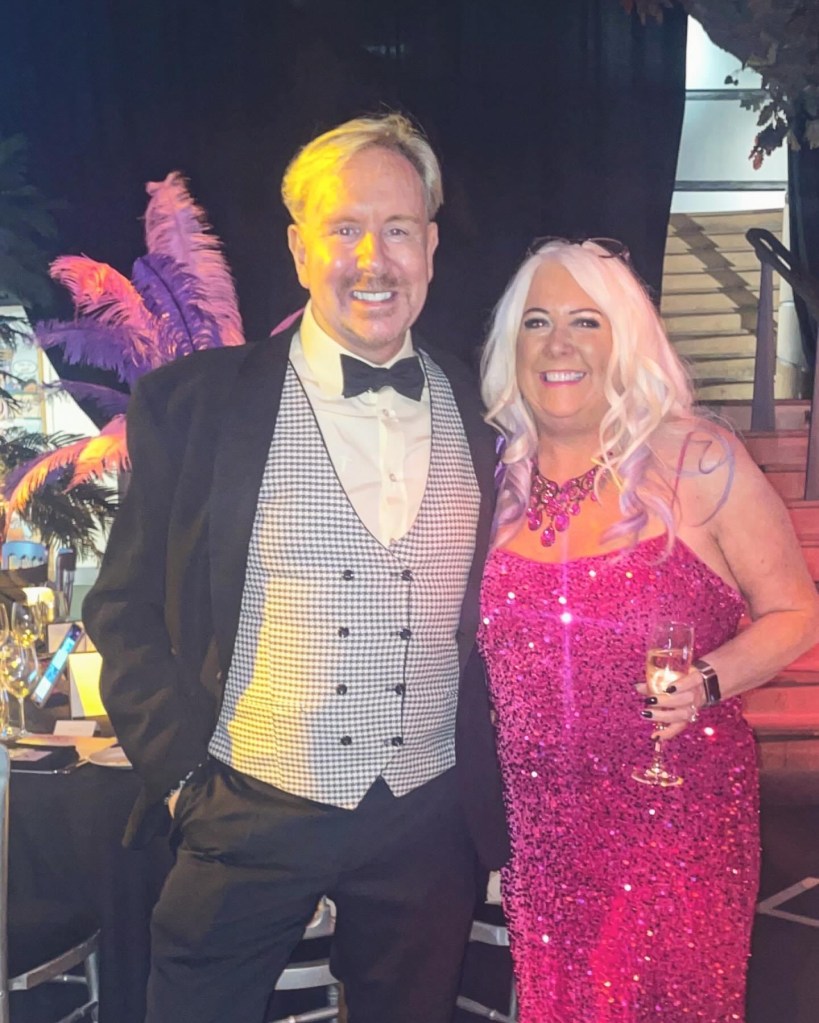
Samatha Lee Howe with 2Shades Steven Smith
The 16 Days of Action Against Domestic Violence campaign starts on November 25th, 2024, which is the International Day for the Elimination of Violence Against Women. You are a survivor ambassador for the Yorkshire charity IDAS. How did you get involved and how do people get help?
A couple of years ago, I reached out to IDAS to see if I could help them because this is a charity very close to my heart. I felt it was important, and the right time, to tell my own story, and I hoped it would help other people. I was not surprised when some of my social media friends contacted me to say they had been victims of domestic violence, what did surprise me was just how many people have had these experiences and still do.
I advised them, as I advise anyone, to reach out and call the local Domestic Violence service near them if they feel they are being abused, manipulated, controlled, or being subjected to any form of physical abuse. Not all abuse is obvious, sometimes abusers use coercive control to cause a great deal of damage to a person’s self-esteem.
For IDAS, they have a website (https://idas.org.uk/) and contact numbers (North Yorkshire and Barnsley: 03000 110 110 / Sheffield: 0808 808 2241), so please reach out if you need help!
Your screen version of your best-selling book “The Stranger in Our Bed” not only saw you being given countless awards, but was an international hit on the screen. Has life changed for you, and when will your next film be?
My personal life hasn’t changed at all I’m glad to say! I tend to stay very grounded. Professionally, though, the film has opened new doors and given me new and exciting opportunities. I’m currently writing a horror movie for a Hollywood-based producer – but I’m NDA’d so can’t say more than that! I’ve also written the pilot for The House of Killers TV series, which is based on my spy trilogy of the same name, and it’s with a production company. I guess I’m writing much more for screen now than I was.
But it’s a difficult industry with many hurdles, so getting something actually into production is rare. But we keep pitching the ideas, and discussing the options … and there are some smashing people that I’m working with.
What are you doing for Christmas?
We are having a very quiet Christmas this year at home with my daughter Linzi and our friend, actor, Frazer Hines. But we’ll be partying more at New Year when we have an annual party for some of our family and friends.
Please tell us about 2025. What plans do you have?
2025 is looking crazy already! I will be writing as always (I have several projects underway and commissioned) but I also have a few public appearances. February will see me presenting a screenwriting workshop in Scotland, March is The SciFi Weekender (a Sci-Fi/Fantasy festival which I help programme and run).
I’m running two film festivals myself (details at http://www.slhfilmfest.com), one in June and the other in October. I’ll be on panels and doing signings at the World Fantasy Convention in Brighton at the end of October … and there are so many other things in between. Busy. Very busy.
Who would you like to play you in the film version of your life?
Scarlett Johansson!! I love her, wish I looked like her – she’s very talented and so beautiful! I’ve never seen a film starring her that I haven’t loved. Same for Anya Taylor-Joy – what a talent!
It would be his birthday today and he is a legend that lives on in all our hearts
It was the prefect time for my tribute to him to be shared again
Read time: 6 minute, 35 seconds
On the afternoon of 20th October 2021, the cold northern air is blasting down on a huge group of brightly dressed people. They are, for the most part, patiently queueing.
They are also a very eclectic group. It would be hard to pinpoint a common denominator other than a certain eccentricity: the Queen of the New Romantics, Eve Ferret, her red beehive rising above the group, shivers and laughs with some men who look like they have come straight from the Conservative Golf Club and might never have heard of “The Blitz”, let alone donned black eyeliner at any point in their lives. Bright young people move in and out of the group. Many others, who are elderly, laugh together, and the atmosphere is electric.
A strong, male, northern voice pipes up.
“Bloody hell man, what are they playing at? Are they trying to boost profits? We’re all going to die of bloody cold standing out here!”
Tim Healy, Denise Welch, Matt Healy, Debbie Dedes, Olivia, Alex, Wills, Louise Healy, Lincoln Townley.
There is irony there, as the group, including me, are all standing at Mountsett Crematorium in Dipton, and it is just the kind of comment the man the group are there to honour would have made. The man I would describe as “The King and Queen of Everything”, Vin Welch: husband, father, grandfather, actor, drag queen, charity worker and friend to so many.
Indeed, the group mirrored his diverse lifestyle.
As the hearse drove up, holding its pink, glittery coffin, you knew that his daughters Debbie Dedes and Denise Welch were determined that the day would reflect their dad’s life. A celebration, and a right royal knees-up after, full of glamour, glitz and love.
It seemed like only yesterday I had popped over to see my friend, journalist Lester Middlehurst, at his home in Kemptown, Brighton. His bright, bubbly cousin, Rose Hirst, was staying, as was her stunning blonde friend, Denise Welch. They were appearing in Gaslight at the Nightingale Theatre.
Denise was playing the part made famous by Ingrid Bergman – Paula Alquist Anton. Rose was playing the maid. Denise was from one of the towns where I grew up, Whitley Bay, and I fell for her at first sight. She had a great sense of humour and was a Gemini, like me. But this is not about Rose or Denise. It was not long, anyway, before Denise introduced me to her parents.
Joan Collins
Her glamorous mum Annie, a psychiatric nurse, had an air of the Joan Collins about her. She also had her daughter’s down-to-earth sense of humour. The life and soul of the party, meanwhile, her dad Vin was dashing, and a walking one-man show. Back in the 1980s, the word “gay” was still taboo in many households. Much as my parents knew I was gay and accepted it, they would still cringe if asked what it was like to have a gay son.
In the Welch house, it seemed to be actively encouraged.
“What’s the problem? I’d love to have a gay son,” Vin said to me, quite quickly, upon meeting me. Denise was brought up in a household that preached diversity long before it was a buzzword. Everyone was treated with the same respect.
Gay people were just the norm for Denise and Debbie, growing up. Of course, their dad popping a frock on and coming out as his alter ego, Raquel, was also quite common. (He performed “Raquel” for many North-East charity events.) Denise adored this, although Debbie felt less enthusiastic about Raquel’s presence.
Denise Welch and “Raquel”.
In fact, the tale of Debbie working as a beautician on the cruise liners, and her parents joining her, is legendary. Debbie had asked her dad to be discreet. But of course, at the Captain’s
Ball, Vin was the life and soul of the party, as always. Everyone was loving him. Suddenly, he disappeared. After a while, Debbie went in search of him. Walking along the ship’s corridors, she was finally confronted by a glitzy, glamorous Shirley Bassey lookalike. It was her dad. It was a shock to her when, later that night, he was named both King and Queen of the evening.
The idea of one of your friends’ parents coming to a party would normally not be idyllic. With Vin and Annie Welch, however, they were the party, and Vin was always last to leave. I remember Denise telling me it had its downside. On her sixteenth birthday, her friends were keener to hang out with her mum (in her beaded catsuit) and her fabulous dad.
But Vin was more than a party man. He was a charity worker and friend to so many, and
he possessed rare qualities. You could trust him, and he was loyal to you. His often sarcastic humour could have you in stitches. Vin loved to gossip; I would tease him: “You’re worse than a queen.” But if you wanted to tell him a secret, he would keep it.
Vin would often come and stay with me after Annie passed. He loved her dearly.
Walking along Old Compton Street one night, he shed a tear and said, “There will never be another woman for me like my Annie.” He often hid his sensitive side with humour, but those that knew him saw he had a heart of gold.
Pink suit.
Vin loved life and the ladies, and the women loved the sparkling, pink-suited man.
One of the last times he came to stay was especially memorable. He truly kept up with me (and more) when it came to going out. As we were seated in a bar, waiting to see his friend, the cabaret star Eve Ferret, a very attractive woman approached me, sat on my lap and proceeded to kiss me. She pulled back in horror after realising her mistake.
Vin asked, “How do you know her?”
I explained that I didn’t, and he replied, “Bloody hell, man, I wish I had sat in your chair.”
After the show, Vin stayed on, and he finally got in at 2 am, having popped down to Stringfellows, where he was an honorary member.
Yet he was up by 10am the next day, having his usual breakfast – a “Cup a Soup” (mushroom) and an orange. He was suited and booted by lunchtime, and off to see “Man of La Mancha” starring Kelsey Grammar and the incredible Cassidy Janson, who shared the same agent as his daughter Denise Welch.
We were invited backstage to meet Cassidy when her parents were there. Vin charmed everyone. When Kelsey popped in, however, Vin turned to him and commented,
“I thought you were great. Don’t listen to what all those critics say.”
Kelsey was left opened mouthed, and I was trying hard to hold back the tears of laugher.
You would think that would be enough for any stay, but we were off to see one of his grandsons the following night: Matt Healy, lead singer of The 1975. He was incredibly proud of all his family. His other grandchildren came too – Olivia, Alex, Wills and Louis – although taking Vin to Wagamama’s before the concert was not a great idea. “Worse meal of my life”, Vin told me upon leaving An hour into the electric show, there was Vin, bopping away with three or four girls and loving life.
That was Vin. He loved life. As Denise Welch said, “He knew how to live life, and he knew how to die.”
There will only ever be one Vin Welch, but boy, were we all so lucky to have had him in our lives.
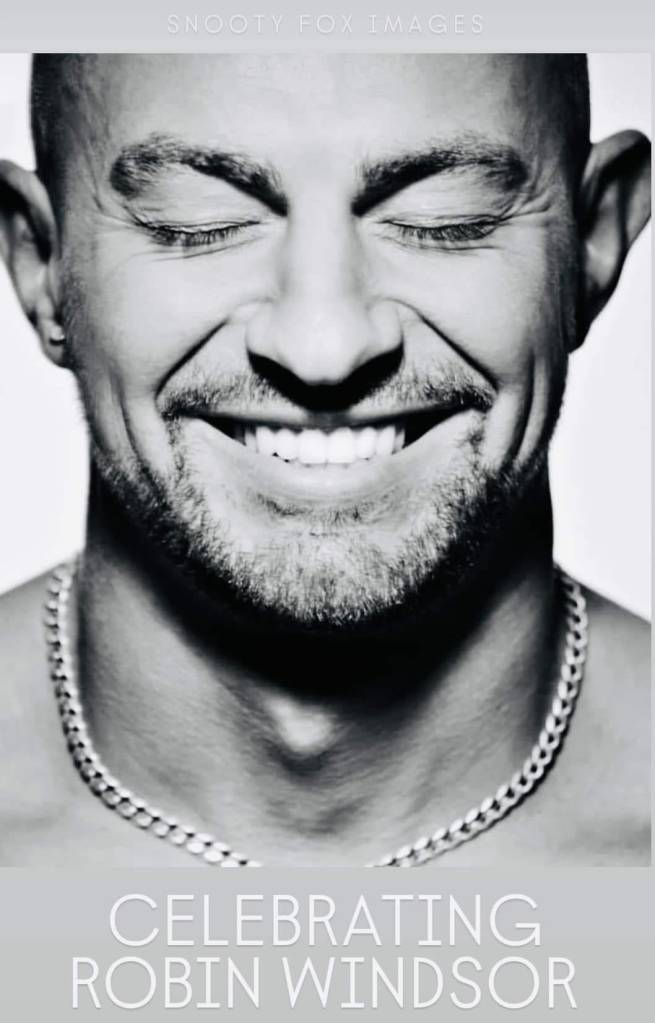
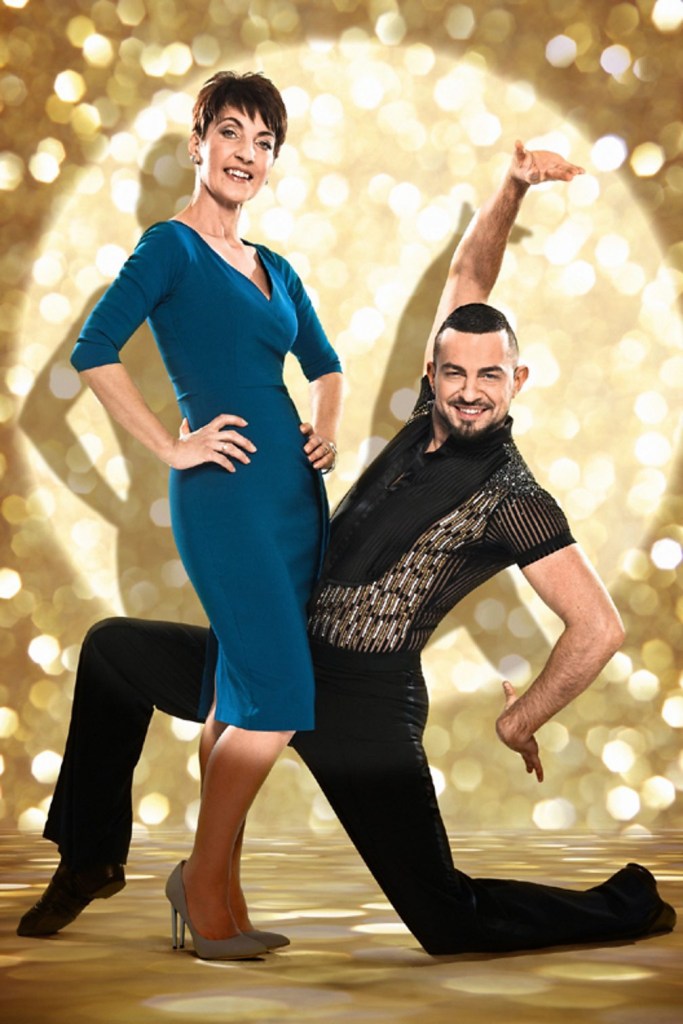
Dr. Anna Kennedy shares with Steven Smith her life and treasured memories of the late Robin Windsor
From reigniting her passion for dance to becoming a dedicated supporter of her charity, Anna Kennedy Online, Robin’s influence was felt deeply in both her personal and professional life.
His joy, warmth, and unwavering encouragement left a lasting mark not only on Anna but also on everyone involved in Autism’s Got Talent. Robin’s humour, empathy, and dedication to helping others shine through in every story she tells, highlighting the strength and joy of their friendship.
A beautiful time with Anna’s great friend the late Robin Windsor .
The tribute Anna attended for Robin felt like a heartfelt celebration of his life and spirit. A small white feather, spotted floating throughout the event, felt like a sign that he was right there, celebrating alongside them.
While she mostly dances at home now, Anna cherishes the memories of performing their Charleston together, a dance that remains close to her heart.
Thank you, Dr. Kennedy, for sharing these beautiful memories—a fitting tribute to Robin’s legacy and the lasting friendship you shared.
1. How did you first meet Robin? I first met Robin in December 2014 when I was chosen as one of six participants for The People’s Strictly for Comic Relief out of 11,000 entries.
2. How did he change your life? Robin reignited my love of dance and reminded me how it makes me feel—free, joyful, and alive. He showed me it was okay to take time out for myself and have fun, even amidst my work with the charity and my responsibilities to my boys.
3. Where were you when you heard of his passing, and how did it affect you? I saw it pop up on social media and thought it was one of those awful hoaxes. But then the reality hit, and I felt completely numb, like my heart dropped. I cried while driving Angelo to college. It was a deep, wrenching sadness.
4. Robin was very involved with your charity, Anna Kennedy Online. In what ways did he help? When I told Robin about AnnaKennedyOnline and our work, he was immediately interested. He came to Autism’s Got Talent, where we danced our Charleston together at the end, bringing all the performers on stage with us for a standing ovation. He was deeply moved by our performers, often teary-eyed. Robin supported Autism Dance Day as well, even donating dance lessons for us to auction off.
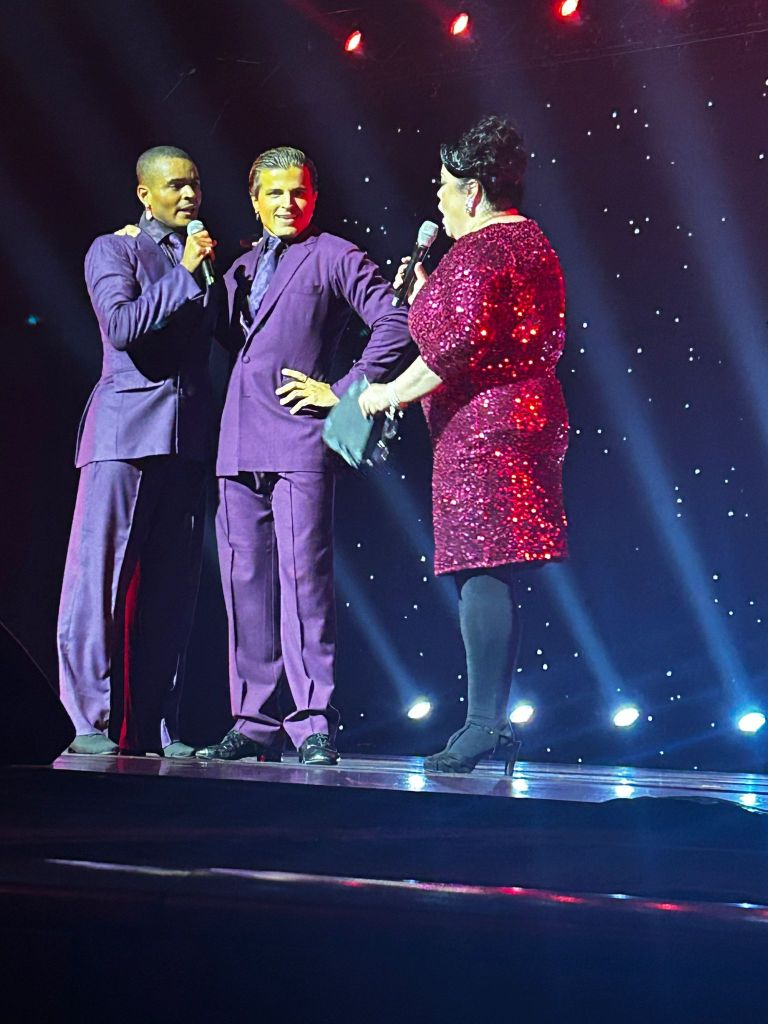
5. You did a tribute to him at Autism’s Got Talent? Yes, Robin was an integral part of our show, presenting some of our performers and participating in a magician’s act. He usually sat front row beside me, and his absence was deeply felt. I recently attended The Last Act, a show celebrating Robin’s life at the Theatre Royal Drury Lane. The event was filled with his friends performing in his honor. Anton Du Beke called Robin “the human glitter ball,” which was so fitting. I thought I saw a small white feather floating during the show, as if he were celebrating with us.
Lisa Riley at last night tribute in London at the Theatre Royal
6. Do you still dance now? I mostly dance at home. But when Robin was on tour, I joined him at seven venues near me, where we performed the Charleston together.
7. You’ve always been surrounded by friends from the LGBTQ+ community without making it a big deal. How do you view that? Why should I make an issue about it? They’re simply my friends, and I treasure their company.
8.Does Robin’s passing make you worry for any close friends? I hope that they know they can talk to me or reach out to mental health charities like SANE if they’re struggling. There should be no stigma about seeking help, especially in today’s uncertain world.
9. Did Robin ever talk about struggles with his mental health? Robin was always upbeat, helping others without hesitation. But he did share struggles “between the lines.” He had a way of carrying his burdens quietly, which makes it even more important to honour his memory by promoting mental health awareness.
10. What one memory of Robin sums him up? One that always makes me smile is our first meeting when I learned he was my dance partner. He flung his arms wide, wearing a feather boa, a smart suit, and an enormous smile, saying, “Hello darling!” Another cherished memory was when we received 4 x 10s for our Charleston. We were absolutely bouncing off the walls. He said, “My first 4 x 10s, and it was with you, Anna!”
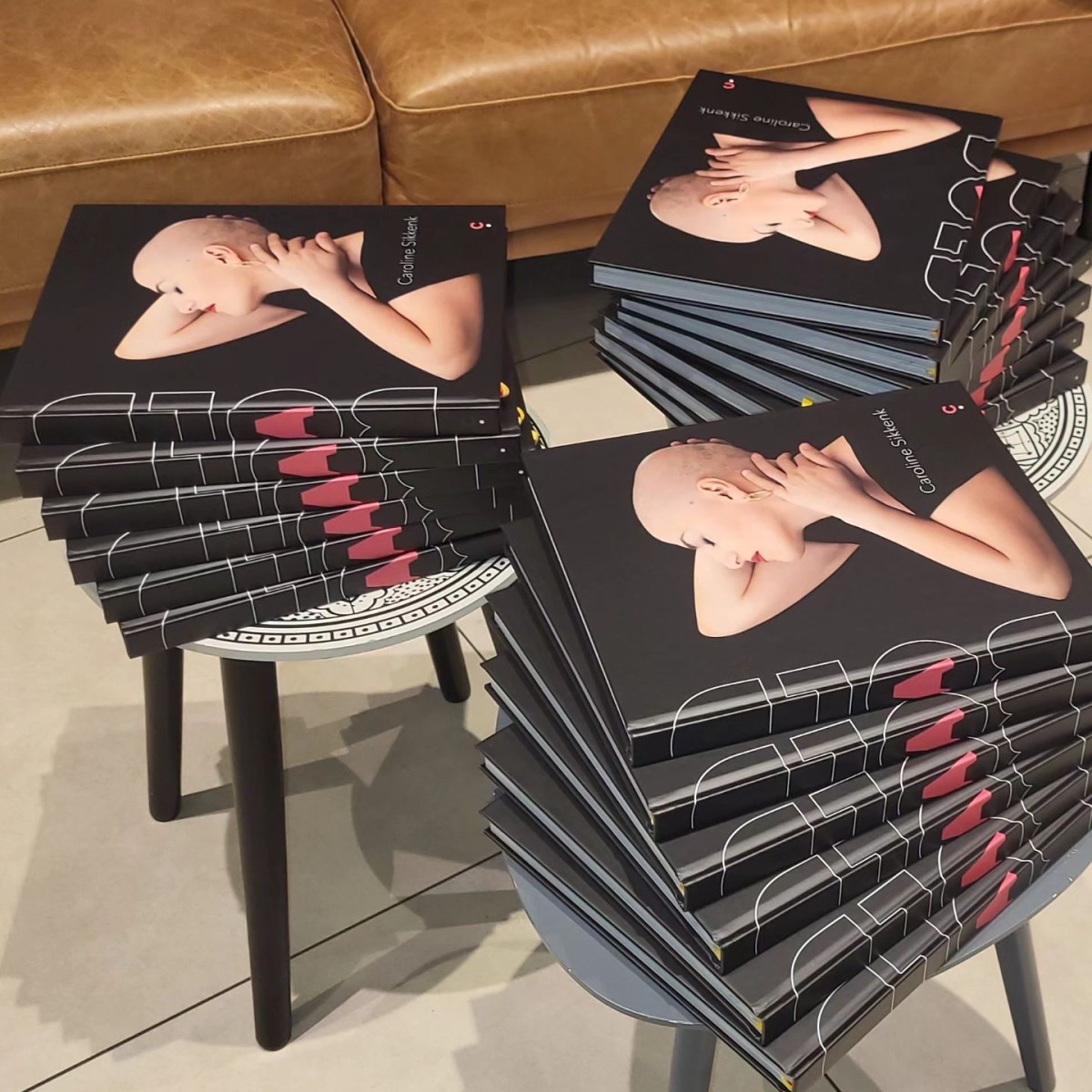
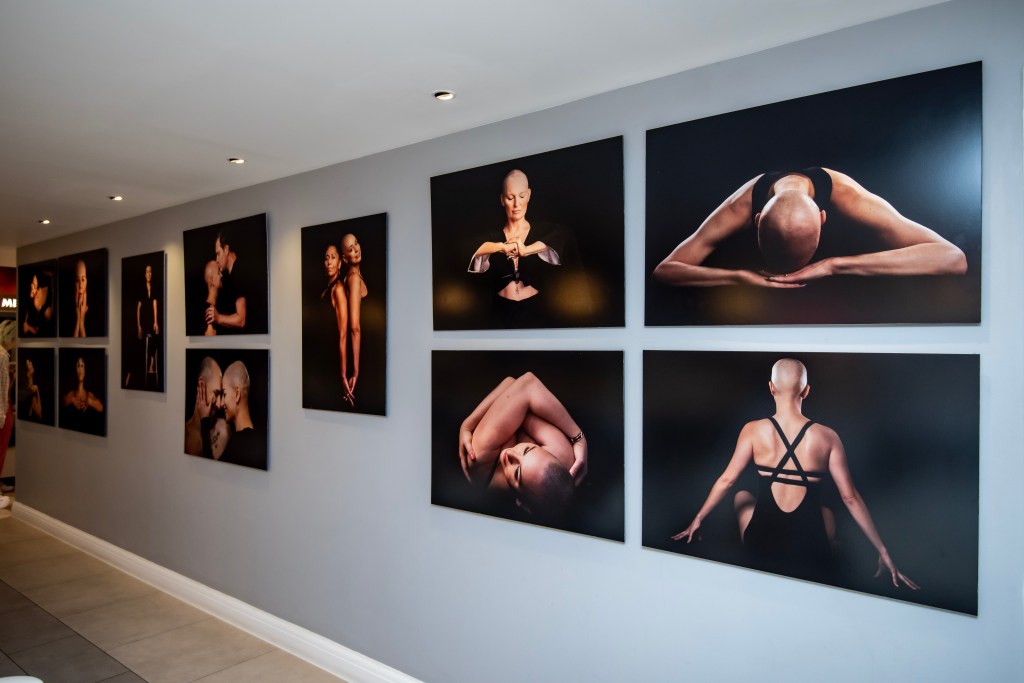
Glitz and glamour gathered in London on Thursday night for the launch of the coffee table photo book, BOLD.
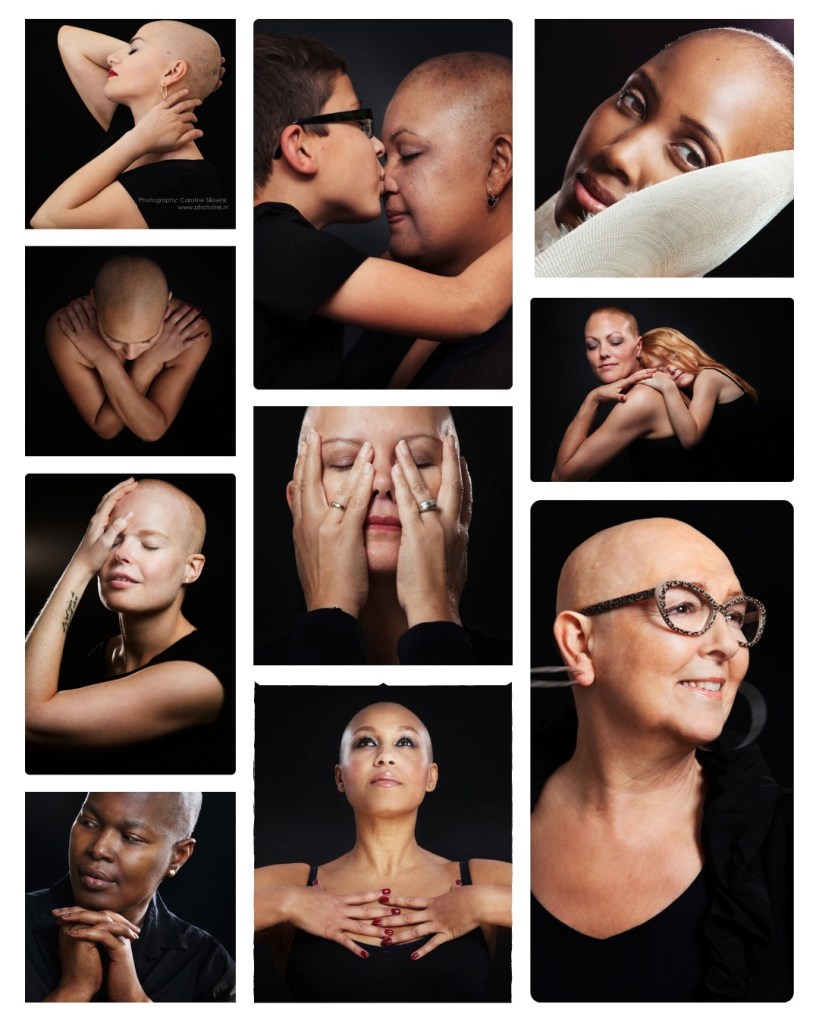
BOLD features pictures of women who have lost their hair—80 percent of them due to treatment for breast cancer.
The venue for the launch, The House of Keune by Bloom Salon, was impossible to miss; it stood out like a beacon of light. A hair salon might seem like an unusual choice to launch a book about being bald, but as an ex-hairdresser, I can say it was the perfect place.
Ten years ago, I was featured in My Left Boob, the story of my dear friend, actress and socialite Sally Farmiloe-Neville, who I shaved her head, styled wigs, and helped grow her hair back.
The BOLD photo book is a powerful project that captures the beauty and resilience of women who have experienced hair loss due to breast cancer treatment, alopecia, or other conditions. The collaboration between the Pink Ribbon Foundation and Caroline Sikkenk Photography highlights the strength and femininity of these women through stunning portraits, offering a new perspective on beauty beyond hair.
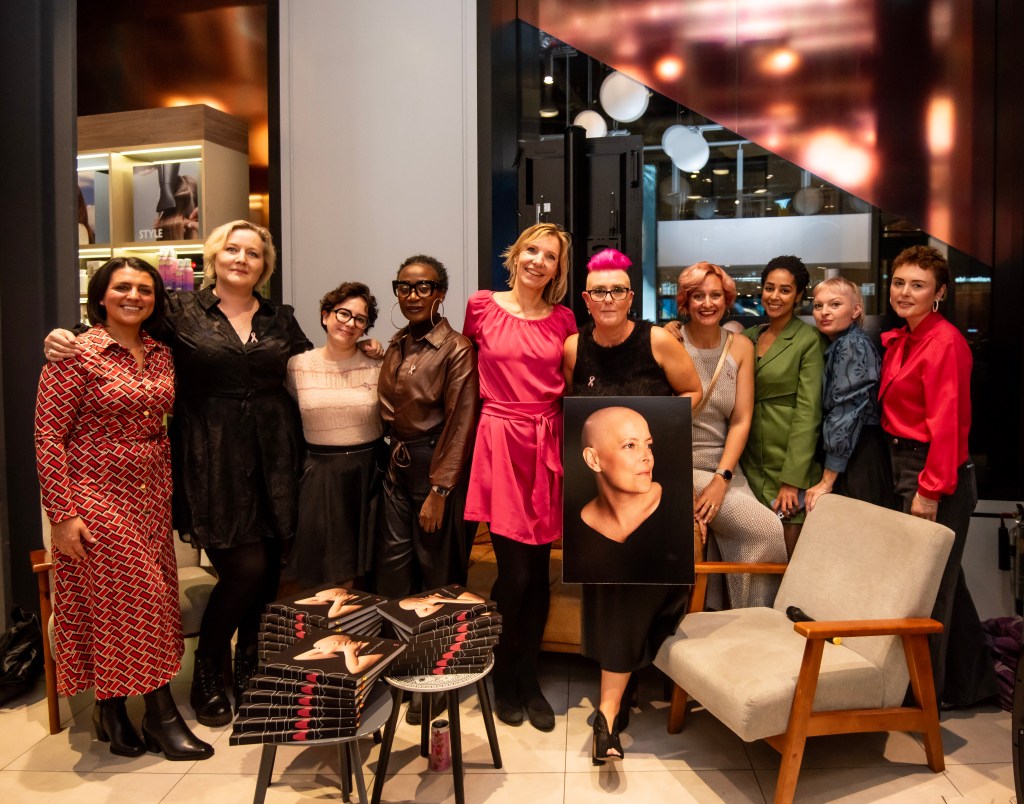
Many of the women featured in the book were present at the launch, with their hair now grown back. The room was electric with love, laughter, and tears.
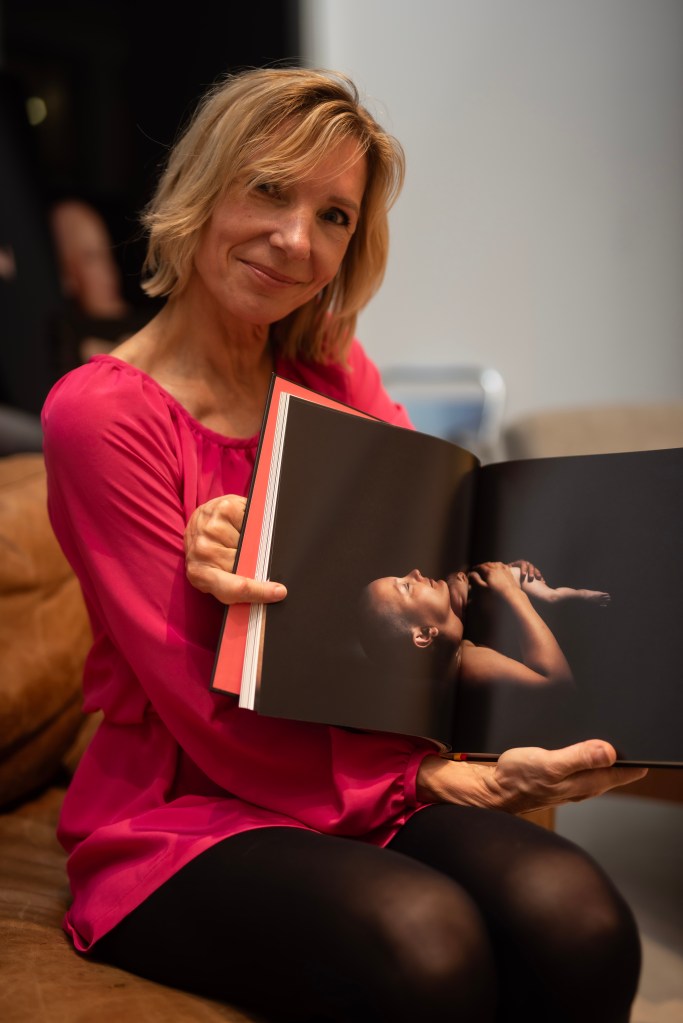
The photo book, with its high-quality presentation and 192 pages of artistic images, serves as a tribute to the courage of the women who participated. It’s also a meaningful way to support the Pink Ribbon Foundation, as all profits from the book’s sales go towards the charity’s efforts. Pre-orders are available now, offering a chance to own a piece of this empowering project while contributing to a vital cause.
The evening began with a chance to explore the BOLD exhibition, stylishly displayed around the salon’s shampoo area. It was an exciting atmosphere with celebrities such as Wendy Turner Webster (Pet Rescue), Dr. Anna Kennedy OBE, celebrity artist Piluca, and comedian Sarah Mulindwa joining the guests.
The real stars of the night were revealed as the guests sat down to listen to a panel headed by Lisa Allen and Dutch photographer Caroline Sikkenk. Models Lauren Plumb, Tricia Bailey, and Anais Muczynski, all from the iconic photo collection Bald and Beautiful, shared their stories of battling cancer with courage and great humor. The audience laughed, cried, and found inspiration in their stories. There was a standing ovation when Tricia shared her vocal talents and sang Sweet Caroline.
There wasn’t a dry eye in the house when a tribute was paid to one of the amazing models who is sadly no longer with us. Sally Franklin passed away after a recurrence of breast cancer, but her brave and supportive family was present to share their love and memories of this incredible woman.
Sally Franklin
Lisa hopes to take the panel and show to Scotland next, and we at 2 Shades salute her, her team, and the incredible women of BOLD.
It is my favourite time of year, and the incredible Autism’s Got Talent is back.
Since its inception by Dr. Anna Kennedy OBE in 2012, Autism’s Got Talent has evolved into a legendary showcase that shines a spotlight on the unique talents of individuals living with autism. This one-of-a-kind event has captivated audiences and received high-profile media attention for over a decade, setting itself apart from other talent shows by offering an evening filled with surprises, inspiration, and diverse performances. Hosted at the renowned Mermaid Theatre in Blackfriars, the 2024 edition promises to be another unforgettable celebration of talent and inclusion
Steven Smith chats to 2Shades columnist and founder of Anna Kennedy on line
Unlike conventional talent competitions, Autism’s Got Talent is dedicated to celebrating neurodiversity and empowering autistic individuals of all ages. The show features a star-studded lineup of performers, including singers, dancers, actors, musicians, poets, magicians, and more. These gifted artists not only entertain but also challenge perceptions and break down barriers, demonstrating what people with autism can achieve. This event serves as a platform to replace stereotypes with messages of hope, fun, laughter, and inclusion, making it truly unique on the global stage.
This year proved to be a show-stopping extravaganza with over 17 acts.
The show was opened by Dr. Anna Kennedy as she introduced well-wishes from Loose Women star Denise Welch, Blue band icon Anthony Costa, EastEnders actress Kacey Ainsworth, and the legendary Carol Vorderman. Celebrities such as ‘Allo ‘Allo!’s Vicki Michelle, Pet Rescue author Wendy Turner, Taino’s Christopher Hamilton, and performer Tru Blue were among some of the showbiz names that turned out to introduce the evening’s performers.
Allo Allo Vicki Michelle and the inspirational Lisa Allen from Pink Ribbon foundation
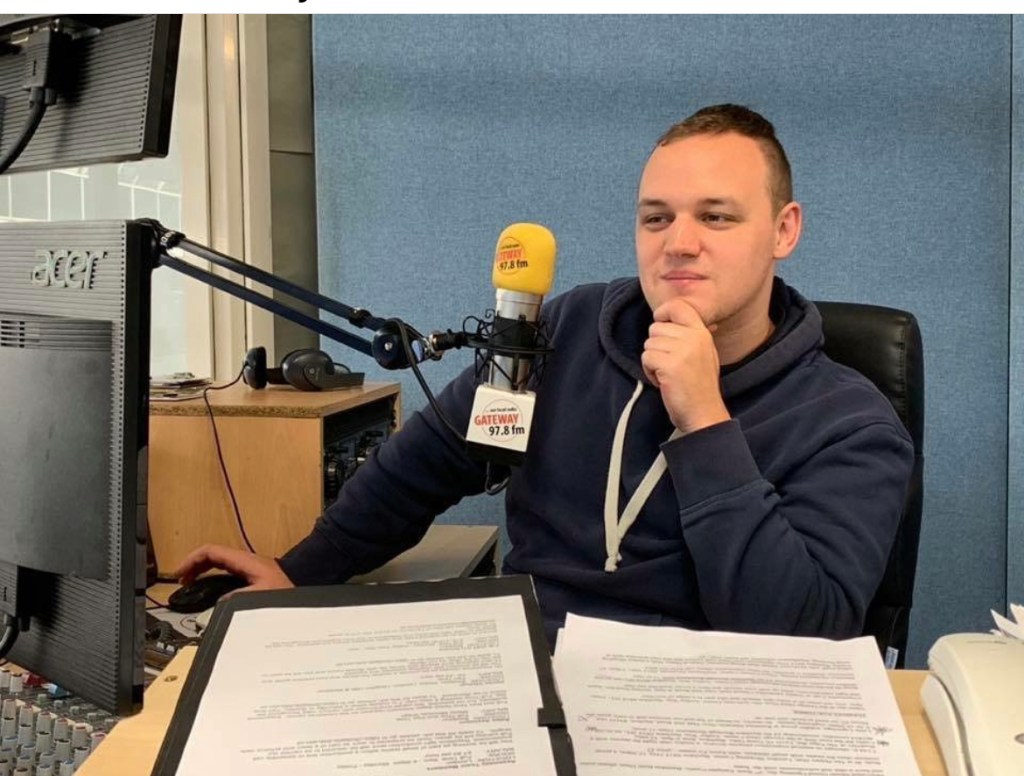
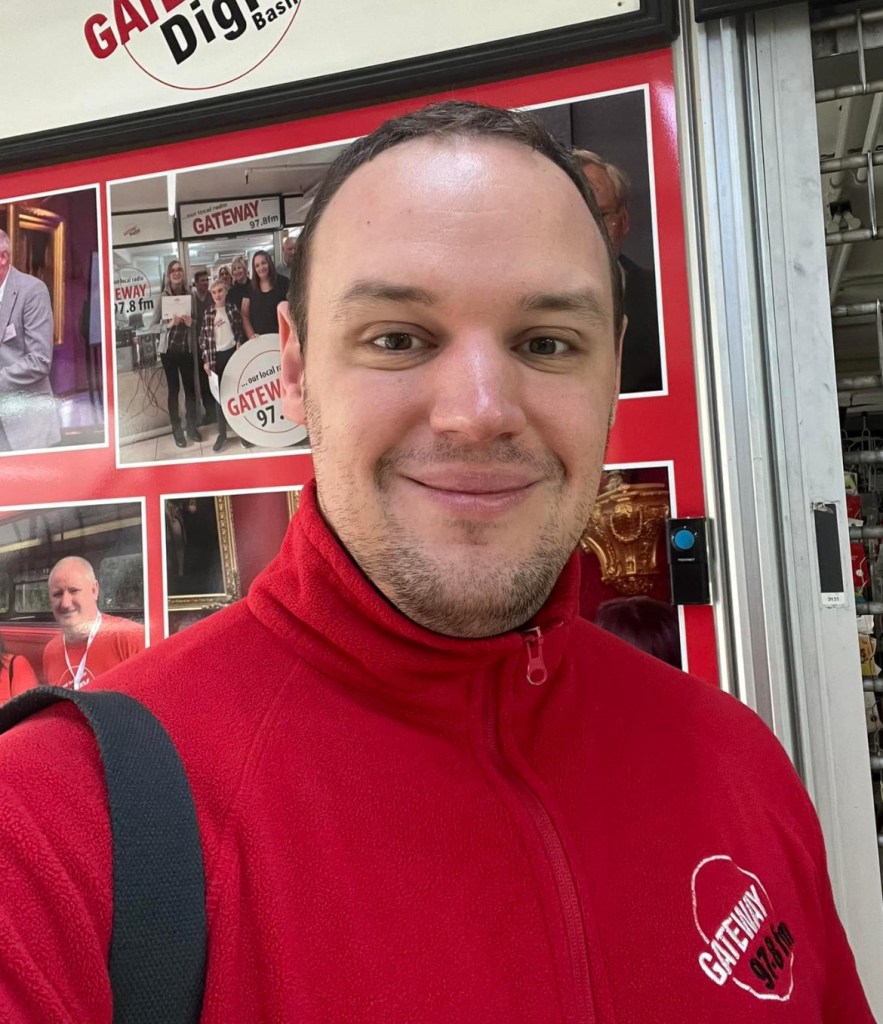
Comperes for the evening were Gateway Radio DJ and Ambassador of the charity, Aston Avery, along with former The People’s Strictly contestant and amateur dramatic theatre enthusiast Phillip Barnett.
Christopher Hamilton
Pineapple Dance studio lead by teacher Maggie Paterson who have supported the event from the start team of 40 dancers
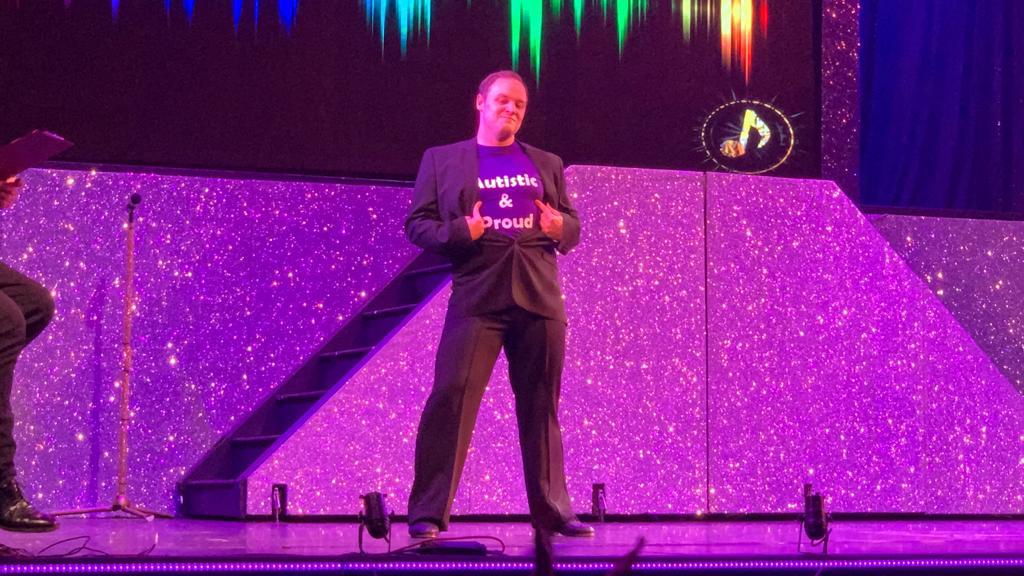
Gateways radio DJ Aston Avery one of the presenters of AGT “Autistic and Proud ”
This year’s acts, who travelled from far and wide, did not disappoint. It kicked off with Alba Pulido Brocklebank’s stunning rendition of Burn. There were so many outstanding acts this year, it is hard to highlight them all. From guitar supremo Caydian Evans, who described the experience as an amazing, unique opportunity, to father-and-son team Aaron and Andy Clark, who said, “This is a memory that will last a lifetime, and we are deeply grateful for the opportunity.”
Caydian Evans
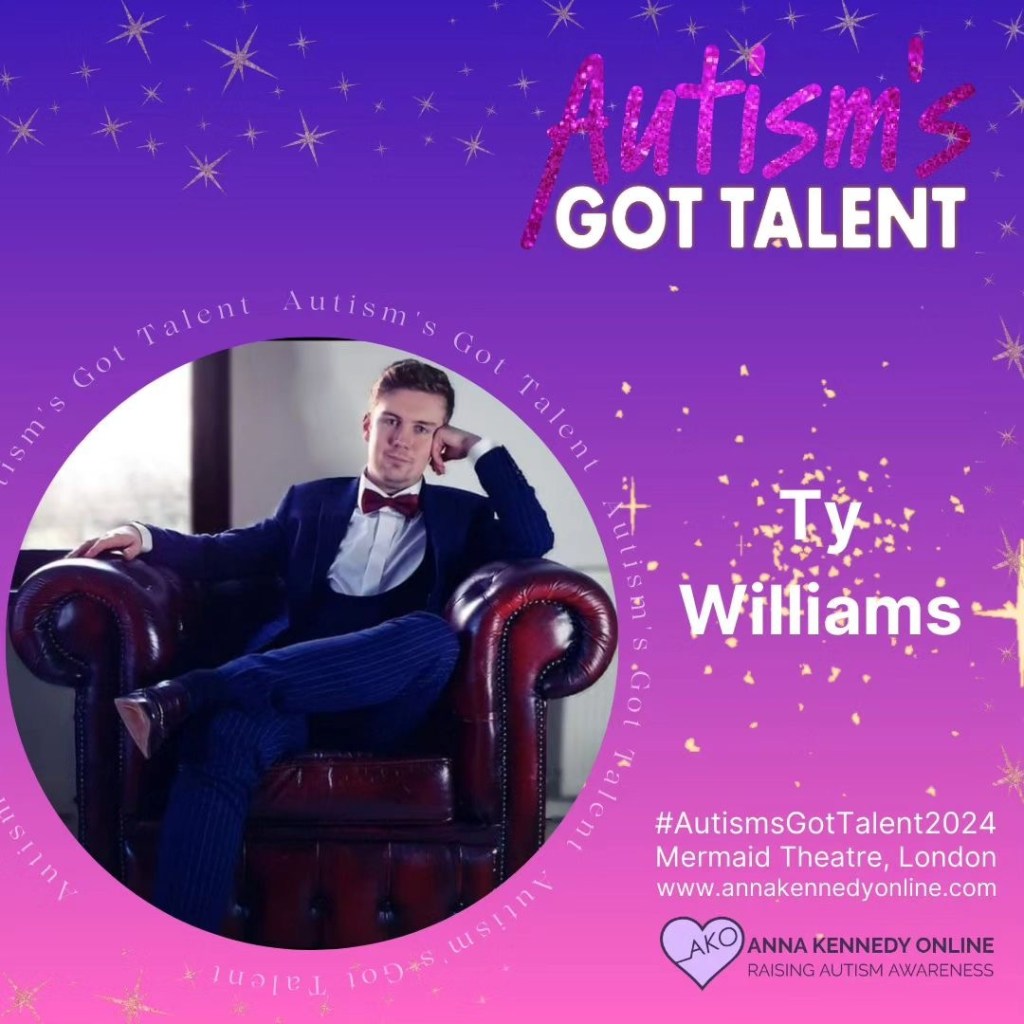
Northern Ireland seemed to feature prominently this year with two singers: Andrew McMurdie, who said, “There were so many uniquely talented people in one room, like I have never seen before,” and Ty Williams, who brought the house down.
Somerset singer Lianne Vessier was blown away by the diversity of the event, and the standing ovation for her performance left us all in awe.
Lianne Vessier
Stepping in at the last minute was Swaran Hayer, who dazzled the audience with his calendar skills (even revealing Anna Kennedy’s age and date of birth!). His mum, Mandy, said, “It will forever be an unforgettable and memorable experience.”
Theatre group True Colours had the audience cheering as well.
True Colours
Anna Kennedy, founder of Anna Kennedy Online and Autism’s Got Talent, shares her hopes for the event: “We aim to continue to build Autism’s Got Talent year by year. We want all those involved to have fun, do what they love, make friends, be themselves, and have one night that is all about them.” This ethos of inclusion and empowerment continues to drive the event’s growth and inspire its participants.
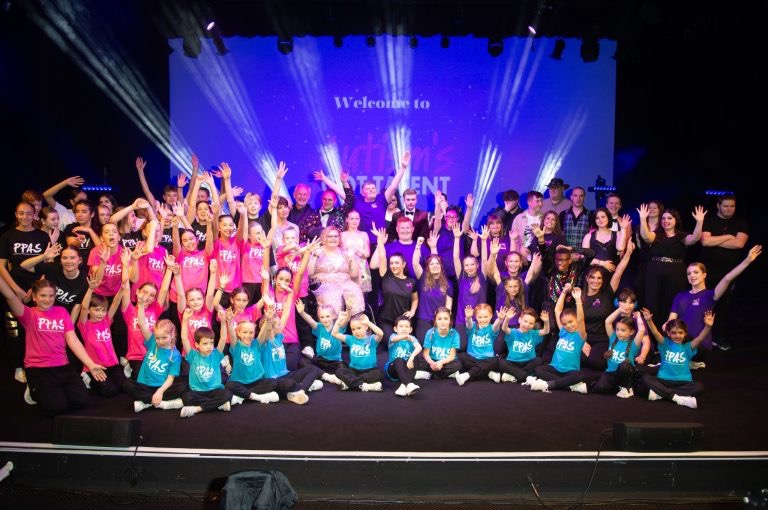
Tears of joy marked the end of the show, with all the wonderful performers on stage, proud parents, families, and friends in the audience.
They all had one message for the AKO family: “You’re all amazing, and we all rock!”
Steven Smith looks at the affect addiction has on us all, how it can be so prolific among the LGBTQ And celebrity community, the often-misguided views people have about those living with addiction, and of course shares his own tale.
November 26th, 2010, the phone rang with news I had been expecting—my lifelong friend Lester Middlehurst, the witty, Machiavellian, and brilliant journalist was dead at 55. He had been in coma for days after a suspected suicide attempt.
I know how I was supposed to feel to the world. But putting down the phone, there was complete numbness followed by anger, and then an overwhelming relief that the man who had formerly been my friend, but had in later years become my tormenter was no longer. No more waking to drunken abusive messages, or being the brunt of his jokes or outburst at parties, and I’d no longer have to apologise to other people for his behaviour towards them.
Lester in his prime
Lester Middlehurst was one of the first openly gay staff members at The Daily Mail. He was legendary. At the coroner’s inquest it turned out he had not killed himself, rather his death certificate said that he died of a hypoxic brain damage attack. Everyone agreed it was his addictive lifestyle that killed him.
Sadness
Lester was one the most addicted people that I have ever met, and he was my friend and I loved him. A month later I must have spent a day crying over him. The sadness was really that he never got help for his addiction, and you could say that my lack of knowledge of it prevented me from helping him…but that would be romanticising a terrible situation.
Back in 2009 I got him to agree to attend the Meadows Clinic in Arizona, but the next day he told me not to be so stupid. In truth, I did not feel strong enough to stand up to him. As my knowledge about addiction has grown, I have become more aware that there was nothing I could have done unless Lester had wanted to do anything about it.
According to the Centre of Addiction, members of the LGBTQ community are at greater risk of substance use and mental health issues compared to those identifying as heterosexual.
Members of the LGBTQ community face chronically high levels of stress, often due to having to suffer from social prejudice and discrimination. Fear, isolation, and depression increase the chances of self-medicating with alcohol and drugs. As a man that has lived a life in big cities, I have witnessed addiction in all classes and types of people. Addiction is a mistress that does not care who she dances with, yet the LGBTQ community are often her favourite partners.
As the self-confessed addict, actor Russell Brand explains that the distinction of any compulsive or addictive behaviour is when it begins to negatively impact on the rest of your life.
Compulsive
So, you might love chocolate so much that you’ll ignore all logical reasoning, “I have to have chocolate…I have to have chocolate…I don’t care what else happens”. If you’re crashing your car because of chocolate, that’s a problem.
According to Wikipedia, addiction is a brain disorder characterised by compulsive engagement in a rewarding stimulation despite adverse consequences.
Of course, addiction is certainly an illness and not a lifestyle choice, and if we are honest, addiction is in all of us in some way or another.
For me, I just can’t not buy a large French baguette, cut a few slices off, and put it back for later. I end up devouring the whole thing. Subsequently, I do not buy French baguettes unless I am feeling poorly. Whether it’s chocolate, coffee, or your favourite tipple, we all have cravings.
Russell Brand
Much as Russell Brand is right, there are so-called functioning addicts who you would not even realise are hooked on their drug of choice, and it can take many years for the effects to begin to show. Often referred to as “high functioning addicts” owing to their having powerful jobs or enough money to effectively hide their addiction from others. This knocks on the head the commonly presented image of an addict being down-and-out or living on the streets. According to the American Psychiatric Association, there is no such thing…they are all just addicts who have created coping mechanisms.
My father, God rest his soul, came home after holding down a high-powered job and drank whisky every day of his life, yet he would be horrified at the idea of being described as an addict. But when he left hospital after lung cancer removal surgery, he sat down and demanded, “Get me a whisky and a cigarette.” On the suggestion that was not a good idea and that he would end up back in hospital, he snapped “Are you threatening me?”
Growing up, I was told that an addict was someone who got up and drank first thing. Drinking after coming home from work and weekends was seen as normal for many in the 60s and through to the 90s. All of our soaps were featured around a pub, making alcohol look like a socially acceptable way of life.
I had a volatile relationship with my dad, but his fight with cancer gave me a better understanding of the nature of his addiction and where it had come from. He had been a talented jazz trumpeter and played with the BBC orchestra, but his nerves had come to the forefront and he started to self-medicate by having a few whiskies before his shows. Eventually, he gave up and started a family, but the drinking did not stop.
Charismatic
My father adored my best pal who also fights addiction, and is a truly remarkable human being who I was fortunate to love, and my dad did not like many people. The two were like two peas in a pod and talked for ages.
Spending time with my dad before he died made me wonder whether, if he had managed to overcome obvious anxiety and continued playing, perhaps he would have been happier. Of course, back then mental health was seen by many as a weakness and not to be spoken about.
My world has been filled with people who are addicts in one form or another. They are the most charismatic and amazing people and the arts are full of them. In my opinion, they all have one thing in common—they can snap and become almost frightening at the drop of a hat, and then suddenly they are wonderful and make you feel like you mean the world when they are OK. Sadly, during my childhood there was more of the former with my dad. Though I knew in the end that he loved me.
There are so many people living with addiction, anxiety, and mental health issues who are in denial. Even with all the help groups and open discussions there seems to be a quite a bit of stigma attached to it still.
Dr Pam Spurr, a popular self-help expert and radio television personality, says she often encounters people who are in denial about their issues that are the source of their addiction problems. They say things like “I just have a little problem with confidence” which ignores the fact that they drink excessively to help make them feel more confident. Or they say, “I only drink after work to take the edge off.” But when they count up the units, they are far in excess of government guidelines. It’s at times like these that I encourage them to think honestly about their drinking (or drug taking) and consider expert advice.
Many addicts get clean either by joining the 12-step programme, by checking into rehab, or by seeking counselling. The journey of recovery can be different and what works for one person might not work for another person. It is important to point out that as much as the newspapers show pictures of celebrities dashing off to glamorous-looking rehabs, getting into a state-run rehab in the UK can be very difficult for mere mortals.
While helping a friend who was using OxyContin (a pain killer) and had got into a mess from ordering online and then become addicted, the general health services did not want to know. Even going through other channels, she was advised that her chances of getting into rehab were slim, although she did come away from it with a strong network of friends around her.
A beautiful girlfriend of mine found her sobriety in a man as her anchor who was also living with addiction. They have both been clean for seven years now.
Living in LA, the 12 steppers (12 step programme) were like the mafia, and rumour had it that all the best movie deals were done at their meetings and also that many there did not have addiction issues and instead just wanted to pitch ideas.
There is no doubt that the 12-step programme helps many, and even if the meetings can become the new addiction it’s a healthy one.
I agree with Doctor Pam that it is amazing how much of a lack of understanding there is about addiction.
Cake
My gorgeous bubbly friend Monica is originally from California. She is a super bright academic having gone to Yale, lectured all over the world, and she also ran a school for a while.
Yet three years ago she decided to open an up-market catering company as her award-winning chef sister is a goddess in the business. People actually beg for invites to try her canapés.
Lunch with Monica is always fun—it starts off with “Darling shall we share a cake after?” Despite being gorgeous, she is always on some kind of diet. Her little addiction would be cake.
Like one or two other intellectuals I have met with qualifications coming out of every orifice, their life skills sometimes leave me speechless. Despite having a gay brother, she once commented on a photo shoot involving five men I had directed “Is the man with his foot up against the wall a sign he is gay?” I replied “No darling, there are no secret signs; it’s a James Dean inspired clothing shoot.” She just smiled and continued eating.
Today, however, she was on the warpath. She was catering for a big party we had worked on together to get celebrities at. One of the celebs had behaved inappropriately to some of the other guests and to a couple of waitresses.
She was not amused when I laughed, “Well darling, at least he did not get his cock out and try and pee in the champagne fountain like at my other friend’s launch. How that did not end up in the papers is beyond me.” I got the school ma’am look.
He was living with addiction – not surprising considering his childhood trauma and the abuse he lived with. He really should not have been drinking. I am not excusing him, but it’s not the end of the world that I did not invite him to the next few. I said that I’d have a word. Her eyes got wider, and she seemed shocked that I had empathy with the celebrity at all. She wanted him banned for life.
Taboo
As much as I have some reservations about the 12-step programme, saying you’re sorry to those you may have hurt is not easy to do, but it sometimes isn’t enough. I started talking about addiction, and a few minutes in it was clear that it was going nowhere, even though I was sharing this with someone highly intelligent.
Addiction remains a taboo subject. There are so many people in denial and as much as the newspapers are full of celebrity headlines about them being addicted, most of us don’t want to talk about it or feel labelled by it.
A year ago my phone rang—it was a friend who had come out of family day at a rehab centre that her daughter was attending. She was fuming that they suggested that it may run in the family, “They had better not be blaming this on me. I have no addiction.” She was not amused when I laughed “It’s not about you and I will remind you of that next time you refuse to come home from the bar or spend two weeks obsessing about something.”
Outside those who are counsellors, therapists, and those who talk openly about their addiction and some of their loved ones, I have found very few people who understand those living with addiction.
A very wise woman, author, presenter, and journalist, Jane Moore was one person who seemed to understand it. Lester and Jane were great friends and the two together were hysterical. Yet Lester had gone on a tirade about her and I was mortified since she was a true loyal friend to him, and he was starting to run out of friends due to his behaviour.
Lester Middlehurst and Jane Moore
While ringing her and offering full apologies asking her not to fall out with him, she calmly said, “I could never be offended by Lester. He is hurting too much, but he’s lucky to have a friend in you.”
At the time I just thought, but I wish if I had taken those words more to heart I might not have taken his behaviour personally and got as hurt as I did in the end. It helped later in life as I saw the pain addiction brings too.
The LGBTQ community have learnt to talk more as we have needed to be heard to survive. Most surveys say that a larger proportion of those identifying drug and alcohol use as a coping mechanism are LGBTQ, but I beg to differ.
I have sat in many restaurants and bars in London watching the city boys and their entourage go back and forth to the toilets, passing each other along the way. I am pretty sure they are not the kind found in the survey.
Addiction is a worldwide human crisis according to the World Drug Report. Unless we start talking about it, spotting the signs at an early age, and treating it as an illness, many will die with all the new and powerful drugs flooding the market. Whole towns have been wiped out in the US due to drug addiction.
Chemsex is the consumption of drugs to facilitate sexual activity. Both terms refer to a subculture of recreational drug users who engage in high-risk sexual activities under the influence of drugs within groups. Chemsex parties are said to be prolific on the London gay scene, but that is a different story. Not wanting to be righteous, I have no experience of it or want to engage in it. Recent reports in the gay press say chemsex parties are held across UK, but there is a correlation between addiction and sex shame.
The perfect storm
Sadly no longer with us David Stewart of 56 Dean Street, an award-winning HIV and sexual health clinic in the heart of London, explains that this trend is driven by a convergence of factors: “Vulnerable gay men with issues around sex, new drugs that tapped into that problem and changing technology. What they call the perfect storm.”
There was enough of a problem for the government to lay out guidelines in 2017.
Actress Danielle Westbrook, who I have interviewed many a time, put it simply to me, “Look Steve, you get ten people at a party and they all try coke for the first time. Four never try it again, four have it once in a blue moon, and two poor things are addicted six months later.”
The answer would be to never take the risk, but human nature is never that simple.
My friend Lester will never come back but it led me to have so much more of an understanding of addiction and how to protect myself around addiction. Many of the world’s beautiful people are soldiers fighting addiction every day of their lives.
This year’s presenter for “Autism’s Got Talent” Aston Avery chats to 2Shades
We were all thrilled to hear that one of the main presenters of “Autism’s Got talent” this year is going to be Aston Avery Gateway’s radio host and ambassador for Anna Kennedy on line.
Both Anna Kennedy and myself share a monthly spot with him on Gateway. He is for sure someone to be truly admired. He will bring an authenticity and sparkle to the show. I took time out to have chat with him before the big night.
Aston- Avery: A Journey of Passion, Perseverance, and Pride
How excited are you to be presenting Autism’s Got Talent?
I am really thrilled to be presenting this year’s Autism’s Got Talent. “It’s beyond exciting,” “I think it might surprise some people, seeing me in this role. But I’m looking forward to the challenge and seeing what I can improve on for the future.”
When did you first meet and get involved with Annakennedyonline?
My journey with Autism’s Got Talent began in 2015, when I first met Anna Kennedy while performing a bit of Elvis at the event. “That was the same year Anna did The People’s Strictly with Robin Windsor. Since then, I’ve been deeply involved with her charity, AnnaKennedyonline. In 2016, I was honored to become an ambassador for the charity, and I’ve had the privilege of performing at events like Wear It For Autism and various Autism’s Got Talent roadshows. Anna also helped me secure a scholarship with Pineapple Performing Arts, which was an incredible opportunity.”
At what age were you diagnosed with Autism ?
I was diagnosed with autism at the age of two and a half. My mum remembers it vividly. When they received the diagnosis, my dad had a tear running down his cheek. That’s why my mum’s book about our journey is called From A Tear to Here.
Astons as baby with his brother
You raise a lot of money for the cause?
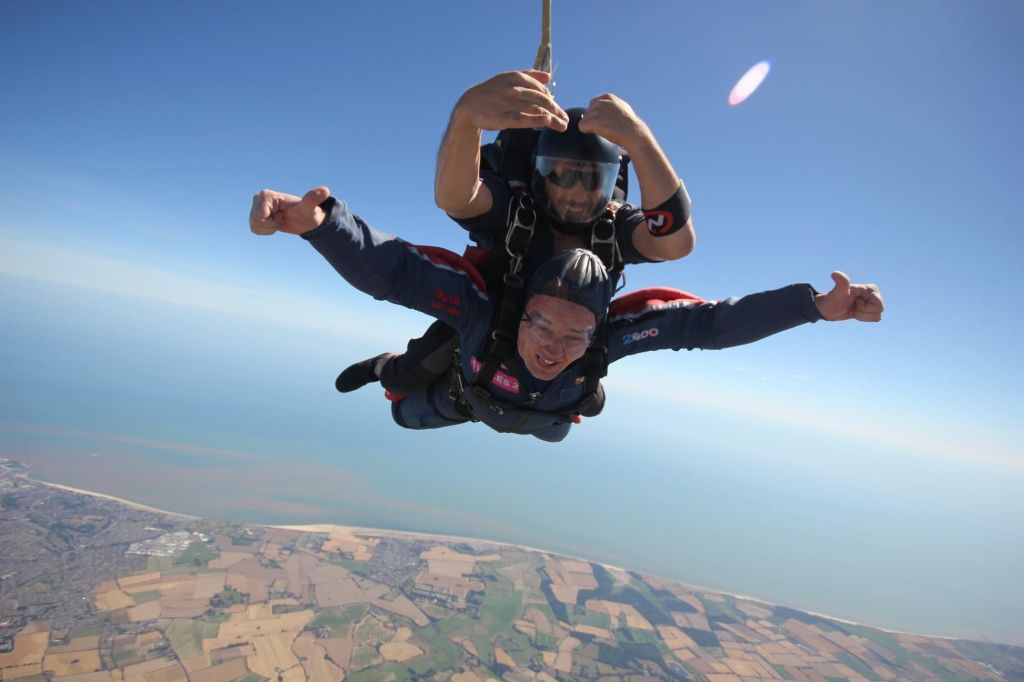
You are right, I am no stranger to the world of fundraising and raising awareness for autism. It has seen me skydiving, playing in charity football matches, organising charity discos, and even hosting charity balls. it’s not just about the money. “It’s about raising acceptance within the community. That’s my real goal.
Aston Sky Diving
Being a previous act on Autism’s Got Talent, what advice would you give this years performers?
Having been a past performer at Autism’s Got Talent, my advice for this year’s participants is: Enjoy every moment. Make friends—talk to your fellow performers, and even reach out to past performers. It’s about connection as much as performance.
Who are your hero’s Aston?
My heroes are close to home: My parents and my brother. They’ve stood by me through everything—my autism diagnosis, my battle with enterocolitis, and even my fundraising efforts. They’ve been there for the good and the rough times.
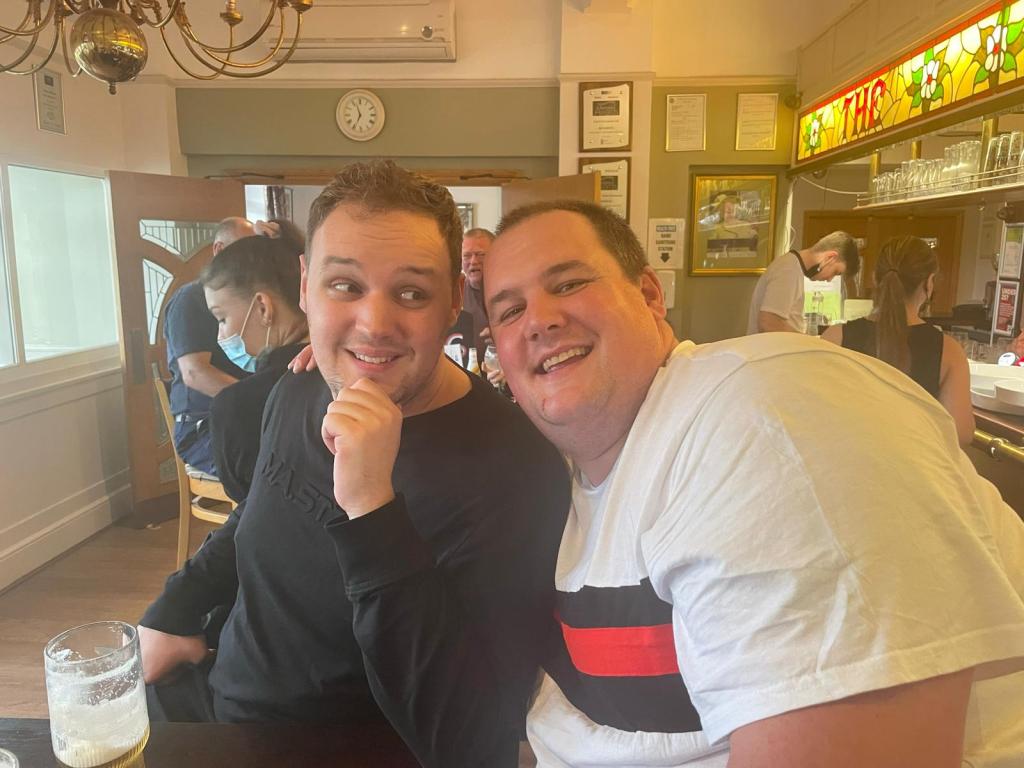
Aston with his brother, Aaron
Your very vocal about bullying what is your advice to people being bullied ?
Being an advocate for anti-bullying, I feel strongly about speaking up about it. If you’re being bullied, don’t let them break you. Talk to someone—a parent, a sibling, a professional like a teacher or manager. You don’t have to go through it alone.
How did you get involved with Gateway 97.8?
My media journey began in 2013 when I got involved with Gateway 97.8, working behind the scenes on the technical side of things. By 2015, I was presenting his own daytime show. I’ve spoken to so many people—celebrities, regular contributors, and people from the local area. It’s been such a rewarding experience.
What are your future ambitions?
I’d love to perform in a pantomime one day, and I really hope to become a TV presenter. My dream is to appear on Strictly Come Dancing—that’s my favourite show. Fingers crossed!
What would you say gives you inspiration each day?
My daily inspiration comes from the people around me and my own drive. I wake up motivated to do what I love—whether it’s performing, presenting, or connecting with people to share experiences. I always say, my name is Aston-Martin Avery, I am autistic, and I am proud!
Why I am with Esther Rantzen when it comes to euthanasia being allowed in the UK
Inspirational Esther Rantzen and the incredible Martin Annand
News of the controversial suicide pod being used for the first time in Switzerland really caught my attention. The device allows the person in it to take their own life by pressing a button. The concern, even in Switzerland where euthanasia is legal, is that the pod functions without medical assistance.
It also triggered a memory of when I was asked to take a friend to Switzerland, and I nearly did…
It was a beautiful sunny day and my former partner, of twenty years and friend for twenty more Martin Annand and I were sitting in the leafy London Garden opposite where he lived.
He squeezed my hand and said,
“Steven, please take me to Switzerland, let’s arrange it today.”
The wonderful Martin Annand RIP 20th Of February 1944 – 9th of August 2021
We had been up most of the night. Martin had been in agony; he was terminally ill with cancer that had moved into the spine. He had sailed through hormone treatment and apart from the odd hiccup, chemotherapy had been giving us hope that a miracle would happen or at least extended his life, but we had had some bad news, and the chemotherapy had stopped working. He had moved on to radiotherapy and that was a whole new ball game. The illness was turning him quickly into a shell of himself.
Coming soon.
Helping was a battle as his new partner was unreasonable, a bully and often hysterical. I was up against people who were all “experts. A distant relative thought running a ball up and down his spine and getting him to exercise was good, but would not look at the actual fact that it was the worst thing you could do for cancer in the spine.
All through his illness I was absolutely determined to stay stoic and a rock, not the hysterical mess I was in private. Too often I have seen people make their friend or partner’s illness be about them, with the poor soul consoling them. Now his current partner had taken two weeks holiday and reluctantly left me to look after him. It was an ideal time to take Martin to Switzerland.
However, it was hard at this point to hold back the tears.
“Is that what you really want?” I asked him.
He had clearly done his homework and knew the price and exactly where to go. Pulling myself together and looking into his beautiful blue eyes I promised I would if he just gave it one more week. The doctors had said at the Royal Brompton that the night burns were quite a common side effect that should pass.
Holding him in the shower and as he lay shaking in bed, I would have done anything to ease his pain. Assurances that this phase would pass, and that the treatment would allow him more time encouraged us to push on.
To this day I am so sorry that I did not take him whilst he could still get on a plane. The horror that he endured no human being should go through. Why do we let a dog in distress die in dignity, yet our loves ones have to suffer? The religious right will tell you It is not God’s wish. Some God if he wants us to suffer.
“Suffer to come unto me “. Well, I cannot make sense of that. It is time to allow those with no hope of living without excruciating pain to die on their own terms.
By the second week it was too painful for Martin to travel in a taxi let alone fly. Then the current partner arrived back, and all was lost on the idea of euthanasia.
When there really is no hope, it is time to be kind and allow the terminally sick some release. Next time someone I love asks me, I’ll do it on the spot. I truly hope that if I were in that much pain with no chance of recovery that someone would do the same for me.
Me with Martin Annand a man who lived life to its full
If there is one thing that bemuses me it’s being put in a box because of my sexuality.
As a gay man I have heard it all over the years, including the presumption that I must be filled with excitement that Kylie is touring next year. No! I honestly would not cross the road to watch her, and I find “Padam Padam” one of the most irritating songs of all time.
Sure, she has a huge gay following. I remember two gay men jumping with excitement in the changing room of the gym exclaiming, “Oh my God we are seeing Kyle tonight, she’s such a survivor! ” And that was before the breast cancer. I have heard she is a lovely person, but she’s just not my taste in music.
Later at the Troubadour café the waiter enquired if me and my partner were going to see Kylie. After replying definitely not, he smiled and said, “Good to hear it, have a drink on me!”
Sure, I like Madonna; she is a true artist. Now Bowie, Lou Reed, Nina Simon or a night at the Royal Opera are my tastes in music.
What I am excited about is Oasis coming back. Liam Gallagher is brightly funny and a night out with him would be way up on my list rather than the gay Divas of music. Oasis marks an era, and a generation of people want to celebrate the band and re- live that experience for just for one night.
Their music is original, and they are a dying breed of rock star. The Manchester lads may not be the wild boys of the past, but every time Liam pops up on a show, he makes me laugh and he is by far a much better interview than most.
That’s what entertainment is all about. My friend Pam I know not to dare ring during the football or come to that rugby, cricket, darts season, tiddlywinks… If for a moment music, sport or something else can transport you to a happy place or bring a beautiful memory back to life for you, then whatever gives you that enjoyment is your business.
I, of course, respect everyone who can’t get Kylie “out of their head”, but come on, Liam and Noel are really something to get excited about.
Yes, it is that time of year again so please come see me and 2shades columnist Dr Anna Kennedy OBE on 12th October at the Mermaid theatre. Gateways Radio Aston Avery will be one of the main presenters introducing some incredible acts.
This star-studded spectacular show will showcase amazingly talented performances by adults and children with autism. The performers, which consist of singers, actors, musicians, magicians, poets and dance troupes, will fly the flag for autism and show what people with autism are capable of. Autism’s Got Talent provides a platform and fantastic opportunity to replace negative aspects with hope, fun, laughter and inclusion. This showcase is unique to any other project across the world.
Most of the acts have springboarded into exclusive opportunities. The audience feels a rare emotion of hope and belonging, part of a unique network, and understanding that anything is possible. Every year promises a showcase of a wide variety of performers. In previous years, there has been a stand-up performer, harpist, rapper, young author, acclaimed ballet dancer, opera singer.
Presenting this year Aston Avery Gateway radio host .
The concept of Autism’s Got Talent is based solely on inclusion, and there needs to be more, which is why we have started roadshows. Autism’s Got Talent is an annual event that grows in popularity each year and has firmly cemented its status as a leading charity and autism event.
Dr Anna Kennedy OBE and me .
Supported in the past by celebrities including Kacey Ainsworth, Richard Mylan, Dame Esther Rantzen, Carrie and David Grant, Debbie Moore OBE, the late Ian Royce, Dr Pam Spurr, Mitch Winehouse, Loose Women Star Denise Welch, Caprice, Luke Friend, Tony Discipline (BBC Eastenders), and Emma Noble.
I went to a Catholic school in the Northeast. Little did I know my husband Sean also was at the same school. Primary School were good and bad days for me and I enjoyed some lessons not all. Many of the nuns at the school were too strict and would not get away with caning across your knuckles or hand for talking too much!
If you happen to be late for school, you had to stand under the crucifix for 30 minutes at the end of the day and pray.
We were often also given many lines to write if no one owned up for example: A pupil threw a rubber at the Maths teacher whilst he was writing on the blackboard. I remember we had to write 100 times ‘Rubbers rub they do not fly!’
Dear Anna.
Please, I am at the end of the line with my 14 year old son. He was expelled last year for being disruptive in class. Now the school have written to me and said he cannot come back. James was diagnosed with Autism and attention disorder at 13. What can I do? Is there a right to appeal or should I find a school that is more suited to his needs? James is super bright and was in line to take exams
Many thanks Diana Waterford
Dear Diana,
Thank you for your email. You do have the right to challenge your son’s exclusion, and the school should have informed you of this process when the exclusion occurred. The following government guidance may be helpful, if your son attended a maintained school or an Academy:
If you believe your son was excluded due to a disability-related reason, you can separately make a claim of disability discrimination to the First-tier Tribunal before the school process concludes.
If the Tribunal rules in your favour, it can order actions that put your son in the position he would have been in if the discrimination hadn’t occurred, which could include reinstating him in the school.
Lastly, it’s important to ensure that all your son’s special educational needs are identified and met. If you haven’t done so already, you may want to apply for an Education, Health and Care (EHC) needs assessment.
This is the first step towards securing an EHC Plan (EHCP). The test for starting this assessment is whether your son may need a level of special educational provision that is only available through an EHCP. Given what you have said, this may possibly be the case.
Dear Anna,
Hello love the column. My daughter lives with Autism, and she is a great singer and just so loveable. My ex-husband won’t hear about it and said I am indulging her and encouraging her to be different. I am looking for a school that caters to her needs even its a private school or theatre My parents are happy to. pay. My ex is trying to block it and threatening to take me back to court if I remove her from her present school that I do not feel caters to her needs. What can I do?
All my best Stephany Wimbledon
Dear Stephany,
Thank you for reaching out and for your kind words about the column. I spoke to my husband Sean who supports the charity, and this is his area of expertise. It does sounds like you’re in a difficult situation.
My husband Sean shares:
Sean Kennedy
If your daughter has an Education, Health and Care Plan (EHCP), section 51 of the Children and Families Act 2014 gives you the right to challenge any part of the EHCP, including the school placement, even though a Tribunal if necessary.
This right cannot be interfered with by other courts. While your ex-husband is entitled to express his views to the Tribunal, he cannot prevent you from exercising this right. However, your daughter’s opinions will also carry weight, particularly depending on her age and if she has capacity.
It is certainly an unfortunate situation. If your ex-husband is threatening to take this matter to the Family Courts and your daughter does not currently have an EHCP, I would strongly advise seeking legal advice from a family law specialist.
We both wish you all the best in navigating this,
Best Wishes, Anna
Dear Anna,
I am a big fan of yours and have been living all my life with various issues, it was my 16th birthday last week my mum held a party and I am not real social so I found it embarrassing and in the end it was more about her. She even got drunk and went on and on about how proud she is of me- even with all my little ways. There was about five of my friends from school there with the rest of the mums. Anna I just want to leave home and get away from her. What should I tell her and is there any organisations that helps kids like me escape?
Blair Luton
Dear Blair,
Thank you for reaching out and Happy 16th Birthday. Have you spoken to your mum about how you feel? Is there a relative that you can confide in about how you are feeling?
Parenting an autistic teen can be challenging for parents, so it’s important to seek support from other parents, support groups, or professionals who specialise in autism.
Are there any local support groups near to where you live? Leaving home is a huge step and you need to be well prepared and safe as a vulnerable young person. I hope things improve for you very soon and your relationship with your mum also improves.
Sending best wishes, Anna
Has the interview selection for Colleges and Universities changes to aid those diagnosed on the autism spectrum?
Colleges and universities are required to comply with the Equality Act 2010. This means that if an individual with a statutory disability faces disadvantages during the interview process due to the effects of their disability, the institution must take reasonable steps to avoid these disadvantages.
For clarity, a statutory disability is defined in section 6, the Equality Act 2010. This section defines disability as a physical or mental impairment that has a substantial and long-term adverse effect on a person’s ability to perform normal day-to-day activities. To qualify, the impairment must significantly impact the individual’s ability to carry out activities that are considered normal for most people (including work and university study) and must have lasted, or be expected to last, at least 12 months.
It is important to note that conditions such as ADHD and ASD are not automatically classified as statutory disabilities, though they may be. The key consideration is how these conditions impact the individual. It follows that what are known as reasonable adjustments are specific to the individual. Importantly the university or college needs to be informed of any impairments before the section process.
While universities and colleges are not required to lower the competency levels expected of students, they must provide adjustments to the interview process where necessary.
There is a lot more to the Equality Act, but I trust this provides a useful overview and is, my husband has confirmed, is accurate.































 2Shades Magazine