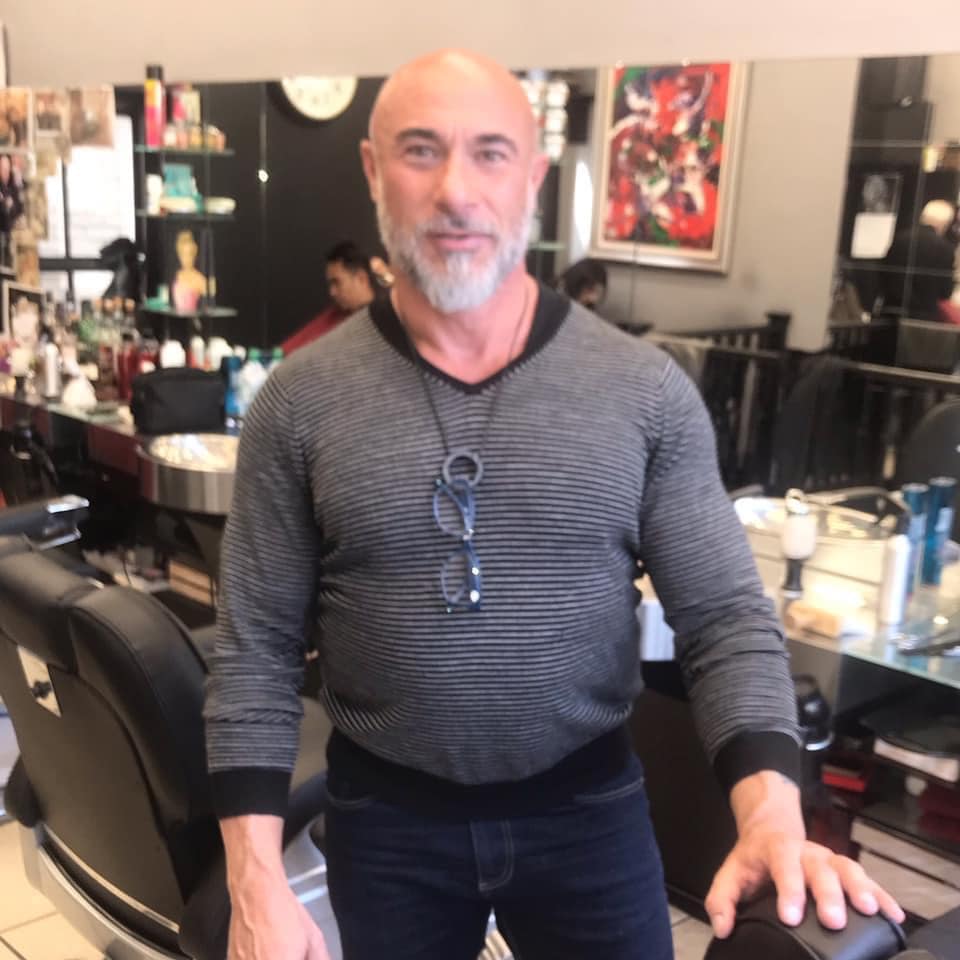
Michael Edde, celebrity barber and owner of a legendary shop in Earl’s Court, London, is creating a buzz among locals, celebrities, and some of the best-groomed men in the city.
Known for his sharp cuts, signature fades, and impeccable beard work, Michael has become a go-to name for those who take grooming seriously.
In this issue of 2Shades magazine, he shares his top 5 summer tips to keep your hair and beard looking fresh, stylish, and perfectly on point — no matter how high the temperatures rise.
From heat-proof styles to beard maintenance in the sun, Michael’s expert advice will have you turning heads all season long.
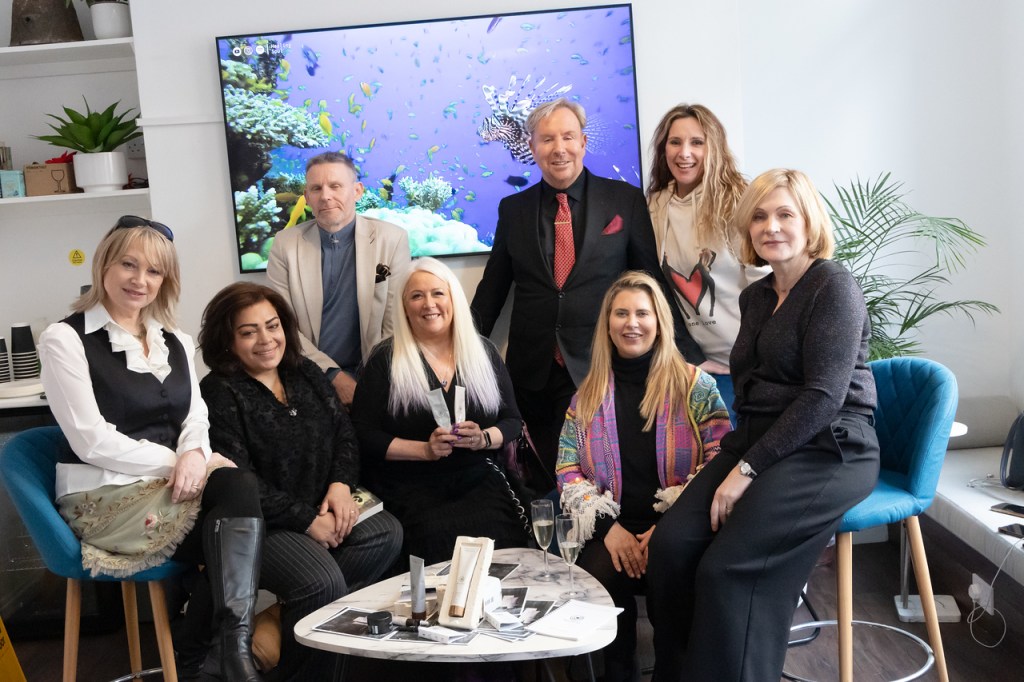
Michael with presenting star Eamonn Holmes .
Top five tips for Summer hair .
Summer is all about keeping it sharp but effortless. I always tell my clients to go for clean, textured cuts that work with the natural flow of their hair — not against it. Think lighter on the sides and a little movement on top; it keeps things fresh without needing too much product.
Humidity can be your enemy, so choose styling products wisely. Swap out heavy waxes or pomades for lightweight clays or sea salt sprays. They give hold without weighing the hair down, and they let you run your hands through it without that greasy feel.
If you’re growing out a fade or wearing a buzz cut, now’s the perfect time to experiment. Sunlight adds natural dimension, and a well-blended skin fade can really frame the face and show off bone structure — especially with a bit of tan.
Shorter styles are ideal in the heat, but that doesn’t mean boring. Ask your barber for a cut that suits your face shape and hair type — something that looks good messy or styled, so you’re not locked into one look.
And finally, book in for regular neck trims and tidy-ups. Nothing kills a clean summer look faster than a fuzzy neckline or untamed sideburns. Little maintenance goes a long way in looking polished without looking overdone.
Top Five tips for summer beards.
Summer can be brutal on beards, so it’s all about smart grooming. The sun, heat, and humidity will dry out your beard faster than you think, so hydration is everything. I always recommend using a lightweight beard oil daily — it softens the hair, nourishes the skin underneath, and keeps you from itching like mad in the heat.
Washing your beard properly is key. Don’t just use your regular shampoo — that’ll strip out the natural oils. Go for a dedicated beard wash two to three times a week, and follow it up with a conditioner if your beard’s longer or feeling coarse.\
If you’re growing it out, patience is your best friend — but so is a good shape-up. Don’t wait until it’s wild and uneven. Pop in every couple of weeks for a tidy-up around the cheeks, neckline, and ‘tache. A clean outline makes even a shorter beard look intentional and stylish.
Exfoliating the skin beneath your beard might sound over-the-top, but trust me — it helps prevent ingrown hairs, flakiness, and clogged pores, especially in the heat. A gentle scrub once a week keeps everything fresh underneath.
And finally, protect your beard from the sun. Yep, that’s a thing. Just like your scalp, your beard can get UV damage. Look for beard products with SPF or run a tiny bit of your facial sunscreen through the beard — it’ll save you from dryness and colour fade.
Happy Pride, everyone! just reflecting on Pride I thought Id share some background about me .
Becoming a counsellor wasn’t my first career choice. From a young age, my true passion was doing people’s hair. But strangely enough, hairdressing and counselling are closely linked. You know what they say: if you can’t afford a therapist, see your hairdresser!
In my case, it actually worked the other way around. My hairdressing career took off—I specialised in colour and built a hugely successful business. My CV includes working with celebrities and the rich and famous, and my colouring talent brought me into collaboration with some of the biggest names in the hair world.
But I always had a burning desire to really listen to my clients. No matter who they were—a rock star, a socialite, or a fashion icon—it became clear early on that we all face similar challenges: heartbreak, divorce, bereavement, anxiety, depression… the list goes on. People might argue that wealthy clients don’t have the same worries, but I’ve seen both ends of the spectrum. Money doesn’t always bring happiness.
That 16-year-old girl living in a Chelsea townhouse who wants to come out to her family isn’t so different from the one growing up in a council flat. Their circumstances may differ, but they’re both human and both deserving of support.
My fascination with people and their stories led me to retrain as a therapist. But it wasn’t just my clients who inspired me—it was also my own life.
I’m a gay woman and I came out in the 1990s. It was a brave move at the time—it certainly wasn’t trendy or widely accepted. We had very few role models: K.D. Lang, Melissa Etheridge, and Ellen DeGeneres were among the few out and proud. And let’s face it, lesbian characters in TV and film were usually portrayed as mad, bad, or dead. For many of us, The Killing of Sister George was the only reference point. Though it’s a classic with sensational performances, it doesn’t exactly paint a rosy picture of lesbian life.
(That’s why I’m so looking forward to the upcoming documentary on The Gate Club—the legendary lesbian venue on the King’s Road where parts of Sister George were filmed.)
When I came out, it raised a few eyebrows—even at the very trendy Vidal Sassoon salon in central London, where I was working at the time. Once word got out, some of my regular clients switched to other colourists.
While I had amazing support from some colleagues, moving on to other salons often meant facing homophobia—surprisingly, sometimes even from gay men. It’s not something we talk about often, but it’s real. Although my inner circle included fabulous gay men, there were definitely some who didn’t welcome us lesbians with open arms.
And believe it or not, I was refused entry to some gay clubs for looking “too straight”! Apparently, I was too femme.
Thankfully, times are changing. But we mustn’t take that progress for granted. Homophobia still exists in many forms, and we need positive role models, education, and continued activism to keep moving forward.
When I started studying to become a therapist, going back to college felt surreal. One classmate broke the ice by saying, “So proud to be your first lesbian!”—we’re still great friends to this day. But not everyone was welcoming. One peer was consistently rude and passive-aggressive. It was never openly discussed, but I strongly sensed a kind of veiled homophobia. Thankfully, the rest of the class were amazing, inclusive, and my tutor was truly sensational.
Back in the day, it would have been unthinkable to be openly gay in one successful career, let alone two.
Happy Pride, everyone! Let’s celebrate how far we’ve come. There’s still plenty of work to do, but I’m proud to be waving the rainbow flag—and I can’t wait to answer your emails.
Love, Heidi
Dear Heidi,
My girlfriend dumped me before the pandemic because she enjoys clubbing and going to bars. That’s just not my scene. I’m looking for something more meaningful—I want to meet someone and settle down. But dating apps and websites scare me, and the bar scene isn’t for me. Alex, Bethnal Green
Hi Alex, Thank you for writing in. You’re not alone—plenty of people feel intimidated by the modern dating world. The key is to find spaces that align with your values. Consider LGBTQ+ book clubs, walking groups, art classes, or volunteering for a cause you care about. These are great ways to meet like-minded people in a low-pressure environment. And if you ever decide to try dating apps, choose ones with detailed profiles—look for people who are also looking for something serious. Take small steps—you’ve got this! Love, Heidi
Dear Heidi,
My girlfriend and I have been together for two years and plan to marry next year. Recently, she’s expressed a desire to try threesomes, saying it’ll “spice things up.” I don’t want to lose her, but honestly, it’s not for me. What should I do? Madeline, Manchester
Hi Madeline, Your feelings are completely valid. Relationships should be based on mutual respect and clear boundaries. If something doesn’t feel right to you, you shouldn’t feel pressured to agree. Talk to your partner openly and honestly—express your feelings without judgement. A strong relationship can withstand differences, as long as there’s communication and compromise. The right partner will respect your comfort zone. Take care, Heidi
Dear Heidi,
I’m 19 and come from what you’d call a “rough” family. My two brothers and I are all amateur boxers. My dad is a real “man’s man” and uses words like “queer” as an insult. I’ve been dating girls to hide who I really am, but one of them suspected something when I didn’t want to go all the way—she called me a “poof.” I love my family, but what can I do, Heidi? Should I risk coming out? Mike, Blackpool
Dear Mike, Thank you for your honesty. Coming out is deeply personal, and only you can decide when the time is right. It’s okay to take your time. You don’t have to come out until you feel safe and ready. Remember, there’s no shame in protecting yourself emotionally and physically. If you ever feel unsafe at home, reach out to LGBTQ+ support groups—there is a community out there that will support and celebrate you for who you are. You’re not alone. With warmth and strength, Heidi.
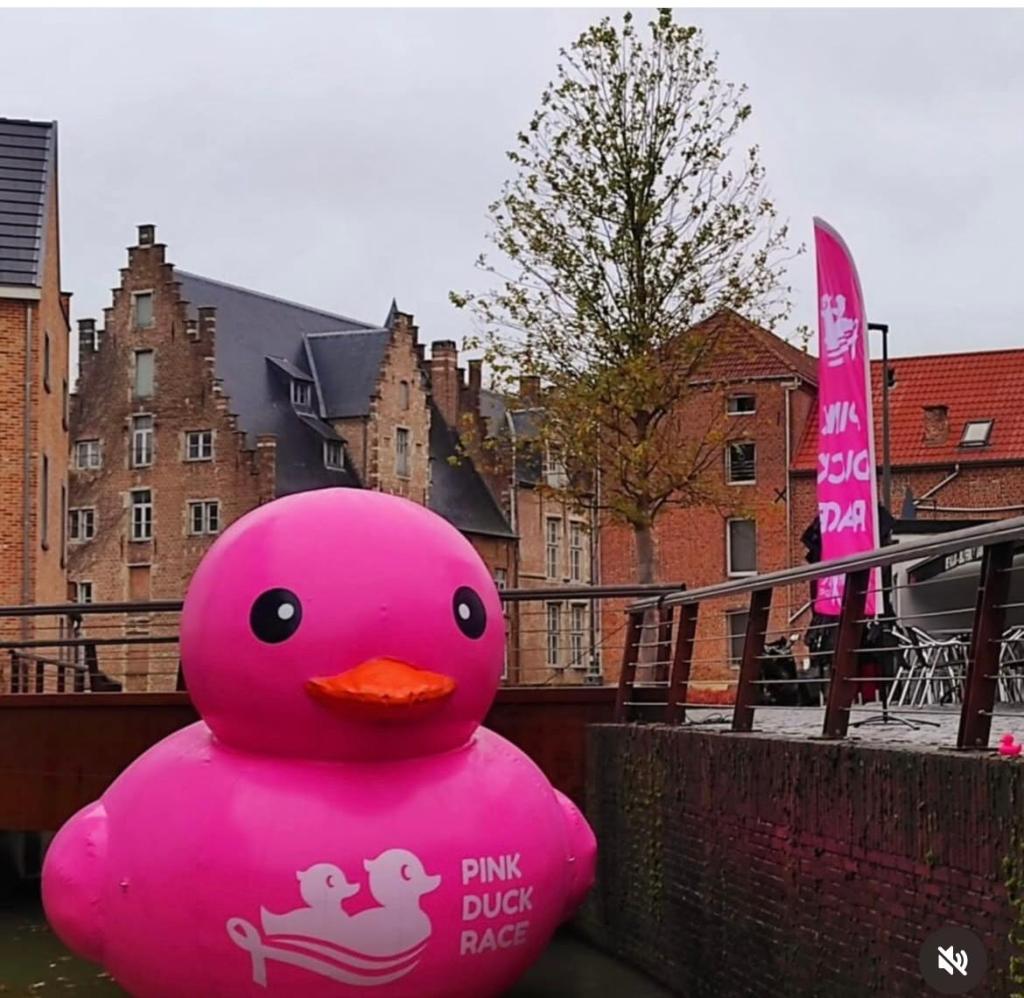
🦆💕 Quack Quack! The Pink Duck Race Is Coming to Cambridge — And You’re Invited!
Something wonderfully wacky and heartwarming is coming to the River Cam this September — and it’s all for an amazing cause.
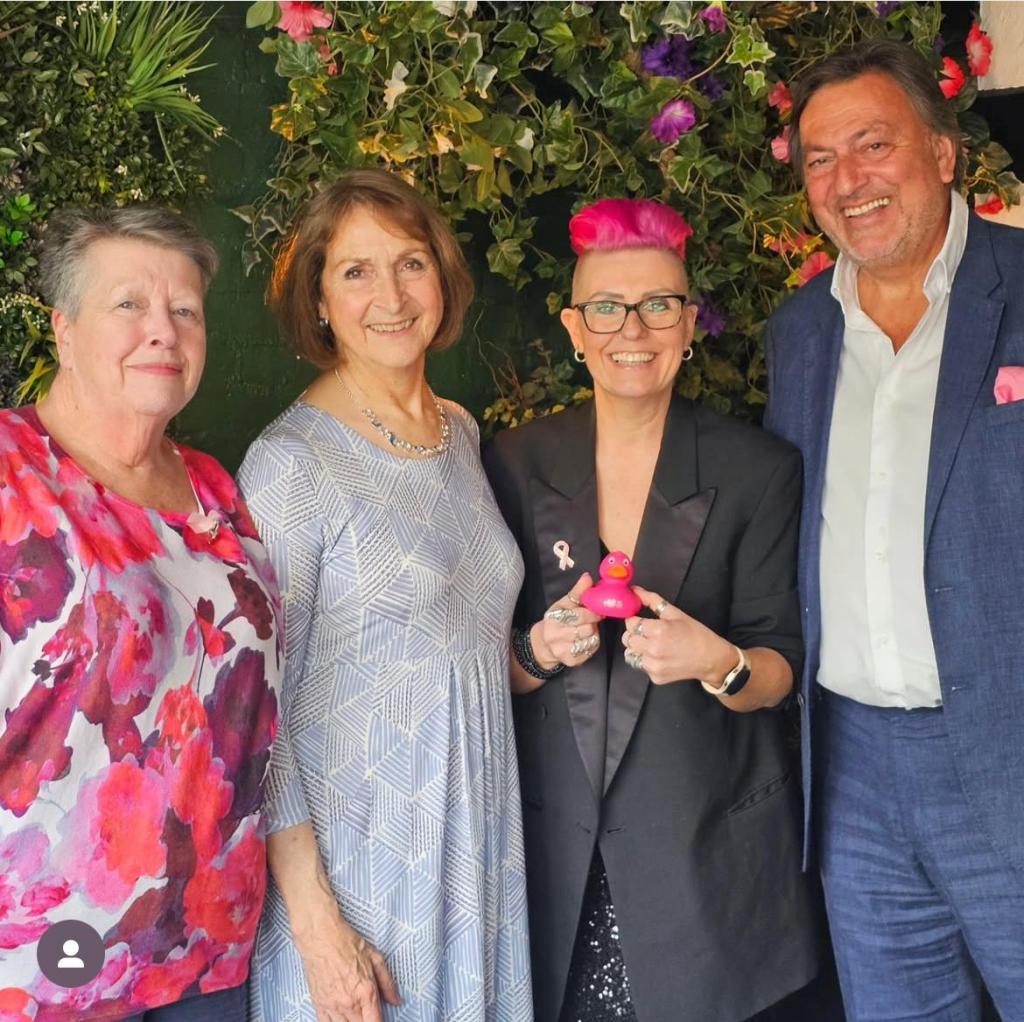
On Sunday 21st September 2025, Cambridge will host the UK’s very first Pink Duck Race, organised by the fantastic team at the Pink Ribbon Foundation, in support of those affected by breast cancer. 💖
Yes, you read that right — 20,000 bright pink rubber ducks will be released onto the river to race for glory, awareness, and fundraising. It’s going to be joyful, pink, and just a little bit bonkers… and we can’t wait!
🎀 Why a Pink Duck Race?
The Pink Duck Race is more than just a fun day out — it’s a symbol of hope and solidarity. Every duck adopted represents someone’s story, someone’s fight, or someone’s support. Whether you’ve experienced breast cancer yourself or want to stand by someone who has, this event is your chance to take action in the most cheerful way possible.
For just £5, you can adopt your own Pink Duck, give it a name, and watch it join thousands of others as they race down the river — all raising funds for breast cancer support and awareness.
💖 How It Works
🦆 Adopt a duck for £5
🎁 Gift a duck to a loved one as a meaningful gesture
🏁 Watch 20,000 ducks race — live in Cambridge or via social media
🏆 Win prizes if your duck finishes first (including the sparkly Gold Duck!)
💼 Businesses can sponsor or adopt duck flocks with corporate packages
💰 All funds raised go to the Pink Ribbon Foundation, supporting those affected by breast cancer
It’s a win-win: raise awareness, have a laugh, and maybe even take home a prize!
🥰 Can’t Make It to Cambridge? No Problem!
If you can’t attend in person, don’t worry — the race will be streamed online and covered on social media. You’ll still be able to cheer on your duck from anywhere in the UK (or the world!).
📲 Just follow @pinkribbonfoundation and @pinkduckrace on Instagram, Facebook, and X (formerly Twitter) to keep up with the action. There’ll be plenty of quacking content before, during, and after race day.
🛍️ Get Involved – Your Duck, Your Impact
Whether you’re an individual supporter, a family looking for a unique day out, or a business keen to make a difference, there’s a duck for everyone.
🫶 Want to show support for someone you love? 💼 Want your business to get involved in a meaningful and memorable campaign? 🎉 Or just fancy watching 20,000 pink ducks bobbing down the river?
This brilliant event is proudly supported by local and national partners including: @qav_global, @intelligent_membranes, @brewboarduk, @cambridgerowing, @johnlewis_cambridge, @thinkpinkeurope, @skinster_h, and @thecraneevent.
Together, we’re creating a sea of pink, floating hope, and real change — one duck at a time.
💕 Let’s make history in Cambridge.
Adopt a duck. Share the love. Change lives. Quack Quack! 🦆🎀
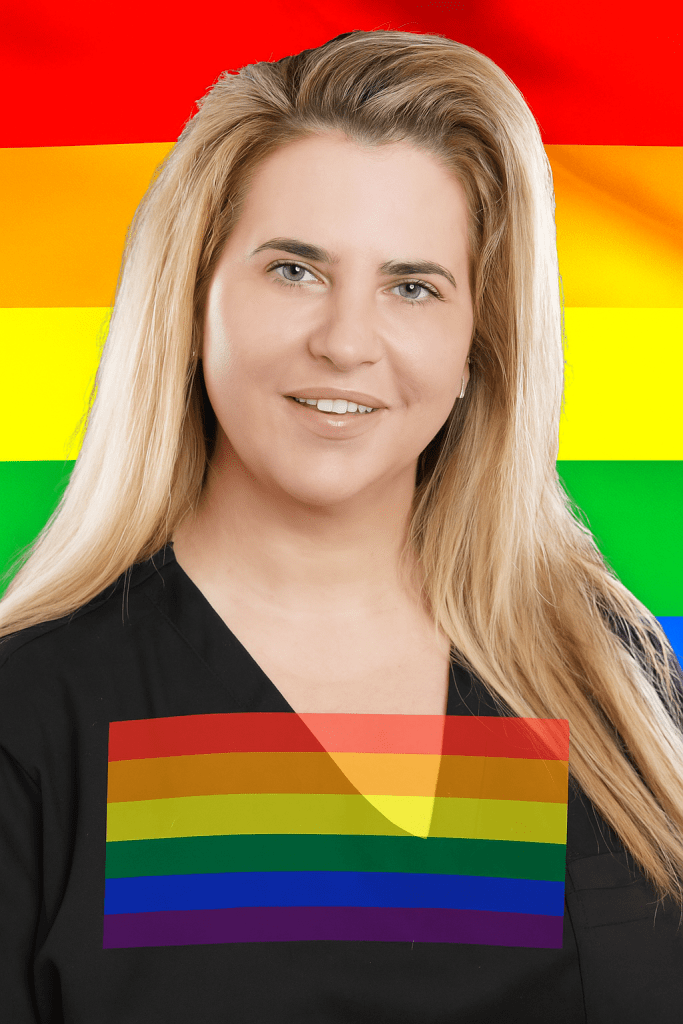
With Pride season in full swing, many of us want to feel and look our most radiant. Whether you’re marching, dancing, or cheering from the sidelines, self-expression and self-care go hand-in-hand. We spoke to an experienced aesthetic nurse – therapist to find out how to prepare for the big day with treatments that celebrate confidence, individuality, and skin-loving care I am here to help .
What are the best skin prep treatments to get that fresh, glowing look ahead of Pride? In the lead-up to Pride, skin prep is key to feeling confident and radiant. Gentle enzyme peels or mild exfoliating facials help remove dull, dead skin while stimulating natural cell renewal. Hydration-based treatments, such as oxygen facials or hyaluronic acid infusions, give the skin a plump, dewy finish that lasts. Aesthetic therapists often recommend starting with a consultation to tailor the approach to your skin type and schedule. When your skin feels nourished and balanced, everything else — from outfits to energy — falls into place more easily.
Which brow or lash treatments would you recommend to make eyes pop without the need for makeup? For clients who want to enhance their features while keeping things low-maintenance, lash lifts and brow lamination are brilliant choices. These treatments create natural definition and a lifted, wide-awake look, perfect for long days out without needing mascara or brow pencils. Tints can be added for extra depth and colour, and results typically last several weeks. Whether you’re going for bold and expressive or soft and natural, eye treatments are a great way to elevate your Pride look with minimal effort.
Can you suggest any express facials or skin boosters that give instant radiance for Pride day? Absolutely — express facials and skin boosters are perfect for a quick pick-me-up before the big day. Treatments like LED light therapy, mini hydration facials, or vitamin-rich oxygen infusions can bring instant brightness and a refreshed appearance. They’re great for boosting circulation, calming redness, and prepping the skin for sunscreen or shimmer. Many therapists offer “lunchtime facials” that take less than an hour and still leave you glowing and party-ready. It’s a great way to build in a moment of self-care before the celebration.
How far in advance should clients book waxing or hair removal treatments to avoid irritation? To avoid any redness or sensitivity during the Pride march, it’s best to schedule waxing or hair removal appointments at least 48–72 hours in advance. This gives the skin time to calm and heal, especially in areas prone to friction or sun exposure. If it’s your first time trying a certain treatment, allow even more time — about a week — so you can test your skin’s reaction. Exfoliating gently the day before and moisturising after can also help prevent ingrown hairs or bumps. Comfort and confidence go hand in hand, especially during Pride.
What are your top tips for keeping skin hydrated and protected during a long day outdoors at the march? Hydration and sun protection are essential during outdoor Pride events. Start with a light, fast-absorbing moisturiser and follow with a broad-spectrum SPF — ideally factor 30 or higher. Reapply sunscreen every couple of hours, especially if you’re dancing or sweating. A facial mist can be a lifesaver for keeping cool and refreshed on the go. Don’t forget your lips and hands — SPF lip balm and lightweight hand cream can make a big difference. Staying hydrated from the inside out by drinking plenty of water is also key to maintaining that healthy glow.
Are there any gender-affirming treatments you offer that help LGBTQ+ clients feel their best during Pride? Yes, many aesthetic clinics are proud to offer gender-affirming treatments that support clients in expressing their true selves. These can include laser hair removal, skin treatments for shaving-related concerns, brow shaping to soften or enhance facial features, or hormone-friendly skincare advice. What matters most is that clients feel heard, respected, and empowered. Pride is all about visibility and authenticity, and beauty treatments — when done with care and inclusivity — can be a powerful part of that journey.
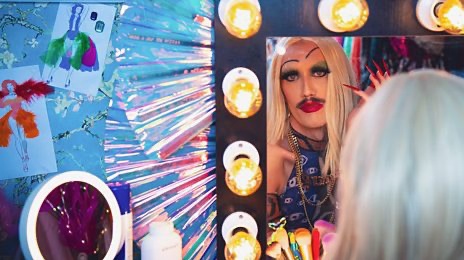
The Fabulous Trixie Mattel
What Pride-themed or colourful beauty trends are you excited about this year? Have clients been asking for anything particularly fun or bold? This year, there’s a huge buzz around vibrant, expressive trends that celebrate individuality. Clients are loving bold brow colours, glitter body art, rainbow-themed nails, and even temporary tattoos designed specifically for Pride. Some are opting for colourful hair tints or shimmering highlighter across the collarbones and shoulders. The atmosphere is joyful and creative — people want to make a statement and show their Pride, literally, from head to toe. It’s always such a pleasure to help clients bring their vision to life and be part of that celebration.
Happy Pride Clare
Smoggy Queens BBC iPLAYER a box set for Pride .
To book with Clare or media enquiries contact Steven Smith spman@btinternet.com
“Pride” means self-esteem, self-respect, and the joy that comes from being who you are. It’s a celebration of identity and community—and it’s also a protest, because the fight for equality is far from over.
How far we’ve come. In the 1970s, the only LGBTQ+ publication I knew of was Gay News—a paper I used to smuggle into my family home as a teenager. Mainstream magazines rarely showed gay people in a positive light, and doing so could sink a publication. In the entertainment industry, being openly gay could mean career suicide. Even being suspected of homosexuality could get you thrown out of the armed forces.
GAY NEWS IN THE 70S
I came out at 15, creating scandal at school and chaos at home. When my mum discovered my hidden copy of Gay News, she screamed, “There’s no such thing as ‘Gay News’, only bad news.” While she’s now a proud LGBTQ+ ally, back then it was a different story. Only my 13-year-old sister offered comfort—squeezing my hand and saying, “I always knew. I love you.”
My parents, desperate to “understand,” took me to the Samaritans, where I was introduced to a man who had been in the merchant navy who “knew about gays.” I remember his pale-blue jumper and the awkwardness in his voice. He warned me that not all gay men looked like David Bowie or Marc Bolan—who, I pointed out, were bisexual. He added, “If you go to Portsmouth, there are big, hairy men on bikes looking for young lads.”
Once back in the car, I asked, “Where’s Portsmouth—and how do I get there?”
Coming out still shocks some families. I’ve seen parents devastated by something they must have known deep down. In It’s A Sin, Keeley Hawes’ character, Valerie Tozer, denies her son’s truth even as he dies of AIDS. Another mother asks her pointedly: “What were you looking at when he was six? Ten? Fifteen?”
Today, LGBTQ+ teens are still being thrown out of their homes. Others are allowed to stay—but endure silence, shame, or abuse. All for the “crime” of loving someone, or being themselves.
Meanwhile, the same parents hand their kids toy guns and cheer them on during war games—yet recoil at a same-sex kiss. The hypocrisy is astonishing.
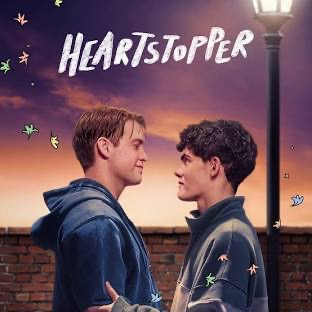
I cried watching Heartstopper on Netflix. When Nick comes out to his mum, played with grace by Olivia Colman, she simply thanks him and checks he’s okay. That’s the world we need. Fewer traumas. More love.
Yes, things are better. But the LGBTQ+ community is still under attack. Survival requires strategy—and education is key. We need LGBTQ+ role models in schools. We need to support young people who don’t fit gender norms. We need to tell our stories and make space for others to tell theirs.
I recently had a woman say to me, “You don’t seem that gay. My hairdresser Eduardo is gay—he’s a scream! He does drag on Tuesdays.” I replied, “The Kray twins were gay.” She went quiet, then apologised. I wasn’t offended—but I had made her think.
Positive role models matter. Jake Daniels, the first openly gay footballer, recently made headlines. So have Gareth Thomas and Tom Daley. But the fact that coming out still makes headlines shows how far we’ve yet to go.
Jake Daniels super star ,
It was heartening to see David Beckham support Jake Daniels—but disappointing to see him promote the World Cup in Qatar, where homosexuality is punishable by death. Allies must not sit on the fence when human rights are at stake.
Let’s not forget: the gay community isn’t immune to internal bias. Flamboyant men are often sidelined. Some fear being labelled “camp” or “too much.” But icons like Quentin Crisp, Boy George, David Bowie, and Marc Bolan showed us that difference is not a weakness—it’s a strength.
Boy George daring to be different with Pride.
If an alien asked to meet a “typical gay person,” we couldn’t comply. There’s no such thing. Just like there’s no one image of a straight man—despite the stereotype of a pint-wielding football fan in a Union Jack tee.
People ask me, “Why do you need Pride? There’s no Straight Pride.” My answer: “Be grateful you don’t need one.”
There are also calls to give Pride Month over to Veterans’ Day. I believe veterans deserve honour every day—but not at the expense of Pride or any other group or organisation One doesn’t cancel the other.
We’re living in frightening times. In countries like Argentina and the U.S., governments are trading human rights for promises of prosperity. In the UK, I fear the rise of Reform UK. We must not just defend our rights—we must be louder, prouder, and more visible than ever.
Peter Tatchell we all have to admire ,
At the premiere of Legendary Children: All of Them Queer, activist Peter Tatchell said that change comes from entering non-LGBTQ+ spaces and being a shining example. I believe that. I hope one day I can hold my boyfriend’s hand in public without fear. I hope one day, every child who comes out is embraced by their parents, not shunned.
We’ve made progress. But we’re not there yet.
And if we don’t act now, we risk going back to the bad old days.
Hello darlings! It’s time for David’s Book Club Reviews, and I’m absolutely thrilled to be joining the fabulous folks at 2SHADES this month. What a dazzling array of reads we’ve had!
From a sSmelly kid who defies the odds to become a number-one porn star and entrepreneur (yes, really!) to a stylish serial killer stalking London’s high society and showbiz darlings—this month’s selection did not disappoint. And let’s not forget the gripping Bleeding Fabulous: The Life of a Haemosexual—a memoir bursting with sequins, survival, and serious heart.
There’s also a gorgeously dark gothic horror set in Victorian London that sent shivers down my spine and had me clutching my feather boa in suspense. Plus, 13 other twisty, chilling, and utterly addictive short stories in Criminal Pursuits 2—each one more devious than the last.
Yes, my loves, they all get five stars from me. Call me generous if you will, but I had an absolutely fabulous time reading every single one. Drama, danger, glamour, grit—and always a twist in the tail. What more could a queen ask for?
If you’re looking for thrills, spills, and a few cheeky chills, these are the books to curl up with (preferably with a cocktail in hand).
Until next time, Love, David 💋
Screenshot
Review ofCriminal Pursuits 2: This Is Me– 14 Dark Gems of Crime Fiction ⭐️⭐️⭐️⭐️⭐️
Criminal Pursuits 2: This Is Me is a superbly curated anthology of fourteen dark, twisted, and utterly engrossing short stories from some of the sharpest minds in contemporary crime fiction. As with the first volume, this second instalment delivers diverse voices and inventive plots, drawing readers into a variety of shadowy worlds where justice is murky, morality bends, and the human psyche is pushed to the brink.
Each story offers a unique lens into the criminal mind—ranging from psychological thrillers to revenge tales, noir romance, dystopian pacts, and unnerving hauntings. From the man teetering on the edge of a high building, to the woman whose inheritance turns deadly, the anthology brims with tension, clever twists, and haunting imagery. There’s a satisfying blend of styles, from hard-boiled grit to eerie suspense, that keeps the pacing lively and the reader guessing.
But the undeniable standout isKiller Queenby Steven Smith. Stylish, razor-sharp, and steeped in a deliciously dark sense of camp, Killer Queen turns the serial killer trope on its head. Smith’s flair for the dramatic meets a gritty crime plot as he introduces a killer with charisma, vengeance, and unrelenting flair. The story pulses with queer energy and glittering menace, without ever losing sight of its emotional core. It’s daring, provocative, and gloriously subversive—exactly the kind of story crime fiction needs more of.
This powerful collection includes a heartfelt foreword by Lisa Allen, CEO of Pink Ribbon, who reminds us of the real-life battles many face every day. Fittingly, all profits from this anthology go to the breast cancer charity Pink Ribbon, making this both a gripping read and a meaningful cause.
An absolute must-read—for your bookshelf and your heart.
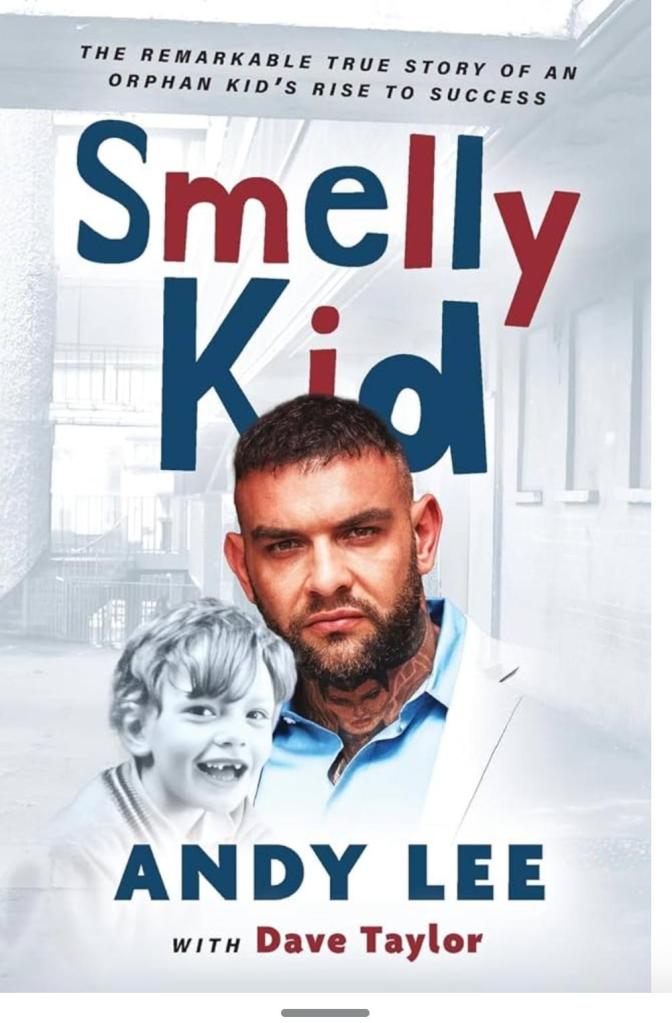
Review ofSmelly Kidby Andy Lee
Smelly Kid by Andy Lee (with Dave Taylor) is a raw, unflinching memoir that grips you from the first page and never lets go. With a title that hints at both humour and hardship, the book plunges readers into the unforgiving world of a poverty-stricken Dublin childhood, where abandonment, hunger, and homelessness were part of daily survival.
By the age of twelve, Andy had already experienced more loss than many do in a lifetime—left without parents and living on the margins of society. What makes Smelly Kid so compelling, however, is not just the depth of suffering, but the incredible resilience that rises from it. Through heartbreak, Andy never loses his fighting spirit, and his story becomes one of transformation and hope.
Lee’s voice is honest, gritty, and disarmingly humorous. He recounts harrowing moments with clarity and purpose, but also with surprising warmth. Whether it’s finding brief refuge in the kindness of a stranger or navigating the chaotic streets of inner-city Dublin, his story resonates with a raw authenticity. His later journey into the adult entertainment industry is told with the same candid honesty, showing how unexpected paths can lead to reinvention and, ultimately, self-empowerment.
Smelly Kid is not your typical rags-to-riches tale. It’s more than a memoir—it’s a testament to human endurance and the possibility of hope in even the bleakest circumstances. Gritty, heartbreaking, and ultimately inspiring, this is a story that lingers long after the final page.
For anyone who believes that the past defines the future, Andy Lee proves otherwise. Smelly Kid deserves its glowing 4.8-star rating—it’s bold, unforgettable, and deeply moving.
⭐️⭐️⭐️⭐️⭐️
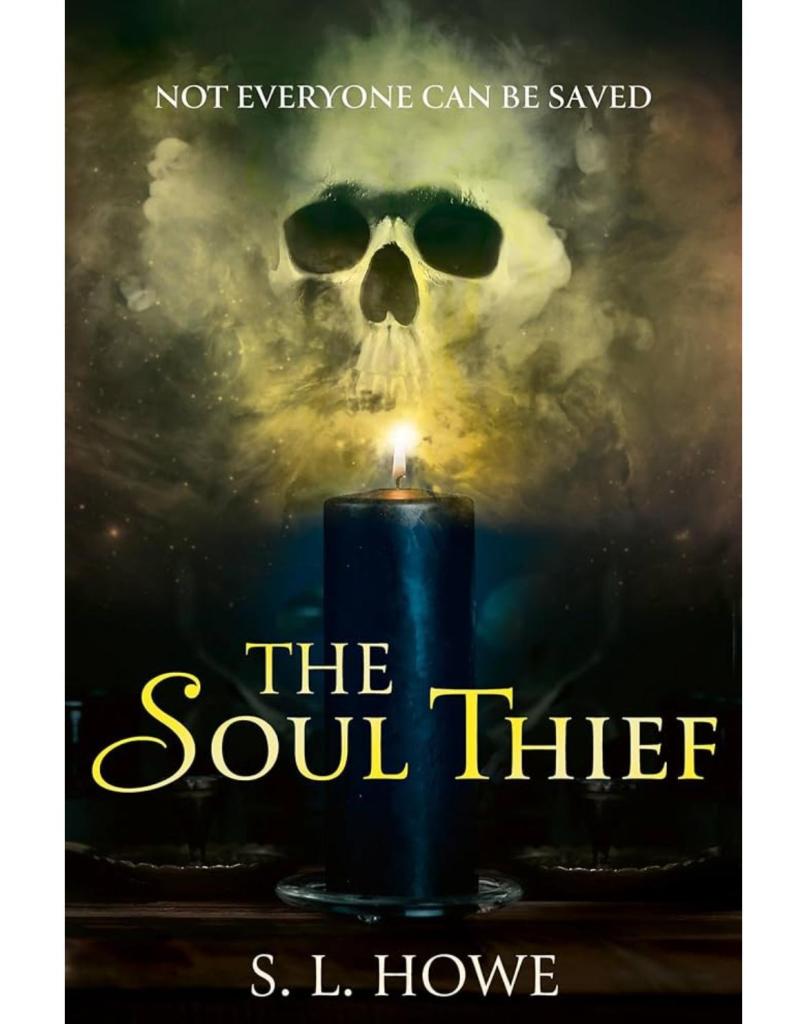
The Soul Thiefby S.L. Howe –
Samantha Lee Howe’s The Soul Thief is a deliciously dark slice of gothic horror that plunges readers into the chilling depths of Victorian Manchester. A haunting and atmospheric tale, this novel is perfect for fans of Sarah Waters, Carly Reagon, and anyone who enjoys eerie mysteries by candlelight.
Set in 1888, the story follows the weary Dr. Warren Carter as he navigates long, gruelling nightshifts at a hospital cloaked in shadows. When the enigmatic and beautiful young nurse Rosie vanishes without a trace after a late-night drink, the unsettling tone is set. More disappearances follow, and soon, a private investigator is drawn into a web of creeping dread and escalating horror.
Howe masterfully conjures a fog-soaked world where danger flickers just beyond the reach of gaslight. The novel’s strength lies in its brooding atmosphere, tight pacing, and an undercurrent of psychological unease. From the moment Dr. Carter’s carefully ordered world begins to unravel, readers are drawn into a nightmare that feels both timeless and intensely personal.
The writing is richly evocative, and the characters are sharply drawn—each with secrets that deepen the mystery. The blend of supernatural elements with the harsh realism of Victorian medicine creates a visceral contrast that heightens the suspense. The twists are deftly delivered and genuinely surprising, with the final chapters veering into thrilling, pulse-pounding territory.
With glowing praise from readers and reviewers alike, The Soul Thief delivers on every gothic promise: a crumbling setting, spectral threats, and a slow-burn horror that lingers. This is a novel to savour on stormy nights, ideally with a flickering candle and a cup of something strong.
Dark, twisty, and utterly absorbing, The Soul Thief is Victorian horror at its finest.
⭐️⭐️⭐️⭐️⭐️
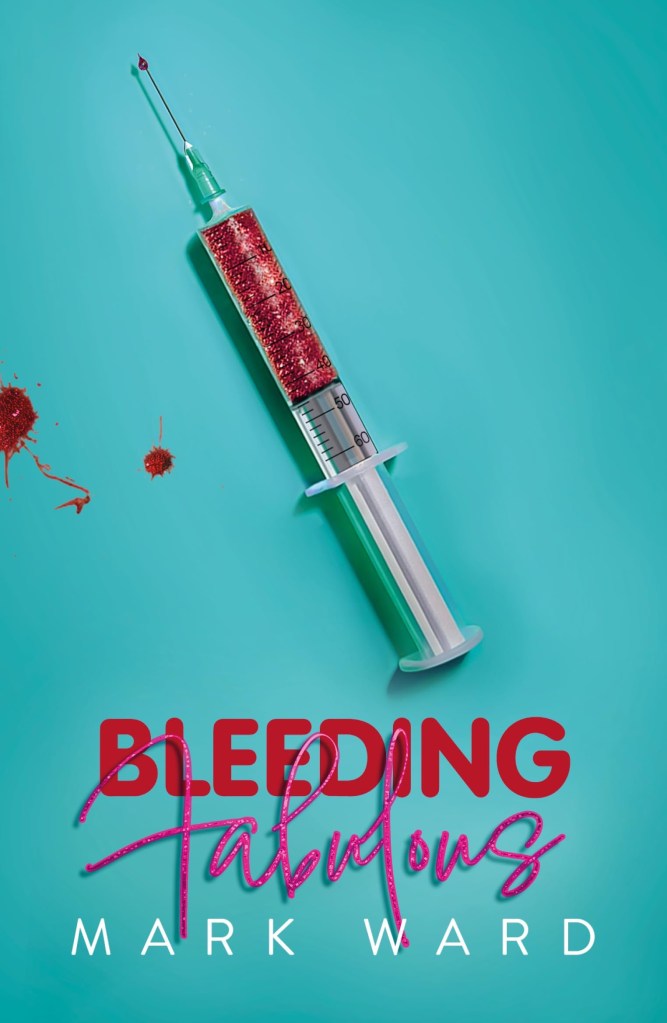
Review ofBleeding Fabulousby Mark Ward –
Bleeding Fabulous: The Life of a Haemosexual is a powerful and unapologetically bold memoir by Mark Ward—a man whose life defies the odds, the stigma, and the silence surrounding one of the darkest chapters in UK medical history. With extraordinary candour, wit, and resilience, Ward recounts his journey from an ordinary boy in Letchworth to becoming the world’s first LGBTQ+ Ambassador for Haemophilia.
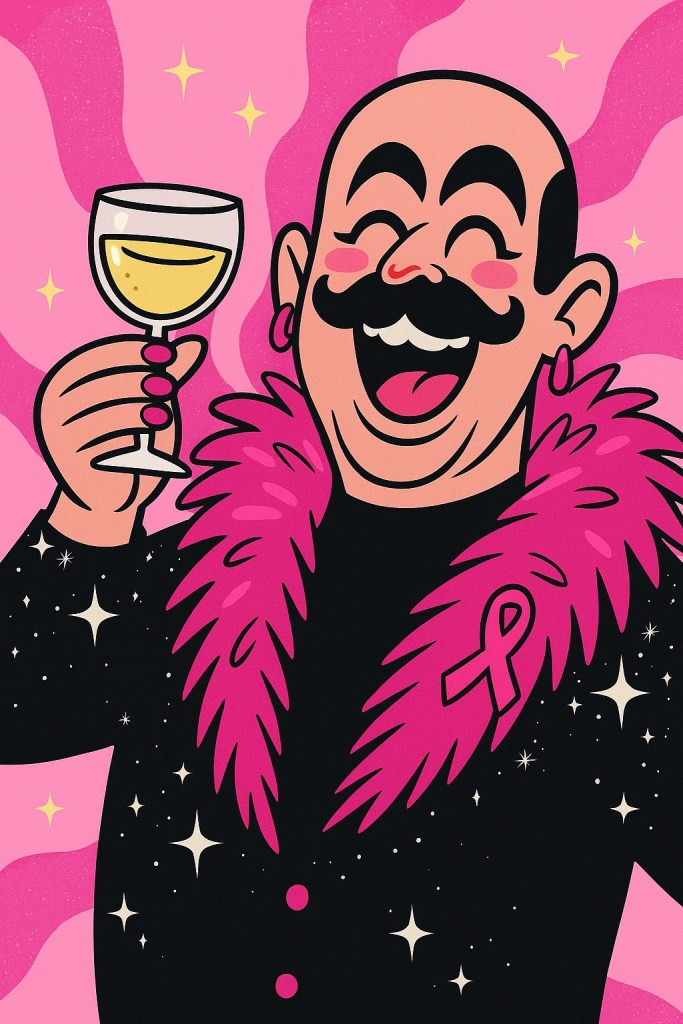
Infected with blood-borne viruses through contaminated NHS blood products, Ward faced not one, but multiple death sentences. Yet, as he puts it, “Faced daily with my own mortality, I chose to live fabulously.” And live fabulously he does—feather boas and all—delivering a narrative that is as heartbreaking as it is uplifting.
Far more than a personal story, Bleeding Fabulous is a searing indictment of the Infected Blood Scandal, a tragedy that devastated thousands. Ward’s role in campaigning for justice, including his instrumental work toward securing the long-awaited public inquiry, demonstrates his tireless courage and commitment to others affected by bleeding disorders, regardless of their sexuality.
What sets this memoir apart is its fearless humour, warmth, and emotional honesty. Ward invites readers into the rawest parts of his life, without ever losing his sense of style or spirit. His writing is elegant, often funny, and always deeply human. With a foreword by Sam Stein KC and praise from leading legal and medical voices, this memoir is both a personal triumph and a vital historical record.
Bleeding Fabulous is, quite simply, remarkable—a testimony to survival, to living boldly, and to fighting for truth and dignity in the face of systemic injustice.
⭐️⭐️⭐️⭐️⭐️ A beautifully written, fiercely important, and undeniably fabulous read.
Dr Anna Kennedy with the legendary John Lee Bird Gallery owner Marcus Jake .
In a city as vast and ever-evolving as London, it’s becoming increasingly rare to stumble upon a space that immediately feels like you’ve entered somewhere truly special. Tucked away on the Greenwich Peninsula, just a stone’s throw from the O2 Arena, The Firepit Gallery isn’t just another art venue — it’s a living, breathing community. The moment you step inside, you are immersed in a kaleidoscope of colour, creativity, and character. It feels like a sanctuary, a hive of inspiration and warmth, especially for those with an eye for flair, originality, and a desire for genuine connection.
Recently, Firepit Gallery played host to the closing night of The Autism & Art Show, a vibrant and inclusive celebration of neurodiverse talent. The event brought together an eclectic mix of artists and creatives, showcasing a dynamic range of work that broke boundaries and challenged perceptions. On hand to mark the occasion were some of the most exciting and diverse voices in the art world. Spanish-born street artist Piluca, known for her bold murals and graffiti-inspired work, joined celebrated photographer and artist Annemarie Bickerton. Also exhibiting was Alistair Blaster Artz, whose bold, futuristic pieces drew crowds.
Dt Anna Kennedy OBE with the acting royalty Vicki Michelle
The legendary John Lee Bird made a much-anticipated appearance, arriving just in time to greet Dr. Anna Kennedy OBE, a champion of autism awareness and inclusion. It’s moments like these — the spontaneous meetings, the shared laughs, the applause and admiration — that make the Firepit feel like much more than just a gallery. It’s a place where emerging and established talents mingle with activists, celebrities, and visitors from all walks of life. A kind of creative salon, echoing the golden age of artistic gatherings in Paris and London, where art wasn’t just displayed — it was lived.
Firepit is a home for Annemarie Bickerton celebrity photographer and artist .
I once described The Firepit as “the Willy Wonka of the art world,” and the comparison still holds true. There’s a sense of wonder in every corner, from the ever-changing exhibitions to the vibrant murals, installations, and sculptures that inhabit the space. It’s a gallery, yes, but also a home — one with a full-stocked bar, laughter in the air, and a real sense of belonging. It feels like stepping into a dreamscape where the lines between artist, viewer, and friend gently blur.
At the heart of it all is Marcus Jake, the visionary behind The Firepit Gallery. Marcus isn’t just the founder — he’s the soul of the place. Equal parts curator, host, mentor, and mischief-maker, Marcus has created something rare: a truly inclusive, vibrant, and welcoming environment where everyone feels seen. Whether you’re a collector, a curious wanderer, or someone simply seeking a safe and inspiring space, Marcus will greet you with open arms and infectious enthusiasm.
Gallery owner Marcus Jake
His vision for Firepit goes far beyond traditional art world boundaries. The gallery regularly hosts workshops, talks, performances, and community events. It’s a beacon of light for the LGBTQ+ community, a space where self-expression isn’t just accepted — it’s celebrated. From drag evenings to life-drawing classes, from vinyl DJ nights to panel discussions about mental health and inclusion, Firepit’s calendar is as diverse and electric as its art.
One of the gallery’s standout features is its monthly wine-tasting and dinner evenings. These events are less about formality and more about connection. Attendees gather around a long communal table, sampling wines and sharing stories while surrounded by stunning artwork. The conversations flow freely, from art and culture to politics, identity, and everything in between. These evenings have become a cherished ritual for many — a time to pause, reflect, and feel part of something bigger.
There’s also something very special about the way the gallery bridges the gap between high art and community. Too often, galleries can feel cold or elitist, but Firepit is the opposite. Here, art is accessible, emotional, and rooted in lived experience. Visitors are encouraged to talk to the artists, share their responses, and engage with the work on a personal level. Whether you’re buying your first print or attending your tenth show, you’re treated as part of the Firepit family.
The gallery’s physical space mirrors this ethos. With its industrial-chic aesthetic, vivid lighting, and rotating displays, it feels ever-changing yet instantly familiar. The bar is often the social centre of the room, where Marcus and his team are on hand not only to pour drinks but also to engage in meaningful conversation. There’s a nostalgia to the place — a reminder of the old salons and cabarets of Paris and Soho, where people came not just for the art, but for the dialogue, the inspiration, and the community.
Hanging out at The Firepitt with artists and friends
As London changes and gentrification continues to reshape its cultural spaces, The Firepit stands as a powerful counterpoint — fiercely independent, passionately inclusive, and gloriously vibrant. It’s a place where stories are shared, identities are embraced, and creativity flows freely.
In many ways, The Firepit Gallery is more than just a hidden gem. It’s a movement. A space that proves that art still has the power to unite, to challenge, and to heal. Whether you’re attending an exhibition, joining a wine tasting, participating in a workshop, or simply popping in for a chat, you leave feeling uplifted, seen, and inspired.

And perhaps that’s the greatest magic of all — not just what you find at The Firepit, but what it awakens in you.
So next time you find yourself near the O2, take a detour. Step into this creative haven where art, community, and a touch of magic collide. You may just discover your new favourite place in London.
The Firepit Gallery No.2, Upper Riverside 10 Cutter Ln, Ground Floor Unit Greenwich Peninsula London SE10 0XX 📧 info@firepit.art 🌐 www.firepit.art
There is no doubt that What It Feels Like for a Girl is one of the bravest, boldest, and most emotionally charged dramas the BBC has aired in recent memory. Dark, funny, and deeply moving, it doesn’t pull punches — and nor should it. In today’s climate, where LGBTQ+ rights are often politicised and marginalised, this series dares to dig into the raw truth of what it can feel like to grow up queer, different, and determined in an often hostile world.
At the heart of the drama is Byron — a teenager who doesn’t so much come out as leap flamboyantly out of the closet in heels and an acrylic wig. It’s a bold characterisation, and one that instantly divides viewers between admiration and concern. Byron is played with remarkable energy and vulnerability by the talented Elis Howard, whose performance captures both the sass and sadness behind a young person trying to define themselves on their own terms. Byron is no victim — he’s fierce, intelligent, witty — but the world he moves through doesn’t always treat him with the same kindness or understanding.
The series is packed with dynamic performances, but none more compelling than Jake Dunn as the chilling and unpredictable Liam. Liam is, quite frankly, terrifying — a young man full of rage, confusion, and violence, embodying a dangerous masculinity that feels all too familiar. Dunn’s performance is nothing short of remarkable, tapping into a deep well of menace and vulnerability. It would not be surprising to see this role lead to awards recognition — it’s a BAFTA-worthy turn from a young actor in complete control of his craft.
Jake Dunn as Liam has to be up for BAFTA
Just as striking is Michael Socha as Byron’s dad, Steve. Socha — one of the UK’s brightest acting talents, known for his powerful work in Big Boys Don’t Cry — brings incredible depth and complexity to a role that could easily have slipped into cliché. Steve is a working-class father trying to love and protect his child while also wrestling with his own fears, prejudices, and sense of masculinity. He isn’t perfect, but he tries — and that attempt, that effort to understand, is what gives the performance its emotional weight. Socha makes Steve both gruff and tender, occasionally heartbreaking, and always utterly human.
The supporting cast is also excellent, rounding out a story that never feels one-note. Each character serves as a window into different facets of LGBTQ+ identity, family dynamics, and the brutal realities of adolescence. The script, while occasionally unflinching in its language and choices, never feels exploitative. Instead, it invites the viewer to sit in discomfort, to examine their assumptions, and to witness the daily negotiations and dangers that queer teens may face.
However, it would be dishonest to pretend the series is perfect — or without controversy.
In a time where LGBTQ+ and particularly trans communities are under increasing attack — in the media, in politics, and in public life — there is a growing call for stories that offer more balance, more hope, and more variation. While What It Feels Like for a Girl is undeniably powerful, it risks reinforcing some deeply damaging tropes. The depiction of young gay men becoming involved in sex work or aggressively pursuing unavailable straight men plays into harmful stereotypes that many activists and members of the LGBTQ+ community have spent decades working to dismantle.
There is a danger that a show like this, no matter how well-crafted, could be misinterpreted by those looking for ammunition to further vilify queer lives. It’s a delicate balance — representing the reality of some without suggesting it’s the reality for all. And in this case, that balance feels slightly off. Yes, some young people do struggle in these ways. But others do not. Some grow up in supportive families, thrive at school, fall in love safely, and live joyfully. Those stories matter too.
In many ways, this series is a reminder of the importance of representation — and the challenges that come with it. Authentic queer storytelling is vital, but so is diversity within that storytelling. Not every queer teen is a tragedy, and not every narrative needs to be soaked in trauma. What we need now, more than ever, is nuance. The right to be messy, yes — but also the right to be happy.
Despite these concerns, What It Feels Like for a Girl remains compelling, necessary viewing. The direction is confident and unflinching, the writing brutally honest, and the performances — particularly from Dunn, Howard, and Socha — are unforgettable. The series asks difficult questions and offers no easy answers. And perhaps that is its greatest strength.
This isn’t a show that ties everything up in a bow or gives us a neat resolution. It leaves viewers unsettled, maybe even angry. But it also invites conversation. It asks us to sit in the discomfort of the truth and to consider how we might do better — as parents, as friends, as a society.
In the end, What It Feels Like for a Girl doesn’t pretend to speak for everyone. It tells one version of the truth — raw, messy, painful, and defiant. It may not be the perfect flag-bearer for LGBTQ+ representation, but it doesn’t need to be. What it does do is open the door. It gets us talking. It reminds us that behind every label is a life — complicated, beautiful, and worthy of understanding.
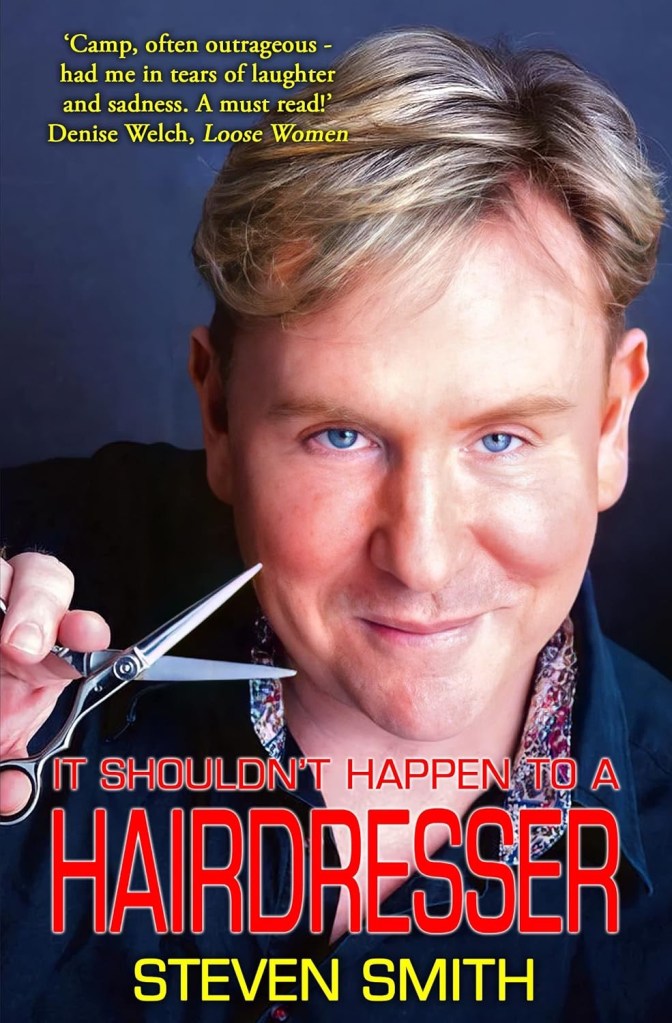
With his hotly anticipated new novel The Hacking on the horizon, author Steven Smith is showing no signs of slowing down. Always one to surprise, he’s taken an exciting detour into chilling new territory with his latest work — a darkly gripping short story titled Killer Queen. The tale features in the spine-tingling anthology Criminal Pursuits, edited by award-winning writer Samantha Lee Howe and created in support of the Pink Ribbon breast cancer charity.
Marking his first foray into the horror genre, Killer Queen promises suspense, social commentary, and a twist of the macabre. And if the glowing early reviews are anything to go by, this debut dip into horror certainly won’t be his last.
In this exclusive feature, 2Shades’ very own Queen of Conversations, Adishri Chengapa, sits down with Steven to talk twisted tales, creative risks, mental health, and what really scares him — beyond the page.
Adishri:Steven, what is Killer Queen about — without giving too much away?
Steven: In a nutshell, it’s a horror story, yes — but also a reflection on society and the illusionary nature of fame and show business. We live in a time where, if The Emperor’s New Clothes were written today, the boy shouting, “He’s naked!” would probably be sued or cancelled. The victims in Killer Queen see only what they want to see — and that’s ultimately their downfall.
Adishri:How did you get involved with Criminal Pursuits?
Steven: I was chatting with my great friend, Samantha Lee Howe — who is, quite frankly, the queen of horror stories — and she mentioned this anthology she was curating in support of the Pink Ribbon breast cancer charity. As soon as I heard about it, I jumped at the chance to be involved. I’d had the idea for Killer Queen bubbling in the back of my mind for a while, and Sam, as both an editor and an author, is incredibly encouraging. Once I got started, the hard part was actually keeping it short!
Adishri:Your first book, Powder Boy, was quite the shocker. Do people see you differently now?
Steven: People often ask me that. Powder Boy was about a womanising, coke-dealing charmer. Honestly, maybe because I’m a gay man, some people assumed I couldn’t have written it — particularly because it features a lot of heterosexual erotica. That’s almost insulting. One of my strengths as a writer is observing and listening. Many of my male friends are what they call straight, and I don’t find it difficult to see things from their perspective. Most of the “conquests” in Powder Boy are based on real stories I’ve been told! If people see me in a different light because of it, so be it. If they genuinely think I am that character — then they’re probably not the kind of people I need in my life anyway.
Steven: Always. I was writing little plays and short stories from a very young age. I’m slightly dyslexic, but no one really noticed. I have an O-level in English Literature and Oral English — but I failed English Language. I was labelled “careless” and “stupid,” and that kind of trauma kept me away from writing for years. In today’s world, the way I was treated to help with things like homework would probably be considered abusive.
I respond best to encouragement — being lifted up, not torn down. It was journalist Jane Moore who changed my life. She asked me to write a column, and I tried every excuse to get out of it, but she wouldn’t take no for an answer. Thanks to predictive text and writing tools, being dyslexic isn’t the barrier it once was. Jane gave me the push I needed, and it turns out I had a flair for writing and interviewing. Helen Galley, a brilliant teacher of journalism, taught me the technical side of freelance writing — and I’ve never looked back.
Adishri:You write often about mental health. Do you feel men are opening up more about how they feel?
Steven: Not enough. Society still expects men to be these stoic John Wayne types — never showing emotion, never being vulnerable. That attitude is changing slowly, but there’s still a long way to go. We need to teach kids from an early age that it’s okay not to be okay — and also equip them with the tools to cope with real life, including bullying and rejection. Especially if you’re creative or different in any way, you’re going to stand out — and be a target
“Big boys don’t cry” is one of the most harmful phrases ever invented. I know someone with severe anxiety who would rather say they had an incurable disease than admit what they were really struggling with. That’s tragic.
Steven: That makes it sound like I’m dying! [laughs] But yes, I’m 64. And sometimes when I look in the mirror, I still see that scared little boy looking back. Regret, to me, is a self-indulgent emotion. I’ve had some amazing experiences and opportunities, but I’ve also endured things that would make most people wonder how I’m still here. I treat them as life lessons. I move on.
Maybe I regret not pursuing certain relationships — a few people made offers I didn’t take up. But overall? I’m lucky to be me.
Steven: My sister Karen read Killer Queen and said it was “smart, dark, and totally captivating.” She’s not one for false praise — she’s very no-nonsense — and she thinks it would make a great full-length book. So that’s something I’m exploring.
I’m also putting the finishing touches on a very personal project — a book about my late partner, titled Annand and Me. And I’ll be launching a podcast later this year.
Quickfire Round
Sushi or steak? Sushi. I don’t eat red meat or pork.
Favourite films? Blade Runner, Breakfast at Tiffany’s, and All About My Mother.
Biggest turn-off? People who think it’s okay to fart in public. Honestly.
If you were mayor for a day? I’d fine people who walk while texting or staring at their phones. And I’d get to work immediately on helping the thousands of homeless people in London and across the UK.
What do you find romantic? I haven’t been on a date in ten years. Even my First Dates date cancelled on me! But to me, romance can be something simple — like walking through a park or sharing lunch with someone you love.
Madonna or Lady Gaga? Madonna — all the way. I know as a gay man I’m supposed to go wild for Kylie’s Padam Padam or Lady Ga Ga’s Abracadabra — but I find them irritating. I like Charlie XCX, but I’m more of a Lou Reed and Bowie fan at heart.
Picture Annemarie Bickerton The brilliant Maggie Oliver pointed this out years ago , She should be made a Dame.,
Please stop using the phrase “Asian grooming gang” when referring to the perpetrators of certain crimes. This terminology is inaccurate, misleading, and deeply harmful. Asia is a vast continent made up of 49 countries, including China, India, Japan, Thailand, and many others. The term “Asian” encompasses a wide and diverse range of ethnicities, cultures, and nationalities. Using such a broad and general label unfairly tarnishes millions of innocent people and communities who have no connection whatsoever to the crimes being discussed.
In fact, 99 percent of the perpetrators in these high-profile grooming cases are groups of men who are almost all of British-Pakistani heritage. It is important to be precise and responsible in the language we use, especially when discussing sensitive topics like criminal behaviour and ethnicity. Referring to them simply as “Asian” is not only factually incorrect but also fuels prejudice and racial stereotyping against a much broader group of people. If we are serious about justice and protecting victims, we must also be committed to accuracy and fairness in how we speak about perpetrators. Let’s challenge harmful generalisations and work towards more honest and respectful conversations.
Is anyone else watching the Sean Combs trial and having mixed feelings about what’s really going on here? On the surface, it’s easy to say he’s a misogynist, a sex addict, and someone with serious control and ego issues. From the evidence and stories that have come out, it seems very likely that he was physically abusive to his partner, and there’s no doubt that he treated women terribly and surrounded himself with yes-people who enabled his behavior. There are, unfortunately, a lot of men in power who behave this way. But the real question is: is he actually guilty of the specific criminal charges being brought against him right now?
What strikes me is the timing and context of these allegations. Many of the so-called “victims” being interviewed attended his parties multiple times — not just once. They were around him, in his world, apparently of their own choice. Then, after his lawsuit with Cassie was suddenly and quietly settled, more people rushed forward. It feels less like a search for justice and more like a feeding frenzy. My guess is that Combs paid Cassie off in hopes of burying the scandal and keeping his chaotic lifestyle — which included drugs, sex parties, and power games — out of the public eye. But ironically, that move seems to have backfired. It may have opened the floodgates for others who saw an opportunity to cash in, whether or not they were truly victims.
Another strange point is how the prosecution is painting every decision he made in the worst possible light. They even suggested that asking children to leave his famous White Party was done to make way for a dark and sinister after-party. But when he said his own children were in bed, it sounded to me like a parent being responsible. Not everything has to be spun into something criminal. Yes, he’s no role model. He’s not boyfriend of the year, or a gentleman by any means, and he clearly has a serious problem with self-control. But does he really deserve to spend life in prison? He is clearly a great dad and son.
To be clear, I’m not defending his past behavior or saying he’s a good man. . But this trial seems to be built on a very shaky foundation. It feels more like a pile-on driven by money, media attention, and opportunism rather than a solid case based on undeniable evidence. It’s also hard not to notice how quickly public opinion can turn — one moment he’s a powerful mogul, and the next he’s being torn to pieces before a verdict has even been reached.
There’s a lot about this case that doesn’t sit right with me. It’s messy, full of contradictions, and seems more about dollars than truth. If he’s truly guilty of a crime, then justice should absolutely be served. But right now, it feels like the court of public opinion is doing more talking than the actual courtroom.
Do not be fooled by the smiling face .
In a very clever PR move, the Reform Party has put Sarah Pochin forward as a candidate in Runcorn and Helsby, and she won by just six votes from Labour. Sarah is attractive, clean-cut, and comes across as wonderfully composed.
Runcorn is an area with ongoing issues surrounding immigration, and many locals are uneasy. But let’s not forget the real face of Reform in its female form: Ann Widdecombe. She may have called it right on the Meghan Markle saga long before our brief national love affair with her was over, but let’s not pretend she represents progress. Widdecombe is staunchly anti-LGBT, deeply religious, and belongs more in The Handmaid’s Tale than modern British politics.
Reform UK boldly claims it will “sort out the migrant crisis.” Will they?
Let’s be honest—none, and I mean none, of the main political parties have come up with one sensible idea about how to handle the Channel crossings. From deporting so-called illegals to Rwanda (at huge cost to the taxpayer), to the absurd idea of sending the army to patrol beaches—none of it amounts to a workable plan.
Some might suggest, sarcastically, stationing the army on the coast to shoot migrants as they arrive. Or even going full medieval—beheading them and putting their heads on poles as a warning. That would surely deter others, right?
Of course not. We do not live in the Dark Ages.
But look around the world. In places like Singapore, simply overstaying your visa can get you locked up and caned. Unsurprisingly, they have very little trouble with illegal immigration. In Denmark, the government banned the burka, denied benefits to migrants who fail to integrate, and charged newcomers for public services. The result? A sharp drop in new arrivals.
To be clear, I’m not suggesting we copy Singapore or Denmark. My point is this: where is the clear, practical plan from any UK party? Even listening to Ann Widdecombe, all we hear is bluster—Reform will “sort it out”—but with no explanation of how.
The truth is, we need immigration. Not just highly educated professionals, but hard-working labourers too. After Brexit, I listened to developers across the country who were stuck because their brilliant, dedicated Eastern European workers had gone home. Let’s welcome those people back. But if they commit a crime—out they go.
At its core, this is not just a British problem. The real issue lies in the countries people are fleeing. Until we help fix the root causes—war, poverty, corruption—the tap won’t turn off.
Reform UK won’t stop immigration. What they will do is damage the rights of LGBTQ people and harm the arts and culture sectors in this country.
So don’t be fooled by Sarah’s smiling face. Remember her friend Ann—she is the real face of Reform UK.
My dream job.
I can. not wait for The Autism and Art show my this week.