Many moons ago, I arrived at Gatwick Airport filled with a mixture of nervous anticipation and mild panic. I was heading to the Dominican Republic on a press trip, tasked with writing about its pristine white sands, enticing turquoise waters, and lush tropical surroundings. As usual, my luggage was overweight—my perennial travel hazard—but that wasn’t the biggest source of my unease. What truly unsettled me was the idea of travelling with a group of complete strangers.
Press trips can be unpredictable. They sometimes feel like entering a version of the Big Brother house: you meet people who may turn out to be lifelong friends, or you spend the entire time wishing for an early eviction. Thankfully, fate was on my side. Among my fellow journalists were two exceptional women—now widely known and respected—Sarah White and Gemma Calvert. Even back then, it was clear they were destined to shine in their field. Warm, witty, and brilliant, they lit up the trip from the moment we met, and we laughed our way across the Caribbean.
So, when a WhatsApp message pinged onto my phone recently from Sarah announcing she would be swimming the English Channel, I wasn’t remotely surprised. If anyone possesses the determination, spirit, and zest for life required to take on one of the world’s toughest endurance challenges, it is Sarah.
At 2Shades, we are immensely proud to support this amazing woman. Here is her remarkable story—and how you can join us in helping her raise funds for a truly life-changing cause.
Sarah’s Challenge: A Swim Like No Other
Sarah White, a passionate sea swimmer from Hythe, has long admired those courageous enough to take on the English Channel. Considered the Everest of open-water swimming, the Channel is unpredictable, cold, and relentlessly demanding. Yet, on 29 August 2026, Sarah will join a team of five fellow swimmers to attempt an English Channel Relay Swim, covering an extraordinary 21 miles in what may become a grueling 14–16 hour journey.
This is not simply a personal challenge; it is a mission driven by heart.
Sarah is aiming to raise £5,000 for Aspire, a charity devoted to supporting people with life-changing spinal cord injuries. Their work helps individuals regain independence, rebuild confidence, and reclaim their futures. The need is urgent: every two hours, someone in the UK becomes paralysed due to a spinal cord injury.
A Message from Sarah White
“As a passionate sea swimmer from Hythe, I’ve been inspired by the incredible journeys of others who have taken on the challenge of swimming the Channel.
On 29 August 2026, I will join five others in attempting the English Channel Relay Swim, covering approximately 21 miles in what could be a gruelling 14- to 16-hour journey.
I am raising £5,000 for Aspire, a charity dedicated to providing support and fostering independence for individuals with life-changing spinal injuries. This cause is incredibly important; every two hours someone is paralysed due to a spinal cord injury. By supporting Aspire, we can make a significant difference to the lives of those affected.
I’ve already begun my training regime to prepare for this monumental challenge, but I need your help to reach my fundraising goal. Please consider donating whatever you can to this worthy cause. Your contribution will not only support Aspire but also inspire hope and resilience in those facing spinal injuries.
Donating through JustGiving is simple, fast, and completely secure. Your details are safe with them—they will never sell your information or send unwanted emails. Once you donate, your money goes directly to the charity, making it the most efficient way to contribute and ensuring that every penny counts towards helping those in need.”
Why Her Story Matters
Sarah’s challenge is more than a swim—it’s a powerful reminder of the strength of community, determination, and empathy. Watching someone you once giggled with on a sun-drenched beach take on one of the world’s greatest endurance feats is nothing short of inspiring.
Her journey is a testament to what can happen when courage meets compassion.
And she isn’t doing it alone. Every donation, every share, and every message of support helps carry her across those vast, unpredictable waters.
Anna Kennedy here, wishing all 2Shades readers a Happy Holiday, a wonderful Christmas, and a brilliant start to 2026.
As we head into one of the most magical—and often most demanding—times of the year for families of autistic children and adults, it’s important to remember that the festive season can bring unique challenges. While Christmas is filled with lights, music, gatherings, and excitement, these same elements can also create sensory overload, anxiety, and feelings of being overwhelmed. With a little planning, understanding, and flexibility, it’s possible to create a festive period that feels joyful, calm, and inclusive for everyone.
Here are my top seven tips to help ensure the Christmas season goes smoothly for autistic children and adults, as well as their family and friends:
Keep routines where possible. Routines offer predictability and comfort, especially during a time of year when everything else seems to change. Try to keep familiar daily patterns in place — this can include mealtimes, bedtimes, and regular activities. Even small, consistent moments can help anchor the day and reduce stress. My son Angelo thrives on routine and planning, as things can become quite overwhelming for him.
Create a quiet, safe space. Christmas often means a busier house, louder environments, and extra stimulation. Setting up a quiet area in the home — such as a bedroom, a corner of the living room, or a cosy den — can allow someone to step away and regroup when needed. You know your child or adult best, so place comforting, familiar items such as soft blankets, favourite toys, calming music, or noise-cancelling headphones.
Prepare for changes in advance. Many autistic people feel more comfortable when they know what to expect. Talk through upcoming events such as school plays, family visits, or trips to busy shops. Visual schedules, countdown calendars, or simple checklists can all help. This preparation reduces anxiety and provides a sense of control.
Introduce decorations gradually. The sudden arrival of bright lights, strong scents, and sparkly decorations can be overwhelming. Instead of transforming the house overnight, add decorations slowly over several days. This gentle approach allows the sensory environment to shift at a manageable pace and gives everyone time to adjust. This really helps my son, as changes in familiar surroundings can be upsetting for him.
Be mindful of sensory overload. Christmas comes with many sensory triggers, such as flashing lights, loud music, unfamiliar foods, and busy gatherings. Think about the sensory needs of your loved one and tailor celebrations accordingly. You might dim lights, lower music volume, offer familiar snacks, or plan shorter visits. It’s all about creating comfort, not pressure.
Manage expectations. Not everyone wants a busy, noisy Christmas — as I know well with my own family — and that’s absolutely okay. Traditions may need to be adapted. Smaller gatherings, shorter activities, or celebrating at home rather than travelling may be more suitable. Focus on what feels right for your family rather than what is expected.
Allow time for rest and recovery. Even enjoyable events can be draining. Build in downtime before and after activities. Gentle routines, quiet mornings, or restful evenings can help everyone recharge and enjoy the season more fully.
And don’t forget to allow time for yourself as parents and carers. Take five minutes whenever you can to recharge your batteries — I know it’s not always easy.
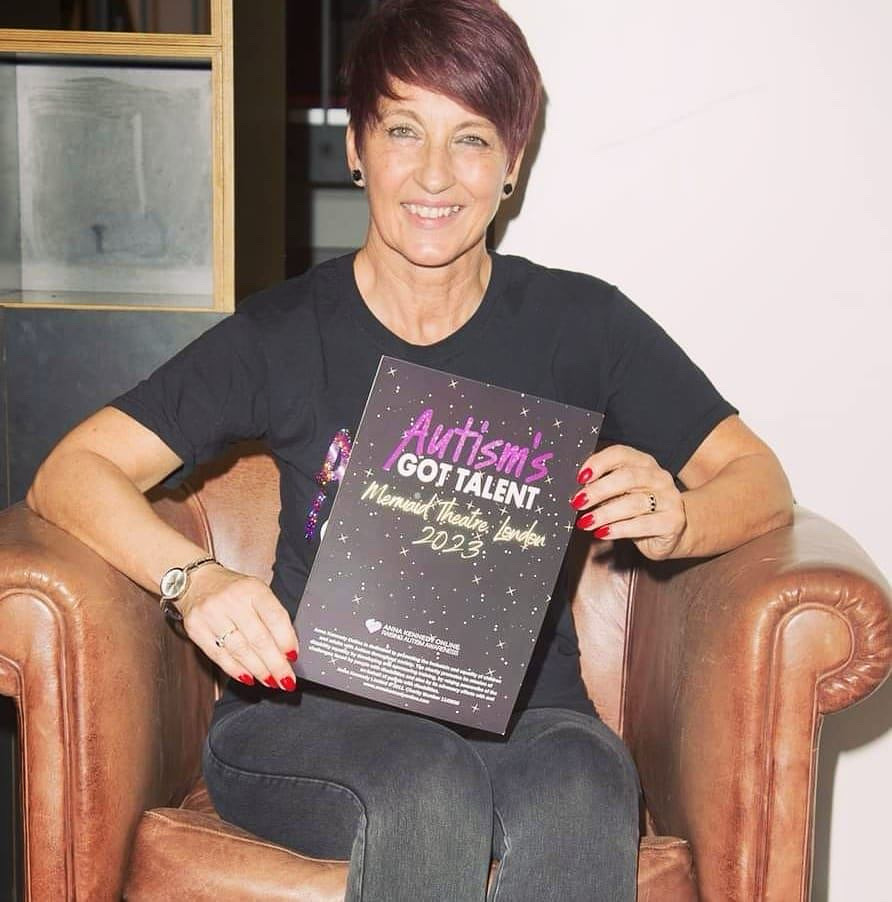
I’m really excited that in 2026 we have so much happening at Anna Kennedy Online. We’re kicking off the year with the fantastic, award-winning author Samantha Lee’s book launch on 28th February at the Firepit Gallery, with all profits from the night being donated to the charity. It will also be the 15th year of Autism’s Got Talent. Plus, booking for our gala ball — the Autism Hero Awards in May — is now open. Then there is the Autism & Art Show in July, and so much more.
My head is spinning just thinking about it with excitement! Sending positive vibes, and see you all next year!
We hear it time and time again: “The Eurovision Song Contest is not political.” And while we all know that the voting patterns can sometimes be… entertaining, to say the least, at its heart Eurovision remains a celebration of music, creativity, and community. It has long been affectionately referred to as the “Gay New Year,” bringing joy, glamour, and unapologetic self-expression to millions around the world. For many viewers, it is more than a show — it is a moment of unity.
The spirit of Eurovision has always been about artists coming together to share their talent, culture, and stories. It was never intended to be a platform for political punishment, nor a place where artists are excluded because of the actions of their governments.
When I interviewed Peter Tatchell this year, he said something that resonated deeply with me: the way forward for the LGBTQ+ community is to keep being a shining beacon across all platforms. I couldn’t agree more. Visibility, inclusion, and dialogue are how progress is made — not through shutting doors.
Madonna in Israel at the Eurovision Song Contest .
I don’t live in some insulated “gay bubble,” nor would I want to. Real change happens when we remain open to conversation, even with those whose governments or policies we may profoundly disagree with. Excluding countries from Eurovision is not a solution; it brings nothing constructive to the table. In fact, it risks undermining the very principles Eurovision claims to stand for: openness, inclusivity, and the celebration of cultural diversity.
Israel, in particular, has a long and meaningful relationship with the contest. It is a country where LGBTQ+ people are welcomed, recognised, and celebrated — a fact often overlooked in broader political debates. Eurovision itself has benefited enormously from Israel’s participation. It gave us Dana International, the first (known) transgender winner, whose victory in 1998 was a landmark moment for queer visibility worldwide. Beyond Dana, Israel has consistently showcased diverse performers and daring artistic vision, enriching the contest’s legacy.
Rather than silencing or excluding, Eurovision should remain a platform where artists from all backgrounds, beliefs, and nations can share their voice. Music has always had the power to connect people beyond politics, beyond borders, and beyond conflict. Using your voice to send a message is a beautiful and powerful thing — but using silence as a form of punishment rarely fosters understanding or change.
When we welcome artists from countries whose governments we may disagree with, we create the possibility for conversation, empathy, and cultural exchange. When we block them, we lose that opportunity. Eurovision should not become a battleground of boycotts and bans; it should remain what it was created to be: a stage that celebrates unity in diversity.
Let’s not allow hatred, division, or political pressure to turn Eurovision into something it was never meant to be. Let’s welcome all who bring music to the stage — and keep the contest a place where voices are heard, not silenced.
Steven’s Out and About At David J. Howe’s book launch “Who Me” — in conversation with Samantha Lee Howe — at the Firepit Gallery, London, in aid of the autism charity Anna Kennedy Online
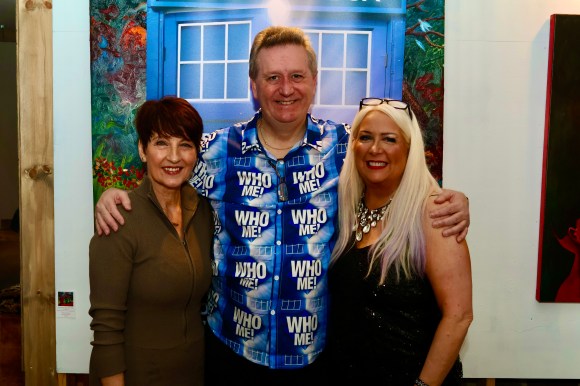
Dr Anna Kennedy OBE with David J Howe and Samatha Lee Howe .
Tucked away at the end of the North Greenwich Peninsula, just a short stroll from the iconic O2, the Firepit Gallery is fast becoming one of my favourite places in London. It’s not just the remarkable art on display that draws me back time and again, but the warm, creative energy that fills the space. The gallery, lovingly nurtured by its owner Marcus Jake, has quickly become a safe and welcoming haven where artists, writers, performers, and makers gather, collaborate, and feel part of a family. Marcus’s gift is creating an atmosphere where everyone feels seen, valued, and entirely at home.
It’s no surprise, then, that the venue is becoming known not only for its artistic endeavours but also for hosting an eclectic range of diverse, exciting events. On the 28th of November, it was a delight — not only for die-hard Doctor Who fans but for many others — to attend the London launch of David J. Howe’s new book Who Me. Despite the cold, wet evening, fans gathered enthusiastically, queueing in excellent spirits for the chance to have their books signed. A percentage of the proceeds was generously donated to the autism charity Anna Kennedy Online.
Me with the wonderful Samantha Lee Howe , the legend that is Pam Sharrock and the man of the hour David J Howe .
Anna Kennedy OBE herself was present, radiating her trademark warmth and energy as she introduced both David and the evening’s interviewer. David’s wife — the ever-glamorous and always engaging Samantha Lee Howe — brought her own sparkle to the occasion. Guests enjoyed a glass of prosecco while mingling before taking their seats for Samantha’s conversation with David.
with ” Who Me ” writer David J Howe .
An award-winning author and screenwriter, Samantha guided David through a fascinating reflection on his lifelong journey with Doctor Who: from childhood fan to acclaimed writer, historian, and one of the most recognisable voices in the Whovian world. The audience, which included fellow Doctor Who writer Robert Shearman, listened intently as David shared insights, anecdotes, and the unexpected twists that shaped both his career and his deep connection to the Doctor’s universe.
David J Howe with gallery owner Marcus Jake , celebrity photographer Annemarie Bickerton , Artist Piluca .
The evening also featured a lively charity raffle, with all funds raised going to Anna Kennedy Online. Dr Anna Kennedy, PR. Pamela Sharrock, QVC’s Beverley Cressman, and David himself picked the winning tickets. The raffle table was a treasure trove, thanks to generous donations from celebrity aesthetics expert and singer Sue Moxley; Aston Martin; celebrity make-up artist Ayesha Baig; Iryna Stewart, Director of Imagine You; and the team behind the innovative “Recovery Pillow.”
As if that weren’t enough, guests were treated to a Doctor Who-themed cake — and thankfully, no one was exterminated in the process! The atmosphere was joyful, warm, and celebratory, marking another memorable night at the Firepit Gallery.
Yes, Clare McSweeney is back with her beauty and aesthetic advice for your Christmas and New Year glow. Here are her top seasonal tips, woven together with your most-asked beauty dilemmas.
Diana from Basildon writes: “My 14-year-old daughter is make-up mad. I try to limit when she wears it, and I’ve taught her how to apply it properly. All she wants for Christmas is make-up or beauty products. What should I buy her that won’t break the bank?”
Clare replies: For a 14-year-old, focus on fun, gentle and budget-friendly products. Teen skin is delicate, so avoid anything too active. Lovely options include a lightweight tinted moisturiser, a cream blush, a neutral eyeshadow palette, a clear or lightly tinted gloss, and a gentle cleanser. Brands like e.l.f., Revolution, Catrice and NYX offer brilliant quality without stretching your budget. She’ll feel spoiled without you overspending.
Clare is also often asked for her top festive glow tips. Here are her five Christmas skin commandments:
Hydrate with hyaluronic acid under your moisturiser.
Exfoliate gently twice a week.
Use a radiance-boosting primer for that candlelit finish.
Brighten mornings with vitamin C.
And yes — always SPF, even in winter.
Nicky from Basildon asks: “My bestie is sun-mad — if she’s not on the sunbed, she’s applying fake tan. She’s starting to look a bit orange. I’m thinking of buying her a salon spray tan for Christmas, but what’s the best way to apply tan so it looks natural?”
Clare answers: The secret is prep, patience and blending. Exfoliate the day before (never just before!), moisturise dry spots like elbows and ankles, and apply self-tan in light layers with a tanning mitt. Build slowly, blend wrists and ankles with a fluffy brush, and she’ll go from tangerine to tasteful glow.
And because you asked — Clare’s top three self-tanning products:
Bondi Sands Aero
St. Tropez Classic Mousse
Tan-Luxe The Gradual
Sally from Southend writes: “I’m thinking of getting Botox before a school reunion on the 18th. I’m in my 30s — how soon should I have it done so it looks natural?”
Clare replies: Botox takes 10–14 days to settle fully, so book in around the 4th–6th. That’s the sweet spot for subtle, smooth and natural-looking results. And always choose a qualified medical practitioner — skill matters just as much as timing.
Clare’s top five tips for anyone considering aesthetic treatments:
Research your practitioner thoroughly.
Always have a consultation beforehand.
Avoid party treatments — aesthetics need a clinical environment.
Follow professional aftercare advice.
Start with less — refinement beats over-correction every time.
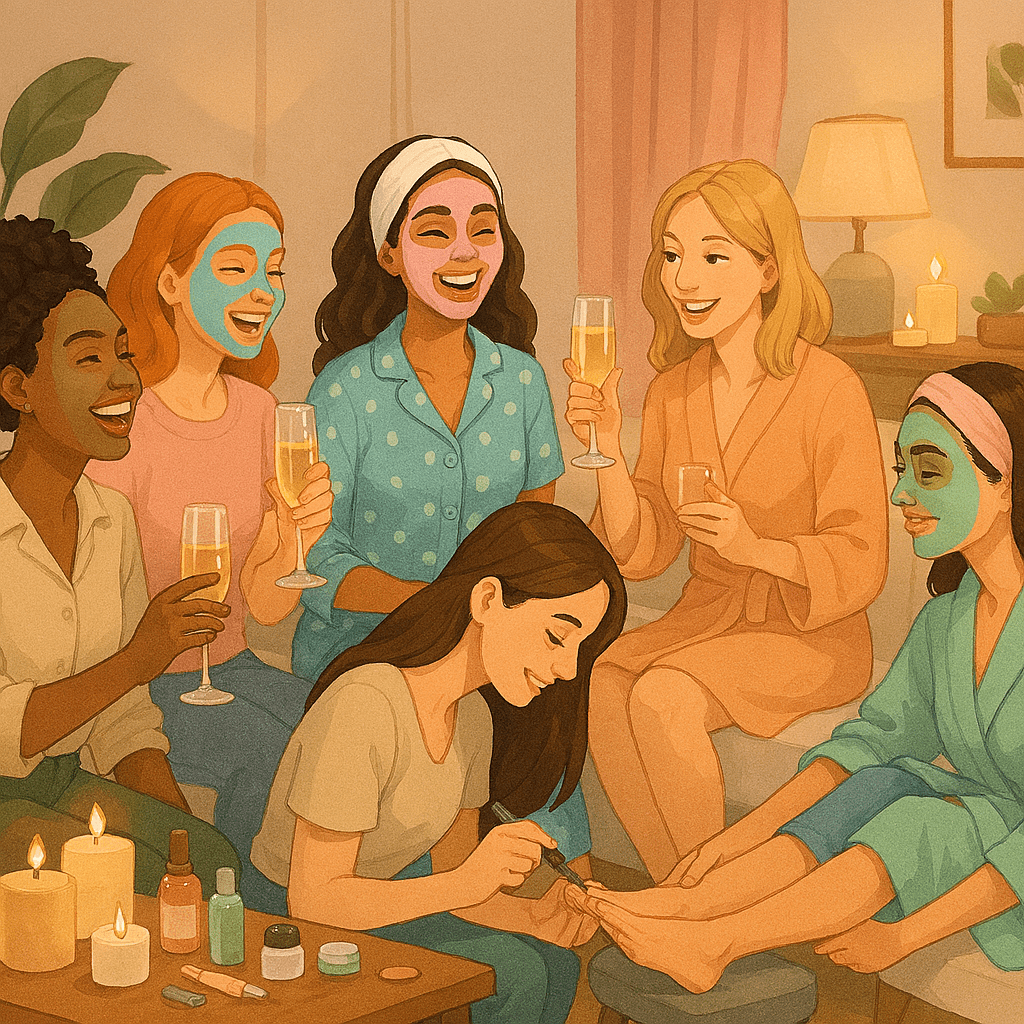
Finally, May from Raleigh asks: “My friends and I are having a Christmas sleepover party with masks and a pedicurist. Now someone has arranged for a practitioner to do Botox for us. I could do with having it done… but is this safe during a party?”
Clare responds: Botox at a party is a festive no, darling. Aesthetics require proper lighting, hygiene, medical history, consent and concentration — not bubbles and nibbles. Enjoy the masks and pampering, then book your Botox separately in a proper clinical setting. Your face will thank you.
To finish, Clare’s three must-have beauty masks for the season:
Garnier Moisture Bomb Sheet Masks
Origins Drink Up Intensive
The Ordinary Salicylic Acid 2% Mask (avoid if very sensitive)
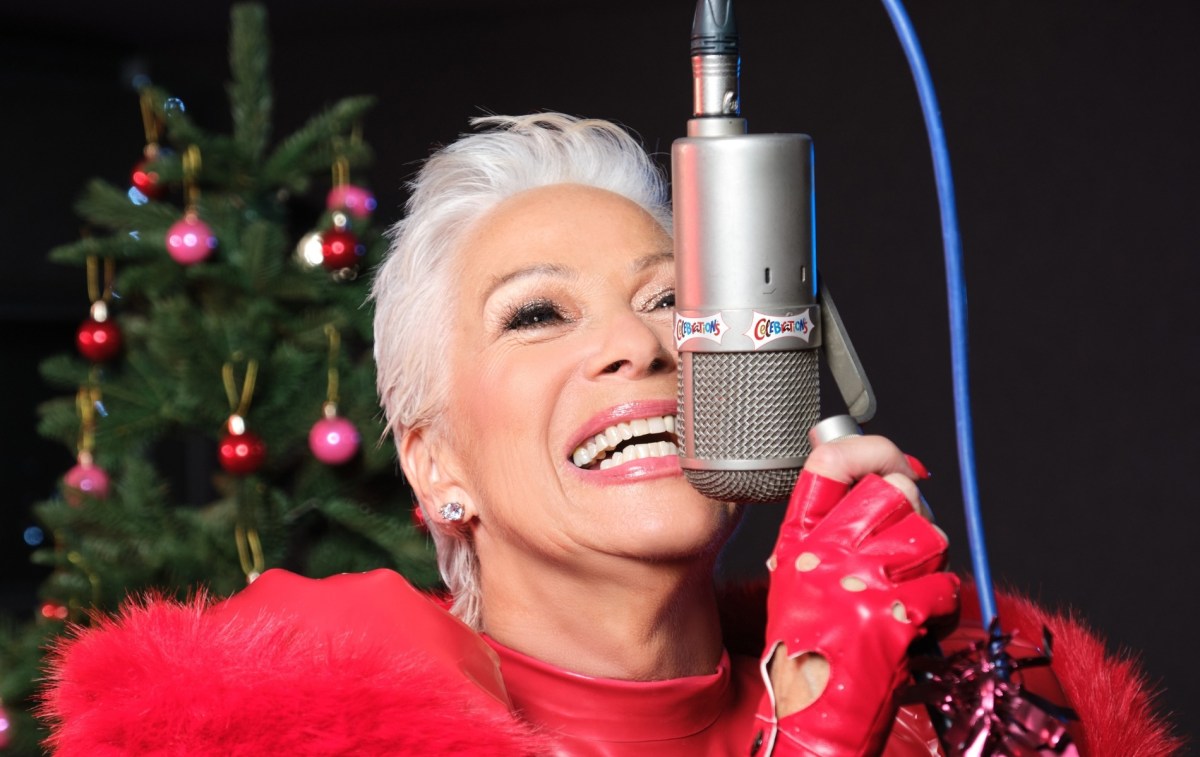
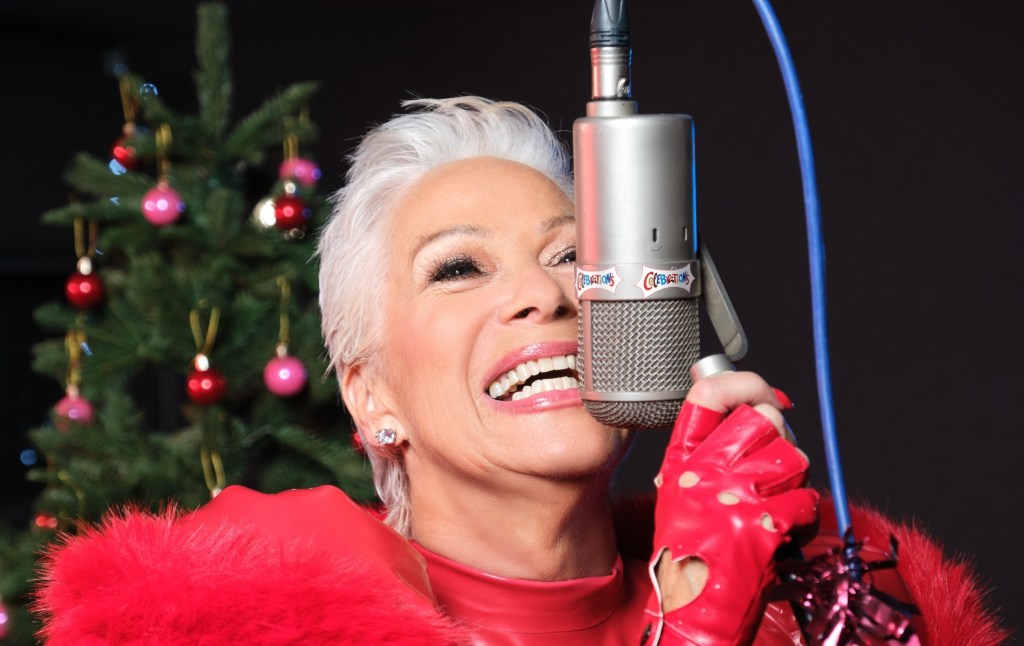
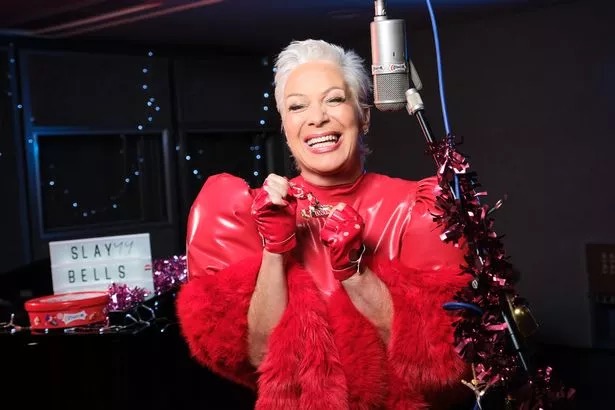
If there is one woman capable of shaking up the Christmas charts, unseating the usual pop titans, and bringing pure chaotic joy to the holiday season, it’s Denise Welch. With Slayyy Bells, she hasn’t just released a festive single — she’s unleashed a cultural moment. A glittery, high-camp, tongue-in-cheek masterpiece that captures everything the British public secretly craves at Christmas: humour, heart, a bit of mischief, and a full-throttle, unapologetic “hun energy.”
Denise has long been adored for her honesty, her warmth, and her refusal to take herself too seriously. That’s why the LGBTQ+ community has embraced her with open arms. She doesn’t perform camp — she embodies it. Whether it’s fiery daytime TV realness, chaotic comic timing, or her glamorous, self-deprecating sparkle, Denise is the kind of icon who walks into a room and immediately becomes everyone’s mum, best friend, and backstage confidante. She is the definition of a British hun: fierce, funny, fabulous, and fearlessly herself.
Slayyy Bells captures that spirit perfectly. It’s a sugary cocktail of festive beats, wink-wink lyrics, and nightclub-ready chaos — the kind of song that would make even the Grinch put on a sequinned jumpsuit. In a chart landscape dominated by perfectly polished megastars like Taylor Swift, Dua Lipa, or Ed Sheeran, Denise offers something the others can’t: pure personality. She’s not trying to be slick, she’s trying to be fun — and that’s exactly what people cling to at Christmas.
Let’s be honest: the UK loves an underdog, and Denise is the ultimate comeback queen. She’s lived a life, she’s told her story, and she has emerged with more charisma than half the industry put together. When she releases a Christmas single, it isn’t just music — it’s a movement. It’s the collective national desire for something joyful, camp, inclusive, and proudly silly.
The LGBTQ+ community in particular knows a gay icon when it sees one. Denise is outspoken, loyal, emotionally open, and effortlessly dramatic. She’s relatable yet glamorous; chaotic yet wise; messy yet magnificent. She’s the woman who will cry with you, dance with you, and drag you out to karaoke at 2 a.m. — the Patron Saint of Huns.
This is why Slayyy Bells deserves to beat the global juggernauts. Christmas Number One shouldn’t always go to the most streamed, the most marketed, or the most algorithmically optimised. Sometimes it should go to the artist who brings the most joy. The one who makes people laugh, sing, and feel part of something bigger.
Denise Welch is that artist. She’s the people’s diva, the hun-in-chief, the LGBTQ+ fairy godmother of festive chaos — and Slayyy Bells is the anthem worthy of her crown.
This Christmas, let’s make history. Let’s give the Number One to the woman who would celebrate it harder than anyone else: Queen Denise Welch.
2Shades Heidi Gammon and Dr Anna Kennedy OBE with Steven Smith at the Hampton Hub
Heidi Gammon presents Dr Anna Kennedy OBE.
The Hampton Hub was buzzing with energy on Friday 20th November as esteemed autism ambassador Dr Anna Kennedy OBE took to the stage as the special guest speaker for the Counselling and Coaching Group. The event was proudly hosted by Heidi Gammon, 2Shades Magazine columnist and Gateway Radio agony aunt, who introduced Dr Kennedy to an enthusiastic and engaged audience.
Dr Kennedy, one of the UK’s most recognised voices in autism advocacy, immediately captivated the room with her warmth, humour, and honesty. She shared her remarkable journey: from a determined mother fighting for the right support for her two autistic sons, Patrick and Angelo, to becoming a national campaigner, charity founder, and distinguished OBE recipient for her services to autism.
Her story began with what she described as “a battle fought with love and necessity.” With limited educational options available for her boys, she took matters into her own hands—eventually helping establish specialist provision and launching her highly influential charity, Anna Kennedy Online, which now supports thousands of autistic individuals and their families across the UK and beyond.
The audience listened intently as she spoke about the evolution of her work, including the hugely popular Autism Hero Awards, which celebrate outstanding individuals who make a positive difference within the autism community. She also discussed her long-running digital platform, Anna Kennedy Online, which provides education, advocacy, and outreach.
A highlight of the evening was her reflection on appearing on ITV’s Lorraine, where she was honoured as a finalist for Woman of the Year—a moment she described as both surreal and deeply meaningful.
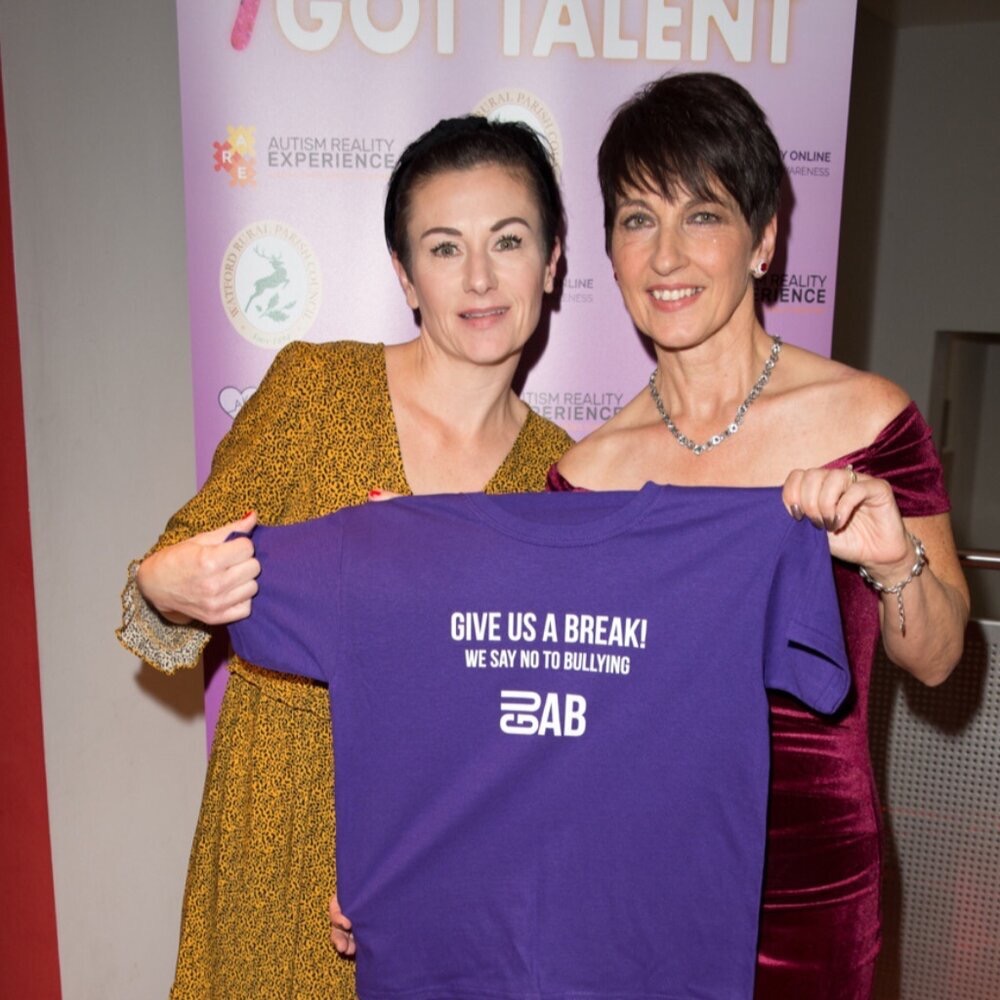
The event also shone a spotlight on important collaborative projects. Dr Kennedy spoke about Born Anxious, the anti-bullying campaign that raises awareness of the struggles many autistic children and adults face. As part of the session, the group viewed a touching dance performance video by Freya Prince, whose emotional and expressive choreography moved the room.
Adding festive cheer, former Autism’s Got Talent performer Ty Williams delighted the audience via video with a heartfelt rendition of “Driving Home for Christmas,” receiving warm applause from attendees.
There was also a special appearance by Steven Smith, a former celebrity hairdresser turned author and presenter, who is one of the patrons of Anna Kennedy Online. He shared his personal story of becoming part of the charity’s growing family and spoke passionately about the power of creativity and community in supporting individuals on the autism spectrum. He also highlighted the creation of Autism and Art, an inclusive exhibition held at the Firepit Gallery in London that celebrates neurodiverse artists and their unique perspectives.
The Hampton Hub Counselling and Coaching Group, led by Heidi Gammon and her dedicated team, provided a warm and supportive atmosphere, bringing together people from all walks of life who share a commitment to understanding, compassion, and positive action.
Attendees left energised and inspired, with many commenting on the emotional resonance and practical insight Dr Kennedy brought to the conversation. Her message was clear: with determination, community, and unwavering belief, real change is possible.
The event not only highlighted the vital work being done across the UK for autistic individuals, but also showcased the power of storytelling, advocacy, and human connection.
For more information on the organisations and initiatives mentioned, visit:
Heidi is back, and she’s here to help you get through and enjoy the holiday period.Hear her on Gateway Radio on the Aston Avery Show and on YouTube.Please write to her at 2Shades: spman@btinternet.com if you have a problem.Heidi can only answer so many, but she will try her best. Heidi is back, and she’s here to help you get through and enjoy the holiday period.spman@btinternet.com if you have a problem.Heidi can only answer so many, but she will try her best.
Dear Heidi Hope you are well. My son is coming with his girlfriend for Christmas. She is a lovely girl, but she’s not really my kind of person — though she makes my son happy. Lunch is going to be a problem: she is vegan and we are all meat eaters. Making it worse, she talks about animal cruelty while we’re eating. Now my son has decided he’s vegan too. I will make a nut roast and vegetables for them, but is it acceptable to tell them I don’t want to hear about animals and cruelty while we eat? Diana, Uxbridge
Heidi replies: You’re being considerate by preparing vegan options, and it’s perfectly reasonable to set boundaries at the table. Explain kindly that you respect their choices, but mealtimes need to stay pleasant for everyone. A gentle, “Let’s save the debate for later,” is enough. Mutual respect works both ways. Maybe try having a coffee with her before Christmas, go over the menu, and then explain your boundaries so it doesn’t become a big issue on the day.
Dear Heidi My boyfriend and I like to party and occasionally take drugs. I feel it’s under control on my end — high days and low days, that kind of thing — but I am a traditionalist when it comes to Christmas. He wants to invite two friends over and seems more interested in getting drugs in for after lunch than the food or the day itself. What can I do? I want a white Christmas — not that kind of white one. Mike, Bournemouth
Heidi replies: You deserve a Christmas that feels safe and joyful. Tell your boyfriend clearly that you want a drug-free day and that you aren’t comfortable hosting a gathering that revolves around substances. If he can’t respect that boundary, it’s a sign something needs addressing in the relationship — and perhaps in your habits as a couple. A peaceful Christmas requires mutual respect. Any regular drug use is not only illegal but a sign of addiction; once it’s in your life, it has a habit of resurfacing.
Dear Heidi Can you please help me? My mother is a total control freak and she runs Christmas like a military operation. This year I want to go to my friends’ in Cornwall. I am 19, at college, and have a part-time job. How do I break the news? I hinted at the idea and she brushed it off. How do I tell her? Malcolm, Newcastle
Heidi replies: You’re an adult now, and part of growing up is making your own plans. Be direct, calm and kind: “Mum, I love Christmas here, but this year I’m spending it with friends.” She may protest, but stick to your decision. Set the boundary with respect, not guilt, and give her time to adjust. The sooner you tell her, the better — and be aware she may not stop being controlling, so learning to stand firm now will help.
Dear Heidi Please help. We are going to my fiancé’s for Christmas. His mum is nice, but his dad is awful — he constantly makes crude comments and flirts with me when no one is looking. What can I do? Do I tell my fiancé or just put up with it since we don’t go that often? Tiffany, Leeds
Heidi replies: You should not put up with inappropriate behaviour, no matter how infrequent the visits. Tell your fiancé privately and calmly what has been happening. He needs to know, and the two of you can decide together how to handle it — whether that’s him speaking to his father or setting clearer boundaries. You deserve to feel safe and respected.
Dear Heidi I am going home for Christmas. This summer I came out at university. My parents are religious and it is going to be a shock to them. Should I go down sooner to tell them? I don’t want to ruin Christmas. Paul, Cardiff
Heidi replies: If you feel emotionally ready, telling them before Christmas may ease some of the pressure on the day itself. It gives them time to process without the intensity and expectations of the holiday. Choose a calm moment, be honest, and remember: their reaction is about their adjustment, not your worth. You deserve to be loved and accepted as you are.
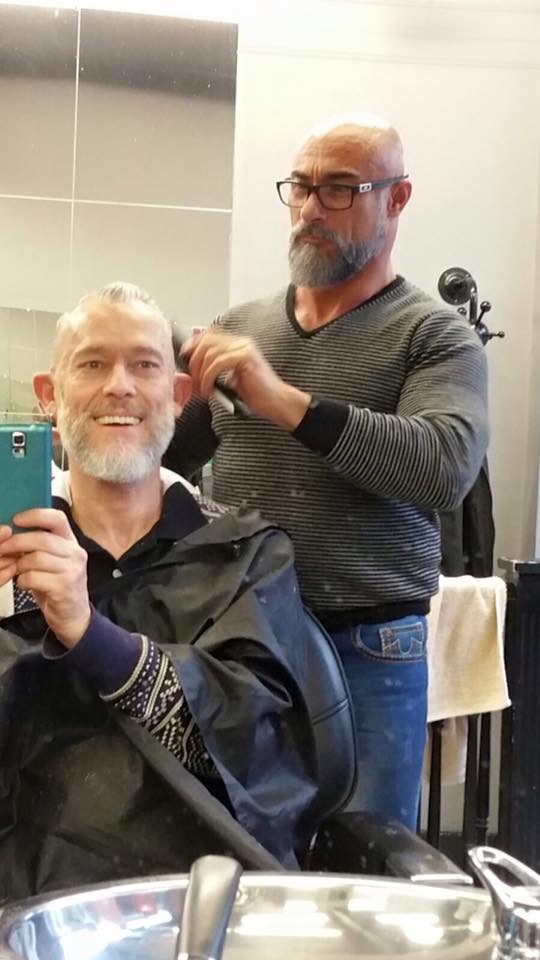
The festive season is calling — champagne receptions, late-night parties, and the kind of photos that live online forever. Whether you’re raising a glass at the office do, wrapping up warm for the Christmas markets, or stepping into the New Year in style, your hair deserves to look the part. Here’s how to stay sharp, confident, and camera-ready with seven expert tips from your barber.
✂️ 1. Get Your Christmas Cut Early December is crunch time for barbers — and the best styles belong to the men who plan ahead. Get in early and give yourself room for a final tidy-up before the big night. A fresh fade or refined shape-up is the difference between “I just rolled out of bed” and “leading man energy.”
Style it up and look more James Bond than Brooke Bond
💈 2. Refresh Your Style for the Season The holidays are the perfect excuse to evolve your look. Try a modern textured crop, classic side part, or sleek pompadour — timeless, confident, and effortlessly photogenic. Ask your barber to tighten the fade, add volume on top, or sharpen the outline. A small change can transform your entire presence.
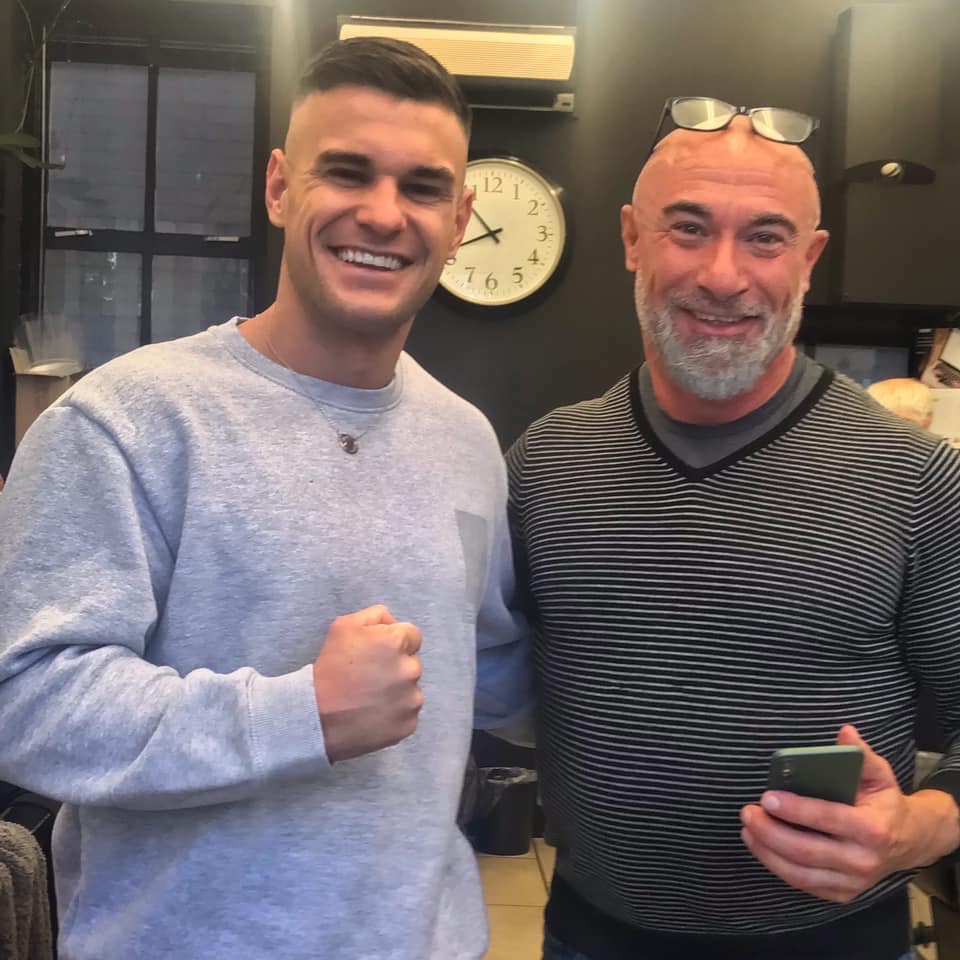
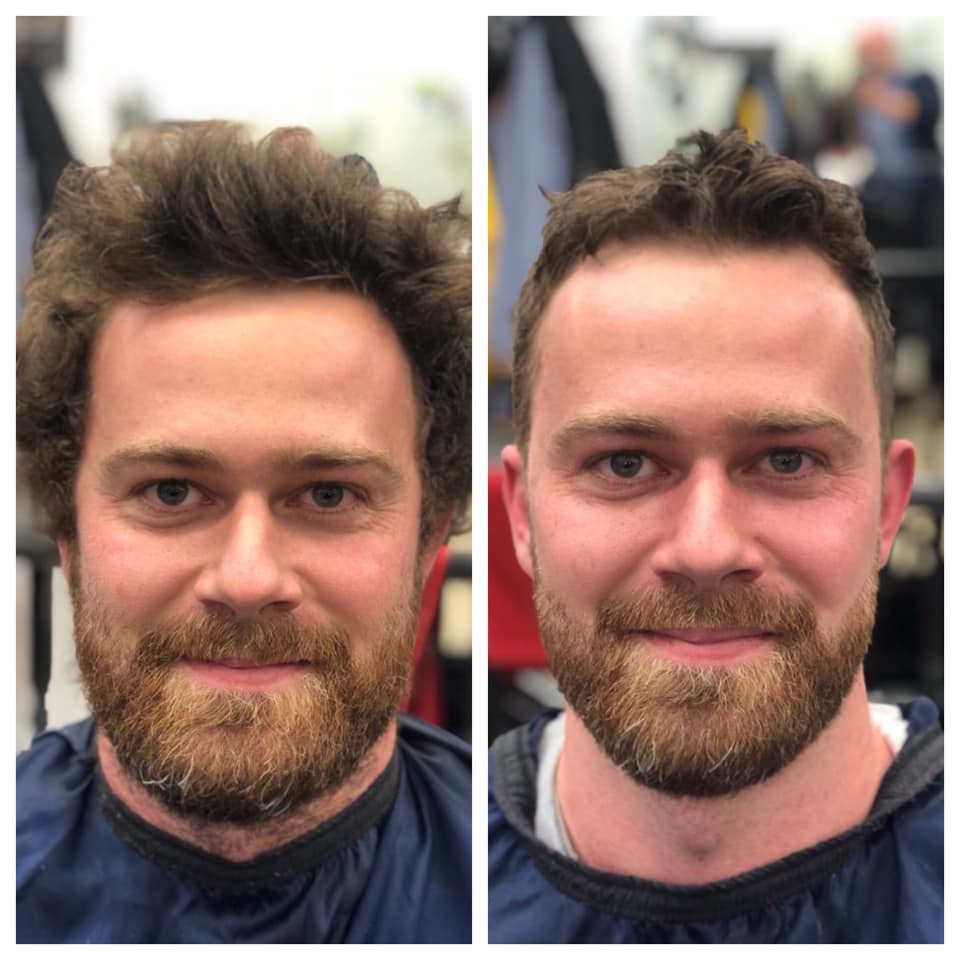
Love Island Star drops into get that clean cut look with Mike ,,
🪮 3. Keep It Clean and Conditioned Cold weather is brutal on hair. Upgrade your routine with a hydrating shampoo and rich conditioner to combat dryness and static. A touch of argan oil or leave-in conditioner keeps everything smooth, polished, and party-ready. Healthy hair always styles better — no exceptions.
💨 4. Master the Blow-Dry Great hair doesn’t just happen — it’s styled. Use a blow-dryer to add lift and structure before applying product. Always direct the air in the direction you want your hair to fall. It’s a small move that separates the men who “have good hair” from the men who know how to use it.
Champion make over by Mike ready for the holidays
🧴 5. Choose the Right Product Your summer styling cream won’t cut it in December. Cold air, central heating, and long nights call for matte clays, pomades, or grooming creams with extra hold. Go matte for natural texture or add a hint of shine for an evening edge. Either way, make sure your product works as hard as you do.
🧔 6. Don’t Neglect the Beard A well-kept beard is the ultimate accessory to a strong haircut. Keep it shaped, hydrated, and defined. Use beard oil for softness and a subtle, masculine scent — the kind people notice without quite knowing why. Precision is everything.
🥂 7. Style It Up for the Big Nights The calendar’s closing parties call for extra polish. Add a little shine, slick it back, or go bold with volume — whatever gives you confidence. Remember: a great cut isn’t just about the hair. It’s about the energy you walk into the room with.
Final Word: Confidence is the best product in your grooming kit. A sharp cut, clean lines, and effortless style tell the world you’ve got it together — no matter how late the night runs.\
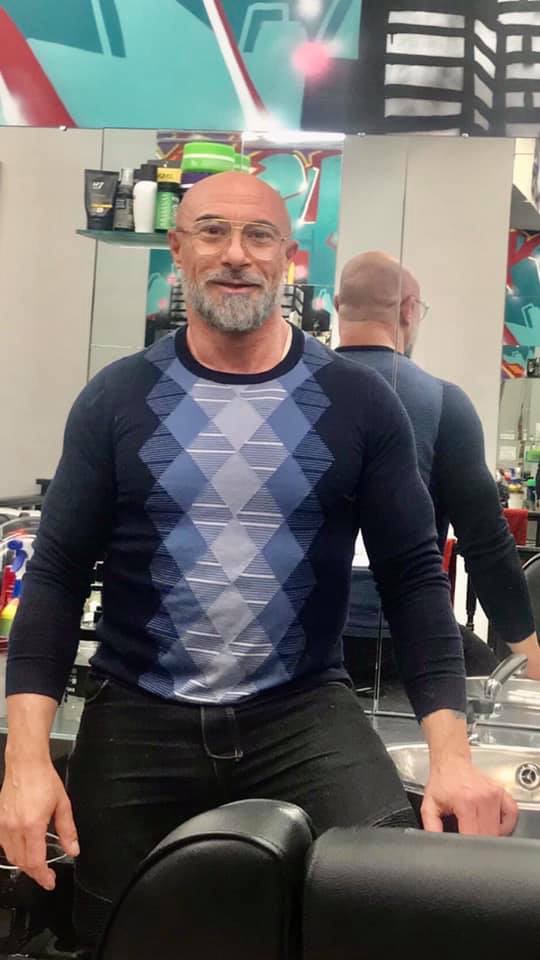
Michael’s Barber Shop, located at 54c Kenway Road, London SW5 0RA. It is a long-established barber shop known for its experienced staff and quality cuts at reasonable prices. You can contact them at 020 7370 6983.
Address: 54c Kenway Road, London SW5 0RA
Phone: 020 7370 6983
Reputation: Known for being a leading barber in Earl’s Court with experienced and personable barbers
Details: The shop has a quaint feel and offers quality haircuts at reasonable prices
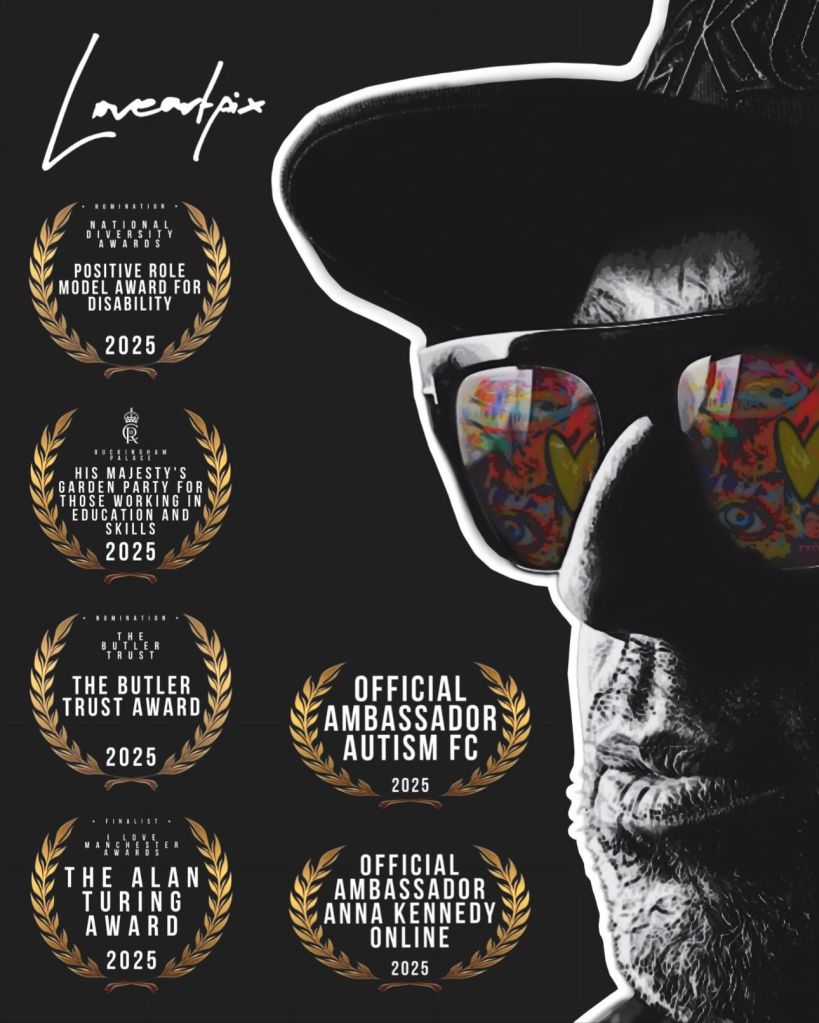
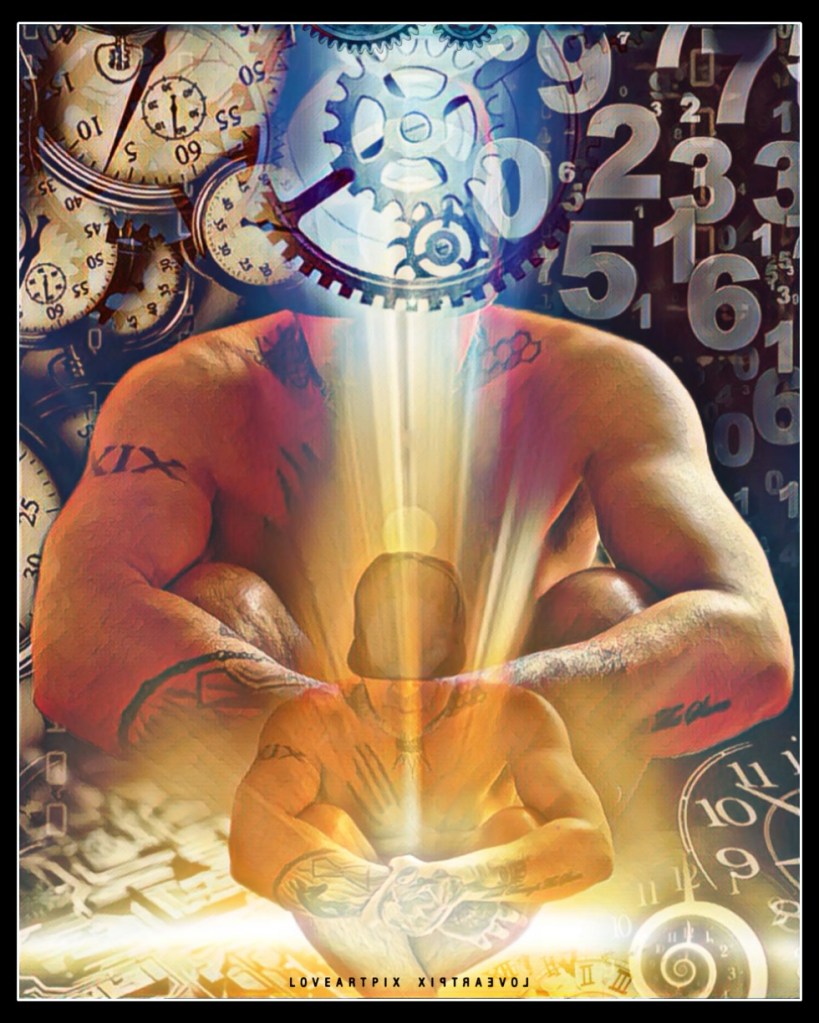
By Guest Writer Manchester based award winning artist and my friend Loveartpix.
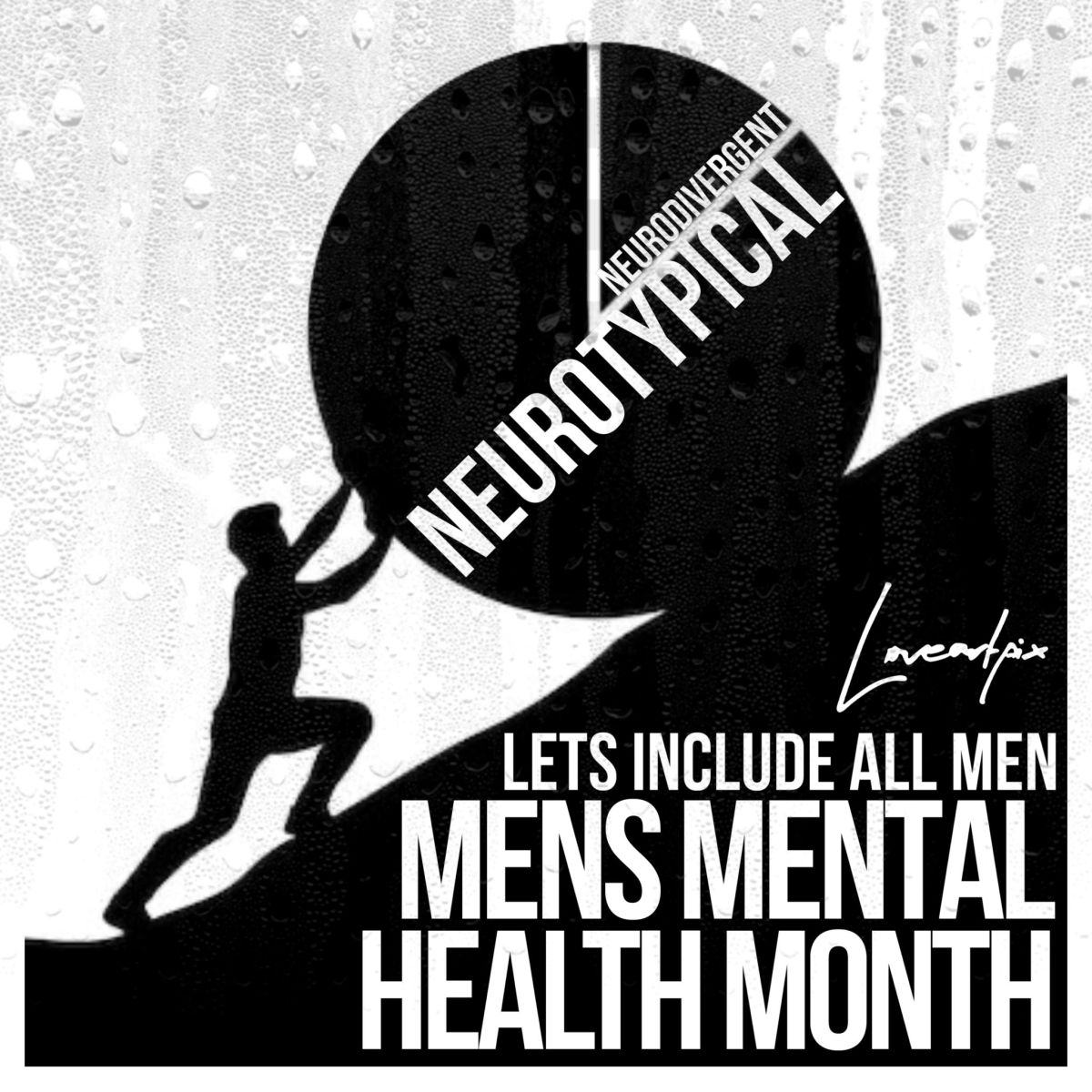
November is Men’s Mental Health Month, and as usual, I want to move beyond the usual catchphrases like ‘Talking Helps‘ as it’s far more complex than that. The question I keep returning to (because it’s personal) is this: does our generic, neurotypical framing of “men’s mental health “leave too many men like me behind?
Campaigns, days, and months do matter – they reduce stigma by getting the much needed conversations going and remind us to check in on friends. But what is their impact if suicide rates are still just as high, and some of the men at greatest risk (neurodivergent men) are largely left out of the conversation?
We rarely say this plainly: autistic people face a much higher risk of suicide than non‑autistic people. A large Swedish population study found that autistic adults, especially those without intellectual disability, were around nine times more likely to die by suicide than their non‑autistic peers (Hirvikoski et al., 2016).
Autistic adults without intellectual disabilities are, on average, more likely than non‑autistic peers to experience mental health conditions such as anxiety and depression. Factors that contribute include chronic camouflaging/masking, sensory overload, social mismatch and stigma, late or missed diagnosis, and barriers to tailored support.
In clinical samples, the picture is even starker: two‑thirds of autistic adults report lifetime suicidal ideation, and about one‑third report suicide plans or attempts (Cassidy et al., 2014). If the risk is this high, why isn’t this part of the headline of our November conversations?
And what about the many who are undiagnosed – men whose autistic traits are missed or misread due to lack of awareness? How many die by suicide after years of the wrong treatment, the wrong framework, or a string of mental‑health labels that never addressed neurodivergent needs in the first place? We don’t track this well enough to know – this, for me, is very worrying.
I’m not speaking in theory. For more than two decades, I repeated the same words over and over, and the responses I received didn’t fit their box – so it was a continuous battle creating more mental health issues.
“Look Dez, you’ve taken every combination of medication we can offer you. What else do you want us to do?” – words you don’t want to hear from the psychiatrist in charge of your mental health and well being!
Even after my diagnosis, I’m basically begging for support in any way possible, but they still don’t have an answer. Right now, no services are willing to accept my case. That isn’t a lack of “talking.”It’s a system that doesn’t understand or accommodate neurodivergent needs.
“Talk to someone.” “Pick up the phone.” “Open up.” These messages are well‑meant—and sometimes they help. But they assume a neurotypical nervous system. When distress is driven by sensory overload, alexithymia (difficulty identifying and describing feelings), shutdown, or the aftermath of masking, being asked to “speak up” on a phone call, or in fluorescent‑lit rooms, with vague questions, can be not only ineffective but also actively dysregulating and even traumatic.
Personally, I often communicate better in text when I go into meltdown (and after), I need time to process, and rely on concrete, direct language and clear communication. Standard CBT delivered at a pace, full of metaphors and homework that assumes neurotypical cognition, doesn’t work unless it’s really adapted. Yet adapted therapy is patchy across the UK, and post‑diagnostic support for adults remains weak at best – if it exists at all! I’ve learned this the hard way: I’ve been “talking” for years. What’s missing isn’t the willingness to speak – it’s services that listen but don’t know how to respond to neurodivergent communication without pathologising it.
Diagnostic waiting lists have exploded. There are now well over one hundred thousand people in England awaiting autism assessments, with many waiting far longer than the 13‑week standard – often 12–24 months or more. Adult ADHD pathways are similarly overloaded. Late diagnosis isn’t just an administrative delay; it can mean decades of inappropriate treatment plans, missed adjustments at school and work, and a build‑up of trauma from being told to “try harder” in systems not built for your brain. Each missed or delayed diagnosis is a missed opportunity for prevention – especially when we know suicidality is elevated in autistic populations.
89% of autistic adults in the UK aged 40-59 are undiagnosed – Kings College London (2025)
This is why the generic approach to “men’s mental health” feels inadequate to me. Awareness months aren’t wrong – they are just incomplete. We can’t keep telling men to “open up” while offering only neurotypical doorways.
Here’s a truth I wish we’d say out loud: it’s a huge barrier when men are already “talking,” but the system still can’t understand what they’re saying. I’ve used the same words for more than twenty years. The approaches offered back haven’t matched my needs – and I am not a unique case! Even after my diagnosis, when I articulate my needs clearly, services have no adapted pathway, no training, or no remit that fits. At this moment, I’m not being accepted by any service. That isn’t impartial; it’s exclusion by design.
Neurodiversity, complex trauma, and racialised stress each demand deep, specific knowledge. Very few clinicians are experts across all three. That’s not a criticism of individuals; it’s a system‑design problem. Our pathways remain separated: autism/adhd/dyslexia over here, trauma/cptsd over there, “men’s mental health” somewhere in a campaign toolkit. Meanwhile, men sit on waiting lists, collecting labels, and learn to mask harder. Many still struggle to speak openly – especially when their experiences don’t match neat, neurotypical scripts of sadness, worry, and recovery.
Campaigns must reflect the facts: men are not all the same, and neither are their minds – neurotypical and neurodivergent.Put neurodivergent men on the list and on the panels. Highlight that autistic burnout is not laziness; that ADHD‑related rejection sensitivity can look like despair; that shutdowns and meltdowns are not misbehaviour. And tell men this clearly: if standard tools haven’t worked, maybe it’s the tool and not you!
And let’s make the suicide data visible, not buried in academic journals. If autistic men face a dramatically higher risk, surely that belongs on the first slide, the first poster, and the first funding line?
We should admit where the evidence base is thin and choose humility. Research is (hopefully) accelerating, but we’re years from fully understanding these intersections. Until then, ‘specialists’ need to listen more to lived experience – with an open mind, and not through the generalised, stereotypical lens that turns nuance into “non‑compliance.” Ask what helps. Believe the answers. Adapt!
None of this diminishes the value of awareness months; it actually refocuses them. If we want November’s messages to be more than posters and hashtags, we have to build services that fit all men, not the imaginary neurotypical everyman. The stakes are life and death. A system designed around the most complex needs will serve everyone better.
‘I have personally reached out to some well-known men’s mental health services and asked how they handle neurodivergent individuals, and I have been met with half-hearted replies and almost snubbed to my face’ – an all too common response in my experience.
Acceptance has been central to how I navigate life now – there isn’t any help out there at the moment, as the research simply isn’t there. Acceptance hasn’t removed the struggle, but it has reframed it for me. I have been ‘speaking up’ for years. I don’t need another generic neurotypical catchphrase. I need services that recognise what I’m saying – and are ready and able to respond with understanding, compassion and a willingness to make reasonable adjustments.
Sources for the statistics mentioned:
– Hirvikoski, T. et al. (2016). Premature mortality in autism spectrum disorder. A population‑based study in Sweden. Findings include markedly elevated suicide mortality, especially among autistic adults without intellectual disability.
– Cassidy, S. et al. (2014). Suicidal ideation and suicide plans or attempts in adults with Asperger’s syndrome attending a specialist clinic. Reports 66% lifetime suicidal ideation and 35% plans/attempts.























 2Shades Magazine