Ciara Lawrence’s Pink Sparkle Podcast Celebrates Five Fabulous Years With Dr Anna Kennedy and special guests
Words: Steven Smith Pictures: Antony March
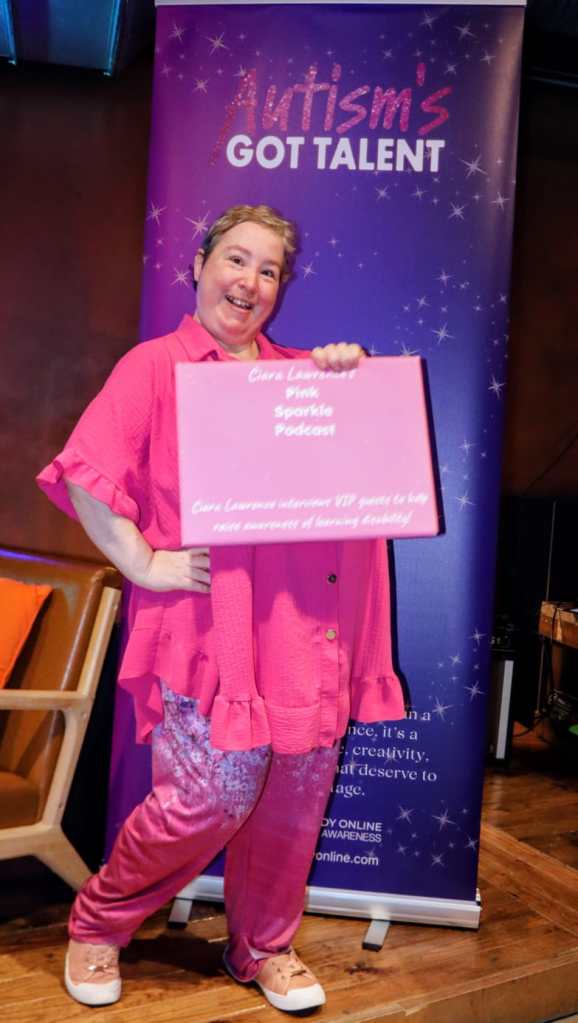
Everything was shimmering in shades of pink on Thursday evening as Ciara Lawrence took to the stage at Metropolis Epsom to celebrate the fifth anniversary of her much-loved Pink Sparkle Podcast. Dressed in a stunning pink outfit that perfectly captured the spirit of the night, Ciara embodied the warmth, glamour and resilience that have become synonymous with her brand.
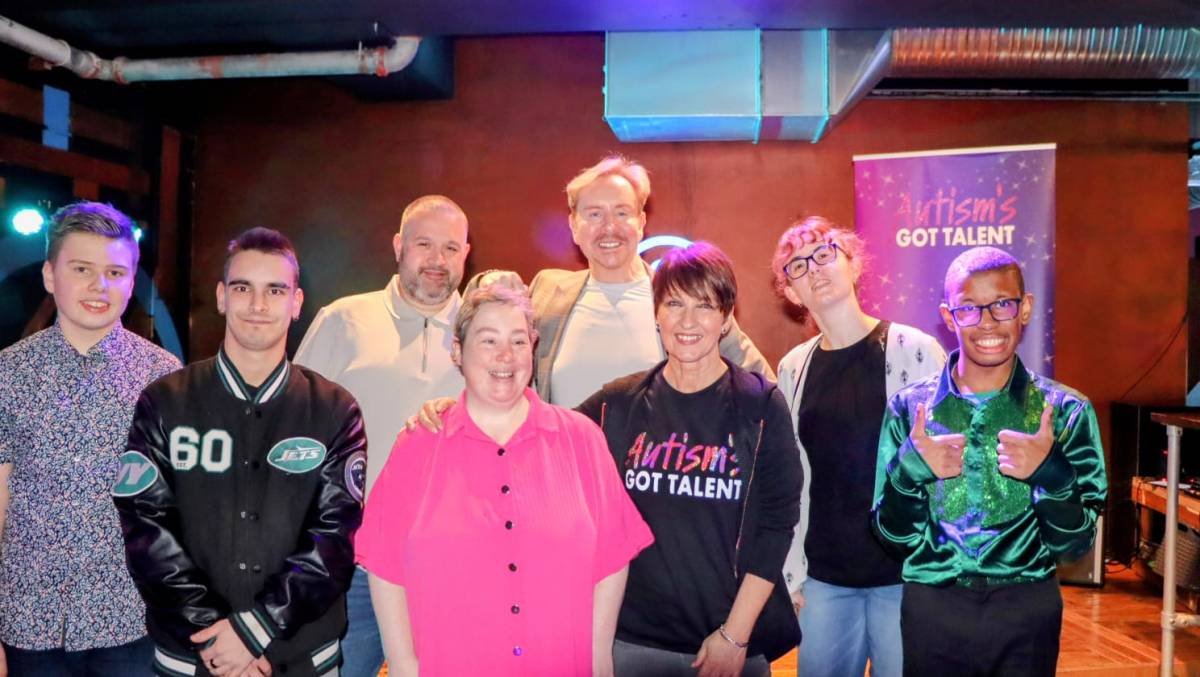
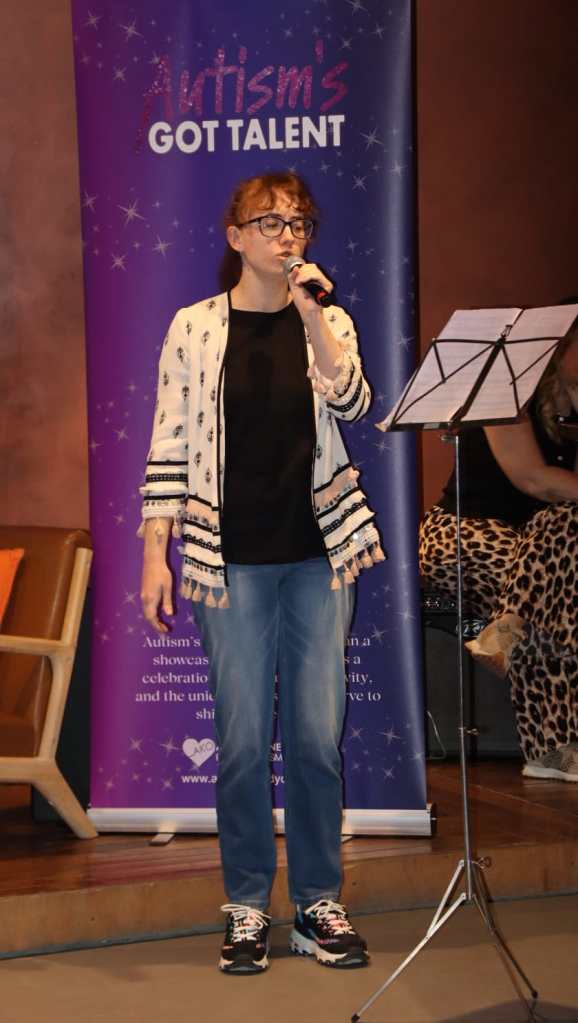
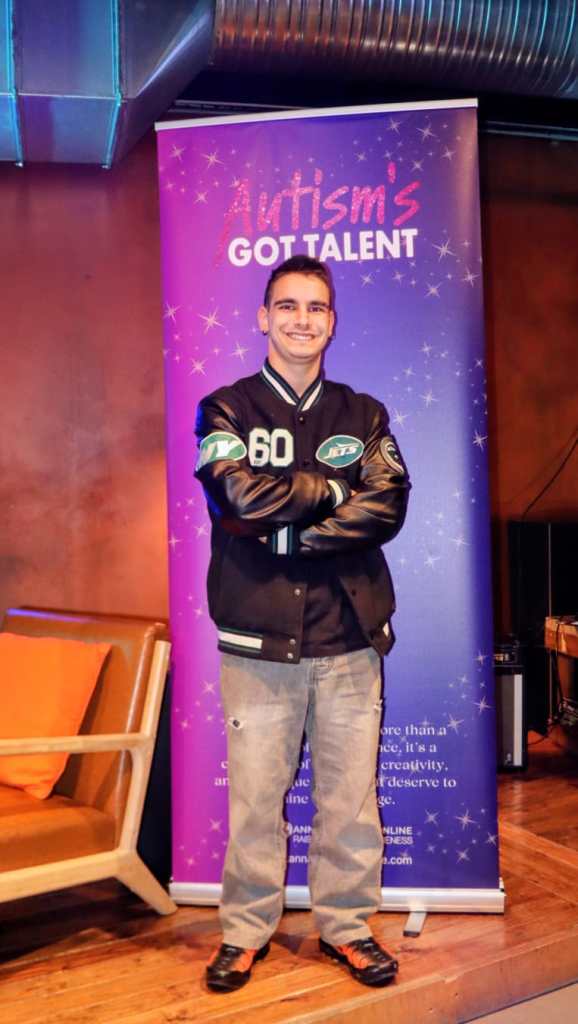
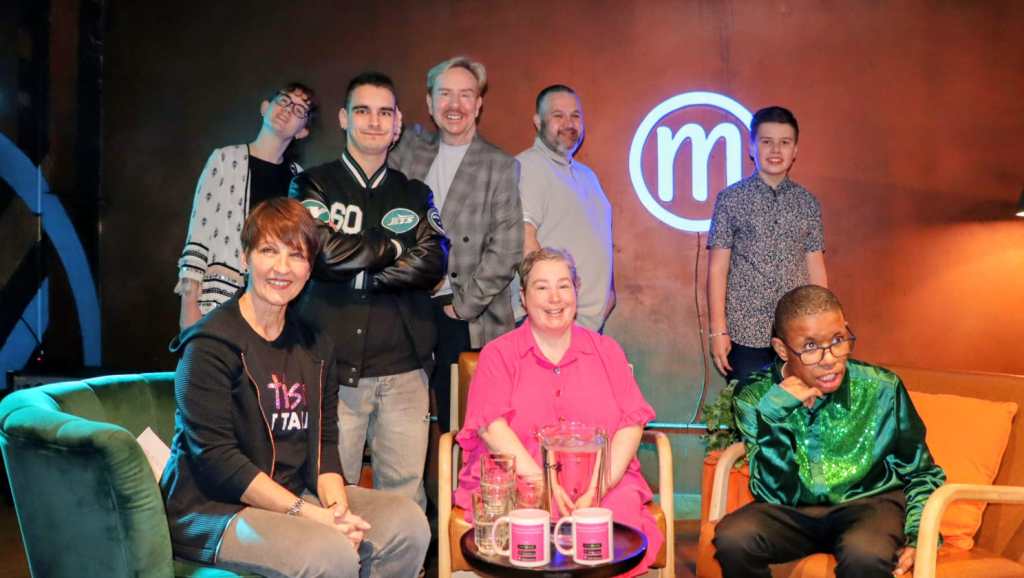
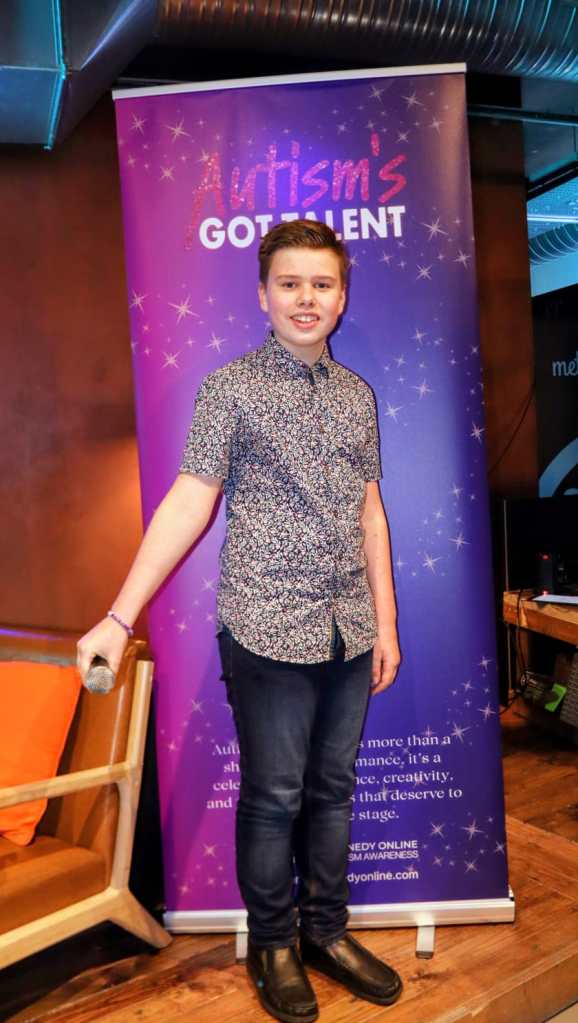
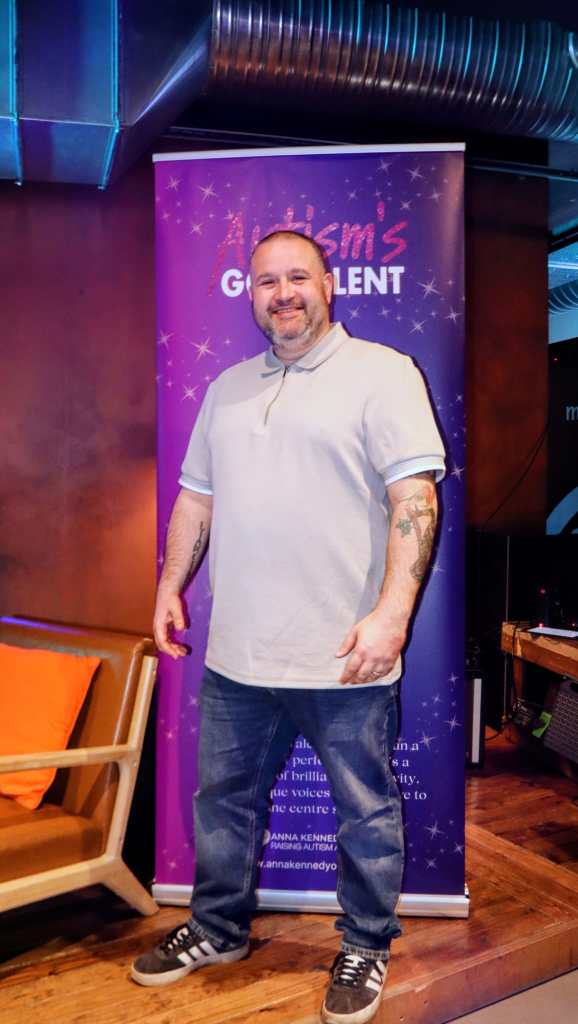
The evening was more than a celebration—it was a heartfelt tribute to a journey built on courage, connection and community. Special guest Dr Anna Kennedy brought with her an inspiring lineup of performers from Autism’s Got Talent, including Ethan Stewart, Marie Gorton, , Richard Anthony ,George Pond and Callum Kirrage. Together, they helped create a vibrant, uplifting atmosphere for what was a live recording in front of an enthusiastic and deeply engaged audience.
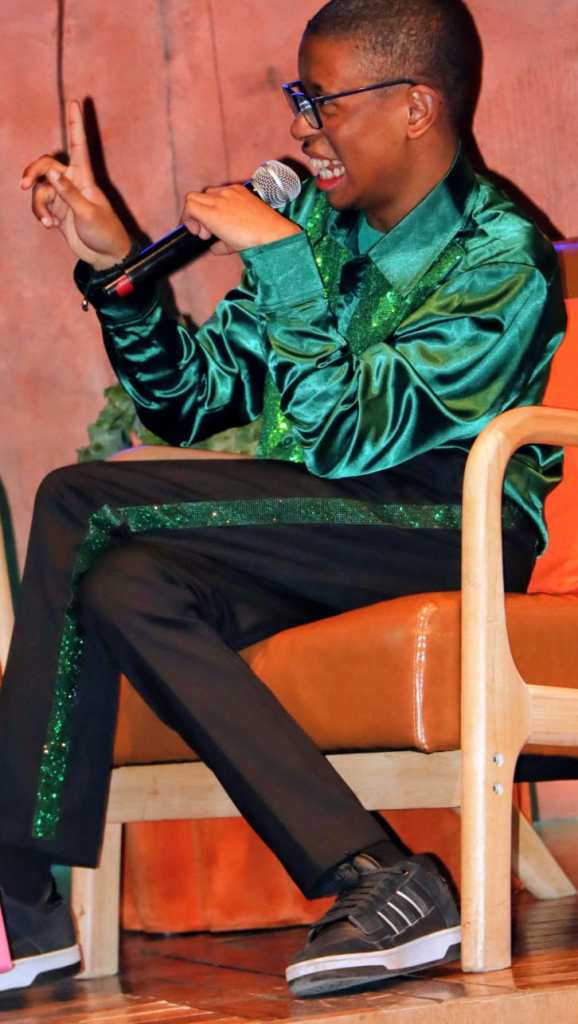
Ethan Stewart
Anna Kennedy, clearly moved to be part of the milestone event, spoke warmly about Ciara’s journey. “Ciara, I knew the minute I met you that you were a winner, and that The Pink Sparkle Podcast was something truly special,” she said, her words met with heartfelt applause.
Marie Gorton
Ciara, ever the consummate professional, balanced emotion with humour throughout the evening. She laughed and joked with the crowd, sharing stories of past guests—including her admiration for TV personality Rob Rinder—and revealed her hope to one day welcome his friend Rylan Clark onto the show. Yet at the heart of the evening was something far more personal: her journey with Anna Kennedy.
Calum Kirrage
“Despite everything I faced, you saw me in a room, came over, and it changed my life,” Ciara said, visibly emotional at times, holding back tears as she reflected on how that moment shaped her path.
Behind the scenes, the dedicated team from Anna Kennedy Online ensured the evening ran seamlessly. Lisa Robins—often described as the woman who “oils the wheels” of the organisation—handled the sound and event logistics with her usual professionalism, while Tally Nothey captured special moments on film, including a heartfelt thank-you message to Stacey Moore for her support.
There was even a surprise appearance from yours truly, as I marked 13 years with a charity that has profoundly changed my life. I shared a few chosen words about what the journey has meant to me—though, as many will attest, stopping me talking is no easy feat.
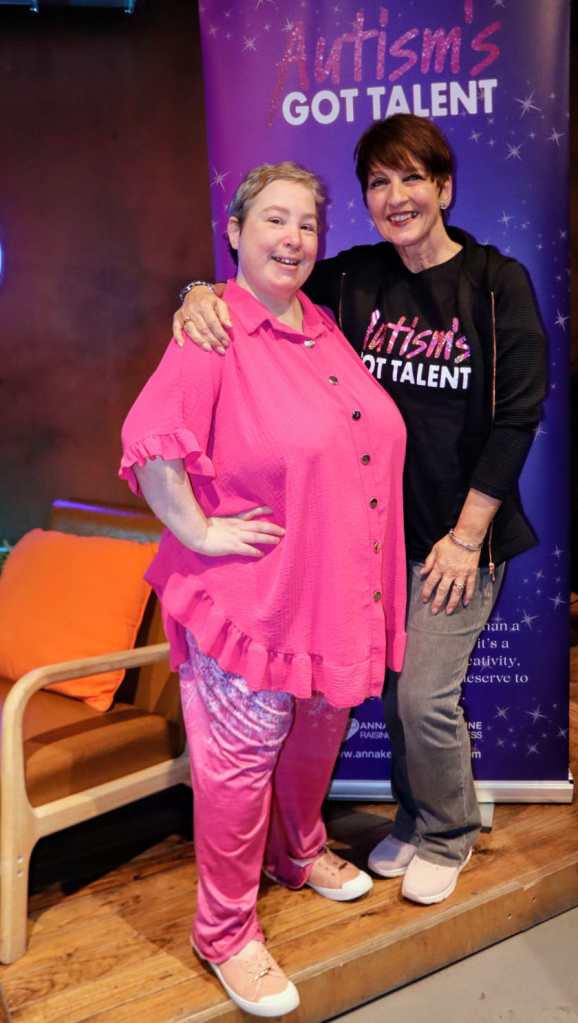
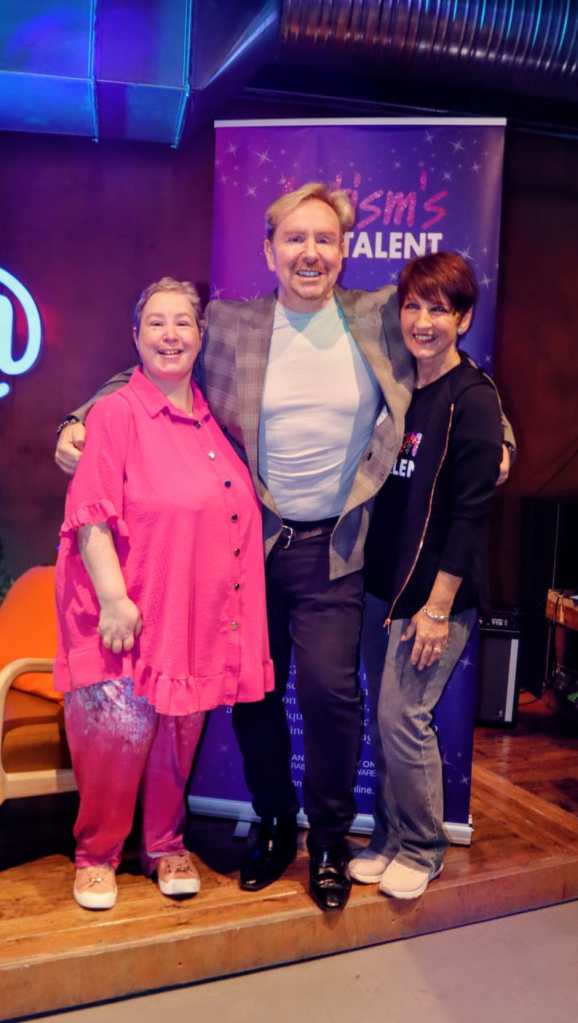
Me with two amazing ladies Dr Anna Kennedy OBE and Ciara Lawrence
Richard Anthony also deserves special mention, not only for his ongoing charity work but for delivering a memorable performance on the night.
George Pond
Gratitude must also go to Metropolis Epsom for generously providing the venue, helping to make the evening possible.
Richard Antony walking In with Happiness charity and fund raiser performed,
Anna’s final word “Ciara, thank you for allowing me to be part of your journey. Your sparkle is not just pink—it’s powerful, inspiring, and here to stay. I’ll always be cheering you on.”
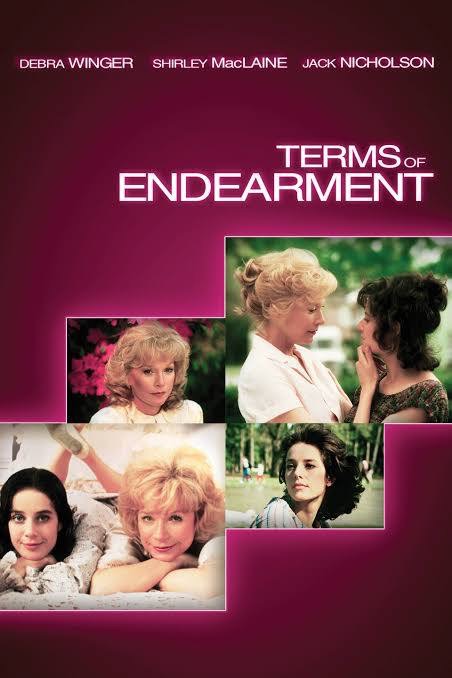
Film, theatre and literature have long served as powerful portals through which we explore subjects that are often difficult to confront in everyday life. Illness—particularly cancer—is one such subject that artists have returned to time and again, helping audiences process grief, fear and resilience through storytelling. From Terms of Endearment, where Shirley MacLaine and Debra Winger deliver unforgettable performances as a complicated mother and daughter navigating terminal illness, to Love Story with Ryan O’Neal, and the tear-stained shores of Beaches starring Bette Midler—these works remind us that love and loss are often inextricably intertwined.
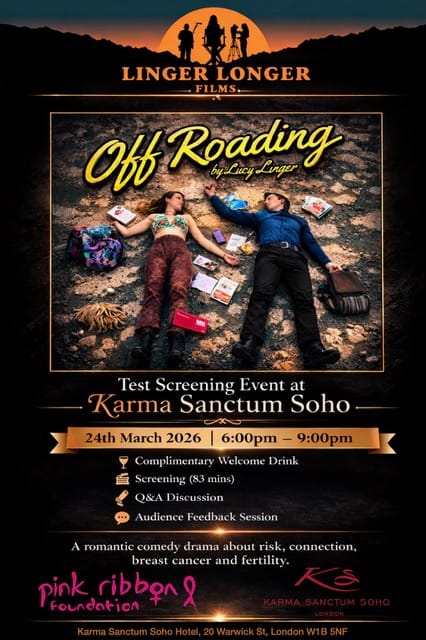
This month sees a contemporary addition to that canon. Off Roading, written by Lucy Linger and sponsored by the Pink Ribbon Foundation, enjoyed test screening at the stylish cinema within The Sanctuary House Hotel. Billed as a romantic comedy-drama, the film explores modern relationships, dating, and the profound ripple effect that a cancer diagnosis—alongside issues of fertility—can have on both the individual and those closest to them.
At its heart, Off Roading is an engaging and refreshingly honest piece of writing. Linger’s script balances humour with poignancy, never allowing the subject matter to become overly sentimental, yet never shying away from its emotional weight. It is a delicate tightrope, and for the most part, she walks it with confidence and charm.
That said, from the outset, this feels less like a film destined for the blockbuster big screen and more like a piece that will thrive within the intimacy of film festivals, television, or indeed, a theatrical setting. One can easily imagine a stage adaptation—perhaps starring the likes of Keira Knightley alongside a strong male counterpart—where the dialogue and emotional exchanges could truly breathe. With a few structural tightenings, it has all the makings of a compelling, sell-out stage production. It comes as little surprise to learn that the work originated as a play; its DNA is unmistakably theatrical.
In many ways, Off Roading evokes the spirit of A Woman of No Importance, famously performed by Patricia Routledgeand written by Alan Bennett. Like Bennett’s work, Linger’s piece relies heavily on character-driven storytelling and the power of dialogue. While it may not yet possess the same razor-sharp precision or lyrical polish of Bennett’s writing, it nonetheless takes the audience on a journey that is by turns amusing, reflective and quietly devastating.
The performances—anchored by a two-hander dynamic—are a particular strength. The actors bring warmth, authenticity and nuance to their roles, ensuring that the emotional beats land with sincerity rather than melodrama. There is a natural chemistry that draws the viewer in, making the unfolding narrative feel both intimate and relatable.
What sets Off Roading apart, however, is its focus not only on the individual diagnosed with cancer but also on the emotional landscape of those around them. It examines how partners, friends and loved ones navigate their own fears, frustrations and helplessness, often sidelining their own needs in the process. This broader perspective gives the film an added layer of depth and relevance.
Ultimately, Off Roading is a thoughtful and well-crafted romantic comedy-drama that tackles complex themes with sensitivity and wit. It is a piece that will resonate deeply with audiences, though viewers should be aware that its exploration of breast cancer, risk and fertility may prove triggering for some.
A promising and heartfelt work—one that, with a little refinement, could travel far beyond its current path. It is no small feat for two actors to hold an audience’s attention for eighty minutes, yet for the most part, they carry it with assurance and skill.
I laughed out loud and, at moments, felt a tear or two. Lucy Linger is certainly one to watch.
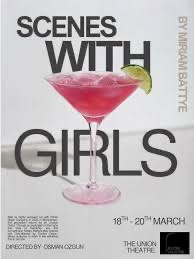
Scenes with Girls — Sass, Spark and a Slice of London Life ⭐️⭐️⭐️⭐️
If you like your theatre sharp, stylish and just a little bit chaotic, then Scenes with Girls at the Union Theatre is one to put firmly on your cultural radar.
Presented by Two Souls Productions and penned by the brilliantly observant Miriam Battye, this deliciously modern piece throws us headfirst into the tangled web of female friendship, dating disasters and the emotional rollercoaster that is being a young woman in London. It’s witty, it’s raw, and at times it cuts a little too close to the bone — just how we like it.
Now let’s talk talent.
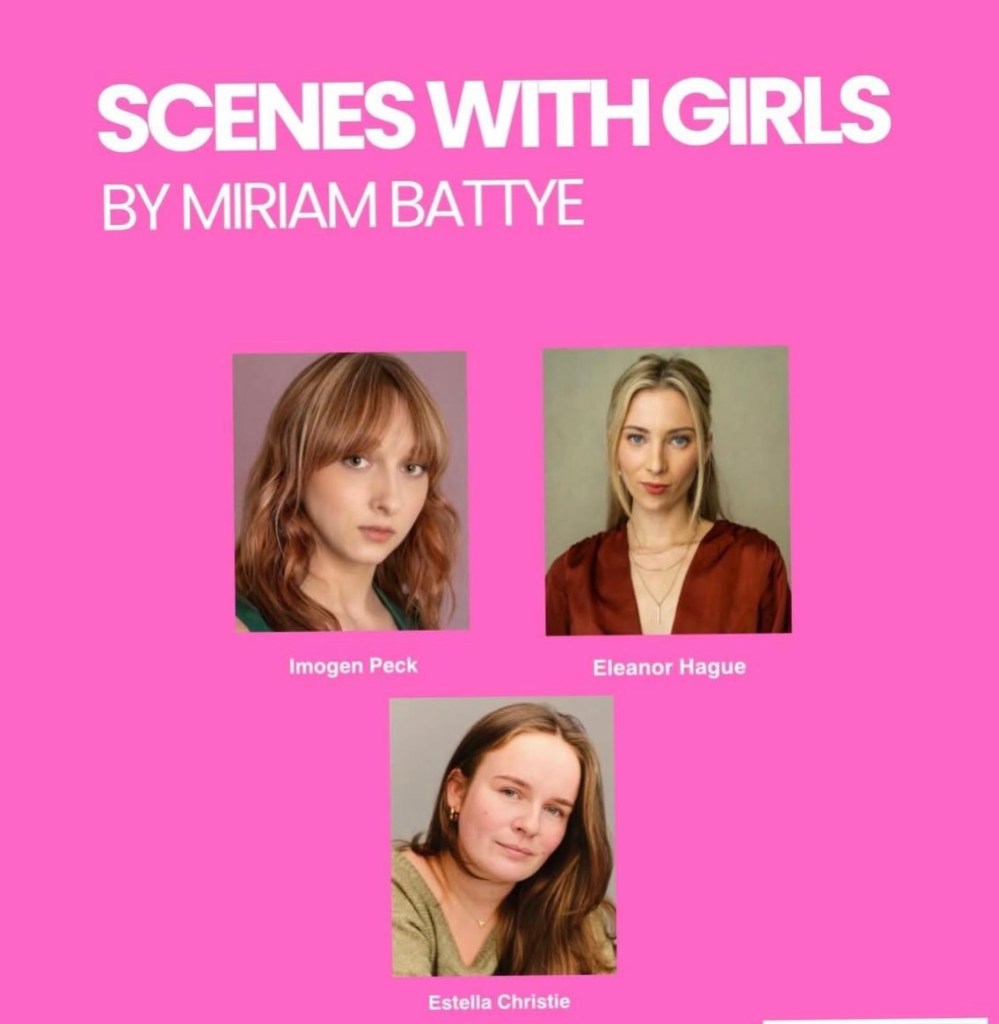
Imogen Peck is, quite simply, one to watch. She owns the stage with a confidence that feels entirely natural, never forced. There’s a magnetism about her — that elusive “it factor” — and you find yourself drawn in every time she speaks. Mark my words, this is a rising star in the making.
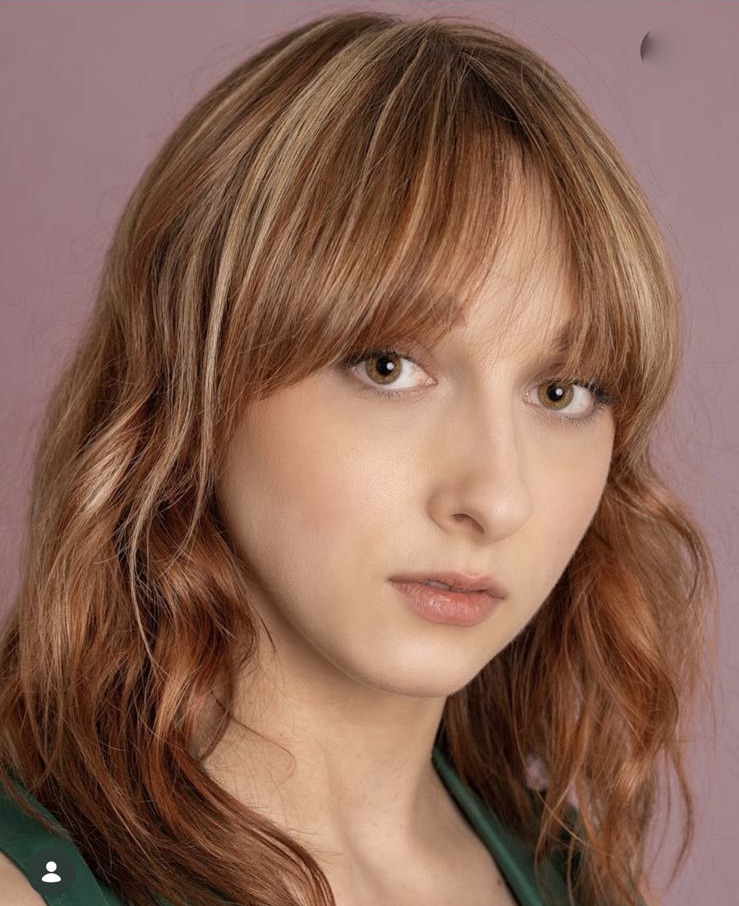
Imogen Peck
Eleanor Hague, meanwhile, brings a different flavour. With a face absolutely destined for the camera, she has that cinematic quality casting directors dream about. Her performance is a little more acting alone in places in other she commands the stage , but there’s a quiet intrigue there — the kind that suggests, given time, she could be a real force both on stage and screen.
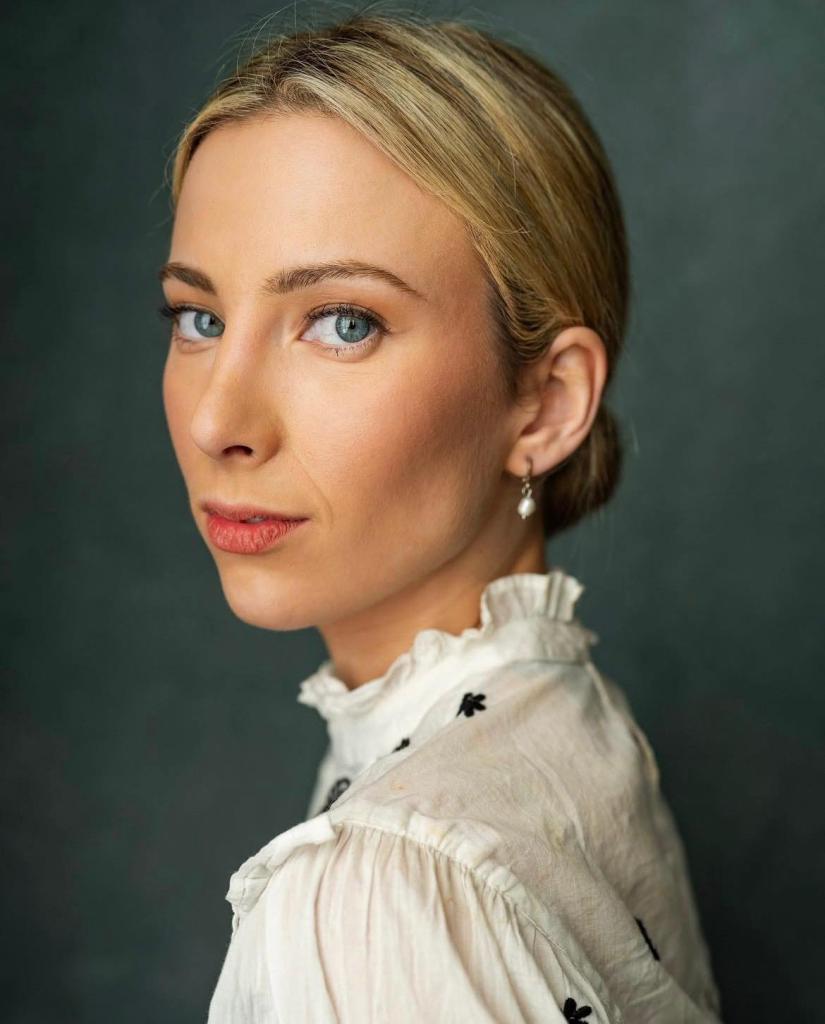
Eleanor Hague,
The script? Oh, it’s clever. Very clever. Battye captures the rhythm of modern conversation with razor-sharp precision — the awkward pauses, the brutal honesty, the humour that masks something deeper. It’s brilliantly written and packed with moments that will have you wincing in recognition.
That said — and we keep it honest at 2Shades — acting is reacting, and in places the connection between performers doesn’t quite land. There are moments where the energy dips slightly, where you want that extra spark, that sharper exchange. But here’s the thing: this is exactly what makes the production exciting. With a little more time, a little more polish, this could be exceptional.
And let’s not forget the unsung heroes — the technical team. Slick, seamless and quietly impressive, they support the piece beautifully without ever overshadowing it.
As for the venue, the Union Theatre remains one of London’s best-kept secrets. Intimate, atmospheric and full of charm, it’s the kind of place where theatre feels alive. Pro tip: arrive early, grab a drink, and soak up the vibe — the staff are as fabulous as the performances.
All in all, Scenes with Girls is a bold, funny and promising showcase of emerging talent. It may not be perfect, but darling, it absolutely has potential — and that’s far more exciting.
Go. Watch. And say you saw them before they were stars.
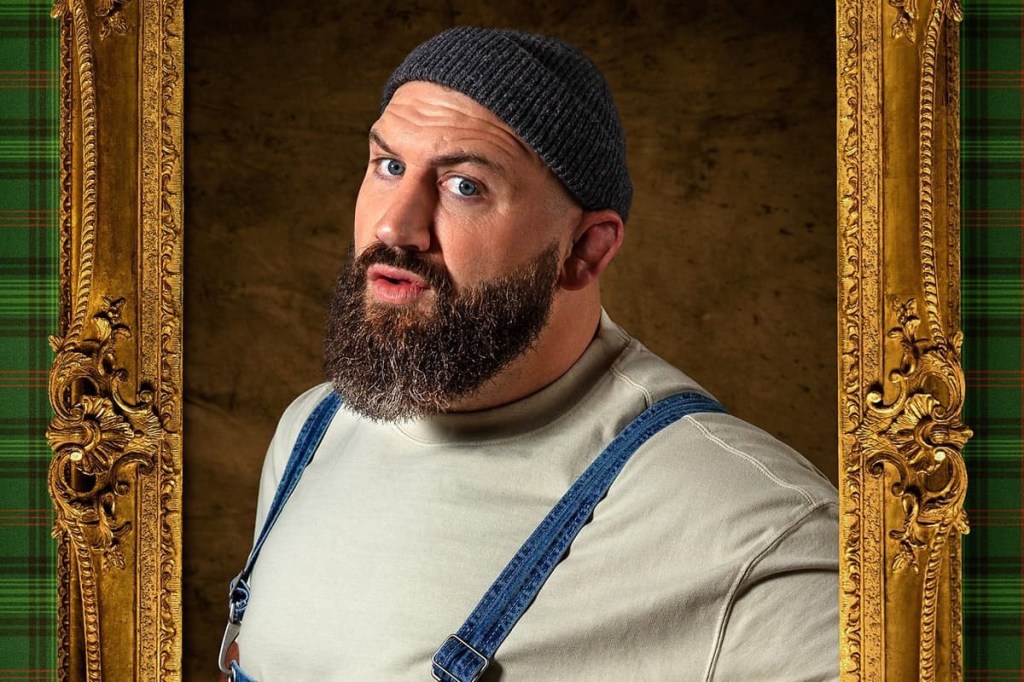
Big Rob: The Gentle Giant Who Became the Heart of Last One Standing
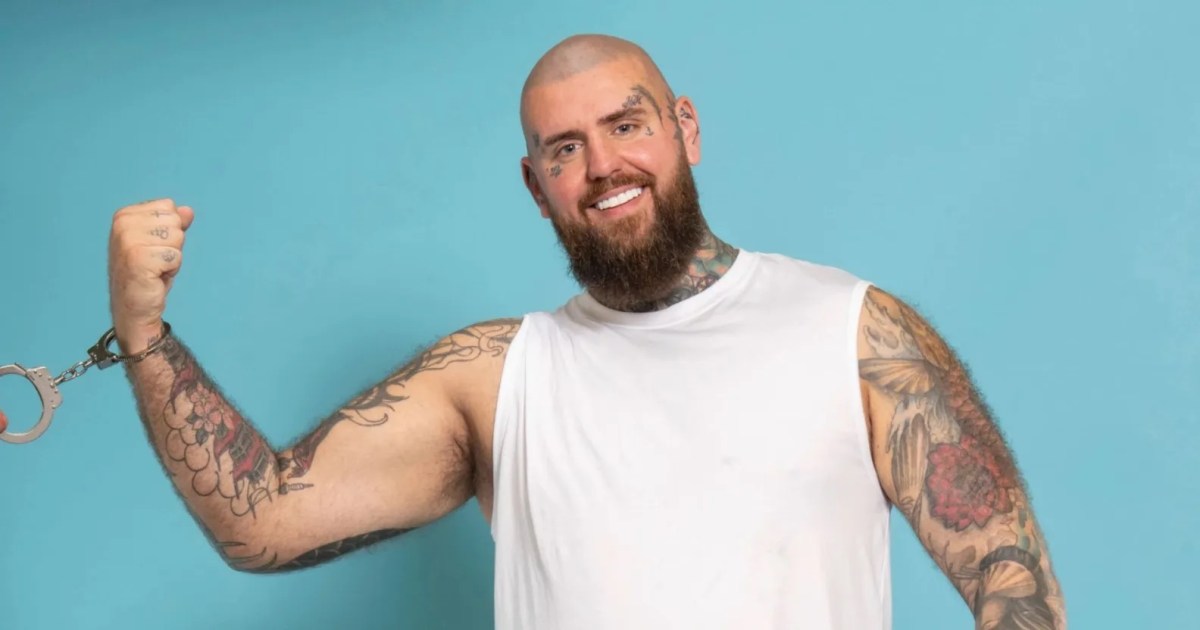
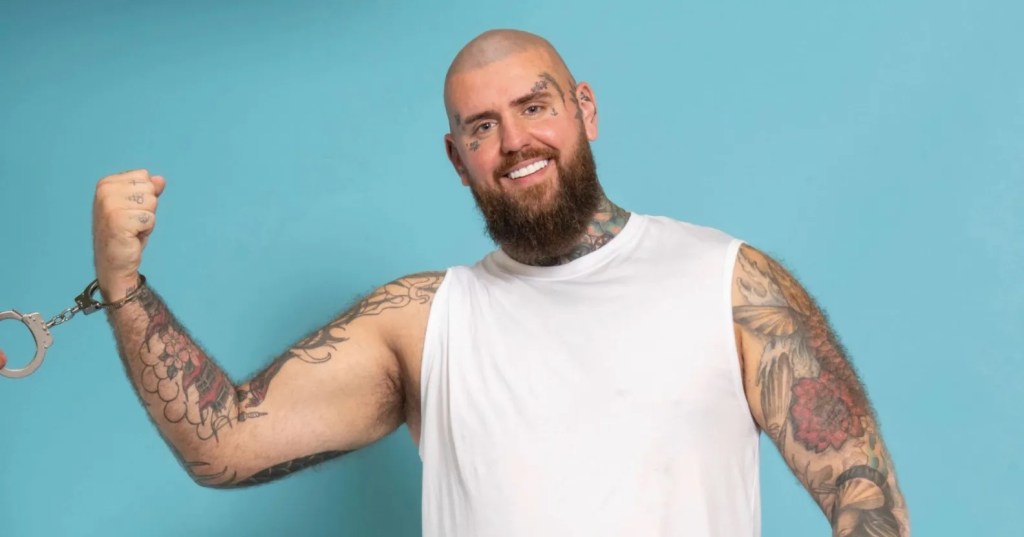
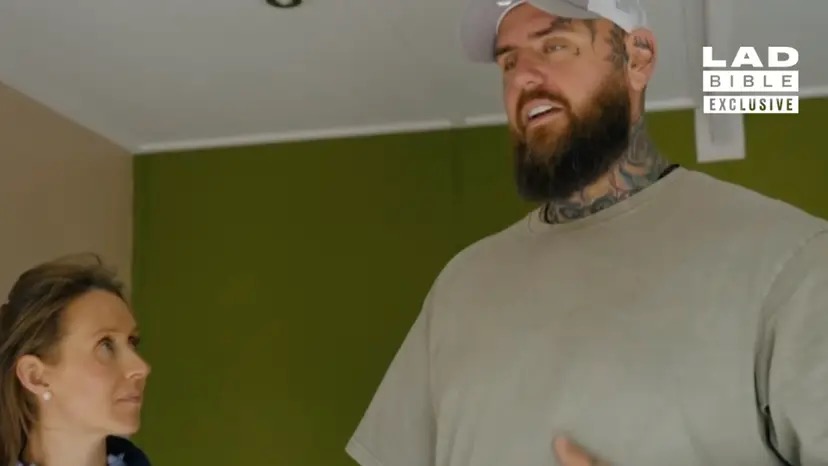
Big Rob becomes the gently sensitive giant who has emerged as the standout star of Last One Standing: Handcuffed.
Known to many through his work on OnlyFans and often described as a “gentle giant,” Rob has proven himself to be one of the most compelling and quietly powerful figures in the show. What makes his journey so impactful is not simply the contrast between his profession and the programme’s premise, but the dignity, patience, and emotional intelligence he has brought to every moment on screen. In doing so, he has not only represented himself with pride, but has also offered a refreshingly human portrayal of the LGBTQ+ community to a broad—and at times sceptical—audience.
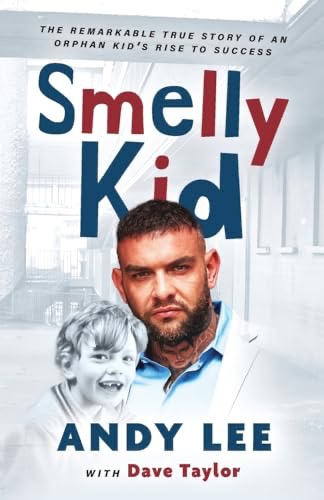
I am a huge supporter of Andy Lee and his gang of merry, mostly straight men. After all, for years straight men have ogled and slobbered over Playboy bunnies and the like, with very little chance of ever fulfilling those fantasies. So in equal measure, why shouldn’t someone be able to make a living from fulfilling the fantasies of others?
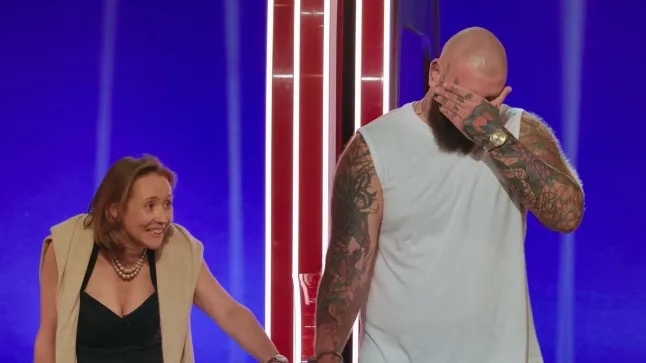
But what this show reminds us—powerfully—is that behind labels and professions, people are human. From the outset, pairing Rob with Charlie Gray—a self-described prude, traditional housewife, and devout Catholic—could have been a recipe for conflict or caricature. On paper, they represent two vastly different worlds. Yet what has unfolded is something far more nuanced and, at times, unexpectedly moving.
Rob has consistently approached Charlie with kindness, humour, and respect. He has never mocked her beliefs or discomfort, but instead has met her exactly where she is. That, in itself, is a powerful statement: difference does not have to lead to division.
Throughout the series, viewers have witnessed moments of tension, vulnerability, and even emotional breakdowns. These are not manufactured dramas, but genuine human reactions to an intense and unusual situation. In those moments, Rob has shown remarkable emotional resilience. He has remained grounded, often acting as the calmer presence, even when the situation could easily have pushed him into frustration. This ability to hold space for another person—especially someone so different from himself—speaks volumes about his character.
The now-infamous shower scene, while played for awkward humour, actually revealed something deeper. Rob’s willingness to simply be himself, without embarrassment or bravado, contrasted with Charlie’s visible anxiety. Her decision to wear a bright yellow blindfold—despite already facing away—was both comical and telling. Yet Rob did not exploit the moment. He handled it with sensitivity, allowing the humour to exist without making Charlie feel exposed or ridiculed. In that moment, he demonstrated respect not just for her boundaries, but for the wider audience watching.
Representation matters, and what Rob has brought to the screen is a version of LGBTQ+ identity that is layered, grounded, and relatable. Too often, individuals from the community—particularly those in the adult industry—are reduced to stereotypes or dismissed entirely. Rob challenges that narrative. He shows that someone can be part of that world and still be thoughtful, kind, emotionally aware, and worthy of respect. That balance is rarely shown on mainstream television, and it is precisely why his presence feels so important.
Moreover, his journey with Charlie subtly challenges preconceived ideas on both sides. For viewers who may share Charlie’s traditional views, Rob becomes a bridge—someone who defies expectation and invites empathy. For LGBTQ+ viewers, he offers representation that is unapologetic yet deeply human. He does not try to sanitise who he is, nor does he lean into stereotype; he simply exists as himself, and that authenticity resonates.
As the competition continues and the pair remain in the running, it is clear that Rob’s contribution goes far beyond entertainment. He has brought heart, humour, and humanity to the show. In doing so, Big Rob has not only done himself proud—he has represented the LGBTQ+ community with grace, strength, and quiet brilliance.
Rob is someone you would want on your side—and someone who absolutely belongs on our screens, just as he is with his boxers up .
Award-Winning Author Samantha Lee Howe Announced as New Patron of Anna Kennedy Online
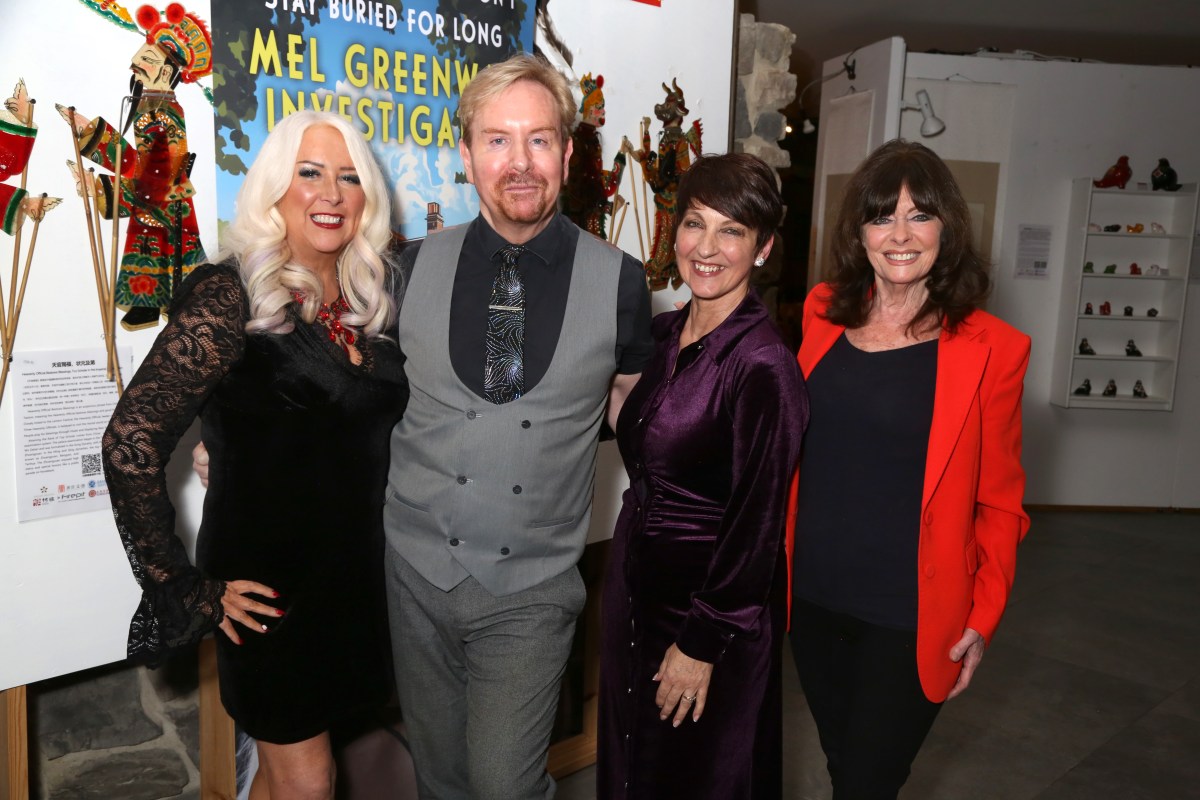
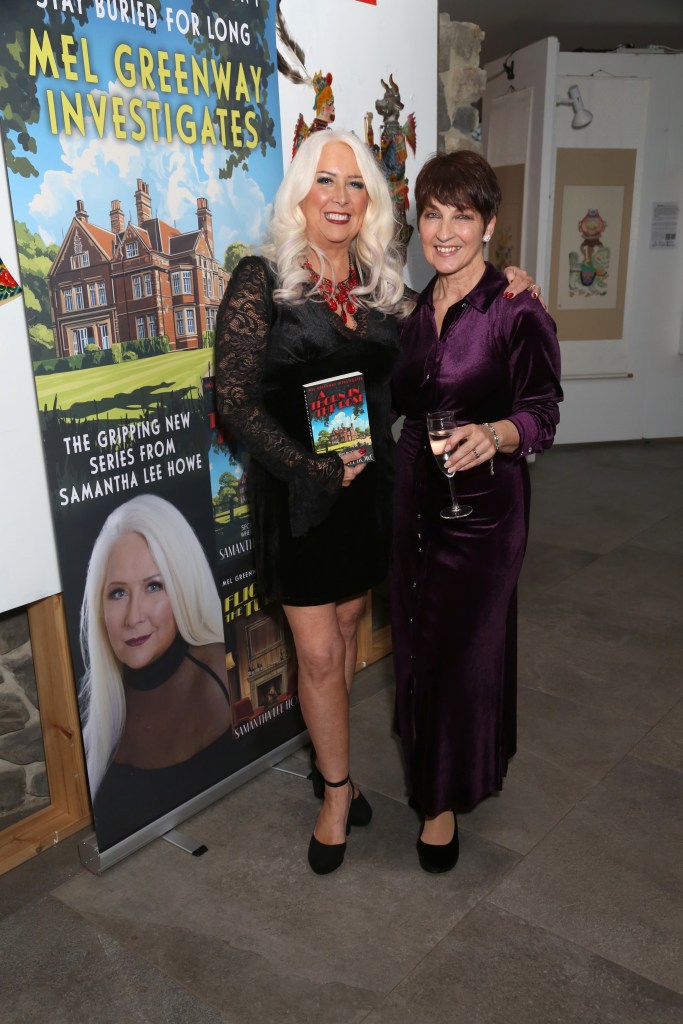
Samantha Lee Howe with Dr Anna Kennedy OBE at the FirePit Gallery . Picture by Andy Barnes photography .
All pictures by Andy Barnes
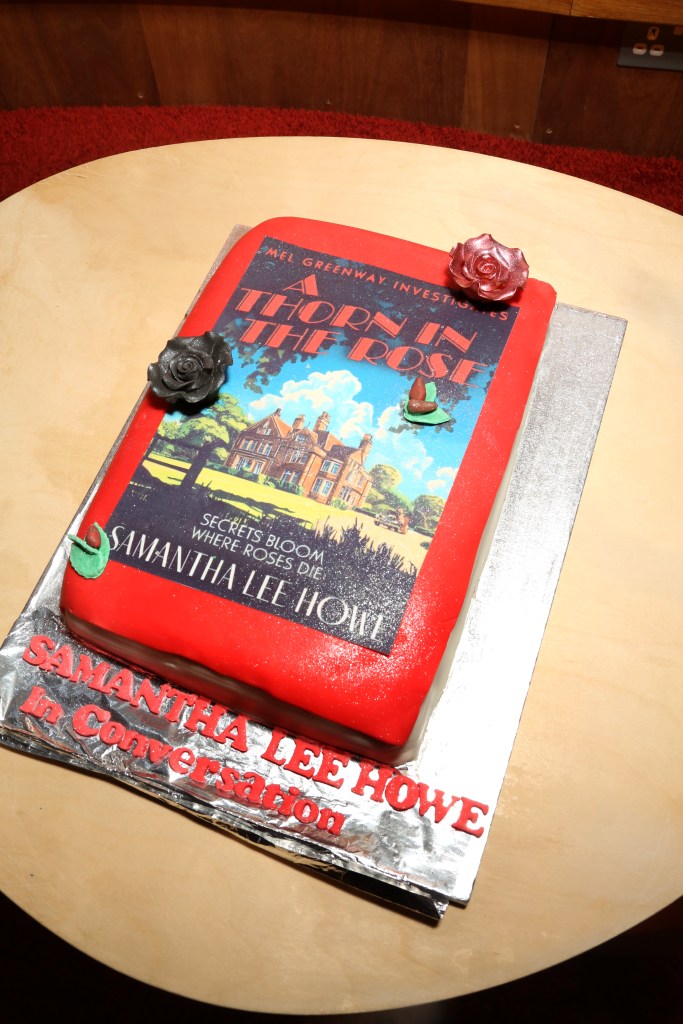
It was an evening filled with celebration, inspiration and heartfelt surprises at the stylish Firepit Gallery in London, where award-winning author Samantha Lee Howe officially launched her latest novel, A Thorn in the Rose. Yet while guests gathered to honour what many are already calling her most compelling work to date, it was a very special announcement that truly captured the spirit of the night.
During the event, Dr Anna Kennedy OBE revealed that Samantha Lee Howe would become a Patron of the autism charity Anna Kennedy Online — news that was met with warmth, applause and genuine emotion from the packed audience.
The evening, held in aid of the charity, was more than a literary celebration. Funds raised from the raffle and book sales were generously donated to Anna Kennedy Online, reinforcing the strong connection between Samantha’s creative work and her commitment to supporting the autism community.
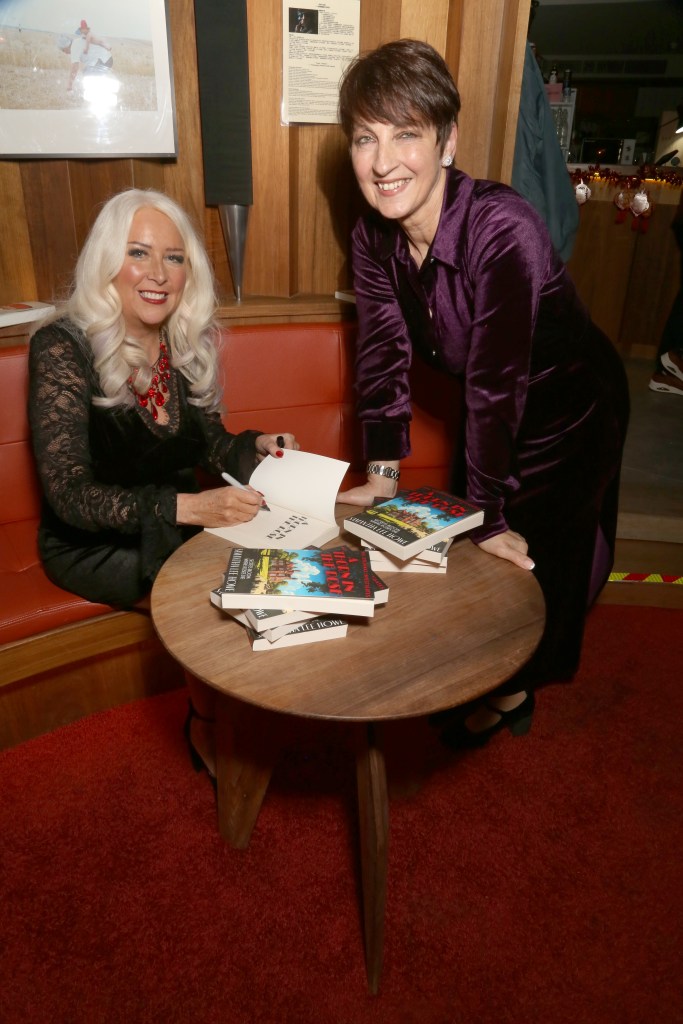
Picture by Andy Barnes Dr Anna Kennedy OBE collects her signed book from Samantha Lee Howe .
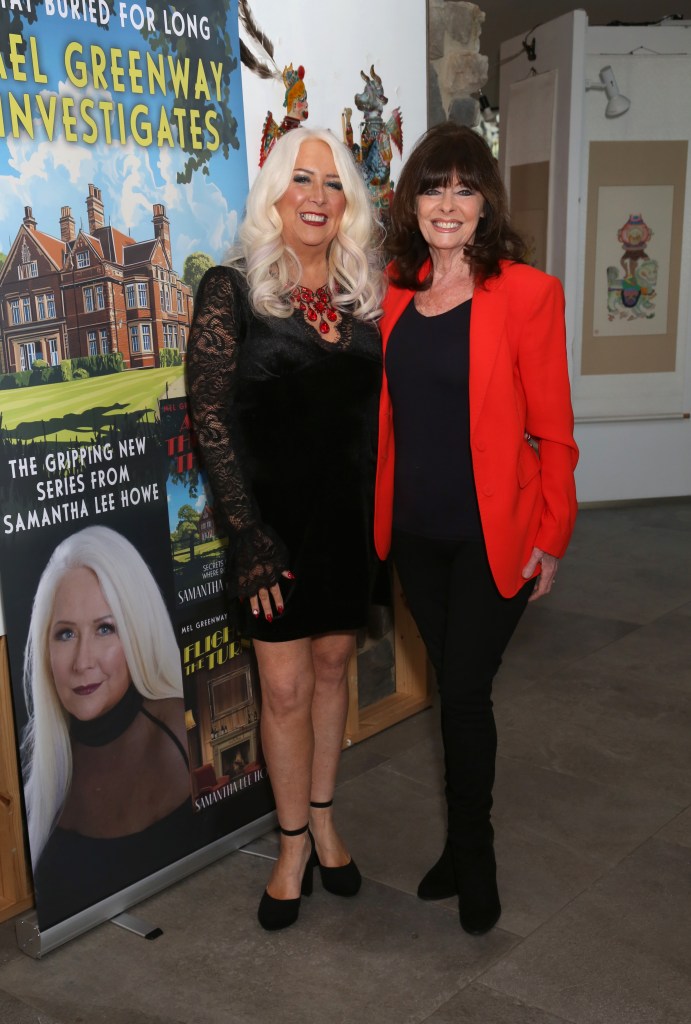
Among the distinguished guests were fellow patrons of the charity, Steven Smith and beloved ‘Allo ‘Allo!’ star and national treasure Vicki Michelle MBE. Their presence added to the celebratory atmosphere, reflecting the close-knit and passionate support network that surrounds the charity.
For Samantha, the announcement was deeply personal. Recently diagnosed with ADHD and her daughter with autism, her connection to the charity’s work is both heartfelt and authentic. Speaking at the event, she shared:
“I have been supporting Anna’s charity for over five years now and have just finished being one of the judges for the Autism’s Hero Awards. I honestly cannot wait to do more for the charity.”
Her words resonated strongly with the audience, many of whom understand first-hand the importance of advocacy, representation and community.
Samantha then treated guests to a reading from her new novel, A Thorn in the Rose, the latest instalment in the Mel Greenway Investigates series. The book is a twisty post-World War II crime mystery layered with themes of class, secrets and second chances. With her trademark precision and emotional depth, Samantha brought her characters to life, holding the room in rapt attention as she read. The atmosphere was electric — a perfect blend of literary sophistication and intimate storytelling.
Award winning writer Samatha Lee Howe in conversation with national treasure Vicki Michelle MBE . Picture Andy Barnes .
But the evening did not end there.
Following the reading, Samantha took to centre stage once more for an engaging “in conversation” segment with Vicki Michelle MBE, who herself was announced earlier this year as a Patron of Anna Kennedy Online. The two shared a natural chemistry as Vicki interviewed Samantha about her journey as an author and her life. This was followed by a Q&A session open to the audience.
Dr Anna Kennedy OBE spoke warmly about Samantha’s appointment as Patron:
“Samantha takes everything she does seriously and gives her all. She will fit in perfectly with the Anna Kennedy Online small but fierce family. We are lucky to have her.”
The phrase “small but fierce” perfectly captures the essence of the charity — a dedicated organisation that continues to make a powerful impact through awards ceremonies, community events and tireless advocacy for autistic individuals and their families.
The Firepit Gallery provided a fitting backdrop for such an occasion. Known for its vibrant atmosphere and creative energy, it has become a hub for inclusive cultural events in London. On this particular evening, it felt less like a gallery and more like a community united by storytelling, compassion and purpose.
picture Andy Barnes .
As guests left the gallery clutching signed copies of A Thorn in the Rose, it was clear that this was more than just a book launch.
With Samantha Lee Howe now officially joining as a Patron, Anna Kennedy Online strengthens its growing network of passionate advocates committed to championing autistic voices and celebrating neurodivergent achievement.
Among the many remarkable talents emerging from Britain’s vibrant and ever-evolving music scene, there are rare artists who make you stop, listen, and instantly want to know more. Those moments are special. They are the moments when you sense that something extraordinary is unfolding.
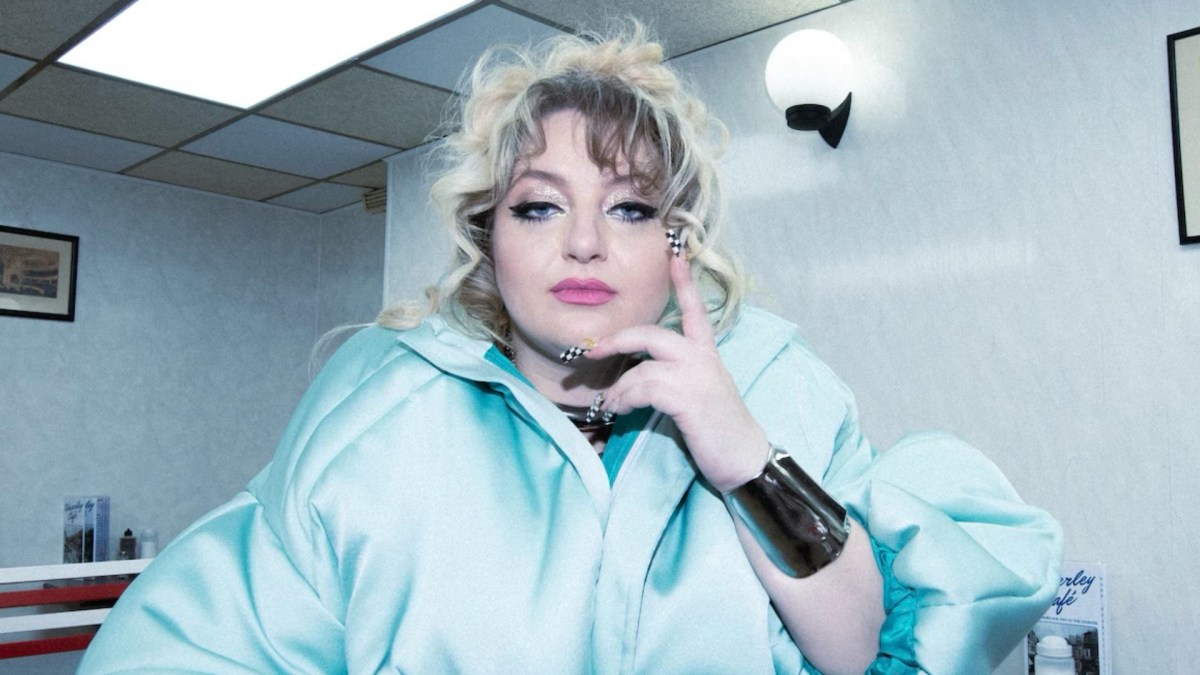
Recently, I had one of those momentswith MEEK, the Brixton-born singer who is quietly, and confidently, carving out her own space in pop music. One listen to her debut single, Fabulous, and I found myself putting down my latte and leaning in closer, eager to discover the voice behind the sound.
Fabulous, taken from her debut EP, is more than just an introduction—it is a statement of intent. From the very first notes, MEEK announces herself as an artist who understands exactly who she is and what she wants to express. Her voice is clear, confident, and emotionally resonant, drawing listeners in with effortless charm. There is a richness to her tone that feels both contemporary and timeless, blending modern pop sensibilities with classic showmanship.
Beyond her vocal talent, MEEK possesses something far rarer: presence. She commands attention without trying too hard. There is humour in her delivery, intelligence in her lyrics, and a distinctive style that makes her impossible to ignore. Watching her perform, you don’t simply hear a song—you experience a personality. Every gesture, expression, and note feels intentional, crafted to connect with her audience.
It would be easy to label her “the British Lady Gaga,” and while there are certainly echoes of boldness, theatricality, and fearless self-expression, such a comparison is ultimately limiting. MEEK is not following in anyone’s footsteps. She has developed her own musical identity—one that blends pop, performance, and personality into something refreshingly original. Her songs feel deeply personal yet universally relatable, celebrating individuality while inviting everyone along for the journey.
What also stands out is her natural ability to create joy. Her music is uplifting without being shallow, playful without losing depth. Fabulous is not just an anthem of confidence; it is a reminder that embracing who you are can be both powerful and fun. In an industry often driven by trends and formulas, MEEK’s authenticity feels like a breath of fresh air.
Crucially, she embodies the qualities of a modern pop icon: inclusivity, self-belief, creativity, and courage. She speaks to a generation that values honesty and representation, and she does so with glamour, wit, and heart. It is no surprise that many already see her as a potential LGBTQ+ icon in the making.
With her talent, charisma, and clear artistic vision, MEEK is not just another promising newcomer—she is an artist with global potential. If Fabulous is any indication of what lies ahead, this is only the beginning of a remarkable journey. The world should pay attention. A star is rising, and her name is MEEK.
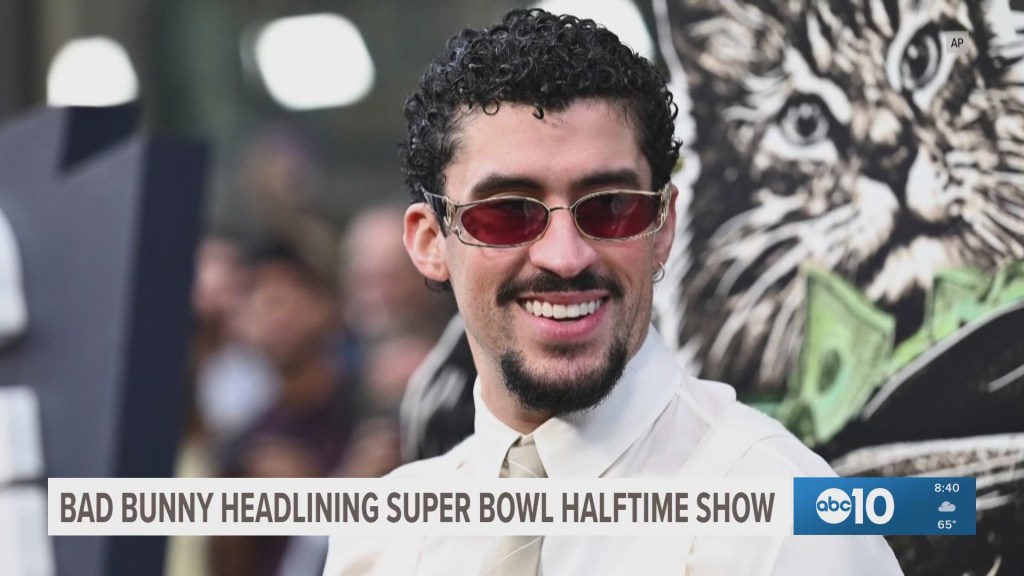
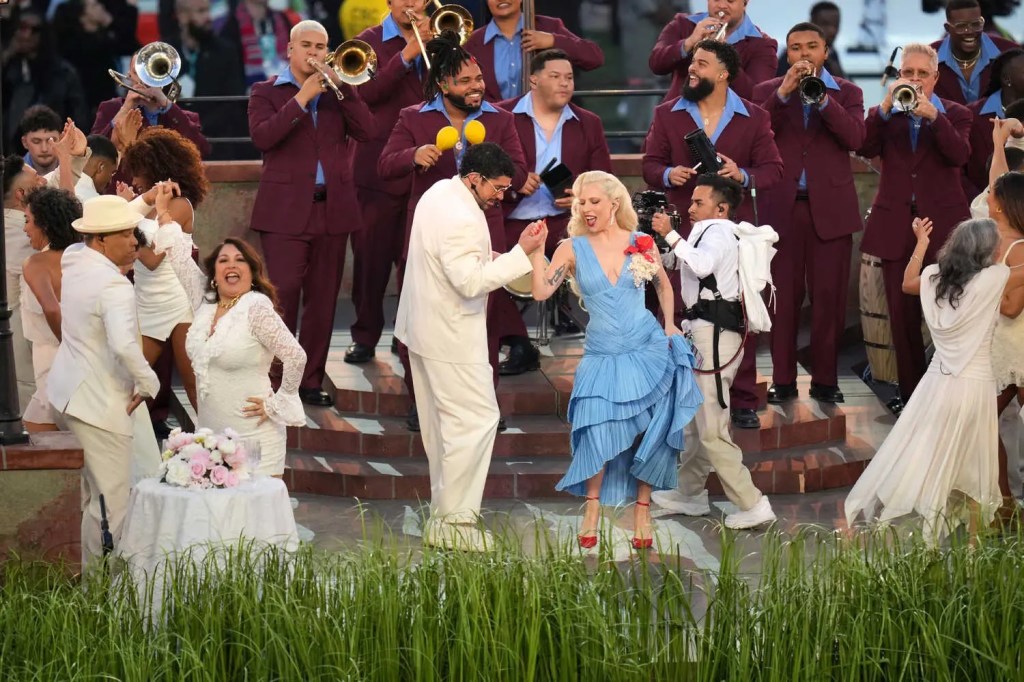
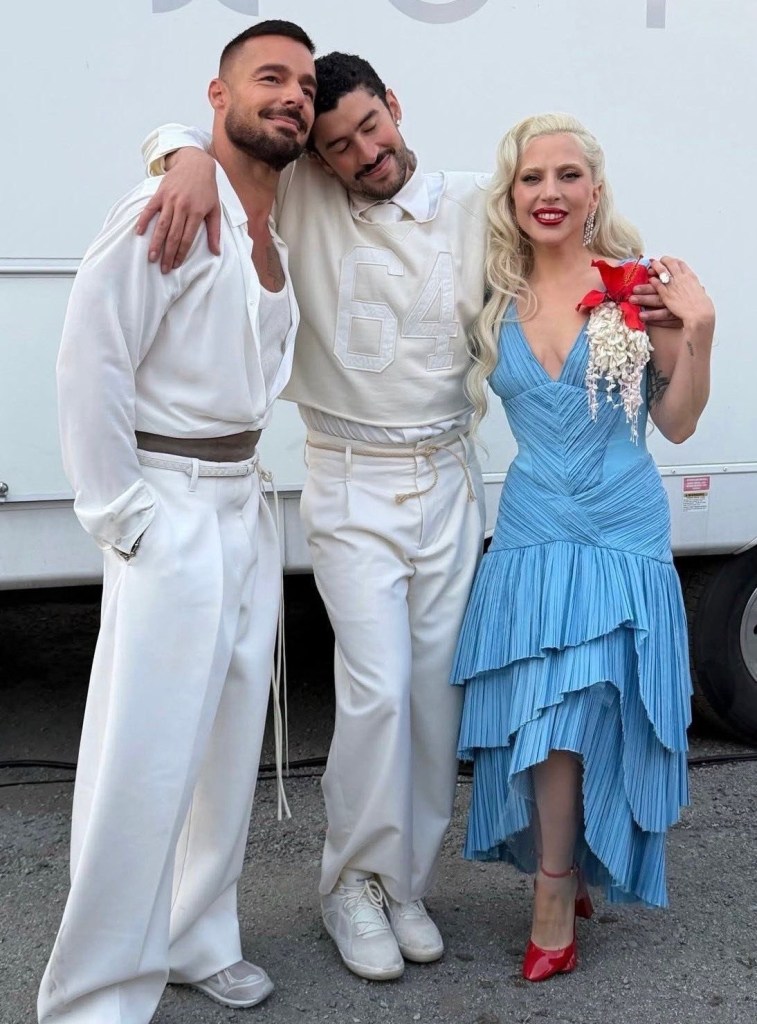
An amazing Super Bowl half time show with Bad Bunny and lady Ga Ga
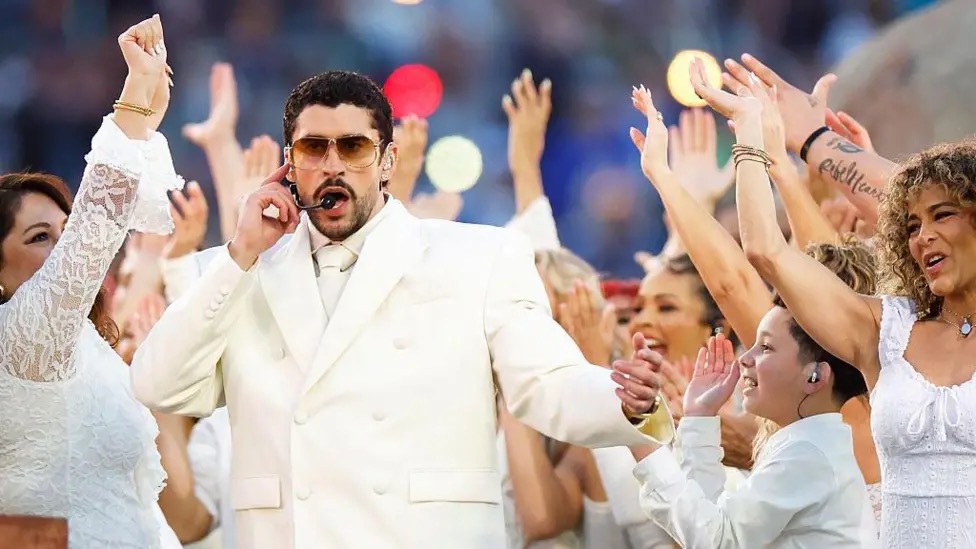
For just over thirteen unforgettable minutes, Bad Bunny showed the world what America can be at its very best.
In an era too often dominated by division, fear and noise, the Puerto Rico–born megastar delivered something rare and precious: a performance rooted in empathy, diversity, unity and love. It was a reminder that kindness still matters. That culture still connects us. And that music, when created with honesty and heart, has the power to heal.
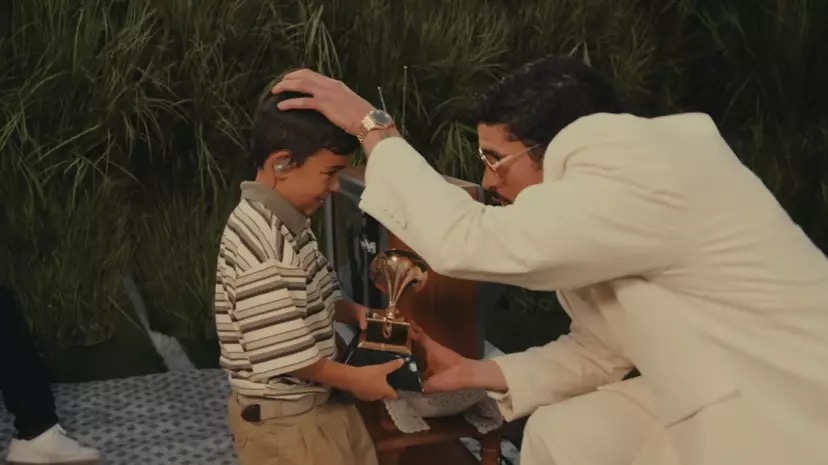
Watching his Super Bowl performance, I felt goosebumps ripple through me. It was one of those rare moments that catches you off guard — when entertainment quietly becomes something deeper. Tears welled in my eyes, not just because of the spectacle, but because of what it represented. When Bad Bunny, born Benito Antonio Martínez Ocasio, later handed his Grammy trophy to a young boy, it symbolised everything he stands for: generosity, humility, hope, and the belief that success means very little if you do not lift others with you.
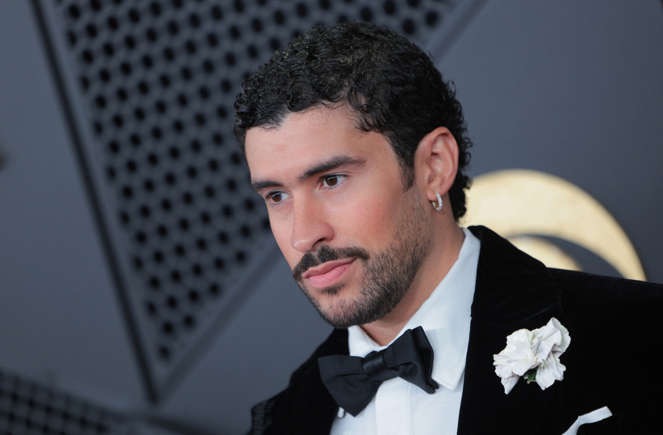
Only a week before that performance, he had achieved another historic milestone, winning multiple Grammys and securing Album of the Year for a Spanish-language record — the first time in the ceremony’s history. It was far more than a personal triumph. It was a cultural moment. It declared, loudly and clearly, that Spanish-speaking artists, stories and voices belong at the very centre of global culture.
A Voice for Millions
Bad Bunny represents more than music. He represents identity.
Over 50 million Americans speak Spanish, and many millions more around the world share that language. For decades, their stories were often pushed to the margins. Today, through artists like Bad Bunny, those voices are finally being heard — not as niche or alternative, but as mainstream, powerful and essential.
What makes his music so extraordinary is that you do not even need to understand every word to feel its impact. I have sat in operas sung in German and Italian and been deeply moved without speaking either language. Music, at its best, transcends translation. It lives in rhythm, tone, emotion and feeling.
Bad Bunny’s songs do exactly that. They make you want to dance. They make you want to smile. They make you want to belong. They invite everyone into the room — regardless of age, background or nationality — and say, “You are welcome here.”
That sense of inclusion is no accident. It is the foundation of his work.
More Than a Performer
What truly sets Bad Bunny apart is not just his talent, but his courage.
He has consistently challenged stereotypes around masculinity, fashion and identity. He wears nail polish. He experiments with clothing. He speaks openly about mental health. He advocates for LGBTQ+ rights. He stands up for his community when injustice strikes. And he does so without preaching, without arrogance and without apology.
In doing so, he has become a role model for millions who may never have seen themselves reflected in mainstream culture before. Young men who felt pressured to hide their softness. Young people who felt different. Young artists who wondered if there was space for their voice.
Bad Bunny proves that there is.
And that authenticity is not weakness — it is strength.
A Night of Healing
His Super Bowl performance was not just entertainment. It was a tonic for the soul.
At a time when many Americans — and people across the world — are grappling with uncertainty, financial pressure, social division and emotional fatigue, the show offered something desperately needed: joy.
It reminded us what it feels like to be united by a shared moment. To laugh, cheer, sing and dance together. To forget our worries, even briefly, and simply exist in celebration.
That is the true power of culture. It builds bridges where politics builds walls.
truly beautiful as love came together Lady Ga Ga , Ricky Martin and Bad Bunny ,
Standing Among Legends
Bad Bunny was not alone in delivering that message.
Lady Gaga’s performance of Hold My Hand was another beacon of light — a moving tribute that honoured courage, compassion and resilience. Her voice carried both strength and vulnerability, reminding us that patriotism is not about shouting the loudest, but about caring the deepest.
I was lucky enough to see Lady Gaga when she was just starting out, performing at Wilton Manors’ Bill’s Filling Station. Even then, she had that unmistakable spark — that sense of destiny. Watching her now, on one of the biggest stages in the world, is proof that talent paired with integrity can take you anywhere.
Meanwhile, Ricky Martin joined Bad Bunny for a beautiful rendition of Lo Que Le Pasó a Hawaii. It was emotional, elegant and deeply symbolic — a meeting of generations, cultures and histories. Two Puerto Rican artists, united on a global stage, honouring their roots while embracing the future.
It was breathtaking.
A New Definition of Success
For years, success in the music industry was defined narrowly: English-language hits, a traditional image, predictable branding. Bad Bunny has shattered that formula.
He sings in Spanish. He blends reggaeton, trap, pop and Latin rhythms. He refuses to be boxed in. He puts his community first. And he remains grounded, despite global fame.
That is why people love him.
Not because he is perfect, but because he is real.
He celebrates his culture without excluding others. He embraces fame without losing humility. He challenges norms without seeking attention. And he gives back without seeking praise.
In a world obsessed with image, he offers substance.
Love Over Hate
Perhaps the most powerful message of all was the simplest: love wins over hate.
At a time when headlines are filled with anger and conflict, Bad Bunny’s presence said something different. It said that diversity is strength. That kindness is power. That unity is possible.
His performance was not political in the traditional sense. It was something better. It was human.
It reminded us that beneath labels and borders, we are all moved by rhythm, melody, emotion and story. We all want to feel seen. We all want to belong. We all want to hope.
And for thirteen extraordinary minutes, Bad Bunny gave us exactly that.
A Moment We Needed
Looking back, it truly was one of the finest Super Bowl halftime shows in history — not just for its production, but for its heart.
It was a celebration of heritage. A statement of inclusion. A masterclass in artistry. And a powerful reminder of why music matters.
Bad Bunny did not just perform.
He connected. He inspired. He healed.
And in doing so, he showed the world that greatness is not measured by charts or trophies alone, but by the lives you touch along the way.
In uncertain times, he gave us certainty. In divided times, he gave us unity. In weary times, he gave us joy.
And that is why the world has fallen in love with Bad Bunny.
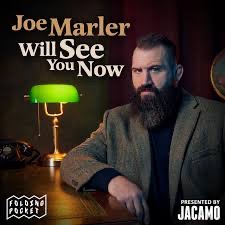
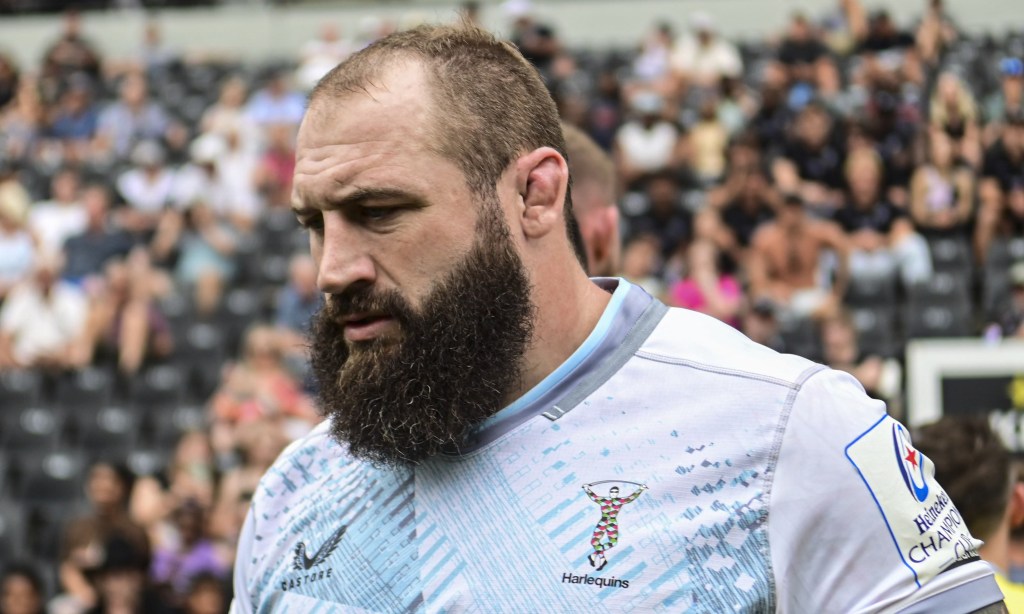
In the ever-evolving landscape of British entertainment, certain personalities burst onto the scene with such warmth and authenticity that audiences instantly connect with them. One such figure is Joe Marler, whose transition from sporting hero to television favourite has been nothing short of remarkable. From rugby pitches to reality TV, and now into the world of podcasting, Marler has carved out a unique space — and his talk show, Will See You Now, is fast becoming one of the most talked-about formats in modern media.
For many viewers, Joe truly captured hearts during his appearance on The Traitors. By the end of the series, it was almost impossible not to develop something akin to a “man crush” on him. He emerged as everyone’s favourite dad, big brother, and loyal mate rolled into one — approachable, funny, and refreshingly honest.
What made Joe stand out was not just his gameplay, but his no-nonsense approach to life. He didn’t pretend to be someone he wasn’t. His humour was natural, his reactions genuine, and his emotional intelligence quietly impressive. In a show built on deception and suspicion, Joe’s openness felt like a breath of fresh air.
When the dramatic finale arrived and Joe was eliminated just short of victory, many viewers felt he had been unfairly “robbed.” Social media lit up with disappointment, with fans lamenting the loss of one of the show’s most likeable contestants. Yet, in typical Joe fashion, he handled defeat with grace and good humour — proving once again why audiences admired him so deeply.
Thankfully, The Traitors was far from the end of Joe’s television journey. Instead, it marked the beginning of something even more personal: his own talk show and podcast, Joe Marler Will See You Now.
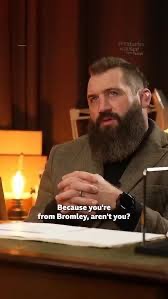
Available on YouTube and podcast platforms, the show takes an unconventional and delightfully playful approach to interviews. Set up as a kind of “clinic,” Joe positions himself — tongue firmly in cheek — as an unqualified therapist, ready to examine the minds, stories, and quirks of his guests. the “Clinic”: Joe is joined by his faithful assistant, Jake, as they host sessions featuring awkward small talk and probing questions.With Janet coordinating who we never see.
But make no mistake: behind the humour lies genuine insight. Joe has an uncanny ability to make people feel relaxed, safe, and willing to open up. He doesn’t interrogate; he converses. He listens. He reacts. And in doing so, he creates moments of real connection that traditional interview formats often fail to capture.
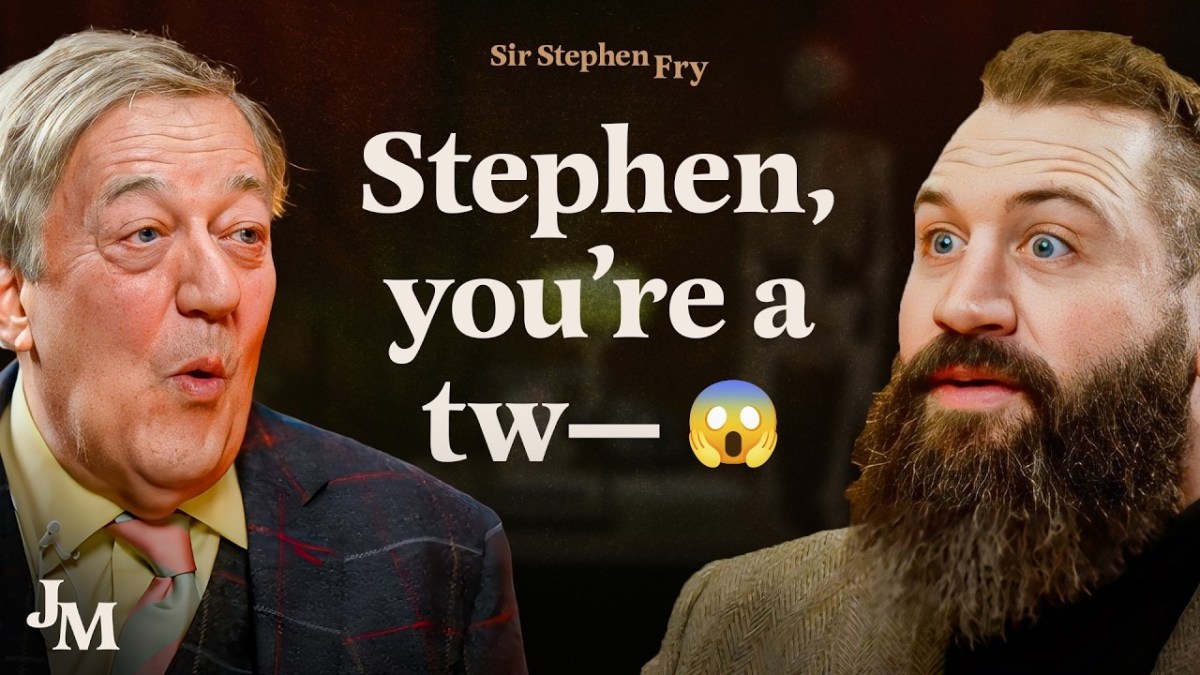
One of the most celebrated episodes to date features Stephen Fry, a guest whose presence alone elevates any conversation. In this standout instalment, viewers are treated to a rare blend of wit, wisdom, and vulnerability. Hillarous moment when he pretends to be Joe and message the Traitors whatsapp group as him asking if he should open and “Only fans page “
Johnathan Ross replys sure and do forget to include a free microscope for members. Others were more encouraging
The episode sees Fry reflecting on creativity, mental health, fame, and identity, while Joe responds not as a distant host but as an engaged, curious human being. Their chemistry is effortless — at times deeply moving, at others laugh-out-loud funny. It is a masterclass in how thoughtful conversation can still thrive in the digital age.
For many fans, the Stephen Fry episode confirmed that Will See You Now is more than just a celebrity chat show. It is a space for meaningful dialogue — where humour and heart sit side by side.
Other episodes have featured comedians, athletes, entertainers, and public figures, each bringing their own stories and struggles to the table. Whether discussing career highs, personal setbacks, or unexpected life lessons, Joe guides every conversation with empathy and authenticity.
What makes the show truly compelling is Joe himself. He never hides behind a polished persona. He is honest about his own doubts, his mistakes, and his journey. That openness invites guests — and viewers — to be open too.
In an age where many celebrity interviews feel rehearsed and formulaic, Will See You Now feels refreshingly real. It’s unpredictable, warm, occasionally chaotic, and always engaging. You never quite know where the conversation will go — and that’s exactly the point.
Joe Marler’s evolution from rugby star to beloved broadcaster has been organic and heartfelt. He hasn’t chased fame; he’s simply followed curiosity and stayed true to himself. And audiences have followed willingly.
With standout episodes like the one featuring Stephen Fry, and a growing list of fascinating guests, Joe Marler Will See You Now is quickly establishing itself as a must-watch series. It’s the talk show everyone wants to be on — and increasingly, one everyone wants to watch.
In a world hungry for authenticity, Joe Marler is delivering it, one conversation at a time. Lets have it a main stream show as it is funny orginal and what we need right now .
It’s All Hanky Panky as the London Fetish Film Festival Returns
It is all hanky-panky as the London Fetish Film Festival returns for its seventh year, once again lifting the curtain on a world that many people are curious about, some quietly participate in, and others still regard as taboo. Fetish, after all, has always occupied that fascinating space between the private and the performative, the misunderstood and the mythologised.
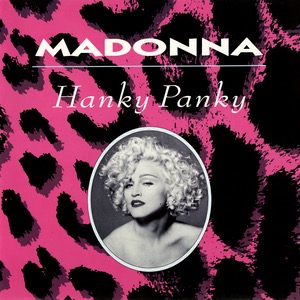
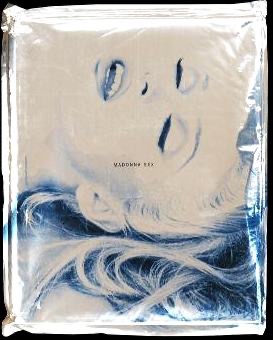
Long before hashtags and streaming platforms, Madonna helped drag fetish culture into the mainstream. In the 1990s she didn’t just flirt with provocation; she weaponised it. Her song Hanky Panky cheekily suggested there was nothing quite like a good spanking, while her 1992 book Sex boldly invited readers to explore fantasies ranging from bondage and domination to submission and exhibitionism. What had once been whispered about behind closed doors was suddenly glossy, photographed, and unapologetically public. Madonna didn’t just shock — she reframed desire as something to be examined rather than hidden, daring readers to “make love in Paris” or “let her be your mistress”.
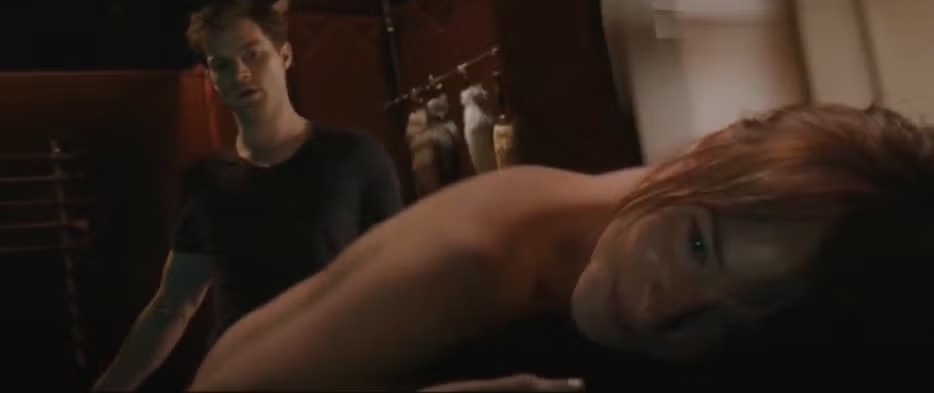
Then came Fifty Shades of Grey, which flew off bookshop shelves and dominated bestseller lists. Its story of a young woman entering a sexually dominant relationship with a billionaire reignited debates about power, consent, and feminism. Critics argued it set women’s liberation back decades, yet the reality was more nuanced. I couldn’t help noticing how many women were reading it openly — on trains, on planes, in cafés — suggesting that whatever the book’s flaws, it tapped into something real and widespread.
50 shades spanking .
It’s often said that one in three of us has a submissive side. But I’ve always wondered: if the dominant figure in Fifty Shades lived in a council flat rather than a penthouse, would the story have been as romanticised? Or would he have been slapped, arrested, or both? Wealth and aesthetics, it seems, can dramatically change how power dynamics are perceived.
Of course, fetish itself is nothing new. Evidence of flagellation, bondage, and erotic imagery can be traced back to cave drawings, ancient Egypt, and the Roman Empire, who were particularly enthusiastic when it came to indulgence. Some argue certain fetishes may stem from childhood trauma, but that’s a conversation for another article entirely.
Like many people coming of age in the 1990s, I wore the leather trousers and biker jacket, blissfully unaware that I was echoing a long-standing visual language of rebellion and desire well thats what I tell people . Clubs embraced biker and fetish aesthetics, encouraging people to explore what was often described as their “forbidden side”. London saw nights like Torture Garden spring up at venues such as the Hoist, while across the Atlantic the New York gay scene was already miles ahead. The Eagle, with its hyper-masculine leather culture in the 70s and 80s, set a template that still influences fetish spaces today.
I once thought of myself as very liberal and worldly — until Florida taught me otherwise. In a celebrity-frequented club with a strong fetish theme, people dressed as if they’d stepped straight out of Madonna’s Sex era or a George Michael video, playing with master-and-slave imagery. Much of it felt like cosplay: people loved the look but many would run a mile if a leather daddy’s belt actually landed near them. They admired the surface without really understanding the psychology beneath it.
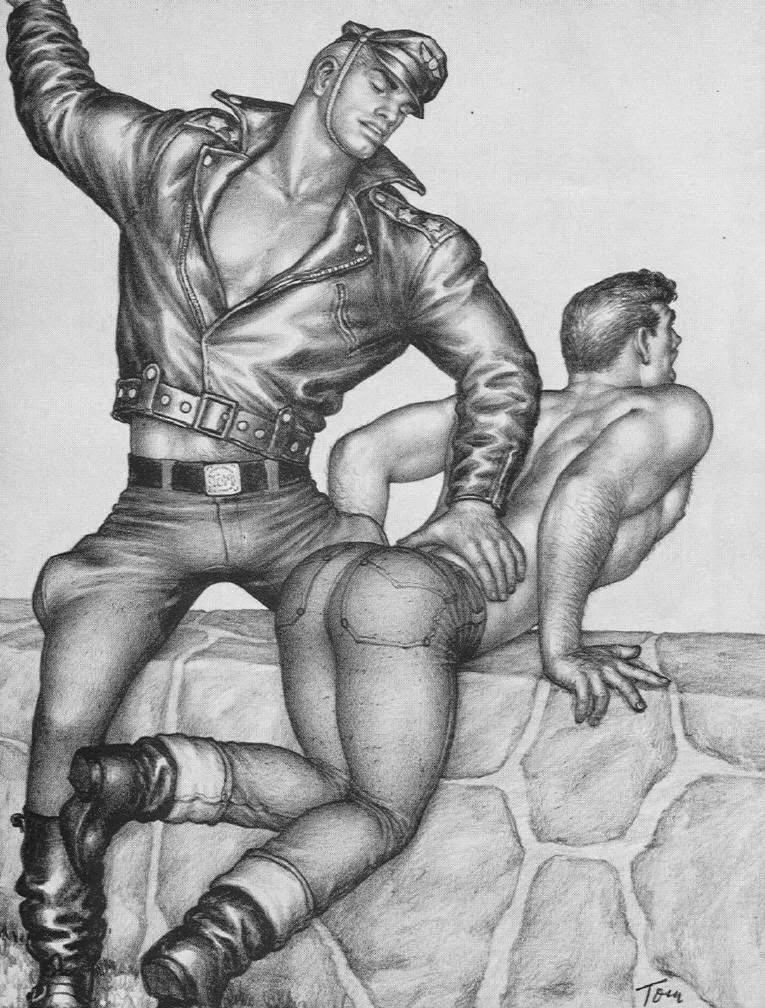
Tom Of Finland fantasy .
Over the years, many dominatrices have told me the same thing: a large number of their clients are men who hold immense power in everyday life — heads of companies, senior military figures, decision-makers used to absolute control. For an hour or two, giving that control away can be a profound relief. When discussed openly and practised safely, role-play can even strengthen relationships. Yet for a small section of society, this isn’t theatre at all — it’s identity.
One moment in particular floored me. A man at a club stared at me so intensely it became unsettling. My friend eventually asked him what he wanted. He vanished — or so we thought. Five minutes later, I felt something brush my ankles. Looking down, I discovered a man in a full black cat suit. My friend laughed and said, “It would happen to you.” I was told to at least stroke the poor thing. It was, quite literally, the last time I went for a pussy.
Just when you think you’ve seen it all.
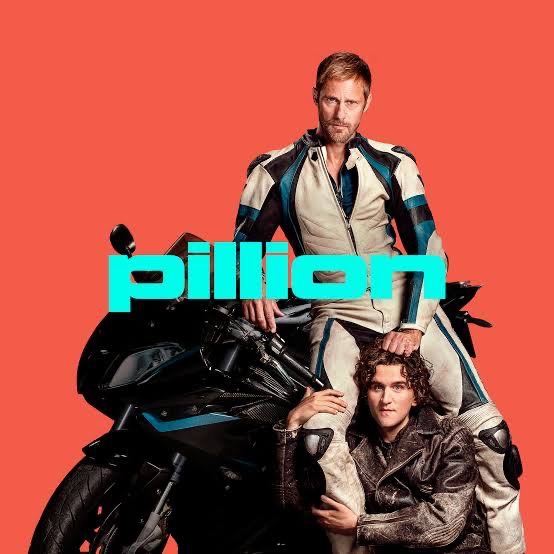
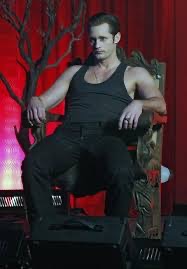
Which brings me to cinema. While the Fifty Shades films were largely dismal, I was curious about what a gay equivalent might look like. After all, who didn’t fall for Alexander Skarsgård in True Blood? As a vampire who commanded worship and dismissal in equal measure, he embodied dominance with chilling ease.
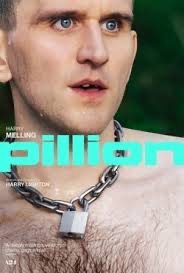
The film Pillion, despite rave reviews, sadly fails on many levels to explain the dom-sub relationship. While I admire the decision to use real fetishists, it never quite lands emotionally. Ironically, it does highlight one truth often misunderstood: the submissive is frequently the one truly in control, setting boundaries and rules. Beyond that, the sex scenes are oddly cold, and I found myself more worried about the dogs tied up and left alone than anything else.
There is a brilliant dom-sub film waiting to be made. Pillion isn’t it — not an amazing love story, not a revelatory exploration — but watching Alexander Skarsgård is reason enough to give it a look. That, of course, is just my opinion. Many people are raving about it.
The film is screening as part of the London Fetish Film Festival, and I’d urge you not to take my word alone. Dive in, make up your own mind, and perhaps discover that fetish, like all good cinema, tells us as much about ourselves as it does about what’s happening on screen.
HOWL is a sexual wellness brand revolutionising intimacy through innovative sex tech
products. They leverage the power of experiential events and a viral media channel to
dismantle shame and champion pleasure.
LFFF: Shorts Session 1
Saturday 21st February
4pm
93.47min run time
Featuring 8 short films
Tickets £12
Join us for a dripping new curation of ‘Fun Fetish’ and 2024 LFFF award winning short films!
Indulgent Delights
8mins 11secsAn electrifying front row seat as burlesque performer Leila Delicious adorns her body with
glitter.
Lee in Leatherland
6mins
The speaker, a queer man searching for the hypermasculine fantasy figures drawn by Tom
of Finland, journeys from Helsinki to London in pursuit of desire made flesh. In Vauxhall’s
clubs and darkrooms, he encounters the sweaty, neon-lit world of gay nightlife – full of
longing, bravado, and disappointment.
Darwin Fantasia
10mins 56secs
Canela immerses herself in Darwin’s studies on the plant world, focusing particularly on The
Fertilisation of Orchids. As she explores the meticulous accounts of interactions between
plants and insects, she discovers something that goes beyond mere survival: a web of
curiosity, play, and pleasure that also seems to captivate the naturalist himself.
2024 Award Winners: Best Short + Best Screenplay
A Pacific Touch
37mins 43secs
This is a story about love. Isolation, and an unusual obsession. Alexei , a young man,
becomes consumed by his passion for his new wallpaper, slowly withdrawing from the world
outside. As he drifts deeper into his fixation, Texture Pasifique explores the limits of love and
obsession, revealing the complexities of intimacy with both people and objects.
Jacked Out
7mins 53secs
What is a virtual pet in an era of mass surveillance? Jack out of the Y2KAGE in this erotic
hauntology film probing the persistent feedback loops of future’s past in our present, forces
of technological dominance, and virtual pets unleashed!
2024 Award Winners: Best Animation
Klimax
2min 47secs
Klimax explores the topic of female masturbation in order to redefine the already negatively
connoted image of the female sex and thus strives to create new aesthetic associations of
femininity. Our main protagonist, Barbie, undergoes a process of transformation.
My Perfect Dolly
17mins
A pretty pink dollification scene with two non-binary plus size femmes, followed by a
conversation.
Lupae x Hardwerk4mins 37secs
LFFF: Shorts Session 2
Saturday 21st February
6:30pm
Full run time with interval 149.24mins
Featuring 20 short films
Tickets £15
Join us for a dripping new curation of Kink Art, Fetish Horror and 2024 LFFF award winning
short films!
The Nest
7mins
It’s the first night he’s bringing someone home. They must be quiet.
2024 Award Winners: Best Edit
What if I Told You to
4mins 21secs
Official music video
2024 Award Winners: Best Comedy
Squeegee
10mins 54secs
A high-powered businesswoman meets a high-rise window-washer for an erotic rendezvous
on opposite sides of her skyscraper window.
Fetish
21mins
Oddball Clark meets the girl of his dreams, but the relationship is threatened by his foot
fetish.
2024 Award Winners: Best Production Design
The Debutante
14mins 35secs
When a young woman agrees to satisfy a peculiar request in exchange for a luxurious pair of
shoes, what begins as a simple act of submission soon spirals out of, and then into, control –
reshaping her identity and his shoe collection.
Guro
7minsIn the harsh Arctic landscape of Longyearbyen, Guro meets a mysterious client for a
straightforward transaction. However, as they travel together along the isolated, icy roads,
the client makes an unusual request that tests Guro in unexpected ways.
Virgin X – Billionaires
2mins 18secs
Official music video
20 MINS INTERVAL
Operotica: Stabat Mater
4mins 22secs
A music video for Operotica’s re-orchestration of the first movement of Pergolesi’s Stabat
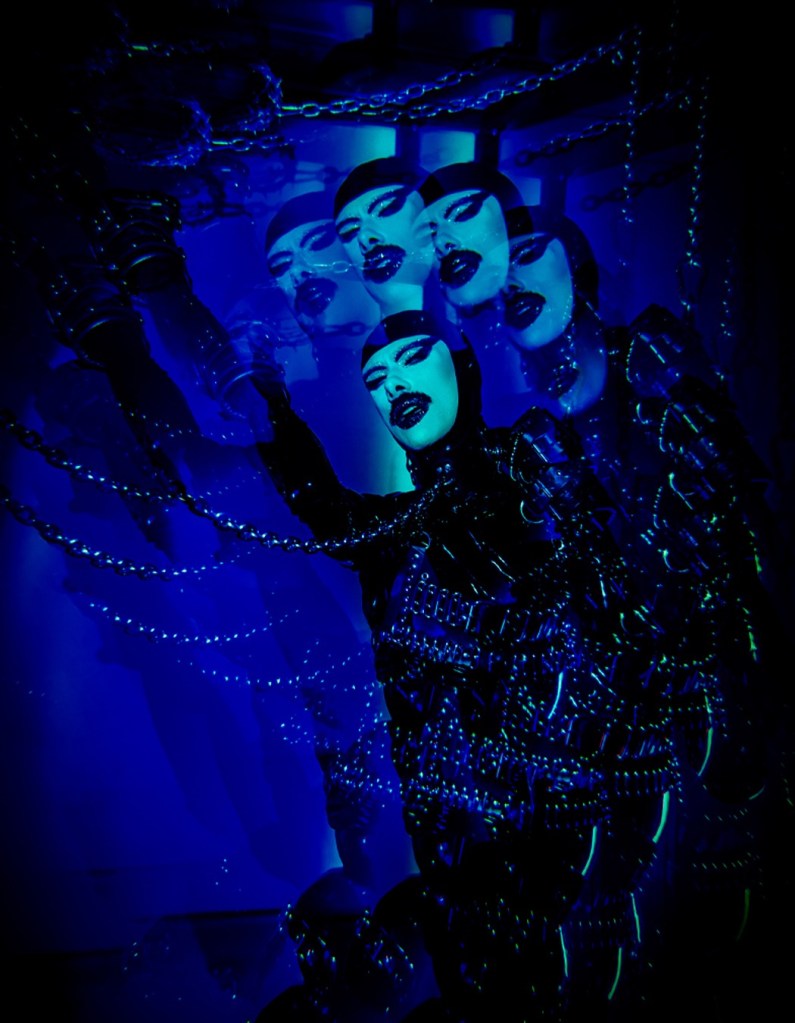
Mater, featuring Operotica as latex-clad nuns, rigged together with shibari by Dominatrix
Veronica Viper. The awkwardness of their positioning reflects the close suspensions in the
music
Virgin X – Splinters
3mins 25secs
Official music video
Bath Bomb
9mins 55secs
A possessive doctor prepares an ostensibly romantic bath for his narcissistic boyfriend, but
after an accusation of infidelity, things take a deeply disturbing turn.
2024 Award Winners: Best Sound Design
Mutations of Desire
5mins 27secs
A queer tribute to the Cronenberg film, Deadringers. Sade and Odette create a disorienting
world of latex, strange medical instruments, and hallucination.
Woman ASMR
4mins 25secs
A woman and her microphone provide an erotic autonomous sensory meridian response.
Virgin X – Shame
3mins 48secs
Official music video
2024 Award Winners: Yes it’s F*cking Political
Dori Dori
3mins 39secs
In a world that tries to suppress who you are, Sara ATH shows
us that the soul can’t be caged and takes a stand against the shame and silencing of her
fellow queers. Rapping in Arabic, it’s her turn on the mic to sing out loud who she is and howproud she is – a rebellious act that may bar her from ever returning to her home country.
Symbolising the internal battles of accepting your sexuality and grappling with self-identity,
the music video explores the liberation and eventual acceptance of queer existence and how
‘orgasmic’ this enlightenment feels.
Vanessa
5mins
Making love to an inanimate body; the mannequin Vanessa.
2024 Award Winners: Best Costume + Best Music Video
Virgin X – Fuck Myself
3mins 23secs
Official music video
Hyperion
1min 44secs
Hyperion is a high order penitentiary complex. Walls rewrite identity, silence reshapes desire,
and every exit demands transformation. No one leaves Hyperion, at least not without
fundamentally changing themselves.
Blood – Humanification
1min
An intriguing creature seems to have fallen from the sky, confused and unmoored. It will
witness how its passage through Earth shapes its body and its identity, and how, slowly, we
all end in the same cage when we betray ourselves. Even the most rare and bizarre can be
shaped to humanity. No one escapes.
2024 Award Winners: Best Kink Moment (Human Chopping Board)
Thing
10mins 50secs
The everyday life of a mistress and her furniture slave. When he suddenly disappears, they
find themselves in an identity crisis.
Moan
8mins 38secs
Framed against a blood red haze of stark crimson backdrops, the conclusive short film
MOAN presents a visually penetrating feast. The ultimate climactic crescendo sees
unsuspecting strangers thrust into the throws of breath-slick tension, curdling curiosity
ultimately ending in a hypnotic descent of all-consuming indulgent, auditory stimulation.
Throbbing suspense, washed out groans and the illicit breathy moans staining the lips of
those who dare pick up the phone. The voice, wet, sticky and intoxicatingly close.LFFF: Documentaries
Sunday 22nd February
2:30pm
83.33mins runtime
Tickets £10
Sex in Colour: Kinky and Loving It
48mins 33secs
KINKY AND LOVING IT is an empowering documentary highlighting the transformative
potential of reclamation. Celebrating how Black folks reclaim agency over their desires,
bodies, and identities, KINKY AND LOVING IT is a liberating journey into the transformative
power of radical acceptance, reclamation, and love within Black kink.
Mr. Bound & Gagged
35mins
“Bob Wingate and Lee Clauss, former publishers of the legendary Bound & Gagged
magazine, open the archive and the floodgates in this richly layered excavation of queer
kink, media history, and erotic resistance. Set against the backdrop of the Leather Archives
& Museum in Chicago, this candid portrait splices salacious nostalgia with radical politics,
tracing decades of defiant desire, artistic transgression, and unapologetic love. A necessary
tribute to two aging icons of the underground.
” (CUFF32)
LFFF: Inside Fetish
Sunday 22nd February
4:30pm
92.43mins runtime
Tickets £12
On The Erotics Of Stuffing Large Objects Into Small Spaces
15mins
Aexperimental film about the submissive desire for restrictive bondage. The subject – a single figure
locked in a dog crate, hooded and caged – shares his internal monologue: “This cage will never be
comfortable, though I find it deeply comforting.
Ripples: Libra
5mins 36secs
A Shibari short from Director Guillaume Pin
Oasis6mins 34secs
Shot with super8 camera in the desert of Joshua Tree , this film is about a Gay Asian Cowboy
reconnecting with a version of his younger self via ropes.
Breakfast Time
17mins 58secs
A raw, intimate documentary about a queer pup eating breakfast from his dog bowl. As he eats, a
candid voiceover unfolds – reflections on the nature of desire and disgust, failed relationships,
encounters with gay-bashing, and the feeling of isolation that comes along with stigmatized desire.
Sanguine
4mins 54secs
A love letter to blood accompanied by seraphic, breathy music. Beau Flex (they/them) meditates on
the strength of flesh in this ritualistic solo scene. Engaging in self piercing play, Beau focuses on
coaxing blood out of their thigh, producing round ruby droplets. As they smear the blood upon their
skin, they smile at the release in their art.
Babyblue
4mins 27scs
An exploration of tenderness and catharsis through needle play. Shot on Finn’s last day in New York
City, this performance symbolises goodbyes and a rite of passage to mark their way back home.
σάρξ [Sarx]
1min 59secs
A masochist mortification of the flesh. A perversion of prayer.
A.S.F.R. (alt.sex.fetish.robots.)
5mins
Vudhi K., a Thai ASFR practitioner, recounts the process of transformation and the moment his fetish
first took hold. A memory, a primal scene, a mercurial awakening. The drag of a brush against skin
blurs the boundary between subject and object, drone and human. Featuring performers Damian
Dragon and Botan Peony.
2024 Award Winners: Best Director
The Pleasure in Pain
18mins 28secs
An arthouse short documentary following key figures of the London kink scene on an exploration into
BDSM and the notorious fetish event Klub Verboten. The film touches upon themes of psychology,
trauma, LGBTQ+ rights and black representation.
2024 Award Winners: Best Documentary
Lasting Marks
14mins 47secs
The story of a group of men with shared sexual desires, lucky to have found each other yet
unfortunate to be considered criminal for expressing them.LFFF: A Body to Live In + Short Films
Sunday 22nd February
6:30pm
122.57mins runtime
Tickets £15
2024 Award Winners: Best Performer + Best Cinematography + Festival Director’s
Choice
Subspace
20mins 18secs
This love-story being dom and sub is a BDSM film that explores the intimacy and trust
between partners.
Starring Commander Ares and Roughkicks
Dir. Matt Lambert
2024 Award Winners: Best Art Direction
The Architect
4mins 39secs
Odette Engle performing a process of inverted architectural mapping on the suspended body
of Cute But Deadly.
A Body to Live In
1hr 38mins
A BODY TO LIVE IN is a feature film that traces the life and work of legendary photographer,
performer, and “Gender Flex” cultural icon, Fakir Musafar (1930-2018). Through
investigating the body modification movement and the trajectory of Fakir’s art career and
philosophy, A BODY TO LIVE IN uncovers a riveting facet of queer history. Using Fakir’s
early experiments in body play and his photographic works from the 1940s and 50s as a
springboard, the film traces the body modification movement as it emerged in LGBT
subculture in the early 1970s. The film introduces us to early collaborative experimentation
at gay underground BDSM parties, leading to the first piercing shop, moving through the
radical faerie movement and the role of body modification during the AIDS epidemic, the
emergence of body-based performance art, and the rise of an entire subculture. Insights
from key figures including Annie Sprinkle, Ron Athey, Idexa Stern, Cléo Dubois, Jim Ward,
Midori, and others provoke deeper reflections about art making, surviving AIDS, and the
controversial collaging of various spiritual and cultural practices to build a philosophy.
Captured in static 16mm film portraits, A BODY TO LIVE IN unfolds conversationally
between Fakir’s archive of 100+ hours of unseen footage, and the voices of the canonical
elders of this movement, to create intergenerational dialog, question cultural responsibility,
and provoke larger ideas about the drive to transcend the limits of the body.Please do mention our 2026 sponsors and collaborators:
Finding the perfect birthday experience for someone special is no small task—especially when expectations are high and the guest of honour is flying in from Lisbon with friends in tow. A month before the big day, my phone rang.
“Steven,” my best friend said, “I really want to do something fun for Hernando’s birthday. Something exciting. A show. There’ll be ten of us. What do you suggest?”
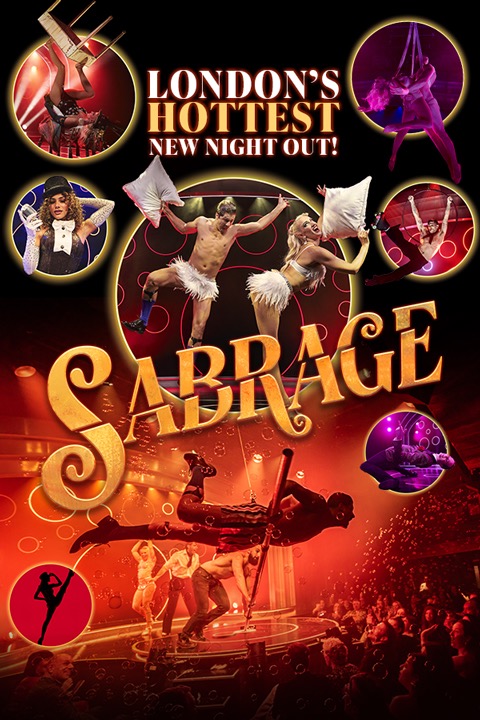
I’d been hearing whispers—more like delighted murmurs—circulating through my social circle about a production with just the right amount of cheeky X-factor. A show called SABRAGE. The reviews were glowing, bordering on evangelical, and once I looked further, the decision was made.
Described as an intoxicating collision of circus artistry, vintage glamour, high-octane acrobatics, and mischievous humour, SABRAGE promised far more than a conventional night out. It billed itself not merely as a show, but as an experience. And it
delivers—spectacularly.
On Saturday evening, we headed to King’s Cross, an area that has undergone one of London’s most impressive transformations over the past decade. Once gritty and utilitarian, it’s now a cultural and social hub buzzing with confidence. Lafayette, located just four minutes’ walk from the station, sits discreetly behind the main thoroughfare—an architectural gem that immediately sets the tone.
From the moment you arrive, the welcome is warm and efficient. Even security manages to be charming—no small feat. Before entering the theatre space, there are a few house rules. Chief among them: no photographs of nudity. This might raise an eyebrow or two, but rest assured—nothing here is gratuitous. Everything is artfully staged, elegant, playful, and firmly in good taste. If you’re easily offended, this may not be your night—but if you appreciate sensuality delivered with wit and intelligence, you’re in safe hands.
One of SABRAGE’s most impressive feats—aside from the performers themselves—is the seamless audience experience. Drinks and food can be ordered directly from your seat via a simple scan, and every member of staff we encountered was genuinely helpful, friendly, and clearly proud of the production.
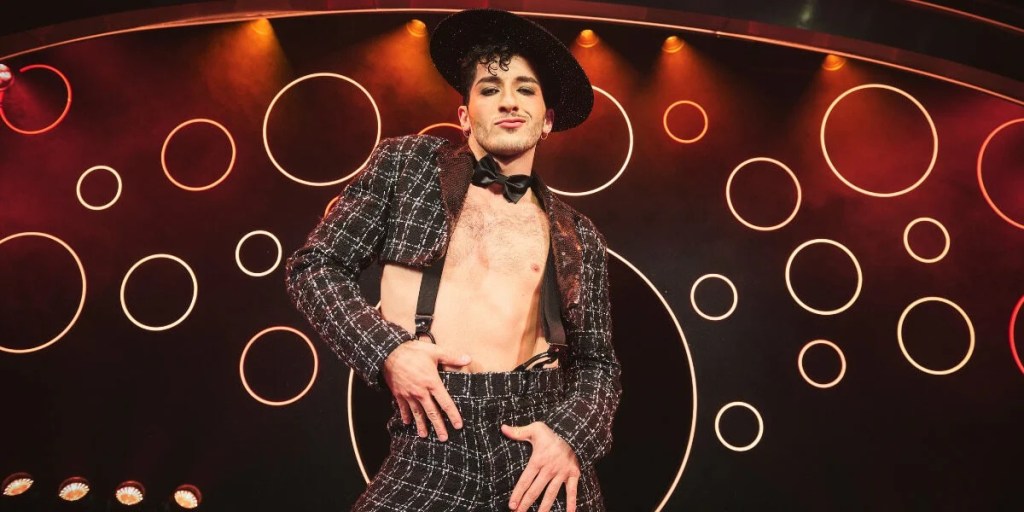
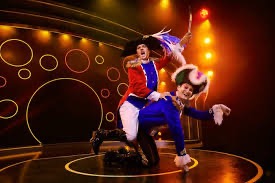
The show opens with a theatrical pop—a sword cleanly slicing the cork from a champagne bottle—setting the mood instantly. Our hosts glide onstage, equal parts ringmaster and rogue, and from that moment, the audience is completely seduced.
Then comes the talent.
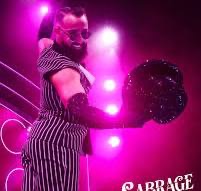
Almost immediately, the room developed a collective crush on Flynn Miller, whose high-flying aerial act is nothing short of breathtaking. There is a rare beauty in watching someone so utterly in command of their body, defying gravity with elegance, strength, and apparent effortlessness. His performance alone would be worth the ticket price.
But SABRAGE is far more than a one-man triumph. The cast—drawn from the very best international circus and acrobatic talent—deliver a relentless parade of jaw-dropping moments. There is danger, precision, laughter, and an undercurrent of delicious rebellion throughout. Vintage glamour collides with modern irreverence, and the result is electric.
What makes SABRAGE truly special is its balance. It knows exactly how far to push without tipping into excess. The humour is cheeky rather than crude. The sensuality is teasing, never tawdry. The spectacle is bold but controlled. Every act feels curated, every transition intentional.
By the end of the evening, our table of ten—birthday boy included—was unanimous. This wasn’t just a successful celebration; it was a night none of us will forget. SABRAGE doesn’t simply entertain—it exhilarates.
If you’re looking for something genuinely different in London, whether for a birthday, celebration, or simply because life deserves more champagne-fuelled circus brilliance, SABRAGE at Lafayette should be at the very top of your list.





 2Shades Magazine