Listen, up Mike is back . You’re thinking about growing a Moustache? Maybe for November Good call. Nothing changes your look quicker than a solid ’stache. But here’s the thing: if you want it to look sharp and not like you’ve just crawled out of a cave, you’ve got to know how to grow it right, keep it clean, and style it like a pro. Lucky for you, I’m here to give you the lowdown . https://uk.movember.com
Step 1: Growing Your Moustache
Be patient
Rome wasn’t built in a day, and neither is a proper Moustache. Depending on your hair type, it can take three to six weeks before it really starts to take shape. Don’t rush it — let nature do its thing.
Barber’s Tip: Forget that old wives’ tale about shaving making it grow back thicker. Doesn’t work. What does help? Eating well, getting sleep, staying active, and keeping your skin clean. Healthy body, healthy hair.
Grow the tach first
Here’s the trick: instead of letting just the lip fuzz sit there looking lonely, grow your whole beard out. Once the mustache thickens up, then shave the beard. That way, you dodge the awkward “half-grown” look.
Invest in a trimmer
Trust me, a good trimmer is worth its weight in gold. Scissors are fine for touch-ups, but if you want precision, get yourself a rechargeable trimmer with adjustable guards. Or come see me once a week
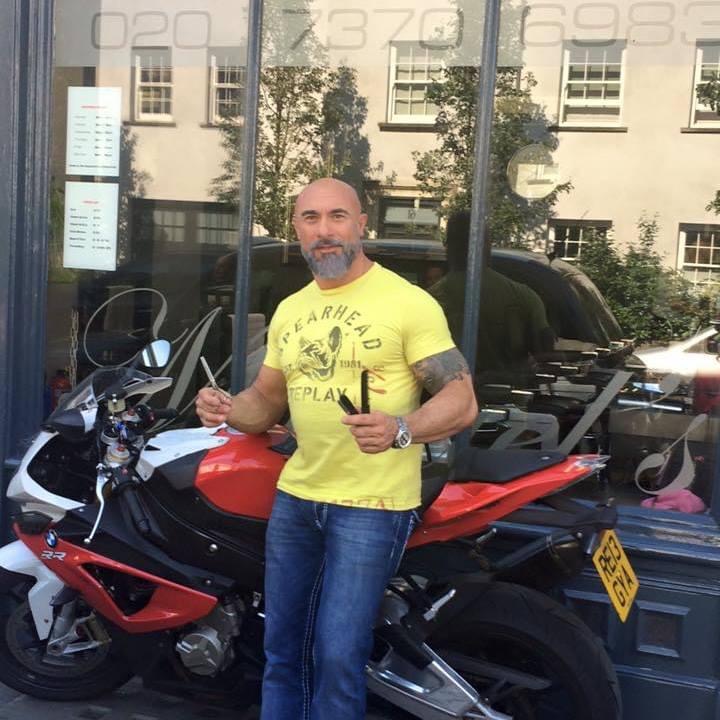
Celebrity client Nick Nevern
Define the shape
Most Moustaches run to the corners of your mouth and stop there. Keep the lip hair, shave the cheeks, chin, and jaw. Once you’ve carved out the shape, leave it alone and just keep the rest of your face tidy.
Keep it clean
Facial hair traps oil, sweat, and the crumbs from last night’s sandwich. Wash it a couple times a week with a mild shampoo and conditioner. Softer hair = less itch. If you’re fancy, a little beard oil won’t hurt. After all that tach can bring all the boys or gals to the yard but if it isn’t clean they will run right back
yes thats 70’s who’s your daddy ? looks is back and Mike here to show you how to get it and maintain ,
Step 2: Maintaining the ’Stache
Keep it neat
Even the wildest Mustache needs a little discipline. Snip stray hairs with scissors or lightly buzz the ends with your trimmer. How often depends on your style — could be daily, could be weekly.
Wash and groom
A good foaming face wash in the morning and before bed keeps your skin clear and your mustache fresh. Nobody likes a greasy upper lip.
Train it with wax
If you’re going for anything beyond “basic lip rug,” you’ll need wax. Warm a little between your fingers, rub it through, then comb it from the middle outward. Beard combs work best — small teeth, good control.
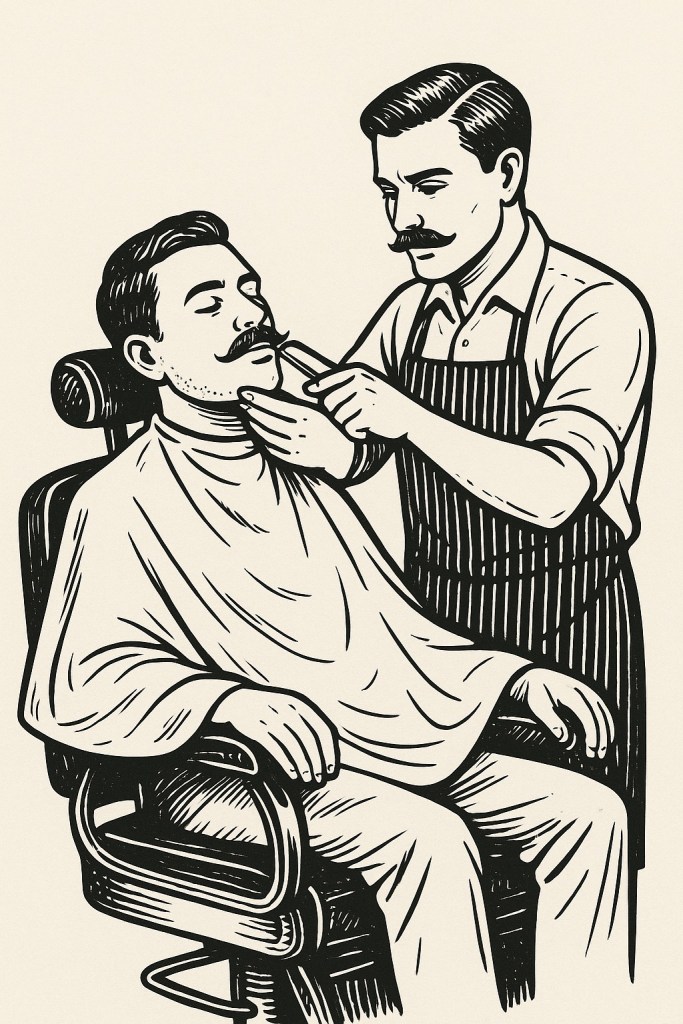
Mikes work the ultimate in 1920s tach
Step 3: Styling Ideas
Now for the fun part. What kind of moustache guy are you?
The Pencil: Thin, sharp, clean lines. Think old-school film star or John Waters.
The Boxcar: A neat rectangle above the lip, stopping before the corners. Straightforward and tidy.
The Fu Manchu: Hair extends down past the jawline. Bold move — not for the faint-hearted.
The Handlebar: Grow it long, curl the ends up with wax. Victorian gent or modern hipster, your pick.
The Walrus: Big, bushy, covers the top lip. Think Teddy Roosevelt chopping wood.
The Selleck: Full, strong, classic. You’ve seen it a thousand times — it never goes out of style.
And here’s the truth: you don’t need to stick to just one. Mix, match, experiment. Worst case? You don’t like it, you shave it off. Best case? You find your signature look.
Looks like a star .
Final Words from the Barber’s Chair
A Mustache isn’t just hair on your face — it’s a statement. Take the time to grow it right, keep it clean, and wear it with confidence. Remember: a man doesn’t just grow a Mustache. He earns getting to ask “Who’s Your Daddy? “
The word visionary gets thrown around far too easily. But Russell T Davies’s Years and Years earns the label. Six years after it first aired, it looks less like drama and more like a blueprint for the world we’re stumbling into.
Rewatch it now, and it feels psychic. Political chaos, social unrest, the rise of populism—it’s all there. And unless we wise up, the show won’t be a warning. It will be a prophecy.
Russell T Davies a psychic for sure a genius in his craft .
No, we don’t have Vivienne Rook. But we do have her male counterpart: Nigel Farage. Like Rook, he plays the grinning “man of the people,” shaking hands in Runcorn and smiling for the cameras. But behind the performance lies something darker—homophobia, intolerance, and politics built on fear.https://en.wikipedia.org/wiki/Russell_T_Davies
I do not support Reform UK, but it would be foolish to dismiss their rise. This isn’t business as usual. Their growing popularity is dangerous, particularly for LGBTQ+ communities and minority groups. A few months ago, I pointed out how clever it was to put Sarah Pochin—the friendly, mum-next-door figure—front and centre in Runcorn, a town already uneasy about immigration and crime. But that was just a mask. The real Reform heavyweights—Anne Widdecombe and others—are waiting in the wings.
Vivienne Rook played by Emma Thompson . The smiling pr face of Reform Sarah Pochin and the real deal Farage and Widecombe .
Meanwhile, protests against asylum seekers grow louder. Hotels are shutting, talk of “temporary camps” is surfacing, and once again Years and Years looks disturbingly accurate.
The truth is simple: Britain needs immigration. Since Brexit, we’ve been short of workers. And asylum seekers are not faceless statistics—they’re people fleeing torture, persecution, or death. Yes, a small minority will cause problems, but scapegoating the many for the sins of the few is cowardly politics.
And what do the hotel protests achieve? Nothing but anger. The Vile e image of men and woman wrapped in the St George’s Cross turning the English flag into a symbol of division.
A flag of our country we should be proud of . Not one used for racism .
Davies warned us about this too. Suppressing extreme voices doesn’t silence them—it pushes them underground, where they grow more dangerous. In Years and Years, those who should never have been jailed became martyrs. In real life, extremists are being elevated in exactly the same way.
Meanwhile, fear grips ordinary people. In London, as in most major towns, there are streets best avoided at night. That fear is oxygen for extremists.
We’re also hollowing out our culture. Hard-won expertise is being replaced with one-week certificates. People call themselves “experts” in trades and professions that once took years of graft. We let them.
And we celebrate the wrong things. We tell ourselves we want a country built on skills, morals, and manners—yet we reward celebrity over substance. How can we build anything solid when voters shrug at lies, when eight-year-old girls aspire not to be nurses or teachers but the next Katie Price? If we don’t act, the rot will be ours to own.
Then there’s technology. Phones have become extensions of our bodies. AI is already replacing jobs. Humans risk becoming redundant in a world they created.
And celebrity still rules. We’ve already lived through the reality TV star who became President of the United States. His orange finger hovered over the nuclear button while he shouted, “You’re fired!” The laugh track is gone. The danger is real.
Davies even nailed the imagery: the “£1 T-shirt,” the slow creep of authoritarianism, the erosion of freedoms. Years and Years feels less like fiction with every passing headline.
Unless we wake up, unless we stop normalising dangerous rhetoric, it won’t be long before Farage—or someone worse—takes the helm. And then Years and Years will no longer be television. It will be our future.
From London to the North East: Dr Anna Kennedy OBE brings her award-winning showcase of autistic talent to the Playhouse Theatre this September
Whitley Bay Playhouse is set to welcome a spectacular event to the North East this autumn. On Saturday 6th September 2025, the award-winning showcase Autism’s Got Talent—founded by Dr Anna Kennedy OBE—will light up the stage in collaboration with Alisar Jane, founder of the True Colours Theatre CIO Foundation. Ahead of the event, Anna Kennedy shares her thoughts.
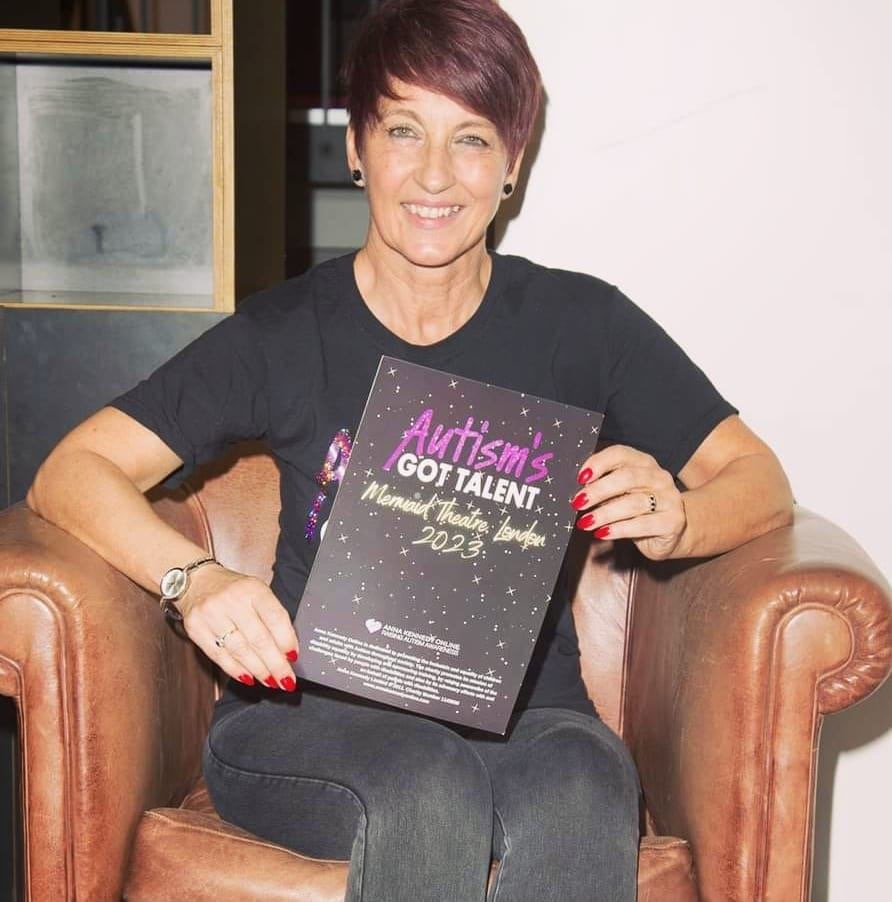
Autism’s Got talent at the Mermaid Theatre .
How did you come up with the idea for Autism’s Got Talent? The idea grew out of my anti-bullying campaign “Give Us a Break”, which was created to support autistic children and adults. After the campaign, I began receiving videos from autistic individuals showcasing their talents—singers, dancers, poets, actors, magicians, and musicians. I realised there needed to be a platform to celebrate these abilities and challenge negative stereotypes. That’s how Autism’s Got Talent was born.
Are the judges ever critical, or is the focus on encouragement? There are no judges—it isn’t a competition. Autism’s Got Talent is purely a showcase, shining a light on the talents of autistic children and adults, from the age of five upwards, with no upper age limit.
How many performers usually take part? Each year, we usually select around 20 performers from across the UK and overseas.
Amongst the celebrity presenters and supporters actress Kacey Ainsworth .
The show has been a huge success in London, attracting performers from as far as the USA. Why did you choose Whitley Bay as a location for the event? London is now in its 14th year of hosting Autism’s Got Talent. Over the years we’ve collaborated with many groups and charities nationwide, and I was particularly impressed by the work of Alisar Jane and her team at the True Colours Theatre Foundation in the North East. After visiting their theatre school, it felt like the perfect partnership, and Whitley Bay’s Playhouse Theatre was the ideal venue.
You also run the autism charity Anna Kennedy Online. In what ways does the charity support individuals and families? Anna Kennedy Online is run by a dedicated team of volunteers. We support individuals and families in many ways—raising awareness and acceptance, providing free workshops and training, and offering practical advice. We also use our website and social media to share up-to-date information, news, and resources about autism and overlapping conditions.
Another of your flagship events is The Autism Hero Awards. How long has that been established? The Autism Hero Awards is now in its 6th year. Nominations are currently open and will close in March 2026.
With the current government cutbacks, do you worry that people living with autism will be disproportionately affected? Yes, I believe they will. I’ve spoken with many parents, carers, and autistic individuals who are very concerned. Organisations such as the National Autistic Society are warning that the cuts could increase poverty and social isolation, as people risk losing access to essential financial support, healthcare, and community services.
You are originally from the North. What inspired your move down South? Both my husband Sean and I were born in Middlesbrough. We’ve lived in London for almost 40 years now. Sean moved first to study at a West London university, and I followed a couple of weeks later—we didn’t want to be apart!
What can audiences expect from Autism’s Got Talent in Whitley Bay? They can expect a magical evening, filled with extraordinary performances from autistic children and adults. The Playhouse Theatre will come alive with music, dance, poetry, comedy, and more. It’s a celebration of talent, positivity, and community spirit—we cannot wait to share it with Whitley Bay!
Why Katie Price Needs to Back Off and Let Her Kids Shine Without Her Interference
Growing up is never easy — not for the average teenager, and certainly not for those with famous parents. For most young people, adolescence is about carving out your own identity, deciding who you want to be, and pursuing your chosen career or further education. It’s a period of self-discovery and independence. But when your every move has been played out in the glare of the press since childhood, the challenge is far greater.
Children of celebrities live with a unique pressure. They’re often unfairly labelled with the now-infamous tag “Nepo Baby” — short for “nepotism baby” — a term referring to someone whose career mirrors or is connected to that of their famous parent. The implication is clear: their achievements aren’t earned but handed to them through family connections. The phrase is often used as an insult, suggesting that their success is unearned, undeserved, or simply the result of privilege.
Of course, this isn’t always the case. Some celebrity children go out of their way to avoid using their family name, working hard to make it on their own merits. In many instances, the public only learns of their famous parentage long after they’ve established themselves. On the flip side, stepping into the same spotlight as a parent and not quite measuring up can be devastating for mental health. The pressure to “live up to” a legacy can crush even the most talented young person.
Take Princess Andre, for example. She’s a young woman with dreams, ambition, and — crucially — talent. Under the guidance of Clare Powell, a woman I’d call a genius in the world of entertainment management, Princess has been making strides toward building her own career. Powell is the same powerhouse who played a key role in shaping Katie Price’s early career. Importantly, Katie is not directly involved in Princess’s current projects.
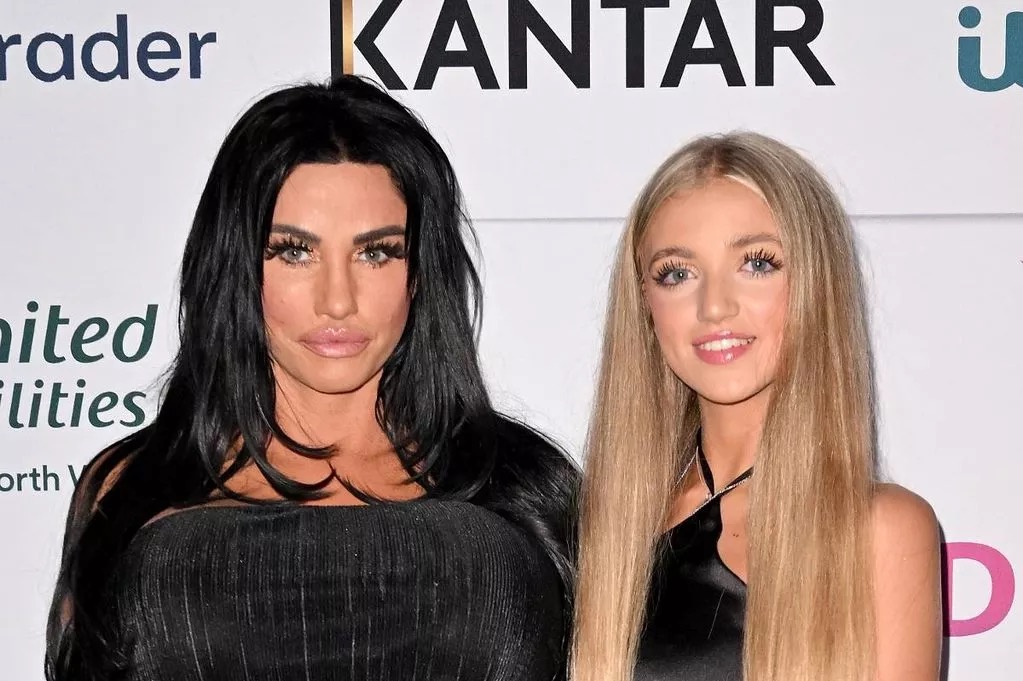
Stunning Princess Andrea
Now, I’ve been a huge supporter of Katie Price over the years — I’ve defended her when many wouldn’t. But on this occasion, Katie, it’s time to take a step back. In fact, take one hundred steps back. Be a proud mum, but let Princess shine without you hovering in the background. It’s about dignity — a word that doesn’t often appear in the Pricey vocabulary — and allowing your daughter to succeed on her own terms.
I have a close friend whose sons are both stars now: one’s a famous rock musician, the other a West End performer. Before their success, my friend made a conscious decision to stay out of their spotlight. No hanging around at every audition, no being photographed at every event. She let them find their own way, even if it meant watching from the sidelines. That kind of quiet support is invaluable — and something Katie could learn from.
The truth is, Princess already has “star” written all over her. Yes, her famous parents have opened some doors — there’s no denying that. But she’s also beautiful, poised, polite, and grounded in a way that the teenage Jordan (Katie’s former alter ego) simply wasn’t. While Katie at that age was known for her brashness and colourful vocabulary, Princess seems to have a quiet charm and grace that’s refreshing to see.
Of course, fame dynamics can get tricky within families. I’ve seen it happen. Sometimes a parent who’s spent years in the spotlight finds it hard when their child begins to eclipse them. I remember a friend whose mother was always the centre of attention. We once attended a concert together, and during the show, the star actually stopped mid-performance to compliment my friend’s daughter — “Who is this beauty?” they asked. The girl was thrilled. But when she turned to share the moment with her mum, the mother had vanished, unable to handle not being the one in the spotlight.
Even Hollywood royalty have faced this. Liza Minnelli once admitted that her mother, Judy Garland, struggled to accept her daughter’s fame. It’s a reminder that parental pride can sometimes be mixed with a very human sense of insecurity.
In Princess’s case, the potential is huge. She has the looks, the talent, and the personality to carve out a significant career in modelling, media, or whatever creative path she chooses. The worst thing that could happen is for her efforts to be overshadowed by her mum’s drama, headlines, or interference.
Some might argue that Katie’s involvement is only natural — after all, she’s been in the industry for decades. But let’s be honest: sometimes experience comes with baggage. Katie’s falling-out with Clare Powell has been well documented, but that shouldn’t affect Princess’s choices. Powell helped make Katie a household name in the first place. This is show business — not “show friends” — and if I had a daughter with career ambitions, I’d want her with the best possible management team. Personal disagreements shouldn’t dictate professional decisions when a young career is on the line.
If Katie truly wants to support her daughter, she needs to be a cheerleader, not a co-star. Let Princess have her own brand, her own media moments, and her own relationship with the public. This doesn’t mean disappearing from her life — just from her professional life. Turn up to watch from the audience, not to stand centre stage. Offer advice privately, not through the pages of a tabloid.
In today’s media-saturated world, it’s hard enough for young people to find their place without the shadow of a famous parent looming over every opportunity. Princess deserves the space to make mistakes, learn lessons, and earn her own applause. And if she’s anything like she seems — poised, polite, and full of potential — she’ll do just fine.
The bottom line? Princess Andre has a bright future. But for her to truly shine, Katie Price needs to take not one or two, but one hundred steps back — and stay there until she’s invited forward. That’s what real support looks like
.
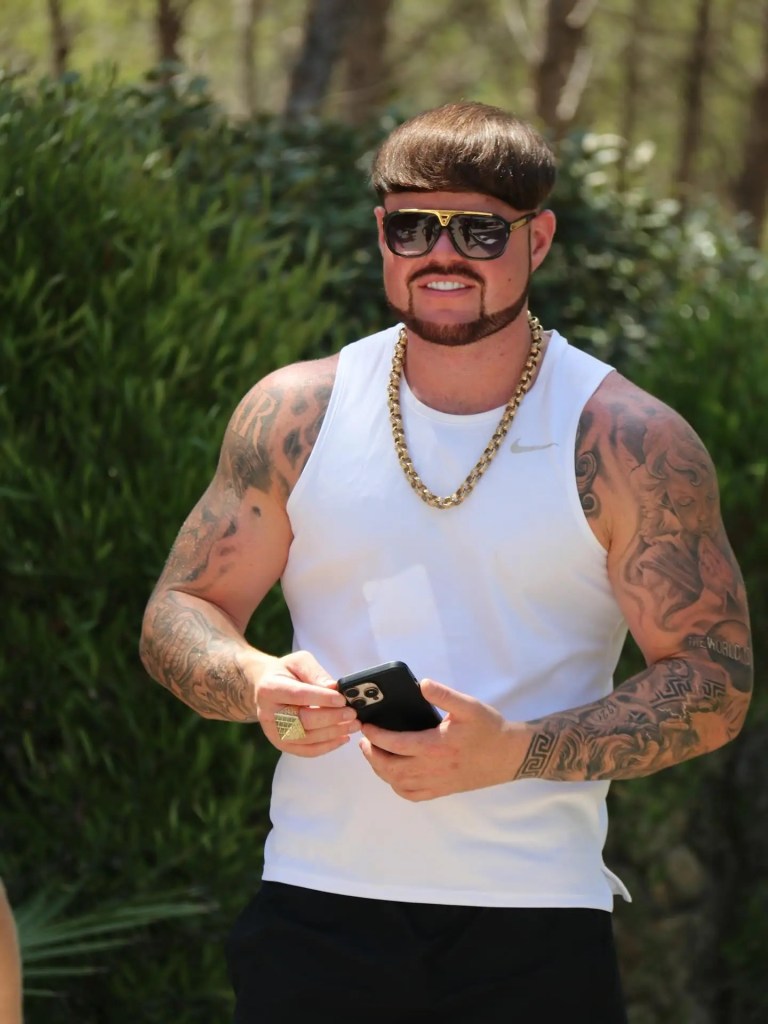
Good luck to Jack Kay .
If proof was ever needed that you can flog your soul to the devil for fame, look no further than the sudden, stratospheric rise of Ibiza’s self-styled “final boss.” One click of a camera, one cheeky social media post, and bang — he’s out-trending the Pricey and even the Trump. That’s no small feat, considering those two can normally generate headlines by simply breathing in public.
The man behind the moniker? Jack Kay. No chart-topping singles. No Oscar-bait performances. No tell-all autobiography written “in his own words” but suspiciously sounding like it was dictated to a ghostwriter over Zoom. Just… Jack. A man who, by all accounts, was minding his own business until fate, flash photography, and the internet combined to anoint him this week’s celebrity overlord.
And do you know what? Fair play to him. He’s a smashing lad by all appearances, and I can’t help but root for him. In fact, I’m practically booking my front-row seat for his inevitable debut on Celebrity Big Brother or I’m a Celebrity… Get Me Out of Here! Picture it now: Jack in the jungle, wearing a head torch, looking mildly confused while chewing kangaroo testicles for the nation’s amusement. It’s practically destiny.
Of course, his overnight success has sent a few noses wildly out of joint in the fame industry. Imagine clawing your way up the greasy celebrity pole — posting your best pout, cultivating “scandals,” leaking your own “leaked” texts — only to have Jack Kay swoop in with one photo and walk off with the nation’s attention like it’s a free canapé at a launch party. Delicious.
It’s not just the wannabe-set bristling either; the whole saga has become a sort of cultural Rorschach test. Some see Jack as proof of the absurdity of fame in the age of the algorithm. Others see him as the internet’s latest crush. I see a man who’s managed to play the game without even reading the rulebook.
Because let’s be honest, the rules have changed. Once, you needed a record deal, a primetime slot, or a scandal big enough to get a mention in the News of the World (RIP). Now? You just need a single moment that makes the internet collectively say: Yes, this one. This is our new obsession. It could be a photograph. It could be a TikTok. It could be an ill-advised comment made in a kebab shop at 3am. And suddenly, you’re hot property.
Will Jack’s reign as Ibiza’s final boss last? Who knows. The internet’s love affairs are fickle. One minute you’re the meme of the moment, the next you’re that guy people vaguely remember seeing “on something once.” But for now, Jack’s milking his fifteen minutes with style, and I, for one, am here for it. If he has done a deal with the devil, I hope it came with a decent rider — champagne, sunglasses, and maybe a small island.
Hurray — Wednesday is back on Netflix! And if that wasn’t already a big enough treat for fans of the macabre, there’s an extra twist in the cobweb this season: the legendary Joanna Lumley has joined the cast as Wednesday’s formidable grandmother.
Yes, you read that right. From Absolutely Fabulous to The Wolf of Wall Street, Lumley has always brought her own brand of razor-sharp wit and undeniable glamour to every role. Now, she’s stepping into the delightfully creepy world of the Addams family, and honestly, it feels like a match made in gothic heaven.
Heidi Gammon is BACK — and school’s in session! Sharpen those pencils, unpack the lunchbox, and brace yourself — because whether you’re heading to high school, moving into halls, or just trying to survive term-time drama, I’ve got the answers you need. From messy roommates to holiday hook-ups, from bullies to big life changes — let’s crack open the advice book and dive right in.
Hello Heidi, Love you and the show! I’m going to uni next month and sharing accommodation with my best friend. Over the summer, I realised that I’m gay and attracted to other women. Apart from telling my mum, no one else knows. I don’t fancy my best friend, so that’s not a problem, but should I tell her before we move in together in case she freaks out? Amber, Southend
Heidi says: Amber, the only “freak out” here would be if your friend suddenly forgot you’re still the same person you were last term. Your sexuality isn’t a warning label you have to stick on before move-in day. If you want to tell her, do it because you trust her, not because you’re scared of her reaction. And if she’s a real friend, she’ll be more interested in who’s nicking her milk from the fridge than who you fancy.
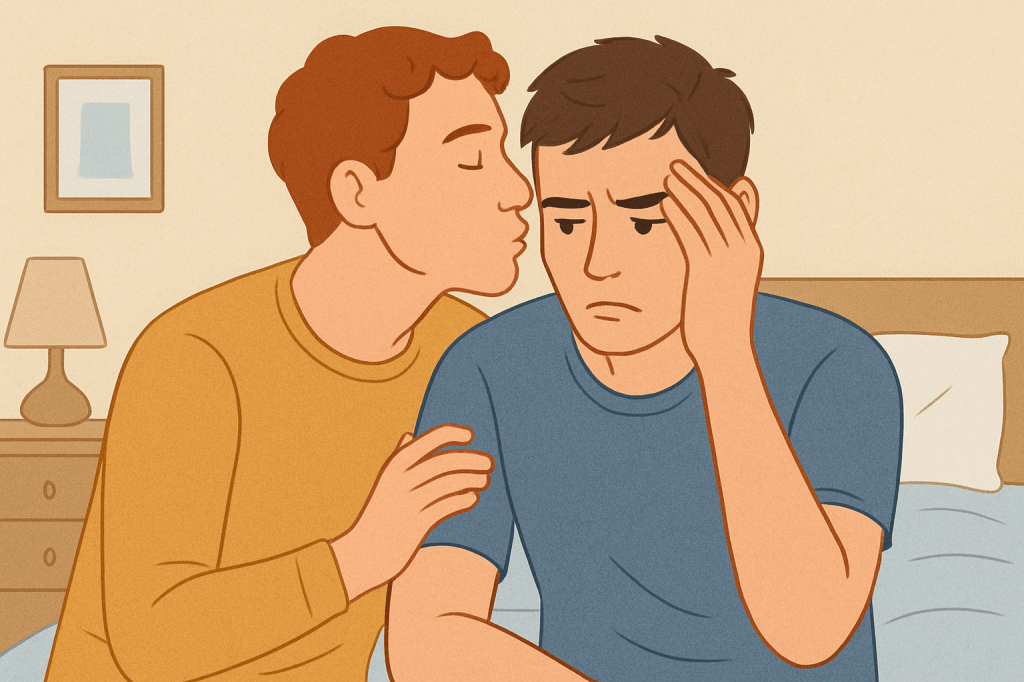
Dear Heidi, This is awful. I’m not gay, but I’m friends with a guy who is what you might call “fluid.” We got very drunk on holiday, and I remember him performing an oral sex act on me. There’s no way it would have happened sober, and now it’s made it difficult to be friends. I tried to talk to him about it, but he just said, “What happens in Ibiza stays in Ibiza.” I have a girlfriend, and I’m terrified she’ll find out. What do I do? Colin, Billericay
Heidi says
Colin, Ibiza clearly needs a new slogan: “What happens in Ibiza… tends to follow you home.” You’ve got a friendship issue and a relationship issue — and both need honesty. Tell your mate the boundaries from now on. As for your girlfriend, decide whether you’re confessing to ease your guilt or because it’s something she genuinely needs to know. Either way, learn your lesson: too much booze and fuzzy boundaries are a recipe for regret.
Hi Heidi, How are you? Last year I shared uni accommodation with a great guy — honestly, we were like brothers — but sadly he’s moved to the States. A new guy is moving in, but I bumped into his old roommate who warned me: he doesn’t mind him personally, but apparently he walks around naked, smokes weed, and puts porn on openly. Plus, he’s messy and leaves everything for others to clean up. That’s my idea of hell! It’s too late to back out — what can I do? Hunter, Basildon
Heidi says: Hunter, sounds like you’ve been dealt the ultimate “uni flatmate bingo” card. On day one, set the house rules in plain English: no nakedness in shared spaces, no weed inside, and mess gets cleaned. If he ignores that, fortress your room — lock, headphones, maybe even a mini-fridge. And remember: it’s one academic year, not a life sentence. What’s up Heidi, I’m still at high school and I hate it. There’s a girl who bullies me so badly that my life is a misery, and I don’t want to go back. What can I do? Stella, Brentwood
Heidi says: Stella, no one should dread school because of one cruel person. Tell a teacher, a school counsellor, or your parents — and keep a record of everything she says or does. If it’s online, screenshot it. Schools are legally obliged to act on bullying. I promise you this: she is not as powerful as she seems. One day you’ll be out in the world living your best life, and she’ll still be stuck in her small one.
Heidi, My girlfriend and I have been together for five years and we want to adopt a child — maybe two. How do we go about it? My mum says it’s a terrible idea and refuses to help. Mandy, Brighton
Heidi says: Mandy, if love, stability, and commitment are in place, you’re already halfway there. Start with your local council or an approved adoption agency — they’ll guide you through assessments, training, and matching with a child. It’s a long process, but worth it. most local authorities and agencies like pact do information evenings for people thinking about adoption these are great and informative and well worth going to
As for your mum, her approval would be lovely, but it’s not a requirement on the application form. Build your family your way.
Celebrating my best pals birthday was just a dream.
My best pals birthday in superb surroundings .
France’s Dordogne is no stranger to charm, but this tiny wine-soaked village might just be its best-kept secret
By Steven Smith
Five days in a southwest French village left me sun-warmed, wine-softened, and wondering how I’d lived this long without knowing Saussignac existed. This is rural France at its most painterly — all rolling vineyards, candlelit dinners, and the slow thrum of a life well-lived.
The Birthday That Changed Everything
When my best friend invited me away for her birthday, I braced for Dubai. Maybe Ibiza. Somewhere loud and expensive, where my idea of a lie-in would be drowned out by basslines and foam cannons.
Instead, she said, “Saussignac.”
The name meant nothing to me — until an artist friend described it as “wines of the gods, food like nectar, and a village so pretty it could be in a Merchant Ivory film.” He added, with a wink, “Some hotels feel like art galleries — all taste, style, and warmth.”
Two weeks later, we were landing at Bergerac Airport, a dinky 1960s gem that could double as a film set. In 10 minutes, we were in the hire car. In 20, we were in another world.
“Darling, you don’t do anything there. You immerse yourself in beauty.”
First Glimpse of a Slower Life
The drive was a moving painting: rolling vineyards, fields of wildflowers, terracotta-tiled farmhouses unchanged for centuries. Every curve of the road offered a new gasp-worthy view.
My Secret Sanctuary
While the rest of the party checked into the lively hub of the village, I chose a private B&B run by Dutch hostess Ingrid Leenders.
Her place is a pocket of peace: rustic gardens, a tiled pool, and rooms with open-plan bathrooms (romantics, take note). No TV, but strong Wi-Fi, a coffee machine, and a small fridge. Each morning at seven sharp, breakfast appeared — fresh bread, cheeses, eggs, and orange juice.
Ingrid herself? A doll. Always ready with tips, and never in the way.
Meanwhile, my friends took over Le 1500, a 12th-century building transformed into a boutique haven by retired businessman-turned-artist 58 year old Michael F. Rumsby and his husband, Lee McNeal.
Every room is a curated mix of antiques and art. A history room and library invite slow afternoons. Outside, the walled garden hides a pool, bar, and dining terrace that in summer becomes an event space — open-air films, long-table dinners, and the infamous Bad Boys Burger Night.
Our first evening was spent at Mélange, a family-run restaurant with stone walls, castle views, and a menu that changes weekly. Owners Melanie and Charlie are culinary magicians — especially for those of us with “difficult” diets. My pescatarian self and vegan friends were both spoiled.
If I ever marry, it will be at Château Lestevenie.
Owners Petrie and Jaco, both South Africans trained in the Stellenbosch winelands, host Summer Soirées so perfect they feel scripted: live jazz, vineyard sunsets, and rotating menus of Mexican, Indian, and French cuisine — all paired with their own sparkling Lestevenie Brut.
Just a short stroll from the village, Château Fayolle offers 130 acres of vines and woodland, plus terrace lunches that must be pre-ordered.
Wine here is history: since 1254, Saussignac and Bergerac bottles have graced Europe’s finest tables. Today, owners Frank and Riki Campbell are taking it global.
Some in our group opted for Château des Vigiers — a blend of fairways, fine dining, and château glamour between Bergerac and Saint-Émilion. It’s home to a championship golf course, a Michelin-starred restaurant, and a choice between historic suites or sleek relais rooms.
Saussignac isn’t about ticking off sights. It’s about strolling past shuttered stone houses, tasting wine under vine-laced terraces, and lingering until the sky blushes.
Bring a car — taxis are rare and expensive. Pre-book meals and flag any dietary quirks in advance. And then? Let the place work its quiet magic.
“By the end of the week my body was lighter, my mind calmer, my soul recharged.”
If You Go
Best time to visit: May–September for warm evenings and vineyard events. Getting there: British Airways (London City) and Ryanair (Stansted) fly direct to Bergerac. Car hire essential. Don’t miss: Mélange for dinner, Château Lestevenie’s Summer Soirée, Château Fayolle’s terrace lunch. Pack for: Lazy afternoons, lingering dinners, and the urge to never leave.
Alastair BlasterArtzand me are really proud to announce BLANKY #ART will be available to buy along with his friend and enemies soon .
A percentage will go to AAnnakennedyonlineeach story will tell how BLANLY helps teach about diversity and saving the planet you can read chapter one here . Chapter two is below Any publishers interested in the series please inbox me
Patrick stood at the edge of the basketball court, the ball clutched tightly in his hands. He’d watched the other boys play from his window countless times, imagining himself out there, hearing the thump of the ball and the cheers after a good shot.
Today, he’d worked up the courage to try.
But as soon as he stepped forward, the tallest boy—blond hair sticking up like he’d just rolled out of bed—blocked his way.
“What’s he doing here?” the boy called out.
The others turned.
“He’s… you know… strange,” another said, circling Patrick like a curious cat. “Doesn’t talk much. Always staring. Probably can’t even dribble.”
Laughter rippled around the court. One boy tilted his head in a mocking imitation of the way Patrick sometimes looked at things.
Patrick’s throat tightened. He wished they’d just let him play—but the words to explain himself never came easily.
In his pocket, Blanky stirred.
Patrick, came the gentle voice, let me help.
Before Patrick could answer, the little clay figure leapt from his pocket, soaring into the air. Mid-flight, Blanky’s form stretched, shifted, and solidified into a tall, muscular basketball player, wearing a gleaming red jersey and spotless sneakers.
The court went silent.
“Whoa… where did he come from?” one of the boys whispered.
Blanky caught Patrick’s ball, dribbling it with effortless speed before passing it back. Then he faced the group.
“You’ve got a problem,” he said calmly. “You think Patrick is strange because he’s different from you. But that’s not strange—it’s human.”
The boys shuffled uncomfortably.
“You don’t know this,” Blanky continued, “but Patrick lives with something called autism. That means his brain works in a unique way—he might see, hear, and understand things differently than you do. He might need a little more time to speak, or prefer to do things in his own way. But here’s the thing—different doesn’t mean less. And it definitely doesn’t mean weird.”
The blond boy frowned. “So… he’s just… him?”
“Exactly,” Blanky said. “And if you judge someone before you understand them, you’ll miss out on knowing amazing people. Like Patrick—who, by the way, is about to show you what he can really do.”
He passed the ball to Patrick, who took a steadying breath. Dribble. Step. Jump. The ball sailed through the air and dropped neatly through the hoop.
“Nice!” one of the boys said, surprised.
They played for the next half hour. At first, the passes to Patrick were cautious, but soon the others were calling his name, trusting his shots, laughing with him instead of at him.
When the game ended, Blanky smiled, stepped back, and shimmered down into his small clay form. No one noticed as he darted back into Patrick’s pocket.
See? Blanky whispered. Sometimes people just need to be taught how to see differently.
Patrick’s lips curled into a small, proud smile. Today, he wasn’t the “weird” kid. Today, he was just Patrick—the boy who could play.
Finally, laws are being introduced to stop unqualified people performing cosmetic treatments. It won’t be easy to enforce, but it’s a vital step forward.
The aesthetics industry is now worth billions, with social media piling on the pressure to look “perfect” or copy a celebrity face. Both mindsets are unhealthy. Real beauty is about confidence—being the best version of yourself, not a clone of someone else. Done well, aesthetics should enhance your natural features, not disguise them.
We’ve all seen beautiful people lose their uniqueness through overfilled lips, frozen foreheads, or mask-like faces. Sometimes, it’s not the doctor’s fault—addiction to treatments is real, and when reputable practitioners refuse to go further, some clients shop around until they find someone who will. That’s where the danger lies.
The truth? Aesthetics should only be carried out by skilled doctors, nurses, or dentists with specialist training. Sadly, it’s still possible for someone with no background in beauty or healthcare to take a short course and start injecting. With treatments marketed as casually as a haircut, many clients never think to check credentials.
So, protect yourself. Always see qualifications, check medical registration, and insist on meeting the actual practitioner—not just a “patient coordinator” in sales mode. Avoid clinics that rely on flashy ads (unless they’re new) and trust word-of-mouth recommendations from people you know.
In the right hands, aesthetics can be a subtle art form that brings out your best features. But remember: even the top professionals can’t promise perfection, and complications do happen. That’s why your treatments should only ever be in the hands of a true expert—one who values your safety, skillfully enhances your beauty, and keeps your privacy sacred.
Clare’s quick tips for finding the right practitioner:
Ask around – hairdressers, beauty therapists, and make-up artists often know the best.
Check the space – it should be spotless and professional.
Guard your privacy – no loud “Are you here for Botox?” in reception.
Demand hygiene – you should be properly draped and protected.
Verify credentials – never assume they’re qualified; check.
Have a consultation – speak directly to the person treating you.
Look for aftercare – a follow-up appointment should be standard.
“Blondes have more fun”. But in this current heat wave the sun can strip your colour and take you from a cool blonde to a brassy one in just one outing to the seaside! Rushing to get that toner in the salon can be costly. However, armed with Waterman’s violet shampoo and conditioner, you can remove those unwanted yellow tones without an extra salon visit between your normal appointments. Be careful how long you leave the conditioner on as, depending on how cool you want your hair to look, five minutes should be enough. Watermans also do a great range of hair care for thinning or fine hair.
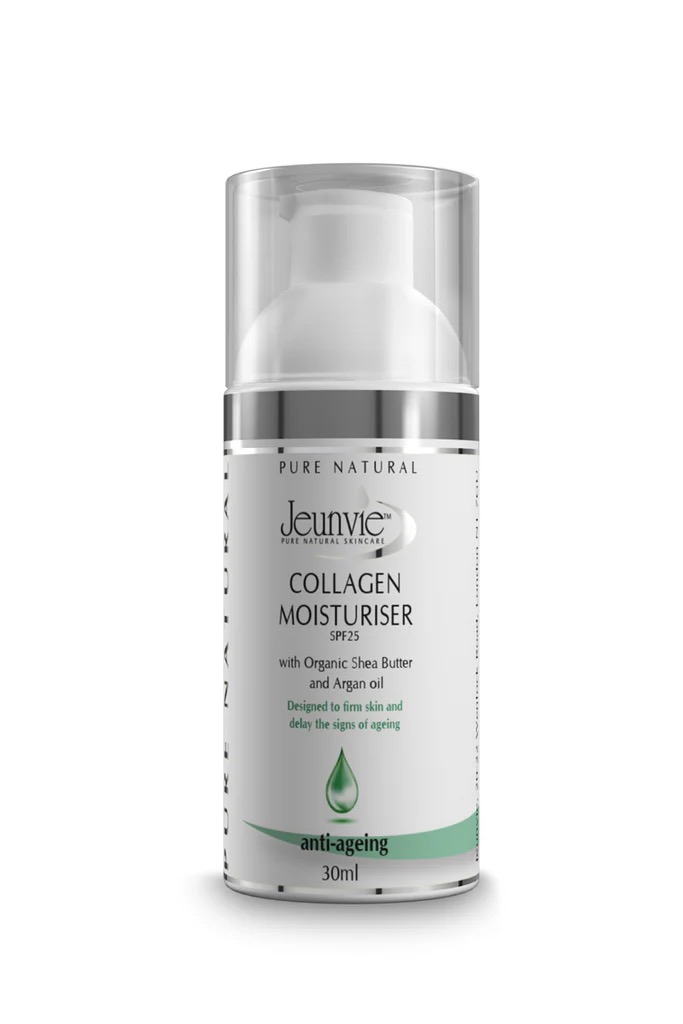
Vegan friendly, this collagen moisturiser has a sun factor of 25 and tightens the skin.
With ingredients like Argon oil and shea butter it may be a little on the pricey side, but fans of Crème de la Mer might find it a cheaper alternative.
Jeunvie is a favourite range amongst cosmetic doctors. Asal Shirazi created the range with the vision of keeping it as close to nature as possible. For men, I just love the moisturiser to shave with too.
A must have in this heat, it has absolutely no cholesterol – this is in addition to being a low-calorie drink.
Coconut water is identical to blood plasma. In World War II and even today in very rare cases in countries, coconut water has saved lives by being used as an intravenous hydration fluid instead of the standard IV fluid. Despite being naturally sweet, it is extremely low in sugars. It is low in sodium compared to energy drinks, and high in chloride compared to sports drinks. It regulates and controls the body’s temperature and boosts the immune system.
It boosts your metabolism, which is an important step in a person’s weight loss process.
It is a natural isotonic beverage, i.e. is the perfect drink to rehydrate your body and replenish lost electrolytes.
It cleanses and settles the digestive tract by actively killing intestinal worms, which makes for easier digestion and less chance of digestive illness. Coconut water controls vomiting, making it extremely important for those suffering from ailments that cause vomiting like typhoid, malaria, or fevers. If you are summer partying, coconut water is a must for that hangover.
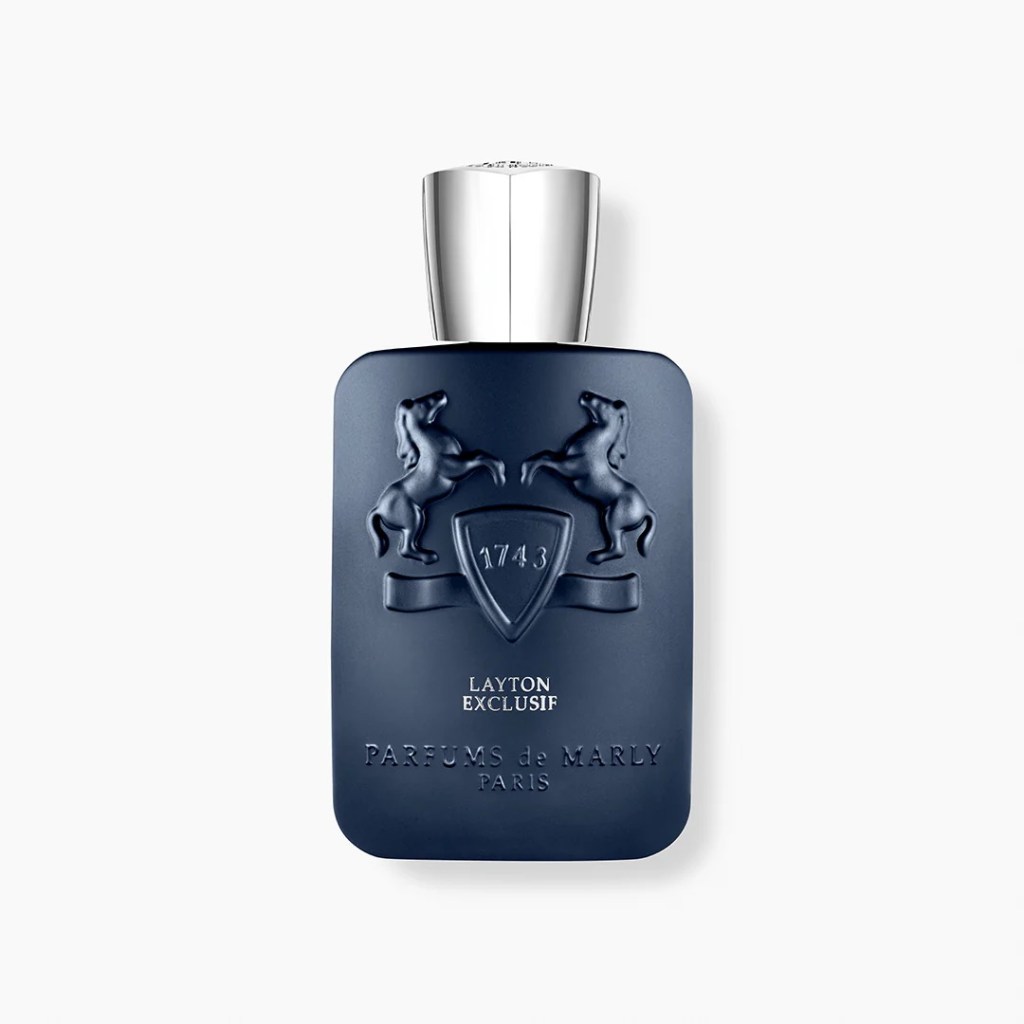
If you, your man or anyone wants to smell that extra bit classy, you cannot go wrong with my secret weapon Perfums-De Marly. I adore Layton Exclusif from the brand designed for the male, but in this day and age anyone can wear it. It might seem a little pricey, but keep it for those special occasions when you want to stand out.
It is a rich and woody fragrance and will make an impression. Top notes of bergamot, grapefruit, and apple softly envelop the heart of cinnamon, lavender, agarwood, and geranium. The base is concluded by guaiac wood, sensual vanilla and sweet cypriol. A revival on the traditional, yet refined in its scent.
A gender-neutral James Bond? The idea has left me not just stirred, but shaken. It is time to put the brakes on the more extreme woke and cancel culture, otherwise I predict that we will soon see an enormous backlash against some of the minority groups in our country. Some more extreme activists undo the hard work, sacrifices, and tireless fighting of the many heroes of the LGBTQ+ community which gave us the rights we have now.
When I first heard the news that there could be a gender-neutral James Bond, all I could think was “NO!”. James Bond was created by the writer Ian Fleming. The character studied at Cambridge University, where he achieved a first in Oriental Languages. In Fleming’s novels, Bond alluded to briefly attending the University of Geneva (as did Fleming) before being taught to ski in Kitzbühel. His character is rumoured to be based on Sir William Stephenson. In fact, Fleming’s first choice actor to play James Bond was David Niven. It is documented that Fleming was less than impressed by Sean Connery playing what he called a glorified stunt man who used to drive a lorry. What the character was certainly not was trans, gender-neutral or a woman.
We do not need to rewrite the classics to force inclusion. Instead, we need to positively and proactively introduce strong gay characters into new films, television series and cartoons.
Boarding school
True, in “Skyfall,” Daniel Craig’s Bond hints that he may have tried sleeping with a man (it was almost cut). Let’s face it, while the character may be fictional, he did go to boarding school, so it is a plausible possibility. Craig is considered the closest actor to Fleming’s original description of Bond in the first novel. Casino Royale was published in 1953, with a further 11 novels making up the series.
According to the book, Bond was a womaniser, a man’s man. Rather the antithesis of a gay or gender-neutral person. He embodied, for the most part, what heterosexual men aspire to be, next to being a footballer or sports star. If those fighting for change and we all are were sensible, they would leave well alone and leave this classic macho character to be just that.
There is, for sure, room for LGBTQ+ superheroes or villains on mainstream television or in films. It is important that everyone is given roles to give exposure to all communities. But this needs to be positive exposure, done with tact and not at the expense of “the other side”.
Lesbian Snow White
I do not want a lesbian Snow White. Nor do I want a socially challenged Queen with narcissism issues carrying a fair-trade organic apple. Or Cinderella, who obviously lost the shoe because she was drunk, being transformed into Buttons, who lost his shoe while getting ready for Ru Paul’s Drag Race. Or Indiana Jones and the Last Top on Old Compton Street. Leave them alone!
Sure, many of us in the LGBTQ+ community did not have role models growing up and those of us who grew up in the 70s and 80s can thank God for Bowie and T-Rex, Boy George and Quentin Crisp!
We do not need to rewrite the classics to force inclusion. Instead, we need to positively and proactively introduce strong gay characters into new films, television series and cartoons. Netflix recently released “Single All The Way,” which was a brave attempt at exposing general audiences to gay characters with a sense of normality – just a typical rom-com where the main characters just happened to be gay (it’s a shame though that Jennifer Coolidge could not save that turkey!). But, as my sister says, heterosexuals have to endure Hallmark. It is only fair we have a bad movie too.
Joan Collins
The last thing we need is to start to attack something that is seen as masculine or feminine and try to turn what is seen as a heterosexual character into an LGBTQ+ character. If the heterosexual community thinks we are attacking them, we are in trouble as fear has caused more wars in history – that is what will happen if we attack their foundation.
Why do we need to do this when so many of our community are such heroes?
Joan Collins has so eloquently expressed that cancel culture is a problem, but so are extremists in the LGBTQ+ community. Trust me: we have a huge backlash approaching as extremism in any group is not a good thing. All the incredible work so many in the community have dedicated themselves to accomplishing to fight for our community rights can quickly be undone. We are already seeing this unravelling – homophobic hate crimes have trebled in the UK this year…and that’s just crime that is reported.
Mermaids
Talking, not arguing, is the way forward. Recently, I had the pleasure of having drinks with two friends. The topic of trans children came up. I know many trans activists who think children should wait until they are 18 years old to start treatment but are frightened to say so in case they are cancelled or abused on social media. I was wondering what the author’s perspectives were, and the conversation quickly went quiet. So, we moved on. Later in a very entertaining hour or so, the subject of Mermaids, the charity for trans children and their parents. It turned out that one of the groups had been involved with the charity. I asked if they had gone quiet before as the subject had offended them. They said no: they just said they didn’t want an argument. The statement “I do not argue, I merely correct” sprung to mind as they said this, and it made me realise that different perspectives within the LGBTQ+ community may not be heard. We need to calmly listen to one another, as we still have a lot to learn. Thanks to the conversations I have had, I have learned a different point of view and, that night, I started to look into Mermaids and find out about how they help trans kids who need support through what, for many, is a difficult and often traumatic experience.
The LGBTQ+ community is still under attack every day. Like all wars, a good strategy is a key factor in survival. Education in schools is essential – using positive role models and making kids feel safe who do not fit the masculine or feminine stereotypes. This is still going to take time, understanding, and some amazing people to give a strong voice to this community. This is NOT going to be achieved by trying to rewrite classic characters, as this will only antagonise those not affiliated with the community.
If we do not box clever, one day, we could wake up to someone ruling the world that will make Trump look like a fairytale character. Just think back to 1933 when a failed artist persuaded an entire nation to turn against minorities. Let’s not be naive and think it could not happen again.












































 2Shades Magazine