My last two dining experiences began with a maître d’ who seemed to have stepped straight out of a sitcom, delivering the inevitable line — “Have you booked?” — in a tone that somehow manages to feel both accusatory and theatrical. Honestly, it makes me want to scream, “If I had booked, I would have told you!” It’s a small moment, but it can instantly drain the anticipation from what should be a relaxed and enjoyable evening out.
Thankfully, any lingering irritation melted away entirely when I arrived at 123 Browns. It isn’t the easiest place to find, but trust me — it is absolutely worth the search. Tucked away like a secret waiting to be discovered, this intimate yet beautifully curated venue feels calm, thoughtful, and quietly confident. From the moment you step inside, there is a sense that this is a place created with care. The space is stylish without being showy, warm without being overbearing, and there is also a charming outdoor area that feels perfect for long conversations and unhurried evenings.
Specialising in plant-based cuisine, 123 Browns proves — emphatically — that vegan dining can be indulgent, creative, and deeply satisfying. This is not food that relies on novelty or gimmicks; it is food that speaks for itself. The service plays a huge part in setting the tone. With only two members of staff working, the experience felt remarkably seamless. From the outset, we were treated less like customers and more like welcome guests. The team took time to explain the menu clearly and enthusiastically, answering questions with genuine warmth. My friend’s rather complex dietary requirements were handled with complete ease, and the wine and food recommendations were thoughtful, informed, and delivered without even a hint of judgement or impatience.
The food itself was outstanding. Every dish felt carefully considered, beautifully presented, and packed with flavour. This is plant-based cooking that doesn’t attempt to imitate meat unnecessarily, but instead celebrates texture, balance, and freshness. The seasoning was confident without being heavy-handed, allowing individual ingredients to shine. If you love sushi, the plant-based sushi here is nothing short of divine — fresh, inventive, and genuinely memorable. Each bite felt clean, vibrant, and indulgent in equal measure. My only regret is that I didn’t order more savoury dishes before sensibly — or foolishly — leaving room for dessert.
And then there was the dessert. The matcha cheesecake deserves its own paragraph, possibly its own fan club. It may genuinely be the dessert of the century. Silky smooth and perfectly balanced, it was indulgent without ever feeling heavy. The matcha flavour was subtle rather than overpowering, lending depth and elegance rather than bitterness. I had two. Yes, two. Naughty? Absolutely. Worth it? Without question.
What truly sets 123 Browns apart, however, is its atmosphere. There is a calm, welcoming energy that makes you feel instantly at ease — almost like coming home. It feels like a safe, comforting space where you are encouraged to slow down, be present, and enjoy food that has clearly been prepared with intention and care. Honestly, just go. It is a treat in every sense, and once you have been, you will already be planning your return.
As we approach the end of another eventful year and step into the promise of 2026, I want to begin by wishing every one of you a very Happy Christmas. Whether you celebrate the season quietly, joyfully, or somewhere in between, I hope the coming weeks bring you warmth, connection, and moments of genuine peace. Christmas is a time of reflection as much as celebration, and for me, looking back over 2025 brings both change and gratitude.
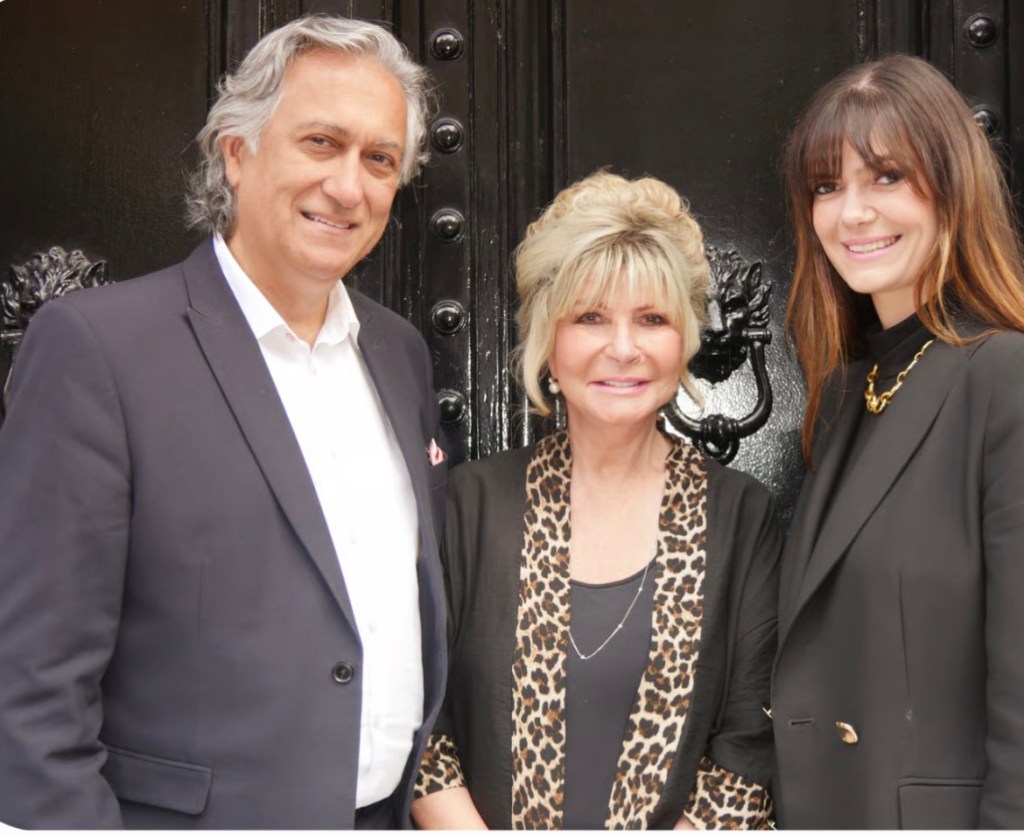
One of the biggest changes this year was saying farewell—though never goodbye—to my gorgeous friend and co-founder of 2Shades, Adishiri Chengappa. Many of you will know her as the bright, compassionate, and fiercely driven woman who helped bring this magazine to life. Adishiri has returned to India to study counselling, and I have absolutely no doubt she will become a brilliant one. Her heart, her empathy, and her ability to really listen to people make her an extraordinary human being, and those are precisely the qualities that will make her excel in her new profession.
Although Adishiri is stepping down from the magazine to focus on her studies, she remains a lifelong friend—both to 2Shades and to me personally. Our bond is permanent, and her contribution to the magazine will always be part of its foundations. Behind the scenes, we are now in discussions with a new partner who will join the 2Shades family and help carry the torch forward.
For those of you who may be newer readers, let me say this clearly: 2Shades has never been “just” an LGBTQ+ magazine. From day one, we envisioned a vibrant, inclusive space—a place for everyone. A magazine that is joyful yet unafraid; stylish yet unfiltered; a platform for voices that deserve to be heard. We speak our minds, we cover subjects that others shy away from, and we stand firmly by our philosophy that representation and honesty matter.
Over the years, we’ve covered everything from fashion, art, and entertainment to some of the most difficult and deeply important topics affecting people today. We have reported on male rape, mental health, identity, domestic violence, addiction, grief, and more. The world is multifaceted, and so are the people in it; 2Shades aims to reflect that complexity.
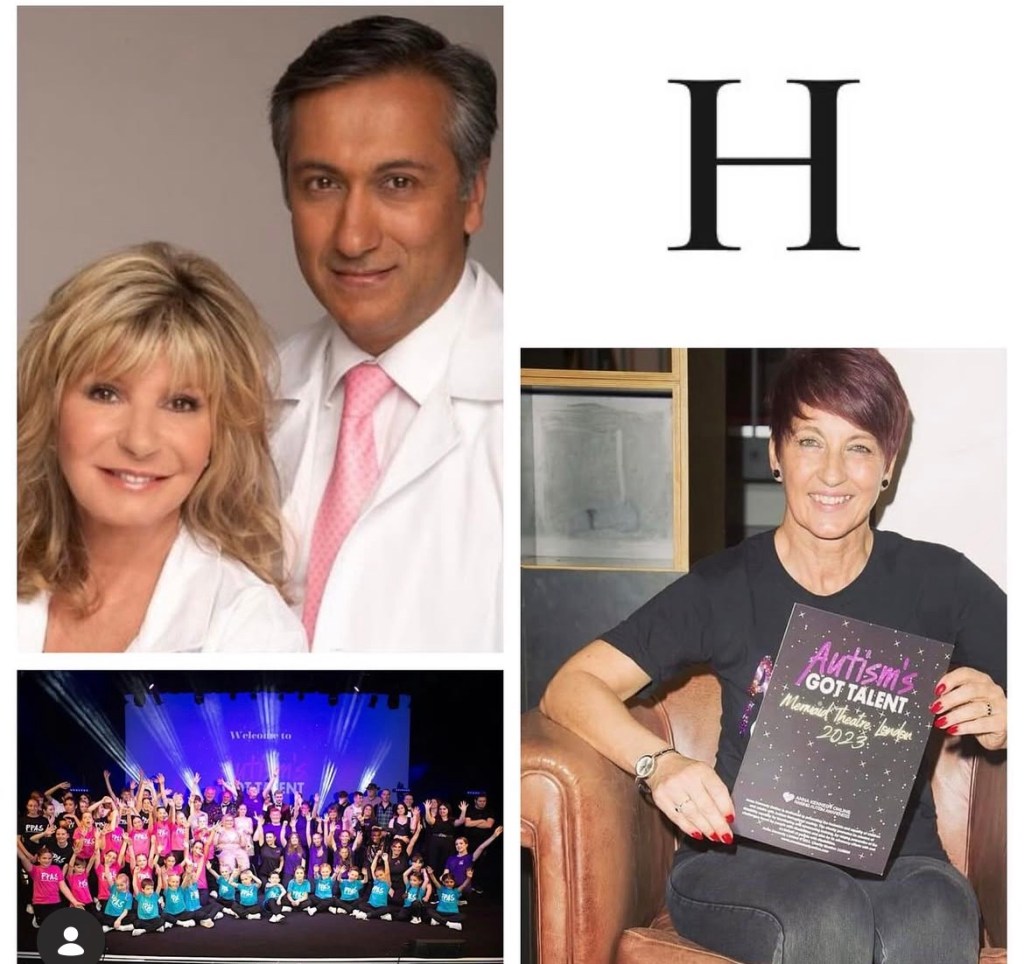
A huge part of what makes this magazine special is our remarkable team of columnists. Our Agony Aunt, Heidi Gammon, continues to grow in popularity, offering advice with wit, warmth, and plain-spoken honesty. Dr Anna Kennedy OBE brings vital insight, advocacy, and compassion through her work in autism awareness and support. Our beauty expert Clare McSweeney adds glamour, empowerment, and the kind of practical advice that boosts confidence. And this year we welcomed Richard Andrews, who’s new “Money Matters” column is already proving invaluable to readers navigating finances during turbulent times.
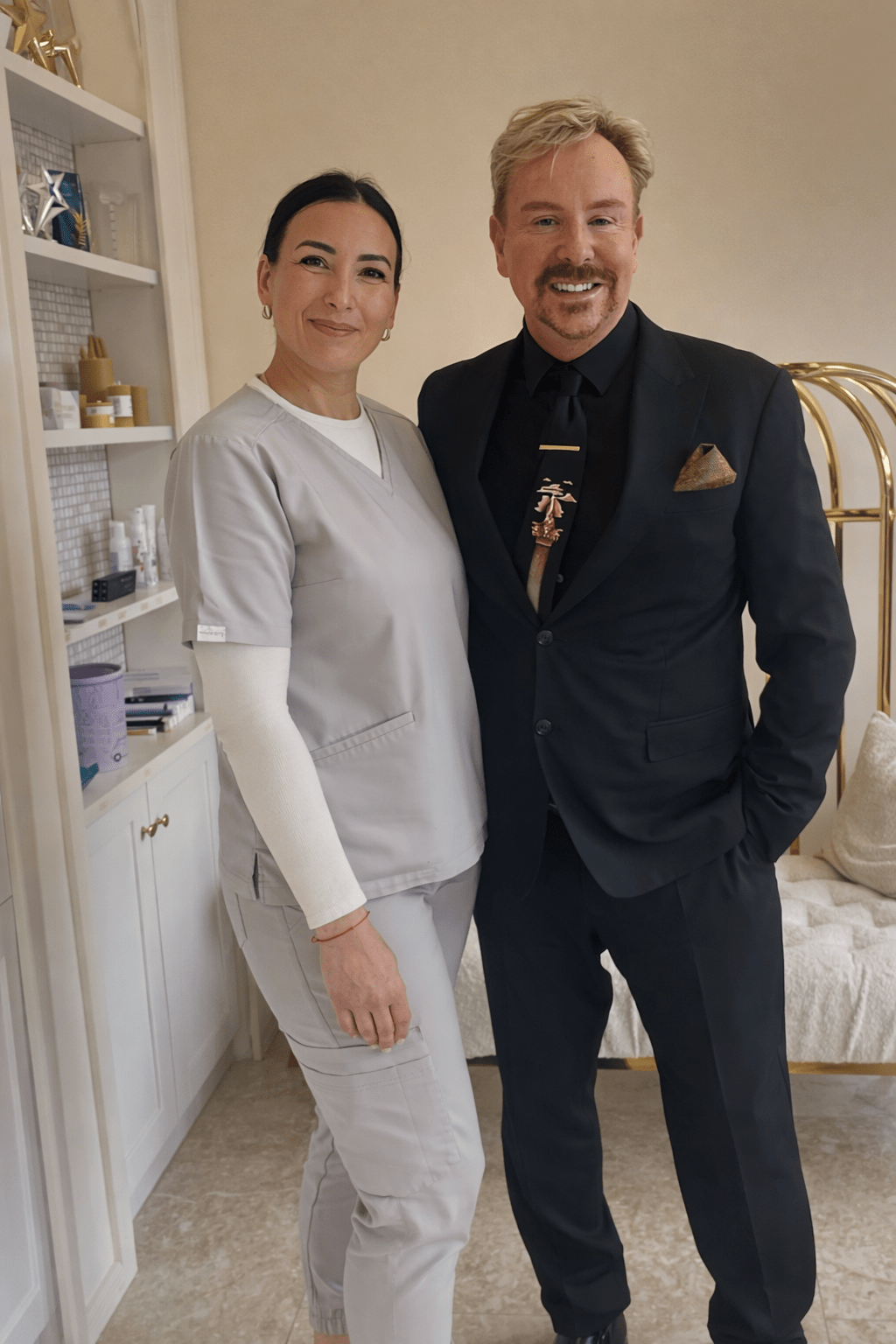
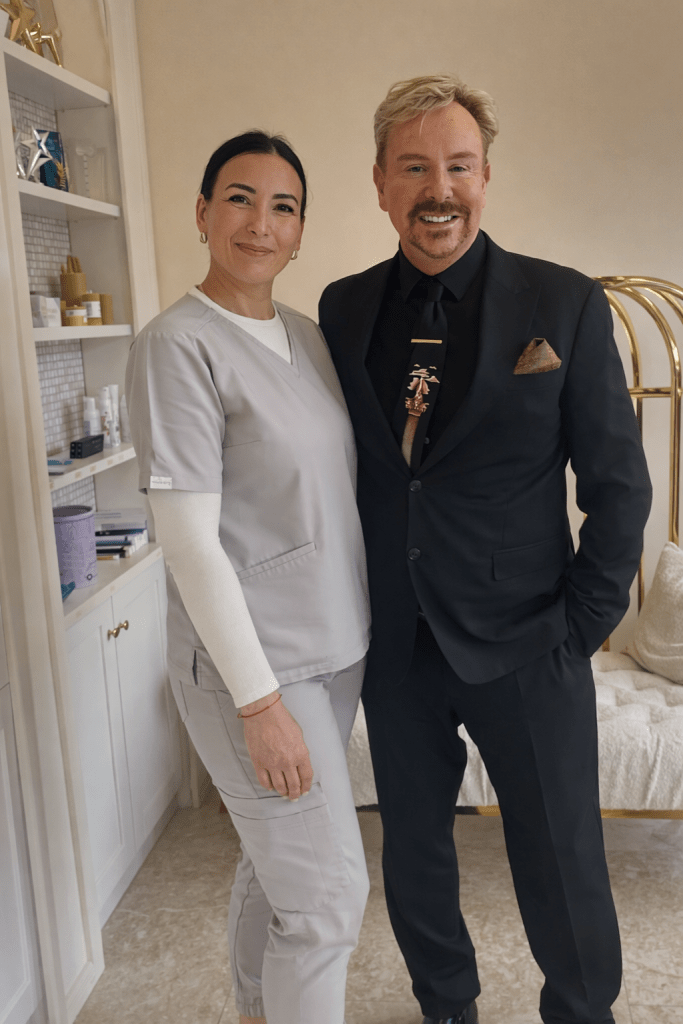
Clare 2Shades columnist with Aston Avery she is on Gateway every month .
All of them are thriving on social media, and their readership continues to soar—a testament to the authenticity and relevance they bring.
What makes all of this even more remarkable is that the magazine still has no sponsors. I work entirely for free, as do many involved. And we do it because we believe in 2Shades, in its purpose, and in the community surrounding it. But as we look ahead to the future—and to the possibility of expanding globally—sponsors and advertisers will eventually be essential. If you’ve enjoyed the work we’ve done, if the magazine has informed, entertained, or supported you in any way, then please help us grow by spreading the word. Share the link, recommend us, tell people who we are and what we stand for. That simple act makes a world of difference.
And speaking of difference: there is something else I’d like to ask this Christmas.
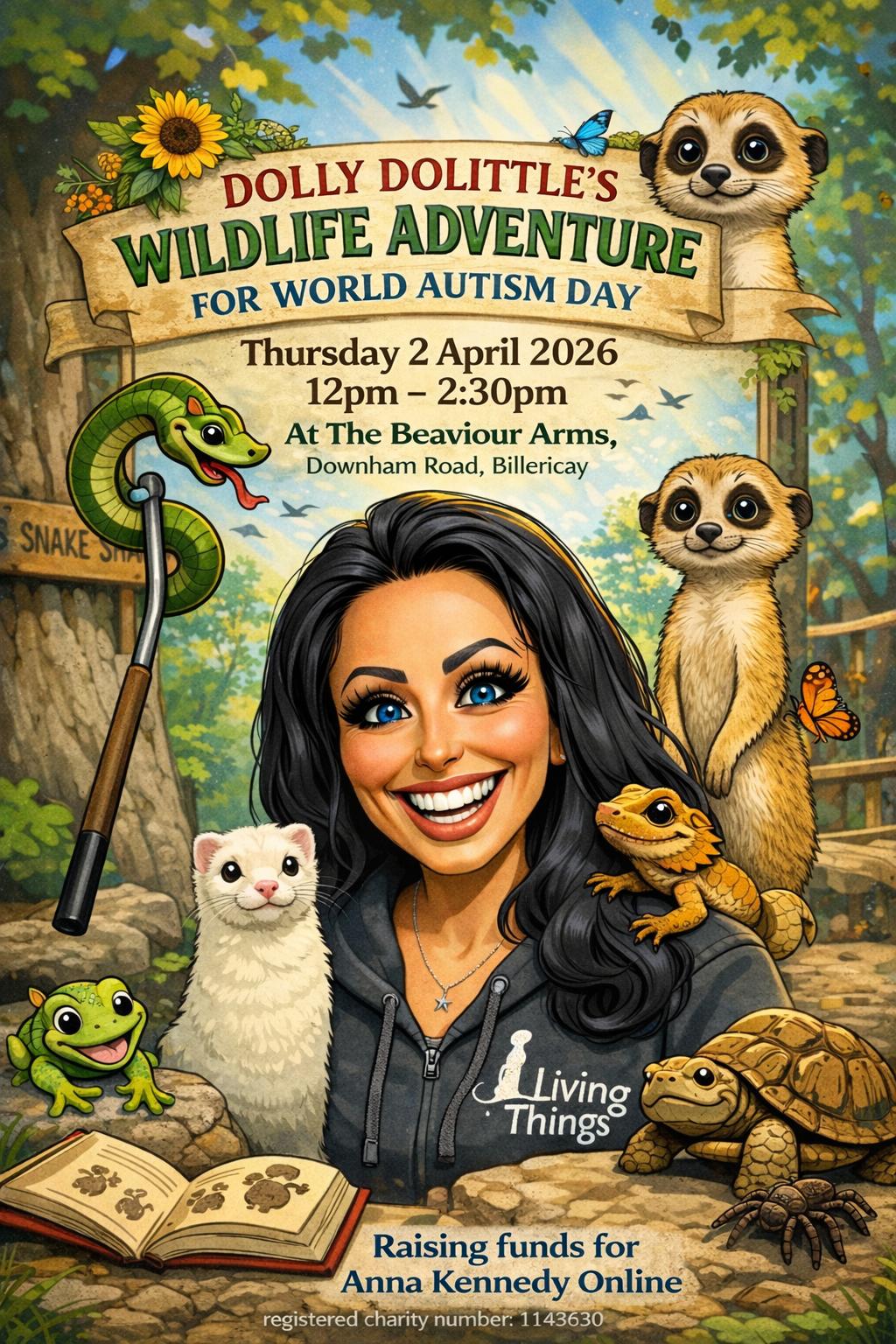
If you feel moved to show appreciation for the magazine’s work this year, please consider donating to Anna Kennedy Online, a charity that means an incredible amount to me personally. Not only is Anna a dear friend, but I am honoured to have been a patron of her autism charity for nearly twelve years—something I remain immensely proud of. The work AKO does is life-changing for autistic children, adults, and families across the UK. If you would like to donate, the details are below; even the smallest contribution helps.
Dr Anna Kennedy OBE with me.
Looking ahead, my biggest hope is that 2026 will be the year 2Shadesbecomes a global success. A huge portion of our readership already comes from the United States and Australia, which shows that our message resonates far beyond the UK. We speak to universal experiences—identity, struggle, connection, joy, and truth. These things transcend borders.
And that brings me to my wish for 2026, a simple yet powerful one: More empathy. More understanding. More respect.
We live in an increasingly polarised world, where disagreement is seen as a personal attack and differing opinions are met with hostility rather than curiosity. One of the wisest things I heard this year came from Peter Tatchell at the screening of “Legendary Children: All of Them Queer.” He said:
“By going into other places and organisations and being your authentic self, making a positive difference, people will start to change their views.”
That stayed with me, because it reminds us that real progress rarely comes from shouting or fighting—it comes from presence, compassion, and consistency.
Yet too often, respect is missing from the smallest everyday interactions. I’ll give you an example. I have not eaten red meat or pork for 49 years. It’s part of who I am. I don’t need to explain why; it doesn’t need to be debated. Yet more times than I can count, I’ve sat down to a meal only to be told, “Oh, just scrape it off,” as if my boundary were an inconvenience rather than something worthy of respect.
It’s such a small thing, but small things matter. Empathy shows itself in the details. Most people, of course, are thoughtful and considerate—but we all know others who refuse to see beyond their own beliefs. They hold strong opinions on everything yet become instantly outraged if you question theirs. They expect understanding but rarely offer it in return.
And then there are those who appear addicted to drama—who cannot be content unless they are creating conflict or turning an event into something about them. Rather than bringing joy, talent, or positive energy to a gathering, they bring chaos. It is, in my opinion, a kind of addiction in itself. A hunger for attention that stifles empathy and dims the light for everyone else. As such addiction is an illness and I have empathy there. However when an illness is contagious or has a knock on effect on your mental health you need to walk away in the end.
Imagine how different the world could be if empathy were something we practised as naturally as breathing. If instead of reacting, we paused. Instead of judging, we listened. Instead of assuming, we asked. If 2026 could bring even a fraction more understanding into everyday life, what a transformation we would see.
So as we wrap presents, raise glasses, and welcome the new year, my message is this: Celebrate with kindness. Speak with honesty. Live authentically. Respect differences—not just the ones that are easy, but the ones that challenge you. And above all, look for ways to make someone else’s world a little better.
To every reader, supporter, contributor, and friend of 2Shades: thank you for being part of this journey. Here’s to a beautiful Christmas, a hopeful New Year, and a 2026 filled with courage, connection, and compassion.
Many moons ago, I arrived at Gatwick Airport filled with a mixture of nervous anticipation and mild panic. I was heading to the Dominican Republic on a press trip, tasked with writing about its pristine white sands, enticing turquoise waters, and lush tropical surroundings. As usual, my luggage was overweight—my perennial travel hazard—but that wasn’t the biggest source of my unease. What truly unsettled me was the idea of travelling with a group of complete strangers.
Press trips can be unpredictable. They sometimes feel like entering a version of the Big Brother house: you meet people who may turn out to be lifelong friends, or you spend the entire time wishing for an early eviction. Thankfully, fate was on my side. Among my fellow journalists were two exceptional women—now widely known and respected—Sarah White and Gemma Calvert. Even back then, it was clear they were destined to shine in their field. Warm, witty, and brilliant, they lit up the trip from the moment we met, and we laughed our way across the Caribbean.
So, when a WhatsApp message pinged onto my phone recently from Sarah announcing she would be swimming the English Channel, I wasn’t remotely surprised. If anyone possesses the determination, spirit, and zest for life required to take on one of the world’s toughest endurance challenges, it is Sarah.
At 2Shades, we are immensely proud to support this amazing woman. Here is her remarkable story—and how you can join us in helping her raise funds for a truly life-changing cause.
Sarah’s Challenge: A Swim Like No Other
Sarah White, a passionate sea swimmer from Hythe, has long admired those courageous enough to take on the English Channel. Considered the Everest of open-water swimming, the Channel is unpredictable, cold, and relentlessly demanding. Yet, on 29 August 2026, Sarah will join a team of five fellow swimmers to attempt an English Channel Relay Swim, covering an extraordinary 21 miles in what may become a grueling 14–16 hour journey.
This is not simply a personal challenge; it is a mission driven by heart.
Sarah is aiming to raise £5,000 for Aspire, a charity devoted to supporting people with life-changing spinal cord injuries. Their work helps individuals regain independence, rebuild confidence, and reclaim their futures. The need is urgent: every two hours, someone in the UK becomes paralysed due to a spinal cord injury.
A Message from Sarah White
“As a passionate sea swimmer from Hythe, I’ve been inspired by the incredible journeys of others who have taken on the challenge of swimming the Channel.
On 29 August 2026, I will join five others in attempting the English Channel Relay Swim, covering approximately 21 miles in what could be a gruelling 14- to 16-hour journey.
I am raising £5,000 for Aspire, a charity dedicated to providing support and fostering independence for individuals with life-changing spinal injuries. This cause is incredibly important; every two hours someone is paralysed due to a spinal cord injury. By supporting Aspire, we can make a significant difference to the lives of those affected.
I’ve already begun my training regime to prepare for this monumental challenge, but I need your help to reach my fundraising goal. Please consider donating whatever you can to this worthy cause. Your contribution will not only support Aspire but also inspire hope and resilience in those facing spinal injuries.
Donating through JustGiving is simple, fast, and completely secure. Your details are safe with them—they will never sell your information or send unwanted emails. Once you donate, your money goes directly to the charity, making it the most efficient way to contribute and ensuring that every penny counts towards helping those in need.”
Why Her Story Matters
Sarah’s challenge is more than a swim—it’s a powerful reminder of the strength of community, determination, and empathy. Watching someone you once giggled with on a sun-drenched beach take on one of the world’s greatest endurance feats is nothing short of inspiring.
Her journey is a testament to what can happen when courage meets compassion.
And she isn’t doing it alone. Every donation, every share, and every message of support helps carry her across those vast, unpredictable waters.
Steven’s Out and About At David J. Howe’s book launch “Who Me” — in conversation with Samantha Lee Howe — at the Firepit Gallery, London, in aid of the autism charity Anna Kennedy Online
Dr Anna Kennedy OBE with David J Howe and Samatha Lee Howe .
Tucked away at the end of the North Greenwich Peninsula, just a short stroll from the iconic O2, the Firepit Gallery is fast becoming one of my favourite places in London. It’s not just the remarkable art on display that draws me back time and again, but the warm, creative energy that fills the space. The gallery, lovingly nurtured by its owner Marcus Jake, has quickly become a safe and welcoming haven where artists, writers, performers, and makers gather, collaborate, and feel part of a family. Marcus’s gift is creating an atmosphere where everyone feels seen, valued, and entirely at home.
It’s no surprise, then, that the venue is becoming known not only for its artistic endeavours but also for hosting an eclectic range of diverse, exciting events. On the 28th of November, it was a delight — not only for die-hard Doctor Who fans but for many others — to attend the London launch of David J. Howe’s new book Who Me. Despite the cold, wet evening, fans gathered enthusiastically, queueing in excellent spirits for the chance to have their books signed. A percentage of the proceeds was generously donated to the autism charity Anna Kennedy Online.
Me with the wonderful Samantha Lee Howe , the legend that is Pam Sharrock and the man of the hour David J Howe .
Anna Kennedy OBE herself was present, radiating her trademark warmth and energy as she introduced both David and the evening’s interviewer. David’s wife — the ever-glamorous and always engaging Samantha Lee Howe — brought her own sparkle to the occasion. Guests enjoyed a glass of prosecco while mingling before taking their seats for Samantha’s conversation with David.
with ” Who Me ” writer David J Howe .
An award-winning author and screenwriter, Samantha guided David through a fascinating reflection on his lifelong journey with Doctor Who: from childhood fan to acclaimed writer, historian, and one of the most recognisable voices in the Whovian world. The audience, which included fellow Doctor Who writer Robert Shearman, listened intently as David shared insights, anecdotes, and the unexpected twists that shaped both his career and his deep connection to the Doctor’s universe.
David J Howe with gallery owner Marcus Jake , celebrity photographer Annemarie Bickerton , Artist Piluca .
The evening also featured a lively charity raffle, with all funds raised going to Anna Kennedy Online. Dr Anna Kennedy, PR. Pamela Sharrock, QVC’s Beverley Cressman, and David himself picked the winning tickets. The raffle table was a treasure trove, thanks to generous donations from celebrity aesthetics expert and singer Sue Moxley; Aston Martin; celebrity make-up artist Ayesha Baig; Iryna Stewart, Director of Imagine You; and the team behind the innovative “Recovery Pillow.”
As if that weren’t enough, guests were treated to a Doctor Who-themed cake — and thankfully, no one was exterminated in the process! The atmosphere was joyful, warm, and celebratory, marking another memorable night at the Firepit Gallery.
Yes, Clare McSweeney is back with her beauty and aesthetic advice for your Christmas and New Year glow. Here are her top seasonal tips, woven together with your most-asked beauty dilemmas.
Diana from Basildon writes: “My 14-year-old daughter is make-up mad. I try to limit when she wears it, and I’ve taught her how to apply it properly. All she wants for Christmas is make-up or beauty products. What should I buy her that won’t break the bank?”
Clare replies: For a 14-year-old, focus on fun, gentle and budget-friendly products. Teen skin is delicate, so avoid anything too active. Lovely options include a lightweight tinted moisturiser, a cream blush, a neutral eyeshadow palette, a clear or lightly tinted gloss, and a gentle cleanser. Brands like e.l.f., Revolution, Catrice and NYX offer brilliant quality without stretching your budget. She’ll feel spoiled without you overspending.
Clare is also often asked for her top festive glow tips. Here are her five Christmas skin commandments:
Hydrate with hyaluronic acid under your moisturiser.
Exfoliate gently twice a week.
Use a radiance-boosting primer for that candlelit finish.
Brighten mornings with vitamin C.
And yes — always SPF, even in winter.
Nicky from Basildon asks: “My bestie is sun-mad — if she’s not on the sunbed, she’s applying fake tan. She’s starting to look a bit orange. I’m thinking of buying her a salon spray tan for Christmas, but what’s the best way to apply tan so it looks natural?”
Clare answers: The secret is prep, patience and blending. Exfoliate the day before (never just before!), moisturise dry spots like elbows and ankles, and apply self-tan in light layers with a tanning mitt. Build slowly, blend wrists and ankles with a fluffy brush, and she’ll go from tangerine to tasteful glow.
And because you asked — Clare’s top three self-tanning products:
Bondi Sands Aero
St. Tropez Classic Mousse
Tan-Luxe The Gradual
Sally from Southend writes: “I’m thinking of getting Botox before a school reunion on the 18th. I’m in my 30s — how soon should I have it done so it looks natural?”
Clare replies: Botox takes 10–14 days to settle fully, so book in around the 4th–6th. That’s the sweet spot for subtle, smooth and natural-looking results. And always choose a qualified medical practitioner — skill matters just as much as timing.
Clare’s top five tips for anyone considering aesthetic treatments:
Research your practitioner thoroughly.
Always have a consultation beforehand.
Avoid party treatments — aesthetics need a clinical environment.
Follow professional aftercare advice.
Start with less — refinement beats over-correction every time.
Finally, May from Raleigh asks: “My friends and I are having a Christmas sleepover party with masks and a pedicurist. Now someone has arranged for a practitioner to do Botox for us. I could do with having it done… but is this safe during a party?”
Clare responds: Botox at a party is a festive no, darling. Aesthetics require proper lighting, hygiene, medical history, consent and concentration — not bubbles and nibbles. Enjoy the masks and pampering, then book your Botox separately in a proper clinical setting. Your face will thank you.
To finish, Clare’s three must-have beauty masks for the season:
Garnier Moisture Bomb Sheet Masks
Origins Drink Up Intensive
The Ordinary Salicylic Acid 2% Mask (avoid if very sensitive)
2Shades introduces Richard Andrews new column ” Money Matters ” He’s not a financial adviser — but with more than a decade in banking, years of coaching executives, and hands-on experience running his own business, Richard Andrews knows a thing or two about money. As households prepare for one of the most expensive seasons of the year, Richard shares his no-nonsense advice on spending smart, avoiding debt, and keeping Christmas joyful without breaking the bank.
“Finance expert is very kind… but let’s clarify that first!”
Q: Richard, you’ve been described as a finance expert. Is that fair? A: “‘Finance expert’ is very kind, but I’m not a financial adviser. I did spend over ten years working for a high street bank, including as a business manager supporting small businesses. Today, I run my own company and coach executives and individuals to help them achieve the outcomes they want. All of that gives me plenty of real-world insight to share with your audience.”
The Cost of Christmas
Q: Why is Christmas such an important time to talk about money? A: “Because we spend a lot of it. The average UK household will spend around £1,626 on Christmas this year. That includes £350 on food and drink and £181 on presents. But the biggest spend comes from the hidden extras — entertainment, wrapping paper, cards, batteries — all those little things that add up fast. If you’re not careful, the consequences can follow you well into January.”
Teaching children about the value of this is important even at Christmas .
Rule Number One: Don’t Spend What You Don’t Have
Q: What’s your core message for managing Christmas spending? A: “Don’t spend money you can’t afford. I’m not suggesting a gloomy, ‘bah humbug’ Christmas — just decide what you can realistically spend and stick to it. Overspending without a plan leads straight to a miserable January.”
The Credit Card Trap
Q: Many people rely on credit cards at Christmas. What’s the danger? A: “Most of us use them, but the issue is that people often add £250–£500 to their debt at Christmas. That £250 gadget can become £500+ once interest kicks in if you’re not paying it off quickly. Some instalment services like Klarna can help if you can afford them — but remember, they’re not free money.”
Black Friday: Bargain or Illusion?
Q: Are Black Friday deals worth it? A: “Often they’re not. Some retailers raise prices beforehand to make the ‘discounts’ look dramatic. The best thing you can do is track the prices of items you genuinely want. Don’t fall for impulse buys — that’s dead money.”
Cost of Living vs Christmas Spirit
Q: In a cost-of-living crisis, how can people avoid overspending? A: “Plan and budget. The UK will throw away almost £450 million worth of food over Christmas. Don’t get into debt buying food you’re going to bin. Freeze leftovers, plan meals properly, and remember that the real gift is time with loved ones. Debt in January is the fastest way to ruin the joy of Christmas.”
Managing Children’s Expectations
Q: How should parents handle kids’ wish-lists? A: “Kids are smart and constantly targeted by influencers. Be honest, don’t promise what you can’t deliver, and don’t go into debt to keep up with the Joneses — that’s a race you can never win. Set realistic budgets, talk openly, and consider refurbished or discounted-return tech. ‘New to them’ is just as good.”
Short-Term Loans: A Firm No
Q: Are short-term loans ever a good idea during the holidays? A: “Never. A £500 loan over six months can cost you £640 or more. These loans spiral quickly and trap people in a cycle of borrowing. No Christmas is worth that risk.”
Planning Ahead for Christmas 2026
Q: What’s the best strategy for next year? A: “Start in January. Put aside whatever you can each month into a savings account. Christmas Club schemes can help, but make sure you’re not stuck with a single retailer. Buy gifts throughout the year if you spot a good deal and remember that adults don’t need expensive presents — thoughtful tokens count.”
The Real Gift
Q: Any final advice for a calmer Christmas? A: “Christmas is stressful enough without money worries. Don’t add pressure you don’t need. Focus on an affordable, joyful Christmas with the people you love — because that is the true gift.”
The festive season is calling — champagne receptions, late-night parties, and the kind of photos that live online forever. Whether you’re raising a glass at the office do, wrapping up warm for the Christmas markets, or stepping into the New Year in style, your hair deserves to look the part. Here’s how to stay sharp, confident, and camera-ready with seven expert tips from your barber.
✂️ 1. Get Your Christmas Cut Early December is crunch time for barbers — and the best styles belong to the men who plan ahead. Get in early and give yourself room for a final tidy-up before the big night. A fresh fade or refined shape-up is the difference between “I just rolled out of bed” and “leading man energy.”
Style it up and look more James Bond than Brooke Bond
💈 2. Refresh Your Style for the Season The holidays are the perfect excuse to evolve your look. Try a modern textured crop, classic side part, or sleek pompadour — timeless, confident, and effortlessly photogenic. Ask your barber to tighten the fade, add volume on top, or sharpen the outline. A small change can transform your entire presence.
Love Island Star drops into get that clean cut look with Mike ,,
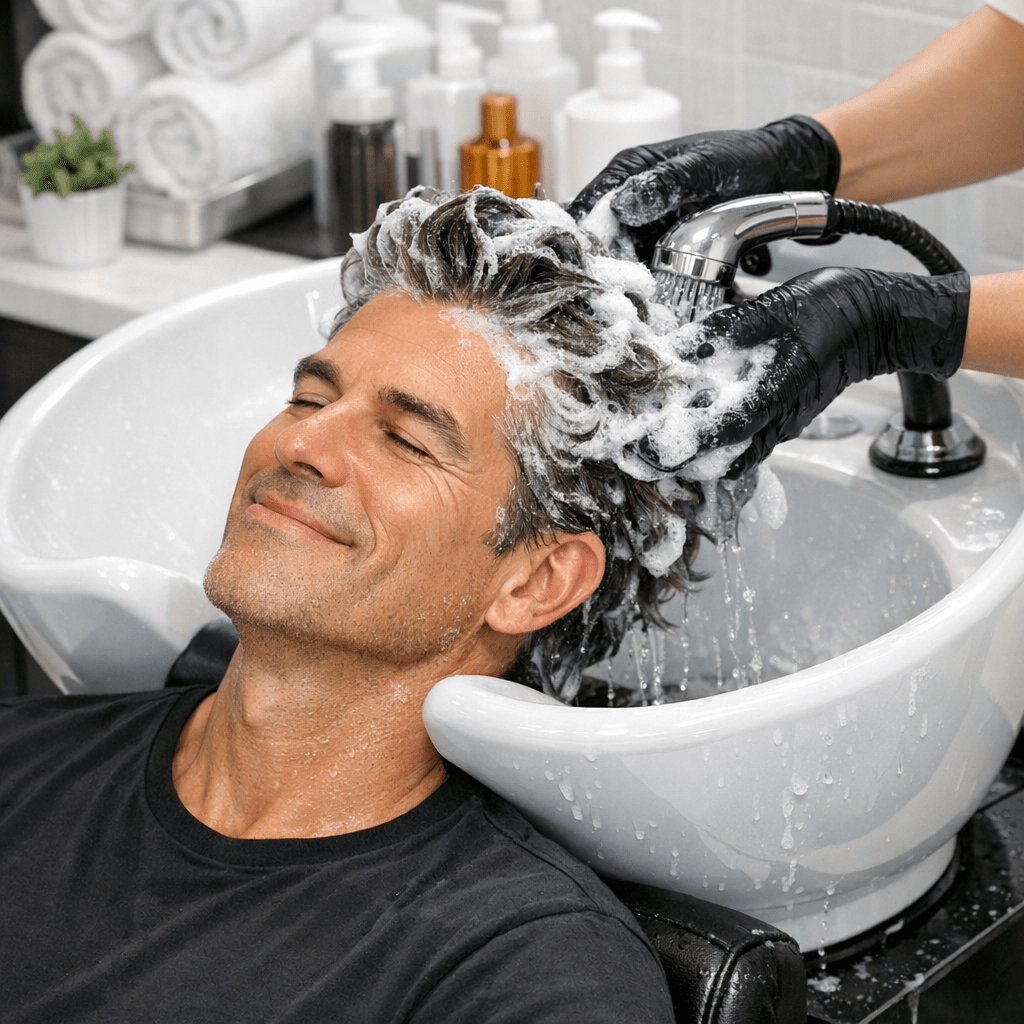
🪮 3. Keep It Clean and Conditioned Cold weather is brutal on hair. Upgrade your routine with a hydrating shampoo and rich conditioner to combat dryness and static. A touch of argan oil or leave-in conditioner keeps everything smooth, polished, and party-ready. Healthy hair always styles better — no exceptions.
💨 4. Master the Blow-Dry Great hair doesn’t just happen — it’s styled. Use a blow-dryer to add lift and structure before applying product. Always direct the air in the direction you want your hair to fall. It’s a small move that separates the men who “have good hair” from the men who know how to use it.
Champion make over by Mike ready for the holidays
🧴 5. Choose the Right Product Your summer styling cream won’t cut it in December. Cold air, central heating, and long nights call for matte clays, pomades, or grooming creams with extra hold. Go matte for natural texture or add a hint of shine for an evening edge. Either way, make sure your product works as hard as you do.
🧔 6. Don’t Neglect the Beard A well-kept beard is the ultimate accessory to a strong haircut. Keep it shaped, hydrated, and defined. Use beard oil for softness and a subtle, masculine scent — the kind people notice without quite knowing why. Precision is everything.
🥂 7. Style It Up for the Big Nights The calendar’s closing parties call for extra polish. Add a little shine, slick it back, or go bold with volume — whatever gives you confidence. Remember: a great cut isn’t just about the hair. It’s about the energy you walk into the room with.
Final Word: Confidence is the best product in your grooming kit. A sharp cut, clean lines, and effortless style tell the world you’ve got it together — no matter how late the night runs.\
Michael’s Barber Shop, located at 54c Kenway Road, London SW5 0RA. It is a long-established barber shop known for its experienced staff and quality cuts at reasonable prices. You can contact them at 020 7370 6983.
Address: 54c Kenway Road, London SW5 0RA
Phone: 020 7370 6983
Reputation: Known for being a leading barber in Earl’s Court with experienced and personable barbers
Details: The shop has a quaint feel and offers quality haircuts at reasonable prices
By Guest Writer Manchester based award winning artist and my friend Loveartpix.
November is Men’s Mental Health Month, and as usual, I want to move beyond the usual catchphrases like ‘Talking Helps‘ as it’s far more complex than that. The question I keep returning to (because it’s personal) is this: does our generic, neurotypical framing of “men’s mental health “leave too many men like me behind?
Campaigns, days, and months do matter – they reduce stigma by getting the much needed conversations going and remind us to check in on friends. But what is their impact if suicide rates are still just as high, and some of the men at greatest risk (neurodivergent men) are largely left out of the conversation?
We rarely say this plainly: autistic people face a much higher risk of suicide than non‑autistic people. A large Swedish population study found that autistic adults, especially those without intellectual disability, were around nine times more likely to die by suicide than their non‑autistic peers (Hirvikoski et al., 2016).
Autistic adults without intellectual disabilities are, on average, more likely than non‑autistic peers to experience mental health conditions such as anxiety and depression. Factors that contribute include chronic camouflaging/masking, sensory overload, social mismatch and stigma, late or missed diagnosis, and barriers to tailored support.
In clinical samples, the picture is even starker: two‑thirds of autistic adults report lifetime suicidal ideation, and about one‑third report suicide plans or attempts (Cassidy et al., 2014). If the risk is this high, why isn’t this part of the headline of our November conversations?
And what about the many who are undiagnosed – men whose autistic traits are missed or misread due to lack of awareness? How many die by suicide after years of the wrong treatment, the wrong framework, or a string of mental‑health labels that never addressed neurodivergent needs in the first place? We don’t track this well enough to know – this, for me, is very worrying.
I’m not speaking in theory. For more than two decades, I repeated the same words over and over, and the responses I received didn’t fit their box – so it was a continuous battle creating more mental health issues.
“Look Dez, you’ve taken every combination of medication we can offer you. What else do you want us to do?” – words you don’t want to hear from the psychiatrist in charge of your mental health and well being!
Even after my diagnosis, I’m basically begging for support in any way possible, but they still don’t have an answer. Right now, no services are willing to accept my case. That isn’t a lack of “talking.”It’s a system that doesn’t understand or accommodate neurodivergent needs.
“Talk to someone.” “Pick up the phone.” “Open up.” These messages are well‑meant—and sometimes they help. But they assume a neurotypical nervous system. When distress is driven by sensory overload, alexithymia (difficulty identifying and describing feelings), shutdown, or the aftermath of masking, being asked to “speak up” on a phone call, or in fluorescent‑lit rooms, with vague questions, can be not only ineffective but also actively dysregulating and even traumatic.
Personally, I often communicate better in text when I go into meltdown (and after), I need time to process, and rely on concrete, direct language and clear communication. Standard CBT delivered at a pace, full of metaphors and homework that assumes neurotypical cognition, doesn’t work unless it’s really adapted. Yet adapted therapy is patchy across the UK, and post‑diagnostic support for adults remains weak at best – if it exists at all! I’ve learned this the hard way: I’ve been “talking” for years. What’s missing isn’t the willingness to speak – it’s services that listen but don’t know how to respond to neurodivergent communication without pathologising it.
Diagnostic waiting lists have exploded. There are now well over one hundred thousand people in England awaiting autism assessments, with many waiting far longer than the 13‑week standard – often 12–24 months or more. Adult ADHD pathways are similarly overloaded. Late diagnosis isn’t just an administrative delay; it can mean decades of inappropriate treatment plans, missed adjustments at school and work, and a build‑up of trauma from being told to “try harder” in systems not built for your brain. Each missed or delayed diagnosis is a missed opportunity for prevention – especially when we know suicidality is elevated in autistic populations.
89% of autistic adults in the UK aged 40-59 are undiagnosed – Kings College London (2025)
This is why the generic approach to “men’s mental health” feels inadequate to me. Awareness months aren’t wrong – they are just incomplete. We can’t keep telling men to “open up” while offering only neurotypical doorways.
Here’s a truth I wish we’d say out loud: it’s a huge barrier when men are already “talking,” but the system still can’t understand what they’re saying. I’ve used the same words for more than twenty years. The approaches offered back haven’t matched my needs – and I am not a unique case! Even after my diagnosis, when I articulate my needs clearly, services have no adapted pathway, no training, or no remit that fits. At this moment, I’m not being accepted by any service. That isn’t impartial; it’s exclusion by design.
Neurodiversity, complex trauma, and racialised stress each demand deep, specific knowledge. Very few clinicians are experts across all three. That’s not a criticism of individuals; it’s a system‑design problem. Our pathways remain separated: autism/adhd/dyslexia over here, trauma/cptsd over there, “men’s mental health” somewhere in a campaign toolkit. Meanwhile, men sit on waiting lists, collecting labels, and learn to mask harder. Many still struggle to speak openly – especially when their experiences don’t match neat, neurotypical scripts of sadness, worry, and recovery.
Campaigns must reflect the facts: men are not all the same, and neither are their minds – neurotypical and neurodivergent.Put neurodivergent men on the list and on the panels. Highlight that autistic burnout is not laziness; that ADHD‑related rejection sensitivity can look like despair; that shutdowns and meltdowns are not misbehaviour. And tell men this clearly: if standard tools haven’t worked, maybe it’s the tool and not you!
And let’s make the suicide data visible, not buried in academic journals. If autistic men face a dramatically higher risk, surely that belongs on the first slide, the first poster, and the first funding line?
We should admit where the evidence base is thin and choose humility. Research is (hopefully) accelerating, but we’re years from fully understanding these intersections. Until then, ‘specialists’ need to listen more to lived experience – with an open mind, and not through the generalised, stereotypical lens that turns nuance into “non‑compliance.” Ask what helps. Believe the answers. Adapt!
None of this diminishes the value of awareness months; it actually refocuses them. If we want November’s messages to be more than posters and hashtags, we have to build services that fit all men, not the imaginary neurotypical everyman. The stakes are life and death. A system designed around the most complex needs will serve everyone better.
‘I have personally reached out to some well-known men’s mental health services and asked how they handle neurodivergent individuals, and I have been met with half-hearted replies and almost snubbed to my face’ – an all too common response in my experience.
Acceptance has been central to how I navigate life now – there isn’t any help out there at the moment, as the research simply isn’t there. Acceptance hasn’t removed the struggle, but it has reframed it for me. I have been ‘speaking up’ for years. I don’t need another generic neurotypical catchphrase. I need services that recognise what I’m saying – and are ready and able to respond with understanding, compassion and a willingness to make reasonable adjustments.
Sources for the statistics mentioned:
– Hirvikoski, T. et al. (2016). Premature mortality in autism spectrum disorder. A population‑based study in Sweden. Findings include markedly elevated suicide mortality, especially among autistic adults without intellectual disability.
– Cassidy, S. et al. (2014). Suicidal ideation and suicide plans or attempts in adults with Asperger’s syndrome attending a specialist clinic. Reports 66% lifetime suicidal ideation and 35% plans/attempts.
LONDON, ENGLAND - NOVEMBER 01: Victoria Featherstone Pearce and Karin Ridgers seen attending the Vegan Women's Club launch at 45 London in Shoreditch on November 01, 2025 in London, England. (Photo by Ricky Vigil M/GC Images)
The Gorgeous Victoria Featherstone Pearce , with the glamours Karin Ridgers and Juliet Gellatley
Founder And Director @ Viva!
Glitz and glamour poured into Shoreditch on a rain-soaked Saturday night as 2Shades Magazine joined the celebration for the official launch of the Women’s Vegan Club at the ultra-chic 45 London Despite the downpour, nothing could dampen the excitement as guests in sequins, faux fur, and high spirits gathered to raise a glass — or rather, a coconut-rimmed cocktail — to compassion, community, and cruelty-free living.
The gorgeous Victoria Featherstone Pearce with 2shades Steven Smith at the launch of The Woman’s Vegan club
The event wasn’t just for women — men were warmly welcomed too — but it was very much a celebration of female empowerment and ethical entrepreneurship. The room shimmered with warmth and laughter as founders, patrons, and supporters mingled over divine canapés and cocktails, united by one shared passion: veganism.
In a world where being vegan can still attract raised eyebrows or outright discrimination — whether in the workplace, at the dinner table, or even in friendships — the Women’s Vegan Club has created a space where compassion is something to be proud of. This is a club about inclusion, not exclusion, and about supporting each other in living authentically and kindly.
Cake by Freya Cox
And what a line-up of women at its helm. Three of my favourite ladies are involved — one as an ambassador and two as co-founders — each an inspiring powerhouse in her own right.
Model, vegan activist, and lifelong animal rights advocate Victoria Featherstone Pearce is the embodiment of grace and grit. Best known for her tireless campaigning and for co-owning K-9 Angels, a charity dedicated to rescuing and rehabilitating dogs worldwide, Victoria has been a compassionate force for change in the animal welfare movement. As a VegfestUK blogger and campaigner for both PETA and Animal Aid, she has fronted numerous awareness initiatives encouraging a kinder lifestyle. A devoted mum to her seven rescue dogs, Victoria’s dream is to one day open her own animal sanctuary — a place where every creature has a home and a second chance. Her work reflects a lifetime of dedication to animal welfare and her belief that kindness should be the foundation of everything we do.
The other visionary behind the Women’s Vegan Club is Karin Ridgers, an award-winning entrepreneur, broadcaster, and vegan advocate of more than 30 years. Karin is the founder of MAD-Promotions PR and the creative force behind VeggieVision TV, an online platform championing vegan businesses and ethical living. Her energy is infectious, her passion unshakable. Karin has long been recognised for her dynamic public speaking and unwavering support for cruelty-free campaigns. Through her work, she continues to inspire and connect people across generations, proving that compassion and confidence go hand in hand. When Karin took the stage later that evening, her speech was electric — part rally cry, part love letter to the movement. Her words reminded us that veganism isn’t a passing trend, but a moral choice and a lifestyle built on empathy. As I watched her speak, I couldn’t help thinking she should be in Parliament — we need voices like hers there.
Representing the club as its ambassador is Wendy Turner Webster, a beloved British television presenter and producer best known for hosting the long-running UK show Pet Rescue. An award-winning animal rights campaigner, Wendy has dedicated much of her life to championing the ethical treatment of animals, both on-screen and behind the scenes. Her work spans decades of advocacy — from campaigning for cruelty-free beauty to promoting vegan living through her media appearances. Her passion is as genuine as her warmth, making her a perfect fit for a club that’s about real change, not just polished image.
Now, full disclosure — I’m not entirely vegan… yet. One of my best friends in Dubai is, and when I stay with her, I become a temporary convert. And I have to admit, I love it. So, as someone who flits between plant-based and pescatarian, I was fascinated to see how this night would blend style and ethics.
From the moment I arrived, it was clear this was no ordinary launch. Guests were greeted with a warming vegan ginger and rum cocktail — the perfect remedy for a chilly London evening. The canapés were works of art: the standout being a delicate broccoli and black garlic bite that I’m still thinking about days later. The atmosphere was buzzing yet intimate. The crowd was a lively mix of media personalities, campaigners, and creatives — the kind of people who make you believe that small changes can truly change the world.
The Great British Bake off Freya Cox
Victoria’s speech was heartfelt and deeply moving. I’ve known her since our days moving in the same media circles, and what has always struck me about her is her honesty and kindness. Hearing her speak about her personal journey into veganism — the challenges, the triumphs, and the quiet conviction behind her choices — left more than a few misty eyes in the room. Then came Karin’s rousing address — part Emmeline Pankhurst, part stand-up charm — reminding everyone that activism can be elegant, and leadership can be laced with humour. https://www.veganwomensclub.com/pricing
And then came a surprise highlight: an impromptu speech by Great British Bake Off’s own Freya Cox. Funny, humble, and full of life, Freya had the audience roaring with laughter — and soon queueing eagerly for a slice of the vegan cake she had created especially for the night. In true showbiz fashion, the cake even matched Victoria’s gown — a dazzling touch of edible couture. Imagine the jam roly-poly of your schooldays, only reinvented as a masterpiece of modern vegan patisserie.
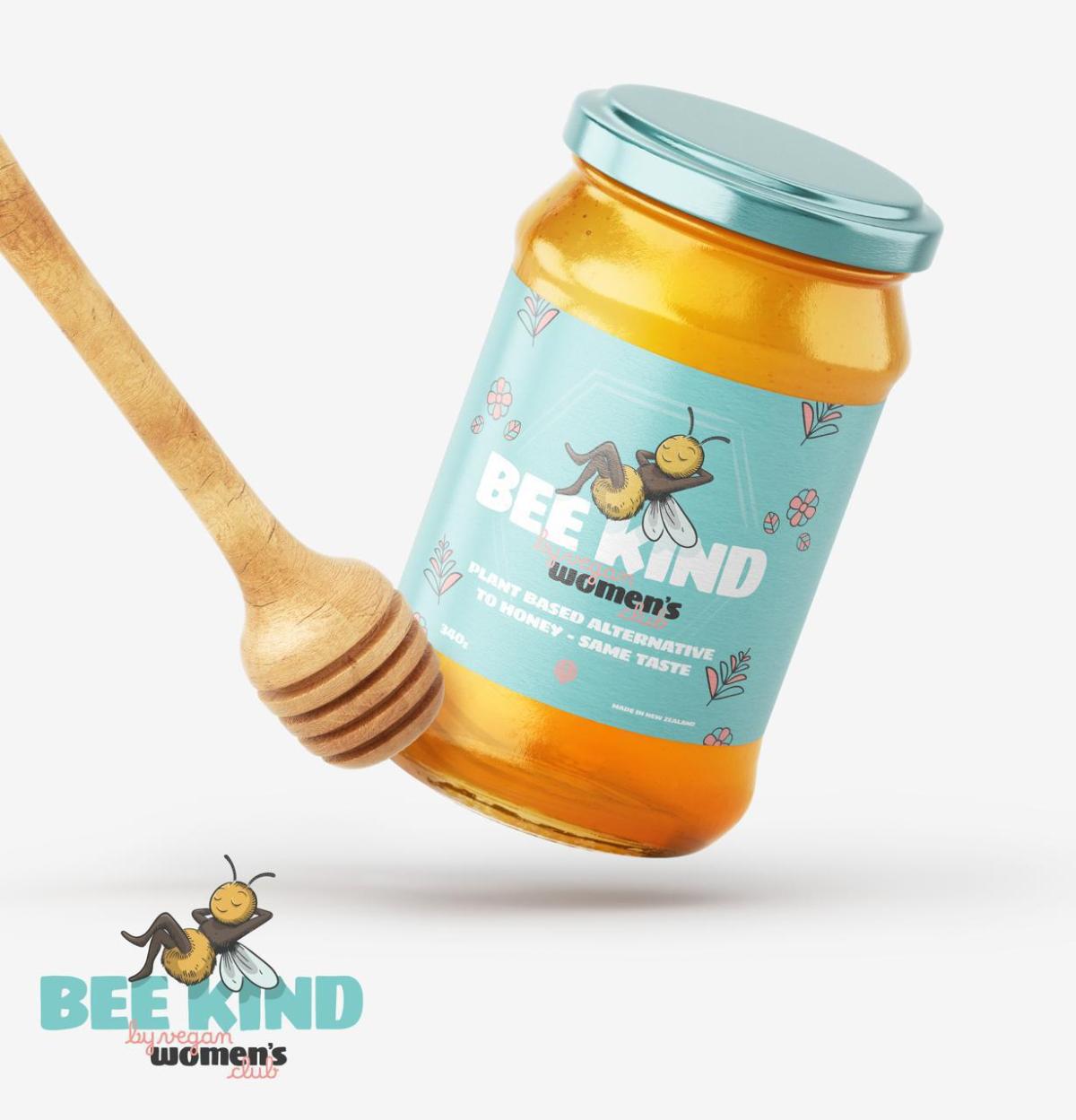
But it wasn’t all “let’s hear it for the girls.” Victoria’s dashing husband, Stephen Pearce, added his own twist to the evening’s delights by introducing his line of vegan honey — made not from bees, but from pine needles. The taste was rich, aromatic, and unexpectedly moreish. As Dr Anna Kennedy OBE declared while snapping up a pot, “Just wonderful!” (Watch this space for more on that.) Stephen also unveiled a range of mouth-watering vegan cheeses that had even the most sceptical guests going back for seconds
The party carried on late into the evening, the room shimmering with the glow of good company and shared purpose. People danced, laughed, swapped numbers, and made plans for collaborations and causes. What united everyone there wasn’t just veganism — it was the belief that kindness, creativity, and community can coexist beautifully.
Annette Wardell seduces the crowd with her magical voice .
By the end of the night, it was clear that the Women’s Vegan Club isn’t just a social group — it’s a movement. A space where women can support one another, promote sustainable change, and still look absolutely fabulous while doing it. As I left, rain still falling softly on the cobbles of Shoreditch, I couldn’t help but smile. Compassion has never looked so glamorous.
Follow the Women’s Vegan Club https://www.veganwomensclub.comSteven’s Note: 2Shades Magazine celebrates women who lead with purpose, style, and heart — those who use their voice to make the world a kinder, brighter, and more inclusive place
Dear Heidi How are you? Please can I beg for your help? My best friend is driving me mad. She goes from one bad relationship to another. She loves the bad boy look — covered in tattoos and looking like they got out of prison last week. It’s always a car crash, and to be honest, my empathy is running low. It’s my birthday soon, and honestly, her whining on about her love life is not my idea of fun. Would it be wrong not to invite her? — Nadine, Essex
Dear Nadine, Oh, the endless bad-boy drama — I think we’ve all had a friend like this! It’s exhausting watching someone you care about drive straight into the same brick wall again and again, isn’t it? Here’s the thing: you can’t fix her, and it’s not your job to. If she chooses chaos, that’s her story to live — but you’re allowed to protect your own peace. For your birthday, surround yourself with people who bring joy, not stress. If inviting her will spoil your day, then don’t. You can see her another time when you have the energy to listen. Being a good friend doesn’t mean being a doormat — sometimes it means stepping back with love. Or be brave and tell her how you feel, that it’s draining you. Love, Heidi
Dear Heidi Really love the show. My husband has always been a bit homophobic. Six months ago, he liked my hair so much he wanted a few highlights. Knowing he’s not great about the gay thing, I suggested he shouldn’t go to my beautiful stylist — who is also a friend — but he insisted. His hair looked amazing, but a few weeks later I was shocked to find he’d been out for drinks with my hairdresser, and now they’ve become friends. He says it’s rubbish that he’s homophobic and that he enjoys the laughs they have together. There’s a lads’ weekend to Ibiza coming up — no ladies allowed, which is fine — but can you imagine my hairdresser going too? I asked him why, and he said he’s going anyway and will get them into a few clubs. What’s going on? — Marieanne, Southend
Dear Marieanne, Well, this is a twist! It sounds like your husband has discovered that friendship doesn’t have to come with labels — and that’s actually a good thing. Maybe getting to know your hairdresser has opened his eyes a little and softened his old prejudices. As for the Ibiza trip — I can see why your eyebrows are raised! But before your imagination books a one-way ticket to Jealousville, take a breath. This might simply be two people enjoying new company and shared humour. If your instincts tell you there’s something deeper going on, have an honest, calm chat. But don’t jump to conclusions — this could be the best thing to happen to your husband’s attitude. Who knows? He might come home with a tan, a hangover, and a new respect for your fabulous friend. Love, Heidi
Dear Heidi I am madly in love with this lad, and he’s only gone and asked my friend to the dance! Honestly, Heidi, I am fuming — and she knew I liked him. I’m fifteen, and she dresses like she’s a dancer, while my mum says no to lashes and short skirts. It’s not fair. I’ll probably never speak to her again. What can I do? — Mandy, Basildon
Dear Mandy, Oh sweetheart, teenage love can feel like the end of the world — but I promise, it isn’t. You’re fifteen, and your heart is still learning who deserves it. This boy clearly doesn’t, and your friend’s choices say more about her than they ever could about you. You don’t need lashes or short skirts to shine — confidence is far more magnetic than mascara. Let her have her dance; you focus on being you. One day soon, someone will see the real you and won’t want to dance with anyone else. For now, dry your tears, hold your head high, and remember — nothing burns brighter than self-respect. Love, Heidi
Dear Heidi I’m feeling really down. I’m so fat, my budget won’t stretch to fat injections, and the gym just leaves me flat. No girls like me, and I’m nineteen and not going out anymore. What can I do? — Peter, Brighton
Dear Peter, First, let me tell you this — you are not alone. So many young people feel exactly the way you do, especially with all the “perfect” bodies plastered across social media. But real attraction doesn’t come from injections or six-packs — it comes from self-worth, kindness, and confidence. Start small: walk, move, cook decent food, talk to people. Find one thing every day that makes you feel good — music, a hobby, helping someone, anything that builds you up instead of tearing you down. The more you value yourself, the more others will see your worth. Confidence isn’t something you buy — it’s something you grow, and it lasts far longer than any gym membership. Love, Heidi
Dear Heidi My husband has announced that his mother is coming for Christmas. She’s horrible — the most passive-aggressive, rude woman you could meet. We’ve never got on; she has a way of finding a cloud in every silver lining. She’s on her own, and honestly, that’s what she deserves. My husband says she’s not that bad. Should I tell him it’s me and the children or her — and leave home for Christmas? — Sandra
Dear Sandra, Ah, the mother-in-law Christmas horror — a timeless festive classic! I can hear the carols already: “Silent night? Not likely.” You clearly feel hurt and unseen by your husband, but issuing ultimatums rarely ends well. Instead, set clear boundaries. Tell him you’ll welcome his mother — but only if everyone treats each other respectfully. If she can’t manage that, then maybe she stays elsewhere next year. Remember, Christmas is one day. Don’t let her steal your sparkle — pour a glass of something festive, smile sweetly, and rise above her barbed comments. Nothing annoys a passive-aggressive person more than calm happiness. Love, Heidi
Hi Heidi Not really a problem, but how do you get to be a counsellor or agony aunt? — Simon
Dear Simon, What a lovely question! Becoming a counsellor or agony aunt starts with empathy — and you clearly have that. Training in counselling, psychology, or journalism helps, but life experience and genuine curiosity about people matter just as much. Start small: volunteer with support organisations, write advice pieces online, or train in active listening. The best agony aunts aren’t perfect — they’re just honest, compassionate, and willing to help others make sense of their messiest moments. And who knows, Simon — you might be writing your own “Dear Simon” column one day! Love, Heidi