This month, she chats to the editor of 2Shades, Steven Smith, about her journey in the aesthetics field and the exciting news that she is joining Aroma Clinic in Shenfield, Essex.
1. What first drew you to the world of aesthetics, and how has your philosophy on beauty evolved along the way? I’ve always been fascinated by beauty. I trained as a beautician first, then as a nurse — it’s exciting how subtle changes can completely transform the way someone feels about themselves. What drew me in initially was that blend of creativity and science. Over the years, my philosophy has become much more about harmony rather than perfection. True beauty isn’t about altering who you are, but enhancing what’s already there — refining balance, proportion, and confidence.
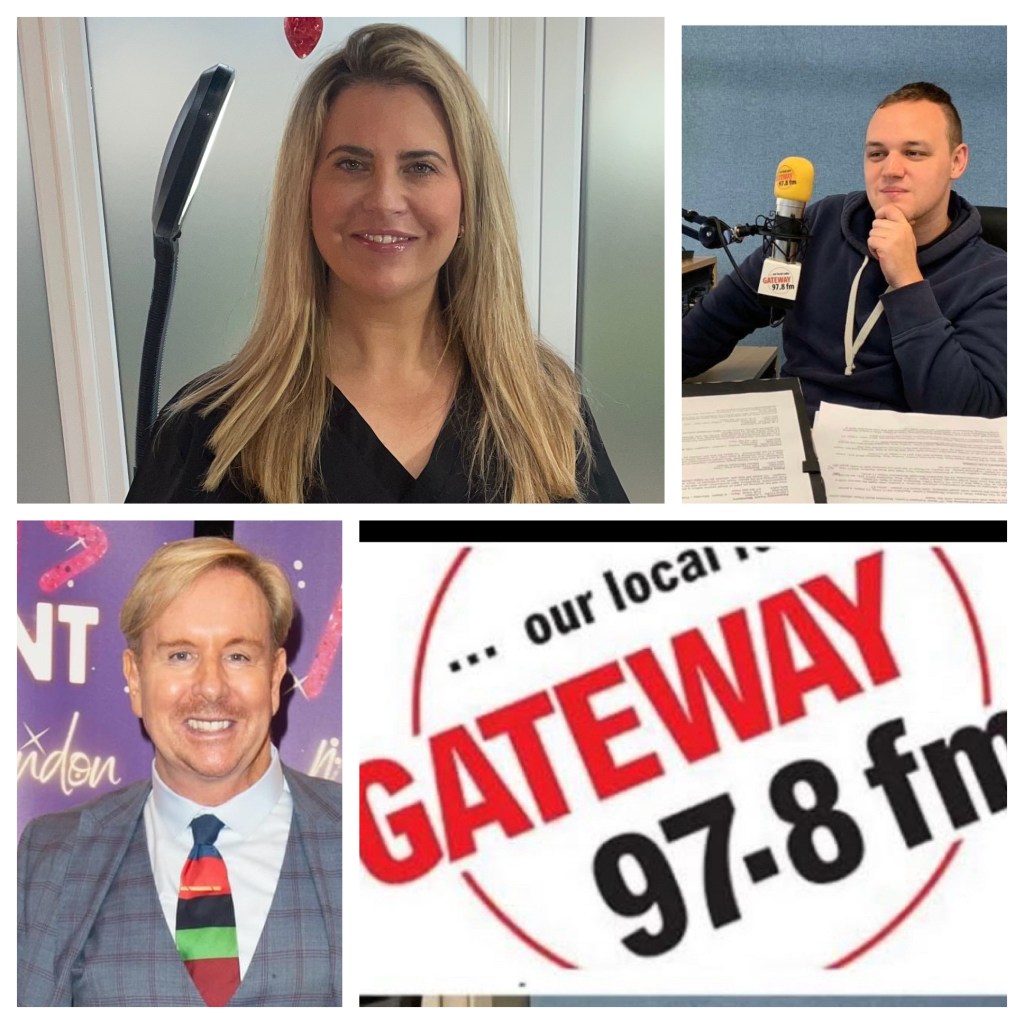
Clare is a regular on Gateway radio with her expert advice ,
2. In an industry where innovation moves fast, how do you stay ahead of trends while maintaining timeless results for your clients? I believe in curiosity with discernment. I’m constantly researching, attending international conferences, and trialling emerging technologies — but I never chase trends for their own sake. My focus is on results that will still look elegant ten years from now. Classic beauty never goes out of style, so I combine the best of modern advancements with a respect for natural proportion and restraint.
3. There’s so much conversation around ‘natural enhancement’ — what does that mean to you in practice? To me, natural enhancement is about invisible artistry. When a treatment is done well, no one should be able to pinpoint what’s changed — only that you look refreshed, rested, and radiant. It’s about creating balance and softness rather than obvious volume or overcorrection. I often tell my clients, “You, but after a wonderful night’s sleep.”
4. Every client’s definition of beauty is unique. How do you tailor your approach to make each individual feel their most confident self? I spend time really listening. Every consultation starts with understanding how my client feels about their reflection, not just what they want to change. From there, I design a treatment plan that complements their features, personality, and lifestyle. Confidence is deeply personal — when someone looks in the mirror and sees a version of themselves they love, that’s where the magic happens.
5. If you could dispel one common myth about aesthetic treatments, what would it be? That aesthetics is about vanity. In truth, it’s about self-care and empowerment. The goal isn’t to change your identity — it’s to help you feel more comfortable in your own skin. Aesthetic medicine, when done thoughtfully, can be a profoundly positive experience that supports mental well-being as much as physical appearance.
6. Looking ahead, what innovations or emerging techniques are you most excited about in the aesthetics space? I’m particularly excited by regenerative aesthetics — treatments that stimulate the body’s own collagen and elastin for natural, long-lasting results. Biostimulators, skin boosters, and energy-based technologies are transforming the field. It’s less about filling and more about rejuvenating, which aligns beautifully with my philosophy of subtle, sustainable beauty.
7. And finally, what’s your personal beauty ritual — the one indulgence you can’t live without? A morning ritual of cold water, a vitamin C serum, and a silk pillowcase for my skin — and a moment of stillness before the day begins. Beauty isn’t just what we apply; it’s how we treat ourselves. I see it as a ritual of respect — for the skin, the mind, and the body that carries us through life. But balancing three kids with a busy career can be difficult — sometimes I forget about me.
Dear Heidi How are you? Please can I beg for your help? My best friend is driving me mad. She goes from one bad relationship to another. She loves the bad boy look — covered in tattoos and looking like they got out of prison last week. It’s always a car crash, and to be honest, my empathy is running low. It’s my birthday soon, and honestly, her whining on about her love life is not my idea of fun. Would it be wrong not to invite her? — Nadine, Essex
Dear Nadine, Oh, the endless bad-boy drama — I think we’ve all had a friend like this! It’s exhausting watching someone you care about drive straight into the same brick wall again and again, isn’t it? Here’s the thing: you can’t fix her, and it’s not your job to. If she chooses chaos, that’s her story to live — but you’re allowed to protect your own peace. For your birthday, surround yourself with people who bring joy, not stress. If inviting her will spoil your day, then don’t. You can see her another time when you have the energy to listen. Being a good friend doesn’t mean being a doormat — sometimes it means stepping back with love. Or be brave and tell her how you feel, that it’s draining you. Love, Heidi
Dear Heidi Really love the show. My husband has always been a bit homophobic. Six months ago, he liked my hair so much he wanted a few highlights. Knowing he’s not great about the gay thing, I suggested he shouldn’t go to my beautiful stylist — who is also a friend — but he insisted. His hair looked amazing, but a few weeks later I was shocked to find he’d been out for drinks with my hairdresser, and now they’ve become friends. He says it’s rubbish that he’s homophobic and that he enjoys the laughs they have together. There’s a lads’ weekend to Ibiza coming up — no ladies allowed, which is fine — but can you imagine my hairdresser going too? I asked him why, and he said he’s going anyway and will get them into a few clubs. What’s going on? — Marieanne, Southend
Dear Marieanne, Well, this is a twist! It sounds like your husband has discovered that friendship doesn’t have to come with labels — and that’s actually a good thing. Maybe getting to know your hairdresser has opened his eyes a little and softened his old prejudices. As for the Ibiza trip — I can see why your eyebrows are raised! But before your imagination books a one-way ticket to Jealousville, take a breath. This might simply be two people enjoying new company and shared humour. If your instincts tell you there’s something deeper going on, have an honest, calm chat. But don’t jump to conclusions — this could be the best thing to happen to your husband’s attitude. Who knows? He might come home with a tan, a hangover, and a new respect for your fabulous friend. Love, Heidi
Dear Heidi I am madly in love with this lad, and he’s only gone and asked my friend to the dance! Honestly, Heidi, I am fuming — and she knew I liked him. I’m fifteen, and she dresses like she’s a dancer, while my mum says no to lashes and short skirts. It’s not fair. I’ll probably never speak to her again. What can I do? — Mandy, Basildon
Dear Mandy, Oh sweetheart, teenage love can feel like the end of the world — but I promise, it isn’t. You’re fifteen, and your heart is still learning who deserves it. This boy clearly doesn’t, and your friend’s choices say more about her than they ever could about you. You don’t need lashes or short skirts to shine — confidence is far more magnetic than mascara. Let her have her dance; you focus on being you. One day soon, someone will see the real you and won’t want to dance with anyone else. For now, dry your tears, hold your head high, and remember — nothing burns brighter than self-respect. Love, Heidi
Dear Heidi I’m feeling really down. I’m so fat, my budget won’t stretch to fat injections, and the gym just leaves me flat. No girls like me, and I’m nineteen and not going out anymore. What can I do? — Peter, Brighton
Dear Peter, First, let me tell you this — you are not alone. So many young people feel exactly the way you do, especially with all the “perfect” bodies plastered across social media. But real attraction doesn’t come from injections or six-packs — it comes from self-worth, kindness, and confidence. Start small: walk, move, cook decent food, talk to people. Find one thing every day that makes you feel good — music, a hobby, helping someone, anything that builds you up instead of tearing you down. The more you value yourself, the more others will see your worth. Confidence isn’t something you buy — it’s something you grow, and it lasts far longer than any gym membership. Love, Heidi
Dear Heidi My husband has announced that his mother is coming for Christmas. She’s horrible — the most passive-aggressive, rude woman you could meet. We’ve never got on; she has a way of finding a cloud in every silver lining. She’s on her own, and honestly, that’s what she deserves. My husband says she’s not that bad. Should I tell him it’s me and the children or her — and leave home for Christmas? — Sandra
Dear Sandra, Ah, the mother-in-law Christmas horror — a timeless festive classic! I can hear the carols already: “Silent night? Not likely.” You clearly feel hurt and unseen by your husband, but issuing ultimatums rarely ends well. Instead, set clear boundaries. Tell him you’ll welcome his mother — but only if everyone treats each other respectfully. If she can’t manage that, then maybe she stays elsewhere next year. Remember, Christmas is one day. Don’t let her steal your sparkle — pour a glass of something festive, smile sweetly, and rise above her barbed comments. Nothing annoys a passive-aggressive person more than calm happiness. Love, Heidi
Hi Heidi Not really a problem, but how do you get to be a counsellor or agony aunt? — Simon
Dear Simon, What a lovely question! Becoming a counsellor or agony aunt starts with empathy — and you clearly have that. Training in counselling, psychology, or journalism helps, but life experience and genuine curiosity about people matter just as much. Start small: volunteer with support organisations, write advice pieces online, or train in active listening. The best agony aunts aren’t perfect — they’re just honest, compassionate, and willing to help others make sense of their messiest moments. And who knows, Simon — you might be writing your own “Dear Simon” column one day! Love, Heidi
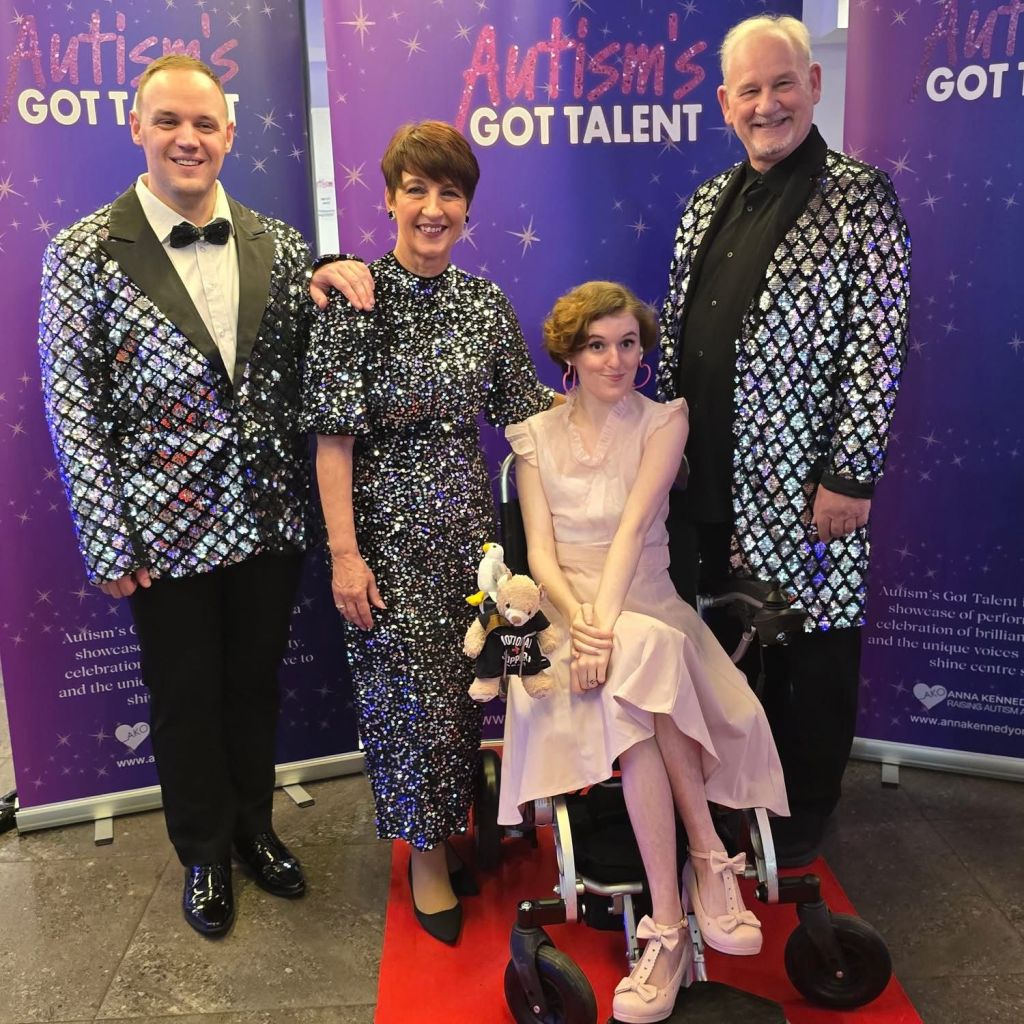
Aston Avery. Phill Barnett Anna Kennedy OBE with the amazing OJ
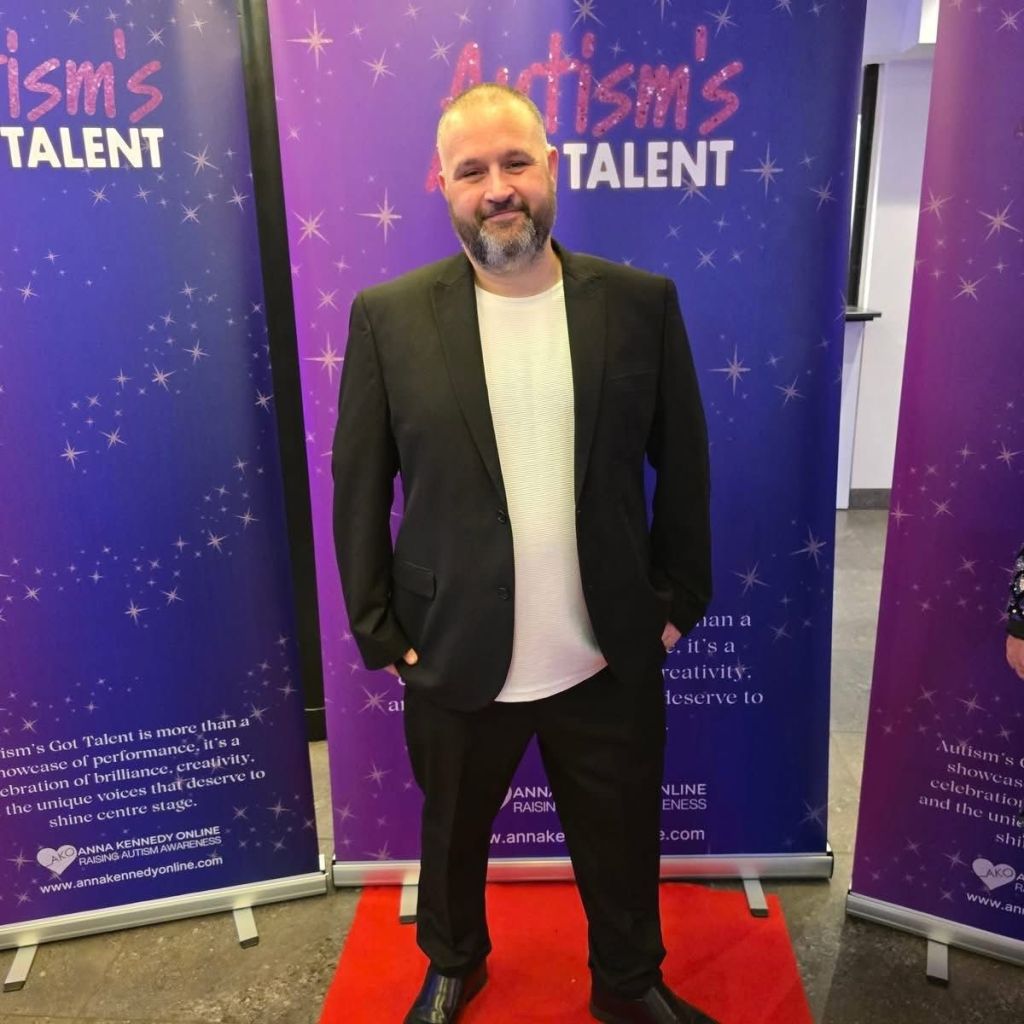
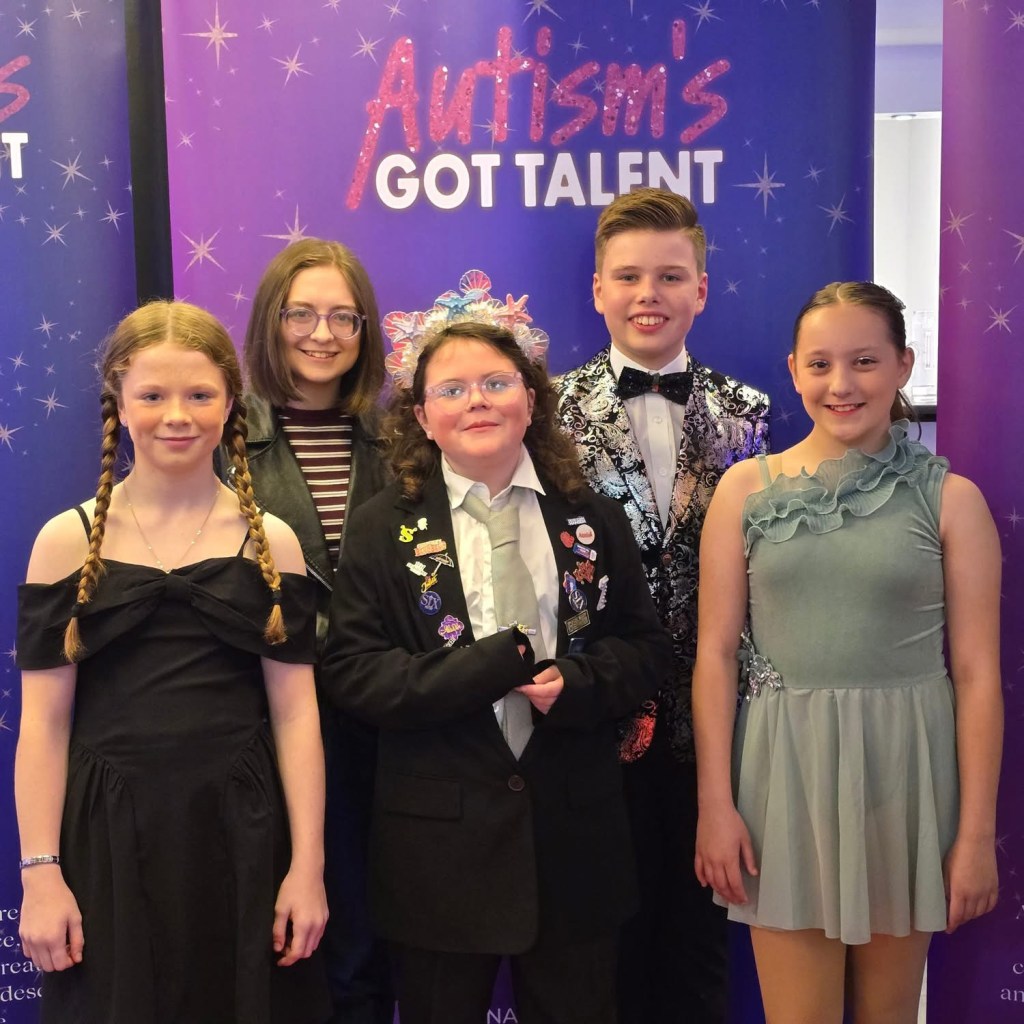
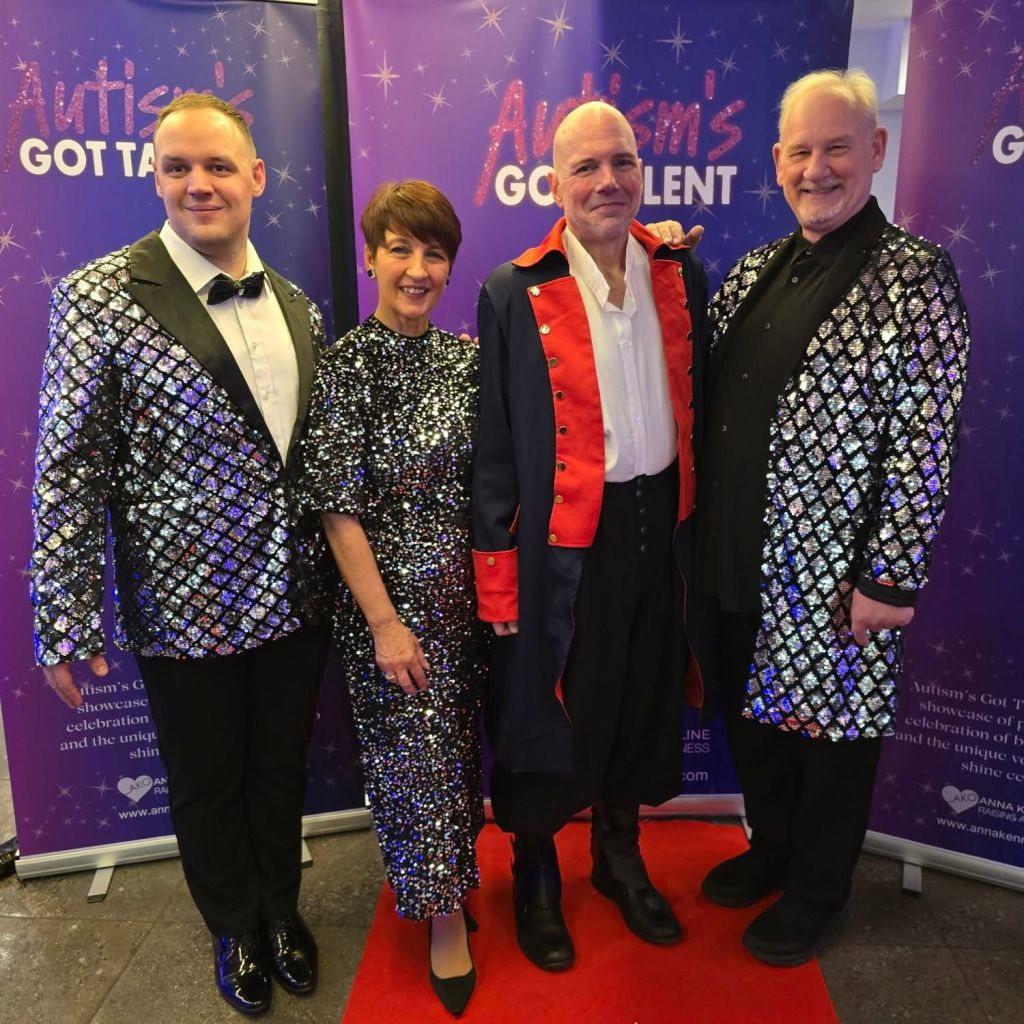
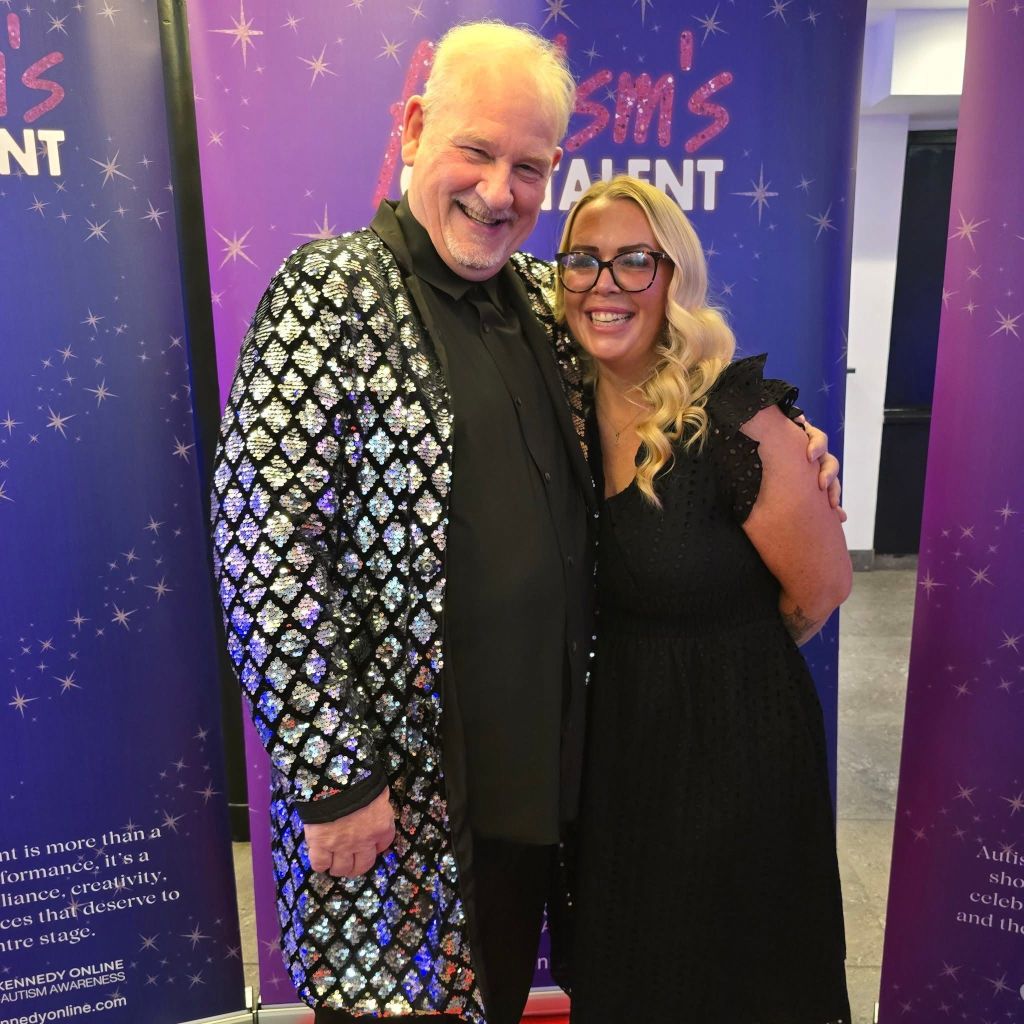
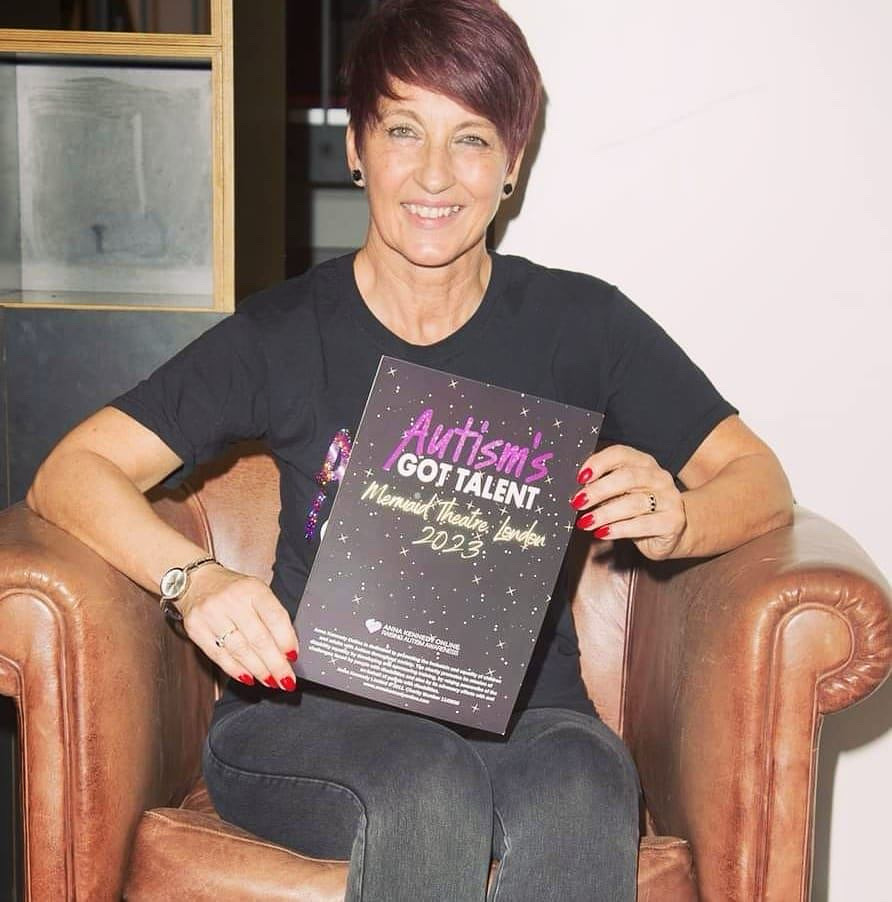
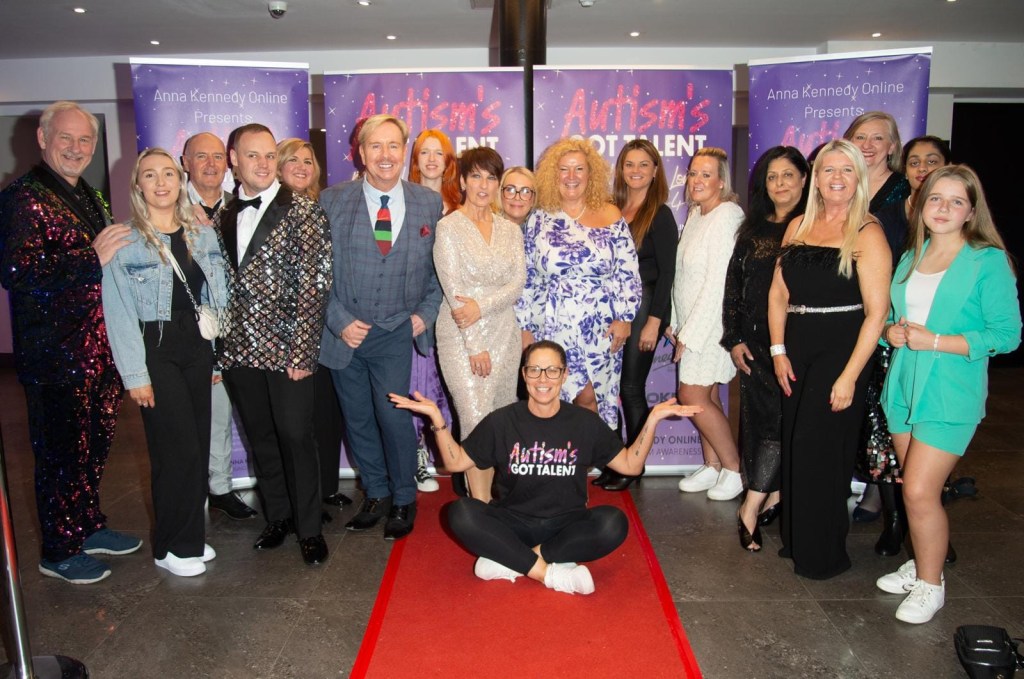
The stars shone brightly at London’s historic Mermaid Theatre on Saturday, October 11th, 2025, as it played host to Anna Kennedy Online’s “Autism’s Got Talent 2025.”
Now a highlight in the charity’s calendar, this dazzling showcase once again celebrated the creativity, courage, and individuality of autistic performers from across the UK — and beyond. With one act even flying in from the United States, the night proved that talent truly knows no borders.
A Stage Alive with Talent From the moment the curtain rose, the audience was captivated. Hosting the show with warmth and humour was Phil Barnett, youth theatre director and People’s Strictly finalist. His charm and easy rapport made every performer feel right at home. Alongside him was his co-presenter, Aston Avery — autistic, award-winning radio presenter and a true hero in his own right.
Joining them on stage was Dr Anna Kennedy OBE, founder of the charity and tireless advocate for autism awareness. Dressed in a sparkling black gown that “out-glittered the boys,” as Barnett playfully remarked, Dr Kennedy radiated pride and grace throughout the evening.
The show opened and closed with high-energy routines from Maggie Paterson’s PPAS Dance Performers, whose vibrant choreography, enthusiasm, and teamwork perfectly captured the inclusive spirit of the event.
“Autism’s Got Talent isn’t just a show — it’s a platform for hope, creativity, and inclusion.” — Dr Anna Kennedy OBE
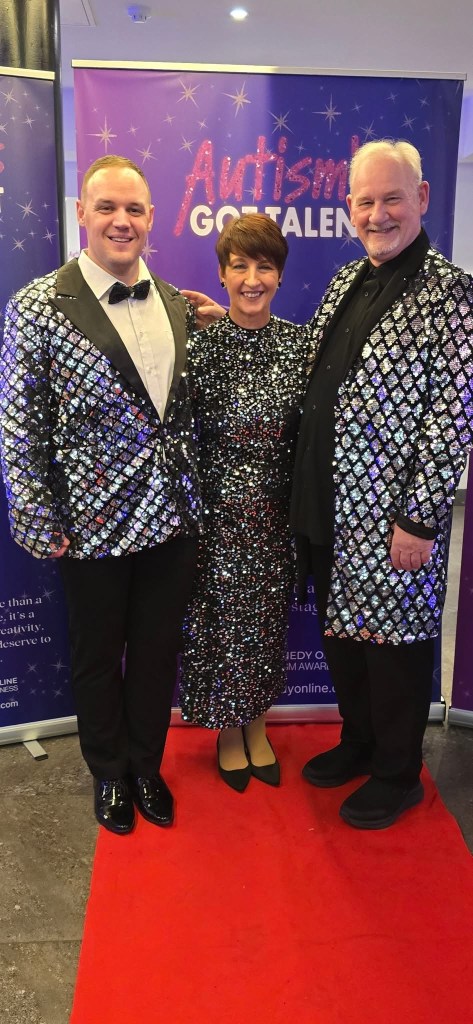
All that glitters compares Aston Avery . Phill Barnett
The Stars Take the Stage With 21 acts performing, the line-up offered a kaleidoscope of creativity and talent. Among them was Xander Hall, whose soulful rendition of Simply Red’s Money’s Too Tight to Mention was, as the crowd agreed, not just good — it was simply brilliant. OJ O’Neil powerhouse vocals that filled the theatre with emotion and drew enthusiastic applause.
Xander Hall gives that simply special performance
Jessica Hamer showcased confidence and individuality, while Kirk Cramer, a devoted fan of Les Misérables, brought the house down with a stirring rendition inspired by his favourite musical — the passion in his voice earning a well-deserved standing ovation.
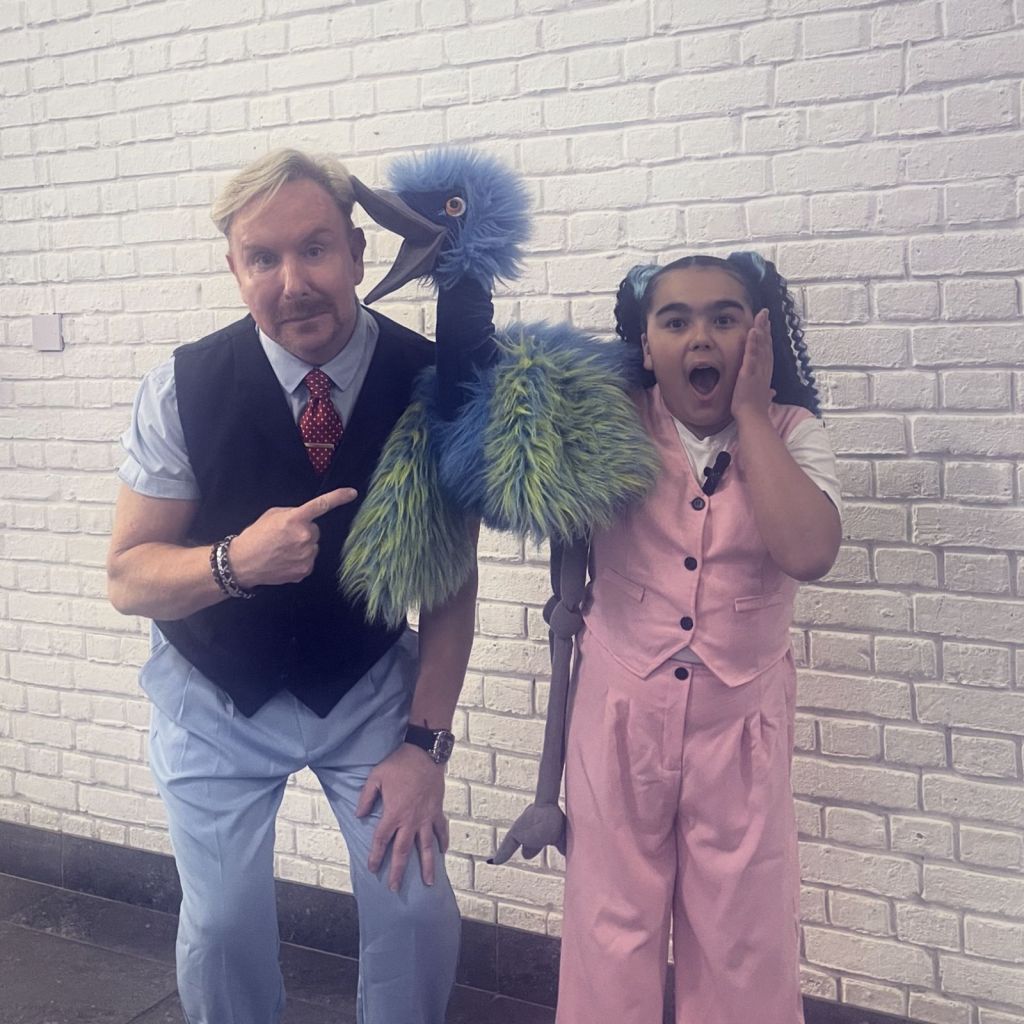
Laughter filled the theatre thanks to Xena-Ivy Devenney and her mischievous puppet Polly, whose cheeky jokes and comic timing delighted the audience. Polly’s antics became one of the night’s most funny moments, reminding everyone that humour can be its own form of artistry.
Oh no Charity patron Steven Smith is being eaten by the wonderful Polly let’s hope she does not get indigestion. . With comedy genus Xena
Dynamic duo David Sanchez-Ramade and Dani Cano brought rhythm and flair with their video that had people standing while Lucy Clewer, Bella Jackson, and Zoe Steede offered moments of reflection and grace.
George Pond, Chapman Shum, and Richard Stevens kept spirits high. Stevens, known for his fundraising walks for Anna Kennedy Online, swapped his walking boots for a microphone and delivered a performance worthy of the Rat Pack — smooth, confident, and full of charm.
Richard Stevens
Lucy Glennon and Joshua Fowler kept the energy flowing, paving the way for one of the night’s most unique acts: Lana Mitchell’s “Periodic Table Resistile.” Blending rhythm, science, and creativity, it left the audience in awe and earned thunderous applause for its originality.
Chirag and Mahendra Dodhi brought love and peace to the evening and Daisy Hutchinson had everyone moved ,
Angus Baskerville, who began his magic journey with Autism’s Got Talent, returned to the stage not only as a bestselling author but also to enthral the audience with his unique act. Angus is now one of the charity’s champions .
Angus Baskerville brought Magic to the evening .
Glitter, Glamour, and Heart Beyond the performances, the evening radiated a genuine sense of community and celebration. Families, friends, and supporters filled the theatre with warmth and applause.
Vicky Michelle pictured by Terry Scott
Celebrities including ‘Allo ‘Allo! star Vicky Michelle, GB News presenter Nana Akua, charity patron and author Steven Smith, BBC Smoogie Queens actress Ionica Adriana, and Sophie Cooper from Harley Skin Group were among those showing their support and presenting some of the acts — a reflection of how widely Autism’s Got Talent has touched hearts across the board.
The lovely Sophie Cooper from Harley Street skin Clinic one of the main sponsors
“Every performer tonight is breaking barriers and showing the world what’s possible through understanding and inclusion.” — Steven Smith, Author and Charity Patron
A Global Stage for Neurodiversity Each performer brought something entirely their own — whether music, movement, storytelling, or laughter. It was a night that celebrated difference as a source of strength, and every act shone with authenticity and courage.
Audience reactions were unanimous: uplifting, inspiring, and unforgettable. There were moments of laughter, moments of awe, and moments where the entire theatre simply glowed with pride.
Earlier showcases, such as Autism’s Got Talent Whitley Bay, have drawn similar praise for being “positive, emotional, and full of pride.” The 2025 London event more than lived up to that legacy — in fact, it may have been the most spectacular edition yet.
The Magic of Anna Kennedy Online For over a decade, Anna Kennedy Online has been a driving force for autism awareness, education, and acceptance. Founded by Dr Kennedy after her personal experiences as a parent, the charity continues to empower autistic people and their families through advocacy, workshops, and creative projects.
Yet Autism’s Got Talent remains its shining jewel — a celebration of the many ways autistic individuals contribute to art, culture, and society. Every performance is a reminder that talent comes in countless forms, and every voice deserves to be heard.
“Together, we can make a difference — one talent at a time.” — Dr Anna Kennedy OBE
He flow in from the USA Kirk Cramer,
A Standing Ovation for Inclusion As Maggie Paterson’s dancers returned for the closing number, the Mermaid Theatre rose to its feet. The applause was thunderous — not just for the performers, but for the families, volunteers, organisers, and, of course, Dr Kennedy, whose vision continues to change lives.
In a world that often talks about inclusion, Autism’s Got Talent shows what it truly looks like — joy, creativity, and community coming together under the spotlight.
Autism’s Got Talent 2025 was more than an evening of entertainment. It was a statement — a glittering celebration of individuality, expression, and belonging.
The show would not be possible without the talents behind the scenes — Fiona Shepard and the invaluable Lisa Robins, the “glue” who keeps the team and talent together.
The wonderful Lisa Robbins and host Phillip Barnett
As the audience spilled out into the crisp London night, one thing was certain: when everyone is given the chance to shine, the world becomes brighter for us all.
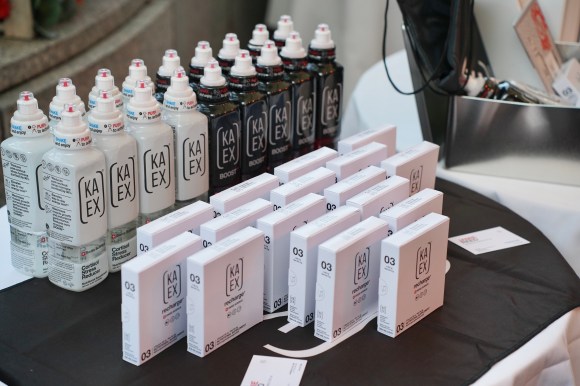
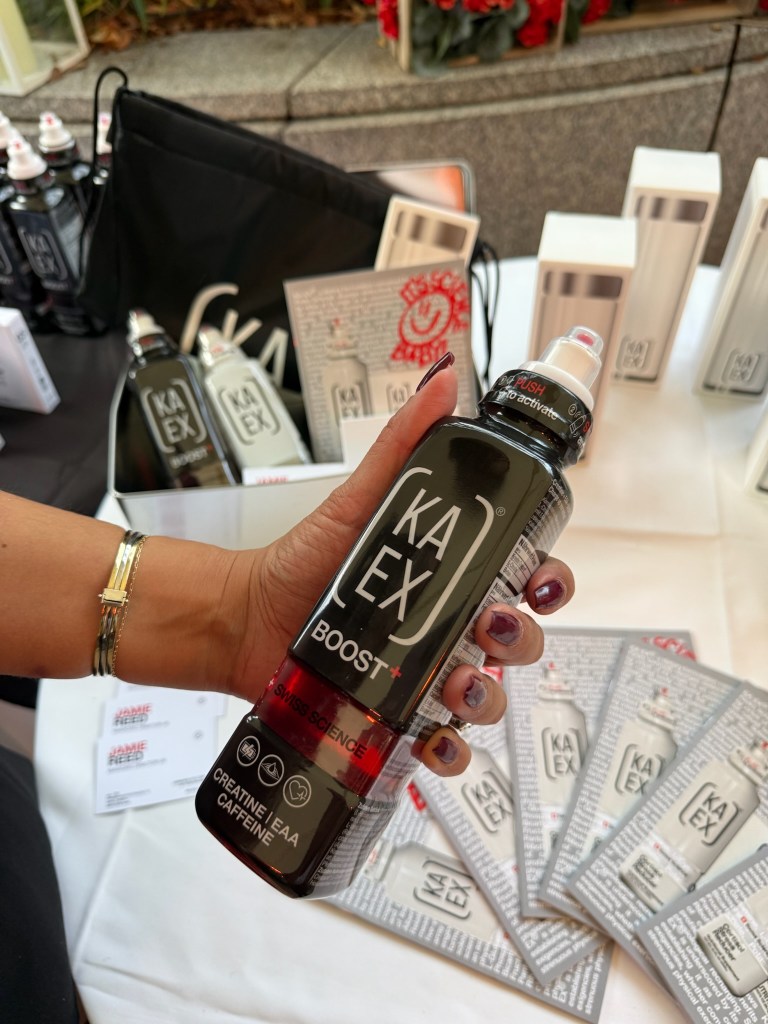
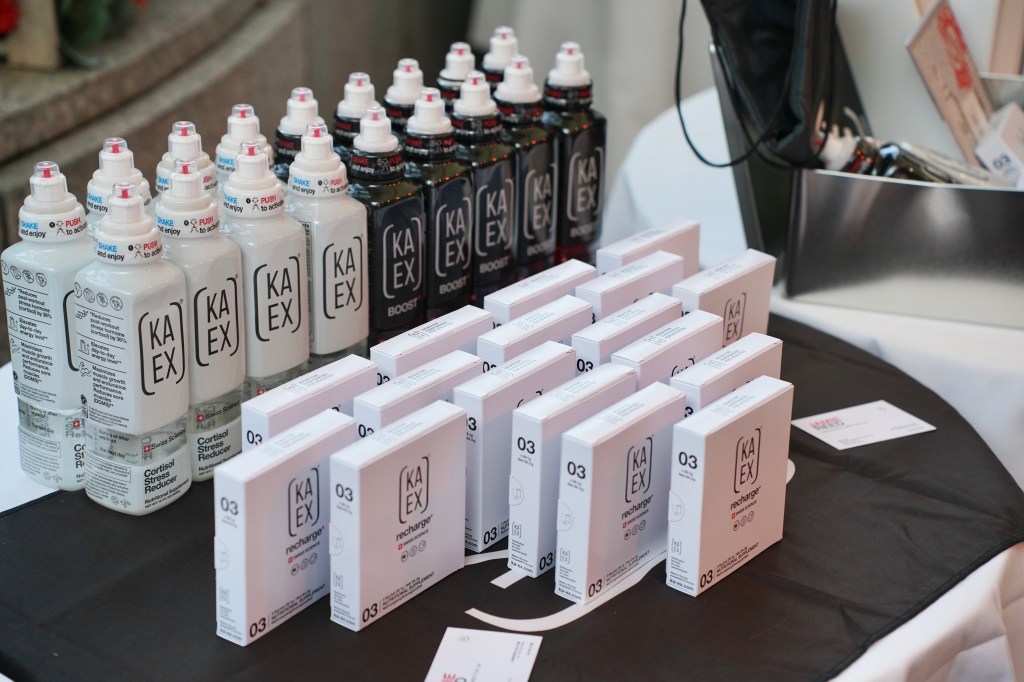
Everyone who knows me can confirm that if there’s a new health trend or supplement, I’m all over it. Remember NAD+when it first arrived? Many laughed when I sat there with an infusion drip attached, determined to reap the benefits. Now it’s everywhere! With the recent revelations about my go-to protein bars, I found myself searching for something new — and how thrilling it would be if it not only boosted my workout but also helped me sleep. Last night, I joined a team offering something new including former The Only Way Is Essex star turned entrepreneur Jamie Reed for the UK launch of KA-EX®, the new supplement that promises exactly that. So, what is it?
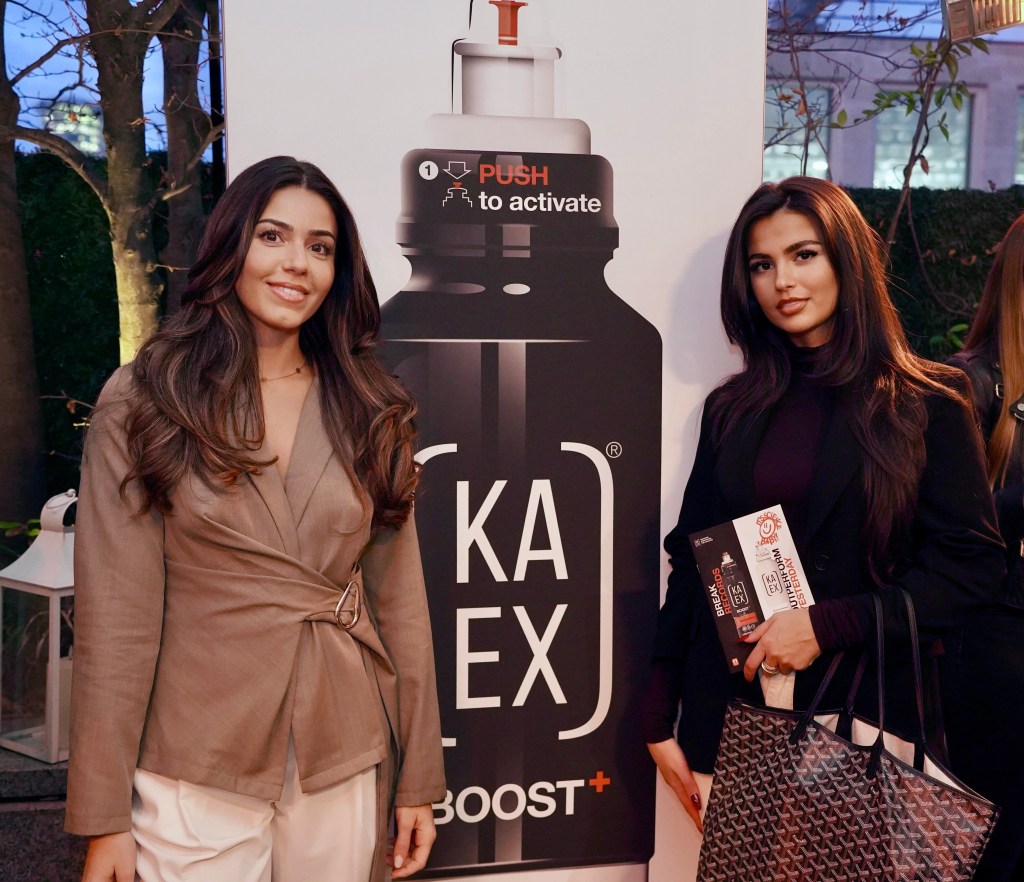
Celebrity. Jamie Reed brining KA-EX to the Uk . with Roger Wilfinger and Florian
Innovation in a Bottle
In the ever-evolving world of athletic performance, innovation is the key to staying ahead. From advanced wearable tech to nutritional breakthroughs, athletes and trainers are constantly searching for the next edge. One of the most revolutionary developments to emerge in recent years is KA-EX®, a scientifically formulated recovery and performance system that has been quietly transforming the way professionals approach physical regeneration, mental focus, and long-term health. Far from being just another “energy drink,” KA-EX® is a functional beverage built on research, biology, and the science of recovery. Its creators have taken a holistic approach, targeting not only physical fatigue but also the biochemical imbalances that limit an athlete’s potential — specifically, stress hormones, inflammation, and cellular damage.
A glamours evening for the launch of KA-EX
Origins and Purpose: The Science Behind KA-EX®
Launched in 2017, KA-EX® began as a little-known secret among elite sports circles. At a time when recovery supplements were dominated by protein powders, amino acid blends, and carbohydrate-based drinks, KA-EX® introduced something entirely new: a formula designed to combat cortisol — the body’s primary stress hormone — while simultaneously supporting sleep, reducing inflammation, and enhancing cognitive clarity. Its founders understood that performance is more than physical strength. Stress, sleep deprivation, and oxidative damage can silently sabotage progress, especially in high-intensity sports. KA-EX®’s breakthrough came from identifying how these internal stressors hindered recovery and performance — and then formulating a natural, clinically supported blend to counteract them. Over time, this approach caught the attention of professional trainers, nutritionists, and elite athletes across Europe. Top football clubs, cycling teams, and endurance competitors began integrating KA-EX® into their recovery routines. The results were measurable: lower cortisol levels, improved muscle recovery, faster sleep onset, and higher daytime energy.
The KA-EX® Advantage: Beyond Conventional Supplements
Traditional sports supplements tend to focus on a single metric — building muscle, replenishing glycogen, or reducing soreness. KA-EX®, by contrast, is multidimensional, targeting the biological systems that govern energy, stress, and restoration.
Here are the key differentiators that make KA-EX® the future of sports supplementation:
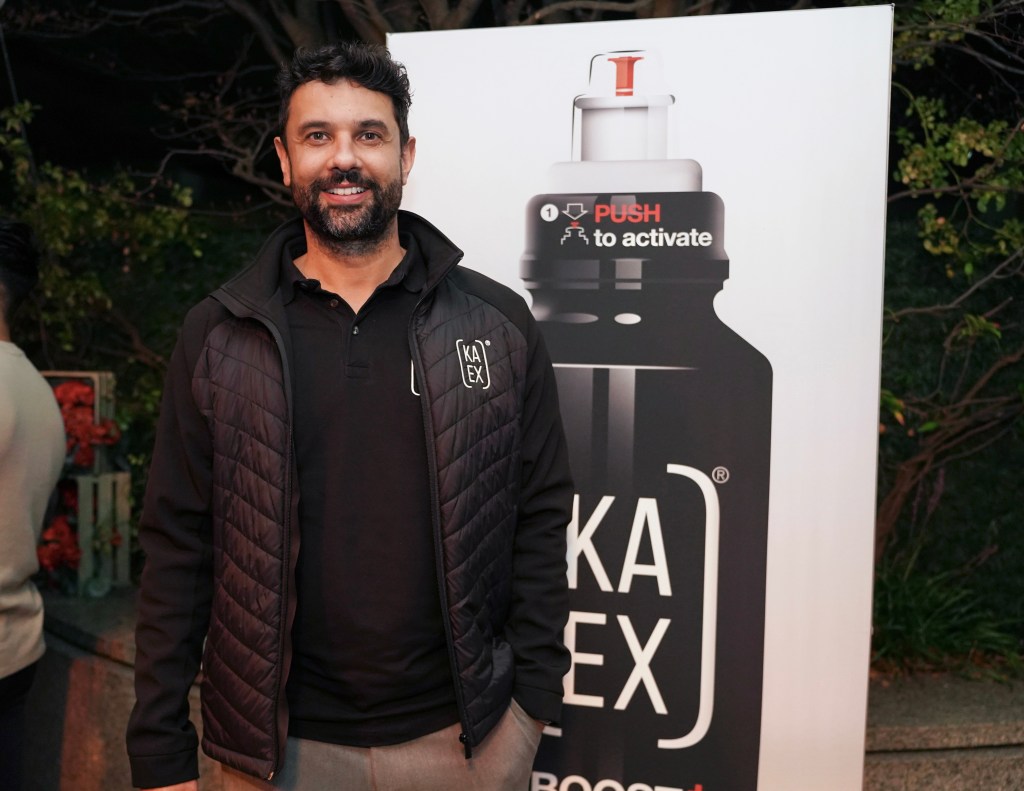
Creater Pedro Schmidt
1. Cortisol Regulation
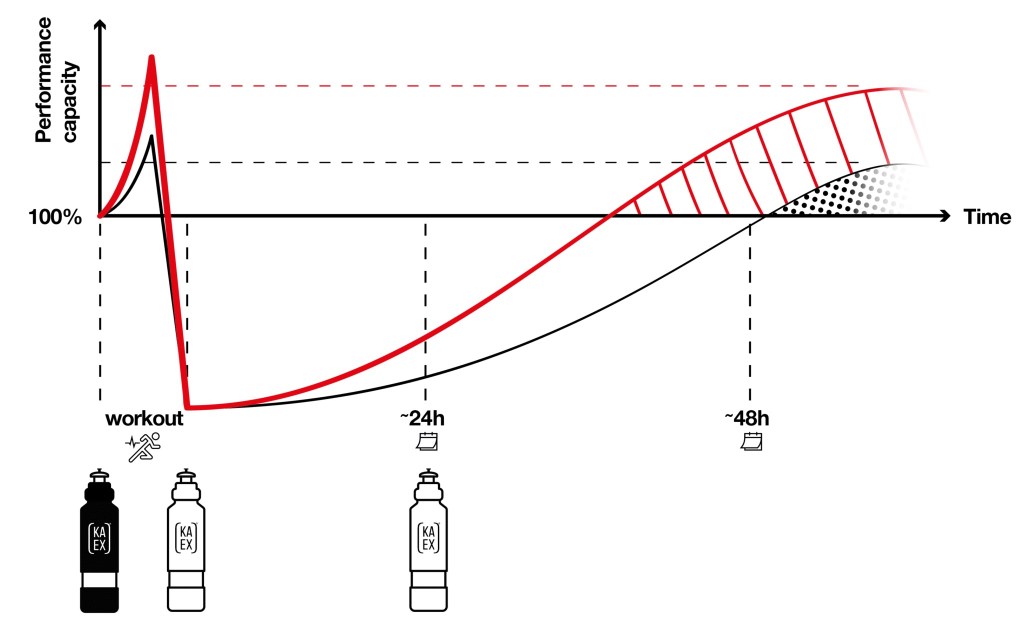
Cortisol is the body’s “fight or flight” hormone — essential in small amounts but detrimental when chronically elevated. Intense training spikes cortisol levels, which can impair muscle repair, suppress immunity, and reduce mental clarity. KA-EX®’s RECHARGE+ formula directly addresses this issue, making it the world’s first cortisol stress reducer for athletes. By balancing cortisol, the product allows the body to recover faster and prevents the catabolic effects that break down muscle tissue.
2. Enhanced Sleep Quality
Recovery begins with rest. KA-EX®’s ingredients are formulated to improve both the quality and duration of sleep, supporting the body’s natural regenerative processes. Better sleep means better hormonal balance, reduced inflammation, and sharper mental focus — the trifecta of elite performance.
3. Anti-Inflammatory and Antioxidant Support
Exercise-induced inflammation is a natural response, but chronic inflammation slows recovery and increases injury risk. KA-EX® incorporates anti-inflammatory and antioxidant compounds that neutralise free radicals and promote tissue repair without blocking the body’s adaptive processes. This balance supports long-term, sustainable performance.
4. Cellular Regeneration
Through targeted micronutrients and bioactive compounds, KA-EX® helps cells recover from oxidative stress. This cellular-level protection enhances endurance, reduces post-exercise fatigue, and maintains optimal function even under heavy training loads.
5. Mental Clarity and Focus
Athletic performance isn’t just physical — it’s also mental. KA-EX® includes nutrients that stabilise mood, sharpen focus, and improve decision-making under pressure. In sports where split-second timing and composure determine victory, this cognitive advantage is invaluable.
RECHARGE+ and BOOST+: A New Era in Recovery and Performance
Building on the success of its original formula, KA-EX® has introduced two next-generation products — RECHARGE+and BOOST+ — each designed to optimise a specific phase of the athletic cycle.
RECHARGE+: The World’s First Cortisol Stress Reducer
RECHARGE+ continues KA-EX®’s mission of redefining recovery. Unlike typical post-workout shakes that focus solely on protein and carbohydrates, RECHARGE+ actively supports hormonal balance, neurological restoration, and cellular repair. It’s particularly effective for reducing post-exercise fatigue and soreness, improving deep sleep and relaxation, enhancing immune function, and accelerating muscle and joint recovery. By targeting cortisol regulation, RECHARGE+ represents a paradigm shift in recovery. It acknowledges that the greatest barrier to progress for many athletes isn’t physical strain — it’s the body’s inability to recover from chronic stress.
BOOST+: The World’s First Creatine Workout Booster
BOOST+ complements RECHARGE+ by powering the performance phase. As the world’s first creatine-based workout booster designed for sustained energy without the crash of stimulants, it optimises ATP (adenosine triphosphate) production — the molecule responsible for muscular power. Creatine remains one of the most researched and effective ergogenic aids in sports science. BOOST+ elevates its benefits by combining it with synergistic compounds that enhance uptake, delay fatigue, and support mental concentration. The result? Cleaner energy, greater endurance, and enhanced output — without caffeine or artificial stimulants. Together, RECHARGE+ and BOOST+ create a 360° performance ecosystem, ensuring athletes are primed before competition and fully recovered afterwards.
Backed by Science, Trusted by Champions
What truly sets KA-EX® apart is its scientific validation. Unlike many supplement brands that rely on anecdotal claims, KA-EX® has undergone clinical trials showing statistically significant benefits in stress reduction, sleep quality, and inflammation control. This evidence-based foundation has earned KA-EX® credibility among sports scientists and medical professionals alike. Nutritionists within elite clubs have praised its efficacy, and its adoption by professional teams is a testament to its real-world impact. The brand’s success underscores a broader shift in sports science — from merely fuelling performance to optimising recovery and longevity. KA-EX® isn’t just a supplement; it’s a philosophy redefining what it means to perform sustainably at the highest level.
A Holistic Vision for the Future
Athletes today face unprecedented physical and psychological demands. Whether in professional sport or amateur competition, the pressure to perform has never been greater. Yet the human body’s capacity for regeneration remains finite. KA-EX® represents the next generation of sports supplementation — a science-led, whole-body approach that acknowledges the interconnectedness of mind, muscle, and metabolism. By restoring balance where modern training and stress create depletion, it paves the way for a new era of athletic resilience. The future of performance isn’t about training harder — it’s about recovering smarter.
Why KA-EX® Leads the Way Forward
In a market saturated with energy drinks, pre-workout powders, and synthetic boosters, KA-EX® stands as a beacon of intelligent innovation. Its commitment to scientific integrity, measurable results, and athlete wellbeing sets it apart. By tackling the root causes of fatigue — cortisol imbalance, inflammation, oxidative stress, and poor sleep — KA-EX® doesn’t just enhance short-term performance; it promotes long-term health and sustainability. As more athletes, trainers, and health professionals recognise that recovery is the real frontier of performance, KA-EX® is positioned not merely as a product but as a movement — ushering in a smarter, healthier, and more balanced era of athletic achievement.
KA-EX® isn’t the supplement of the future. It is the future is the claim , I will keep you posted as I try it .
On Saturday the 11 October, the spotlight shines on extraordinary talent as Autism’s Got Talent takes centre stage at the Mermaid Theatre in London. Organised by the award-winning charity Anna Kennedy Online, this uplifting and inclusive event brings together over 24 performers from around the world, including the United States, for an evening that promises inspiration, celebration, and unforgettable entertainment.
With doors opening at 6:00 PM and the show starting at 7:00 PM, this year’s event is set to be one of the biggest yet — showcasing not only incredible talent but also the power of inclusion and acceptance.
Dr Anna Kennedy OBE
A Stage That Changes Lives
Unlike traditional talent shows, Autism’s Got Talent isn’t about competition — it’s about celebration. It provides a rare and empowering platform for performers who are autistic or neurodivergent, allowing them to share their unique voices, stories, and creative gifts.
Founded by autism ambassador and campaigner Anna Kennedy OBE, the event was born out of a desire to challenge stereotypes, raise awareness, and offer meaningful opportunities for those often overlooked in mainstream media and entertainment.
“This is not just a show — it’s a movement,” says Anna Kennedy. “Autism’s Got Talent is about breaking down barriers and giving people a chance to shine. Every performer brings something special to the stage, and the audience leaves inspired and moved.”
From singers and dancers to poets, musicians, magicians and comedians, the show highlights the diverse range of talentwithin the autism community. Many of the performers have never had the chance to appear on a professional stage before — making the experience deeply personal and empowering.
Award winning presenter Aston Avery
Star-Studded Presenters & World-Class Venue
Hosting this year’s spectacular event are award wining Gateway DJ, Aston Avery, and youth theatre organiser PhilBarnett , a dynamic trio known for their charisma, warmth, and dedication to the autism community. Their presence helps create a relaxed, friendly atmosphere where performers feel supported and celebrated.
The iconic Mermaid Theatre — a central London venue known for its stunning acoustics and accessibility — is the perfect backdrop for the evening. Its state-of-the-art stage and welcoming environment make it ideal for a show of this scale and heart. Visit: www.the-mermaid.co.uk
What to Expect
With over two dozen acts from across the UK, Europe, and America, audiences can expect an exciting mix of performances filled with energy, passion, and originality. No two acts are alike, and every moment of the show is infused with authenticity and emotion.
The audience is encouraged to cheer, clap, and support every performer — creating an atmosphere of celebration rather than judgment. The focus is on ability, creativity, and joy.
Whether it’s a powerful vocal performance, an emotional poem, a jaw-dropping dance routine, or a surprise act that defies genre, every artist takes the stage with courage and pride.
Anna Kennedy and her dedicated team behind Anna Kennedy on line
More Than Just a Show
Proceeds from the event go directly to Anna Kennedy Online, a UK charity that provides vital support, resources, and advocacy for individuals and families diagnosed by autism. The charity works year-round to raise awareness, run workshops, support networks, and create opportunities like Autism’s Got Talent.
“This event shows what’s possible when we give people the space and support to thrive,” says Anna Kennedy. “It’s about changing perceptions, building confidence, and proving that being different is something to be celebrated.”
In a world where neurodiverse individuals often face barriers to expression, Autism’s Got Talent offers something truly special: a night where every voice matters, every performance is met with applause, and talent is judged not by convention — but by heart.
Whether you’re a long-time supporter of the autism community or simply looking for an evening of uplifting entertainment, this is one event you won’t want to miss.
In particular, Anna Kennedy on Line would like to thank their sponsors Mermaid Theatre, The Harley Street Skin Clinic, Orange Orchid, Talem Law, SEND Tutoring, and SEN Tutoring for their invaluable support. Without you, we simply could not continue to do what we do.
In a world where many talk about what they might do someday, there are others who quietly get on with it—people who take action, push boundaries, and in doing so inspire those around them. Artist and photographer Annemarie Bickertonbelongs firmly in the latter category.
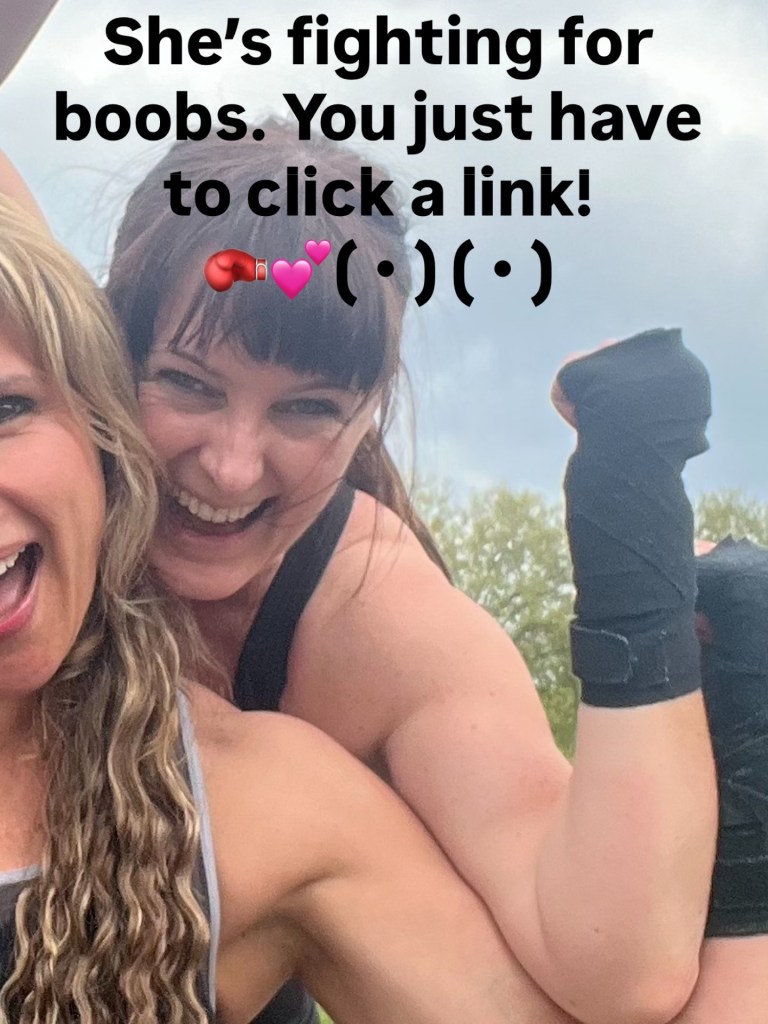
On Saturday, September 27, 2025, Bickerton swapped her camera for boxing gloves, stepping into the ring at The Troxy in London for an Ultra White Collar Boxing (UWCB) charity event. The evening brought together novice boxers from across the capital, each of them having undergone ten weeks of intensive training, with the dual aim of testing themselves and raising money for good causes.
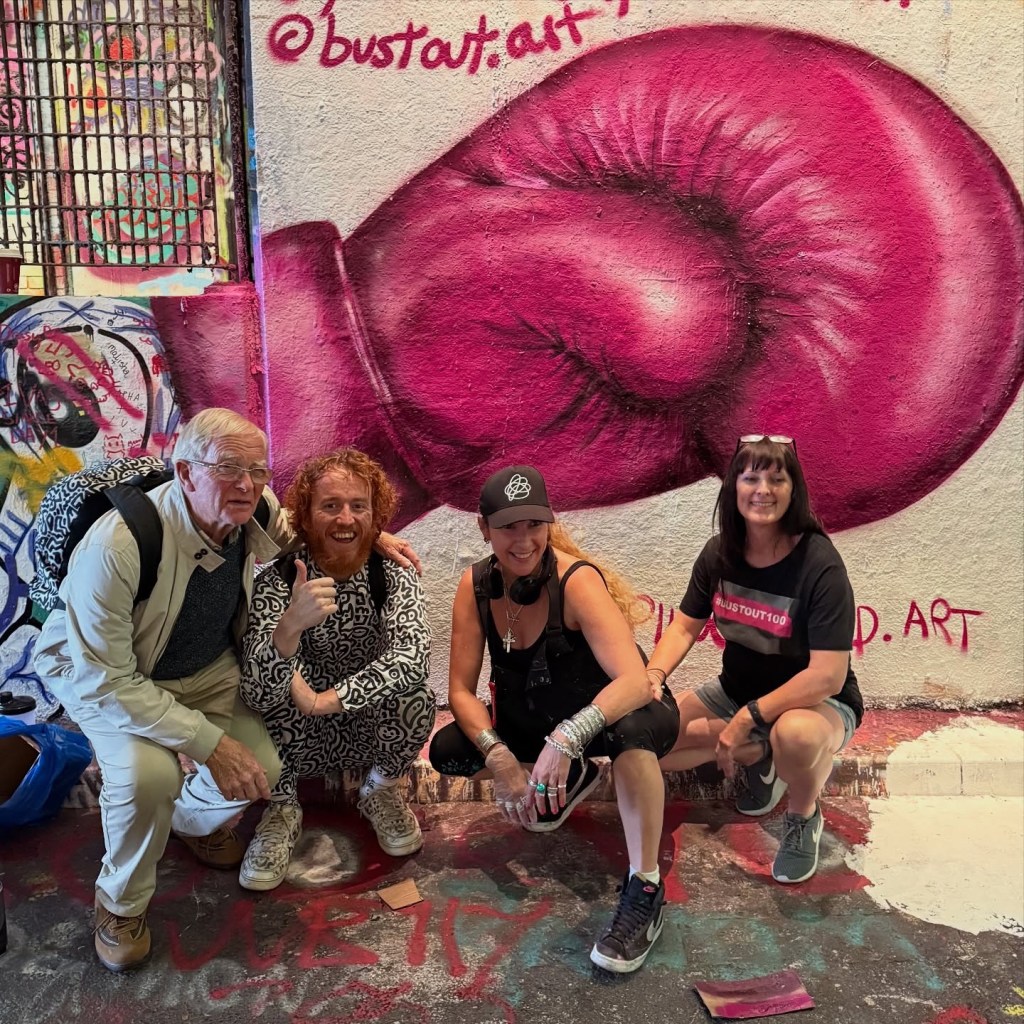
For Bickerton, that cause was the Pink Ribbon Foundation, a UK charity that provides financial support to organisations helping those affected by breast cancer. It was a natural fit: she has previously worked with the foundation, staging her acclaimed “BustOut” exhibition at the Firepit Gallery at the O2. That exhibition combined bold visual art with advocacy, raising awareness and funds in equal measure.
This time, however, the setting was very different. The Troxy’s historic stage was transformed into a boxing arena, the atmosphere electric as friends, family, and supporters packed into the venue. Bickerton’s match ended officially as a draw, though audience members were quick to call it a clear win on her part.
The result, though, tells only part of the story. What makes Bickerton’s achievement stand out is the journey that led her there. For ten weeks, she trained with discipline and determination, rising early, attending gruelling sessions, and absorbing the technical and mental demands of boxing. “It was not natural for me at all,” she admitted beforehand. Yet she persevered, embodying the UWCB ethos of ordinary people doing extraordinary things for charity.
Bickerton’s decision to take up boxing was not made in isolation. She had first introduced the sport to her son, who lives with autism, as a way to build confidence and resilience. Facing bullying at school, he found empowerment in the discipline and structure of training. Inspired by his progress, Bickerton decided to follow suit. “Lead by example” became more than a phrase—it became a lived reality.
Those who know her were not surprised. Bickerton has long been recognised for her willingness to tackle challenges head-on, whether in her artistic practice or personal life. As a photographer and artist, she has built a reputation for bold, thought-provoking work that often blends beauty with social commentary. As a mother, she has consistently sought opportunities that empower her son and others facing adversity.
Her move into boxing might seem like a departure, but in many ways, it continues a consistent theme: using creativity, courage, and perseverance to make an impact.
Events like UWCB are not only about individual achievement but also about collective contribution. Since its founding, the organisation has raised millions of pounds for charities across the UK, with participants from all walks of life. Bickerton’s fight was one of dozens staged that evening, each carrying a personal story and a charitable purpose. Together, they highlighted the power of community fundraising through unconventional means.
For Bickerton, the fight capped months of hard work and represented more than just a physical test. It was a statement about resilience, visibility, and the importance of action. “Annemarie is a great example of what’s right in this world,” said one supporter. “She doesn’t just talk—she does.”
That ethos has earned her admiration not only from those close to her but from a wider circle who see in her story a reminder of what determination can achieve. In an age when so much energy is spent on words, Bickerton’s actions—whether through art, activism, or sport—speak louder.
As the cheers faded at the Troxy, the impact of her fight extended far beyond the ring. Funds had been raised for a vital cause, awareness had been heightened, and a powerful example had been set for her son and others: that courage comes in many forms, and that sometimes the greatest victories are not about titles or trophies but about showing up, standing tall, and refusing to back down.
With her gloves now set aside, Bickerton returns to her life as an artist, mother, and advocate. Yet the echoes of that night in the ring remain—a testament to the fighting spirit of a woman who refuses to be defined by limits.
We’ve all witnessed the sudden outpouring of grief, tributes, and public mourning for Charlie Kirk. Before I get the inevitable backlash, let me be clear: the loss of any human life is a tragedy. Death, no matter the circumstances, is not something to celebrate. But that doesn’t mean we must ignore the uncomfortable truth about who a person was and the impact they had on the world around them.
Anyone who dies while promoting hatred—whether it be racism, homophobia, misogyny, or transphobia—has left behind a legacy of division. And while it’s wrong to revel in someone’s death, it’s equally wrong to pretend that their life was lived in service of goodness, compassion, or truth when the opposite is much closer to reality.
There’s an old saying: “Keep your friends close, but your enemies closer.” I am one hundred percent against cancel culture. Silencing voices and driving them underground only makes them more dangerous; it allows toxic ideologies to fester where they cannot be challenged or confronted. We need to keep our eyes on the people who preach hate, not push them into the shadows.
But here’s my question: where is the same level of public mourning for the innocent children killed in American school shootings? Where are the candlelit vigils, the elaborate civil ceremonies, the hours of televised tributes for those whose only “crime” was going to class in a nation that has normalised mass shootings? Where is the nationwide grief for the everyday victims of America’s gun obsession?
The outpouring for Charlie Kirk feels performative—dramatic, over the top, and completely misplaced. I scrolled through social media and was struck by the sheer number of posts about him. Yet for the children lost in Uvalde, in Sandy Hook, in countless other tragedies, there was silence after the first wave of news coverage. No weeks-long grief, no cultural pause for reflection. The contrast is staggering.
Let’s get something straight: Charlie Kirk did not save lives. He didn’t cure HIV, discover a vaccine for the common cold, or dedicate his life to lifting people out of poverty. He built a platform by spreading fear, misinformation, and divisiveness. To canonise him now as if he were some kind of saint is not just dishonest, it is deeply disrespectful to those he harmed with his rhetoric.
And what exactly was “Christian” about his teachings? Jesus—let’s remember, a brown-skinned, Arabic-speaking man from the Middle East—preached love, compassion, and radical inclusion. He spent his time with outcasts, outsiders, and the marginalised: fishermen, tax collectors, a prostitute, and a ragtag group of twelve unmarried men. The essence of his teaching was simple: love thy neighbour as thyself.
Religion, like a gun, can be used for protection and peace when in the right hands. But in the wrong hands, it becomes a weapon of hate and fear. Charlie Kirk chose the latter. He wielded scripture selectively, twisting it into a justification for exclusion rather than inclusion, for condemnation rather than compassion. That is not godly—it is a betrayal of the very faith he claimed to represent.
What baffles me most is why so many people queued up to debate him, as though he were some kind of great theological authority. He wasn’t. He was poorly informed, cherry-picking passages of scripture to suit his agenda, ignoring centuries of scholarship, and offering nothing more than the shallowest of arguments. This was not a man who should be celebrated as a thinker, let alone a prophet.
I do feel for his family. Losing a loved one is painful, no matter who they were. I wish he had used his influence for good—to inspire, to uplift, to build bridges instead of walls. Instead, he chose narcissism, self-promotion, and hate. That is the legacy he leaves behind.
The most ungodly thing of all is an ill-informed Christian who believes their interpretation of the Bible gives them licence to judge others. Freedom of speech must exist for both sides, but so too must accountability. Words matter. Influence matters. And when someone spends their life spreading division, we cannot in good conscience rewrite history just because they are no longer here.
Yes, love thy neighbour. Yes, treat others with compassion. But let us also extend that compassion to the innocent children gunned down in schools, to the victims of bigotry, to those whose lives were cut short by violence. If Charlie Kirk is to receive public mourning, then surely those who lived with love in their hearts, rather than hate, deserve at least as much.
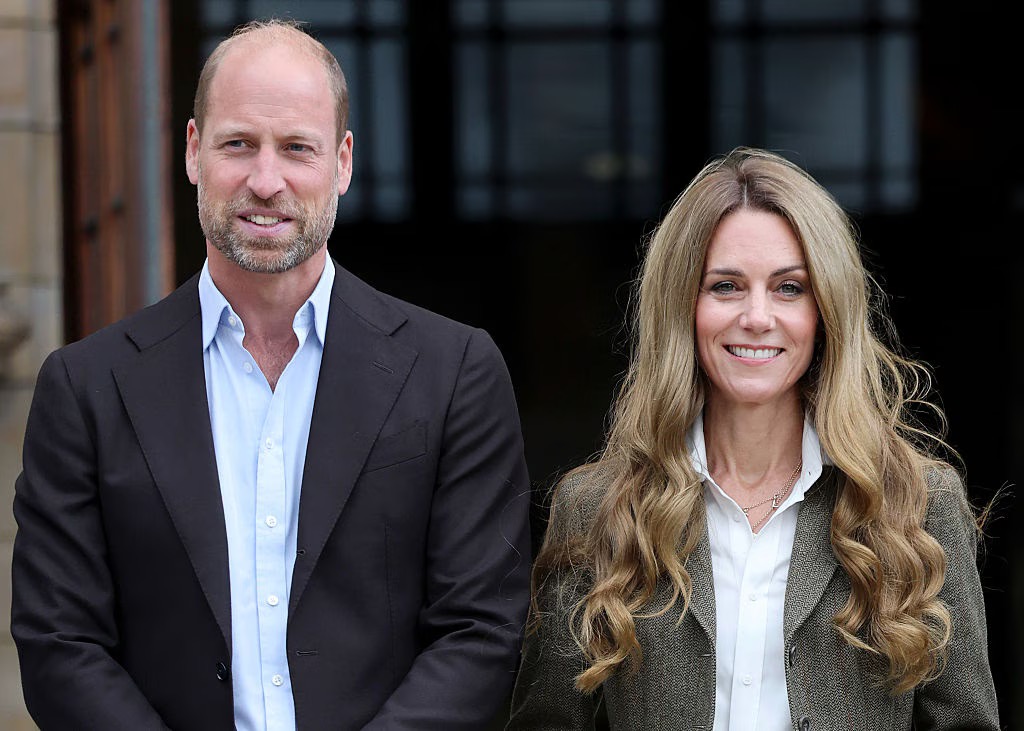
Let’s be honest: a woman’s hair is her crown and glory. It’s part of her identity, her confidence, her style. And when it comes to royalty, that crown is both literal and symbolic. Princess Catherine—Kate, as we fondly call her—always manages to look spectacular. She carries herself with elegance and dignity, and despite facing health struggles, she continues to shine as my favourite member of the Royal Family.
So why, then, does the we feel the need to dissect every strand on her head? Recently, Kate decided to lighten her hair a touch. Not platinum, not peroxide blonde—just a soft, subtle lift. Hardly headline material, yet suddenly it’s splashed across the front pages. Is this really news?
I say this as someone who spent years as a celebrity hairdresser: hair is deeply personal. It’s not just style, it’s self-expression, sometimes even reinvention. I actually admire Kate for trying something new under the relentless glare of the cameras. Personally, I think she suits brunette best—but that’s beside the point. The point is, it’s her hair, her choice, and she looks radiant either way.
But what left me utterly flabbergasted was what happened next. A few days later, she attended a women’s rugby match with her hair pulled back in a ponytail—practical, appropriate, perfectly normal. And would you believe it? That too became a headline. A ponytail! Honestly, are we that short of news?
It makes me wonder about our priorities. Wars are raging, the cost of living is biting, families are struggling—and yet we’re fixated on whether a princess wears her hair up or down. Surely, we can do better.
Here’s what really matters: Kate represents grace, resilience, and positivity at a time when good news is hard to come by. She continues to serve, smile, and inspire, even while facing challenges of her own. She is a mother, a wife, a public figure, and a future queen—and she handles it all with poise. That deserves admiration, not nit-picking.
So, my view is simple. Leave Kate’s hair alone. Celebrate the woman, not the ponytail. Applaud her courage, her elegance, her humanity. Hair grows; styles change—but the strength of character she shows every day? That’s what truly deserves the front page.
Why Do So Many Smart Women Fall Under the Spell of Con Men?
It’s not about weakness—it’s about hope, empathy, and the universal desire to be loved.
Before we begin, let’s be clear: this isn’t unique to women. Men, too, can fall victim to manipulation, deceit, and what we might call a “love con.” Yet it remains striking how often we see bright, accomplished women—lawyers, doctors, business leaders, and artists—caught in the webs spun by controlling, Svengali-type men.
This was brought home to me recently while watching Love Con: Revenge on Netflix. The series exposes the astonishing ways charismatic fraudsters charm their way into people’s lives, leaving devastation behind. The victims are not naïve or unintelligent. Quite the opposite—they’re usually sharp, capable, and worldly. Yet even they are drawn into the con, sometimes for years.
The Psychology of the “Love Con”
Why does this happen? Why do intelligent women—women who can negotiate boardrooms, run companies, and juggle families—become vulnerable when love enters the picture? Is there, as cynics suggest, something in female nature that makes women more susceptible when romance is involved?
I don’t believe it’s about weakness. If anything, it’s about strength—and hope. Many women are deeply empathetic, nurturing, and generous. They are also willing to give people the benefit of the doubt. These qualities are admirable, yet they are the very traits manipulators exploit. Con men mirror back what their victims long to see: affection, stability, the promise of being cherished. By the time the illusion cracks, the emotional investment is so deep that leaving feels impossible.
Neuroscience sheds light here. Falling in love floods the brain with dopamine, oxytocin, and serotonin—the same chemicals associated with addiction. Under their influence, judgment clouds and red flags fade. Intelligence doesn’t disappear; it’s simply overwhelmed by biology.
The Celebrity Trap
Even women with power, influence, and entire teams of advisors aren’t immune. How many times have we seen successful actresses or performers introduce a new partner, only to announce within months that he is now their manager? Management is a skilled profession requiring experience and industry knowledge. Yet suddenly, the boyfriend is running the show.
Rarely does it end well. Take Joan Collins, who married Peter Holm in 1985. Within weeks, he had become her manager and co-producer. By 1987, the marriage collapsed in a storm of bitterness.
I’ve seen the same pattern in everyday life. Brilliant women who once spoke their minds now begin every sentence with, “And Joe says…”—as if their identity has been swallowed whole. The pattern is chillingly predictable: isolate her from friends, cut ties with anyone who might see through the act, and gradually take total control. Netflix’s Dirty John dramatises this cycle with unnerving accuracy.
Ghislaine Maxwell:
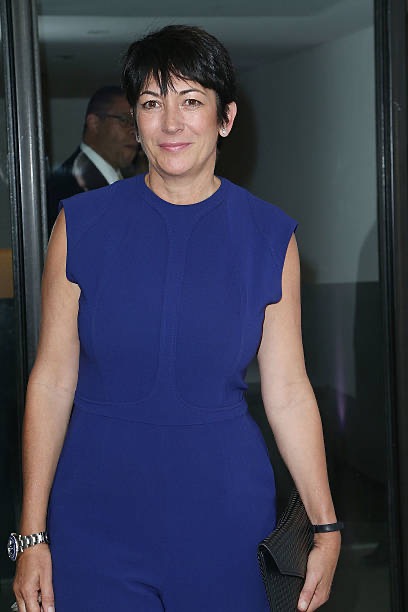
Consider, too, the controversial case of Ghislaine Maxwell. An intelligent, educated woman from a powerful family, she nonetheless became the enabler of Jeffrey Epstein. Was he a replacement father figure for the domineering Robert Maxwell? Did her need for validation blind her to the enormity of his crimes?
Whatever the reason, it is telling that Epstein’s male associates have largely escaped accountability, while Maxwell sits behind bars. She has become, many argue, the fall guy in a sordid melodrama. Her case is a stark reminder of how even the brightest women can be drawn into the orbit of a manipulative man.
Beyond Blame
So why do smart women fall for con men? Because intelligence is not a shield against love, against hope, or against the human desire to be needed. These women are not foolish—they are human.
If anything, their empathy, generosity, and optimism make them prime targets. And until society learns to place blame squarely where it belongs—on the men who manipulate, control, and exploit—the cycle will continue.
The question, then, should not be “Why do women fall for con men?” but rather, “Why do we allow con men to keep exploiting love so freely?”
Because in the end, the real con is not about women being weak—it’s about predators preying on the very best of human qualities.
Will Harry Meet Charlie?
There is so much speculation surrounding Prince Harry’s upcoming visit. Will he meet with his father, or won’t he? That’s the question on everyone’s lips.
First of all, he is King Charles’s son—and whether he is seen as the prodigal son or not, I truly hope a meeting takes place. After all, no amount of titles or headlines can change the simple truth of family.
As a nation, we watched Harry and his brother William Walk behind their mother’s coffin. They were just boys, and the emotional and psychological impact of that moment must have been unimaginable. It shaped both of them forever, and perhaps explains much about the men they have become.
Of course, all families have rifts. Harsh words get said, mistakes are made, and Harry has certainly made some. His marriage added another layer of complexity, and Meghan herself is another story entirely. But to dismiss him outright would be unfair.
Harry was always one of my favourite royals. He brought a youthful sparkle and an authenticity to public life that made him stand out. Whatever the differences, I hope father and son can find their way back to each other.
“We are all born as blank canvases; hate, racism, and a lack of understanding are learned.” How you choose to see the world and create the tapestry of your life is up to you. Blanky is here to “Make Earth Safe Again.”
Blanky told Patrick not to worry. He assured him that everything would be fine now, and encouraged him to keep shining brightly, just as he always had. Patrick’s new friends, though they noticed he was a little different, were happy to welcome him into their games. It had only taken a little time to explain how truly amazing Patrick was, and once they understood, they accepted him with open arms. “But you’re going,” said Patrick, his voice trembling as he clutched Blanky tightly. “What will I do without you?” Blanky’s gentle voice carried calm reassurance. “No, Patrick. I won’t really be gone. I am energy, and energy can never disappear—it just changes form. I’ll always be here, watching over you. If you ever really need me, just shout, and I’ll come. But please, Patrick, promise me something. Be your own unique energy. Be proud of who you are. Only call for me if it’s a true emergency. The rest of the time, I want you to stand tall and make yourself proud.” With those words, Blanky shimmered, the soft glow around him brightening before he vanished into the air like starlight carried away by the wind. Far away, 7,000 miles from Waterloo in London, lay the warm and glittering shores of the Dominican Republic. Though oceans stretched between them, Blanky could still hear faint cries for help echoing across the world. Something was wrong—deeply wrong. He could feel it in the atmosphere. The balance was shifting, and a dark presence stirred. Blanky recognised it instantly: the Olethros. They were near, and they were meddling again, leaving the planet weak and gasping for breath. His worst fears were soon confirmed. On a sandy beach, lying helplessly on its side, was a dolphin. Its sleek silver body was scratched and bruised, its breath ragged as it struggled to survive. Being made of pure energy, Blanky could communicate with all living creatures. He knelt by the suffering animal, his voice soft and kind. “Help me… help me to the water,” the dolphin squeaked weakly. First, Blanky placed his glowing hands upon the dolphin’s wounds. A gentle light poured out of him, soothing the creature’s pain and knitting torn skin. Slowly, the dolphin’s panic subsided. Then Blanky transformed—his body reshaping into that of a tall, powerful man. With strength that came not from muscle but from energy itself, he lifted the dolphin carefully and carried it back into the turquoise sea. The moment they touched the water, the dolphin raised its head and spoke clearly. “I am Stinggal,” it said, its voice now stronger, though tinged with sorrow.
As the waves lapped around them, Blanky allowed his energy to flow once more, transforming himself into a dolphin so he could swim alongside Stinggal. Their fins cut through the water with ease as they dived into the deeper blue, exploring the world beneath the surface. But there was little joy to be found there. The sea was clouded, its once-crystal depths marred by floating waste. Fish darted nervously, entangled in nets that stretched endlessly across the ocean floor. The corals, once glowing with colour, were bleached and broken. “The sea is being poisoned,” Stinggal said, his tone heavy with grief. “It is the work of the one they call the Orange Man. He cares only for money and fame. He tears down forests and scars the earth. He pours filth into the oceans and poisons the air. He does not care for life, only for power and wealth. If this continues, my kind—and many others—will soon vanish forever.” Blanky swam alongside him, listening intently as Stinggal continued. “They no longer respect the natural order. Fishing is allowed everywhere, without limit. Great nets are dragged across the seas, destroying entire habitats. The young are caught with the old. The strong are trapped with the weak. Nothing is spared. If something is not done, the oceans will become empty deserts, and the balance of the whole world will collapse.” Blanky’s heart, though made of energy, ached with sorrow. He had seen the Olethros bring destruction before, but this was different. This was not just one species in danger—this was the very foundation of the planet being eroded. He looked at Stinggal, whose bright eyes flickered with both hope and fear. “Then we must fight,” Blanky said firmly. “Not with anger, but with courage and truth. The Orange One may have power, but the Earth has a voice of its own. We will remind the world to listen.” Stinggal gave a small, hopeful leap from the water, droplets sparkling around him like diamonds. “Then perhaps there is still a chance,” he said softly. “The Orange One lives in the country of stars and stripes. He silences anyone who is different, anyone who dares to protect the planet.” “Then let’s swim,” said Blanky. Side by side, the two dolphins swam into the vast horizon, ready to face whatever darkness lay ahead. After many days, they reached the shores of Florida, where it was time to part. Stinggal nuzzled Blanky gently. “Do not worry. I’ll be back when you need me.” The Orange One—whom the world called Orangey—was guarded in a huge white house. For most, it would be impossible to reach him. He was in human form, but his skin was unnaturally orange and crispy-looking. Sitting behind a great oak desk, he shuffled papers, smirking at his own power. The heavy doors swung open, and a pale, sharp-faced woman entered. “I have some prizes for you, for being so amazing,” she said with a smile. “Thank you. Put them on the desk,” Orangey replied, barely looking up. “You’ll be impressed,” the woman continued. “We’ve just brought plastic back everywhere—no restrictions. We’ve reopened drilling for oil. And best of all, we’ve banned the words global warming from every official report.” “Fake news!” Orangey barked, slamming his hand on the desk. The blonde woman jumped up and down with excitement. “Well done! Did you also ban those who don’t speak English fluently from entering the country?” “All done,” Orangey said proudly. “Soon, we will drain this world of every resource. When it is broken and empty, we’ll move on—just like we did with Alacritas.” The woman clapped her pale hands, though her skin did not yet have the telltale orange hue of the Olethros. But Blanky knew what they were. The Olethros always revealed themselves in the end, their bodies glowing with a sickly orange light as they fed on destruction. This time, he could not allow it. Earth would not be their next victim. Blanky hovered at the window of the great white house, his body shimmering with invisible energy. He could see Orangey and his pale companion celebrating their victories, blind to the damage they had sown across the planet. It was time. The battle to save Earth was about to begin.
Even before David J Howe was born, the world of print and storytelling was already close at hand. His father worked in the printing department at the Daily Express newspaper, a job he kept until the paper moved out of Fleet Street in 1984. Neither father nor son could have foreseen that David’s fascination with a certain Saturday evening television programme would grow into a lifelong obsession — one that would shape his career, his friendships, and ultimately even save his life.
We sat down with David to talk about Doctor Who, the Daleks, and his extraordinary new memoir Who Me!.
John Pertwee and David ,,,
From Fan to Creator
Q: Do you remember when the magic of Doctor Who first gripped you?
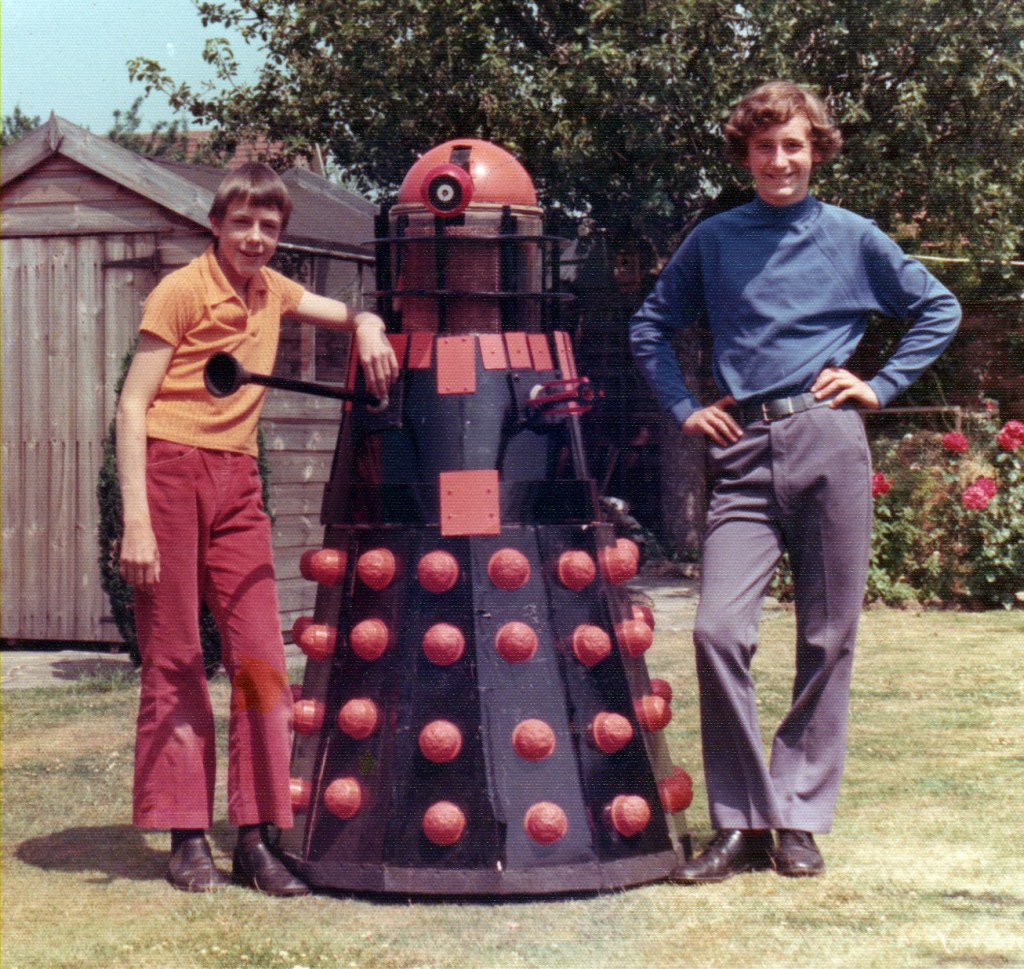
David: I was just a boy in South London during the 1960s, when Dalek toys were everywhere. Like a lot of children, I was completely captivated. By the time I was 15, I was so inspired that I decided to build my own Dalek. My father used to bring home waste plastic from the printing floor, and I scavenged other bits and pieces. Using those materials, I built a full-size Dalek from scratch. It was a labour of love — and in a way, the start of everything that followed.
Father and son build a Dalek
Working with the Doctor
Q: Your journey from fan to authority on the show is remarkable. What were the big turning points?
David: I began collecting, writing, and eventually contributing to the world of Doctor Who. One of the most extraordinary moments was working with Jon Pertwee himself. Helping him with his autobiography was a privilege and a huge learning experience. Over the years, I became more and more involved in chronicling the programme’s history — from conventions and events to writing books that many fans now consider reference staples.
Q: You’ve said that Doctor Who quite literally saved your life. Can you tell us about that?
David: Yes, it’s true. A few years ago, I was heading to Cardiff for a Doctor Who exhibition — specifically to see the Daleks. On the way, I suffered a massive heart attack. If I had been at home, I wouldn’t have survived. But because of that trip, I happened to pass right by Cardiff University Hospital, one of the best cardiac hospitals in the country. I was rushed straight there. Without that coincidence, without that journey to see the Daleks, I simply wouldn’t be here today.
And of course, I wasn’t alone. My wife, bestselling author Samantha Lee Howe, has been my rock through it all. Without her support, recovery would have been a much harder road.
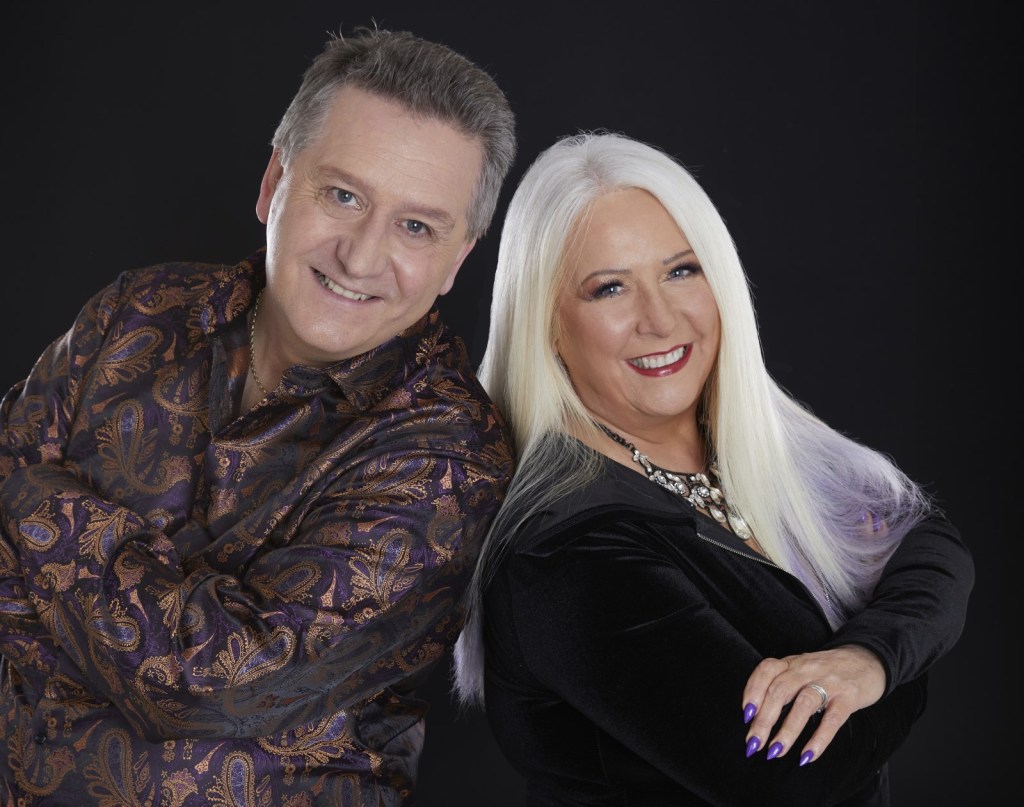
David with his beautiful wife and best selling author Samantha Lee Howe .
The Memoir: Who Me!
Q: Your new book, Who Me!, comes out this October. What can readers expect?
David: The book is my story, but it’s also the story of Doctor Who told through a very personal lens. I wanted to show how a television programme can shape a life, a culture, and even a country. I take readers behind the scenes — from the earliest fan conventions to my work documenting the series in print. I talk about working with Jon Pertwee, interviewing actors like Peter Davison, and even how the BBC began to understand and build its merchandise empire.
More than that, it’s about the joy of fandom, the friendships forged, the challenges faced, and the way Doctor Whobecame — and remains — a defining part of British popular culture.
Final Thoughts
Q: Why should readers pick up Who Me!?
David: Because it’s not just a fan’s tale. It’s a story about passion, perseverance, and the power of popular culture. Anyone interested in Doctor Who, or in British television history more broadly, will find something to enjoy. And I hope it shows that sometimes, what we love most can guide our lives in ways we never expect.
David with 70;s icon and Dr Who assistant Frazer Hines
📖 Who Me! by David J Howe Publication date: 9 October 2025 Formats: Hardback, Digital, Audio Publisher: Bedford Square Available on Amazon











































 2Shades Magazine