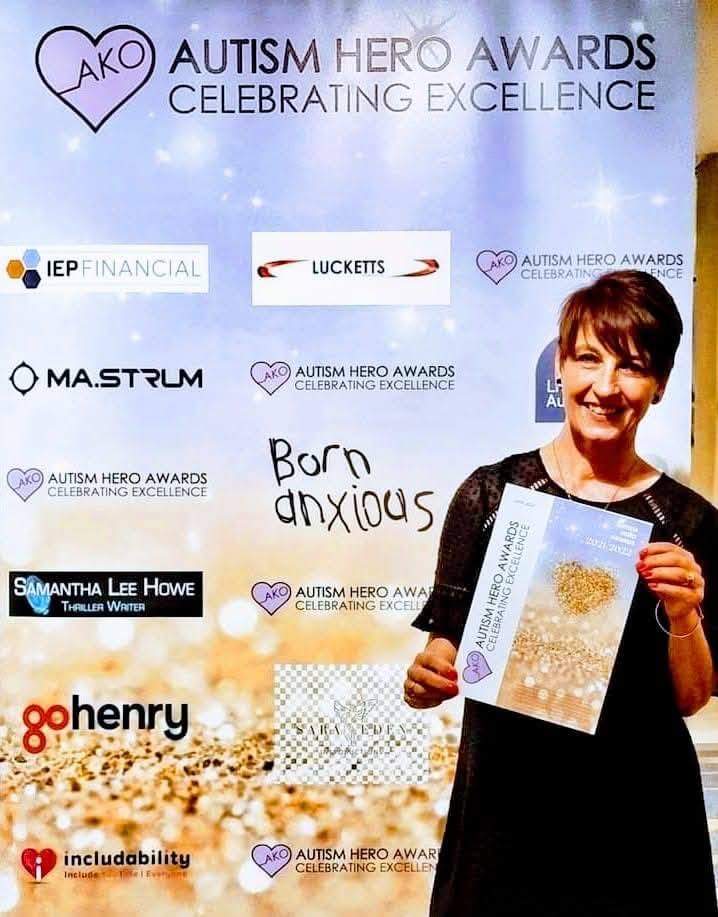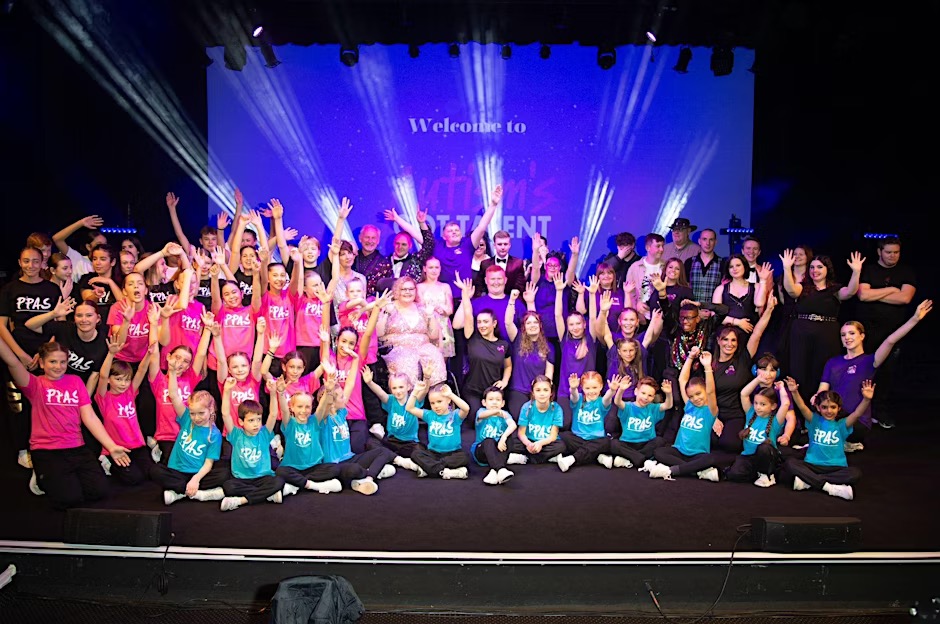
Hi it is Anna here founder of the autism charity Anna Kennedy Online. Since starting the charity in 2009, my passion has always been to raise awareness, acceptance, and understanding of autistic individuals and their families. Over the years, through our events like Autism’s Got Talent and The Autism Hero Awards, I’ve had the privilege of meeting so many incredible people who continue to inspire me every day.
This Pride Month, I want to take a moment to celebrate our autistic LGBTQ+ community members—many of whom still don’t feel fully seen or supported. Inclusion isn’t just a buzzword; it means accepting and embracing every part of who someone is. I’ve spoken to young people and families who are navigating this intersection, and I know how important it is to feel heard, respected, and safe to be your true self.
This column is a reminder that you are not alone. You matter. You belong. And we see you and your welcome at AKO Love Anna xxxx
Why do you think it’s important to recognise and celebrate Pride Month within the autism community? Recognising and celebrating Pride Month within the autism community is important because it fosters a sense of belonging, validates the experiences of LGBTQ+ autistic individuals, and promotes greater understanding and acceptance. This recognition challenges the misconception that autism is solely a deficit and instead highlights the unique strengths and contributions of autistic people. We’ve seen this time and time again through our events such as Autism’s Got Talentand The Autism Hero Awards.
What are some of the unique challenges that autistic individuals who are also LGBTQ+ face? Autistic individuals who are also LGBTQ+ often face the challenge of navigating two distinct communities. This can lead to increased isolation and mental health struggles. Some people I’ve spoken to find it difficult to feel fully understood and accepted, as they may not feel they completely fit within either the autistic or LGBTQ+ communities.
How does your organisation support autistic people who identify as part of the LGBTQ+ community throughout the year—not just during Pride Month? Since launching our charity in 2009, we’ve always been supportive of the LGBTQ+ community. We’ve offered advice and support to individuals and families who’ve reached out, and we’ve proudly included many LGBTQ+ performers in Autism’s Got Talent, as well as nominees for the Autism Hero Awards. Our team includes a wonderfully diverse group of ambassadors, charity patrons, and volunteers who reflect our inclusive values.
Autisms Got Talent
Have you noticed an increase in autistic people feeling confident to express diverse gender or sexual identities in recent years? In my opinion, yes—there is growing awareness, acceptance, and confidence among autistic individuals when it comes to expressing diverse gender and sexual identities. Research supports this trend, and organisations like Reframing Autism are playing an important role in empowering autistic people to explore and embrace who they are.
How can parents, carers, or educators better support young autistic people who are exploring their gender or sexual identity? The most effective way to support young autistic individuals exploring their gender or sexual identity is through active listening, affirmation, and creating safe, respectful environments. This includes using preferred names and pronouns, sharing reliable resources, and helping them access both peer and professional support networks.
How can Pride events become more sensory-friendly or accessible to autistic attendees? Have you worked with any organisers to help with this? To make Pride events more sensory-friendly, organisers should consider providing quiet zones, visual guides, clear schedules, and accessible information. It’s also vital to ensure authentic and diverse representation within the planning teams. While we haven’t yet partnered with organisers on this specifically, it’s something we’d be very open to in the future.
Do you see any stereotypes or misconceptions that still need to be challenged when it comes to autism and LGBTQ+ identities? Yes, there are several. One persistent misconception is that being both autistic and LGBTQ+ is rare, when in fact, research shows a significantly higher prevalence of LGBTQ+ identities among autistic individuals. Another issue is the lack of visible role models and media representation. Although awareness is growing, we still need more positive stories and accurate portrayals of autistic LGBTQ+ people in the media and beyond.
What message would you like to share during Pride Month on behalf of the autistic community—especially those who often feel invisible in both autism and LGBTQ+ spaces? My message is: “You are seen. You are valid. You are loved. Don’t be afraid to embrace your authentic self. Find your space, take your time, and know that there is a community ready to welcome and support you.”
Happy Pride, everyone! just reflecting on Pride I thought Id share some background about me .
Becoming a counsellor wasn’t my first career choice. From a young age, my true passion was doing people’s hair. But strangely enough, hairdressing and counselling are closely linked. You know what they say: if you can’t afford a therapist, see your hairdresser!
In my case, it actually worked the other way around. My hairdressing career took off—I specialised in colour and built a hugely successful business. My CV includes working with celebrities and the rich and famous, and my colouring talent brought me into collaboration with some of the biggest names in the hair world.
But I always had a burning desire to really listen to my clients. No matter who they were—a rock star, a socialite, or a fashion icon—it became clear early on that we all face similar challenges: heartbreak, divorce, bereavement, anxiety, depression… the list goes on. People might argue that wealthy clients don’t have the same worries, but I’ve seen both ends of the spectrum. Money doesn’t always bring happiness.
That 16-year-old girl living in a Chelsea townhouse who wants to come out to her family isn’t so different from the one growing up in a council flat. Their circumstances may differ, but they’re both human and both deserving of support.
My fascination with people and their stories led me to retrain as a therapist. But it wasn’t just my clients who inspired me—it was also my own life.
I’m a gay woman and I came out in the 1990s. It was a brave move at the time—it certainly wasn’t trendy or widely accepted. We had very few role models: K.D. Lang, Melissa Etheridge, and Ellen DeGeneres were among the few out and proud. And let’s face it, lesbian characters in TV and film were usually portrayed as mad, bad, or dead. For many of us, The Killing of Sister George was the only reference point. Though it’s a classic with sensational performances, it doesn’t exactly paint a rosy picture of lesbian life.
(That’s why I’m so looking forward to the upcoming documentary on The Gate Club—the legendary lesbian venue on the King’s Road where parts of Sister George were filmed.)
When I came out, it raised a few eyebrows—even at the very trendy Vidal Sassoon salon in central London, where I was working at the time. Once word got out, some of my regular clients switched to other colourists.
While I had amazing support from some colleagues, moving on to other salons often meant facing homophobia—surprisingly, sometimes even from gay men. It’s not something we talk about often, but it’s real. Although my inner circle included fabulous gay men, there were definitely some who didn’t welcome us lesbians with open arms.
And believe it or not, I was refused entry to some gay clubs for looking “too straight”! Apparently, I was too femme.
Thankfully, times are changing. But we mustn’t take that progress for granted. Homophobia still exists in many forms, and we need positive role models, education, and continued activism to keep moving forward.
When I started studying to become a therapist, going back to college felt surreal. One classmate broke the ice by saying, “So proud to be your first lesbian!”—we’re still great friends to this day. But not everyone was welcoming. One peer was consistently rude and passive-aggressive. It was never openly discussed, but I strongly sensed a kind of veiled homophobia. Thankfully, the rest of the class were amazing, inclusive, and my tutor was truly sensational.
Back in the day, it would have been unthinkable to be openly gay in one successful career, let alone two.
Happy Pride, everyone! Let’s celebrate how far we’ve come. There’s still plenty of work to do, but I’m proud to be waving the rainbow flag—and I can’t wait to answer your emails.
Love, Heidi
Dear Heidi,
My girlfriend dumped me before the pandemic because she enjoys clubbing and going to bars. That’s just not my scene. I’m looking for something more meaningful—I want to meet someone and settle down. But dating apps and websites scare me, and the bar scene isn’t for me. Alex, Bethnal Green
Hi Alex, Thank you for writing in. You’re not alone—plenty of people feel intimidated by the modern dating world. The key is to find spaces that align with your values. Consider LGBTQ+ book clubs, walking groups, art classes, or volunteering for a cause you care about. These are great ways to meet like-minded people in a low-pressure environment. And if you ever decide to try dating apps, choose ones with detailed profiles—look for people who are also looking for something serious. Take small steps—you’ve got this! Love, Heidi
Dear Heidi,
My girlfriend and I have been together for two years and plan to marry next year. Recently, she’s expressed a desire to try threesomes, saying it’ll “spice things up.” I don’t want to lose her, but honestly, it’s not for me. What should I do? Madeline, Manchester
Hi Madeline, Your feelings are completely valid. Relationships should be based on mutual respect and clear boundaries. If something doesn’t feel right to you, you shouldn’t feel pressured to agree. Talk to your partner openly and honestly—express your feelings without judgement. A strong relationship can withstand differences, as long as there’s communication and compromise. The right partner will respect your comfort zone. Take care, Heidi
Dear Heidi,
I’m 19 and come from what you’d call a “rough” family. My two brothers and I are all amateur boxers. My dad is a real “man’s man” and uses words like “queer” as an insult. I’ve been dating girls to hide who I really am, but one of them suspected something when I didn’t want to go all the way—she called me a “poof.” I love my family, but what can I do, Heidi? Should I risk coming out? Mike, Blackpool
Dear Mike, Thank you for your honesty. Coming out is deeply personal, and only you can decide when the time is right. It’s okay to take your time. You don’t have to come out until you feel safe and ready. Remember, there’s no shame in protecting yourself emotionally and physically. If you ever feel unsafe at home, reach out to LGBTQ+ support groups—there is a community out there that will support and celebrate you for who you are. You’re not alone. With warmth and strength, Heidi.
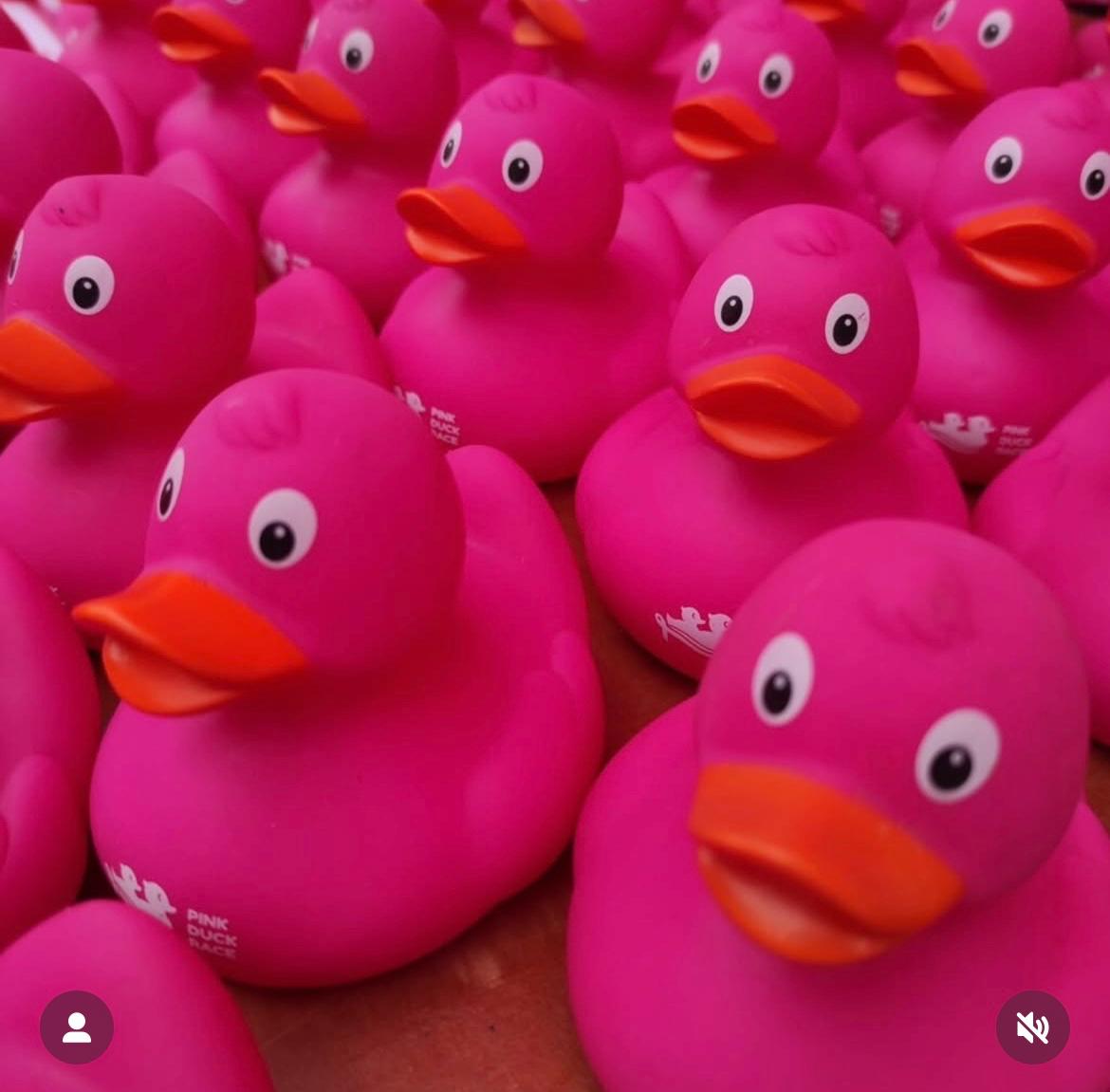
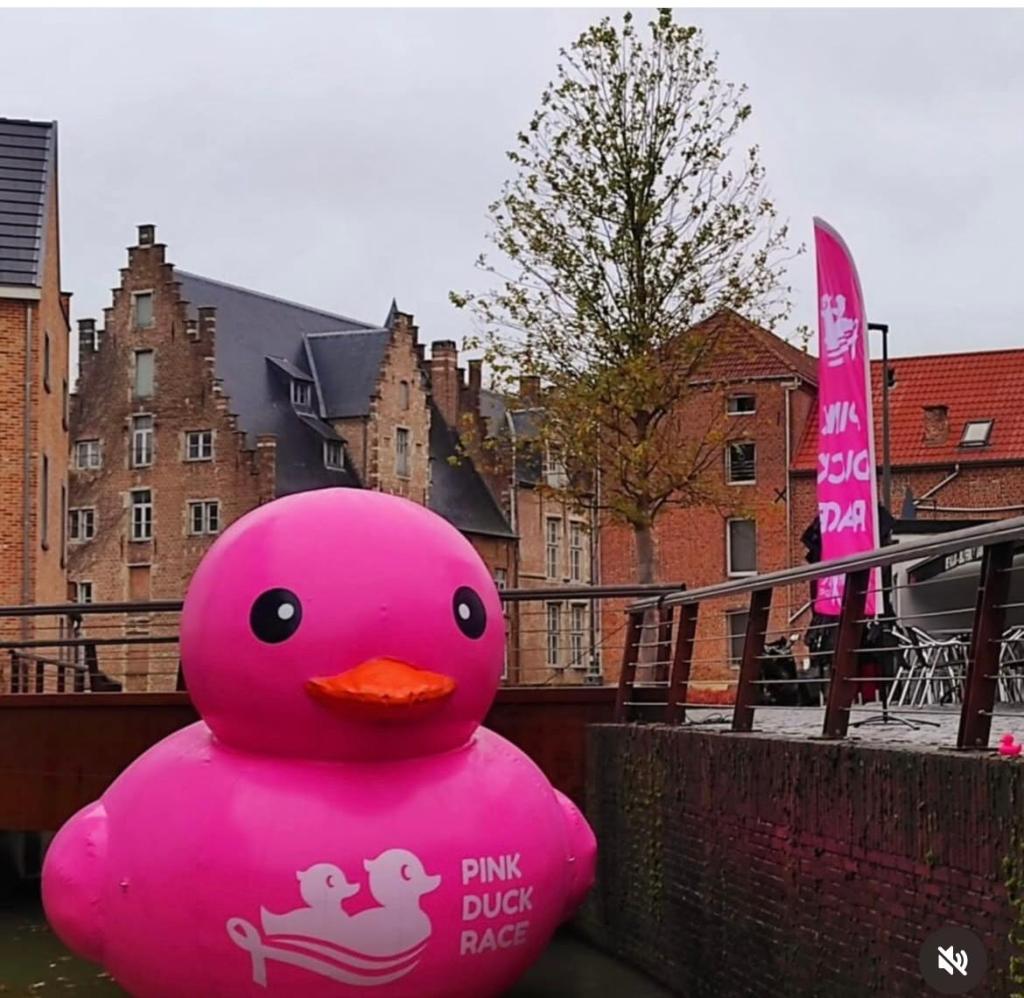
🦆💕 Quack Quack! The Pink Duck Race Is Coming to Cambridge — And You’re Invited!
Something wonderfully wacky and heartwarming is coming to the River Cam this September — and it’s all for an amazing cause.
On Sunday 21st September 2025, Cambridge will host the UK’s very first Pink Duck Race, organised by the fantastic team at the Pink Ribbon Foundation, in support of those affected by breast cancer. 💖
Yes, you read that right — 20,000 bright pink rubber ducks will be released onto the river to race for glory, awareness, and fundraising. It’s going to be joyful, pink, and just a little bit bonkers… and we can’t wait!
🎀 Why a Pink Duck Race?
The Pink Duck Race is more than just a fun day out — it’s a symbol of hope and solidarity. Every duck adopted represents someone’s story, someone’s fight, or someone’s support. Whether you’ve experienced breast cancer yourself or want to stand by someone who has, this event is your chance to take action in the most cheerful way possible.
For just £5, you can adopt your own Pink Duck, give it a name, and watch it join thousands of others as they race down the river — all raising funds for breast cancer support and awareness.
💖 How It Works
🦆 Adopt a duck for £5
🎁 Gift a duck to a loved one as a meaningful gesture
🏁 Watch 20,000 ducks race — live in Cambridge or via social media
🏆 Win prizes if your duck finishes first (including the sparkly Gold Duck!)
💼 Businesses can sponsor or adopt duck flocks with corporate packages
💰 All funds raised go to the Pink Ribbon Foundation, supporting those affected by breast cancer
It’s a win-win: raise awareness, have a laugh, and maybe even take home a prize!
🥰 Can’t Make It to Cambridge? No Problem!
If you can’t attend in person, don’t worry — the race will be streamed online and covered on social media. You’ll still be able to cheer on your duck from anywhere in the UK (or the world!).
📲 Just follow @pinkribbonfoundation and @pinkduckrace on Instagram, Facebook, and X (formerly Twitter) to keep up with the action. There’ll be plenty of quacking content before, during, and after race day.
🛍️ Get Involved – Your Duck, Your Impact
Whether you’re an individual supporter, a family looking for a unique day out, or a business keen to make a difference, there’s a duck for everyone.
🫶 Want to show support for someone you love? 💼 Want your business to get involved in a meaningful and memorable campaign? 🎉 Or just fancy watching 20,000 pink ducks bobbing down the river?
This brilliant event is proudly supported by local and national partners including: @qav_global, @intelligent_membranes, @brewboarduk, @cambridgerowing, @johnlewis_cambridge, @thinkpinkeurope, @skinster_h, and @thecraneevent.
Together, we’re creating a sea of pink, floating hope, and real change — one duck at a time.
💕 Let’s make history in Cambridge.
Adopt a duck. Share the love. Change lives. Quack Quack! 🦆🎀
“Pride” means self-esteem, self-respect, and the joy that comes from being who you are. It’s a celebration of identity and community—and it’s also a protest, because the fight for equality is far from over.
How far we’ve come. In the 1970s, the only LGBTQ+ publication I knew of was Gay News—a paper I used to smuggle into my family home as a teenager. Mainstream magazines rarely showed gay people in a positive light, and doing so could sink a publication. In the entertainment industry, being openly gay could mean career suicide. Even being suspected of homosexuality could get you thrown out of the armed forces.
GAY NEWS IN THE 70S
I came out at 15, creating scandal at school and chaos at home. When my mum discovered my hidden copy of Gay News, she screamed, “There’s no such thing as ‘Gay News’, only bad news.” While she’s now a proud LGBTQ+ ally, back then it was a different story. Only my 13-year-old sister offered comfort—squeezing my hand and saying, “I always knew. I love you.”
My parents, desperate to “understand,” took me to the Samaritans, where I was introduced to a man who had been in the merchant navy who “knew about gays.” I remember his pale-blue jumper and the awkwardness in his voice. He warned me that not all gay men looked like David Bowie or Marc Bolan—who, I pointed out, were bisexual. He added, “If you go to Portsmouth, there are big, hairy men on bikes looking for young lads.”
Once back in the car, I asked, “Where’s Portsmouth—and how do I get there?”
Coming out still shocks some families. I’ve seen parents devastated by something they must have known deep down. In It’s A Sin, Keeley Hawes’ character, Valerie Tozer, denies her son’s truth even as he dies of AIDS. Another mother asks her pointedly: “What were you looking at when he was six? Ten? Fifteen?”
Today, LGBTQ+ teens are still being thrown out of their homes. Others are allowed to stay—but endure silence, shame, or abuse. All for the “crime” of loving someone, or being themselves.
Meanwhile, the same parents hand their kids toy guns and cheer them on during war games—yet recoil at a same-sex kiss. The hypocrisy is astonishing.
I cried watching Heartstopper on Netflix. When Nick comes out to his mum, played with grace by Olivia Colman, she simply thanks him and checks he’s okay. That’s the world we need. Fewer traumas. More love.
Yes, things are better. But the LGBTQ+ community is still under attack. Survival requires strategy—and education is key. We need LGBTQ+ role models in schools. We need to support young people who don’t fit gender norms. We need to tell our stories and make space for others to tell theirs.
I recently had a woman say to me, “You don’t seem that gay. My hairdresser Eduardo is gay—he’s a scream! He does drag on Tuesdays.” I replied, “The Kray twins were gay.” She went quiet, then apologised. I wasn’t offended—but I had made her think.
Positive role models matter. Jake Daniels, the first openly gay footballer, recently made headlines. So have Gareth Thomas and Tom Daley. But the fact that coming out still makes headlines shows how far we’ve yet to go.
Jake Daniels super star ,
It was heartening to see David Beckham support Jake Daniels—but disappointing to see him promote the World Cup in Qatar, where homosexuality is punishable by death. Allies must not sit on the fence when human rights are at stake.
Let’s not forget: the gay community isn’t immune to internal bias. Flamboyant men are often sidelined. Some fear being labelled “camp” or “too much.” But icons like Quentin Crisp, Boy George, David Bowie, and Marc Bolan showed us that difference is not a weakness—it’s a strength.
Boy George daring to be different with Pride.
If an alien asked to meet a “typical gay person,” we couldn’t comply. There’s no such thing. Just like there’s no one image of a straight man—despite the stereotype of a pint-wielding football fan in a Union Jack tee.
People ask me, “Why do you need Pride? There’s no Straight Pride.” My answer: “Be grateful you don’t need one.”
There are also calls to give Pride Month over to Veterans’ Day. I believe veterans deserve honour every day—but not at the expense of Pride or any other group or organisation One doesn’t cancel the other.
We’re living in frightening times. In countries like Argentina and the U.S., governments are trading human rights for promises of prosperity. In the UK, I fear the rise of Reform UK. We must not just defend our rights—we must be louder, prouder, and more visible than ever.
Peter Tatchell we all have to admire ,
At the premiere of Legendary Children: All of Them Queer, activist Peter Tatchell said that change comes from entering non-LGBTQ+ spaces and being a shining example. I believe that. I hope one day I can hold my boyfriend’s hand in public without fear. I hope one day, every child who comes out is embraced by their parents, not shunned.
We’ve made progress. But we’re not there yet.
And if we don’t act now, we risk going back to the bad old days.
I couldn’t agree more with the divine Joan Collins—who, as a fellow Gemini, always knows how to speak her mind. Just last month she said, “It is rude to ask a lady her age.” And I say, absolutely right. While we’re at it, let’s extend that rule to men, too. Age should never be the first thing people bring up at the dinner table—or anywhere, really. Yet, for some strange reason, some people still haven’t got the memo.
Even the legendary Ms Collins never misses a moment to bring up age on her own terms, and good on her. The problem is when others decide it’s their business to discuss or dissect your age as if it’s a defining feature of who you are.
Trust me, being asked, “Guess how old I am?” is the social equivalent of stepping on a rake. It’s awkward, unnecessary, and usually driven by vanity or insecurity. Worse still, when someone asks you how old you are in front of a group—what exactly are they hoping to achieve? Shock? Admiration? Or a bit of good old-fashioned one-upmanship?
Pictures by Graham Martin
Personally, I’m incredibly proud of the age I’ve reached. I’m in great company—hello, Tom Cruise and Boy George! To be able to say I’ve lived a full and colourful life, packed with lessons, laughter, a few bruises and many blessings, is something I treasure. But that doesn’t mean I want to be constantly labelled by it.
is 60 the new 40 well George and I hit 64 and still partying
Still, I must admit, the age hang-up isn’t mine—it’s other people’s. I’ve been at parties where someone makes an entrance like a movie star arriving late on the red carpet. You know the type—deliberate delays, dramatic flair, sunglasses indoors, and a whole production just to let everyone marvel at how good they still look. And yes, they do look amazing, but does everything have to revolve around how young or “well-preserved” someone is?
I’ve even been in situations where my own friends—who happen to look much younger than their age—draw the same “oohs” and “aahs.” I once attended a dinner with a long-time friend who, despite being in his twenties, has the soul and intellect of someone in his seventies. We were seated with a man I didn’t know, and from the moment he sat down, the conversation steered toward age. He asked if we still went clubbing, commented on siestas as “old man naps,” and suggested that we must prefer quiet evenings now. I stopped him mid-flow and said, “Darling, I don’t do the age thing or put labels on people.”
That’s when it hit me: his obsession with age wasn’t about us—it was about him. My young friend whispered to me later, “He’s projecting his own fears onto you.” And he was right. So many people are battling their own discomfort with growing older, and instead of embracing it, they try to deflect that discomfort onto others. Sad, really.
But here’s the truth: age isn’t a limit or a barrier unless you make it one. I’ve always envisioned myself living with a bit of swagger—relaxed, charming, and totally unbothered. I’ve seen people in their 70s, 80s, and 90s absolutely raving—living their best lives, dancing under disco lights, refusing to be boxed in by the number on their birth certificate. And I say: why not?
Of course, your priorities change. These days, I enjoy good dinners, meaningful conversations, and yes, a nap if needed. But that doesn’t make me any less fun, adventurous, or alive. I just don’t have the patience for drama or superficiality anymore—and I count that as progress.
Teenager to now .. living life to the full
One thing I wish people would do more is just be. Enjoy where you are, who you’re with, and the life you’re living. Stop measuring your worth—or anyone else’s—by youth, appearance, or how “on trend” you are. Confidence, kindness, and curiosity will outlast collagen and hair dye any day
So yes, age is just a number, and we should all be proud of the years we’ve lived and the experiences they’ve brought us. But really—can we stop bringing it up every five minutes?
Sleep. It’s something most of us take for granted—until we can’t get any. For years, I struggled with sleepless nights, tossing and turning while my mind refused to switch off. That changed when I discovered that Michelle Langer, an old friend and wellbeing expert, was running a sleep workshop at Soho House in White City. What I experienced there genuinely transformed my approach to rest and relaxation.
I’ve known Michelle for over twenty years. One of my most unforgettable memories with her goes back to a holiday in Sitges. We’d hired a large pedalo and taken it out to sea. I was in charge of steering while Michelle and the late journalist Lester Middlehurst went for a swim. The Mediterranean was calm—until I spotted a giant Portuguese Man O’ War drifting nearby. I shouted a warning just in time, and what followed was pure chaos: a near-hysterical Lester trying to save himself by pushing Michelle underwater! Thankfully, no one was hurt, but the memory of that surreal moment has stayed with me ever since.https://www.youtube.com/watch?v=j26AqJKd-F4
Years later, I ran into Michelle again on the set of Dancing on Ice. We hadn’t seen each other in ages, but the reunion was lovely. A few of my friends in the show were clearly starstruck when they realised I knew her. “She’s the producer!” they whispered in awe. Yet Michelle was as grounded and unassuming as ever—no airs, no ego. As they say, never judge a book by its cover.
When I heard she was running a sleep workshop, I knew I had to go. I was amazed by how many people were there—each of us grappling with our own version of sleeplessness. Some shared personal stories, while Michelle delivered her guidance with grace, empathy, and deep insight. She offered a range of techniques, but one in particular completely changed the game for me. For the first time in ages, I began to feel like I’d actually slept. The workshop lasted just 55 minutes, but the results have been lasting.
Here’s a summary of some of Michelle’s top sleep strategies—simple yet powerful tools that can help you drift off with ease.
Breathing & Relaxation Techniques Try the 4-7-8 Breathing Method: inhale for 4 seconds, hold for 7, exhale slowly for 8. It soothes the nervous system and helps you wind down. Box Breathing is another great option—inhale, hold, exhale, and pause for 4 seconds each. This helps calm anxious thoughts. Progressive Muscle Relaxation starts at your toes: tense each muscle group for a few seconds, then release as you breathe out, moving slowly up your body. Diaphragmatic (or belly) breathing, where you allow your stomach to rise and fall with each breath, helps trigger the body’s rest-and-digest response.
Behavioural & Environmental Sleep Aids Establish a gentle wind-down routine: dim the lights, read a book, take a warm bath, or journal. Stick to a consistent sleep schedule—even on weekends—to regulate your internal clock. Avoid screens for an hour before bed. Blue light suppresses melatonin and keeps the brain alert. Apps like Calm, Headspace, or Insight Timer offer guided meditations and sleep stories that help quiet the mind. Essential oils such as lavender or chamomile can be diffused or spritzed on your pillow for a natural calming effect. Finally, make your bedroom a haven: keep it cool, dark, quiet, and clutter-free for optimal rest.
Michelle’s background is as impressive as it is diverse. A Cambridge graduate with 30 years’ experience as a television executive, she understands pressure, deadlines, and public scrutiny better than most. She now channels that experience into her work as a Wellbeing Consultant and Executive Coach. Personally trained by Dr. Deepak Chopra at The Chopra Centre for Wellbeing, she’s spent over fifteen years teaching mindfulness, meditation, and stress reduction strategies to public figures, CEOs, and individuals worldwide.
Michelle is also an accredited member of the Association of Facilitators and works as a coach for Arianna Huffington’s Thrive Global. Her client list reads like a who’s who of corporate and entertainment powerhouses—Microsoft, Accenture, Pfizer, Mastercard, NFL, Channel 4, and many more. And if that weren’t enough, she co-founded Tranquillo, a unique experience that blends live cello by world-class musician Jane Oliver, guided meditation, and essential oils into deeply immersive wellbeing sessions for companies.
If you’ve ever struggled with sleep, I can’t recommend Michelle’s work highly enough. A short session may just make a lifetime of difference.
With his hotly anticipated new novel The Hacking on the horizon, author Steven Smith is showing no signs of slowing down. Always one to surprise, he’s taken an exciting detour into chilling new territory with his latest work — a darkly gripping short story titled Killer Queen. The tale features in the spine-tingling anthology Criminal Pursuits, edited by award-winning writer Samantha Lee Howe and created in support of the Pink Ribbon breast cancer charity.
Marking his first foray into the horror genre, Killer Queen promises suspense, social commentary, and a twist of the macabre. And if the glowing early reviews are anything to go by, this debut dip into horror certainly won’t be his last.
In this exclusive feature, 2Shades’ very own Queen of Conversations, Adishri Chengapa, sits down with Steven to talk twisted tales, creative risks, mental health, and what really scares him — beyond the page.
Adishri:Steven, what is Killer Queen about — without giving too much away?
Steven: In a nutshell, it’s a horror story, yes — but also a reflection on society and the illusionary nature of fame and show business. We live in a time where, if The Emperor’s New Clothes were written today, the boy shouting, “He’s naked!” would probably be sued or cancelled. The victims in Killer Queen see only what they want to see — and that’s ultimately their downfall.
Adishri:How did you get involved with Criminal Pursuits?
Steven: I was chatting with my great friend, Samantha Lee Howe — who is, quite frankly, the queen of horror stories — and she mentioned this anthology she was curating in support of the Pink Ribbon breast cancer charity. As soon as I heard about it, I jumped at the chance to be involved. I’d had the idea for Killer Queen bubbling in the back of my mind for a while, and Sam, as both an editor and an author, is incredibly encouraging. Once I got started, the hard part was actually keeping it short!
Adishri:Your first book, Powder Boy, was quite the shocker. Do people see you differently now?
Steven: People often ask me that. Powder Boy was about a womanising, coke-dealing charmer. Honestly, maybe because I’m a gay man, some people assumed I couldn’t have written it — particularly because it features a lot of heterosexual erotica. That’s almost insulting. One of my strengths as a writer is observing and listening. Many of my male friends are what they call straight, and I don’t find it difficult to see things from their perspective. Most of the “conquests” in Powder Boy are based on real stories I’ve been told! If people see me in a different light because of it, so be it. If they genuinely think I am that character — then they’re probably not the kind of people I need in my life anyway.
Steven: Always. I was writing little plays and short stories from a very young age. I’m slightly dyslexic, but no one really noticed. I have an O-level in English Literature and Oral English — but I failed English Language. I was labelled “careless” and “stupid,” and that kind of trauma kept me away from writing for years. In today’s world, the way I was treated to help with things like homework would probably be considered abusive.
I respond best to encouragement — being lifted up, not torn down. It was journalist Jane Moore who changed my life. She asked me to write a column, and I tried every excuse to get out of it, but she wouldn’t take no for an answer. Thanks to predictive text and writing tools, being dyslexic isn’t the barrier it once was. Jane gave me the push I needed, and it turns out I had a flair for writing and interviewing. Helen Galley, a brilliant teacher of journalism, taught me the technical side of freelance writing — and I’ve never looked back.
Adishri:You write often about mental health. Do you feel men are opening up more about how they feel?
Steven: Not enough. Society still expects men to be these stoic John Wayne types — never showing emotion, never being vulnerable. That attitude is changing slowly, but there’s still a long way to go. We need to teach kids from an early age that it’s okay not to be okay — and also equip them with the tools to cope with real life, including bullying and rejection. Especially if you’re creative or different in any way, you’re going to stand out — and be a target
“Big boys don’t cry” is one of the most harmful phrases ever invented. I know someone with severe anxiety who would rather say they had an incurable disease than admit what they were really struggling with. That’s tragic.
Steven: That makes it sound like I’m dying! [laughs] But yes, I’m 64. And sometimes when I look in the mirror, I still see that scared little boy looking back. Regret, to me, is a self-indulgent emotion. I’ve had some amazing experiences and opportunities, but I’ve also endured things that would make most people wonder how I’m still here. I treat them as life lessons. I move on.
Maybe I regret not pursuing certain relationships — a few people made offers I didn’t take up. But overall? I’m lucky to be me.
Steven: My sister Karen read Killer Queen and said it was “smart, dark, and totally captivating.” She’s not one for false praise — she’s very no-nonsense — and she thinks it would make a great full-length book. So that’s something I’m exploring.
I’m also putting the finishing touches on a very personal project — a book about my late partner, titled Annand and Me. And I’ll be launching a podcast later this year.
Quickfire Round
Sushi or steak? Sushi. I don’t eat red meat or pork.
Favourite films? Blade Runner, Breakfast at Tiffany’s, and All About My Mother.
Biggest turn-off? People who think it’s okay to fart in public. Honestly.
If you were mayor for a day? I’d fine people who walk while texting or staring at their phones. And I’d get to work immediately on helping the thousands of homeless people in London and across the UK.
What do you find romantic? I haven’t been on a date in ten years. Even my First Dates date cancelled on me! But to me, romance can be something simple — like walking through a park or sharing lunch with someone you love.
Madonna or Lady Gaga? Madonna — all the way. I know as a gay man I’m supposed to go wild for Kylie’s Padam Padam or Lady Ga Ga’s Abracadabra — but I find them irritating. I like Charlie XCX, but I’m more of a Lou Reed and Bowie fan at heart.
The stylish boutique White Coco at 227 Kings Road, SW3 5EJ, was abuzz with excitement on a recent spring evening as sisters Wendy Turner Webster and Anthea Turner celebrated the launch of their enchanting new children’s book, Finding Treasure in Kew Gardens. The glittering event, held in the heart of Chelsea, drew an eclectic crowd of fans, celebrities, and literary enthusiasts to mark the release of the third book in their imaginative series, Underneath The Underground.
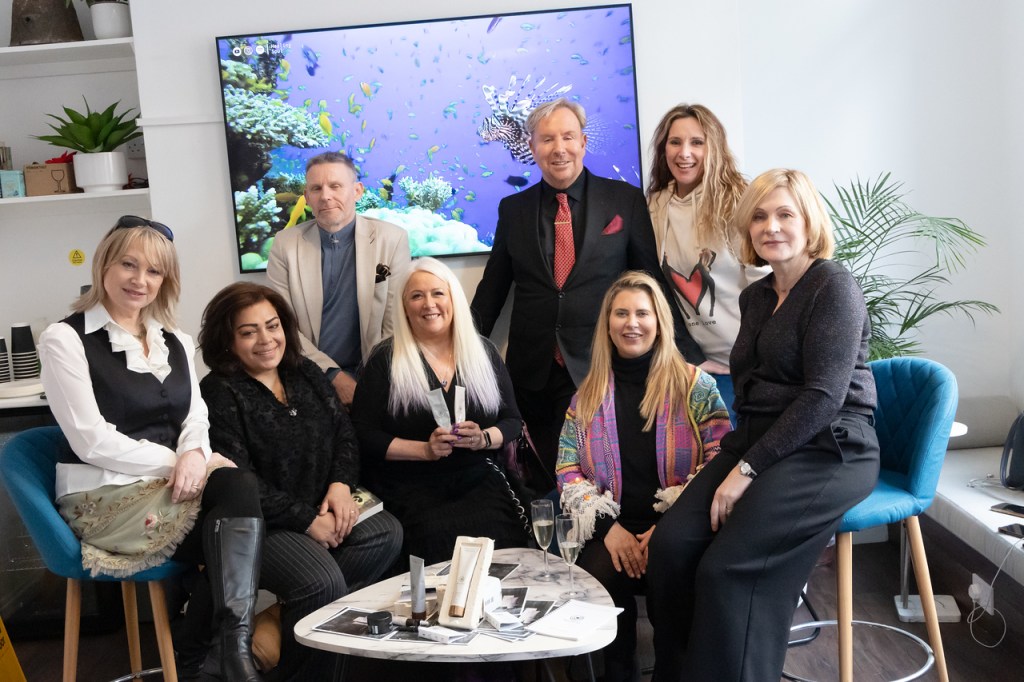
Dr Anna Kennedy OBE joins Anthea and Wendy at the launch of their 3rd book ,
This latest title follows the ongoing adventures of two brave and curious mice, inspired by Wendy’s own rescue pets. The charming tale blends fantasy and nature, taking young readers beneath the iconic Kew Gardens to discover hidden worlds and environmental treasures. As with the previous instalments, the story is filled with heart, whimsy, and a deeper message about friendship, courage, and conservation.
Joining the sisters in celebrating this milestone were several notable guests, including Loose Women and I’m a Celebrity… Get Me Out of Here! star Jane Moore and actor Gary Webster, best known for his roles in Minder and EastEnders husband to Wendy . Their presence added an extra sparkle to the occasion, and both expressed admiration for the book’s themes and its accessibility for young readers. Jane Moore commented on how refreshing it was to see a story that mixes adventure with an environmental conscience and has a character named after her , while Gary Webster praised the blend of “nostalgia and novelty” in a children’s book series that also appeals to the adults reading along. Dr Anna Kennedy OBE was on hand and thought the books would appeal to children living on the spectrum.
Acting Legend Gary Webster and husband to Wendy was on fine form.
Wendy Turner Webster, known for her animal welfare work and as a former television presenter, spoke warmly about the origins of the book. “I was inspired by my own pet mice and their enormous personalities,” she said. “We wanted to create a world where the tiniest creatures are the biggest heroes. Finding Treasure in Kew Gardens is all about reminding children that magic and meaning often lie just beneath the surface—literally!”
Anthea Turner, TV presenter and lifestyle author, brought her usual charm and enthusiasm to the event. She shared how the sisterly bond has strengthened through the writing process. “Working with Wendy has been such a joy. We both bring different energies to the project, and I think that’s reflected in the depth of the story. Kew Gardens is a special place for both of us, and we wanted to celebrate its wonder while also encouraging a sense of adventure in our young readers.”
2Shades Steven Smith Joins Wendy Turner to celebrate the book launch ,
The boutique setting of White Coco was an inspired choice for the event. Known for its chic, curated collections and warm atmosphere, the store transformed into a literary lounge for the evening,
The Underneath The Underground series has already gained a loyal following, praised for its creativity and ecological awareness. Each book takes readers to a different iconic location beneath London, where talking animals, hidden societies, and thrilling quests unfold. The series subtly promotes values of kindness, courage, and respect for the environment—lessons seamlessly woven into exciting plots that keep children (and their parents) turning the pages.
Matt Goss with Anthea Turner and Lee Murray
The launch concluded with a book signing session, where both Wendy and Anthea took time to engage with readers and young fans, many of whom were keen to talk about their favourite animals and adventures. There was a shared sense of nostalgia among the adults present too, especially those who remember the Turners from their many appearances on British television over the decades.
Finding Treasure in Kew Gardens is now available on Amazon and in selected bookstores. As the third book in a growing series, it promises even more excitement for young adventurers. Wendy hinted that the next instalment may take readers beneath another iconic London landmark, though she remained tight-lipped about exactly where. “Let’s just say,” she smiled, “the mice are not done exploring yet.”
New Romantic King Rusty Egan with girl friend Georgina Ballie
For now, fans can delight in this latest chapter—a story that blends family, fantasy, and flora in one beautifully illustrated package. The Turners have struck gold once again—this time, underneath the green wonders of Kew Gardens.
“For people on the autism spectrum, art is a powerful medium that encourages self-expression.”
Anna Kennedy Online, in collaboration with the Firepit Art Gallery , is proud to present the first-ever “Autism & Art Show. “This exciting event showcases incredible artwork from autistic artists and their allies, with all profits supporting the charity Anna Kennedy Online. Art is more than just a passion—it serves as a therapeutic outlet, offering solace and joy to many individuals on the autism spectrum. With great enthusiasm, Anna Kennedy OBE, charity patron Steven Smith, and Firepit Art Gallery founder Markus Jake invite you to celebrate and support these talented artists. Ar) Event Location: Firepit Art Gallery CIC Firepit Gallery No.2, Upper Riverside, 10 Cutter Ln, Ground Floor Unit, Greenwich Peninsula London SE10 0XX Learn More & Support the Charity
jacket not for sale Aladdin Sane £200.
The Autism & Art Show — 22nd May 2025
Join us for a celebration of creativity, resilience, and neurodiverse voices at The Autism & Art Show, showcasing a rich tapestry of work by autistic artists from across the UK. Each participant brings a unique story and style, making this event a powerful tribute to the talents of individuals on the spectrum.
Featured Artists
Angelo Kennedy
Angelo, 32, is autistic and lives with significant sensory processing disorder. On display is a vibrant painting of sunflowers he created at just 10 years old. Angelo enjoys cooking, bowling, and continues to work hard on his independent living skills. His brother, Patrick, is also on the spectrum and works at Pinewood Studios.
£500 pounds by Angelo Kennedy for offers contact spman@btinternet 07969016222
Lana Mitchell
Lana, who lives with autism, once feared unfamiliar environments. In 2024, she began volunteering at Shelter Crystal Palace, where her uniqueness was embraced and her creativity blossomed. She now designs themed window displays and, to celebrate her one-year anniversary, created a striking punk-style denim jacket.
sold
Collette Sherriffs
Collette, 47, from Kincardine, Scotland, has loved art since childhood. Despite working hard to earn a place at art school, her dreams were crushed when her mother told her she was “too stupid” to succeed. Heartbroken, she gave up art—until recently. One of the pieces on display is from her original portfolio, which her mother once threw away but was fortunately saved. Now a devoted mum of two, Collette champions her children’s creativity with pride and encouragement.
Offers over £250 inbox spman@btinternet.com
Niall Guite
Niall, 30, is an artist with autism, an intellectual disability, dyspraxia, and dyslexia. He gained international acclaim after raising funds for Special Olympics GB by selling his iconic stadium drawings. Niall has exhibited at the Royal Academy Summer Exhibition, delivered a TED Talk, and received an Honorary Doctorate from Sheffield Hallam University for his work promoting inclusion through art.
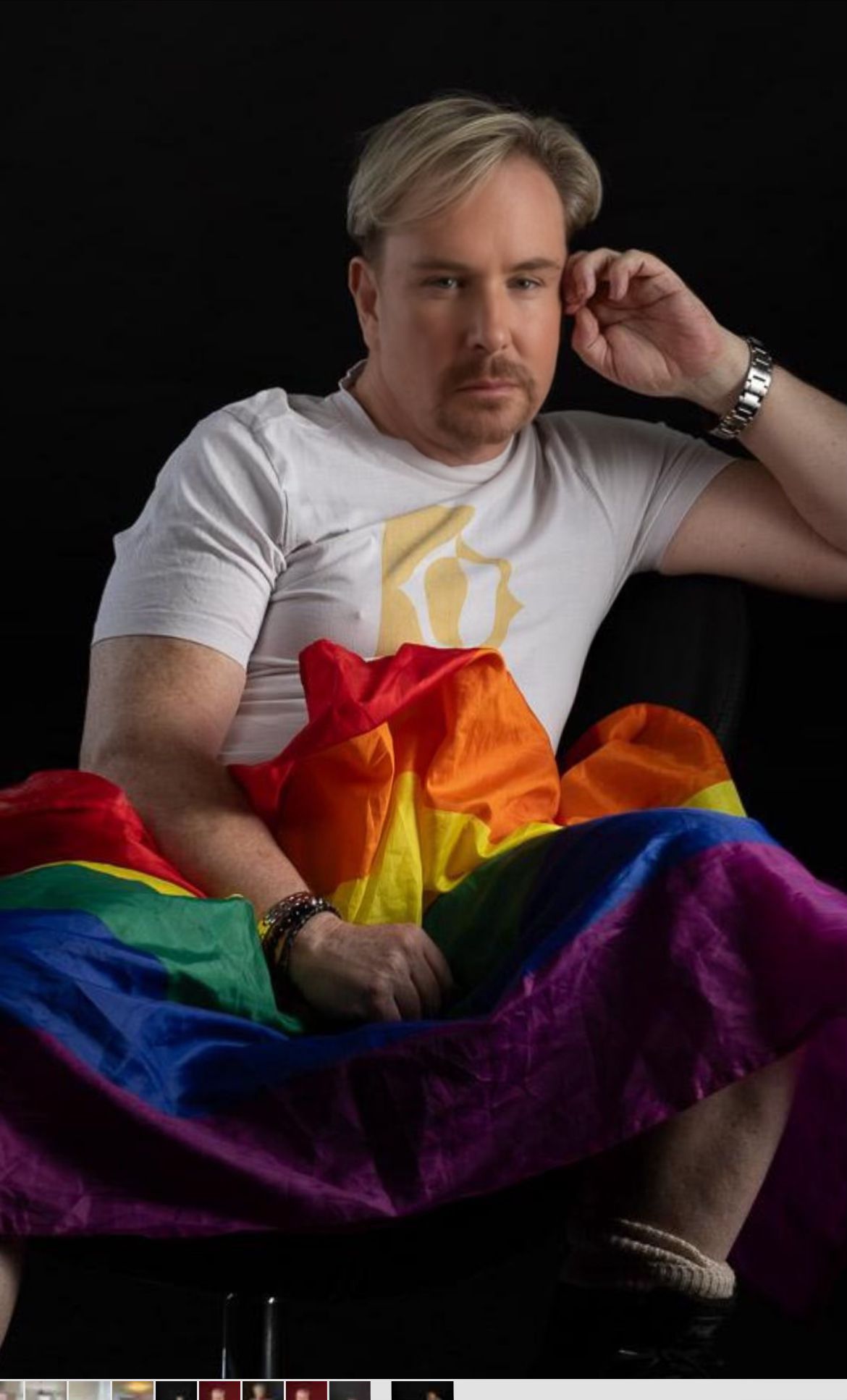
A collector piece offers over £250 inbox spman@btinternet.com
Piluca Artist
Piluca: Artist. Muralist. Fashion Visionary. Street Art Queen. Born in Madrid and ignited by Brixton’s wild heart, Piluca is a published illustrator, muralist, fashion designer, and founder of I Am Here 2 Play, launching this May at Hypezeus, London. Her vibrant murals and street art light up London’s iconic venues, turning the city into an open-air gallery. A WinTrade Awards finalist, she moves effortlessly across fine art, fashion, and branding with fearless, raw style. Piluca’s creative impact extends deep into communities—leading workshops, festivals, and campaigns with purpose. From fashion to neuroscience illustration, her work defies boundaries—and London proudly wears her name.
Offers above £350
Chris Wild
Chris is an author, artist, actor, care home consultant, government advisor, youth advocate, and charity patron. A passionate voice for young people in care, Chris’s first book, Damaged, shares his personal story. His second, The State of It, challenges the systemic failures affecting vulnerable youth. Through art and writing, he continues to inspire change and awareness.
Chris Wild painting offers over £500
Artism by Jake
Jake, 20, finds joy in painting. As a young man on the autism spectrum, his artwork offers a distinct and captivating perspective. All profits from his prints are donated to charitable causes.
Offers over £150
Heidi Simm
At 17, Heidi is the creative mind behind Disco City, a fusion of Disney characters and her own original creations. With a strong, determined spirit, she uses her art to express herself, manage her mental health, and explore new techniques. Her inquisitive nature and unique imagination make her work stand out.
Fabulous fun £250 please inbox me at spman@btinternet.com
Dr. Ian Hale
Based in Bristol, Dr. Ian Hale is an author, poet, autism specialist, and certified Master of Photography. His book, Asperger’s, Autism and You: Is the Epidemic Real and Are Vaccines the Cause?, blends personal insight with clinical research. Ian, who is autistic himself, shares his journey through media, public speaking, and art. His photography — praised by brands like Chanel and Vogue — offers a profound glimpse into his neurodiverse worldview.
Offers over £200 please .
Loveartpix (Dez)
Loveartpix , a self-taught AudHD (Autism + ADHD) artist from Manchester, uses creativity as a vital outlet for mental health and self-expression. Diagnosed with Bipolar Disorder, Autism, and ADHD, he began his art journey in 2018 as therapy. His vibrant work often reflects the spirit of Manchester and the experiences of neurodivergence.
Loveartpix with the wonderful art he will be showing offers over £1000 please .
Annemarie Bickerton
With over 30 years in photography and art, Annemarie specializes in editorial portraiture. As digital photography evolved, she pivoted toward headshot work, applying her skills to editorial, corporate, and artistic projects. Annemarie is also a proud mum to Sam, who lives with autism, and continues to champion neurodiverse creativity in all its forms.
£500 by Annemarie Bickerton
Sam Bickerton
Sam, diagnosed with ASD and dyslexia, demonstrates resilience in the face of social and emotional challenges. From early Lego builds to his love for origami, mask-making, and boxing, Sam’s creativity offers a safe space for self-expression and calm. His journey is one of strength and self-discovery through art.
an example of Sam work the will be. bigger one on the night offers from £150 message me spman@btinternet.com
Jenny Robinson
Jenny is a self-taught digital artist and graphic designer with a love for Freddie Mercury. Her standout piece is a digital portrait of Freddie in a custom outfit inspired by the I Want to Break Free video. Although not included in her solo exhibition, Jenny has pledged to donate 100% of the sale proceeds to the Anna Kennedy charity. Diagnosed with autism a year ago, she now explores digital art as a core part of her creative identity.
Jenny Robinson £250 inbox spman@btinternet.com
Marcus Mason-Williams
Marcus is a multi-talented autistic artist and entrepreneur. As a founding member of The Lilac Review — a government-backed campaign spotlighting disabled-led businesses — Marcus uses his business, CoolArt2021, to share wildlife-inspired storytelling and merchandise. “Art and performing set me free,” he says. “Through my stories and performances, I connect with others and the world around me.”
Offers over £250 message Steven Smith 079069106222
AlastairBlasterArtz
Alastair McEwen, also known as BlasterArtz, is a full-time carer for both his disabled parent and autistic son. Through art, he finds a way to manage emotions, connect with loved ones, and reflect on mental health. His heartfelt piece Blanky, created with friend and writer Steven Smith, has moved many and embodies the power of art as a lifeline.
BLANKY offers over £200
Eddie Wells
Eddie grew up in East London, navigating life with undiagnosed ADHD and dyslexia. Creativity was his refuge. Following his father’s death in 2013, he realized that art wasn’t just an outlet — it was his salvation. His work reflects the inner world of someone living on the spectrum and overcoming silent battles through creative expression.
Offers over £2000. e-mail spman@btinternet.com
Shayla Curtis
At just 18, Shayla is already a passionate advocate for children with autism and complex needs. Diagnosed with autism herself, she struggled in most subjects at school — except for art. Encouraged by a supportive GCSE teacher, Shayla flourished creatively and now uses her skills to design activities that help young people express themselves, build confidence, and develop life skills.
SOLD
Tally Nothey
This piece is deeply personal. As the mother of an autistic child, Tally has faced days that felt overwhelmingly heavy—marked by worry, exhaustion, and the deep ache of feeling misunderstood. Yet, through every challenge, it has been the support of close friends that has carried her forward. Each woman represented in this work symbolizes someone who has stood beside her, held space for her fears, celebrated the smallest victories, and reminded her of her own strength when she struggled to find it.
This image reflects that journey. It acknowledges that while friendship may not solve everything, it makes the burdens easier to bear. Together, they have cried, laughed, and lifted one another—and because of them, she never walks alone.
work in progress £500 .
Darren Chapman – Actor & Artist
Darren Charman – Visual Artist & Storyteller
Darren Charman is a British visual artist and actor, originally from Hastings in Sussex. His creative journey began in the world of performance, training in the Meisner technique at The Actors Temple in London, where he developed a deep sensitivity to emotion, narrative, and human expression—qualities that now echo powerfully through his artwork.
Drawing on his background in character-driven storytelling, Darren’s art is bold, imaginative, and often laced with wit. Each piece invites viewers into a world that balances humour with poignancy, reflecting the layered perspectives of someone equally at home on a stage or behind a canvas.
Darren has received recognition for his work in comedy film, winning two DAFTA awards for The Fetishman (The Irishman Parody) and Living Dead (Living Parody). These accolades underscore his instinctive grasp of character, timing, and satire—all of which now inform his artistic practice.
Stunning bracelets by Darren £100 or above .
Gemma Lees is a Romany Gypsy, disabled and autistic fine art installationist, performance poet, comedian, facilitator and journalist from Bury. Her practise focuses on protest, advocacy, inclusion and telling the stories that no one else is.
Last year she worked with: Arts and Homelessness International, Traveller’s Times, Headteacher Update, SEN Magazine, ACERT, Queer Britain, Turnpike, Cartwheel Arts, BBC Radio Manchester, Triple C, Warwickshire Libraries, CultureDale, WOW Fest, Factory International, CIJ and CRIPtic.
A qualified post-compulsory teacher, she is a passionate advocate for GTRSB and neurodiverse inclusion in schools and wider education.
Sadie King is a 16-year-old student currently studying for her GCSEs. She has a strong passion for character design and storytelling. Sadie hopes to build a career in creating her own animated series. Her work often explores original concepts and imaginative worlds. She is eager to share more of her art and ideas with others. Sadie welcomes feedback and is open to showing additional work
Offers over £200
John Lee Bird is a multi-disciplinary artist known for his global exhibitions of paintings, collages, and sculptural work. His DOLLS project features over 2,000 hand-sewn textile sculptures celebrating idols, friends, and queer culture. Inspired by film, drag, cult TV, and music, each 13-inch doll is crafted from felt, beads, buttons, and embellishments. The project began during lockdown as a therapeutic return to textiles, starting with 69 David Bowie dolls. It has since grown into a rich portrait series spanning pop culture icons and personal heroes. John’s work is driven by obsession, emotion, and a deep love of music and storytelling. He also creates sound and film, collaborating with artists such as Simon Fisher Turner and Xiu Xiu. John co-runs the queer club night KNICKERS with musician Jemma Freeman.
Posters £25
PATRICK STEELE-BODGER Patrick calls himself a “Media Wikipedia” and “the Sheldon of Media” – a nod to his incredible recall of screen and sound. From a young age, he’s expressed himself through TV, film, books and comics. He recreates the tiniest details, from split-second sound effects to hidden cameos. Patrick loves drawing characters, writing fan fiction, and exploring music from Louis Armstrong to Daft Punk. As the in-house artist for Meet The Pods, now becoming a toy range, his creativity shines. He also designs bespoke greeting cards – and if you ask his favourite word? It’s “EXCELSIOR!”
£100 each
The Autism & Art Show isn’t just an exhibition — it’s a statement. It’s about the strength of neurodivergent minds, the healing power of creativity, and the joy of self-expression. Come and be inspired by these extraordinary artists.
The story of BLANKY .
SOLD OUT.
Blanky
Art Alastair Blaster words Steven Smith
“We are all born as blank canvases; hate, racism, and a lack of understanding are learned.” How you choose to see the world and create the tapestry of your life is up to you. Blanky is here to “Make Earth Safe Again.”
In another universe, under a different sun, there was a planet much like Earth called Alacritas. It was a world of lush tropical forests, crystal-clear lakes, and unpolluted seas. The people of Alacritas lived in harmony, where kindness and tolerance were deeply ingrained in their way of life. Their homes were built to exist in perfect balance with nature, and even in their cities, the air remained clean and pure.
Advertisement
Privacy Settings
The Alacritans were far more advanced than humans. Meditation and self-healing were essential practices, and their very beings were composed of energy molecules, allowing many to heal themselves from illness. Some possessed extraordinary abilities, such as telepathy and body transformations, harnessing the sun’s rays to bring goodness to their planet and others. While there were occasional exceptions, as the saying goes, “one bad apple”—but that is another story.
You could say it was a utopia—until they arrived.
The people of Olethros came claiming peace, seeking to live in harmony with the Alacritans. But the sun did not welcome them. Almost immediately, it burned their skin a bright orange, making them stand out. Rumours spread that their own planet had been devastated by pollution, war, and slavery.
It soon became clear that the orange ones had not come as friends but as conquerors. They sought to strip Alacritas of its rich minerals, enslave its people, and channel their energy into restoring their own dying world.
The peaceful Alacritans were unprepared for battle. Their civilization, built on unity and respect, was nearly wiped out. Only a few survived—those who could transform or scatter their molecules to avoid detection.
The Olethrans ravaged the planet like ants devouring sugar. Within a year, there was nothing left. In desperation, one Alacritan, Blanky, used his powers to escape. Transforming into pure energy, he fled into the cosmos in search of help. But as he left, Alacritas could take no more. The planet exploded, sending Blanky hurtling off course.
100 Years Later
Planet Earth
London, Waterloo
Patrick was fourteen, tall for his age, and loved playing basketball. From the window of his small ground floor apartment, he watched the other kids on the court, longing to join them. He knew he had the talent to be a star player. But his mother, protective as ever, rarely let him out alone. She feared he would be bullied or misunderstood because of his autism.
One Saturday afternoon, his mother had a friend over and asked them to watch Patrick while she ran errands in Stratford. With their eyes glued to The Real Housewives, they barely noticed Patrick, assuming he was immersed in his video game as usual.
But today was different. Quietly, Patrick put down the controller and crept toward the door. His apartment, on the ground floor, was only 200 yards from the basketball court. As he stepped outside, excitement surged through him. The sun’s rays warmed his face as he gently closed the door behind him and ran toward the court.
But then—he tripped.
As he hit the ground, something surrounded him, unlike anything he had ever seen. A strange, shifting cloud engulfed his body, sending tingles through his skin. As the mist dispersed, a small figure emerged.
Patrick couldn’t believe his eyes.
Before him stood a tiny being—completely blank, as if made of smooth, featureless clay. It pointed a stubby finger at Patrick’s baseball cap. Amused, Patrick handed it over. The moment the creature touched the fabric, the hat transformed into the same clay-like substance as its body.
Advertisement
Privacy Settings
Then, to Patrick’s shock, the small figure spoke.
“I am Blanky. Your planet needs me, or it may suffer the same fate as mine.”
Patrick stared, wide-eyed.
“I need sunlight to regain my strength,” Blanky continued. “With your help, I can transform and protect those who are hated and discriminated against. I have chosen you, Patrick, because you are special. For now, my body is just a canvas. Put me in your pocket, and let’s go play ball.”
Patrick didn’t hesitate. He gently scooped up Blanky and tucked him into the pocket of his jacket.
“I’ll tell you more soon,” Blanky assured him.
Patrick knew he had just made a special friend—one he would have to keep secret for now.
What neither of them realised was that Blanky had maybe arrived years too late.
CLARE MC’SWEENEY IS BACK Clare’s monthly column will bring you expert advice, the latest beauty and aesthetics news, and, of course she answers your beauty questions.
Clare chats to Pam Sharrock pr guru
Hello everyone,
Firstly, a huge thank you for all your wonderful questions and messages! I absolutely love hearing from you all. Sadly, I can’t respond to every single one personally — it’s been a whirlwind lately — but I’ve answered as many as I can below, and I hope this information helps.
It’s been incredibly busy at the clinic these past few weeks. We’re right in the heart of “Botox season,” and so many of you have been coming in, especially looking to define and enhance your jawlines. It’s been amazing to see such fabulous transformations and to help people feel their absolute best!
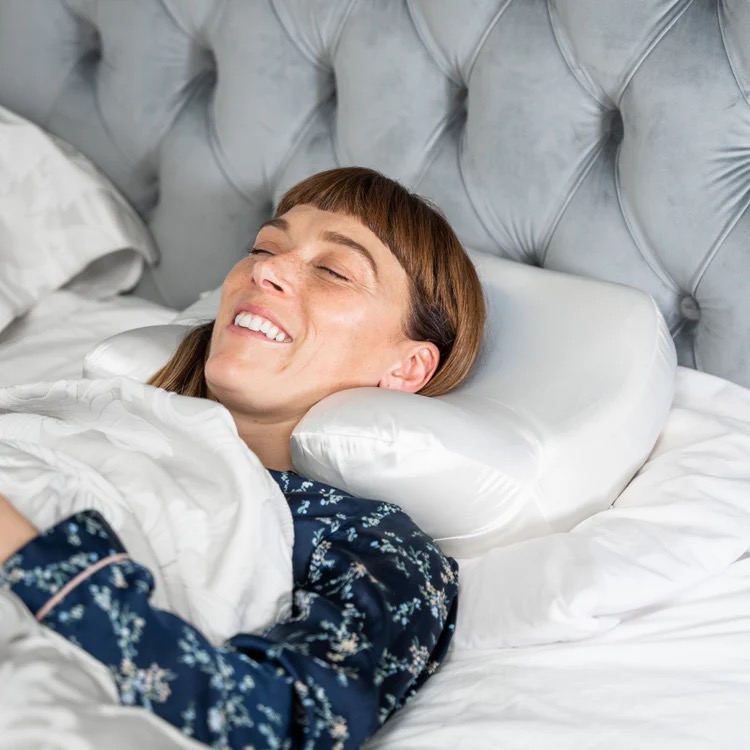
We’ve also had an exciting new arrival that I just have to tell you about: The Fresh Face Pillow. This incredible innovation has been a huge hit with my clients! It’s designed to support the face during sleep, helping to maintain smoother skin and reducing the risk of sleep wrinkles. Beauty sleep just got a major upgrade — and honestly, I can’t recommend it enough!
On top of the busy clinic life, I’m also preparing for something very close to my heart — ballroom dancing! I’ll be heading up to Blackpool very soon to compete, and I couldn’t be more excited (and nervous!). Dancing is a huge passion of mine, and it feels wonderful to be able to throw myself into it alongside my professional work. Please keep everything crossed for me — your support means the world, and I’m hoping to bring home a trophy!
Thank you again for being part of this journey with me. Your trust, encouragement, and enthusiasm are what keep me inspired every single day.
Sending lots of love, Clare
1. Botox Woes: A Frozen Look and Droopy Eyes Danny Heat, Basildon
Q: I’m a huge fan of the column and I can’t wait to visit you My question is about Botox. I stopped getting it four years ago because my forehead is quite small and the treatment made my eyes droop. After about a month, it just gave me that dreaded frozen look. I’m now a blank canvas—what can I do to look younger and fresher without appearing frozen?
A: Dear Bonnie – Botox is indeed a powerful tool to reduce the appearance of fine lines and wrinkles. However, when not administered with precision, it can lead to exactly the issues you described.
The good news is that Botox can absolutely work for you again, especially with a more refined, tailored approach. For individuals with a smaller forehead, our experienced doctors use specific techniques to avoid heaviness or drooping. Most importantly, we can use a smaller dose to maintain natural movement and avoid the “frozen” effect. A personal consultation will allow us to determine the ideal dosage and placement to achieve a youthful, refreshed look—without compromising your natural expressions.
2. Winter Pounds: Help Me Lose the Weight Debbie Newcastle
Q: Like so many others, lockdown left me feeling like everything’s falling apart—especially when it comes to my weight. I’ve put on a lot, and I’m desperate for help. What miracles can you offer to help me lose it?
A: Dear Debbie – You’re definitely not alone in this. The pandemic has affected many of our clients in the same way. The good news? We can absolutely help you get back on track.
Here are some non-surgical interventions that can support your weight-loss journey—provided they’re paired with balanced nutrition:
High-Intensity Focused Ultrasound (HIFU): Targets larger areas of stubborn fat (e.g., abdomen and thighs) and works gradually over three months.
Fat Freezing (Cryolipolysis): Ideal for smaller, more stubborn fat pockets like love handles or lower belly fat.
Fat-Dissolving Injections: Suitable for relatively slim individuals with small, persistent pockets of fat that just won’t budge.
3. Recovering After winter bugs and flu Do Vitamin Drips Work? Stacey Moore, Southend
Q: My whole family has had virus, and we’re feeling completely wiped out. I’m 58, my husband’s 59, and our daughters are in their twenties. I’ve seen celebrities using vitamin drips—do they really work, and could they help us bounce back?
A: Dear Stacey – I’m so sorry to hear your family has been through such a tough time. You’re right: after any viral illness, the body experiences significant nutrient depletion—minerals, vitamins, amino acids, and proteins are all used to support your immune system. That’s why fatigue and weakness are common after recovery.
Intravenous (IV) vitamin therapy isn’t a cure, but it can be an excellent way to restore those lost nutrients quickly. These drips are classed as supplements rather than medicines, but many people find they help improve energy and speed up recovery.
4. Jawline Goals: Trial Before Commitment Sally Perkins Richmond Upon Thames
Q: Since lockdown, my fiancé has become really self-conscious about his appearance. He’s now obsessed with getting a jaw implant to square off his otherwise lovely face. Is there anything temporary he could try before committing to something permanent?
A: Dear Sally – It’s not unusual to become more appearance-focused in the age of social media, especially with the rise of the “perfect jawline” trend. While a defined, squared jaw is often seen as more masculine and attractive, surgery isn’t the only option.
Before considering a permanent implant, we strongly recommend trying Hyaluronic Acid (HA) filler, which can non-surgically contour the jawline. The results can last up to a year and are completely reversible, giving your fiancé the chance to see if the look is really for him—without the risks associated with surgery.
Clare Mc Sweeney
5 Sweating Struggles: A Fix for Underarm Sweat Ray King, Clapham, London
Q: I start sweating under my arms about 20 minutes after showering—even with deodorant and a fresh shirt. My boyfriend waxes and says it helps, but I’m a big guy and don’t think smooth armpits are for me. It’s becoming quite embarrassing. Any advice?
A: Dear Ray – You’re describing hyperhidrosis, a common condition that causes excessive sweating—and you’re definitely not alone.
A highly effective solution is Botox injections in the underarms. This medical treatment temporarily blocks the nerves that trigger sweat glands, dramatically reducing perspiration. The effects typically last between 3 to 6 months and can be life-changing for many clients.