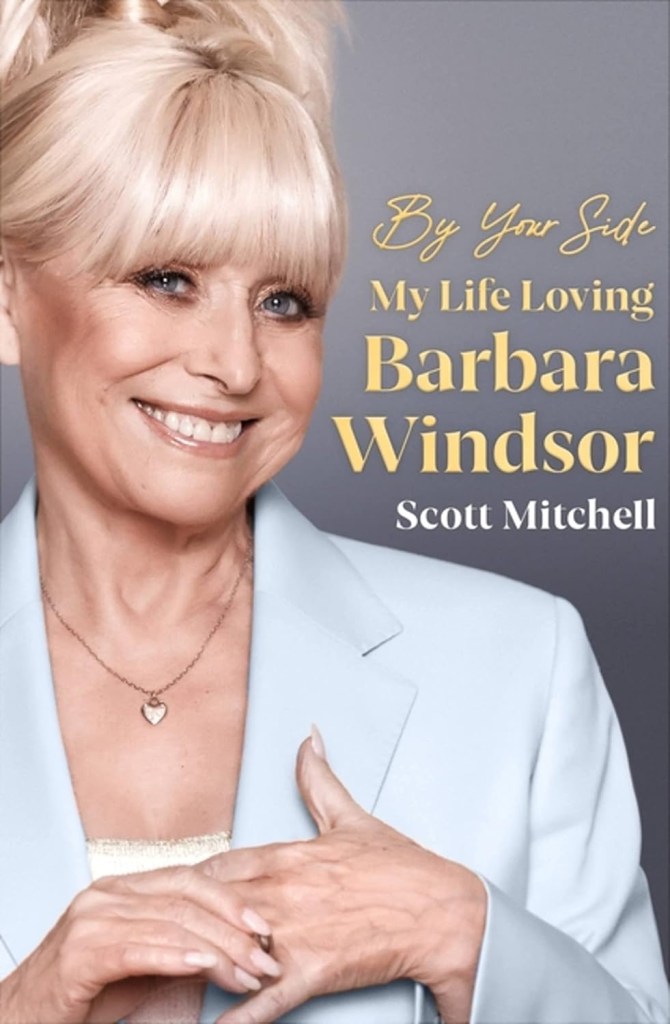
My tribute to the legend Dame Barbara Windsor (1931–2020)This article was first published in the year of Barbara’s passing. I felt it was important that it did not fade away, not only as a tribute to Barbara’s extraordinary talent and character, but also in recognition of Scott Mitchell , who has since gone on to do remarkable things.
By Steven Smith
Who did not love Barbara Windsor — the second Queen of the UK and true British acting royalty? I genuinely do not know a single person who, on Thursday 10th December, did not shed a tear at the (though expected) loss of the world’s most bubbly blonde. We will never forget that infectious, suggestive laugh, nor the extraordinary talent of that iconic Cockney bird.
Dame Barbara Windsor was best known for her roles in EastEnders and the Carry On films. Her acting saw her BAFTA-nominated for her role in Sparrows Can’t Sing and Tony-nominated for her Broadway performance in Oh! What a Lovely War.
Barbara became a Dame not just for her work in entertainment, but also for her incredible dedication to charity. Her support spanned a diverse range of causes, including Age Concern, Age UK, the Amy Winehouse Foundation, Great Ormond Street Hospital — the list truly is endless.
I can’t hand on heart say that Barbara was a close friend of mine — the word friend is used so liberally these days. But over the years, I encountered her many times and was fortunate enough to spend quality time with her. You never forgot a chat with Barbara, because in a world of showbiz magic, she was refreshingly real and wonderfully to the point.
My first outing on the London showbiz scene was with journalist Lester Middlehurst. It was a little nerve-wracking for me, and among the celebrities present was Barbara Windsor, who knew Lester well. My dad was a huge fan of the Carry On films, as was I, and I felt star-struck and slightly out of my depth. Before I knew it, there were around five flamboyant men all vying for Barbara’s attention.
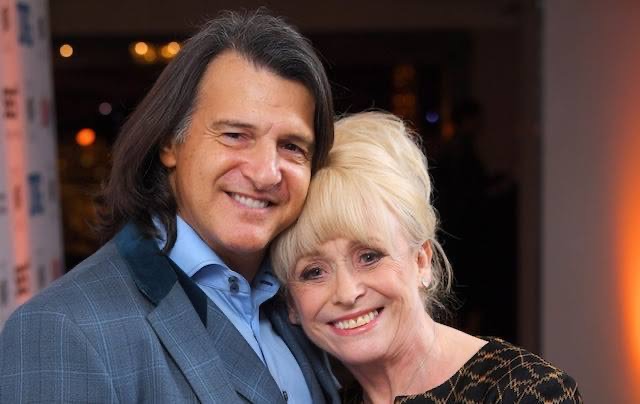
Standing beside me was a very handsome dark-haired fellow named Scott. It was a relief chatting to him — he was down-to-earth, funny, and instantly put me at ease. Not long after, Barbara came over to us. Of course, Scott was her fella, and together they were simply lovely — a genuinely warm and affectionate couple.
Being keen on theatre, I asked Barbara what it was like working at the Royal Court with Joan Littlewood. She looked at me quizzically and said, “What did you ask me, darling?” I repeated the question just as her posse of admirers returned.
At June Browns book launch with Scott and Barbra
“Sshhshh,” she said. “I’m talking to Steven.” She took Scott and me aside and laughed, “That’s not the usual question I get asked.” We had a wonderful chat, and Lester later commented, “Barbara seemed to like you.” She had that rare quality of making people feel special — she genuinely made others feel good.
Over the next few years, I chatted more with Scott — he shared my sense of humour. My next meeting with Barbara was at my dear friend, Irish singer Rose-Marie’s 50th birthday, held in a pub on the Edgware Road. Barbara made a beeline for me.
“You’re always chatting to my Scott,” she said. “You know, darling, some people who ought to know better aren’t always nice to him.”
We spent ages talking about relationships. At the time, my partner was 28 years older than me, and we discussed people’s reactions to age gaps.
I asked her, “Are you looking forward to becoming a Dame?”
“Never — not with my history with Ronnie and the boys,” she laughed.
But right it was — and a Dame she most deservedly became.
There was also a wonderfully camp trip to Marbella with some of the Coronation Street cast, including the fabulous Denise Welch. EastEnders were filming there, and Barbara, Scott, and Rula Lenska joined us for dinner. What a wild night that was.
The last time I saw Barbara and Scott was at June Brown’s book launch, Before the Year Dot. Executives were desperately trying to lure Barbara back into EastEnders — even that night they were pitching it to her. But she wasn’t budging.
“I’ve had enough,” she told me and Rose-Marie.
Something struck me when news of her death broke. So many people began by commenting on her height. Perhaps because I’m not a size-queen, it never once crossed my mind. Barbara was huge in stature — she filled every room with personality and talent. She certainly did not suffer fools gladly. She was, without doubt, a giant of the industry.
Barbara was a true professional. She always had a smile on her face at every event. As her on-screen daughter Daniella Westbrook recently said, Barbara believed you owed it to the public to always put on your happy face: “If you’re not at your best, don’t go out.” Daniella added that once Barbara got home, she liked nothing more than putting the kettle on, taking her shoes off, sitting on the sofa — and simply being Babs.
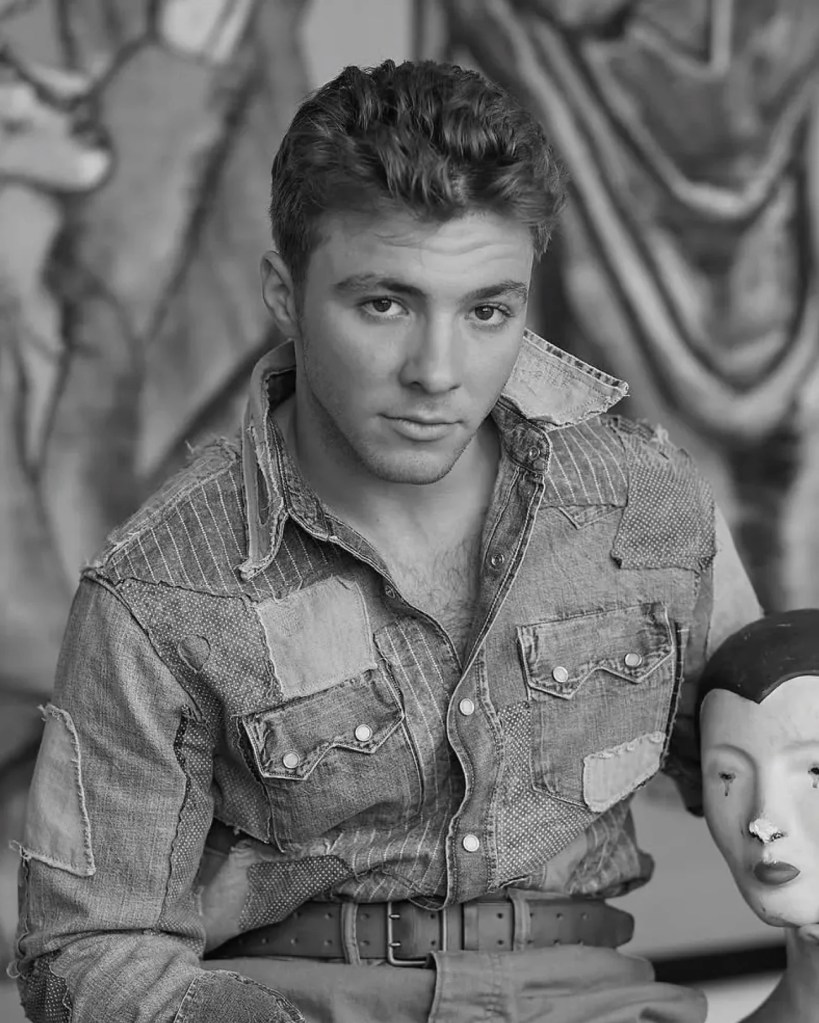
It would be easy to rush to call Rocco Ritchie a “nepo baby” and dismiss his artistic success as being down to his famous parents. Of course, any help in an industry riddled with nepotism and driven by who you know can be an advantage. However, I am the first to say that Rocco is a huge talent with an original voice — if there is such a thing — and that originality is precisely why he is taking the art world by storm.
Rocco Ritchie is gaining recognition not because of who his parents are, but because of who he is becoming. In an industry often suspicious of famous surnames, he has quietly and confidently carved out a space that feels earned rather than inherited. Far from the caricature of a “nepo baby,” he has demonstrated discipline, originality, and a genuine commitment to craft that has surprised critics and collectors alike.
The label of nepotism is an easy one to reach for. As the son of global icon Madonna and filmmaker Guy Ritchie, Rocco grew up surrounded by creativity, privilege, and cultural capital. Yet what is striking about his artistic rise is how deliberately he stepped away from the spotlight that might have guaranteed instant attention. For years, he worked under a pseudonym, allowing his art to speak before his name did. That decision alone signals intent: Ritchie wanted critique, not cushioning.
His work does not rely on imitation or celebrity gimmickry. While many emerging artists fall into the trap of echoing fashionable trends or overtly referencing their influences, Ritchie resists this. Too often, artists with minimal talent but strong PR and marketing skills are sold to naïve buyers on the strength of a story rather than substance. The work may look good on a wall, but when it comes time to resell, the narrative unravels. Ritchie’s art does not rely on hype; it stands on its
own.
His work feels personal and idiosyncratic, and my hunch is that it will one day sell at serious auction houses. His paintings often explore mood, texture, and form with a restraint that belies his youth. There is confidence in his mark-making and composition, but also vulnerability — an understanding that art is as much about questioning as it is about declaring.
What sets Ritchie apart is that his work resists easy categorisation. There are echoes of classic portraiture, abstract expressionism, and urban grit, yet these elements are filtered through a distinctly contemporary lens. His use of layered surfaces and muted palettes gives the impression of images emerging from memory rather than being presented as finished statements. This refusal to over-explain is refreshing in an age of overexposure.
Equally compelling is Ritchie’s personal evolution. Over recent years, he has grown into a strikingly handsome and self-assured man, yet without the performative bravado often associated with celebrity offspring. There is a quietness to his public presence — a sense that he is more comfortable in the studio than on the red carpet. This grounded demeanour enhances his credibility as an artist committed to longevity rather than instant fame. He does not overtly reference other artists in his work, though there may be subtle echoes of the Mexican greats Frida Kahlo and Diego Rivera — favourites of his mother — woven quietly into his visual language.
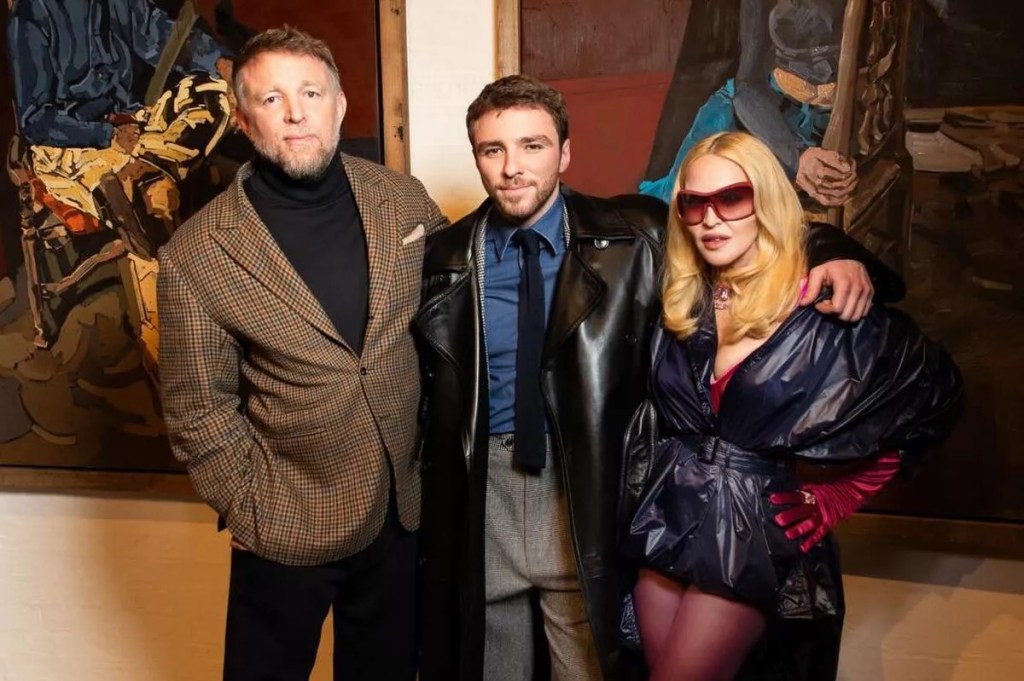
Public fascination has also been reignited by rare and genuinely touching moments of unity between his parents. Seeing Madonna and Guy Ritchie together in public for the first time in years, supporting their son, struck a chord. In an era where celebrity family dynamics are often reduced to spectacle, their shared pride felt sincere. It underscored that Rocco’s journey has not been about rebellion or reaction, but about reconciliation — between heritage and independence, privilege and purpose.
It would be naïve to deny the influence of Madonna’s deep love of art. A lifelong collector with a formidable eye, she has immersed herself in fine art, from classical masters to cutting-edge contemporary works. Growing up around such visual literacy undoubtedly shaped Rocco’s sensibilities. But influence is not imitation. Rather than copying his mother’s tastes, Ritchie appears to have absorbed an understanding of art as dialogue — between past and present, self and society.
What makes his rise feel so timely is that audiences are craving authenticity. Collectors and critics alike are increasingly weary of hype without substance. Ritchie’s work rewards slow looking. It invites interpretation without dictating meaning. This approach has helped him build genuine momentum, with exhibitions that attract attention not because of scandal or surname, but because viewers are curious to see what he will do next.
Rocco Ritchie’s emergence reminds us that legacy does not have to be a burden. It can be a foundation — one that still requires effort, risk, and humility to build upon. He is not storming the art world with noise, but with nuance. And in today’s cultural climate, that quiet confidence may be the most radical statement of all.
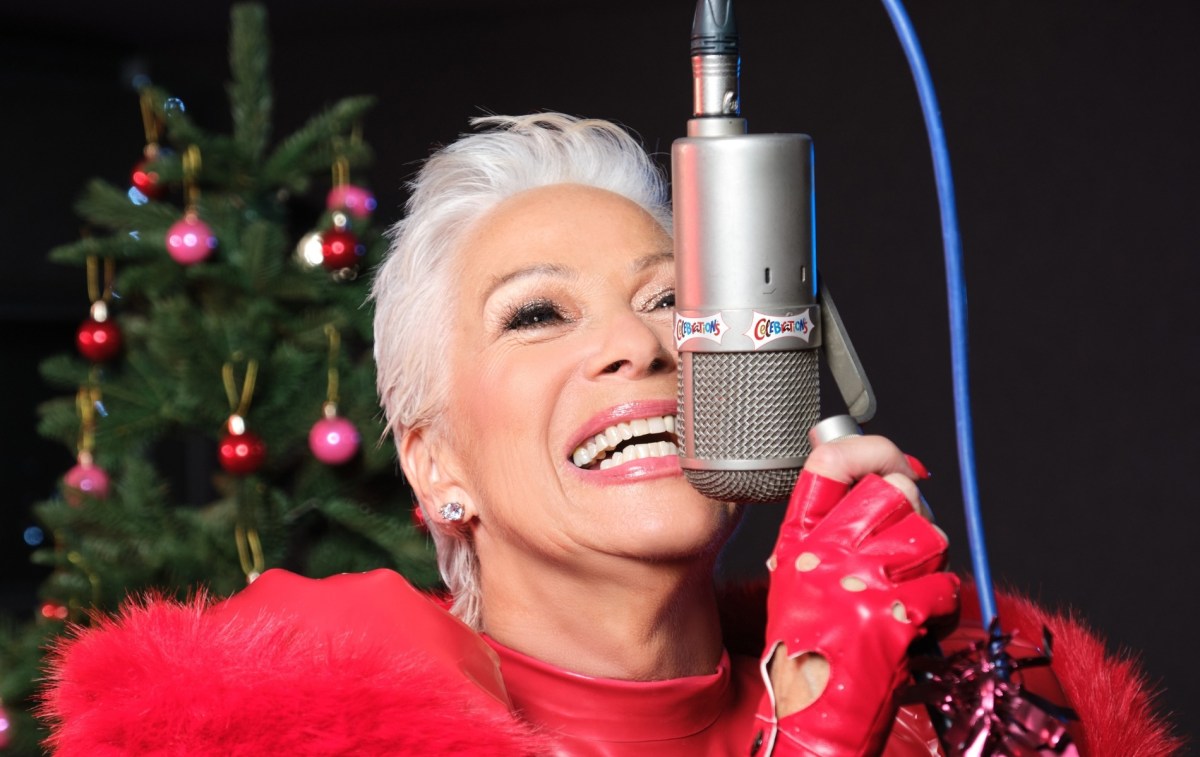
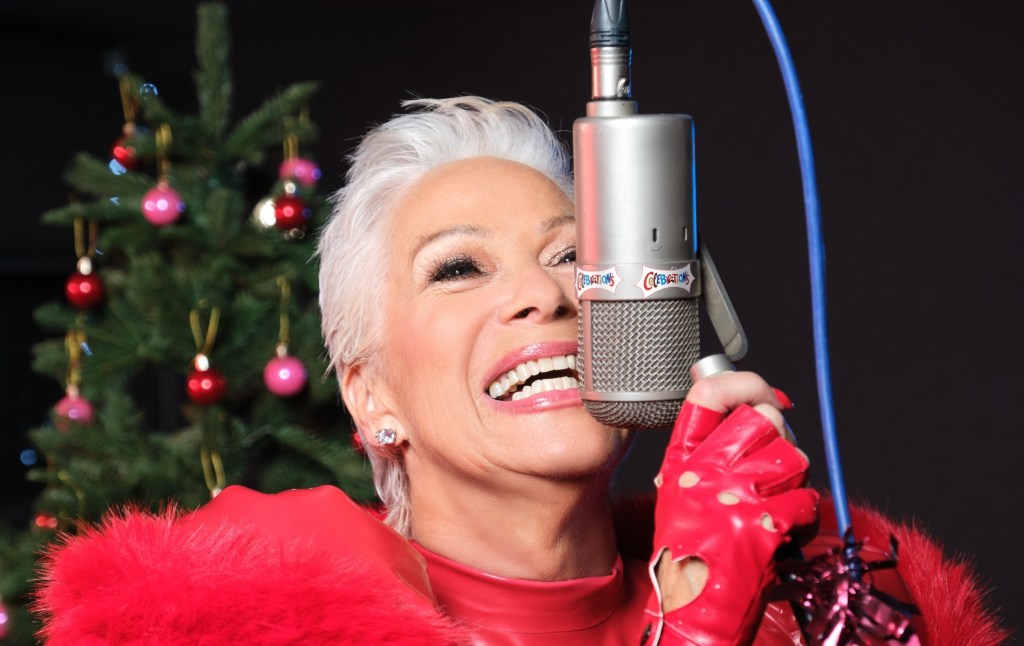
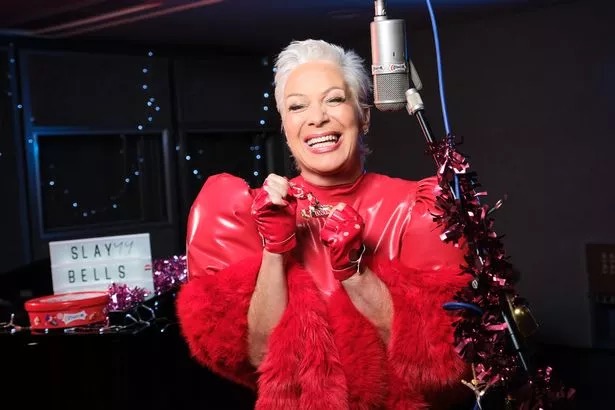
If there is one woman capable of shaking up the Christmas charts, unseating the usual pop titans, and bringing pure chaotic joy to the holiday season, it’s Denise Welch. With Slayyy Bells, she hasn’t just released a festive single — she’s unleashed a cultural moment. A glittery, high-camp, tongue-in-cheek masterpiece that captures everything the British public secretly craves at Christmas: humour, heart, a bit of mischief, and a full-throttle, unapologetic “hun energy.”
Denise has long been adored for her honesty, her warmth, and her refusal to take herself too seriously. That’s why the LGBTQ+ community has embraced her with open arms. She doesn’t perform camp — she embodies it. Whether it’s fiery daytime TV realness, chaotic comic timing, or her glamorous, self-deprecating sparkle, Denise is the kind of icon who walks into a room and immediately becomes everyone’s mum, best friend, and backstage confidante. She is the definition of a British hun: fierce, funny, fabulous, and fearlessly herself.
Slayyy Bells captures that spirit perfectly. It’s a sugary cocktail of festive beats, wink-wink lyrics, and nightclub-ready chaos — the kind of song that would make even the Grinch put on a sequinned jumpsuit. In a chart landscape dominated by perfectly polished megastars like Taylor Swift, Dua Lipa, or Ed Sheeran, Denise offers something the others can’t: pure personality. She’s not trying to be slick, she’s trying to be fun — and that’s exactly what people cling to at Christmas.
Let’s be honest: the UK loves an underdog, and Denise is the ultimate comeback queen. She’s lived a life, she’s told her story, and she has emerged with more charisma than half the industry put together. When she releases a Christmas single, it isn’t just music — it’s a movement. It’s the collective national desire for something joyful, camp, inclusive, and proudly silly.
The LGBTQ+ community in particular knows a gay icon when it sees one. Denise is outspoken, loyal, emotionally open, and effortlessly dramatic. She’s relatable yet glamorous; chaotic yet wise; messy yet magnificent. She’s the woman who will cry with you, dance with you, and drag you out to karaoke at 2 a.m. — the Patron Saint of Huns.
This is why Slayyy Bells deserves to beat the global juggernauts. Christmas Number One shouldn’t always go to the most streamed, the most marketed, or the most algorithmically optimised. Sometimes it should go to the artist who brings the most joy. The one who makes people laugh, sing, and feel part of something bigger.
Denise Welch is that artist. She’s the people’s diva, the hun-in-chief, the LGBTQ+ fairy godmother of festive chaos — and Slayyy Bells is the anthem worthy of her crown.
This Christmas, let’s make history. Let’s give the Number One to the woman who would celebrate it harder than anyone else: Queen Denise Welch.
Heidi is back, and she’s here to help you get through and enjoy the holiday period.Hear her on Gateway Radio on the Aston Avery Show and on YouTube.Please write to her at 2Shades: spman@btinternet.com if you have a problem.Heidi can only answer so many, but she will try her best. Heidi is back, and she’s here to help you get through and enjoy the holiday period.spman@btinternet.com if you have a problem.Heidi can only answer so many, but she will try her best.
Dear Heidi Hope you are well. My son is coming with his girlfriend for Christmas. She is a lovely girl, but she’s not really my kind of person — though she makes my son happy. Lunch is going to be a problem: she is vegan and we are all meat eaters. Making it worse, she talks about animal cruelty while we’re eating. Now my son has decided he’s vegan too. I will make a nut roast and vegetables for them, but is it acceptable to tell them I don’t want to hear about animals and cruelty while we eat? Diana, Uxbridge
Heidi replies: You’re being considerate by preparing vegan options, and it’s perfectly reasonable to set boundaries at the table. Explain kindly that you respect their choices, but mealtimes need to stay pleasant for everyone. A gentle, “Let’s save the debate for later,” is enough. Mutual respect works both ways. Maybe try having a coffee with her before Christmas, go over the menu, and then explain your boundaries so it doesn’t become a big issue on the day.
Dear Heidi My boyfriend and I like to party and occasionally take drugs. I feel it’s under control on my end — high days and low days, that kind of thing — but I am a traditionalist when it comes to Christmas. He wants to invite two friends over and seems more interested in getting drugs in for after lunch than the food or the day itself. What can I do? I want a white Christmas — not that kind of white one. Mike, Bournemouth
Heidi replies: You deserve a Christmas that feels safe and joyful. Tell your boyfriend clearly that you want a drug-free day and that you aren’t comfortable hosting a gathering that revolves around substances. If he can’t respect that boundary, it’s a sign something needs addressing in the relationship — and perhaps in your habits as a couple. A peaceful Christmas requires mutual respect. Any regular drug use is not only illegal but a sign of addiction; once it’s in your life, it has a habit of resurfacing.
Dear Heidi Can you please help me? My mother is a total control freak and she runs Christmas like a military operation. This year I want to go to my friends’ in Cornwall. I am 19, at college, and have a part-time job. How do I break the news? I hinted at the idea and she brushed it off. How do I tell her? Malcolm, Newcastle
Heidi replies: You’re an adult now, and part of growing up is making your own plans. Be direct, calm and kind: “Mum, I love Christmas here, but this year I’m spending it with friends.” She may protest, but stick to your decision. Set the boundary with respect, not guilt, and give her time to adjust. The sooner you tell her, the better — and be aware she may not stop being controlling, so learning to stand firm now will help.
Dear Heidi Please help. We are going to my fiancé’s for Christmas. His mum is nice, but his dad is awful — he constantly makes crude comments and flirts with me when no one is looking. What can I do? Do I tell my fiancé or just put up with it since we don’t go that often? Tiffany, Leeds
Heidi replies: You should not put up with inappropriate behaviour, no matter how infrequent the visits. Tell your fiancé privately and calmly what has been happening. He needs to know, and the two of you can decide together how to handle it — whether that’s him speaking to his father or setting clearer boundaries. You deserve to feel safe and respected.
Dear Heidi I am going home for Christmas. This summer I came out at university. My parents are religious and it is going to be a shock to them. Should I go down sooner to tell them? I don’t want to ruin Christmas. Paul, Cardiff
Heidi replies: If you feel emotionally ready, telling them before Christmas may ease some of the pressure on the day itself. It gives them time to process without the intensity and expectations of the holiday. Choose a calm moment, be honest, and remember: their reaction is about their adjustment, not your worth. You deserve to be loved and accepted as you are.
Dear Heidi How are you? Please can I beg for your help? My best friend is driving me mad. She goes from one bad relationship to another. She loves the bad boy look — covered in tattoos and looking like they got out of prison last week. It’s always a car crash, and to be honest, my empathy is running low. It’s my birthday soon, and honestly, her whining on about her love life is not my idea of fun. Would it be wrong not to invite her? — Nadine, Essex
Dear Nadine, Oh, the endless bad-boy drama — I think we’ve all had a friend like this! It’s exhausting watching someone you care about drive straight into the same brick wall again and again, isn’t it? Here’s the thing: you can’t fix her, and it’s not your job to. If she chooses chaos, that’s her story to live — but you’re allowed to protect your own peace. For your birthday, surround yourself with people who bring joy, not stress. If inviting her will spoil your day, then don’t. You can see her another time when you have the energy to listen. Being a good friend doesn’t mean being a doormat — sometimes it means stepping back with love. Or be brave and tell her how you feel, that it’s draining you. Love, Heidi
Dear Heidi Really love the show. My husband has always been a bit homophobic. Six months ago, he liked my hair so much he wanted a few highlights. Knowing he’s not great about the gay thing, I suggested he shouldn’t go to my beautiful stylist — who is also a friend — but he insisted. His hair looked amazing, but a few weeks later I was shocked to find he’d been out for drinks with my hairdresser, and now they’ve become friends. He says it’s rubbish that he’s homophobic and that he enjoys the laughs they have together. There’s a lads’ weekend to Ibiza coming up — no ladies allowed, which is fine — but can you imagine my hairdresser going too? I asked him why, and he said he’s going anyway and will get them into a few clubs. What’s going on? — Marieanne, Southend
Dear Marieanne, Well, this is a twist! It sounds like your husband has discovered that friendship doesn’t have to come with labels — and that’s actually a good thing. Maybe getting to know your hairdresser has opened his eyes a little and softened his old prejudices. As for the Ibiza trip — I can see why your eyebrows are raised! But before your imagination books a one-way ticket to Jealousville, take a breath. This might simply be two people enjoying new company and shared humour. If your instincts tell you there’s something deeper going on, have an honest, calm chat. But don’t jump to conclusions — this could be the best thing to happen to your husband’s attitude. Who knows? He might come home with a tan, a hangover, and a new respect for your fabulous friend. Love, Heidi
Dear Heidi I am madly in love with this lad, and he’s only gone and asked my friend to the dance! Honestly, Heidi, I am fuming — and she knew I liked him. I’m fifteen, and she dresses like she’s a dancer, while my mum says no to lashes and short skirts. It’s not fair. I’ll probably never speak to her again. What can I do? — Mandy, Basildon
Dear Mandy, Oh sweetheart, teenage love can feel like the end of the world — but I promise, it isn’t. You’re fifteen, and your heart is still learning who deserves it. This boy clearly doesn’t, and your friend’s choices say more about her than they ever could about you. You don’t need lashes or short skirts to shine — confidence is far more magnetic than mascara. Let her have her dance; you focus on being you. One day soon, someone will see the real you and won’t want to dance with anyone else. For now, dry your tears, hold your head high, and remember — nothing burns brighter than self-respect. Love, Heidi
Dear Heidi I’m feeling really down. I’m so fat, my budget won’t stretch to fat injections, and the gym just leaves me flat. No girls like me, and I’m nineteen and not going out anymore. What can I do? — Peter, Brighton
Dear Peter, First, let me tell you this — you are not alone. So many young people feel exactly the way you do, especially with all the “perfect” bodies plastered across social media. But real attraction doesn’t come from injections or six-packs — it comes from self-worth, kindness, and confidence. Start small: walk, move, cook decent food, talk to people. Find one thing every day that makes you feel good — music, a hobby, helping someone, anything that builds you up instead of tearing you down. The more you value yourself, the more others will see your worth. Confidence isn’t something you buy — it’s something you grow, and it lasts far longer than any gym membership. Love, Heidi
Dear Heidi My husband has announced that his mother is coming for Christmas. She’s horrible — the most passive-aggressive, rude woman you could meet. We’ve never got on; she has a way of finding a cloud in every silver lining. She’s on her own, and honestly, that’s what she deserves. My husband says she’s not that bad. Should I tell him it’s me and the children or her — and leave home for Christmas? — Sandra
Dear Sandra, Ah, the mother-in-law Christmas horror — a timeless festive classic! I can hear the carols already: “Silent night? Not likely.” You clearly feel hurt and unseen by your husband, but issuing ultimatums rarely ends well. Instead, set clear boundaries. Tell him you’ll welcome his mother — but only if everyone treats each other respectfully. If she can’t manage that, then maybe she stays elsewhere next year. Remember, Christmas is one day. Don’t let her steal your sparkle — pour a glass of something festive, smile sweetly, and rise above her barbed comments. Nothing annoys a passive-aggressive person more than calm happiness. Love, Heidi
Hi Heidi Not really a problem, but how do you get to be a counsellor or agony aunt? — Simon
Dear Simon, What a lovely question! Becoming a counsellor or agony aunt starts with empathy — and you clearly have that. Training in counselling, psychology, or journalism helps, but life experience and genuine curiosity about people matter just as much. Start small: volunteer with support organisations, write advice pieces online, or train in active listening. The best agony aunts aren’t perfect — they’re just honest, compassionate, and willing to help others make sense of their messiest moments. And who knows, Simon — you might be writing your own “Dear Simon” column one day! Love, Heidi
In a world where many talk about what they might do someday, there are others who quietly get on with it—people who take action, push boundaries, and in doing so inspire those around them. Artist and photographer Annemarie Bickertonbelongs firmly in the latter category.
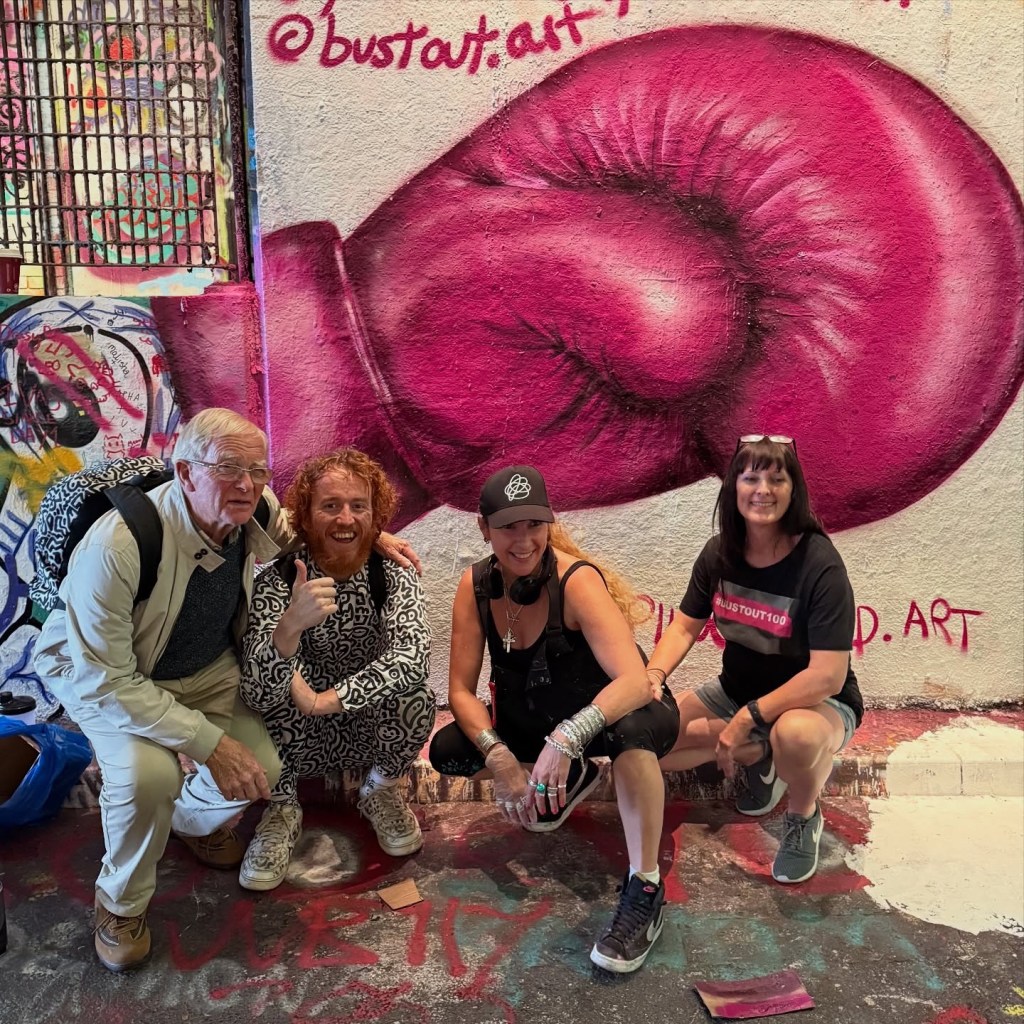
On Saturday, September 27, 2025, Bickerton swapped her camera for boxing gloves, stepping into the ring at The Troxy in London for an Ultra White Collar Boxing (UWCB) charity event. The evening brought together novice boxers from across the capital, each of them having undergone ten weeks of intensive training, with the dual aim of testing themselves and raising money for good causes.
For Bickerton, that cause was the Pink Ribbon Foundation, a UK charity that provides financial support to organisations helping those affected by breast cancer. It was a natural fit: she has previously worked with the foundation, staging her acclaimed “BustOut” exhibition at the Firepit Gallery at the O2. That exhibition combined bold visual art with advocacy, raising awareness and funds in equal measure.
This time, however, the setting was very different. The Troxy’s historic stage was transformed into a boxing arena, the atmosphere electric as friends, family, and supporters packed into the venue. Bickerton’s match ended officially as a draw, though audience members were quick to call it a clear win on her part.
The result, though, tells only part of the story. What makes Bickerton’s achievement stand out is the journey that led her there. For ten weeks, she trained with discipline and determination, rising early, attending gruelling sessions, and absorbing the technical and mental demands of boxing. “It was not natural for me at all,” she admitted beforehand. Yet she persevered, embodying the UWCB ethos of ordinary people doing extraordinary things for charity.
Bickerton’s decision to take up boxing was not made in isolation. She had first introduced the sport to her son, who lives with autism, as a way to build confidence and resilience. Facing bullying at school, he found empowerment in the discipline and structure of training. Inspired by his progress, Bickerton decided to follow suit. “Lead by example” became more than a phrase—it became a lived reality.
Those who know her were not surprised. Bickerton has long been recognised for her willingness to tackle challenges head-on, whether in her artistic practice or personal life. As a photographer and artist, she has built a reputation for bold, thought-provoking work that often blends beauty with social commentary. As a mother, she has consistently sought opportunities that empower her son and others facing adversity.
Her move into boxing might seem like a departure, but in many ways, it continues a consistent theme: using creativity, courage, and perseverance to make an impact.
Events like UWCB are not only about individual achievement but also about collective contribution. Since its founding, the organisation has raised millions of pounds for charities across the UK, with participants from all walks of life. Bickerton’s fight was one of dozens staged that evening, each carrying a personal story and a charitable purpose. Together, they highlighted the power of community fundraising through unconventional means.
For Bickerton, the fight capped months of hard work and represented more than just a physical test. It was a statement about resilience, visibility, and the importance of action. “Annemarie is a great example of what’s right in this world,” said one supporter. “She doesn’t just talk—she does.”
That ethos has earned her admiration not only from those close to her but from a wider circle who see in her story a reminder of what determination can achieve. In an age when so much energy is spent on words, Bickerton’s actions—whether through art, activism, or sport—speak louder.
As the cheers faded at the Troxy, the impact of her fight extended far beyond the ring. Funds had been raised for a vital cause, awareness had been heightened, and a powerful example had been set for her son and others: that courage comes in many forms, and that sometimes the greatest victories are not about titles or trophies but about showing up, standing tall, and refusing to back down.
With her gloves now set aside, Bickerton returns to her life as an artist, mother, and advocate. Yet the echoes of that night in the ring remain—a testament to the fighting spirit of a woman who refuses to be defined by limits.
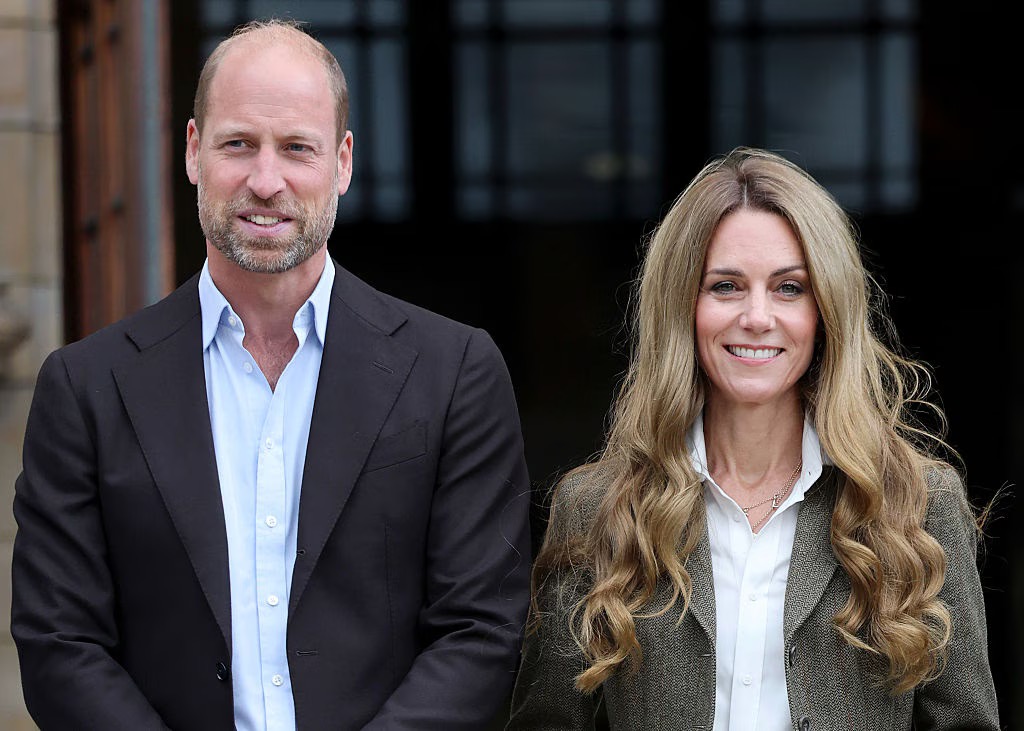
Let’s be honest: a woman’s hair is her crown and glory. It’s part of her identity, her confidence, her style. And when it comes to royalty, that crown is both literal and symbolic. Princess Catherine—Kate, as we fondly call her—always manages to look spectacular. She carries herself with elegance and dignity, and despite facing health struggles, she continues to shine as my favourite member of the Royal Family.
So why, then, does the we feel the need to dissect every strand on her head? Recently, Kate decided to lighten her hair a touch. Not platinum, not peroxide blonde—just a soft, subtle lift. Hardly headline material, yet suddenly it’s splashed across the front pages. Is this really news?
I say this as someone who spent years as a celebrity hairdresser: hair is deeply personal. It’s not just style, it’s self-expression, sometimes even reinvention. I actually admire Kate for trying something new under the relentless glare of the cameras. Personally, I think she suits brunette best—but that’s beside the point. The point is, it’s her hair, her choice, and she looks radiant either way.
But what left me utterly flabbergasted was what happened next. A few days later, she attended a women’s rugby match with her hair pulled back in a ponytail—practical, appropriate, perfectly normal. And would you believe it? That too became a headline. A ponytail! Honestly, are we that short of news?
It makes me wonder about our priorities. Wars are raging, the cost of living is biting, families are struggling—and yet we’re fixated on whether a princess wears her hair up or down. Surely, we can do better.
Here’s what really matters: Kate represents grace, resilience, and positivity at a time when good news is hard to come by. She continues to serve, smile, and inspire, even while facing challenges of her own. She is a mother, a wife, a public figure, and a future queen—and she handles it all with poise. That deserves admiration, not nit-picking.
So, my view is simple. Leave Kate’s hair alone. Celebrate the woman, not the ponytail. Applaud her courage, her elegance, her humanity. Hair grows; styles change—but the strength of character she shows every day? That’s what truly deserves the front page.
Why Do So Many Smart Women Fall Under the Spell of Con Men?
It’s not about weakness—it’s about hope, empathy, and the universal desire to be loved.
Before we begin, let’s be clear: this isn’t unique to women. Men, too, can fall victim to manipulation, deceit, and what we might call a “love con.” Yet it remains striking how often we see bright, accomplished women—lawyers, doctors, business leaders, and artists—caught in the webs spun by controlling, Svengali-type men.
This was brought home to me recently while watching Love Con: Revenge on Netflix. The series exposes the astonishing ways charismatic fraudsters charm their way into people’s lives, leaving devastation behind. The victims are not naïve or unintelligent. Quite the opposite—they’re usually sharp, capable, and worldly. Yet even they are drawn into the con, sometimes for years.
The Psychology of the “Love Con”
Why does this happen? Why do intelligent women—women who can negotiate boardrooms, run companies, and juggle families—become vulnerable when love enters the picture? Is there, as cynics suggest, something in female nature that makes women more susceptible when romance is involved?
I don’t believe it’s about weakness. If anything, it’s about strength—and hope. Many women are deeply empathetic, nurturing, and generous. They are also willing to give people the benefit of the doubt. These qualities are admirable, yet they are the very traits manipulators exploit. Con men mirror back what their victims long to see: affection, stability, the promise of being cherished. By the time the illusion cracks, the emotional investment is so deep that leaving feels impossible.
Neuroscience sheds light here. Falling in love floods the brain with dopamine, oxytocin, and serotonin—the same chemicals associated with addiction. Under their influence, judgment clouds and red flags fade. Intelligence doesn’t disappear; it’s simply overwhelmed by biology.
The Celebrity Trap
Even women with power, influence, and entire teams of advisors aren’t immune. How many times have we seen successful actresses or performers introduce a new partner, only to announce within months that he is now their manager? Management is a skilled profession requiring experience and industry knowledge. Yet suddenly, the boyfriend is running the show.
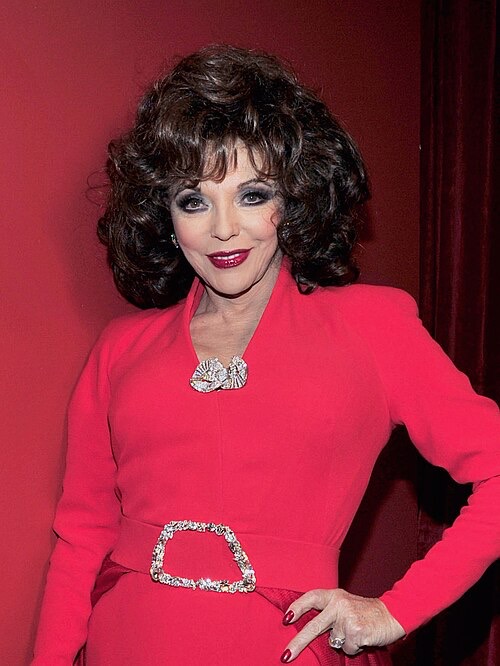
Rarely does it end well. Take Joan Collins, who married Peter Holm in 1985. Within weeks, he had become her manager and co-producer. By 1987, the marriage collapsed in a storm of bitterness.
I’ve seen the same pattern in everyday life. Brilliant women who once spoke their minds now begin every sentence with, “And Joe says…”—as if their identity has been swallowed whole. The pattern is chillingly predictable: isolate her from friends, cut ties with anyone who might see through the act, and gradually take total control. Netflix’s Dirty John dramatises this cycle with unnerving accuracy.
Ghislaine Maxwell:
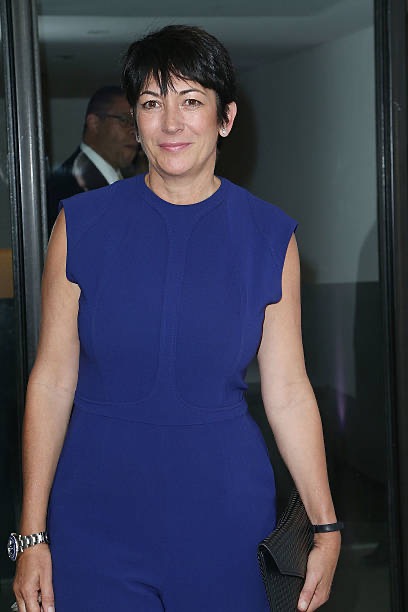
Consider, too, the controversial case of Ghislaine Maxwell. An intelligent, educated woman from a powerful family, she nonetheless became the enabler of Jeffrey Epstein. Was he a replacement father figure for the domineering Robert Maxwell? Did her need for validation blind her to the enormity of his crimes?
Whatever the reason, it is telling that Epstein’s male associates have largely escaped accountability, while Maxwell sits behind bars. She has become, many argue, the fall guy in a sordid melodrama. Her case is a stark reminder of how even the brightest women can be drawn into the orbit of a manipulative man.
Beyond Blame
So why do smart women fall for con men? Because intelligence is not a shield against love, against hope, or against the human desire to be needed. These women are not foolish—they are human.
If anything, their empathy, generosity, and optimism make them prime targets. And until society learns to place blame squarely where it belongs—on the men who manipulate, control, and exploit—the cycle will continue.
The question, then, should not be “Why do women fall for con men?” but rather, “Why do we allow con men to keep exploiting love so freely?”
Because in the end, the real con is not about women being weak—it’s about predators preying on the very best of human qualities.
Will Harry Meet Charlie?
There is so much speculation surrounding Prince Harry’s upcoming visit. Will he meet with his father, or won’t he? That’s the question on everyone’s lips.
First of all, he is King Charles’s son—and whether he is seen as the prodigal son or not, I truly hope a meeting takes place. After all, no amount of titles or headlines can change the simple truth of family.
As a nation, we watched Harry and his brother William Walk behind their mother’s coffin. They were just boys, and the emotional and psychological impact of that moment must have been unimaginable. It shaped both of them forever, and perhaps explains much about the men they have become.
Of course, all families have rifts. Harsh words get said, mistakes are made, and Harry has certainly made some. His marriage added another layer of complexity, and Meghan herself is another story entirely. But to dismiss him outright would be unfair.
Harry was always one of my favourite royals. He brought a youthful sparkle and an authenticity to public life that made him stand out. Whatever the differences, I hope father and son can find their way back to each other.
“We are all born as blank canvases; hate, racism, and a lack of understanding are learned.” How you choose to see the world and create the tapestry of your life is up to you. Blanky is here to “Make Earth Safe Again.”
Blanky told Patrick not to worry. He assured him that everything would be fine now, and encouraged him to keep shining brightly, just as he always had. Patrick’s new friends, though they noticed he was a little different, were happy to welcome him into their games. It had only taken a little time to explain how truly amazing Patrick was, and once they understood, they accepted him with open arms. “But you’re going,” said Patrick, his voice trembling as he clutched Blanky tightly. “What will I do without you?” Blanky’s gentle voice carried calm reassurance. “No, Patrick. I won’t really be gone. I am energy, and energy can never disappear—it just changes form. I’ll always be here, watching over you. If you ever really need me, just shout, and I’ll come. But please, Patrick, promise me something. Be your own unique energy. Be proud of who you are. Only call for me if it’s a true emergency. The rest of the time, I want you to stand tall and make yourself proud.” With those words, Blanky shimmered, the soft glow around him brightening before he vanished into the air like starlight carried away by the wind. Far away, 7,000 miles from Waterloo in London, lay the warm and glittering shores of the Dominican Republic. Though oceans stretched between them, Blanky could still hear faint cries for help echoing across the world. Something was wrong—deeply wrong. He could feel it in the atmosphere. The balance was shifting, and a dark presence stirred. Blanky recognised it instantly: the Olethros. They were near, and they were meddling again, leaving the planet weak and gasping for breath. His worst fears were soon confirmed. On a sandy beach, lying helplessly on its side, was a dolphin. Its sleek silver body was scratched and bruised, its breath ragged as it struggled to survive. Being made of pure energy, Blanky could communicate with all living creatures. He knelt by the suffering animal, his voice soft and kind. “Help me… help me to the water,” the dolphin squeaked weakly. First, Blanky placed his glowing hands upon the dolphin’s wounds. A gentle light poured out of him, soothing the creature’s pain and knitting torn skin. Slowly, the dolphin’s panic subsided. Then Blanky transformed—his body reshaping into that of a tall, powerful man. With strength that came not from muscle but from energy itself, he lifted the dolphin carefully and carried it back into the turquoise sea. The moment they touched the water, the dolphin raised its head and spoke clearly. “I am Stinggal,” it said, its voice now stronger, though tinged with sorrow.
As the waves lapped around them, Blanky allowed his energy to flow once more, transforming himself into a dolphin so he could swim alongside Stinggal. Their fins cut through the water with ease as they dived into the deeper blue, exploring the world beneath the surface. But there was little joy to be found there. The sea was clouded, its once-crystal depths marred by floating waste. Fish darted nervously, entangled in nets that stretched endlessly across the ocean floor. The corals, once glowing with colour, were bleached and broken. “The sea is being poisoned,” Stinggal said, his tone heavy with grief. “It is the work of the one they call the Orange Man. He cares only for money and fame. He tears down forests and scars the earth. He pours filth into the oceans and poisons the air. He does not care for life, only for power and wealth. If this continues, my kind—and many others—will soon vanish forever.” Blanky swam alongside him, listening intently as Stinggal continued. “They no longer respect the natural order. Fishing is allowed everywhere, without limit. Great nets are dragged across the seas, destroying entire habitats. The young are caught with the old. The strong are trapped with the weak. Nothing is spared. If something is not done, the oceans will become empty deserts, and the balance of the whole world will collapse.” Blanky’s heart, though made of energy, ached with sorrow. He had seen the Olethros bring destruction before, but this was different. This was not just one species in danger—this was the very foundation of the planet being eroded. He looked at Stinggal, whose bright eyes flickered with both hope and fear. “Then we must fight,” Blanky said firmly. “Not with anger, but with courage and truth. The Orange One may have power, but the Earth has a voice of its own. We will remind the world to listen.” Stinggal gave a small, hopeful leap from the water, droplets sparkling around him like diamonds. “Then perhaps there is still a chance,” he said softly. “The Orange One lives in the country of stars and stripes. He silences anyone who is different, anyone who dares to protect the planet.” “Then let’s swim,” said Blanky. Side by side, the two dolphins swam into the vast horizon, ready to face whatever darkness lay ahead. After many days, they reached the shores of Florida, where it was time to part. Stinggal nuzzled Blanky gently. “Do not worry. I’ll be back when you need me.” The Orange One—whom the world called Orangey—was guarded in a huge white house. For most, it would be impossible to reach him. He was in human form, but his skin was unnaturally orange and crispy-looking. Sitting behind a great oak desk, he shuffled papers, smirking at his own power. The heavy doors swung open, and a pale, sharp-faced woman entered. “I have some prizes for you, for being so amazing,” she said with a smile. “Thank you. Put them on the desk,” Orangey replied, barely looking up. “You’ll be impressed,” the woman continued. “We’ve just brought plastic back everywhere—no restrictions. We’ve reopened drilling for oil. And best of all, we’ve banned the words global warming from every official report.” “Fake news!” Orangey barked, slamming his hand on the desk. The blonde woman jumped up and down with excitement. “Well done! Did you also ban those who don’t speak English fluently from entering the country?” “All done,” Orangey said proudly. “Soon, we will drain this world of every resource. When it is broken and empty, we’ll move on—just like we did with Alacritas.” The woman clapped her pale hands, though her skin did not yet have the telltale orange hue of the Olethros. But Blanky knew what they were. The Olethros always revealed themselves in the end, their bodies glowing with a sickly orange light as they fed on destruction. This time, he could not allow it. Earth would not be their next victim. Blanky hovered at the window of the great white house, his body shimmering with invisible energy. He could see Orangey and his pale companion celebrating their victories, blind to the damage they had sown across the planet. It was time. The battle to save Earth was about to begin.
On the back of Tommy Fury documentary The Good . The Bad .The Fury that I really enjoyed I am re running my article on Tyson from 2022
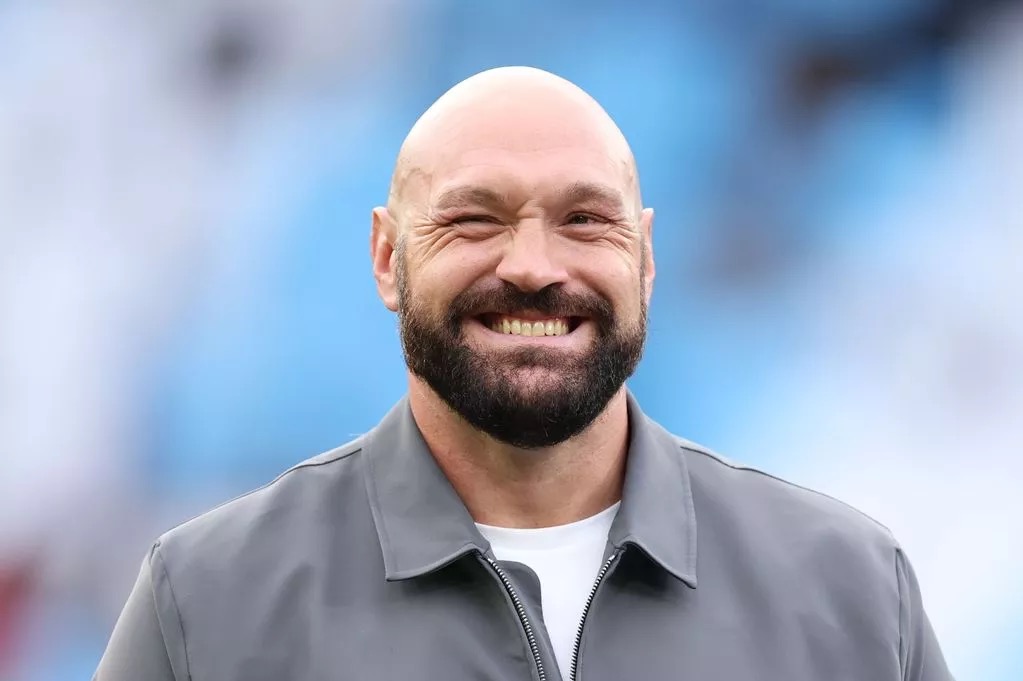
Hero or villain? Steven Smith looks at what it takes to be the man who has everyone talking, the heavyweight boxing champion of the world, Tyson Fury.
A hero to the poor with his charitable donations to the homeless, a champion for mental health and the self-proclaimed ‘King of the Gypsies’. Tyson standing at 6’9” embodies all that can be labelled as masculine, yet unlike many hard men, this giant breaks the mould. He has started to wear his heart on his sleeve and has opened up, talking frankly of his demons, depression, and personal battles with addiction.
Tyson also adds to the list that he is bipolar and suffers from anxiety. But is it possible that the man of the moment, who is so desperate for the world to perceive him as super masculine is still, as his father John Fury described him, a shy and sensitive overweight boy inside? Was it this shy boy that begged for the acceptance of his boxing coach father? Was it his unconventional gypsy upbringing that pushed him into a mould of boxing and masculinity, which subsequently became the root of Tyson’s demons and depression? Is it the often toxic masculinity that is piled on to so many young men during their upbringing, the cause of his trauma and mental health issues later in life?
Now, I like Tyson Fury. He is fascinating, and from the minute he burst on to our screens, I was aware of him. There was something that made me want to stop and listen; he appeared to be a model hero on paper. His smile lights up the screen, and his enthusiasm for life makes me want to know more. Then there is the unconditional love that he has for his family, which simply melts your heart.
“The best part of my life is taking my kids to school. I could live in a cardboard box and eat cheese sandwiches, as long as my family is with me“.
Tyson tells us though it is doubtful that his gorgeous wife Paris, who he has been with since they were teenagers, would ever let it come to that. She is one shrewd cookie and lives like a footballer’s wife rather than a gypsy though you can’t imagine Victoria Beckham arriving in Vegas and going straight in to do David’s dirty dishes.
But of course, once it was pointed out that this man, who I would want on my team in any battles, did not just have traditional values but what some might consider downright prehistoric values, I was speechless.
Unbelievably, in 2015, in an interview on TheJeremy Vine show, with gay rights campaigner Peter Tatchell, he compared gays to paedophiles, claiming that homosexuality is “One of the three things that will lead to the apocalypse; the other two being abortion and paedophilia”.
Even his younger brother Love Island star Tommy seems to have taken the anti-gay stance On a now disabled Twitter account, Tommy tweeted his older brother, Tyson, allegedly stating “Come on bro, let’s get dis win good luck brother and Chisora is a f***** and he’s gettin it proper @TysonFury”.
In 2018 he was nominated for Sports Personality of the Year, yet his homophobic comments and derogatory sex views came back to haunt him, with calls to remove him and comments made including:
“So, when Tyson Fury is called the people’s champion, it begs the question: which people?”
Challenged about his views by one reporter, he sat in his van replying “Jesus loves you”.
Tyson has since apologised for his outburst and controversial views.
Were these Tyson’s views or were they opinions that had been drummed into him from an early age by someone else? Or was it a culture of growing up in the gypsy community, not known to embrace and welcome gay people among their tribe?
Fellow gypsy fighter, Billy Joe Saunders says, “Where we come from, if you show weakness, you might as well give up on life as a fighter”. It’s a world where men fought, and women, as quoted by Tyson himself, were ‘best flat on their back or in the kitchen’.
Tyson comes from a world where LGBTQ is stamped on with ferocity. Anyone who has read ‘Gypsy Boy’ by Mikey Walsh will find it not only a harrowing experience but a moving and humorous one too. Brilliantly written, it tells the story of a gay boy brought as a Romanian and unable to conform to his expectations of masculinity. The description of the brutality he suffered, at the hand of his father, as the reader, stained the pages with my tears.
Yet, at the end of the book, his father unexpectedly turned up to see Walsh, now a teacher, despite the violence
Could growing up in a tightly knit community with some values and beliefs that are from a by-gone age, be like other, almost closed communities or cults and brainwash their young?
Tyson appears to be an intelligent man, embracing all that life has to offer, in a way an old soul that could see that the bright lights of Hollywood or Vegas could not compare to his roots in Morecambe, or make him any happier for that matter.
“From the age of six, all I ever dreamed of was being a boxer, now I have it all; I am the greatest boxer in the world yes, I have sinned, suffered from depression and anxiety, and I am bipolar”, he tells viewers.
Tyson does not have it all; regrettably, he does not have good mental health, something money or fame can’t replace.
His dad, John Fury, is not a likeable character; there is something a little sad about him, almost broken, floored and in denial. He tells us that Tyson’s mental health has been impacted due to being so successful and mixing with millionaires and celebrities.
There is something that screams ‘pushy show biz mum’ about him. That statement about his son confirmed my suspicions; that he would like very much to have been Tyson.
“I am sure that I have depression but, in my day, we had to worry about keeping a roof over my family’s head and food on the table, there was no time to think of any of that”.
I am sure at heart he loves his son, but he displays little understanding or empathy for mental health issues. To be fair to John, however, he did come from an age where issues such as mental health were rarely discussed.
In the first of the series John who is banned from America for a criminal conviction, after being released from prison in 2015 following a four-year completion of an 11-year sentence, for gouging another man’s eye out during a brawl at a car auction, tells us that Tyson was a shy, sensitive, fat kid. “I brought all my boys up the same; to fight; I trained them myself”. John, a bare-knuckle boxer must have had the same training from his father as a boy and probably would not think that any of his boys could be different. Young men or boys who have toxic masculinity forced upon them can have extreme consequences to their mental wellbeing, particularly on the sensitive child or those that do not fit the macho mould.
What does toxic masculinity mean?
Researchers have defined it as encompassing;
Suppressing emotions or masking distress
Maintaining an appearance of hardness
Violence as an indicator of power (think: “tough-guy” behaviour)
In other words, toxic masculinity is what can come of teaching boys that they can’t express their emotions openly; that they have to be “tough all the time”; that anything other than that makes them feminine or weak. (No, it doesn’t mean that all men are inherently toxic.) The harmful side effects can, however, develop into homophobia, or misogyny.
Toxic masculinity, according to Psycom and several surveys, can lead to suicide, depression, anxiety, addiction, and drug use.
A 2017 survey by the Equality and Human Rights Commission found that gypsies, travellers and Roma were found to suffer “poorer mental health than the rest of the population in Britain” and were “more likely to suffer from anxiety and depression”.
Only last year Billy and Joe Smith, stars of My Big Fat Gypsy Wedding were found dead in a suicide pact. They had both been struggling with mental health issues.
Now, looking back, I was a sensitive kid too. My dad introduced me to football by heading the ball at my head in the front room. It made me cry, and I hated football from then on. As an adult, I am quite sporty, but Dad could never really teach me anything. The last thing I needed was tough love.
Is it not possible that locked in this huge massive man is the shy, sensitive kid at loggerheads with who he has become? Desperate to please his father, who needed his shy son to “Man up”. The poor man can find a cloud in every silver lining; it must have been hard for the young Fury.
To be honest, the penny drops on what it was that that I saw in Tyson. He had the traits of another beautiful man who had the same personal scenario. He too could be charming, but many said he was bad news; he lived with depression, anxiety and had addiction issues, yet there was something I adored about him.
He had a troubled childhood and was abandoned as a kid by his father. He told me about the days his dad left, with such vivid description, despite being only 8 years old at the time. It was at that moment I saw that very child looking at me through man’s eyes. Taking a shot, I told him “that frightened child is with you every day, you protect him with your front”. There was a silence and the relief that someone had seen the real him, and because he did not feel judged, he could be himself. That’s what I saw in Tyson.
My money is on the fact that Tyson is at loggerheads with himself.
Everyone around him seems to be at loggerheads with Tyson’s new direction. Whilst embracing wealth and lifestyle, some of them claim to want to stay with the traditions of the travelling community.
Tyson wants to set precedents and make changes within the gypsy community. He hates “dream crushers”, whatever his kids want to be, he will be fully supportive.
Yet in a U-turn, wife Paris, who earlier in the show, ‘Tyson Fury Gypsy King’, says she lived her earlier years as a traveller in a caravan now says that she could not bear to leave her beautiful home with hot water and mod cons and her beloved trips to Marbella.
GQ picture Tommy Fury BBC I player .
Paris wants the kids raised as travellers. The kids will leave school at 11, and when they marry, they can then leave home, (No room for any of the kids to be gay in that plan then). Daughter Venezuela, who wants to be a dancer or gymnast, calls her mum ‘dream crusher’. Paris comments that Venezuela is already too tall to become either; Venezuela does have a point.
You like Paris in the show, but it’s hard not to, but you want to give her a reality check. When she is not cooking for the massive family, Paris seems to spend the rest of her time in the hairdressers.
Tyson clashes with her; he is keen as ‘King’ to make changes; the kids should stay in school; they can embrace both lifestyles. Here is where I thought he could bring about change, as he moves among the likes of the ‘queens’ dream’ gay ally, Robbie Williams, along with other showbiz pals.
It is possible to educate a homophobe, misogynist, or even a bigot, especially if you take them out of an environment that is steeped in it.
My bet is if Tyson’s demons do not cause him to self-destruct, let’s hope he fights them as hard as any opponent. Tyson could be the king that brings a kinder, more tolerant era to the gypsy community.
After all, a man who pays €200 for two lobsters and sets them free can’t be all that bad!
Why Katie Price Needs to Back Off and Let Her Kids Shine Without Her Interference
Growing up is never easy — not for the average teenager, and certainly not for those with famous parents. For most young people, adolescence is about carving out your own identity, deciding who you want to be, and pursuing your chosen career or further education. It’s a period of self-discovery and independence. But when your every move has been played out in the glare of the press since childhood, the challenge is far greater.
Children of celebrities live with a unique pressure. They’re often unfairly labelled with the now-infamous tag “Nepo Baby” — short for “nepotism baby” — a term referring to someone whose career mirrors or is connected to that of their famous parent. The implication is clear: their achievements aren’t earned but handed to them through family connections. The phrase is often used as an insult, suggesting that their success is unearned, undeserved, or simply the result of privilege.
Of course, this isn’t always the case. Some celebrity children go out of their way to avoid using their family name, working hard to make it on their own merits. In many instances, the public only learns of their famous parentage long after they’ve established themselves. On the flip side, stepping into the same spotlight as a parent and not quite measuring up can be devastating for mental health. The pressure to “live up to” a legacy can crush even the most talented young person.
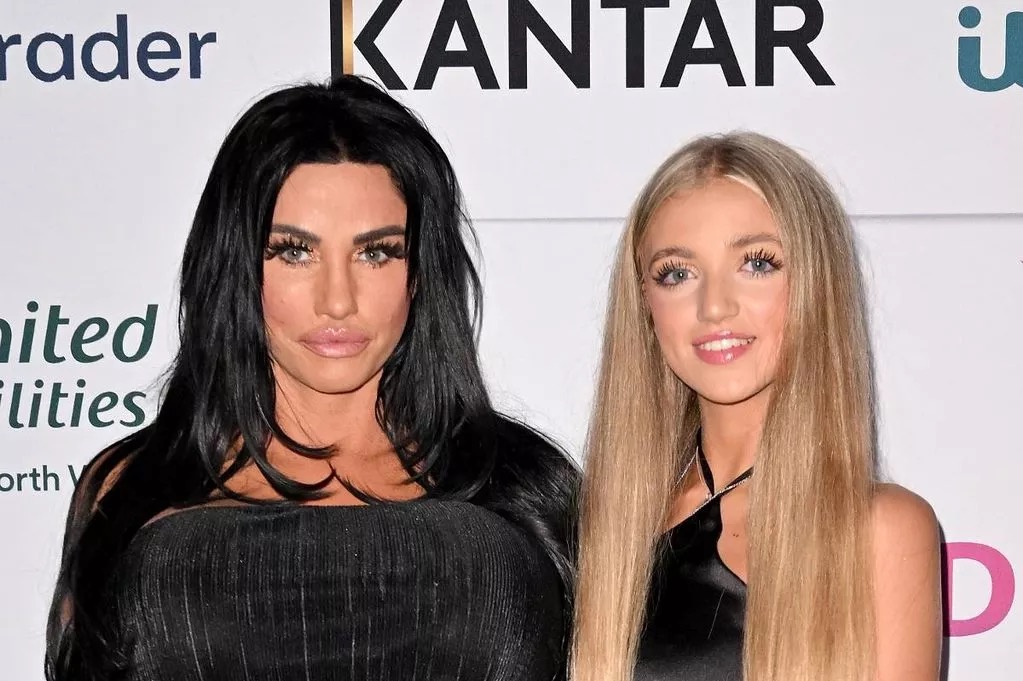
Take Princess Andre, for example. She’s a young woman with dreams, ambition, and — crucially — talent. Under the guidance of Clare Powell, a woman I’d call a genius in the world of entertainment management, Princess has been making strides toward building her own career. Powell is the same powerhouse who played a key role in shaping Katie Price’s early career. Importantly, Katie is not directly involved in Princess’s current projects.
Stunning Princess Andrea
Now, I’ve been a huge supporter of Katie Price over the years — I’ve defended her when many wouldn’t. But on this occasion, Katie, it’s time to take a step back. In fact, take one hundred steps back. Be a proud mum, but let Princess shine without you hovering in the background. It’s about dignity — a word that doesn’t often appear in the Pricey vocabulary — and allowing your daughter to succeed on her own terms.
I have a close friend whose sons are both stars now: one’s a famous rock musician, the other a West End performer. Before their success, my friend made a conscious decision to stay out of their spotlight. No hanging around at every audition, no being photographed at every event. She let them find their own way, even if it meant watching from the sidelines. That kind of quiet support is invaluable — and something Katie could learn from.
The truth is, Princess already has “star” written all over her. Yes, her famous parents have opened some doors — there’s no denying that. But she’s also beautiful, poised, polite, and grounded in a way that the teenage Jordan (Katie’s former alter ego) simply wasn’t. While Katie at that age was known for her brashness and colourful vocabulary, Princess seems to have a quiet charm and grace that’s refreshing to see.
Of course, fame dynamics can get tricky within families. I’ve seen it happen. Sometimes a parent who’s spent years in the spotlight finds it hard when their child begins to eclipse them. I remember a friend whose mother was always the centre of attention. We once attended a concert together, and during the show, the star actually stopped mid-performance to compliment my friend’s daughter — “Who is this beauty?” they asked. The girl was thrilled. But when she turned to share the moment with her mum, the mother had vanished, unable to handle not being the one in the spotlight.
Even Hollywood royalty have faced this. Liza Minnelli once admitted that her mother, Judy Garland, struggled to accept her daughter’s fame. It’s a reminder that parental pride can sometimes be mixed with a very human sense of insecurity.
In Princess’s case, the potential is huge. She has the looks, the talent, and the personality to carve out a significant career in modelling, media, or whatever creative path she chooses. The worst thing that could happen is for her efforts to be overshadowed by her mum’s drama, headlines, or interference.
Some might argue that Katie’s involvement is only natural — after all, she’s been in the industry for decades. But let’s be honest: sometimes experience comes with baggage. Katie’s falling-out with Clare Powell has been well documented, but that shouldn’t affect Princess’s choices. Powell helped make Katie a household name in the first place. This is show business — not “show friends” — and if I had a daughter with career ambitions, I’d want her with the best possible management team. Personal disagreements shouldn’t dictate professional decisions when a young career is on the line.
If Katie truly wants to support her daughter, she needs to be a cheerleader, not a co-star. Let Princess have her own brand, her own media moments, and her own relationship with the public. This doesn’t mean disappearing from her life — just from her professional life. Turn up to watch from the audience, not to stand centre stage. Offer advice privately, not through the pages of a tabloid.
In today’s media-saturated world, it’s hard enough for young people to find their place without the shadow of a famous parent looming over every opportunity. Princess deserves the space to make mistakes, learn lessons, and earn her own applause. And if she’s anything like she seems — poised, polite, and full of potential — she’ll do just fine.
The bottom line? Princess Andre has a bright future. But for her to truly shine, Katie Price needs to take not one or two, but one hundred steps back — and stay there until she’s invited forward. That’s what real support looks like
.
Good luck to Jack Kay .
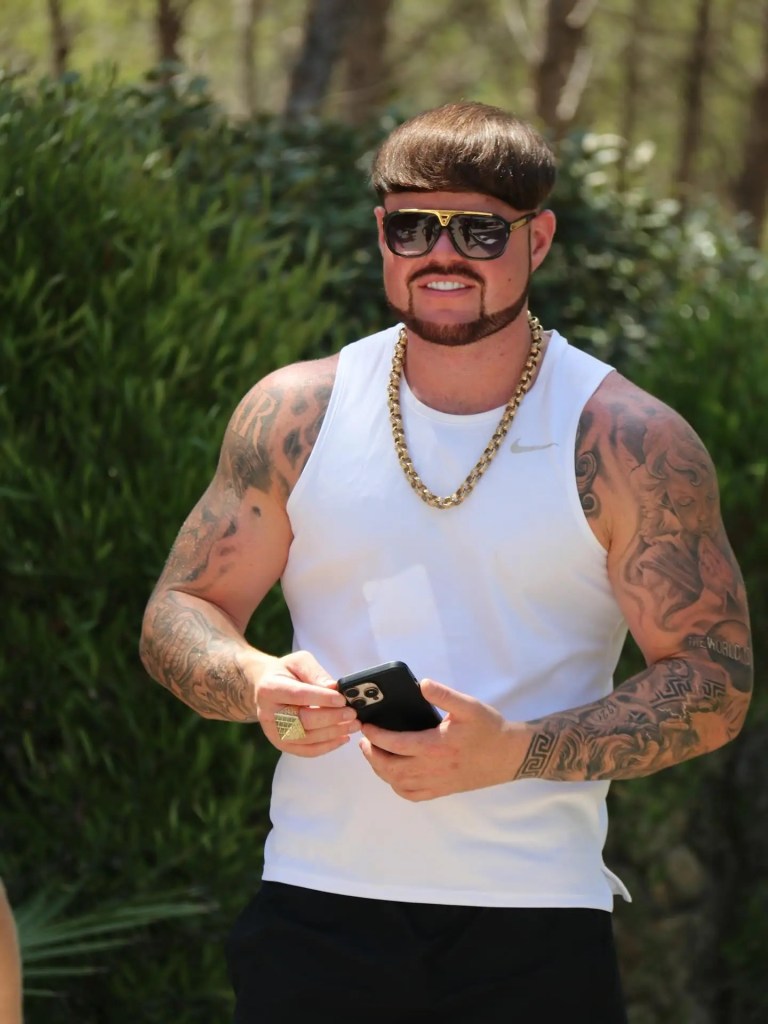
If proof was ever needed that you can flog your soul to the devil for fame, look no further than the sudden, stratospheric rise of Ibiza’s self-styled “final boss.” One click of a camera, one cheeky social media post, and bang — he’s out-trending the Pricey and even the Trump. That’s no small feat, considering those two can normally generate headlines by simply breathing in public.
The man behind the moniker? Jack Kay. No chart-topping singles. No Oscar-bait performances. No tell-all autobiography written “in his own words” but suspiciously sounding like it was dictated to a ghostwriter over Zoom. Just… Jack. A man who, by all accounts, was minding his own business until fate, flash photography, and the internet combined to anoint him this week’s celebrity overlord.
And do you know what? Fair play to him. He’s a smashing lad by all appearances, and I can’t help but root for him. In fact, I’m practically booking my front-row seat for his inevitable debut on Celebrity Big Brother or I’m a Celebrity… Get Me Out of Here! Picture it now: Jack in the jungle, wearing a head torch, looking mildly confused while chewing kangaroo testicles for the nation’s amusement. It’s practically destiny.
Of course, his overnight success has sent a few noses wildly out of joint in the fame industry. Imagine clawing your way up the greasy celebrity pole — posting your best pout, cultivating “scandals,” leaking your own “leaked” texts — only to have Jack Kay swoop in with one photo and walk off with the nation’s attention like it’s a free canapé at a launch party. Delicious.
It’s not just the wannabe-set bristling either; the whole saga has become a sort of cultural Rorschach test. Some see Jack as proof of the absurdity of fame in the age of the algorithm. Others see him as the internet’s latest crush. I see a man who’s managed to play the game without even reading the rulebook.
Because let’s be honest, the rules have changed. Once, you needed a record deal, a primetime slot, or a scandal big enough to get a mention in the News of the World (RIP). Now? You just need a single moment that makes the internet collectively say: Yes, this one. This is our new obsession. It could be a photograph. It could be a TikTok. It could be an ill-advised comment made in a kebab shop at 3am. And suddenly, you’re hot property.
Will Jack’s reign as Ibiza’s final boss last? Who knows. The internet’s love affairs are fickle. One minute you’re the meme of the moment, the next you’re that guy people vaguely remember seeing “on something once.” But for now, Jack’s milking his fifteen minutes with style, and I, for one, am here for it. If he has done a deal with the devil, I hope it came with a decent rider — champagne, sunglasses, and maybe a small island.
Hurray — Wednesday is back on Netflix! And if that wasn’t already a big enough treat for fans of the macabre, there’s an extra twist in the cobweb this season: the legendary Joanna Lumley has joined the cast as Wednesday’s formidable grandmother.
Yes, you read that right. From Absolutely Fabulous to The Wolf of Wall Street, Lumley has always brought her own brand of razor-sharp wit and undeniable glamour to every role. Now, she’s stepping into the delightfully creepy world of the Addams family, and honestly, it feels like a match made in gothic heaven.







































 2Shades Magazine