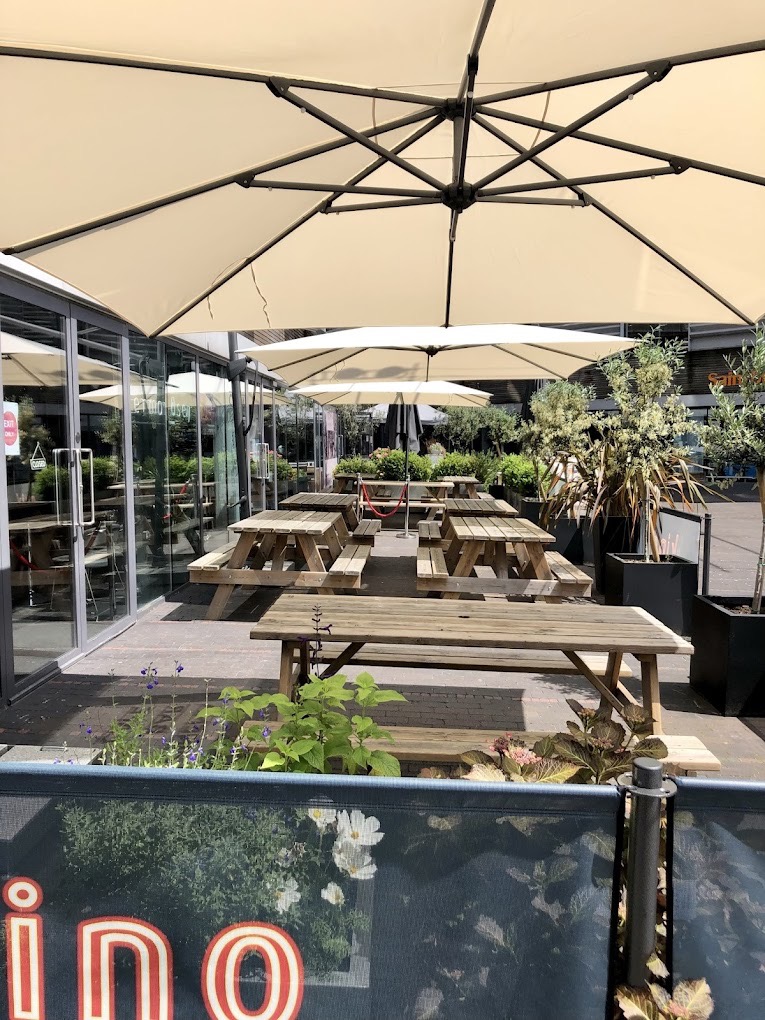
On a rain-soaked Friday night, I took the walk from London Bridge to see what everyone had been talking about: The Arzner — London’s only dedicated LGBTQ+ cinema, tucked away in Bermondsey. The heavens had opened, and by the time I arrived, soaked and slightly windswept, ducking beneath its glowing sign felt like a small act of salvation.
Stepping inside, it became immediately clear that this is no ordinary picture house. The Arzner feels less like a traditional cinema and more like a long-awaited living room for queer film lovers — and, I should add, for anyone who simply loves great cinema. This is not an exclusive “gay bubble”; it is a welcoming, inclusive cultural space.
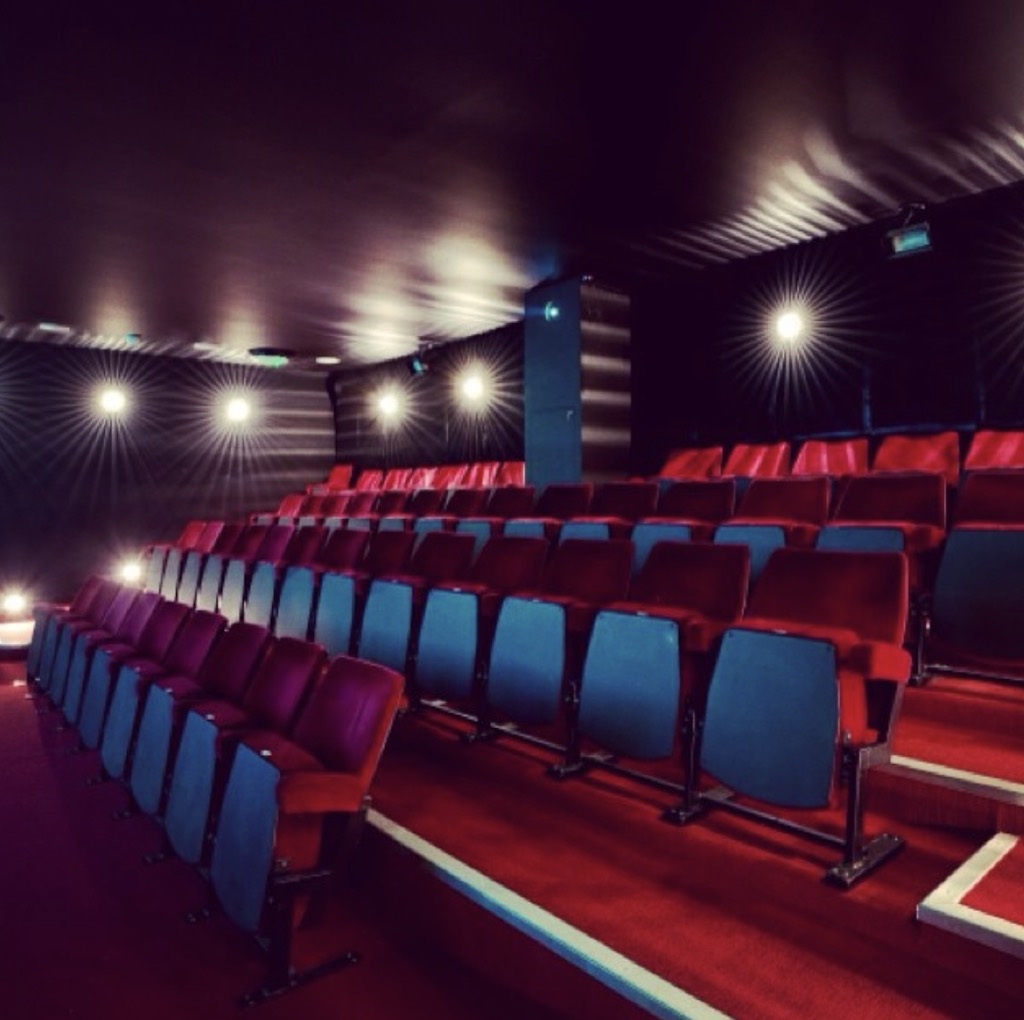
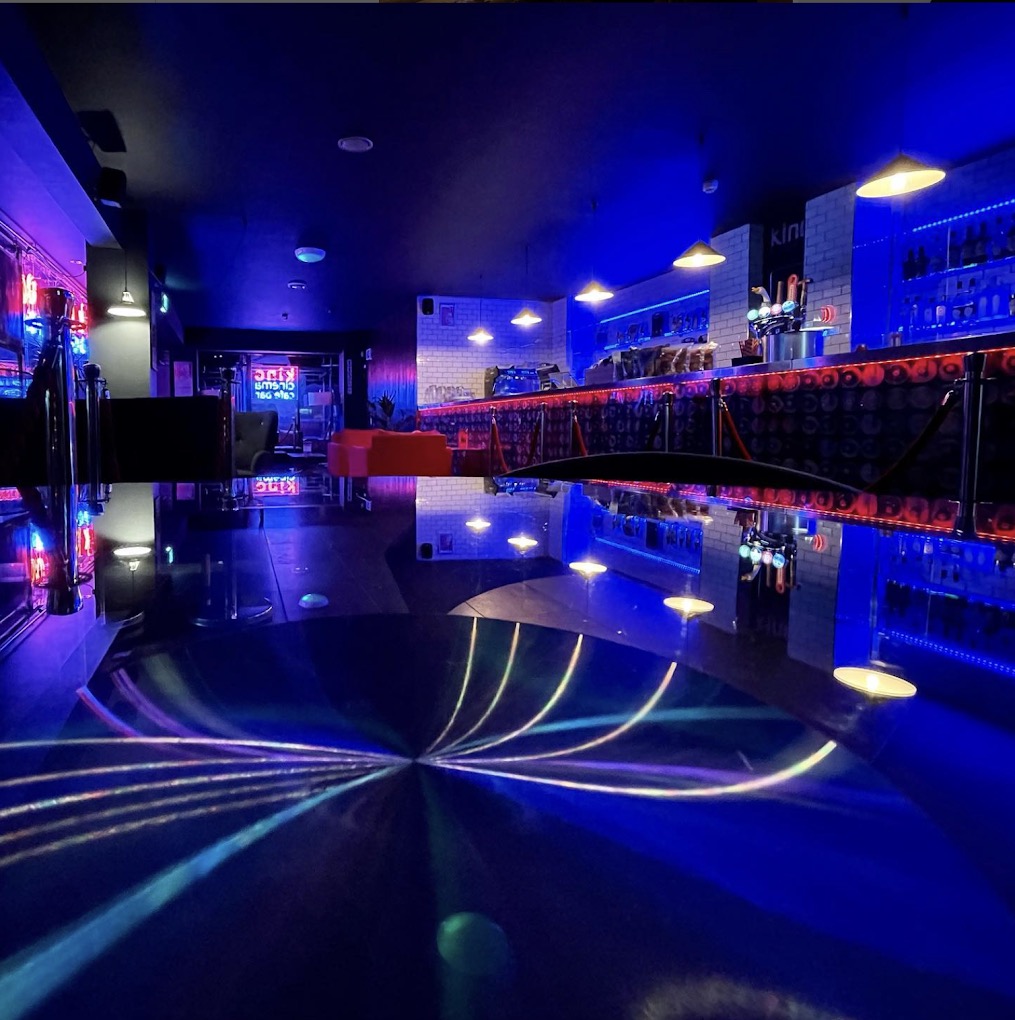
The low lighting, rich red tones, Everything here feels thoughtfully designed. And before you even enter the screening room, let me tell you: the bar is outstanding. From beautifully crafted cocktails to quality wines and excellent non-alcoholic options, it is easily five-star. Arrive early, or even pop in just for a drink — you won’t regret it.
Named after Dorothy Arzner, the trailblazing Hollywood director who forged a remarkable career as an openly gay woman during the studio era, the cinema wears its heritage proudly yet lightly. Portraits of queer cultural icons line the walls, drinks are passed across the bar, and familiar faces greet one another. Arriving alone, yet never feeling lonely, is one of the evening’s first quiet triumphs.
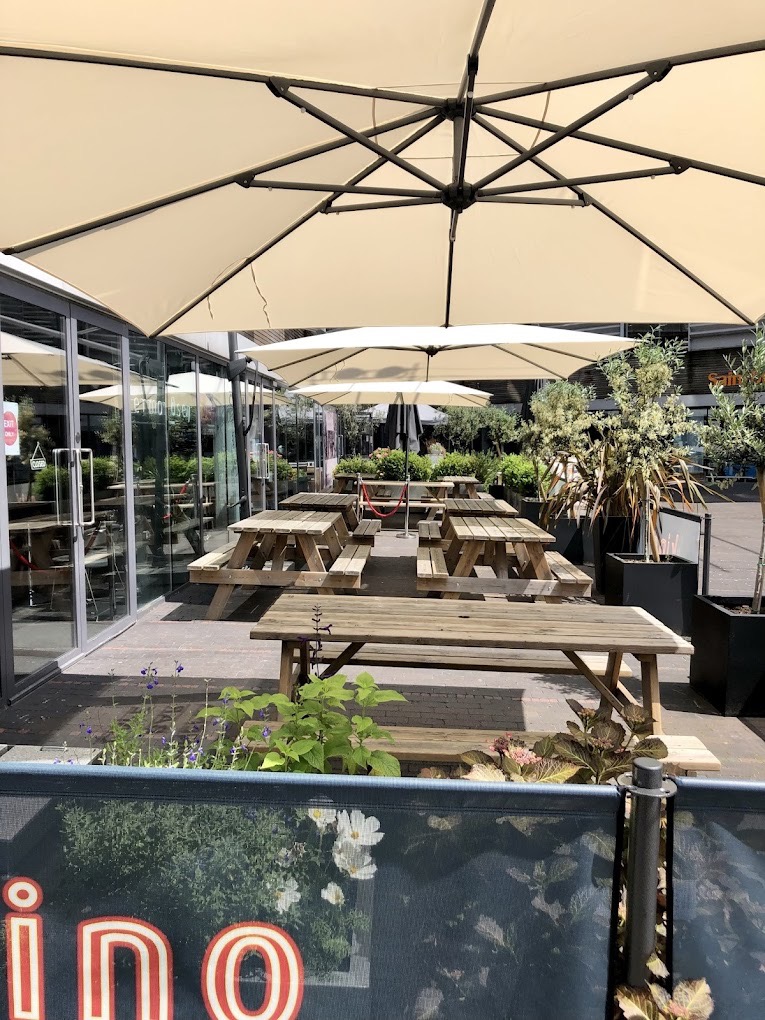
The venue occupies the former site of Kino Bermondsey, but any sense of corporate uniformity has been replaced by a carefully curated personality. Its programming is unapologetically queer, spanning restored classics, contemporary independent releases, international features, and short-film showcases that amplify emerging LGBTQ+ voices.
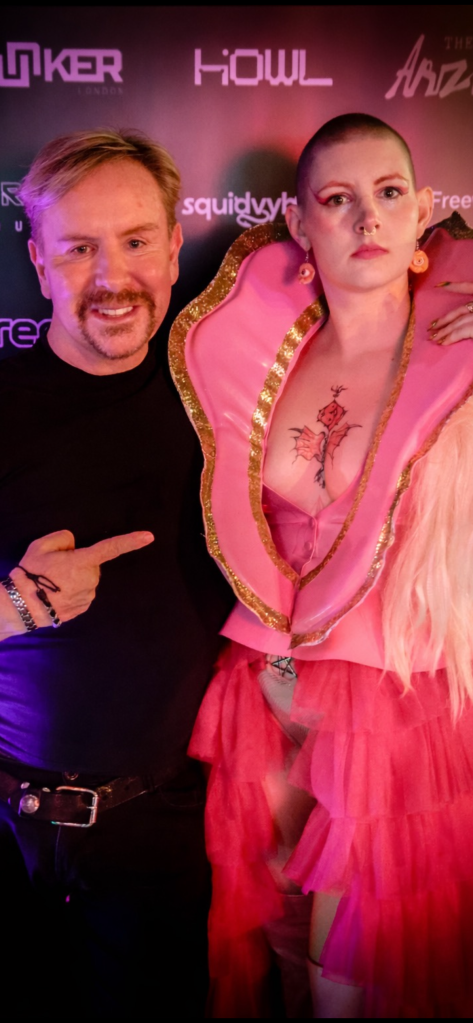
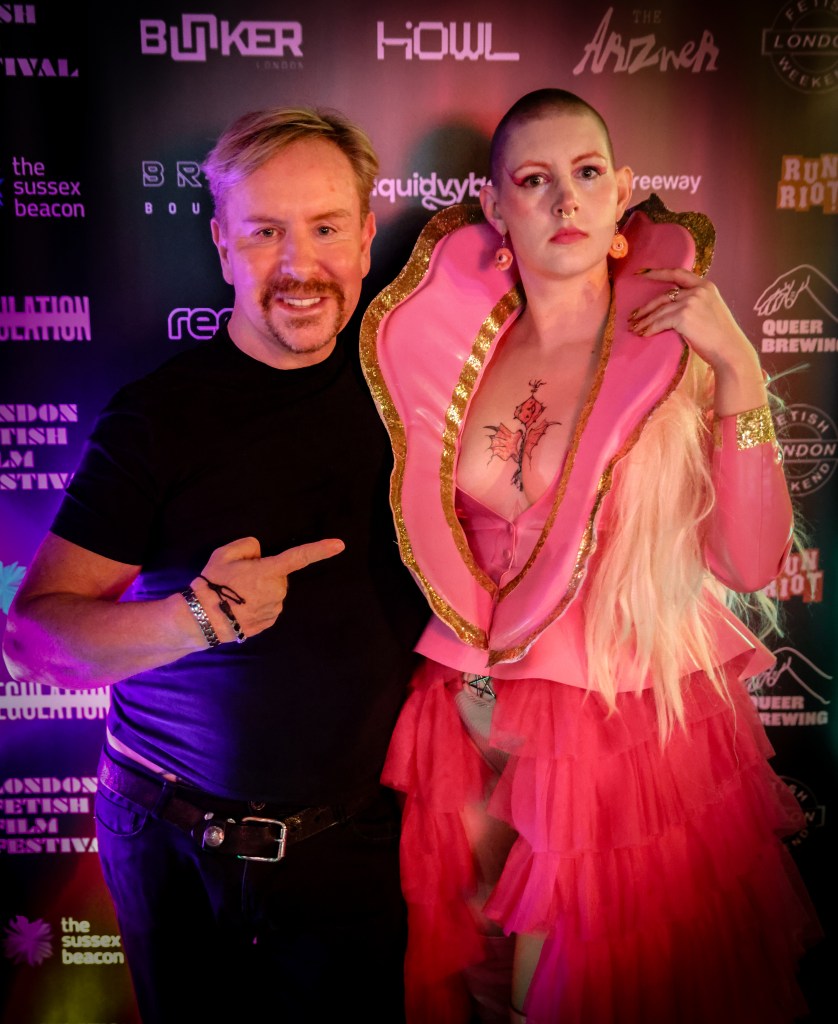
On this particular Friday, I had been invited by my friend Amy Rose, an artist and one of the organisers of the London Fetish Film Festival. Now, before anyone gets their knickers in a twist, fetish cinema has grown significantly over recent decades, and this well-established three-day festival is now in its seventh year. The eclectic crowd alone demonstrated just how diverse and fascinating the scene has become.
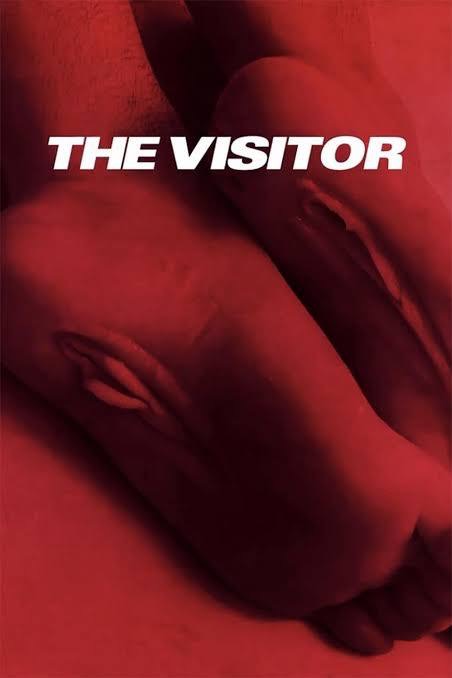
The first film I saw, The Visitor (2024), featured stunning cinematography and a memorable soundtrack. Imagine Federico Fellini meeting an early, less camp version of John Waters — complete with what may be the worst wig in cinematic history. Even Divine might have fainted. The screening was followed by a lively Q&A with director Bruce LaBruce.
On Sunday, the programme shifted to documentaries, which proved genuinely eye-opening. For anyone interested in sexuality, identity, and the human mind, these films are well worth exploring. The performers and contributors certainly went the extra mile.
What truly distinguishes The Arzner is its atmosphere. The buzz is friendly and eclectic. Mainstream cinemas can often feel anonymous, even indifferent, but here the staff introduce films with genuine enthusiasm, sharing details about upcoming themed nights and community events.
Regular special screenings, Q&As, and curated seasons ensure that the cinema is not a passing novelty, but an evolving cultural hub. Conversations continue long after the credits roll, with patrons lingering over drinks to debate performances and recommend future screenings. The line between audience and community beautifully blurs.
Technically, the cinema delivers on every level: crisp projection, balanced sound, and comfortable seating that rival any arthouse venue in the capital. Yet it is the emotional resonance that lingers most. Watching queer stories unfold in a room filled largely with LGBTQ+ viewers shifts the energy entirely. Applause feels communal rather than polite, and moments of silence carry collective meaning.
As I eventually stepped back into the rain — still wondering if it would ever end — I couldn’t help smiling at the thought of Noah popping in for “just one cocktail” before watching Brat, the Charlie XCX film, and joking about building an ark by closing time.
Spending time at The Arzner felt like a privilege. It is not merely London’s only LGBTQ+ cinema; it is a statement of permanence and pride in a city where queer spaces have too often been lost to redevelopment. By offering a year-round home for queer film, it provides something far more enduring than novelty.
It offers visibility, celebration, and the simple, radical pleasure of seeing one’s community centred on screen.
And I, for one, am very much looking forward to going back. ps there even a pop up greeting from Stephen Fry to kick your night off ,
We hear it time and time again: “The Eurovision Song Contest is not political.” And while we all know that the voting patterns can sometimes be… entertaining, to say the least, at its heart Eurovision remains a celebration of music, creativity, and community. It has long been affectionately referred to as the “Gay New Year,” bringing joy, glamour, and unapologetic self-expression to millions around the world. For many viewers, it is more than a show — it is a moment of unity.
The spirit of Eurovision has always been about artists coming together to share their talent, culture, and stories. It was never intended to be a platform for political punishment, nor a place where artists are excluded because of the actions of their governments.
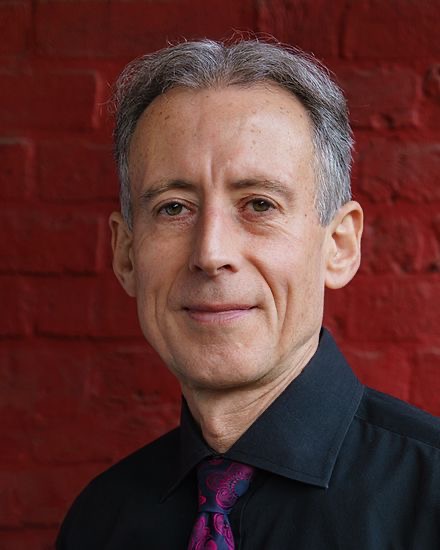
When I interviewed Peter Tatchell this year, he said something that resonated deeply with me: the way forward for the LGBTQ+ community is to keep being a shining beacon across all platforms. I couldn’t agree more. Visibility, inclusion, and dialogue are how progress is made — not through shutting doors.
Madonna in Israel at the Eurovision Song Contest .
I don’t live in some insulated “gay bubble,” nor would I want to. Real change happens when we remain open to conversation, even with those whose governments or policies we may profoundly disagree with. Excluding countries from Eurovision is not a solution; it brings nothing constructive to the table. In fact, it risks undermining the very principles Eurovision claims to stand for: openness, inclusivity, and the celebration of cultural diversity.
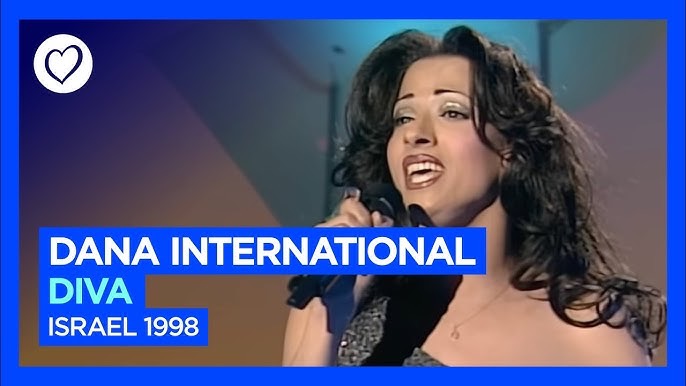
Israel, in particular, has a long and meaningful relationship with the contest. It is a country where LGBTQ+ people are welcomed, recognised, and celebrated — a fact often overlooked in broader political debates. Eurovision itself has benefited enormously from Israel’s participation. It gave us Dana International, the first (known) transgender winner, whose victory in 1998 was a landmark moment for queer visibility worldwide. Beyond Dana, Israel has consistently showcased diverse performers and daring artistic vision, enriching the contest’s legacy.
Rather than silencing or excluding, Eurovision should remain a platform where artists from all backgrounds, beliefs, and nations can share their voice. Music has always had the power to connect people beyond politics, beyond borders, and beyond conflict. Using your voice to send a message is a beautiful and powerful thing — but using silence as a form of punishment rarely fosters understanding or change.
When we welcome artists from countries whose governments we may disagree with, we create the possibility for conversation, empathy, and cultural exchange. When we block them, we lose that opportunity. Eurovision should not become a battleground of boycotts and bans; it should remain what it was created to be: a stage that celebrates unity in diversity.
Let’s not allow hatred, division, or political pressure to turn Eurovision into something it was never meant to be. Let’s welcome all who bring music to the stage — and keep the contest a place where voices are heard, not silenced.
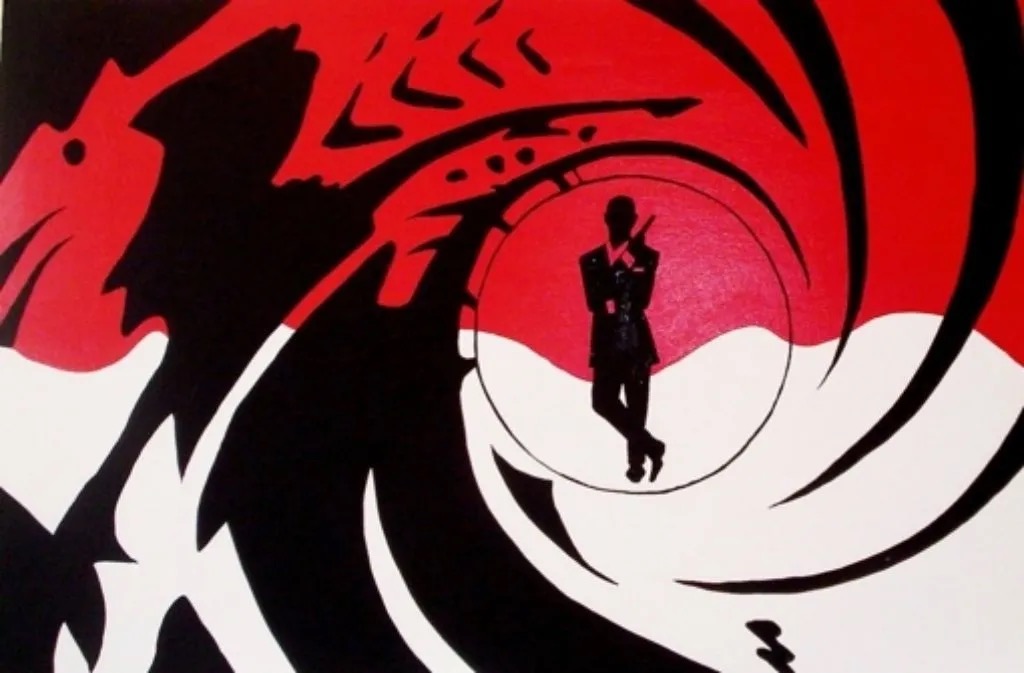
A gender-neutral James Bond? The idea has left me not just stirred, but shaken. It is time to put the brakes on the more extreme woke and cancel culture, otherwise I predict that we will soon see an enormous backlash against some of the minority groups in our country. Some more extreme activists undo the hard work, sacrifices, and tireless fighting of the many heroes of the LGBTQ+ community which gave us the rights we have now.
When I first heard the news that there could be a gender-neutral James Bond, all I could think was “NO!”. James Bond was created by the writer Ian Fleming. The character studied at Cambridge University, where he achieved a first in Oriental Languages. In Fleming’s novels, Bond alluded to briefly attending the University of Geneva (as did Fleming) before being taught to ski in Kitzbühel. His character is rumoured to be based on Sir William Stephenson. In fact, Fleming’s first choice actor to play James Bond was David Niven. It is documented that Fleming was less than impressed by Sean Connery playing what he called a glorified stunt man who used to drive a lorry. What the character was certainly not was trans, gender-neutral or a woman.
We do not need to rewrite the classics to force inclusion. Instead, we need to positively and proactively introduce strong gay characters into new films, television series and cartoons.
Boarding school
True, in “Skyfall,” Daniel Craig’s Bond hints that he may have tried sleeping with a man (it was almost cut). Let’s face it, while the character may be fictional, he did go to boarding school, so it is a plausible possibility. Craig is considered the closest actor to Fleming’s original description of Bond in the first novel. Casino Royale was published in 1953, with a further 11 novels making up the series.
According to the book, Bond was a womaniser, a man’s man. Rather the antithesis of a gay or gender-neutral person. He embodied, for the most part, what heterosexual men aspire to be, next to being a footballer or sports star. If those fighting for change and we all are were sensible, they would leave well alone and leave this classic macho character to be just that.
There is, for sure, room for LGBTQ+ superheroes or villains on mainstream television or in films. It is important that everyone is given roles to give exposure to all communities. But this needs to be positive exposure, done with tact and not at the expense of “the other side”.
Lesbian Snow White
I do not want a lesbian Snow White. Nor do I want a socially challenged Queen with narcissism issues carrying a fair-trade organic apple. Or Cinderella, who obviously lost the shoe because she was drunk, being transformed into Buttons, who lost his shoe while getting ready for Ru Paul’s Drag Race. Or Indiana Jones and the Last Top on Old Compton Street. Leave them alone!
Sure, many of us in the LGBTQ+ community did not have role models growing up and those of us who grew up in the 70s and 80s can thank God for Bowie and T-Rex, Boy George and Quentin Crisp!
We do not need to rewrite the classics to force inclusion. Instead, we need to positively and proactively introduce strong gay characters into new films, television series and cartoons. Netflix recently released “Single All The Way,” which was a brave attempt at exposing general audiences to gay characters with a sense of normality – just a typical rom-com where the main characters just happened to be gay (it’s a shame though that Jennifer Coolidge could not save that turkey!). But, as my sister says, heterosexuals have to endure Hallmark. It is only fair we have a bad movie too.
Joan Collins
The last thing we need is to start to attack something that is seen as masculine or feminine and try to turn what is seen as a heterosexual character into an LGBTQ+ character. If the heterosexual community thinks we are attacking them, we are in trouble as fear has caused more wars in history – that is what will happen if we attack their foundation.
Why do we need to do this when so many of our community are such heroes?
Joan Collins has so eloquently expressed that cancel culture is a problem, but so are extremists in the LGBTQ+ community. Trust me: we have a huge backlash approaching as extremism in any group is not a good thing. All the incredible work so many in the community have dedicated themselves to accomplishing to fight for our community rights can quickly be undone. We are already seeing this unravelling – homophobic hate crimes have trebled in the UK this year…and that’s just crime that is reported.
Mermaids
Talking, not arguing, is the way forward. Recently, I had the pleasure of having drinks with two friends. The topic of trans children came up. I know many trans activists who think children should wait until they are 18 years old to start treatment but are frightened to say so in case they are cancelled or abused on social media. I was wondering what the author’s perspectives were, and the conversation quickly went quiet. So, we moved on. Later in a very entertaining hour or so, the subject of Mermaids, the charity for trans children and their parents. It turned out that one of the groups had been involved with the charity. I asked if they had gone quiet before as the subject had offended them. They said no: they just said they didn’t want an argument. The statement “I do not argue, I merely correct” sprung to mind as they said this, and it made me realise that different perspectives within the LGBTQ+ community may not be heard. We need to calmly listen to one another, as we still have a lot to learn. Thanks to the conversations I have had, I have learned a different point of view and, that night, I started to look into Mermaids and find out about how they help trans kids who need support through what, for many, is a difficult and often traumatic experience.
The LGBTQ+ community is still under attack every day. Like all wars, a good strategy is a key factor in survival. Education in schools is essential – using positive role models and making kids feel safe who do not fit the masculine or feminine stereotypes. This is still going to take time, understanding, and some amazing people to give a strong voice to this community. This is NOT going to be achieved by trying to rewrite classic characters, as this will only antagonise those not affiliated with the community.
If we do not box clever, one day, we could wake up to someone ruling the world that will make Trump look like a fairytale character. Just think back to 1933 when a failed artist persuaded an entire nation to turn against minorities. Let’s not be naive and think it could not happen again.
This article was first published five years ago But is very relevant right now.
Ten years ago, on a warm summer’s afternoon I am in a well-known clothes rental store getting a kilt for a Scottish friend’s wedding (I have since bought one) laughing and chatting with the lady who’s serving me. She is about to measure me up when a male assistant interrupts.
“Oh, I can see what size he is, I’ll pop down and get a couple for him to try.”
There is nothing unusual here and the lady shuffles off. Minutes later the man returns and ushers me to the changing room. “Try that one on first” – and he leaves me. Barely seconds before I have it on, he is back. This time he has tape measure in hand. “Oh, that’s too loose, let me double check the measurements.”
Are you gay?
To be honest, I really loathe trying clothes on in shops, so my thought was, at this point, that was what that girl was doing before you interrupted. Before I know it, he has the tape measure around me and as he releases it his hand goes up the kilt and he grabs the Crown Jewels. “Sorry, it slipped, I’ll get you the right size.”
Now I feel like a rabbit in the headlights. “Did that just happen?”
If I am left in any doubt, he returns with a third kilt in hand and whispers,
“Are you gay?”
I lie and say no!!! Taking the kilt I close the curtains on him and just stand there thinking “What the fuck?” Funnily enough, the lady who was originally serving me checks me out while he is nowhere to be seen.
Anyone reading this may well say, “The man doth protest too much.” But unless you have been sexually assaulted, you have no idea how you will react.
My first thought was, what did I do to encourage that behaviour? Second, if I complain, it is going to be, “You’re a gay man, you must have encouraged it.” If you were that traumatised you should have run out of the shop.”
My gay friends were not any help either. “Lucky you, dear, you’re no chicken but the boys keep coming”, one laughed. “It can only happen to you,” said another. “Do you have his number?”
Your correspondent
This is not the first time this kind of thing has happened to me. I don’t want to sound like a victim but I always blame myself. Much as I have been out since 15 and a spokesperson for LGBTQ and Walk with Pride, due to various experiences there is still some shame and trauma around my sexuality. But I built a wall around myself so nobody can tell.
Terrified
This experience is common to so many gay men I have spoken to who have been sexually abused or raped. “We must have done something to deserve this.” Trust me, this is not unusual. There are men, gay and straight, walking around who have been raped and are terrified anyone finds out.
My heart goes go out to the bravery of Sam Thompson. What a man. Sam was raped by two men in Manchester. He has led the way in encouraging reporting and talking about sexual abuse and rape.
Sam Thompson (pic, BBC)
Though in macho British society men are raised on the “big boys don’t cry” motto, we are getting better. Talking about feelings is hard for men because society’s labelling of what a man should. It’s almost impossible to live up to.
What really stands out about Sam’s horrific ordeal – he is heterosexual – is there are so many comments claiming that it must have been so much worse for him as he was straight.
Internalised homophobia
This shows a complete lack of understanding. And exactly one of the reasons there is so much shame around reporting being raped among both gay and straight men. It’s as if it was “not as bad” if you’re gay. Almost as if we would take some pleasure in it.
Another human forcing them on you is wrong, no matter what your sexuality is. The fear that you’ll be judged can be as bad as the act itself. Sexual-awareness experts say that probably only nine percent of men raped or sexually abused will report it due to the fear they won’t be seen as “real men” or, perhaps, because of internal homophobia.
In fact, many of the men who commit the act of rape don’t identify as gay. They are not typically to be found on the gay scene, though they may hunt on the periphery for victims.
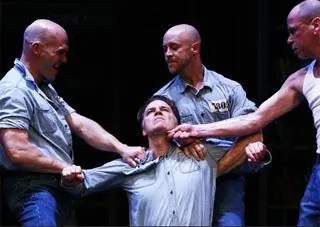
Who could forget the film “Shawshank Redemption” set in a prison when Andy, the hero, hears that the nicknamed “Sisters” (three men) have taken, “a shine to him”? Andy replies, “I don’t suppose it would help if I told them I am not homosexual?”
Red replies, “Neither are they. You’d have to be human first. They don’t qualify.”
Shawshank Redemption (pic: Columbia Pictures)
Male rape has been seen as a taboo subject in the media. It only raises its head in the prison genre of movies. It caused shock revelations when the movie “Scum” came out in 1979 (it was set in a boys’ reformatory) due in part to the male-rape scene.
Seventeen years ago, Channel 4’s Hollyoaks tackled the subject with the Luke Morgan storyline. The victim was brilliantly played by Gary Lucy. It remains their most popular storyline to date.
A recent, horrible turn of events has forced the subject of male rape to hit the headlines, with Britain’s worst rapist, Reynhard Sinaga, 36, found guilty of luring 48 men from outside bars and clubs in Manchester back to his flat where he drugged and assaulted them. In many cases he filmed them. The actual number of victims has been estimated to be in the hundreds, but fear, guilt or just not realising what happened meant that many assaults went unreported.
Reynhard Sinaga
It is so important that these assaults are reported, and that men talk about sexual assault and rape.
I know what the risks are because now I am going to talk about the rape of a 16-year-old boy. Me! And just how easy it is for it to happen.
My home life was a nightmare. I had come out just before my 16th birthday but those details or for another day. Needless to say, I was desperate for some kindness and positive male role models. We had moved from Whitley Bay to what was supposed to be London, but it was Surbiton and I knew no one, let alone having the chance to meet another gay person in suburbia.
Earl’s Court
There were no apps or dating sites. The rules of my house, apparently there to protect me, actually put me in more danger as I had to be home by a silly time and could never stay out overnight in case the “homosexuals got me”. But it was fine to leave me and go to Spain for two weeks before I came out. Still, we all make mistakes and I am sure my folks meant well. I’m not judging, just giving you a bit of background.
Being a resourceful sort, it did not take long for me to come up with a plan, and I discovered Earl’s Court and a bar called The Coleherne on Brompton Road. Apart from a pint with some of the people at the theatre school in Newcastle I went to when I was 15, I had never really been to a bar, let alone a gay bar. Honestly, it felt like entering the genie’s cave. It was overwhelming – people like me! – and it was exciting. It wasn’t long before a lad a few years older than me approached me and asked, “Where are you going next?” He thought it was hysterical when I said I had a curfew.
Pembroke, Earl’s Court
“Well lovely, you have time to get down to Catacombs. They don’t sell booze, but we can have boogie and coffee.” He was called Ian and he was going to be my “sister” (gay slang).
Oh god, I fell in love with the Catacombs. The rich music of Grace Jones’ La Vie En Rose came bursting up to greet me as I walked down the stairs into the small, vibrant club. I felt free and safe as I danced and laughed with people that seemed to be like me. Honestly. the music of Donna Summer and the like meant I could not wait to go back the following Saturday. It insulated me from the often-miserable time during the week.
One night, one of the guys running the club, who was older, starting chatting. He told me that hanging out with Ian, I might get myself a reputation. It was a shame as I was “a nice lad”.
“Listen, some of us are going to lunch tomorrow, around one o’clock. Why don’t you come too? Don’t tell your mate though. I’ll fill you in when we chat tomorrow.”
I was getting what seemed to be approval and he seemed so nice. I honestly could not wait to get home that night and then back to Earl’s Court. I arrived a little early to make a good impression and had dressed up. He was a few minutes late and patted me on the back, so smiley.
“Do you mind if we nip down the club? I need to do a bit of cashing up, the others are running late.”
Mind? Of course not. I was actually excited to go. Once in, he popped some music on, and he had some alcohol behind the coffee bar – hidden, as it had no licence.
“Drink?” he said. Who was going to refuse, and he was so interested in me. He was counting money and he eventually topped me up and next thing I feel like I am spinning and in a dream state, and my body was almost limp with the red lights of the club beaming on me. In my hazy recollection there were two men on me.
Luckily, they took me to Ian’s car (worse could have happened). I was being very sick. Ian knew I was a not a big drinker at the time. Honestly, I could hear him going mad and the men saying that too much drink had been consumed.
“That’s not drink,” he screamed. He had to give me saltwater as the sick was black. We got a friend of Ian’s to take me home, but I was in an awful state. I dared not tell anyone what had happened and – to be honest – I was not sure what had happened at the time. But I knew it wasn’t good.
Parents
Of course, I stuck to the story that it was drink. However, my parents decided that, on top of me being gay, I was now a drug addict, and mum started calling helplines. This had given them all the ammunition to confirm that everything about being gay was bad. Of course, it was all my fault. It was my fault that in my need for validation from a male, so sadly lacking, I had listened to gossip and not told my friend Ian. My heartfelt apologies went out to him and it was a lesson.
There were other consequences, and luckily Ian helped me see a doctor so I could keep what had happened covered up from family and work. Yet who did I blame. Myself, of course. So, as in other traumatising situations from my childhood, I internalised it and coped.
I moved on and never spoke about it ever again, Of course I apologised for being such a terrible person. Bless my parents, they really were not to know. Still, one of the best things that happened was that I moved out a few months later to Chiswick and was much safer and happier.
Gary Lucy, Hollyoaks
But only a month later, one Monday night, was Bangs, the UK’s biggest gay club night, and I managed to persuade my parents that as Tuesday was my day off it would be easier to stay with Ian. Dancing was my escape. I loved it, and quickly I was approached by a young air steward who asked me to a party in the countryside. It was being hosted that Sunday by someone famous who “would love me”.
Well, he was young and nice, and it was different, and it was someone famous.
Gin and tonic
They would even pick me up. Of course, when I got there, and my host greeted me it was straight off to the tennis court. It was only the four of us and we quickly moved into the disco room and drinks flowed.
But in all my excitement and nerves, wanting to please, I got drunk on gin and tonic.
There was no food, but it became clear I was the main course for the host. Only later in life, when my nephew got to 15 -16, I thought never would I do something to a young person and take advantage of them. I honestly don’t think I would be responsible for my actions if anyone touched my nephew. It is funny, the celeb is busy dishing the dirt on so many people. I won’t name him, but according to a celebrity pal of mine her friend says he still has young people shipped in. Trust me, there is another Prince Andrew story out there.
It’s only now I don’t blame myself, but I could not talk about things till now: what happened in the Catacombs club, even my best friend and sister don’t know.
What is so frightening is the rise of chem-sex parties in London, with so many deaths and stories of apparent rape. I have never been to one and I am not judging, but it’s just not what would turn me on. But I guarantee there will be a line crossed and men will leave blaming themselves for just being there or feel they asked for it for just being gay.
GHB, one of the common drugs used at the parties, comes in a clear liquid form and was apparently used by Reynhard Sinaga on his victims (and also by gay serial-killer rapist Stephen Port). Is incredibly dangerous and can either kill the user or invoke a sensation of euphoria. It’s a fine line, though.
With the rise of this drug and the rise in male rapes too, is it possible we can all talk about it and start to make a difference? No means no and it’s never okay to put anything in anyone’s drink.
If you have been raped or sexually abused and would like to talk you can find support below:
‘Fag hag’ or beard is a gay slang phrase referring to women who associate generally or exclusively with gay or bisexual men. But you knew that already, didn’t you?
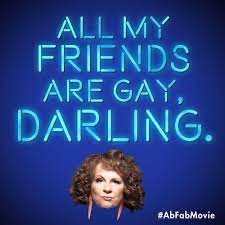
Now, I hate labels of any kind, but when a woman tells me, “I love the gays,” my toes curl. Even my nephew, at thirteen, was smart enough not to fall for that one. “They’re just like everyone else—good and bad,” he shrewdly pointed out. It’s funny in Ab Fab when Edina blurts out, “All my friends are gay.” Oh, the irony.
However, women who proudly label themselves as fag hags often raise serious red flags. I’ve heard it too many times: “Other women just don’t get me, but you and the gay guys do.” This is usually followed by something about liking bad boys in bed. That’s nice for them. Me? I want to be liked for who I am—not for my sexuality or a label.
On my first visit to a gay club—New York’s Limelight—I noticed lots of model-type women dancing. My friend said, “They feel safe here. They can dance and not get hit on.” It wasn’t long before straight men caught onto this and started frequenting the more glamorous gay venues. One night, I was with a group of guys when a stunning girl approached and said, “So sad you’re all gay. I’d f*** the lot of you!”
A little voice piped up, “I’m straight.” It was my pal who, though he leads the way in gay fashion, is 100% straight. Many men have tried their luck with him—the lady and him were in a taxi home minutes later.
Elizabeth Taylor. Wowza.
She loved the company of gay men—from Rock Hudson to Tab Hunter and Montgomery Clift—calling them her confidants. Tallulah Bankhead, when she wasn’t famously trying to sleep with gay men, preferred their company too. Even Mary Queen of Scots liked to quote the pretty men.
As for me—I just like people. It just so happens many of my closest friends are women: glamorous, powerful, and fabulous. But none of them would call themselves fag hags. With them, I’m still the old-fashioned gent: opening doors, walking roadside on the pavement, even pulling out chairs. Though some of these women try to lead while dancing—and pull out my chair instead.
Despite having my picture taken for a dating site, I’m no further along in love. One of my rocks, Liz Branson, is on the phone from her New York office. She splits her time between there, Dubai, and London.
“Have you done it?” she asks. Trying to change the subject, I ask when she’s next in London. There’s a pause.
“You haven’t,” she snaps, irritated. Then she barks: “Jo Allen’s. Tuesday. 9:30.” She doesn’t wait to see if I’m free—and hangs up. Ten minutes later, she texts: “If you are free, can you book it?”
Liz is great fun—always right, obsessively so at times. That’s part of what makes her successful, alluring, and fascinating. She’s also always late, often with some story. The truth? It takes her half an hour to oil her body so it glistens. That’s just part of her prep to go out. Despite her brass balls in business and her ability to crush high-powered men, she still likes to be every inch the high-maintenance woman.
She’s my Grace—as in Will & Grace. But it’s a myth that all women “get” gay men just because they hang out with us. Even women who say, “I’m a gay man trapped in a woman’s body,” can be shockingly naive.
The brilliant Will and Grace
A long-time friend recently remarked, after a theatre visit, that I’d loved the show because it had five scantily dressed young men. As pretty as they were, they left me sexually cold. She must’ve missed the memo—none of my boyfriends have been under 40.
My best gay mate knows that the cast of Peaky Blinders or Colin Farrell gets my pulse racing. Teen boys? They’re like watching Dita Von Teese dance—entertaining, but that’s all. This same friend once asked, “Why would you want to give head rather than take?” Well…
Peaky Blinders Top Men
Liz, for the record, didn’t really know any gay men before me—aside from one man who lived with her as straight and came out later. I think she assumed we all came from the same mould. She even rushed into another relationship with a gay man who promptly took her to gay bars and more.
Personally, I think friendships should be mutual. I’m fine in straight bars, and when I do visit gay bars, it’s usually for dinner or an event. Once, Liz called whispering: “I’m on Clapham Common.” Thinking there was a concert, I asked what was on. “No,” she replied, “I’m cruising with— Have you done this?” I nearly screamed. That was a step too far. That relationship ended when the guy tried to seduce Liz’s then-husband.
It wasn’t the first time I heard of women going cruising with gay men. My former boss was in a Freedom cab once when the driver said he was dropping condoms off at Hampstead Heath. She piped up, “Oh, I’ve been there!” Her gay friends had taken her. This phenomenon passed me by. I don’t cruise—it’s scary. And as broad-minded as I am, why would you take a woman?
Colin Farrell a dream .
Anyway—Liz is late again. She’s texted multiple times, blaming an Uber driver, a lion escaping from Regent’s Park Zoo, and a fire at a local orphanage. But when she finally arrives, she looks spectacular, and the whole restaurant turns to stare. Liz waves, hair glossy, eyes sparkling.
She’s now vegan—though she was already a nightmare in restaurants. After sending an omelette back four times once, I took a photo of the “perfect” omelette and handed it to the waiter the next day. She wasn’t amused—but it was funny.
Back to the evening. Only one waiter and one chef resigned since she placed her order—kidding. I suggest popping to Tesco for the soya sauce she insists on. That goes down like a lead balloon, as usual. She has everyone fussing over her.
There’s the usual gossip: a gorgeous executive she went skinny dipping with in Dubai (amazing in bed—15 years younger—is that too much?). Then, yet again, she brings up Darryl, the best sex of her life, who turned out to be a complete asshole. I’ve heard about him 90 times.
The good thing about Liz—she’s no energy vampire. She wants to know about you. Unfortunately, she’s fixated on my love life. She thinks my best pal and I should be together. “Why aren’t you with someone?” she asks.
People often miss this: gay men can have purely platonic friendships with other gay men. Of course, I love my best mate—but I have no plans to marry him. I joke, “Fine. I’ll propose next week.” Liz screams and wants champagne—until I admit I’m joking. Her face falls (as much as it can, post-Botox).
We laugh, drink, and just when I think we’re winding down, Liz insists we head to Old Compton Street. “Why?” I ask. She loves G-A-Y, apparently. But my gut tells me she’s obsessing about finding me a fella. I suggest Radio Bar instead. Blank look.
There’s no queue at G-A-Y. Inside, Liz grabs a drink and immediately turns into Cilla Black, introducing me to random men. “Who do you like?” she shouts. I feel like a rabbit in the headlights. “I’ll be discreet,” she yells. “I’m all good, thanks,” I say, hugging her.
She dances with drag queens and shouts, “I’m a gay icon!” Naturally, they all agree. She’s no Madonna or Judy, but for one night—she was. It was actually quite sweet.
Flushed with her success, we head to Rupert Street to meet a friend. Her one-woman show goes down well there too. I brief her beforehand not to mention dating him. She thinks he’s too young, so I’m safe.
Then Liz starts chatting to the handsome doorman—who’s straight and married. He calls me over: “Why don’t you take your girlfriend somewhere she can meet a man?” I grin. “She wanted to come here—not me.”
Who says she couldn’t meet a man there? My sister had a holiday romance with a gay club manager in Key West. Another female friend married a bartender from a gay bar.
So, Liz and I are still happily single—but watch this space for more
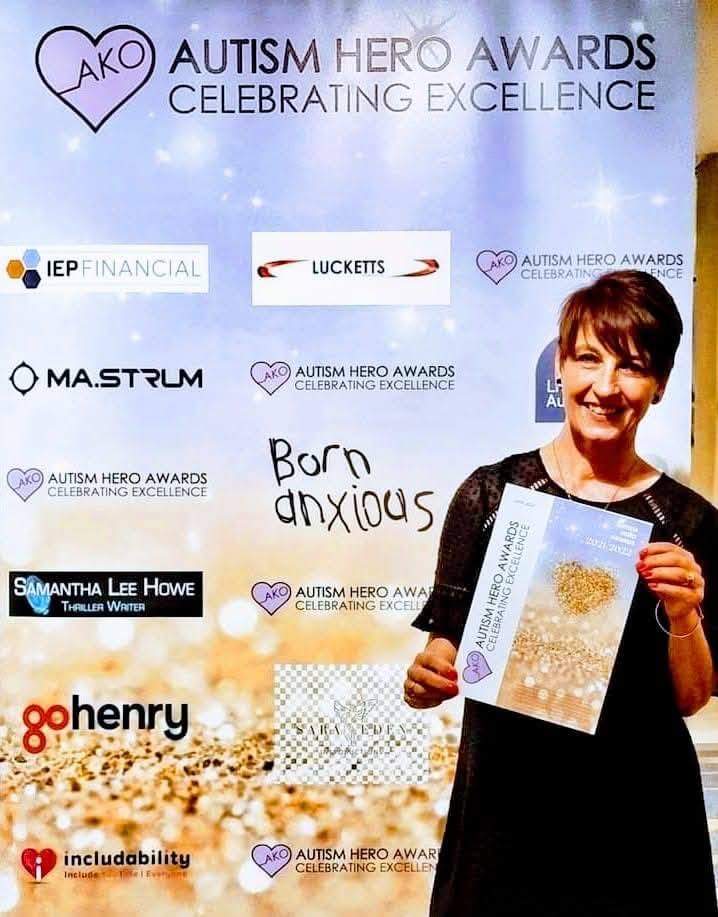
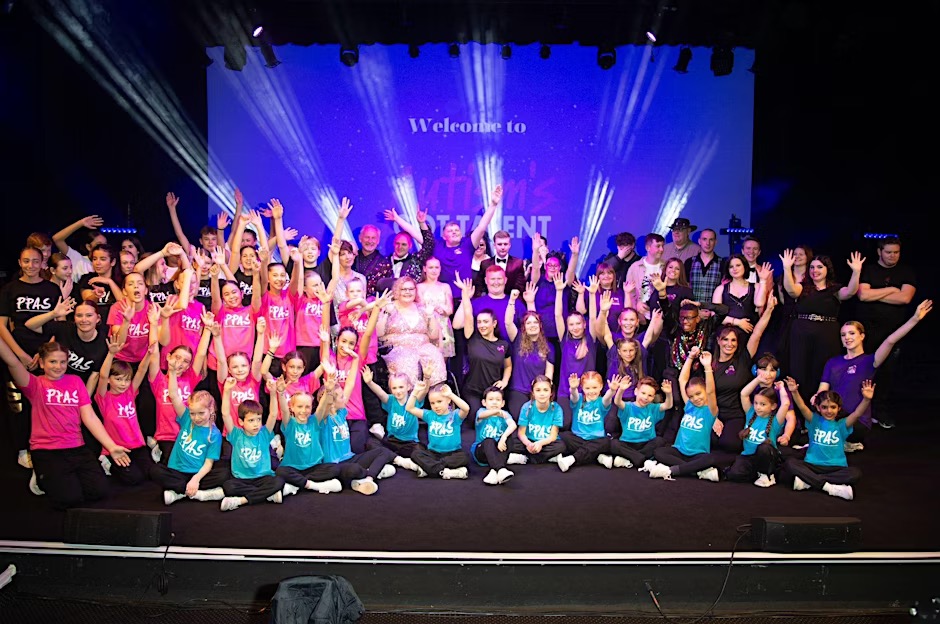
Hi it is Anna here founder of the autism charity Anna Kennedy Online. Since starting the charity in 2009, my passion has always been to raise awareness, acceptance, and understanding of autistic individuals and their families. Over the years, through our events like Autism’s Got Talent and The Autism Hero Awards, I’ve had the privilege of meeting so many incredible people who continue to inspire me every day.
This Pride Month, I want to take a moment to celebrate our autistic LGBTQ+ community members—many of whom still don’t feel fully seen or supported. Inclusion isn’t just a buzzword; it means accepting and embracing every part of who someone is. I’ve spoken to young people and families who are navigating this intersection, and I know how important it is to feel heard, respected, and safe to be your true self.
This column is a reminder that you are not alone. You matter. You belong. And we see you and your welcome at AKO Love Anna xxxx
Why do you think it’s important to recognise and celebrate Pride Month within the autism community? Recognising and celebrating Pride Month within the autism community is important because it fosters a sense of belonging, validates the experiences of LGBTQ+ autistic individuals, and promotes greater understanding and acceptance. This recognition challenges the misconception that autism is solely a deficit and instead highlights the unique strengths and contributions of autistic people. We’ve seen this time and time again through our events such as Autism’s Got Talentand The Autism Hero Awards.
What are some of the unique challenges that autistic individuals who are also LGBTQ+ face? Autistic individuals who are also LGBTQ+ often face the challenge of navigating two distinct communities. This can lead to increased isolation and mental health struggles. Some people I’ve spoken to find it difficult to feel fully understood and accepted, as they may not feel they completely fit within either the autistic or LGBTQ+ communities.
How does your organisation support autistic people who identify as part of the LGBTQ+ community throughout the year—not just during Pride Month? Since launching our charity in 2009, we’ve always been supportive of the LGBTQ+ community. We’ve offered advice and support to individuals and families who’ve reached out, and we’ve proudly included many LGBTQ+ performers in Autism’s Got Talent, as well as nominees for the Autism Hero Awards. Our team includes a wonderfully diverse group of ambassadors, charity patrons, and volunteers who reflect our inclusive values.
Autisms Got Talent
Have you noticed an increase in autistic people feeling confident to express diverse gender or sexual identities in recent years? In my opinion, yes—there is growing awareness, acceptance, and confidence among autistic individuals when it comes to expressing diverse gender and sexual identities. Research supports this trend, and organisations like Reframing Autism are playing an important role in empowering autistic people to explore and embrace who they are.
How can parents, carers, or educators better support young autistic people who are exploring their gender or sexual identity? The most effective way to support young autistic individuals exploring their gender or sexual identity is through active listening, affirmation, and creating safe, respectful environments. This includes using preferred names and pronouns, sharing reliable resources, and helping them access both peer and professional support networks.
How can Pride events become more sensory-friendly or accessible to autistic attendees? Have you worked with any organisers to help with this? To make Pride events more sensory-friendly, organisers should consider providing quiet zones, visual guides, clear schedules, and accessible information. It’s also vital to ensure authentic and diverse representation within the planning teams. While we haven’t yet partnered with organisers on this specifically, it’s something we’d be very open to in the future.
Do you see any stereotypes or misconceptions that still need to be challenged when it comes to autism and LGBTQ+ identities? Yes, there are several. One persistent misconception is that being both autistic and LGBTQ+ is rare, when in fact, research shows a significantly higher prevalence of LGBTQ+ identities among autistic individuals. Another issue is the lack of visible role models and media representation. Although awareness is growing, we still need more positive stories and accurate portrayals of autistic LGBTQ+ people in the media and beyond.
What message would you like to share during Pride Month on behalf of the autistic community—especially those who often feel invisible in both autism and LGBTQ+ spaces? My message is: “You are seen. You are valid. You are loved. Don’t be afraid to embrace your authentic self. Find your space, take your time, and know that there is a community ready to welcome and support you.”
Happy Pride, everyone! just reflecting on Pride I thought Id share some background about me .
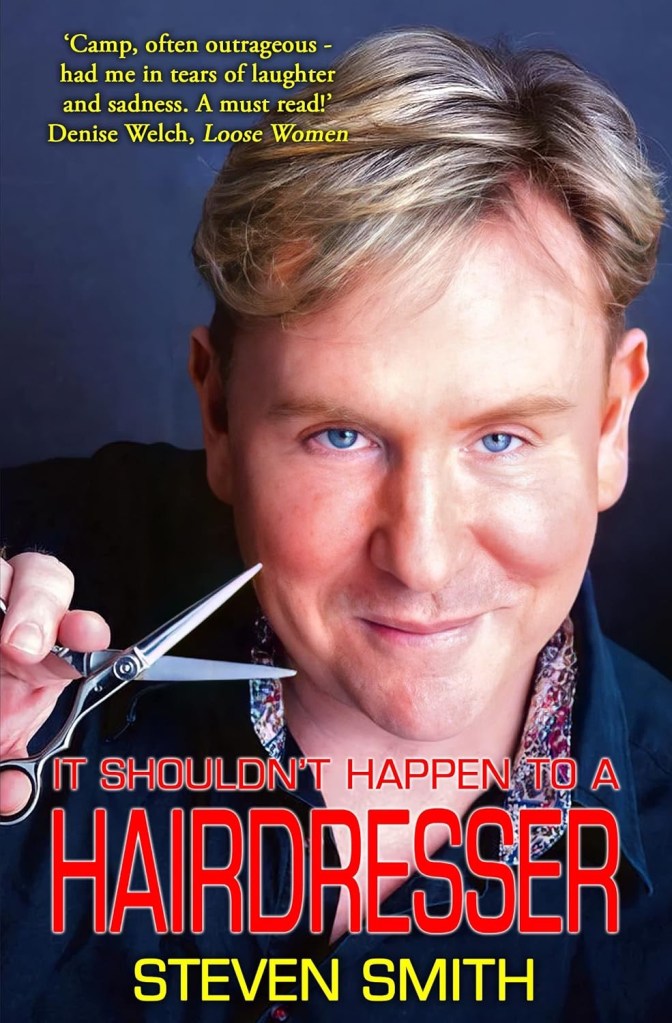
Becoming a counsellor wasn’t my first career choice. From a young age, my true passion was doing people’s hair. But strangely enough, hairdressing and counselling are closely linked. You know what they say: if you can’t afford a therapist, see your hairdresser!
In my case, it actually worked the other way around. My hairdressing career took off—I specialised in colour and built a hugely successful business. My CV includes working with celebrities and the rich and famous, and my colouring talent brought me into collaboration with some of the biggest names in the hair world.
But I always had a burning desire to really listen to my clients. No matter who they were—a rock star, a socialite, or a fashion icon—it became clear early on that we all face similar challenges: heartbreak, divorce, bereavement, anxiety, depression… the list goes on. People might argue that wealthy clients don’t have the same worries, but I’ve seen both ends of the spectrum. Money doesn’t always bring happiness.
That 16-year-old girl living in a Chelsea townhouse who wants to come out to her family isn’t so different from the one growing up in a council flat. Their circumstances may differ, but they’re both human and both deserving of support.
My fascination with people and their stories led me to retrain as a therapist. But it wasn’t just my clients who inspired me—it was also my own life.
I’m a gay woman and I came out in the 1990s. It was a brave move at the time—it certainly wasn’t trendy or widely accepted. We had very few role models: K.D. Lang, Melissa Etheridge, and Ellen DeGeneres were among the few out and proud. And let’s face it, lesbian characters in TV and film were usually portrayed as mad, bad, or dead. For many of us, The Killing of Sister George was the only reference point. Though it’s a classic with sensational performances, it doesn’t exactly paint a rosy picture of lesbian life.
(That’s why I’m so looking forward to the upcoming documentary on The Gate Club—the legendary lesbian venue on the King’s Road where parts of Sister George were filmed.)
When I came out, it raised a few eyebrows—even at the very trendy Vidal Sassoon salon in central London, where I was working at the time. Once word got out, some of my regular clients switched to other colourists.
While I had amazing support from some colleagues, moving on to other salons often meant facing homophobia—surprisingly, sometimes even from gay men. It’s not something we talk about often, but it’s real. Although my inner circle included fabulous gay men, there were definitely some who didn’t welcome us lesbians with open arms.
And believe it or not, I was refused entry to some gay clubs for looking “too straight”! Apparently, I was too femme.
Thankfully, times are changing. But we mustn’t take that progress for granted. Homophobia still exists in many forms, and we need positive role models, education, and continued activism to keep moving forward.
When I started studying to become a therapist, going back to college felt surreal. One classmate broke the ice by saying, “So proud to be your first lesbian!”—we’re still great friends to this day. But not everyone was welcoming. One peer was consistently rude and passive-aggressive. It was never openly discussed, but I strongly sensed a kind of veiled homophobia. Thankfully, the rest of the class were amazing, inclusive, and my tutor was truly sensational.
Back in the day, it would have been unthinkable to be openly gay in one successful career, let alone two.
Happy Pride, everyone! Let’s celebrate how far we’ve come. There’s still plenty of work to do, but I’m proud to be waving the rainbow flag—and I can’t wait to answer your emails.
Love, Heidi
Dear Heidi,
My girlfriend dumped me before the pandemic because she enjoys clubbing and going to bars. That’s just not my scene. I’m looking for something more meaningful—I want to meet someone and settle down. But dating apps and websites scare me, and the bar scene isn’t for me. Alex, Bethnal Green
Hi Alex, Thank you for writing in. You’re not alone—plenty of people feel intimidated by the modern dating world. The key is to find spaces that align with your values. Consider LGBTQ+ book clubs, walking groups, art classes, or volunteering for a cause you care about. These are great ways to meet like-minded people in a low-pressure environment. And if you ever decide to try dating apps, choose ones with detailed profiles—look for people who are also looking for something serious. Take small steps—you’ve got this! Love, Heidi
Dear Heidi,
My girlfriend and I have been together for two years and plan to marry next year. Recently, she’s expressed a desire to try threesomes, saying it’ll “spice things up.” I don’t want to lose her, but honestly, it’s not for me. What should I do? Madeline, Manchester
Hi Madeline, Your feelings are completely valid. Relationships should be based on mutual respect and clear boundaries. If something doesn’t feel right to you, you shouldn’t feel pressured to agree. Talk to your partner openly and honestly—express your feelings without judgement. A strong relationship can withstand differences, as long as there’s communication and compromise. The right partner will respect your comfort zone. Take care, Heidi
Dear Heidi,
I’m 19 and come from what you’d call a “rough” family. My two brothers and I are all amateur boxers. My dad is a real “man’s man” and uses words like “queer” as an insult. I’ve been dating girls to hide who I really am, but one of them suspected something when I didn’t want to go all the way—she called me a “poof.” I love my family, but what can I do, Heidi? Should I risk coming out? Mike, Blackpool
Dear Mike, Thank you for your honesty. Coming out is deeply personal, and only you can decide when the time is right. It’s okay to take your time. You don’t have to come out until you feel safe and ready. Remember, there’s no shame in protecting yourself emotionally and physically. If you ever feel unsafe at home, reach out to LGBTQ+ support groups—there is a community out there that will support and celebrate you for who you are. You’re not alone. With warmth and strength, Heidi.
“Pride” means self-esteem, self-respect, and the joy that comes from being who you are. It’s a celebration of identity and community—and it’s also a protest, because the fight for equality is far from over.
How far we’ve come. In the 1970s, the only LGBTQ+ publication I knew of was Gay News—a paper I used to smuggle into my family home as a teenager. Mainstream magazines rarely showed gay people in a positive light, and doing so could sink a publication. In the entertainment industry, being openly gay could mean career suicide. Even being suspected of homosexuality could get you thrown out of the armed forces.
GAY NEWS IN THE 70S
I came out at 15, creating scandal at school and chaos at home. When my mum discovered my hidden copy of Gay News, she screamed, “There’s no such thing as ‘Gay News’, only bad news.” While she’s now a proud LGBTQ+ ally, back then it was a different story. Only my 13-year-old sister offered comfort—squeezing my hand and saying, “I always knew. I love you.”
My parents, desperate to “understand,” took me to the Samaritans, where I was introduced to a man who had been in the merchant navy who “knew about gays.” I remember his pale-blue jumper and the awkwardness in his voice. He warned me that not all gay men looked like David Bowie or Marc Bolan—who, I pointed out, were bisexual. He added, “If you go to Portsmouth, there are big, hairy men on bikes looking for young lads.”
Once back in the car, I asked, “Where’s Portsmouth—and how do I get there?”
Coming out still shocks some families. I’ve seen parents devastated by something they must have known deep down. In It’s A Sin, Keeley Hawes’ character, Valerie Tozer, denies her son’s truth even as he dies of AIDS. Another mother asks her pointedly: “What were you looking at when he was six? Ten? Fifteen?”
Today, LGBTQ+ teens are still being thrown out of their homes. Others are allowed to stay—but endure silence, shame, or abuse. All for the “crime” of loving someone, or being themselves.
Meanwhile, the same parents hand their kids toy guns and cheer them on during war games—yet recoil at a same-sex kiss. The hypocrisy is astonishing.
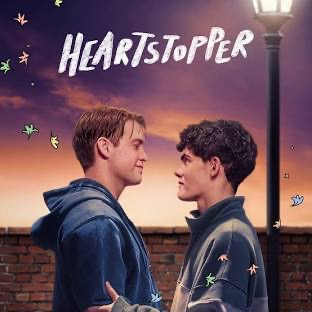
I cried watching Heartstopper on Netflix. When Nick comes out to his mum, played with grace by Olivia Colman, she simply thanks him and checks he’s okay. That’s the world we need. Fewer traumas. More love.
Yes, things are better. But the LGBTQ+ community is still under attack. Survival requires strategy—and education is key. We need LGBTQ+ role models in schools. We need to support young people who don’t fit gender norms. We need to tell our stories and make space for others to tell theirs.
I recently had a woman say to me, “You don’t seem that gay. My hairdresser Eduardo is gay—he’s a scream! He does drag on Tuesdays.” I replied, “The Kray twins were gay.” She went quiet, then apologised. I wasn’t offended—but I had made her think.
Positive role models matter. Jake Daniels, the first openly gay footballer, recently made headlines. So have Gareth Thomas and Tom Daley. But the fact that coming out still makes headlines shows how far we’ve yet to go.
Jake Daniels super star ,
It was heartening to see David Beckham support Jake Daniels—but disappointing to see him promote the World Cup in Qatar, where homosexuality is punishable by death. Allies must not sit on the fence when human rights are at stake.
Let’s not forget: the gay community isn’t immune to internal bias. Flamboyant men are often sidelined. Some fear being labelled “camp” or “too much.” But icons like Quentin Crisp, Boy George, David Bowie, and Marc Bolan showed us that difference is not a weakness—it’s a strength.
Boy George daring to be different with Pride.
If an alien asked to meet a “typical gay person,” we couldn’t comply. There’s no such thing. Just like there’s no one image of a straight man—despite the stereotype of a pint-wielding football fan in a Union Jack tee.
People ask me, “Why do you need Pride? There’s no Straight Pride.” My answer: “Be grateful you don’t need one.”
There are also calls to give Pride Month over to Veterans’ Day. I believe veterans deserve honour every day—but not at the expense of Pride or any other group or organisation One doesn’t cancel the other.
We’re living in frightening times. In countries like Argentina and the U.S., governments are trading human rights for promises of prosperity. In the UK, I fear the rise of Reform UK. We must not just defend our rights—we must be louder, prouder, and more visible than ever.
Peter Tatchell we all have to admire ,
At the premiere of Legendary Children: All of Them Queer, activist Peter Tatchell said that change comes from entering non-LGBTQ+ spaces and being a shining example. I believe that. I hope one day I can hold my boyfriend’s hand in public without fear. I hope one day, every child who comes out is embraced by their parents, not shunned.
We’ve made progress. But we’re not there yet.
And if we don’t act now, we risk going back to the bad old days.
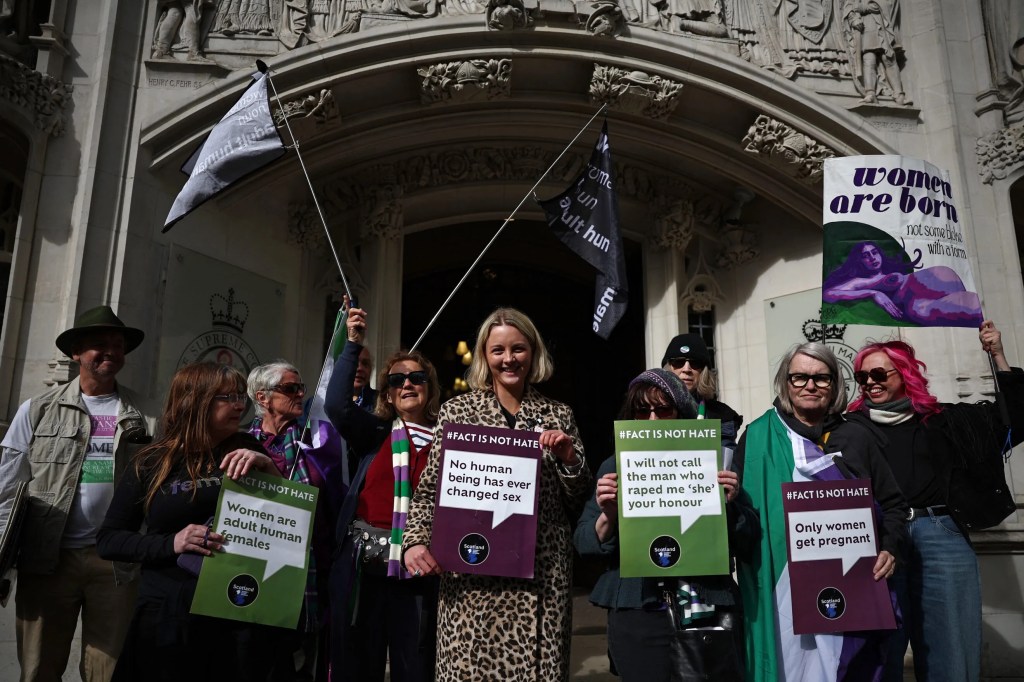
No One Wins in This High Court Ruling By Steven Smith
This week’s High Court ruling has left many people reeling—disappointed, divided, and more confused than ever. But one thing is clear: no one truly wins in the aftermath of this decision. Whatever legal boundaries were reinforced or redrawn, they’ve done little to offer protection or peace to the people affected most. If anything, the result is further division, and the human cost is growing.
Let’s start with a blunt truth. If there is a god who allows a child to be born with bone cancer—or worse—then perhaps, just perhaps, that same god may have placed a soul in the wrong body. It’s a difficult thought, but one that challenges traditional notions of perfect design and invites empathy over judgment.
In this debate, one group’s rights cannot come at the expense of another’s safety. Women—especially those who’ve suffered trauma at the hands of men—deserve dignity, privacy, and protection in spaces like bathrooms, hospital wards, and shelters. These are not just physical places; they are emotional safe zones, where healing and recovery often begin. To ignore the fear and anxiety many women feel about sharing intimate spaces with anyone who presents as male—even if that person identifies as female—is to ignore real, lived experience. We must listen with compassion, not condescension.
This isn’t a rejection of transgender people. On the contrary, I’ve known incredible trans women since I was a teenager. These are brave, passionate human beings who have committed to a long, often painful journey to live authentically. They undergo extensive psychological evaluations, hormone therapy, and surgery. Some reintegrate into society quietly; others become public figures or advocates. All of them, in my eyes, are women.
Which is why this ruling cuts so deep. Many trans people who have taken every step available to become their true selves now find themselves swept up in a storm of legal and cultural backlash. Instead of being seen as individuals with complex stories, they’re being lumped in with others who have not taken the same path—or who may not even identify as trans in the same way.
Part of the problem is ignorance. When I first heard the term “trans,” my mind went straight to “transvestite” or flamboyant characters like Frank-N-Furter from The Rocky Horror Picture Show. And while I adore a good performance, let’s be clear: wearing a dress and heels doesn’t make someone a woman. There’s a vast difference between performance and identity. A man in a frock might enjoy the expression, the character, even the fantasy—but it doesn’t make him female.
True transition is not about fantasy. It’s about becoming. It involves sacrifice, struggle, and a level of self-awareness many of us never have to face. For those who take that journey, they earn a place in the world as their authentic selves—and they deserve respect, not suspicion.
Children, too, are part of this complex conversation. Some express gender discomfort from a young age. These feelings must be taken seriously—but also approached with caution. Many people I know went through periods of gender confusion in their youth, only to feel secure in their biological identity as adults. Others continued to struggle, and those individuals deserve full support. But irreversible medical decisions should, in most cases, wait until late adolescence, when a person’s sense of self has had more time to develop.
Still, it bears repeating: having a penis does not make someone a woman. That is not a statement of hate—it is a statement of biology. If someone is transitioning, that’s a journey we can honor and support. But biology does matter, especially when it intersects with the rights and safety of others.
What’s heartbreaking is that this ruling, intended perhaps to draw clearer lines, may only deepen misunderstanding. Trans women who have undergone surgery, therapy, and lived experience are now at greater risk of being misjudged, targeted, and excluded. The backlash is likely to hit the wrong people hardest. We risk punishing those who’ve made the most effort to live honestly.
The public discourse on transgender rights is failing everyone. The messaging is chaotic, the tone often cruel, and the nuance lost in a sea of outrage. Education is vital. We need thoughtful, well-informed conversations—conversations that recognize the humanity in everyone involved. The issue of gender identity has been reduced to a political football when it should be a human rights discussion rooted in compassion and science.
One of the most shameful chapters in this saga was when President Donald Trump banned transgender individuals from serving in the military. Anyone willing to risk their life for their country has my full respect, regardless of how they identify. That level of courage transcends gender—it defines character. In my eyes, that’s the truest identity of all: brave.
As society evolves, we must also evolve our understanding of gender. It may be time to acknowledge a third, even fourth category of sex or gender. The binary system doesn’t serve everyone, and clinging to it may be doing more harm than good. The law should reflect the complexity of human experience, not flatten it into rigid boxes.
Ultimately, this ruling doesn’t protect anyone—it creates more confusion, more pain, and more opportunities for discrimination. Women’s safety is still not fully addressed. Transgender individuals are now more vulnerable than ever. And society, caught in the middle, is left with more questions than answers.
No one has truly won this week. But if we learn anything from this moment, let it be this: the path forward must include better laws, deeper understanding, and above all, compassion for every human being trying to live their truth.
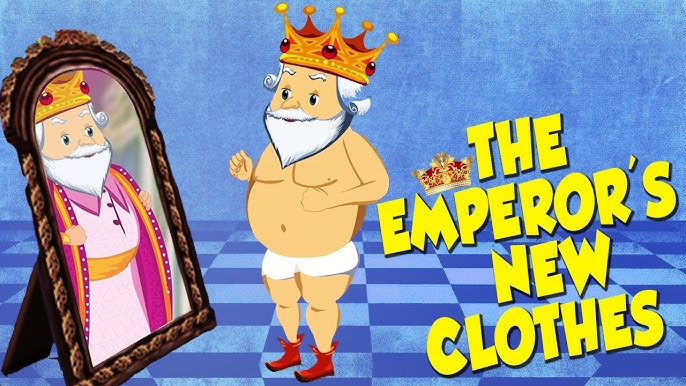
We are living in an era where serious fraud is celebrated, and the tale of The Emperor’s New Clothes feels more like reality than fiction. If you dare to point out the truth—that the emperor is, in fact, naked—you might find yourself in court. It’s an utterly unhinged world we live in.
I am at a lovely lunch in the heart of Essex, a place synonymous with spray tans, hair extensions, Botox, and outrageously long lashes. To say the least, I fit right in. My gorgeous companion has abandoned extensions yet looks stunning, appearing even fresher and more youthful than the rest. She is what I would call real. When she did go the false route, she never told tall tales or passed them off as her own. She is genuine—in fact, we once joked about the extensions needing food parcels. If she had lied, I wouldn’t trust her.
So, when I recently noticed a trans woman using what I find to be the most troubling and manipulative card of all—the “Dead Life” card—I was deeply concerned. And now, everyone is expected to either accept her version of events or face being sued. This isn’t a joke—it’s a serious issue.
For those unaware, the “Dead Life” concept allows individuals who have transitioned to rewrite their past. Not only can they change their pronouns (I am totally with) but in some cases, they can craft entire fictional histories for themselves—transforming their previous existence into something entirely unrecognisable. A bit like The Lion, the Witch, and the Wardrobe, where a whole new world is created from imagination.
Now, let me be absolutely clear: I have had the privilege of knowing many incredible, talented, and brave trans women. They have undergone their journeys to become their authentic selves, and in my eyes, they are now—rightfully—women. Interestingly, none of them have resorted to the “Dead Life” tactic. Instead, they have spoken openly about their lives, their struggles, and their triumphs, offering guidance and inspiration to others. One such example is the incredibly lovely India Willoughby, newsreader and presenter.
Gorgeous and talented India Willoughby and asset to us all and role model for the trans community.
However, let’s consider a different scenario. Suppose I told you that, at 16, I was an astronaut and had a torrid affair with Madonna. That would be an outright lie (all but an amusing one). At 16, I was, like many others, just a regular teenager experiencing life. But here’s the difference: if I were to publish a book claiming such fabrications as fact, people would rightfully call it out as nonsense.
Madonna called for you to “Express yourself ” not lie .
So why is it that a trans woman can write a memoir claiming that, at 17, she was a stunning young woman having an affair with a well-known pop star (now deceased)—when, in reality, at that time, she was a 17-year-old boy with acne? The claim that she auditioned for a well-known girl band when she would have needed a good shave for that is also questionable. But what’s really worrying is the superimposition of pictures of herself as a girl into family photos when, in fact, she was a boy.
How can publishers allow this and sell it to an unsuspecting public? It is deceitful. Should we sue?
Even newspapers are reporting such blatant fabrications as truth. It makes Trump’s propaganda look like child’s play. As a community are we not all up in arms about his lies ?
Lies are not facts. Yet, we live in a time where, if The Emperor’s New Clothes were rewritten today, the boy who dared to shout, “He’s naked!” would be the one dragged into court. It’s insanity. Serious fraud is being rewarded, and if you speak out against it, you are painted as the villain.
Now, I am sure that many trans women who invoke the “Dead Life” narrative are simply living their lives quietly and not publishing books filled with fabricated stories. But as a community, we are in danger.
On 5 March, Legendary Children (All Of Them Queer) screened for the first time in London to a sold-out crowd. The screening marked the end of LGBT+ History Month and was followed by a Q&A with human rights campaigner, Peter Tatchell, who said he hopes the film inspires others towards activism.
Peter Tatchell made an incredibly insightful point. He doesn’t just work within LGBTQ+ charities; he also volunteers in a range of organizations, including those within religious communities that have historically been homophobic. By leading through example—by showing up, engaging, and being part of these spaces—he changes minds. That is real activism.
A humble hero Peter Thatchell
Many trans people do not wish to be part of the LGBTQ+ community, and that is their choice. However, for now, they remain within it. They are welcome. But honesty must remain at the core of any community. Without honesty, we lose trust, and once trust is broken, everything begins to crumble.
When a con artist exploits the “Dead Life” card to fabricate a fictional past and present it as fact, we all suffer. We need to hold individuals accountable. My hope is that someone exposes this person for who they truly are—so that they may serve as an example to others not to go down the same route,
Because, at the end of the day, she is spoiling it for the others.
The incredible Boy George and 2hades favourite David Hoyle a star .





















 2Shades Magazine