As we approach the end of another eventful year and step into the promise of 2026, I want to begin by wishing every one of you a very Happy Christmas. Whether you celebrate the season quietly, joyfully, or somewhere in between, I hope the coming weeks bring you warmth, connection, and moments of genuine peace. Christmas is a time of reflection as much as celebration, and for me, looking back over 2025 brings both change and gratitude.
One of the biggest changes this year was saying farewell—though never goodbye—to my gorgeous friend and co-founder of 2Shades, Adishiri Chengappa. Many of you will know her as the bright, compassionate, and fiercely driven woman who helped bring this magazine to life. Adishiri has returned to India to study counselling, and I have absolutely no doubt she will become a brilliant one. Her heart, her empathy, and her ability to really listen to people make her an extraordinary human being, and those are precisely the qualities that will make her excel in her new profession.
Although Adishiri is stepping down from the magazine to focus on her studies, she remains a lifelong friend—both to 2Shades and to me personally. Our bond is permanent, and her contribution to the magazine will always be part of its foundations. Behind the scenes, we are now in discussions with a new partner who will join the 2Shades family and help carry the torch forward.
For those of you who may be newer readers, let me say this clearly: 2Shades has never been “just” an LGBTQ+ magazine. From day one, we envisioned a vibrant, inclusive space—a place for everyone. A magazine that is joyful yet unafraid; stylish yet unfiltered; a platform for voices that deserve to be heard. We speak our minds, we cover subjects that others shy away from, and we stand firmly by our philosophy that representation and honesty matter.
Over the years, we’ve covered everything from fashion, art, and entertainment to some of the most difficult and deeply important topics affecting people today. We have reported on male rape, mental health, identity, domestic violence, addiction, grief, and more. The world is multifaceted, and so are the people in it; 2Shades aims to reflect that complexity.
A huge part of what makes this magazine special is our remarkable team of columnists. Our Agony Aunt, Heidi Gammon, continues to grow in popularity, offering advice with wit, warmth, and plain-spoken honesty. Dr Anna Kennedy OBE brings vital insight, advocacy, and compassion through her work in autism awareness and support. Our beauty expert Clare McSweeney adds glamour, empowerment, and the kind of practical advice that boosts confidence. And this year we welcomed Richard Andrews, who’s new “Money Matters” column is already proving invaluable to readers navigating finances during turbulent times.
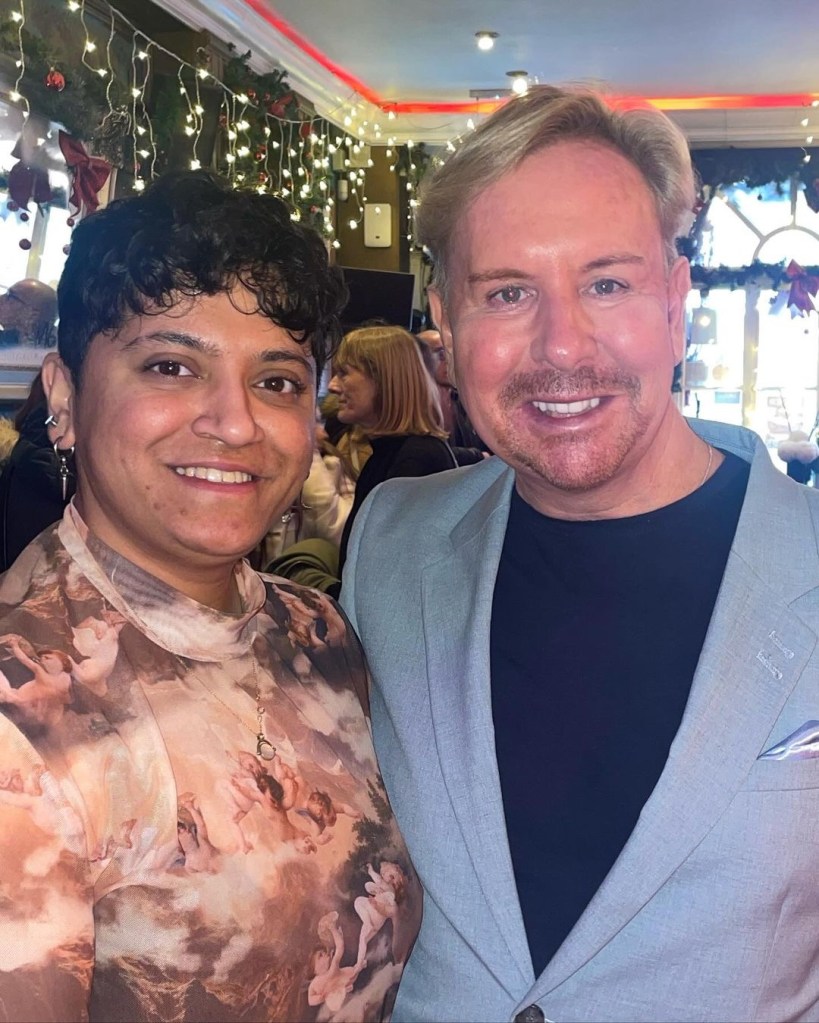
Clare 2Shades columnist with Aston Avery she is on Gateway every month .
All of them are thriving on social media, and their readership continues to soar—a testament to the authenticity and relevance they bring.
What makes all of this even more remarkable is that the magazine still has no sponsors. I work entirely for free, as do many involved. And we do it because we believe in 2Shades, in its purpose, and in the community surrounding it. But as we look ahead to the future—and to the possibility of expanding globally—sponsors and advertisers will eventually be essential. If you’ve enjoyed the work we’ve done, if the magazine has informed, entertained, or supported you in any way, then please help us grow by spreading the word. Share the link, recommend us, tell people who we are and what we stand for. That simple act makes a world of difference.
And speaking of difference: there is something else I’d like to ask this Christmas.
If you feel moved to show appreciation for the magazine’s work this year, please consider donating to Anna Kennedy Online, a charity that means an incredible amount to me personally. Not only is Anna a dear friend, but I am honoured to have been a patron of her autism charity for nearly twelve years—something I remain immensely proud of. The work AKO does is life-changing for autistic children, adults, and families across the UK. If you would like to donate, the details are below; even the smallest contribution helps.
Dr Anna Kennedy OBE with me.
Looking ahead, my biggest hope is that 2026 will be the year 2Shadesbecomes a global success. A huge portion of our readership already comes from the United States and Australia, which shows that our message resonates far beyond the UK. We speak to universal experiences—identity, struggle, connection, joy, and truth. These things transcend borders.
And that brings me to my wish for 2026, a simple yet powerful one: More empathy. More understanding. More respect.
We live in an increasingly polarised world, where disagreement is seen as a personal attack and differing opinions are met with hostility rather than curiosity. One of the wisest things I heard this year came from Peter Tatchell at the screening of “Legendary Children: All of Them Queer.” He said:
“By going into other places and organisations and being your authentic self, making a positive difference, people will start to change their views.”
That stayed with me, because it reminds us that real progress rarely comes from shouting or fighting—it comes from presence, compassion, and consistency.
Yet too often, respect is missing from the smallest everyday interactions. I’ll give you an example. I have not eaten red meat or pork for 49 years. It’s part of who I am. I don’t need to explain why; it doesn’t need to be debated. Yet more times than I can count, I’ve sat down to a meal only to be told, “Oh, just scrape it off,” as if my boundary were an inconvenience rather than something worthy of respect.
It’s such a small thing, but small things matter. Empathy shows itself in the details. Most people, of course, are thoughtful and considerate—but we all know others who refuse to see beyond their own beliefs. They hold strong opinions on everything yet become instantly outraged if you question theirs. They expect understanding but rarely offer it in return.
And then there are those who appear addicted to drama—who cannot be content unless they are creating conflict or turning an event into something about them. Rather than bringing joy, talent, or positive energy to a gathering, they bring chaos. It is, in my opinion, a kind of addiction in itself. A hunger for attention that stifles empathy and dims the light for everyone else. As such addiction is an illness and I have empathy there. However when an illness is contagious or has a knock on effect on your mental health you need to walk away in the end.
Imagine how different the world could be if empathy were something we practised as naturally as breathing. If instead of reacting, we paused. Instead of judging, we listened. Instead of assuming, we asked. If 2026 could bring even a fraction more understanding into everyday life, what a transformation we would see.
So as we wrap presents, raise glasses, and welcome the new year, my message is this: Celebrate with kindness. Speak with honesty. Live authentically. Respect differences—not just the ones that are easy, but the ones that challenge you. And above all, look for ways to make someone else’s world a little better.
To every reader, supporter, contributor, and friend of 2Shades: thank you for being part of this journey. Here’s to a beautiful Christmas, a hopeful New Year, and a 2026 filled with courage, connection, and compassion.
Dear Heidi How are you? Please can I beg for your help? My best friend is driving me mad. She goes from one bad relationship to another. She loves the bad boy look — covered in tattoos and looking like they got out of prison last week. It’s always a car crash, and to be honest, my empathy is running low. It’s my birthday soon, and honestly, her whining on about her love life is not my idea of fun. Would it be wrong not to invite her? — Nadine, Essex
Dear Nadine, Oh, the endless bad-boy drama — I think we’ve all had a friend like this! It’s exhausting watching someone you care about drive straight into the same brick wall again and again, isn’t it? Here’s the thing: you can’t fix her, and it’s not your job to. If she chooses chaos, that’s her story to live — but you’re allowed to protect your own peace. For your birthday, surround yourself with people who bring joy, not stress. If inviting her will spoil your day, then don’t. You can see her another time when you have the energy to listen. Being a good friend doesn’t mean being a doormat — sometimes it means stepping back with love. Or be brave and tell her how you feel, that it’s draining you. Love, Heidi
Dear Heidi Really love the show. My husband has always been a bit homophobic. Six months ago, he liked my hair so much he wanted a few highlights. Knowing he’s not great about the gay thing, I suggested he shouldn’t go to my beautiful stylist — who is also a friend — but he insisted. His hair looked amazing, but a few weeks later I was shocked to find he’d been out for drinks with my hairdresser, and now they’ve become friends. He says it’s rubbish that he’s homophobic and that he enjoys the laughs they have together. There’s a lads’ weekend to Ibiza coming up — no ladies allowed, which is fine — but can you imagine my hairdresser going too? I asked him why, and he said he’s going anyway and will get them into a few clubs. What’s going on? — Marieanne, Southend
Dear Marieanne, Well, this is a twist! It sounds like your husband has discovered that friendship doesn’t have to come with labels — and that’s actually a good thing. Maybe getting to know your hairdresser has opened his eyes a little and softened his old prejudices. As for the Ibiza trip — I can see why your eyebrows are raised! But before your imagination books a one-way ticket to Jealousville, take a breath. This might simply be two people enjoying new company and shared humour. If your instincts tell you there’s something deeper going on, have an honest, calm chat. But don’t jump to conclusions — this could be the best thing to happen to your husband’s attitude. Who knows? He might come home with a tan, a hangover, and a new respect for your fabulous friend. Love, Heidi
Dear Heidi I am madly in love with this lad, and he’s only gone and asked my friend to the dance! Honestly, Heidi, I am fuming — and she knew I liked him. I’m fifteen, and she dresses like she’s a dancer, while my mum says no to lashes and short skirts. It’s not fair. I’ll probably never speak to her again. What can I do? — Mandy, Basildon
Dear Mandy, Oh sweetheart, teenage love can feel like the end of the world — but I promise, it isn’t. You’re fifteen, and your heart is still learning who deserves it. This boy clearly doesn’t, and your friend’s choices say more about her than they ever could about you. You don’t need lashes or short skirts to shine — confidence is far more magnetic than mascara. Let her have her dance; you focus on being you. One day soon, someone will see the real you and won’t want to dance with anyone else. For now, dry your tears, hold your head high, and remember — nothing burns brighter than self-respect. Love, Heidi
Dear Heidi I’m feeling really down. I’m so fat, my budget won’t stretch to fat injections, and the gym just leaves me flat. No girls like me, and I’m nineteen and not going out anymore. What can I do? — Peter, Brighton
Dear Peter, First, let me tell you this — you are not alone. So many young people feel exactly the way you do, especially with all the “perfect” bodies plastered across social media. But real attraction doesn’t come from injections or six-packs — it comes from self-worth, kindness, and confidence. Start small: walk, move, cook decent food, talk to people. Find one thing every day that makes you feel good — music, a hobby, helping someone, anything that builds you up instead of tearing you down. The more you value yourself, the more others will see your worth. Confidence isn’t something you buy — it’s something you grow, and it lasts far longer than any gym membership. Love, Heidi
Dear Heidi My husband has announced that his mother is coming for Christmas. She’s horrible — the most passive-aggressive, rude woman you could meet. We’ve never got on; she has a way of finding a cloud in every silver lining. She’s on her own, and honestly, that’s what she deserves. My husband says she’s not that bad. Should I tell him it’s me and the children or her — and leave home for Christmas? — Sandra
Dear Sandra, Ah, the mother-in-law Christmas horror — a timeless festive classic! I can hear the carols already: “Silent night? Not likely.” You clearly feel hurt and unseen by your husband, but issuing ultimatums rarely ends well. Instead, set clear boundaries. Tell him you’ll welcome his mother — but only if everyone treats each other respectfully. If she can’t manage that, then maybe she stays elsewhere next year. Remember, Christmas is one day. Don’t let her steal your sparkle — pour a glass of something festive, smile sweetly, and rise above her barbed comments. Nothing annoys a passive-aggressive person more than calm happiness. Love, Heidi
Hi Heidi Not really a problem, but how do you get to be a counsellor or agony aunt? — Simon
Dear Simon, What a lovely question! Becoming a counsellor or agony aunt starts with empathy — and you clearly have that. Training in counselling, psychology, or journalism helps, but life experience and genuine curiosity about people matter just as much. Start small: volunteer with support organisations, write advice pieces online, or train in active listening. The best agony aunts aren’t perfect — they’re just honest, compassionate, and willing to help others make sense of their messiest moments. And who knows, Simon — you might be writing your own “Dear Simon” column one day! Love, Heidi
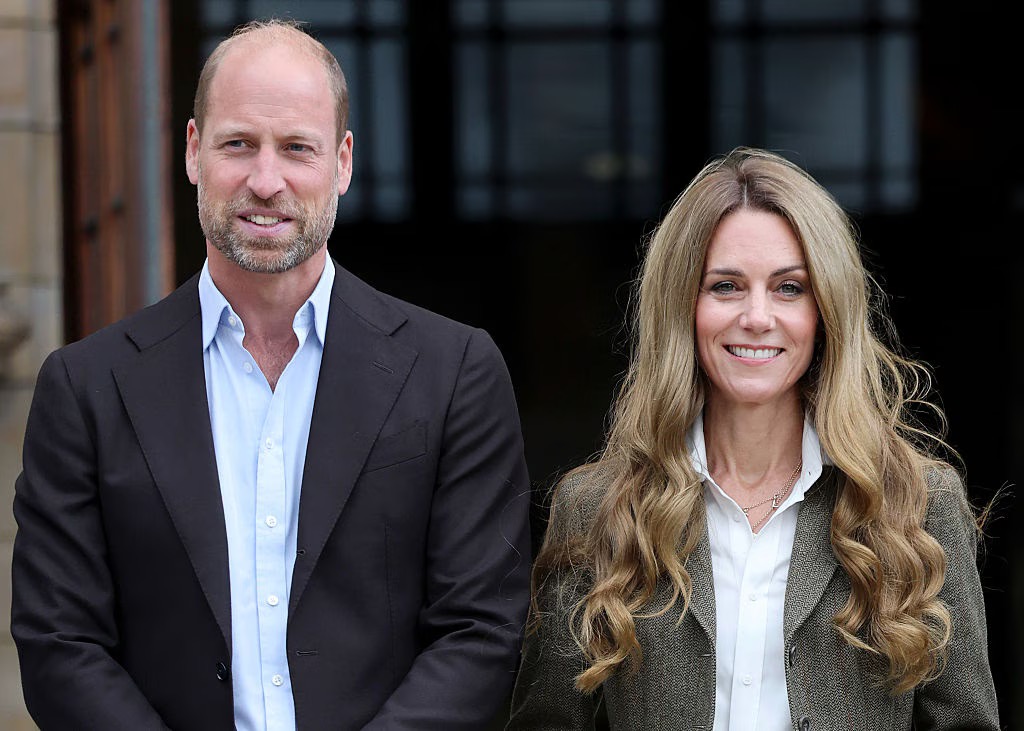
Let’s be honest: a woman’s hair is her crown and glory. It’s part of her identity, her confidence, her style. And when it comes to royalty, that crown is both literal and symbolic. Princess Catherine—Kate, as we fondly call her—always manages to look spectacular. She carries herself with elegance and dignity, and despite facing health struggles, she continues to shine as my favourite member of the Royal Family.
So why, then, does the we feel the need to dissect every strand on her head? Recently, Kate decided to lighten her hair a touch. Not platinum, not peroxide blonde—just a soft, subtle lift. Hardly headline material, yet suddenly it’s splashed across the front pages. Is this really news?
I say this as someone who spent years as a celebrity hairdresser: hair is deeply personal. It’s not just style, it’s self-expression, sometimes even reinvention. I actually admire Kate for trying something new under the relentless glare of the cameras. Personally, I think she suits brunette best—but that’s beside the point. The point is, it’s her hair, her choice, and she looks radiant either way.
But what left me utterly flabbergasted was what happened next. A few days later, she attended a women’s rugby match with her hair pulled back in a ponytail—practical, appropriate, perfectly normal. And would you believe it? That too became a headline. A ponytail! Honestly, are we that short of news?
It makes me wonder about our priorities. Wars are raging, the cost of living is biting, families are struggling—and yet we’re fixated on whether a princess wears her hair up or down. Surely, we can do better.
Here’s what really matters: Kate represents grace, resilience, and positivity at a time when good news is hard to come by. She continues to serve, smile, and inspire, even while facing challenges of her own. She is a mother, a wife, a public figure, and a future queen—and she handles it all with poise. That deserves admiration, not nit-picking.
So, my view is simple. Leave Kate’s hair alone. Celebrate the woman, not the ponytail. Applaud her courage, her elegance, her humanity. Hair grows; styles change—but the strength of character she shows every day? That’s what truly deserves the front page.
Why Do So Many Smart Women Fall Under the Spell of Con Men?
It’s not about weakness—it’s about hope, empathy, and the universal desire to be loved.
Before we begin, let’s be clear: this isn’t unique to women. Men, too, can fall victim to manipulation, deceit, and what we might call a “love con.” Yet it remains striking how often we see bright, accomplished women—lawyers, doctors, business leaders, and artists—caught in the webs spun by controlling, Svengali-type men.
This was brought home to me recently while watching Love Con: Revenge on Netflix. The series exposes the astonishing ways charismatic fraudsters charm their way into people’s lives, leaving devastation behind. The victims are not naïve or unintelligent. Quite the opposite—they’re usually sharp, capable, and worldly. Yet even they are drawn into the con, sometimes for years.
The Psychology of the “Love Con”
Why does this happen? Why do intelligent women—women who can negotiate boardrooms, run companies, and juggle families—become vulnerable when love enters the picture? Is there, as cynics suggest, something in female nature that makes women more susceptible when romance is involved?
I don’t believe it’s about weakness. If anything, it’s about strength—and hope. Many women are deeply empathetic, nurturing, and generous. They are also willing to give people the benefit of the doubt. These qualities are admirable, yet they are the very traits manipulators exploit. Con men mirror back what their victims long to see: affection, stability, the promise of being cherished. By the time the illusion cracks, the emotional investment is so deep that leaving feels impossible.
Neuroscience sheds light here. Falling in love floods the brain with dopamine, oxytocin, and serotonin—the same chemicals associated with addiction. Under their influence, judgment clouds and red flags fade. Intelligence doesn’t disappear; it’s simply overwhelmed by biology.
The Celebrity Trap
Even women with power, influence, and entire teams of advisors aren’t immune. How many times have we seen successful actresses or performers introduce a new partner, only to announce within months that he is now their manager? Management is a skilled profession requiring experience and industry knowledge. Yet suddenly, the boyfriend is running the show.
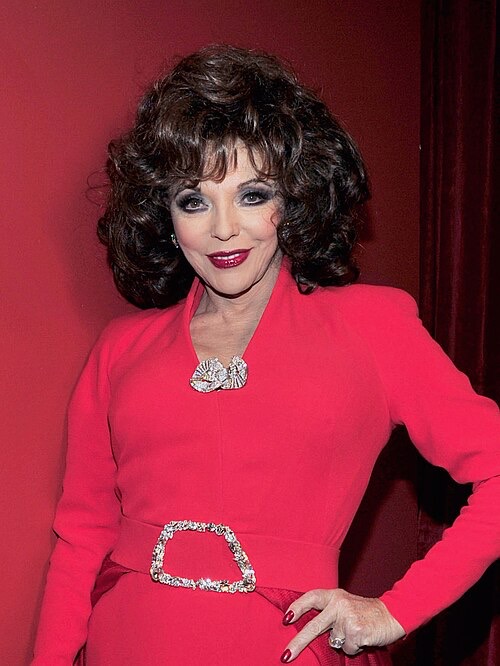
Rarely does it end well. Take Joan Collins, who married Peter Holm in 1985. Within weeks, he had become her manager and co-producer. By 1987, the marriage collapsed in a storm of bitterness.
I’ve seen the same pattern in everyday life. Brilliant women who once spoke their minds now begin every sentence with, “And Joe says…”—as if their identity has been swallowed whole. The pattern is chillingly predictable: isolate her from friends, cut ties with anyone who might see through the act, and gradually take total control. Netflix’s Dirty John dramatises this cycle with unnerving accuracy.
Ghislaine Maxwell:
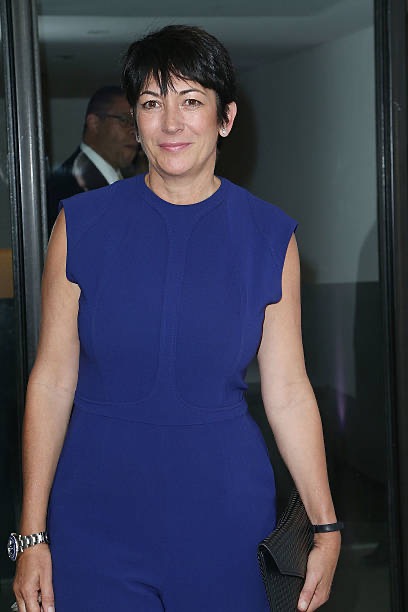
Consider, too, the controversial case of Ghislaine Maxwell. An intelligent, educated woman from a powerful family, she nonetheless became the enabler of Jeffrey Epstein. Was he a replacement father figure for the domineering Robert Maxwell? Did her need for validation blind her to the enormity of his crimes?
Whatever the reason, it is telling that Epstein’s male associates have largely escaped accountability, while Maxwell sits behind bars. She has become, many argue, the fall guy in a sordid melodrama. Her case is a stark reminder of how even the brightest women can be drawn into the orbit of a manipulative man.
Beyond Blame
So why do smart women fall for con men? Because intelligence is not a shield against love, against hope, or against the human desire to be needed. These women are not foolish—they are human.
If anything, their empathy, generosity, and optimism make them prime targets. And until society learns to place blame squarely where it belongs—on the men who manipulate, control, and exploit—the cycle will continue.
The question, then, should not be “Why do women fall for con men?” but rather, “Why do we allow con men to keep exploiting love so freely?”
Because in the end, the real con is not about women being weak—it’s about predators preying on the very best of human qualities.
Will Harry Meet Charlie?
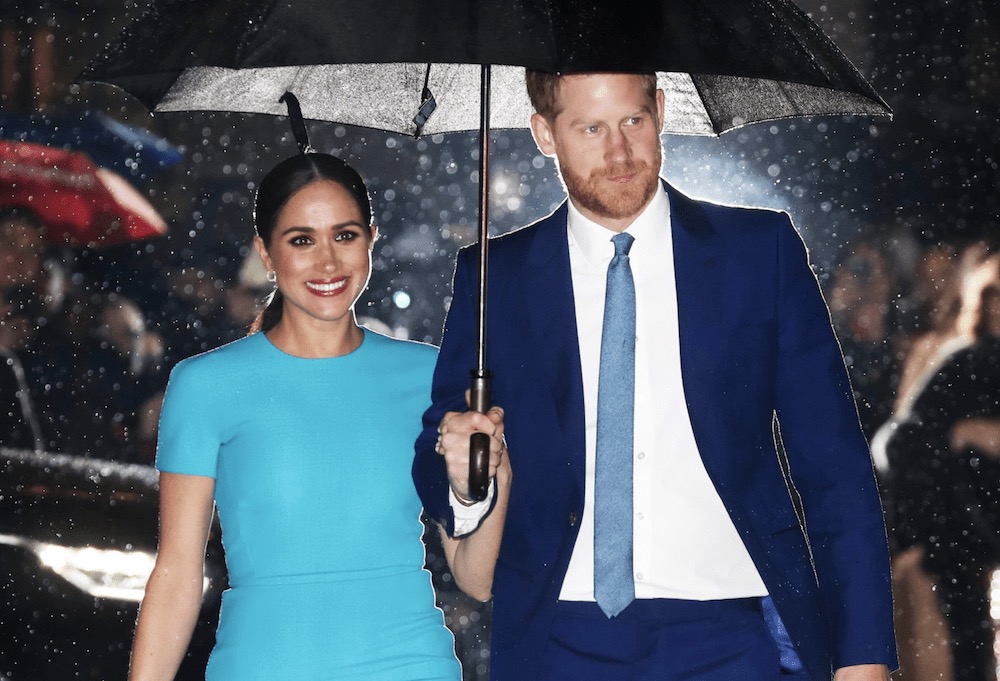
There is so much speculation surrounding Prince Harry’s upcoming visit. Will he meet with his father, or won’t he? That’s the question on everyone’s lips.
First of all, he is King Charles’s son—and whether he is seen as the prodigal son or not, I truly hope a meeting takes place. After all, no amount of titles or headlines can change the simple truth of family.
As a nation, we watched Harry and his brother William Walk behind their mother’s coffin. They were just boys, and the emotional and psychological impact of that moment must have been unimaginable. It shaped both of them forever, and perhaps explains much about the men they have become.
Of course, all families have rifts. Harsh words get said, mistakes are made, and Harry has certainly made some. His marriage added another layer of complexity, and Meghan herself is another story entirely. But to dismiss him outright would be unfair.
Harry was always one of my favourite royals. He brought a youthful sparkle and an authenticity to public life that made him stand out. Whatever the differences, I hope father and son can find their way back to each other.
‘Fag hag’ or beard is a gay slang phrase referring to women who associate generally or exclusively with gay or bisexual men. But you knew that already, didn’t you?
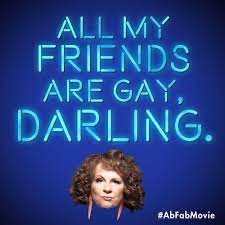
Now, I hate labels of any kind, but when a woman tells me, “I love the gays,” my toes curl. Even my nephew, at thirteen, was smart enough not to fall for that one. “They’re just like everyone else—good and bad,” he shrewdly pointed out. It’s funny in Ab Fab when Edina blurts out, “All my friends are gay.” Oh, the irony.
However, women who proudly label themselves as fag hags often raise serious red flags. I’ve heard it too many times: “Other women just don’t get me, but you and the gay guys do.” This is usually followed by something about liking bad boys in bed. That’s nice for them. Me? I want to be liked for who I am—not for my sexuality or a label.
On my first visit to a gay club—New York’s Limelight—I noticed lots of model-type women dancing. My friend said, “They feel safe here. They can dance and not get hit on.” It wasn’t long before straight men caught onto this and started frequenting the more glamorous gay venues. One night, I was with a group of guys when a stunning girl approached and said, “So sad you’re all gay. I’d f*** the lot of you!”
A little voice piped up, “I’m straight.” It was my pal who, though he leads the way in gay fashion, is 100% straight. Many men have tried their luck with him—the lady and him were in a taxi home minutes later.
Elizabeth Taylor. Wowza.
She loved the company of gay men—from Rock Hudson to Tab Hunter and Montgomery Clift—calling them her confidants. Tallulah Bankhead, when she wasn’t famously trying to sleep with gay men, preferred their company too. Even Mary Queen of Scots liked to quote the pretty men.
As for me—I just like people. It just so happens many of my closest friends are women: glamorous, powerful, and fabulous. But none of them would call themselves fag hags. With them, I’m still the old-fashioned gent: opening doors, walking roadside on the pavement, even pulling out chairs. Though some of these women try to lead while dancing—and pull out my chair instead.
Despite having my picture taken for a dating site, I’m no further along in love. One of my rocks, Liz Branson, is on the phone from her New York office. She splits her time between there, Dubai, and London.
“Have you done it?” she asks. Trying to change the subject, I ask when she’s next in London. There’s a pause.
“You haven’t,” she snaps, irritated. Then she barks: “Jo Allen’s. Tuesday. 9:30.” She doesn’t wait to see if I’m free—and hangs up. Ten minutes later, she texts: “If you are free, can you book it?”
Liz is great fun—always right, obsessively so at times. That’s part of what makes her successful, alluring, and fascinating. She’s also always late, often with some story. The truth? It takes her half an hour to oil her body so it glistens. That’s just part of her prep to go out. Despite her brass balls in business and her ability to crush high-powered men, she still likes to be every inch the high-maintenance woman.
She’s my Grace—as in Will & Grace. But it’s a myth that all women “get” gay men just because they hang out with us. Even women who say, “I’m a gay man trapped in a woman’s body,” can be shockingly naive.
The brilliant Will and Grace
A long-time friend recently remarked, after a theatre visit, that I’d loved the show because it had five scantily dressed young men. As pretty as they were, they left me sexually cold. She must’ve missed the memo—none of my boyfriends have been under 40.
My best gay mate knows that the cast of Peaky Blinders or Colin Farrell gets my pulse racing. Teen boys? They’re like watching Dita Von Teese dance—entertaining, but that’s all. This same friend once asked, “Why would you want to give head rather than take?” Well…
Peaky Blinders Top Men
Liz, for the record, didn’t really know any gay men before me—aside from one man who lived with her as straight and came out later. I think she assumed we all came from the same mould. She even rushed into another relationship with a gay man who promptly took her to gay bars and more.
Personally, I think friendships should be mutual. I’m fine in straight bars, and when I do visit gay bars, it’s usually for dinner or an event. Once, Liz called whispering: “I’m on Clapham Common.” Thinking there was a concert, I asked what was on. “No,” she replied, “I’m cruising with— Have you done this?” I nearly screamed. That was a step too far. That relationship ended when the guy tried to seduce Liz’s then-husband.
It wasn’t the first time I heard of women going cruising with gay men. My former boss was in a Freedom cab once when the driver said he was dropping condoms off at Hampstead Heath. She piped up, “Oh, I’ve been there!” Her gay friends had taken her. This phenomenon passed me by. I don’t cruise—it’s scary. And as broad-minded as I am, why would you take a woman?
Colin Farrell a dream .
Anyway—Liz is late again. She’s texted multiple times, blaming an Uber driver, a lion escaping from Regent’s Park Zoo, and a fire at a local orphanage. But when she finally arrives, she looks spectacular, and the whole restaurant turns to stare. Liz waves, hair glossy, eyes sparkling.
She’s now vegan—though she was already a nightmare in restaurants. After sending an omelette back four times once, I took a photo of the “perfect” omelette and handed it to the waiter the next day. She wasn’t amused—but it was funny.
Back to the evening. Only one waiter and one chef resigned since she placed her order—kidding. I suggest popping to Tesco for the soya sauce she insists on. That goes down like a lead balloon, as usual. She has everyone fussing over her.
There’s the usual gossip: a gorgeous executive she went skinny dipping with in Dubai (amazing in bed—15 years younger—is that too much?). Then, yet again, she brings up Darryl, the best sex of her life, who turned out to be a complete asshole. I’ve heard about him 90 times.
The good thing about Liz—she’s no energy vampire. She wants to know about you. Unfortunately, she’s fixated on my love life. She thinks my best pal and I should be together. “Why aren’t you with someone?” she asks.
People often miss this: gay men can have purely platonic friendships with other gay men. Of course, I love my best mate—but I have no plans to marry him. I joke, “Fine. I’ll propose next week.” Liz screams and wants champagne—until I admit I’m joking. Her face falls (as much as it can, post-Botox).
We laugh, drink, and just when I think we’re winding down, Liz insists we head to Old Compton Street. “Why?” I ask. She loves G-A-Y, apparently. But my gut tells me she’s obsessing about finding me a fella. I suggest Radio Bar instead. Blank look.
There’s no queue at G-A-Y. Inside, Liz grabs a drink and immediately turns into Cilla Black, introducing me to random men. “Who do you like?” she shouts. I feel like a rabbit in the headlights. “I’ll be discreet,” she yells. “I’m all good, thanks,” I say, hugging her.
She dances with drag queens and shouts, “I’m a gay icon!” Naturally, they all agree. She’s no Madonna or Judy, but for one night—she was. It was actually quite sweet.
Flushed with her success, we head to Rupert Street to meet a friend. Her one-woman show goes down well there too. I brief her beforehand not to mention dating him. She thinks he’s too young, so I’m safe.
Then Liz starts chatting to the handsome doorman—who’s straight and married. He calls me over: “Why don’t you take your girlfriend somewhere she can meet a man?” I grin. “She wanted to come here—not me.”
Who says she couldn’t meet a man there? My sister had a holiday romance with a gay club manager in Key West. Another female friend married a bartender from a gay bar.
So, Liz and I are still happily single—but watch this space for more
Ah… the Passive Aggressives. We’ve all met them. They open their mouths and what comes out sounds like a compliment—but it’s actually a veiled put-down. Before you can respond, they’ve already moved on to a new subject. Like silent assassins, they strike, then dare you to recover from the blow.
If you say, “Hey, would you like that said to you?”, they recoil in horror and reply, “Why are you so sensitive, darling? It was a compliment,” shaking their heads like they’re the victim of #PassiveAggression.
From: “I do admire how you keep going when others would have thrown in the towel ages ago—so brave,” to: “You know that outfit suits you—don’t let others put you off, whatever they say.”
Favourite?
My personal favourite came from a friend who’d actually introduced me to my now-best male pal. She told me: “So glad it’s going well with you two… you shouldn’t care what others are saying about you both.”
Let’s not forget the classic: “You can’t tell anyone I told you this, but so-and-so said XYZ about you.” My reply? Always: “Why were they so comfortable telling you?”
Now, much passive aggression comes from strangers, but the deepest cuts usually come from people we love, see regularly—or worse—family members.
Madeleine, a dear friend of mine, simply can’t help herself.
We All Know a Few Wicked Queens
The trouble is, I love her, and I tend to overlook her barbed remarks. Picture this: dinner with a group of friends as she regales the table with a story— “Oh darling, we were sitting up in premium class while Steven was way back in economy, squashed between two people.”
Everyone chuckles and looks at me sympathetically. In reality, she was also in economy. A bit further from me, yes—but the same class. Why make me the fall guy in her tale?
I don’t correct her. Honestly, I’m speechless. And who wants to play #PassiveAggressiveTennis? I know she loves me—really.
Spelling Lessons
Another agent friend, Antonia, has a wicked sense of humour, and her loyalty redeems a lot. I was so looking forward to lunch with her. She’d just returned from New York, promoting her girlfriend’s record, and we planned to pop into a gallery event where one of her friends was exhibiting.
But it didn’t take long for the first blow: “Darling Donna [her girlfriend] and I were just saying—you forget what a great writer you are—pause—as you’re just such an appalling speller.” Then, after another pause: “Does someone help you?” she asked, casually munching a root vegetable like we were discussing the weather.
It’s true—I’m dyslexic. Spelling is not my strong suit. But after over 20 years writing for publications around the world, and two published books, I’ve earned my place. If it weren’t for journalist and presenter Jane Moore encouraging me— “You have the voice. The rest will come—just do it.”
With technology, hard work, and mentors like Jane, I carved out a writing career. These days, people actually rate my work—and that means a lot. So I just smile and explain that yes, I have editors and tech, and the tools are better now.
Before I finish, the topic shifts—to Donna hitting the charts in the U.S.
Still Not Done
Later, at the packed gallery event, Madeleine introduces me to a group of people: “Everyone, this is Steven. He’s a great writer—but can’t spell.”
They look bemused. Madeleine has struck—and vanished—leaving me standing there hoping no one starts a crowdfund for my spelling lessons.
Arlena & Real Life
Life isn’t like the movies when the passive-aggressive gang comes for you. Most of us feel like rabbits in headlights—unlike the deliciously sharp Dames Diana Rigg and Maggie Smith in Evil Under the Sun.
Maggie, as Daphne Castle, greets Diana Rigg’s character Arlena Marshall: “Arlena and I were in the chorus of a show together—not that I could compete. Even in those days, she could always throw her legs in the air higher than any of us—and wider!”
Arlena retorts, “Kenneth, what a surprise. When you told me the island was run by a quaint little landlady, I had no idea it was Daphne Castle.”
There’s a fine line between bitchy and passive-aggressive.
Mother-in-Law Moments
A friend’s mother-in-law, taken backstage after a show, hugged the leading man and gushed about how amazing he was. The leading lady popped in to say hello. She turned to her and said, “I thought you were great… don’t listen to those reviews.”
Silence. The actress smiled, made her excuses, and left. When we later pointed out it was a line from The Feud (Joan Crawford vs. Bette Davis), the poor woman was mortified—she hadn’t meant it to cut. In hindsight? Hysterically funny.
The day before, she’d overheard me chatting to a famous pop star: “Who was that?” she asked. I should’ve said, “Mind your own business,” like my mum would. But I answered. Her reply? “Why would they want to talk to you?”
Gobsmacked. And somehow, older people get away with more. She really is lovely, though.
LGBTQ and the Passive Blow
As a member of the LGBTQ+ community, we often face passive aggression. It’s exhausting.
At a wedding in Guernsey, where the bride was 20 years older than the groom (so you’d think a liberal crowd, right?), a woman rushed up: “Oh, you two must be Mandy’s gay friends from London!”
She beamed like she expected us to burst into I Am What I Am. I tried some small talk. She wasn’t done: “David is gay—from EastEnders!” I replied, “Really? Amazing. I’ll look him up in the book.” Her eyes widened, “There’s a book?” “Yes, we’re all registered. I’ll bring you a copy next time I visit Mandy.”
Okay, that may have been me being passive-aggressive.
From: “I don’t mind the gays. My hairdresser’s one.” to: “I’m all for it—but don’t you mind not being able to have children?” We’ve all heard those.
Let’s not get started on the “bitchy queen” lines: “Don’t mind me, it’s all in jest. I’m just a bitch.” You’re waiting for them to hand you the poisoned apple. “Go on, bite, dear.”
What the Experts Say
Dr Pam
Experts say the best way to handle passive-aggressive people is not to react.
Self-help psychologist Dr Pam Spurr (@DrPamSpurr) says:
“People can be passive-aggressive for many reasons, but usually it’s because they have a manipulative streak.
If they want to put you down, the easiest way is with a backhanded compliment. It wrong-foots you and leaves you wondering what they really meant. That’s emotional manipulation.
She adds:
“Passive aggression often comes from resentment, envy, or jealousy—sometimes without them even realising it.
Some people, however, do know exactly what they’re doing. They enjoy the power of the subtle jab.”
Her advice?
Call it out calmly—especially if you see the person often.
If it’s someone you barely know—ignore it, put it in perspective.
Realise: it’s more about them than it is about you.
According to LearningMind.com, passive aggression also includes chronic lateness (to gain attention), controlling events, undermining others behind their backs, playing the victim, or pretending there’s no issue when there clearly is.
Psychology Today agrees:
Recognise the behaviour.
Stay calm.
Don’t take it personally.
Confront it if needed.
Blackmail and Backlash
These all sound simple on paper. But for people like me—who hate confrontation—even a kind challenge results in tears and emotional blackmail. I’ll do anything to stop someone crying.
Growing up, pointing out when someone was wrong led to a meltdown. Still today, if I gently mention something upsetting, I get: “I can’t say anything right,” soon followed by, “I had a terrible childhood.”
Let’s be honest—in the UK, from the 60s to the 80s (and sometimes now), talking about feelings can feel like a deadly sin.
Teach Them Young
Signe Whitson, LSW, writing for Psychology Today, notes:
“Without directly addressing passive-aggressive behaviour, the pattern will play out again and again. For real change, benign confrontation is necessary.”
She argues being assertive isn’t something to fear.
I agree. Imagine if we taught kids that if someone they love says something hurtful, it’s okay to speak up and share how it made them feel.
As Dr Pam says,
“Sometimes they don’t even realise what they’re doing.”
I couldn’t agree more with the divine Joan Collins—who, as a fellow Gemini, always knows how to speak her mind. Just last month she said, “It is rude to ask a lady her age.” And I say, absolutely right. While we’re at it, let’s extend that rule to men, too. Age should never be the first thing people bring up at the dinner table—or anywhere, really. Yet, for some strange reason, some people still haven’t got the memo.
Even the legendary Ms Collins never misses a moment to bring up age on her own terms, and good on her. The problem is when others decide it’s their business to discuss or dissect your age as if it’s a defining feature of who you are.
Trust me, being asked, “Guess how old I am?” is the social equivalent of stepping on a rake. It’s awkward, unnecessary, and usually driven by vanity or insecurity. Worse still, when someone asks you how old you are in front of a group—what exactly are they hoping to achieve? Shock? Admiration? Or a bit of good old-fashioned one-upmanship?
Pictures by Graham Martin
Personally, I’m incredibly proud of the age I’ve reached. I’m in great company—hello, Tom Cruise and Boy George! To be able to say I’ve lived a full and colourful life, packed with lessons, laughter, a few bruises and many blessings, is something I treasure. But that doesn’t mean I want to be constantly labelled by it.
is 60 the new 40 well George and I hit 64 and still partying
Still, I must admit, the age hang-up isn’t mine—it’s other people’s. I’ve been at parties where someone makes an entrance like a movie star arriving late on the red carpet. You know the type—deliberate delays, dramatic flair, sunglasses indoors, and a whole production just to let everyone marvel at how good they still look. And yes, they do look amazing, but does everything have to revolve around how young or “well-preserved” someone is?
I’ve even been in situations where my own friends—who happen to look much younger than their age—draw the same “oohs” and “aahs.” I once attended a dinner with a long-time friend who, despite being in his twenties, has the soul and intellect of someone in his seventies. We were seated with a man I didn’t know, and from the moment he sat down, the conversation steered toward age. He asked if we still went clubbing, commented on siestas as “old man naps,” and suggested that we must prefer quiet evenings now. I stopped him mid-flow and said, “Darling, I don’t do the age thing or put labels on people.”
That’s when it hit me: his obsession with age wasn’t about us—it was about him. My young friend whispered to me later, “He’s projecting his own fears onto you.” And he was right. So many people are battling their own discomfort with growing older, and instead of embracing it, they try to deflect that discomfort onto others. Sad, really.
But here’s the truth: age isn’t a limit or a barrier unless you make it one. I’ve always envisioned myself living with a bit of swagger—relaxed, charming, and totally unbothered. I’ve seen people in their 70s, 80s, and 90s absolutely raving—living their best lives, dancing under disco lights, refusing to be boxed in by the number on their birth certificate. And I say: why not?
Of course, your priorities change. These days, I enjoy good dinners, meaningful conversations, and yes, a nap if needed. But that doesn’t make me any less fun, adventurous, or alive. I just don’t have the patience for drama or superficiality anymore—and I count that as progress.
Teenager to now .. living life to the full
One thing I wish people would do more is just be. Enjoy where you are, who you’re with, and the life you’re living. Stop measuring your worth—or anyone else’s—by youth, appearance, or how “on trend” you are. Confidence, kindness, and curiosity will outlast collagen and hair dye any day
So yes, age is just a number, and we should all be proud of the years we’ve lived and the experiences they’ve brought us. But really—can we stop bringing it up every five minutes?
Friendships hold deep bonds, sometimes as deep as family bonds
But are friendships always good? Or are they also damaging if you don’t know yourself?
People come and go into our lives on a daily basis. Some we see everyday and others are months and even years apart. There’s a special connection that can make us feel that time never passed. Inside, you know that this person will always be in your life, no matter how much time apart you have. This is the beautiful part of true friendship and companionship.
But what brings people together?
A common ground, family, employment, education, or through coincidental events that lead people to form a relationship. Mutual memories and shared experiences create a narrative that only they know and can share.
When it’s tied to a historical significance, it seals a feeling of forever that can never be downplayed or recreated. A story of friendship and joint paths. That somehow the universe had this written and the belief that one can’t exist without the other. A sense of belonging in a period of time.
If independence, self-love and self-control are seen as essential qualities, then are these relationships set up to eventually fail?
Everyone has their own lives. We can’t always be there through all the highs and lows our friends experience. We all have our own paths. These paths are directed by our life choices and events. They stem from our natural development and a change in priorities.
How do we know when that moment comes?
When the show is over for a bond that once was and people part ways. Some friendships or human relationships last as long as necessary. They allow you to move on to the next stage of your life. It feels like good-bye to the version of you that connected to a version of them. We mutually and subconsciously decide to let go of those versions of us. We do this when the forces of life challenge us to evolve.
Ultimately a relationship with anyone other than family is based on the setting that you meet them in. A work colleague you see more or less every day may leave suddenly. It’s sad, but life continues. New people start working with you and this brings change and new connections. The old work colleague eventually becomes a distant memory. You may meet for catch-ups and go to each other’s birthday parties, wedding, or perhaps meet for dinner and drinks.
The moment you know it’s fading…
Time with them includes reminiscing about shared past memories. It also involves sharing funny anecdotes, reflecting, and updating each other on how everyone is doing. Life has continued and a reminder of the past becomes the only bond that you have with these people. Until the point that social media and the odd messages are all that connects these friends. They lose their glue and the only link that is shared are mutual experiences in the past.
Can work friends, become long-term friends?
People at work we see more or less everyday. We build relationships and maintain friendships during work time. I always say that I spend more time with colleagues than I do with family and friends and even with myself. We are brought together through coincidence. Unless you recommend a friend who starts working with you, everyone there are people you met because you applied for a job with the same company.
I have been extremely lucky enough to meet a colleague at work through a complete coincidence and because of an incident that took place. This person has become a rock and solid foundation in my life. I was there for them through the tragic loss of their mother and reminded them of their strength to get through the heartbreak and absence of their best friend and reason to keep living.
Similarly, they are the reason I am still here. In my lowest of lows, they were there to simply listen to me, vent it all out and we held each other up. When one is deteriorating, the other holds a safety net to catch the other to disintegrate any anxiety or self-doubt. They see similar traits and personality characteristics between me and their mother and I see myself in them. They bring a glowing and shining light into the world and people’s lives but they also carry the shadows of insecurities and self doubt that the world and loss has cursed them with. We are part of each others lives and they are in my heart and always make sure I have whatever I need to be George. Despite this there are times we may not have contact temporarily but we will always reconnect.
From strangers to best friends in a minute…
Some brief encounters feel like you have known the person for years and you share things about yourself that are deep and personal. It’s a shame that most of these will inevitably end. A random meet up, an online date, a shop worker, the person on the train going to work, a customer in the queue, or a person at the bus stop. These people match your mood, energy, and humour but there is nothing else to bring you together. You remain strangers when you part ways until a day that you may see them again.
The overwhelming fear of losing friendships as we grow
I fear sometimes that life will separate me even more from the closest few in my life. The friends I grew up with have evolved on to different paths now. They have children and their lives have completely changed to nurture, care and love their children. I’m always in their thoughts, we speak and meet up on certain occasions but ultimately things could never be the same as before.
I often felt left behind because of my sexuality and lifestyle. During my growth I have realised that I am on my own path that starts with me. I am at a point where I can count my true friends, choose where I go and with whom I want to spend time with bearing no guilt or the need to feel validated or accepted by pleasing others. There have been events that I was not invited to because I have no children. While the people I grew up with can meet regularly to catch up and share memories. I’m not included in this because my lifestyle is different from theirs so I may be over looked, or there is an assumption I may not want to go because there are children there. The truth is I could not think of anything better than seeing my friend’s children grow and seeing my friends in a parental light and the love they share as a family.
But when is it time to make this decision before life does it for us?
Some of us hold onto friendships and relationships because of a history of connections when in reality these people are unsupportive, toxic, and self-centered. Although the initial connection was true and genuine, life has pulled them into a different direction or changed their priorities and they keep you in their lives because of what you supply them with. A support mechanism, a non-judgemental companion that will always be there to vent to, and pick up the pieces every time they continue to make the same mistakes over and over again despite the outcome being the same.
There are genuine times you are there for each other through a loss, support with life issues, or to have a good time. But the outcome will still result in a complete separation either because one will realise they are being used or the other may feel exhausted giving constant advice only to be met with backlash or resentment.
When I was at my worst, I was able to discern between those who were there for me because they actually care about my happiness and those who needed me in their lives because it was convenient for them. By the end of it, the truth always comes out and a painful yet relieving decision has to be made. You start putting yourself first.
What is the role of friendship in our lives?
A friend or companion should make you feel empowered, strong, encouraged, and valued. They will always find time to ask how you are despite the pain they might be going through in their own lives and you do the same for them. They will never intentionally let you down, take you for granted, or use you to vent their anger and blame you for their mistakes in order to validate their own decisions that are wrong or damaging.
Moreover, they will never throw anything back at you that you have confided or shared with them in confidence. And they teach you the value of our choices, they teach you to forgive and move on.
With their support, I have now developed the courage and forward thinking ability to decide who is no longer part of my life journey. I had some amazing and memorable moments with them where we laughed, cried, supported each other and flourished. However, a realisation eventually kicks in, that we’re different people and they’re not healthy or positive to be around for my mental health or well-being. With some people I will never look back and would rather not know them anymore. With others they will always have a place in my heart and I would never rule out reconnecting and sharing good times if life has that in store for us. But it will never be the same as it once was.
George Khoury walking towards a successful life and leaving the past behind
How to co-exist with a sense of self and friendship?
In order to continue to grow, we need to cut loose people that are not ready to move to the next stage of our lives. When you change, this disrupts the use you have for them and you will be held back and reminded of the old you that you are detaching from, and may receive hurtful comments and accusations that prevent you from moving forward. You will be caught in a never ending wheel of toxicity and negativity.
But take a breath and look around you to decide who really inspires you, makes you glow, shine, forego self-doubt, value your self-worth and uniqueness. Put yourself first and remove the barriers stopping you from reaching your goals and life purpose. You will see the benefits this will have in your life before you know it. You’ll realise that this is your life and you have the choice despite memories or connections. You’ve got this. See you on the sweeter side.
Tales of looks and asks “Is love the worst drug of all ?”
Tales of a Single, Middle-Aged Gay Man, Steven Smith looks at the drug we call “love” and asks, is it the worst addiction of all?
Love has been known to bring down empires. Men and women have even died for love. Some commit murder or take their own lives. What happens when we wake up from love and realise it has been a horrible trip?
Or is love the anchor for security, a safety blanket that makes so many feel validated and wanted? Some might say one of the best feelings in the world is love—and what is life without it?
This has been one of those weeks when I find myself asking “Why am I single?” I don’t exactly need to wear a paper bag over my head and, socially, my name is on most friends’ and acquaintances’ party lists.
Sure, I’m in my sixties , an age that can be the kiss of death on the gay scene, but things have progressed since a gay man would have to hang up his ruby slippers after 30.
In fact, the golden years of the bears, daddies and silver foxes are very fashionable; as one friend in his 70s recently told me, “I am getting more honey than I did in my twenties.” For me, sadly, it was hard to relate; my dance card is frighteningly empty when it comes to dating.
Parting with gorgeous Danielle Mason actress and model
Yes, I have tried several apps, from the ones that a friend introduces you to (so you join, only to be besieged by guys from the US military who seem to all live in Leeds and call you “Dear”) to Tinder and Match. Both came up blank, and the likes of Grindr and Gaydar just aren’t for me.
Watching a friend on an app called Scruff was like watching the doors at Selfridges on the first morning of the sale: it was hard to keep up with who was going in and out, so maybe not the recipe for true romance that I’m (maybe naively) looking for.
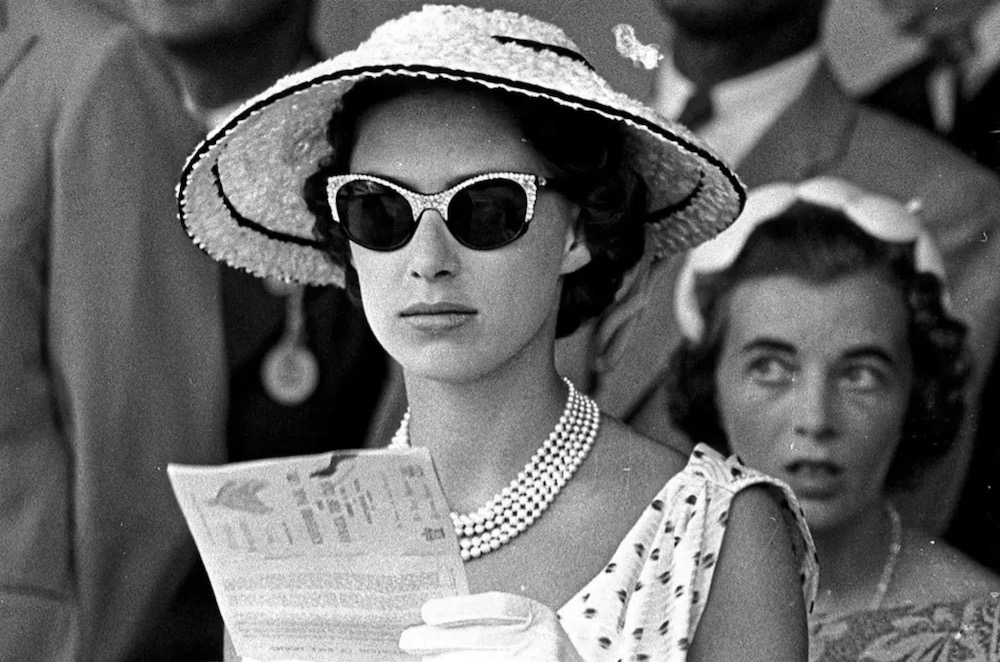
Most of my peers seem to be either married or seriously dating, and to be honest, I was for the first time feeling sorry for myself and a little lonely—much as it might seem to the world that I was Mr Popularity, surrounded by company (as one magazine put it, I had “a social calendar busier than Princess Margaret’s”—she’s dead, but I get the point).
But I’m sure that most singles get the lonely feeling on occasion, no matter what they say.Your correspondence or Princess Margaret – it’s hard to tell the difference. Interrupting my self-indulgent self-pity is the ringing of a phone. It’s my soon-to-be-married friend Angela. She’s around my age and super successful and bright. The woman does a degree as a hobby, as well as playing sport and having so many side gigs it’s hard to keep up. Angela has been married once before and has two amazing grown-up children; she supports their various ventures and is the best mum you can imagine. But Angela falls short when it comes to love. She has not only got rose-tinted spectacles on, when it comes to the man she is about to marry, she is completely blindsided.
There is no resemblance Princess Margaret
Since she met this real-life equivalent of Netflix’s Dirty John, the phone has not stopped going with people asking me to have a word with her. With maturity comes experience, and I have learnt that it is the message that usually gets shot. In fact, one of her friends has already pointed out that she was making a mistake, only to be quickly ostracised, though in a drunken moment Angela asked me if I thought the friend was right. It was clear from the start that John was dominating and controlling.
However, he was fun for a drink and he and I got on well. One by one, he started to alienate Angela’s friends who he felt were a threat—somehow Angela would tell me that it was her idea and she had seen the true light.
Then there was the pressure for her to stop supporting her kids and focus more on his ventures. Not too long after the engagement, he had a sports injury and the market dropped out of his field. He had to give up work altogether and lived off her while exploring his options. Much as he enjoyed a lavish lifestyle – flying first class, dining in the world’s best restaurants, and all that came with having a very successful partner, his clear resentment of her financial success over his was clear.
The man was self-medicating enough to feed Peru, but Angela would excuse it and say, “He only does it on occasion, you know what the banking boys are like.” (He did not work in the City.) It seemed obvious to me that the whole situation was a car crash waiting to happen.
The only thing that might be of help was that he liked me, and I could still gently advise her and be a sounding board. Today’s phone call is a humdinger. John wants her to sell her beautiful city home, move her son out, and buy something in the country nearer his aged parents and his friends.
Angela thinks the country air might do her good, as John says she’s looking tired, and that it could be a nice change. My God, this whole thing is turning into a television show where you’re screaming at the screen, “RUN!” I take a deep breath and tell Angela it’s not a good time to sell. Why not try renting in the country and see how she likes it? But maybe not mention to John that I hinted that . I suggest we have lunch and chat about it tomorrow.
It may have been easier if she’d had a chemical drug dependency and hit rock bottom; then I could get her help or at least stage an intervention, rather than trying to save her from this man.
Anyway, hanging up, it’s a worry, but I’m late for lunch. I’m off to see two bright stars, Simone and Juliet. Simone is single and works in marketing for a record label, and Juliet is a later-life lesbian: “I’m LLL,” as she puts it in her deep Tallulah Bankhead voice. She’s camp, and a fabulous PR manager. In fact, the restaurant we’re dining at belongs to one of her clients.
I knew Juliet’s first husband, and I always wondered what she ever saw in him. But if I thought her taste in men was bad, she’s outdone herself when it comes to her current fiancée, singer Coral Jones. Juliet is obsessed with Coral, and it seems to be all that she can talk about.
Simone and I have started placing bets on how long it will take Juliet to bring up her fiancée. Juliet has turned into a type of woman she would have been truly appalled by a few years ago, the ones whose opinions and views are those of their partner.. Every other word out of her mouth is, “Coral says…” as if God created the Earth and on the seventh day, Coral took over as she probably knew better.
To make matters worse, Juliet is just back from the USA and the prestigious Coachella music festival in Los Angeles, where of course Coral was headlining and received rave reviews, or so Juliet is boasting. This is hard to swallow, as both Simone (who knows everyone in the music world) and I know that Coral was in fact performing at a downtown L.A. venue. Juliet had paid for her to appear to make it look like she was at Coachella, and Coral had nothing to do with the festival, although it was running at the same time.
It’s all smoke and mirrors with that one, as Simone says. Ironically, that’s also the name of Coral’s first E.P., which, according to Juliet, is driving record companies across the globe to enter a frenzied bidding war. However, it took Simone three and a half minutes to discover that Juliet had helped to self-produce and release the record. “Oh, she’s so good that record labels just take advantage of the artist,” to quote Juliet. “So Coral set up her own record label.” Simone almost choked on her espresso martini the night that was said. Of course, Juliet does not disappoint.
We’ve hardly sat down when she declares that Coral is just such a good judge of character—“It’s almost like she’s psychic!” Simone’s eyes go up to heaven and she lifts the menu up over her face. Juliet goes on to say that 98% of the time, Coral can work people out in seconds, but we aren’t to worry as she likes us.
Juliet seems to be oblivious to the fact that no one is that keen on Coral, but we do all tolerate her, because Juliet seems more stable and happier than she has for a long time. Who are we to charge in where angels fear to tread?
As long as a friend is happy, it’s none of our business. The only thing you can do for friends is be there if it goes wrong, to pick them back up and not tell them “I told you so” or “I wanted to say something.” Just listen and be kind. Many relationships, no matter how dysfunctional they may seem to us, work.
B
Even in a friendship that isn’t sexual, it’s possible to have the same feeling. Who can forget their first friend in life—that moment when they leave you to play with someone else, that first feeling of jealousy, and the relief when they come back? Could love be the biggest addiction of them all, making sensible, smart people do things out of character? Especially in the hands of those already living with addiction issues—and I use the word issues, because we all have addictions in us; it’s those that can’t control them who may fall at the first hurdle. Or on the upside, I have seen two beautiful people who are my long-term friends, who have both battled with addiction, find love together and become each other’s anchors, and they’ve been sober and happy for ten years now.
I can’t tell you how many people rang me to say, “Give that a month” when they first met, and yet they are still happy.
When I chat to my great pal, self-help and relationship expert Dr Pam Spurr of drpam.co.uk and @drpamspurr, she tells me: “It’s said that love is a drug, and for some people it is. Falling in love stimulates feel-good brain chemicals like serotonin and endorphins that can be addictive for someone with an addictive nature.
The addict craves that exciting ‘hit’, but once the excitement in the initial phase of a new relationship wears off, they may well look elsewhere for that excitement again. “Where someone with a non-addictive nature adjusts to the next phase in a relationship—after the exciting, sexual chemistry phase—someone with addictive tendencies might feel disappointed and even bored. They may not have the emotional capability to develop a more mature way of relating. “One sure sign that someone who’s had problems with addiction in the past is developing an emotionally healthy way of living is that they accept that relationships change with time.
They accept that they move from the exciting first phase into a calmer, yet hopefully more substantive, second phase and further phases. “Anyone living with addiction needs to enter any new relationship with caution.
The rule of thumb is that an addict should not enter a new relationship within a year of going sober, going clean, or, for example, giving up gambling. Research tends to show that a year of sobriety or being clean of any addiction, is a ‘good enough’ amount of time to be clear-headed when wanting to begin a new relationship. “With existing relationships, they and their partner and/or loved ones need to identify any dysfunctional patterns in the relationship. For instance, if when the addict feels unhappy, angry or stressed with their partner they learn to express their feelings and their needs calmly and without drama.
Because learning to express how they feel and discovering solutions to any problems within the relationship means they are less likely to self-medicate in the way they have previously.”Your correspondent with Dr Pam Spurr Such great advice, but in my experience, so many very intelligent, worldly people would rather jump under a bus than talk about emotions with their loved ones including counsellors and therapists I’ve known who in real life can’t do it. It’s a little like “Those who can do, those who can’t teach.”
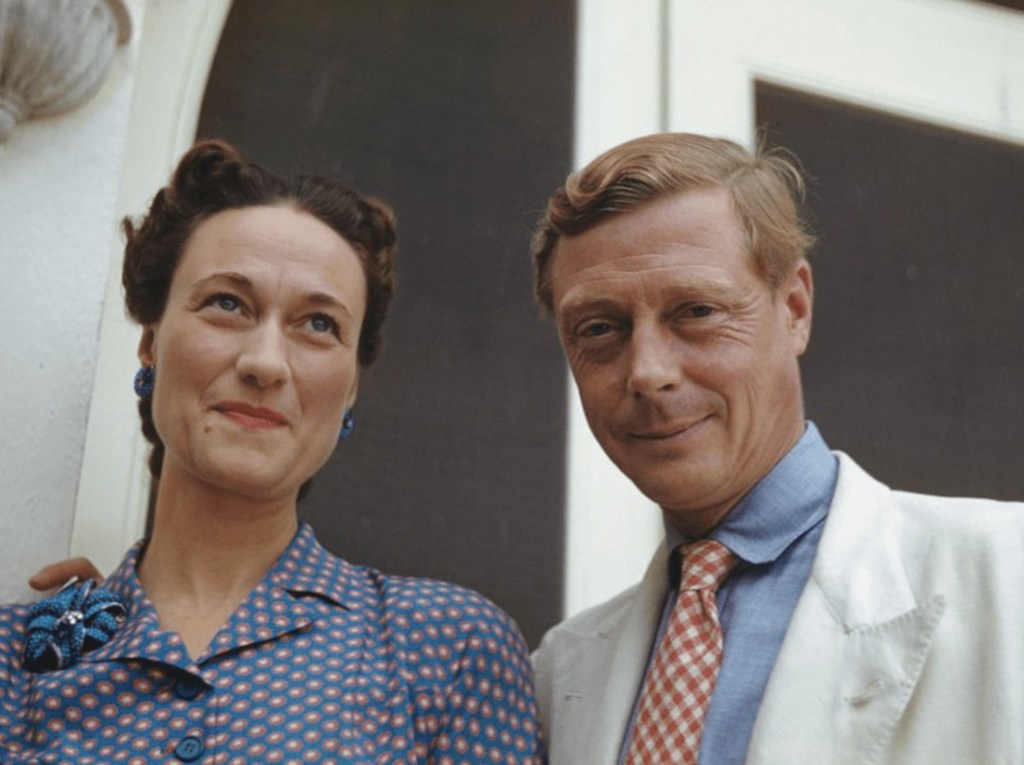
Walis Simpson and the Duke of Windsor.
The next day I’m watching GMB and they’re attacking the couple of the moment, the royals Harry and Meghan. In between the name calling and all that’s going on, something hits me. Is Harry living with addiction? Apart from the fact I think he’s cute, you can’t help but really like him; he’s the fun royal. One evening I was in the night club Bujios in London’s exclusive South Kensington.
It was getting late, and there seemed to be some commotion, even excitement. “It’s a royal,” said the footballer next to me (who I won’t name). I asked which one, and he said, “The ginger one, Harry.” The woman next to me whispered, “I hear he likes to party.” It was a similar story when I was in Abu Dhabi. My good friend who runs a track there told me the exact same—“Lovely fella, Harry.
He likes to party.”—and gave me a wink. Judging by the photos coming from Las Vegas, Harry is the party wherever he goes. Yes, your average lad likes to party, and God knows I do. I just forget I’m not a lad anymore and refuse to be put in a box.
Having interviewed so many people who have battled addiction, especially gay men, they all seem to have some trauma during their early years through abuse, loss, or abandonment.
Surely Harry, who lost his mother Diana at such an early age, must have had a huge amount of trauma surrounding it, but was still expected to keep that stiff British upper lip for all to see. As we watched the young Princes Harry and William walk behind their mother’s coffin, a nation’s heart broke. It’s certainly a vision that will haunt me for life.
Mental health issues and addiction have been rife amongst the royals, from Henry VIII’s problems with commitment to Edward VII being known as a sex-crazed party animal, to the divine Princess Margaret, who never seemed to have a cigarette out of her mouth, and whose erratic behaviour could certainly be put down to addiction.
And how did Diana’s battle with mental health and eating disorders affect her boys? You can of course understand how Harry might crave normality, and when he met his fairytale princess it all looked like a dream come true. It was a chance to escape.
Is it possible that when he met Meghan, who comes from a dysfunctional family background too, and who clearly craves fame, that unhealthy pastime fraught with addiction, they became each other’s anchors—each other’s lovers and healers? If Harry ever wakes from love, will he be okay with the choices they’ve made?
Those shouting at the couple clearly haven’t seen what love can do when it becomes the person’s drug of choice. The Duke and Duchess of Windsor, aka Edward and Mrs Simpson. Harry’s great great uncle Edward VIII gave up the throne for love of the American divorcée Wallis Simpson, a woman rumoured to be gifted in the sexual department. No matter what is said, you have to draw similarities between Harry and Edward.
Yes, they are free to live their lives the way they want to—just because Harry was born into a family and a title does not mean he has to stay there. in this day and age you can choose to walk away—but the issue I see is that they walked away saying they wanted privacy, yet Meghan has never stopped the publicity machine since moving, first to Canada and then Santa Barbara. I personally don’t believe that, with a Netflix deal and many more vehicles in the pipeline, a nice private life away from public scrutiny was what Meghan ever wanted.
She certainly is having her cake and eating it too. My general feeling is that most in the acting profession are like Tinkerbell: they die if they’re not getting enough attention. My fear, if Harry ever falls out of love, would be for his already fragile mental health.
Let’s hope it’s love forever for them and that they have their fairytale ending, but remember, not all love stories are Mills and Boon, and fairy tales have dark, evil queens and fire-breathing dragons in them too, not just princesses and princes ending up in Utopia. If you lose a shoe at midnight, you’re drunk.
P.S. Angela escaped Dirty John and lives happily in Singapore. Paulo is well and runs a garden centre. . Juliet is still happy with Coral and telling us Coral is going to be the next Carol King.






















 2Shades Magazine