Picture credit: Isabella on Pinterest (@iisabellalima)
This eerie planet changed my life. But what does Saturn have to do with anything?
Is it true what they say about Saturn’s Return and the transformation it brings?
If you know anything about astrology or retrogrades, you may be familiar with where I’m taking this. But for now let’s address the elephant in our solar system, the enigmatic Saturn.
Saturn is THE planet that shapes us into who we truly are and plays a role in our conscience for character development. These lessons come in mysterious forms and it’s upto us to catch it and break a pattern for the greater good.
However, if you don’t care for astrology, open your mind to the possibility that this work of fiction makes me a better human everyday.
I asked Saturn with its countless moons and icy rings, why must you pierce through my emotions so profusely? There’s only so much I’m allowed to feel in this civilised world or they will think I’m mental. For thinking too much and living too less.
Saturn whispered to me, “And who are they? Who are these people who made you think before you could act? Who’s stopping you from living?”
I choked at first, I felt uneasy that a voice in me cared to question me rather than defeat me. I said to him that it was the opinions given to me over the years by family, friends and lovers. My family struggles to take my personality out of the crib and I sought refuge from the devastating state of my family in my friendships and relationships.
Saturn corrected me and said, “As a child you take. As a child you respect those who take care of you and learn how to behave. Tell me, are you a child now? Will you continue to give your inner child the stage, or will you take the stage as an adult and create your own audience?”
I shuddered as the lifestyle I’ve lived so far seemed to be crashing at my feet. The inner child is my imagination. Am I holding on to the miseries of my past to justify the lack of effort in the present moment?
I ask Saturn if the voices that linger in my mind are there to deceive me. Could they possibly be voices of others that are used on themselves as false wisdom?
Saturn smiled and said, “Who knows? Is it something you wish to know? Or forgo?”
Moments in my life where I understand what Saturn means when it says, let go. We live in a miracle
I was lost, am I just confusing myself? What is the point of knowing and how will I ever know? It’s all a silly guessing game and time spent worrying about minds that I can never read.
I’ve met some brave people along the way who embody the sayings, “Don’t worry be happy” or “Live your life to the fullest”. I feel grateful for these encounters because they show me that the path I’ve readjusted to seems to be working. And that my conversations with Saturn are real.
It makes me wonder how they seem to do everything so effortlessly. How are they so live-laugh-love? I ask Saturn, what’s their secret?
Saturn answers plainly, “Today you could live your life to the fullest, tomorrow could be the worst day of your life. Be grateful for the day a light from the outside has been shown to you. On days when darkness takes over your speech, a simple memory of that light will bring back your words.”
I was in awe of the wisdom this mystical planet was inducing in me. It never felt like a voice that was trying to break me down to feel worthless, it was breaking down the unnecessary clutter in my mind to acknowledge my worth.
As a person who loves decoding thoughts and emotions, judgement comes knocking on my door as a regular guest. But the kind of judgement I fear most is the one I have towards myself.
I worry that self-judgement is a silent epidemic which harbours resentment within oneself and blinds the vision enough to look at another as an object of gratification. Gratification of the seven deadly sins as they say.
With a curious mind I asked Saturn, is it even possible to overcome judgement of all kinds? Or must we learn to live with it and not allow it to yield its weapons?
Saturn agreed for the first time and added, “Judgement towards another is judgement towards oneself. Why step on someone’s toes when you fully intend to kick them on the chest? Either way, a spirit has been harmed, theirs and yours. And in the spirit of humanity, you have lost your way again. You find yourself ten steps behind but remember, forgiveness never keeps count and always moves forward.”
The funny thing about wisdom or guidance through any source is how one perceives it and implements it in their own lives. The intention which I write this article will never be reflected the way I wish for it to; but it will resonate with some, one or maybe none.
But perhaps that’s the journey of self-discovery. And Saturn, with its nonchalant advice, comes to teach you that and more if you care to listen carefully.
Here’s a lovely song by international pop-star, SZA who talks about her journey with Saturn.
If there is one thing that gets my back up, it’s when a gay man tells me, “I only sleep with straight men.” It’s such an oxymoron. It screams of homophobia. That being said, some of the most homophobic people I have met have, in some cases, been other gay men.
I have written a whole feature on the topic. The fantasy itself is great on paper—why not? Everyone has fantasies, and most sexual fantasies are harmless. In a safe relationship, when discussed, they can even add some sizzle to your love. life. https://2shadesmagazine.com/2024/06/18/trolls-trauma-straight-men/
Andy Warhol once said, “People’s fantasies are what give them problems. If you didn’t have fantasies, you wouldn’t have problems because you’d just take whatever was there.”
My big go-to has to be actor Colin Farrell. Even though he is straight, he regularly pops into my mind. Knowing someone identifies as straight means I personally would not try to date them, preferring instead for someone to reach out to me. We have some very sexy out actors such as Jonathan Bailey and Andrew Scott. Not so long ago, being an out actor was the kiss of death for a career, but Bailey and Scott have shattered that notion and become box office dynamite. Having met Scott at the gym, I can also say he is lovely.
Colin Farrell
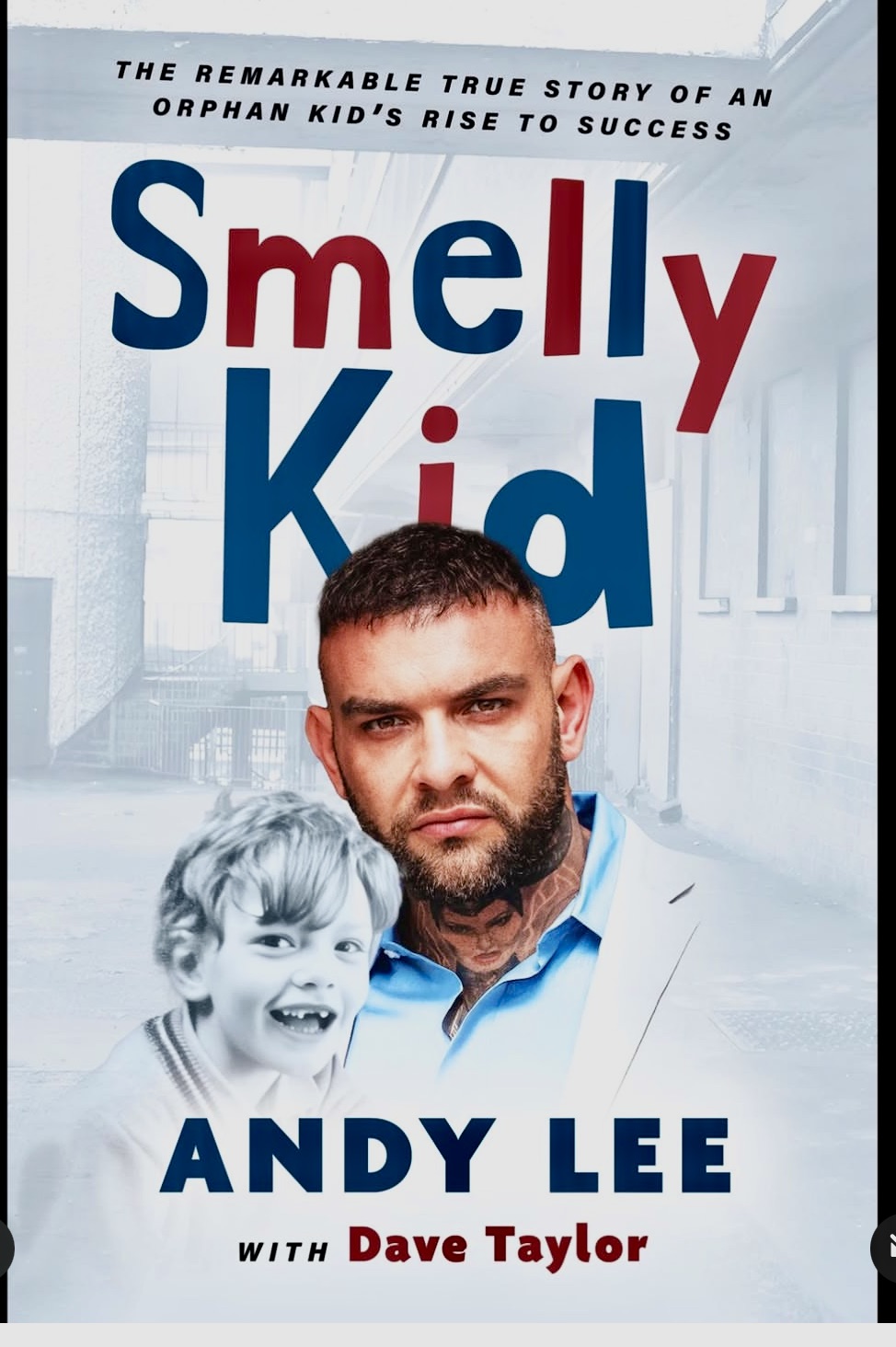
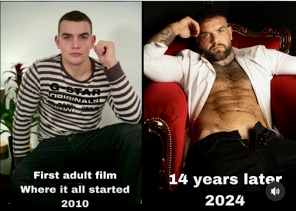
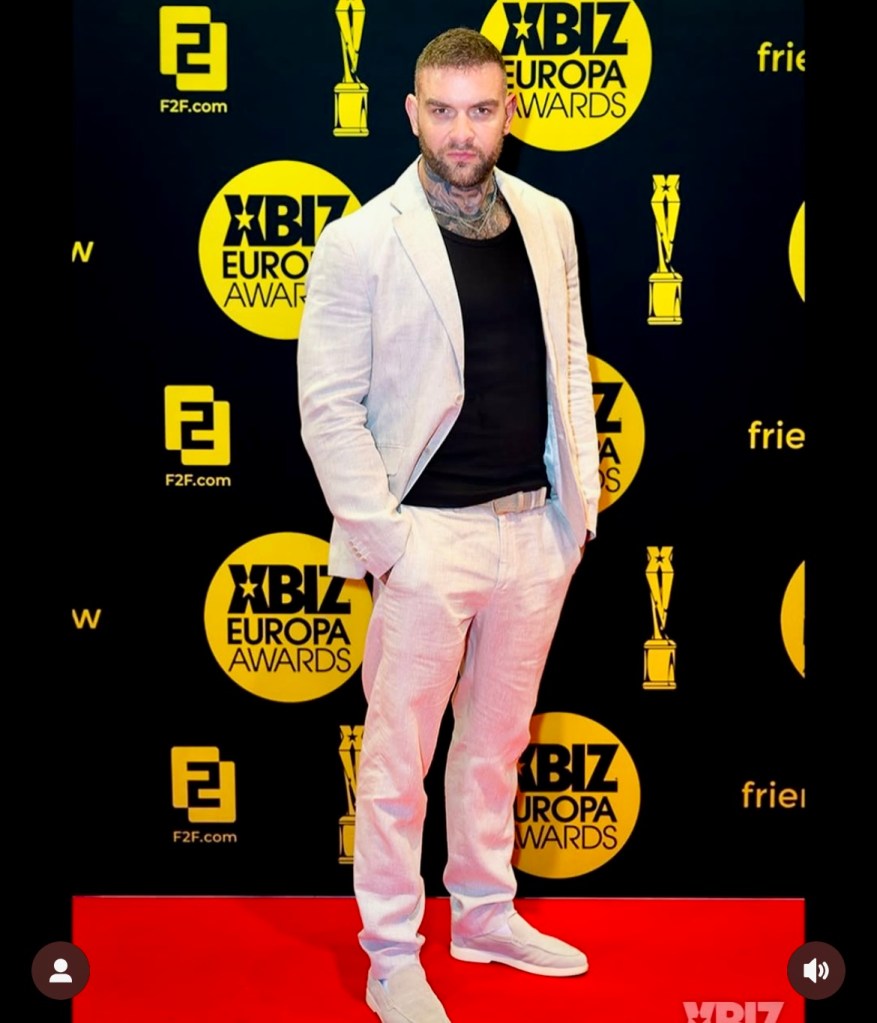
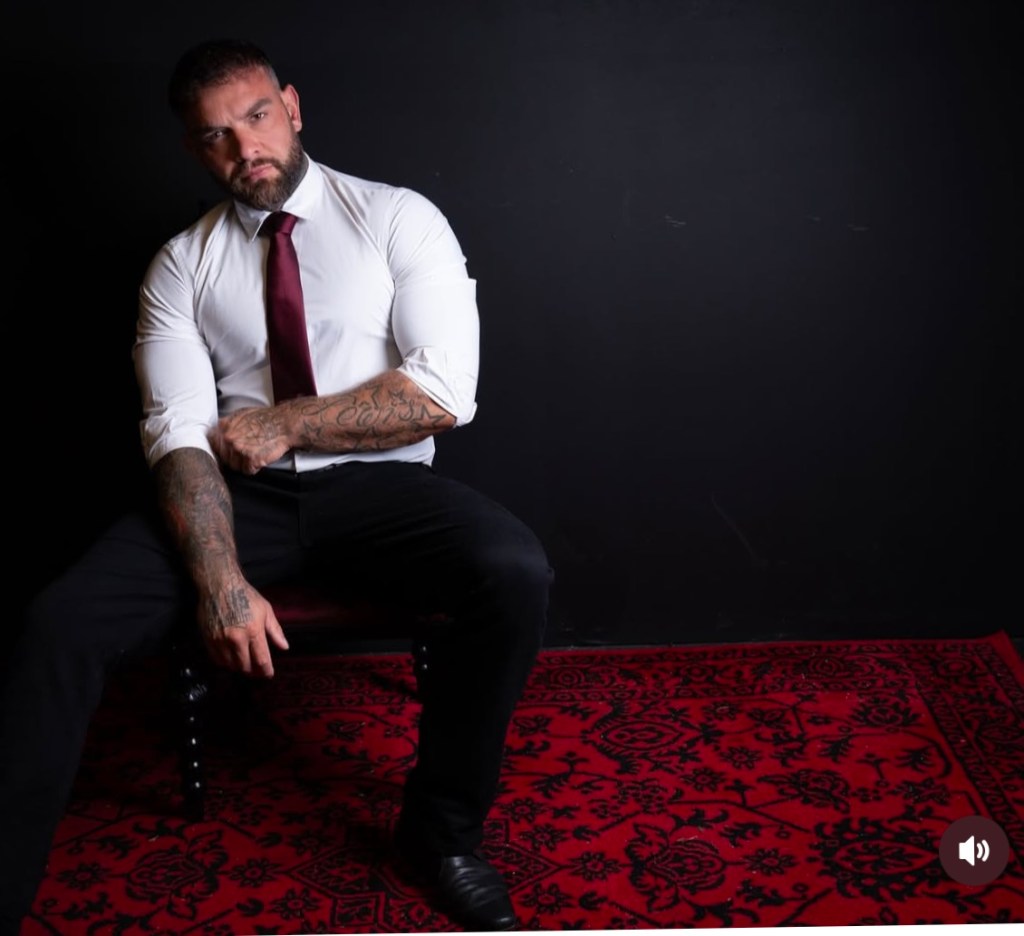
With supply and demand, adult actor and entrepreneur Andy Lee has found a niche in the market, creating adult content that is arguably aimed at the gay market. He and most of his team of working men would identify as heterosexual. Andy is making a mint with his OnlyFans page, and without a doubt, with his cheeky grin and self-confidence, he is becoming the most recognizable face in UK adult porn.
He is not without his critics—the hate mail comes fast, along with accusations that he is taking advantage of gay men. Personally, I have nothing but admiration for Andy and hope his haters watch him travel the world in style and drive fancy cars. The clever part is that he is simply supplying what people want—he’s not holding a gun to anyone’s head.
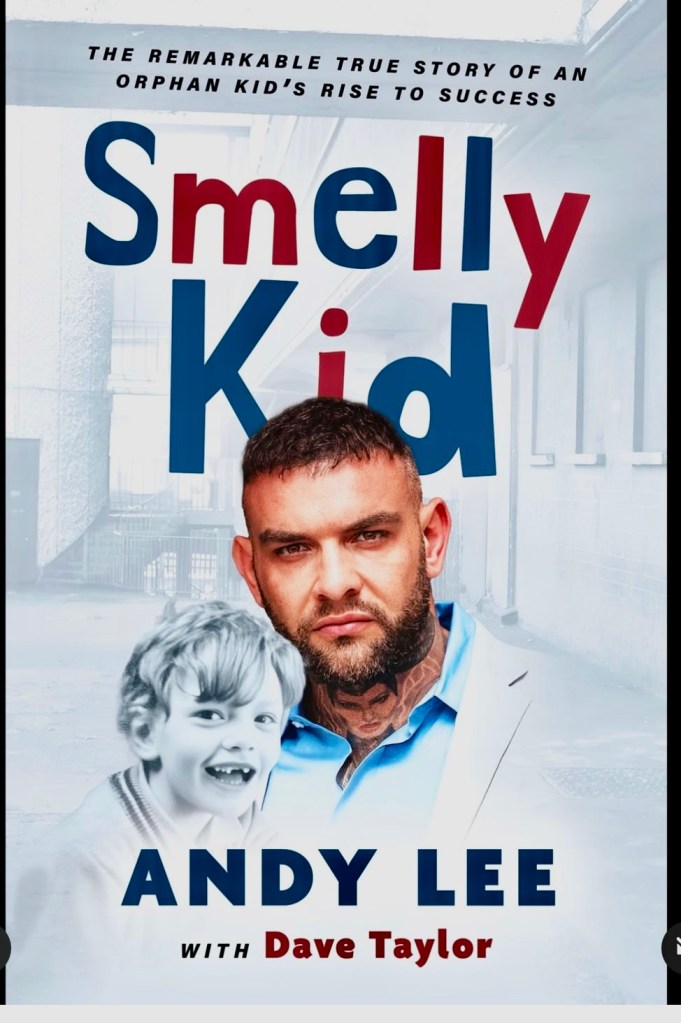
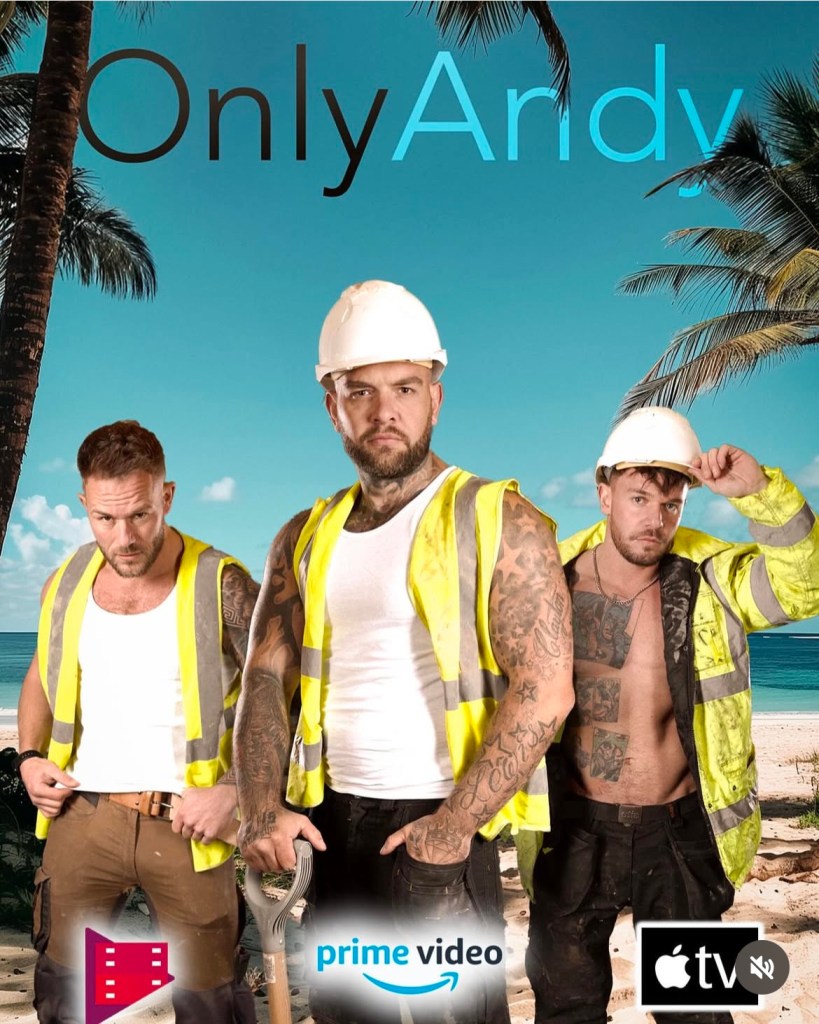
This is a man who came from nothing, losing his mother at age 12, but climbed his way to the top. His new book, Smelly Kid, is well worth a read. His film, Only Andy, available on Amazon, was a hit. Don’t be afraid to watch it—it’s an interesting and well-crafted look at OnlyFans and a man you will likely end up liking. My prediction? Lee will take a few acting lessons and eventually transition into mainstream films.
Steven Smith meets Andy for six of the best.
1. How tough was it growing up in a terraced home in Dublin? Do you think it gave you the strength to succeed?
My childhood wasn’t easy. My father abandoned me, leaving me to be brought up by my single mother, who tragically died when I was just 12 years old, leaving me orphaned. By 15, I was living rough on the streets, just struggling to survive. What that taught me was that everything you have can be taken away from you, just like that! You asked if it gave me the strength to succeed? Damn right, it did. Having spent most of my childhood without enough to eat, I am determined never to be in that place again.
2. You’re a skilled plumber—when did you decide to transition into the adult movie business?
Well, the reality is I did adult movie work before I was a plumber. However, it was just a casual affair—doing random shoots for different porn websites whenever I needed some extra cash. I didn’t decide to transition from plumbing to porn. My homophobic boss found out about my old work on gay websites and fired me. This was just at the beginning of lockdown. With no other obvious means to earn a living, I started OnlyFans. It wasn’t something I planned to do, but boy, am I glad I did!
3. Many struggle to make it in the industry, but you’ve turned it into a major success, inspiring others to follow. What advice would you give to those thinking about swapping their tools for the adult film industry?
The main advice I’d give anyone considering a career in adult movies is to seriously consider whether they could cope if their content got leaked—meaning all of their family and every potential employer could see it. People really need to realize that once something is put online, it’s nearly impossible to take it back.
4. The adult movie business is notorious for its impact on mental health. How do you protect your well-being and plan for the future?
Amazingly, my mental health is better now that I’m a full-time adult content creator than it’s ever been in any of my previous employment. The secret is to fully own what you do—don’t be ashamed of it. That way, it’s impossible for others to shame you. Also, I treat this like a proper business. That means I can go to work, give it my all, and then go home and switch off. I separate my work life from my regular life.
5. You’ve traveled extensively—what’s your favorite place?
I absolutely loved Japan. Everything was so efficient, and the food was amazing. I think I had my best-ever meal in Japan: a katsu curry, cooked to crispy perfection.
6. When you look at someone, what do you find sexiest?
Easy. I love a well-rounded rear!
Quick Fire Round
What advice would you give your 16-year-old self?
Hang on in there, kid—you will get through this, and it will be okay. Don’t listen to those who tell you you are nothing because you are amazing!
Favorite food?
Hot & spicy curry!
The most romantic place for a date?
Confession, I’m not hugely romantic. My perfect date would be a movie followed by a cheeky Nando’s.
FROM THE GRIM REALITIES OF A POVERTY-STRICKEN CHILDHOOD in Dublin’s inner city to an unexpected rise to fame, Smelly Kid is the raw and gripping memoir of Andy Lee. Abandoned by his father, orphaned by twelve, and left to navigate a world that seemed determined to cast him aside, Andy’s early years were a relentless struggle for survival. Homeless and hungry, he battled against the odds, finding solace in the rare kindness of strangers and the rebellious spirit that refused to let him sink.
But Andy’s story is not just one of hardship – it’s a tale of resilience, transformation, and unexpected success. With humour and unflinching honesty, he takes readers on a journey from the streets of Dublin to the bright lights of the adult entertainment industry, proving that no matter where you come from, you can carve out your own destiny.
GRITTY, HEARTBREAKING, AND ULTIMATELY INSPIRING, SMELLY KID IS A STORY YOU WON’T FORGET.
Michael’s Info 54C Kenway RdLondon SW5 0RA 020 7370 6983
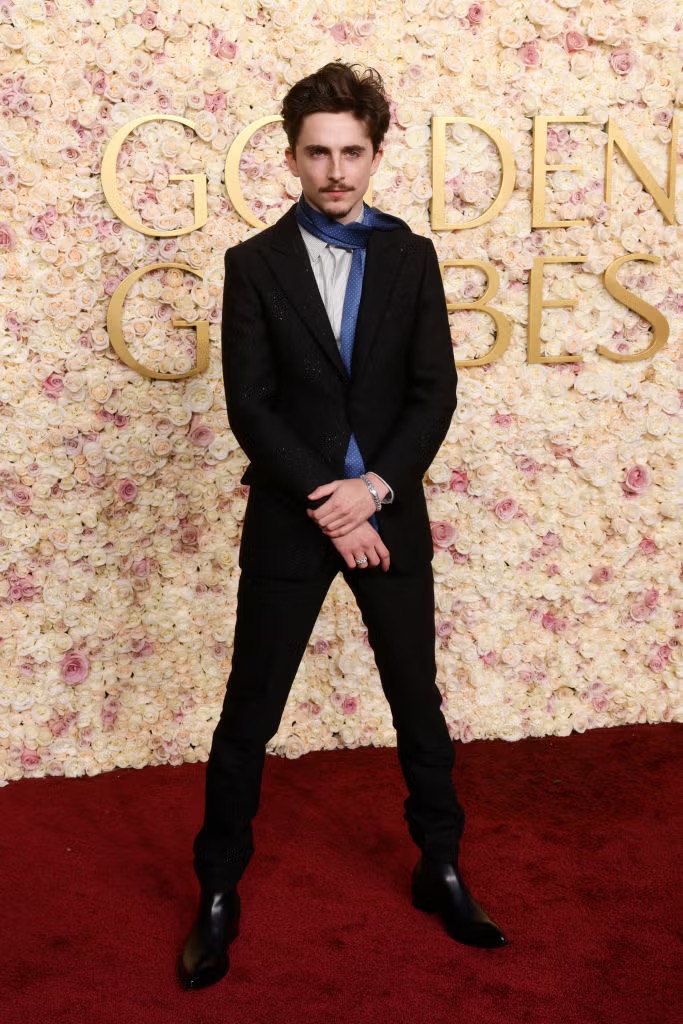
At the 2025 Golden Globes in Los Angeles, male celebrities showcased a variety of standout hairstyles that combined classic elegance with contemporary flair. We asked Leading London’s men hair stylist Michael Edde what are the top five men’s hairstyles from the event: By Steven Smith.
Sleek Side Part: Many attendees opted for the timeless side part, exuding sophistication and complementing their formal attire. This polished look remains a red carpet favourite for its versatility and elegance. Our own 007 Danielle Craig sleek look took the crown
.
Classic Pompadour: The pompadour made a notable return, with several actors sporting voluminous, swept-back hair. This retro-inspired style added a touch of vintage charm to the evening’s fashion. Timothée Chalamet rocked the look brining style and class to the red carpet ,
Buzz Cut: A few celebrities chose the minimalist buzz cut, highlighting facial features and offering a clean, bold statement. This low-maintenance style stood out amidst more elaborate coiffures.Jake Gyllenhaal really suits the look that is so popular and brings out his features/
Curly Afro: Embracing natural curls, some attendees showcased well-defined afros, celebrating texture and individuality. This style added diversity and a fresh dynamic to the red carpet looks. Tyler James Williams brings the ultimate style to the red carpet
These diverse hairstyles at the 2025 Golden Globes highlighted personal expression and current trends, setting the tone for men’s grooming in the upcoming year says Michael Edde one of Londons leading barbers .
Michael’s Info 54C Kenway RdLondon SW5 0RA 020 7370 6983
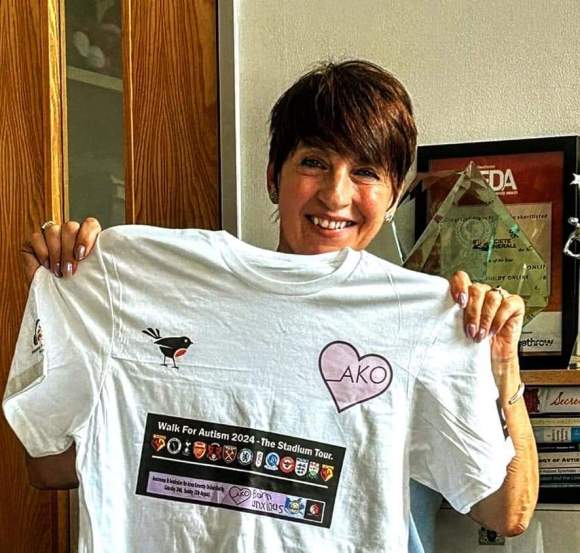
Happy New Year! Let’s hope 2025 is a great year for us all. I’m busy with my team, as always. Among the many things we have lined up is The Autism Hero Awards, being held at the Holiday Inn, Regent’s Park, London on the 15th of March. You can find information on how to get tickets and sponsorship details at the bottom of this column.
As always, we also have the amazing Autism’s Got Talent later this year—audition tapes are welcome now!
In other news, our autism ambassador, Kieron Lee, is launching a neurodiverse musical education platform as his final major project for his BA (Hons) degree in Popular Music.
We’re also thrilled to announce that our patron, Steven Smith, along with the incredible Annemarie Bickerton, will be hosting the first-ever Autism Art Show, featuring artists on the autism spectrum and supporters of the charity. Money raised will go directly to the charity. This event will be held at the sensational gallery, The Fire Pit (https://www.firepit.art), from May 22 to May 25, 2025.
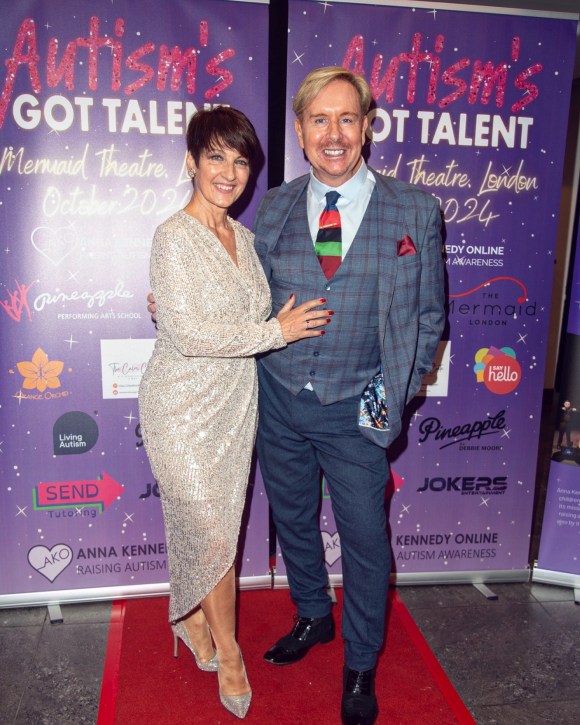
Dr Anna Kennedy OBE with one of her patrons Steven Smith ,
Please keep your questions coming into 2Shades magazine. I’ve been thrilled to join such a diverse and exciting publication!
Dear Anna, Trust you’re well. My family loves your column. We were wondering: What do you think are the most common myths about people living with autism?
Dawn, Essex.
Thank you, Dawn, for your kind comments. Sadly, there are still a lot of autism myths out there.
Here is five common ones
5 Myths and Facts About Autism
Myth 1: Autism is caused by vaccines.
Fact: There is no scientific evidence linking vaccines to autism. Numerous studies have thoroughly debunked this myth. Autism is believed to be influenced by a combination of genetic and environmental factors, but vaccines are not one of them.
Myth 2: People with autism lack empathy.
Fact: Many individuals with autism experience empathy deeply, but they may express it differently. Some may have difficulty recognizing social cues, but this does not mean they lack feelings or care for others.
Myth 3: Autism only affects children.
Fact: Autism is a lifelong condition. While symptoms might present differently as people age, autistic adults continue to experience challenges and strengths associated with autism throughout their lives.
Myth 4: Everyone with autism has the same abilities and challenges.
Fact: Autism is a spectrum, meaning it affects individuals differently. Some may have significant support needs, while others may live independently and excel in various fields. No two autistic people are alike.
Myth 5: Autism can be cured.
Fact: Autism is not a disease and does not need to be “cured.” The focus is on acceptance, support, and enabling autistic individuals to thrive by embracing their unique perspectives and abilities.
Would you like to dive deeper into any of these points?
Dear Anna, My daughter is being labelled disruptive at school. She’s been diagnosed with autism and severe learning difficulties. Despite discussing this with the headteacher, she’s suggested that Mary, my daughter, not return this term and instead find a school more suited to her needs. Anna, I feel lost—what can I do, or who can I turn to for help?
Diana, Essex
Dear Diana, I feel your frustration.
Please do contact our charity website using our contact form at http://www.annakennedyonline.com. We can discuss the possible way forward. In the meantime, do some research on schools that may meet your daughter’s needs within an hour’s drive of where you live.
You will then be in a more informed position on what is available in your area. You could visit a few schools to get a feel for the services and resources they offer.
Dear Anna, How does someone become part of Autism’s Got Talent? My son is super talented at playing guitar. He’s a little shy and unsure about auditioning. He’s also worried about encountering a harsh judge.
David, Edinburgh
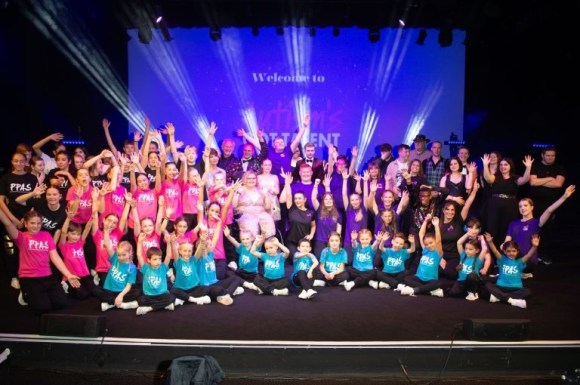
Hello David, Autism’s Got Talent is now in its 14th year and one of the highlights of our charity year.
This is a showcase of talented individuals performing at The Mermaid Theatre, London. Autism’s Got Talent is not a competition.
Please do watch our highlight videos on our charity YouTube channel.
You could also come along to the show in October to experience the magic. Share the experience with the audience made up of parents, friends of the performers, and members of the public who are regular supporters. Feel the magic and be inspired. Then send a tape in of your son performing . love Anna
Autism’s Got Talent.
Dear Anna, My son is 19 and wants to start dating. He’s a lovely young man but has a stammer and lives with autism. I’m worried about how he’ll handle rejection. Is there a webpage or group where he can meet like-minded people?
Brenda, Norwich
Hello Brenda, There are many dating sites now for autistic individuals.
A popular Netflix docuseries, Love on the Spectrum, showcases autistic individuals navigating the world of dating. One of our charity’s overseas ambassadors is featured in series one and two.
In this romantic docuseries, people on the autism spectrum look for love and navigate the world of dating and relationships. https://www.netflix.com/gb/title/81338328
Good luck!
Dear Anna, I love your dancing! I’m 17 and want to learn to dance seriously. Living with autism has always made it feel challenging, but I’d like to get more involved. How did you learn?
Love, Melanie, Brighton
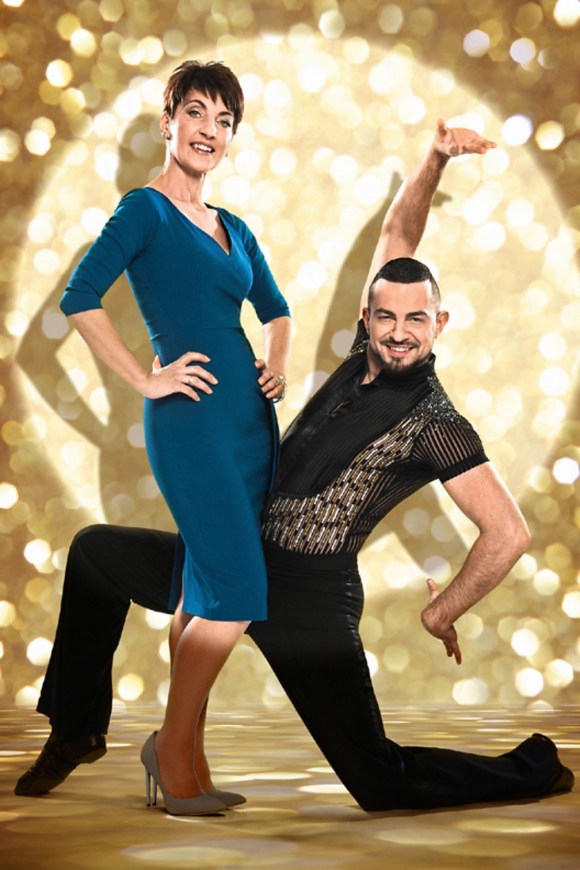
Hello Melanie, Dance is a great way to stay fit and boost your mood and well-being. I started tap dancing at age 6 and fell in love with dance then. It definitely keeps you feeling young.
Join a local dance class and discover which dance style suits you best. There are also many dance classes online if this makes you feel more comfortable at first, then gradually progress to a dance studio.
Good luck and enjoy!
Anna Kennedy with her former Dance Partner Robin Windsor
Steven’s Viewz and Tales of a Middle-Aged Single Gay Man have found a new home at 2Shades and will continue, alongside our fantastic columnists Dr. Anna Kennedy OBE and counsellor Heidi Gammon.
Here we go with the first Steven’s Viewz of 2025:
The tragic death of Liam Payne .
Stop Looking for Fall Guys in the Tragic Death of Liam Payne The death of someone like Liam Payne is a heartbreaking loss that demands empathy, understanding, and respect for the complexity of life. Rather than searching for a fall guy, it is far more meaningful to reflect on the broader, more nuanced issues that contribute to such a tragedy.
Addiction is an illness that often stems from trauma and other mental health issues. It is particularly prevalent in the entertainment industry and has led to many untimely deaths of stars. The tragic passing of any public figure due to addiction inevitably triggers widespread grief, speculation, and often, finger-pointing. Liam Payne’s death is no exception. While the public mourns, a darker trend emerges—the search for a “fall guy.” A fall guy is typically someone or something blamed for a tragedy, serving as a scapegoat to deflect responsibility from the true complexities of the situation. In Payne’s case, this search for accountability is not only premature but deeply misguided.
Having witnessed it firsthand at some showbiz events, I can attest to the anticipation surrounding the arrival of “Charlie”—code for cocaine. Naturally, it is too risky for the stars themselves to collect the drugs. Instead, minions, restaurant owners, waiters, and assistants are either prepared with supplies or dispatched to fetch them. There was even a well-known hairdresser (who has sadly passed) whose clients eagerly awaited him in Chelsea salons, knowing his dealer would arrive while he styled their hair. When something goes wrong and a star dies, the hunt for the fall guy begins. But ruining other lives won’t solve anything. Yes, involvement with drugs is dangerous, but is the waiter or friend who picks up the drugs truly to blame? Why not the dealer? Should we chase the manufacturer, the source of trauma that led to addiction, or perhaps the manager, agent, or pushy parent? None of this will bring anyone back.
It is essential to remember that the passing of someone like Liam Payne is, above all, a human tragedy. Behind the headlines are family, friends, and millions of fans who loved and admired him. The emotional weight of such an event should not be overshadowed by a rush to assign blame. While the desire for answers is natural, it is equally important to recognize the multifaceted nature of any person’s life and death. No simple explanation can neatly tie together the circumstances leading to such a loss, and the pursuit of a scapegoat often causes more harm than good.
Public figures like Payne live their lives under intense scrutiny. Every aspect of their existence—personal struggles, relationships, professional choices—is dissected by the media and the public. This exposure creates a paradox: it elevates celebrities to mythic status while simultaneously holding them accountable for every misstep. The relentless search for fall guys attempts to rationalize senseless events, but this mindset overlooks a critical point—blaming others won’t heal the pain or bring back the person we’ve lost.
Another issue is society’s tendency to compartmentalize celebrity lives. The public often forgets that stars like Liam Payne are human beings facing their own battles. Fame brings pressure, and the mental health challenges many celebrities endure are often invisible. The expectation to maintain perfection, fit a certain image, and constantly perform can push them into precarious situations that outsiders rarely understand. By seeking fall guys, we overlook the societal and emotional pressures that contribute to their struggles.
Moreover, focusing on blame detracts from vital conversations about mental health, substance abuse, and the need for better support systems. When tragedies like Payne’s occur, the emphasis should shift to understanding the systemic issues at play. Instead of fixating on blame, society must prioritize mental health resources, destigmatize seeking help, and foster environments where individuals—whether public figures or not—feel safe reaching out for support.
Ultimately, the death of someone like Liam Payne is a profound loss that calls for compassion and reflection. Rather than searching for scapegoats, it is far more valuable to address the broader issues contributing to such tragedies. In doing so, we honor the individual’s life and may even help prevent future losses.
Braian Nahuel Paiz guilty of people pleasing .
Let’s not place blame on his friend Braian Nahuel, whose only crime is being a people pleaser—a quality many stars are surrounded by. With time and experience, he will undoubtedly learn and grow.
Right Said Fred: Why we could all worryingly be heading towards an Argentine style government
Do not say you were not warned . A very likely prospect for Prime Minister Nigel Farage.
A shift towards Argentina’s political model could pave the way for Nigel Farage to gain power or, at the very least, co-leadership with the Conservatives.
Two years ago, I wrote about the pendulum effect—the idea that political climates can swing back to right-wing governance if we are not strategic. Unfortunately, we haven’t been. In my opinion, it was inconceivable that Labour could take over and fix the mess left by the Tory government. However, I never imagined that they could actually make things worse.
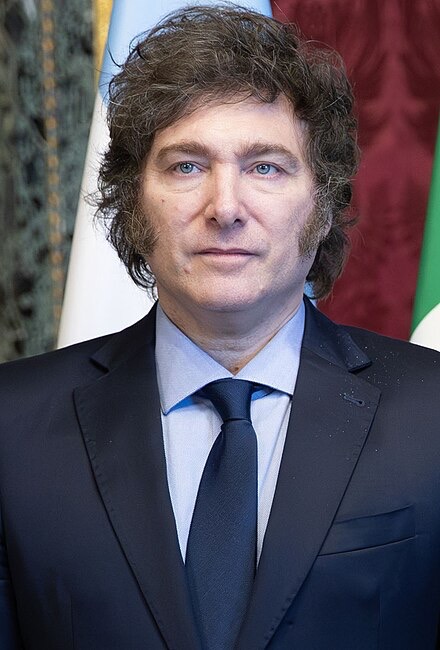
Argentina’s President Javier Milei has made significant progress in revitalizing his country by implementing bold economic reforms and addressing long-standing issues such as inflation, public debt, and government inefficiency. One of his key achievements has been reducing inflation through stringent monetary policies and fiscal discipline, restoring confidence in the national currency. By cutting unnecessary government spending and promoting privatization in struggling sectors, his administration has stabilized the economy and attracted foreign investment.
Javier Milei
Additionally, Milei’s focus on deregulation has encouraged entrepreneurship and fostered a more competitive market environment, creating jobs and boosting productivity. Infrastructure projects and public-private partnerships have revitalized the transportation and energy sectors, enhancing Argentina’s global competitiveness.
Efforts to renegotiate international debt have eased financial pressures, allowing the government to redirect resources towards social programs, healthcare, and education. This balanced approach has improved living standards for many Argentinians.
By promoting transparency, combating corruption, and streamlining bureaucratic processes, Milei has cultivated a more favorable climate for both domestic and international investors. These initiatives have collectively contributed to renewed economic growth, increased stability, and optimism about Argentina’s future. The country is now better positioned to navigate global challenges and sustain long-term prosperity.
However there is downside Milei’s policies has received criticism for their negative impact on climate change, the arts, and LGBTQ+ rights. His administration’s push for deregulation has led to reduced environmental protections, allowing corporations to exploit natural resources with minimal oversight. This has exacerbated deforestation, pollution, and carbon emissions, hindering Argentina’s climate change commitments.
Moreover, government cuts to cultural programs have significantly affected the arts community, leading to decreased funding for theaters, museums, and public art initiatives. This shift has marginalised artists and weakened Argentina’s rich cultural landscape.
In terms of social policies, Milei’s conservative stance has put LGBTQ+ rights at risk. Efforts to curtail protections and dismiss inclusive education initiatives have fostered a climate of discrimination and intolerance. Advocacy groups warn that these regressive measures could reverse years of progress in equality and representation.
Globally, money is the ultimate deciding factor in politics. As the phrase on the US dollar says, “In God We Trust,” but it often feels like money is what truly holds power. This reality helped Donald Trump secure victory in the US.
If Argentina positives have come at the cost of climate change initiatives and the arts. If the UK follows a similar path, LGBTQ+ rights and other social movements considered “woke” may face increased scrutiny.
I have only met Mr. Farage once, and all I can say is that he has a lovely girlfriend. Now is the time to think outside the box and stop prioritising issues that fail to resonate with mainstream voters. Rome wasn’t built in a day, but it took just one earthquake to bring it down. The right-wing wave approaching could set us back to 1933.
JK Rowling says ‘no child is born in the wrong body’
Harry Potter author insists there are ‘no trans kids,’ only adults believing in an ideology that will ‘wreak more harm than lobotomies.’
If this God fella allowed children to be born with all sorts of conditions, it’s just possible one or two might have been popped into the wrong body, JK.
I do wish JK Rowling would choose a more worthwhile topic to battle. She has every right to express her views, and I respect that.
As for my views on the topic—if a person has undergone two years of therapy and gender reassignment surgery, they should be recognized as their chosen sex.
A man in a nylon wig and skirt is not trans; they are a transvestite and should not have the rights of the opposite sex.
Children should not be forced into rigid categories but allowed to explore who they are. However, no surgeries should take place until the age of 21, when they have fully matured. But that is my view and.
at present we are all allowed it with out hopefully getting hysteical
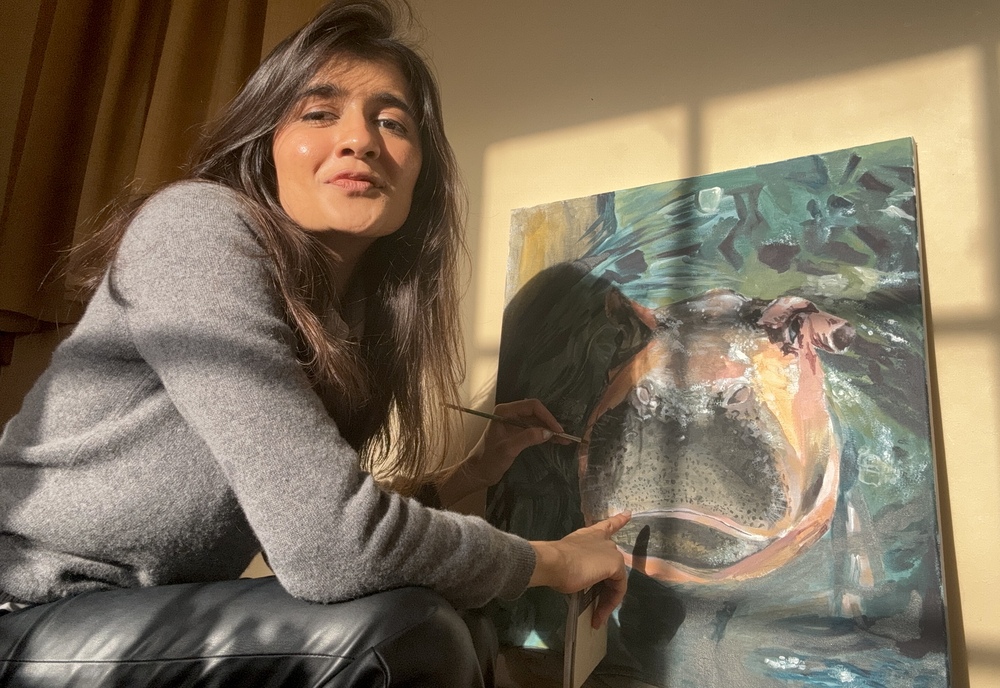
I’m always in search of unique art and now that I’m back in my home city, I wanted to explore the world of artists in Bangalore.
I found Ragini Chatterjee in the depths of an Instagram stalking session on a page that promotes young artists in the city.
I was blown away by her ability to not only make me wide-eyed at her work on first glance, but also draw me into the intricacies of her art.
Being away from home and in the UK for a couple of years sidetracked my memory of the rich talent that exists within my own people. I’m so glad my stalking, I mean, research skills led me to Ragini’s mind palace, one that seems to hypnotise me in an instant.
I still can’t stop looking; I had to know the heart behind this enigma. And so I asked her some questions to get know who she is for you and for me.
When did you first recognise your talent? What was your first ever painting?
I’m not sure if it was “talent” or simply my overactive imagination that led me to painting. I spent most of my classes doodling, but my first “proper” drawing, one I remember being proud of, was a sketch of Aang from The Last Airbender. I think I was around 9 years old.
What does your art mean to you?
Art is how I process the world around me. Whether it’s a book, series, or movie I’m captivated by, expressing my excitement through art brings me peace. On a deeper level, art allows me to visualise insights about life that resonate with me. Sharing these pieces is fascinating because others often interpret them in ways that reflect their own experiences, creating a unique dialogue between the viewer and the work.
If you could vouch for other artists, what would your message be to the world about the importance of self-expression?
To anyone who feels deeply—whether you’re an artist or not—self-expression is vital. Whether through art, music, fashion, or dance, it’s a natural outlet that should be embraced. Suppressing this instinct can feel overwhelming, and letting it out often creates something beautiful. In today’s fast-paced world, self-expression serves as a poignant reminder of our shared humanity.
A portrait called ‘Mommy’
There’s an abundance of extraordinary talent such as yourself in India. I’ve come across many who feel overwhelmed by the competition in the creative industry and settle into different industries to survive. What are your thoughts on this? Does survival overrule passion? Or does it depend on how one perceives it?
I feel fortunate to create for myself, but I’d be lying if I said recognition didn’t motivate me. However, I wouldn’t describe the creative industry as “competitive.” This perspective probably stems from my choice not to pursue art as a full-time career. By separating my livelihood from my art, I’ve been able to enjoy the process without the pressure of survival, allowing my passion to thrive independently.
Who or what has inspired you to create your pieces?
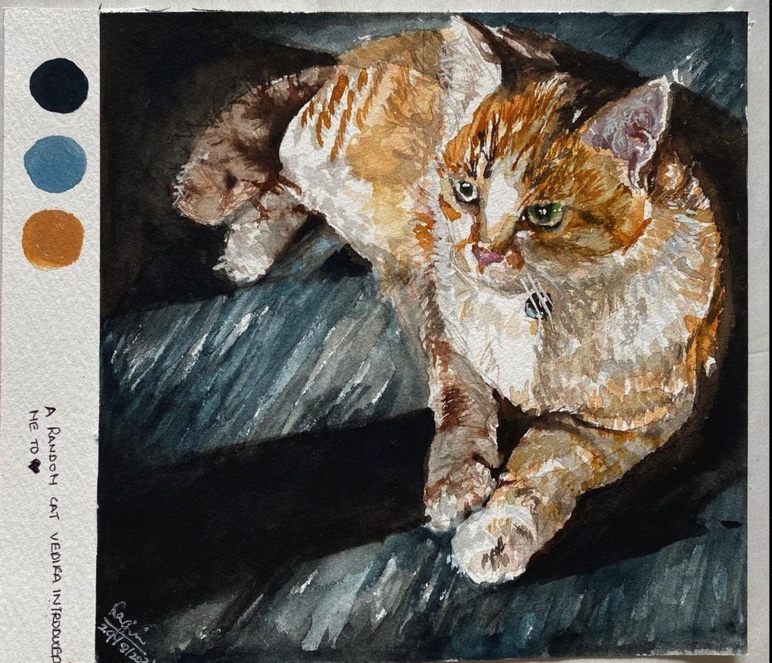
Life inspires me—everything from a captivating colour scheme to an idea I need to visualise. For example, I painted Behind the Kitten to challenge the misconception that cuteness equates to weakness. In college, I explored the myth of Icarus to reflect on self-discovery and freedom. During the pandemic, I delved into Pandora’s myth, and more recently, I created a piece about self-care inspired by the idea that you can’t pour from an empty cup.
Explain the creative process behind your work. Is it a cathartic journey? How does it make you feel?
My creative process begins with a need to express something—whether it’s an idea that’s been simmering for weeks or an immediate fascination with a book, movie, or series. Once I find a reference photo, I dive in, spending anywhere from half an hour to a week on the piece. While creating is cathartic, I’m often preoccupied with achieving aesthetic beauty, which makes it challenging to feel fully satisfied with my work.
What do you wish for people to experience through your work?
I hope my art evokes a sense of connection and invites viewers to appreciate its aesthetic qualities.
Tell us about a response you’ve received about your art that made you feel happy or seen.
There isn’t a single comment that stands out, as my satisfaction primarily comes from how I feel about a piece. However, I enjoy hearing reactions like, “Wow, that’s so pretty.” I also love when people share their interpretations of my work—it’s fascinating how their perspectives differ from my own.
You’re currently in Paris. Has the cultural shift played any role in the expansion of your vision? I believe life experiences can elevate one’s art. Tell us about your experience.
While my surroundings have changed, my art remains influenced by similar themes—my life experiences, books, movies, and shows. The cultural shift has enriched my perspective, but I wouldn’t say it has drastically changed the essence of my work.
How can someone find you, your work, and reach out to you?
I have a website where people can leave messages, but the easiest way to connect with me is through Instagram or email.
To reach out to Ragini, email her at raginichatterjee99@gmail.com
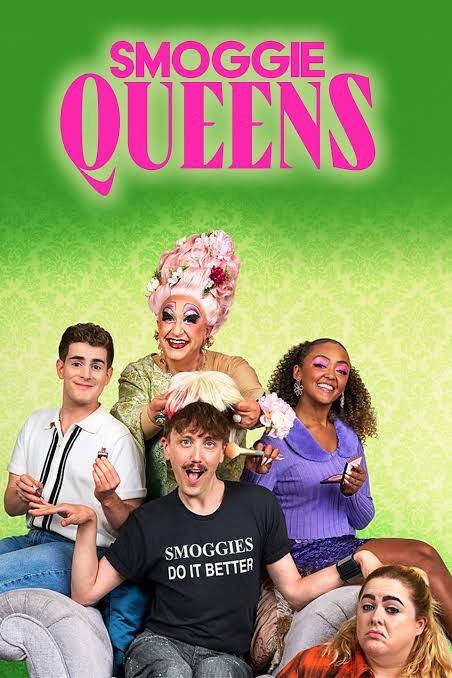
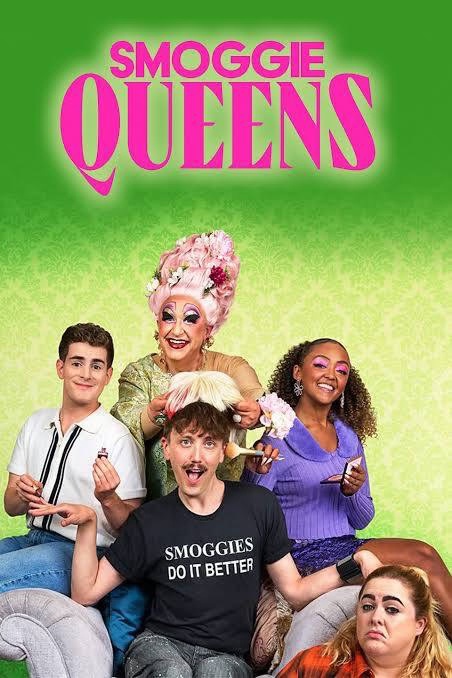
There is no doubt that “Smoggie Queens” has moments of comedic brilliance. However, the constant bullying by Dickie (played by Phil Dunning, whose drag persona is Tuna Baguette) of the younger queen Stewart ( Elijah Young ) makes for uncomfortable viewing.at times This theme runs throughout the entire series, becoming repetitive and embodying everything we do not want to see in contemporary LGBTQ+ storytelling or comedy .
Having been a young teenager treated similarly by an older gay man when I was simply seeking advice and desperate for acceptance, I could relate to the discomfort the series evokes. I recall being humiliated when the most attractive man at the bar approached me at 16, bypassing my own “Dickie.” Outside, I was punched and accused of making myself look cheap—pure jealousy. Sadly, the gay scene isn’t always the “We Are Family” utopia it’s often portrayed to be. Mean queens are a reality, and most cases, they’re not particularly funny.
Dickie, unfortunately, is where the show falters. Phil Dunning, the writer and creator, fails to bring much depth to the character, leaving him unlikeable. As Dickie’s former boyfriend Harrison aptly states, “I have really tried to love you, but you’re selfish, egotistical prick .” This sentiment defines how Dunning plays Dickie throughout the series, both in and out of drag. While Dunning’s screen presence is undeniable, it’s disappointing that he didn’t explore more dimensions of Dickie’s character. Even in the end, when Dickie shows a glimmer of empathy for his victim, it feels like too little, too late.
Dickie (played by Phil Dunning, whose drag persona is Tuna Baguette)
Where “Smoggie Queens” truly shines is in its brilliant supporting cast. Mark Benton as Mam is nothing short of phenomenal. Channeling the charm of greats like the legendary Marc Fleming, Benton delivers an award-worthy performance that leaves you in stitches from the moment Mam appears. While it would have been easy to play Mam solely for laughs, Benson’s portrayal is a masterclass in combining comedy with humanity, making Mam a character you simply can’t get enough of.
Alexandra Mardell as Lucinda, the ultimate “fag hag” on the lookout for love, teams up with Patsy Lowe as Sal to deliver comedy gold. Their beautifully understated performances result in side-splitting humor that elevates the show.
There are some notable guest appearances: RuPaul’s Drag Race star Michelle Visage plays the office spinster (and who doesn’t love her?). Plus, there’s a brilliant cameo by Steph McGovern. Notably, Michael Hodgson’s Nan is both menacing and camp.
While the series does have its merits, it also reinforces certain stereotypes about the LGBTQ+ community. Instead of challenging these clichés or providing fresh perspectives, “Smoggie Queens” sometimes leans into them, which feels like a missed opportunity in an otherwise promising show.
This is a show that will for sure be recommissioned. It is no “Will and Grace ” or “Gimmie, Gimmie . But it does a firm Mark Benton as comic genius and open the gates to a new talent in Elijah Young .
Set in the 1980s, even the set design conveys that you’re dealing with true professionals, setting the mood even before the show begins. (The Tabard Theatre is wonderfully intimate, though the sight of a modern-day Marlboro Light did make me itch to replace it with a Rothmans.)
The set, designed by Lily Minores and Rob McKinley, effectively transports you to an era when the TV was always on, often showing the horse racing.
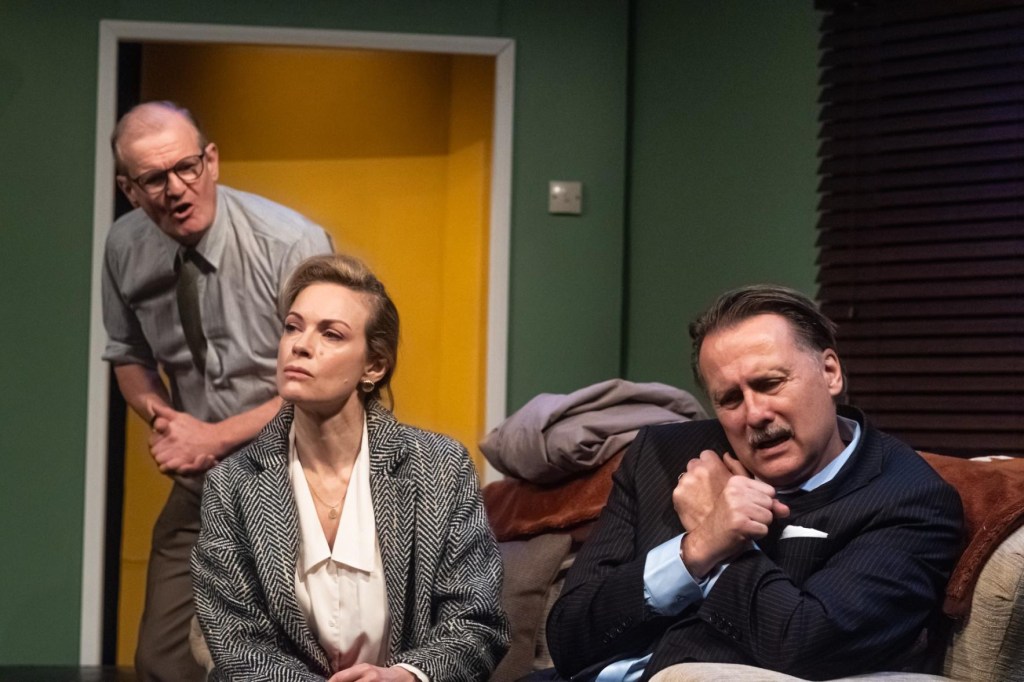
Stone (played by Miles Gallant) invites local police detective Hallett (Gary Webster) over to discuss his troublesome son, who is nowhere to be found.
After Hallett leaves, promising to return later, Stone then invites true crime writer Dee (Charlotte Hunter) to meet his wife. Yet the audience knows that Stone’s wife is dead. So why the invitation?
You need to let your imagination run wild in the first half and simply enjoy the craft on display—it’s a rare treat to see an actor like Gary Webster perform on such an intimate stage. His portrayal of Hallett blends humor and drama seamlessly, making his character’s self-righteousness both entertaining and believable.
The drama student sitting next to me was in awe, and for good reason. If you’re studying acting, this performance is practically a masterclass. Webster’s ability to deliver witty quips while guiding the audience through the twists and turns is exceptional.
His character is not only charming and funny but also unflinchingly unapologetic, with an underlying ugliness that adds depth.
Charlotte Hunter (Dee) also brings incredible depth to her character, avoiding the trap of one-dimensionality. Similarly, Miles Gallant delivers a strong performance, holding his own alongside the other two leads.
The only minor flaw in my opinion is the pacing in the second half. While it’s never dull, it does feel longer than necessary, leaving you wishing it would get to the point a little quicker. Even with such talented actors, some trimming would have benefited the production.
Here Steven Smith gets to chat to acting legend Gary Webster.
Tell us about The Business of Murder and why you chose to appear in it.
The Business of Murder is a great whodunnit—or rather, a great whydunnit! It is written by the legendary film, TV, and theatrical writer Richard Harris, so when the chance came along to audition for the role of grizzled cop John Hallett, I jumped at it.
Fortunately, the director liked what I could bring to the role, and I was cast. It’s one of the best roles I’ve ever had the chance to play, and I’m very thankful the show has been such a success.
One of your sons, Freddie, has gone into acting. What advice did you give him?
Enjoy, enjoy, enjoy. Take the work very seriously, but try to keep all the outside noise about what is deemed as success or failure at a distance. In the end, we are here to entertain and, hopefully, in some small way, make people’s lives better. I encourage both my sons to find something in life they love doing, whatever it may be and wherever it may take them.
Would you like to see Minder come back?
It would be great fun to bring it back, with me in more of an Arthur role and a new Minder looking after Ray Daley. There are always rumors that plans are underway because it was, and still is, so loved. However, as with the Shane Richie version, I’m not sure the powers that be would include me in their thinking—which has always seemed a little strange to me—but nothing surprises me in our beloved profession!
You recently judged the Autism Hero Awards. What was that like?
As always, I am honored to be asked, and it is an inspiration to be part of the process. It really brings everything into sharp focus and perspective as to what is truly important in life. It’s lovely to be able, in a very small way, to honor those who do such fantastic and life-changing work.
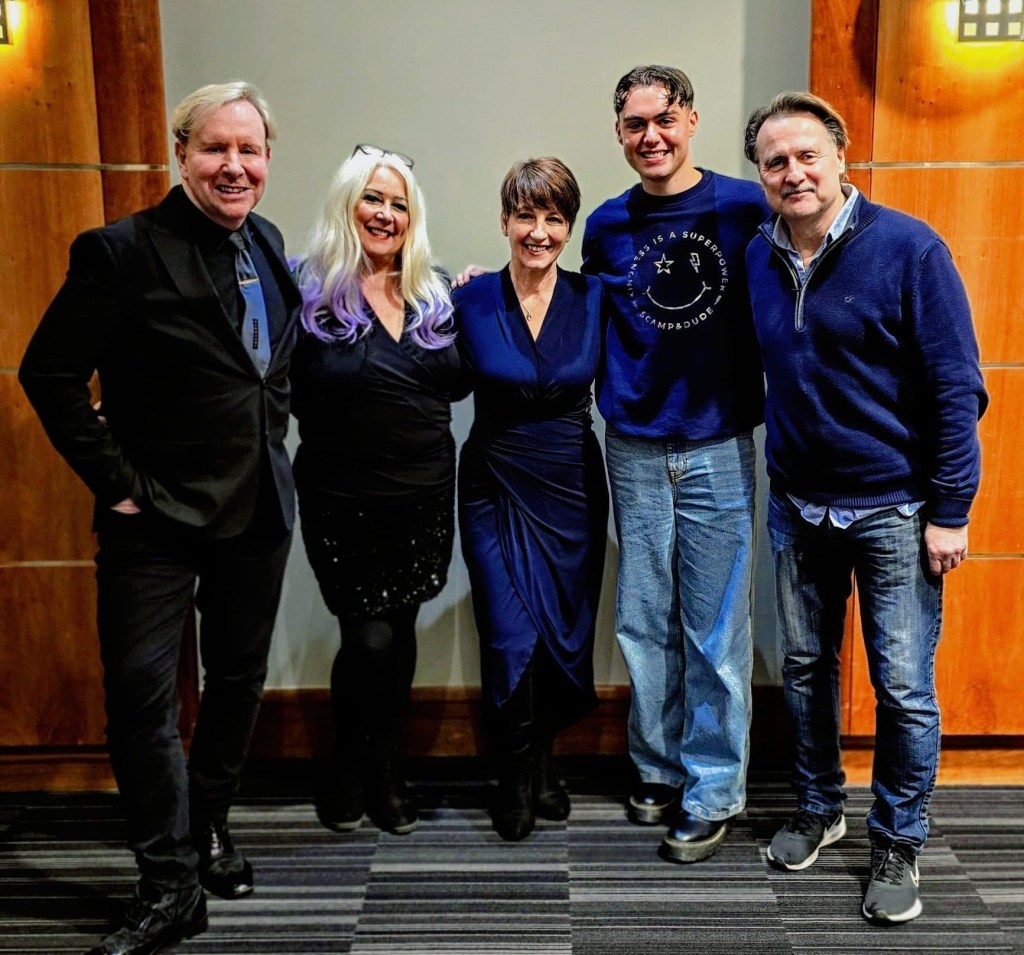
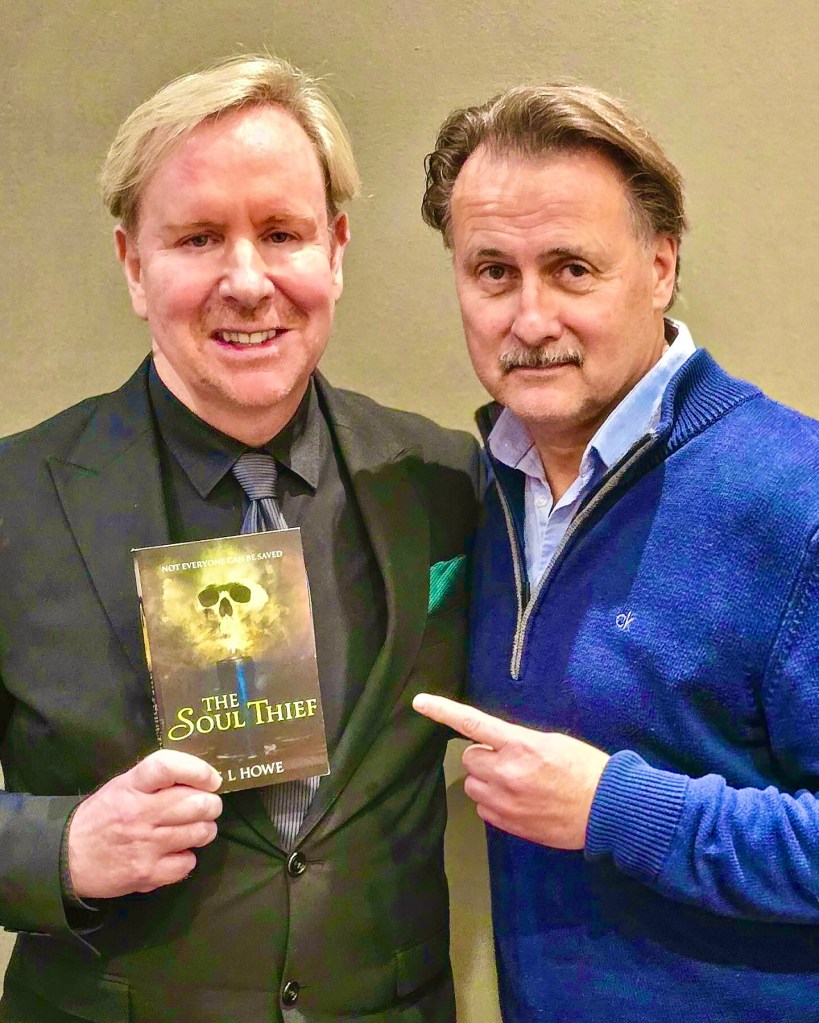
Gary Webster with fellow judges Samantha Lee Howe 2Shades very own Steven Smith The man of the moment Heartstopper Bradley Richies and Dr Anna Kennedy OBE.
2Shades thinks you should run as an MP. Is that on the horizon?
I’m open to anything at my age! If I could change the country and the world for the better, and the only way to do that was by being an MP, I’d like to think I could give a voice to people who are struggling. Having gone through so much in my own life, I feel I can relate to their fight just to get through the day.
Your look in The Business of Murder is channeling either a ’70s football manager or the quintessential gay clone. We had quite a few gay men message us when your picture went online. Do you think attitudes have changed toward the LGBTQ+ community, and would you like to play a gay role?
I’d certainly like to think attitudes have changed. However, I’m also very aware that the fight for full equality for everyone is still not over. Given recent events in America, with a new administration bringing such archaic views towards the LGBTQ+ community, we must never be complacent. Everyone in the world has the right to identify as they wish and to demand the rights afforded to all without exception.
I can’t believe that in 2024 this is still a battle, but it is, and it will continue until full equality is achieved. I have no problem playing a character who is gay, straight, or bi. In fact, I’ve played characters such as William Tallon in A Princess Undone opposite Stephanie Beacham, where I portrayed the iconic “Backstairs Billy,” who worked for the Queen Mother for many years.
Stephanie Beacham in A princess undone .
A character’s sexuality—whether gay, straight, or bi—is just one aspect of them. In the end, we all experience love, heartbreak, passion, sadness, and joy in the same way. These are universal human experiences, regardless of sexual orientation, and it’s time the world fully recognized that.
What are you and your wife, Wendy, doing for Christmas?
Usually, we’d just stay at home, but as Wendy’s dad is now nearby in London, we’ll be at his flat, cooking a vegan Christmas dinner for us, the boys, and Brian. I adore Christmas—my dad did too. His legacy to me was huge in terms of the joy and magic of Christmas, so it’s a time of year I always try to enjoy. That said, I’m very much aware that, for many, Christmas is a difficult time. My thoughts are always with those who are struggling mentally, physically, or simply trying to find a place to live during this season.
Gary Webster and his wife Wendy Turner Webster .
What would you like for Christmas?
Good health for those I love, the coming together of people around the world to make it a safer place, and 9 points for Arsenal over the Christmas fixtures!
What does 2025 hold for you?
Good health, hopefully, happiness for my sons and wife in all they do, and maybe a lead role in a Marvel TV series. That way, when I’m old and infirm, I can still turn up to Sci-Fi and Comic-Con conferences as my character, earn a ton of money, and have a nice two-day getaway in Vegas—all expenses paid!
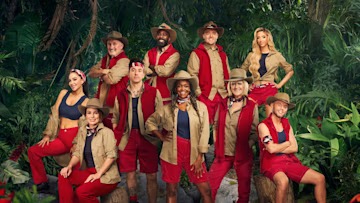
Why journalist, author, and TV presenter Jane Moore, best known for her work with “The Sun” and as a panellist on Loose Women, should be crowned Queen of the Jungle 2025 as 2Shades backs her
Here, Steven Smith gives his views
Jane Moore
When Jane Moore enters a room, you know it. Not because she is an exhibitionist or seeks attention, but because she exudes a natural energy that makes people take notice and want to know who she is (if they haven’t already met her). For those who do know Jane, they are always delighted to see her. Her quick wit and dry sense of humour are legendary.
I recall my first meeting with her many years ago. She had just come from interviewing the queer comedian and Madonna’s former best friend, Sandra Bernhard. The pair had clearly not hit it off
Bernhard accused Jane of having an attitude, Jane suggested that Sandra take a look in the mirror if she wanted to see attitude and then cut the interview short.
Jane was funny, attractive, and kind, as I had just arrived back in London. We shared a mutual friend in the late, great journalist Lester Middlehurst. Jane and Lester were like something from Will and Grace; an evening with the pair could leave you in stitches, especially on game night when the board games came out, and so did their competitive streaks. Lester would joke that even if a light was red and Jane decided it was green, then green it would be—a case of the kettle calling the pot black.
Jane Moore and the wonderful Lester Middlehurst rip
Jane is a huge supporter of the LGBTQ community and one of the most loyal people you could meet. Jane does speak her mind. At our last meeting, which was at the launch of Anthea Turner and Wendy Turner’s book, I arrived dressed in the latest trend—shorts and smart shoes, inspired by Paul Mescal.( I know who am I kidding ) In an almost Devil Wears Prada moment, Jane looked me up and down and then glanced back at my shoes. “What are you wearing?” she asked. “It’s the fashion!” I replied. The next day, I sent her a spread from Vogue featuring men’s shorts and shoes. It clearly amused her, as she replied, “Who knew?”
Just why should todays Dorothy Parker Win
1. Journalistic Wit and Intelligence
Jane Moore is known for her sharp mind and analytical skills. Her ability to hold intelligent conversations and bring humor to discussions could make her an engaging and entertaining campmate, winning over both viewers and fellow contestants.
2. Candid and Authentic Personality
Moore is renowned for being straightforward and genuine, qualities that audiences appreciate in the reality TV format. Her willingness to speak her mind and be authentic could resonate with viewers, helping her gain a strong fan base.
3. Experience in High-Pressure Environments
As a journalist and TV presenter, Jane is used to handling stressful situations with composure. This skill would likely translate well to the challenges faced in the jungle, where patience and perseverance are essential.
The amazing Jane Moore With Journalist Lester Middleurts actress and fellow loose Women Denise Welch , Pam Sharrock and me with hair cut 110 do
4. Empathy and Supportive Nature
On Loose Women, Jane often shows empathy and understanding, qualities that would make her a supportive and reliable presence in camp. Viewers often favor contestants who can build strong connections and foster camaraderie.
5. Sense of Humor and Storytelling
Jane’s sharp wit and ability to tell stories from her extensive career in media would provide entertainment and levity in the camp. This could help maintain morale among contestants and endear her to viewers who appreciate a sense of fun and relatability.
6. Versatility and Adaptability
Her career has spanned different aspects of media, showing her adaptability. This quality would be crucial when dealing with the unpredictable challenges of the jungle, from bushtucker trials to living in close quarters with others.
7. Public Recognition and Established Audience
Jane Moore already has a substantial following due to her work in journalism and television. Her existing fan base could provide a head start in public voting, giving her an edge over lesser-known contestants.
In conclusion, Jane Moore could be a well-rounded contestant who brings a mix of intelligence, humor, authenticity, and warmth to I’m a Celebrity… Get Me Out of Here! 2025, making her a strong candidate to win the show.
Happy Holidays. Can you help me? I have been seeing my boyfriend for a year now and we are in love. However, I have not introduced him to my family yet. One, he is very domineering (I like that) and never holds back on his opinions. Two, he is covered in tattoos, hates dressing up and he is a drummer in rock band part time. My mum is super conservative and just about down with me being gay. She actually says that no one with tattoos are welcome in her home. Mum rang the house, and he picked up and she invited him for Christmas!
HELP please!!
Mike, Kingston.
Oh bless Mike, talk about being put between a rock and hard place. First of all, you should have dealt with this months ago if you care for boyfriend and mum. You say mum is just about ok with you being gay. Well, it sounds to me like she is making the right moves inviting your partner for Christmas.
If your partner loves you, it is time to sit down and tell him the issues about your mum. You say you like the fact he is dominant and opinionated. There is a difference between that and a narcissist. You let him be himself 364 days a year, but maybe he could think about you for one day, not be a different person but just tone it down a little. If he really cares about you and is not a narcissist he will understand. Until mum gets to know him, box clever and make this day about realising that you need some TLC in this area. Trust me, if he really cares he will work with you. If he can’t, I’ll tell you something he is not dominant, he is just not caring.
Next time you chat to mum, maybe give her a little pre-warning he might not be joining the conservative club any day soon. Just do some groundwork preparation before the big day. Remember: life is short and you need to be happy. Mike, those that say they love you should want the best for you, sometimes that means compromise.
Happy Christmas my love, write and let me know how It goes.
Dear Heidi,
I like to party, but it is high days and low with me. Sheryl my fiancé loves it 24/7 but I am fine with that as she can go out with her gang, and I am not jealous or worried. We are having friends over for Christmas Day and we were going over the menu when she announced, “I’ll get a few grams in for after”. Honestly, I have had enough. The only White Christmas I want is on the ground. What do I say?
Lisa, Chiswick.
Oh no Lisa, oh I have seen this so many times. The marching powder is no-one’s friend. Yes, there seems to be a honeymoon period for many who think it makes them invisible but like any false high, in the end there is always a price to pay. It destroys jobs, relationships and friendships, not mention it robs your bank account. Once it gets its claws into you, for many there is no escape. Yes, there are those who partake on high and low days, who seem in control like yourself. But Sheryl sounds like she might be heading for a fall. You need to simply say no! That’s not the Christmas you want. Make your views clear and it might give her a shock, or maybe she’s already hooked and this is the bit she is looking forward to on Christmas day. Then she may need help, but time to realise it’s a slippery slope, and you being an enabler won’t end well .
Hello Heidi,
How are you, love the column. Now there is no excuse, but I kissed my best friend’s husband on a drunken outing when my bestie was away. It has been over six months I have not seen him or mentioned it to my friend. We are all spending Christmas together this year. I have not seen my friend’s husband since. It is going to be super awkward. What should I do? Maybe call him and chat about what happened?
Dylan, Brighton.
Sweetie, if it was just a kiss get over it. People are human and drink is horrible when it comes to making a fool of ourselves. Unless you’re not telling Heidi the whole story, move on and put it behind you. Or if the kiss meant more to you than you’re saying, maybe have word with yourself. He has not been in contact with you since the drunken kiss so perhaps he does not remember it. Take Heidi’s advice: do not do party postmortems and stop making a mountain out of a mole hill. Enjoy your Christmas xxx
Happy Holidays, Heidi
Dear Heidi,
My partner Alisha is just gorgeous and we’ve been together for six months. She came out as lesbian late in life, having been married for twenty years. She has two teenage kids and they are coming for Christmas. Heidi I am terrified. I do not do kids and how do I act? They are very important to Alisha.
Love Diana.
Hi Diana, it is not a couple of hyenas coming for Christmas, it is two teenagers (perhaps more terrifying at times). No Diana, can I tell you how to handle it? Be yourself, treat them with respect and take an interest in them, listen and you will be surprised. Please have some basic structure of your expectations to staying in your home as you would with anyone coming to stay. But do not come over like a prison guard. Just try and have fun; they will be as worried as you!

































 2Shades Magazine