Categories
Columns Lifestyle People Uncategorized

“I Was Nearly Exterminated !”

Picture Anna Marie Bickerton

An Interview with David J Howe

How Doctor Who – and the Daleks – saved his life.

Even before David J Howe was born, the world of print and storytelling was already close at hand. His father worked in the printing department at the Daily Express newspaper, a job he kept until the paper moved out of Fleet Street in 1984. Neither father nor son could have foreseen that David’s fascination with a certain Saturday evening television programme would grow into a lifelong obsession — one that would shape his career, his friendships, and ultimately even save his life.

We sat down with David to talk about Doctor Who, the Daleks, and his extraordinary new memoir Who Me!.

John Pertwee and David ,,,

From Fan to Creator

Q: Do you remember when the magic of Doctor Who first gripped you?

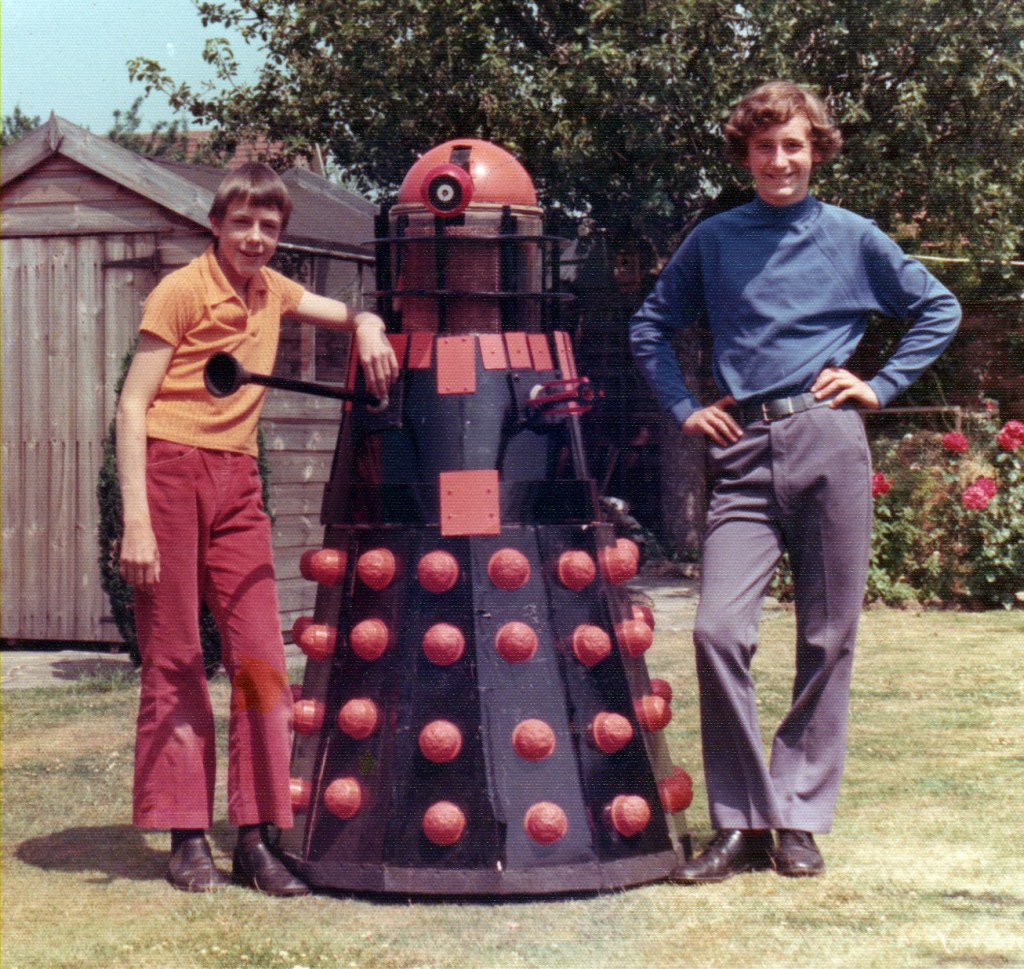
David: I was just a boy in South London during the 1960s, when Dalek toys were everywhere. Like a lot of children, I was completely captivated. By the time I was 15, I was so inspired that I decided to build my own Dalek. My father used to bring home waste plastic from the printing floor, and I scavenged other bits and pieces. Using those materials, I built a full-size Dalek from scratch. It was a labour of love — and in a way, the start of everything that followed.

Father and son build a Dalek

Working with the Doctor

Q: Your journey from fan to authority on the show is remarkable. What were the big turning points?

David: I began collecting, writing, and eventually contributing to the world of Doctor Who. One of the most extraordinary moments was working with Jon Pertwee himself. Helping him with his autobiography was a privilege and a huge learning experience. Over the years, I became more and more involved in chronicling the programme’s history — from conventions and events to writing books that many fans now consider reference staples.

https://www.amazon.co.uk/Who-Me-publishing-decades-history/dp/1835013309/ref=sr_1_1?crid=2W87D524O4N1M&dib=eyJ2IjoiMSJ9.XwlZPLdXkWi3Ck2dDv-GKE6NXSnDhUCaHdD3b4JylbmbCUnODIzOKyFW2m8kTV531EvFaZRAxejNEfL7VG0Eblc2p5CT28I47AUl8YByXr6QnaD5oDRQ218XrpxrrAZkyf0ahVXBZfewIpymAyhu1hw7wGmL5GGdmv2fw8IK1pImipMHSf2HQMbngr3JM3Ujj8-z7pOjolY5CeioCONO1RgP0HaSEMXOBUMyq1o2Or8.rE0qe7VVeX6Nqlde2kQArEPPWrUAzswxxBufU-VZyb8&dib_tag=se&keywords=dr+who+books+david+j+howe&qid=1756821305&sprefix=david+j+howe+%2Caps%2C238&sr=8-1

A Life-Saving Detour

Q: You’ve said that Doctor Who quite literally saved your life. Can you tell us about that?
David: Yes, it’s true. A few years ago, I was heading to Cardiff for a Doctor Who exhibition — specifically to see the Daleks. On the way, I suffered a massive heart attack. If I had been at home, I wouldn’t have survived. But because of that trip, I happened to pass right by Cardiff University Hospital, one of the best cardiac hospitals in the country. I was rushed straight there. Without that coincidence, without that journey to see the Daleks, I simply wouldn’t be here today.
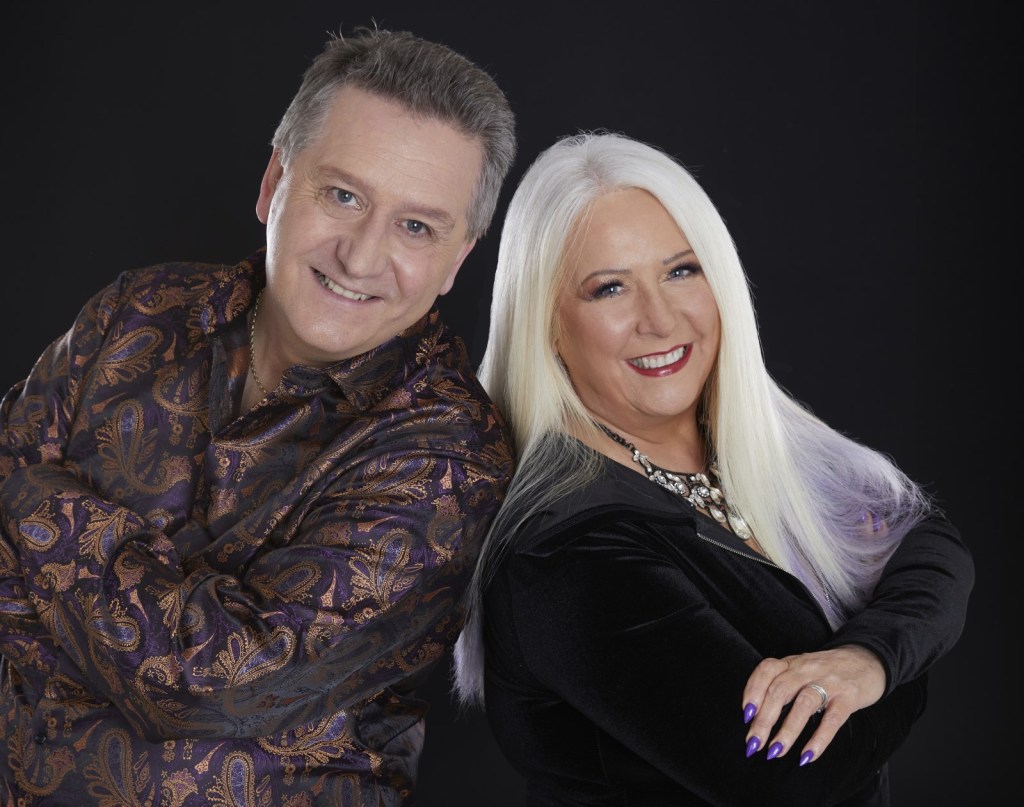
And of course, I wasn’t alone. My wife, bestselling author Samantha Lee Howe, has been my rock through it all. Without her support, recovery would have been a much harder road.

David with his beautiful wife and best selling author Samantha Lee Howe .

The Memoir: Who Me!

Q: Your new book, Who Me!, comes out this October. What can readers expect?

David: The book is my story, but it’s also the story of Doctor Who told through a very personal lens. I wanted to show how a television programme can shape a life, a culture, and even a country. I take readers behind the scenes — from the earliest fan conventions to my work documenting the series in print. I talk about working with Jon Pertwee, interviewing actors like Peter Davison, and even how the BBC began to understand and build its merchandise empire.

More than that, it’s about the joy of fandom, the friendships forged, the challenges faced, and the way Doctor Whobecame — and remains — a defining part of British popular culture.


Final Thoughts

Q: Why should readers pick up Who Me!?

David: Because it’s not just a fan’s tale. It’s a story about passion, perseverance, and the power of popular culture. Anyone interested in Doctor Who, or in British television history more broadly, will find something to enjoy. And I hope it shows that sometimes, what we love most can guide our lives in ways we never expect.

David with 70;s icon and Dr Who assistant Frazer Hines

📖 Who Me! by David J Howe
Publication date: 9 October 2025
Formats: Hardback, Digital, Audio
Publisher: Bedford Square
Available on Amazon

Categories
Columns Lifestyle People

Tyson Fury a sensitive man .?

On the back of Tommy Fury documentary The Good . The Bad .The Fury that I really enjoyed I am re running my article on Tyson from 2022


Hero or villain? Steven Smith looks at what it takes to be the man who has everyone talking, the heavyweight boxing champion of the world, Tyson Fury. 

A hero to the poor with his charitable donations to the homeless, a champion for mental health and the self-proclaimed ‘King of the Gypsies’. Tyson standing at 6’9” embodies all that can be labelled as masculine, yet unlike many hard men, this giant breaks the mould. He has started to wear his heart on his sleeve and has opened up, talking frankly of his demons, depression, and personal battles with addiction.

Tyson also adds to the list that he is bipolar and suffers from anxiety. But is it possible that the man of the moment, who is so desperate for the world to perceive him as super masculine is still, as his father John Fury described him, a shy and sensitive overweight boy inside? Was it this shy boy that begged for the acceptance of his boxing coach father? Was it his unconventional gypsy upbringing that pushed him into a mould of boxing and masculinity, which subsequently became the root of Tyson’s demons and depression? Is it the often toxic masculinity that is piled on to so many young men during their upbringing, the cause of his trauma and mental health issues later in life?

Now, I like Tyson Fury. He is fascinating, and from the minute he burst on to our screens, I was aware of him. There was something that made me want to stop and listen; he appeared to be a model hero on paper. His smile lights up the screen, and his enthusiasm for life makes me want to know more. Then there is the unconditional love that he has for his family, which simply melts your heart.

The best part of my life is taking my kids to school. I could live in a cardboard box and eat cheese sandwiches, as long as my family is with me“.

Tyson tells us though it is doubtful that his gorgeous wife Paris, who he has been with since they were teenagers, would ever let it come to that. She is one shrewd cookie and lives like a footballer’s wife rather than a gypsy though you can’t imagine Victoria Beckham arriving in Vegas and going straight in to do David’s dirty dishes.

But of course, once it was pointed out that this man, who I would want on my team in any battles, did not just have traditional values but what some might consider downright prehistoric values, I was speechless.

Unbelievably, in 2015, in an interview on The Jeremy Vine show, with gay rights campaigner Peter Tatchell, he compared gays to paedophiles, claiming that homosexuality is “One of the three things that will lead to the apocalypse; the other two being abortion and paedophilia”.

Even his younger brother Love Island star Tommy seems to have taken the anti-gay stance  On a now disabled Twitter account, Tommy tweeted his older brother, Tyson, allegedly stating “Come on bro, let’s get dis win good luck brother and Chisora is a f***** and he’s gettin it proper @TysonFury”.

In 2018 he was nominated for Sports Personality of the Year, yet his homophobic comments and derogatory sex views came back to haunt him, with calls to remove him and comments made including:

So, when Tyson Fury is called the people’s champion, it begs the question: which people?”

Challenged about his views by one reporter, he sat in his van replying “Jesus loves you”.

Tyson has since apologised for his outburst and controversial views.

Were these Tyson’s views or were they opinions that had been drummed into him from an early age by someone else? Or was it a culture of growing up in the gypsy community, not known to embrace and welcome gay people among their tribe?

Fellow gypsy fighter, Billy Joe Saunders says, “Where we come from, if you show weakness, you might as well give up on life as a fighter”. It’s a world where men fought, and women, as quoted by Tyson himself, were ‘best flat on their back or in the kitchen’.

Tyson comes from a world where LGBTQ is stamped on with ferocity. Anyone who has read ‘Gypsy Boy’ by Mikey Walsh will find it not only a harrowing experience but a moving and humorous one too. Brilliantly written, it tells the story of a gay boy brought as a Romanian and unable to conform to his expectations of masculinity. The description of the brutality he suffered, at the hand of his father, as the reader, stained the pages with my tears.

Yet, at the end of the book, his father unexpectedly turned up to see Walsh, now a teacher, despite the violence

Could growing up in a tightly knit community with some values and beliefs that are from a by-gone age, be like other, almost closed communities or cults and brainwash their young?

Tyson appears to be an intelligent man, embracing all that life has to offer, in a way an old soul that could see that the bright lights of Hollywood or Vegas could not compare to his roots in Morecambe, or make him any happier for that matter.

“From the age of six, all I ever dreamed of was being a boxer, now I have it all; I am the greatest boxer in the world yes, I have sinned, suffered from depression and anxiety, and I am bipolar”, he tells viewers.

Tyson does not have it all; regrettably, he does not have good mental health, something money or fame can’t replace.

His dad, John Fury, is not a likeable character; there is something a little sad about him, almost broken, floored and in denial. He tells us that Tyson’s mental health has been impacted due to being so successful and mixing with millionaires and celebrities.

There is something that screams ‘pushy show biz mum’ about him. That statement about his son confirmed my suspicions; that he would like very much to have been Tyson.

I am sure that I have depression but, in my day, we had to worry about keeping a roof over my family’s head and food on the table, there was no time to think of any of that”.

I am sure at heart he loves his son, but he displays little understanding or empathy for mental health issues. To be fair to John, however, he did come from an age where issues such as mental health were rarely discussed.

In the first of the series John who is banned from America for a criminal conviction, after being released from prison in 2015 following a four-year completion of an 11-year sentence, for gouging another man’s eye out during a brawl at a car auction, tells us that Tyson was a shy, sensitive, fat kid. “I brought all my boys up the same; to fight; I trained them myself”. John, a bare-knuckle boxer must have had the same training from his father as a boy and probably would not think that any of his boys could be different. Young men or boys who have toxic masculinity forced upon them can have extreme consequences to their mental wellbeing, particularly on the sensitive child or those that do not fit the macho mould.

What does toxic masculinity mean?

Researchers have defined it as encompassing;

  • Suppressing emotions or masking distress
  • Maintaining an appearance of hardness
  • Violence as an indicator of power (think: “tough-guy” behaviour)

In other words, toxic masculinity is what can come of teaching boys that they can’t express their emotions openly; that they have to be “tough all the time”; that anything other than that makes them feminine or weak. (No, it doesn’t mean that all men are inherently toxic.) The harmful side effects can, however, develop into homophobia, or misogyny. 

Toxic masculinity, according to Psycom and several surveys, can lead to suicide, depression, anxiety, addiction, and drug use.

A 2017 survey by the Equality and Human Rights Commission found that gypsies, travellers and Roma were found to suffer “poorer mental health than the rest of the population in Britain” and were “more likely to suffer from anxiety and depression”.

Only last year Billy and Joe Smith, stars of My Big Fat Gypsy Wedding were found dead in a suicide pact. They had both been struggling with mental health issues.

Now, looking back, I was a sensitive kid too. My dad introduced me to football by heading the ball at my head in the front room. It made me cry, and I hated football from then on. As an adult, I am quite sporty, but Dad could never really teach me anything. The last thing I needed was tough love.

Is it not possible that locked in this huge massive man is the shy, sensitive kid at loggerheads with who he has become? Desperate to please his father, who needed his shy son to “Man up”. The poor man can find a cloud in every silver lining; it must have been hard for the young Fury.

To be honest, the penny drops on what it was that that I saw in Tyson. He had the traits of another beautiful man who had the same personal scenario. He too could be charming, but many said he was bad news; he lived with depression, anxiety and had addiction issues, yet there was something I adored about him.

He had a troubled childhood and was abandoned as a kid by his father. He told me about the days his dad left, with such vivid description, despite being only 8 years old at the time. It was at that moment I saw that very child looking at me through man’s eyes. Taking a shot, I told him “that frightened child is with you every day, you protect him with your front”. There was a silence and the relief that someone had seen the real him, and because he did not feel judged, he could be himself. That’s what I saw in Tyson.

My money is on the fact that Tyson is at loggerheads with himself.

Everyone around him seems to be at loggerheads with Tyson’s new direction. Whilst embracing wealth and lifestyle, some of them claim to want to stay with the traditions of the travelling community.

Tyson wants to set precedents and make changes within the gypsy community. He hates “dream crushers”, whatever his kids want to be, he will be fully supportive.

Yet in a U-turn, wife Paris, who earlier in the show, ‘Tyson Fury Gypsy King’, says she lived her earlier years as a traveller in a caravan now says that she could not bear to leave her beautiful home with hot water and mod cons and her beloved trips to Marbella.

GQ picture Tommy Fury BBC I player .

Paris wants the kids raised as travellers. The kids will leave school at 11, and when they marry, they can then leave home, (No room for any of the kids to be gay in that plan then). Daughter Venezuela, who wants to be a dancer or gymnast, calls her mum ‘dream crusher’. Paris comments that Venezuela is already too tall to become either; Venezuela does have a point.

You like Paris in the show, but it’s hard not to, but you want to give her a reality check. When she is not cooking for the massive family, Paris seems to spend the rest of her time in the hairdressers.

Tyson clashes with her; he is keen as ‘King’ to make changes; the kids should stay in school; they can embrace both lifestyles. Here is where I thought he could bring about change, as he moves among the likes of the ‘queens’ dream’ gay ally, Robbie Williams, along with other showbiz pals.

It is possible to educate a homophobe, misogynist, or even a bigot, especially if you take them out of an environment that is steeped in it.

My bet is if Tyson’s demons do not cause him to self-destruct, let’s hope he fights them as hard as any opponent. Tyson could be the king that brings a kinder, more tolerant era to the gypsy community.

After all, a man who pays €200 for two lobsters and sets them free can’t be all that bad!

https://www.psycom.net/depression-in-men/depression-in-men-toxic-masculinity/

https://www.mirror.co.uk/sport/boxing/tyson-fury-pays-200-two-21531982

Categories
Columns Lifestyle

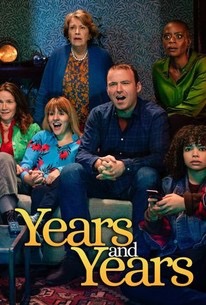
Why Years and Years Should Be Compulsory Viewing for All

Steven’s Viewz

https://www.netflix.com/gb/title/80219056

The word visionary gets thrown around far too easily. But Russell T Davies’s Years and Years earns the label. Six years after it first aired, it looks less like drama and more like a blueprint for the world we’re stumbling into.

Rewatch it now, and it feels psychic. Political chaos, social unrest, the rise of populism—it’s all there. And unless we wise up, the show won’t be a warning. It will be a prophecy.

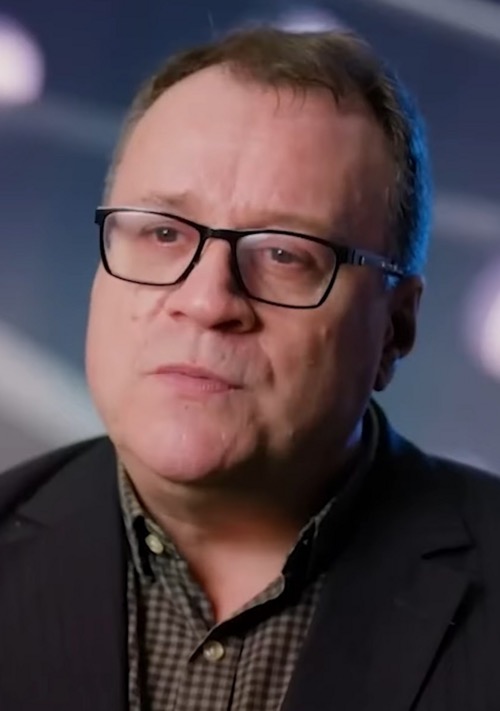
Russell T Davies a psychic for sure a genius in his craft .

No, we don’t have Vivienne Rook. But we do have her male counterpart: Nigel Farage. Like Rook, he plays the grinning “man of the people,” shaking hands in Runcorn and smiling for the cameras. But behind the performance lies something darker—homophobia, intolerance, and politics built on fear.https://en.wikipedia.org/wiki/Russell_T_Davies

I do not support Reform UK, but it would be foolish to dismiss their rise. This isn’t business as usual. Their growing popularity is dangerous, particularly for LGBTQ+ communities and minority groups. A few months ago, I pointed out how clever it was to put Sarah Pochin—the friendly, mum-next-door figure—front and centre in Runcorn, a town already uneasy about immigration and crime. But that was just a mask. The real Reform heavyweights—Anne Widdecombe and others—are waiting in the wings.

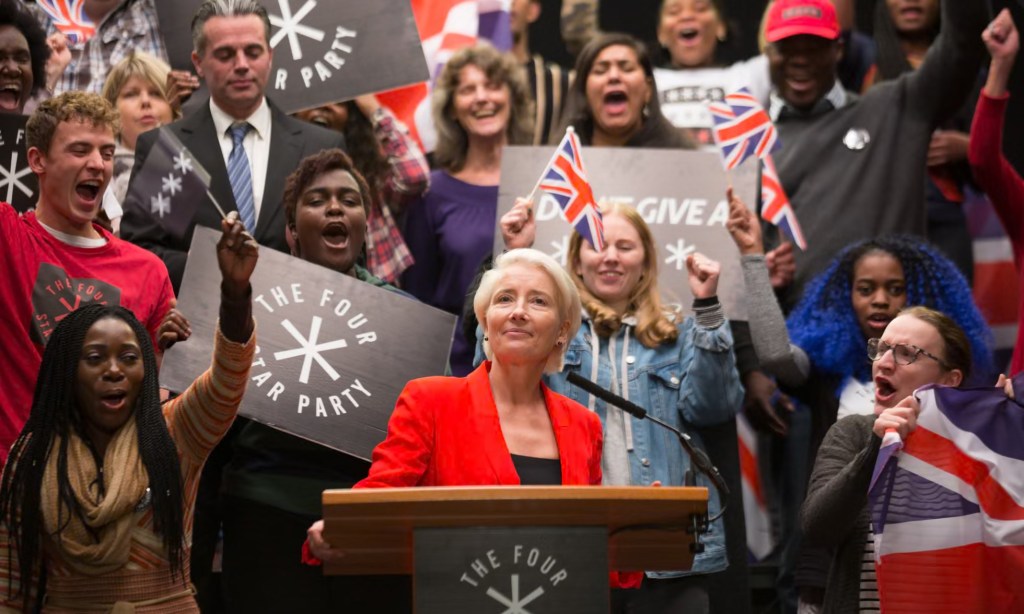
Vivienne Rook played by Emma Thompson . The smiling pr face of Reform Sarah Pochin and the real deal Farage and Widecombe .

Meanwhile, protests against asylum seekers grow louder. Hotels are shutting, talk of “temporary camps” is surfacing, and once again Years and Years looks disturbingly accurate.

The truth is simple: Britain needs immigration. Since Brexit, we’ve been short of workers. And asylum seekers are not faceless statistics—they’re people fleeing torture, persecution, or death. Yes, a small minority will cause problems, but scapegoating the many for the sins of the few is cowardly politics.

And what do the hotel protests achieve? Nothing but anger. The Vile e image of men and woman wrapped in the St George’s Cross turning the English flag into a symbol of division.

A flag of our country we should be proud of . Not one used for racism .

Davies warned us about this too. Suppressing extreme voices doesn’t silence them—it pushes them underground, where they grow more dangerous. In Years and Years, those who should never have been jailed became martyrs. In real life, extremists are being elevated in exactly the same way.

Meanwhile, fear grips ordinary people. In London, as in most major towns, there are streets best avoided at night. That fear is oxygen for extremists.

We’re also hollowing out our culture. Hard-won expertise is being replaced with one-week certificates. People call themselves “experts” in trades and professions that once took years of graft. We let them.

And we celebrate the wrong things. We tell ourselves we want a country built on skills, morals, and manners—yet we reward celebrity over substance. How can we build anything solid when voters shrug at lies, when eight-year-old girls aspire not to be nurses or teachers but the next Katie Price? If we don’t act, the rot will be ours to own.

Then there’s technology. Phones have become extensions of our bodies. AI is already replacing jobs. Humans risk becoming redundant in a world they created.

And celebrity still rules. We’ve already lived through the reality TV star who became President of the United States. His orange finger hovered over the nuclear button while he shouted, “You’re fired!” The laugh track is gone. The danger is real.

Davies even nailed the imagery: the “£1 T-shirt,” the slow creep of authoritarianism, the erosion of freedoms. Years and Years feels less like fiction with every passing headline.

Unless we wake up, unless we stop normalising dangerous rhetoric, it won’t be long before Farage—or someone worse—takes the helm. And then Years and Years will no longer be television. It will be our future.

https://www.netflix.com/gb/title/80219056

END Steven Smith contact Jane Compton or spman@btinternet.com

Categories
Columns Lifestyle People

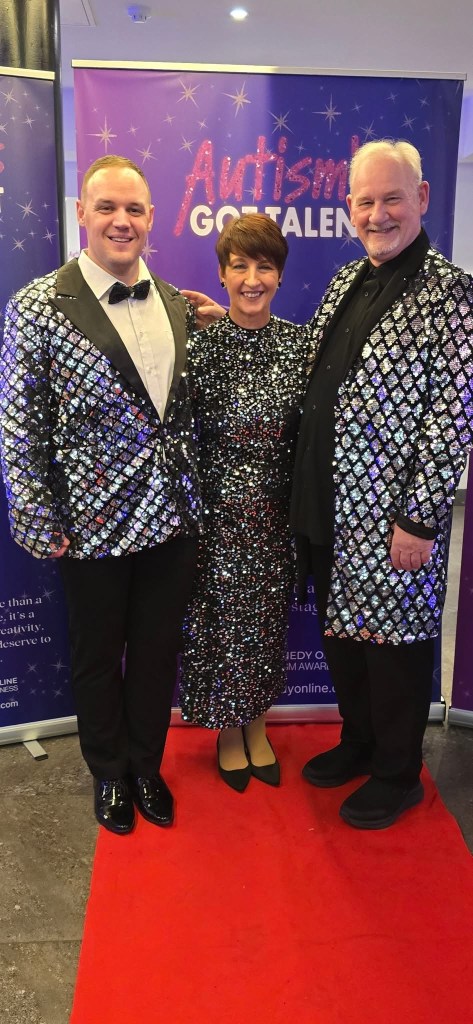
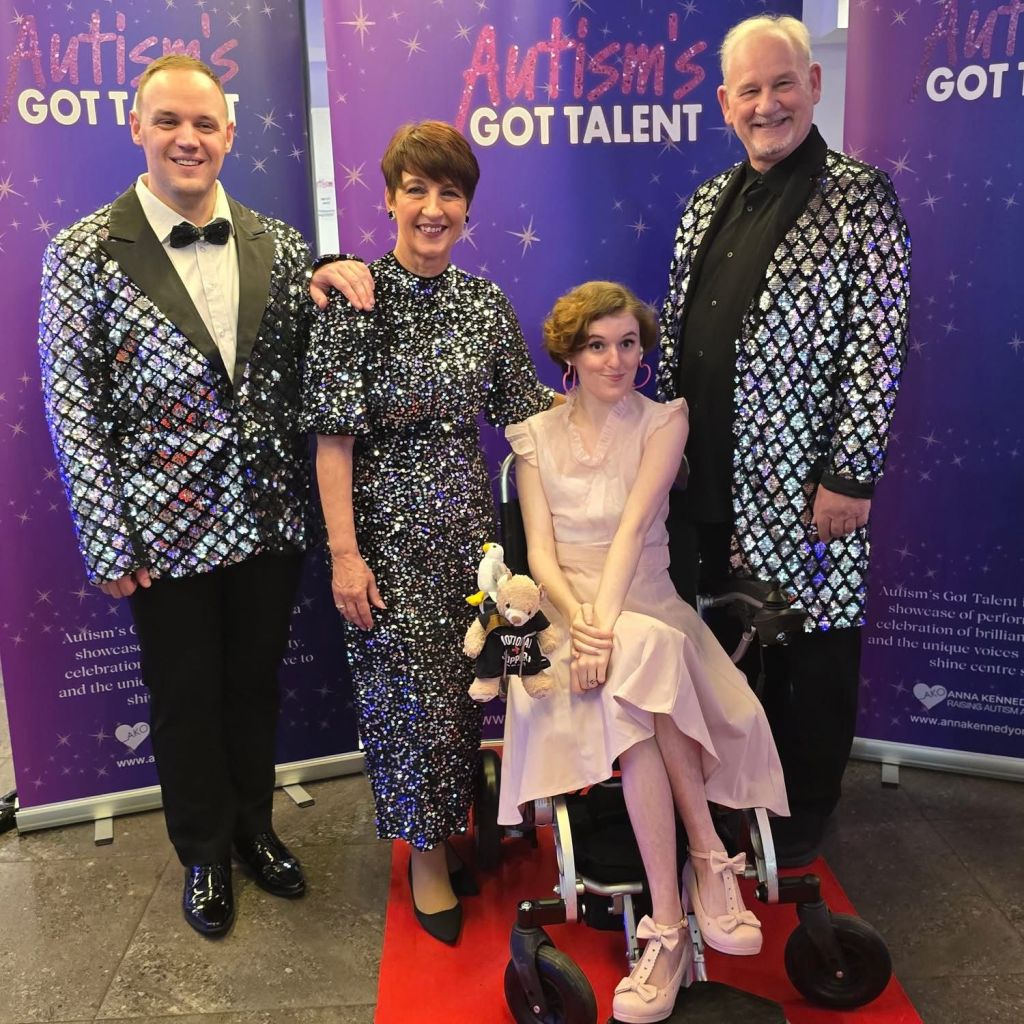
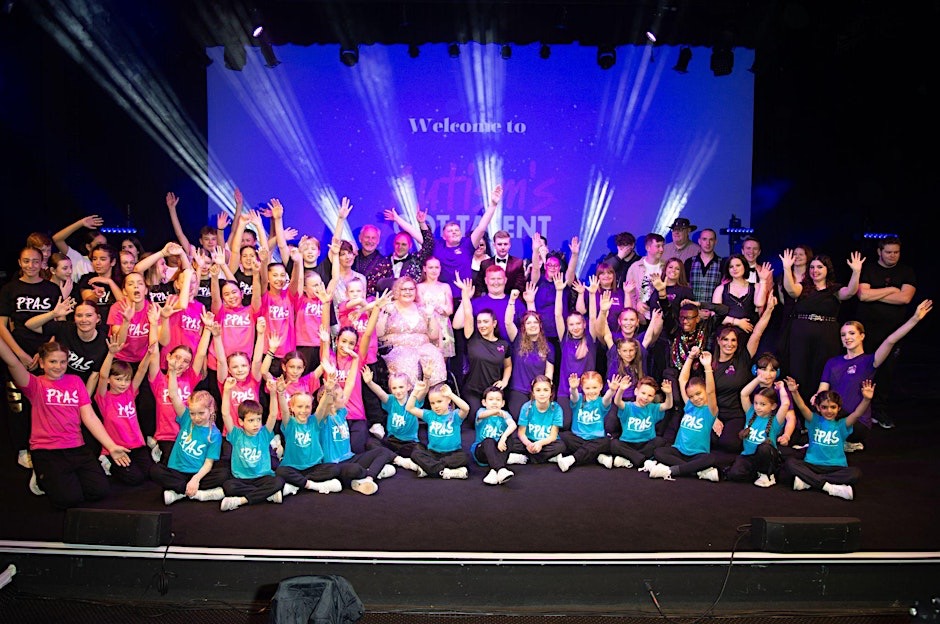
Anna Kennedy talks about bringing Autism’s Got talent to Whitley Bay.

Anna Kennedy talks about bringing Autism’s Got Talent to Whitley Bay.

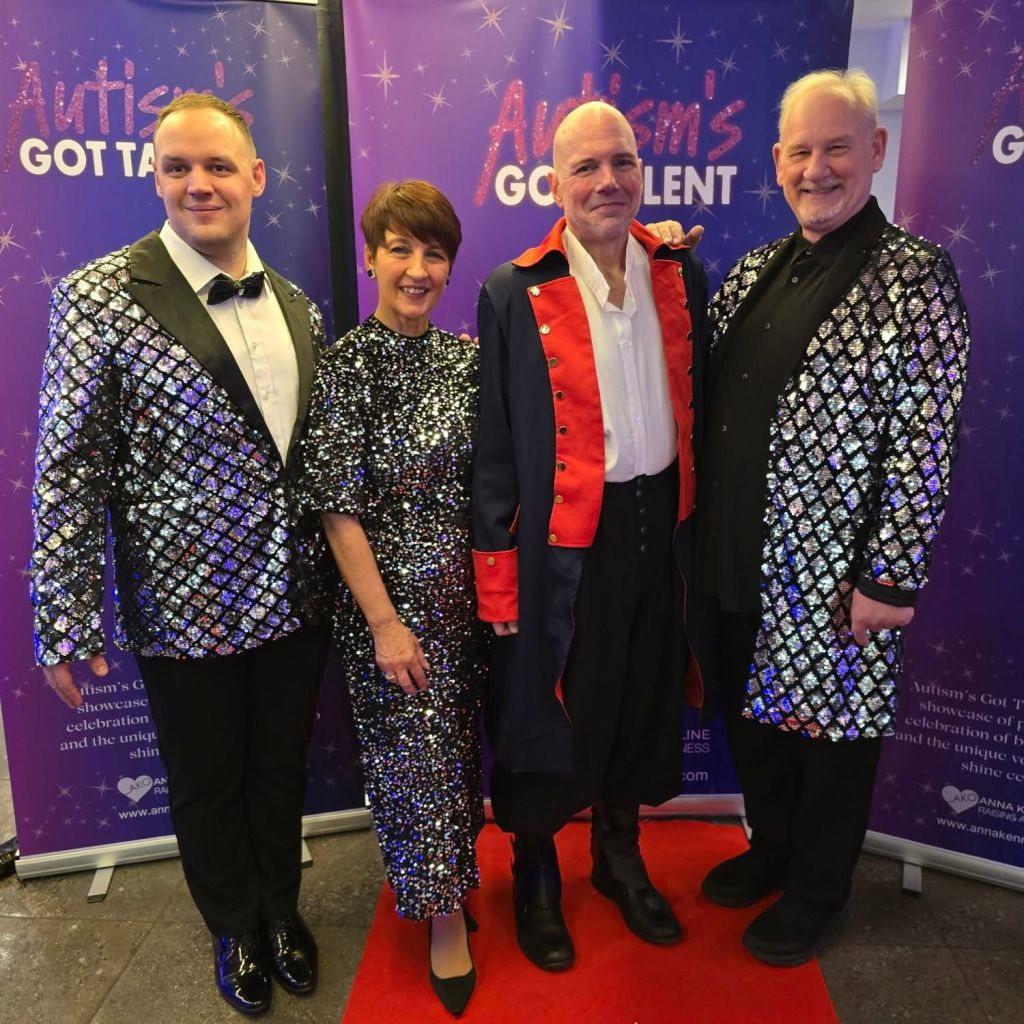
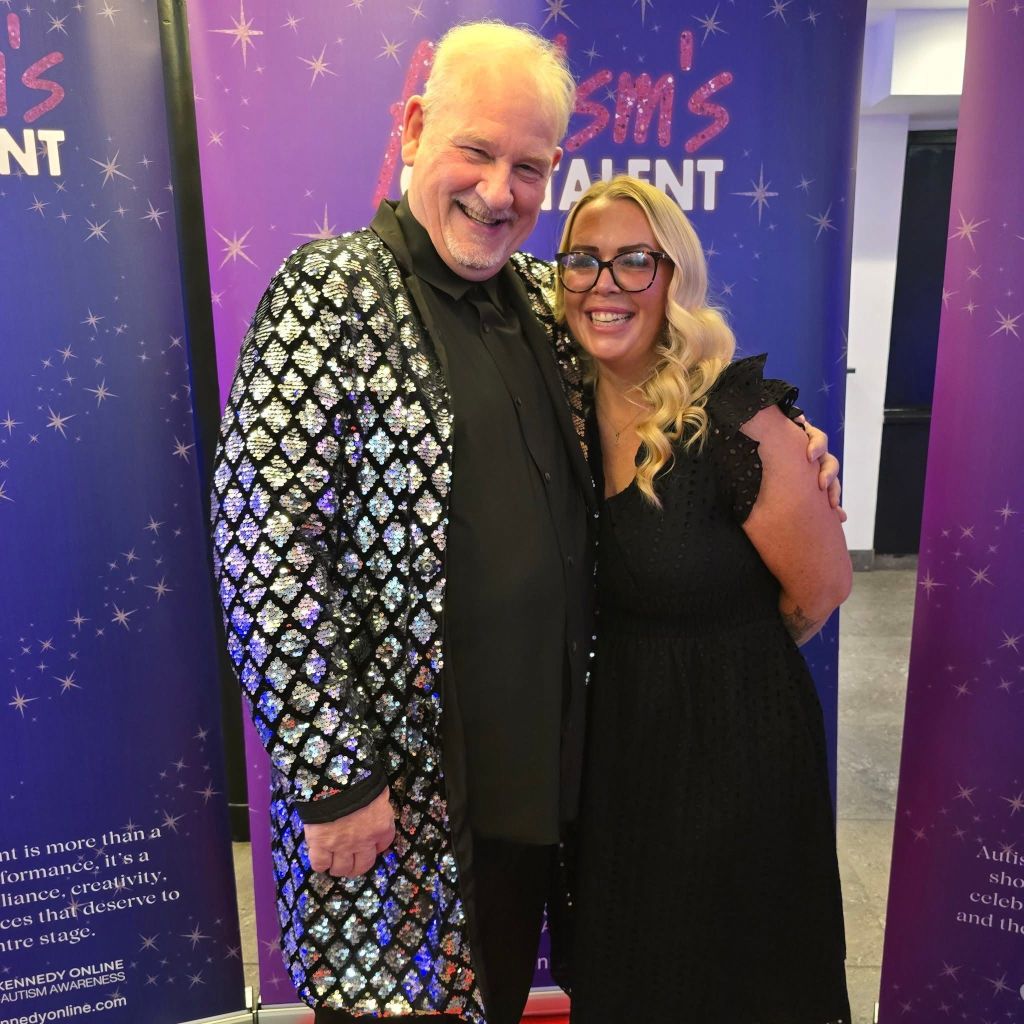
Picture Terry Scott. https://annakennedyonline.com/category/autisms-got-talent/

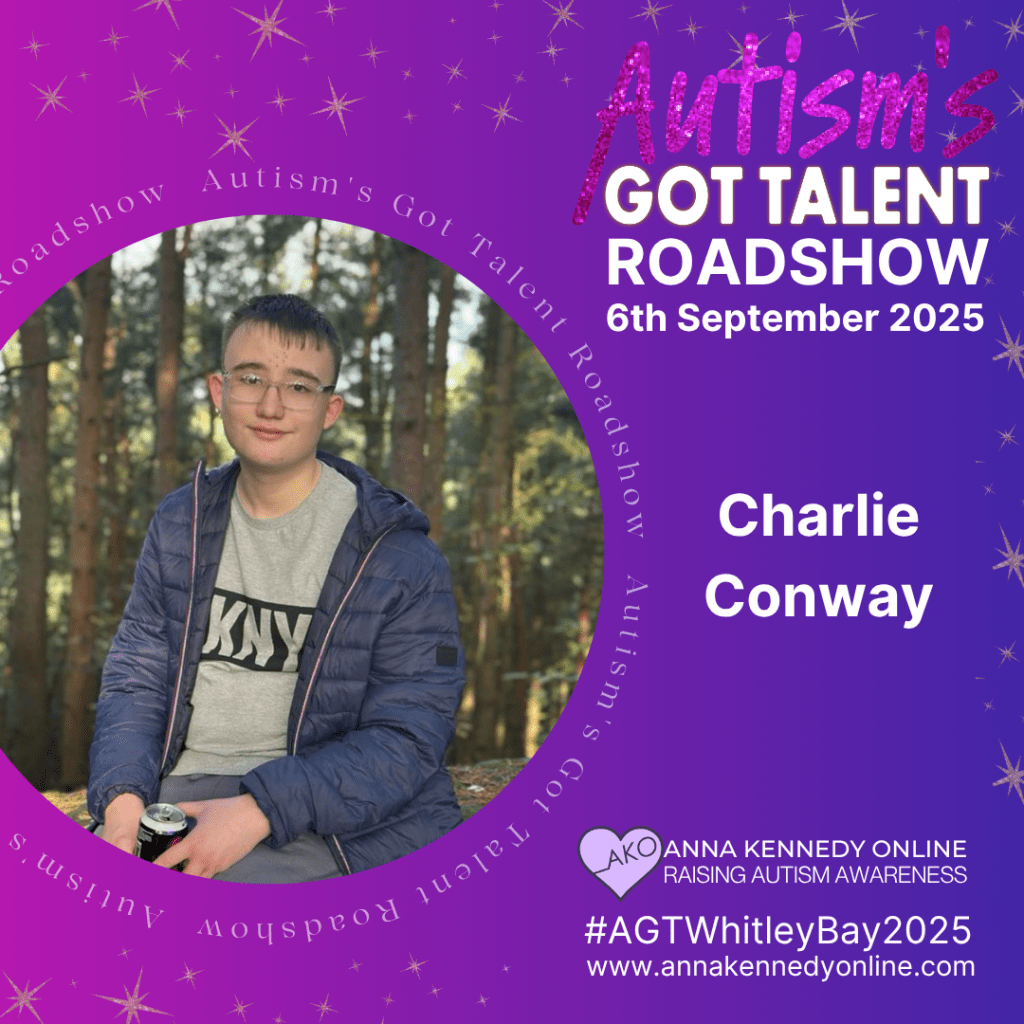
From London to the North East: Dr Anna Kennedy OBE brings her award-winning showcase of autistic talent to the Playhouse Theatre this September

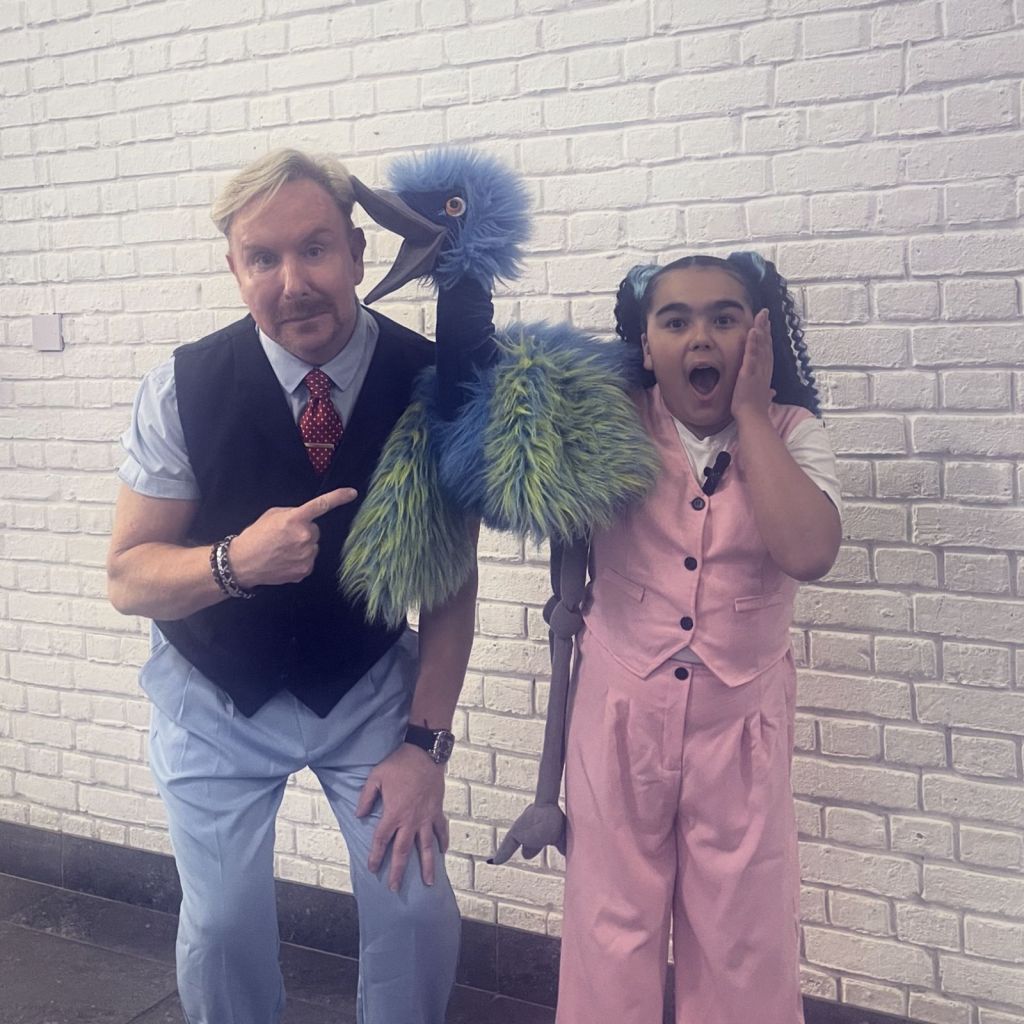
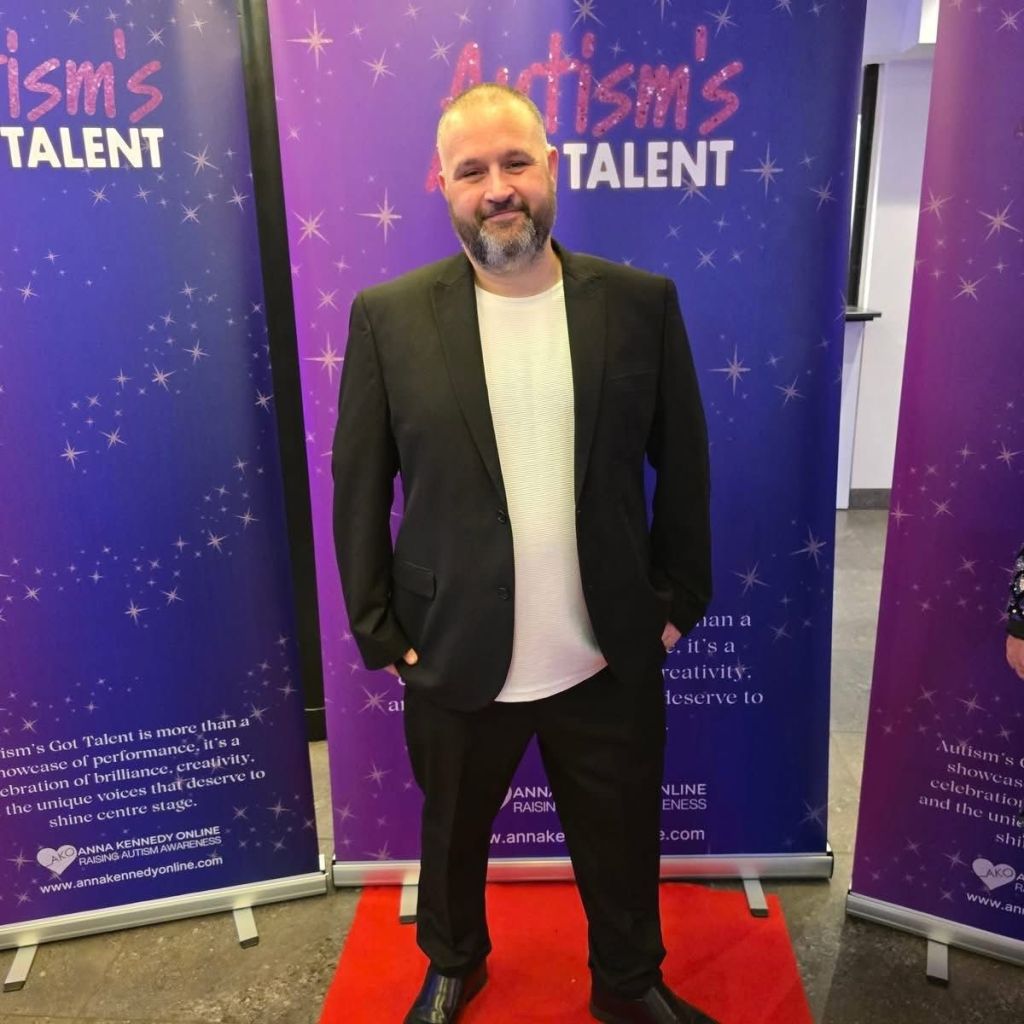
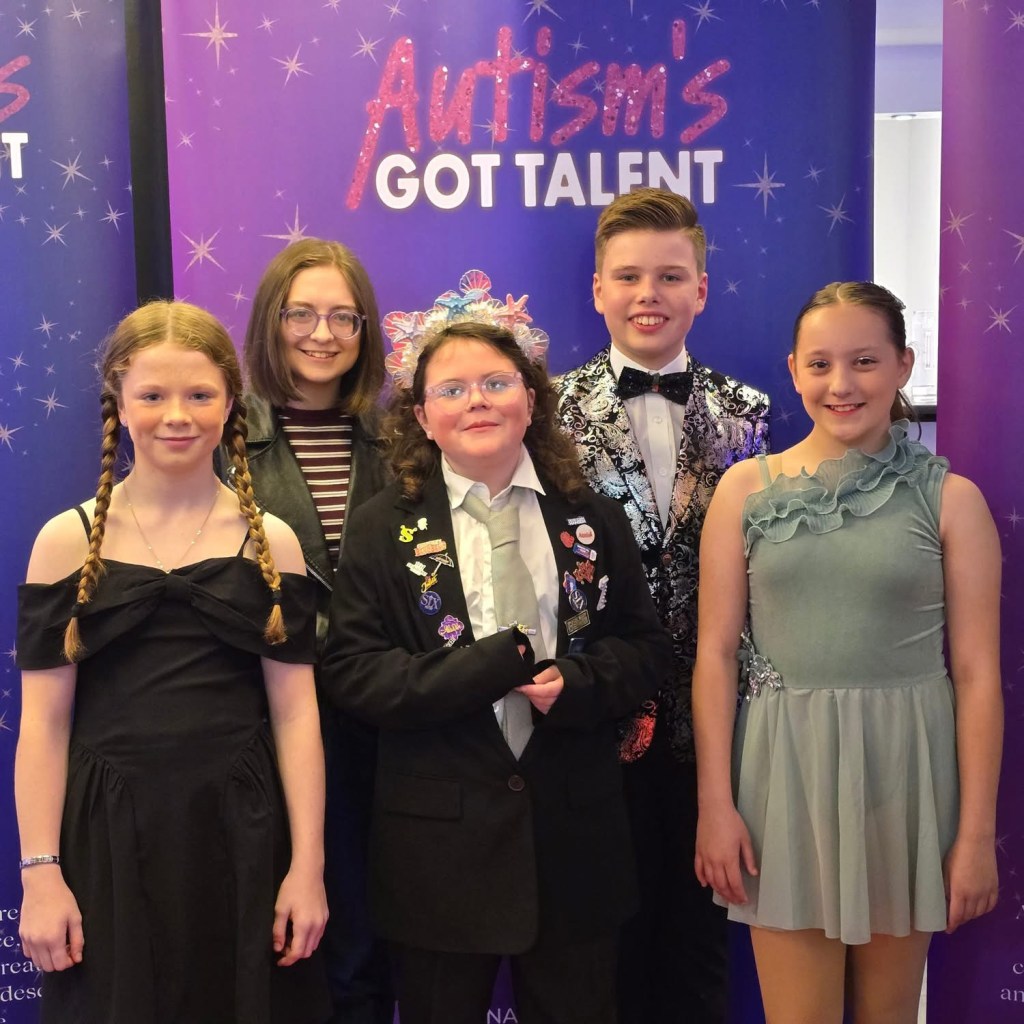
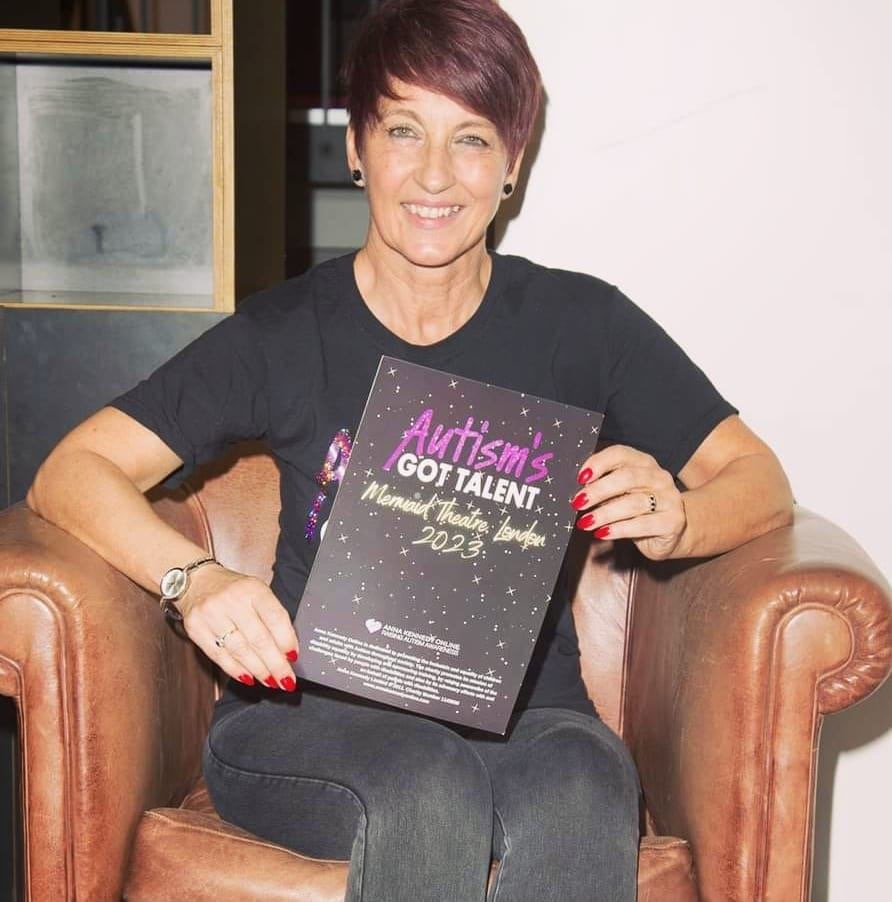
Whitley Bay Playhouse is set to welcome a spectacular event to the North East this autumn. On Saturday 6th September 2025, the award-winning showcase Autism’s Got Talent—founded by Dr Anna Kennedy OBE—will light up the stage in collaboration with Alisar Jane, founder of the True Colours Theatre CIO Foundation. Ahead of the event, Anna Kennedy shares her thoughts.

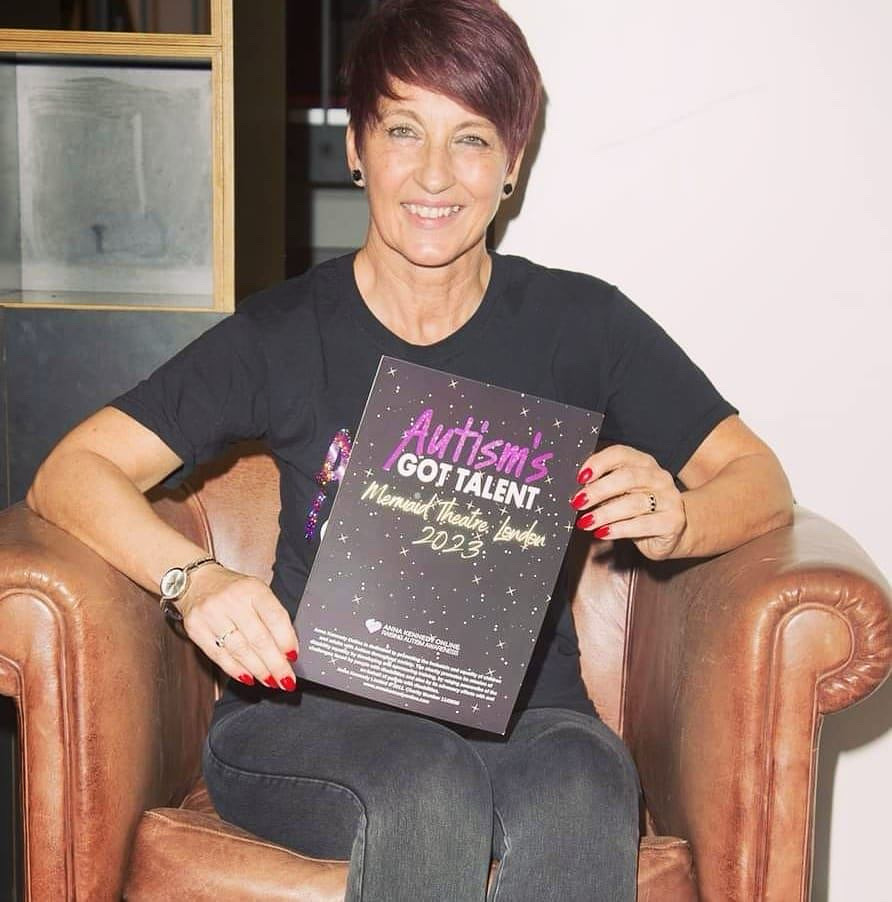
Autism’s Got talent at the Mermaid Theatre .

How did you come up with the idea for Autism’s Got Talent?
The idea grew out of my anti-bullying campaign “Give Us a Break”, which was created to support autistic children and adults. After the campaign, I began receiving videos from autistic individuals showcasing their talents—singers, dancers, poets, actors, magicians, and musicians. I realised there needed to be a platform to celebrate these abilities and challenge negative stereotypes. That’s how Autism’s Got Talent was born.

Are the judges ever critical, or is the focus on encouragement?
There are no judges—it isn’t a competition. Autism’s Got Talent is purely a showcase, shining a light on the talents of autistic children and adults, from the age of five upwards, with no upper age limit.

How many performers usually take part?
Each year, we usually select around 20 performers from across the UK and overseas.

Amongst the celebrity presenters and supporters actress Kacey Ainsworth .

The show has been a huge success in London, attracting performers from as far as the USA. Why did you choose Whitley Bay as a location for the event?
London is now in its 14th year of hosting Autism’s Got Talent. Over the years we’ve collaborated with many groups and charities nationwide, and I was particularly impressed by the work of Alisar Jane and her team at the True Colours Theatre Foundation in the North East. After visiting their theatre school, it felt like the perfect partnership, and Whitley Bay’s Playhouse Theatre was the ideal venue.

You also run the autism charity Anna Kennedy Online. In what ways does the charity support individuals and families?
Anna Kennedy Online is run by a dedicated team of volunteers. We support individuals and families in many ways—raising awareness and acceptance, providing free workshops and training, and offering practical advice. We also use our website and social media to share up-to-date information, news, and resources about autism and overlapping conditions.

Another of your flagship events is The Autism Hero Awards. How long has that been established?
The Autism Hero Awards is now in its 6th year. Nominations are currently open and will close in March 2026.

With the current government cutbacks, do you worry that people living with autism will be disproportionately affected?
Yes, I believe they will. I’ve spoken with many parents, carers, and autistic individuals who are very concerned. Organisations such as the National Autistic Society are warning that the cuts could increase poverty and social isolation, as people risk losing access to essential financial support, healthcare, and community services.

You are originally from the North. What inspired your move down South?
Both my husband Sean and I were born in Middlesbrough. We’ve lived in London for almost 40 years now. Sean moved first to study at a West London university, and I followed a couple of weeks later—we didn’t want to be apart!

What can audiences expect from Autism’s Got Talent in Whitley Bay?
They can expect a magical evening, filled with extraordinary performances from autistic children and adults. The Playhouse Theatre will come alive with music, dance, poetry, comedy, and more. It’s a celebration of talent, positivity, and community spirit—we cannot wait to share it with Whitley Bay!

END . 

https://www.playhousewhitleybay.co.uk/events/autisms-got-talent/

https://annakennedyonline.com/category/autisms-got-talent/

Categories
Columns Health and Fitness Lifestyle Travel Uncategorized

A Dream in Saussignac

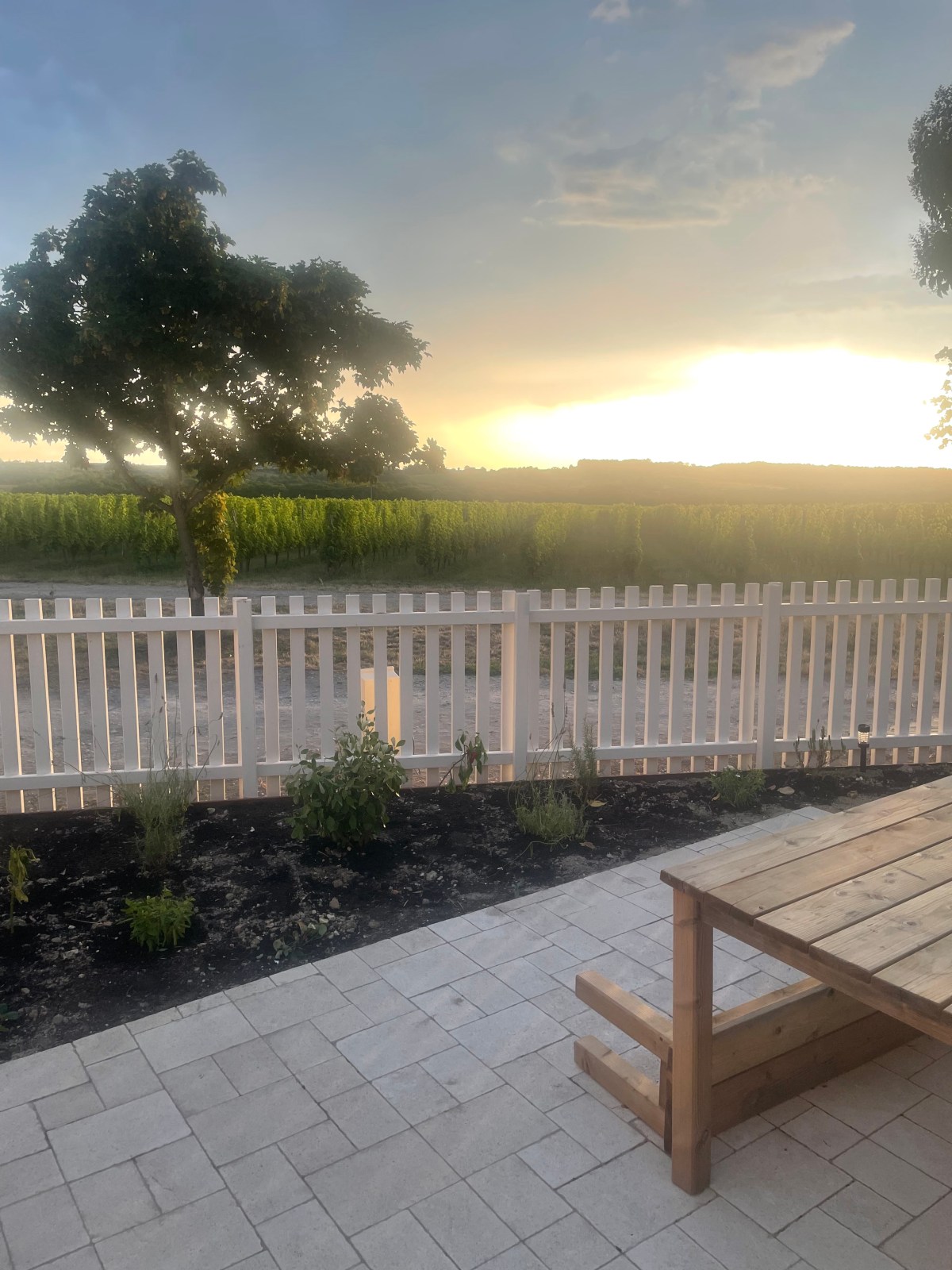
Celebrating my best pals birthday was just a dream.

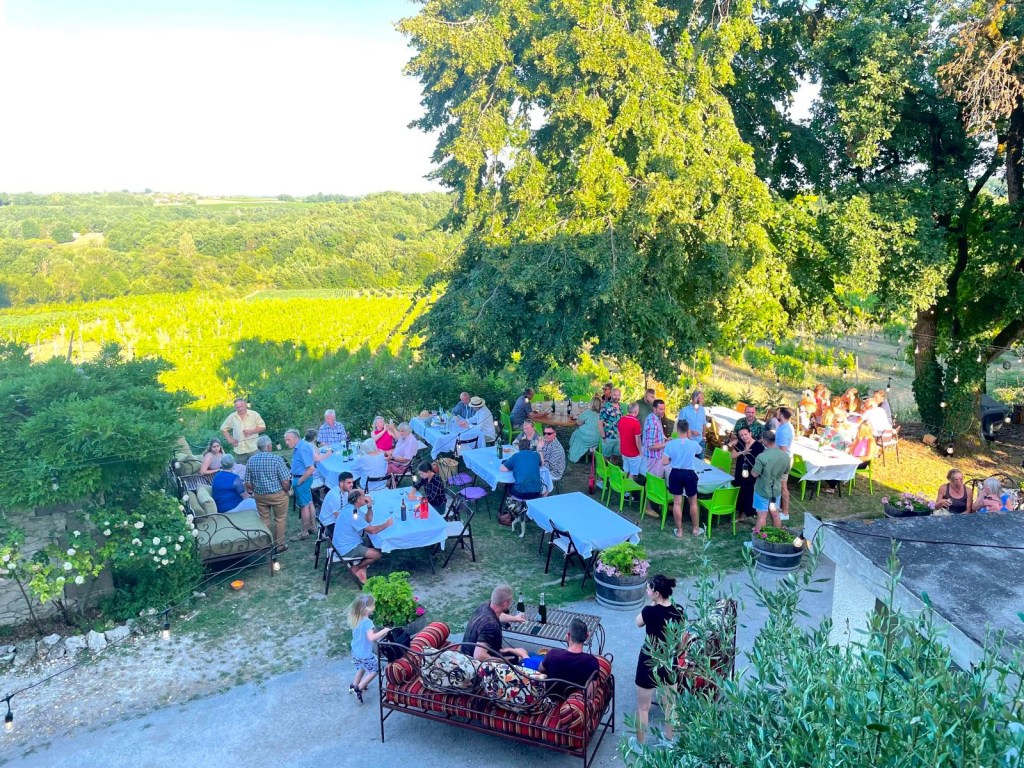
My best pals birthday in superb surroundings .

France’s Dordogne is no stranger to charm, but this tiny wine-soaked village might just be its best-kept secret

By Steven Smith

Five days in a southwest French village left me sun-warmed, wine-softened, and wondering how I’d lived this long without knowing Saussignac existed. This is rural France at its most painterly — all rolling vineyards, candlelit dinners, and the slow thrum of a life well-lived.

The Birthday That Changed Everything

When my best friend invited me away for her birthday, I braced for Dubai. Maybe Ibiza. Somewhere loud and expensive, where my idea of a lie-in would be drowned out by basslines and foam cannons.

Instead, she said, “Saussignac.”

The name meant nothing to me — until an artist friend described it as “wines of the gods, food like nectar, and a village so pretty it could be in a Merchant Ivory film.” He added, with a wink, “Some hotels feel like art galleries — all taste, style, and warmth.”

Two weeks later, we were landing at Bergerac Airport, a dinky 1960s gem that could double as a film set. In 10 minutes, we were in the hire car. In 20, we were in another world.

“Darling, you don’t do anything there. You immerse yourself in beauty.”

First Glimpse of a Slower Life

The drive was a moving painting: rolling vineyards, fields of wildflowers, terracotta-tiled farmhouses unchanged for centuries. Every curve of the road offered a new gasp-worthy view.

My Secret Sanctuary

While the rest of the party checked into the lively hub of the village, I chose a private B&B run by Dutch hostess Ingrid Leenders.

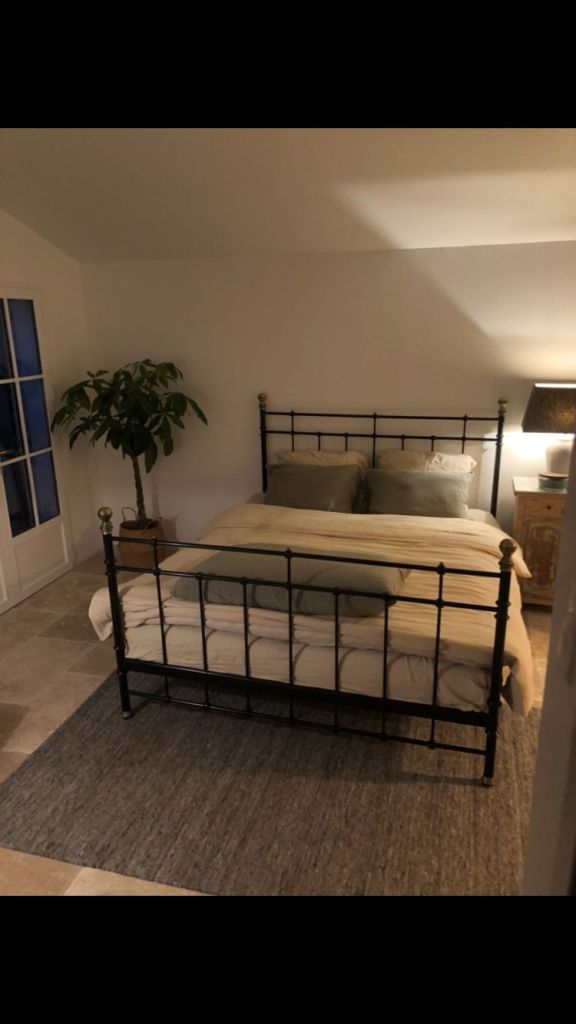
Her place is a pocket of peace: rustic gardens, a tiled pool, and rooms with open-plan bathrooms (romantics, take note). No TV, but strong Wi-Fi, a coffee machine, and a small fridge. Each morning at seven sharp, breakfast appeared — fresh bread, cheeses, eggs, and orange juice.

Ingrid herself? A doll. Always ready with tips, and never in the way.

📧 Bookingsingridleenders@outlook.com
📱 WhatsApp: +31 622 796 060

The Social Set: Le 1500

Meanwhile, my friends took over Le 1500, a 12th-century building transformed into a boutique haven by retired businessman-turned-artist 58 year old Michael F. Rumsby and his husband, Lee McNeal.

Every room is a curated mix of antiques and art. A history room and library invite slow afternoons. Outside, the walled garden hides a pool, bar, and dining terrace that in summer becomes an event space — open-air films, long-table dinners, and the infamous Bad Boys Burger Night.

🌐 Websitewww.le1500.rocks

Le 1500

Saussignac on a Plate

Our first evening was spent at Mélange, a family-run restaurant with stone walls, castle views, and a menu that changes weekly. Owners Melanie and Charlie are culinary magicians — especially for those of us with “difficult” diets. My pescatarian self and vegan friends were both spoiled.

🌐 Websitemélange.fr

The Dream Venue

If I ever marry, it will be at Château Lestevenie.

Owners Petrie and Jaco, both South Africans trained in the Stellenbosch winelands, host Summer Soirées so perfect they feel scripted: live jazz, vineyard sunsets, and rotating menus of Mexican, Indian, and French cuisine — all paired with their own sparkling Lestevenie Brut.

🌐 Websitechateaulestevenie.com

https://chateaulestevenie.com/our-story/

Wine with a View

Just a short stroll from the village, Château Fayolle offers 130 acres of vines and woodland, plus terrace lunches that must be pre-ordered.

Wine here is history: since 1254, Saussignac and Bergerac bottles have graced Europe’s finest tables. Today, owners Frank and Riki Campbell are taking it global.

🌐 Websitechateaufayolle.com

A Golfer’s French Fantasy

Some in our group opted for Château des Vigiers — a blend of fairways, fine dining, and château glamour between Bergerac and Saint-Émilion. It’s home to a championship golf course, a Michelin-starred restaurant, and a choice between historic suites or sleek relais rooms.

🌐 Websitevigiers.com

An Unexpected Spice Hit

In Bergerac, we found Jardin de Kashmir — hands down the best Indian restaurant I’ve ever eaten at. Flavours deep enough to make you close your eyes.

🌐 Websitekashmirbergerac.fr

Living the Slow Life

Saussignac isn’t about ticking off sights. It’s about strolling past shuttered stone houses, tasting wine under vine-laced terraces, and lingering until the sky blushes.

Bring a car — taxis are rare and expensive. Pre-book meals and flag any dietary quirks in advance. And then? Let the place work its quiet magic.

“By the end of the week my body was lighter, my mind calmer, my soul recharged.”

If You Go

Best time to visit: May–September for warm evenings and vineyard events.
Getting there: British Airways (London City) and Ryanair (Stansted) fly direct to Bergerac. Car hire essential.
Don’t miss: Mélange for dinner, Château Lestevenie’s Summer Soirée, Château Fayolle’s terrace lunch.
Pack for: Lazy afternoons, lingering dinners, and the urge to never leave.

END

Categories
Health and Fitness Lifestyle People Uncategorized

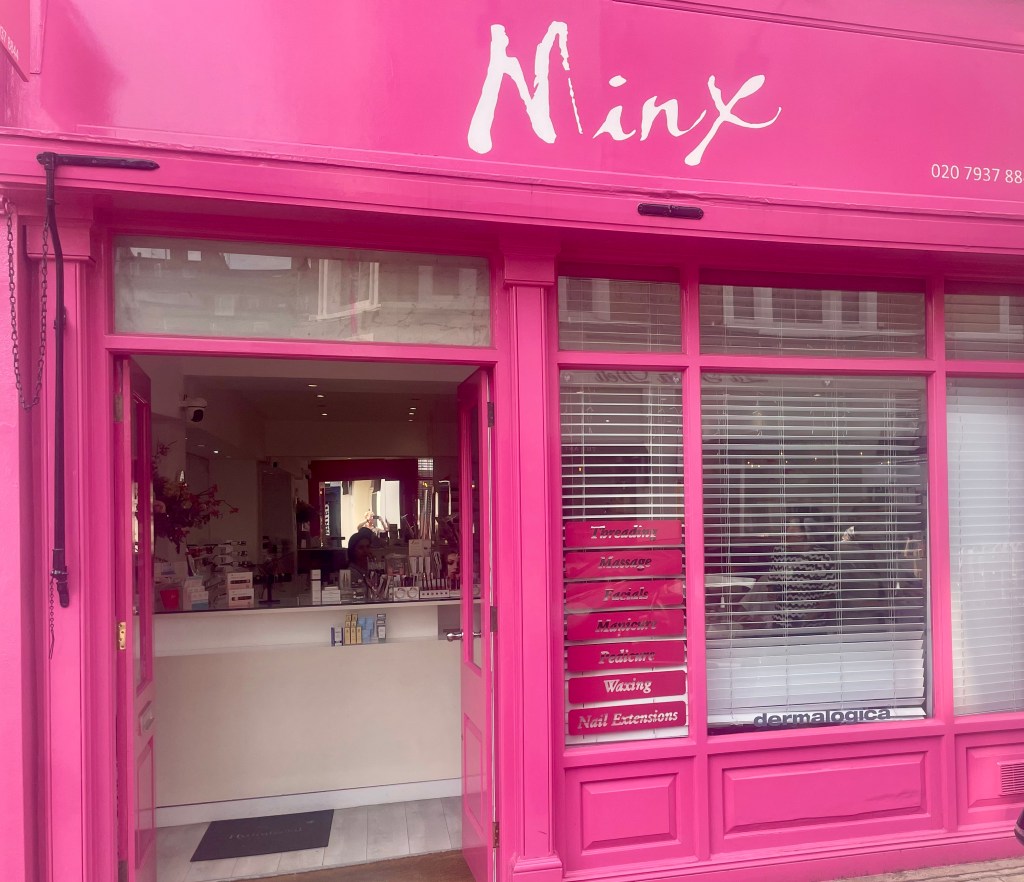
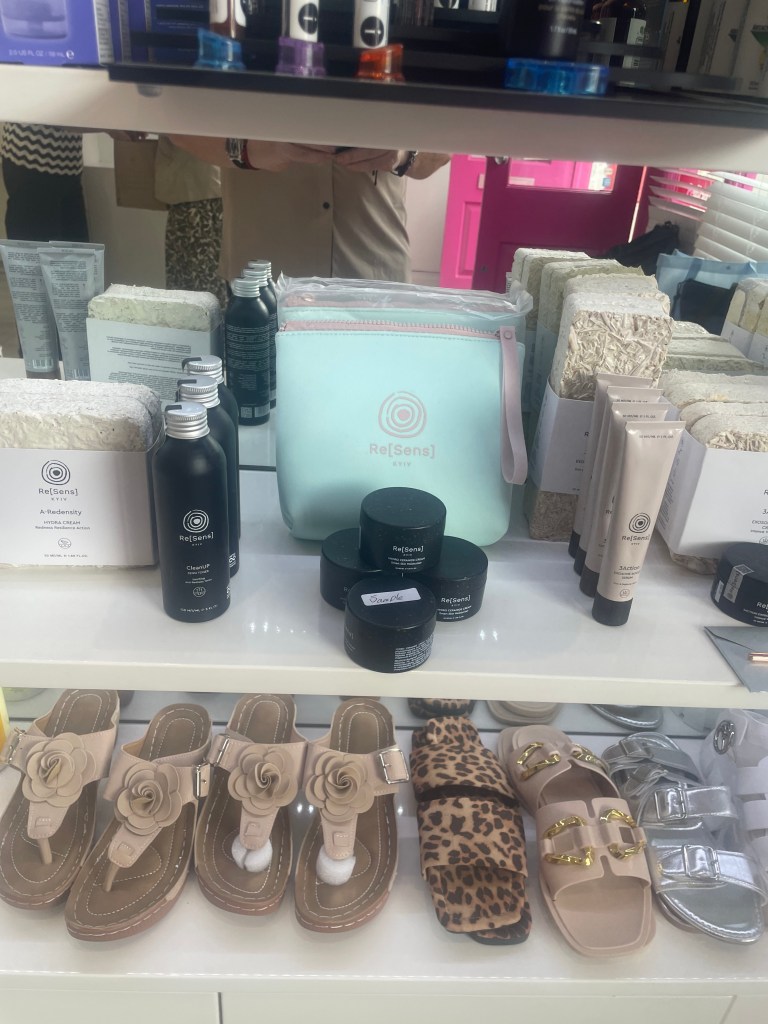
Re[Sens] Skincare Arrives at MINX: Kensington’s Most Exclusive Beauty Destination

https://www.minxbeauty.com

Re[Sens] Skincare Arrives at MINX: Kensington’s Most Exclusive Beauty Destination

London, UK – [Date] – The secret to radiant, effortlessly flawless skin has arrived. Re[Sens], the disruptive luxury skincare brand adored by beauty insiders, is now available exclusively at MINX, the elegant beauty sanctuary in the heart of Kensington.

Blending science with indulgence, Re[Sens] was born from a singular vision: to correct the overlooked flaws in traditional skincare. Each formula is powered by a high-performance fusion of anti-inflammatory and anti-ageing actives, meticulously designed to neutralise harmful water—a hidden skin aggressor present in countless beauty routines. The result is skin that feels instantly soothed, deeply hydrated, and illuminated from within.

Already hailed by leading beauty editors, one signature product in the collection has earned the coveted label “better than Botox”—a testament to its transformative power.

For those with Celtic skin, prone to persistent redness and sensitivity, Re[Sens] is nothing short of revolutionary. Its formulas calm, balance, and even out tone in ways that foundation simply cannot, revealing a complexion that is naturally luminous and picture-perfect.

From silky serums for youthful and oily complexions to indulgent, peptide-rich creams for mature skin, every product in the range delivers measurable, visible results. The anti-ageing line in particular has gained a loyal following among high-profile clients. Television presenter and author Wendy Turner Webster credits the range with a remarkable improvement in her skin—so much so that she is often asked if she has had cosmetic treatments.

Wendy Turner Webster a huge fan of Re Sens

“We are delighted to bring Re[Sens] to MINX, a place that embodies sophistication, expertise, and excellence,” says a spokesperson for Re[Sens]. “The team’s dedication to personalised beauty experiences perfectly complements our mission to deliver skincare that doesn’t just promise results—it delivers them.”

https://resenss.com/en-eu?srsltid=AfmBOooKMX5xig0ly3WpReLSxx_9k7pMssjG-5OlbPUcpOYqAm2BUOwC

At MINX, the experience is as indulgent as the results. Kensington’s most discerning clientele can enjoy bespoke skincare consultations from expert therapists trained in the Re[Sens] philosophy. Every visit is a journey—one where clients leave not only with extraordinary products, but with the knowledge to transform their skincare routine forever.

This exclusive collaboration between Re[Sens] and MINX invites Londoners to indulge in the ultimate skincare luxury: scientifically perfected formulas, beautifully presented, and trusted by those who expect nothing less than exceptional.

Discover the difference at MINX, where beauty is not just enhanced—it is redefined.

For more information or to explore the complete Re[Sens] collection, visit:
🔗 MINX Beauty
🔗 Imagine You

Categories
Columns Lifestyle People

Is Everyone a Little Bit Racist? By Steven Smith

Avenue Q

Is everyone a little bit racist ?

In the wake of current events, 2Shades asks the question: “Is everyone unintentionally a little racist?” Are we, as a society, guilty of labelling others at a glance? Does our upbringing dictate our fear of those perceived as different? How can we move forward and ensure that everyone is seen — and treated — as equal?

These days, you can’t escape slogans like “Black Lives Matter” and “Trans Rights.” They’re everywhere — and it breaks my heart that we still need to say those words. We think of ourselves as a civilised society, yet some people still feel the need to proclaim that their lives have value. Even during the pandemic, crowds took to the streets, desperate to have their voices heard.


Strike at the Root

How, in 2025, do people still feel like their lives matter less? And why does anyone need reminding that a life matters? We all breathe the same air and wake up with similar hopes, dreams, and stresses. Why should anyone feel like others see them as lesser?

It’s time to ensure that future generations never need to be reminded of their worth. As with many serious issues, we must strike at the root. Since no one is born a racist, let’s teach children that we are all the same.

Racist — someone who believes that other races are inferior to their own and therefore treats them unfairly, discriminating against other races, religions, or anyone perceived to be part of a minority group.


Avenue Q and the Racist Song

About ten years ago, I was sitting in the notoriously uncomfortable Noël Coward Theatre — wondering if the Marquis de Sade had designed the seats for people under 5’2” who hadn’t eaten in weeks — waiting to see one of my guilty pleasures: Avenue Q. It’s a kind of adult puppet show that has me in stitches every time.

But there’s one song that makes me squirm: “Everyone’s a Little Bit Racist.”

Princeton, the puppet, asks Kate Monster, “You’re a monster, right? So are you related to Tricky Monster, my neighbour?” Horrified, Kate calls him out — and Princeton points out some of her own biases. Then they burst into song:

“Everyone’s a little bit racist sometimes…”

At first, I was indignant. “Don’t put me in that category!” I thought, leaving the theatre. Yet Kate Monster’s reaction hit a nerve. You wouldn’t believe how many times I’ve been asked if I know a certain gay person — just because I’m gay.


The Gay Book

At a wedding in Guernsey, a woman I’d never met ran up to me and blurted out, “I hear you’re gay! David from EastEnders is gay — do you know him?”

I replied, “No, but I’ll look him up in the gay book.”

Her eyes widened. “There’s a book?”

I assured her there was (she didn’t get the irony) and off she went to tell her friends — who seemed to find me fascinating purely because of my sexuality.

Was it ignorance, racism, homophobia, or just misguided curiosity? Either way, I felt uncomfortable — half-expecting a wicker man to be erected in the town square.

Yes, many people — even with good intentions — can be unintentionally racist or discriminatory. This subject is close to my heart, which is why I’ve hesitated to speak out. Take my beautiful best friend of ten years, Dee. Her incredible personality and talent struck me first — not the colour of her skin.


“This Is My Gay Friend”

My eyes roll when I hear someone say, “This is my gay friend.”

My friends aren’t defined by race, sexuality, or religion. They’re defined by loyalty, kindness, and character. That’s what I see in another human being.


The N Word

Race only becomes relevant when a friend opens up about painful experiences — like when, as a child, her white friend’s mother told her she wasn’t allowed to play with her anymore because she was a n——. She ran home in tears. Her mother gently said, “Sometimes people in this world aren’t very nice.”

Even as she told me this story, I could see from her eyes — from her posture — that the wound still hurt.


Statues and Cancel Culture

How do we fix things so that no child ever feels this way? Peaceful protest is one way — but let’s steer clear of mob mentality. Keep perspective.

Churchill, Gandhi, and other historic figures were undeniably racist by today’s standards. But judging them solely by modern values brings little progress. Where do we draw the line?

If a statue needs to come down due to proven atrocities, let’s campaign — legally and collectively — for its removal. Not through vigilantism.

I’m also unsure we’re achieving anything by banning old TV shows. These are cultural artefacts — uncomfortable, yes, but historically significant.

When I heard Fawlty Towers’ “The Germans” had been banned, it felt like the final straw. Little Britain is apparently gone too.


Racism Off the Scale

If you want to see truly racist shows, look at the 1970s — Alf GarnettGeorge and Mildred, or Not on Your Nellie. In one episode, Hylda Baker asks a Black policeman for directions, then says, “You won’t know, you’re not from here either.”

Benny Hill was rife with misogyny, homophobia, and racism — yet celebrated in the US. Even the Carry On films were full of it. Bo’ Selecta! was criticised by Trisha Goddard, though Mel B and Craig David participated. And White Chicks, where two Black men disguise themselves as white women, is still one of my favourites.

Trying to erase the past is futile. By all means, campaign — but let’s make democratic decisions, not let the loudest voices dictate.


“All Lives Matter” — But You’re Missing the Point

Yes, all lives do matter — but that’s not the point. It’s not that Black lives matter more — it’s that they haven’t mattered enough. Imagine seeing images implying your ancestors’ lives were worthless. How would you feel?


Foundations of Prejudice

Let’s not pretend racism only comes from white people. It exists in every race. So let’s examine the root causes.

It starts with children. Schoolbooks shouldn’t include just one token non-white character. Representation should be equal and authentic. Let’s integrate, educate, and explore our complex past while teaching why things must change.


Redheads

Growing up in 1970s Scotland, there were no children of colour in my school. But I still stood out — red hair, Scottish accent. I was different. I was bullied.

Even today, redheads are mocked. I’ve explained that redheads often have more sensitive skin — and even educated people look puzzled.

Katie Hopkins once said, “There’s nothing worse than a ginger boy in younger years.” Hateful. Nasty.

Me at 63 but back in school being a red head got be bullied ,

Your Correspondent

We may not be born racist, but it’s a poisonous lesson many absorb early. My dad hated the Welsh. He’d tell stories about a man who stole his army uniform and say, “Never trust them.” Yet he adored Katherine Jenkins. His views were racist, misogynistic, and homophobic — but typical of his time.


Enoch Powell

At family gatherings, kindly grandmothers would say things like, “I don’t mind the coloureds, as long as they don’t move in next door — it brings down the property value.”

A friend’s mum once declared, “Enoch Powell had the right idea.”
His Rivers of Blood speech still echoes in some circles.

We must teach our children that judging or bullying others is never acceptable. We may come from different heritages, but we are one people.


Grace Jones and Harlem

My musical influences included Diana Ross, Nina Simone, and Ella Fitzgerald. Moving to London, I encountered other cultures — clubbing at places like The Embassy and Bangs Adams, dancing to Grace Jones and Sister Sledge. To me, dark skin was beautiful.

In New York, I was warned not to go to “Black neighbourhoods.” Why? “They’re dangerous.” That attitude is the problem. I went anyway.

Harlem in the ’70s was vibrant, full of life. But segregation — fuelled by fear — persists.


My early musical influences Diana Ross , Nina Simone , Sister Sledge

Hair

One good thing about the US: to become a licensed hairdresser, you must learn to style all hair types. Not so in the UK, where separate salons still exist for Black and white clients.

I’ve shown up to jobs where actresses looked horrified. One woman said, “No offence, honey, but no white boy’s touching my weave.”

She loved it in the end. The UK could learn a lot from America on this front.


Dee and Me

Dee and I are often mistaken for a couple. We’re not. But we’ve faced attitude — from both Black and white people — even in cosmopolitan London.

At a Caribbean funeral, I was twice asked to park cars. One man said, “Easy mistake. You all look the same.”

Harlem 1970

Conclusion

Racism is learned — and it’s everywhere. Real change won’t come from reactive outbursts. It starts with education. It starts with talking, not shouting.

Let’s stop teaching kids that some people are worth less. Let’s support organisations like Diversity Role Models, which go into schools and promote inclusivity.

Sometimes I wonder — if Earth were attacked by aliens, would we finally unite?
Looking at today’s governments, I doubt it. After all, they can’t even agree on how to fight a virus.


Contact Steven at: spman@btinternet.com

Categories
Columns Lifestyle People Uncategorized

Steven’s Viewz

Yes — Steven’s Viewz is back, and this month’s edition is bursting with variety, insight, and just the right dose of controversy! As always, Steven brings his unique voice and unfiltered perspective to the table, tackling topics that range from the deeply thought-provoking to the wonderfully unexpected.

This issue explores everything from equality in marriage — reminding us how far we’ve come and how far we still have to go — to the growing interest in magic mushrooms and their potential benefits in mental health treatment. It’s bold, it’s current, and it’s never afraid to ask the uncomfortable questions.

Farage and the Marriage Debate

Laure Ferrari with Nigel charming lady .

If you’re wondering whether the Reform Party under Nigel Farage might take a stance against the LGBTQ+ community, you may not have to look very far. A closer glance at Farage’s voting record reveals that he once voted against same-sex marriage—a move that speaks volumes about his social and political outlook.

This position seems somewhat ironic, given Farage’s own colourful marital history. Having been through two failed marriages himself, one might imagine he’d be a little more open-minded—or at the very least, more humble—when it comes to other people’s right to marry. Love, after all, comes in many forms, and marriage is a deeply personal choice that should be available to all consenting adults, regardless of gender or sexual orientation.

I had the chance to meet Farage briefly once, and I’ll say this: his current partner, Laure Ferrari, is a charming and intelligent woman. But perhaps Farage would be better served reflecting on his own relationship history before trying to legislate who can and cannot get married. A man who has struggled to sustain long-term commitments might want to tread lightly before denying others the right to even try.

If Farage is basing his stance on traditional or biblical values—as he often implies—then perhaps he should revisit those same values in the mirror. The Bible, after all, says a great deal about humility, compassion, and loving thy neighbour—principles that seem to get conveniently overlooked in his rhetoric. Selective morality has never made for good leadership, and voters are waking up to that.

Farage often touts his children as a source of pride, and no doubt he is a dedicated father. One of his children is an outspoken supporter of Donald Trump, which tells you a great deal about the household dynamic and political leanings. That said, it’s good to hear that despite having had testicular cancer, he’s clearly not firing blanks.

Isabelle Farage did an internship in Washington DC

While loyalty to family is admirable, it doesn’t excuse positions that marginalise entire communities or strip people of their rights in the name of so-called tradition. It’s worth asking: what kind of future does the Reform Party really envision? A society where love is judged and legislated? Where equality is rationed out depending on who fits into a narrow, outdated mould? The UK has made great strides in LGBTQ+ rights, and going backwards is not what people want—or need.

In the end, Farage’s views on marriage may say more about him than they do about society at large. Rather than acting as the moral gatekeeper, perhaps it’s time he looked inward and asked himself why love between two people—regardless of gender—should ever be up for debate.

Love is love. And no politician, no matter how many headlines they chase, should have the power to decide otherwise.

https://www.testicularcanceruk.com

Erin Patterson mushroom murderer .

I think it’s safe to say that no one will be rushing to give Erin Patterson — the so-called “mushroom murderer” — a job in the prison kitchen anytime soon. The tragic case has cast a long shadow over what has always seemed like a fairly harmless food.

Come to think of it, all my wonderful vegan friends who create amazing mushroom-based dishes might find me double-checking what varieties they’re actually using from now on! Mushrooms truly are one of nature’s wonders — packed with nutrients, flavour, and even potential healing properties. In fact, magic mushrooms (when used in microdosing) are showing promising results in mental health treatments, including anxiety, PTSD, and depression.

However, not all mushrooms are safe. Some look similar to edible varieties but are highly toxic, even deadly. It’s always best to source mushrooms from trusted suppliers or foragers who are fully trained in identification.

Death Cap mushrooms .

Here are a few of the most dangerous mushrooms to avoid:

  • Death Cap (Amanita phalloides)
  • Destroying Angel (Amanita virosa)
  • Funeral Bell (Galerina marginata)
  • Deadly Webcap (Cortinarius rubellus)
  • Panther Cap (Amanita pantherina)
  • False Morel (Gyromitra esculenta)

Mushrooms can nourish or kill — respect is key.

Driving me mad

Let’s make one thing clear: this is not a rant about women drivers. That said, there’s one male driver left such an impression that part of my heart still feels stranded in the Cotswolds — I’ve no idea how I survived that journey.

Now, one friend, bless her, assured me she had an advanced driving licence. This was just as we found ourselves parked in the central reservation, waiting for the next juggernaut to thunder past or into us I was gasping for air. “If I take the wrong one, it can be miles before I can turn back,” she said calmly — completely puzzled by my look of terror.

With the number of high-profile motorway deaths recently, I think I’m fully justified in being a back-seat driver. One friend drove with a small dog on her lap, a slurpy drink in one hand, and then decided it was the perfect time to apply lipstick. She seemed genuinely shocked when I wanted to get out of the car.

Taking a call while holding the phone in one hand should absolutely be illegal — and yet, some of my lady friends seem to do it as if it’s second nature. Zero awareness. Zero empathy.

One particularly playful argument — when I declined a Greggs coffee in favour of a Starbucks ” How can you afford that your broke ” — nearly ended in disaster, as the car narrowly missed a truck. When I instinctively threw my hands up onto the dashboard, I got snapped at: “That’s their fault — and if you keep doing that, you can get out!”

Apparently I’m the difficult one. But when we finally reached one friend’s house, her daughter-in-law took one look at me and said, “How did you survive that? It’s a suicide mission waiting to happen.”

Another friend got a ticket (thankfully not while I was in the car).

With drones now being used to catch drivers holding phones, drinks, or simply not holding the wheel — well, I say: bring it on!

Happily Ever After

The gorgeous couple Mel B and Rory McPhee

It’s lovely to finally see some heartwarming news in the papers for a change! Scary Spice herself — the fabulous Mel B — has officially tied the knot with her long-time partner, Rory McPhee. He’s a professional hairdresser, and from the photos, they both looked absolutely gorgeous on their big day. There was an effortless glamour about them, and Mel B radiated happiness.

After everything Mel has been through in her personal life, it’s refreshing to see her smiling, looking confident, and surrounded by love. The wedding seemed like something straight out of a modern-day fairytale — intimate, stylish, and full of joy. I really hope that, just like in the stories, this marks the beginning of a “happily ever after” for the couple.

It’s easy to forget that celebrities are real people, with real hopes, heartbreaks, and dreams. Mel has always been a bold, outspoken figure, and her resilience over the years is truly inspiring. Seeing her find love again is a reminder that there’s always hope — no matter what life throws at us.

Here’s to new beginnings, lasting happiness, and a bit of Spice Girls sparkle. Congratulations, Mel and Rory — wishing you a lifetime of love and laugher .

END

E-mail Steven at spman @btinternet.com

Categories
Columns Culture Lifestyle Poetry

The Pied Piper of Rock: Matty Healy Leads The 1975 Into Glastonbury History

Matt Healy the 1975 Glastonbury

When you tune in to watch The 1975 perform live, you’re not just listening to a concert—you’re boarding an electrifying emotional rollercoaster. From the first beat to the final bow, Matty Healy doesn’t just sing; he commands, provokes, and enchants. At Glastonbury, he led his band into the annals of festival history with a performance that was nothing short of spellbinding—part protest, part performance art, and all heart.

There’s no doubt that watching The 1975 live is like being caught in a storm of sound and sentiment. Healy, a vocal advocate for mental health awareness, brings his audience on a journey that often feels bipolar in nature—veering from euphoric highs to moments of raw, painful vulnerability. One moment, you’re leaping in unison with thousands, lost in the pulse of a synth-heavy anthem; the next, you’re hushed and still, listening as he declares, “I’m bleeding for you.” Behind him, haunting visuals flash—images of human suffering, environmental destruction, animal cruelty—reminding the audience that this isn’t just music, it’s a call to consciousness.

“It’s not about politics anymore,” Healy said mid-set. “It’s about love. It’s about being kind. Only with that will we ever make a real difference.” It’s these moments of candour that transform his concerts from simple entertainment into deeply moving communal experiences. In an industry where many shy away from difficult truths, Healy walks straight into them, arms wide open.

His onstage persona oscillates between bravado and vulnerability. “I’m the greatest poet,” he quips with a grin—only to retract with a shrug in the next breath, “No, I’m an idiot.” The line between jest and confession blurs. It’s this constant tension—between confidence and self-doubt, performance and honesty—that makes him so captivating. Matty Healy was born for the stage, but it’s his disbelief in his own myth that makes the myth so powerful.

Critics often compare him to rock legends—Jagger, Iggy Pop, maybe even Bowie—but the truth is, Healy defies easy classification. He’s original, carving out a space that feels entirely his own. Perhaps the closest parallel is Marc Bolan, who stunned a generation with “Ride a White Swan,” opening the doors for glam rock and gender fluid performance styles. Bolan didn’t just sing songs—he shaped culture. Healy is doing the same, one provocative, glittering, gut-punch of a show at a time.

Musically, The 1975 occupy a unique space in modern rock. Their sound is a kaleidoscope—one moment polished pop, the next raw post-punk, with forays into jazz, soul, and experimental electronica. Healy’s songwriting is equally diverse. At times playful and catchy, at others profound and searching, he writes like someone trying to make sense of the world in real time. His voice—distinctly androgynous—is now fully formed. It’s a sound that feels both masculine and feminine, emotionally expressive without relying on the grit or aggression often associated with male rock vocalists.

Unlike performers such as Eminem or Macklemore, who often lean on female vocalists to soften or elevate their songs, Healy’s voice stands entirely on its own. There’s no need for a counterbalance. His vocal tone is rich, resonant, and complete. If a perfectly dressed salad needed no extra dressing, then Healy’s voice is that seasoned dish—balanced, flavorful, and satisfying all on its own.

And while Matty Healy is the band’s lightning rod, The 1975 is far more than just one man. The musicianship within the group is extraordinary. Drummer George Daniel is a master of rhythm—an innovator whose work deserves to be ranked alongside legends like Keith Moon and Ginger Baker. His beats are not just background; they are the spine of every song. Then there’s saxophonist John Waugh, whose solos are so expressive and vital that it’s easy to imagine David Bowie himself swooping in to steal him for a side project. Guitarist Adam Hann is no less impressive, crafting intricate textures and soaring riffs that elevate every performance.

1975 Drummer George Danielles a drummer for the hall of fame .

Together, they’re a cohesive force, a band in the truest sense. At Glastonbury, they played not like hired hands or background musicians, but like brothers—a family bound by the music they make. It was Healy, of course, who brought them all together, and it is his vision that they continue to follow. But it’s the synergy of all four that gives the band its power.

The 1975

The Glastonbury crowd, thousands strong, didn’t just watch—they listened. When Healy pleaded with them to “be kind” and to “make a difference,” they responded not with cheers but with thoughtful silence, a stillness that only true impact can elicit. Few performers have that kind of power. It’s the rare ability to hush a festival crowd, not with volume but with vulnerability.

And already, there are imitators—artists scrambling to mimic his stage presence, his fashion, his lyrical style. We won’t name names—let’s be kind, as Healy would urge—but the influence is undeniable. The 1975 are not just leading; they’re redefining the genre.

As the final chords rang out into the Glastonbury night, one thing became clear: this was a moment that would be remembered. The band could have easily played for another hour, and no one would have left. But sometimes, leaving them wanting more is the mark of a true master. And Matty Healy, for all his self-doubt and sarcasm, is exactly that—a master performer, a cultural touchstone, and yes, perhaps the Pied Piper of modern rock.

The world will keep watching. The arenas will fill. And The 1975 will continue to evolve, to provoke, and to inspire. Glastonbury may be behind them, but their story is far from over.

END

Why The 1975 and Matty Healy Support LGBTQ+ Rights and Fund Them

In an era where performative allyship is all too common in pop culture, The 1975 have carved out a reputation for genuine advocacy—particularly when it comes to LGBTQ+ rights. Fronted by the passionate and outspoken Matty Healy, the Manchester-based band not only vocalizes support but backs it with real action and funding.

Healy and his bandmates—George Daniels, Adam Hann, and Ross MacDonald—aren’t just a group with a large LGBTQ+ following; they’ve actively embraced and empowered the community. Their hit “Loving Someone” has become something of a modern gay anthem, resonating deeply with queer fans for its themes of identity, love, and resistance to conformity.

But their commitment goes well beyond lyrics. In a tangible display of support, The 1975 donated £16,000 to help create an LGBTQ+ centre in London—a meaningful contribution aimed at fostering safe spaces and community resources. As Healy himself said, “You might wonder why this is needed and ask what exactly everyone is still scared of, but sadly stigma still exists.” It’s clear he understands the ongoing challenges faced by LGBTQ+ individuals and refuses to remain silent.

Healy’s activism isn’t just about charity—it’s also about calling out injustices. At the BRIT Awards, he used his platform to highlight misogyny in the music industry, quoting journalist Laura Snapes to critique the double standards applied to male and female artists. This kind of intersectional awareness is why his advocacy rings true.

Part of Healy’s inclusive worldview stems from his upbringing. With a gay icon for a mother—actress Denise Welch—and a father known for playing drag characters on TV, he grew up immersed in queer culture. Labels never mattered in his household, and that open-mindedness clearly carries into both his personal life and public platform.

What truly sets The 1975 apart, though, is how authentic and accessible they remain despite global fame. Backstage at a packed O2 concert, Healy was more concerned about making sure a guest had a drink than what he was going to wear on stage. That sincerity, that desire to connect rather than dominate, defines their relationship with fans—especially LGBTQ+ fans who have long searched for artists that don’t just exploit queer culture but stand alongside it.

In short, The 1975 aren’t just the band everyone’s talking about because of their catchy songs or chart success. They matter because they’re using their platform with genuine purpose—offering representation, safe spaces, and support for those who need it most.

Categories
Columns Lifestyle People Uncategorized

” I just love gay men “

“Fag Hag” – `’ ALL My Friends are Gay !!”

By Steven Smith

‘Fag hag’ or beard is a gay slang phrase referring to women who associate generally or exclusively with gay or bisexual men. But you knew that already, didn’t you?

Now, I hate labels of any kind, but when a woman tells me, “I love the gays,” my toes curl. Even my nephew, at thirteen, was smart enough not to fall for that one. “They’re just like everyone else—good and bad,” he shrewdly pointed out. It’s funny in Ab Fab when Edina blurts out, “All my friends are gay.” Oh, the irony.

However, women who proudly label themselves as fag hags often raise serious red flags. I’ve heard it too many times: “Other women just don’t get me, but you and the gay guys do.” This is usually followed by something about liking bad boys in bed. That’s nice for them. Me? I want to be liked for who I am—not for my sexuality or a label.

On my first visit to a gay club—New York’s Limelight—I noticed lots of model-type women dancing. My friend said, “They feel safe here. They can dance and not get hit on.” It wasn’t long before straight men caught onto this and started frequenting the more glamorous gay venues. One night, I was with a group of guys when a stunning girl approached and said, “So sad you’re all gay. I’d f*** the lot of you!”

A little voice piped up, “I’m straight.” It was my pal who, though he leads the way in gay fashion, is 100% straight. Many men have tried their luck with him—the lady and him were in a taxi home minutes later.

Elizabeth Taylor. Wowza.


She loved the company of gay men—from Rock Hudson to Tab Hunter and Montgomery Clift—calling them her confidants. Tallulah Bankhead, when she wasn’t famously trying to sleep with gay men, preferred their company too. Even Mary Queen of Scots liked to quote the pretty men.

As for me—I just like people. It just so happens many of my closest friends are women: glamorous, powerful, and fabulous. But none of them would call themselves fag hags. With them, I’m still the old-fashioned gent: opening doors, walking roadside on the pavement, even pulling out chairs. Though some of these women try to lead while dancing—and pull out my chair instead.

Despite having my picture taken for a dating site, I’m no further along in love. One of my rocks, Liz Branson, is on the phone from her New York office. She splits her time between there, Dubai, and London.

“Have you done it?” she asks. Trying to change the subject, I ask when she’s next in London. There’s a pause.

“You haven’t,” she snaps, irritated. Then she barks: “Jo Allen’s. Tuesday. 9:30.” She doesn’t wait to see if I’m free—and hangs up. Ten minutes later, she texts: “If you are free, can you book it?”

Liz is great fun—always right, obsessively so at times. That’s part of what makes her successful, alluring, and fascinating. She’s also always late, often with some story. The truth? It takes her half an hour to oil her body so it glistens. That’s just part of her prep to go out. Despite her brass balls in business and her ability to crush high-powered men, she still likes to be every inch the high-maintenance woman.

She’s my Grace—as in Will & Grace. But it’s a myth that all women “get” gay men just because they hang out with us. Even women who say, “I’m a gay man trapped in a woman’s body,” can be shockingly naive.

The brilliant Will and Grace

A long-time friend recently remarked, after a theatre visit, that I’d loved the show because it had five scantily dressed young men. As pretty as they were, they left me sexually cold. She must’ve missed the memo—none of my boyfriends have been under 40.

My best gay mate knows that the cast of Peaky Blinders or Colin Farrell gets my pulse racing. Teen boys? They’re like watching Dita Von Teese dance—entertaining, but that’s all. This same friend once asked, “Why would you want to give head rather than take?” Well…

Peaky Blinders Top Men

Liz, for the record, didn’t really know any gay men before me—aside from one man who lived with her as straight and came out later. I think she assumed we all came from the same mould. She even rushed into another relationship with a gay man who promptly took her to gay bars and more.

Personally, I think friendships should be mutual. I’m fine in straight bars, and when I do visit gay bars, it’s usually for dinner or an event. Once, Liz called whispering: “I’m on Clapham Common.” Thinking there was a concert, I asked what was on. “No,” she replied, “I’m cruising with— Have you done this?” I nearly screamed. That was a step too far. That relationship ended when the guy tried to seduce Liz’s then-husband.

It wasn’t the first time I heard of women going cruising with gay men. My former boss was in a Freedom cab once when the driver said he was dropping condoms off at Hampstead Heath. She piped up, “Oh, I’ve been there!” Her gay friends had taken her. This phenomenon passed me by. I don’t cruise—it’s scary. And as broad-minded as I am, why would you take a woman?

Anyway—Liz is late again. She’s texted multiple times, blaming an Uber driver, a lion escaping from Regent’s Park Zoo, and a fire at a local orphanage. But when she finally arrives, she looks spectacular, and the whole restaurant turns to stare. Liz waves, hair glossy, eyes sparkling.

She’s now vegan—though she was already a nightmare in restaurants. After sending an omelette back four times once, I took a photo of the “perfect” omelette and handed it to the waiter the next day. She wasn’t amused—but it was funny.

Back to the evening. Only one waiter and one chef resigned since she placed her order—kidding. I suggest popping to Tesco for the soya sauce she insists on. That goes down like a lead balloon, as usual. She has everyone fussing over her.

There’s the usual gossip: a gorgeous executive she went skinny dipping with in Dubai (amazing in bed—15 years younger—is that too much?). Then, yet again, she brings up Darryl, the best sex of her life, who turned out to be a complete asshole. I’ve heard about him 90 times.

The good thing about Liz—she’s no energy vampire. She wants to know about you. Unfortunately, she’s fixated on my love life. She thinks my best pal and I should be together. “Why aren’t you with someone?” she asks.

People often miss this: gay men can have purely platonic friendships with other gay men. Of course, I love my best mate—but I have no plans to marry him. I joke, “Fine. I’ll propose next week.” Liz screams and wants champagne—until I admit I’m joking. Her face falls (as much as it can, post-Botox).

We laugh, drink, and just when I think we’re winding down, Liz insists we head to Old Compton Street. “Why?” I ask. She loves G-A-Y, apparently. But my gut tells me she’s obsessing about finding me a fella. I suggest Radio Bar instead. Blank look.

There’s no queue at G-A-Y. Inside, Liz grabs a drink and immediately turns into Cilla Black, introducing me to random men. “Who do you like?” she shouts. I feel like a rabbit in the headlights. “I’ll be discreet,” she yells. “I’m all good, thanks,” I say, hugging her.

She dances with drag queens and shouts, “I’m a gay icon!” Naturally, they all agree. She’s no Madonna or Judy, but for one night—she was. It was actually quite sweet.

Flushed with her success, we head to Rupert Street to meet a friend. Her one-woman show goes down well there too. I brief her beforehand not to mention dating him. She thinks he’s too young, so I’m safe.

Then Liz starts chatting to the handsome doorman—who’s straight and married. He calls me over: “Why don’t you take your girlfriend somewhere she can meet a man?” I grin. “She wanted to come here—not me.”

Who says she couldn’t meet a man there? My sister had a holiday romance with a gay club manager in Key West. Another female friend married a bartender from a gay bar.

So, Liz and I are still happily single—but watch this space for more